
An Overview Of The Types Of Racks In a Warehouse
By Tom Seest
At RackingWorld, we help guide you through selecting warehouse storage systems and racking.
Be sure to read our other related stories at RackingWorld to learn more about warehouse storage systems.
What Are The Types Of Racks In a Warehouse?
When it comes to optimizing warehouse storage space, having the right racks in place is crucial. There are several types of racks that can be used in a warehouse to efficiently store and organize inventory. Here are some of the most common types of racks you may come across:
1. Pallet racks: Pallet racks are one of the most popular types of racks used in warehouses. They are designed to store palletized goods and come in various styles such as selective, drive-in, and push-back racks. Selective racks allow easy access to individual pallets, while drive-in racks maximize storage space by allowing forklifts to drive directly into the rack system.
2. Cantilever racks: Cantilever racks are ideal for storing long, bulky items such as lumber, pipes, and carpet rolls. They feature arms that extend from a vertical column, providing a clear span for loading and unloading goods. This type of rack is essential for businesses dealing with large and irregularly shaped inventory.
3. Carton flow racks: Carton flow racks are perfect for warehouses with a high volume of small to medium-sized items. These racks are designed with rollers or wheels that allow cartons to flow smoothly from the back of the rack to the front for easy picking and restocking. This type of rack is commonly used in fulfillment centers and pick-and-pack operations.
4. Drive-thru racks: Drive-thru racks are similar to drive-in racks but with the added convenience of access from both sides of the rack system. This allows forklifts to drive through the racks, making it easier to load and unload goods from either side. Drive-thru racks are perfect for warehouses with a high turnover of inventory.
5. Wire racks: Wire racks are lightweight and versatile storage solutions that are ideal for a variety of warehouse applications. They are often used to store large or bulky items that do not require the support of solid shelves. Wire racks are also popular in retail settings for displaying merchandise in an organized and accessible manner.
Having the right racks in place can significantly impact the efficiency and productivity of your warehouse operations. By investing in the right type of racks for your specific needs, you can maximize storage space, improve inventory management, and streamline workflow processes. Stay ahead of the competition by utilizing the latest rack systems that are tailored to meet your warehouse requirements.

What Are The Types Of Racks In a Warehouse?
What Are The Types Of Racks In a Warehouse?
- Pallet racks:
- Designed to store palletized goods.
- Styles include selective, drive-in, and push-back racks.
- Selective racks allow easy access, drive-in racks maximize storage space.
.
- Cantilever racks:
- Ideal for storing long, bulky items.
- Features arms that extend from a vertical column.
- Essential for businesses with large and irregularly shaped inventory.
.
- Carton flow racks:
- Perfect for high-volume small to medium-sized items.
- Designed with rollers or wheels for smooth flow of cartons.
- Commonly used in fulfillment centers and pick-and-pack operations.
.
- Drive-thru racks:
- Similar to drive-in racks, with access from both sides.
- Allows forklifts to drive through, making loading and unloading easier.
- Perfect for warehouses with high turnover of inventory.
.
- Wire racks:
- Lightweight and versatile storage solutions.
- Ideal for a variety of warehouse applications.
- Popular in retail settings for displaying merchandise.
.
- Having the right racks in place can significantly impact warehouse efficiency and productivity.
- Investing in the right type of racks can maximize storage space, improve inventory management, and streamline workflow processes.

What Are The Types Of Racks In a Warehouse?
Table Of Contents
- What Are The Types Of Racks In a Warehouse?
- What Are The Different Types Of Warehouse Racks?
- How Do Push-Back Racks Differ From Pallet Flow Racks?
- Why Are Warehouse Cantilever Racks Suitable for Storing Long Items?
- What Is The Purpose Of Drive-In Racks In a Warehouse?
- How Do Selective Warehouse Racks Help with Inventory Management?
- When Is It Necessary to Use Warehouse Double Deep Racks?
- What Are The Advantages Of Using Warehouse Mezzanine Racks?
- How Do Carton Flow Racks Improve Order Picking Efficiency?
- Why Should Warehouse Managers Consider Using Stackable Racks?
- What Safety Measures Should Be In Place When Using Rack Systems?
- How to Compare Warehouse Racking Types?
- What Are The Types Of Pallets In a Warehouse?
- Are There Industrial Racks for Warehouses?
- Are There Standard Warehouse Racking Requirements?
- Are There Warehouse Racking Layout Design Tools?
- What Are Common Warehouse Racking Safety Concerns?
- Are There Warehouse Racking Planner Tools?
- Conclusion
- Other Resources
- Glossary Of Terms
- Other Questions
- Checklist
What Are The Different Types Of Warehouse Racks?
When it comes to maximizing warehouse space and efficiency, choosing the right type of warehouse racks is crucial. There are several different types of warehouse racks that serve various purposes and are designed to accommodate different types of products.
One of the most common types of warehouse racks is selective pallet racks. These racks allow for easy access to each pallet, making picking and stocking operations more efficient. Selective pallet racks are ideal for warehouses with a high turnover of inventory and a wide variety of SKUs. With the rise of e-commerce and the demand for quick order fulfillment, selective pallet racks have become increasingly popular in the industry.
Another popular option is drive-in racks, which are designed for high-density storage. Drive-in racks are a great choice for warehouses that store large quantities of the same product. By allowing forklifts to drive directly into the rack system to retrieve and store pallets, drive-in racks maximize storage space and allow for quick access to inventory.
For warehouses that need to store long or bulky items, cantilever racks are the perfect solution. Cantilever racks feature arms that extend out from a vertical column, providing a sturdy platform for items such as lumber, pipes, or furniture. With the increase in demand for construction materials and home improvement products, cantilever racks have seen a surge in popularity in recent years.
In addition to these common types of warehouse racks, there are also specialized racks designed for specific industries or applications. For example, garment racks are designed to store and display clothing in retail warehouses, while drum racks are used to safely store and transport drums of chemicals or liquids in industrial settings.
With the ongoing supply chain disruptions caused by the COVID-19 pandemic, the importance of efficient warehouse storage solutions has never been more apparent. Warehouses are experiencing higher demand for storage space as businesses work to meet the increased demand for online shopping and home deliveries. Choosing the right type of warehouse racks can make a significant difference in how efficiently a warehouse operates and adapts to changing market conditions.
Selecting the right type of warehouse rack is essential for maximizing storage space, improving efficiency, and optimizing inventory management. Whether your warehouse needs selective pallet racks, drive-in racks, cantilever racks, or specialized racks, investing in the right storage solution can help your business stay ahead of the competition and thrive in today’s dynamic marketplace.

What Are The Different Types Of Warehouse Racks?
What Are The Different Types Of Warehouse Racks?
- Selective pallet racks allow for easy access to each pallet, making picking and stocking operations more efficient.
- Drive-in racks are designed for high-density storage, allowing for quick access to inventory.
- Cantilever racks are ideal for storing long or bulky items like lumber, pipes, or furniture.
- Specialized racks are available for specific industries, such as garment racks for retail warehouses and drum racks for industrial settings.
- The COVID-19 pandemic has highlighted the importance of efficient warehouse storage solutions.
- Choosing the right type of warehouse racks can significantly impact a warehouse’s efficiency and ability to adapt to changing market conditions.
- Investing in the right storage solution, whether it be selective pallet racks, drive-in racks, cantilever racks, or specialized racks, can help businesses stay ahead of the competition in today’s dynamic marketplace.

What Are The Different Types Of Warehouse Racks?
How Do Push-Back Racks Differ From Pallet Flow Racks?
Push-back racks and pallet flow racks are both popular choices for warehouses looking to maximize space and efficiency. While both systems offer advantages in terms of storage capacity and accessibility, there are key differences between the two that can make one more suitable for a specific application than the other.
One major difference between push-back racks and pallet flow racks is how they operate. Push-back racks utilize a Last-In, First-Out (LIFO) system, where pallets are stored on inclined rails and pushed back by new pallets as they are loaded, allowing for quick and easy access to the last pallet in the system. This makes push-back racks ideal for facilities with high turnover rates or perishable goods that need to be rotated frequently.
On the other hand, pallet flow racks use a First-In, First-Out (FIFO) system, where pallets are loaded onto rollers at the back of the rack and flow forward as older pallets are taken out. This system is ideal for warehouses with high volume items that need to be constantly replenished, as it ensures that the oldest inventory is always used first.
Another key difference between push-back racks and pallet flow racks is the level of visibility and accessibility they offer. Push-back racks allow for easy access to all levels of the rack, making it easier for workers to see and retrieve specific pallets. This can be especially useful in facilities where inventory is frequently changed or updated.
Pallet flow racks, on the other hand, offer a more automated system that can increase efficiency and reduce the risk of human error. With pallet flow racks, pallets automatically move forward as older inventory is removed, reducing the need for manual labor and streamlining the picking process.
The choice between push-back racks and pallet flow racks ultimately comes down to the specific needs and requirements of your warehouse. While push-back racks may be better suited for facilities with high turnover rates and perishable goods, pallet flow racks offer a more automated and efficient solution for high volume items that require constant replenishment. By carefully evaluating your inventory and operational needs, you can determine which system will help you maximize space and efficiency in your warehouse.

How Do Push-Back Racks Differ From Pallet Flow Racks?
How Do Push-Back Racks Differ From Pallet Flow Racks?
- Push-back racks and pallet flow racks are both popular choices for maximizing space and efficiency in warehouses.
- Push-back racks use a Last-In, First-Out (LIFO) system, ideal for facilities with high turnover or perishable goods.
- Pallet flow racks use a First-In, First-Out (FIFO) system, great for high volume items that need constant replenishment.
- Push-back racks offer easy access to all levels of the rack, ideal for facilities with changing inventory.
- Pallet flow racks provide a more automated system, reducing manual labor and streamlining the picking process.
- The choice between push-back racks and pallet flow racks depends on the specific needs and requirements of the warehouse.
- By evaluating inventory and operational needs, the most suitable system can be chosen to maximize space and efficiency.

How Do Push-Back Racks Differ From Pallet Flow Racks?
Why Are Warehouse Cantilever Racks Suitable for Storing Long Items?
Warehouse cantilever racks are the ideal solution for storing long items for a number of reasons. Firstly, their design allows for easy access to the items being stored, making it a more efficient and organized option compared to traditional shelving units. This accessibility is crucial in a fast-paced warehouse environment where time is of the essence.
Furthermore, warehouse cantilever racks are highly customizable, allowing businesses to tailor the storage solution to their specific needs. This means that they can be adjusted in height, width, and depth to accommodate items of varying sizes, making them a versatile choice for storing a range of long items such as lumber, pipes, and carpet rolls. This flexibility is invaluable for companies that need to maximize their storage space while also keeping their inventory easily accessible.
In addition, warehouse cantilever racks are designed to maximize vertical storage space, making them a space-efficient option for warehouses that have limited floor space. By utilizing the vertical space in a warehouse, businesses can store more items in a smaller footprint, ultimately increasing efficiency and reducing costs.
Moreover, the durability of warehouse cantilever racks makes them a long-lasting and reliable storage solution for businesses. Made from high-quality materials such as steel, these racks are designed to withstand heavy loads and frequent use, ensuring that they can withstand the rigors of a busy warehouse environment.
Overall, warehouse cantilever racks are a suitable option for storing long items due to their accessibility, customization options, space efficiency, and durability. By investing in these racks, businesses can optimize their storage space, improve efficiency, and ultimately save time and money in the long run.
Warehouse cantilever racks are a wise investment for businesses looking to streamline their warehouse operations and maximize their storage space. With their numerous benefits and versatile design, these racks are a practical and cost-effective solution for storing long items in a warehouse setting. Don’t miss out on the opportunity to improve your warehouse storage system – consider implementing warehouse cantilever racks today.

Why Are Warehouse Cantilever Racks Suitable for Storing Long Items?
Why Are Warehouse Cantilever Racks Suitable for Storing Long Items?
- Warehouse cantilever racks are ideal for storing long items due to their design allowing for easy access and organization.
- They are highly customizable, adjustable in height, width, and depth to accommodate various items.
- Cantilever racks maximize vertical storage space, making them space-efficient for warehouses with limited floor space.
- They are durable and made from high-quality materials like steel to withstand heavy loads and frequent use.
- Overall, cantilever racks offer accessibility, customization, space efficiency, and durability for storing long items.
- Businesses can optimize storage space, improve efficiency, and save time and money by investing in these racks.
- Consider implementing warehouse cantilever racks today to streamline warehouse operations and maximize storage space.

Why Are Warehouse Cantilever Racks Suitable for Storing Long Items?
What Is The Purpose Of Drive-In Racks In a Warehouse?
Drive-in racks play a crucial role in maximizing storage space and efficiency in a warehouse setting. These innovative storage solutions are designed to allow forklifts to drive directly into the racks to access pallets, eliminating the need for aisles between storage bays. This unique design can greatly increase storage capacity, making it an ideal choice for warehouses with limited space.
One of the primary purposes of drive-in racks is to maximize storage density. By eliminating aisles and utilizing vertical space, warehouses can store more inventory in the same amount of square footage. This is particularly beneficial for warehouses that need to store large quantities of the same product, such as food and beverage distributors or automotive parts suppliers. With drive-in racks, businesses can make the most of their available space and avoid the need to expand their facilities.
Additionally, drive-in racks can help streamline warehouse operations and improve overall efficiency. By allowing forklifts to access pallets directly from the racks, workers can quickly retrieve and store items without having to navigate through aisles. This can significantly reduce the time and labor required to move inventory, increasing productivity and reducing operating costs.
Furthermore, drive-in racks can enhance safety in the warehouse by reducing the risk of accidents caused by forklifts traveling through narrow aisles. By eliminating the need for aisles, these racks create a safer working environment for employees and minimize the potential for collisions or damage to inventory.
In today’s fast-paced business world, where e-commerce sales are booming and customer demand is higher than ever, warehouses need to operate at the highest level of efficiency. Drive-in racks offer a practical solution for businesses looking to optimize their storage space and improve operational performance.
The purpose of drive-in racks in a warehouse is clear: to maximize storage capacity, improve efficiency, and enhance safety. By investing in these innovative storage solutions, businesses can unlock the full potential of their warehouse space and streamline their operations for greater success in a competitive market.
References:
– “Drive-in Racks: A Guide to Warehouse Storage Solutions” by Jessica Lombardi, Warehouse Technology
– “How Drive-in Racks Can Benefit Your Warehouse Operations” by Alex Johnson, Supply Chain Management Review.
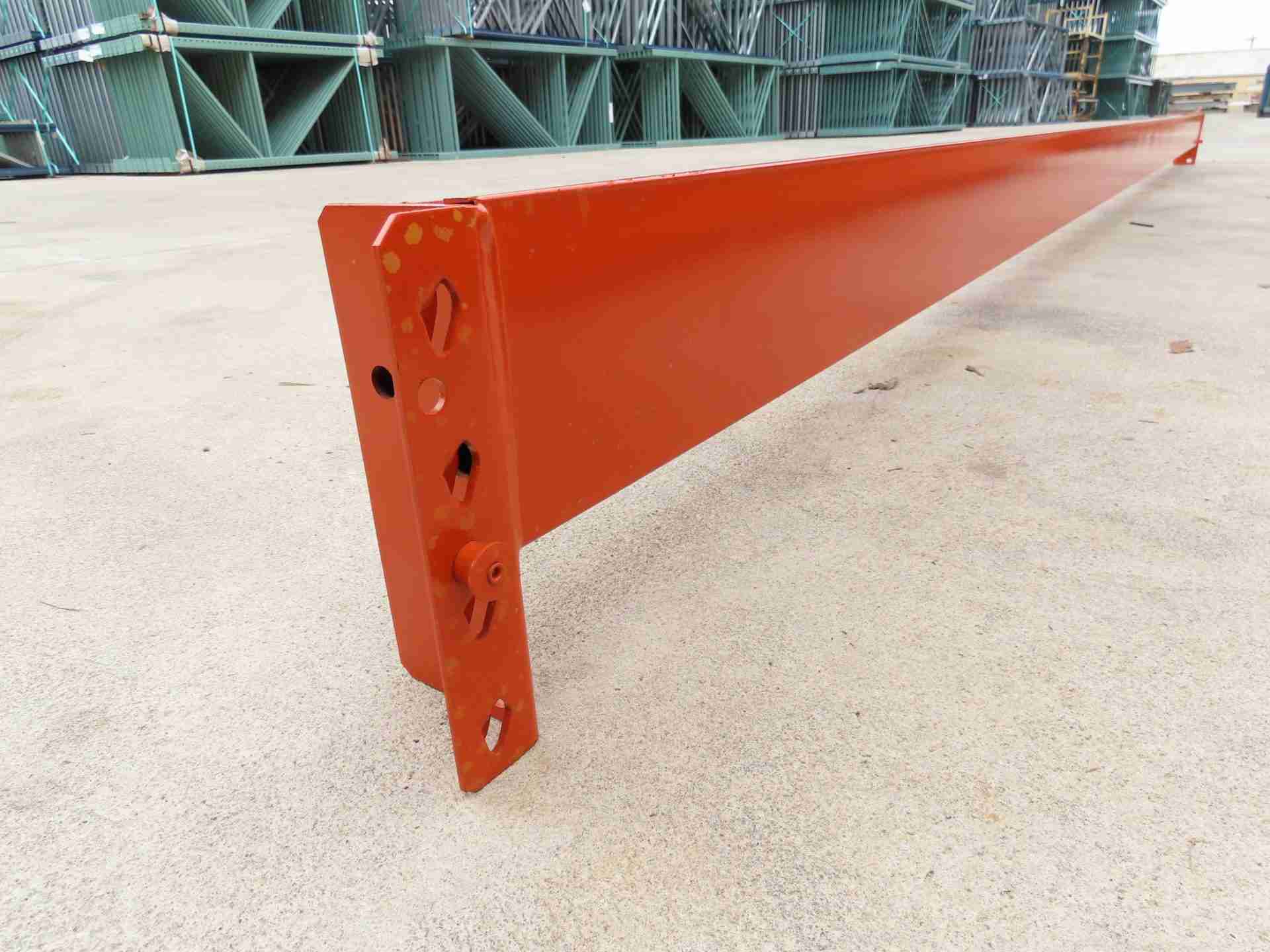
What Is The Purpose Of Drive-In Racks In a Warehouse?
What Is The Purpose Of Drive-In Racks In a Warehouse?
- Drive-in racks maximize storage space and efficiency in warehouses.
- These racks allow for forklifts to drive directly into the racks to access pallets.
- Drive-in racks eliminate the need for aisles between storage bays, increasing storage capacity.
- They are ideal for warehouses with limited space, helping to store more inventory.
- Drive-in racks can streamline operations, improve efficiency, and reduce costs.
- They enhance safety by reducing the risk of accidents in the warehouse.
- Drive-in racks help businesses optimize storage space and improve operational performance.

What Is The Purpose Of Drive-In Racks In a Warehouse?
How Do Selective Warehouse Racks Help with Inventory Management?
Selective warehouse racks play a crucial role in efficient inventory management, helping businesses streamline their operations and maximize their storage space. By incorporating selective warehouse racks into their warehouse layout, businesses can optimize their inventory storage and retrieval processes, reducing handling costs and improving overall productivity.
One of the key benefits of selective warehouse racks is their ability to maximize storage density while maintaining accessibility to each individual item. This is especially important for businesses with a wide range of products that require different storage solutions. With selective warehouse racks, businesses can easily organize and categorize their inventory, making it easier to locate specific items and reducing the risk of misplaced or lost goods.
For example, a retail store that carries clothing items in various sizes and colors can use selective warehouse racks to create designated storage spaces for each product category. With selective racks, employees can quickly locate and retrieve the specific items that customers are looking for, leading to faster order fulfillment and improved customer satisfaction.
Furthermore, selective warehouse racks can also help businesses optimize their picking and packing processes. By strategically placing high-demand items closer to the picking area, businesses can reduce the time it takes for employees to fulfill orders and minimize unnecessary movement within the warehouse. This not only increases productivity but also reduces the likelihood of errors and mispicks, ultimately saving businesses time and money.
In the current economic climate, efficient inventory management is more important than ever for businesses looking to stay competitive and adapt to changing consumer demands. With the rise of e-commerce and the increasing demand for fast and accurate order fulfillment, businesses need to invest in smart storage solutions like selective warehouse racks to meet the needs of their customers.
Selective warehouse racks play a crucial role in enhancing inventory management by optimizing storage space, improving accessibility, and streamlining picking and packing processes. With the right storage solutions in place, businesses can effectively manage their inventory, reduce operational costs, and stay ahead of the competition in today’s fast-paced market. Don’t miss out on the opportunity to revolutionize your warehouse operations with selective warehouse racks – your bottom line will thank you.

How Do Selective Warehouse Racks Help with Inventory Management?
How Do Selective Warehouse Racks Help with Inventory Management?
- Selective warehouse racks are crucial for efficient inventory management.
- They help maximize storage space and optimize storage and retrieval processes.
- They can maximize storage density while maintaining accessibility to each item.
- They allow for easy organization and categorization of inventory.
- They help businesses optimize picking and packing processes.
- Efficient inventory management is essential for businesses to stay competitive.
- Selective warehouse racks enhance inventory management by optimizing storage space, improving accessibility, and streamlining picking and packing processes.

How Do Selective Warehouse Racks Help with Inventory Management?
When Is It Necessary to Use Warehouse Double Deep Racks?
In the fast-paced world of warehousing and logistics, efficiency is key. Any delay or inefficiency in your operation can mean lost revenue and satisfied customers. This is why choosing the right storage solutions for your warehouse is crucial. One option that can significantly increase the storage capacity of your facility is double deep racking.
Double deep racks allow you to store pallets two rows deep, effectively doubling the storage capacity of your warehouse compared to traditional single deep racks. This can be particularly beneficial in warehouses with limited space or those looking to maximize their storage potential without expanding their footprint.
But when is it necessary to use double deep racks in your warehouse? Here are a few scenarios where double deep racking can be a game-changer:
1. Limited Warehouse Space: If your warehouse is running out of space and expanding is not an option, double deep racks can help you make the most of the space you have. By storing pallets two rows deep, you can effectively double your storage capacity without increasing your warehouse’s square footage.
2. High Inventory Turnover: For warehouses with high inventory turnover, double deep racking can help you store more products in less space while still maintaining easy access to them. This is especially useful for facilities dealing with fast-moving goods or seasonal items.
3. Cost Savings: Using double deep racks can also lead to cost savings in terms of reduced handling and maintenance costs. With fewer aisles needed to maneuver forklifts, you can maximize your storage capacity while minimizing labor costs and equipment wear and tear.
4. Increasing Demand: As e-commerce continues to grow and more businesses move towards online sales, warehouses are facing higher demand for storage space. Double deep racking can help you keep up with this increasing demand while optimizing your warehouse layout for efficient operations.
Double deep racking can be a valuable addition to your warehouse storage solutions, especially in scenarios where space is limited, inventory turnover is high, cost savings are a priority, or demand is on the rise. By implementing double deep racks in your warehouse, you can increase storage capacity, streamline operations, and ultimately improve your bottom line. So why wait? Upgrade your warehouse storage with double deep racks today and watch your efficiency soar.

When Is It Necessary to Use Warehouse Double Deep Racks?
When Is It Necessary to Use Warehouse Double Deep Racks?
- Double deep racks allow you to store pallets two rows deep, effectively doubling the storage capacity of your warehouse.
- Double deep racking is beneficial for warehouses with limited space or looking to maximize storage potential without expanding.
- Scenarios where double deep racking can be a game-changer include limited warehouse space, high inventory turnover, cost savings, and increasing demand.
- Double deep racks help make the most of limited space, store more products in less space, reduce handling and maintenance costs, and keep up with increasing demand.
- Implementing double deep racks can increase storage capacity, streamline operations, and improve your bottom line.
- Upgrade your warehouse storage with double deep racks today to increase efficiency and maximize storage potential.

When Is It Necessary to Use Warehouse Double Deep Racks?
What Are The Advantages Of Using Warehouse Mezzanine Racks?
Warehouse mezzanine racks offer businesses a multitude of advantages that can significantly improve efficiency and productivity in the fulfillment process. One of the key benefits of utilizing mezzanine racks is the ability to maximize vertical space within a warehouse. With soaring real estate prices and the increasing demand for storage capacity, it’s crucial for businesses to make the most of their available space. Mezzanine racks allow companies to store inventory vertically, effectively doubling or even tripling the storage capacity of a warehouse without needing to expand the physical footprint.
Furthermore, mezzanine racks enhance organization and accessibility within a warehouse. By utilizing a multi-tiered system, businesses can categorize inventory based on size, weight, or frequency of use, making it easier for staff to locate and retrieve items quickly. This level of organization not only speeds up the picking and packing process but also reduces the risk of errors and lost inventory.
Another advantage of mezzanine racks is their versatility and adaptability to different warehouse layouts. Whether a business operates in a traditional distribution center or an e-commerce fulfillment center, mezzanine racks can be customized to fit the specific needs and constraints of the space. This flexibility allows businesses to make the most of their current infrastructure without the need for costly renovations or relocations.
Additionally, mezzanine racks offer a cost-effective solution for expanding warehouse capacity without the need for a complete overhaul. In comparison to building a new warehouse or leasing additional off-site storage, installing mezzanine racks is a more affordable option that provides a quick return on investment. With the rise of e-commerce and on-demand fulfillment, businesses need to scale their operations efficiently to meet customer demands, and mezzanine racks offer a practical solution to this challenge.
Utilizing warehouse mezzanine racks can revolutionize the way businesses manage their inventory and optimize their storage space. By maximizing vertical space, enhancing organization, and providing a cost-effective solution for expansion, mezzanine racks offer a competitive advantage in today’s fast-paced market. As the demand for efficient warehousing solutions continues to rise, investing in mezzanine racks can position businesses for success in the ever-evolving logistics landscape.

What Are The Advantages Of Using Warehouse Mezzanine Racks?
What Are The Advantages Of Using Warehouse Mezzanine Racks?
- Maximize vertical space within a warehouse.
- Enhance organization and accessibility.
- Versatile and adaptable to different warehouse layouts.
- Cost-effective solution for expanding warehouse capacity.
- Revolutionize inventory management and optimize storage space.
- Offer a competitive advantage in today’s fast-paced market.
- Position businesses for success in the ever-evolving logistics landscape.

What Are The Advantages Of Using Warehouse Mezzanine Racks?
How Do Carton Flow Racks Improve Order Picking Efficiency?
Carton flow racks are a revolutionary solution for businesses looking to streamline their order picking processes and improve overall efficiency. By utilizing gravity-fed shelves with rollers, carton flow racks allow for easy access to products and quicker retrieval times, ultimately leading to faster order fulfillment.
One of the key ways in which carton flow racks enhance order picking efficiency is by reducing the time spent searching for and retrieving items. With products organized and easily accessible on inclined shelves, workers can quickly locate the items they need without wasting time rummaging through shelves or bins. This not only saves valuable time but also minimizes errors and inaccuracies in the order picking process.
For example, imagine a warehouse that houses a variety of small parts and components. By implementing carton flow racks, employees can easily access the different products they need without having to navigate through aisles of shelving units. This not only speeds up the order picking process but also reduces the likelihood of items getting misplaced or lost during retrieval.
Moreover, carton flow racks promote better organization and inventory management, as products are stored in designated slots based on size, weight, or demand. This allows businesses to maximize their storage space and optimize picking routes for increased efficiency. By strategically positioning high-demand items closer to the front of the rack, workers can access these products more quickly, further streamlining the order fulfillment process.
In today’s fast-paced market environment, where consumers expect quick and seamless delivery of goods, businesses cannot afford to overlook the importance of order picking efficiency. With the rise of e-commerce and the increasing demand for same-day or next-day shipping options, companies must find ways to improve their order fulfillment processes to stay competitive.
By investing in carton flow racks, businesses can not only increase their order picking efficiency but also enhance their overall operational productivity. With the ability to store a higher volume of products in a smaller footprint and with quicker access to items, carton flow racks offer a cost-effective solution for businesses looking to streamline their warehouse operations and meet the demands of a rapidly evolving market.
Carton flow racks are a game-changer for businesses looking to improve their order picking efficiency and enhance their overall operational performance. By implementing this innovative storage solution, companies can reduce picking times, minimize errors, and optimize their warehouse layout for maximum productivity and profitability.

How Do Carton Flow Racks Improve Order Picking Efficiency?
How Do Carton Flow Racks Improve Order Picking Efficiency?
- Carton flow racks streamline order picking processes and improve efficiency.
- Gravity-fed shelves with rollers allow for easy access to products.
- Reducing time spent searching for items and minimizing errors.
- Promoting better organization and inventory management.
- Strategically positioning high-demand items for quicker access.
- Increasing operational productivity and cost-effectiveness.
- Carton flow racks are a game-changer for enhancing overall performance.

How Do Carton Flow Racks Improve Order Picking Efficiency?
Why Should Warehouse Managers Consider Using Stackable Racks?
Warehouse managers should seriously consider utilizing stackable racks to optimize their warehouse space and increase efficiency. Stackable racks are a cost-effective solution that allows for vertical storage, making the most of limited floor space and maximizing storage capacity.
One of the key benefits of stackable racks is their ability to save valuable floor space. With traditional shelving units, warehouse managers may find themselves running out of room quickly, leading to cluttered aisles and disorganized inventory. By utilizing stackable racks, managers can stack pallets or products vertically, freeing up floor space for other activities such as material handling or picking orders.
In addition to saving space, stackable racks also offer greater flexibility in warehouse organization. Warehouse managers can easily rearrange the racks to accommodate changing inventory needs, making it simple to adapt to fluctuations in demand or seasonal inventory shifts. This adaptability can help warehouses operate more efficiently and minimize downtime due to reorganization.
Furthermore, stackable racks can improve safety in the warehouse. By stacking pallets or products securely on racks, managers can reduce the risk of accidents caused by cluttered aisles or improper storage. Additionally, using stackable racks can help prevent damage to inventory, reducing costly losses and improving overall efficiency in the warehouse.
Overall, the benefits of using stackable racks are clear: increased storage capacity, improved organization, and enhanced safety. With limited warehouse space becoming a growing concern for many businesses, investing in stackable racks is a smart choice for warehouse managers looking to optimize their operations and maximize productivity.
Stackable racks offer a practical solution to the challenges faced by warehouse managers today. By utilizing stackable racks, managers can make the most of their available space, improve organization, and enhance safety in the warehouse. With the many benefits stackable racks provide, it’s clear why warehouse managers should consider incorporating them into their operations.

Why Should Warehouse Managers Consider Using Stackable Racks?
Why Should Warehouse Managers Consider Using Stackable Racks?
- Stackable racks optimize warehouse space and increase efficiency.
- They allow for vertical storage, maximizing storage capacity.
- Save valuable floor space compared to traditional shelving units.
- Offer greater flexibility in warehouse organization.
- Improve safety by reducing accidents and preventing damage to inventory.
- Increased storage capacity, improved organization, and enhanced safety.
- Smart choice for warehouse managers looking to optimize operations and maximize productivity.

Why Should Warehouse Managers Consider Using Stackable Racks?
What Safety Measures Should Be In Place When Using Rack Systems?
When utilizing rack systems in your warehouse or storage facility, it is crucial to prioritize safety measures to protect both your employees and your inventory. Without proper safety precautions in place, you run the risk of accidents, injuries, and damage to your products. To ensure a safe working environment, consider implementing the following safety measures when using rack systems:
1. Regular Inspections: Conduct frequent visual inspections of your rack systems to check for any signs of damage or wear. Look for things like rust, bent beams, loose bolts, or missing safety pins. By catching these issues early, you can prevent potential collapses or accidents.
2. Load Capacity Awareness: Make sure all employees are aware of the maximum load capacities for each rack system. Overloading racks can lead to structural failure and pose serious risks to anyone working nearby. Consider using load capacity labels or signs to remind employees of these limitations.
3. Proper Training: Provide comprehensive training for all employees who will be using the rack systems. This includes proper loading and unloading techniques, as well as how to safely navigate around the racks. Investing in training now can prevent accidents and injuries in the future.
4. Clear Aisles: Keep the aisles around your rack systems clear of obstructions to allow for safe movement of materials and equipment. By maintaining tidy workspaces, you reduce the risk of trips, falls, and collisions.
5. Emergency Procedures: Establish clear emergency procedures for dealing with accidents or collapses involving rack systems. Make sure all employees know who to contact and what steps to take in the event of an emergency. Conduct regular drills to ensure everyone is prepared.
6. Use of Safety Accessories: Consider installing safety accessories such as rack guards, end protectors, and safety nets to further protect your rack systems. These additions can help prevent accidental impacts and provide an extra layer of protection.
In light of recent warehouse accidents involving rack systems, such as the collapse at an Amazon fulfillment center in Baltimore, it is more important than ever to prioritize safety measures in your own facility. By taking proactive steps to ensure the integrity and safety of your rack systems, you can prevent accidents, injuries, and costly damage. Remember, safety should always be the top priority when using rack systems in your operations.

What Safety Measures Should Be In Place When Using Rack Systems?
What Safety Measures Should Be In Place When Using Rack Systems?
- Regular Inspections: Conduct frequent visual inspections of your rack systems to check for any signs of damage or wear.
- Load Capacity Awareness: Make sure all employees are aware of the maximum load capacities for each rack system.
- Proper Training: Provide comprehensive training for all employees who will be using the rack systems.
- Clear Aisles: Keep the aisles around your rack systems clear of obstructions.
- Emergency Procedures: Establish clear emergency procedures for dealing with accidents or collapses involving rack systems.
- Use of Safety Accessories: Consider installing safety accessories such as rack guards, end protectors, and safety nets.
- Priority of Safety: It is crucial to prioritize safety measures to protect both your employees and your inventory when using rack systems in your operations.

What Safety Measures Should Be In Place When Using Rack Systems?
How to Compare Warehouse Racking Types?
When it comes to choosing the right warehouse racking for your business, it’s important to carefully compare all your options to ensure you’re investing in the best solution for your needs. With so many different types of warehouse racking available on the market, it can be overwhelming to make a decision. However, by following these key steps, you can effectively compare warehouse racking types and make an informed choice.
First and foremost, it’s essential to consider your specific storage needs and the products you will be storing in the racking system. For example, if you’re storing heavy items such as automotive parts or industrial machinery, you’ll want to choose a sturdy pallet racking system that can handle the weight. On the other hand, if you’re storing smaller items that require easy access, a shelving system may be more suitable. By assessing your storage needs upfront, you can narrow down your options and make a more targeted comparison.
Next, take into account the layout and size of your warehouse space. Different types of warehouse racking systems require different amounts of floor space and ceiling height. For example, narrow aisle pallet racking systems are ideal for maximizing vertical storage space in smaller warehouses, while drive-in racking systems are better suited for larger warehouses with ample floor space. By understanding the layout of your warehouse, you can choose a racking system that optimizes your storage capacity and efficiency.
Additionally, consider the cost of each warehouse racking type, including installation, maintenance, and potential upgrades. While some racking systems may have a higher upfront cost, they may offer long-term savings in terms of durability and efficiency. It’s important to weigh the initial investment against the potential benefits and savings over time to make a smart financial decision.
Lastly, consider the reputation and customer reviews of the warehouse racking suppliers you are considering. Look for suppliers who have a proven track record of providing high-quality racking systems and excellent customer service. By choosing a reputable supplier, you can ensure that you’re investing in a reliable and durable racking system that will meet your needs for years to come.
Comparing warehouse racking types requires careful consideration of your storage needs, warehouse layout, costs, and supplier reputation. By following these steps and conducting thorough research, you can confidently choose the best warehouse racking system for your business.

How to Compare Warehouse Racking Types?
How to Compare Warehouse Racking Types?
- Consider your specific storage needs and the products you will be storing.
- Take into account the layout and size of your warehouse space.
- Evaluate the cost of each warehouse racking type.
- Consider the reputation and customer reviews of the warehouse racking suppliers.
- Look for suppliers with a proven track record of providing high-quality racking systems.
- Choose a racking system that optimizes your storage capacity and efficiency based on your warehouse layout.
- By following these steps and conducting thorough research, confidently choose the best warehouse racking system for your business.

How to Compare Warehouse Racking Types?
What Are The Types Of Pallets In a Warehouse?
Pallets are a crucial component of any warehouse operation, providing a sturdy foundation for storing and transporting goods. There are several different types of pallets commonly used in warehouses, each with their own unique benefits and features.
One of the most popular types of pallets is the standard wooden pallet. These pallets are durable, cost-effective, and widely available, making them a versatile choice for a variety of industries. Wooden pallets are also easily repaired and recycled, making them a sustainable option for environmentally conscious businesses.
Another common type of pallet is the plastic pallet. Plastic pallets are lightweight, hygienic, and resistant to moisture and pests, making them ideal for use in industries such as food and pharmaceuticals. While plastic pallets may have a higher upfront cost than wooden pallets, their durability and longevity often make them a worthwhile investment in the long run.
In recent years, there has been a growing trend towards the use of eco-friendly pallets made from sustainable materials such as bamboo or recycled plastic. These pallets offer the same strength and durability as traditional wooden or plastic pallets, while also reducing the environmental impact of warehouse operations.
Another emerging trend in the world of pallets is the introduction of smart pallets equipped with IoT technology. These high-tech pallets feature built-in sensors that allow warehouse managers to track the location, temperature, and condition of their goods in real-time. This can help businesses streamline their operations, reduce waste, and improve overall efficiency.
In light of the recent disruptions to global supply chains caused by the COVID-19 pandemic, the importance of reliable and efficient pallets in warehouses has never been more apparent. Businesses are increasingly looking for ways to optimize their warehousing processes and minimize the risk of disruptions, making the choice of pallets a critical decision.
Whether you opt for traditional wooden pallets, eco-friendly alternatives, or cutting-edge smart pallets, choosing the right type of pallet for your warehouse can have a significant impact on your bottom line. By understanding the unique benefits and features of each type of pallet, you can make an informed decision that meets the specific needs of your business. So take the time to explore your options and choose the pallets that will help your warehouse operation run smoothly and efficiently.

What Are The Types Of Pallets In a Warehouse?
What Are The Types Of Pallets In a Warehouse?
- Pallets are a crucial component of any warehouse operation, providing a sturdy foundation for storing and transporting goods.
- Standard wooden pallets are durable, cost-effective, versatile, and easily repaired and recycled, making them a sustainable option.
- Plastic pallets are lightweight, hygienic, and resistant to moisture and pests, ideal for industries like food and pharmaceuticals.
- Eco-friendly pallets made from sustainable materials are becoming more popular, offering strength and durability while reducing environmental impact.
- Smart pallets with IoT technology allow warehouse managers to track goods in real-time, streamlining operations and improving efficiency.
- The COVID-19 pandemic has highlighted the importance of reliable and efficient pallets in warehouses, prompting businesses to optimize their warehousing processes.
- Choosing the right type of pallet for your warehouse, whether traditional, eco-friendly, or smart, can significantly impact your bottom line by meeting the specific needs of your business and improving operations.

What Are The Types Of Pallets In a Warehouse?
Are There Industrial Racks for Warehouses?
When it comes to maximizing the efficiency and organization of your warehouse, industrial racks are an absolute necessity. These heavy-duty storage solutions provide a functional and versatile way to store and access inventory, equipment, and other items in your warehouse. Whether you are in the manufacturing, distribution, or logistics industry, having the right industrial racks can make all the difference in your day-to-day operations.
Industrial racks come in a variety of styles, sizes, and configurations to suit the specific needs of your warehouse. From pallet racks to cantilever racks to mezzanine racks, there are options available for every type of product and storage requirement. In fact, many warehouses utilize a combination of different industrial racks to create a customized storage solution that maximizes space and efficiency.
One of the key benefits of industrial racks is their ability to maximize vertical storage space. By utilizing the vertical space in your warehouse, you can significantly increase your storage capacity without sacrificing valuable floor space. This can be particularly valuable for warehouses that are looking to expand their operations without having to physically move to a larger facility.
Additionally, industrial racks are designed to withstand heavy loads and harsh warehouse environments. This means that you can trust these racks to securely hold your inventory without the risk of collapsing or failing under pressure. This reliability is crucial for maintaining the safety of your warehouse and protecting your valuable assets.
Furthermore, industrial racks can help increase the overall organization and efficiency of your warehouse. By having a designated location for each item or product, you can easily locate and access inventory when needed. This can save valuable time and resources, allowing your warehouse to operate more smoothly and effectively.
In today’s competitive market, having a well-organized and efficient warehouse is essential for success. With the right industrial racks in place, you can streamline your operations, improve productivity, and ultimately drive greater profitability for your business. So why wait? Upgrade your warehouse with industrial racks today and experience the difference for yourself.
Don’t miss out on the opportunity to revolutionize your warehouse operations with industrial racks. Contact us today to learn more about our wide selection of industrial racks and how they can benefit your warehouse. Join the ranks of successful businesses who have embraced the power of industrial racks in their warehouses.

Are There Industrial Racks for Warehouses?
Are There Industrial Racks for Warehouses?
- Industrial racks are essential for maximizing warehouse efficiency and organization.
- They come in various styles, sizes, and configurations to suit specific needs.
- Industrial racks can maximize vertical storage space, increasing storage capacity.
- Designed to withstand heavy loads and harsh environments for reliability.
- They help increase overall organization and efficiency in the warehouse.
- Having well-organized warehouse operations is crucial for success in today’s market.
- Contact us today to learn more about how industrial racks can benefit your warehouse.

Are There Industrial Racks for Warehouses?
Are There Standard Warehouse Racking Requirements?
When it comes to warehouse racking, there are indeed standard requirements that every business should consider in order to optimize their storage space and workflow efficiency. These requirements are not just recommendations – they are crucial factors that can directly impact the success of your warehouse operations.
First and foremost, one of the most important warehouse racking requirements is safety. Ensuring that your racking system is up to code and properly installed is essential for the well-being of your employees and the protection of your inventory. With recent events highlighting the importance of workplace safety, it is more crucial than ever to prioritize this aspect of your warehouse operations.
Another standard requirement for warehouse racking is maximizing space utilization. By utilizing the vertical space in your warehouse efficiently, you can significantly increase your storage capacity and make the most of your available square footage. This can not only save you money on renting additional warehouse space, but also improve your overall inventory management and order fulfillment processes.
In addition, flexibility is a key consideration when it comes to warehouse racking requirements. Your business needs may change over time, whether due to seasonal fluctuations, new product lines, or other factors. Having a racking system that can easily be reconfigured or expanded to accommodate these changes is essential for staying agile and adaptable in today’s fast-paced market.
Furthermore, durability is a crucial factor to consider when investing in warehouse racking. You want a system that can withstand the wear and tear of daily operations, as well as the occasional forklift collision or other mishaps. By choosing high-quality racking materials and ensuring proper maintenance, you can extend the lifespan of your racking system and avoid costly replacements down the road.
Overall, there are indeed standard warehouse racking requirements that every business should consider in order to optimize their operations and stay competitive in today’s market. By prioritizing safety, space utilization, flexibility, and durability in your warehouse racking decisions, you can set your business up for success and ensure smooth and efficient operations for years to come.

Are There Standard Warehouse Racking Requirements?
Are There Standard Warehouse Racking Requirements?
- Safety is a crucial warehouse racking requirement for the well-being of employees and inventory protection.
- Maximizing space utilization is essential to increase storage capacity and improve inventory management.
- Flexibility is important to accommodate changing business needs and stay agile in the market.
- Durability is key to withstand daily operations and avoid costly replacements in the future.
- Prioritizing safety, space utilization, flexibility, and durability can optimize warehouse operations.
- Warehouse racking requirements directly impact the success and competitiveness of businesses.
- Proper installation and maintenance of racking systems are crucial for smooth and efficient operations.

Are There Standard Warehouse Racking Requirements?
Are There Warehouse Racking Layout Design Tools?
When it comes to designing a warehouse racking layout, precision is key. A well-organized layout can maximize storage space, increase efficiency, and ultimately boost productivity. But how can you ensure that you are designing the most effective layout for your warehouse? Are there tools available to help streamline the process and make it easier for you to create the perfect racking layout?
The answer is yes. There are a variety of warehouse racking layout design tools available that can help you create an optimized layout for your space. These tools range from simple online calculators to sophisticated software programs that allow you to create 3D models of your warehouse layout.
One such tool is the Warehouse Layout Design Software, which allows you to input the dimensions of your warehouse and then experiment with different racking configurations to see which layout would be most effective. This type of software can save you time and effort by allowing you to quickly visualize different layout options without having to physically move racks around.
Another popular tool is the Pallet Rack Design Tool, which helps you determine the best racking configuration based on factors such as pallet size, weight, and access requirements. This tool can help you design a layout that maximizes storage space while also ensuring that your inventory is easily accessible.
In addition to these software programs, there are also consulting firms that specialize in warehouse layout design. These firms can work with you to create a customized racking layout that is tailored to your specific needs and requirements. They can take into account factors such as inventory turnover, storage density, and aisle width to create a layout that is both efficient and cost-effective.
In today’s competitive business environment, having an optimized warehouse layout is more important than ever. With the right design tools and expertise, you can create a layout that not only maximizes storage space but also improves workflow and reduces operating costs. By investing in the right tools and resources, you can take your warehouse racking layout to the next level and ensure that your business is operating at its full potential.

Are There Warehouse Racking Layout Design Tools?
Are There Warehouse Racking Layout Design Tools?
- A well-organized warehouse layout can maximize storage space, increase efficiency, and boost productivity.
- There are various warehouse racking layout design tools available to help create an optimized layout.
- Warehouse Layout Design Software allows experimentation with different racking configurations to find the most effective layout.
- The Pallet Rack Design Tool helps determine the best racking configuration based on factors like pallet size, weight, and access requirements.
- Consulting firms specializing in warehouse layout design can create customized layouts tailored to specific needs and requirements.
- Having an optimized warehouse layout is crucial in today’s competitive business environment to improve workflow and reduce operating costs.
- Investing in the right tools and resources can take your warehouse racking layout to the next level and optimize your business operations.

Are There Warehouse Racking Layout Design Tools?
What Are Common Warehouse Racking Safety Concerns?
When it comes to warehouse racking safety, there are several common concerns that every warehouse manager should be aware of in order to prevent accidents and injuries. One of the most prevalent safety concerns in warehouses is the issue of overloading racking systems. Overloading shelves and racks with too much weight can lead to collapses and serious injuries for employees. This was recently highlighted in a news story where a warehouse experienced a rack collapse due to overloading, causing damage to inventory and posing a significant safety risk to workers.
Another common safety concern in warehouses is the improper stacking of items on racking systems. When items are not stacked properly or are stacked too high, there is a risk of items falling and injuring employees below. This can be avoided by training staff on proper stacking techniques and implementing strict guidelines for stacking heights.
Additionally, poor maintenance of warehouse racking systems can pose a safety risk. If racking systems are not regularly inspected and maintained, they can become weakened and prone to collapses. It is crucial for warehouse managers to conduct regular inspections of their racking systems and address any maintenance issues promptly to ensure the safety of their employees.
Furthermore, inadequate training for employees on safe racking practices can also lead to safety concerns in warehouses. It is essential for warehouse managers to provide thorough training to their staff on how to safely use racking systems, including guidelines for weight limits, stacking heights, and proper maintenance procedures.
Warehouse racking safety is a critical concern that all warehouse managers should prioritize. By addressing common safety concerns such as overloading, improper stacking, poor maintenance, and lack of training, managers can create a safe working environment for their employees and prevent accidents and injuries. Remember, safety should always be the top priority in any warehouse setting to protect both employees and inventory.

What Are Common Warehouse Racking Safety Concerns?
What Are Common Warehouse Racking Safety Concerns?
- Overloading racking systems can lead to collapses and serious injuries.
- Improper stacking of items on racks increases risk of items falling and injuring employees.
- Poor maintenance of racking systems can lead to collapses.
- Inadequate training on safe racking practices can pose safety concerns.
- Warehouse managers should conduct regular inspections and provide training on safe racking practices.
- Addressing common safety concerns creates a safe working environment.
- Safety should always be the top priority in any warehouse setting.

What Are Common Warehouse Racking Safety Concerns?
Are There Warehouse Racking Planner Tools?
Are you looking to optimize your warehouse space and increase efficiency? Look no further than the latest warehouse racking planner tools available on the market today. These innovative software solutions are designed to help businesses of all sizes maximize their storage capacity, streamline operations, and ultimately boost profits.
One example of a cutting-edge warehouse racking planner tool is Indianapolis Pallet Racking Software. This powerful program allows you to visualize your warehouse layout in 3D, making it easy to see how different racking configurations will impact your available storage space. With Indianapolis Pallet Racking Software, you can quickly and easily experiment with different layouts to find the one that best suits your needs. Plus, the program even offers real-time data analysis to help you make informed decisions about inventory management and replenishment.
In today’s fast-paced business world, being able to adapt quickly to changing market conditions is essential. That’s why tools like Indianapolis Pallet Racking Software are so invaluable. With the ability to quickly adjust your warehouse layout based on changing inventory levels or customer demand, you can stay one step ahead of the competition. And with the program’s advanced reporting features, you can easily track key performance metrics like order fulfillment rates and inventory turnover, allowing you to identify areas for improvement and make data-driven decisions to drive your business forward.
But it’s not just about maximizing storage space and improving efficiency. Warehouse racking planner tools like Indianapolis Pallet Racking Software can also help businesses reduce their environmental impact. By optimizing your warehouse layout to minimize wasted space and reduce unnecessary movements, you can lower your carbon footprint and operate in a more sustainable manner.
In today’s competitive business environment, staying ahead of the curve is essential. Using cutting-edge warehouse racking planner tools like Indianapolis Pallet Racking Software can give your business the edge it needs to thrive. So why wait? Invest in Indianapolis Pallet Racking Software today and unlock the full potential of your warehouse space.
Don’t get left behind. Embrace the power of warehouse racking planner tools and take your business to new heights. Experience the difference today with Indianapolis Pallet Racking Software and see the results for yourself.

Are There Warehouse Racking Planner Tools?
Are There Warehouse Racking Planner Tools?
- Optimize warehouse space and increase efficiency with warehouse racking planner tools.
- Indianapolis Pallet Racking Software allows visualization of warehouse layout in 3D for better storage space utilization.
- Quickly adjust warehouse layout based on changing market conditions and inventory levels.
- Advanced reporting features help track key performance metrics for data-driven decisions.
- Reduce environmental impact by minimizing wasted space and unnecessary movements.
- Stay ahead of the competition and thrive in the competitive business environment.
- Invest in Indianapolis Pallet Racking Software today to unlock the full potential of your warehouse space.

Are There Warehouse Racking Planner Tools?
Conclusion
In conclusion, when it comes to optimizing warehouse storage space and increasing efficiency, having the right types of racks in place is crucial. From pallet racks to cantilever racks, carton flow racks to drive-in racks, each type serves a specific purpose and can have a significant impact on the productivity of your warehouse operations. By investing in the right rack system tailored to your specific needs, you can maximize storage space, improve inventory management, and streamline workflow processes.
However, with the importance of safety in mind, it is crucial to address common warehouse racking safety concerns such as overloading, improper stacking, poor maintenance, and inadequate training. By prioritizing safety measures and implementing strict guidelines, you can create a safe working environment for your employees and protect your valuable inventory.
To help you design an optimized warehouse racking layout, there are tools available such as the Warehouse Layout Design Software and Pallet Rack Design Tool. These tools can assist you in creating a layout that maximizes storage space, improves workflow efficiency, and reduces operating costs. Additionally, warehouse racking planner tools like Indianapolis Pallet Racking Software can help you visualize your warehouse layout in 3D and make data-driven decisions to drive your business forward.
In the fast-paced business world, efficiency and productivity are key to staying competitive and meeting customer demands. By investing in the right types of racks for your warehouse, prioritizing safety measures, and utilizing warehouse racking planner tools, you can optimize your operations, reduce costs, and ultimately achieve success in today’s dynamic marketplace. To get more information on the types of racks available for your warehouse needs, call Arrow Industrial Sales at (574) 349-6575 today. Don’t miss out on the opportunity to revolutionize your warehouse operations.

Conclusion
Conclusion:
- Having the right types of racks is crucial for optimizing warehouse storage space and increasing efficiency.
- Investing in the right rack system tailored to your specific needs can maximize storage space, improve inventory management, and streamline workflow processes.
- Address common warehouse racking safety concerns such as overloading, improper stacking, poor maintenance, and inadequate training.
- Tools like Warehouse Layout Design Software and Pallet Rack Design Tool can help design an optimized warehouse racking layout.
- Warehouse racking planner tools like Indianapolis Pallet Racking Software can assist in visualizing warehouse layout in 3D and making data-driven decisions.
- Efficiency and productivity are key in the business world, invest in the right types of racks, prioritize safety measures, and use warehouse racking planner tools to optimize operations.
- For more information on types of racks for your warehouse needs, contact Arrow Industrial Sales at (574) 349-6575.

Conclusion
Other Resources

Other Resources
Here is a list of other resources you can review online to learn more:
- “Comparing Different Types of Pallet Racking: Advantages …”
- “Cantilever Racking for Warehouse Management”
- “Pallet Racking Storage System Solution – SRS – I”
- “Warehouse Racking Systems | Material Handling Equipment …”
- “Pallet Racks | Warehouse Racks”
- “Complete Warehouse Racking Buyers Guide – SRS-i”
- “Pallet Flow Rack | Material Handling Solutions”
- “Racks”
- “Warehouse Pallet Racking – Organize With Ease”
- “Pick Module | Carton Flow Rack | Multilevel Shelving system”
- “Pallet Racks”
- “BUILT TO DELIVER®”
- “RACKING-SYSTEM-BROCHURE.pdf”
- “BUILT TO DELIVER™”
- “Catalog – Warehouse Solutions (SF18204)”
- “Guide to the Types of Warehouse Shelving”
- “Steel Racks Suppliers located in Michigan”

Other Resources
Glossary Terms
What Are The Types Of Racks In a Warehouse? – Glossary Of Terms
1. Selective Racking: The most common type of racking system, allowing direct access to each pallet. Ideal for warehouses with varied products.
2. Drive-In Racking: Designed for high-density storage, it allows forklifts to drive directly into the lane of stacked rows.
3. Drive-Through Racking: Similar to drive-in racking but with access on both ends, allowing goods to be first-in, first-out (FIFO).
4. Push-Back Racking: Uses a nested cart system on inclined rails, making it easy to load and unload pallets. Allows for less aisle space.
5. Pallet Flow Racking: Uses a gravity-fed system where pallets move smoothly to the picking face. Ideal for FIFO inventory.
6. Cantilever Racking: Designed to store long or bulky items such as lumber, pipes, or furniture. It has arms extending from columns.
7. Double-Deep Racking: Requires specialized forklifts to access products stored two pallets deep, doubling storage capacity.
8. Mezzanine Racking: Adds additional storage space above existing racks, creating a multi-level storage system.
9. Carton Flow Racking: Uses inclined tracks with rollers or wheels to store cartons or bins, ensuring FIFO stock rotation.
10. Mobile Racking: Mounted on mobile bases that can move along tracks, allowing for compact storage and easy access as needed.
11. Shuttle Racking: Utilizes an automated shuttle to move pallets within the rack, optimizing space for high-density storage.
12. Warehouse Shelving: Simple shelves for storing small to medium-sized items, often adjustable and modular.
13. Rack Supported Buildings: The racking system is integral to the building structure, reducing construction costs and time.
14. Vertical Lift Modules (VLM): Automated storage with vertically arranged trays that a lift device fetches as needed.
15. AS/RS (Automated Storage and Retrieval Systems): Fully automated systems for storing and retrieving inventory using machines.
16. Stacker Cranes: A type of AS/RS, it uses cranes within aisles to store and retrieve pallets from high shelves.
17. Multi-Tier Racking: Creates multiple storage levels by adding additional floors, increasing vertical space utilization.
18. Wide Span Racking: Uses longer and stronger beams for storing large items without needing intermediate supports.
19. Wire Decking: A wire mesh decking used in pallet racking for added safety and adherence to fire codes.
20. Cold Storage Racking: Specialized racking systems designed for use in refrigerated warehouses to handle extreme temperatures.
21. Longspan Shelving: Suitable for hand-loaded storage with longer shelf spans, ideal for items too big for standard shelves but not requiring palletization.
22. Gravity-Flow Racking: Utilizes the force of gravity to move products down inclined planes, often seen in carton flow systems.
23. Rack Clad Warehouse: A warehouse where the racking forms part of the building’s structure, providing a cost-effective storage solution.
24. Keg Flow Racking: Designed specifically for storing beer kegs, utilizing inclined rails to facilitate easy movement.
25. Pallet Live Storage: Another term for pallet flow racking, emphasizing the continuous supply of goods to the picking face.
26. Steel Shelving: Durable shelving made from steel, offering versatile storage solutions for various warehouse needs.
27. Pallet Racking Accessories: Includes items like column protectors, pallet supports, and decking for enhanced safety and functionality.
28. Bin Shelving: Uses bins to organize and store small parts and components most efficiently and accessibly.
29. Dynamic Racking Systems: Systems that incorporate movements, such as gravity flow or push-back, to reduce labor costs and improve efficiency.
30. Modular Racking Systems: Flexible systems that can be easily reconfigured and expanded to meet changing warehouse needs.

Glossary Of Terms
Other Questions
What Are The Types Of Racks In a Warehouse? – Other Questions
If you wish to explore and discover more, consider looking for answers to these questions:
- How do you choose the best type of rack for your warehouse needs?
- What factors determine the cost-effectiveness of different types of warehouse racks?
- Are there industry-specific racks that are better suited for certain applications?
- What are the advantages and disadvantages of each type of rack?
- How does the weight capacity of each rack type compare?
- What is the best way to maintain and inspect warehouse racks?
- What safety measures should be in place when using different types of warehouse racks?
- How does the installation process vary for different types of racks?
- Are there any emerging technologies in warehouse racking systems?
- How can warehouse management software integrate with different types of racks?
- What are the space requirements for each type of warehouse rack?
- How does the choice of racks impact the overall workflow and efficiency of a warehouse?
- What are the environmental impacts of different types of racks?
- How can companies optimize their warehouse layout design with various racking systems?
- What are some case studies or examples of successful warehouse racking implementations?
- How do you balance between maximizing storage space and ensuring easy access to inventory?

Other Questions
Checklist
What Are The Types Of Racks In a Warehouse? – A Checklist
Pallet Racks
_____ Understand the difference between selective, drive-in, and push-back racks
_____ Assess the suitability of each type based on inventory needs
_____ Ensure compatible forklifts for drive-in racks
Cantilever Racks
_____ Evaluate inventory for long, bulky items (e. g. , lumber, pipes, carpet rolls)
_____ Customize height, width, and depth to match storage requirements
_____ Ensure proper support and stability for heavy loads
Carton Flow Racks
_____ Analyze the volume of small to medium-sized items in inventory
_____ Implement for smooth carton flow for improved picking and restocking
_____ Evaluate if suitable for high turnover and pick-and-pack operations
Drive-Thru Racks
_____ Assess the need for access from both sides of the rack system
_____ Check for high turnover inventory that benefits from dual-access
_____ Compare to drive-in racks for better alignment with storage needs
Wire Racks
_____ Use for large or bulky items that do not require solid shelves
_____ Consider lightweight and versatile applications
_____ Explore use in retail settings for organized merchandise display
Additional Information on Warehouse Racks
_____ Detailed understanding of push-back vs. pallet flow racks
_____ Benefits and scenarios for using cantilever racks
_____ Purpose and efficiency gains of drive-in racks
_____ Advantages of selective racks for inventory management
_____ Scenarios for when double deep racks are necessary
_____ Benefits of mezzanine racks for maximizing vertical space
_____ How carton flow racks improve order picking efficiency
_____ Benefits of stackable racks for optimizing warehouse space
Safety Measures
_____ Conduct regular inspections for damage or wear
_____ Educate staff on load capacity limits
_____ Provide proper training for rack use and maintenance
_____ Keep aisles clear to prevent accidents
_____ Establish and practice clear emergency procedures
_____ Use safety accessories like rack guards and safety nets
Design and Planning
_____ Utilize warehouse racking planner tools for layout optimization
_____ Consider multiple racking types for different inventory needs
_____ Factor in initial costs, maintenance, and long-term savings
Types of Pallets
_____ Assess the suitability of wooden, plastic, and eco-friendly pallets
_____ Explore smart pallets with IoT technology for advanced inventory tracking
Ensure each of these items is thoroughly evaluated and addressed to optimize your warehouse storage solutions and improve your operational efficiency.

Checklist
At RackingWorld, we help guide you through selecting warehouse storage systems and racking.
Be sure to read our other related stories at RackingWorld to learn more about warehouse storage systems.
0 Comments