
Key Considerations for Selecting Industrial Racks
By Tom Seest
At RackingWorld, we help guide you through selecting warehouse storage systems and racking.
Be sure to read our other related stories at RackingWorld to learn more about warehouse storage systems.
What Factors to Consider When Choosing The Right Industrial Racks?
When it comes to choosing the right industrial racks for your warehouse or storage facility, there are several important factors to consider. Let’s break it down, shall we?
First and foremost, you’ll want to think about the type of products you’ll be storing on these racks. Are they heavy, bulky items that require sturdy shelving? Or are they smaller, lighter items that can be stored on more lightweight racks? Understanding the weight and size of your inventory will help determine the load capacity and dimensions of the racks you’ll need.
Next, take a look at the layout and space constraints of your facility. Do you have a lot of vertical space to work with, or are you limited to a smaller footprint? Consider the height, width, and depth of the racks to maximize your storage capabilities while still allowing for efficient movement and access to your products.
Another key factor to consider is the material and construction of the industrial racks. Are you looking for something durable and long-lasting, such as steel racks that can withstand heavy usage? Or are you more concerned with flexibility and adjustability, in which case you might opt for wire racks that can be easily reconfigured as needed.
Additionally, think about any specialized storage needs you may have. Do you require racks with specific features, such as angled shelving for easier access to products or racks with wheels for mobility? Consider any unique requirements that your inventory may have and choose racks that can accommodate these needs.
Lastly, don’t forget about safety. When selecting industrial racks, it’s crucial to ensure that they meet all necessary safety standards and have proper reinforcements to prevent accidents or collapses. Consider factors such as seismic rating, weight distribution, and anchoring options to keep your products and employees safe.
Choosing the right industrial racks for your facility is not a decision to be taken lightly. By considering factors such as product type, space constraints, material and construction, specialized storage needs, and safety, you can ensure that you select racks that are functional, efficient, and most importantly, safe for your operation. So take the time to do your research and invest in the right racks for your needs – your warehouse will thank you for it.

What Factors to Consider When Choosing The Right Industrial Racks?
What Factors to Consider When Choosing The Right Industrial Racks?
- Consider the type of products being stored (weight and size).
- Evaluate layout and space constraints of the facility.
- Take into account the material and construction of the racks.
- Think about any specialized storage needs.
- Ensure that the racks meet all necessary safety standards.
- Choose racks that are functional, efficient, and safe for your operation.
- Invest in the right racks for your needs to benefit your warehouse.

What Factors to Consider When Choosing The Right Industrial Racks?
Table Of Contents
- What Factors to Consider When Choosing The Right Industrial Racks?
- What Are The Weight Capacities Of Different Industrial Racks?
- How Much Floor Space Do I Have Available For Industrial Racks?
- What Type Of Materials Will Be Stored On The Industrial Racks?
- How Customizable Are Industrial Racks To Fit My Specific Needs?
- What Are The Weight Capacity Requirements For Your Industrial Racks?
- How Much Storage Space Is Available For Your Industrial Racks?
- What Type Of Material Handling Equipment Will Be Used With The Racks?
- Will The Racks Need To Be Adjustable Or Customizable?
- How Important Is Durability And Longevity For The Racks?
- Are There Any Specific Safety Requirements For The Racks?
- What Is Your Budget For Purchasing Industrial Racks?
- Conclusion
- Other Resources
- Glossary Of Terms
- Other Questions
- Checklist
What Are The Weight Capacities Of Different Industrial Racks?
When it comes to industrial racks, there are a wide range of weight capacities to consider. From heavy duty pallet racks to cantilever racks, each type of rack is designed to hold a specific amount of weight based on the materials used and the construction of the rack.
Pallet racks are one of the most common types of industrial racks used in warehouses and distribution centers. These racks are typically made of steel and are designed to hold palletized materials. The weight capacity of pallet racks can vary depending on the size and configuration of the rack, as well as the spacing between the beams. On average, standard pallet racks can hold anywhere from 2,000 to 4,000 pounds per shelf level. Heavy duty pallet racks, on the other hand, can hold even more weight, with some racks capable of holding up to 10,000 pounds per shelf level.
Cantilever racks are another popular option for storing long and bulky materials, such as lumber, pipes, and tubing. These racks have arms that extend out from a central column, allowing for easy access to materials. The weight capacity of cantilever racks can vary depending on the size and configuration of the rack, as well as the spacing between the arms. On average, cantilever racks can hold anywhere from 1,000 to 5,000 pounds per arm, with some racks capable of holding even more weight.
In addition to pallet racks and cantilever racks, there are also other types of industrial racks with varying weight capacities. For example, drive-in racks are designed to store large quantities of palletized materials and can hold anywhere from 15,000 to 30,000 pounds per bay. Push back racks, on the other hand, are designed to store materials on a series of nested carts and can hold anywhere from 1,500 to 3,000 pounds per cart.
Ultimately, the weight capacity of an industrial rack will depend on a variety of factors, including the materials used, the construction of the rack, and the configuration of the shelves or arms. It’s important to carefully consider these factors when choosing the right rack for your warehouse or distribution center to ensure that you are able to safely and efficiently store your materials. With the wide range of weight capacities available, there is sure to be a rack that meets your specific needs.

What Are The Weight Capacities Of Different Industrial Racks?
What Are The Weight Capacities Of Different Industrial Racks?
- Pallet racks can hold 2,000 to 4,000 pounds per shelf level.
- Heavy-duty pallet racks can hold up to 10,000 pounds per shelf level.
- Cantilever racks can hold 1,000 to 5,000 pounds per arm.
- Drive-in racks can hold 15,000 to 30,000 pounds per bay.
- Pushback racks can hold 1,500 to 3,000 pounds per cart.
- Weight capacity depends on materials used, construction, and configuration.
- Choose the right rack based on your specific storage needs.

What Are The Weight Capacities Of Different Industrial Racks?
How Much Floor Space Do I Have Available For Industrial Racks?
When it comes to setting up industrial racks in your facility, one of the most important factors to consider is the amount of floor space you have available. It may seem like a simple task, but it can have a big impact on the efficiency and functionality of your operation.
First things first, you need to take accurate measurements of the area where you plan to install your industrial racks. This means measuring both the length and width of the space, as well as any obstacles such as support beams or columns that may affect the layout of your racks.
Once you have your measurements, it’s time to consider how you will actually use the space. Are you looking to maximize storage capacity, or are you more concerned with ease of access to your inventory? This will help determine the type and configuration of racks that will work best for your needs.
Another important factor to consider is the height of your facility. If you have high ceilings, you may be able to take advantage of vertical space by using tall racks or even installing mezzanine levels to increase storage capacity. On the other hand, if you have limited ceiling height, you may need to stick to lower-profile racks to avoid wasted space.
It’s also important to think about how you will navigate around your racks. Will you need to use forklifts or other equipment to move inventory? If so, you’ll need to ensure that there is enough clearance between racks to safely maneuver your equipment.
In addition to considering the physical dimensions of your space, it’s also important to think about any regulations or guidelines that may affect the layout of your industrial racks. For example, certain industries may have specific requirements for the spacing between racks or the types of materials that can be stored on them.
Overall, taking the time to carefully assess the floor space available for your industrial racks can help ensure that you make the most of your storage capacity while also maintaining a safe and efficient working environment. By considering factors such as measurements, layout, equipment needs, and regulations, you can set up your racks in a way that maximizes your storage capabilities and supports your operational needs.

How Much Floor Space Do I Have Available For Industrial Racks?
How Much Floor Space Do I Have Available For Industrial Racks?
- Consider the amount of floor space available for industrial racks.
- Take accurate measurements of the area for installation.
- Determine how the space will be used: storage capacity or ease of access.
- Consider the height of the facility for vertical space utilization.
- Plan for navigation around the racks with equipment like forklifts.
- Ensure compliance with regulations and guidelines for rack layout.
- Assess floor space to maximize storage capacity and operational efficiency.

How Much Floor Space Do I Have Available For Industrial Racks?
What Type Of Materials Will Be Stored On The Industrial Racks?
If you’re wondering what type of materials will be stored on those industrial racks you’ve been eyeing, the answer is quite simple – just about anything and everything.
From heavy-duty tools and machinery parts to boxes of paperwork and office supplies, industrial racks are versatile storage solutions that can handle a wide range of items. In warehouses and distribution centers, you’ll typically find pallets of merchandise stacked neatly on these racks, ready to be shipped out to customers around the world.
But it’s not just about bulky items – industrial racks are also perfect for storing smaller products like electronics components, hardware, and even clothing. With adjustable shelves and various configurations, these racks can be customized to fit the specific needs of your business.
One of the key benefits of using industrial racks is their durability. Made from sturdy materials like steel or aluminum, these racks can withstand heavy loads and provide reliable storage for years to come. This means you can trust that your valuable inventory will be safe and secure, no matter what type of material you’re storing.
In addition to their strength, industrial racks are also incredibly space-efficient. By utilizing vertical storage space, you can maximize the square footage of your facility and make room for more inventory. This can help streamline your operations and improve overall productivity by keeping your workspace organized and clutter-free.
So whether you’re storing raw materials for production, finished goods for distribution, or just need a place to keep your tools and equipment, industrial racks are the perfect solution. With their versatility, durability, and space-saving design, these racks are a must-have for any business looking to optimize their storage space and increase efficiency.
The materials that can be stored on industrial racks are as diverse as the businesses that use them. From heavy machinery parts to small electronics components, these racks are capable of handling a wide range of items with ease. So if you’re in need of a reliable storage solution for your business, industrial racks are the way to go.

What Type Of Materials Will Be Stored On The Industrial Racks?
What Type Of Materials Will Be Stored On The Industrial Racks?
- Industrial racks can store a wide range of materials, from heavy-duty tools to office supplies.
- They are commonly used in warehouses and distribution centers to store merchandise.
- Industrial racks can also store smaller items like electronics components and clothing.
- They are durable and made from sturdy materials like steel and aluminum.
- Industrial racks are space-efficient and maximize vertical storage space.
- These racks are versatile, durable, and can help optimize storage space in any business.
- They are ideal for storing raw materials, finished goods, tools, and equipment.

What Type Of Materials Will Be Stored On The Industrial Racks?
How Customizable Are Industrial Racks To Fit My Specific Needs?
When it comes to industrial racks, flexibility is key. Many people assume that industrial racks are one-size-fits-all solutions for storage and organization. However, the reality is that industrial racks can be highly customizable to fit your specific needs.
One of the great things about industrial racks is that they can be designed and built to meet your unique requirements. Whether you need a rack to hold heavy equipment, bulky items, or a combination of both, there are a variety of options available to suit your needs. From customizable shelving units to adjustable rack heights, the possibilities are endless.
In fact, many industrial rack manufacturers offer custom design services to help you create the perfect storage solution for your facility. This means that you can work with a team of experts to create a rack that is tailored to your exact specifications. Whether you need a specific size, shape, or configuration, these professionals can help you design a rack that meets your needs.
When it comes to customization, the sky’s the limit. Industrial racks can be outfitted with a wide range of accessories and features, such as dividers, bins, and sliding shelves. These additions can help you maximize the storage space in your facility and make it easier to organize and access your inventory.
Additionally, industrial racks can be constructed from a variety of materials, including steel, aluminum, and plastic. This means that you can choose the material that best suits your needs, whether you need a rack that is durable, lightweight, or corrosion-resistant.
Industrial racks are highly customizable and can be tailored to fit your specific needs. Whether you need a rack for heavy-duty storage or a more lightweight solution, there are options available to meet your requirements. With the help of custom design services and a variety of accessories and features, you can create a storage solution that is not only practical but also efficient and effective. So, don’t settle for a one-size-fits-all solution – invest in a customized industrial rack that meets your unique needs.

How Customizable Are Industrial Racks To Fit My Specific Needs?
How Customizable Are Industrial Racks To Fit My Specific Needs?
- Industrial racks are highly customizable to fit specific needs.
- Customizable shelving units and adjustable rack heights offer flexibility.
- Manufacturers offer custom design services for tailored solutions.
- Racks can be equipped with a variety of accessories for maximum storage space.
- Constructed from materials like steel, aluminum, and plastic.
- Options available for heavy-duty storage or more lightweight solutions.
- Customized industrial racks are practical, efficient, and effective storage solutions.

How Customizable Are Industrial Racks To Fit My Specific Needs?
What Are The Weight Capacity Requirements For Your Industrial Racks?
If you’re in the market for industrial racks, one important factor to consider is the weight capacity requirements. Industrial racks are designed to hold heavy loads, so it’s crucial to make sure you’re selecting a rack that can safely support the weight of your products.
When determining the weight capacity requirements for your industrial racks, there are a few key factors to consider. First and foremost, you’ll need to assess the weight of the items you’ll be storing on the racks. This will give you a baseline for the minimum weight capacity you’ll need.
Next, you’ll want to factor in any potential for additional weight. This could include things like pallets, containers, or packaging materials that will be added to the load. It’s important to account for all potential weight in order to ensure the rack can handle the combined weight safely.
Another important consideration is the distribution of weight across the rack. A rack that is loaded unevenly can put stress on certain parts of the structure, potentially compromising its integrity. Make sure to distribute weight evenly across the racks to prevent any issues.
It’s also important to consider the height of the racks when determining weight capacity requirements. Taller racks will typically have a lower weight capacity due to the increased risk of tipping. If you need to store heavier items at height, you may need to opt for a rack with a lower profile or additional reinforcements to increase stability.
Finally, it’s crucial to factor in safety margins when determining weight capacity requirements. It’s always better to have a rack that can handle more weight than you need, rather than risking overloading it. Be sure to consult with the manufacturer or a structural engineer to ensure you’re selecting a rack that meets all safety standards.
When selecting industrial racks, it’s essential to carefully consider the weight capacity requirements to ensure the safety and stability of your storage system. By assessing the weight of your items, factoring in additional weight, distributing weight evenly, considering rack height, and including safety margins, you can confidently choose a rack that meets your needs and keeps your products secure.

What Are The Weight Capacity Requirements For Your Industrial Racks?
What Are The Weight Capacity Requirements For Your Industrial Racks?
- Consider weight capacity requirements when selecting industrial racks.
- Assess the weight of items to determine the minimum capacity needed.
- Factor in potential additional weight from pallets, containers, etc.
- Distribute weight evenly across the racks to prevent stress on the structure.
- Consider rack height, as taller racks may have a lower weight capacity.
- Include safety margins to avoid overloading the rack.
- Consult with manufacturer or structural engineer to ensure safety standards are met.

What Are The Weight Capacity Requirements For Your Industrial Racks?
How Much Storage Space Is Available For Your Industrial Racks?
One of the most crucial considerations when investing in industrial racks for your warehouse or facility is the amount of storage space available. After all, maximizing storage capacity is essential for maintaining an efficient and organized operation.
When assessing the storage space of industrial racks, it’s essential to consider both the physical dimensions of the racks themselves and the layout of your facility. The amount of available square footage will ultimately determine the size and number of racks you can install.
Industrial racks come in a variety of shapes and sizes, with options ranging from small shelving units to large, heavy-duty pallet racks. Before making a purchase, it’s crucial to measure the height, width, and depth of the racks to ensure they will fit comfortably within your space. Additionally, consider the weight capacity of the racks to ensure they can safely support the items you plan to store.
When determining the amount of storage space available, it’s also crucial to consider the layout of your facility. The way in which racks are arranged can have a significant impact on the overall storage capacity. For example, utilizing vertical space by stacking racks or installing mezzanine levels can help maximize storage capacity without requiring additional floor space.
In addition to the physical dimensions of the racks and layout of your facility, it’s also essential to consider the type of items you plan to store. Some industrial racks are designed specifically for certain types of products, such as pallets, drums, or long, bulky items. Choosing racks that are tailored to your specific storage needs will help maximize efficiency and ensure that items are stored safely and securely.
Ultimately, the amount of storage space available for your industrial racks will depend on a variety of factors, including the physical dimensions of the racks, the layout of your facility, and the type of items you plan to store. By carefully assessing these factors and selecting racks that are well-suited to your needs, you can maximize storage capacity and create a more efficient and organized operation.

How Much Storage Space Is Available For Your Industrial Racks?
How Much Storage Space Is Available For Your Industrial Racks?
- Maximizing storage capacity is essential for maintaining an efficient and organized operation.
- The amount of available square footage will determine the size and number of racks you can install.
- Measure the height, width, and depth of racks before purchasing to ensure they will fit in your space.
- Consider weight capacity to ensure racks can safely support stored items.
- Utilizing vertical space and mezzanine levels can help maximize storage capacity without requiring additional floor space.
- Choose racks tailored to specific storage needs (pallets, drums, bulky items) for maximum efficiency.
- Carefully assess physical dimensions of racks, layout of facility, and type of items to store to maximize storage capacity.

How Much Storage Space Is Available For Your Industrial Racks?
What Type Of Material Handling Equipment Will Be Used With The Racks?
Material handling equipment is an essential component in any warehouse or distribution center. When it comes to selecting the right type of equipment to work in conjunction with your rack systems, it’s important to consider the specific needs and requirements of your operation.
One of the most common pieces of material handling equipment used with racks is the forklift. Forklifts are versatile machines that are capable of lifting and carrying heavy loads, making them ideal for moving pallets of inventory on and off of racks. Depending on the height of your racks and the weight of your inventory, you may need different types of forklifts, such as counterbalance forklifts, reach trucks, or order pickers.
Another type of equipment commonly used with racks is the pallet jack. Pallet jacks are manual or electric devices that are used to move pallets within a warehouse or distribution center. They are especially useful for navigating tight spaces or areas where forklifts may not be able to reach. Pallet jacks are typically used for smaller loads and are an essential tool for many warehouse operations.
In some cases, conveyor systems may also be used in conjunction with racks to move inventory from one location to another. Conveyors can help streamline the handling and transportation of goods within a facility, reducing the need for manual labor and increasing efficiency. Depending on the type of inventory being handled, different types of conveyors, such as belt conveyors, roller conveyors, or gravity conveyors, may be used.
Additionally, specialized equipment such as order pickers or stackers may be used in conjunction with rack systems to facilitate the picking and storing of inventory. Order pickers are designed to allow workers to access inventory stored at heights, while stackers are used to stack pallets in a safe and efficient manner. These types of equipment can help maximize storage space and improve the overall functionality of your rack systems.
When selecting material handling equipment to use with your rack systems, it’s important to consider the specific requirements of your operation, including the type of inventory you are handling, the layout of your facility, and the level of automation you require. By choosing the right equipment for your needs, you can enhance the efficiency and productivity of your warehouse or distribution center.
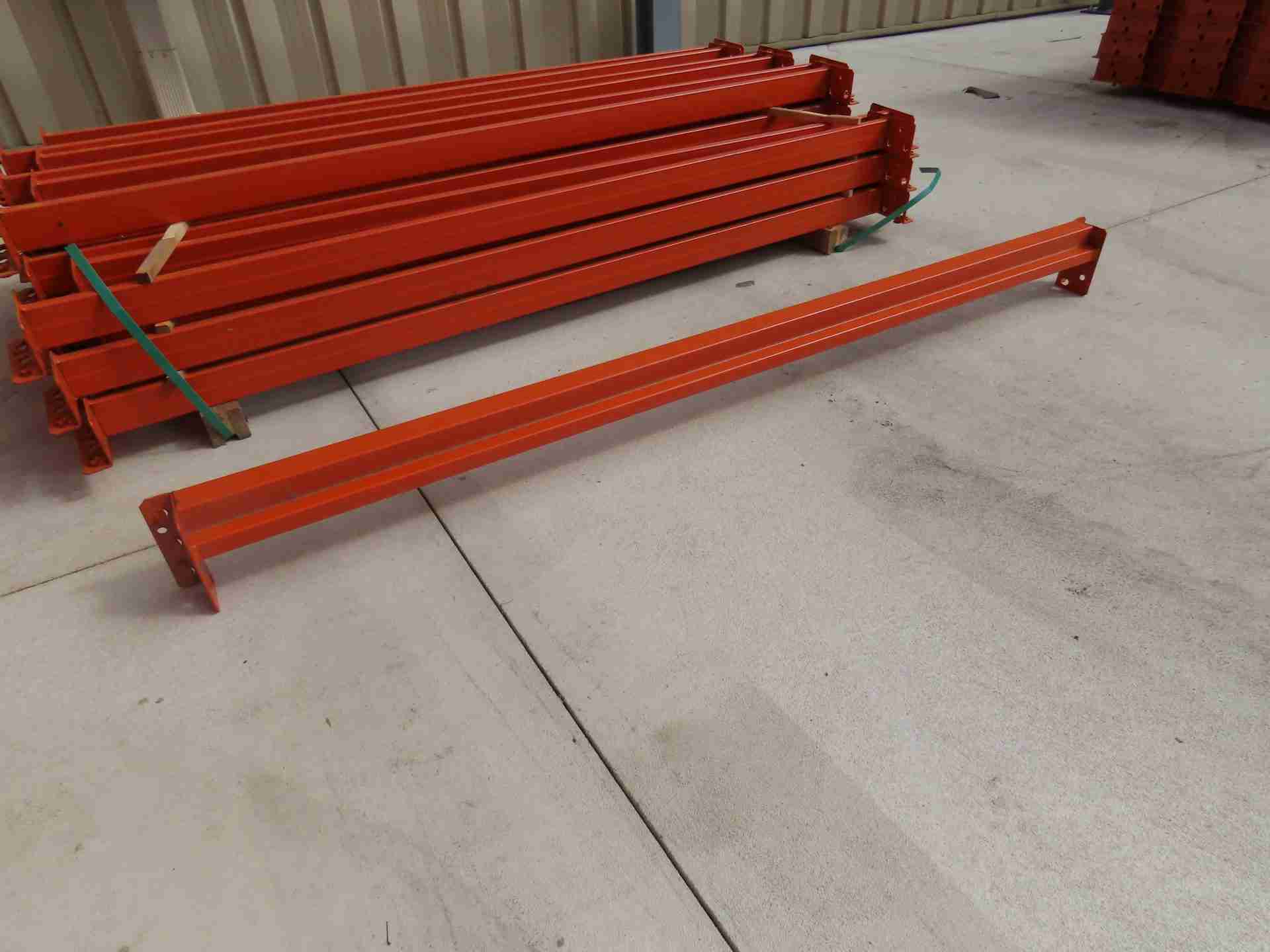
What Type Of Material Handling Equipment Will Be Used With The Racks?
What Type Of Material Handling Equipment Will Be Used With The Racks?
- Material handling equipment is essential for warehouses and distribution centers.
- Forklifts are commonly used with racks to move heavy loads.
- Pallet jacks are manual or electric devices used to move pallets.
- Conveyor systems can be used to streamline the handling of goods.
- Specialized equipment like order pickers and stackers can facilitate inventory picking and storing.
- Consider the specific requirements of your operation when selecting equipment.
- Choosing the right equipment can enhance efficiency and productivity.

What Type Of Material Handling Equipment Will Be Used With The Racks?
Will The Racks Need To Be Adjustable Or Customizable?
When considering the design and layout of your storage racks, one important factor to take into account is whether or not they will need to be adjustable or customizable. This decision will largely depend on the specific needs of your storage space and the items you plan to store on the racks.
If you anticipate needing to frequently change the size or configuration of your storage shelves, then adjustable racks may be the best option for you. These racks can be easily reconfigured to accommodate different sizes of items or to maximize the available space in your storage area. This flexibility can be especially useful if you have a large variety of items to store or if your storage needs are likely to change over time.
On the other hand, if you have a specific set of items that will be stored on the racks and you know exactly how much space they will require, then customizable racks may be a better choice. Customizable racks can be built to fit the exact dimensions of your storage space and can be tailored to accommodate the size and weight of the items you plan to store. This can help you optimize your storage space and make the most efficient use of the available area.
Ultimately, the decision to use adjustable or customizable racks will depend on your specific storage needs and preferences. If you value flexibility and adaptability, then adjustable racks may be the way to go. However, if you have a clear idea of the items you will be storing and want to maximize the efficiency of your storage space, then customizable racks may be the better choice.
Regardless of which option you choose, it is important to carefully consider the layout and design of your storage racks to ensure they meet your needs and provide efficient storage solutions. By taking the time to plan out your storage space and select the right racks for your needs, you can create a well-organized and functional storage area that will help you make the most of your space.

Will The Racks Need To Be Adjustable Or Customizable?
Will The Racks Need To Be Adjustable Or Customizable?
- Consider whether adjustable or customizable racks are needed.
- Adjustable racks allow for easy reconfiguration.
- Customizable racks are built to fit specific dimensions.
- The decision depends on storage needs and preferences.
- Adjustable racks offer flexibility and adaptability.
- Customizable racks optimize storage space efficiency.
- Plan the layout and design of storage racks carefully.

Will The Racks Need To Be Adjustable Or Customizable?
How Important Is Durability And Longevity For The Racks?
When it comes to choosing the right racks for your workspace or warehouse, durability, and longevity are key factors to consider. A sturdy rack system can make all the difference in the efficiency and safety of your operations.
Think about it – these racks will be holding heavy loads day in and day out. They’ll need to withstand the wear and tear of constant use, as well as any potential accidents or collisions that may occur in a busy work environment. A rack that can’t hold up to these challenges is a liability waiting to happen.
Not only do durable racks ensure the safety of your employees and products, but they also save you money in the long run. Constantly replacing weak or damaged racks can add up quickly, not to mention the potential costs of accidents or product damage that could result from a rack failure.
Longevity is also a crucial factor when considering rack options. You don’t want to invest in a rack system only to have it wear out or become obsolete in a few years. A high-quality rack system should last for years, providing a solid foundation for your operations and giving you peace of mind that your investment will pay off over time.
To ensure the durability and longevity of your rack system, it’s important to choose a reputable manufacturer with a track record of producing high-quality products. Look for racks made from sturdy materials like steel or aluminum, with a design that maximizes strength and stability.
Regular maintenance and inspections are also key to extending the life of your rack system. Keep an eye out for any signs of wear or damage, and address them promptly to prevent more serious issues down the road.
Durability and longevity are crucial factors to consider when choosing racks for your work space or warehouse. A strong, reliable rack system not only ensures the safety of your employees and products, but also saves you money in the long run. By investing in high-quality racks and properly maintaining them, you can create a solid foundation for your operations that will last for years to come.

How Important Is Durability And Longevity For The Racks?
How Important Is Durability And Longevity For The Racks?
- Durability and longevity are key factors to consider when choosing racks.
- Sturdy rack system can improve efficiency and safety of operations.
- Racks need to withstand constant use and potential accidents.
- Weak or damaged racks can be costly to replace and pose safety risks.
- Choose a reputable manufacturer and materials like steel or aluminum for durability.
- Regular maintenance and inspections are essential to extend rack system life.
- Invest in high-quality racks for a solid foundation that will last for years.

How Important Is Durability And Longevity For The Racks?
Are There Any Specific Safety Requirements For The Racks?
When it comes to working with racks, safety is always a top priority. Whether you’re installing, maintaining, or using racks in your warehouse or storage facility, it’s important to follow certain safety requirements to minimize the risk of accidents or injuries.
One of the key safety requirements for racks is ensuring that they are properly installed and secured. Racks should be securely anchored to the floor or another stable surface to prevent them from tipping over or collapsing. It’s also important to ensure that racks are installed according to manufacturer guidelines and any applicable building codes.
In addition to proper installation, it’s important to regularly inspect and maintain racks to ensure they are in good working condition. This includes checking for damage, corrosion, or any signs of wear and tear that could compromise the structural integrity of the racks. Any damaged or worn components should be replaced immediately to prevent accidents from occurring.
Another important safety requirement for racks is ensuring that they are loaded and used properly. Racks should never be overloaded beyond their recommended weight capacity, as this can cause them to collapse under the weight of the load. It’s also important to distribute weight evenly across the shelves to prevent uneven loading, which can also contribute to rack failure.
Proper training is essential when it comes to using racks safely. Employees should be trained on how to properly load and unload racks, as well as how to inspect them for signs of damage or wear. They should also be trained on how to safely operate any equipment used in conjunction with the racks, such as forklifts or pallet jacks.
It’s also important to follow proper housekeeping practices when working with racks. Clutter and debris can create tripping hazards and make it difficult to access and inspect racks. By keeping work areas clean and organized, you can help prevent accidents and injuries from occurring.
There are several safety requirements that should be followed when working with racks. By ensuring that racks are properly installed, inspected, and used, you can help minimize the risk of accidents and injuries in your warehouse or storage facility. Remember, safety always comes first when it comes to working with racks.

Are There Any Specific Safety Requirements For The Racks?
Are There Any Specific Safety Requirements For The Racks?
- Proper installation and securing of racks is key to preventing accidents.
- Racks should be anchored to a stable surface and installed according to guidelines.
- Regularly inspect and maintain racks to ensure they are in good condition.
- Never overload racks and distribute weight evenly to prevent collapse.
- Proper training on loading, unloading, and inspecting racks is essential.
- Follow proper housekeeping practices to prevent accidents.
- By following safety requirements, you can minimize the risk of accidents and injuries.

Are There Any Specific Safety Requirements For The Racks?
What Is Your Budget For Purchasing Industrial Racks?
So, you’re in the market for some industrial racks, are ya? Well, I gotta ask ya – what’s your budget lookin’ like?
Now, I know what you’re thinkin’ – you want the best quality racks for your warehouse or workspace. And trust me, I get it. You want somethin’ that’s gonna hold up to the daily wear and tear, somethin’ that’s gonna last ya a good long while.
But here’s the thing – quality ain’t always cheap. Industrial racks are built tough, designed to withstand heavy loads and constant use. And that kind of durability comes with a price tag.
Now, I’m not sayin’ you gotta break the bank to get a good set of racks. There are plenty of options out there that’ll fit right within your budget. But you gotta be realistic about what you can afford.
Think about how much you’re willing to invest in these racks. Consider the size of your space, the weight of the items you’ll be storin’, and how often you’ll be movin’ things around. All of that will play a role in determinin’ how much you should spend.
And remember, a good set of industrial racks is an investment. Sure, it might cost ya upfront, but in the long run, it’ll save ya time and money by keepin’ your workspace organized and efficient.
So, take a good look at your budget. Figure out what you can comfortably spend on these racks without sacrificin’ quality. And don’t forget to factor in any additional costs, like installation or delivery fees.
And hey, if you find yourself strugglin’ to find racks that fit your budget, don’t be afraid to shop around. There are plenty of suppliers out there offerin’ a wide range of options at different price points. Just be sure to do your research and find a reputable company that stands behind their products.
So, before you go out and drop a bunch of cash on industrial racks, take a good hard look at your budget. Figure out what you can afford, do your homework, and make an informed decision. Trust me, your wallet will thank you in the long run.

What Is Your Budget For Purchasing Industrial Racks?
What Is Your Budget For Purchasing Industrial Racks?
- Consider your budget before purchasing industrial racks.
- Quality racks are durable but often come with a higher price.
- Find racks that fit within your budget without sacrificing quality.
- Think about the size of your space and the weight of items being stored.
- Remember industrial racks are an investment that can save time and money in the long run.
- Factor in additional costs like installation or delivery fees.
- Shop around for suppliers offering a range of options at different price points.

What Is Your Budget For Purchasing Industrial Racks?
Conclusion
In conclusion, when it comes to choosing the right industrial racks for your warehouse or storage facility, there are several critical factors to consider. From the type of products you’ll be storing to the layout and space constraints of your facility, each decision plays a crucial role in ensuring your operation runs smoothly and efficiently. The material and construction of the racks, as well as any specialized storage needs you may have, must also be taken into account to guarantee the safety and functionality of your storage system.
Weight capacities of different industrial racks vary, with pallet racks capable of holding anywhere from 2,000 to 10,000 pounds per shelf level, depending on the type and configuration. Drive-in racks can hold up to 30,000 pounds per bay, while push back racks can accommodate 1,500 to 3,000 pounds per cart. Choosing racks with the appropriate weight capacity is essential to ensure the safety of your products and employees.
Considering the amount of floor space available for your industrial racks is crucial, as it directly impacts the storage capacity and efficiency of your operation. Carefully measuring the space, considering vertical storage options, and navigating around the racks with material handling equipment are all key factors to maximizing your storage capabilities and maintaining a safe work environment.
The versatility of industrial racks allows for a wide range of materials to be stored, from heavy machinery parts to small electronics components, making them an essential storage solution for businesses of all kinds. Customizable racks further enhance efficiency by tailoring the storage system to your specific needs, whether you require adjustable shelves or unique configurations.
Durability and longevity are vital considerations when selecting industrial racks, as they must withstand heavy loads and frequent use over time. By investing in high-quality racks and following proper maintenance practices, you can create a solid foundation for your operations that will last for years to come.
Finally, safety requirements, including proper installation, regular maintenance, and safe loading practices, must be followed to prevent accidents and ensure the protection of your employees and products. Taking the time to carefully assess each of these factors and making informed decisions will ultimately lead to selecting the right industrial racks that are functional, efficient, and most importantly, safe for your operation. So, when it comes to choosing industrial racks, remember to do your research, consider your budget, and prioritize safety to set up your facility for success.

Conclusion
Conclusion:
- Critical factors to consider when choosing industrial racks:.
- Type of products being stored.
- Layout and space constraints of facility.
- Material and construction of racks.
- Specialized storage needs.
- Weight capacities of different industrial racks:.
- Pallet racks: 2,000 to 10,000 pounds per shelf level.
- Drive-in racks: up to 30,000 pounds per bay.
- Push back racks: 1,500 to 3,000 pounds per cart.
- Consideration of floor space:.
- Maximizing storage capabilities.
- Vertical storage options.
- Navigating around racks with material handling equipment.
- Versatility of industrial racks:.
- Wide range of materials can be stored.
- Customizable options enhance efficiency.
- Durability and longevity of industrial racks:.
- Must withstand heavy loads and frequent use.
- Invest in high-quality racks and follow proper maintenance practices.
- Safety requirements for industrial racks:.
- Proper installation.
- Regular maintenance.
- Safe loading practices.
- Ultimately, choose industrial racks that are functional, efficient, and safe for your operation by doing research, considering budget, and prioritizing safety.

Conclusion
Other Resources

Other Resources
Here is a list of other resources you can review online to learn more:
- “Determine the Right Types of Pallet Racks for Your …”
- “Industrial Storage Rack… – Heavy Duty Warehouse …”
- “What Is the Difference between Warehouse Racking and …”
- “Pallet Rack & Rack Systems – Kraftwerks”
- “Easy-spec preconfigured pallet racks make ordering easy”
- “Racking Solutions”
- “Pallet Rack Guide For Beginners”
- “Cantilever Racking Specialists – Get the Right Racks”
- “Cantilever Racks for Sale”
- “Industrial & Warehouse Racking”
- “New Cantilever Rack Systems for Sale”
- “Cantilever racking storage system | PPT”
- “Identify You’re current storage racking system”
- “Warehouse Racking Layout: The Ultimate Guide”
- “Pros and Cons of Popular Warehouse Storage Racks”
- “Warehouse Storage Videos Gallery – Concept Storage Solutions”
- “Used Cantilever Racks & Used Lumber Racks for Sale – ASI”
- “What is Cantilever Rack?”

Other Resources
Glossary Terms
What Factors to Consider When Choosing The Right Industrial Racks? – Glossary Of Terms
Here is a glossary of terms relevant to factors you should consider when choosing the right industrial racks:
1. Load Capacity: The maximum weight an industrial rack can safely hold. It’s crucial to know the load capacity to ensure safety and avoid overloading.
2. Material: The composition of the rack (e. g. , steel, aluminum). Different materials offer varied strengths and durability.
3. Racking System: The structure and design of the rack, such as selective, cantilever, and drive-in racking systems, each suited to different storage needs.
4. Dimensions: The height, width, and depth of the racks. Accurate measurement is necessary to fit the space and accommodate stored items.
5. Adjustability: The ability to modify the shelves and beams of the rack to fit different storage needs over time.
6. Mobility: Whether the rack is fixed or mobile. Mobile racks provide flexibility but may have different stability requirements.
7. Type of Load: The nature of items stored (e. g. , pallets, boxes, individual items). Different racks are designed for specific load types.
8. Accessibility: Ease of accessing stored items. Factors include aisle width, shelf height, and whether a forklift or other equipment is needed.
9. Space Utilization: How efficiently the rack uses the available floor and vertical space.
10. Safety Features: Aspects like load braces, safety pins, and guards that protect both the stored items and the personnel.
11. Installation: The complexity and cost of assembling the rack system, including whether professional installation is required.
12. Maintenance: The ongoing requirements for keeping the racks in good condition, including potential cost and frequency.
13. Durability: The lifespan and robustness of the material and structure under regular use.
14. Versatility: The ability to adapt the rack for different uses or change its configuration as storage needs evolve.
15. Seismic Rating: The rack’s resilience to seismic activity, especially important in earthquake-prone areas.
16. Ventilation: How well air circulates around the items on the rack, important for certain products that need air flow.
17. Corrosion Resistance: Protection against rust and decay, especially important for racks used in humid or outdoor environments.
18. Temperature Tolerance: The range of temperatures the rack can withstand without degrading, relevant in cold storage or high-heat environments.
19. Cost: The price of the racking system, which includes purchasing, installation, and maintenance costs.
20. Time-to-Install: The duration it takes to set up the rack system.
21. Reconfiguration: How easily the racking system can be modified or expanded as storage needs change.
22. Compliance: Adherence to industry standards and regulations, including safety and building codes.
23. Floor Capacity: The capacity of the floor to bear the weight of the rack and its load.
24. Certifications: Industry approvals or quality certifications that the rack system may have.
25. Supplier Support: After-sales support and customer service offered by the manufacturer or supplier.
26. Compatibility: The rack’s compatibility with existing equipment and storage systems.
27. Aesthetic: The appearance of the rack, which can be significant for public-facing storage areas.
28. Environmental Impact: The ecological footprint of manufacturing, using, and disposing of the rack.
29. Customizability: Options for customizing the rack to specific needs, including specialized components or colors.
30. Return on Investment (ROI): The long-term financial benefits gained from the rack system, considering its cost, durability, and efficiency improvements.
This glossary should help you understand the various factors and terminology associated with choosing the right industrial racks for your needs.

Glossary Of Terms
Other Questions
What Factors to Consider When Choosing The Right Industrial Racks? – Other Questions
If you wish to explore and discover more, consider looking for answers to these questions:
- What is the typical cost range for different types of industrial racks?
- How can I calculate the optimal rack size for my facility?
- Are there any industry standards or regulations that apply to industrial rack installations?
- What maintenance practices are recommended for ensuring the longevity of industrial racks?
- Are there experts or consultants who can help design a rack system for my specific needs?
- What are the different types of industrial racks available and their respective advantages?
- How does the load capacity of a rack affect its cost and usability?
- Can existing racks be retrofitted or upgraded to meet new storage requirements?
- What are the best materials for industrial racks in different environments (e.g., humid, corrosive, cold storage)?
- How should industrial racks be anchored or secured to ensure maximum safety?
- What are the consequences of overloading an industrial rack?
- Does the manufacturer provide a warranty or guarantee for the industrial racks?
- What are the most common causes of rack failure and how can they be prevented?
- How do I ensure that my rack system remains compliant with safety regulations over time?
- What are some examples of unique storage needs that might require specialized rack features?

Other Questions
Checklist
What Factors to Consider When Choosing The Right Industrial Racks? – A Checklist
1. Inventory Requirements
_____ What type of products will you be storing?
_____ Are the items heavy or bulky?
_____ Are the items small or lightweight?
_____ Do your items have specific storage needs?
2. Space and Layout Constraints
_____ How much floor space is available?
_____ What is the height, width, and depth of your storage area?
_____ Are there any obstacles such as support beams or columns?
_____ How high are the ceilings?
_____ Will you need vertical stacking or mezzanine levels?
3. Material and Construction
_____ Are you looking for durable materials like steel?
_____ Do you need flexible and adjustable materials like wire racks?
_____ Do you prefer aluminum for lighter loads?
4. Customizability and Adjustability
_____ Will the racks need to be adjustable for different item sizes?
_____ Do you require custom-built racks tailored to your specific needs?
_____ Will the racks need features like dividers, bins, or sliding shelves?
5. Weight Capacity Requirements
_____ What is the total weight of the items you will store?
_____ Will you be adding additional weight like pallets or containers?
_____ Is an even weight distribution across the racks necessary?
_____ Do you require high weight capacity for heavy-duty storage?
6. Safety Requirements
_____ Do the racks meet necessary safety standards?
_____ Are the racks properly anchored and reinforced?
_____ Are there considerations for seismic ratings and weight distribution?
_____ Have you provided safety training for employees handling the racks?
7. Material Handling Equipment
_____ What type of material handling equipment will be used? (Forklifts, pallet jacks, etc. )
_____ Is there enough clearance for equipment to navigate around the racks?
_____ Will you be incorporating conveyor systems?
8. Durability and Longevity
_____ Are the racks made from high-quality, long-lasting materials?
_____ Will the racks withstand heavy usage and potential accidents?
_____ What is the expected lifespan of the racks?
_____ Do you require regular maintenance to extend durability?
9. Efficiency and Storage Capacity
_____ How will the layout maximize your storage capacity?
_____ Are you optimizing vertical and horizontal space?
_____ Can the racks efficiently accommodate the type of items stored?
10. Budget Considerations
_____ What is your budget for purchasing industrial racks?
_____ Are there additional costs such as installation or delivery fees?
_____ Are you getting good value for the investment?
_____ Is there a balance between quality and cost?
Using this checklist will help streamline the process of selecting the right industrial racks for your business, ensuring that all key factors are taken into consideration.

Checklist
At RackingWorld, we help guide you through selecting warehouse storage systems and racking.
Be sure to read our other related stories at RackingWorld to learn more about warehouse storage systems.
0 Comments