
Maximizing Efficiency: The Impact Of Industrial Racks On Inventory
By Tom Seest
At RackingWorld, we help guide you through selecting warehouse storage systems and racking.
Be sure to read our other related stories at RackingWorld to learn more about warehouse storage systems.
How Do Industrial Racks Enhance The Inventory Management Process?
When it comes to managing inventory in a warehouse or industrial facility, having the right storage system in place is crucial. Industrial racks play a key role in enhancing the inventory management process, making it easier to organize, track, and access products efficiently.
One of the main ways industrial racks enhance inventory management is by maximizing space utilization. By utilizing vertical storage space, industrial racks allow for more efficient use of floor space, creating a more organized and streamlined storage area. This not only helps in keeping inventory organized, but also increases the overall storage capacity of a facility.
Additionally, industrial racks help improve inventory visibility and accessibility. With products stored in a systematic and organized manner, it becomes easier for warehouse staff to locate and retrieve items quickly. This minimizes the time spent searching for products, leading to more efficient inventory management and ultimately improving overall productivity.
Moreover, industrial racks help in better categorizing and segregating inventory. By utilizing different types of racks such as pallet racks, cantilever racks, or selective racks, warehouse managers can designate specific storage areas for different types of products. This enables them to better organize and manage inventory based on size, weight, or other relevant factors, making it easier to track and locate specific items when needed.
Another way industrial racks enhance inventory management is by improving inventory control. With products stored securely on industrial racks, warehouse managers can keep a closer eye on inventory levels, making it easier to track products in real-time and adjust reorder quantities accordingly. This helps in minimizing stockouts, overstock situations, and ultimately reducing carrying costs.
Furthermore, industrial racks help in enhancing safety in the warehouse. By storing products on sturdy and reliable racks, the risk of accidents or damage to inventory is significantly reduced. This not only ensures the safety of warehouse staff but also helps in protecting valuable inventory from potential harm.
Industrial racks play a vital role in enhancing the inventory management process by maximizing space utilization, improving inventory visibility and accessibility, better categorizing and segregating inventory, enhancing inventory control, and promoting safety in the warehouse. By investing in quality industrial racks, businesses can streamline their operations, optimize their storage space, and ultimately improve their bottom line.

How Do Industrial Racks Enhance The Inventory Management Process?
How Do Industrial Racks Enhance The Inventory Management Process?
- Industrial racks play a key role in enhancing the inventory management process.
- Maximize space utilization by utilizing vertical storage space.
- Improve inventory visibility and accessibility.
- Better categorize and segregate inventory based on specific factors.
- Enhance inventory control by keeping a closer eye on inventory levels.
- Enhance safety in the warehouse by storing products securely.
- Investing in quality industrial racks can streamline operations and optimize storage space.

How Do Industrial Racks Enhance The Inventory Management Process?
Table Of Contents
- How Do Industrial Racks Enhance The Inventory Management Process?
- What Types Of Industrial Racks Are Most Commonly Used?
- How Do Industrial Racks Help Optimize Warehouse Space?
- Can Industrial Racks Improve Inventory Accuracy?
- What Safety Measures Should Be Considered When Using Industrial Racks?
- Are There Specific Industries That Benefit Most From Industrial Racks?
- What Types Of Industrial Racks Are Available For Inventory Management?
- How Do Industrial Racks Help Maximize Warehouse Space?
- What Are The Benefits Of Using Industrial Racks For Inventory Control?
- How Can Industrial Racks Improve Organization And Efficiency?
- What Factors Should Be Considered When Choosing Industrial Racks?
- Conclusion
- Other Resources
- Glossary Of Terms
- Other Questions
- Checklist
What Types Of Industrial Racks Are Most Commonly Used?
Industrial racks are an essential component of many warehouses and manufacturing facilities, providing organization and efficiency in storing materials and products. There are several types of industrial racks that are commonly used in various industries to meet different storage needs.
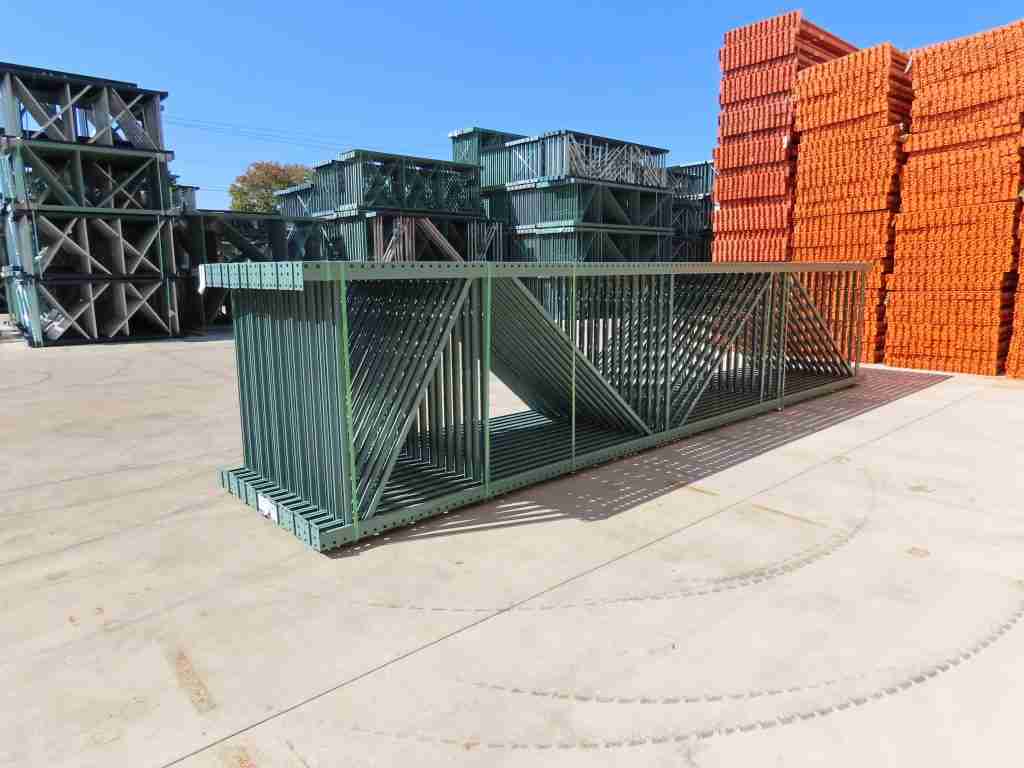
One of the most commonly used types of industrial racks is pallet racking. Pallet racking is a storage system that allows for the stacking of palletized materials on horizontal beams supported by vertical frames. This type of racking is versatile and can be easily adjusted to accommodate different sizes and weights of pallets. Pallet racking is ideal for warehouses that need to store a large volume of goods and materials in an organized manner.
Another popular type of industrial rack is cantilever racking. Cantilever racking consists of vertical columns with horizontal arms that protrude out to support long and bulky items such as lumber, piping, or furniture. This type of racking is commonly used in industries like construction, manufacturing, and lumber yards, where the need to store oversized or oddly shaped materials is essential.
For smaller items or components, shelving units are a common choice for industrial storage. Shelving units come in various configurations, such as boltless shelving, wire shelving, or steel shelving. These types of racks are perfect for organizing smaller items and providing easy access to inventory in a warehouse or storage facility.
In addition to pallet racking, cantilever racking, and shelving units, there are other types of industrial racks that serve specific storage needs. Drive-in racks, for example, are designed for storing large quantities of the same product by allowing forklifts to drive directly into the rack system. This maximizes storage space and is particularly useful for products with a long shelf life.
Push-back racking is another type of industrial rack that maximizes storage space by allowing pallets to be stored on inclined rails. This type of racking is ideal for warehouses with limited space and a high volume of product turnover.
Overall, the most commonly used types of industrial racks depend on the specific needs of the industry and the type of materials being stored. Pallet racking, cantilever racking, shelving units, drive-in racks, and push-back racking all serve different purposes in providing efficient and organized storage solutions for warehouses and manufacturing facilities.

What Types Of Industrial Racks Are Most Commonly Used?
What Types Of Industrial Racks Are Most Commonly Used?
- Industrial racks are essential for warehouses and manufacturing facilities for organization and efficiency.
- Pallet racking is commonly used for stacking palletized materials and can be easily adjusted.
- Cantilever racking is ideal for storing long and bulky items like lumber or piping.
- Shelving units are perfect for smaller items and components in a warehouse.
- Drive-in racks allow for storing large quantities of the same product by letting forklifts drive into the system.
- Push-back racking maximizes storage space by storing pallets on inclined rails and is great for warehouses with limited space.
- The types of industrial racks used depend on specific industry needs and the type of materials being stored.

What Types Of Industrial Racks Are Most Commonly Used?
How Do Industrial Racks Help Optimize Warehouse Space?
The secret to maximizing space in a warehouse lies in the strategic use of industrial racks. These simple yet ingenious storage solutions can help transform a cluttered and disorganized space into a well-oiled machine of efficiency and productivity.
One of the key benefits of industrial racks is their ability to utilize vertical space, allowing businesses to store more inventory without needing to expand the physical footprint of the warehouse. By stacking items on shelves that reach higher into the air, rather than spreading them out horizontally, companies can make the most of every square foot available to them.
In addition to maximizing vertical space, industrial racks also make it easier to access and organize inventory. By using different types of racks such as pallet racks, cantilever racks, or drive-in racks, warehouses can tailor their storage solutions to meet the specific needs of their products. This means that items can be stored in a way that makes them easily accessible and visible, reducing the time and effort required to locate and retrieve them.
Furthermore, industrial racks help to improve overall safety in the warehouse. By providing a secure and stable structure for storing heavy items, racks help prevent accidents and injuries that can occur when items are haphazardly stacked or stored on the floor. This not only protects valuable inventory but also ensures the well-being of employees who work in the warehouse.
Another key advantage of industrial racks is their versatility and adaptability. They can be easily customized and rearranged to accommodate changes in inventory, seasonal fluctuations in demand, or evolving storage needs. This flexibility allows warehouses to stay agile and responsive to market dynamics, without the need for costly renovations or expansions.
Overall, industrial racks play a crucial role in optimizing warehouse space by maximizing vertical storage, improving organization and accessibility, enhancing safety, and providing flexibility for changing storage needs. With the right combination of racks tailored to the specific requirements of a business, warehouses can transform into efficient and streamlined operations that are ready to meet the demands of a fast-paced and competitive market.

How Do Industrial Racks Help Optimize Warehouse Space?
How Do Industrial Racks Help Optimize Warehouse Space?
- The secret to maximizing space in a warehouse lies in the strategic use of industrial racks.
- Industrial racks utilize vertical space, allowing businesses to store more inventory without expanding the physical footprint of the warehouse.
- Racks make it easier to access and organize inventory, tailoring storage solutions to specific needs with different types of racks.
- Racks improve overall safety by providing a secure structure for storing heavy items, preventing accidents and injuries.
- Industrial racks are versatile and adaptable, easily customized to accommodate changes in inventory and storage needs.
- Racks play a crucial role in optimizing warehouse space by maximizing vertical storage, improving organization and accessibility, enhancing safety, and providing flexibility.
- With the right combination of tailored racks, warehouses can transform into efficient and streamlined operations ready to meet the demands of a competitive market.

How Do Industrial Racks Help Optimize Warehouse Space?
Can Industrial Racks Improve Inventory Accuracy?
If you’re in the business of managing inventory, you know how crucial accuracy is. One small mistake in tracking your goods can lead to big problems down the line. That’s why it’s important to invest in the right tools to help you maintain precise inventory levels.
One often overlooked tool that can significantly improve inventory accuracy is industrial racks. These sturdy storage systems can not only help you maximize your warehouse space, but they can also streamline your inventory management processes.
By organizing your inventory on industrial racks, you can easily see what you have in stock and what needs to be replenished. This visibility is key to keeping accurate inventory records and avoiding stockouts or overstock situations. With everything in its proper place, you can quickly locate items when they are needed and reduce the chances of miscounting or losing track of inventory.
Industrial racks can also help prevent damage to your inventory. By storing items on racks designed to support their weight and size, you can minimize the risk of breakage or spoilage. This not only improves inventory accuracy by ensuring that all items are accounted for in good condition, but it also saves you money by reducing waste and lost revenue from damaged goods.
Furthermore, industrial racks can aid in the accuracy of picking and packing orders. With items stored neatly on racks, workers can easily locate what they need and fulfill orders more efficiently. This reduces the chances of errors in order fulfillment and improves customer satisfaction.
In addition to enhancing inventory accuracy, industrial racks can also improve workplace safety. By keeping inventory organized and off the floor, you reduce the risk of accidents and injuries caused by tripping over or mishandling items. This creates a safer work environment for your employees and minimizes the likelihood of lost productivity due to workplace incidents.
Investing in industrial racks can have a significant impact on improving inventory accuracy. By providing a structured storage solution, you can better manage your inventory, reduce the risk of damage or loss, and improve the efficiency of your operations. So if you’re looking to boost your inventory accuracy and streamline your warehouse processes, consider incorporating industrial racks into your storage system.

Can Industrial Racks Improve Inventory Accuracy?
Can Industrial Racks Improve Inventory Accuracy?
- Invest in industrial racks to improve inventory accuracy.
- Organize inventory for easy visibility and replenishment.
- Prevent damage to inventory with proper storage on racks.
- Enhance picking and packing accuracy with neat storage.
- Improve workplace safety by reducing risk of accidents.
- Increase efficiency and reduce waste with structured storage.
- Incorporate industrial racks to boost inventory accuracy and streamline operations.

Can Industrial Racks Improve Inventory Accuracy?
What Safety Measures Should Be Considered When Using Industrial Racks?
When it comes to using industrial racks, safety should always be the number one priority. These racks are designed to hold heavy loads and organize materials efficiently, but if not used properly, they can pose serious risks to those working around them.
One of the most important safety measures to consider when using industrial racks is proper installation. Make sure the racks are securely anchored to the floor and walls to prevent them from tipping over. It’s also crucial to follow the manufacturer’s guidelines for weight limits and load distribution to avoid overloading the racks, which can lead to collapse.
In addition to proper installation, regular inspections are key to preventing accidents. Check the condition of the racks on a routine basis, looking for signs of wear and tear such as bent or damaged beams, missing bolts, or loose connections. Any issues should be addressed immediately to ensure the structural integrity of the racks.
Another important safety measure is to train employees on how to safely use the industrial racks. Make sure they understand how to properly load and unload materials, as well as how to stack items safely to prevent them from falling. Reinforce the importance of following weight limits and load distribution guidelines to avoid accidents.
It’s also essential to keep the area around the industrial racks clear and organized. Clutter and debris can create tripping hazards and impede access to emergency exits in case of an accident. Encourage employees to keep the work area tidy and free of obstacles to ensure a safe working environment.
Lastly, consider investing in additional safety features such as rack guards and safety nets to further protect employees and prevent accidents. These devices can provide an extra layer of protection against falling objects and collisions, reducing the risk of injuries in the workplace.
Overall, when using industrial racks, safety should always come first. By following proper installation procedures, conducting routine inspections, training employees on safe practices, maintaining a clean work environment, and investing in additional safety features, you can help prevent accidents and create a safer workplace for everyone involved. Remember, a safe work environment is a productive one. Stay safe out there!

What Safety Measures Should Be Considered When Using Industrial Racks?
What Safety Measures Should Be Considered When Using Industrial Racks?
- Proper installation is crucial for industrial racks
- anchor them securely to prevent tipping over.
- Follow manufacturer’s weight limits and load distribution guidelines to avoid overloading.
- Regular inspections are key
- check for wear and tear, address issues immediately.
- Train employees on safe usage
- proper loading, unloading, and stacking of materials.
- Keep the area around racks clear and organized to avoid tripping hazards.
- Invest in additional safety features such as rack guards and safety nets for extra protection.
- By prioritizing safety with installation, inspections, employee training, cleanliness, and safety features, accidents can be prevented and a safer workplace can be created.

What Safety Measures Should Be Considered When Using Industrial Racks?
Are There Specific Industries That Benefit Most From Industrial Racks?
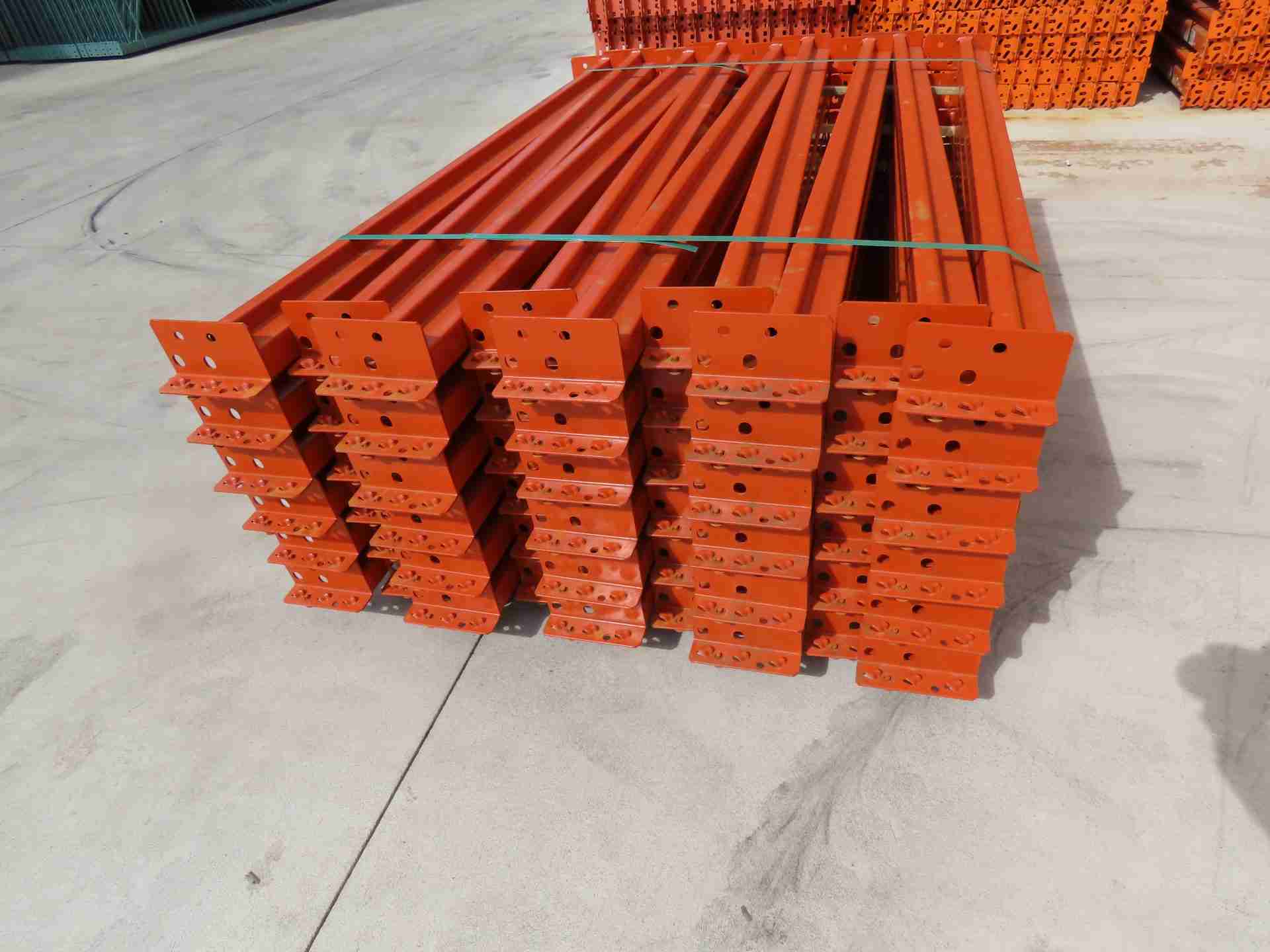
You bet there are specific industries that benefit greatly from the use of industrial racks. These versatile storage solutions can be found in a wide range of workplaces, but some industries rely on them more than others to keep their operations running smoothly.
First and foremost, the manufacturing industry is a major beneficiary of industrial racks. With the need to store raw materials, work-in-progress inventory, and finished products, manufacturers require a lot of storage space. Industrial racks provide a cost-effective and efficient way to store these items in an organized manner, making it easy for workers to access what they need when they need it. From automotive plants to food processing facilities, industrial racks play a crucial role in keeping production lines moving.
Similarly, the logistics and distribution industry also heavily relies on industrial racks to store and transport goods. Whether it’s in a warehouse, distribution center, or cross-docking facility, industrial racks are essential for maximizing storage space and optimizing workflow. By using racks to stack pallets and organize inventory, companies in this industry can ensure that products are easily accessible and ready for shipping at a moment’s notice.
Another industry that benefits greatly from the use of industrial racks is retail. With the need to store and display a wide variety of products, such as clothing, electronics, and household goods, retailers need efficient storage solutions to keep their stores organized and visually appealing. Industrial racks provide a way to store merchandise in a way that is both space-efficient and aesthetically pleasing, helping retailers to maximize their selling potential.
In addition to these industries, other sectors such as agriculture, healthcare, and construction also benefit from the use of industrial racks. Farmers use racks to store and organize equipment, tools, and supplies, while hospitals use them to store medical supplies and equipment. Construction companies rely on racks to store building materials and tools on job sites, keeping everything organized and easily accessible.
Overall, it’s clear that industrial racks play a crucial role in a wide range of industries, helping businesses to streamline their operations, maximize storage space, and ultimately improve their bottom line. Whether you’re in manufacturing, logistics, retail, or any other industry, investing in industrial racks can help you stay organized and efficient in your day-to-day operations. So the next time you see a warehouse stacked high with industrial racks, remember that they are more than just shelves – they are the backbone of many successful businesses.
Are There Specific Industries That Benefit Most From Industrial Racks?
Are There Specific Industries That Benefit Most From Industrial Racks?
- The manufacturing industry greatly benefits from industrial racks for storing raw materials, work-in-progress inventory, and finished products.
- The logistics and distribution industry relies on industrial racks to maximize storage space and optimize workflow in warehouses, distribution centers, and cross-docking facilities.
- Retailers use industrial racks to store and display a wide variety of products efficiently and in an aesthetically pleasing manner.
- Other industries such as agriculture, healthcare, and construction also benefit from industrial racks for storing equipment, tools, supplies, and materials.
- Industrial racks play a crucial role in streamlining operations, maximizing storage space, and improving efficiency in various industries.
- Investing in industrial racks can help businesses stay organized and efficient in their day-to-day operations across different sectors.
- Industrial racks are essential storage solutions that serve as the backbone of many successful businesses in different industries.

Are There Specific Industries That Benefit Most From Industrial Racks?
What Types Of Industrial Racks Are Available For Inventory Management?
In the world of inventory management, having the right industrial racks can make all the difference. From maximizing storage space to ensuring easy access to products, the type of rack you choose can have a significant impact on your efficiency and productivity.
One of the most common types of industrial racks used for inventory management is pallet racking. These racks are designed to hold pallets of goods and are typically used in warehouses and distribution centers. Pallet racking comes in various configurations, including selective, drive-in, and push-back racks, each offering unique benefits depending on your specific needs.
Selective racks are the most common type of pallet racking and allow for easy access to each pallet. Drive-in racks, on the other hand, are ideal for storing large quantities of the same product, as they allow for deep storage of multiple pallets. Push-back racks are a good option for high-density storage, as they allow for more storage space by allowing pallets to be stored several deep.
Another popular option for industrial racks is cantilever racking. Cantilever racks are designed to hold long, bulky items such as lumber, pipes, and carpet rolls. These racks are ideal for storing awkwardly shaped items that may not fit on traditional pallet racks. Cantilever racks come in various sizes and configurations, making them a versatile option for warehouse storage.
For smaller items, shelving units are a popular choice for industrial storage. These racks can be used for storing boxes, bins, and other small items in an organized and accessible manner. Shelving units come in various materials, including steel, wire, and plastic, and can be customized to fit your specific storage needs.
In addition to pallet racking, cantilever racks, and shelving units, there are other types of industrial racks available for inventory management. Mezzanine racks, for example, are a great option for warehouses with limited floor space, as they allow for storage on multiple levels. Mobile racks are another innovative solution for maximizing storage space, as they can be moved around to create aisles where needed.
When it comes to choosing the right industrial racks for inventory management, it’s important to consider your specific storage needs and space constraints. Whether you’re looking to maximize storage space, improve organization, or increase efficiency, there is a wide range of industrial racks available to help you achieve your goals.

What Types Of Industrial Racks Are Available For Inventory Management?
What Types Of Industrial Racks Are Available For Inventory Management?
- In the world of inventory management, having the right industrial racks can make all the difference.
- One of the most common types of industrial racks used for inventory management is pallet racking.
- Types of pallet racking include selective, drive-in, and push-back racks, each offering unique benefits.
- Cantilever racking is another popular option for holding long, bulky items.
- Shelving units are ideal for storing smaller items in an organized manner.
- Mezzanine racks and mobile racks are additional options for maximizing storage space.
- When choosing industrial racks, it’s important to consider specific storage needs and space constraints.

What Types Of Industrial Racks Are Available For Inventory Management?
How Do Industrial Racks Help Maximize Warehouse Space?
When it comes to maximizing warehouse space, industrial racks are truly the unsung heroes of the storage world. These simple yet effective structures play a crucial role in organizing and optimizing a warehouse layout to make the most of its available space.
One of the key benefits of industrial racks is their ability to vertically store goods, effectively utilizing the vertical space in a warehouse. By stacking items on shelves or pallets, rather than spreading them out horizontally, warehouses can significantly increase their storage capacity. This not only helps to keep the warehouse organized and free of clutter, but also allows for more efficient use of the available square footage.
Another way industrial racks help maximize warehouse space is by providing a system for categorizing and organizing inventory. By utilizing different types of racks, such as pallet racks, cantilever racks, or push-back racks, warehouses can create designated storage areas for different types of goods. This not only makes it easier for workers to locate and access items quickly, but also helps to prevent overstocking or understocking of certain products.
Industrial racks also play a crucial role in improving the efficiency of warehouse operations. By organizing inventory in a logical and accessible manner, warehouses can reduce the time it takes for workers to locate and retrieve items, ultimately increasing productivity and reducing labor costs. Additionally, industrial racks can help to improve inventory management by providing a clear visual representation of the available stock, making it easier for managers to track and monitor inventory levels.
Overall, industrial racks are an essential tool for maximizing warehouse space and improving operational efficiency. By utilizing vertical storage, categorizing inventory, and improving inventory management, warehouses can make the most of their available space and streamline their operations. So the next time you see a towering rack of shelves in a warehouse, remember that it’s not just a simple structure – it’s a key component in keeping the wheels of industry turning.

How Do Industrial Racks Help Maximize Warehouse Space?
How Do Industrial Racks Help Maximize Warehouse Space?
- Industrial racks maximize warehouse space by vertically storing goods.
- They help increase storage capacity by stacking items on shelves or pallets.
- Industrial racks provide a system for categorizing and organizing inventory.
- Using different types of racks creates designated storage areas for different goods.
- They improve warehouse operations by reducing the time to locate items.
- Industrial racks help improve inventory management and tracking.
- Overall, industrial racks are essential for maximizing warehouse space and improving efficiency.

How Do Industrial Racks Help Maximize Warehouse Space?
What Are The Benefits Of Using Industrial Racks For Inventory Control?
When it comes to keeping track of inventory in a bustling warehouse or factory, having a solid system in place is crucial. One of the most effective ways to streamline this process is by utilizing industrial racks for inventory control. These heavy-duty shelves not only provide a safe and organized storage solution for your products but also offer a range of benefits that can help improve efficiency and productivity in your facility.
First and foremost, industrial racks are designed to maximize storage space, allowing you to make the most of your available square footage. By utilizing vertical space and keeping items off the floor, you can optimize your warehouse layout and ensure that everything is easily accessible when needed. This can help reduce clutter, minimize the risk of damage to inventory, and create a safer working environment for employees.
Additionally, industrial racks help improve inventory control by providing a clear visual display of all your products. With items neatly organized on shelves, it becomes much easier to track stock levels, locate specific items, and avoid stockouts or overstock situations. This can lead to more accurate inventory management, reduced waste, and improved order fulfillment rates.
Another benefit of using industrial racks for inventory control is that they can help prevent damage to your products. By storing items on sturdy shelves designed to support heavy loads, you can minimize the risk of breakage or spoilage during handling and transportation. This can ultimately save you money on costly replacements and help maintain the quality of your inventory.
Furthermore, industrial racks can also improve workflow efficiency in your facility. With items neatly organized and easily accessible, employees can spend less time searching for products and more time on value-added tasks. This can help increase productivity, reduce labor costs, and streamline operations throughout your warehouse or factory.
Industrial racks offer a range of benefits for improving inventory control in a variety of industrial settings. From maximizing storage space and enhancing visual management to preventing damage and improving workflow efficiency, these heavy-duty shelves can help businesses of all sizes optimize their inventory management practices and stay competitive in today’s fast-paced market. So, if you’re looking to boost efficiency and streamline operations in your facility, consider investing in industrial racks for your inventory control needs.

What Are The Benefits Of Using Industrial Racks For Inventory Control?
What Are The Benefits Of Using Industrial Racks For Inventory Control?
- Industrial racks maximize storage space, optimizing warehouse layout and accessibility.
- They provide a clear visual display of products, improving inventory control.
- Industrial racks help prevent damage to products, reducing the risk of breakage or spoilage.
- They improve workflow efficiency by reducing search time and increasing productivity.
- These heavy-duty shelves offer benefits for a variety of industrial settings.
- Industrial racks help businesses optimize inventory management practices and stay competitive.
- Consider investing in industrial racks to boost efficiency and streamline operations.

What Are The Benefits Of Using Industrial Racks For Inventory Control?
How Can Industrial Racks Improve Organization And Efficiency?
If you’ve ever set foot in a busy warehouse or manufacturing facility, you know that organization is key to keeping things running smoothly. Without a system in place to store and organize inventory, tools, and equipment, chaos can quickly ensue. That’s where industrial racks come in.
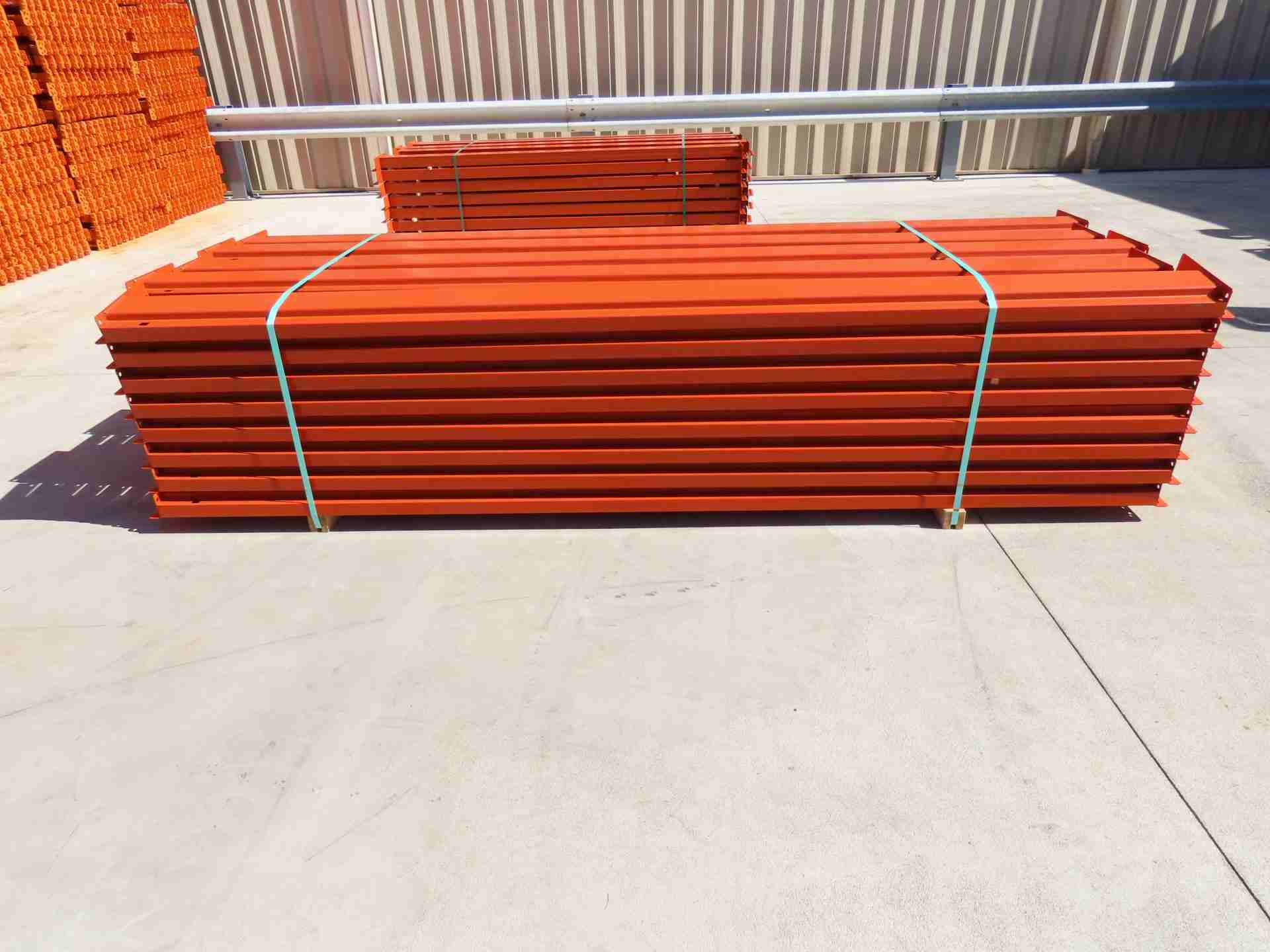
Industrial racks are like the unsung heroes of the warehouse world. These sturdy shelves and racks provide a place for everything, from raw materials to finished products, to be stored in an orderly fashion. By utilizing industrial racks, workers can easily locate items when they need them, reducing the time spent searching for misplaced items and increasing overall efficiency.
But it’s not just about keeping things neat and tidy. Industrial racks can also help improve safety in the workplace. By storing heavy materials and equipment on racks designed to hold them securely, workers can avoid the risk of injury from items falling or being improperly stored. And because industrial racks are typically made of durable materials like steel, they can withstand the wear and tear of a busy warehouse environment, providing a long-lasting storage solution that won’t need to be replaced frequently.
In addition to organization and safety benefits, industrial racks can also help streamline operations and increase productivity. By having a designated place for every item, workers can easily access what they need without wasting time searching for it. This can help reduce downtime and increase overall efficiency in the workplace.
Furthermore, industrial racks can help maximize storage space in a warehouse or manufacturing facility. By utilizing vertical space effectively, businesses can store more inventory in a smaller footprint, allowing them to make the most of their available space. This can help businesses save money on costly warehouse expansions or off-site storage solutions.
Industrial racks play a crucial role in improving organization and efficiency in warehouses and manufacturing facilities. By providing a safe and secure storage solution for inventory, tools, and equipment, industrial racks help keep things running smoothly and reduce the risk of accidents in the workplace. With their ability to streamline operations, increase productivity, and maximize storage space, industrial racks are an essential tool for any business looking to improve their workflow and bottom line.
How Can Industrial Racks Improve Organization And Efficiency?
How Can Industrial Racks Improve Organization And Efficiency?
- Industrial racks provide a system for storing and organizing inventory, tools, and equipment in warehouses and manufacturing facilities.
- They help workers easily locate items, reduce time spent searching for misplaced items, and increase overall efficiency.
- Industrial racks improve safety by securely storing heavy materials and equipment, reducing the risk of injury from falling items.
- They are made of durable materials like steel, making them long-lasting and able to withstand warehouse environments.
- Industrial racks streamline operations, increase productivity, and help maximize storage space by using vertical space effectively.
- They can save businesses money on costly warehouse expansions or off-site storage solutions.
- Industrial racks are essential for improving organization, efficiency, and safety in warehouses and manufacturing facilities.

How Can Industrial Racks Improve Organization And Efficiency?
What Factors Should Be Considered When Choosing Industrial Racks?
When it comes to choosing industrial racks for your warehouse or facility, there are several factors that should be carefully considered. These racks are not just simple shelves to hold your inventory – they are essential pieces of equipment that play a crucial role in the efficiency and safety of your operation.
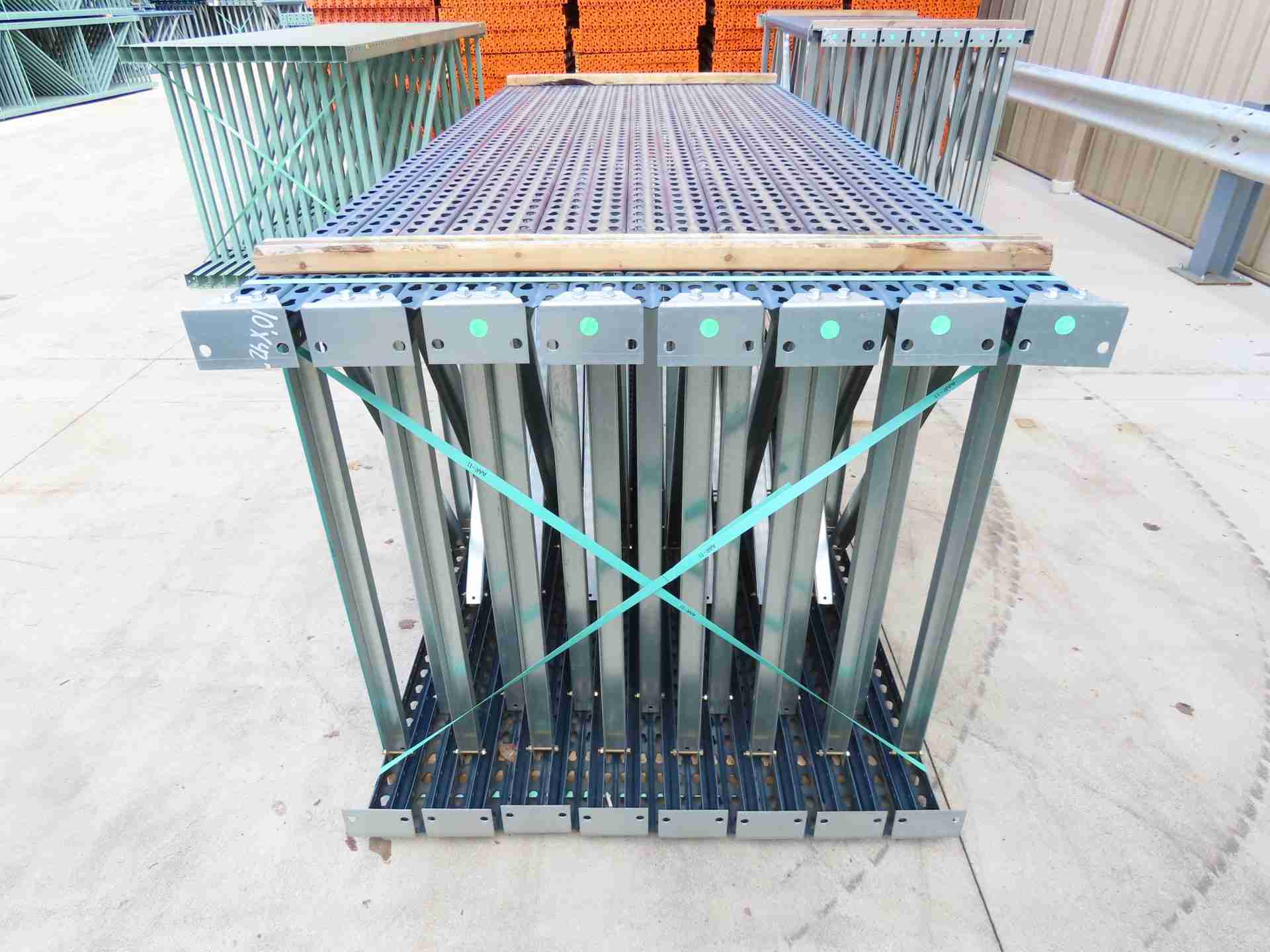
First and foremost, you need to consider the weight capacity of the industrial racks. Different racks are designed to hold varying amounts of weight, so it is important to know the weight of your heaviest items and ensure that the racks you choose can support them. Overloading racks can lead to catastrophic failure, causing damage to your inventory and posing a serious safety risk to your employees.
Another key factor to consider is the size and layout of your facility. Industrial racks come in a variety of shapes and sizes, so it is important to choose racks that will fit seamlessly into your space. Consider the height, width, and depth of the racks, as well as the layout of your aisles and the flow of traffic in your facility. Choosing racks that are too large or too small can lead to wasted space and inefficient use of your storage area.
In addition to size and weight capacity, you should also consider the material and construction of the industrial racks. Racks are typically made from steel, aluminum, or a combination of both, with each material offering different levels of durability and corrosion resistance. Consider the environment in which the racks will be used – for example, if your facility is subject to high levels of moisture or chemicals, you will need racks that are resistant to rust and corrosion.
Lastly, don’t forget to consider the accessibility of the industrial racks. Choose racks that are easy for your employees to access and maneuver around, as this will help to improve productivity and reduce the risk of accidents. Consider features such as adjustable shelves, sliding drawers, and built-in safety mechanisms to make the most of your industrial racks.
Choosing the right industrial racks for your facility is a crucial decision that should not be taken lightly. By considering factors such as weight capacity, size, material, and accessibility, you can ensure that you select racks that will optimize the efficiency and safety of your operation.

What Factors Should Be Considered When Choosing Industrial Racks?
What Factors Should Be Considered When Choosing Industrial Racks?
- Consider the weight capacity of industrial racks to ensure they can support your heaviest items.
- Take into account the size and layout of your facility when choosing industrial racks.
- Consider the material and construction of the racks, such as steel or aluminum, based on durability and corrosion resistance.
- Ensure the racks are accessible for employees to improve productivity and reduce accidents.
- Choosing the right industrial racks is essential for optimizing efficiency and safety.
- Overloading racks can lead to catastrophic failure and safety risks for employees.
- Consider features like adjustable shelves and safety mechanisms to make the most of your industrial racks.
What Factors Should Be Considered When Choosing Industrial Racks?
Conclusion
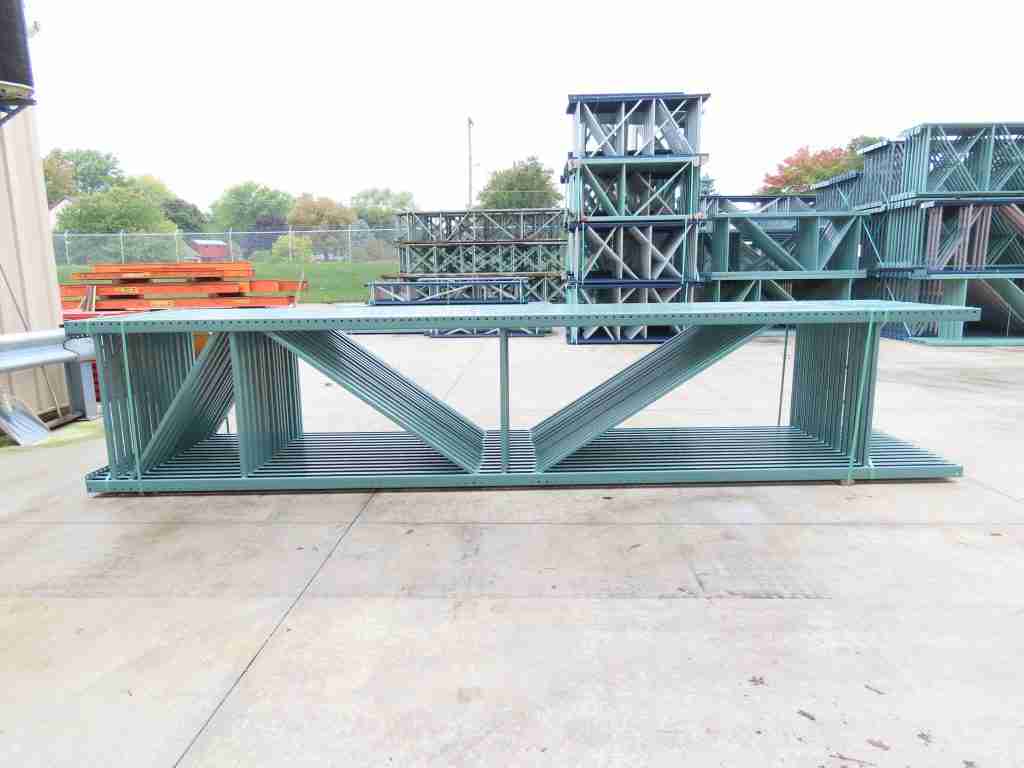
In conclusion, industrial racks are a vital component of any warehouse or industrial facility looking to enhance their inventory management process. These versatile storage solutions play a key role in maximizing space utilization, improving inventory visibility and accessibility, better categorizing and segregating inventory, and enhancing inventory control and safety. By utilizing different types of racks such as pallet racks, cantilever racks, or drive-in racks, businesses can tailor their storage solutions to meet their specific needs and optimize their storage space.
From the manufacturing industry to logistics and distribution, retail, agriculture, healthcare, and construction, specific industries benefit greatly from the use of industrial racks to keep their operations organized and efficient. Pallet racking, cantilever racking, and shelving units are just a few of the commonly used types of industrial racks available to meet different storage needs.
When it comes to maximizing warehouse space, industrial racks are truly the unsung heroes that can help transform a cluttered space into an efficient and organized environment. By utilizing vertical storage, categorizing inventory, and improving inventory management, companies can make the most of their available space and streamline their operations.
Industrial racks also play a crucial role in improving organization and efficiency in warehouses and manufacturing facilities. By providing a safe and structured storage solution, they help improve safety, streamline operations, and increase productivity by reducing the time spent searching for items.
Choosing the right industrial racks for your facility requires careful consideration of factors such as weight capacity, size, material, and accessibility. By selecting the appropriate racks for your specific needs, you can ensure that you optimize the efficiency and safety of your operations.
In conclusion, industrial racks are more than just shelves – they are essential tools that can help businesses streamline their operations, optimize their storage space, and ultimately improve their bottom line. So the next time you see a warehouse stacked high with industrial racks, remember the crucial role they play in keeping businesses organized and efficient. Stay safe and productive out there!

Conclusion
Conclusion:
- Industrial racks are vital for enhancing inventory management processes.
- They maximize space utilization, improve inventory visibility and accessibility, and enhance inventory control and safety.
- Types of racks include pallet racks, cantilever racks, and drive-in racks.
- Specific industries like manufacturing, logistics, retail, and healthcare benefit greatly from industrial racks.
- Utilizing vertical storage and categorizing inventory can transform cluttered spaces into efficient environments.
- Industrial racks improve safety, streamline operations, and increase productivity in warehouses and manufacturing facilities.
- Selecting the right industrial racks based on weight capacity, size, material, and accessibility is crucial for optimizing efficiency and safety.
Conclusion
Other Resources
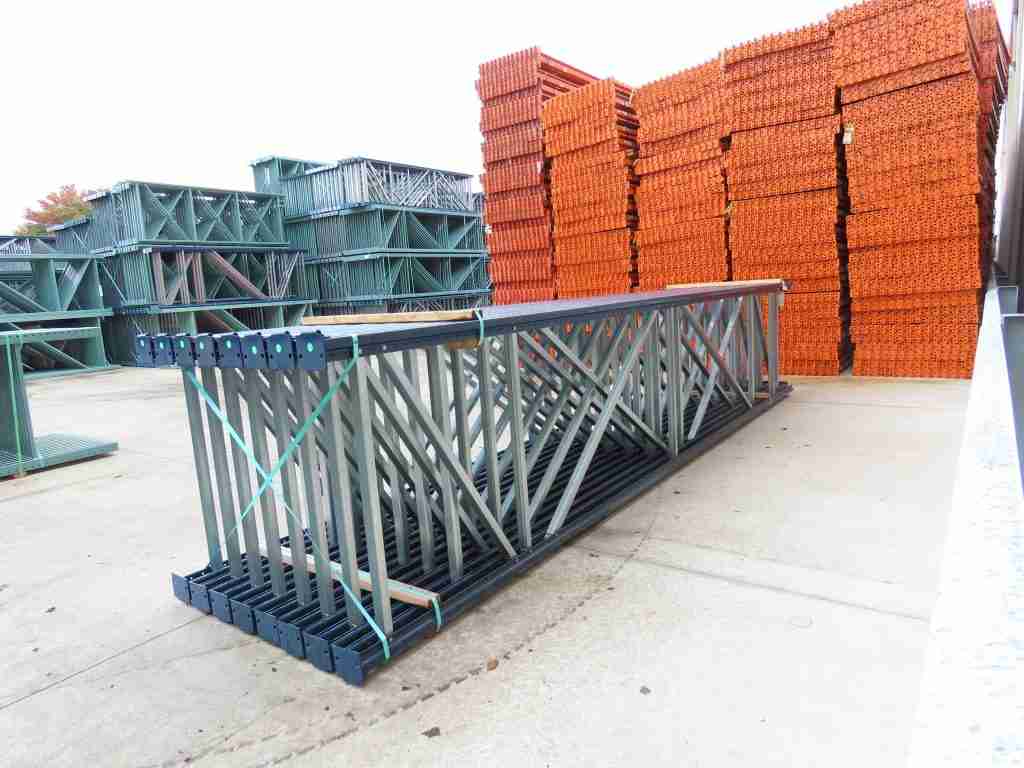
Other Resources
Here is a list of other resources you can review online to learn more:
- “Leading Warehouse Racking Manufacturers”
- “Warehouse Rack And Shelf”
- “Used Cantilever Racks & Used Lumber Racks for Sale – ASI”
- “Storage Rack Manufacturers | Storage Rack Suppliers”
- “Warehouse Storage Rack System”
- “What are the different types of warehouse storage solutions?”
- “Material Handling and Storage”
- “Used Pallet Racking for Sale”
- “Pallet Racking and Cantilever Racking Without the Wait”
- “Warehouse Racking Systems | Material Handling Equipment …”
- “Ultimate Warehouse Racking Guide for Optimal Space Use”
- “The Ultimate Guide to Selecting the Perfect Storage Rack”
- “Types of Industrial Racking for Warehouse: Classification & …”
- “Pallet Racking | Warehouse Rack | MHE”
- “Warehousing & Racking Dictionary”
- “Industrial Rack for Warehouses & Distribution Centers”
- “Why do you think storing things in racks and shelves are …”
- “Warehouse Pallet Racking Systems”
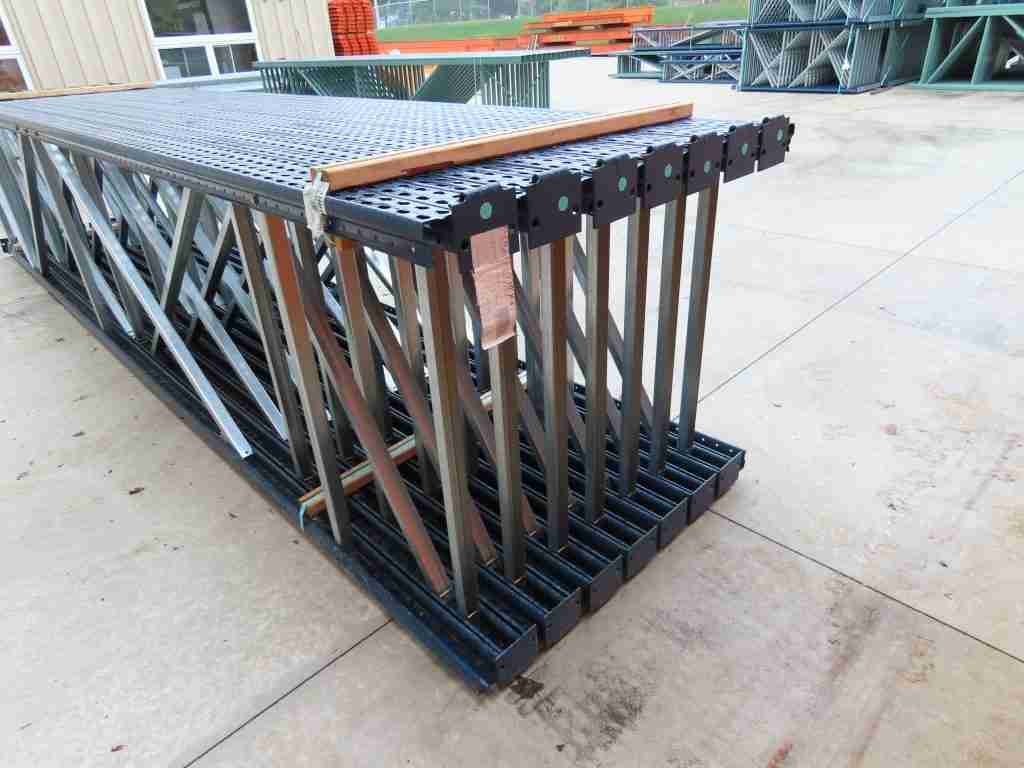
Other Resources
Glossary Terms
How Do Industrial Racks Enhance The Inventory Management Process? – Glossary Of Terms
1. Industrial Racks : Description: Storage systems designed for warehousing, maximizing vertical and horizontal space while supporting substantial weight loads.
2. Inventory Management : Description: The process of ordering, storing, using, and selling a company’s inventory, including raw materials, components, and finished products.
3. Pallet Racking : Description: A storage system that uses horizontal rows and vertical columns to store palletized materials efficiently.
4. FIFO : Description: First-In, First-Out inventory method ensuring that older stock is used or sold before newer stock.
5. LIFO : Description: Last-In, First-Out inventory method where the most recently produced items are the first to be used or sold.
6. Load Capacity : Description: The maximum weight that a rack can handle without compromising its structural integrity.
7. Space Utilization : Description: The efficient use of available storage space to maximize product storage and minimize waste.
8. Picking Efficiency : Description: The speed and ease with which products can be located and retrieved from storage.
9. Slotting Optimization : Description: The strategic arrangement of inventory to reduce picking time and improve efficiency.
10. SKU : Description: Stock Keeping Unit, a unique identifier for each distinct product or item in inventory.
11. Modular Design : Description: Racks designed in modules for easy assembly, customization, and scalability.
12. Accessibility : Description: The ease with which inventory can be accessed for picking or replenishment.
13. Vertical Storage : Description: Utilizing vertical space to store inventory, commonly employed in industrial racking systems.
14. Safety Features : Description: Elements such as safety locks, rails, and protective guards that ensure the secure storage of goods and the safety of workers.
15. Barcode Scanning : Description: A method for quickly identifying and tracking inventory using barcode technology.
16. Inventory Turnover : Description: The rate at which inventory is sold and replaced over a specific period.
17. Mezzanine Systems : Description: Elevated platforms built within a warehouse to create additional storage levels.
18. Cantilever Racking : Description: Storage that provides easy loading of long, bulky items like pipes, lumber, and furniture.
19. Dynamic Racking : Description: Systems that use conveyor components to move products within the rack automatically.
20. Push-Back Racking : Description: Systems where pallets are loaded from the front and move backward on rails, ideal for high-density storage.
21. Drive-In Racking : Description: A storage system that allows forklifts to drive directly into the rack, suitable for large quantities of homogenous products.
22. Mobile Racking : Description: Systems on wheels or tracks that can be moved to create access aisles as needed.
23. Inventory Accuracy : Description: The precision with which inventory records reflect actual stock levels.
24. Picking Errors : Description: Mistakes made during the retrieval of products, often due to inadequate storage organization.
25. Cycle Counting : Description: A method of auditing inventory where counting happens continuously, often focusing on different areas on a rotating basis.
26. Real-Time Tracking : Description: Monitoring inventory levels and movements in real time via technology like RFID and IoT.
27. Storage Density : Description: The volume of goods stored per unit of space, an essential factor in maximizing warehouse efficiency.
28. Warehouse Layout : Description: The design and arrangement of the storage space to optimize workflow and inventory management.
29. Order Fulfillment : Description: The complete process from receiving an order to delivering the product to the customer.
30. Ergonomics : Description: Designing storage systems and workflows to improve productivity, reduce worker fatigue, and enhance safety.
These terms provide a comprehensive understanding of how industrial racks play a crucial role in enhancing the inventory management process, by optimizing space, improving efficiency, and ensuring safety.
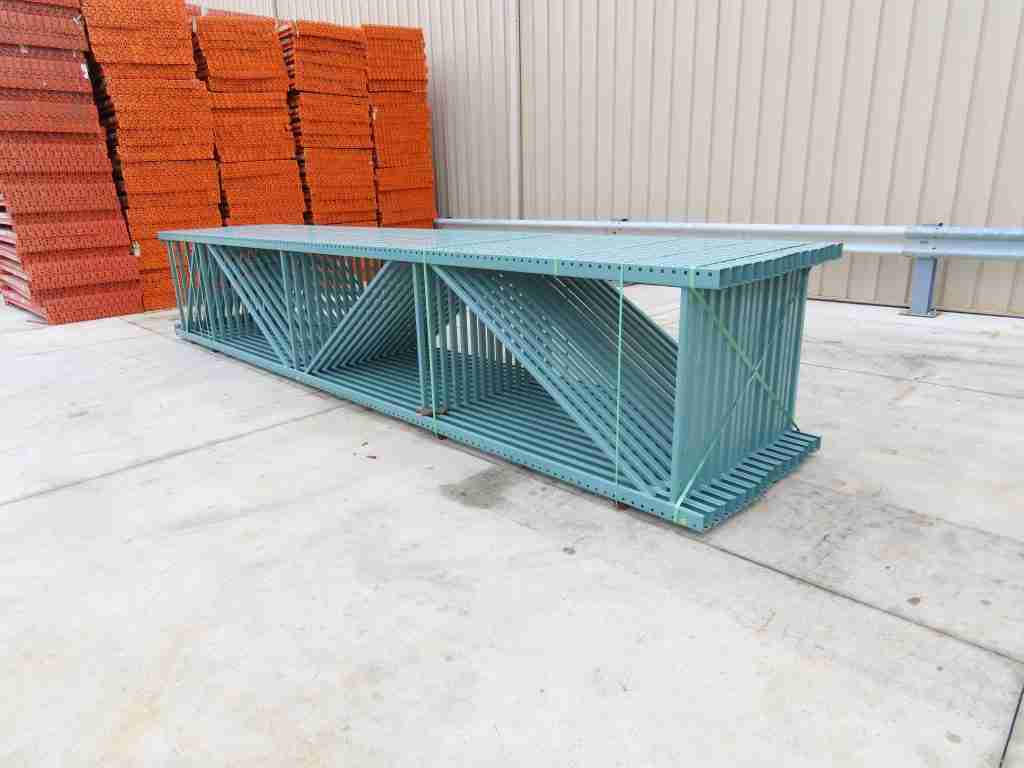
Glossary Of Terms
Other Questions
How Do Industrial Racks Enhance The Inventory Management Process? – Other Questions
If you wish to explore and discover more, consider looking for answers to these questions:
- What are the benefits of using industrial racks for inventory management?
- How do industrial racks contribute to warehouse safety?
- What are the different types of industrial racks available?
- Are there specific industries that benefit most from industrial racks?
- How do industrial racks help optimize warehouse space?
- Can industrial racks improve inventory accuracy?
- What safety measures should be considered when using industrial racks?
- What factors should be considered when choosing industrial racks for a facility?
- How do industrial racks help maximize vertical storage space?
- How can industrial racks enhance the efficiency of order fulfillment?
- What is the impact of industrial racks on reducing inventory carrying costs?
- How do industrial racks improve the organization and categorization of inventory?
- What are the considerations for the weight capacity of industrial racks?
- How do industrial racks aid in preventing damage to inventory?
- What are the environmental factors that affect the choice of material for industrial racks?
- What are the benefits of mobile and mezzanine industrial racks?
- What role do industrial racks play in enhancing workplace safety for employees?
- How do industrial racks contribute to improved inventory visibility?
- What types of industrial racks are suitable for storing oversized or oddly shaped items?
- How can investing in quality industrial racks impact a business’s bottom line?
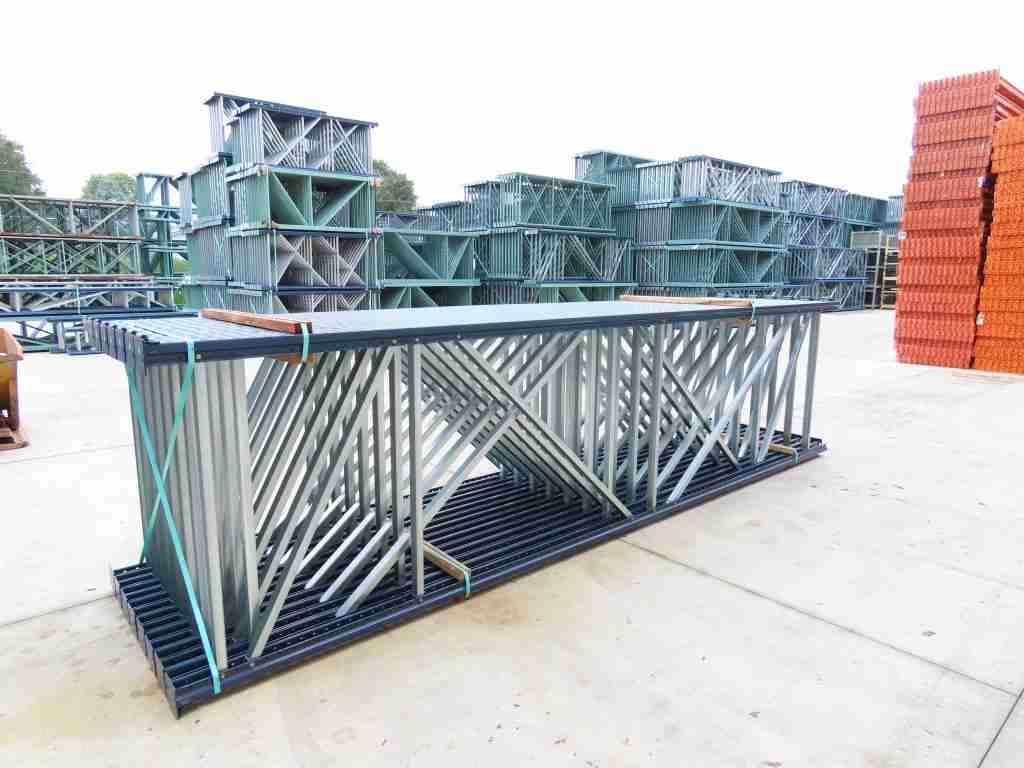
Other Questions
Checklist
How Do Industrial Racks Enhance The Inventory Management Process? – A Checklist
1. Maximizing Space Utilization
_____ Utilize vertical storage space to maximize floor space
_____ Create a more organized and streamlined storage area
_____ Increase overall storage capacity of the facility
2. Improving Inventory Visibility and Accessibility
_____ Store products in a systematic and organized manner
_____ Facilitate quick location and retrieval of items
_____ Minimize time spent searching for products
3. Categorizing and Segregating Inventory
_____ Use different types of racks (pallet racks, cantilever racks, selective racks)
_____ Designate specific storage areas for different types of products
_____ Organize inventory based on size, weight, and other factors
4. Enhancing Inventory Control
_____ Store products securely to monitor inventory levels
_____ Track products in real-time
_____ Adjust reorder quantities accordingly to minimize stockouts and overstock situations
5. Promoting Safety in the Warehouse
_____ Store products on sturdy and reliable racks to reduce accidents
_____ Protect valuable inventory from potential harm
_____ Ensure the safety of warehouse staff
6. Types of Industrial Racks
Pallet Racking
_____ Versatile storage for palletized materials
Cantilever Racking
_____ Ideal for long or bulky items (lumber, piping)
Shelving Units
_____ Suitable for smaller items and components
Drive-in Racks
_____ For large quantities of the same product
Push-back Racking
_____ Maximizes space with inclined rails
7. Optimizing Warehouse Space
_____ Utilize vertical space for more storage
_____ Tailor storage solutions with different rack types
_____ Improve safety with secure storage
_____ Adapt and rearrange racks for changing inventory needs
8. Improving Inventory Accuracy
_____ Visual organization for better stock visibility
_____ Minimize damage and spoilage
_____ Enhance picking and packing accuracy
_____ Improve workplace safety
9. Safety Measures
_____ Proper installation and anchoring of racks
_____ Regular inspections for wear and tear
_____ Employee training on safe usage
_____ Keep the area around racks clear and organized
_____ Invest in additional safety features (rack guards, safety nets)
10. Industry Applications
_____ Manufacturing: Storing raw materials, work-in-progress, finished products
_____ Logistics and Distribution: Organize and transport goods efficiently
_____ Retail: Store and display products neatly
_____ Agriculture: Store equipment, tools, supplies
_____ Healthcare: Organize medical supplies and equipment
_____ Construction: Store building materials and tools
11. Specific Factors to Consider
_____ Weight capacity of the racks
_____ Size and layout of the facility
_____ Material and construction of racks
_____ Accessibility and ergonomic features
By following this checklist, you can ensure that your investment in industrial racks will lead to enhanced inventory management, increased efficiency, and a safer, more organized warehouse environment.
Checklist
At RackingWorld, we help guide you through selecting warehouse storage systems and racking.
Be sure to read our other related stories at RackingWorld to learn more about warehouse storage systems.
0 Comments