
Maximizing Rack Lifespan: The Importance Of Regular Maintenance
By Tom Seest
At RackingWorld, we help guide you through selecting warehouse storage systems and racking.
Be sure to read our other related stories at RackingWorld to learn more about warehouse storage systems.
The Role Of Preventive Maintenance In Rack Longevity
When it comes to maintaining the integrity of your racking systems, preventive maintenance isn’t just a good idea—it’s a necessity. Picture your warehouse filled with towering racks, each one playing a crucial role in your operations. These structures are not just steel and bolts; they are the backbone of your productivity. Treat those racks well, and they’ll serve you tirelessly. Neglect them? You might as well invite chaos into your operation.
Think about it: a single compromised rack can ripple through your entire workflow, leading to inefficiency and potential accidents. It’s a gut-check moment when you realize that the cost of a minor maintenance oversight could balloon into a catastrophic failure. The numbers might make your head spin, but the reality is even more sobering. Regular inspections, tightening bolts, and ensuring proper load distribution can save you countless headaches down the road. Preventive maintenance is not a chore; it’s an investment in longevity, and it pays dividends in safety and reliability.
This is where ethical responsibility comes into play. As a warehouse manager or business owner, you owe it to your team—the people who depend on that racking—to ensure their workplace is safe. When you prioritize preventive maintenance, you’re sending a message to your crew that you care. You’re creating an environment where they can focus on their work without the looming anxiety of avoidable dangers. That feeling of trust fosters a camaraderie that goes beyond the workday; it builds a community bound by safety and shared success.
And don’t underestimate the power of authority here. Those who take the time to maintain their racking systems will often find themselves celebrated in their industry. You become a role model, showcasing that success stems not from shortcuts, but from diligence. Others will seek your advice, turning their eyes toward your methods. You become the beacon of best practices in a field where excellence is often rare.
So, take a moment to reflect. Preventive maintenance is not merely a checkbox—it’s a philosophy that encourages resilience and longevity. Embrace it, and not only will your racks last longer, but you’ll cultivate a workplace culture that values sustainability and safety. Remember, a small act today creates a legacy tomorrow.
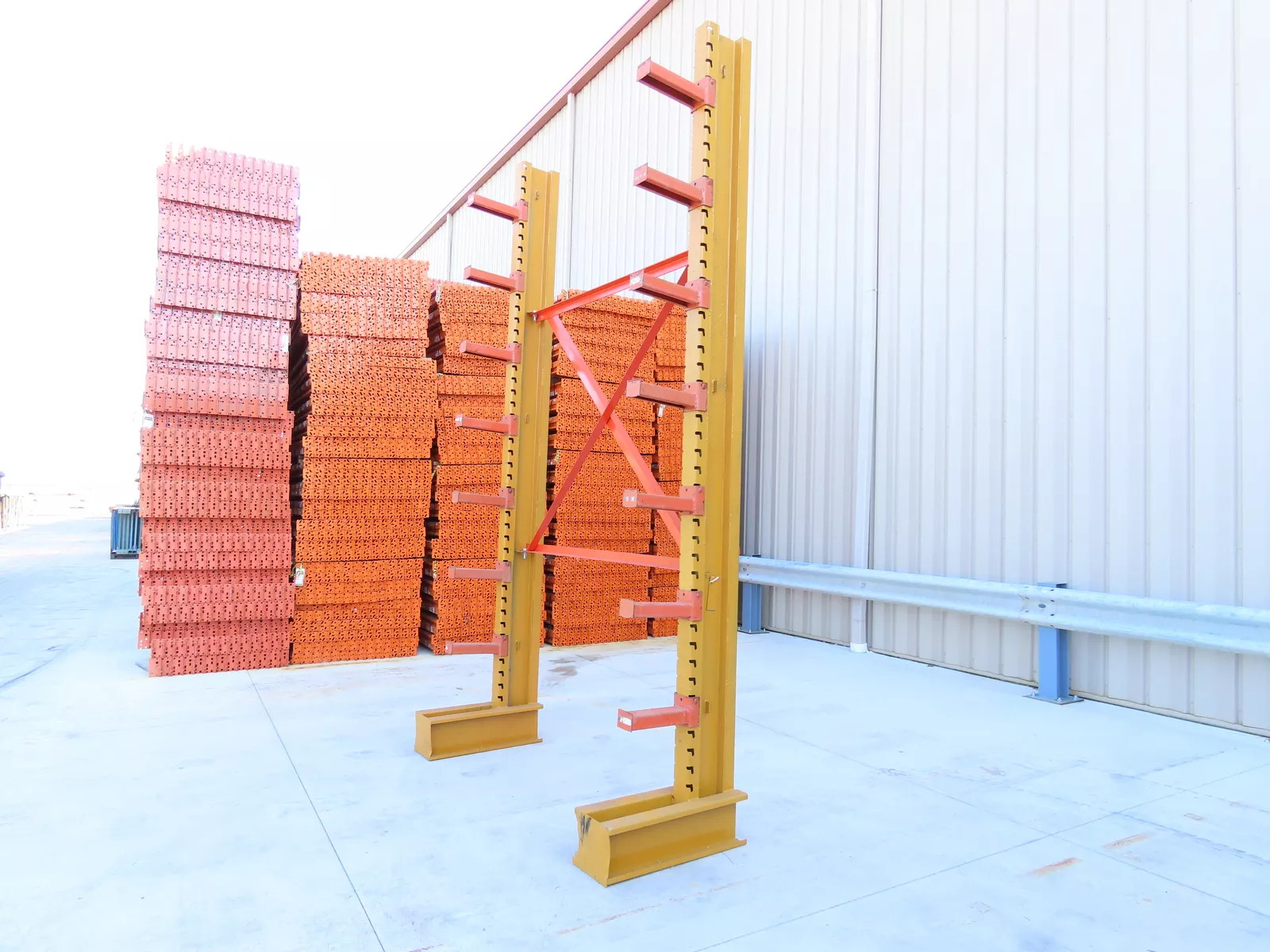
The Role Of Preventive Maintenance In Rack Longevity
The Role Of Preventive Maintenance In Rack Longevity
- Preventive maintenance of racking systems is essential for productivity and safety in warehouses.
- Neglecting maintenance can lead to inefficiency and catastrophic failures, impacting the entire workflow.
- Regular inspections and minor maintenance tasks can prevent significant issues and enhance longevity.
- Prioritizing maintenance sends a message to employees about safety and demonstrates caring leadership.
- Creating a safe work environment fosters a culture of trust, camaraderie, and collective success.
- Companies that commit to maintenance become industry role models and gain recognition for their diligence.
- Adopting preventive maintenance as a philosophy contributes to a sustainable and safe workplace culture.
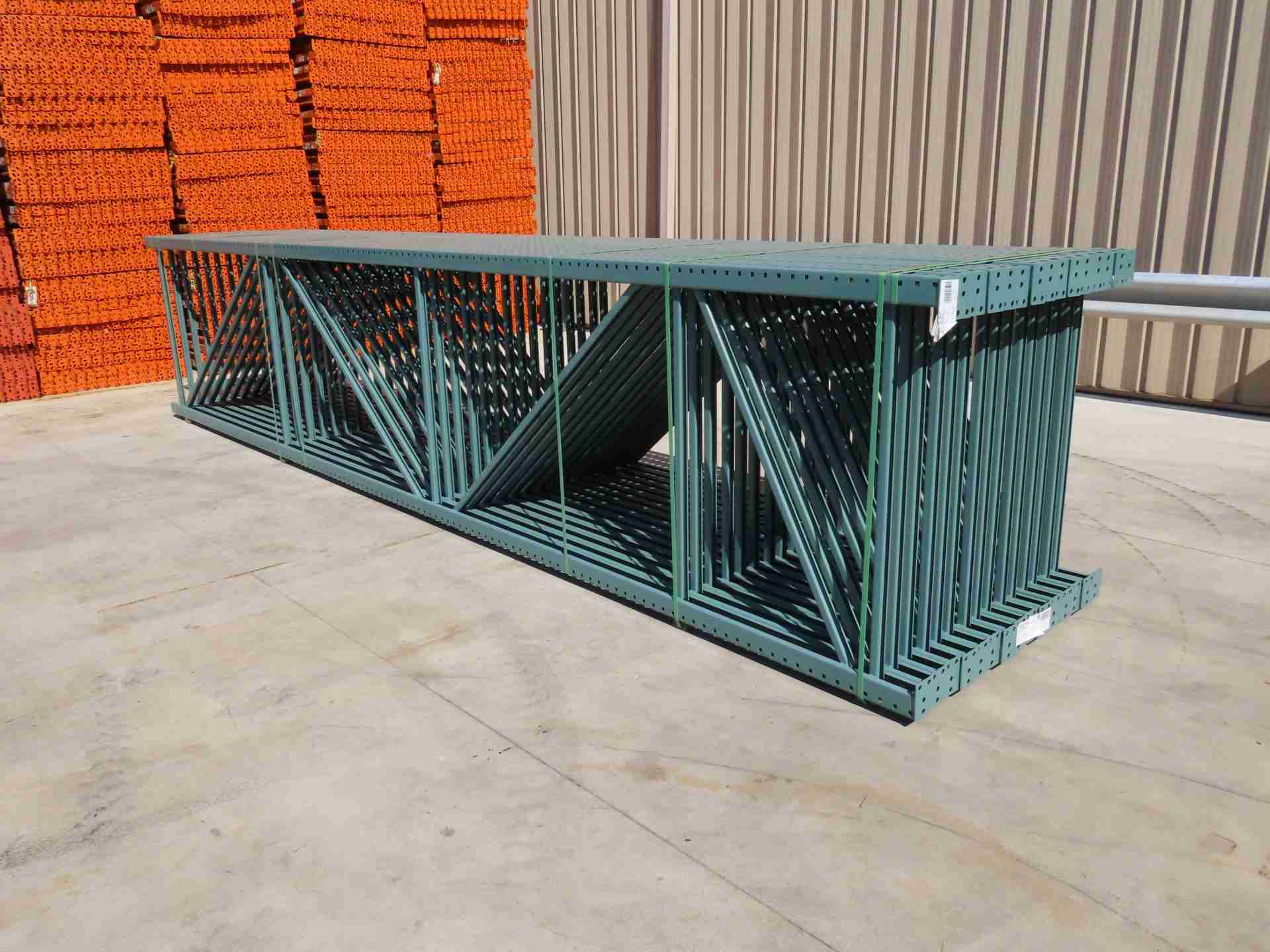
The Role Of Preventive Maintenance In Rack Longevity
Table Of Contents
- The Role Of Preventive Maintenance In Rack Longevity
- How Does Preventive Maintenance Actually Reduce Downtime?
- What Ethical Responsibilities Do We Have Towards Our Assets?
- What Proven Strategies Can Extend the Life Of Your Racks?
- How Can We Measure the Effectiveness Of Our Maintenance Programs?
- What Stories Illustrate the Cost Of Neglecting Preventive Measures?
- Conclusion
- Other Resources
- Glossary Of Terms
- Other Questions
- Checklist
How Does Preventive Maintenance Actually Reduce Downtime?
Imagine a day at work when everything runs like a well-oiled machine. The hum of engines, the whirr of tools, and that sweet sound of productivity fill the air. Now, picture the opposite: equipment grinding to a halt, employees standing around in confusion, the unmistakable anxiety that ripples through the team when the racking system fails unexpectedly. It’s not just metal and bolts going wrong; it’s hours of work lost, deadlines at risk, and trust eroding amongst colleagues.
Preventive maintenance is the unsung hero in this narrative. At its core, it’s about foresight—recognizing that equipment, just like our bodies, requires care and attention before trouble strikes. It’s not merely an option; it’s a necessity. Ethically speaking, maintaining equipment respects the hard work of every individual on the team. When you invest time and resources in keeping your machines in peak condition, you’re not just protecting equipment; you’re safeguarding livelihoods, families, and the integrity of the workplace.
From a rational standpoint, consider the figures: a 20% reduction in downtime translates to more productivity, more efficiency, and yes, more profits. When your machinery is regularly inspected and serviced, you’re not merely avoiding the potential heartache of breakdowns; you’re paving the way for smoother operations. This tangible impact resonates deeply with every worker who relies on these tools daily, reinforcing a culture of care and accountability.
The emotional side is where it gets deeply personal. Think of the pride that blossoms when a team is not just working hard but working smart, when they come together to uphold a standard of excellence in their crafts. It’s about sharing successes, celebrating milestones, and standing collectively resilient against the unpredictability of machine failure. A workplace that prioritizes preventive maintenance fosters a sense of community; it encourages individuals to invest not just in their work but in each other.
The stories echo throughout the halls—of challenges turned into victories, of teams rising together, and equipment that never falters when it matters most. By embracing preventive maintenance, you’re not just reducing downtime; you’re building a culture of trust, reliability, and unity. So let’s roll up those sleeves and take action because every minute counts, and every heartbeat of that machine deserves the steadfast commitment of its operators. It’s not just maintenance; it’s a promise to each other.
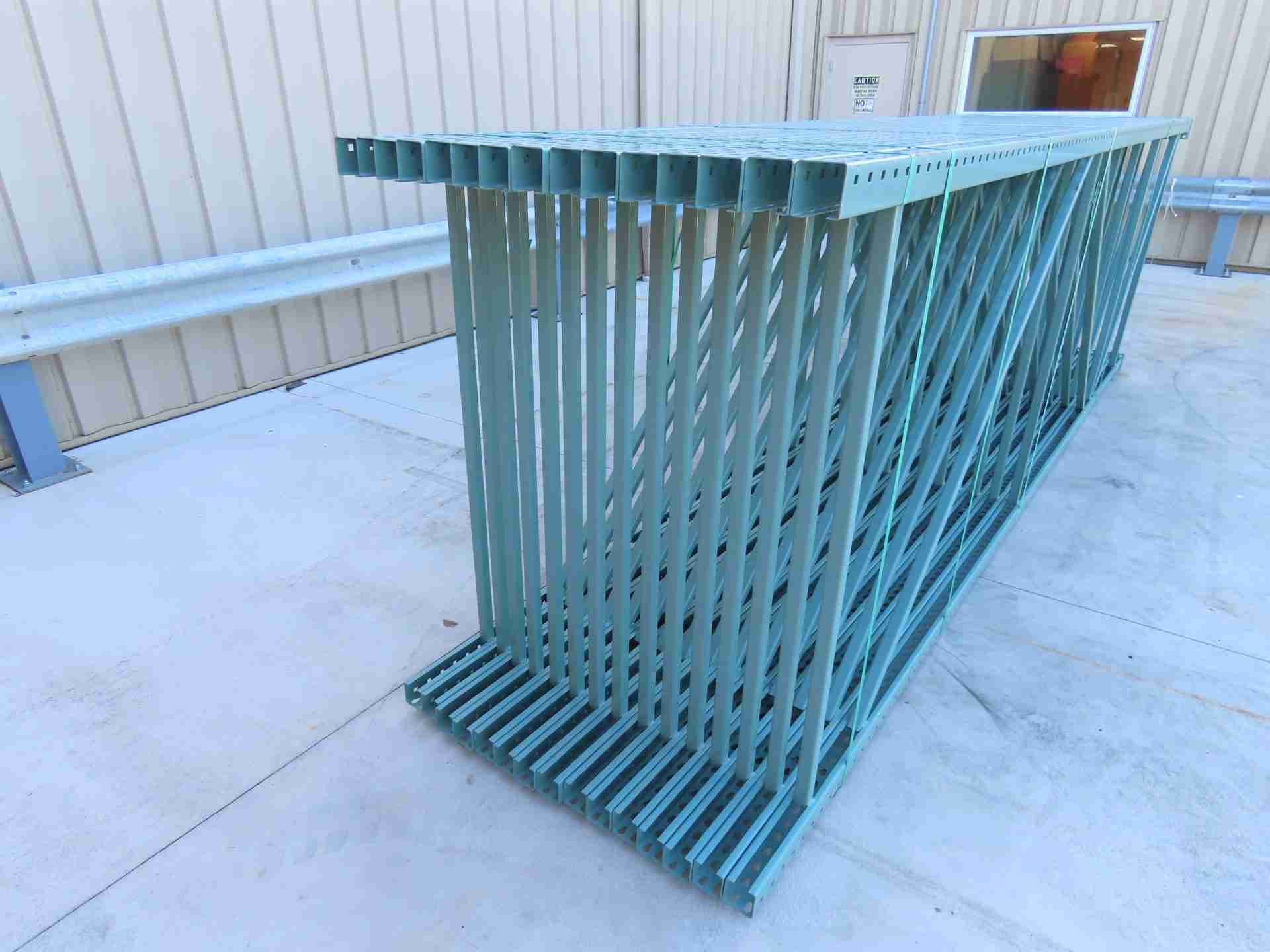
How Does Preventive Maintenance Actually Reduce Downtime?
How Does Preventive Maintenance Actually Reduce Downtime?
- A well-functioning workplace contrasts sharply with one plagued by equipment failures and confusion among employees.
- Preventive maintenance is essential, acting as foresight to care for equipment needs before issues arise.
- Ethical maintenance respects every team member’s hard work, protecting livelihoods and workplace integrity.
- A 20% reduction in downtime leads to increased productivity, efficiency, and profits.
- Regular equipment inspection fosters smoother operations and reinforces a culture of care and accountability.
- Prioritizing preventive maintenance creates a community of support, pride, and resilience among team members.
- Embracing preventive maintenance builds trust, reliability, and unity within the workplace.

How Does Preventive Maintenance Actually Reduce Downtime?
What Ethical Responsibilities Do We Have Towards Our Assets?
Let’s take a moment to think about what we own—our homes, our vehicles, our tools, or even that prized collection of vinyl records. Each piece is more than just a material possession; it’s a story, a commitment, a reflection of who we are. But with ownership comes a weighty ethical responsibility. We aren’t just stewards of these assets; we’re stewards of the values they represent. The racking system we choose to display our beloved items isn’t just about aesthetics; it’s a testament to how we honor them.
The first responsibility is simple yet profound: care. When you consider your assets, think of them as relationships. Just as you treat your friends and family with respect, your belongings deserve the same kind of attention. Neglect or abuse isn’t just a poor choice; it tarnishes the narrative of your life. This isn’t just about economic value; it taps into an emotional reservoir that reminds us we are more than what we own. Taking the time to maintain and repair your belongings isn’t a chore; it’s an act of respect—a way to resonate with the craftsmanship and effort that went into creating or shaping those items.
Then there’s the rational element. Our possessions often come with a cost—financial, environmental, and social. The materials sourced to build our machines or the carbon footprint left by our transportation choices call us to a higher standard. Each purchase carries consequences, and being mindful of those impacts elevates our ownership into an ethical framework. Consider the energy efficiency when updating appliances or the sustainability of building materials—these decisions speak volumes about who we are and what kind of legacy we wish to leave.
And let’s not forget the relational aspect—community. Our choices ripple through the lives of others. Supporting local businesses, choosing ethically produced goods, and even the way we dispose of unwanted items can uplift our societal fabric. When we resist the impulse to indulge in consumerism and instead invest in our local ecosystems, we foster connections that make us stronger as a community.
This isn’t just about possessing; it’s about aligning our values with our actions. It’s a call to be intentional, to think deeply about our relationships with our assets—because in doing so, we identify not only who we are but who we aspire to become. Each piece we own gives us the opportunity to make a meaningful statement, one that echoes beyond our walls and into the world.
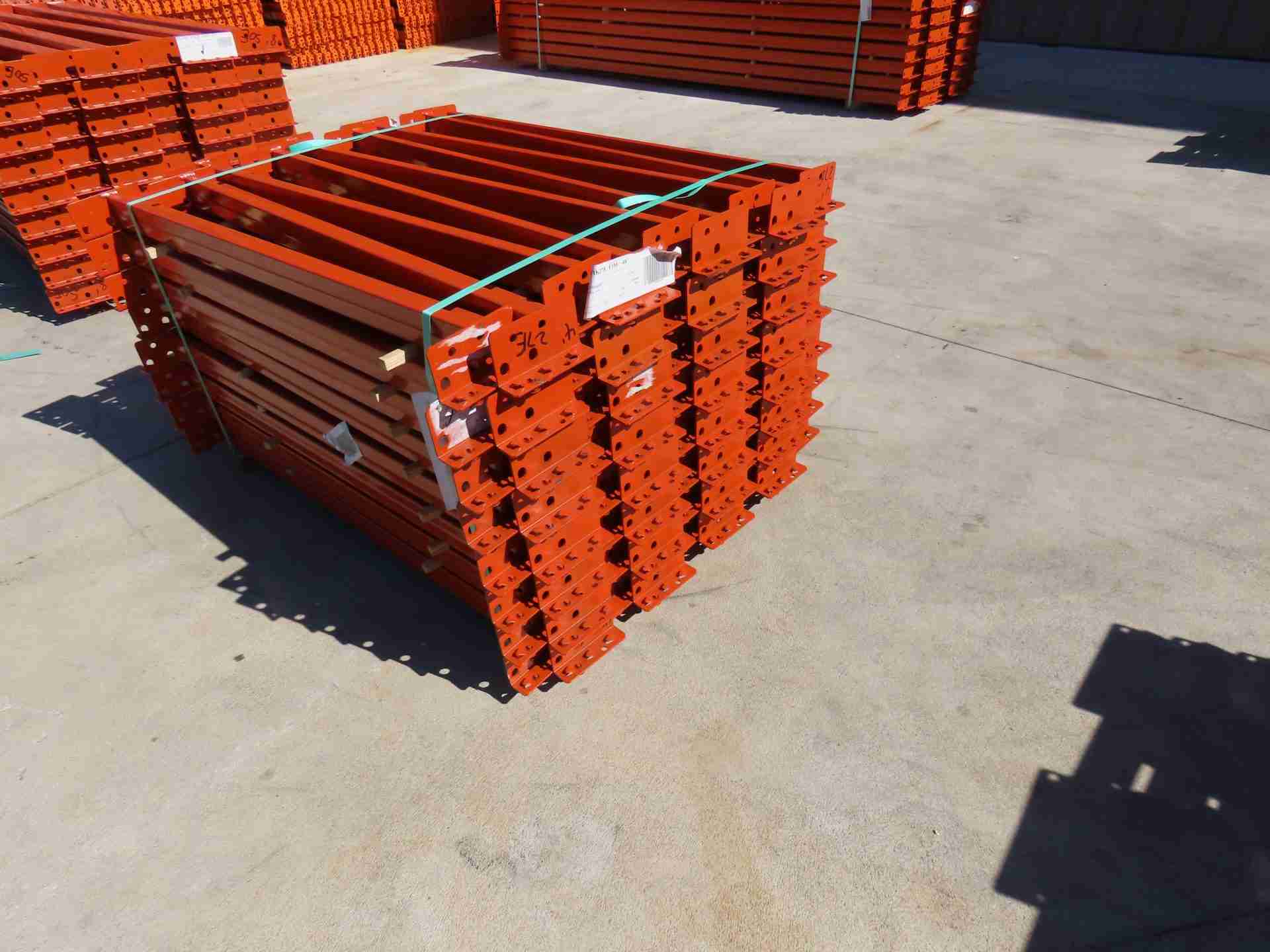
What Ethical Responsibilities Do We Have Towards Our Assets?
What Ethical Responsibilities Do We Have Towards Our Assets?
- Our possessions reflect our identity and tell our personal stories.
- Ownership carries ethical responsibilities, highlighting the values we represent.
- Taking care of belongings should be viewed as nurturing relationships.
- Neglecting possessions tarnishes both their value and our personal narrative.
- Purchases come with financial, environmental, and social costs that require mindfulness.
- Supporting local businesses and ethical products strengthens community ties.
- Intentional living aligns our values with our actions, shaping our identity and legacy.
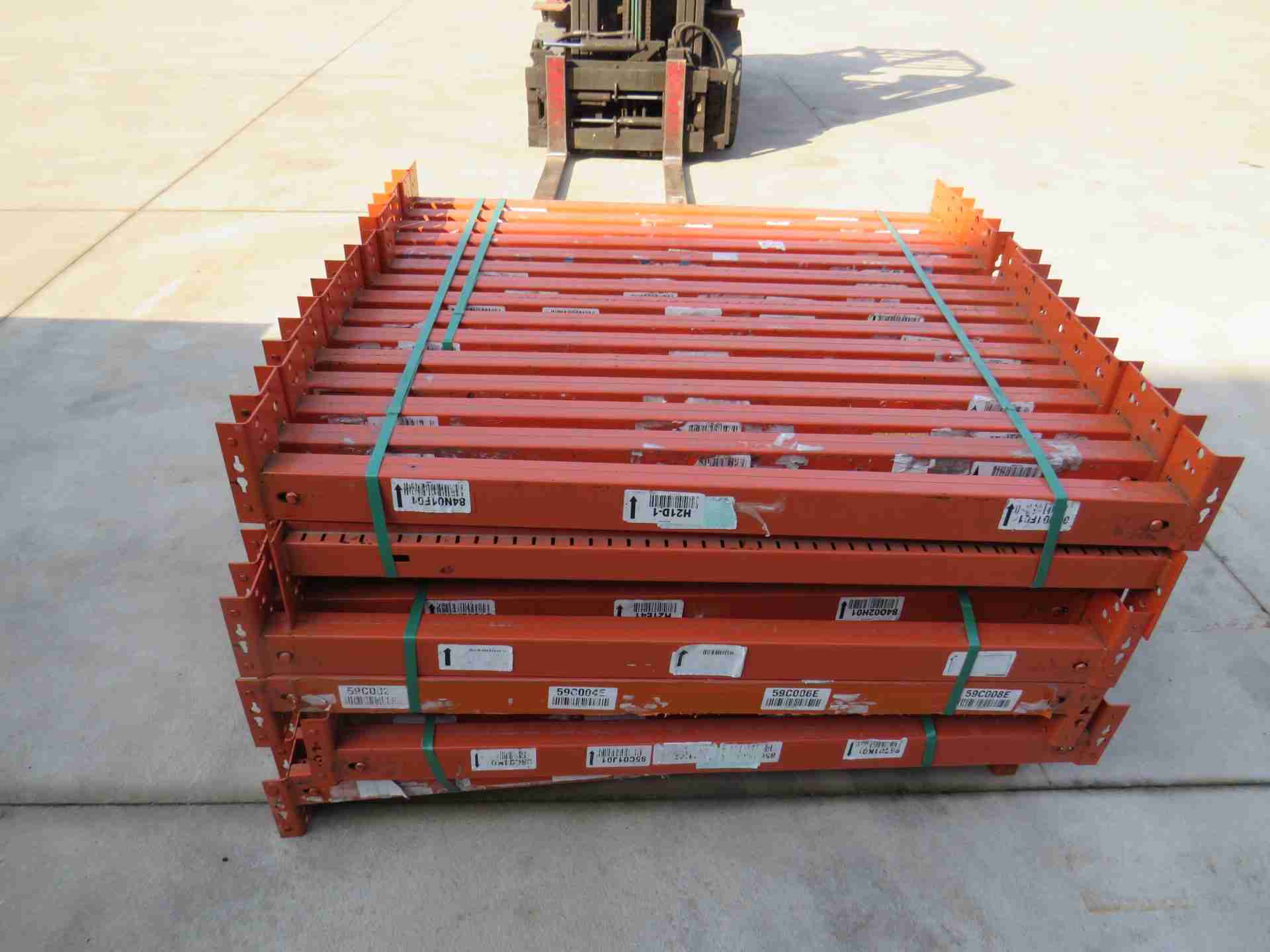
What Ethical Responsibilities Do We Have Towards Our Assets?
What Proven Strategies Can Extend the Life Of Your Racks?
When it comes to the unsung heroes of any warehouse or storage facility—those stalwart racks that bear the brunt of your daily operations—a little care and attention can go a long way. The effort you put into preserving your racking system can pay dividends, extending its life and saving you from costly replacements down the road. So, let’s talk about some proven strategies that not only make sense but resonate with the heart and spirit of good stewardship.
First off, think about the materials. Not all racking systems are created equal. Investing in higher-quality materials can mean the difference between a rack that stands firm under pressure and one that crumples at the first sign of strain. Choose racks made from durable steel and engineered for the load you’re putting on them. It’s not just a checkbox; it’s a commitment to safety and longevity. It’s about doing right by your team, ensuring that what surrounds them day in and day out is up to the task.
Next, you’ve got to engage in routine inspections and maintenance. This isn’t just a good idea; it’s an ethical responsibility. Just as you wouldn’t drive a car with a flickering warning light, ignoring signs of wear can jeopardize not only your equipment but also the people working around it. Create a regular schedule for assessing your racks—look for dents, rust, or any signs of fatigue. When you see something, don’t just fix it; understand it. This creates a safer environment, and your team will sense that commitment.
Now let’s ponder the importance of training. Provide your team with comprehensive training on how to load the racks properly and the inherent dangers of overloading. Make it clear that this isn’t just protocol; it’s care for themselves and one another. Employees who feel empowered and knowledgeable take ownership of their workspace. And in doing so, they cultivate a culture of mindfulness that radiates through the entire operation.
Lastly, consider ergonomic design. The racks should support the workflow, not hinder it. An environment designed for efficiency doesn’t just increase productivity; it fosters connection among workers as they move seamlessly in a space that respects their needs.
By focusing on these strategies—materials, maintenance, training, and design—you’re not just extending the life of your racking but building an operation grounded in trust and resilience. Embrace the journey, because it’s not merely about equipment; it’s about people, safety, and the heart of what you do.
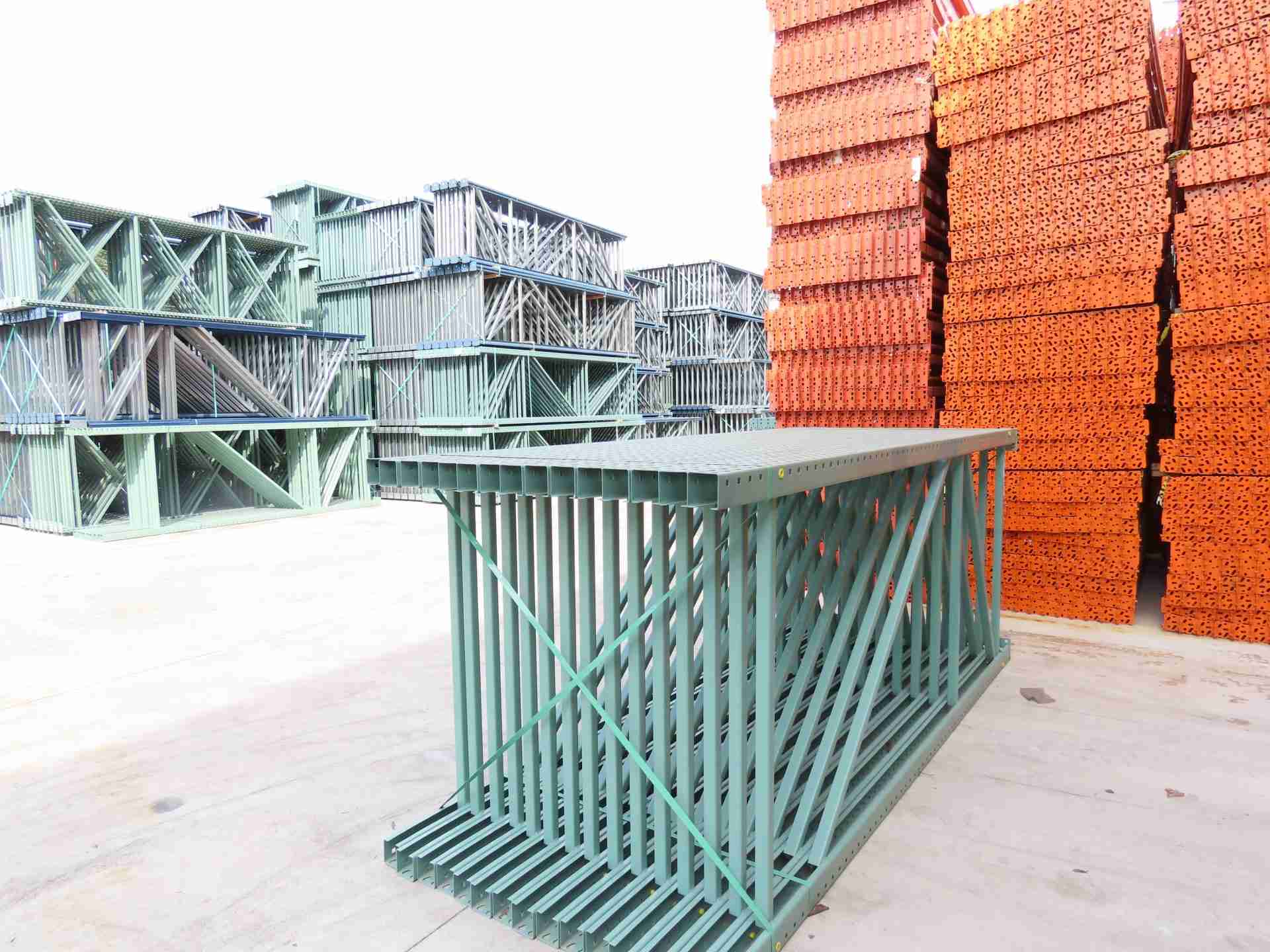
What Proven Strategies Can Extend the Life Of Your Racks?
What Proven Strategies Can Extend the Life Of Your Racks?
- Racking systems are essential for daily operations in warehouses and require regular care to extend their lifespan.
- Investing in high-quality materials, such as durable steel, enhances safety and longevity.
- Routine inspections and maintenance are crucial to identify signs of wear and ensure a safe working environment.
- Understanding issues, rather than merely fixing them, contributes to a safer workplace.
- Comprehensive training for staff on proper loading techniques fosters a culture of safety and ownership.
- Ergonomic design of racks boosts efficiency and productivity while supporting worker needs.
- Focusing on materials, maintenance, training, and design strengthens operations and builds trust among teams.
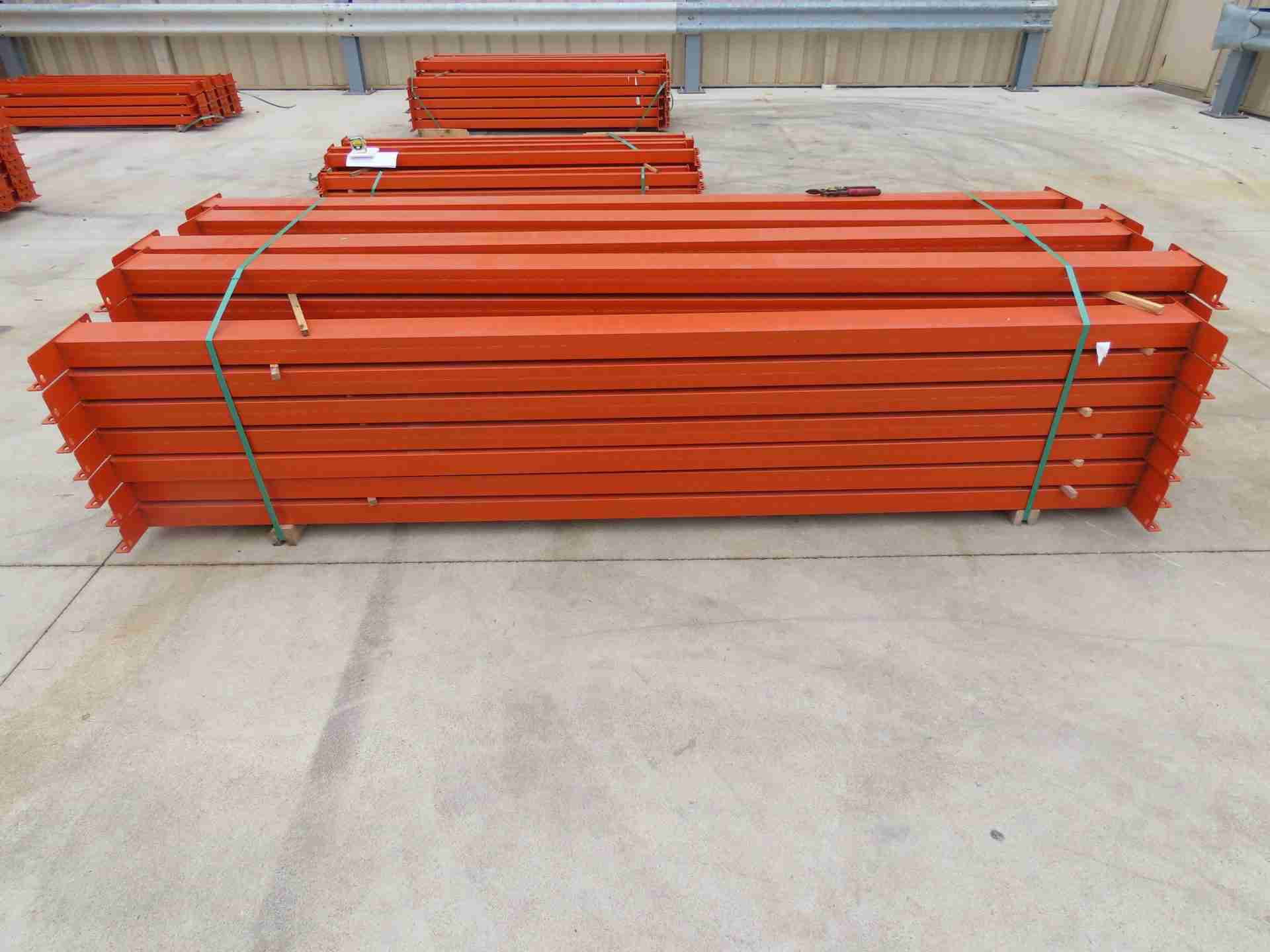
What Proven Strategies Can Extend the Life Of Your Racks?
How Can We Measure the Effectiveness Of Our Maintenance Programs?
When it comes to the effectiveness of our maintenance programs, it’s not just a numbers game; it’s about the heartbeat of our operations. Measuring effectiveness is like racking up points in a game where every play counts. You can’t just look at the scoreboard; you need to understand the plays that got you there.
First, ascertain the clear metrics that matter—uptime, failure rates, and cost efficiency. Picture this: your machines are the lifeblood of your business, pumping efficiency through your operations. By tracking the uptime of your equipment, you can gauge just how well your maintenance is playing its role. When machines hum smoothly, employees can focus on what they do best—connecting with customers and improving products. That’s where the emotional pull lies; a well-maintained machine lessens stress in the workplace, fostering a culture of trust and collaboration.
Now, let’s not shy away from the hard truth: maintenance isn’t simply about fixing things when they break. It’s about developing a proactive mindset that anticipates problems before they fester. This is where the rational aspect kicks in. Embrace predictive maintenance tools and data analytics; they can transform mere observations into actionable insights. By understanding trends, you’re not just reacting; you’re strategizing the future of your operations.
Ethically, investing in maintenance shows your commitment to safety and responsibility. Employees should feel that their well-being is a priority. A breakdown isn’t merely a logistical issue; it can put lives at risk. By championing preventive measures, you’re taking a stand for a workplace where everyone feels secure and valued.
Moreover, consider the narratives that emerge from robust maintenance programs. Encourage team members to share their experiences—times when a well-timed repair saved the day or how they averted disaster through foresight. These stories create a tapestry of connection, reminding everyone that their role is vital.
Finally, it’s about social responsibility. A company that values maintenance contributes to a sustainable environment. Being proactive reduces waste and prolongs equipment life, echoing a commitment to our planet’s future. When your maintenance program shines, it resonates throughout the community, affirming that you are doing your part to safeguard the world for generations to come.
So, measure deeply and make every effort count. The effectiveness of your maintenance program doesn’t just impact machinery; it shapes your organization’s soul.
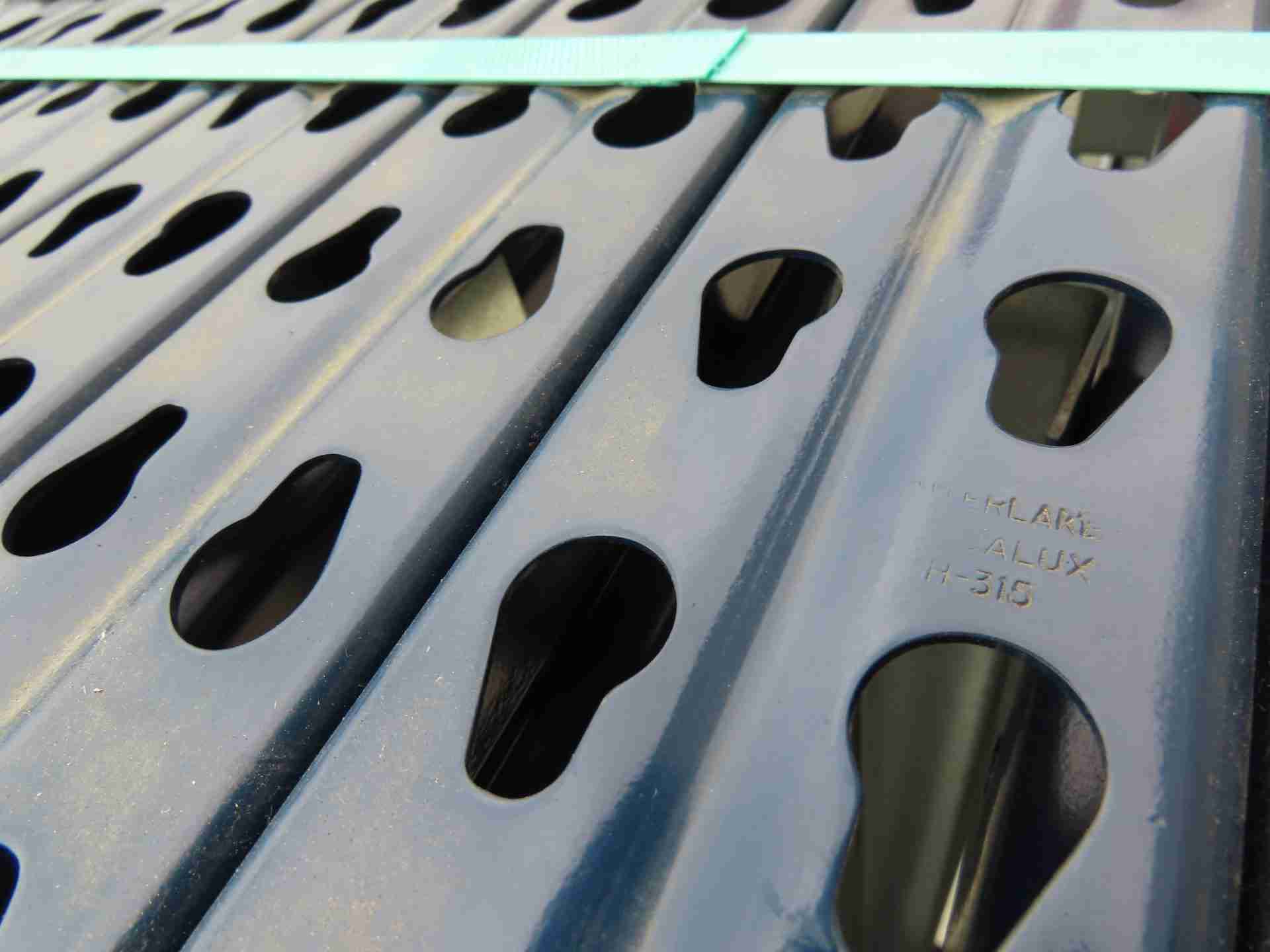
How Can We Measure the Effectiveness Of Our Maintenance Programs?
How Can We Measure the Effectiveness Of Our Maintenance Programs?
- Effectiveness of maintenance programs is crucial for operational success, akin to understanding game plays, not just scores.
- Key metrics include uptime, failure rates, and cost efficiency; well-maintained machines boost employee productivity and morale.
- Adopting a proactive maintenance mindset is essential to prevent issues before they arise, utilizing predictive tools and data analytics.
- Investing in maintenance reflects commitment to employee safety and workplace responsibility, minimizing risks of breakdowns.
- Sharing success stories from maintenance efforts fosters team connection and highlights individual contributions to operational success.
- A strong maintenance program supports social responsibility by reducing waste and promoting sustainability.
- Ultimately, effective maintenance shapes the culture and ethos of the organization, impacting both machinery and workforce well-being.

How Can We Measure the Effectiveness Of Our Maintenance Programs?
What Stories Illustrate the Cost Of Neglecting Preventive Measures?
Let’s take a walk through the abandoned town of Millwood, where once-thriving businesses now stand in silent decay. The air is thick with the scent of rust and forgotten dreams, and it’s a reminder of what can happen when preventive measures are ignored. Just a handful of years ago, this place bustled with activity, yet a few ignored warnings led to a tragic fate. Businesses chose to save a few dollars on maintenance, avoiding the racking repairs that would have kept their buildings safe and sound. The roof overhead eventually leaked, the walls cracked, and before anyone knew it, Millwood was only a memory.
Imagine if those business owners had invested just a fraction of their earnings into robust preventive measures—regular inspections, maintenance schedules, and community involvement. Instead, they opted for the short-term mindset of cutting corners. As each building crumbled, so did their hopes. Their negligence not only affected their bottom line but sent ripples through the community, taking jobs and livelihoods with them.
What’s truly haunting about neglect is that it doesn’t just impact individuals; it impacts families. Consider the story of the Harris family, who lost their home to a preventable fire, sparked by outdated wiring ignored for years. The fire consumed not just their belongings, but shattered their lives. They were a reminder of the ethical responsibility we all share—to take care of one another. Preventive measures often feel like an inconvenience until the moment they become a necessity.
The rational minds among us may argue that preventive actions can feel burdensome or costly. Yet, take a moment to consider the greater cost of neglect—an empty storefront where there used to be laughter, a playground overtaken by weeds where children once played, and families torn apart by loss.
On the surface, neglecting preventive measures might seem trivial, a ticking clock that can withstand some delay. But the heart of the matter beats louder when we realize that each act of neglect is a silent agreement to let things fall apart. It’s time to embrace the notion that investing in prevention is investing in our future. Let these stories echo not as cautionary tales, but as calls to action, inviting us to take a stand for our communities, our families, and ourselves. Together, we can rewrite the narrative from neglect to resilience.
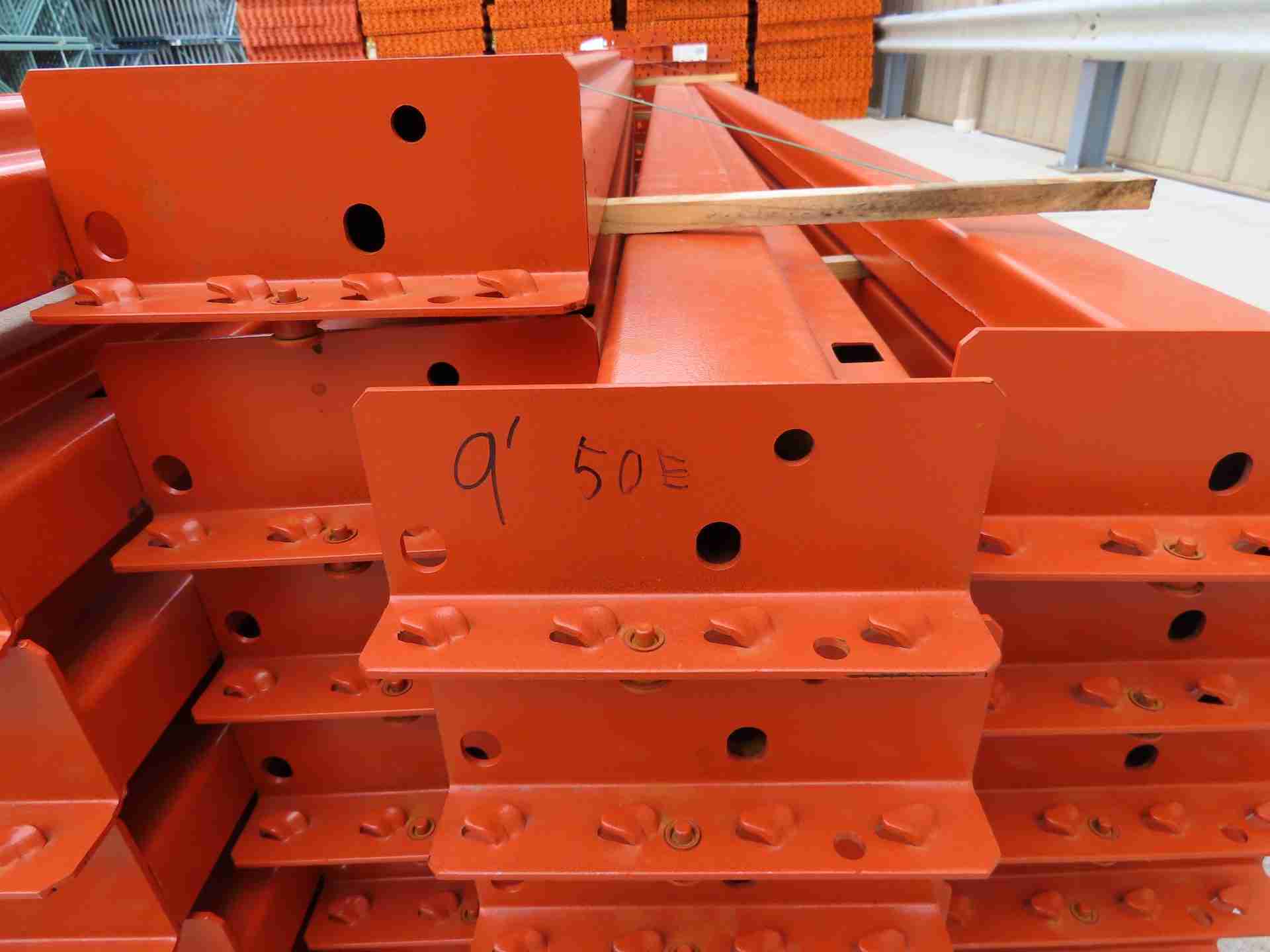
What Stories Illustrate the Cost Of Neglecting Preventive Measures?
What Stories Illustrate the Cost Of Neglecting Preventive Measures?
- The abandoned town of Millwood symbolizes the consequences of ignored preventive measures.
- Businesses prioritized short-term savings over essential maintenance, leading to decay.
- Neglect affected not only businesses but also the livelihoods of the community.
- The Harris family’s loss from a preventable fire highlights the personal impact of negligence.
- Preventive measures may seem burdensome but are crucial for long-term well-being.
- Ignoring preventive actions allows communities to deteriorate, transforming vibrant spaces into reminders of loss.
- Investing in prevention is essential for the future of communities and families, encouraging resilience over neglect.
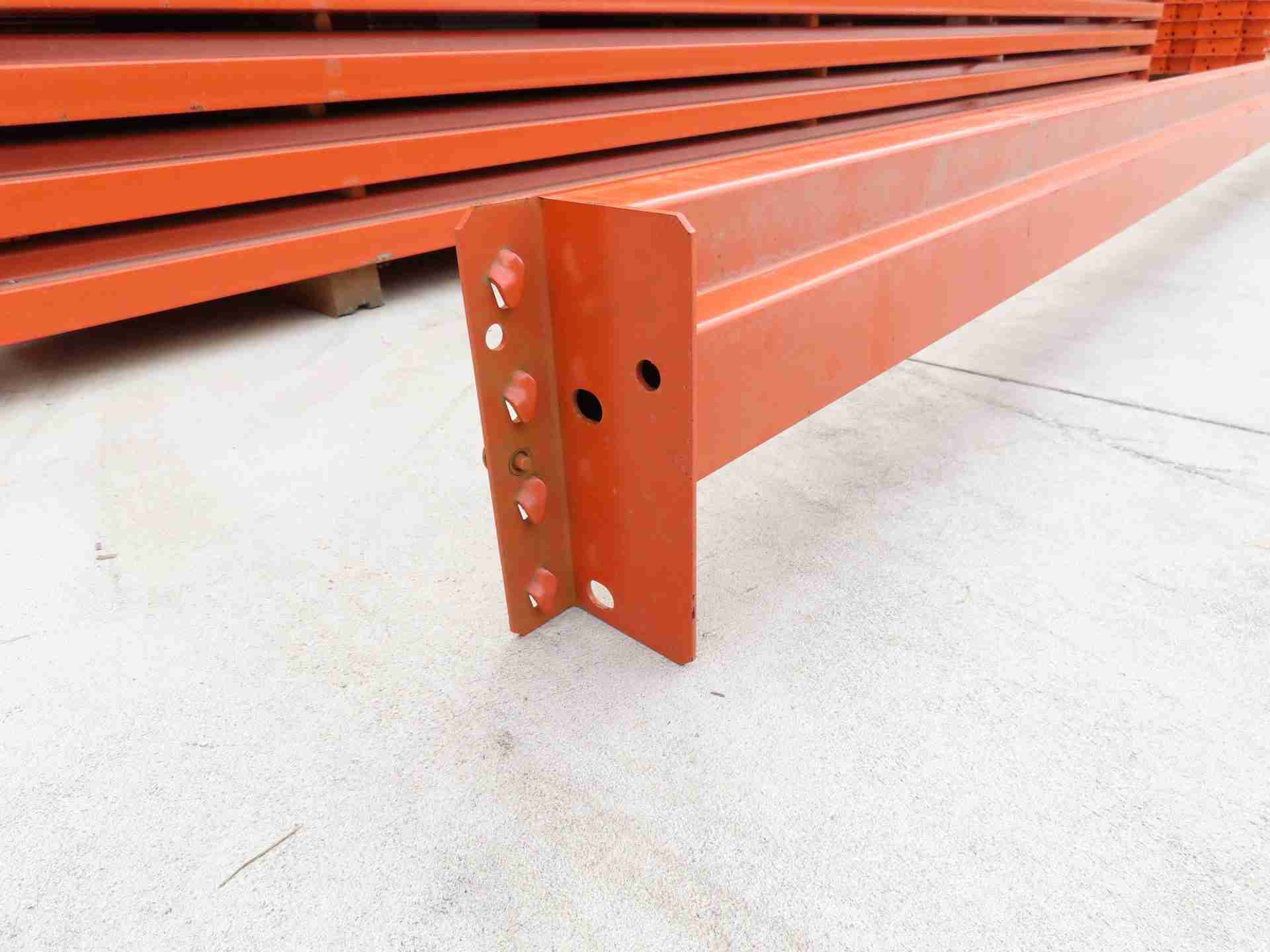
What Stories Illustrate the Cost Of Neglecting Preventive Measures?
Conclusion
Preventive maintenance is more than mere upkeep; it’s a philosophy that echoes through the chambers of every thriving workplace. Visualize your racking systems not as cold, lifeless metal but as the very backbone of productivity, holding up the dreams and ambitions of your team. Neglect them, and it can spell chaos, jeopardizing not only efficiency but the very safety of your workers. A single compromised rack can trigger a domino effect of downtime, employee anxiety, and ultimately, financial loss. The cold, hard truth is that a small investment in preventive measures can yield immeasurable returns in safety, performance, and morale.
As warehouse managers or business owners, we bear an ethical responsibility towards our teams. By prioritizing preventive maintenance, we’re sending a powerful message: we care about our collective well-being. A safe, well-maintained environment fosters trust and camaraderie, cultivating a culture where success is shared. This makes ethical stewardship not just an obligation but a bond that unites everyone in the mission at hand.
Keep in mind the script we write through our actions. Companies that champion rigorous maintenance practices often become respected role models, gaining authority and influence in their industries. They are celebrated, and others look to them for guidance. In this way, maintenance transcends a mere checkbox; it becomes a journey rife with community, trust, and shared success. The heart of preventive maintenance isn’t just logistical; it’s emotional, it binds souls together through shared accountability.
Consider the proven strategies that ensure longevity—selecting high-quality materials, routine inspections, and investing in training. These elements are not just practical; they are the building blocks of resilience. Remember that maintenance extends beyond machinery; it encapsulates the very essence of what we value. Each rack needs regular attention, just as we nurture our relationships.
And let’s not overlook the sobering reality of neglect. The haunting stories of once-thriving communities now reduced to memories serve as powerful reminders. The Harris family, who lost everything due to ignored hazards, is a testament to the high stakes involved. When you invest in preventive maintenance, you’re not just protecting equipment; you’re safeguarding lives and livelihoods. Each act of diligence today paves the way for a sustainable future.
So, let’s roll up our sleeves and embrace preventive maintenance—not as a burden, but as a promise. It’s a commitment to one another and a collective vision for safer, more efficient workplaces. In this intricate dance of care, we create trust, reliability, and unity that resonate far beyond our walls. Together, let’s move from neglect to courage, from risk to resilience, because the narrative we weave today will echo into tomorrow.
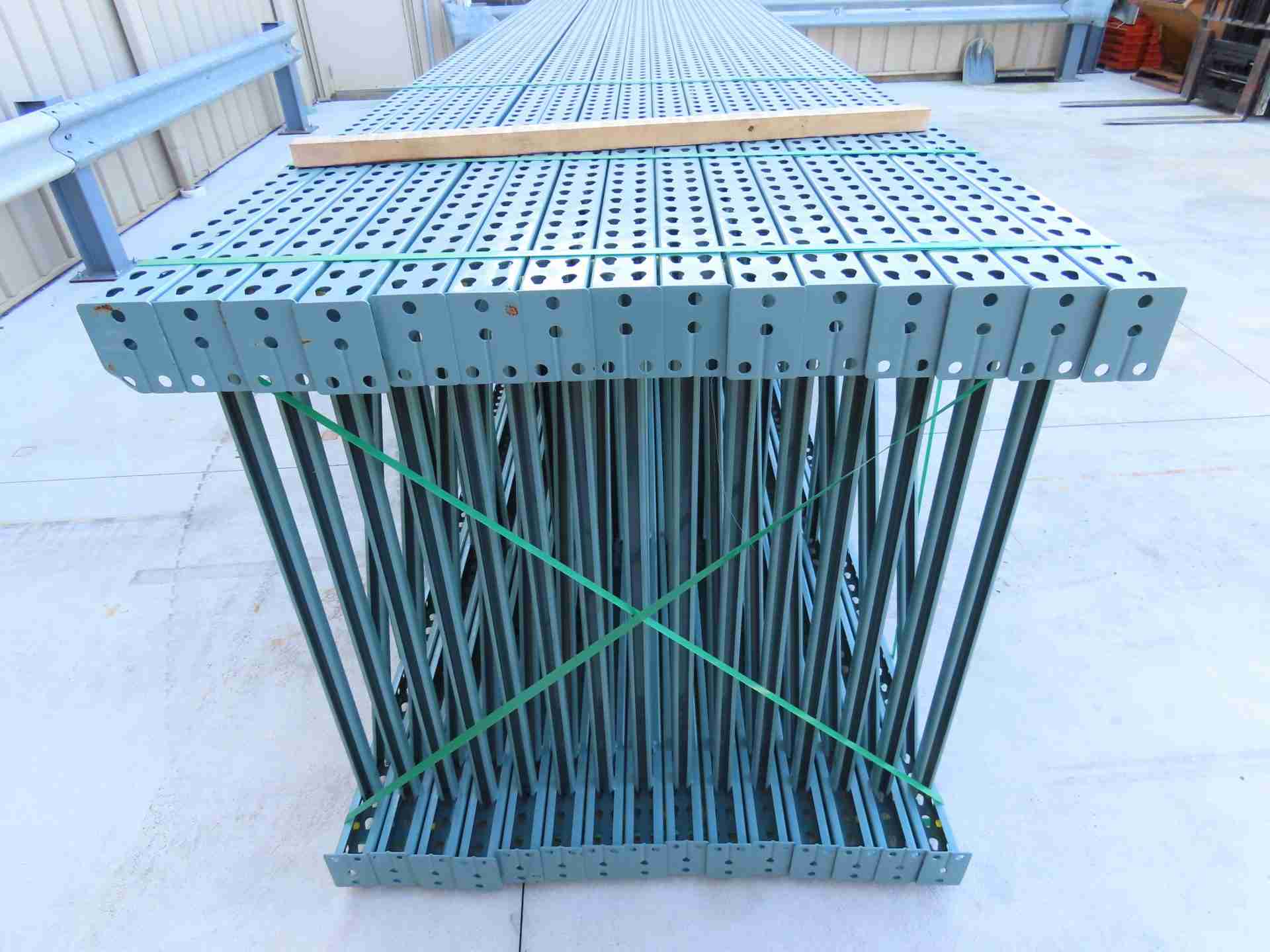
Conclusion
Conclusion:
- Preventive maintenance is a crucial philosophy that enhances workplace productivity and safety.
- Neglecting racking systems can lead to chaos, jeopardizing efficiency and worker safety.
- A small investment in preventive measures yields significant returns in safety, performance, and morale.
- Prioritizing maintenance reflects ethical responsibility and fosters trust and camaraderie among teams.
- Companies with strong maintenance practices become respected role models in their industries.
- Proven strategies for longevity include using high-quality materials, routine inspections, and staff training.
- Neglect has serious consequences, as showcased by stories of communities impacted by ignored hazards.
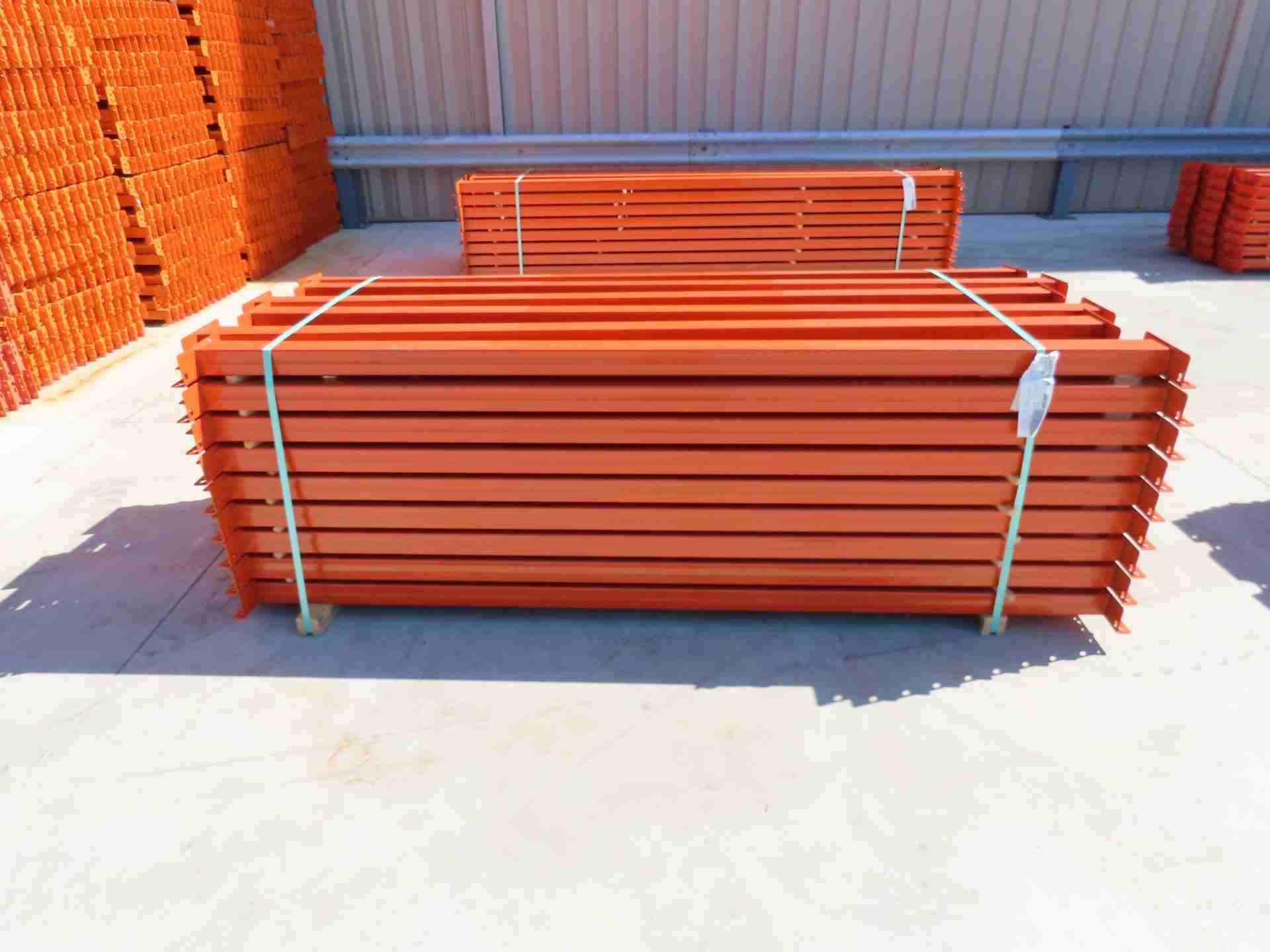
Conclusion
Other Resources
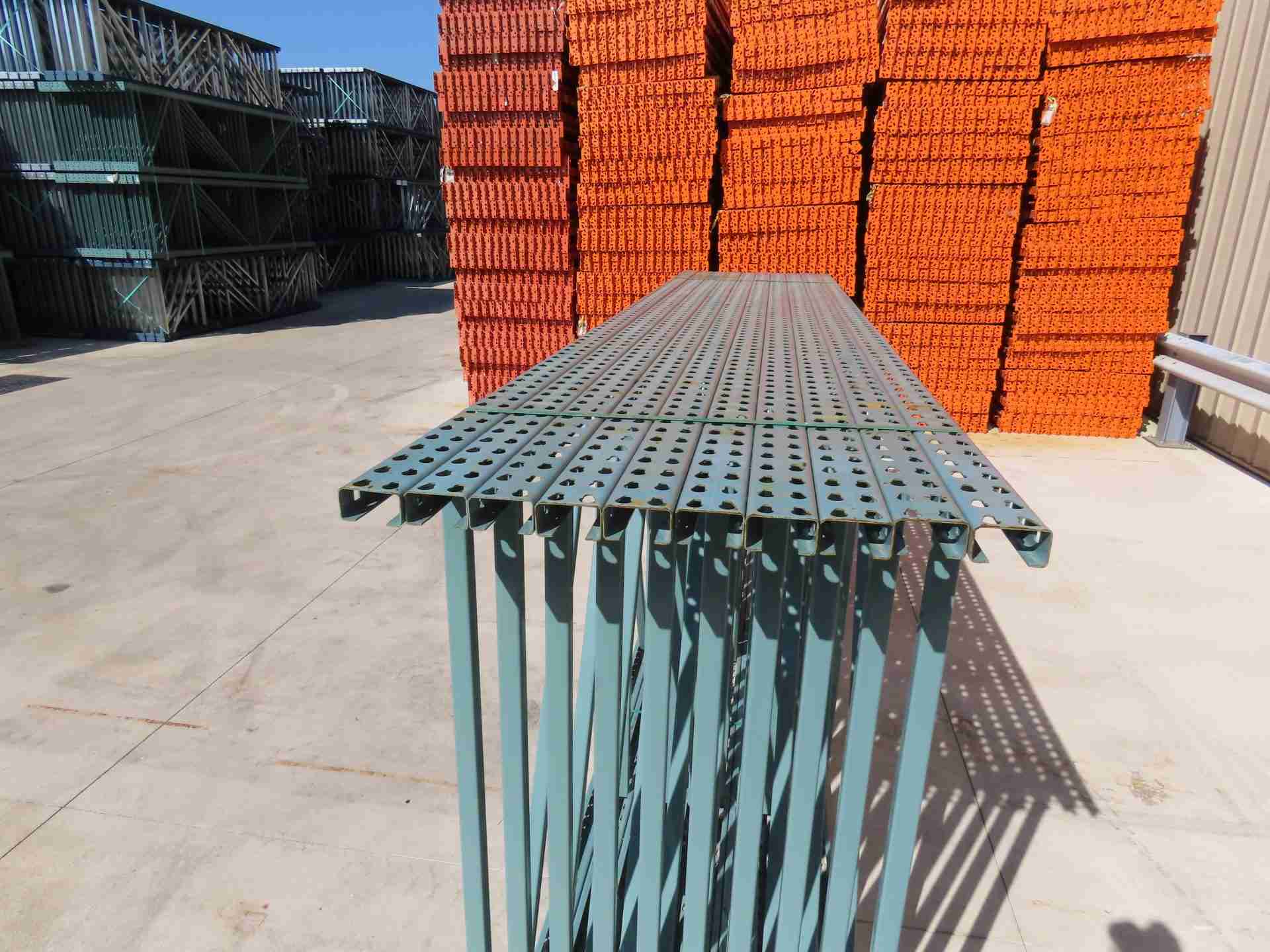
Other Resources
Here is a list of other resources you can review online to learn more:
- International Warehouse Logistics Association
- Cantilever Rack Guide: Ordering Cantilever Racking
- IIWS Inc. Rack Installation Illinois & Rack Repairs Illinois
- Illinois Pallet Racking – Storage Solutions
- Warehouse Automation
- Selective Racking
- Rack Manufacturers Institute
- Heavy-Duty Cantilever Storage Racks
- Illinois Pallet Racking – WPRP
- Teardrop Uprights
- NSC
- Rack Manufacturers Institute
- Used Pallet Rack for Sale in Illinois – American Surplus
- New Cantilever Racks and Racking Kits
- American Society of Safety Professionals
- Overhead Lifting
- CMMA
- Teardrop Industrial Shelving Rack
- IWLA
Use This Prompt To Get More Resources With Your Favorite Online AI Tool: Please provide me with a list of online articles with their URLs in a bulleted list that I can read regarding The Role Of Preventive Maintenance In Rack Longevity
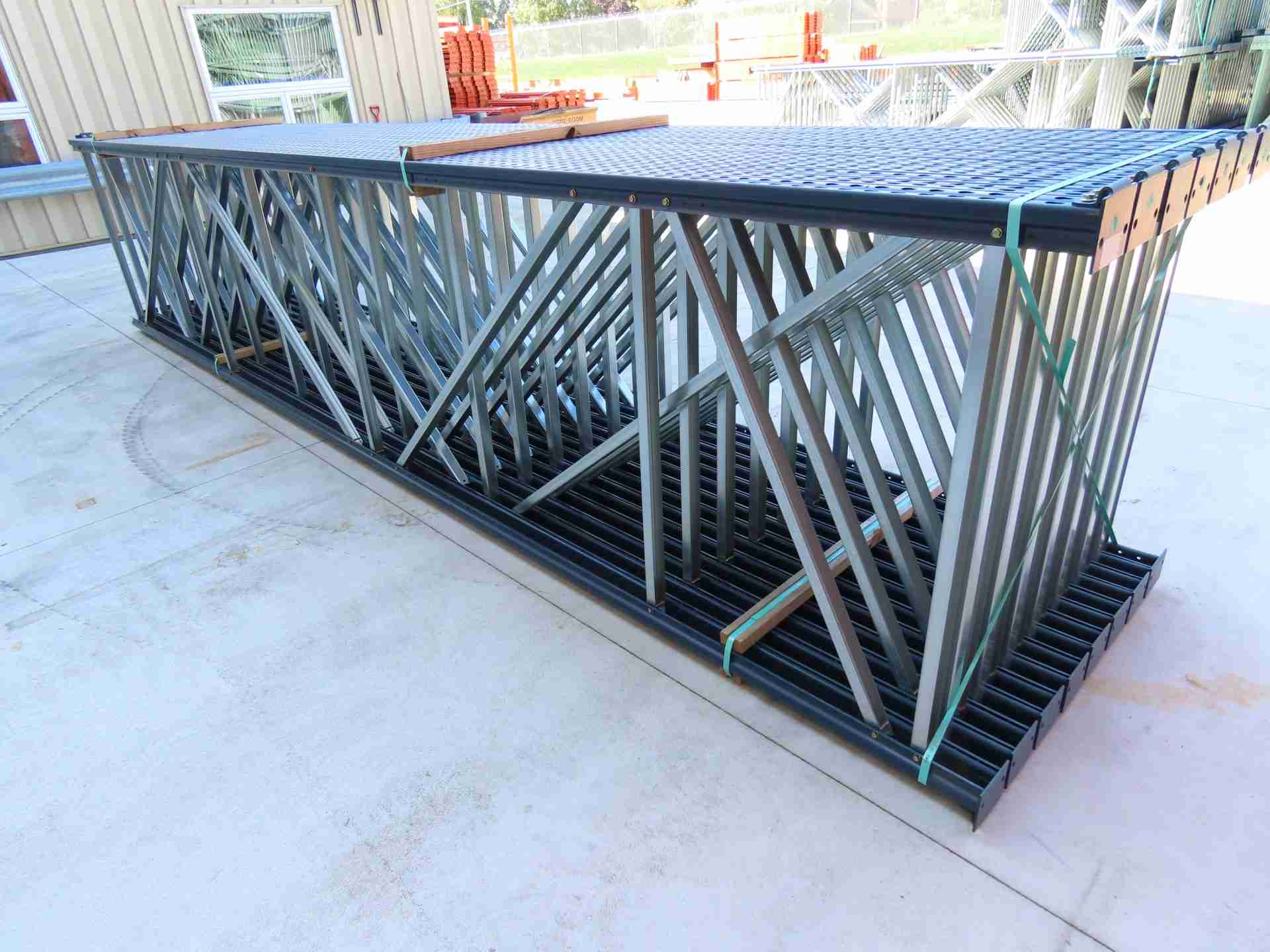
Other Resources
Glossary Terms
The Role Of Preventive Maintenance In Rack Longevity – Glossary Of Terms
1. Preventive Maintenance: Scheduled activities designed to prevent equipment failures and extend equipment life.
2. Rack: A structure used to support or store equipment, typically in data centers or warehouses.
3. Longevity: The duration of time that equipment remains functional and effective.
4. Wear and Tear: The gradual damage or deterioration of equipment from regular usage.
5. Inspection: The systematic examination of racks and components to identify potential issues.
6. Lubrication: The application of substances to reduce friction and wear on moving parts within a rack system.
7. Cleaning: The removal of dust, debris, and contaminants to maintain optimal performance and prevent damage.
8. Calibration: Adjusting equipment to ensure accurate performance and adherence to specified standards.
9. Downtime: Periods when equipment is non-operational due to maintenance or failures.
10. Replacement Parts: Components that are installed to replace defective or worn parts in a rack system.
11. Load Capacity: The maximum weight that a rack can safely support without risk of failure.
12. Environmental Controls: Systems that regulate temperature, humidity, and airflow around racks to prevent damage.
13. Monitoring: Continuous observation of rack conditions using sensors or software to detect anomalies.
14. Documentation: Records detailing maintenance activities, inspections, and repairs performed on racks.
15. Shutdown Procedure: Steps taken to safely power down equipment for maintenance or repairs.
16. Safety Standards: Guidelines and regulations that ensure racks and their use comply with safety protocols.
17. Corrosion: The deterioration of metal components due to chemical reactions, often exacerbated by environmental conditions.
18. Structural Integrity: The ability of a rack to maintain its strength and stability under load conditions.
19. Access Control: Security measures ensuring only authorized personnel can access sensitive rack areas.
20. Risk Assessment: The process of identifying potential hazards associated with rack operation and maintenance.
21. Service Level Agreement (SLA): A contract that outlines the expected maintenance standards for equipment performance.
22. Risk Mitigation: Strategies implemented to reduce the likelihood and impact of equipment failures.
23. Lifecycle Management: The process of managing a rack’s lifecycle from installation through retirement to enhance efficiency.
24. Ergonomics: Designing workspaces and maintenance practices to minimize strain and improve safety for personnel.
25. Inventory Management: The practice of tracking and controlling supplies, including spare parts for maintenance.
26. Training Programs: Educational initiatives aimed at improving staff knowledge and skills related to rack maintenance.
27. System Upgrades: Enhancements to existing equipment to improve functionality or increase efficiency.
28. Feedback Mechanism: A method for collecting input from maintenance personnel to improve processes and practices.
29. Continuous Improvement: Ongoing efforts to enhance maintenance strategies for better rack performance and longevity.
30. Vendor Support: Assistance and services provided by manufacturers or suppliers to maintain and repair equipment.
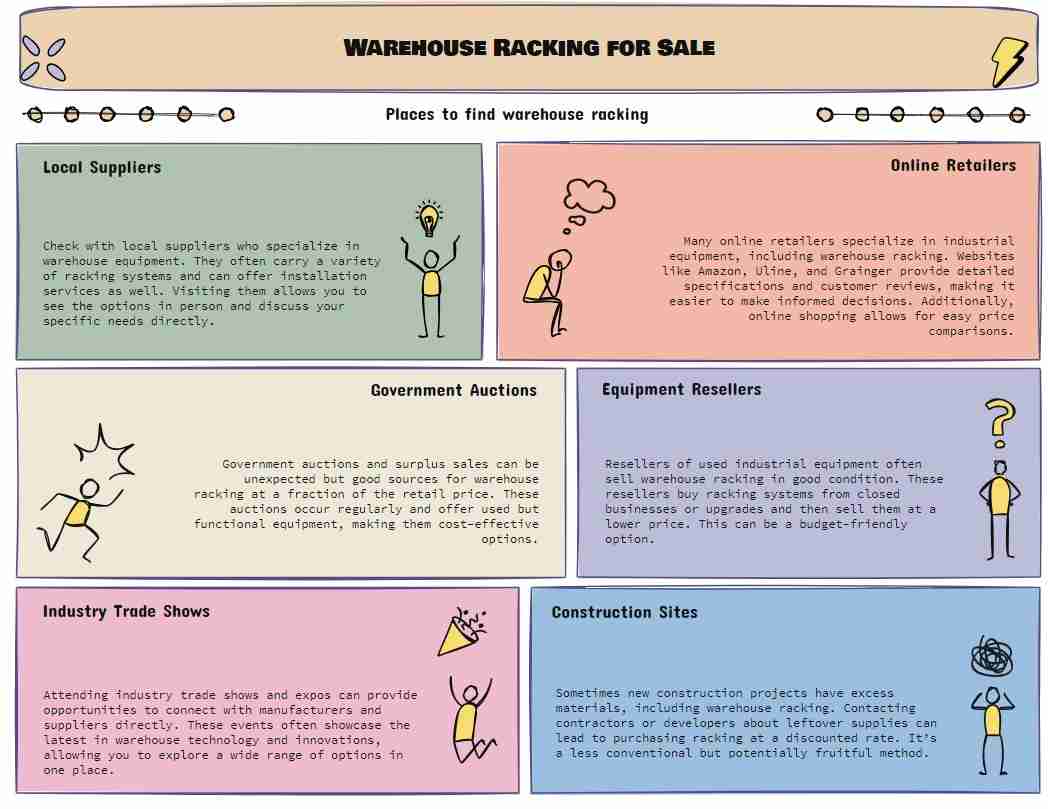
Glossary Of Terms
Other Questions
The Role Of Preventive Maintenance In Rack Longevity – Other Questions
If you wish to explore and discover more, consider looking for answers to these questions:
- What are the key components of an effective preventive maintenance program for racking systems?
- How often should preventive maintenance inspections be performed on racking systems?
- What common signs indicate that a racking system needs maintenance?
- What types of training should employees receive regarding the use and maintenance of racking systems?
- What are the potential financial implications of neglecting preventive maintenance?
- Are there specific industry standards for racking system maintenance and inspections?
- How can technology enhance preventive maintenance efforts in warehouses?
- What are the best practices for documenting maintenance activities?
- How do different environmental factors affect the maintenance needs of racking systems?
- What steps can be taken to create a culture of safety and maintenance within a warehouse team?
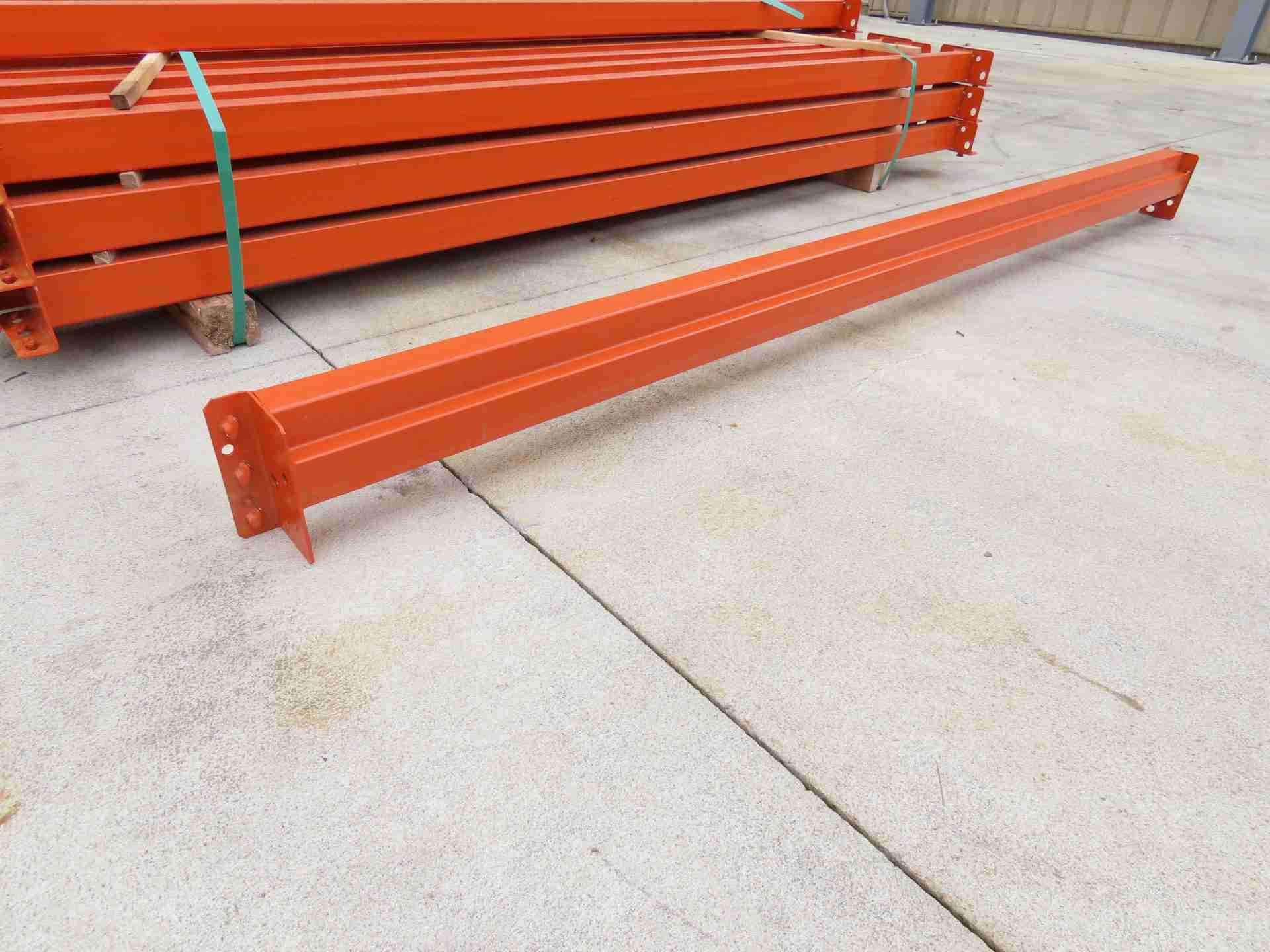
Other Questions
Checklist
The Role Of Preventive Maintenance In Rack Longevity – A Checklist
Preventive Maintenance Checklist for Rack Longevity
Heart Appeals
_____ Create a Culture of Safety: Initiate regular team meetings to discuss the importance of preventive maintenance and share safety success stories.
_____ Foster Team Pride: Encourage employees to take ownership by involving them in maintenance planning and decision-making.
Head Appeals
_____ Regular Inspections: Schedule monthly assessments for signs of wear and damage (dents, rust, etc. ).
_____ Document Maintenance Activities: Keep a detailed log of all maintenance performed and adhere to a consistent maintenance checklist.
_____ Evaluate Performance Metrics: Track key performance indicators like downtime, maintenance costs, and productivity levels to assess the impact of preventive maintenance.
Gut Appeals
_____ Act on Immediate Issues: Respond swiftly to any signs of potential failure—don’t ignore warning signs.
_____ Build Trust Among Teams: Make maintenance a shared responsibility, encouraging team members to watch out for each other’s safety.
Emotional Appeals
_____ Share Success Stories: Regularly highlight instances where preventive maintenance saved equipment and enhanced workplace safety.
_____ Celebrate Milestones: Acknowledge and celebrate team achievements related to maintenance and safety improvements.
Rational Appeals
_____ Cost-Benefit Analysis: Conduct a financial review showing potential savings from maintenance versus costs of equipment failure.
_____ Invest in Quality Materials: Source higher-grade, durable racks that require less frequent maintenance and offer better longevity.
Ethical Appeals
_____ Commit to Responsible Stewardship: Emphasize the ethical duty to care for equipment for the safety and well-being of all employees.
_____ Support Community Initiatives: Engage with local businesses and contribute to community awareness regarding the importance of maintenance.
Authority Appeals
_____ Seek Expert Opinions: Consult with industry leaders and maintenance specialists to stay updated on best practices.
_____ Create Training Programs: Implement training sessions led by experienced professionals to educate the team on proper rack usage and maintenance techniques.
Narrative Appeals
_____ Cultivate Shared Experiences: Encourage storytelling sessions where employees can share past experiences of how preventive maintenance averted disasters.
_____ Establish a Legacy of Care: Frame preventive maintenance not just as a task, but as a philosophy that shapes the future of the workplace and its community.
This checklist aims to integrate the various appeals, inspiring a holistic approach to preventive maintenance that prioritizes safety, efficiency, and community well-being.
Checklist
At RackingWorld, we help guide you through selecting warehouse storage systems and racking.
Be sure to read our other related stories at RackingWorld to learn more about warehouse storage systems.
0 Comments