
Maximizing Efficiency And Sustainability In Vertical Storage
By Tom Seest
At RackingWorld, we help guide you through selecting warehouse storage systems and racking.
Be sure to read our other related stories at RackingWorld to learn more about warehouse storage systems.
The Economics Of Vertical Space: a Racking Perspective
When we think about the sheer weight of our economic decisions, it often boils down to space—how we use it, how we allocate it, and yes, how we rack it. Picture the bustling warehouse floor, an intricate dance of logistics and efficiency, where every square inch is hard-fought territory in the battle for profitability. It’s not just about storing goods; it’s about maximizing potential. And therein lies the heart of racking.
Imagine a small business owner, bootstrapping their dreams against the backdrop of rising costs and fluctuating markets. This entrepreneur is not just stacking boxes; they are crafting a future. Every choice about vertical space reflects a deeper ethos—an ethical commitment to resourcefulness and sustainability. With smart racking systems, we unlock verticality, harnessing the heights of our environments rather than succumbing to the horizontal sprawl that drains our resources. This is more than a savvy business strategy; it’s a moral imperative to use our surroundings wisely—one upright beam at a time.
Racking systems serve as the silent workhorse of industry, yet they are often overlooked. They speak volumes about the values of an organization. A company that appreciates the importance of structured space management is making a statement: we care about efficiency, safety, and our precious bottom line. With the right racking solution, we address the essential questions of our time: How can we do more with less? How can we innovate while minimizing waste?
As the narrative of commerce continues to twist and turn like a ribbon, the stakes feel higher than ever. The ability to stack it high, to punctuate our material needs with an architectural elegance of racking, means laying the groundwork for success. When we lean into the vertical, we tap into a communal spirit—a shared understanding that, together, we are lifting each other up.
So let’s embrace this journey, one shelf at a time. As we rack up our ambitions, we create a future not just for ourselves but for the countless hands that will follow. Trust in the transformative power of vertical space. Dive into racking—not just because it makes good economic sense, but because it connects us to something much larger: our collective potential, our industry’s heartbeat, and the promise of a thriving tomorrow.

The Economics Of Vertical Space: a Racking Perspective
The Economics Of Vertical Space: a Racking Perspective
- Economic decisions hinge on efficient use, allocation, and racking of space.
- Maximizing vertical space is essential for profitability and resourcefulness.
- Small business owners create futures through ethical and sustainable racking choices.
- Smart racking systems help combat horizontal sprawl and enhance resource utilization.
- Racking systems represent organizational values including efficiency, safety, and financial health.
- Embracing verticality fosters innovation while minimizing waste in commerce.
- Racking connects us to our collective potential and the promise of a thriving future.

The Economics Of Vertical Space: a Racking Perspective
Table Of Contents
- The Economics Of Vertical Space: a Racking Perspective
- What Potential Do Vertical Racking Solutions Hold for Your Business?
- How Can Optimizing Your Vertical Space Improve Your Profit Margins?
- How Can Effective Racking Systems Enhance Your Workflow Efficiency?
- What Role Do Innovative Storage Solutions Play In Modern Logistics?
- What Ethical Considerations Arise When Optimizing Warehouse Layouts?
- Conclusion
- Other Resources
- Glossary Of Terms
- Other Questions
- Checklist
What Potential Do Vertical Racking Solutions Hold for Your Business?
When you think about the heart of a business, you might envision bustling employees, innovative ideas, and the relentless pursuit of success. But there’s another pulse worth considering: the way you store and organize your resources. Vertical racking solutions can transform that pulse into a powerful rhythm that drives your business forward.
Now, let’s talk about efficiency. Imagine walking into a warehouse where every inch is optimized for performance. Unlike traditional racking systems that consume precious floor space, vertical racking turns those vertical dimensions into your greatest asset. By utilizing vertical space, you’re not just saving square footage; you’re enhancing accessibility and simplifying workflows. Workers can find what they need faster, leading to increased productivity. This is where the rational side of investing in racking comes into play. It’s not just about being organized; it’s about maximizing your resources and your potential.
Now shift your focus to the ethical considerations. In a world where sustainability and responsibility matter, choosing vertical racking is not just a financial decision; it’s an ethical one. By driving efficiency, you’re reducing waste, minimizing your carbon footprint, and setting an example for others in your industry. You’re making a statement about what it means to care—about your business, your employees, and the environment. That moral engagement fosters loyalty and can redefine your company’s culture.
Let’s add a touch of narrative. Picture a small business in a crowded market, struggling to make a name. The owner, frustrated with the chaos of misplaced inventory, stumbles upon vertical racking. After investing in this innovative solution, the warehouse transforms overnight. Operations stabilize, employees feel empowered, and customers notice the improved service. This simple shift ignites growth, and before long, that once-struggling business becomes a local success story, all thanks to the smart use of vertical space.
Finally, consider the social aspect. By showcasing your commitment to innovation and efficiency with vertical racking, you build trust within your community and among customers. You’re not just another faceless corporation; you’re a leader championing change. Other businesses will look to you as a beacon of success, encouraging them to follow suit.
So, what potential does vertical racking hold for your business? It holds the promise of transformation—emotionally, rationally, ethically, and socially. It’s time to embrace the change and let your business reach new heights.

What Potential Do Vertical Racking Solutions Hold for Your Business?
What Potential Do Vertical Racking Solutions Hold for Your Business?
- Vertical racking solutions optimize resource storage and organization in businesses.
- Utilizing vertical space enhances efficiency, accessibility, and workflow in warehouses.
- Investing in vertical racking not only organizes but also maximizes resources and potential.
- Choosing vertical racking reflects ethical considerations, supporting sustainability and reducing waste.
- A narrative of a small business illustrates how vertical racking can lead to significant growth and stability.
- Implementing vertical racking fosters trust and positions a business as a leader in community innovation.
- Vertical racking holds transformative potential that can elevate a business emotionally, rationally, ethically, and socially.

What Potential Do Vertical Racking Solutions Hold for Your Business?
How Can Optimizing Your Vertical Space Improve Your Profit Margins?
When you step into a warehouse or a cluttered garage, what you see might be chaos to some but potential to the discerning eye. Optimizing your vertical space isn’t just about moving boxes or installing new racking; it’s a lifeline for your bottom line. Imagine this: every inch of that empty space from floor to ceiling could be working for you, sparking joy from the order created and profits that swell because of it.
Let’s be real for a moment. Life’s too short to be hunting for that one wrench buried under a mountain of equipment. When you clear that clutter, you’re not just making room—you’re creating a sanctuary of productivity. This is where the emotional comes in. Each neatly stacked row, every carefully placed item tells a story of efficiency and intention. It feels good to look around and see what you’ve accomplished. That sense of pride is contagious; it infects your team, your employees, and those around you.
Rationally, it’s pure math. More organized space often means more inventory. When you maximize vertical space with effective racking, you’re not just storing goods—you’re enhancing your capacity to sell. A well-structured warehouse means less time searching for items and more time making those crucial sales. It’s time well spent, and you can measure the returns.
Ethically speaking, it’s about responsibility, not just to your business but also to your community. Efficiently utilizing resources means less waste. It’s a small step toward sustainability, leaving a positive mark on the world around us. There’s an authority in running a tight ship; people respect leaders who demonstrate care—not just for profits, but for their employees and the environment.
And let’s not forget the narrative woven through every successful business. Each story of triumph over chaos resonates. Think about it: every inspiring case study you’ve read about great companies began with someone recognizing the value of order amidst disorder. They didn’t just stop at organizing; they transformed their entire approach by embracing their vertical potential.
So, as you stand at the threshold of your workspace, ask yourself: What story do I want to tell? By optimizing your vertical space, you’re not just investing in new racking systems. You’re investing in clarity, efficiency, and ultimately, greater profit margins that echo far beyond the walls of your warehouse. Take a stand, rise to the challenge, and let your profit margins soar.

How Can Optimizing Your Vertical Space Improve Your Profit Margins?
How Can Optimizing Your Vertical Space Improve Your Profit Margins?
- Optimizing vertical space transforms chaos into potential, enhancing operational efficiency.
- Clearing clutter creates a productive environment, promoting a sense of pride and teamwork.
- Effective racking increases storage capacity, leading to more inventory and higher sales potential.
- A well-organized workspace saves time and improves productivity, directly impacting profit margins.
- Utilizing resources efficiently reduces waste, contributing to sustainability and community responsibility.
- Successful businesses often start by recognizing the value of order and embracing vertical space.
- Investing in vertical optimization brings clarity and efficiency, translating into greater profit margins.

How Can Optimizing Your Vertical Space Improve Your Profit Margins?
How Can Effective Racking Systems Enhance Your Workflow Efficiency?
Imagine a bustling warehouse, filled to the brim with boxes stacked high and low, every aisle a potential game of hide-and-seek with inventory. Now, picture a well-organized racking system that transforms that chaos into a symphony of efficiency. It’s like the difference between a chaotic assembly line and a finely tuned machine—the kind that just hums along, getting things done with precision and purpose.
Racking systems aren’t merely about storage; they’re about empowering your team to do their best work. When your employees can find what they need without sifting through layers of disorganized piles, it’s more than a convenience; it’s a morale booster. It says, “I care about your time, and I respect the effort you put in.” That connection transforms mundane tasks into meaningful labor, making every worker feel valued and vital to the mission.
On the rationale side, efficient racking reduces wasted movement. Imagine the time lost as workers traipse hopelessly down aisles, looking for that one elusive box. Studies show that optimizing your racking system can reduce pick times by 20-30%. That’s the kind of number that catches the attention of any business owner. It’s not just about aesthetics; it’s about dollars and sense.
Ethically, we owe it to our employees to create a safe and functional environment. A smart racking solution minimizes hazards, ensuring that fragile items are stored securely and that the risk of injury is greatly reduced. It’s about more than profit margins; it’s about the people who make those margins possible.
Think of the narrative behind a success story driven by an effective racking system. Picture a small business that struggled for years, drowning in disorganization, and then made the leap to invest in an integrated racking solution. Watch as they transform from a frantic operation into a streamlined powerhouse. This isn’t just a business upgrade; it’s a catalyst for growth, a testament to the power of thoughtful design.
Finally, there’s the social angle. In industries where collaboration is key, an efficient racking system fosters teamwork. When everyone knows where everything is, communication flows better; tasks get completed faster, and friction is reduced. Suddenly, your warehouse isn’t just a space; it becomes a community where every person knows their role, feels appreciated, and contributes to a shared goal.
So, if you’re looking to enhance your workflow efficiency, embrace the power of effective racking systems. They aren’t just shelves; they’re the backbone of your business’s success.

How Can Effective Racking Systems Enhance Your Workflow Efficiency?
How Can Effective Racking Systems Enhance Your Workflow Efficiency?
- Imagine a chaotic warehouse transformed into an efficient racking system.
- Racking systems empower employees, enhancing morale and productivity.
- Efficient racking reduces wasted movement, cutting pick times by 20-30%.
- Smart racking solutions create a safer work environment, minimizing hazards.
- A successful racking system can catalyze growth and streamline operations.
- Effective racking fosters teamwork and improves communication in the workplace.
- Investing in racking systems is essential for enhancing workflow efficiency and overall business success.

How Can Effective Racking Systems Enhance Your Workflow Efficiency?
What Role Do Innovative Storage Solutions Play In Modern Logistics?
In the ever-evolving world of logistics, innovative storage solutions play an indispensable role that goes far beyond mere efficiency or profit margins. Imagine a bustling warehouse, filled to the brim with products waiting to be sent out into the world. It’s a hive of activity where every inch counts, and every mismanaged space can translate into delays and lost opportunities. Enter modern racking systems—a beacon of order and ingenuity that not only maximizes space but transforms chaos into a symphony of productivity.
Picture the heart of this operation: workers, driven by the desire to fulfill orders accurately and swiftly. They rely on innovative storage solutions to navigate the mountain of inventory, finding the right items at lightning speed. This efficiency isn’t just about numbers; it’s about people’s livelihoods. A well-organized warehouse built around smart racking means jobs are secured, families supported, and communities strengthened. It’s the unsung heroes of logistics who sweat and strive, knowing that their hard work depends on the tools at their disposal.
From a rational standpoint, investing in these innovative solutions isn’t just smart—it’s essential. Companies that embrace such modern racking systems often see remarkable improvements in turnover rates and customer satisfaction. This isn’t mere chance; it’s calculated strategy, optimizing resources while reducing waste. Leaders in logistics understand that every decision reflects their values; by choosing sustainable storage solutions that minimize environmental impact, they set an ethical standard for the industry.
One need only look at success stories from around the globe to feel the potency of these innovations. From small family-run businesses to vast multinational corporations, the narrative is the same: a commitment to excellence, powered by innovative racking and storage solutions that streamline operations. They embody resilience and adaptability, qualities that resonate within all of us.
Ultimately, innovative storage solutions forge connections between people, products, and possibilities. They cultivate an environment where teamwork thrives and achievements are celebrated. When we grasp the profound impact of these tools—not just on profit but on lives—we unveil a tapestry of relationships and responsibilities interwoven into the very fabric of logistics. When we invest in such solutions, we are not just engaging with materials; we are investing in a future where efficiency, ethics, and aspiration walk hand in hand. And that’s a future worth striving for.

What Role Do Innovative Storage Solutions Play In Modern Logistics?
What Role Do Innovative Storage Solutions Play In Modern Logistics?
- Innovative storage solutions are crucial in logistics for maximizing efficiency and productivity.
- Modern racking systems help organize warehouses, allowing quick order fulfillment.
- A well-organized warehouse supports jobs and strengthens communities.
- Investing in innovative storage leads to improved turnover rates and customer satisfaction.
- Choosing sustainable storage options reflects a company’s values and reduces environmental impact.
- Success stories from various companies indicate the effectiveness of modern racking in streamlining operations.
- Innovative storage solutions foster teamwork and enhance relationships within the logistics industry.

What Role Do Innovative Storage Solutions Play In Modern Logistics?
What Ethical Considerations Arise When Optimizing Warehouse Layouts?
When we talk about optimizing warehouse layouts, we usually think about efficiency and cost reduction. But peel back the layers a bit, and you realize there’s a whole new dimension—one that ties directly into our humanity and ethical responsibilities. Imagine a warehouse filled with towering racking systems, a maze of boxes, and workers scurrying around like busy ants. It’s a hive of activity, sure, but also one that—if not designed with care—can become a breeding ground for ethical dilemmas.
Picture the hardworking men and women who maneuver through these spaces day in and day out. Their safety and well-being should be the first priority, yet optimizing a layout often means squeezing in more products without considering the people who make the operation tick. A poorly designed warehouse can turn into a logistical nightmare, leading to fatigue, injuries, and diminishing morale. It’s a cold calculation to prioritize speed and space over the people behind the process.
Now let’s get cerebral here—an optimized warehouse layout is not just about the flow of goods; it’s about the flow of lives. Companies must ask themselves: Are we fostering an environment where workers feel valued and secure? Or are we treating them like cogs in the machine? By engaging with employees throughout the design process, an organization can foster a sense of ownership and connection that enhances productivity while keeping safety at the forefront.
On the ethical front, think about this: every decision made within that warehouse echo beyond its walls. If a worker suffers due to an oversight, it doesn’t just impact them. That blast of frustration reaches families, communities, and beyond. Many businesses shy away from these hard questions; they fear the backlash of accountability. But here’s the truth—it’s those who embrace their responsibility to their workforce that rise above the competition, building loyalty and trust.
The narrative doesn’t end at efficiency—it transcends it. Socially, organizations are increasingly held to higher standards; consumers care not just about the product on the shelf but also about how it arrived there. When you optimize a space while considering the impact on people, you’re not just building a better warehouse; you’re fostering a better community and creating a legacy. That’s not merely a good business strategy; that’s the moral compass guiding us to do right by each other.

What Ethical Considerations Arise When Optimizing Warehouse Layouts?
What Ethical Considerations Arise When Optimizing Warehouse Layouts?
- Optimizing warehouse layouts should focus on efficiency and cost reduction but also on ethical responsibilities.
- A poorly designed warehouse can harm worker safety and well-being, leading to fatigue and injuries.
- Companies must prioritize the flow of lives and consider workers’ feelings of value and security.
- Engaging employees in the design process can foster ownership and enhance productivity while ensuring safety.
- Decisions impacting workers extend beyond the warehouse, affecting families and communities.
- Embracing accountability towards workers builds loyalty and trust, setting companies apart from competitors.
- Considering the impact on people in optimization efforts builds better warehouses, communities, and legacies.

What Ethical Considerations Arise When Optimizing Warehouse Layouts?
Conclusion
When we delve into the economics of vertical space, we uncover more than just a method for maximizing storage; we find a narrative about people, purpose, and potential. In the world of logistics and warehousing, the racking systems we deploy serve as more than mere tools; they reflect our commitment to efficiency and sustainability. They are the unsung heroes of our businesses, quietly defining our values and paving the way for profitability amid soaring costs and crowded markets.
Imagine a small business owner, struggling to cultivate dreams in a sea of chaos. The moment they invest in a vertical racking system, transformation ensues. Suddenly, the chaos becomes clarity. Workers feel empowered, productivity soars, and the community notices. This journey is not just about organizing goods; it’s a testament to the resilience of the human spirit, showcasing how an ethical commitment to resourcefulness can rewire an entire operation. Choosing vertical racking isn’t merely a fiscal decision; it’s an ethical one—an investment in the well-being of employees and the environment.
Rationally, the case is clear: effective space optimization leads to enhanced workflow efficiency and reduced waste. Every inch of vertical space becomes an asset, which translates into increased profits and a safer workplace. It speaks to a respect for the people who turn ideas into action. A well-structured warehouse isn’t just functional; it cultivates a culture of teamwork, where every individual understands their role and feels valued.
As we facilitate this dance of logistics, we form social bonds that resonate beyond the confines of our warehouses. We embolden others in our communities to embrace similar changes, transforming their spaces and paving paths for success. The ethical dimensions of our choices ripple outward, impacting not just bottom lines but lives—once the unseen stories, they become the threads that weave together a more responsible industry.
Choosing to optimize vertical space is more than just smart economics; it’s about crafting a legacy. In a world that often feels transactional, we have the power to infuse meaning into our operations. So, as we stand at the precipice of possibility, let’s elevate our ambitions and lift each other up. Trust in the potential of vertical racking systems. Believe in the promise of a future that thrives not just on efficiency but on connection—where every shelf tells a story of dedication, sustainability, and community. Let’s reach new heights together.

Conclusion
Conclusion:
- Vertical space economics offers a narrative of people, purpose, and potential, beyond just storage maximization.
- Racking systems reflect a commitment to efficiency and sustainability in logistics and warehousing.
- A vertical racking system helps transform chaos into clarity, empowering workers and enhancing productivity.
- Investing in vertical racking is both a fiscal and ethical decision, benefiting employees and the environment.
- Effective space optimization leads to improved workflow efficiency, reduced waste, and increased profits.
- Well-structured warehouses cultivate a culture of teamwork, where every individual feels valued.
- Optimizing vertical space creates a legacy, infusing meaning into operations and fostering community connections.

Conclusion
Other Resources

Other Resources
Here is a list of other resources you can review online to learn more:
- BMH
- CMMA
- Warehouse Racking System: Powerful Guide to Optimise, 2024
- IWLA
- Illinois Pallet Racking – Storage Solutions
- American Surplus
- Warehouse Racking Layout: The Ultimate Guide – Conger
- CA Wire
- Arrow Industrial Sales
- Cantilever Racking Specialists – Get the Right Racks
- MHI
- Chicago Pallet Racking
- Interlake
- Cantilever Rack Guide: Ordering Cantilever Racking
- Pallet Racking systems in Illinois, Great Lakes
- Racking World
- Interlake Mecalux
- Overhead Lifting
- Illinois Pallet Racking – WPRP
- Warehousing and Fulfillment
Use This Prompt To Get More Resources With Your Favorite Online AI Tool: Please provide me with a list of online articles with their URLs in a bulleted list that I can read regarding The Economics Of Vertical Space: a Racking Perspective

Other Resources
Glossary Terms
The Economics Of Vertical Space: a Racking Perspective – Glossary Of Terms
1. Vertical Space: The use of height in storage solutions to maximize efficiency and organization.
2. Racking: Systems designed to store materials and products in a stable and accessible manner, utilizing vertical space.
3. Density: The amount of storage capacity within a given area, often measured in cubic space used relative to floor area.
4. Optimization: The process of improving the efficiency and effectiveness of storage systems to maximize vertical space usage.
5. SKU (Stock Keeping Unit): A unique identifier for each distinct product and service that can be purchased, crucial for inventory management.
6. Pallet Racking: A type of racking system specifically designed to store palletized goods, enhancing vertical storage.
7. Mezzanine: An intermediate floor in a building, utilized to increase vertical storage options without expanding the building’s footprint.
8. FIFO (First In, First Out): An inventory management method where the oldest stock is used or sold first, optimizing shelf life.
9. LIFO (Last In, First Out): An inventory management strategy focusing on the most recently added items being sold first.
10. Warehouse Management System (WMS): Software that manages inventory and storage operations, often optimizing vertical space use.
11. Forklift: A powered industrial truck used to lift and move materials, essential for accessing high racking systems.
12. Load Capacity: The maximum weight that a racking system can safely support, critical to ensure safety and efficiency.
13. Storage Utilization: The percentage of available storage space that is effectively occupied, indicating how well spaces are being used.
14. Throughput: The rate at which goods are processed or moved through a warehouse, influenced by storage systems.
15. Configuration: The arrangement and design of racking systems to facilitate efficient access and movement of products.
16. Safety Standards: Regulatory guidelines ensuring the structural integrity and safety of racking systems.
17. Dynamic Racking: Racking systems that allow flexible storage arrangements, accommodating fluctuating inventory levels.
18. Static Racking: Fixed racking solutions designed for specific layouts and inventory types, often maximizing vertical height.
19. Cross-Docking: A logistics practice where incoming goods are directly transferred to outbound shipping, minimizing storage time.
20. Inventory Turnover: A ratio that measures how many times inventory is sold and replaced over a period, indicating efficiency in stock management.
21. Height Clearance: The vertical space available within a warehouse, crucial for determining racking heights and designs.
22. Flow Rack: A racking system designed to move products automatically to designated picking areas, optimizing efficiency.
23. Picking Efficiency: The effectiveness of retrieving items from storage, often enhanced through strategic vertical layouts.
24. Modular Racking: Flexible and scalable storage systems that can be easily reconfigured to accommodate different inventory needs.
25. Pallet Positioning: The strategic arrangement of pallets within a racking system to maximize access and space utilization.
26. Access Aisles: Pathways between racking systems, essential for navigation and efficient picking operations.
27. Load Bars: Horizontal bars that provide additional support in racking systems, crucial for maintaining stability and safety.
28. Inventory Accuracy: The precision of recorded inventory levels versus actual stock, key for effective management in vertical storage.
29. Localization: The strategy of placing products in proximity to their point of use, enhancing operational efficiency.
30. Cost-Benefit Analysis: An assessment of the financial impacts of vertical space solutions compared to their advantages in efficiency and productivity.
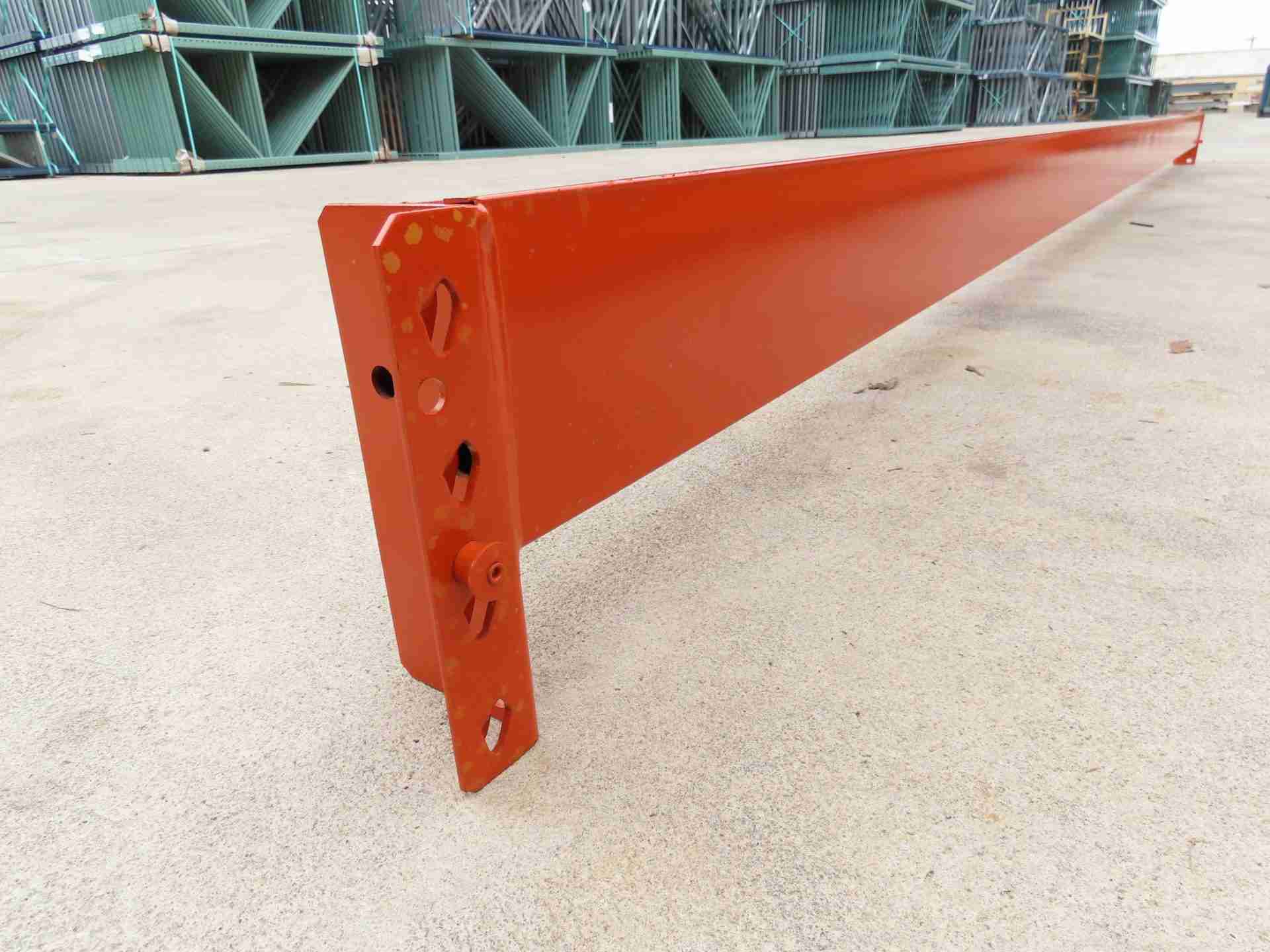
Glossary Of Terms
Other Questions
The Economics Of Vertical Space: a Racking Perspective – Other Questions
If you wish to explore and discover more, consider looking for answers to these questions:
- What are the best practices for implementing vertical racking solutions?
- How can businesses measure the effectiveness of their vertical space optimization?
- What are the potential pitfalls of poorly designed racking systems?
- How does vertical racking impact employee safety and well-being?
- What are the financial implications of investing in innovative storage solutions?
- What technology can enhance the efficiency of vertical racking systems?
- How do different industries utilize vertical space in their warehouses?
- Can vertical racking systems be customized for specific business needs?
- What are the environmental benefits of optimizing warehouse layouts?
- How do companies ensure compliance with safety regulations in racking design?
- What role does employee training play in maximizing the benefits of racking systems?
- How can businesses foster a culture of safety while implementing new storage solutions?
- What success stories illustrate the impact of effective racking systems?
- How do consumer expectations influence warehouse design choices?
- What future trends are emerging in vertical storage solutions?

Other Questions
Checklist
The Economics Of Vertical Space: a Racking Perspective – A Checklist
Checklist: Maximizing Vertical Space for Business Success
Emotional Appeals
_____ Reflect on your connection to your workspace. Do you feel pride in how organized it is?
_____ Consider how enhanced efficiency impacts your team’s morale. Are your employees feeling valued?
_____ Visualize the story you want your workspace to tell. What legacy do you wish to create through organization?
Rational Appeals
_____ Analyze your current space utilization. Are you maximizing vertical storage to its full potential?
_____ Measure the potential improvement in workflow efficiency by implementing vertical racking. What are the expected reductions in pick times and wasted movement?
_____ Estimate the return on investment for new racking systems. Are the economic benefits clear?
Ethical Appeals
_____ Evaluate your commitment to sustainability. How does your racking solution minimize waste and reduce your carbon footprint?
_____ Assess the safety of your current warehouse layout. Are you prioritizing the well-being of your employees in your design?
_____ Consider the broader impact of your warehouse’s organization on your community. Are you fostering a positive environment for workers and consumers?
Authority Appeals
_____ Research industry best practices in vertical storage. What do leading experts recommend for optimizing racking solutions?
_____ Seek testimonials or case studies from businesses similar to yours that successfully implemented vertical racking.
_____ Consult with logistics professionals to understand the latest innovations in racking systems.
Narrative Appeals
_____ Reflect on success stories within your industry. How have companies transformed their operations through effective racking?
_____ Share your own experiences with disorganization. What challenges have you faced, and how can vertical racking provide solutions?
_____ Imagine the transformation of your business after the implementation of a vertical racking system. What milestones can you achieve?
Social Appeals
_____ Engage your team in discussions about vertical space utilization. How can collaborative input lead to more effective solutions?
_____ Highlight your business’s commitment to innovative solutions within your community. How can you position your company as a leader in efficiency?
_____ Create a culture of appreciation around organized workspaces. How can you celebrate achievements in racking efficiency among your employees?

Checklist
At RackingWorld, we help guide you through selecting warehouse storage systems and racking.
Be sure to read our other related stories at RackingWorld to learn more about warehouse storage systems.
0 Comments