
Choosing Wisely: The Lasting Impact Of Racking Decisions
By Tom Seest
At RackingWorld, we help guide you through selecting warehouse storage systems and racking.
Be sure to read our other related stories at RackingWorld to learn more about warehouse storage systems.
Temporary Vs Permanent Racking Decisions
When it comes to racking systems in warehouses and storage facilities, the decision between temporary and permanent solutions can feel hefty, like choosing between a quick fix and a long-term investment. On one hand, temporary racking can seem appealing, providing flexibility and the ability to adapt to changes. Perhaps you’re in a bind, needing a quick setup for a seasonal influx of goods. However, before diving into the latest sale on temporary racks, consider the long game.
Temporary racking feels like throwing a bandage on a gaping wound—good for now, but can you trust it for the future? These systems can be a great stopgap, but they often lack the durability and strength of permanent solutions. Think carefully about the demands of your operation. Are your needs changing frequently? If so, temporary might make sense today, but be ready to shoulder the costs of reconfiguring down the line.
On the flip side, permanent racking systems bring stability and longevity. It’s like investing in a solid foundation for your home; it may take more effort and resources upfront, but the security it provides is worth its weight in gold. A well-designed permanent system can support heavy loads, streamline workflows, and withstand the test of time. Moreover, it sends a vital message to your crew: this investment is here to stay. It fosters loyalty and pride, knowing they’re working in a space designed for efficiency.
From a budget standpoint, choosing permanent options may feel daunting at first, but consider the long-term savings. Reduced maintenance costs, lower downtime due to unsafe setups, and increased efficiency translate directly into a stronger bottom line. Turning profits in your operations means making the right call about the racking systems that cradle your products.
Ethically, providing a stable and safe environment for your good crew is non-negotiable. Investing in permanent racking speaks volumes about your commitment to safety and quality. It shows that you value not just the products stored, but the people handling them daily. Share stories of how others faced this decision. Those who chose wisely found that, beyond the cost, the peace of mind was priceless.
Whether you lean toward temporary or permanent, remember: it’s not just about storing products—it’s about creating a reliable space that empowers everyone involved. And in the world of warehousing, that trust translates into action, growth, and ultimately, fulfilling all your operational dreams.

Temporary Vs Permanent Racking Decisions
Temporary Vs Permanent Racking Decisions
- Decision between temporary and permanent racking systems involves weighing immediate needs against long-term investment.
- Temporary racking offers flexibility but often lacks durability and strength compared to permanent solutions.
- Permanent racking systems provide stability, efficiency, and support for heavy loads, fostering a sense of security for employees.
- Initial costs of permanent options may be higher, but they lead to long-term savings through reduced maintenance and downtime.
- Investing in permanent racking reflects a commitment to safety, quality, and valuing the workforce handling stored products.
- Choosing the right racking system impacts operational efficiency and growth, shaping a reliable work environment.
- Ultimately, the right decision enhances trust, empowers the workforce, and fulfills operational goals.

Temporary Vs Permanent Racking Decisions
Table Of Contents
- Temporary Vs Permanent Racking Decisions
- What Challenges Do You Face When Choosing Racking Options?
- How Does Temporary Racking Impact Your Budget?
- What Are the Long-Term Benefits Of Permanent Racking?
- Can Temporary Racking Adapt to Your Changing Needs?
- How Does Your Industry Influence Racking Decisions?
- What Safety Concerns Arise with Temporary Racking?
- Conclusion
- Other Resources
- Glossary Of Terms
- Other Questions
- Checklist
What Challenges Do You Face When Choosing Racking Options?
Choosing the right racking systems can feel like a juggling act, especially when you’re knee-deep in operations and deadlines. The stakes are high: the wrong choice can lead to wasted space, increased costs, and safety concerns that could have serious repercussions. It’s not just about fitting shelves into a space; it’s about optimizing your workflow and making every square foot count.
Emotionally, there’s a weight that comes with the decision. You’re thinking about your team—how will this choice impact their day-to-day lives? A poorly designed racking system can lead to frustration and inefficiencies, making the workday feel like an uphill battle. There’s a deep sense of responsibility that comes with managing inventory; you want to ensure that your crew feels safe and supported. It’s a scenario you know all too well: the rush of adrenaline as you watch your team scramble when they can’t find what they need in a tangled mess of misplaced goods.
On a rational level, considerations around cost, capacity, and compatibility must dominate the discussion. You’ve got to analyze all the factors: what’s the weight capacity? How easily can these racking systems adapt to your ever-changing inventory? A smart choice here not only means saving money now but also laying the groundwork for future growth. The last thing anyone wants is to be stuck with a racking option that can’t scale alongside your business.
Ethically, there’s also the matter of safety. Many rack systems can’t handle the pressures of a bustling warehouse, leading to accidents that could hurt employees and damage goods. Choosing trusted suppliers with a solid reputation ensures that you’re investing in safety as much as utility, giving you peace of mind that comes from making a responsible choice.
Your story is one shared by many. You’re not just building a space; you’re crafting an environment where your team can thrive. The right racking systems create an atmosphere of trust, allowing everyone to focus on what they do best. As you weigh your options, remember this: every choice you make is a step toward creating a smoother, safer, and more efficient operation. It’s not just about shelves and pallets; it’s about your people and their ability to get the job done right.

What Challenges Do You Face When Choosing Racking Options?
What Challenges Do You Face When Choosing Racking Options?
- Choosing racking systems involves high stakes, impacting space efficiency, costs, and safety.
- The decision affects team dynamics and daily operational efficiency.
- Racking system design can lead to frustration if not optimized for workflow.
- Rational considerations include cost, capacity, and adaptability to changing inventory.
- A smart choice in racking systems lays groundwork for future growth.
- Safety concerns arise from inadequate systems, leading to potential accidents and inventory damage.
- The right racking choice fosters a supportive environment, enhancing team productivity.

What Challenges Do You Face When Choosing Racking Options?
How Does Temporary Racking Impact Your Budget?
When it comes to managing your warehouse space, investing in temporary racking systems can feel like a leap of faith. You might wonder if the upfront costs are worth it, especially when juggling tight budgets and unpredictable market demands. But think about it: how many times have you faced a backlog of inventory that had to be stored somewhere, fast? That’s where temporary racking systems come in, offering a straightforward, cost-effective solution to immediate storage needs.
From experience, I can tell you that these systems don’t just help you to manage your space—they help keep your business agile. The ability to quickly set up racking systems and reconfigure your layout means you can adapt to fluctuating demands without committing to permanent structures that tie up your cash flow for years. In a fast-paced environment where every dollar counts, this flexibility isn’t just a convenience; it’s a lifeline.
Using temporary racking can also make you look good in front of your customers. Think about the last time a delivery was late. Not only did it cost you money and time, but it also dented your reputation. By optimizing storage with temporary racking, you can improve your efficiency and meet deadlines, all while projecting a level of professionalism that builds trust. Customers want to know that you can handle their needs without a hitch, and having a well-organized space speaks volumes about your commitment to their satisfaction.
The ethical side of this isn’t just about finances; it’s about sustainability, too. Temporary racking systems often use materials that are more environmentally friendly than traditional counterparts. By choosing temporary over permanent, you can reduce wasted resources while still enhancing your operations. It’s a decision that reflects responsible stewardship, not just for your bottom line but for the environment as well.
Moreover, your employees will appreciate the enhanced organization. With a well-planned racking system in place, they can work more efficiently, reducing stress and increasing morale. A happier team translates to better performance and higher productivity, impacting your overall profitability.
Temporary racking systems might just be the unsung heroes of your budget. They offer a practical solution to the challenges of storage, blending flexibility and efficiency without breaking the bank. Trust in their value, and you’ll find that they not only fit your immediate needs but also enrich your long-term business strategy.

How Does Temporary Racking Impact Your Budget?
How Does Temporary Racking Impact Your Budget?
- Investing in temporary racking systems offers a cost-effective solution for immediate storage needs.
- These systems provide flexibility, allowing quick setup and reconfiguration to adapt to fluctuating demands.
- Optimizing storage with temporary racking can enhance efficiency and improve customer satisfaction.
- Temporary racking systems often utilize environmentally friendly materials, promoting sustainability.
- A well-organized space boosts employee morale, reducing stress and increasing productivity.
- They blend flexibility and efficiency, offering practical solutions to storage challenges without high costs.
- Temporary racking systems can enhance long-term business strategies while meeting immediate needs.

How Does Temporary Racking Impact Your Budget?
What Are the Long-Term Benefits Of Permanent Racking?
When you think about the future of your warehouse, consider the long-term benefits of permanent racking systems. These aren’t just metal structures; they’re the backbone of efficiency, organization, and safety in your operation. Let’s break it down in a way that resonates.
First off, think about how racking systems simplify your day-to-day. Imagine a space where everything has its place, where you can find what you need without digging through clutter. This isn’t just a dream. It’s a reality when you’ve got a solid racking system in place. You save time—not just minutes, but hours that stack up over weeks and months. That’s time you can devote to your team, your customers, or tackling that pile of paperwork.
But it goes deeper than just time savings. The right racking setup is an investment in safety. Picture a workspace where employees can move around without the risk of tumbling pallets or misplaced stock. This isn’t just about meeting regulations; it’s about fostering an environment where your team feels secure and valued. When your people feel safe, morale goes up, and productivity follows.
Now, let’s talk about money. Installing permanent racking systems might feel like a big hit to your budget at first, but when you look at the long game, it pays off. You’re maximizing storage space, minimizing wasted resources, and slashing the costs associated with inefficient workflows. It’s about understanding that smart design today can lead to bigger savings tomorrow. Investing in solid infrastructure is an ethical choice, aligning with the responsibility of looking after both your business and your employees.
You may have heard success stories from other operations—manufacturers, retailers, and distributors who transformed their efficiency with the right racking systems. These aren’t just stories; they’re tested narratives of resilience, demonstrating how structured setups adapt to growing needs. By following their lead, you’re not just joining a trend; you’re stepping into a community that values solid, hardworking solutions.
Lastly, this isn’t just about you or your warehouse. It’s about everyone who walks through your doors. When you invest in permanent racking, you’re saying yes—to better conditions for your employees, to happier customers, to a thriving business. This is a path that inspires trust and confidence among your team and stakeholders alike. Embrace the long-term benefits of permanent racking, and watch your operation transform into something truly exceptional.

What Are the Long-Term Benefits Of Permanent Racking?
What Are the Long-Term Benefits Of Permanent Racking?
- Permanent racking systems enhance efficiency, organization, and safety in warehouses.
- Systems simplify daily operations, saving significant time that can be redirected to other priorities.
- Investing in racking setups improves workplace safety, reducing risks and increasing employee morale.
- Initial costs are offset by maximizing storage space, reducing waste, and lowering operational expenses.
- Success stories highlight the transformative impact of racking systems on various operations.
- Investing in racking fosters a better work environment for employees and enhances customer satisfaction.
- Long-term benefits of racking systems contribute to business growth and stakeholder trust.
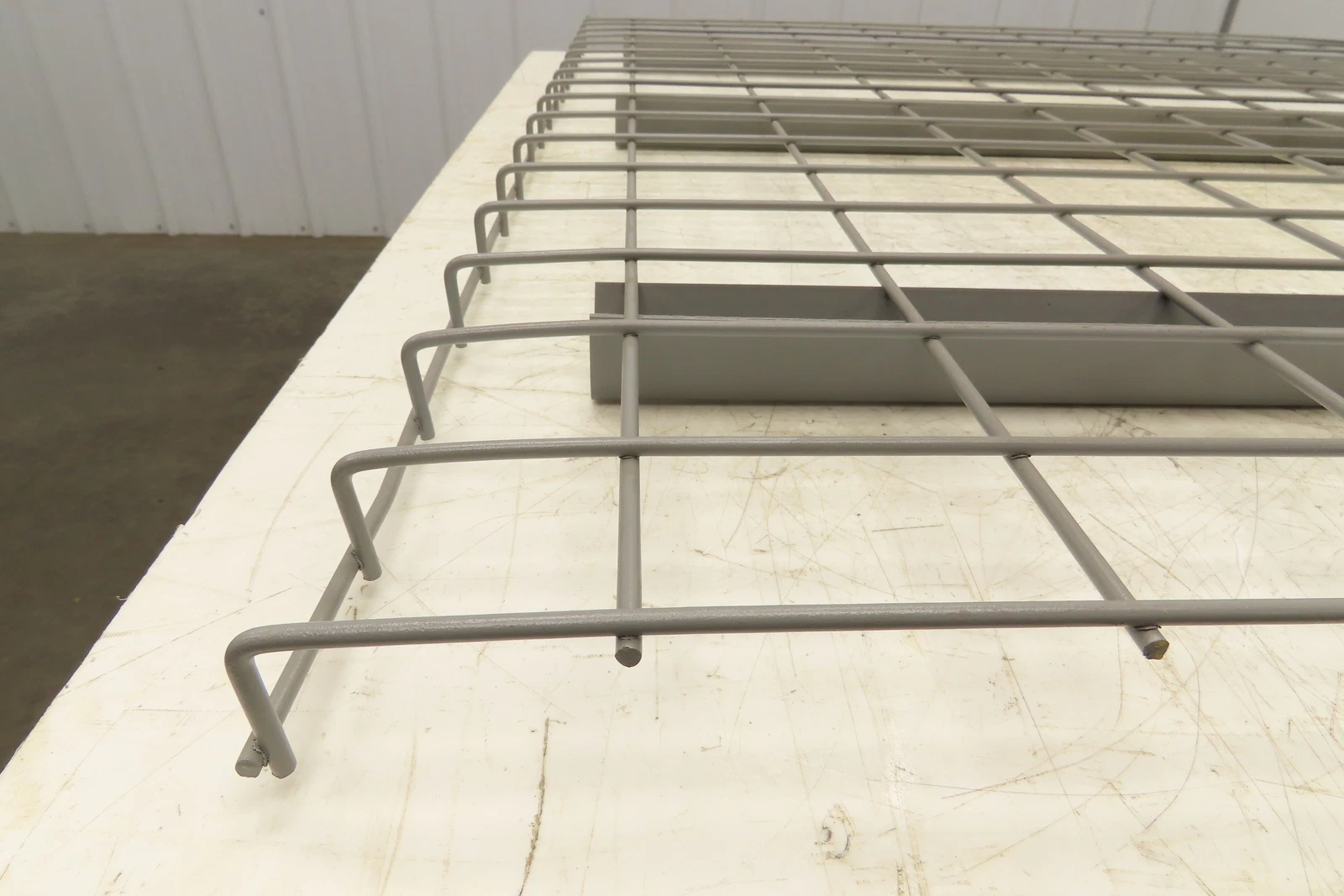
What Are the Long-Term Benefits Of Permanent Racking?
Can Temporary Racking Adapt to Your Changing Needs?
If you’ve ever stood in a bustling warehouse, you know that flexibility is the name of the game. Racking systems that can bend with your business’s evolving demands make all the difference. Temporary racking isn’t just a stopgap; it’s a lifeline for those unexpected shifts in inventory, whether due to seasonal surges or sudden project expansions. Imagine being in a bind, with products piling up, and the pressure to deliver mounting. Temporary racking steps in, ready to hold everything from pallets of seasonal gear to those odd-sized items that don’t quite fit elsewhere.
In a world that doesn’t stop for anyone, it pays to have a racking solution that can keep pace. Flexibility isn’t just a buzzword—it’s about ensuring your operations run smoothly, regardless of how quickly things change. With temporary racking, you’ve got the power to scale up when needed and scale back when the tide turns. It’s like having a trusty set of tools in the workshop; you pull out what you need when you need it without feeling weighed down by what’s unnecessary.
But it’s not just about practicality; it’s also rooted in creating a workplace that values efficiency and adaptability. Think of the camaraderie that builds when your team can pivot easily from one task to another without missing a beat. Temporary racking fosters an environment where everyone feels empowered to tackle challenges head-on. It’s about more than just organization; it’s about enhancing productivity and morale.
Furthermore, the ethical choice isn’t lost here. Investing in adaptable racking systems means you’re standing on the side of sustainability. You’re not committing to permanent structures that may become obsolete with time; you’re opting for solutions that grow with you, reducing waste and ensuring what you have works hard for you.
When you choose temporary racking, you’re not just making a transaction; you’re investing in a relationship with your storage space. You’re saying “yes” to potential, knowing that each shelf and beam has your back in the unpredictable landscape of business. So next time you’re re-evaluating your workflow, consider how temporary racking can be the unsung hero in your operation, always ready to adapt, support, and rise to the occasion.

Can Temporary Racking Adapt to Your Changing Needs?
Can Temporary Racking Adapt to Your Changing Needs?
- Flexibility in warehouse racking systems is crucial for adapting to business demands.
- Temporary racking serves as a vital solution during unexpected inventory shifts, such as seasonal surges or project expansions.
- This system efficiently accommodates various items, including odd-sized products and seasonal gear.
- Temporary racking empowers businesses to scale operations quickly, enhancing overall efficiency.
- Adopting temporary racking fosters teamwork and boosts morale in the workplace.
- It represents an ethical choice, promoting sustainability and reducing waste by avoiding permanent structures.
- Investing in temporary racking strengthens the connection with storage solutions, offering adaptability in dynamic business environments.
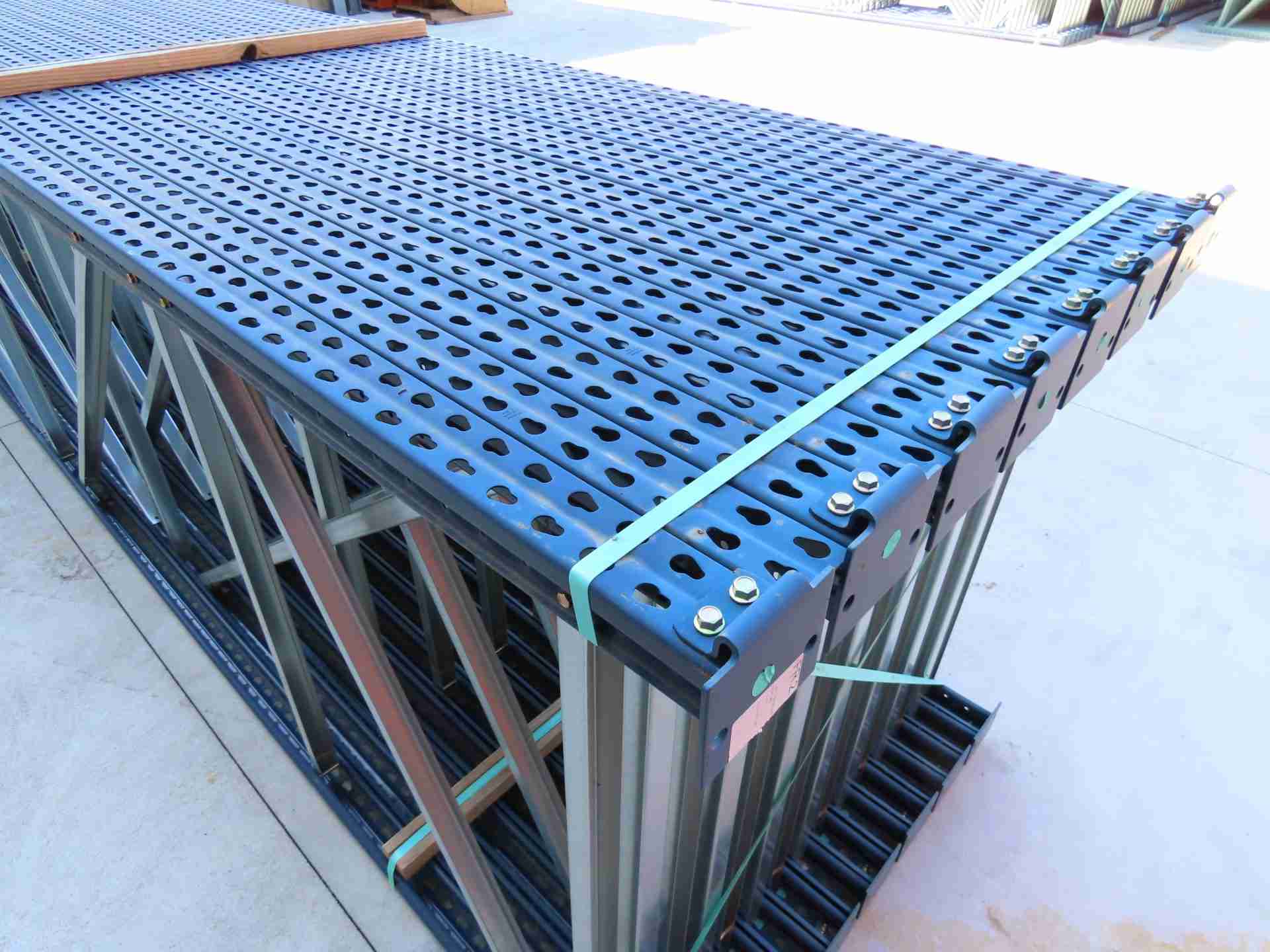
Can Temporary Racking Adapt to Your Changing Needs?
How Does Your Industry Influence Racking Decisions?
HowDoesYourIndustryInfluenceRackingDecisions?
When it comes to racking systems, the decisions you make are often layered with the unique challenges of your industry. You’re not just picking shelves; you’re laying the groundwork for operational efficiency and safety. In an automotive shop bustling with mechanics, the way racking is designed can mean the difference between stumbling through stacked parts and having everything at your fingertips. Imagine a mechanic losing precious minutes searching through cluttered storage when that time could be spent getting cars back on the road.
In warehousing or distribution, the stakes get even higher. The choice of racking systems can influence your entire workflow—think of it like arranging tools in a toolbox. Strategically installed racks can optimize space and speed up loading and unloading, which not only saves time but helps ensure that your team stays motivated and focused. You know how much morale boosts when everyone can grab what they need without delay.
There’s also an ethical dimension as you consider your industry’s impact on the environment. Choosing sustainable racking solutions isn’t just a trend; it reflects your commitment to doing right by the planet and future generations. Using materials that are recyclable or systems that reduce waste can resonate deeply with both your employees and customers, fostering a culture of responsibility.
From a practical standpoint, industry regulations play a crucial role. Different sectors have specific guidelines on weight limits and safety standards. Understanding these requirements isn’t just about compliance; it’s about keeping your employees safe and your business running smoothly. One unfortunate accident can have repercussions that linger long after the incident itself.
The shared stories from those within your industry serve as a pillar of authority; they often know the ins and outs of racking choices you might not have considered. Listening to peers who’ve faced similar dilemmas can offer insights that save you from costly mistakes.
Ultimately, when selecting racking systems, think of it as building a foundation for success. Your decisions impact not just the bottom line but the lives of those who work alongside you. Choosing the right racking solution is about empowerment—creating a workspace that’s efficient, ergonomic, and ethical. This isn’t just about storage; it’s about setting your team up for triumph, every single day.

How Does Your Industry Influence Racking Decisions?
How Does Your Industry Influence Racking Decisions?
- Racking decisions are influenced by the unique challenges of each industry, focusing on operational efficiency and safety.
- In automotive shops, effective racking design prevents time loss from searching for parts, allowing mechanics to work more efficiently.
- In warehousing, strategic racking can optimize space and workflow, enhancing team motivation and productivity.
- Sustainable racking solutions reflect a commitment to environmental responsibility, using recyclable materials and reducing waste.
- Industry regulations on weight limits and safety standards are critical for compliance, employee safety, and smooth business operations.
- Listening to industry peers can provide valuable insights, helping to avoid costly mistakes in racking choices.
- Choosing the right racking system empowers employees by creating an efficient, ergonomic, and ethical workspace.

How Does Your Industry Influence Racking Decisions?
What Safety Concerns Arise with Temporary Racking?
When it comes to racking systems, especially temporary ones, safety concerns are far from trivial. Picture a bustling warehouse. Workers are moving fast, loading and unloading goods. The last thing anyone wants is for a racking system to fail. A collapsed racking structure can turn a day at work into a scene from a nightmare. It’s not just about losing inventory; it’s about the people who work there.
Every day, workers trust that the racking systems installed around them are sturdy, dependable, and safe. Yet, temporary racking often comes with unique challenges. A lack of permanence can mean these systems are not built to handle heavy loads or the strains of daily activity over time. Inadequate installation or failure to adhere to load limits can lead to catastrophic failures. It’s not just about theoretical risks; real lives hang in the balance. For every warehouse manager or business owner, maintaining a safe working environment should be their top priority.
Ethically speaking, how can businesses justify cutting corners for temporary racking? It’s a matter of accountability. Each and every employee deserves to go home in one piece at the end of the day. A strong foundation in safety protocols and thorough training for everyone on the team is essential. It creates a culture where safety isn’t just a policy; it’s a way of working. This is where you build trust—not just in the systems, but among employees as well.
From a practical standpoint, engaging the right authorities in choosing and installing racking systems can be a game changer. Experienced professionals know the ins and outs, ensuring every beam and brace is in its rightful place. It’s about prevention, planning, and investing in the right materials and expertise. Just imagine a crew of skilled workers who understand the need for meticulous setup and regular inspections. They don’t just see racking systems; they see a vital part of a bigger safety picture.
Temporary racking can serve a purpose, but it demands respect. Awareness of potential hazards, commitment to regular checks, and fostering a culture of safety will not only protect assets but also livelihoods. Safety isn’t just a box to check; it’s a core principle that should resonate in the heart of every team, on the floor, where real work happens.

What Safety Concerns Arise with Temporary Racking?
What Safety Concerns Arise with Temporary Racking?
- Safety concerns for temporary racking systems are significant in busy warehouse environments.
- Collapsed racking can result in loss of inventory and pose serious risks to workers.
- Temporary racking may not be designed to support heavy loads or daily activity strains.
- Inadequate installation and failure to follow load limits can lead to catastrophic failures.
- Businesses have an ethical responsibility to ensure employee safety and accountability.
- Engaging experienced professionals for installation and inspections enhances safety measures.
- A culture of safety, regular checks, and respect for racking systems is crucial for protecting livelihoods.

What Safety Concerns Arise with Temporary Racking?
Conclusion
Choosing between temporary and permanent racking systems is more than a simple decision; it’s about laying a solid foundation for the future of your warehouse operations. Temporary racking serves as a quick fix, offering flexibility for immediate needs like seasonal shifts in inventory. However, relying too heavily on such solutions can feel like applying a band-aid to a bigger issue. Sure, they might save the day when you’re in a pinch, but there’s often a cost—both financially and in terms of safety—for not considering the long haul.
On the other hand, permanent racking systems represent a significant investment, akin to building a solid home base for your business. Upfront costs may seem daunting, but the long-term advantages are substantial. A well-designed permanent setup offers stability, supports heavier loads, and streamlines workflows, ultimately reducing maintenance costs and downtime. This stability translates into a more organized space, where your crew can work safely and efficiently, fostering morale and pride.
Decisions around racking aren’t solely about economics. Ethically, providing a safe and secure workplace for your employees should be a priority. A permanent racking system demonstrates your commitment to their well-being and highlights your dedication to quality operations. Numerous stories illustrate how businesses that choose wisely not only protect their assets but also cultivate an environment where employees feel valued.
The challenges of managing racking options are many. Poorly designed systems can lead to wasted space, heightened safety risks, and inefficiencies that weigh down both morale and output. The emotional weight of these decisions often leans into how they affect your team daily. You want to empower them with tools that allow them to perform their jobs with ease and confidence.
Additionally, temporary racking can provide budget-friendly solutions, especially in the face of unpredictable market conditions. Yet, it’s vital to recognize this flexibility can come at the cost of long-term operational efficiency. Often, these systems require reconfiguration as business needs shift, which can add unexpected expenses.
In harnessing the strengths of both options, the story of your racking choice becomes a narrative shared among many. Whether opting for the adaptability of temporary solutions or the dependability of permanent structures, each decision contributes to a landscape where teams can thrive, fostering an environment built on trust and commitment. Ultimately, it’s about crafting not just a physical space, but a thriving workplace where everyone can flourish.

Conclusion
Conclusion:
- Choosing between temporary and permanent racking systems is crucial for effective warehouse operations.
- Temporary racking offers flexibility for immediate inventory needs, but may create long-term issues.
- Permanent racking systems require a larger initial investment but provide stability and support heavy loads.
- A well-designed permanent system improves workflows, reduces maintenance costs, and enhances employee morale.
- Ethical considerations include ensuring a safe workplace, reflecting commitment to employee welfare.
- Poorly designed racking can lead to wasted space, safety risks, and inefficiencies impacting team performance.
- While temporary racking can be budget-friendly, it may incur unforeseen costs due to frequent reconfigurations.

Conclusion
Other Resources

Other Resources
Here is a list of other resources you can review online to learn more:
- Selective Racking
- International Warehouse Logistics Association
- Logic Material Handling
- SEMA
- Teardrop Uprights
- Selective Rack – Raymond West
- Overhead Lifting
- Warehouse Automation
- Cantilever Rack Guide: Ordering Cantilever Racking
- Material Handling Safety
- BMH
- Warehouse Racking System: Powerful Guide to Optimise, 2024
- Racking World
- Interlake Mecalux
- IIWS Inc. Rack Installation Illinois & Rack Repairs Illinois
- Rack Manufacturers Institute
- Storage Equipment Manufacturers’ Association
- Cantilever Rack Configuration & Installation: A Comprehensive Guide – BMH
- Teardrop Racks – Pallet Rack World
Use This Prompt To Get More Resources With Your Favorite Online AI Tool: Please provide me with a list of online articles with their URLs in a bulleted list that I can read regarding Temporary Vs Permanent Racking Decisions

Other Resources
Glossary Terms
Temporary Vs Permanent Racking Decisions – Glossary Of Terms
1. Racking: A storage system used to hold materials or products in warehouses or retail spaces.
2. Temporary Racking: A racking solution that is not fixed or permanent, often used for short-term needs.
3. Permanent Racking: A long-term storage solution designed for durability and stability in warehouses.
4. Pallet Rack: A type of racking system specifically designed to hold pallets of goods.
5. Selective Racking: A racking system that allows easy access to individual pallets, maximizing storage efficiency.
6. Drive-In Racking: A compact storage system where forklifts drive into the rack, suitable for high-density storage.
7. Push Back Racking: A racking system that allows pallets to be stored in a way that they push back as new pallets are loaded.
8. Cantilever Racking: A racking type used for storing long or bulky items, featuring arms extending from a vertical frame.
9. Mobile Racking: Racking systems mounted on wheels for easy relocation or access to stored items.
10. Floor Space Utilization: The effective use of floor area in a storage facility, often enhanced by racking systems.
11. Inventory Management: The process of overseeing and controlling stock levels, essential for racking decisions.
12. Scalability: The ability of a racking system to adapt to changing storage needs over time.
13. Weight Capacity: The maximum load a racking system can safely support without risk of failure.
14. Safety Regulations: Guidelines that ensure the safe design and use of racking systems.
15. Ergonomics: The study of people’s efficiency in their working environment, affecting racking design choices.
16. Clearance Height: The vertical space available above shelving, critical for storing taller items.
17. Accessibility: The ease with which items can be retrieved from a racking system, influencing layout decisions.
18. FIFO (First In, First Out): An inventory management method where the oldest stock is sold first, impacting racking design.
19. LIFO (Last In, First Out): An inventory management method where the newest stock is sold first, relevant for certain racking types.
20. Structural Integrity: The ability of a racking system to remain stable and safe under loads, essential for permanence.
21. Custom Racking: Tailored racking solutions designed to meet specific storage requirements.
22. Warehouse Layout: The arrangement of storage, racking, and equipment within a warehouse, affecting operational efficiency.
23. Load Distribution: The way weight is spread across a racking system, important for safety and effectiveness.
24. Vertical Space: The height available for racking, often underutilized in storage facilities.
25. Modular Design: Racking systems designed in sections that can be reconfigured or expanded as needed.
26. Turnover Rate: The frequency at which inventory is sold and replaced, influencing racking choices.
27. Cost-Benefit Analysis: A financial assessment of the costs versus benefits of temporary versus permanent racking.
28. Compliance: Adherence to industry standards and regulations related to racking systems.
29. Lead Time: The time required to acquire and set up a racking system, impacting decision-making for temporary solutions.
30. Maintenance: The regular upkeep of racking systems to ensure safety and functionality over time.

Glossary Of Terms
Other Questions
Temporary Vs Permanent Racking Decisions – Other Questions
If you wish to explore and discover more, consider looking for answers to these questions:
- What are the upfront costs of temporary versus permanent racking?
- What are the expected maintenance and repair costs over time for each option?
- What is the typical service life or lifespan of temporary and permanent racking systems?
- How do load capacities and weight ratings compare between temporary and permanent racks?
- How long does installation take for temporary versus permanent systems, and how much operational downtime is required?
- Can temporary racking meet applicable safety standards and building codes for my industry?
- What certifications, testing, or third‑party verifications should I require from suppliers?
- How frequently should racking be inspected and by whom?
- What are the most common failure modes for temporary racking and how can they be prevented?
- How will my choice of racking affect insurance coverage and premiums?
- Are financing, leasing, or rental options available for permanent racking investments?
- How easily can each system be reconfigured, expanded, or relocated as needs change?
- What are the costs and logistics of converting temporary racking into a permanent solution?
- How do different racking choices impact workflow, picking efficiency, and labor productivity?
- What difference in storage density and space utilization should I expect between options?
- How compatible are the racks with my existing equipment (forklifts, pallet sizes, conveyors, automation)?
- What are floor loading and anchoring requirements for each system?
- How do racking systems perform in seismic, high‑wind, or other hazard zones?
- What warranties, service plans, and response times do suppliers typically offer?
- What are the environmental impacts, material recyclability, and sustainability considerations?
- Is purchasing used or refurbished racking a safe and cost‑effective alternative?
- What vendor qualifications, references, and case studies should I request before deciding?
- How will racking choices affect employee ergonomics, injury risk, and OSHA compliance?
- How do racking systems integrate with fire suppression, sprinkler systems, and egress requirements?
- What permits, inspections, or regulatory approvals might be required locally?
- How long will it take for a permanent racking investment to pay back compared with repeated temporary solutions?
- What are best practices for training staff on safe use, loading, and inspection of racking?
- Are there standard inspection checklists or industry standards I should follow?
- Are there tax incentives, depreciation rules, or accounting implications for permanent racking?
- Where can I find real‑world case studies or peer examples for my specific industry and scale?

Other Questions
Checklist
Temporary Vs Permanent Racking Decisions – A Checklist
Objectives and Scope
✅______ Define primary storage goals (short-term overflow vs long-term optimization)
✅______ Map inventory profiles (SKU count, dimensions, turnover, handling units)
✅______ Forecast variability (seasonal peaks, promotions, new products)
✅______ Set service-level targets (dock-to-stock, pick rates, on-time ship)
Facility and Constraints
✅______ Measure usable cube (clear height, columns, doors, sprinklers, egress)
✅______ Verify slab capacity and flatness; confirm allowable floor loads
✅______ Identify seismic and wind zone requirements
✅______ Confirm fire code needs (flue space, ESFR, in-rack sprinklers, aisles)
✅______ Match to material handling equipment (forklifts, reach trucks, AGVs, aisle width)
Load and Design Parameters
✅______ Define unit load weights and pallet specs (type, condition, overhang)
✅______ Set beam levels, bay widths, upright capacities, and safety factors
✅______ Specify required reconfiguration frequency and adjustability
✅______ Plan anchoring, bracing, and rack protection (end-of-aisle, column guards)
✅______ Establish signage for load ratings and operating rules
People, Safety, and Workflow
✅______ Use engineered designs and stamped calculations where required
✅______ Provide operator training and impact reporting procedures
✅______ Schedule inspections (post-install, periodic, post-impact)
✅______ Design traffic flow and ergonomics to reduce congestion and risk
✅______ Create change management and communication plan
Financial Analysis (Total Cost of Ownership)
✅______ Build 3–7-year TCO per option (CapEx, installation, permits)
✅______ Include OpEx (maintenance, inspections, repairs, insurance)
✅______ Add reconfiguration/relocation costs and operational downtime
✅______ Quantify productivity impacts (travel distance, pick/put time)
✅______ Consider resale/salvage value and modular reuse
Temporary Racking Fit
✅______ Align with short planning horizon or uncertain demand
✅______ Validate load capacity and duty cycle for intended use
✅______ Confirm rapid installation/removal with minimal slab impact
✅______ Plan storage and logistics for components when not deployed
✅______ Ensure stability per manufacturer guidance (anchoring/bracing as specified)
✅______ Verify rental/lease terms, lead times, and scalability
Permanent Racking Fit
✅______ Support heavy loads and high-throughput operations
✅______ Maximize cube utilization and pick efficiency
✅______ Integrate with WMS, conveyors, or future automation
✅______ Allow modular expansion for growth
✅______ Demonstrate lower lifecycle cost and reduced downtime
Industry and Compliance
✅______ Address sector rules (food: FSMA; pharma: GMP; cold chain; hazmat)
✅______ Meet labeling, traceability, and lot control needs
✅______ Secure permits and Authority Having Jurisdiction approvals
✅______ Align with insurer requirements and risk assessments
Sustainability
✅______ Select recyclable materials and low-VOC coatings where feasible
✅______ Plan for reuse, reconfiguration, or resale to reduce waste
✅______ Evaluate embodied carbon and vendor sustainability practices
Vendor and Quality Assurance
✅______ Shortlist reputable manufacturers/installers; check references
✅______ Obtain detailed drawings, PE stamps, and calculations
✅______ Verify standards compliance (RMI/ANSI MH16.1, FEM/EN as applicable)
✅______ Define factory acceptance, site acceptance, and punch list criteria
✅______ Set spare parts and rack repair protocols
Implementation and Go-Live
✅______ Phase installation to minimize disruption; create cutover plan
✅______ Protect inventory and personnel during installation
✅______ Update slotting, WMS locations, labeling, and SOPs
✅______ Train staff on new workflows and emergency procedures
✅______ Complete final inspection and load posting before use
Decision Record and Review
✅______ Document selected option, assumptions, risks, and payback
✅______ Assign owners for maintenance, inspections, and change control
✅______ Set review date to reassess capacity, safety, and performance
Checklist
At RackingWorld, we help guide you through selecting warehouse storage systems and racking.
Be sure to read our other related stories at RackingWorld to learn more about warehouse storage systems.
0 Comments