
Building A Strong Foundation: Tips For Mixing Old And New Materials
By Tom Seest
At RackingWorld, we help guide you through selecting warehouse storage systems and racking.
Be sure to read our other related stories at RackingWorld to learn more about warehouse storage systems.
Combining Used Uprights with New Beams: What to Watch For
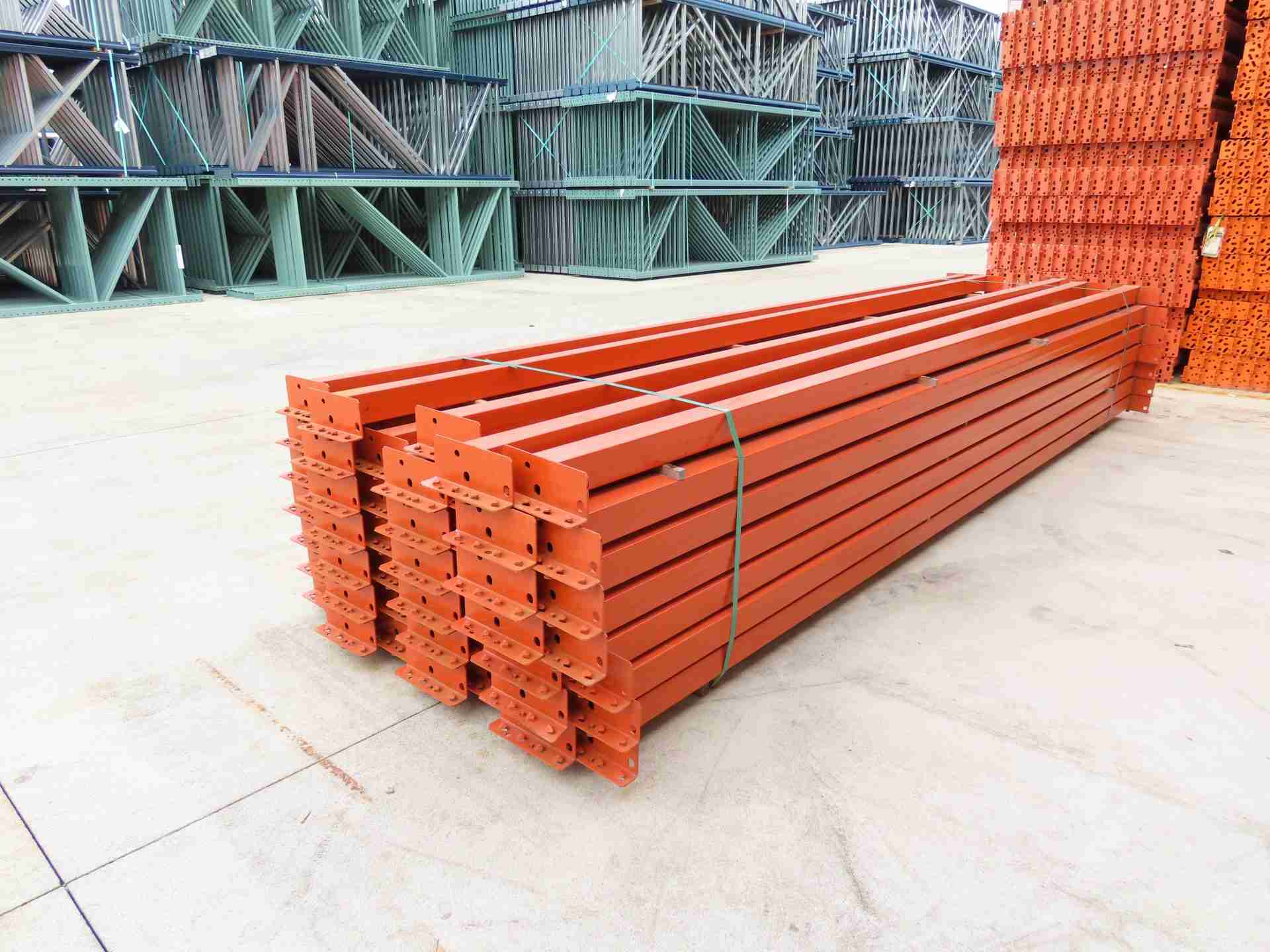
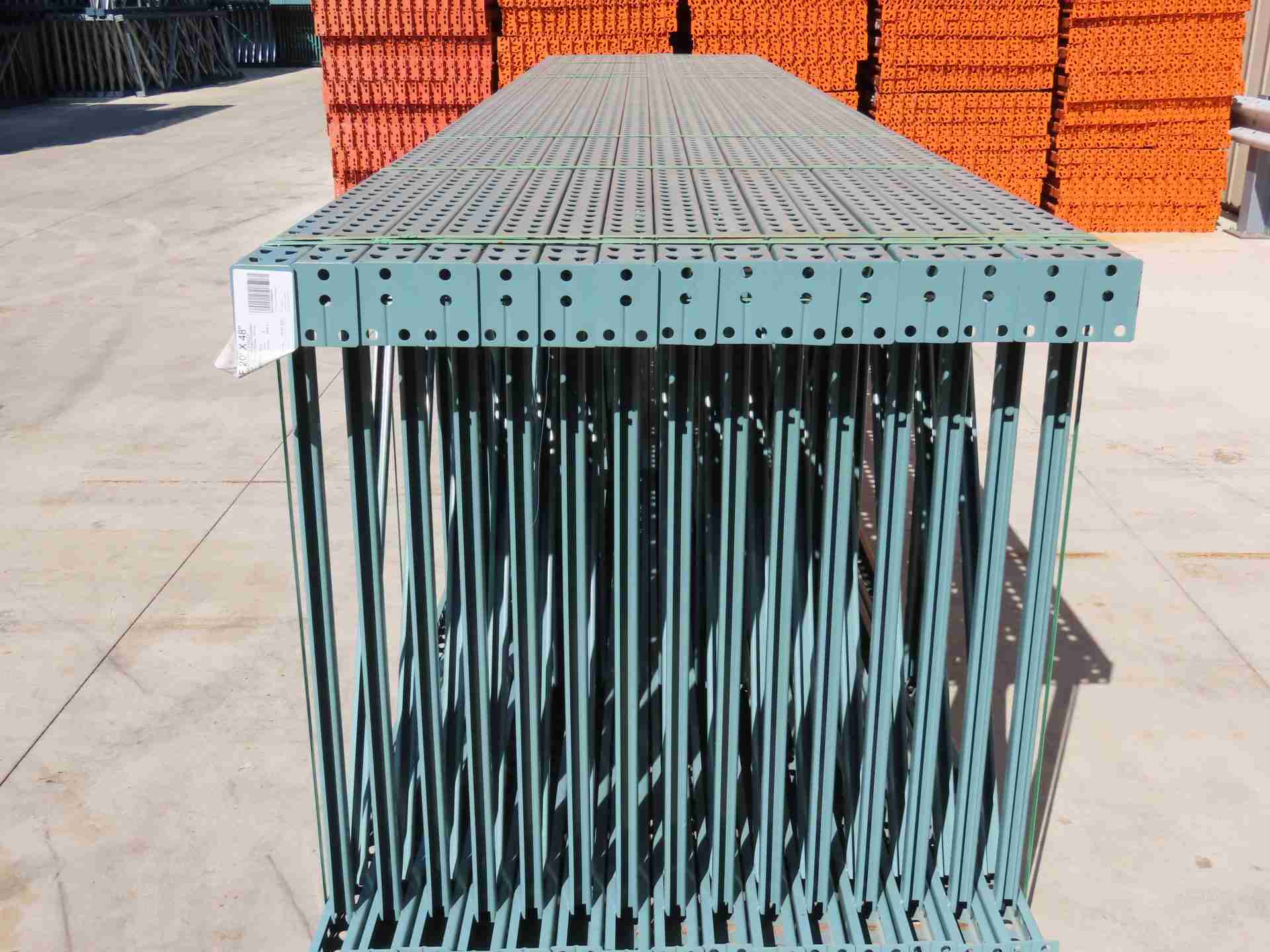
Imagine walking into a warehouse, the scent of freshly cut steel mingling with the anticipation of what’s to come. You’re not just looking at a racking system; you’re eyeing the future of your operation. There’s something beautiful about taking the sturdy backbone of used uprights and pairing them with brand-new beams. It’s like finding a hidden treasure, an imperfect yet capable vessel ready to carry your logistics dreams. But before you dive in, let’s talk about what to watch for.
First, think of the life left in those uprights. Used doesn’t mean obsolete; it means they’ve weathered storms and challenges, gaining character in the process. However, it’s crucial to check for signs of wear. Rust, dents, or structural compromise can make the difference between a robust racking system that stands the test of time and one that falters under pressure. Your heart tells you to believe in second chances, but let your analytical side ensure these uprights can still handle what you’ll throw at them.
Then there’s the issue of compatibility. In the world of racking, not all beams are created equal. New beams might boast cutting-edge designs, while your used uprights may have been made during a different era of engineering. Pay attention to weight capacity, dimensions, and even manufacturing standards. Taking shortcuts here not only risks your investment but could lead to safety issues. Ethical responsibility must guide your choices; after all, it’s not just about stock; it’s about your workforce’s safety and the integrity of your operation.
Now, picture this: the camaraderie that builds when you get your team involved in the process. They’re not just assembling a racking system; they’re unified in a mission. When they understand the significance of each component—the legacy of the uprights paired with the promise of new beams—they become stewards of both safety and efficiency.
As you embark on this venture to combine used uprights with new beams, approach it like a craftsperson honing their trade. Carry your vision into reality with respect for both old and new. Your gut will guide you, but let knowledge and integrity be your compass. Make the most of what you have, invest in what’s new, and forge a future that reflects trust, confidence, and strength.
Combining Used Uprights with New Beams: What to Watch For
Combining Used Uprights with New Beams: What to Watch For
- Walking into a warehouse presents opportunities for innovation and the future of operations.
- Combining sturdy used uprights with new beams resembles finding hidden treasure, promoting a mix of character and capability.
- Evaluate the condition of used uprights thoroughly for wear and structural integrity to ensure longevity.
- Ensure compatibility between old uprights and new beams, focusing on weight capacity, dimensions, and manufacturing standards.
- Involve your team in the racking system assembly to foster camaraderie and shared responsibility for safety and efficiency.
- Approach the project with the mindset of a craftsperson, respecting both the old and the new components.
- Balance intuition with knowledge and integrity to create a trustworthy and strong operational future.
Combining Used Uprights with New Beams: What to Watch For
Table Of Contents
- Combining Used Uprights with New Beams: What to Watch For
- What Are the Emotional Risks Of Mixing Old and New Components?
- How Do You Ensure Safety When Using Used Uprights?
- What Should You Know About the Structural Integrity Of Used Beams?
- How Can You Ethically Source Used Uprights for Your Project?
- What Are the Cost Implications Of Using Recycled Versus New Beams?
- Conclusion
- Other Resources
- Glossary Of Terms
- Other Questions
- Checklist
What Are the Emotional Risks Of Mixing Old and New Components?
When you’re piecing together a project, whether it’s a vintage car or a home renovation, the emotional risks of mixing old and new components can be profound. You might think, “What’s the harm?” But let’s pause for a moment and delve into those feelings racking around inside you. The nostalgia attached to old components runs deep; it’s a bridge to past experiences, times spent tinkering in your father’s garage, or the thrill of unearthing a dusty relic at a flea market. These are moments we cherish, yet they often come with an emotional weight that can surprise you.
On the flip side, there’s that shiny, new part — a promise of reliability, efficiency, and the peace of mind that comes with modern technology. But as you begin merging these worlds, you might feel your stomach drop. Will this new piece disrespect the legacy of the old? You might wrestle with the fear of losing that authentic charm that once sparked joy. It’s a battle we all face when tradition clashes with innovation: the head tells you to embrace progress, while the heart clings to the familiar.
Rationality kicks in when you consider the ethics of your choices. As stewards of our crafts, we have a responsibility to honor history while pushing forward. You want to ensure the old isn’t discarded without thought, and that the new integrates seamlessly, preserving the essence of what once was. This balance is not just a personal challenge; it’s a call to action for the entire community of makers. Each decision you make reverberates beyond your project, resonating with those who share your passions and pursuits.
Think of it as a narrative — every bolt, every fixture tells a story. The tales of manual labor, of dreams, and triumphs are woven into each layer. When you mix components, you’re not just crafting an object; you’re creating a dialogue between eras, inviting others to connect with your journey. It’s an opportunity to inspire and foster a sense of belonging among fellow enthusiasts.
So, as you navigate this emotional labyrinth, ask yourself: how can you honor the past while building a bridge to the future? It’s not merely about aesthetics or function; it’s about the relationship you build with each part and the connections forged along the way. Take this journey, and you may find that mixing old and new is less about risk and more about crafting a legacy all your own.
What Are the Emotional Risks Of Mixing Old and New Components?
What Are the Emotional Risks Of Mixing Old and New Components?
- Mixing old and new components in projects carries profound emotional risks.
- Nostalgia for old parts evokes cherished memories and experiences.
- New components promise reliability and modern efficiency but may clash with tradition.
- Balancing tradition and innovation is a common internal struggle.
- Craftsmen have a responsibility to honor history while embracing progress.
- Every component tells a story, creating a dialogue between eras and fostering connection.
- Mixing old and new can be an opportunity to craft a personal legacy.
What Are the Emotional Risks Of Mixing Old and New Components?
How Do You Ensure Safety When Using Used Uprights?
When it comes to safety, using used uprights is a bit like walking a tightrope; one misstep could lead to disaster. You’re not just working with metal beams and bolts; you’re working with lives—the lives of your friends, your co-workers, and sometimes even your family members. Every racking system must be treated as a guardian of productivity, but it’s also a silent sentinel that requires respect and vigilance.
Before you even think about stacking boxes on those uprights, take the time to really look at them. Give them a thorough inspection, as if you’re looking for hidden flaws in an old friend’s character. Rust, dents, or bent beams can betray weakness where you least expect it. If you find something that makes your gut twist, don’t brush it aside—trust that feeling. You wouldn’t ride a bike with a wobbly wheel, so why risk it in a warehouse filled with heavy loads?
Next, don’t just assume that the previous owner took good care of those uprights. After all, when it comes to racking safety, ethics can get murky. Demand accountability—not just from your predecessors, but from yourself. You’re now in charge, so take that responsibility seriously. Engage with experts or certified professionals when evaluating used equipment. Sometimes, a second pair of eyes can catch aspects that you might have missed, an ally in your mission for safety.
It’s not just about rules or regulations; it’s about creating a culture of safety. Encourage your team to speak up when something feels off. Foster open dialogue about safety concerns because when the entire workforce feels invested, the chance of accidents diminishes. After all, humans are social creatures; they thrive on connection and community. When everyone feels like a steward of safety, you’re reinforcing bonds that lead to more than just compliance.
Ultimately, using used uprights is about more than the job at hand; it’s about creating an environment where everyone can thrive. It’s a commitment to safety that resonates deep within the heart of your operation. Let it inspire action, trust, and confidence—not just in your racking but in your entire workforce. Because when it comes to safety, mediocrity never made history, but vigilance just might.
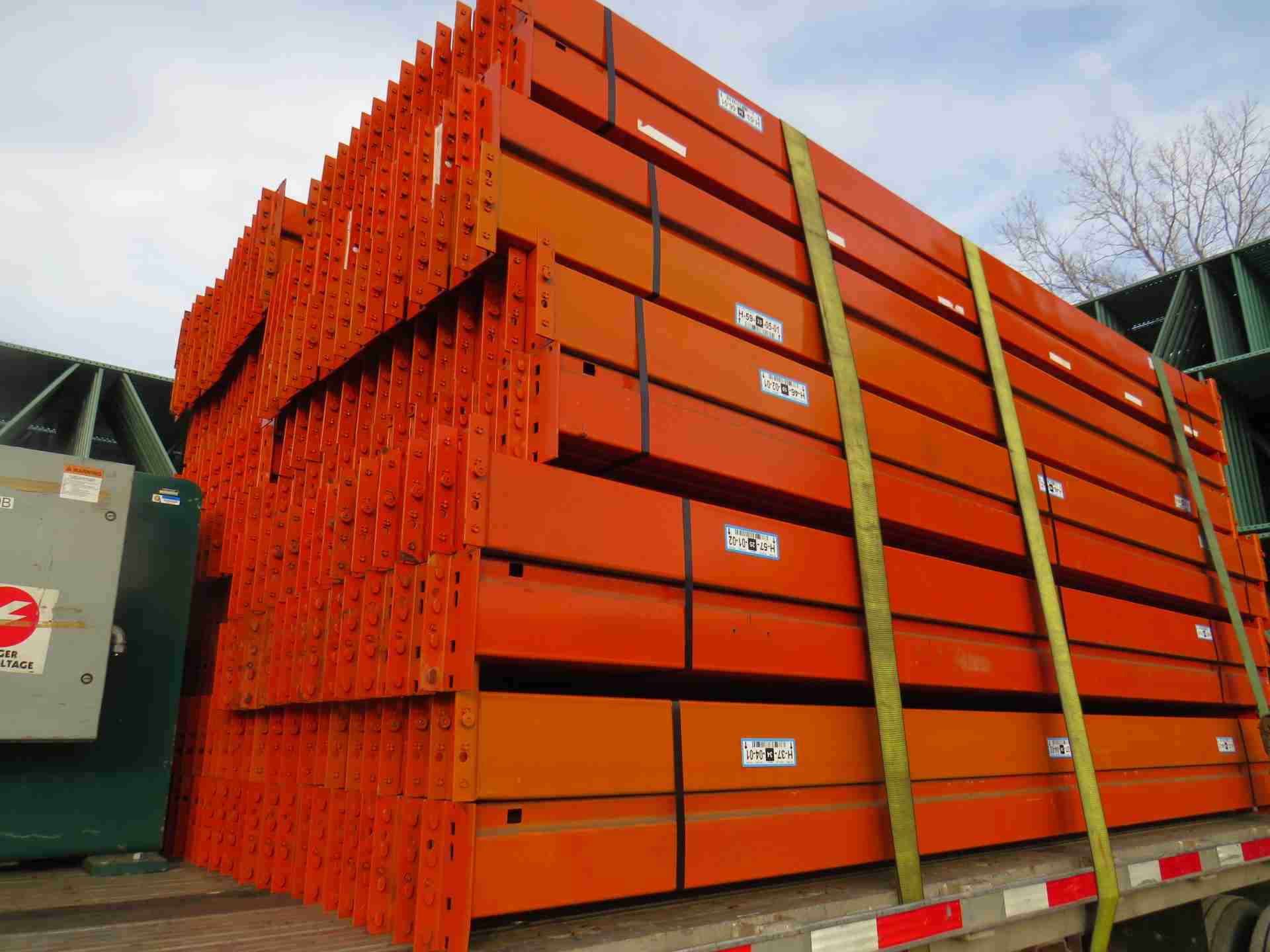
How Do You Ensure Safety When Using Used Uprights?
How Do You Ensure Safety When Using Used Uprights?
- Using used uprights requires careful attention to safety, as they impact the lives of workers.
- Thoroughly inspect uprights for flaws like rust, dents, or bent beams before use.
- Trust your instincts; don’t ignore warning signs that indicate potential issues.
- Assume accountability for the condition and safety of used uprights; don’t rely solely on previous owners.
- Engage with safety experts or certified professionals to properly evaluate used equipment.
- Encourage a workplace culture of safety where team members feel comfortable voicing concerns.
- Creating a safe environment fosters trust, confidence, and enhances overall operational effectiveness.
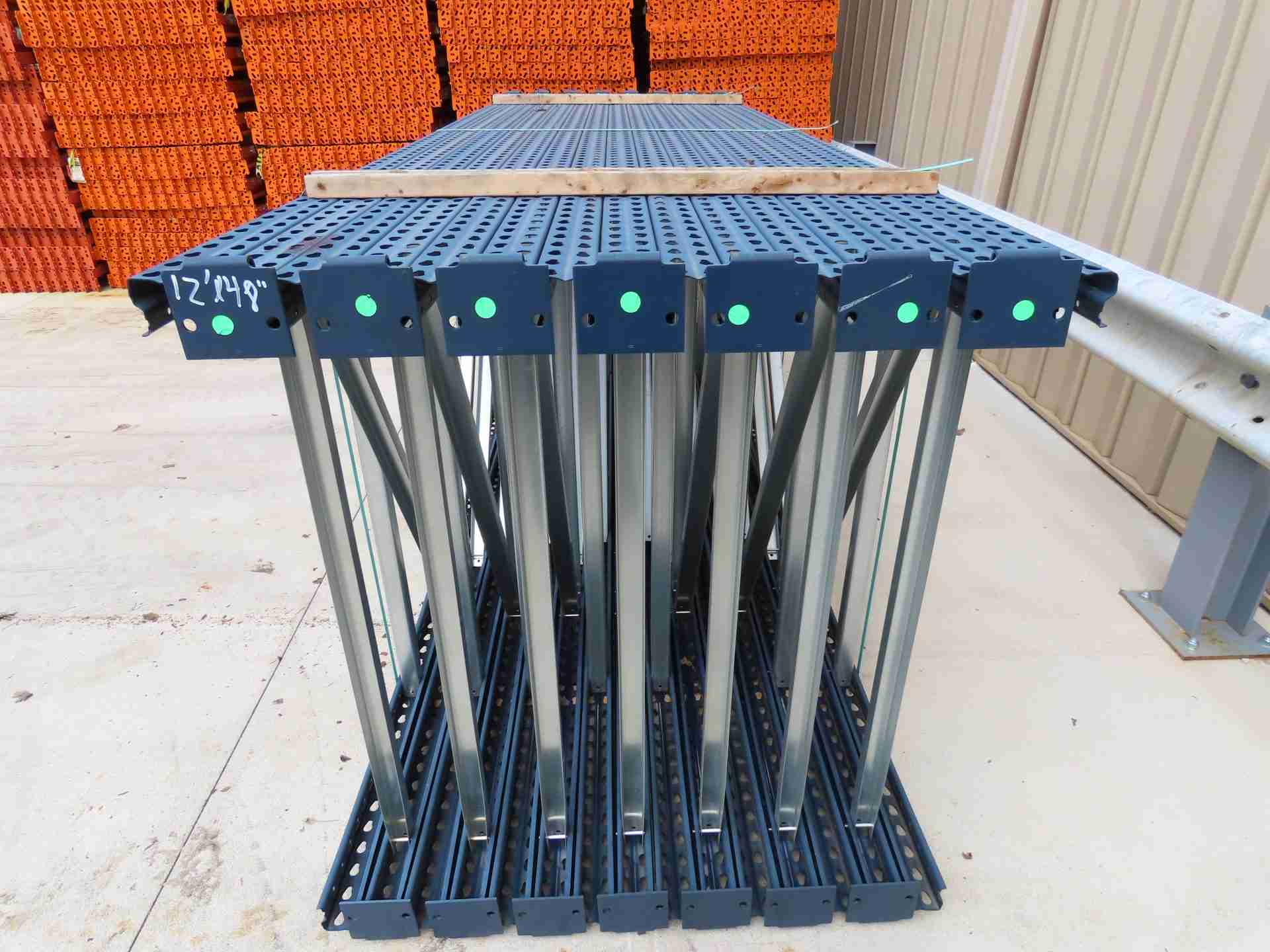
How Do You Ensure Safety When Using Used Uprights?
What Should You Know About the Structural Integrity Of Used Beams?
When it comes to the structural integrity of used beams, it’s imperative to understand not just the material, but the story behind it. Think about it; these beams have seen the weight of history, witnessed weathering storms, and stood strong against the test of time. But just like any seasoned warrior, they carry their scars—those marks tell us about their past battles, but they also demand careful attention.
Every beam has its tale. Perhaps it supported a family’s first home, or helped construct a bustling barn full of cattle. Each scratch or dent can hint at a time of racking—when forces pulled and strained, possibly compromising its strength. You might be tempted to dismiss these signs as simple wear and tear, but let’s consider what they represent. These imperfections intertwine the craftsmanship of human hands focused on resilience and the unforgiving nature of time itself.
When evaluating used beams, rationality plays a key role. Experts advise you to inspect for signs of rot, pest damage, and any visible cracks. Engaging the mind first ensures safety, but it should also come with an ethical obligation: you must ensure that your choices support sustainable practices. Reusing materials isn’t just a cost-effective decision; it’s a testament to valuing our environment, keeping waste out of landfills, and honoring the legacy of those who came before us.
Let’s not forget the social aspect, either. When you choose quality used beams, you’re connecting to a community that cherishes craftsmanship. It speaks to a time of personal involvement and care, a stark contrast to the sterile assembly lines of modern lumber yards. You’re investing in a piece of history, while also inspiring others to consider sustainability. There’s a camaraderie in joining the ranks of those who choose thoughtfully, who refuse to simply toss aside what’s been crafted with dedication and grit.
So, the next time you contemplate selecting used beams, dive into their story. Ask yourself not only what will carry the weight of your structure but also what weight these beams have carried before. Let your choices reflect a commitment to integrity, purpose, and community—a decision that both you and those who follow will appreciate for years to come.
What Should You Know About the Structural Integrity Of Used Beams?
What Should You Know About the Structural Integrity Of Used Beams?
- Understanding the structural integrity of used beams involves recognizing both the material and its history.
- Used beams carry scars that reflect their past experiences and require mindful inspection.
- Every scratch or dent suggests a history of stress and potential compromise in strength.
- Rational evaluation requires checking for rot, pest damage, and visible cracks for safety.
- Choosing to reuse materials promotes sustainability and honors environmental legacy.
- Investing in used beams connects you to a community that values craftsmanship and personal care.
- Consider the stories behind beams, reflecting a commitment to integrity, purpose, and community.
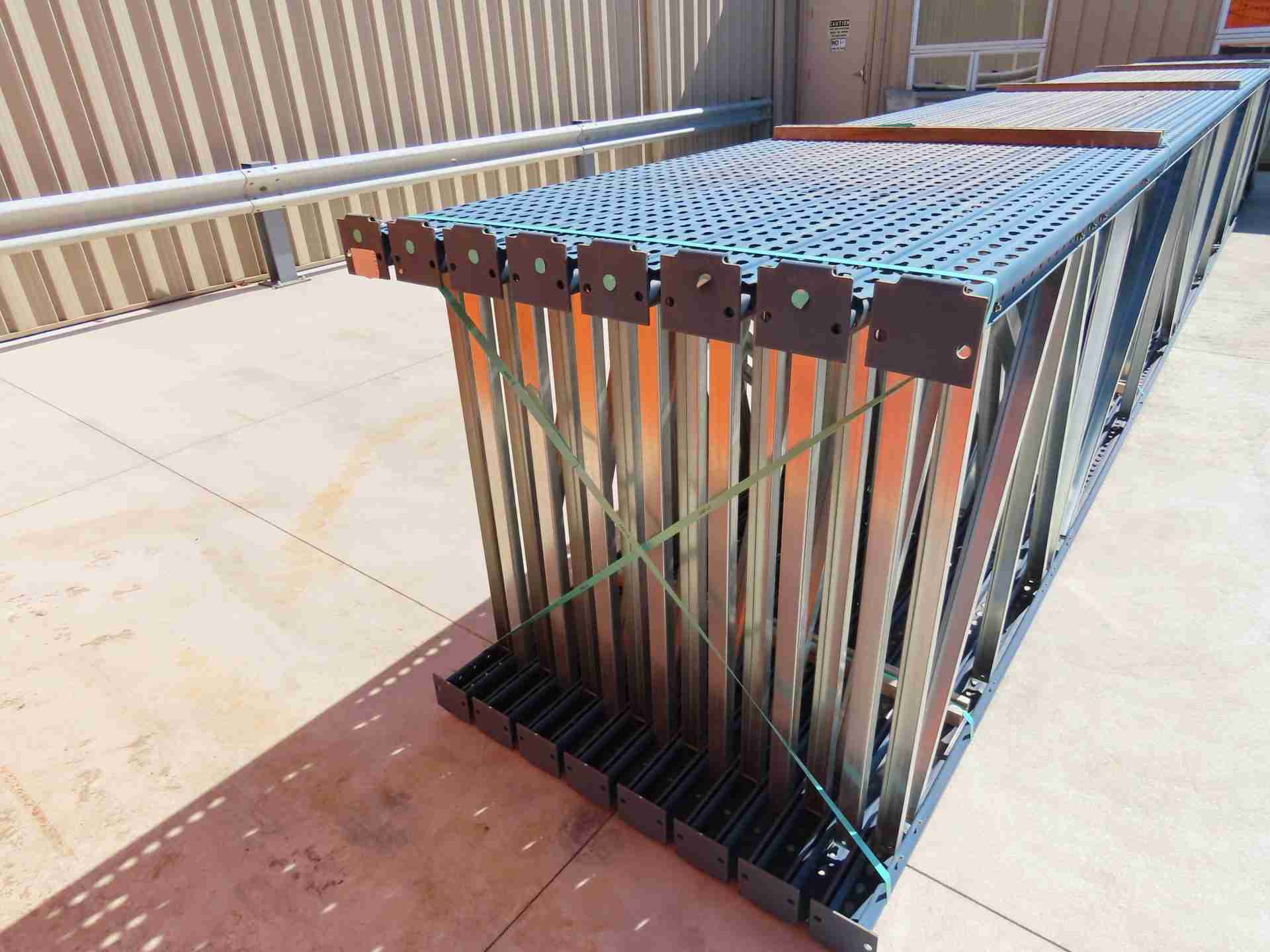
What Should You Know About the Structural Integrity Of Used Beams?
How Can You Ethically Source Used Uprights for Your Project?
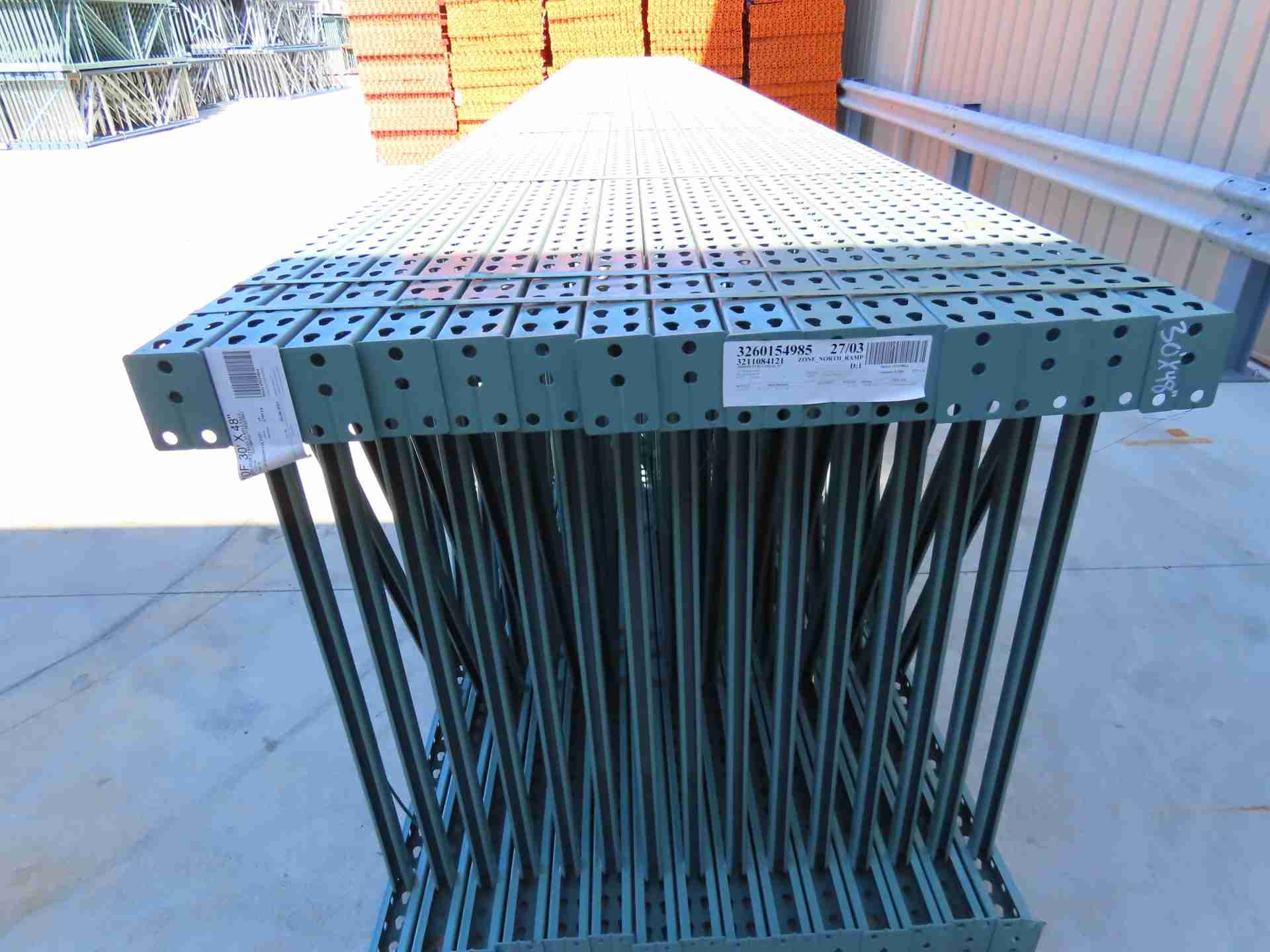
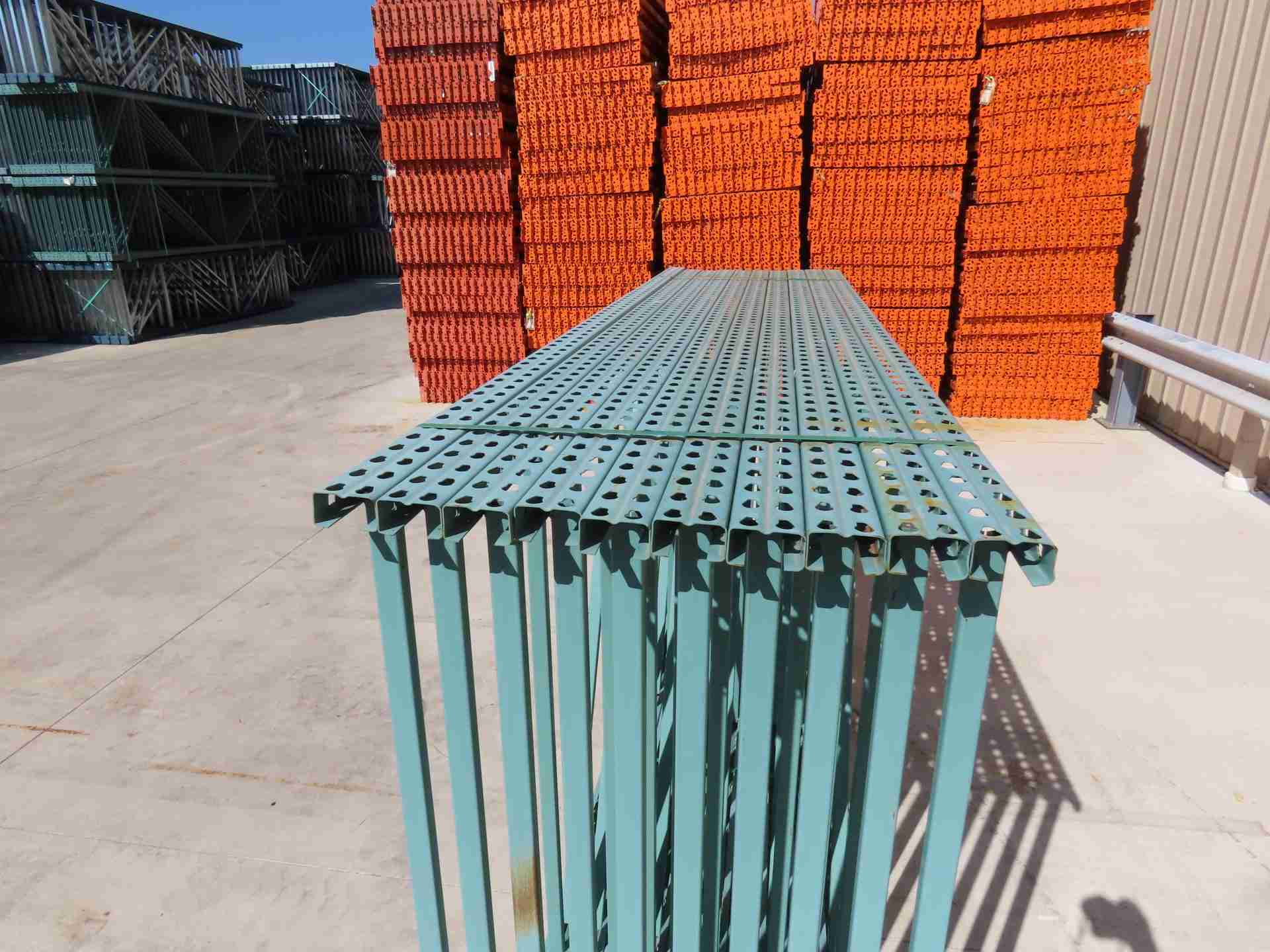
When diving into a project that requires used uprights, it’s easy to get caught up in the excitement of finding a good deal. After all, who doesn’t love a bargain? But let’s slow down and consider our role in this bigger picture. Racking systems, whether in a warehouse or a garage, have a story—each piece once stood proud, supporting goods, keeping order, and facilitating efficiency. They contributed to someone’s dream, a business’s success, or a community establishment. Ethical sourcing isn’t just a catchphrase; it’s a respect for the journey each upright has taken.
Start by digging deep into the provenance of these used uprights. Where do they come from? Who previously owned them? Understanding their backstory is key to ensuring you’re acting both ethically and responsibly. It’s about establishing a connection with the seller and, by extension, the story behind the item. Seek out reputable sources—local businesses that are looking to downsize, warehouses that have updated their systems, or community organizations that may have equipment available for re-use. This approach fosters trust, allowing you to select items that have been responsibly retired from their previous life.
Next, consider the environmental angle. Choosing used racking systems means you’re not only saving money, but you’re also reducing waste and promoting sustainability. It’s an opportunity to make smarter, greener choices that positively impact our planet. Every upright you choose can reduce the demand for new materials, cut down on manufacturing emissions, and help combat the throwaway culture that plagues many industries today. For your project, it’s not just about the materials; it’s about what these choices represent—a commitment to responsible practices.
Connecting with your community can also lead to ethical sourcing. By engaging with local businesses or organizations, you can tap into a wealth of knowledge and resources. Building relationships fosters a sense of collaboration and responsibility. You’re not just making a purchase; you’re participating in a larger narrative, one that values integrity and stewardship over mere convenience.
As you embark on this journey, reflect on the impact of your choices. We’re all in this together, and by taking the time to source used uprights ethically, you can stand tall knowing you’ve made a decision that resonates: resonating in your conscience, boosts your creativity, and inspires others to act with the same purpose. It’s more than just about acquiring materials; it’s about building a legacy rooted in respect, environmental stewardship, and community connection.
How Can You Ethically Source Used Uprights for Your Project?
How Can You Ethically Source Used Uprights for Your Project?
- Finding used uprights can be exciting due to the potential for good deals.
- Each racking system has a story and contributes to business success and community well-being.
- Understanding the provenance of used uprights is crucial for ethical sourcing.
- Seek reputable sources like local businesses and community organizations for responsibly retired items.
- Choosing used racking systems reduces waste and promotes sustainability, making smarter environmental choices.
- Engaging with the community fosters collaboration and responsibility, valuing integrity over convenience.
- Ethical sourcing of used uprights builds a legacy of respect, environmental stewardship, and community connection.
How Can You Ethically Source Used Uprights for Your Project?
What Are the Cost Implications Of Using Recycled Versus New Beams?
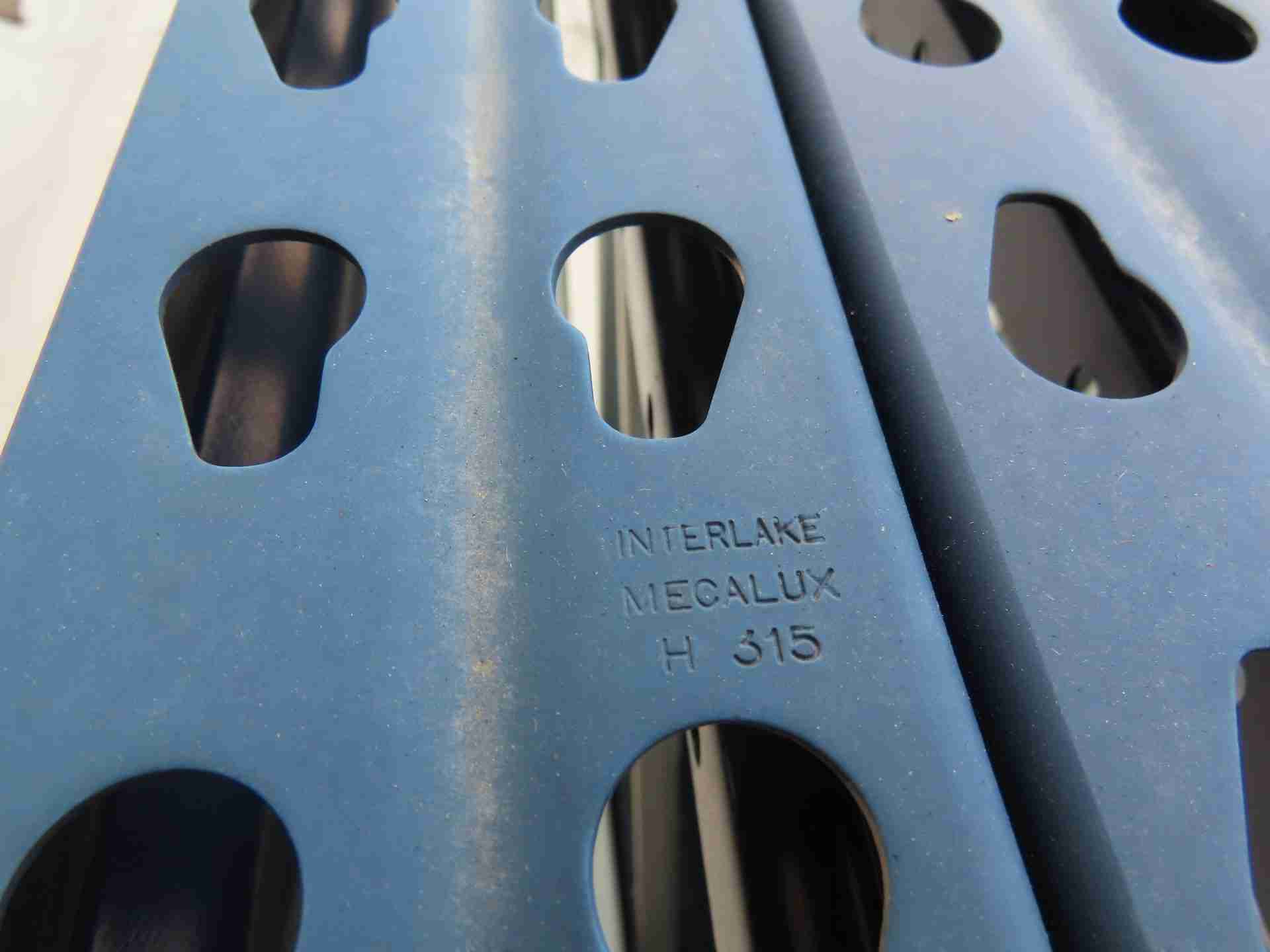
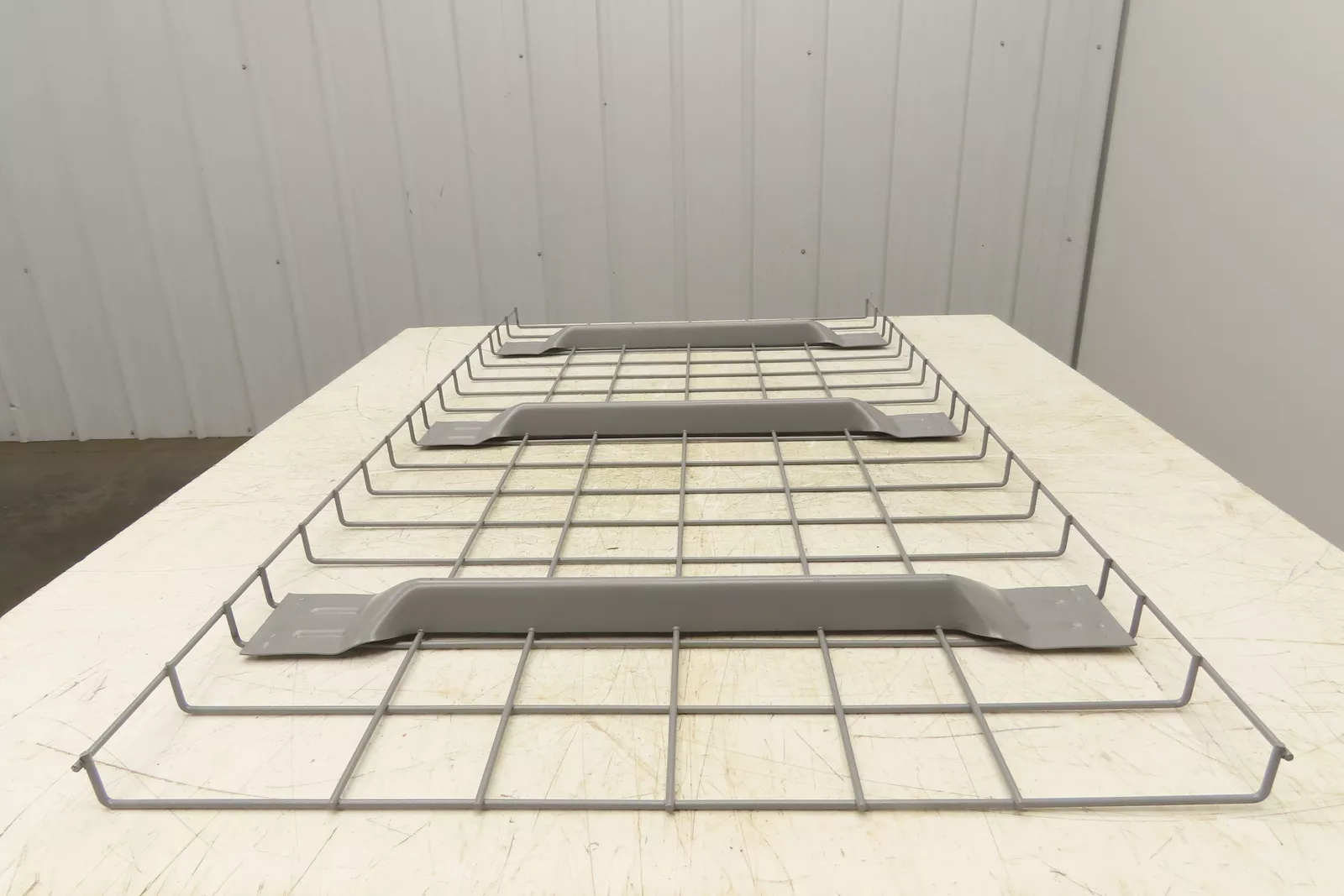
When weighing the cost implications of using recycled versus new beams, it’s essential to look beyond the price tag and into the heart of sustainability. Imagine a world where every beam that supports a structure tells a story—stories of previous lives, enduring strength, and unwavering purpose. These recycled beams are often sourced from deconstructed buildings, providing not just a unique aesthetic but a deep-rooted history that new beams simply can’t match.
In terms of cost, recycled materials can often present a lower financial barrier. While new beams may come with a fresh finish, they’re often stamped with a price that reflects their origin—untouched trees grown for the sole purpose of construction. The environmental costs, on the other hand, come with a steep price paid by our planet. When you choose recycled beams, you’re not just saving money on materials—you’re making a conscious decision to reduce waste, lower emissions, and preserve our precious forests for future generations. You’re racking up points in the sustainability game while simultaneously contributing to a circular economy, where materials are continually repurposed.
Beyond financial implications, the ethical considerations are striking. Embracing recycled beams can foster a sense of responsibility and community engagement. Think about it: supporting local reclamation businesses not only stimulates your community’s economy but also fosters trust and connection among those who prioritize ethical practices. This decision aligns you with a growing movement of builders and homeowners who are choosing to care for the environment, demonstrating that progress doesn’t have to come at the cost of our planet’s well-being.
And let’s talk about the gut feelings. There’s a certain satisfaction that comes from knowing you’re doing the right thing, even if it’s a small choice in the grand scheme of construction. The tactile stories behind recycled beams enrich your space, offering stable support with a side of heritage. While saving a few bucks is always nice, the true wealth lies in the emotional return—knowing that your humble abode stands as a testament to conscientious living.
So, when considering beams for your next project, weigh the costs more holistically. Recycled beams not only protect your wallet but also honor the earth. Embrace a choice that reverberates with intention—it’s an investment in more than just your structure; it’s an investment in the future.
What Are the Cost Implications Of Using Recycled Versus New Beams?
What Are the Cost Implications Of Using Recycled Versus New Beams?
- Choosing between recycled and new beams involves considering sustainability beyond just costs.
- Recycled beams come from deconstructed buildings, offering unique aesthetics and historical significance.
- Recycled materials may have a lower financial barrier compared to new beams sourced from untouched forests.
- Using recycled beams helps reduce waste, lower emissions, and protect forests for future generations.
- Embracing recycled materials fosters community engagement and supports local reclamation businesses.
- There is emotional satisfaction in choosing recycled beams, knowing they contribute to conscientious living.
- Overall, selecting recycled beams is a holistic investment that benefits both finances and the environment.
What Are the Cost Implications Of Using Recycled Versus New Beams?
Conclusion
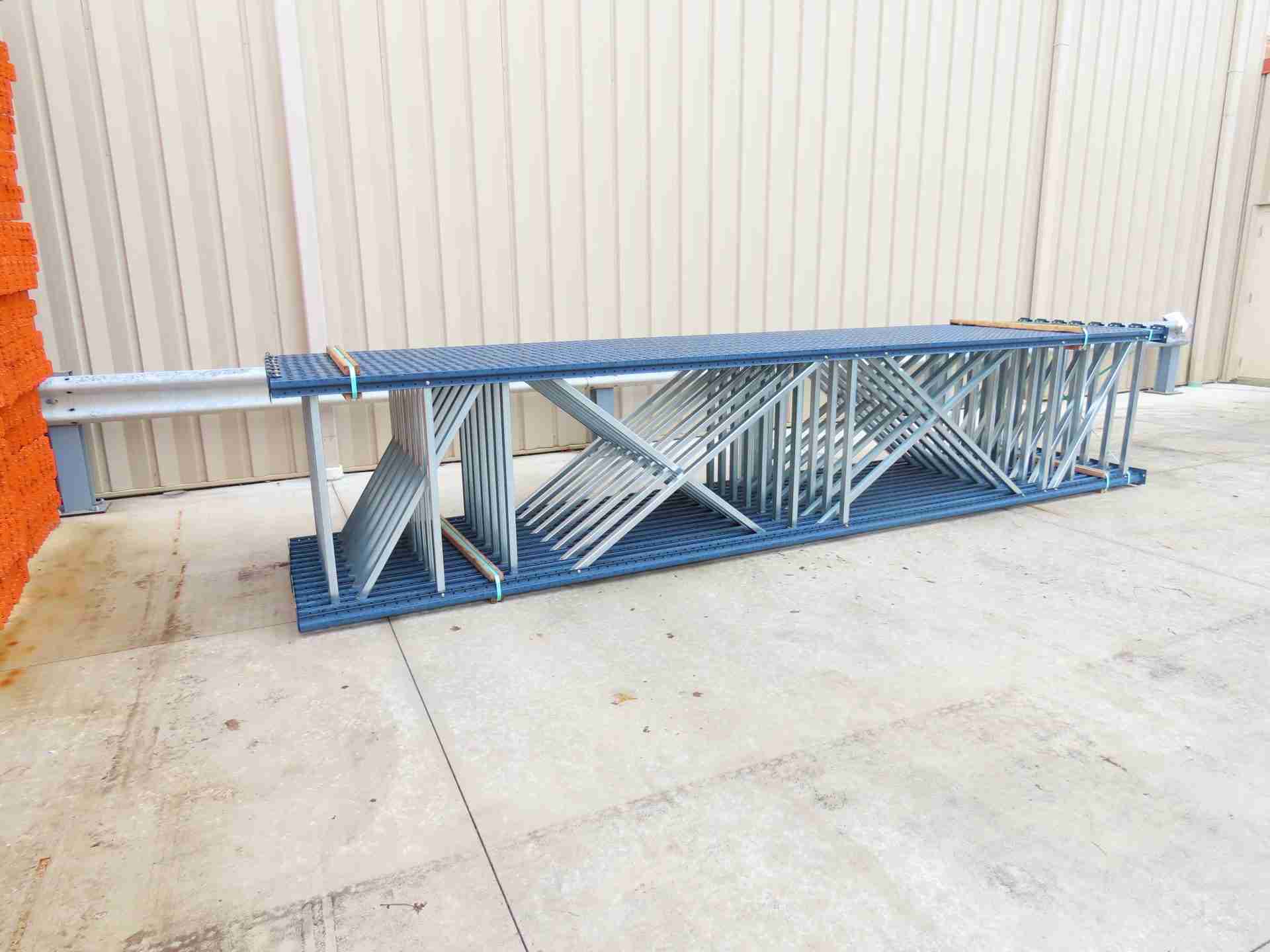
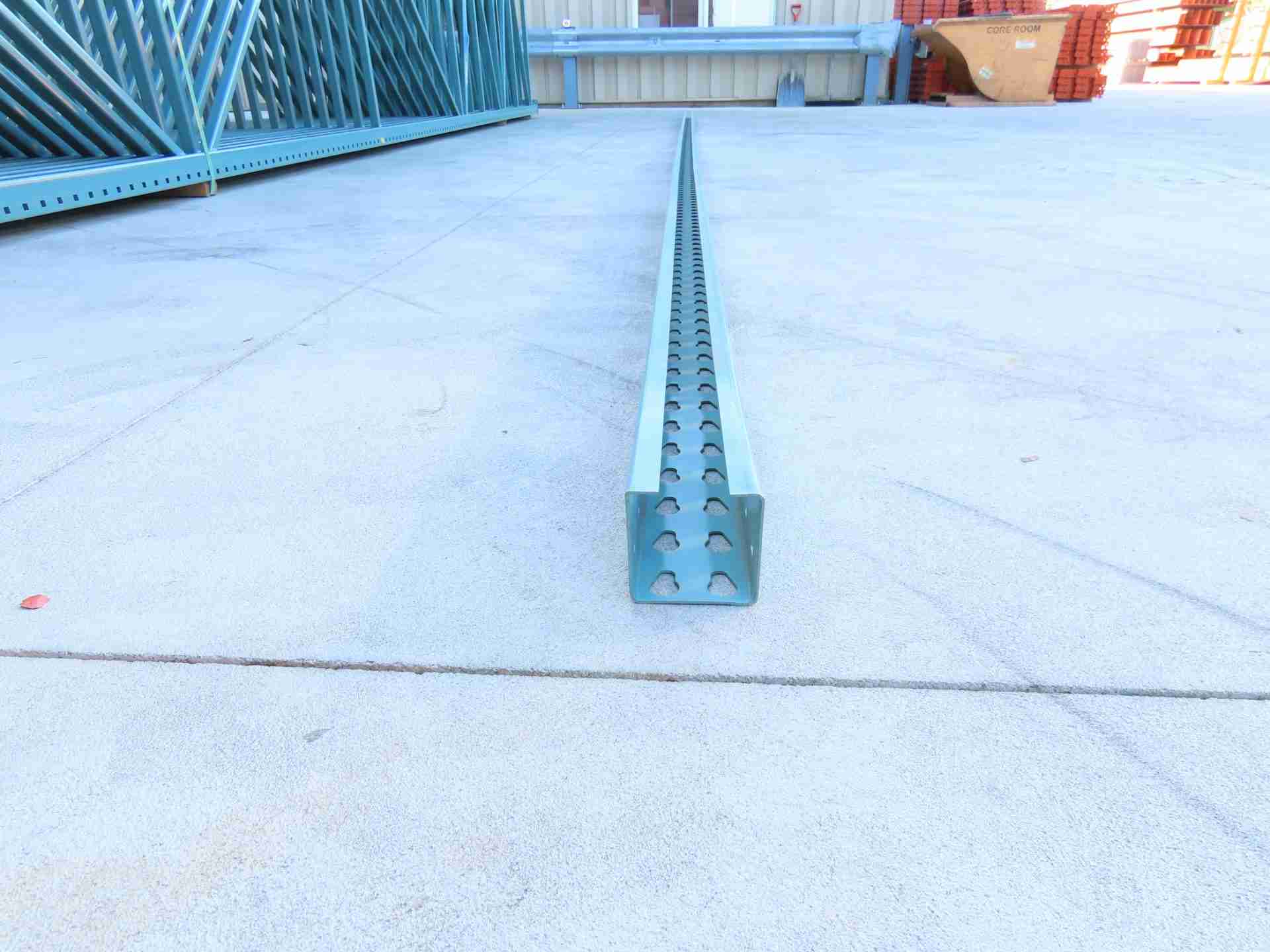
Imagine stepping into a warehouse, where the air hums with opportunity, and the juxtaposition of age and innovation unfolds before your eyes. You stand before a racking system that tells a story, merging the strong backbone of used uprights with the sleek promise of new beams. This isn’t just about materials; it’s about legacy, potential, and the courage to forge ahead while respecting the past.
The truth is, used uprights carry history—the battles they’ve faced etched into their rust and wear. But with this history comes responsibility. Before you embrace these components, be vigilant. Inspect them as you’d scrutinize a cherished family heirloom. Your intuition is your ally; any signs of compromise could jeopardize the entire operation. Acknowledge the fine line between nostalgia and practicality—balancing your emotional investment with rational evaluation.
Compatibility is another crucial factor. Not all beams play nice together; they come from different eras, each with its own strengths and standards. Ensure that the new fits seamlessly with the old to maintain safety and efficacy. Ethical sourcing is paramount here, as it speaks not only to the integrity of your decision but also to the safety and wellbeing of your team. This is about protecting lives, about fostering a work environment where every member feels secure.
As you embark on this project, bring your team into the fold. Watching them unite around a shared purpose—transforming something seasoned into a fresh asset—creates camaraderie and enhances the collective spirit. Every bolt and beam isn’t simply a piece of metal; it symbolizes collaboration, community, and pride in craftsmanship.
Navigating the emotional terrain between the old and new may feel daunting, but it’s a chance to create a dialogue—a bridge between generations of builders and dreams. Each choice forms a legacy, impacting not just your immediate project but inspiring fellow creators who value sustainability and connection.
Cost implications also linger in this decision. While budget-friendly, recycling beams extends beyond mere economics; it’s a commitment to environmental stewardship. The satisfaction of knowing you’re choosing wisely, prioritizing both the earth and your local economy, resonates deeply.
In this journey, as you mix used uprights with new beams, let your heart, head, and gut lead the way. Respect the past, embrace the present, and build a future that reflects your values. It’s more than just assembling a racking system; it’s about crafting a legacy of integrity, sustainability, and synergy. Embrace this challenge, and you’ll find that the strongest foundations come from honoring all aspects of your journey.
Conclusion
Conclusion:
- Step into a warehouse merging history and innovation through a racking system of used uprights and new beams.
- Used uprights hold history and require careful inspection, balancing nostalgia with practicality.
- Compatibility between new and old beams is crucial for safety and efficacy in operations.
- Ethical sourcing is essential to ensure the safety and well-being of the team.
- Involve your team in transforming the materials, fostering camaraderie and collective spirit.
- Navigating the old and new creates a legacy that inspires sustainability and connection among creators.
- Choosing to recycle beams reflects a commitment to environmental stewardship and local economy.
Conclusion
Other Resources
Other Resources
Here is a list of other resources you can review online to learn more:
- Teardrop Industrial Shelving Rack
- Warehouse Racking System: Powerful Guide to Optimise, 2024
- Pallet Racking systems in Illinois and Great Lakes
- New Cantilever Racks and Racking Kits
- MHI
- Teardrop Pallet Rack – Ridg-U-Rak
- Warehouse Racks, Warehouse Racking in Stock – ULINE
- Cantilever Rack Guide: Ordering Cantilever Racking
- BMH
- Used Teardrop Pallet Rack – American Surplus
- Selective Racking
- Pallet Rack Systems – New and Used Pallet Racking and Shelving Experts
- Pallet Racks, Pallet Racking, Pallet Shelves in Stock – ULINE
- Selective Pallet Racking Systems – Container Systems
- Warehouse Racking Systems: Beginner’s Guide to Rack Systems
- The Ultimate Pallet Racking Guide – Speedrack West
- What is Selective Racking: Understanding Benefits & Options
- National Safety Council
- Racking World
- Used Pallet Rack for Sale in Illinois – American Surplus
Use This Prompt To Get More Resources With Your Favorite Online AI Tool: Please provide me with a list of online articles with their URLs in a bulleted list that I can read regarding Combining Used Uprights with New Beams: What to Watch For
Other Resources
Glossary Terms
Combining Used Uprights with New Beams: What to Watch For – Glossary Of Terms
1. Uprights: Vertical structural elements used in scaffolding systems to provide support and stability.
2. Beams: Horizontal members in a scaffolding system that connect upright elements and support the deck or platform.
3. Scaffolding: A temporary structure used to support workers and materials during construction or maintenance of buildings.
4. Load Capacity: The maximum weight that an upright or beam can safely support without failure.
5. Compatibility: The ability of used uprights to function effectively with new beams in terms of size, material, and design.
6. Inspection: The process of thoroughly examining used uprights for any damage or wear before combining with new beams.
7. Corrosion: The deterioration of metal uprights due to environmental exposure, which can affect their strength.
8. Structural Integrity: The overall strength and stability of the combined scaffolding system.
9. Manufacturing Standards: Industry guidelines that dictate the design and safety features of scaffolding components.
10. Weight Distribution: The method of evenly spreading the load across the uprights and beams to prevent tipping or collapse.
11. Connection Points: Areas where beams and uprights are fastened together, crucial for overall stability.
12. Safety Factor: A design principle that provides a margin of safety in load capacity calculations.
13. Fatigue: The weakening of uprights or beams over time due to repeated loading and unloading.
14. Alignment: The correct positioning of uprights and beams to ensure they function as intended.
15. Bracing: Diagonal supports added to scaffolding to enhance stability and prevent lateral movement.
16. Footings: The base supports that the uprights rest upon, critical for load distribution and stability.
17. Towering: The vertical arrangement of multiple uprights to increase height for the scaffolding system.
18. Sway: Lateral movement of the scaffolding system that can lead to safety hazards if not properly managed.
19. Temporary Works: Structures that are not permanent, designed to assist in construction processes, like scaffolding.
20. Bolt Connections: The use of bolts to secure beams to uprights, providing a strong and detachable connection.
21. Certification: Official approval that scaffolding components meet safety standards and regulations.
22. Harvested Materials: Used uprights that have been salvaged from previous projects for reuse.
23. Reusability: The concept of using previously employed materials in new scaffolding configurations to save costs.
24. Deflection: The degree to which a beam bends under load, which must be monitored to maintain safety.
25. Manufacturers’ Guidelines: Recommendations from the producer regarding safe use and compatibility of scaffolding components.
26. Inspection Tags: Identification labels attached to scaffolding components that indicate their last inspection date and condition.
27. Assembly: The process of putting together uprights and beams to create a complete scaffolding structure.
28. Adjustability: The ability to modify the height or configuration of uprights and beams to suit different projects.
29. Load Test: A procedure to validate the strength and safety of the scaffolding by applying a specified weight.
30. Safety Regulations: Rules and standards enforced to ensure the safe use of scaffolding equipment on construction sites.

Glossary Of Terms
Other Questions
Combining Used Uprights with New Beams: What to Watch For – Other Questions
If you wish to explore and discover more, consider looking for answers to these questions:
- What specific signs of wear should I look for in used uprights?
- How can I assess the weight capacity of used uprights and new beams?
- What are the potential safety risks associated with using used uprights?
- How do I confirm the compatibility of new beams with used uprights?
- What kind of inspections should be performed on used beams before use?
- What are the best practices for involving my team in the assembly process?
- How can I ensure that ethical sourcing of used uprights doesn’t compromise quality?
- What are the environmental benefits of using recycled beams over new ones?
- Are there regulations or certifications I should be aware of when using used materials?
- How can I encourage a culture of safety among my team when using mixed materials?
- What are some common misconceptions about the durability of used uprights?
- How does the emotional attachment to old materials impact decision-making?
- What steps should I take if I discover a defect in a used upright or beam?
- How can I communicate the importance of used materials to stakeholders?
Other Questions
Checklist
Combining Used Uprights with New Beams: What to Watch For – A Checklist
Emotional Appeals
_____ Reflect on the legacy of used uprights: What stories do they tell?
_____ Engage your team in the selection process: How can you foster a sense of pride and camaraderie in your project?
_____ Consider the emotional weight of combining old and new: How will this impact your relationship with the materials?
Rational Appeals
_____ Inspect used uprights thoroughly: Check for rust, dents, and structural integrity.
_____ Verify compatibility: Are the dimensions, weight capacity, and manufacturing standards aligned?
_____ Conduct cost-benefit analysis: What are the implications of using recycled versus new beams?
Ethical Appeals
_____ Investigate the source of used uprights: Are they ethically sourced and have responsible histories?
_____ Emphasize sustainability: How does your choice contribute to reducing waste and preserving resources?
_____ Foster a culture of safety: Encourage open dialogue about potential safety concerns within your team.
Authority Appeals
_____ Consult experts for guidance: Do you have certified professionals evaluate the used materials?
_____ Recognize industry standards: Are you familiar with best practices for integrating used and new components?
Narrative Appeals
_____ Create a project story: What narratives are woven into the legacy of the materials you choose?
_____ Share the journey: How can you document and communicate the integration process to inspire others?
Social Appeals
_____ Build community relationships: Are you sourcing materials locally to support community businesses?
_____ Encourage collaboration: How will engaging your workforce in the project enhance team dynamics?
_____ Inspire others through your choices: Share your experiences to promote responsible practices in your industry.
Overall Reflection
_____ Consider your gut feelings about each material: Do they inspire trust and confidence in the project’s outcome?
Checklist
At RackingWorld, we help guide you through selecting warehouse storage systems and racking.
Be sure to read our other related stories at RackingWorld to learn more about warehouse storage systems.
0 Comments