
Optimize Your Warehouse: Empower Growth With Strategic Slotting
By Tom Seest
At RackingWorld, we help guide you through selecting warehouse storage systems and racking.
Be sure to read our other related stories at RackingWorld to learn more about warehouse storage systems.
Slotting Strategy 101 for Growing Warehouses
In the bustling world of warehouses, the effectiveness of your slotting strategy can make or break your operation. Think of it as the backbone of your racking systems—where items live and breathe. A well-executed slotting strategy cuts down the chaos and brings order to the ever-growing demands of modern logistics. The simple truth is, it’s not just about putting things on shelves; it’s about placing them where they’ve got the best shot at moving.
Picture yourself on the warehouse floor, the smell of cardboard and metal in the air, the buzz of machinery around you. You realize how every inch of space counts. The wrong placement of an item isn’t just a mistake; it’s lost time and money. By thoughtfully categorizing items based on their size, weight, and turnover rates, you can create a system that enhances efficiency. This isn’t just a theoretical exercise—it’s something you can see working every day as workers navigate the space, picking and packing with precision.
Now, let’s get real. slotting isn’t just about efficiency; it’s a matter of ethics. By fostering an environment where employees can thrive, you not only improve performance but also build a workplace where people feel valued. It goes beyond profit margins; it’s about trust and camaraderie. When team members know that every item has its rightful place, they can focus on their jobs instead of wrestling with disorganized chaos.
And there’s authority in structure. Tracking your inventory effectively through a strategic slotting process instills confidence not just in your team but also among your partners and suppliers. It shows that you’re ahead of the game, reliable, and serious about your craft. This level of trust becomes infectious—not just among your team but throughout the entire supply chain.
A good slotting strategy is like a well-told story; it’s relatable and tangible. Every part of your warehouse has a role to play, much like characters in a narrative. When you align product placement with demand patterns, you’re crafting a plot that flows, that’s engaging to your team and keeps customers coming back.
In a world where every second counts and every decision can weigh heavily, getting your slotting right is about taking pride in the work you do. It’s about seeing the bigger picture—where efficiency, trust, and teamwork mingle and grow, just like the very businesses that thrive on the solid foundation of a smart slotting strategy.

Slotting Strategy 101 for Growing Warehouses
Slotting Strategy 101 for Growing Warehouses
- The effectiveness of a slotting strategy is crucial for warehouse operations.
- Proper placement of items enhances efficiency, reducing lost time and money.
- Items should be categorized based on size, weight, and turnover rates.
- Slotting impacts employee morale and fosters a valued workplace environment.
- A strategic slotting process builds trust among team members and suppliers.
- Aligning product placement with demand patterns enhances customer engagement.
- Effective slotting reflects a commitment to efficiency, trust, and teamwork.
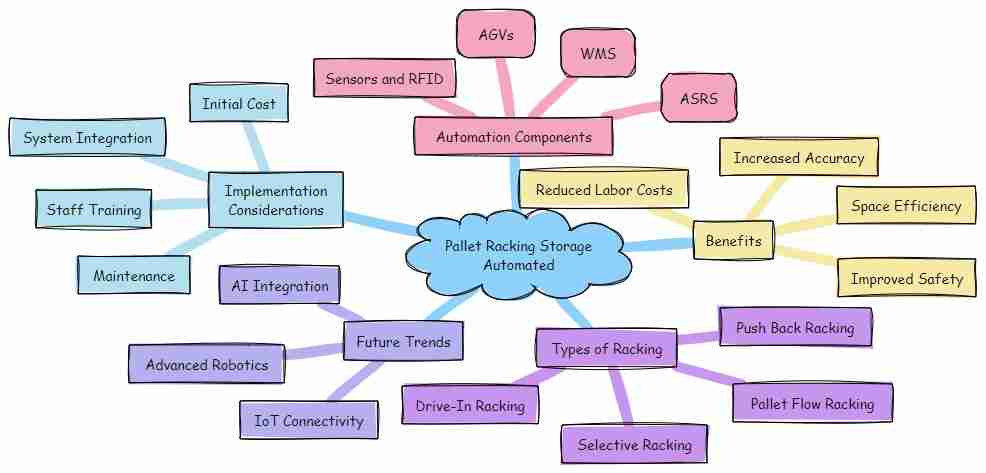
Slotting Strategy 101 for Growing Warehouses
Table Of Contents
- Slotting Strategy 101 for Growing Warehouses
- What Is the Best Way to Maximize Warehouse Efficiency?
- How Can We Reduce Picking Errors Effectively?
- What Are the Cost Benefits Of an Optimized Slotting Strategy?
- How Does the Layout Of a Warehouse Influence Productivity?
- What Role Do Technology and Automation Play In Slotting?
- How Can Employee Training Improve Slotting Practices?
- Conclusion
- Other Resources
- Glossary Of Terms
- Other Questions
- Checklist
What Is the Best Way to Maximize Warehouse Efficiency?
Maximizing warehouse efficiency is akin to tuning a well-worn engine—each component has to work in harmony to keep everything running smoothly. Picture this: a bustling warehouse, where every inch is optimized, where racking systems are not just shelves but strategic players in the game. These systems, when set up properly, transform the chaos of storage into a symphony of productivity.
Think about your average day on the floor. Workers hustling to find products, time ticking away with every delay. A well-designed racking system helps minimize the search; it’s not just about storing goods but understanding flow. By placing popular items in accessible spots, you reduce unnecessary steps, keeping the workforce engaged and energized. That efficiency isn’t just a number on paper—it translates to fewer mistakes, fewer injuries, and ultimately, a more satisfied team.
Now, let’s get a little deeper into the nuts and bolts of it. Strategically planned racking systems can cut down on wasted space, allowing for better inventory management. It’s not just about fitting more stuff into the same footprint; it’s about reducing the clutter that can lead to confusion and frustration. A clear, organized layout sets a tone of professionalism, inspiring employees to take pride in their workspace, leading to better morale and a stronger team mentality.
From a practical standpoint, investing in modern racking solutions doesn’t just yield immediate benefits; it positions your warehouse to adapt to future changes. As your business grows, scalable racking systems can easily evolve with your needs without the hefty cost of a complete overhaul. This foresight builds trust—workers see a commitment to their environment, making them more likely to invest their own effort in maintaining it.
And let’s not overlook the social aspect. A streamlined operation fosters camaraderie; when the team works well together, it creates a culture of shared success. Everyone feels the weight lifted when they know that their daily grind is backed by a thoughtfully structured environment, where every tool and system in place contributes to the collective goal.
Maximizing warehouse efficiency is less about high-tech gadgets and more about clear thinking and honest adjustments. It’s about knowing your people and your products inside and out, setting up racking systems that reflect those realities, and turning every shift into a winning chapter of your operation’s story. When you get it right, you see not just a streamlined process, but a thriving community united by purpose and pride.

What Is the Best Way to Maximize Warehouse Efficiency?
What Is the Best Way to Maximize Warehouse Efficiency?
- Maximizing warehouse efficiency requires harmonious integration of all components.
- Racking systems optimize space and workflow, enhancing productivity.
- Strategically placed items reduce search time, minimizing delays for workers.
- Effective racking systems decrease mistakes and injuries, improving team satisfaction.
- Modern, scalable racking solutions adapt to business growth without costly overhauls.
- A well-structured environment fosters team camaraderie and shared success.
- Efficiency comes from understanding people and products, creating a thriving community.

What Is the Best Way to Maximize Warehouse Efficiency?
How Can We Reduce Picking Errors Effectively?
Picking errors can cost time, money, and peace of mind. Yet, tackling them doesn’t require a multi-million-dollar revamp—just some common-sense strategies that hit home.
First off, let’s talk Racking Systems. They play a crucial role in organizing and streamlining the picking process. When your racking system is easy to navigate and clearly labeled, you’re setting the stage for success. Think about it: a well-structured racking system that’s tidy and straightforward reduces confusion and guesswork. Employees can grab what they need quickly without second-guessing themselves. A little organization aimed at clarity pays dividends in accuracy and efficiency.
Next, take a moment to consider the impact of proper training. We’ve all been there, thrust into a new role without a solid understanding of the tools at our disposal. Effective training not only builds competence but fosters confidence. When workers feel equipped to do their jobs, they take pride in their performance. Stories of seasoned pickers showing the ropes to newcomers create an atmosphere of support—everyone benefits when knowledge is shared.
Another key aspect is the use of technology. Implementing scanning systems or pick-to-light setups can significantly reduce human error. Imagine a world where a simple scan ensures you’re grabbing the right item every time. The initial investment can seem daunting, but the long-term savings and increased accuracy speak for themselves. Trust in technology comes from witnessing firsthand its ability to streamline operations and reduce headaches.
Moreover, fostering a culture of accountability can work wonders. Encourage staff to take ownership of their picking tasks, making it clear that accuracy is a shared responsibility. When each person understands how their role affects the larger picture—like preventing damage to the brand’s reputation or ensuring customers get what they ordered—a sense of camaraderie builds. This connection nurtures a workplace where everyone strives for perfection and supports one another.
Finally, consider regular audits and feedback. They’re not just about catching mistakes; they help in learning from them. Together, teams can identify patterns in picking errors and work to eliminate them. This cycle of improvement reinforces a commitment to quality while cultivating a sense of unity.
Reducing picking errors isn’t just about processes and systems; it’s about people. When we invest in our teams, improve our environments, and harness technology thoughtfully, we can turn the tide on errors. Let’s roll up our sleeves, share our stories, and commit to making our operations smoother and our picks spot on.
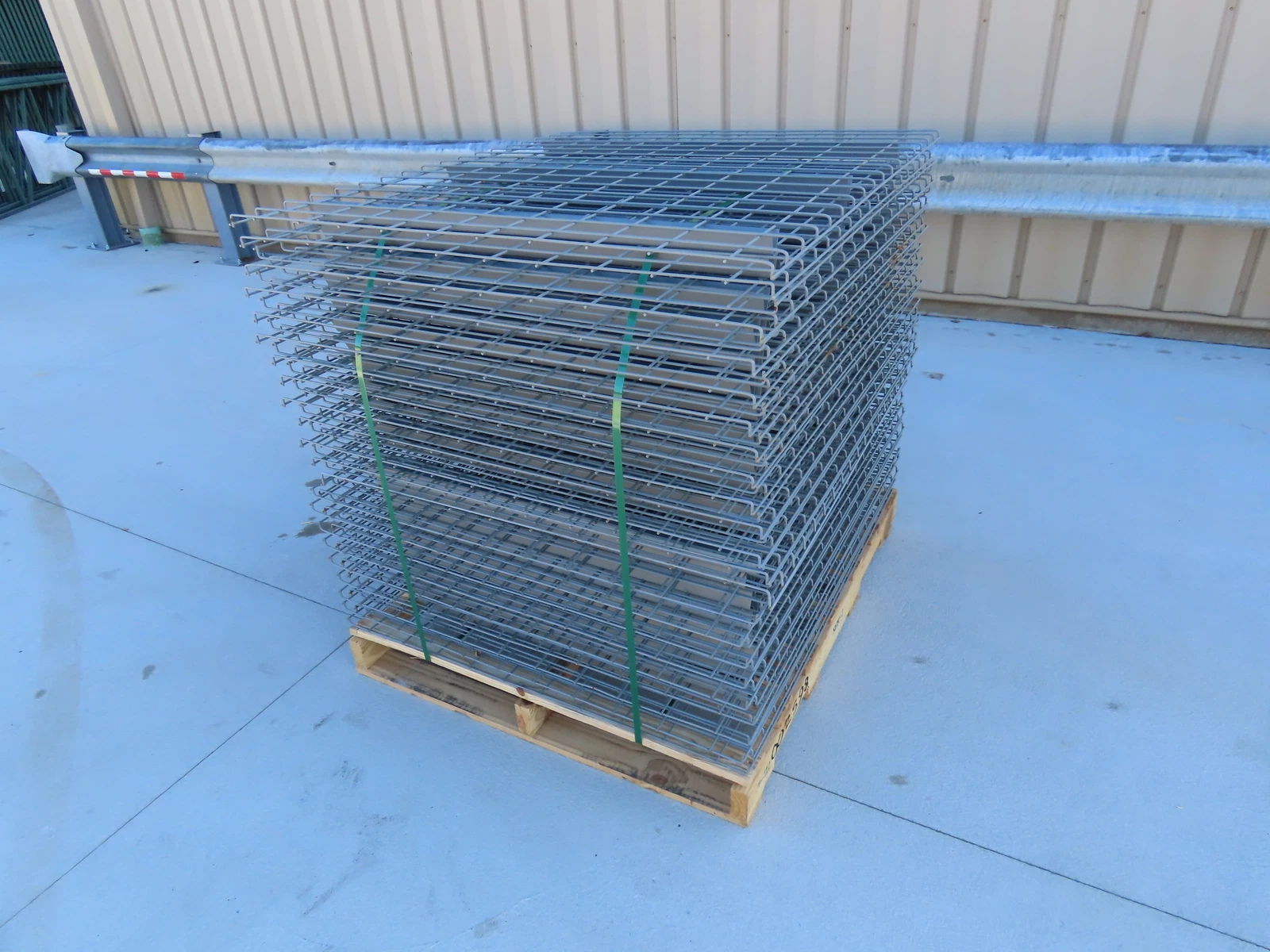
How Can We Reduce Picking Errors Effectively?
How Can We Reduce Picking Errors Effectively?
- Picking errors incur significant costs in time, money, and stress.
- Implementing effective racking systems enhances organization and reduces confusion.
- Proper training builds employee competence and confidence, improving performance.
- Technology, such as scanning systems, minimizes human error and increases accuracy.
- Fostering a culture of accountability encourages staff to take ownership of accuracy.
- Regular audits and feedback help in identifying and learning from picking errors.
- Reducing picking errors involves investing in teams, improving environments, and using technology effectively.

How Can We Reduce Picking Errors Effectively?
What Are the Cost Benefits Of an Optimized Slotting Strategy?
In the bustling world of warehousing and logistics, efficiency can often make or break a business. Imagine walking into a warehouse where every item seems to know its place—a well-oiled machine fueled by an optimized slotting strategy. You can almost feel the rhythm as workers glide between freshly organized racking systems, pulling products with precision and speed, reducing headaches and delays. When slotting is optimized, the benefits aren’t just numbers on a balance sheet; they touch every corner of the operation and everyone involved.
Let’s talk dollars and sense. An effective slotting strategy saves money—plain and simple. By strategically placing fast-moving items closer to shipping zones, you cut down on travel time, reducing labor costs and increasing throughput. Less time spent searching for items means more products shipped out the door and onto the customer’s kitchen table or job site. It’s about turning every minute into money, and when the warehouse hums smoothly, that’s a sweet sound for any bottom line.
But it’s not just about the finances. Think about the people behind the scenes. Optimized slotting fosters an environment where workers feel more empowered and capable. They’re not stumbling around in chaos; they know where to find what they need—and that confidence translates into better morale. Happy employees are productive employees. And when they see how their efforts lead to tangible results, it nurtures a sense of pride and ownership in the work they do.
Ethics play their part too. Prioritizing efficiency isn’t just about profits; it’s about respecting the time and talents of those making the operation go. An optimized approach demonstrates a commitment to continuous improvement, showing workers that their input matters and that their well-being is valued. That kind of engagement strengthens the team, building a camaraderie that can weather any storms or challenges that come their way.
Storytelling in business is powerful. Each success driven by a well-thought-out slotting strategy has a story behind it—a late-night decision made by a warehouse manager, a team skilling up to understand the intricacies of their inventory, or a customer thrilled with a faster delivery. These stories connect every stakeholder in the process, reinforcing a culture of teamwork and achievement.
Ultimately, an optimized slotting strategy is more than just a tactical move; it’s a strategic investment in the present and future of a business. By aligning operations thoughtfully, it creates ripples of efficiency, satisfaction, and growth that can be felt by everyone involved, from the warehouse floor to the boardroom.
What Are the Cost Benefits Of an Optimized Slotting Strategy?
What Are the Cost Benefits Of an Optimized Slotting Strategy?
- Efficiency in warehousing is crucial for business success, driven by an optimized slotting strategy.
- Strategically placing fast-moving items near shipping zones reduces travel time, labor costs, and increases throughput.
- Optimized slotting enhances employee morale and productivity, fostering confidence and ownership of tasks.
- Prioritizing efficiency respects employees’ time and talents, promoting continuous improvement and team engagement.
- Storytelling illustrates the impact of slotting strategies, connecting stakeholders through shared successes.
- An effective slotting strategy is a strategic investment that benefits both current operations and future growth.
- Operational alignment creates a culture of efficiency, satisfaction, and collaboration across the organization.
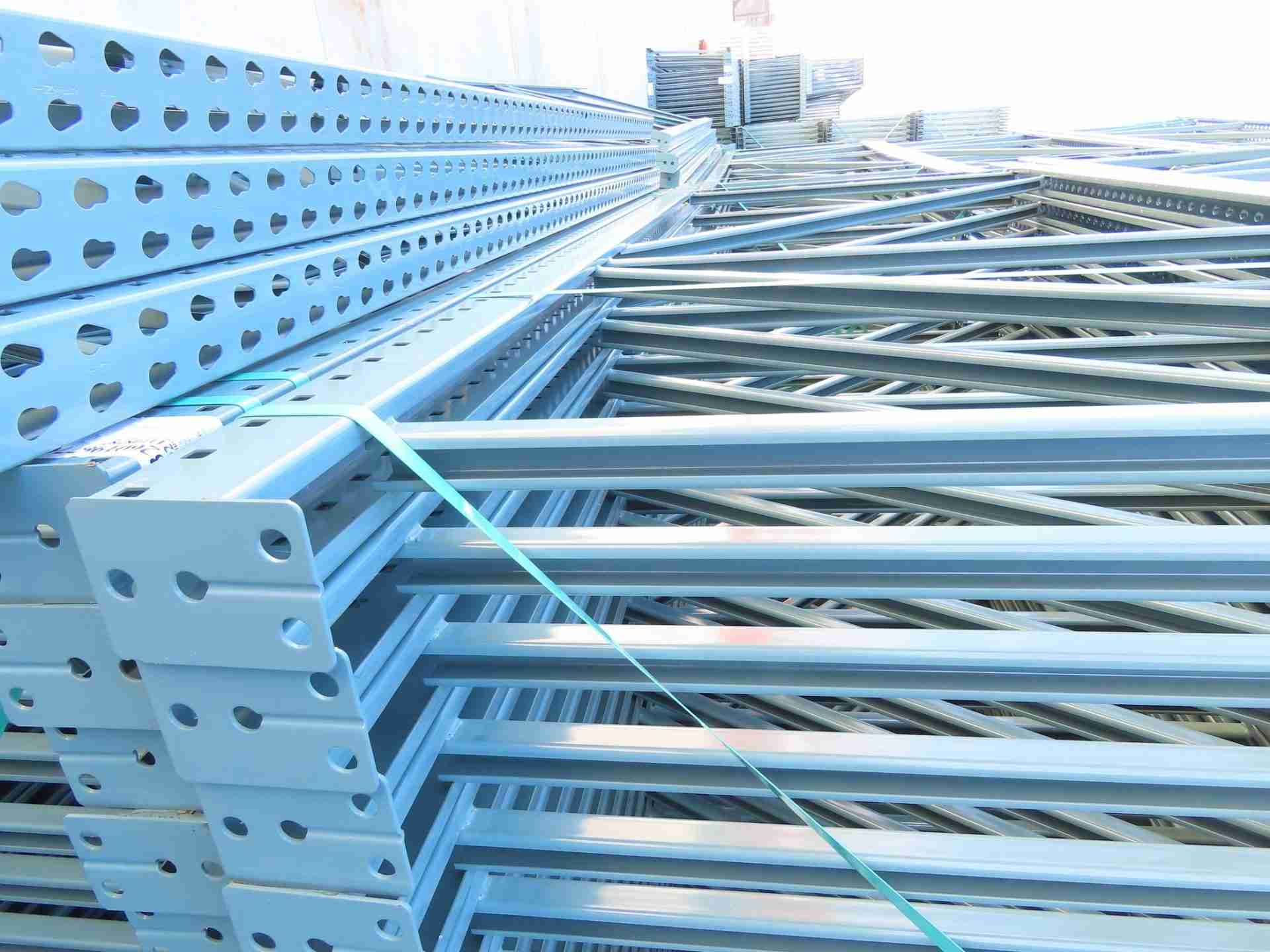
What Are the Cost Benefits Of an Optimized Slotting Strategy?
How Does the Layout Of a Warehouse Influence Productivity?
The layout of a warehouse isn’t just about putting stuff in boxes and stacking them high; it’s a well-crafted dance of efficiency that can either fuel or stifle productivity. Imagine a place where every aisle, every racking system, and every piece of equipment has its role. It’s like a finely tuned engine, and when every part works together seamlessly, the whole operation hums with purpose.
Think of those times when you’ve stepped into a chaotic warehouse. It’s overwhelming—boxes piled high, people scrambling, and products getting lost in the shuffle. Frustration hangs thick in the air, and you can feel the clock ticking. Now, flip that script. Envision a space where the layout is intuitive, where products are within reach, and tasks flow smoothly from one station to the next. That’s the heart of productivity. It’s not just about moving items; it’s about moving souls, fostering pride in a job well done, and creating an environment where workers feel empowered and valued.
Racking systems, for example, play a pivotal role in this equation. When designed thoughtfully, they don’t just hold goods; they hold possibilities. They allow for easy access to inventory, reducing downtime and cutting back on those frustrating moments when a missing item stalls a project. This isn’t just a rational approach; it’s an ethical one as well. A well-designed warehouse layout respects the workers’ time and effort, transforming their daily grind into a more manageable workflow.
Moreover, it creates a sense of community. When team members see smooth operations and clear pathways, there’s a shared understanding that every role is vital. This collective effort fosters camaraderie, turning a group of individuals into a cohesive unit striving for a common goal.
Let’s not overlook the narrative element: every warehouse has its story. The layout tells this story through efficiency, creativity, and respect for the workforce. Establishing a layout that prioritizes these elements shows a commitment to bettering lives, not just the bottom line.
So, when it comes to warehouse design, remember—it’s about more than just shelves and space. It’s about creating a thriving ecosystem of productivity, trust, and teamwork. It’s about building a better future, one aisle at a time.

How Does the Layout Of a Warehouse Influence Productivity?
How Does the Layout Of a Warehouse Influence Productivity?
- The layout of a warehouse is crucial for productivity, functioning like a finely tuned engine.
- A chaotic warehouse can overwhelm and frustrate workers, impacting efficiency.
- An intuitive layout fosters smooth task flow and empowers workers.
- Thoughtfully designed racking systems improve inventory access and reduce downtime.
- A well-designed layout respects workers’ time, enhancing workflow and morale.
- Clear pathways and efficient operations create a sense of community and team spirit.
- The warehouse layout reflects a commitment to worker well-being and overall productivity.

How Does the Layout Of a Warehouse Influence Productivity?
What Role Do Technology and Automation Play In Slotting?
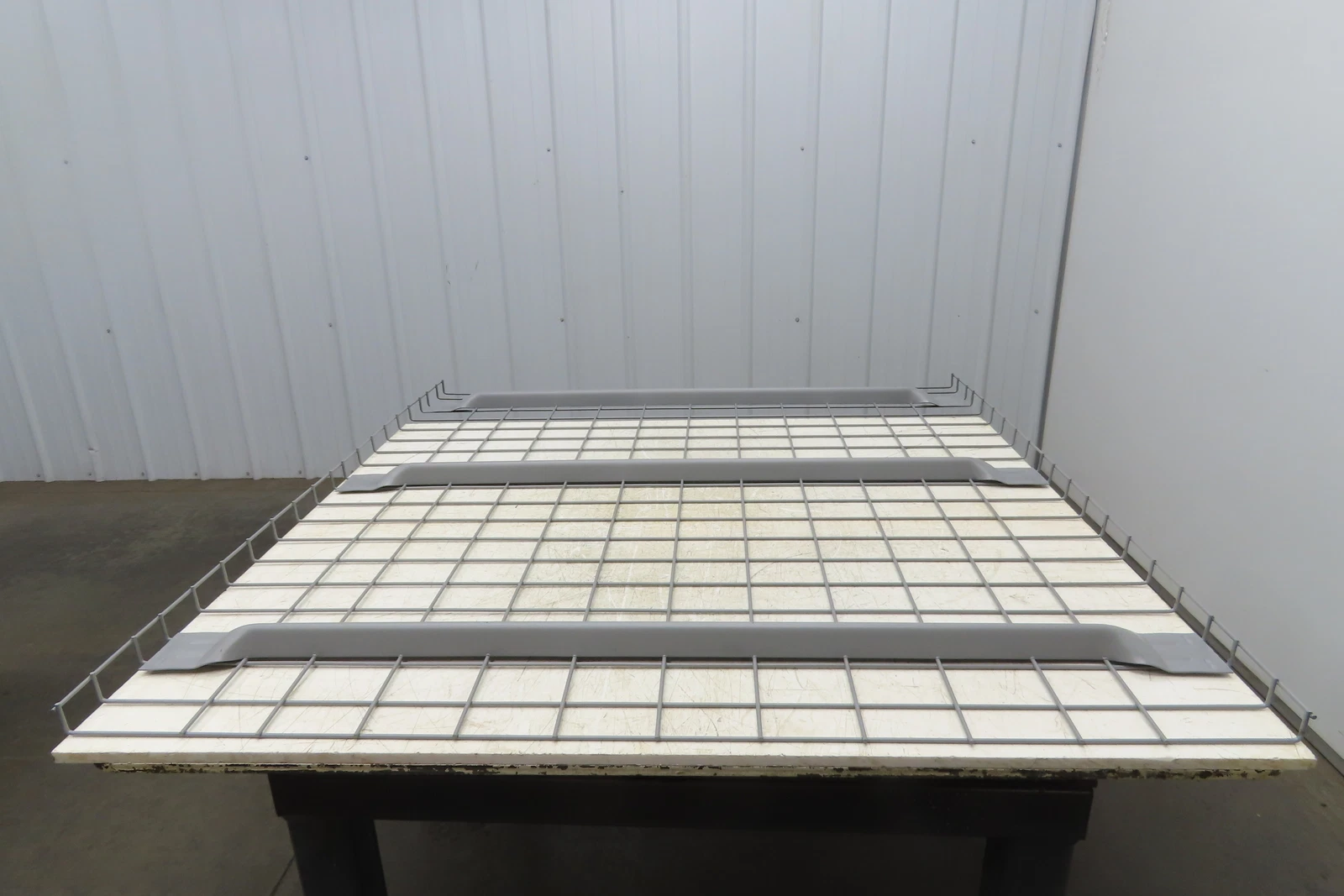
Technology and automation have woven themselves into the fabric of slotting, and whether you’re a warehouse operator or a supply chain manager, you’ve felt their impact. Imagine walking into a facility that once relied solely on manual effort—workers hustling back and forth, sometimes tripping over each other as they locate products. With the introduction of smart racking systems, that chaos begins to transform. These systems don’t just store; they communicate, predict, and optimize.
At the heart of this change is the sheer efficiency that technology brings. Automated systems can analyze inventory levels faster than any person could, ensuring that the right products are in the right slots at the right times. This isn’t just about moving boxes; it’s about making the most of every square foot of space, squeezing out waste and driving productivity. Thinking rationally, a well-implemented system can cut down on errors and time. It’s not just about saving money; it’s about doing things right, which resonates deeply with anyone who’s ever felt the sting of a mismanaged shipment or a lost order.
But let’s not overlook the emotional weight of these changes. Workers, once burdened with back-breaking labor, find relief in technology. Automation takes over those repetitive, grueling tasks, allowing human workers to focus on higher-level responsibilities that utilize their skills and insights. This shift isn’t just about technology; it’s about people feeling valued and empowered. When they see their roles evolve, it fosters trust in the leadership and the tools at their disposal.
Ethically, using technology means a commitment to better working conditions and safety. Consider the trust built when companies prioritize their employees’ wellbeing. The rise of racking systems that automate heavy lifting showcases a dedication to these principles. Workers enter an environment where their health is respected, reinforcing a culture of care within the ever-evolving fabric of warehousing.
Real-life stories abound of companies that thrived after embracing this shift—sharing tales of teams that felt more cohesive and engaged as they leveraged technology rather than resisted it. The camaraderie fosters a genuine connection among workers, igniting a shared purpose that transcends mere profit margins.
So, whether you’re eyeing new racking systems or contemplating a full-scale automation overhaul, remember that it’s not just about machinery or software. It’s about people, efficiency, and creating a thriving work environment that celebrates innovation while honoring the skilled hands that keep it all running smoothly. Embrace the change; it’s a journey worth taking.
What Role Do Technology and Automation Play In Slotting?
What Role Do Technology and Automation Play In Slotting?
- Technology and automation have significantly transformed slotting in warehouses.
- Smart racking systems enhance communication, prediction, and optimization in inventory management.
- Automated systems improve efficiency, ensuring optimal product placement and reducing waste.
- Workers experience relief from labor-intensive tasks, shifting their focus to higher-level responsibilities.
- Emphasizing better working conditions through automated systems fosters trust and empowerment among employees.
- Companies adopting these technologies report improved team cohesion and engagement.
- The shift highlights the importance of creating a supportive work environment that values innovation and skilled labor.

What Role Do Technology and Automation Play In Slotting?
How Can Employee Training Improve Slotting Practices?
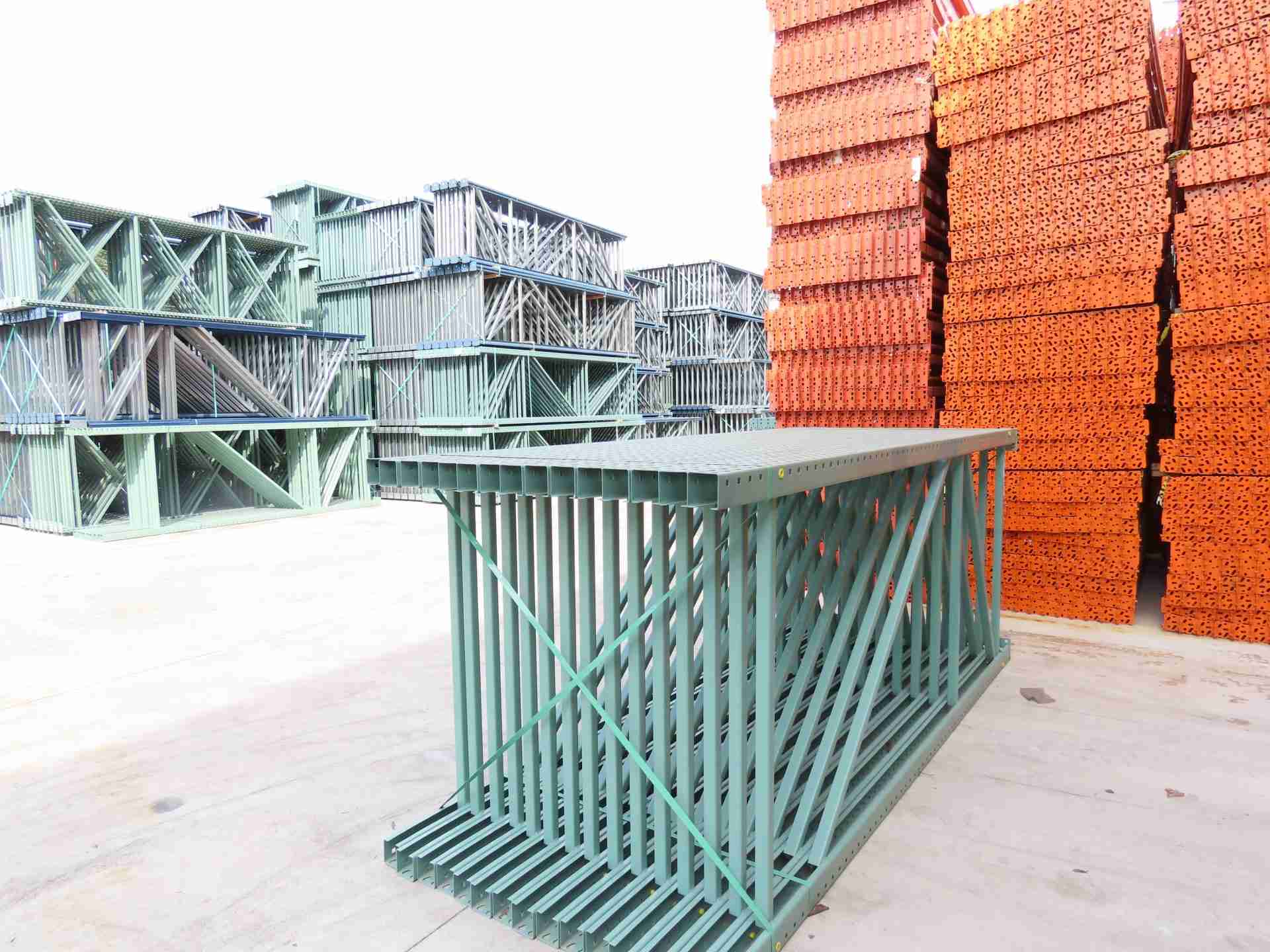
Employee training holds the key to unlocking better slotting practices, and it’s not just about the bottom line; it’s about creating a workplace where everyone feels empowered to pitch in and make a difference. When employees understand the ins and outs of effective slotting—like optimizing racking systems—they don’t just shuffle products around; they wield tools that streamline operations and improve efficiency.
Imagine a warehouse buzzing with energy, where every team member knows precisely where each item belongs. This clarity doesn’t just save time; it saves frustration. A well-trained workforce builds confidence. Staff become the backbone of the operation, making decisions that lead to smoother workflows.
Rationally speaking, training pays dividends. Organizations that invest in their people often see a remarkable turnaround in productivity. Better slotting practices reduce labor costs and eliminate errors, ultimately leading to improved service levels. When employees grasp the rationale behind racking systems and how they influence inventory management, they take ownership of their roles, running toward solutions rather than shying away from problems.
On an ethical level, fostering a culture of continuous learning shows employees that they’re valued. It’s more than just training; it’s about nurturing a sense of belonging. When a company dedicates resources to develop skills, it sends a clear message: “We believe in you.” This cultivates loyalty and motivation, which directly impacts job satisfaction and retention.
Authority figures within the organization should champion this mindset. Leaders who endorse hands-on training not only encourage employees to learn but also model the behaviors they want to see. When employees witness their supervisors engaging with the training process, it legitimizes their efforts and inspires them to buy into the training with greater enthusiasm.
Narratively, think about the stories shared in break rooms—how one simple training session led to identifying a poorly arranged racking system that resulted in saving a week’s worth of labor. These stories don’t just pass the time; they build a shared history, fostering community among coworkers.
Ultimately, successful slotting practices hinge on embracing the role of training. It’s about harnessing the collective experience of a diverse workforce to create spaces that are not only efficient but resonate with the heart, head, and gut of every worker involved. When employees are trained well, they don’t just know how to do their jobs; they become invested in the welfare of the entire operation, driving the entire team toward success.
How Can Employee Training Improve Slotting Practices?
How Can Employee Training Improve Slotting Practices?
- Employee training enhances slotting practices and fosters empowerment in the workplace.
- Understanding effective slotting optimizes racking systems, streamlining operations and improving efficiency.
- A well-trained workforce saves time and reduces frustration through clarity and confidence in their roles.
- Organizations investing in training often see increased productivity and reduced labor costs.
- Fostering a culture of continuous learning cultivates employee loyalty, motivation, and job satisfaction.
- Leadership engagement in training promotes a positive learning environment and inspires employee participation.
- Training narratives and shared experiences strengthen community among coworkers and enhance team collaboration.
How Can Employee Training Improve Slotting Practices?
Conclusion
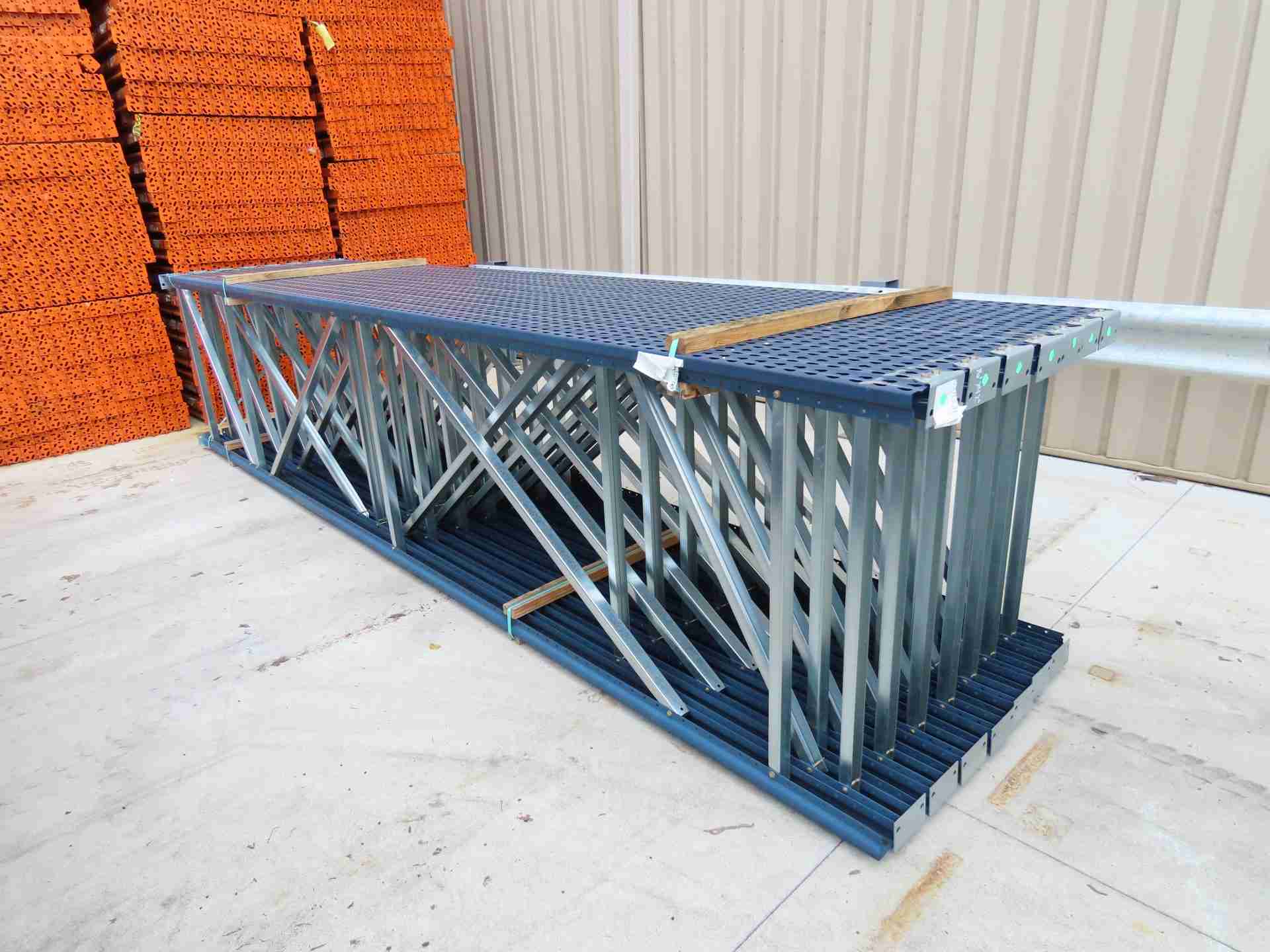
In the fast-paced realm of warehousing, a robust slotting strategy stands as the linchpin for operational success. Imagine stepping into a well-organized space where every item is positioned with purpose, not just thrown onto shelves. This thoughtful approach to placement tackles the chaos and optimizes movement, allowing operations to flow like a well-rehearsed dance. Misplaced items can spell disaster, leading to wasted time and increased costs. Conversely, a strategic layout enhances efficiency, enabling workers to navigate smoothly, pick quickly, and fulfill orders accurately.
The journey to optimizing slotting goes beyond mere efficiency; it embodies a deeper ethical commitment. By creating an organized environment, businesses foster respect for their employees, empowering them to take pride in their work. A well-designed warehouse layout not only enhances productivity but also builds camaraderie among team members. With every item in its rightful place, the workplace transforms into a community where collaboration thrives, leading to enhanced morale and a shared commitment to quality.
Moreover, embracing technology and automation within slotting strategies allows for real-time inventory management and decision-making based on precise data. Smart racking systems communicate needs and adjust accordingly, reducing reliance on guesswork. This technological integration alleviates physical burdens from workers, enabling them to focus on critical tasks while allowing room for innovative thinking. By investing in both the tools and the training necessary for effective slotting, organizations not only increase efficiency but also cultivate a culture of trust and engagement among employees.
At the heart of this transformation lies the importance of training. When employees receive proper training on the intricacies of slotting processes, they become active participants in shaping the operation’s success. It’s about nurturing an understanding of why certain strategies work, encouraging ownership and accountability. Every team member, armed with the right skills, can contribute to improved workflows, effectively driving productivity and reducing errors.
Ultimately, a well-executed slotting strategy is not an isolated initiative; it’s a comprehensive approach that invokes trust, empathy, and teamwork. It illustrates how the governance of space and the empowerment of people lead to tangible business successes. As organizations continue to refine their slotting tactics, they create a sense of pride and belonging, ensuring that every stakeholder—employees, suppliers, and customers alike—benefits from a well-oiled warehousing operation. This cohesive effort will not only bear fruit today but also pave the way for sustainable growth and community-building for the future.
Conclusion
Conclusion:
- A robust slotting strategy is crucial for operational success in warehousing.
- Organized item placement reduces chaos and optimizes movement.
- A strategic layout enhances efficiency, allowing for quick picking and accurate order fulfillment.
- Creating an organized environment fosters employee respect and pride in their work.
- Embracing technology and automation improves inventory management and reduces physical burdens on workers.
- Proper training empowers employees, enhancing accountability and driving productivity.
- A comprehensive slotting approach fosters trust, teamwork, and sustainable growth for the future.

Conclusion
Other Resources

Other Resources
Here is a list of other resources you can review online to learn more:
- National Safety Council
- Selective Pallet Racking Systems – Container Systems
- New Cantilever Racks and Racking Kits
- Warehouse Storage Racking in Illinois
- Total Warehouse
- ASSP
- Pallet Racking systems in Illinois and Great Lakes
- IIWS Inc. Rack Installation Illinois & Rack Repairs Illinois
- Logic Material Handling
- Illinois Pallet Racking – Storage Solutions
- Material Handling Industry
- Cantilever Rack Guide: Ordering Cantilever Racking
- Storage Equipment Manufacturers’ Association
- Cantilever Racks Chicago
- Pallet Racking systems in Illinois, Great Lakes
- Mustang Material Handling
- WERC
- Iowa Illinois Warehouse Racking
- Interlake
Use This Prompt To Get More Resources With Your Favorite Online AI Tool: Please provide me with a list of online articles with their URLs in a bulleted list that I can read regarding Slotting Strategy 101 for Growing Warehouses

Other Resources
Glossary Terms
Slotting Strategy 101 for Growing Warehouses – Glossary Of Terms
1. Slotting: The process of organizing inventory in a warehouse to optimize space and improve efficiency.
2. SKU: Stock Keeping Unit, a unique identifier for each distinct product in inventory.
3. Inventory Turnover: A measure of how frequently inventory is sold and replaced over a specific period.
4. ABC Analysis: A categorization method that divides inventory into three categories (A, B, and C) based on importance and value.
5. Warehouse Layout: The design and arrangement of a warehouse space to enhance workflow and product accessibility.
6. Pick Path: The route that warehouse workers take to pick items from storage for fulfillment.
7. Bin Locations: Specific spots within a warehouse where products are stored.
8. Replenishment: The process of restocking inventory to ensure an adequate supply.
9. Order Fulfillment: The complete process of receiving, processing, and delivering customer orders.
10. Cross-Docking: A logistics technique where products are transferred directly from incoming to outgoing shipments without long-term storage.
11. Lead Time: The amount of time from the initiation of a process until its completion.
12. Demand Forecasting: Predicting future customer demand to ensure appropriate stock levels.
13. Storage Density: The amount of product that can be stored in a given space within the warehouse.
14. Putaway: The process of placing received goods into designated storage locations.
15. FIFO: First In, First Out, an inventory management method where the oldest stock is sold first.
16. LIFO: Last In, First Out, an inventory management method where the most recently stocked items are sold first.
17. Wave Picking: A picking method that organizes multiple orders into one picking route to streamline efficiency.
18. Cycle Counting: A method of inventory auditing that involves counting a subset of inventory on a regular basis.
19. Picking Accuracy: The measure of how accurately items are picked compared to what is ordered.
20. Overselling: A situation where more product is sold than is available in inventory.
21. Safety Stock: Additional inventory kept on hand to prevent stockouts during unforeseen demand spikes.
22. Slot Allocation: The decision-making process of determining where items should be stored within a warehouse.
23. Footprint: The total area occupied by a warehouse or its layout in physical dimensions.
24. Batch Picking: A method of picking where several orders are collected simultaneously for efficiency.
25. Last Mile Delivery: The final leg of the delivery process, where goods are transported from a warehouse to their final destination.
26. Kitting: The process of grouping several items together to create a ready-to-ship package.
27. Automated Storage: Systems or technologies that automate the storage and retrieval of goods within a warehouse.
28. Labor Management: The practice of optimizing workforce productivity in warehouse operations.
29. Compliance: Adherence to industry standards and regulations in warehouse operations and inventory management.
30. Returns Management: The processes and systems involved in handling product returns from customers.
Glossary Of Terms
Other Questions
Slotting Strategy 101 for Growing Warehouses – Other Questions
If you wish to explore and discover more, consider looking for answers to these questions:
- What exactly is slotting and how does it differ from zoning?
- How often should a warehouse review and update its slotting strategy?
- What data sources are required to build an effective slotting plan?
- How do I calculate the ROI of a slotting optimization project?
- What are the typical upfront and ongoing costs of re-slotting?
- How should I prioritize SKUs for slotting based on velocity and profitability?
- How do I handle seasonal, promotional, or slow-moving items in a slotting system?
- Should I use static, dynamic, or hybrid slotting and what are the tradeoffs?
- How often should locations be physically moved versus virtually reassigned?
- Which warehouse management systems (WMS) or software tools best support slotting optimization?
- How do I integrate slotting rules with my existing WMS/ERP and order management systems?
- What metrics and KPIs should I track to measure slotting success?
- How much labor time and travel distance reduction can optimized slotting realistically deliver?
- How do I design optimal pick paths and wave plans around a slotting layout?
- What ergonomic and safety considerations must be included in slotting decisions?
- How does automation (pick-to-light, voice pick, conveyors, AS/RS) change slotting requirements?
- Which automation technologies pair best with specific slotting strategies?
- How do I slot hazardous, regulated, or temperature-controlled products safely and compliantly?
- How should returns and reverse logistics be incorporated into slotting plans?
- How do I perform SKU rationalization before implementing slotting changes?
- What methods exist to simulate or model slotting changes before physically moving inventory?
- How do I phase a slotting rollout to minimize disruption to operations?
- How should I train staff on new slotting layouts, rules, and technologies?
- How do I secure buy-in from front-line workers and management for slotting initiatives?
- What are the most common pitfalls and failure modes when implementing slotting?
- How can slotting reduce picking errors and shipping mistakes?
- How do I maintain slotting accuracy and compliance over time?
- How does slotting strategy differ between e‑commerce, retail replenishment, and B2B distribution?
- How do I balance storage density with picking efficiency in my layout?
- What baseline data should I collect before starting a slotting optimization?
- How can demand forecasting and seasonality be used to inform slotting?
- How do I account for packaging changes, multipacks, and kit assembly in slotting?
- How do pick-wave size and batching strategy affect slotting choices?
- How should slotting be adapted for multi-channel or omnichannel fulfillment?
- How do I coordinate slotting across multiple warehouses or DCs?
- What timeline and milestones are realistic for a full slotting project?
- How do I budget for pilot testing, labor, equipment, and software during re-slotting?
- When should I hire external consultants versus solving slotting in-house?
- What case studies or industry benchmarks should I reference to set expectations?
- How do I incorporate sustainability and waste reduction into slotting decisions?
- How do slotting changes impact labor planning, headcount, and staffing models?
- What compliance, insurance, or regulatory issues can influence slotting choices?
- How can I calculate expected reductions in pick errors, returns, and damages from slotting?
- How should slotting handle rapid growth, SKU proliferation, or post-merger integration?

Other Questions
Checklist
Slotting Strategy 101 for Growing Warehouses – A Checklist
Objectives and KPIs
✅______ Define goals: order cycle time; lines picked per hour; error rate (PPM); labor cost per line; travel time per pick; space utilization; dock-to-stock; on-time ship; safety incidents
✅______ Establish baseline metrics and target improvements
✅______ Create a KPI dashboard visible to the team
Data and Inventory Profiling
✅______ Extract 12+ months of order line history with seasonality
✅______ Classify SKUs by ABC (velocity) and XYZ (variability)
✅______ Capture dimensions, weight, cube, stackability, and fragility
✅______ Identify constraints: temperature, hazmat, security, lot/serial, FIFO/FEFO, expiry
✅______ Define pick units (each/inner/case/pallet) and handling method
Slotting Design
✅______ Assign golden-zone locations for A-movers near induction, pack, and ship
✅______ Right-size pick faces to demand and replenishment frequency
✅______ Place heavy/bulky SKUs low; light/small at comfortable reach
✅______ Group affinity items to reduce travel and touches
✅______ Separate forward pick from reserve storage with clear replenishment rules
✅______ Set min/max levels and replenishment triggers per SKU
✅______ Identify cross-dock and fast-flow candidates
Layout and Flow
✅______ Map unidirectional pick paths and eliminate backtracking
✅______ Verify aisle widths, turning radii, and congestion points
✅______ Segment zones: receiving, putaway, picking, packing, VAS, returns
✅______ Implement clear location addressing, labels, signage, and color coding
✅______ Create dedicated fast-pick areas for top SKUs
Racking Systems
✅______ Select rack types by need: selective, double-deep, push-back, pallet flow, carton flow, shelving, mezzanine
✅______ Set beam elevations to product heights to minimize dead air
✅______ Validate load capacities and seismic compliance
✅______ Optimize pick-face presentation (use carton flow or tilt shelves where dense)
✅______ Schedule rack inspection and maintenance
Picking Accuracy
✅______ Standardize pick methods: single, batch, cluster, zone
✅______ Enforce scan verification and location check digits
✅______ Deploy pick-to-light/put-to-light where density supports ROI
✅______ Conduct routine barcode quality checks
✅______ Log errors, Pareto the causes, and close with corrective actions
Technology and Automation
✅______ Configure WMS slotting rules for velocity, cube, and constraints
✅______ Set re-slotting cadence (e.g., A weekly; B/C monthly)
✅______ Equip teams with RF/voice and validate real-time confirmations
✅______ Assess automation fit for target SKUs: conveyors, AMRs, AS/RS, VLMs
✅______ Integrate Labor Management for standards and utilization
✅______ Implement cycle counting tied to slotting criticality
Labor, Training, and Culture
✅______ Deliver role-based training on slotting logic, equipment, and SOPs
✅______ Maintain a cross-training matrix and certification records
✅______ Post visual work instructions and zone maps at point of use
✅______ Establish a picker feedback loop to the slotting team
✅______ Hold daily huddles reviewing KPIs, safety, and hot issues
✅______ Recognize accuracy, productivity, and improvement ideas
Ergonomics and Safety
✅______ Keep high-frequency SKUs in the waist-to-shoulder range
✅______ Set lift limits; provide carts, lifts, and team-lift cues
✅______ Enforce 5S and housekeeping standards
✅______ Verify lighting, noise, and floor condition compliance
✅______ Review incidents and implement countermeasures
Cost and ROI
✅______ Build a savings model: travel time, replenishment touches, accuracy gains
✅______ Define CAPEX/OPEX, payback, and hurdle rates
✅______ Track realized benefits monthly and adjust the plan
Governance and Continuous Improvement
✅______ Create slotting change control and approval workflows
✅______ Maintain documentation: maps, rules, SKU profiles, and SOPs
✅______ Run seasonal re-slot playbooks and peak plans
✅______ Audit: location accuracy, label legibility, and capacity adherence
✅______ Align supplier packaging and labeling to slotting standards
Scalability and Growth
✅______ Forecast SKU count, order mix, and volume 12–24 months out
✅______ Design modular zones and movable rack/flow modules
✅______ Define NPI process with slot assignment before launch
✅______ Prepare contingency space for promotions and spikes
Trust and Communication
✅______ Assign a slotting owner and cross-functional team (operations, IT, safety)
✅______ Share KPIs with partners and suppliers where relevant
✅______ Provide transparent updates to the floor on changes and results
Go-Live and Validation
✅______ Schedule a freeze window and resource plan
✅______ Print and install labels; validate location addresses in WMS
✅______ Pre-fill pick faces to min/max before cutover
✅______ Run pilot orders to test pathing, scans, and accuracy
✅______ Staff hypercare support and monitor KPIs daily for two weeks

Checklist
At RackingWorld, we help guide you through selecting warehouse storage systems and racking.
Be sure to read our other related stories at RackingWorld to learn more about warehouse storage systems.
0 Comments