
Preserving The Integrity Of Your Equipment
By Tom Seest
At RackingWorld, we help guide you through selecting warehouse storage systems and racking.
Be sure to read our other related stories at RackingWorld to learn more about warehouse storage systems.
Protecting Your Racks From Rust and Corrosion
When you invest in racking for your warehouse or storage facility, you’re making a commitment—a promise to yourself, your team, and your bottom line. But imagine this: that new racking system, all shiny and pristine, only to find it succumbing to the relentless bite of rust and corrosion. It’s not just metal; it’s your hard work, your diligence, and the long hours you’ve poured into your business. Protecting your racks isn’t merely an option; it’s an obligation.
Think about it. Every dent, every flake of rust, isn’t just a cosmetic blemish—it’s a crack in the foundation of your operations. The gut punch of dealing with unsafe or deteriorating equipment extends beyond mere inconvenience. It spirals into lost productivity, frustrated employees, and potential safety hazards. You want your team to be able to focus on what they do best—moving products, serving customers, and growing your business—rather than worrying whether that shelf will hold.
Here’s the rationale: when you coat your racking with protective finishes or invest in rust-resistant materials, you’re providing a robust shield against the elements. This proactive stance isn’t just wise; it’s ethical. Why? Because it keeps your employees safe and ensures the integrity of your products. No one should have to stress about whether a shelf will buckle under pressure or if a dangerous situation lurks unseen.
But there’s a larger narrative here. Picture this: a warehouse filled with employees who are proud of their environment—a space where safety and efficiency reign supreme. They walk in each day knowing that their hard work and dedication are supported by reliable, well-maintained equipment. This isn’t just about racks; it’s about building a culture of excellence, fueled by the trust that comes from knowing you’ve taken every step to protect your investment.
Let’s connect this to the social fabric of your community. When businesses prioritize maintaining their assets, it reflects a commitment not just to profit but to people—employees, customers, and families. You’re sending a message that you care about quality, about keeping the wheels of commerce turning smoothly and securely.
So, don’t just stand by as rust starts to take hold. Take action. Invest in protective measures for your racking. Elevate your workspace, inspire your team, and watch your operations flourish. You’ll sleep easier knowing you’ve fortified your racks and set the stage for success.
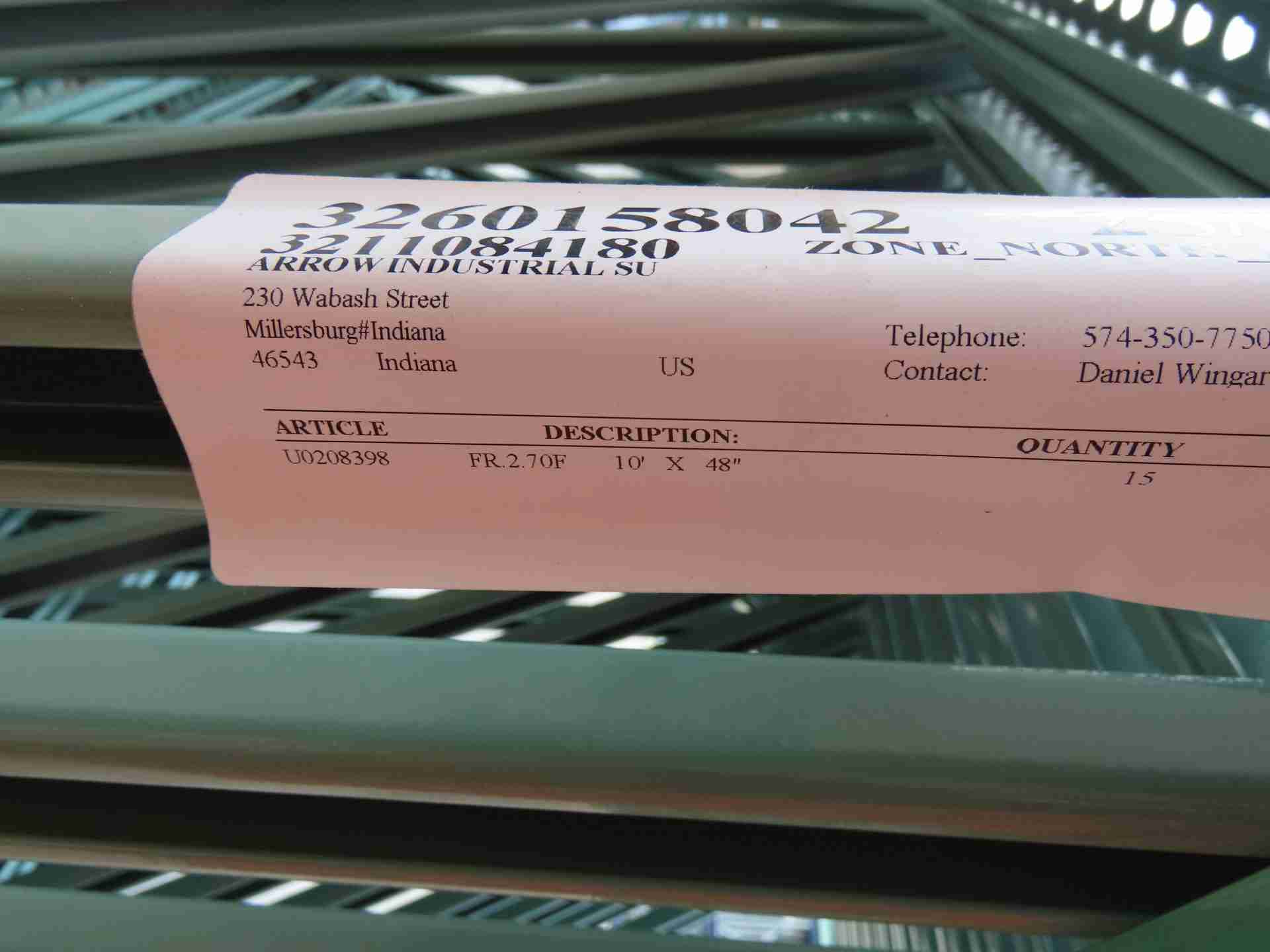
Protecting Your Racks From Rust and Corrosion
Protecting Your Racks From Rust and Corrosion
- Investing in racking is a commitment to safety, productivity, and business integrity.
- Rust and corrosion compromise not only equipment but also the hard work poured into the business.
- Each dent and rust flake signals potential safety hazards and lost productivity.
- Protective coatings and rust-resistant materials provide essential safety and integrity for operations.
- A safe and efficient workspace fosters employee pride and supports a culture of excellence.
- Maintaining equipment reflects a commitment to employees, customers, and community well-being.
- Proactive investment in racking protection enhances workplace morale and operational success.
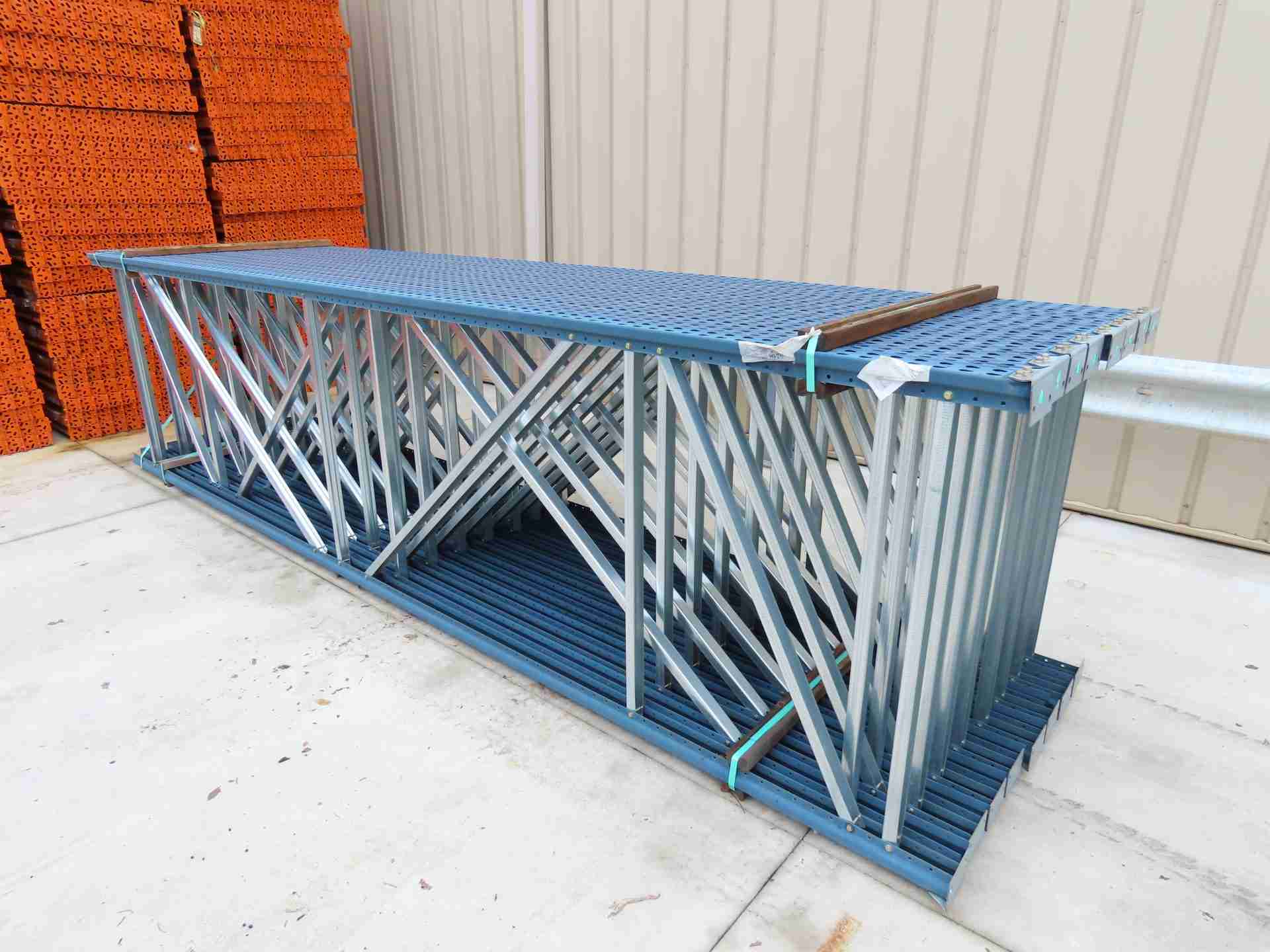
Protecting Your Racks From Rust and Corrosion
Table Of Contents
- Protecting Your Racks From Rust and Corrosion
- What Emotional Impact Does Rust Have on Your Cherished Possessions?
- How Can Understanding Corrosion Science Keep Your Equipment Safe?
- What Ethical Steps Can You Take to Ensure Your Racks Last Longer?
- Are You Aware Of Expert Recommendations for Rust Prevention?
- How Does Rust Compromise the Integrity Of Your Stored Items?
- Conclusion
- Other Resources
- Glossary Of Terms
- Other Questions
- Checklist
What Emotional Impact Does Rust Have on Your Cherished Possessions?
Rust has a way of crawling into the corners of our lives, silently attacking the cherished possessions that often hold stories far greater than their mere physical presence. When you look at a beloved tool passed down from your grandfather, racked with age and wear, it’s not just metal that’s deteriorating; it’s a piece of your family history, a memory etched in each scratch and dent. The emotional weight of watching something you hold dear succumb to the ravages of rust can be heavy.
Think about it—each nick tells a story. That garden spade rusted from years of supporting your grandmother’s prized petunias or the bicycle that brought laughter on summer days with friends has more value than its original price tag. It embodies connection, laughter, joy, and perhaps a bit of heartache too. When rust starts to invade these mementos, it feels as if you’re losing a part of your past, as if memories are slowly eroding along with the metal itself.
Rationally, we know that rust is a naturally occurring process, a result of neglect or exposure, but emotionally, it can feel like an invasion. It’s a reminder of time’s relentless march and the fragile nature of what we hold dear. Even the toughest steel can yield to its effects, and so we find ourselves racking our brains for solutions—how can we stop this creeping decay?
This isn’t just an individual struggle; it’s a shared experience. Generations before us have faced the same battle, and yet, how often do we talk about it? There’s a quiet shame in letting our possessions decay, an unspoken truth that binds us together in this fight. We must learn to care for our belongings—this is ethics at play. It’s about respect for the memories they carry and the legacy they represent. Whether it’s learning how to clean metal, using protective oils, or simply giving those possessions the attention they deserve, we are honoring not just the items themselves but the stories they tell.
So take a moment. Consider the things in your life that matter—your tools, heirlooms, even your car—and think of what they represent. They deserve more than to be forgotten or left exposed. They deserve to shine, to tell their stories for years to come. Recognizing this is the first step towards action, ensuring that rust doesn’t claim what we hold close.
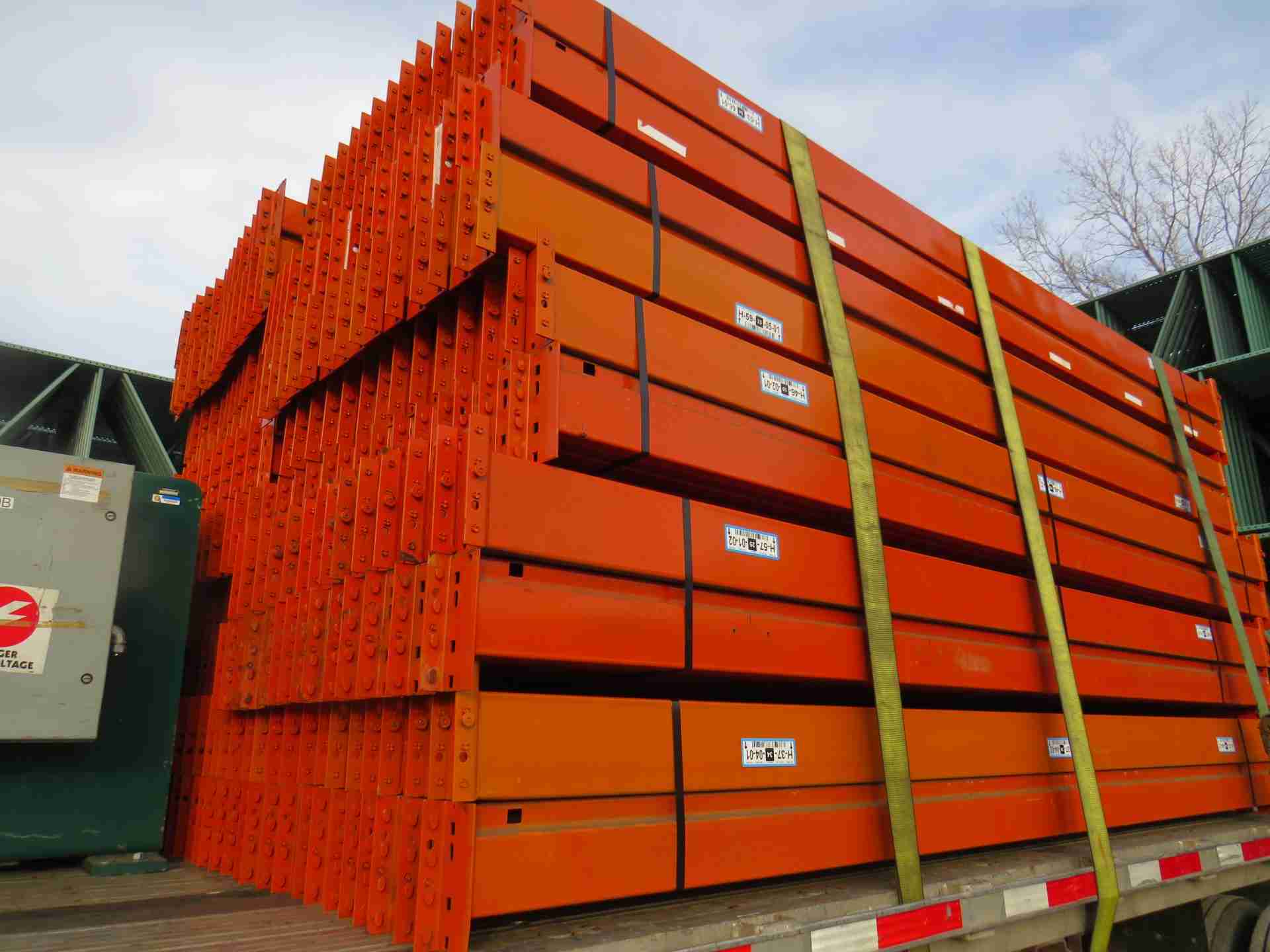
What Emotional Impact Does Rust Have on Your Cherished Possessions?
What Emotional Impact Does Rust Have on Your Cherished Possessions?
- Rust can silently damage cherished possessions that carry significant personal and family history.
- Each scratch and dent on an item reflects memories and stories from the past.
- Seeing beloved items succumb to rust feels like losing an integral part of one’s past.
- While rust is a natural process caused by neglect or exposure, it emotionally feels invasive.
- This collective struggle against rust and decay is often not openly discussed, leading to feelings of shame.
- Caring for our belongings is an ethical responsibility, respecting the memories and legacies they hold.
- Recognizing the value of our possessions is the first step in preserving their stories and preventing decay.
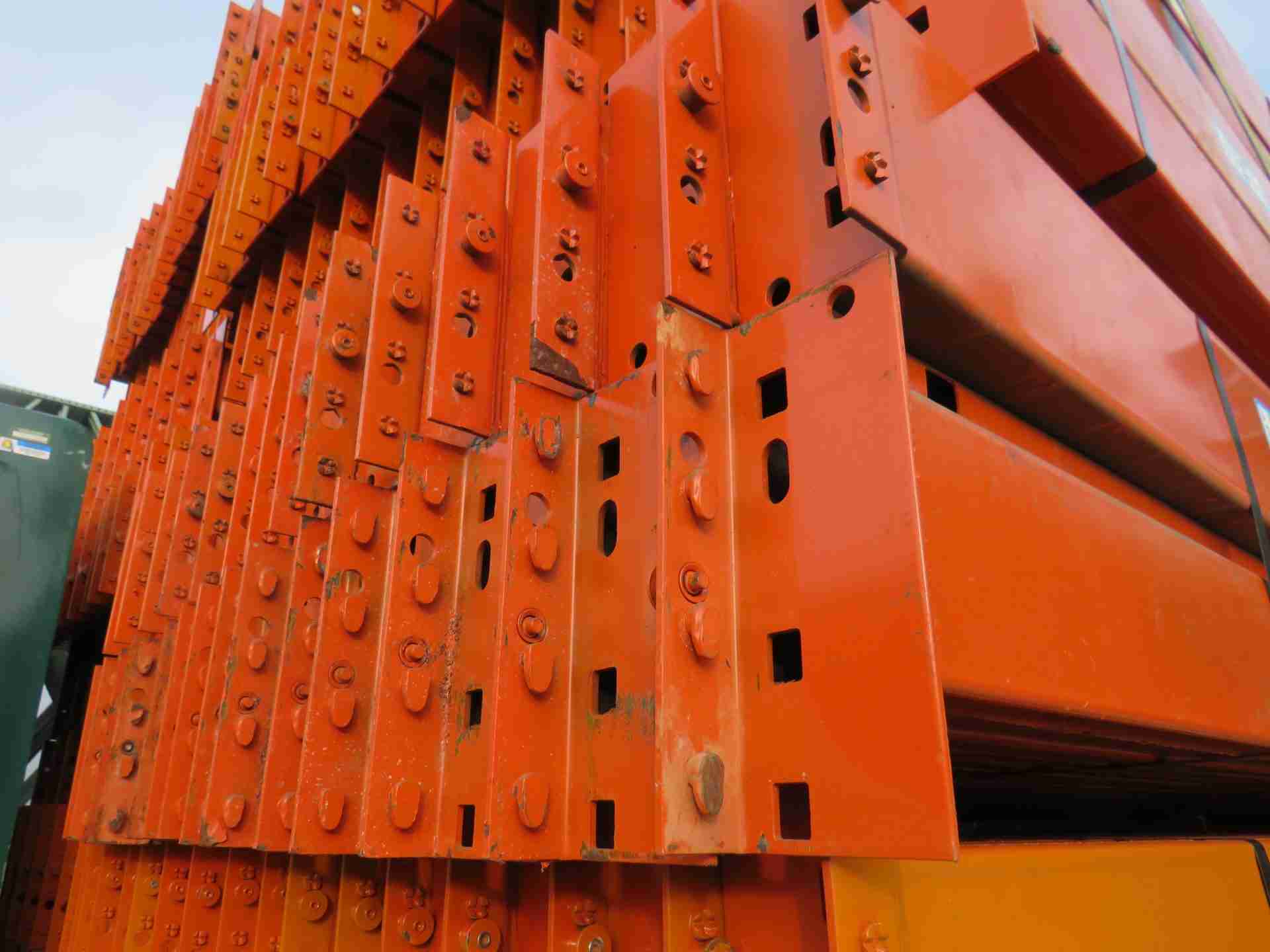
What Emotional Impact Does Rust Have on Your Cherished Possessions?
How Can Understanding Corrosion Science Keep Your Equipment Safe?
Corrosion isn’t just a buzzword; it’s a silent saboteur lurking in the shadows of our machinery. Picture a bustling warehouse, where racks of equipment are meant to stand tall, supporting the weight of our productivity. Each piece of equipment represents not just an investment but a promise: the promise of efficiency, safety, and durability. Yet, as invisible as it may be, corrosion can creep in and unravel that promise.
Understanding corrosion science is like gaining insight into an intricate dance. It’s a relationship between materials, environment, and time. When we grasp the science behind it, we not only protect our equipment but also embrace a duty toward our communities. Each racking system that fails due to corrosion doesn’t just jeopardize safety; it puts livelihoods at risk. Imagine a worker, depending on that system, suddenly facing a catastrophic failure. The stakes are high, and the responsibility falls on us to prevent such tragedies through knowledge and vigilance.
Let’s dive into the emotional resonance of this issue. Think about the pride we take in maintaining our tools and facilities. Every dent, scratch, or rust patch can tell a story of hard work, dedication, and sometimes, neglect. But what if we could rewrite that story? By investing time in understanding corrosion, we can lead the charge against it. We can turn that sadness into empowerment, turning potential failures into triumphs.
Rationally, it makes sense. Regular maintenance informed by corrosion science can extend the life of your equipment dramatically. We’re not talking about the occasional touch-up; we’re talking about strategies that involve choosing the right materials, coatings, and environmental controls. Men and women with expertise in this field—the engineers, scientists, and facility managers—serve as our allies in this battle. They provide the knowledge we need to make informed decisions that safeguard our businesses and our teams.
When we come together as a team—whether it’s in a break room, shop floor, or conference hall—we create a culture of accountability and care. This is about more than equipment; it’s about creating an environment where everyone feels valued and safe. So let’s embrace corrosion science not just as a technical guide, but as a cornerstone of our commitment to excellence. Let’s ensure our racking systems don’t just stand tall but do so with unwavering strength and reliability. Together, we can keep the heart of our operations beating strong.
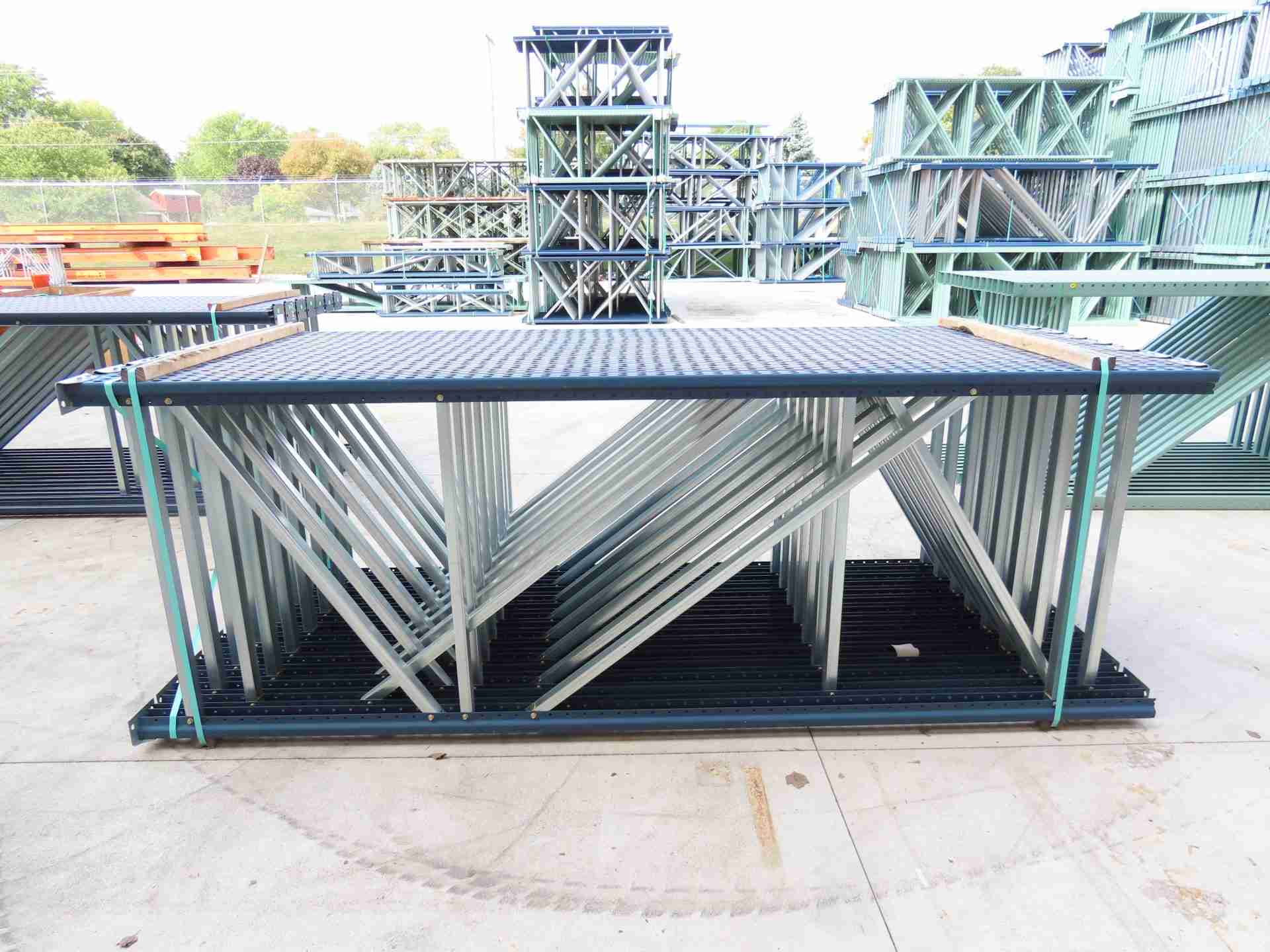
How Can Understanding Corrosion Science Keep Your Equipment Safe?
How Can Understanding Corrosion Science Keep Your Equipment Safe?
- Corrosion is a significant issue that can undermine machinery efficiency, safety, and durability.
- Understanding corrosion science involves the interplay of materials, environment, and time, crucial for equipment protection.
- Corrosion-related failures jeopardize not only safety but also workers’ livelihoods, highlighting the importance of vigilance.
- Investing time in corrosion education can transform potential equipment failures into success stories.
- Regular maintenance, guided by corrosion science, can significantly extend the lifespan of equipment.
- Collaboration among engineers, scientists, and facility managers is essential for informed decision-making and safeguarding operations.
- Cultivating a culture of accountability and care enhances safety and value within teams while promoting commitment to excellence.
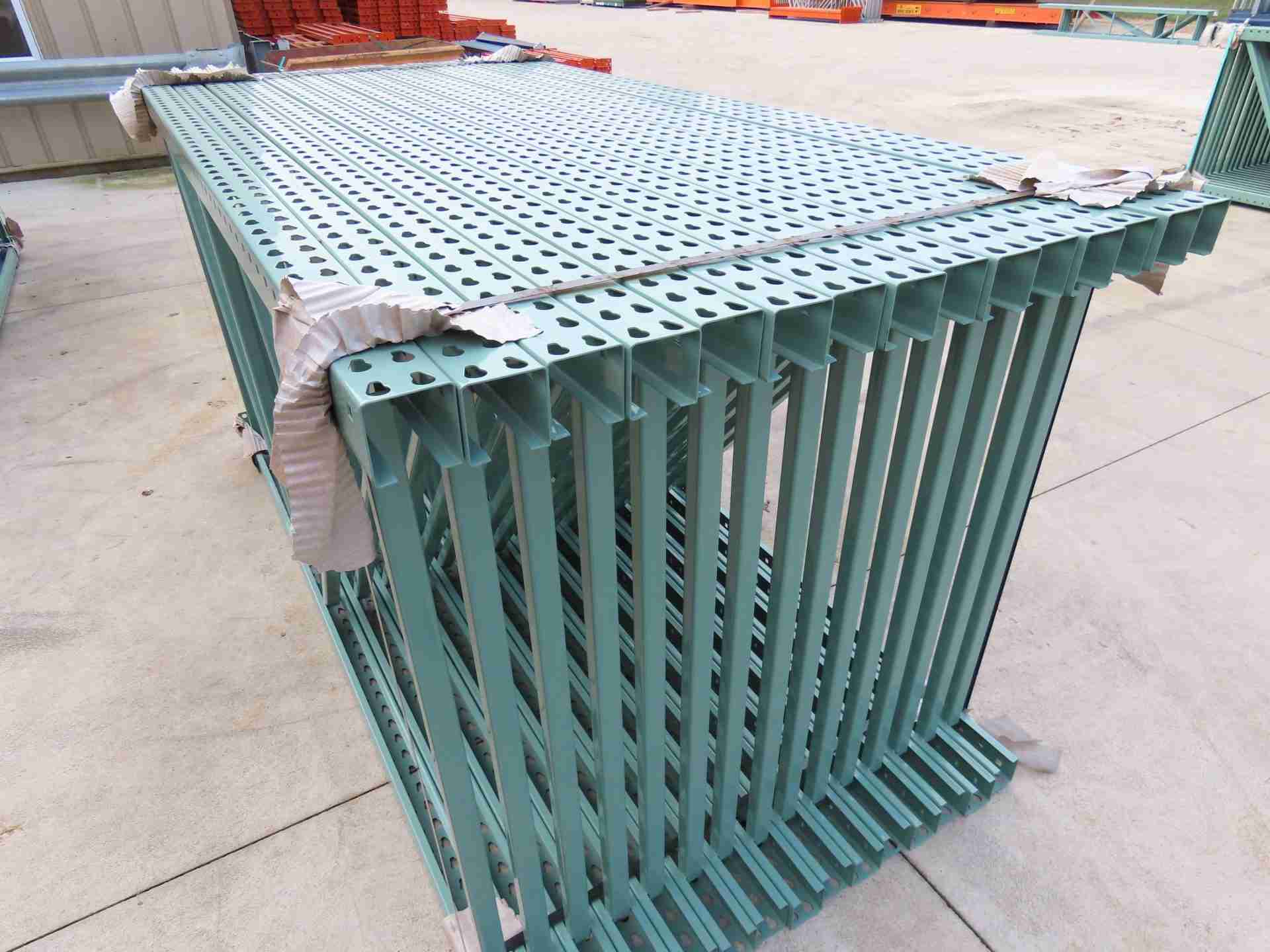
How Can Understanding Corrosion Science Keep Your Equipment Safe?
What Ethical Steps Can You Take to Ensure Your Racks Last Longer?
When it comes to ensuring your racking systems stand the test of time, it’s not just about slapping together metal and wood; it’s about fostering a relationship with your equipment that reflects respect, responsibility, and an understanding of the work it does. Every time you load up those racks, you’re placing trust not only in the material but in the very design that makes it strong. This is where ethical considerations come into play.
First, let’s get emotional. Picture this: your warehouse brimming with goods, the lifeblood of your business. Every box, every item on those racks has a story — stories of hard work, late nights, and dreams realized. Treat your racking systems with care, and you’ll be crafting a legacy of reliability. Keeping them organized and well-maintained isn’t just practical; it’s a tribute to the labor and hope that fill every shelf.
Now, shift your focus to the brain. Racking systems are engineered to support specific loads. Ignoring guidelines or overloading not only shortens their lifespan; it creates safety risks that could harm your employees. When you think rationally, investing in quality materials and adhering to professional standards brings peace of mind. You’re not just ticking boxes; you’re building a safe and efficient environment. This isn’t just ethics; it’s smart business.
Let’s dig deeper into ethics. Using sustainable materials for your racks speaks volumes about your values. Showcase your commitment to the environment by opting for recycled or eco-friendly materials. This decision strengthens your brand’s credibility while fostering a community that prioritizes sustainability. People want to connect with businesses that mirror their values — when you invest in ethical choices, you’re likely to inspire loyalty.
The narrative expands when you engage with your team. Encourage everyone, from management to new hires, to be accountable for the upkeep of your racking systems. Foster a culture where everyone understands the importance of safety, maintenance, and organization. This shared responsibility creates a bond, making it easier for your workforce to feel ownership and pride in their workspace.
Finally, let’s bring it back to the gut. There’s an intrinsic satisfaction in knowing you’ve done the right thing — not just for your business, but for everyone who walks through your doors. By ensuring your racking lasts longer, you’re investing in a safer, more productive future for all. Embrace this journey, and you just might find that your racks hold more than goods; they hold the stories of growth, resilience, and progress.
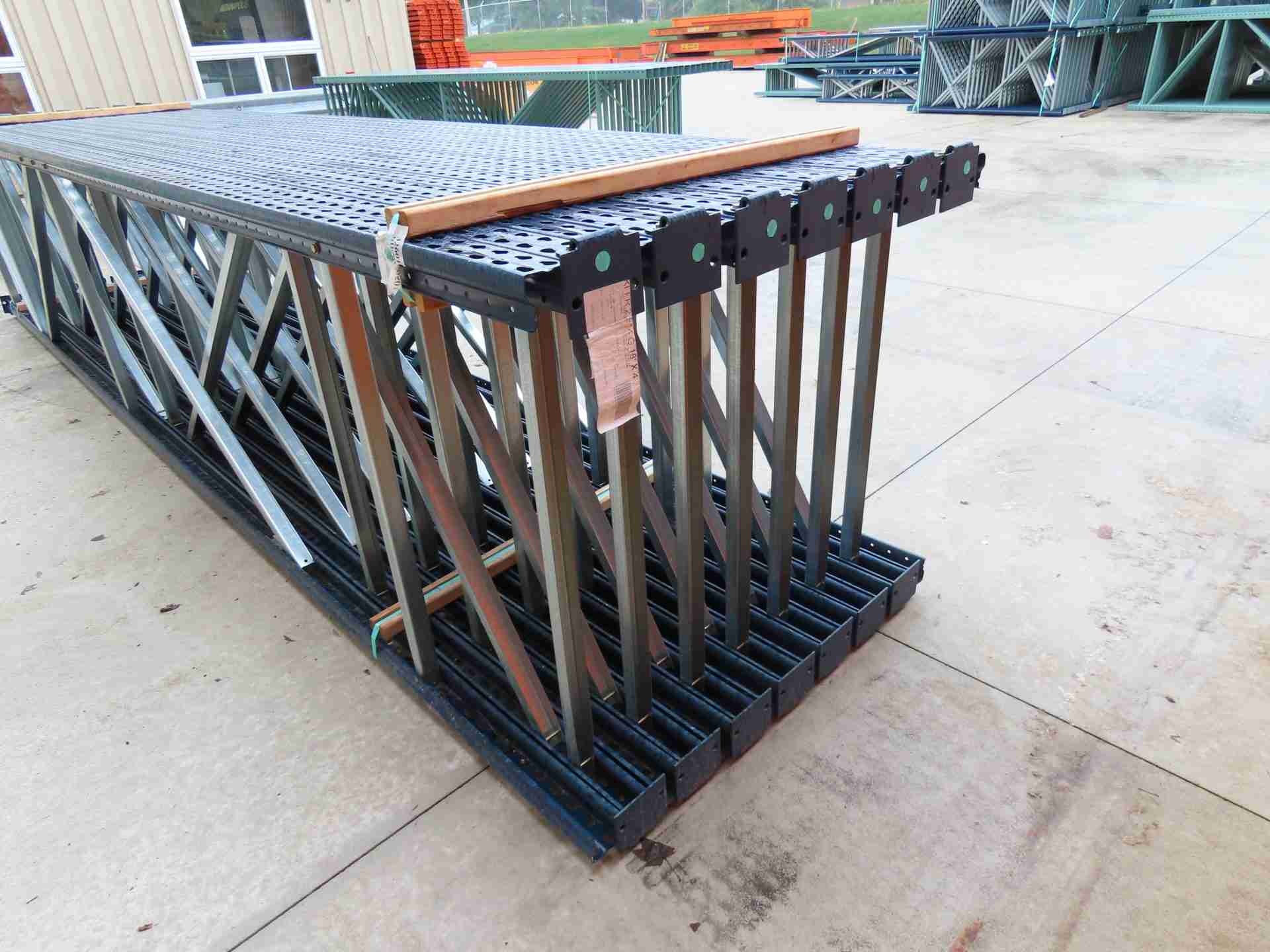
What Ethical Steps Can You Take to Ensure Your Racks Last Longer?
What Ethical Steps Can You Take to Ensure Your Racks Last Longer?
- Racking systems require a respectful relationship that considers their design, material, and function.
- Every item on the racks symbolizes hard work and dreams, making care for racking a tribute to those efforts.
- Ignoring load guidelines risks both safety and the longevity of the racking systems, emphasizing the importance of adherence to standards.
- Investing in quality materials enhances safety and creates an efficient work environment, representing smart business practices.
- Using sustainable materials in racking systems showcases a commitment to environmental values and strengthens brand credibility.
- Encouraging teamwork and shared accountability fosters pride in workplace safety and maintenance among employees.
- Maintaining durable racking systems contributes to a safer and more productive future, symbolizing growth and resilience.
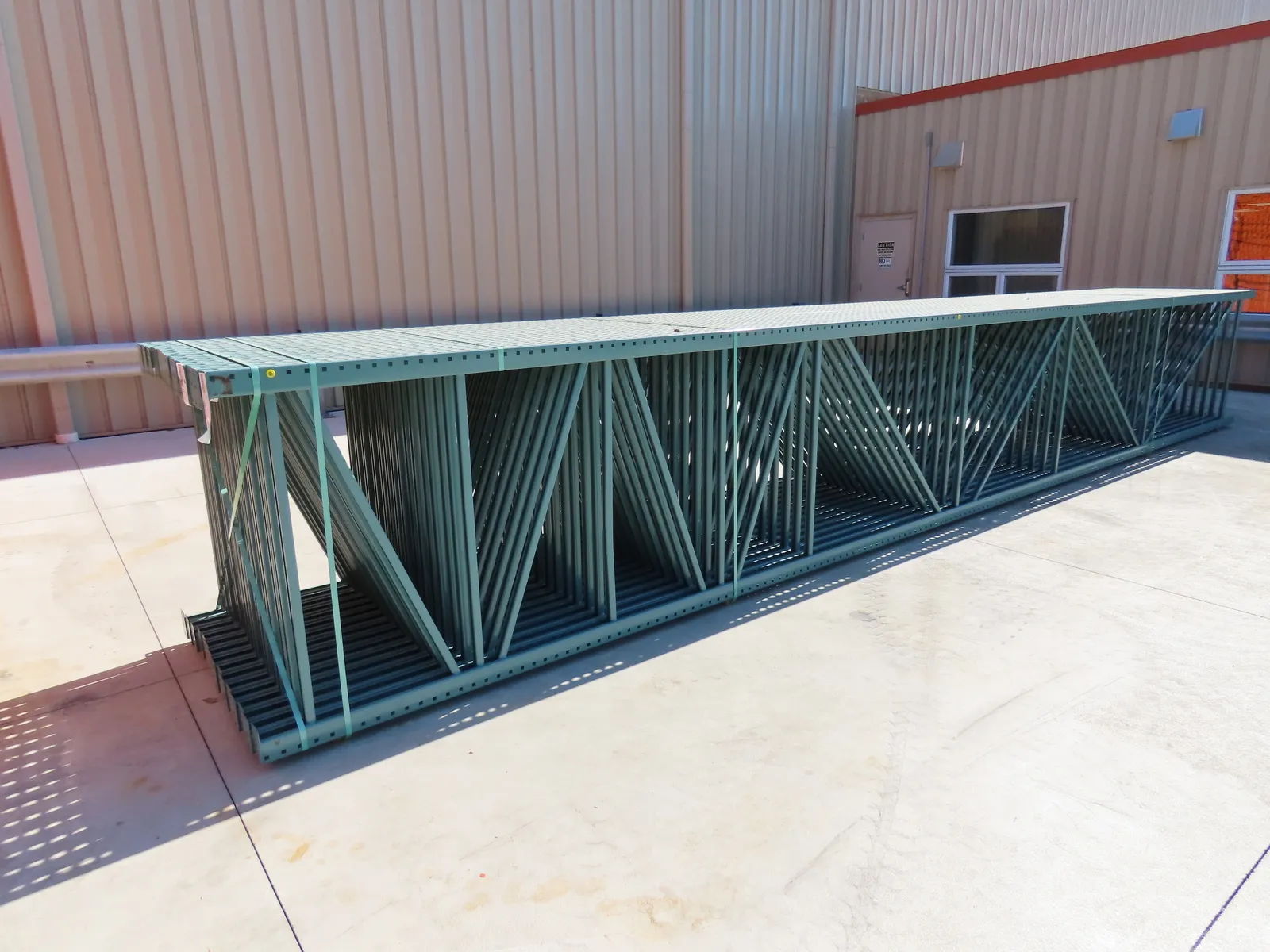
What Ethical Steps Can You Take to Ensure Your Racks Last Longer?
Are You Aware Of Expert Recommendations for Rust Prevention?
Are you aware of expert recommendations for rust prevention? Let’s dive into that question, not just with our heads, but also with our hearts and guts. Imagine your shiny new tools or vehicle parked on your driveway, glistening under the sun. They represent hard work, dreams, and the promise of so many adventures ahead. But lurking in the shadows, invisible at first, is corrosion—an insidious enemy that can turn your prized possessions into sad relics of the past.
Racking up rust damage isn’t just a financial hit; it’s a betrayal of all the effort you’ve poured into your equipment and vehicles. Experts emphasize that prevention is the best remedy. They recommend a few simple, effective strategies that can save you from this fate. First, keep your items clean and dry. Regularly washing away dirt, grime, and salt not only maintains their appearance but strips away the very things that accelerate rusting. Think of it as giving your possessions a loving embrace—protecting them from the elements, much like you would for a loved one.
It’s not just about maintenance; it’s also about understanding the materials you’re working with. Experts suggest investing in quality items that resist rust—like stainless steel or galvanized options. Initially, these may seem more expensive, but consider the long-term savings and peace of mind they offer. This isn’t just a financial investment; it’s an ethical choice about the kind of value we place on our tools, vehicles, and our environment.
And don’t overlook the importance of community. Conversations about rust prevention are happening everywhere—from local workshops to online forums. Sharing advice and experiences fosters a sense of camaraderie and collective knowledge. You’re not alone in this battle; tap into the wealth of expertise around you.
Additionally, when you proactively safeguard against rust, you are setting an example for those around you. You create ripples of awareness that encourage others to take action. We all want to pass down our legacies, and keeping our gear in top shape ensures that the stories attached to them endure.
So, take a pause and reflect—are you racking up your defenses against rust? Trust the experts, connect with your community, and give yourself the tools to protect what truly matters. It’s time to act before that rust moves from the abstract to the real, tarnishing not just your items, but the memories you associate with them.
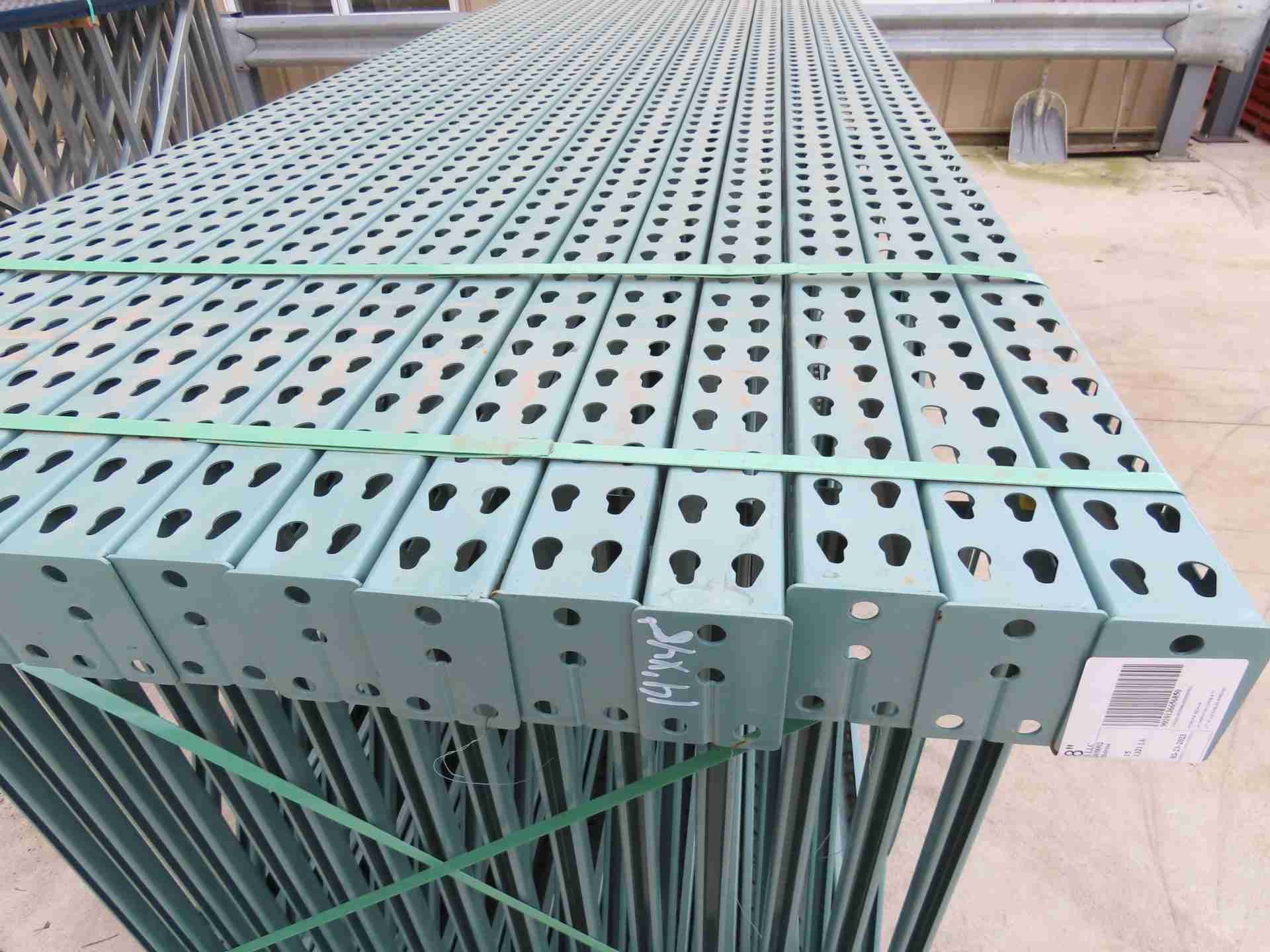
Are You Aware Of Expert Recommendations for Rust Prevention?
Are You Aware Of Expert Recommendations for Rust Prevention?
- Understanding rust prevention is essential for maintaining the value of tools and vehicles.
- Corrosion can transform prized possessions into relics of the past, affecting both finances and emotional investment.
- Experts recommend keeping items clean and dry to prevent rust, removing dirt, grime, and salt.
- Investing in quality materials like stainless steel or galvanized options can save money and offer long-term peace of mind.
- Community engagement is important; sharing advice fosters collective knowledge in rust prevention.
- Proactively safeguarding against rust sets a positive example and creates awareness within the community.
- Taking action against rust protects not only items but also the memories associated with them.

Are You Aware Of Expert Recommendations for Rust Prevention?
How Does Rust Compromise the Integrity Of Your Stored Items?
Rust is not merely an aesthetic issue; it’s a quiet antagonist plotting behind the scenes, ready to compromise the integrity of everything you’ve worked hard to store. Picture for a moment that beloved old bicycle, the one you saved up for all summer. You thought it was safe, nestled away in the racking of your garage. But rust doesn’t play fair. It creeps in, slowly and silently, taking hold right where you can’t see it. The bike that once gleamed with pride now stands as a dilapidated relic. The emotional weight of seeing a cherished possession degrade is not just a loss; it’s a poignant reminder of time’s relentless march and the fragility of our treasures.
Now let’s talk sense—the cold, hard facts. Steel and iron are ironclad in their durability, but they are brutally vulnerable to moisture and oxygen. When oxygen and water conspire, they create that terrible reaction we call rust. It’s as if nature itself has found a way to claim ownership over your possessions. The racking systems you use to organize your tools, toys, or memories become targets in this unyielding war against corrosion. You might think a little surface rust is no big deal, but it’s the kind of thing that snowballs: just a small patch can expand and eventually lead to structural failures or worse.
But look beyond the surface. Ethically speaking, we have the responsibility to care for our belongings as stewards of our resources. Ignoring rust not only disrespects the time and money invested, but it also sends a troubling message about neglect—both to ourselves and to those who may inherit our belongings.
Consider this narrative: a parent passes down a set of tools to their child, tools that carried stories and memories. But if those tools are left to languish in a rusty state, that legacy is tarnished. The child inherits not just tools, but a sense of disappointment—a tangible representation of decay.
Socially, think about the conversations we have around our homes and possessions. We share stories of our “stuff” with friends and family, and the last thing we want is to show off something that’s riddled with rust, diminishing our pride and connection.
So take action! Protect your belongings, and in doing so, protect the memories, integrity, and love they represent. Racking them securely in a dry environment, routinely checking for rust, and taking the right preventive measures will help maintain their history and value. Stand sentinel for your possessions; they deserve nothing less.
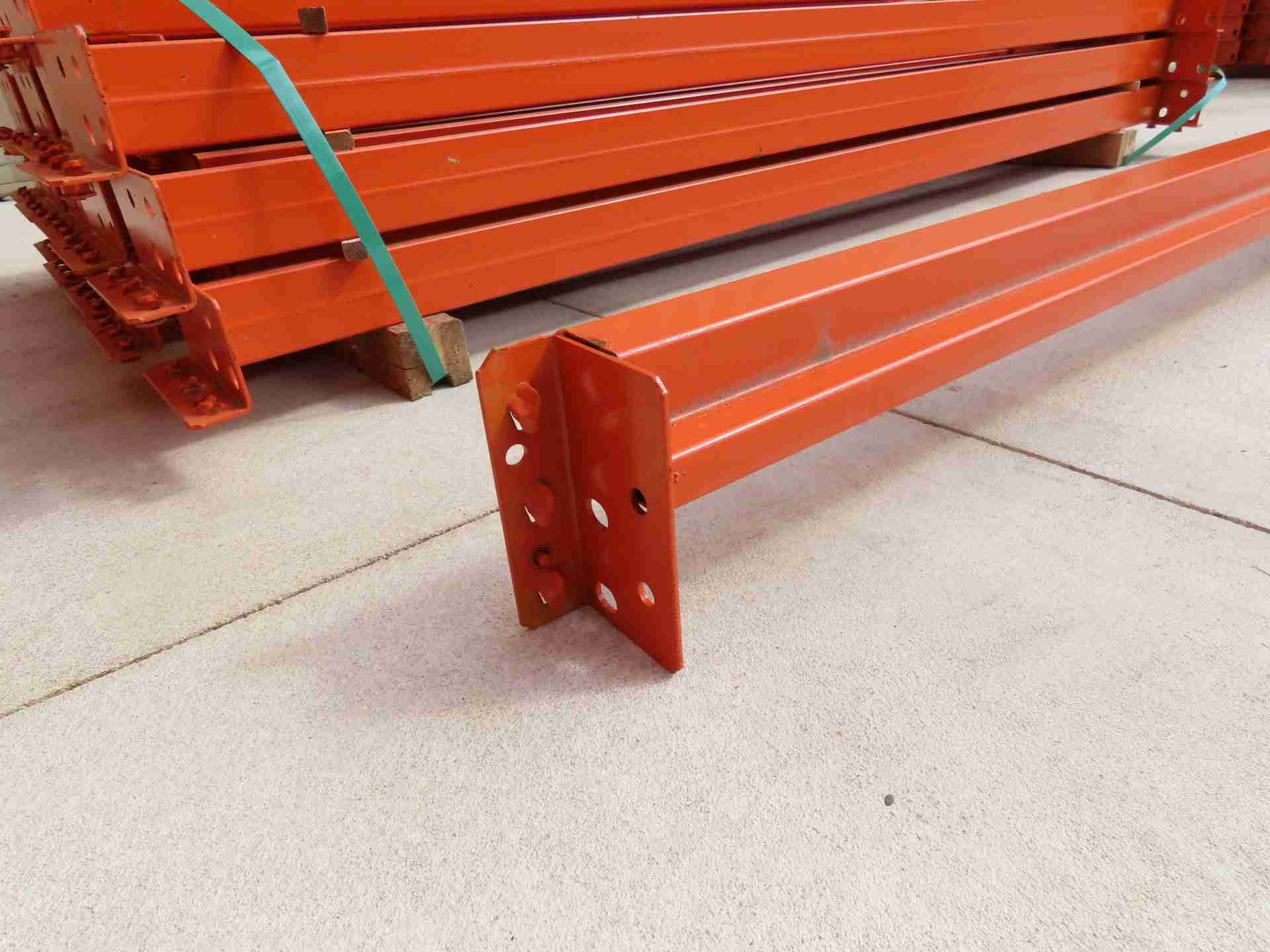
How Does Rust Compromise the Integrity Of Your Stored Items?
How Does Rust Compromise the Integrity Of Your Stored Items?
- Rust is a hidden threat that compromises the integrity of possessions.
- It silently destroys cherished items, like a beloved bicycle, reflecting time’s passage and fragility.
- Steel and iron are durable yet vulnerable to rust caused by moisture and oxygen.
- Ignore small patches of rust at your peril; they can lead to significant structural damage.
- We have an ethical responsibility to care for our belongings as stewards of our resources.
- Rusty possessions can tarnish legacies, disappointing future generations who inherit them.
- Taking preventive measures against rust helps maintain the history and value of our belongings.
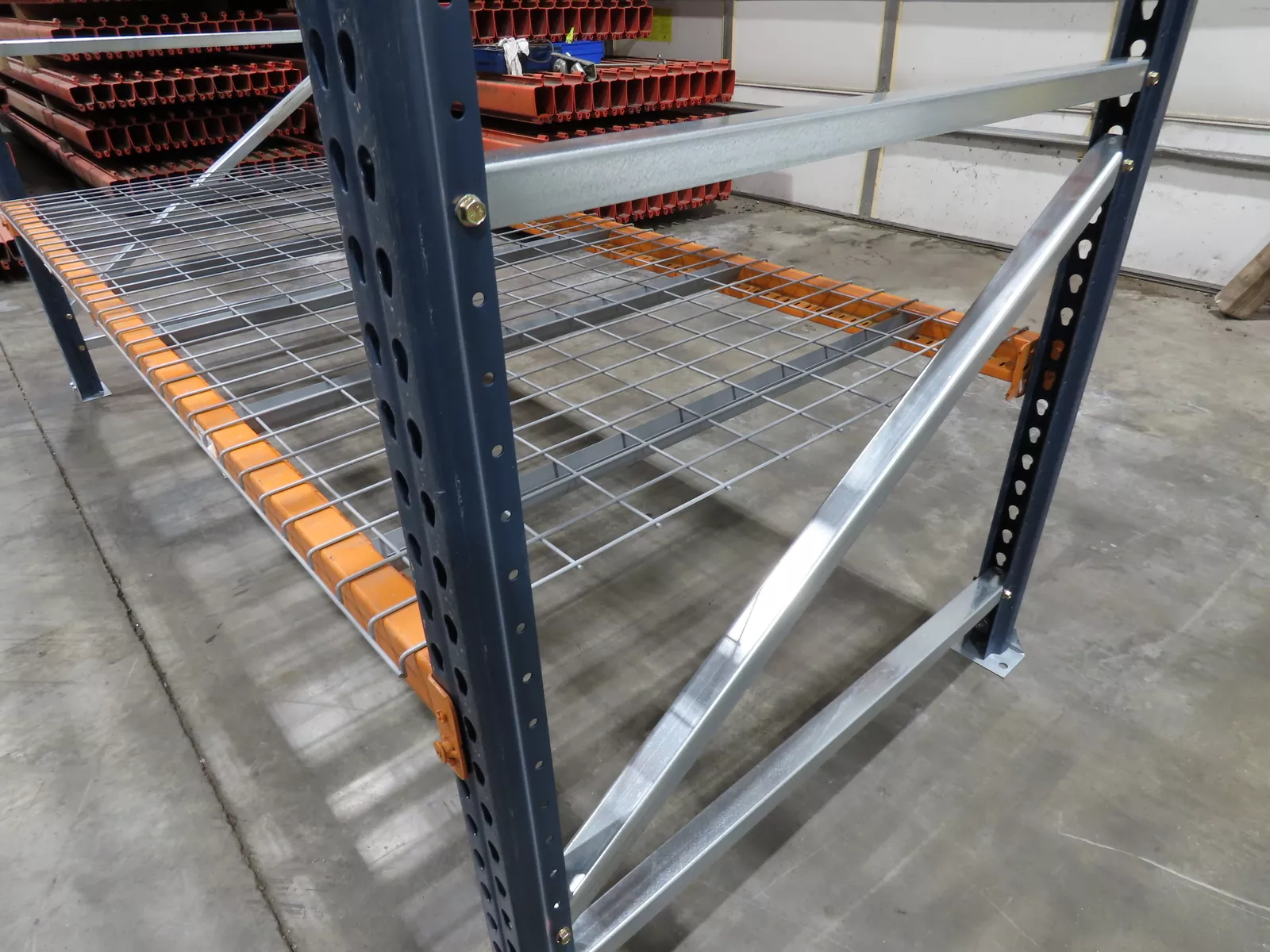
How Does Rust Compromise the Integrity Of Your Stored Items?
Conclusion
Investing in a racking system for your warehouse or storage facility goes beyond the mere acquisition of metal and structure; it’s a promise made to your team, to the integrity of your operations, and ultimately to your community. Picture that shiny, pristine racking—every flaw that appears later isn’t merely cosmetic; it’s a violation of the hard work, late nights, and dreams invested in your enterprise. Each scratch and fleck of rust stands as a betrayal, risking productivity, camaraderie, and safety. Your staff deserves an environment that allows them to thrive, not one shadowed by the uncertainty of whether a rack can bear the weight of their labor.
The heart of this journey lies in proactive sustainability. By investing in rust prevention, you’re not merely protecting your assets; you’re signaling your commitment to the well-being of your employees and the quality of your services. Consider this: when employees show up to a facility equipped with well-maintained equipment, there’s an intrinsic sense of pride. They’re not just pushing boxes; they’re part of a culture that values diligence and safety. Everyone from the management to the newest hire should take ownership of maintenance, fostering a workplace where care transforms into collective pride.
Think about the emotional connections we forge with our possessions. Rust is a silent thief, targeting not just metal but memories tied to cherished tools or family heirlooms. We invest in these items not just for their utility but for the stories they encapsulate. Understanding corrosion as a slow, creeping threat allows us to take informed measures to safeguard our history. Investing in quality materials is more than a rational choice; it’s an ethical obligation. You’re sending a message that you care about your legacy, the narratives woven into every tool, every rack.
Moreover, being accountable for maintaining your equipment encourages a community mindset that extends beyond the workplace. A business that prioritizes rust prevention and equipment care inspires others to reflect on their commitments toward quality and safety. In a world where connections matter, this sets an example, reinforcing values of reliability and responsibility.
As we wrap up this conversation, think about the role you play in this narrative. Are you standing guard against the silent threat of rust? Elevate your investment, nurture your equipment, and fortify your operations. When you protect your racks, you’re not just preserving metal; you’re ensuring the stories of resilience and growth continue to unfold. Take action today—your future self will look back grateful for choices made with heart, head, and gut.
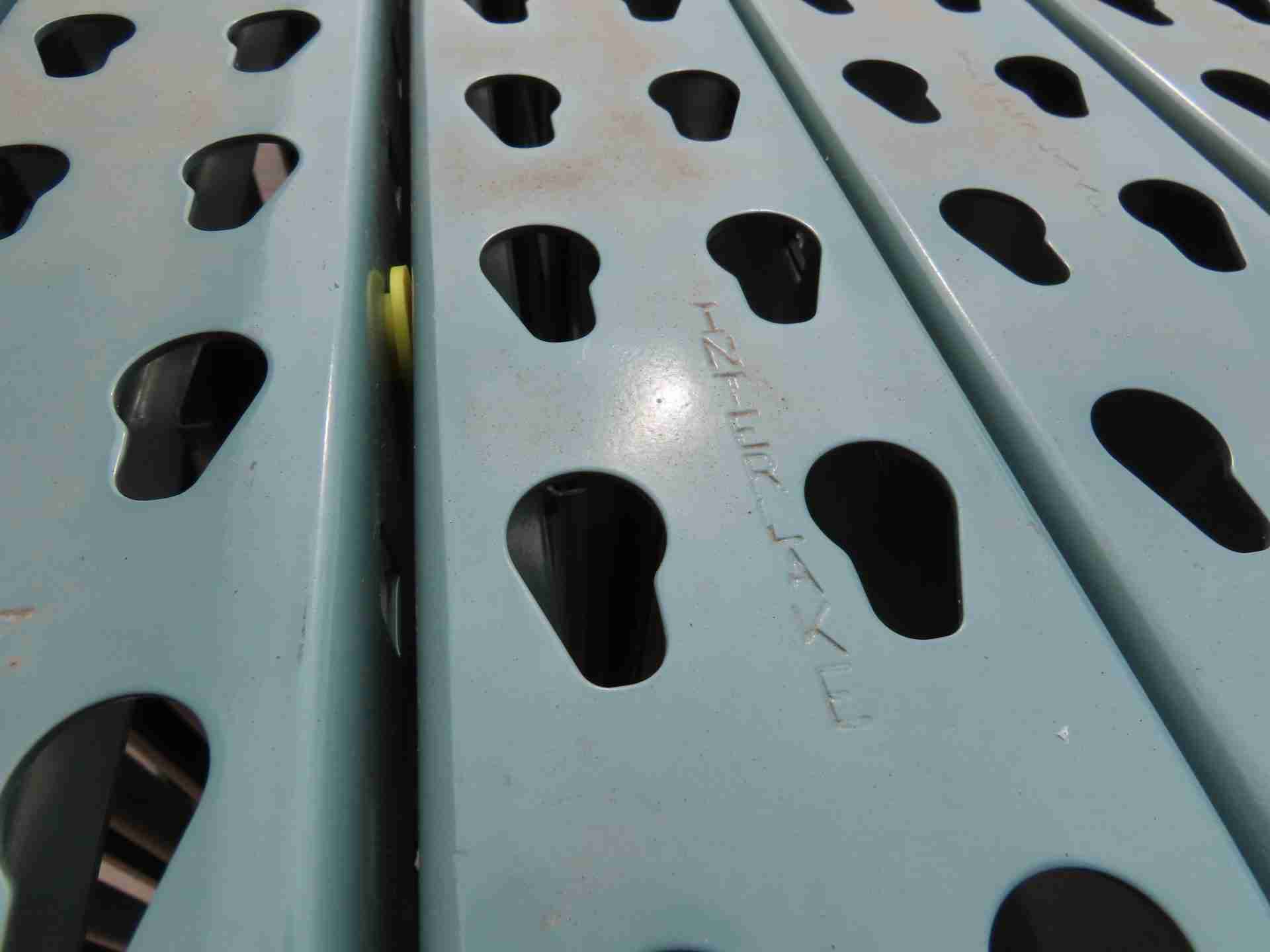
Conclusion
Conclusion:
- Investing in a racking system signifies a commitment to team integrity, operational quality, and community well-being.
- Every flaw in racking is a reminder of the hard work and dreams invested in the enterprise, impacting productivity and safety.
- Proactive sustainability through rust prevention demonstrates care for employee welfare and the standard of services provided.
- A well-maintained facility instills a sense of pride among employees, fostering a culture of diligence and safety.
- Rust threatens not only metal but also the emotional connections to tools and equipment, making preventive measures ethical obligations.
- Maintaining equipment cultivates a community mindset, encouraging accountability and reflecting on commitments to quality and safety.
- Taking action against rust ensures the continuation of resilience and growth stories within the operational narrative.
Conclusion
Other Resources
Other Resources
Here is a list of other resources you can review online to learn more:
- Selective Pallet Racking Systems
- Selective Pallet Racking Systems – Container Systems
- Used Pallet Rack for Sale in Illinois – American Surplus
- Rack Manufacturers Institute
- Pallet Rack Systems – New and Used Pallet Racking and Shelving Experts
- Teardrop Pallet Rack – Ridg-U-Rak
- Intro to Warehouse Racks & Warehouse Racking Systems – ShipBob
- Logic Material Handling
- Used Teardrop Pallet Rack – American Surplus
- Rack Manufacturers Institute
- Iowa Illinois Warehouse Racking
- Pallet Racks, Pallet Racking, Pallet Shelves in Stock – ULINE
- What is Selective Racking: Understanding Benefits & Options
- Teardrop Uprights
- Arrow Industrial Sales
- Cantilever Rack Configuration & Installation: A Comprehensive Guide – BMH
- Warehouse Racking Chicago, IL
- Teardrop Industrial Shelving Rack
- Pallet Racking 101: A Comprehensive Guide & Options Explained
- CMMA
Use This Prompt To Get More Resources With Your Favorite Online AI Tool: Please provide me with a list of online articles with their URLs in a bulleted list that I can read regarding Protecting Your Racks From Rust and Corrosion

Other Resources
Glossary Terms
Protecting Your Racks From Rust and Corrosion – Glossary Of Terms
1. Corrosion: The gradual destruction of materials, typically metals, due to chemical reactions with their environment.
2. Rust: A specific type of corrosion that occurs when iron or its alloys oxidize, creating iron oxide.
3. Oxidation: A chemical process where a material reacts with oxygen, often leading to corrosion or rust.
4. Humidity: The amount of moisture in the air, which can accelerate the corrosion process.
5. Protective Coating: A layer applied to metal surfaces to prevent direct contact with moisture and corrosive agents.
6. Galvanization: A process where steel or iron is coated with a layer of zinc to prevent rusting.
7. Passivation: A treatment that enhances the natural oxide layer on metals to protect against corrosion.
8. Environment: Surrounding conditions, including moisture, salt, and pollutants, that can contribute to corrosion risk.
9. Saltwater: A corrosive agent often found in coastal areas that increases the speed of rust formation on metal.
10. Anodizing: An electrochemical process that creates an oxide layer on metal, providing protection from corrosion.
11. Corrosive Agents: Substances that cause deterioration of materials, including salts, acids, and chemicals.
12. Maintenance: Regular checking and upkeep of racks to prevent rust and extend their lifespan.
13. Dehumidifier: A device used to reduce humidity levels in the air, helping to prevent corrosion.
14. Inspection: The process of examining racks for signs of rust or other corrosion damage.
15. Metal Sheeting: A protective layer added to racks for additional shielding against water and corrosion.
16. Protective Barrier: Physical or chemical layers that block moisture and corrosive elements from reaching metal surfaces.
17. Stainless Steel: A type of steel that has enhanced corrosion resistance due to its chromium content.
18. Weatherproofing: The act of making equipment resistant to harsh environmental conditions.
19. Foam Insulation: Material that can be used to cover metal surfaces to prevent contact with moisture.
20. Sacrificial Anode: A metal component attached to a system that corrodes preferentially, protecting other parts from corrosion.
21. Vapor Barrier: A material that prevents moisture from penetrating a surface, aiding in rust prevention.
22. Temperature Control: Managing the temperature around racks to mitigate rust formation.
23. Chemical Treatment: Application of specific chemicals that can inhibit the corrosion process.
24. Sealing: Applying a sealant to metal surfaces to create a barrier against moisture exposure.
25. Rust Inhibitor: A chemical substance that slows down the oxidation process, protecting against rust.
26. Coating Thickness: The measurement of the protective layer’s depth, which influences its effectiveness against rust.
27. Environmental Monitoring: Tracking conditions such as humidity and temperature to prevent corrosion.
28. Intermittent Use: Using racks in a way that reduces prolonged exposure to moisture, minimizing corrosion risk.
29. Storage Conditions: The environment in which racks are kept, which can influence corrosion rates.
30. Routine Cleaning: Regularly removing dirt and contaminants that can hold moisture and promote rust formation.
Glossary Of Terms
Other Questions
Protecting Your Racks From Rust and Corrosion – Other Questions
If you wish to explore and discover more, consider looking for answers to these questions:
- What are the best materials for rust-resistant racking systems?
- How often should I inspect my racking systems for signs of rust?
- What are effective methods for cleaning and maintaining racks to prevent rust?
- Are there specific coatings or treatments recommended for rust prevention?
- What environmental factors contribute to rust and how can they be mitigated?
- How do I identify early signs of corrosion on my equipment?
- What industry standards exist for maintaining racking systems?
- How does rust affect the value of my equipment over time?
- What role does humidity play in the corrosion process?
- Are there any warranties or guarantees for rust resistance when purchasing racking systems?
- What community resources are available for rust prevention education?
- How can I educate my employees about the importance of rust prevention?
Other Questions
Checklist
Protecting Your Racks From Rust and Corrosion – A Checklist
Checklist for Protecting Your Racks from Rust and Corrosion
Emotional Engagement
_____ Reflect on the stories behind your equipment and possessions. What memories do they carry?
_____ Visualize the impact of rust on your cherished items. How would it feel to lose those memories?
Rational Considerations
_____ Identify the materials of your racks. Are they rust-resistant (e. g. , stainless steel, galvanized)?
_____ Establish a regular cleaning schedule to remove dirt, grime, and moisture that promote rust.
Ethical Responsibility
_____ Commit to using sustainable materials for your racks. Are you making choices that reflect your values?
_____ Foster a culture of care within your team regarding maintenance and safety of equipment.
Authority Validation
_____ Research expert recommendations for rust prevention. Have you consulted reliable sources or professionals?
_____ Attend workshops or webinars on corrosion science and maintenance best practices.
Narrative Building
_____ Share stories and experiences about protecting your equipment with your team. How can these narratives inspire action?
_____ Create a vision for an organized and safe workspace. What steps can you take to achieve this?
Social Connection
_____ Engage with your community on rust prevention strategies. Are there local groups or online forums to join?
_____ Encourage team accountability in maintaining racks, creating a shared commitment to safety.
Proactive Measures
_____ Inspect your racks regularly for signs of rust or deterioration. When was your last inspection?
_____ Invest in protective coatings or finishes for your racks. What options are available to you?
Long-term Planning
_____ Develop a maintenance plan that includes regular checks and proactive measures against rust. What does this plan look like?
_____ Consider the potential financial impact of rust on your business. Are you prepared for these costs?
Use this checklist to cultivate a protective mindset, ensuring your equipment remains safe and effective for years to come.
Checklist
At RackingWorld, we help guide you through selecting warehouse storage systems and racking.
Be sure to read our other related stories at RackingWorld to learn more about warehouse storage systems.
0 Comments