
Mastering Order: Your Path From Turmoil To Confident Control
By Tom Seest
At RackingWorld, we help guide you through selecting warehouse storage systems and racking.
Be sure to read our other related stories at RackingWorld to learn more about warehouse storage systems.
How to Transition From Chaos to Slotting Discipline
Life in a warehouse can often feel like a whirlwind. Racking systems packed to the brim, employees scurrying around like ants, and products slipping through the cracks—it’s a chaotic dance that can lead to frustration and inefficiency. But what if we could swap that chaos for a smoother operation? The journey from disorder to slotting discipline isn’t just a pipe dream; it’s a crucial necessity to ensure that productivity flows like a well-oiled machine.
Start by taking a step back and assessing the chaos. Ask yourself: what’s causing the mayhem? Is it the lack of clear organization in your racking systems? For the crew on the floor, knowing exactly where to find a part can mean the difference between meeting deadlines and missing them. This isn’t just about saving time; it’s about instilling a sense of pride in the work you do. Every item in its declared spot allows for a sense of control amid the frenzy.
Next, it’s time to roll up your sleeves and get to work. Engage your team in the process. Everyone has a stake in the game, and their insights can provide valuable perspectives. When everyone pitches in, it builds camaraderie and ownership. Setting up a slotting discipline shouldn’t feel like a chore; make it a team challenge. You might find that the best ideas come from those who handle the products daily.
Now, let’s talk about outcomes. Once your racking systems are restructured and slots are optimized, experience the relief of an organized space. Products are where they need to be, and your team can locate items without the hassle of a treasure hunt. This isn’t just a matter of efficiency; it simplifies your operations, ultimately improving morale. Your team will feel the difference when their environment becomes less daunting and more manageable.
Last but not least, remember that transitioning out of chaos requires ongoing commitment. Keep the lines of communication open and routinely evaluate the systems in place. Whether it’s you or your team leading a quick audit or brainstorming session, everyone should feel empowered to contribute to the maintenance of discipline. This collective effort fosters not just an organized space, but a culture built on integrity, trust, and mutual respect.
Moving from chaos to slotting discipline isn’t just about rearranging shelves; it’s about building a foundation for success that resonates through every aisle and every team member. Together, you can create a work environment that thrives on clarity and efficiency.

How to Transition From Chaos to Slotting Discipline
How to Transition From Chaos to Slotting Discipline
- Warehouse operations often face chaos due to disorganized racking systems and employee movement.
- Assessing the chaos and identifying causes is the first step towards improvement.
- Engaging the team in restructuring fosters camaraderie and ownership of the process.
- Optimizing racking systems leads to better organization and easier access to products.
- A well-structured environment boosts morale and simplifies operations for the team.
- Ongoing commitment and open communication are essential for maintaining order and discipline.
- The goal of transitioning to slotting discipline is to create a productive and efficient workplace.

How to Transition From Chaos to Slotting Discipline
Table Of Contents
- How to Transition From Chaos to Slotting Discipline
- How Can I Find Clarity Amid the Chaos?
- What Steps Can I Take to Create Order?
- How Does Chaos Impact My Daily Productivity?
- What Benefits Come From Slotting Discipline?
- How Can Discipline Improve My Emotional Wellbeing?
- Why Is It Hard to Break Free From Chaotic Habits?
- Conclusion
- Other Resources
- Glossary Of Terms
- Other Questions
- Checklist
How Can I Find Clarity Amid the Chaos?
Finding clarity amid chaos can often feel like searching for a needle in a haystack, but it’s more about rolling up your sleeves and digging in than it is about having the perfect plan. Life throws challenges our way, and sometimes it feels like we’re standing in the middle of a whirlwind. That’s where we need to channel our inner grit and get to work.
Picture a warehouse filled with racking systems, meticulously organized yet bustling with activity. Just like a well-ordered space, a clear mind is built on structure. Start by breaking down your chaos into manageable parts. Instead of trying to tackle everything at once, identify one or two areas that feel especially overwhelming. Focus on them. Create a list or map out a plan. This rational approach brings order to your thoughts and can lighten the mental load.
It’s essential to recognize that everyone experiences chaos—you’re not alone in this. Reach out to friends, family, or colleagues who can provide a listening ear or a different perspective. Sharing your struggles fosters connection, reminding you that even the most organized among us have once felt lost. This isn’t just about you; it’s a collective human experience that binds us together.
Stir in a little humility. Acknowledge that you don’t have all the answers, and that’s okay. Life is about learning, not about perfection. Remember those days when you tackled a tough job with minimal tools? Each time you persevered, you built confidence, even if it was just a little. Embrace that same spirit when facing uncertainty. Take a step in any direction, however small, and watch as clarity begins to emerge.
Be ethical in your decision-making. Consider how your choices affect not just you but those around you. When you take into account the ripple effects of your actions, it brings a sense of purpose that helps cut through the noise. In the chaos, stand firm in your values, and let them guide you.
Ultimately, clarity comes from finding your footing amidst the disorder. It’s about rolling with the punches, seeking support, standing firm in your beliefs, and taking action. Racking systems may hold products up and in line, but it’s your determination that will hold you steady until the storm passes. Trust yourself to navigate through the mess—because at the end of the day, you’re tougher than you think.
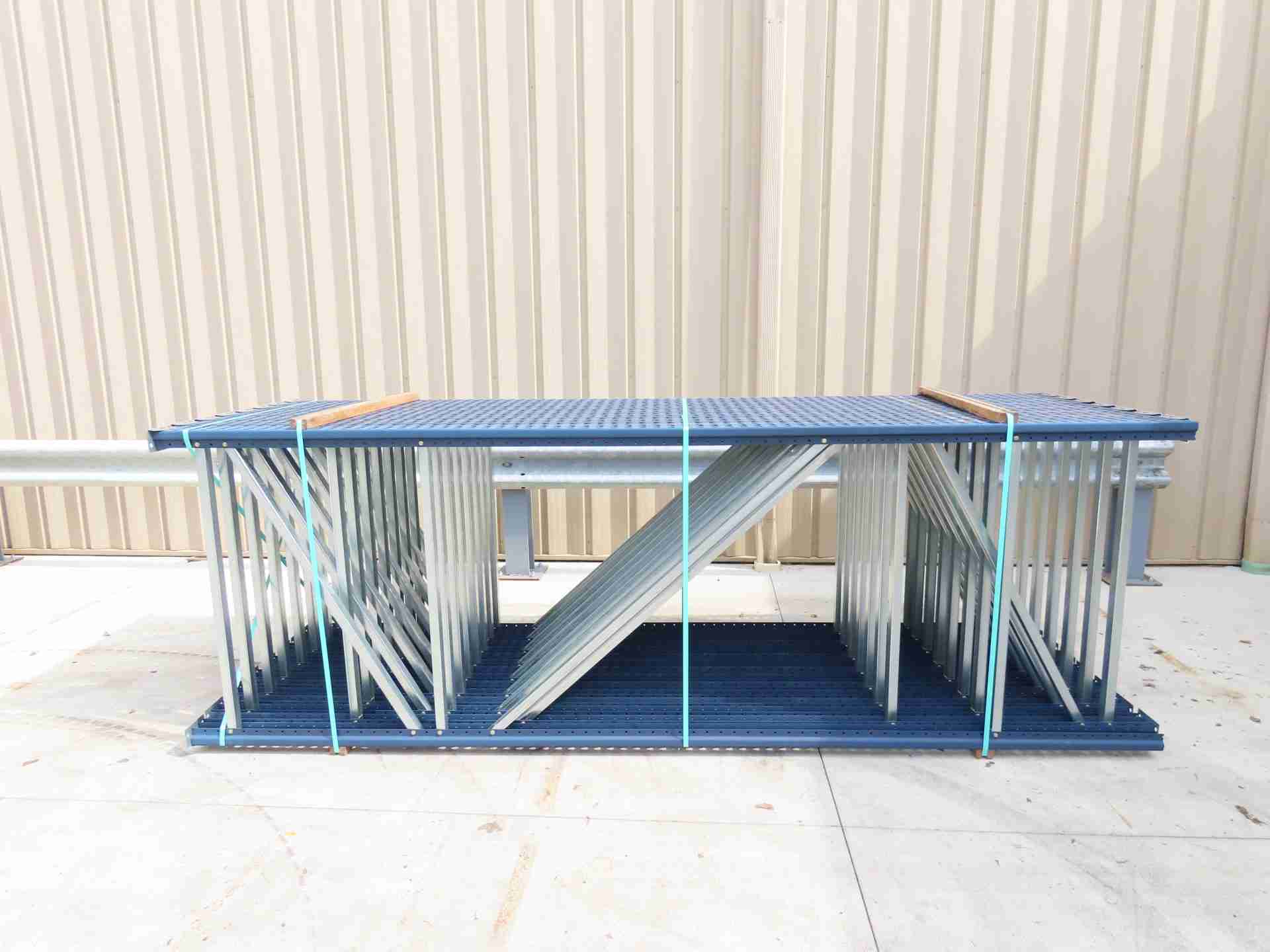
How Can I Find Clarity Amid the Chaos?
How Can I Find Clarity Amid the Chaos?
- Finding clarity amid chaos involves action rather than perfect planning.
- Break down overwhelming situations into manageable parts and focus on one or two areas.
- Reach out to others to share struggles and gain different perspectives.
- Acknowledge that everyone experiences chaos and it’s a collective human experience.
- Embrace humility; it’s okay not to have all the answers and to learn through challenges.
- Make ethical decisions, considering the impact on others and holding firm to your values.
- Clarity comes from taking action, seeking support, and trusting yourself to navigate through difficulties.

How Can I Find Clarity Amid the Chaos?
What Steps Can I Take to Create Order?
Creating order in our lives is much like organizing a cluttered garage. It demands effort and a clear vision, but the payoff is worth it. Picture this: you stand in front of a racking system, the kind that holds everything from lawn care tools to forgotten holiday decorations. It’s a solid metaphor for life; without proper support and structure, everything turns into chaos.
To begin, identify your priorities. Grab a notepad and jot down what truly matters. Is it your family, work, health? Knowing this lays the groundwork—not just for organizing your stuff, but for organizing your time and energy. Start small. Like tackling that first shelf in your garage, take one area of your life and break it down. Whether it’s your career or your home, focus on sorting one drawer or one project at a time.
Next, embrace the notion of responsibility. Owning your space—both physical and mental—is empowering. Each item you choose to keep or let go of becomes a statement about your values. Do you really need that old tool that hasn’t seen the light of day in years? Similarly, reflect on commitments that weigh you down. Are they serving you, or just taking up space? This is about cleaning house, not just in a literal sense but emotionally and socially too.
As you sift through the noise, consider the impact on those around you. Creating order isn’t merely a personal endeavor; it’s a community act. By decluttering your life, you set an example for your family, friends, or colleagues. It fosters an environment where everyone feels inspired to contribute. Picture a family game night where everyone’s contribution is a well-organized space rather than a chaotic pile of things left unsorted.
Lastly, keep at it. This isn’t a one-time fix; it’s a lifelong journey. Revisit your racking systems regularly to ensure they still serve you. This requires humility and honesty—is what you’ve built still working? If not, adjust and keep moving forward. When you approach life like that, with a mindset of continuous improvement, you’ll not only find order but build a deeper connection with the world around you. So roll up your sleeves, embrace the mess, and start creating your version of order, one sensible step at a time.

What Steps Can I Take to Create Order?
What Steps Can I Take to Create Order?
- Creating order in life resembles organizing a cluttered garage, requiring effort and clear vision.
- Identify priorities by noting what truly matters, such as family, work, or health.
- Start small by focusing on one area of life at a time, like a single drawer or project.
- Embrace responsibility for both physical and mental spaces, reflecting on the value of items and commitments.
- Recognize the community aspect of decluttering, inspiring others to contribute and creating a supportive environment.
- Understand that maintaining order is a continuous journey, requiring regular reflection and adjustments.
- Approach life with a mindset of continuous improvement to foster deeper connections with the world.

What Steps Can I Take to Create Order?
How Does Chaos Impact My Daily Productivity?
Chaos is an everyday companion, slipping into our lives when least expected. Think of it like a racking system in a warehouse: if everything’s in its place, productivity flows. But when there’s upheaval, it’s easy to feel overwhelmed, like trying to find a specific tool in a jumbled garage. Your day can spiral as distractions pull you in different directions, taking time and focus away from what truly matters.
In the hustle of daily life, chaos can strike during rush hours, unexpected interruptions, or when you’re juggling family responsibilities with work demands. It’s those moments that genuinely test our mettle. We can react in one of two ways: let the mayhem consume us or learn how to harness it. Embracing a structured approach tends to yield results. Just as a properly organized racking system keeps inventory accessible and manageable, a solid plan can provide clarity amid the storm.
However, chaos can also be an opportunity for growth. When things go awry, it can ignite the creativity we don’t realize we possess. Think about it: some of the best problem-solving occurs when we’re pushed to adapt quickly, thinking outside the box. Engaging with chaos allows us to become more resilient, confident in our ability to handle the unexpected. We start to develop a toolkit of strategies that bolster our day-to-day functioning rather than hinder it.
Connecting with others can make a significant difference. On a job site, you learn quickly that camaraderie creates a safety net, easing the burden of chaos. Sharing experiences and tips with fellow workers fosters a communal sense of purpose. When chaos hits, we’re all in it together, supporting each other with skills that enhance collective productivity. It’s like swapping stories over a coffee break—everyone has a tale of triumph and struggle that builds trust and connection.
Navigating chaos is akin to maintaining that well-oiled racking system. It requires attention and adjustments to keep everything flowing smoothly. By acknowledging its presence and learning to adapt, we take control back, ensuring that our daily productivity doesn’t just survive but thrives even in turbulent times. It’s about transforming the disorder into an organized rhythm, turning chaos into a catalyst for a more productive life.

How Does Chaos Impact My Daily Productivity?
How Does Chaos Impact My Daily Productivity?
- Chaos is an unexpected, everyday presence that can disrupt productivity.
- Organized systems enhance efficiency, while disorder leads to distractions and overwhelm.
- Daily chaos can arise from rush hours, interruptions, and balancing work with family.
- Effective responses to chaos include structured planning and embracing challenges.
- Chaos can foster creativity and adaptability, leading to innovative problem-solving.
- Community support and shared experiences help mitigate the burdens of chaos.
- Navigating chaos requires ongoing adjustments to maintain productivity and create order.

How Does Chaos Impact My Daily Productivity?
What Benefits Come From Slotting Discipline?
Slotting discipline isn’t just a fancy term for organizing a warehouse; it’s about creating efficiency and making life easier on the ground. Whether you’re a store manager, a warehouse worker, or just someone who has spent time in logistics, you know the value of a well-thought-out system. When it comes to racking systems, the benefits of slotting discipline can be game-changers.
Picture this: you walk into a warehouse where every item has its designated spot. It’s like a well-oiled machine, humming along without a hitch. That’s the magic of slotting discipline. By taking the time to figure out the best place for each product, you minimize the time spent searching for items. You know what that means? Increased productivity and faster fulfillment times. The bottom line? Happy customers. And nothing beats the feeling of knowing you’ve met an order deadline because you had things in the right place.
But it’s not just about speed; it’s about efficiency and smart use of resources. With structured slotting, workers aren’t running around like headless chickens trying to find what they need. Instead, they can focus on the task at hand—filling orders accurately and quickly. This can lead to fewer mistakes and less waste. And that’s good for business ethics; it shows you care about doing things right.
Moreover, there’s a level of authority that comes with having a disciplined approach. When your team sees that your system works and that it’s backed by data and solid reasoning, it builds confidence. They trust that following the process will yield results. That trust extends beyond the walls of the warehouse, creating a culture of respect and accountability. Everyone likes to feel they’re part of a team that’s making things happen.
It’s a human thing, really. Nobody likes chaos and confusion. On a gut level, having your inventory organized feels good; it eases stress and makes everyone’s job a bit simpler. So, when the end of the day rolls around, and you look around at a clean, well-organized workspace, there’s pride in that accomplishment. It reminds you that with discipline, tough jobs can be made easier.
Slotting discipline is not just a strategy; it’s a mindset that fosters connection, trust, and efficiency. By embracing it, you’re not just improving operations—you’re contributing to a culture that values hard work, dedication, and a shared mission. And that’s where the real benefits come from.

What Benefits Come From Slotting Discipline?
What Benefits Come From Slotting Discipline?
- Slotting discipline enhances efficiency and simplifies warehouse management.
- Organized systems lead to increased productivity and quicker fulfillment times.
- Proper slotting minimizes search time, resulting in satisfied customers.
- Structured slotting allows workers to focus on filling orders accurately, reducing mistakes and waste.
- Effective systems foster trust and authority among team members, enhancing accountability.
- An organized inventory reduces stress and simplifies tasks for everyone involved.
- Adopting slotting discipline cultivates a culture of hard work and shared mission.

What Benefits Come From Slotting Discipline?
How Can Discipline Improve My Emotional Wellbeing?
Discipline is often seen as a four-letter word, conjuring images of strict rules and relentless routines. But what if we flipped that script? Picture your life as a well-organized warehouse, with Racking Systems that keep everything in place, ensuring that what you need is always within reach. Just like those sturdy shelves, discipline provides structure, helping us handle the chaos of our emotional lives.
When you commit to discipline, you’re not just following rules; you’re carving out a space for emotional well-being. Imagine waking up each day knowing you’ve got a plan. You set a routine that includes time for reflection, gratitude, and self-care. Whether it’s taking a few quiet moments with a cup of coffee or heading out for a brisk walk, these small, disciplined choices lay the groundwork for resilience. Over time, this creates a reassuring rhythm that allows you to weather life’s storms without losing your footing.
The rational side of discipline shows us that it’s more than just feel-good fluff. Studies suggest that engaging in disciplined practices—like maintaining a regular sleep schedule or sticking to a workout routine—can significantly improve mood stability and reduce anxiety. This isn’t pie in the sky; it’s grounded in common sense. Giving ourselves the framework to operate within frees up mental energy, allowing us to focus on what truly matters rather than being overwhelmed by emotional clutter.
Ethically, discipline reflects a commitment not only to ourselves but also to those around us. When we show up with a clear mind and a steady heart, we cultivate healthier relationships. Think about it: aren’t the people in your life more likely to trust you when you’re consistent and reliable? Your growth can inspire others to rise alongside you, creating a ripple effect that enriches your community.
Real-life stories of ordinary folks who’ve transformed their emotional landscapes through discipline are powerful. They didn’t wake up one day magically filled with calm and clarity—they decided to put in the work. Each step they took was a testament to their willingness to take control of their lives, sharing their struggles and victories with authenticity.
Embrace discipline as a friend rather than a foe. Just like well-constructed Racking Systems, let it support you, helping you to build a life that feels manageable, fulfilling, and enriched with emotional depth.

How Can Discipline Improve My Emotional Wellbeing?
How Can Discipline Improve My Emotional Wellbeing?
- Discipline is often perceived negatively, but it can be a source of emotional stability.
- Visualizing life as a well-organized warehouse underscores the importance of structure in handling emotional chaos.
- Establishing a routine that includes reflection, gratitude, and self-care fosters resilience.
- Research indicates that disciplined practices, such as regular sleep and exercise, enhance mood stability and reduce anxiety.
- Discipline promotes healthier relationships by encouraging reliability and consistency.
- Personal stories highlight transformation through discipline, showcasing dedication and authenticity in overcoming challenges.
- Embracing discipline supports the creation of a fulfilling and emotionally rich life.

How Can Discipline Improve My Emotional Wellbeing?
Why Is It Hard to Break Free From Chaotic Habits?
Breaking free from chaotic habits often feels like trying to lift a racking system loaded with heavy-duty tools; it requires strength, strategy, and sometimes a little bit of brute force. First off, chaos is often comfortable, embedded in our routines like the familiar creaks of an old chair. We know every squeak and groan, making it hard to let go even when it’s burdensome. This familiarity can drown out the rational thoughts that scream for change. When you’re used to existing in a whirlwind, standing still feels like a risk, even if it’s what you truly need.
Many of us stumble into chaotic habits not by choice but through circumstance—a turbulent upbringing, rough work environments, or simply the way life throws curveballs. Emotional ties to these habits are strong. They can be rooted in moments of reprieve, however fleeting. Like that coffee break that turns into a half-hour scroll through distractions. There’s a sense of belonging in routine chaos. It feels shared, echoing around break rooms and barstool conversations. But while these connections might seem comforting, they often lead to a collective stagnation. The gut knows the truth: we all seek progress, yet something keeps us tethered to the familiar.
Suppose you stop to think rationally; the negative impact of these habits outweighs any fleeting satisfaction. The longer we linger in chaotic cycles, the harder it is to embrace the clarity of order. Your brain begins to play tricks, painting the chaos as a necessary part of life, like a worn-down tool you convince yourself is still good enough. However, there’s an ethical responsibility to ourselves and those around us to strive for better. Letting go of what no longer serves us isn’t just a personal victory; it’s an act of courage that can inspire those in the same boat.
Transitioning from chaos demands more than just a flick of the mental switch; it’s about crafting new stories. Think of it like retooling a workspace. A clean racking system can lead to better ideas and productivity. When we actively seek to replace chaotic behaviors with healthier choices, we create a ripple effect, uplifting not just ourselves but our community too. In sharing stories of struggle and success, we engage with one another on a level that fosters growth, building trust and confidence to step away from chaos. It’s this shared journey that mirrors the lifeblood of any workshop: hard work, resilience, and the willingness to improve.

Why Is It Hard to Break Free From Chaotic Habits?
Why Is It Hard to Break Free From Chaotic Habits?
- Breaking free from chaotic habits requires strength, strategy, and sometimes brute force.
- Chaos often feels comfortable, making it hard to let go, even when burdensome.
- Many chaotic habits stem from circumstance, creating strong emotional ties to them.
- Routines can provide a sense of belonging, but also lead to collective stagnation.
- The negative impacts of chaos outweigh fleeting satisfactions, making clarity harder to embrace.
- Letting go of unhelpful habits is not only a personal victory but an act of courage.
- Transitioning from chaos involves crafting new stories and uplifting the community through healthier choices.

Why Is It Hard to Break Free From Chaotic Habits?
Conclusion
Transitioning from chaos to slotting discipline is essential in establishing a productive and efficient workplace environment, particularly in the fast-paced world of warehouses. The overwhelming nature of a disorganized space can lead to frustration, inefficiency, and ultimately hinder performance. However, the good news is that with a structured approach, this can change. It begins with taking stock of the existing chaos. By identifying the root causes—like cluttered racking systems or unclear organization—you can set the stage for transformation. It’s not just about creating order; it’s about instilling pride and ownership in your team, ensuring everyone understands their role in the process.
Engaging your team in this journey is crucial. When individuals contribute to reorganizing their environment, they take ownership, fostering a sense of camaraderie. This mutual effort isn’t merely a task—it’s a shared challenge that can spark innovative solutions from those who work closest with the products. Once the racking systems are revamped and slots optimized, the benefits become tangible. An organized workspace simplifies operations, reduces stress, and boosts morale, allowing your team to focus on their tasks rather than searching for misplaced items.
Maintaining discipline is an ongoing commitment that benefits everyone involved. By encouraging open communication and regular evaluations of the system, you cultivate a culture of trust and respect where continuous improvement becomes the norm. The transformation from a chaotic environment to one defined by slotting discipline isn’t simply an operational tweak; it symbolizes a deeper foundation for success, resonating throughout the entire team.
Clarity in the midst of chaos is achievable when we roll up our sleeves, prioritize what matters, and break tasks into manageable portions. Finding support in one another can help create connections and remind us we’re not alone in tackling challenges. Adopting a disciplined mindset empowers not just individual growth but also strengthens community ties. It’s the small, consistent actions that pave the way for a more organized life, both personally and collectively.
Ultimately, discipline improves emotional well-being, nurtures healthy relationships, and challenges us to rise above our fears of change. Breaking away from chaotic habits requires effort and courage but leads to a fulfilling and efficient environment for all. The journey may not always be easy, but it’s the willingness to tackle chaos head-on and create order that truly makes a lasting impact. Embrace the process and work together to foster an atmosphere where everything falls into place, creating tangible success.

Conclusion
Conclusion:
- Transitioning from chaos to slotting discipline is vital for a productive workplace, especially in warehouses.
- Disorganization can lead to frustration and inefficiency, hindering performance.
- Identify root causes of chaos, such as cluttered racking systems, to facilitate transformation.
- Engaging the team in reorganizing fosters ownership and camaraderie, leading to innovative solutions.
- An organized workspace simplifies operations, reduces stress, and boosts morale.
- Maintaining discipline requires ongoing commitment, open communication, and regular evaluations for continuous improvement.
- Discipline enhances emotional well-being and cultivates healthy relationships while empowering individual and community growth.

Conclusion
Other Resources

Other Resources
Here is a list of other resources you can review online to learn more:
- Warehousing and Fulfillment
- The Ultimate Pallet Racking Guide – Speedrack West
- Shipping Boxes, Packaging Materials, Pallet Racking
- RMI
- SEMA
- Iowa Illinois Warehouse Racking
- NSC
- WERC
- Pallet Racking systems in Illinois and Great Lakes
- What is Selective Racking: Understanding Benefits & Options
- Racking World
- What is Selective Pallet Racking
- BMH Equipment LLC
- CMMA
- Teardrop Racks – Pallet Rack World
- Heavy-Duty Cantilever Storage Racks
- Selective Racking
- Rack Manufacturers Institute
- ASSP
- Teardrop Pallet Rack – Ridg-U-Rak
Use This Prompt To Get More Resources With Your Favorite Online AI Tool: Please provide me with a list of online articles with their URLs in a bulleted list that I can read regarding How to Transition From Chaos to Slotting Discipline

Other Resources
Glossary Terms
How to Transition From Chaos to Slotting Discipline – Glossary Of Terms
1. Adaptability: The ability to adjust to new conditions or changes in the environment.
2. Chaos: A state of disorder or confusion, often characterized by unpredictability.
3. Clarity: The quality of being clear and easy to understand, crucial for effective communication.
4. Cohesion: The act of forming a united whole, important for teamwork and collaboration.
5. Commitment: A pledge or promise to fulfill responsibilities and adhere to a course of action.
6. Discipline: A set of behaviors or practices that promote order and self-control.
7. Efficiency: The ability to accomplish tasks with minimal wasted time and resources.
8. Focus: Concentrating attention on a particular task or goal, essential for achieving objectives.
9. Framework: A structured approach that provides a foundation for organizing efforts and processes.
10. Goal-setting: The process of identifying specific, measurable objectives to achieve.
11. Iteration: The repeated process of refining and improving a practice or strategy.
12. Leadership: The act of guiding and influencing others towards a common goal.
13. Metrics: Standards of measurement used to assess progress and performance.
14. Mindset: A fixed mental attitude or disposition that predetermines a person’s responses.
15. Organization: The systematic arrangement of components to enhance efficiency and effectiveness.
16. Prioritization: The process of determining the importance of tasks to allocate time and resources effectively.
17. Process: A series of actions or steps taken to achieve a particular end.
18. Protocol: A set of formal rules or procedures that govern activities.
19. Resilience: The capacity to recover quickly from difficulties and maintain functionality.
20. Responsibilities: Duties or obligations that individuals are expected to fulfill.
21. Structure: An organized framework that supports the establishment of order.
22. Strategy: A plan of action designed to achieve a long-term or overall goal.
23. Systematic: Following a methodical plan or process to ensure consistency and reliability.
24. Teamwork: Collaborative efforts by a group to achieve a common goal.
25. Time management: The process of planning and controlling how much time is spent on specific activities.
26. Transition: The process of moving from one state or condition to another.
27. Visualization: The practice of creating mental images to understand and guide processes.
28. Workflow: A sequence of tasks that are organized to produce a desired outcome.
29. Accountability: The obligation to explain, justify, and take responsibility for actions or decisions.
30. Standardization: The process of developing and implementing technical standards to ensure consistency.

Glossary Of Terms
Other Questions
How to Transition From Chaos to Slotting Discipline – Other Questions
If you wish to explore and discover more, consider looking for answers to these questions:
- What specific steps should I take first to begin transitioning from chaos to slotting discipline?
- How do I assess which areas of the warehouse need slotting optimization most urgently?
- Which metrics should I track to measure the success of a slotting initiative?
- How often should slotting be reviewed and updated?
- What are common slotting methodologies (ABC, class-based, velocity-based) and how do I choose among them?
- What data do I need to perform effective slotting analysis?
- How can I calculate the expected ROI of a slotting project?
- What software or tools (WMS, slotting modules, analytics) are recommended for slotting optimization?
- How do I create a pilot program to test slotting changes before a full rollout?
- What are typical timelines and resource requirements for implementing slotting discipline?
- How should I involve frontline staff in the slotting design and implementation process?
- What training and documentation are needed to sustain slotting discipline long term?
- How do I define roles and responsibilities for maintaining slotting discipline?
- What labeling, signage, and visual controls are most effective for slotting compliance?
- How do I integrate slotting strategies with picking and replenishment processes?
- What are common pitfalls and mistakes when implementing slotting, and how can they be avoided?
- How should slotting differ for fast-moving versus slow-moving SKUs?
- How do seasonal fluctuations and promotions affect slotting plans?
- How can slotting reduce picking errors and improve inventory accuracy?
- What impact does slotting have on labor productivity and travel time, and how is that measured?
- How does slotting interact with storage density and space utilization trade-offs?
- What ergonomic and safety considerations should be included when slotted locations are assigned?
- How do returns, damaged goods, and quarantined stock factor into slotting discipline?
- How should hazardous or controlled items be slotted to meet compliance and safety requirements?
- What KPIs indicate slotting is failing and require intervention?
- How can I gain buy-in from management and operations for a slotting project?
- When is it appropriate to use external consultants for slotting optimization?
- How do multi-location or multi-warehouse networks coordinate slotting strategies?
- What role does SKU rationalization play in simplifying slotting efforts?
- How should slotting be adapted for e-commerce picking versus bulk or pallet picking?
- What are best practices for handling packaging variability and dimensional differences in slotting?
- How can barcode scanning, RFID, or automation be used to enforce slotting discipline?
- What ongoing audit processes should be in place to ensure slotting discipline is maintained?
- How do I design a continuous improvement loop around slotting (feedback, metrics, adjustments)?
- How can slotting discipline improve employee morale and retention, and how is that measured?
- What cost-savings and efficiency benchmarks should I expect after successful slotting?
- How do I handle exceptions and temporary re-slotting during peak periods or disruptions?
- What examples or case studies demonstrate successful transitions from chaos to slotting discipline?

Other Questions
Checklist
How to Transition From Chaos to Slotting Discipline – A Checklist
Foundation and Baseline
✅______ Define purpose and scope of slotting initiative
✅______ Document current-state layout (aisles, bays, levels) with a simple map
✅______ Capture baseline KPIs (pick rate, error rate, travel time, on-time ship, inventory accuracy)
✅______ List top pain points (search time, congestion, stockouts, damages)
✅______ Verify racking capacities and safety certifications
✅______ Complete 5S assessment and score (Sort, Set, Shine, Standardize, Sustain)
Team Alignment
✅______ Appoint an initiative owner and cross-functional team (operations, safety, IT, supervisors, pickers)
✅______ Collect floor-level insights from daily product handlers
✅______ Define roles and responsibilities, and decision rights
✅______ Schedule brief stand-ups and weekly reviews during rollout
✅______ Create a communication board (status, wins, issues, next steps)
✅______ Align on success criteria and timeline
Data and SKU Profiling
✅______ Clean SKU master data (description, dimensions, weight, unit of measure, hazard class)
✅______ Determine demand velocity (A/B/C or ABC-XYZ classification)
✅______ Identify peak seasonality and promotions
✅______ Group SKUs by family/affinity and handling method (pallet, case, each)
✅______ Flag fragile, hazardous, temperature-sensitive, or high-value items
✅______ Set target service levels and safety stock policies
Layout and Slot Design
✅______ Reserve golden-zone slots (waist-to-shoulder height) for fastest movers
✅______ Place heavy items in lower positions; light/fragile items higher as appropriate
✅______ Minimize travel with clustered adjacency for commonly picked items
✅______ Design dedicated fast-pick areas and clear replenishment lanes
✅______ Match slot sizes to case or each dimensions to reduce void and touches
✅______ Separate inbound, putaway, picking, and packing flows to reduce cross-traffic
✅______ Confirm ergonomic reach and safe lift guidelines at each slot
Standards and Workflows
✅______ Define putaway rules (by velocity, family, size, hazard)
✅______ Define replenishment triggers (min/max, days of cover) and responsibilities
✅______ Establish picking sequence and path standard (serpentine or zone-based)
✅______ Set accuracy controls (scan to confirm; double-check for exceptions)
✅______ Document FIFO/FEFO rules where applicable
✅______ Create exception handling for shorts, damages, and substitutions
Labeling and Visual Management
✅______ Implement standardized location codes (aisle-bay-level-position)
✅______ Print human-readable and barcode labels for all locations
✅______ Post visual maps and zone markers at aisle entries
✅______ Use color coding for zones and velocity classes
✅______ Add floor tape and signage for travel lanes and no-go areas
✅______ Provide quick-reference SOP cards at each zone
Tools and Technology
✅______ Configure WMS/WES to enforce slotting rules and location validation
✅______ Enable handheld/scanner workflows for putaway, pick, and cycle count
✅______ Load SKU dimensions and weights to support capacity checks
✅______ Set up dashboards for real-time KPIs and exceptions
✅______ Evaluate slotting software or reports for periodic re-slot suggestions
✅______ Integrate label printing and location master maintenance
Execution: Pilot to Rollout
✅______ Select a small, representative zone for the pilot
✅______ Time-box the pilot and define go/no-go criteria
✅______ Relabel, remap, and move inventory per the new slotting plan
✅______ Train the team on new paths, standards, and scanner prompts
✅______ Measure pilot KPIs vs. baseline and capture lessons learned
✅______ Scale in waves; lock changes between waves to stabilize
Safety and Quality
✅______ Verify rack load signs and compliance after re-slotting
✅______ Confirm safe lifts and ergonomic reaches in redesigned slots
✅______ Install edge protection or netting where needed
✅______ Establish a daily safety walk with a checklist
✅______ Track near-misses and corrective actions
✅______ Audit label legibility and scan reliability
Audit and Continuous Improvement
✅______ Schedule weekly slot audits (accuracy, condition, compliance)
✅______ Run daily cycle counts focused on high-risk SKUs
✅______ Review KPIs and bottlenecks in a weekly huddle
✅______ Refresh ABC classification monthly or after demand shifts
✅______ Re-slot quarterly or after 20% SKU or demand changes
✅______ Maintain a change log for all location moves
Culture and Ownership
✅______ Recognize floor-generated improvements and adopt best ideas
✅______ Invite team-led kaizen or brainstorming sessions
✅______ Rotate audit ownership to build broad accountability
✅______ Share wins publicly (reduced travel, higher accuracy, morale boosts)
✅______ Keep an open channel for feedback and rapid fixes
✅______ Reinforce integrity, trust, and respect in daily practices
Leader’s Personal Clarity (Optional)
✅______ Set daily top three priorities aligned to the initiative
✅______ Protect a short daily reflection window to review progress
✅______ Maintain a consistent start-up routine for focus
✅______ Block time for floor walks and direct conversations
✅______ Capture and act on one improvement per day
✅______ Conduct a brief weekly retrospective and reset
Readiness to Sustain
✅______ Ensure SOPs are updated and accessible at point of use
✅______ Confirm training is completed for all shifts and new hires
✅______ Ensure visual controls are in place and maintained
✅______ Verify KPI targets are met for four consecutive weeks
✅______ Set governance cadence (daily, weekly, monthly reviews)
✅______ Assign ownership for ongoing slotting and data upkeep

Checklist
At RackingWorld, we help guide you through selecting warehouse storage systems and racking.
Be sure to read our other related stories at RackingWorld to learn more about warehouse storage systems.
0 Comments