
Ensuring Safety And Efficiency In Warehouse Operations
By Tom Seest
At RackingWorld, we help guide you through selecting warehouse storage systems and racking.
Be sure to read our other related stories at RackingWorld to learn more about warehouse storage systems.
Osha Requirements for Warehouse Racking Systems
Table Of Contents
- Osha Requirements for Warehouse Racking Systems
- What Are the Emotional Impacts Of a Racking System Failure?
- How Can Compliance with Osha Standards Improve Employee Safety?
- What Rational Steps Can Be Taken to Assess Our Warehouse Racking?
- Are We Prioritizing Safety Over Cost In Racking System Decisions?
- How Can We Ethically Ensure Our Racking Systems Protect Workers?
- Conclusion
- Other Resources
- Glossary Of Terms
- Other Questions
- Checklist
What Are the Emotional Impacts Of a Racking System Failure?
How Can Compliance with Osha Standards Improve Employee Safety?
When we think about the day-to-day grind of work, it’s easy to overlook one glaring truth: every shift carries potential hazards. But it doesn’t have to be that way. Compliance with OSHA (Occupational Safety and Health Administration) standards is not just a badge of honor for a company; it’s an explicit promise to every employee that their safety matters. Picture a factory floor filled with racking systems, bustling with energy but also fraught with risk. Now imagine if every worker knew that their employer was serious about safety.
The emotional landscape is rich here. Every family member waiting at home wants their loved one to return safe and sound, not just with stories of the day but with their health intact. Compliance with OSHA takes this to heart. Think about it: when employees feel protected, they’re not just clocking in hours—they’re champions of productivity, creativity, and morale. They know that their well-being is a priority.
Rationally, complying with OSHA standards makes sense. Investing in safety protocols isn’t just about following the law; it’s about creating a robust environment where accidents are minimized. Less downtime, fewer injuries, and a seamless workflow translate to better revenue and happier workers. But it goes beyond numbers—let’s talk ethics. The moral obligation of employers to look after their workforce cannot be emphasized enough. It’s a given; it’s a shared responsibility. When we prioritize safety, we send the message that people matter more than profits.
There’s also the power of collaborative energy. When employees know they’re part of a larger safety culture, that’s when amazing things happen. They become advocates, looking out for one another and fostering a community built on trust. Maybe it’s a shared coffee break where they exchange stories about implementing safety best practices or a huddle before a shift where everyone discusses potential hazards. This interaction is the heart of a strong workplace.
Let’s be honest: when employees know their protection is guaranteed by solid safety protocols and compliant practices, they inherently feel more secure. It’s this trust that breeds loyalty. So, let’s take action. Let’s weave OSHA compliance into the very fabric of our work environments, transforming them from merely functional spaces into sanctuaries of safety. After all, a safe workplace is not just a right but a cornerstone of a thriving community. Make that commitment today. Your team—your family—deserves it.
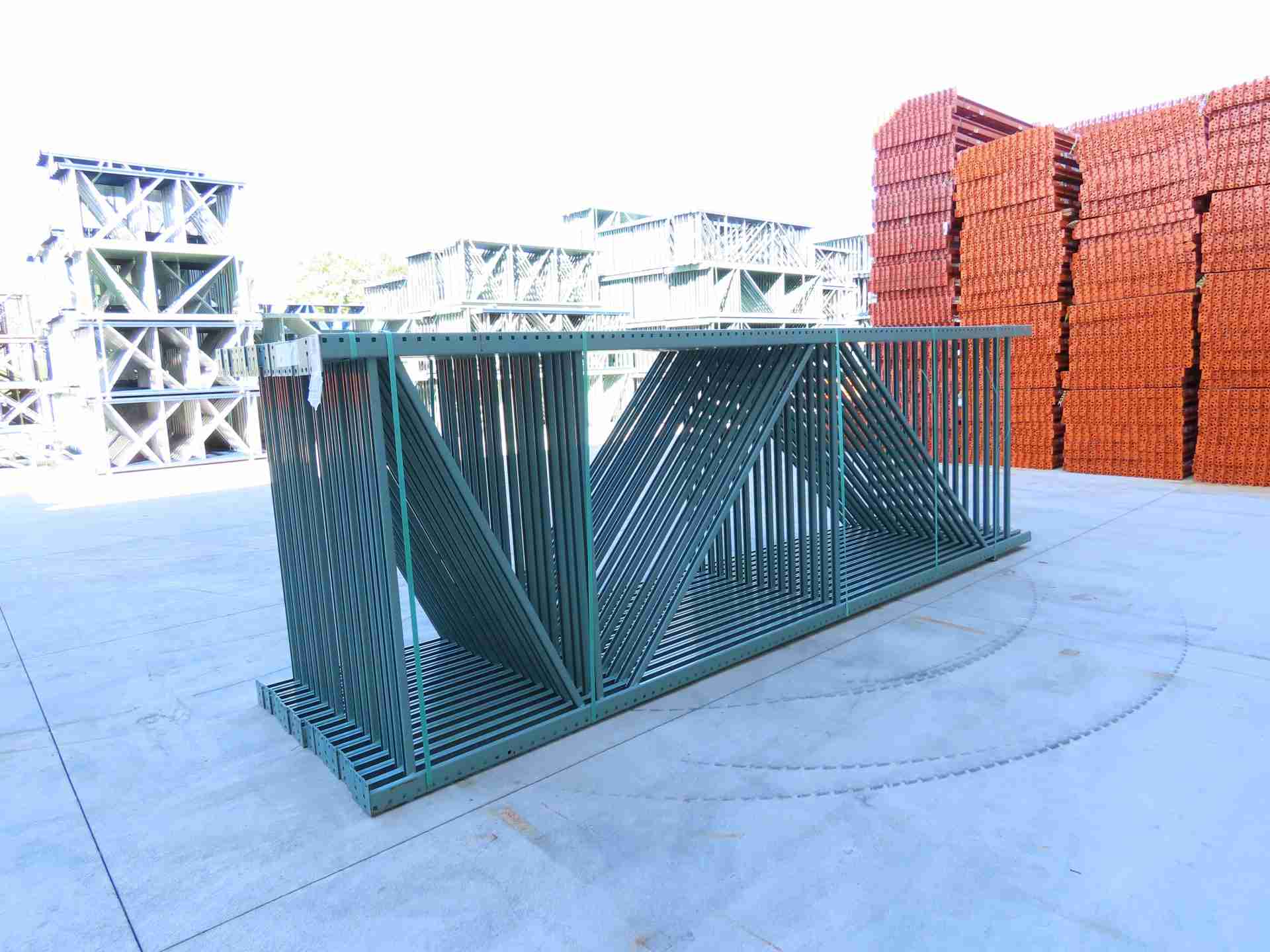
How Can Compliance with Osha Standards Improve Employee Safety?
How Can Compliance with Osha Standards Improve Employee Safety?
- Every work shift presents potential hazards that can be mitigated through proper safety measures.
- Compliance with OSHA standards demonstrates a company’s commitment to employee safety and well-being.
- When employees feel protected, they are more productive, creative, and engaged at work.
- Investing in safety protocols reduces accidents, resulting in less downtime and improved revenue.
- Employers have a moral obligation to prioritize the safety and welfare of their workforce.
- A strong safety culture fosters collaboration, trust, and a sense of community among employees.
- Ultimately, a safe workplace is essential for both individual well-being and the overall success of the organization.
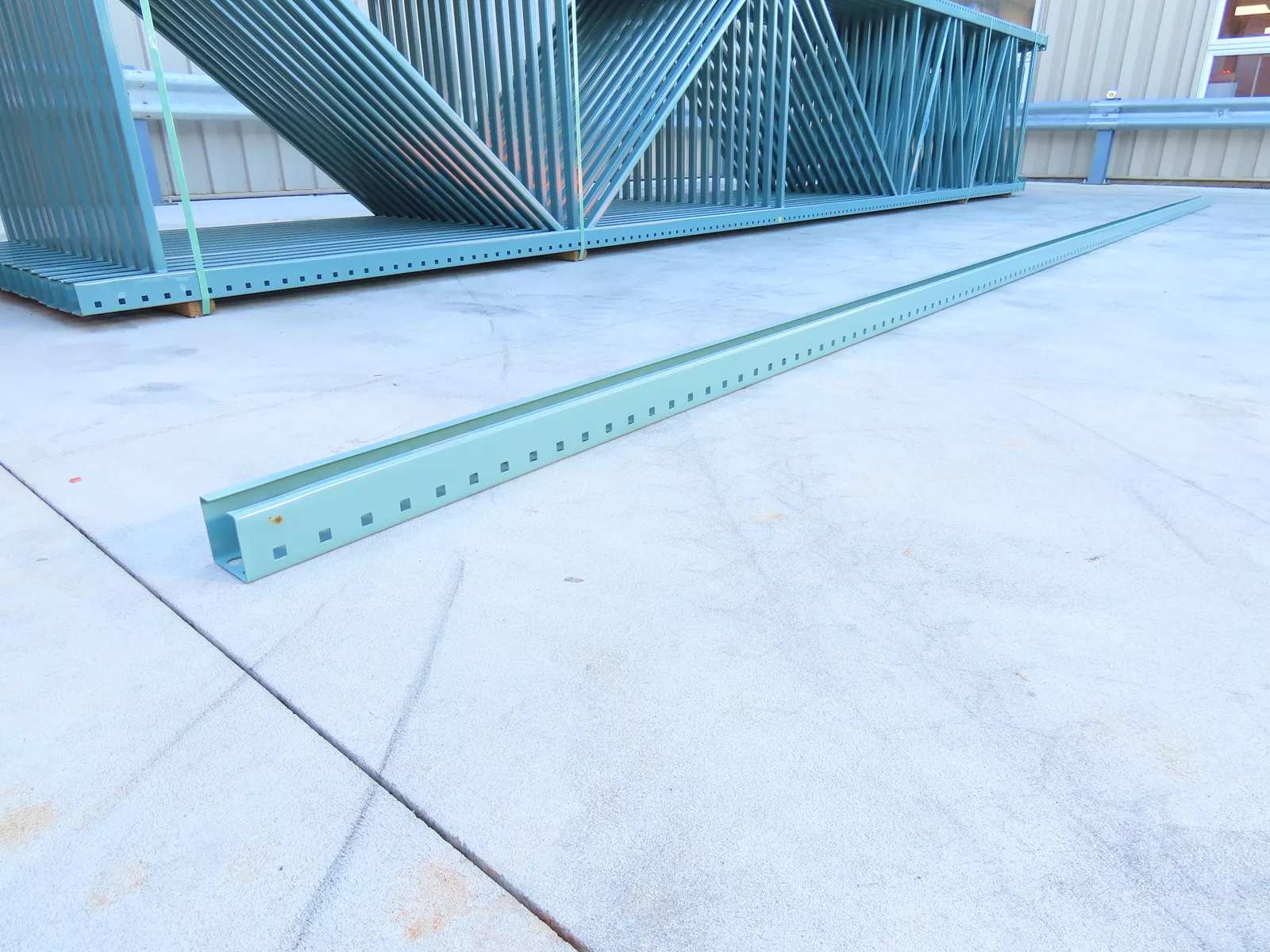
How Can Compliance with Osha Standards Improve Employee Safety?
What Rational Steps Can Be Taken to Assess Our Warehouse Racking?
When it comes to assessing our warehouse racking, we need to anchor ourselves in a blend of the emotional and the rational—because every beam, every shelf, and every inch of space carries weight, not just physically but also in the safety and efficiency of our operations. Think of the countless hours your team spends navigating aisles, reaching for products, ensuring the supply chain stays smooth. Every warehouse is a living entity, a bustling hub where your employees give their all. It’s crucial to ensure that the very structure they depend upon—the racking—is safe, stable, and fit for purpose.
Start with a simple audit—a thorough inspection that not only looks at the metal and wood but also the living, breathing context in which they exist. Is the racking layout intuitive? Are items stored with ease of access in mind? This isn’t just about data on a spreadsheet; it’s about the experience of those who work within those walls daily. Consider the tales of near misses, or the occasional injury that might remind us of the fragile line we walk. When we implement structured evaluations and safety checks, we show that we prioritize not only efficiency but also the safety and well-being of our colleagues.
Using the insight from industry standards and guidelines can turn this assessment into a shared mission. Lean on authorities in warehouse safety, tapping into their expertise to evaluate your racking systems. Reach out to suppliers, seek their wisdom on how racking technology has evolved. All of this not only boosts the reliability of your operations but also builds trust—showing your team that you value their input and care for their environment.
Engage your workforce in the conversation. Ask them what works and what doesn’t; through their eyes, you’ll gain invaluable insight. People have a gut instinct about what feels right and safe. Encouraging them to voice concerns not only fosters camaraderie but also creates a culture of transparency.
Remember, racking isn’t just metal and wood; it’s an investment in productivity, safety, and morale. When we take those rational steps to assess and improve our warehouse racking, we’re ultimately lifting up our operations, our teams, and our commitment to excellence. It’s about creating a workplace that stands tall, just like the racks in your warehouse.
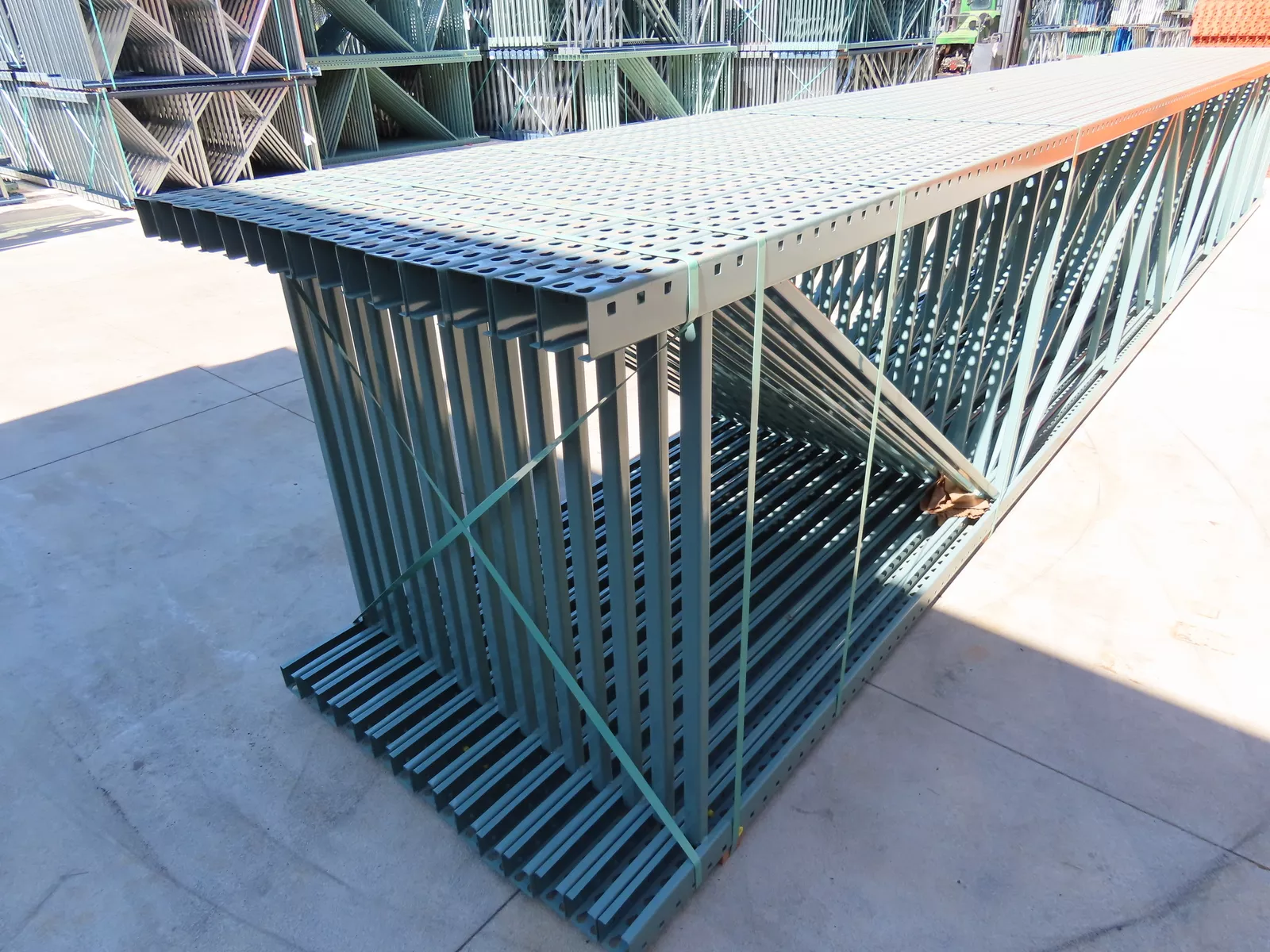
What Rational Steps Can Be Taken to Assess Our Warehouse Racking?
What Rational Steps Can Be Taken to Assess Our Warehouse Racking?
- Assessing warehouse racking requires balancing emotional and rational considerations, impacting safety and operational efficiency.
- Conduct a thorough audit of racking systems, taking into account physical structure and the working environment.
- Evaluate the racking layout for intuitiveness and ease of product access to enhance employee experience.
- Prioritize structured evaluations and safety checks to ensure colleague safety and well-being.
- Utilize insights from industry standards and expert suppliers to improve racking systems and build team trust.
- Engage employees in discussions about racking effectiveness to gather insights and foster a culture of transparency.
- Recognize that racking is an investment in productivity, safety, and morale, essential for operational excellence.

What Rational Steps Can Be Taken to Assess Our Warehouse Racking?
Are We Prioritizing Safety Over Cost In Racking System Decisions?
When it comes to racking systems, the choices we make can have profound implications that reach far beyond mere costs. Every warehouse and storage facility holds not just goods, but the livelihoods of the people who work within those walls. We must ask ourselves: Are we prioritizing safety over cost in our racking system decisions?
This isn’t just about metal beams and shelves; it’s about lives — the lives of hard-working individuals who show up daily to earn an honest wage. Imagine a facility where a subpar racking system buckles under the weight of heavy materials, jeopardizing safety and livelihood in one fell swoop. A mere decision made for short-term savings can lead to catastrophic outcomes that are felt across families and communities. The very thought should stir a deep, instinctive reaction within us. The gut reaction echoing a simple human truth: safety must come first.
From a rational standpoint, investing in high-quality racking systems may seem like a hefty expenditure on the surface, but let’s peel back the layers. By prioritizing rigorous standards and implementing proven safety measures now, we not only prevent accidents but also avoid the more significant costs of injury, damage, or lost productivity later. Each dollar saved today could potentially land as a hefty cost tomorrow — both in financial terms and moral responsibility.
Ethically, we can’t turn a blind eye to the responsibility we carry. Choosing a reliable racking system means choosing the well-being of those who depend on it for their jobs. It’s not just about compliance with regulations; it’s about fostering a culture that values human life over profit margins. We need to elevate these discussions beyond the mechanics of industrial engineering and include the voices of those who work day in and day out among these systems.
This conversation should resonate in boardrooms and break rooms alike. Creating a safe work environment enhances team morale and productivity, making a compelling case that connects on all levels. By making a proactive commitment to safety in our racking systems, we can cultivate trust among employees and community stakeholders. It’s time to recognize that prioritizing safety doesn’t merely enhance operations; it embodies a collective pride, ensuring every person leaves work in one piece, day after day. Let’s make choices worth standing by, not just for today, but for a prosperous tomorrow.
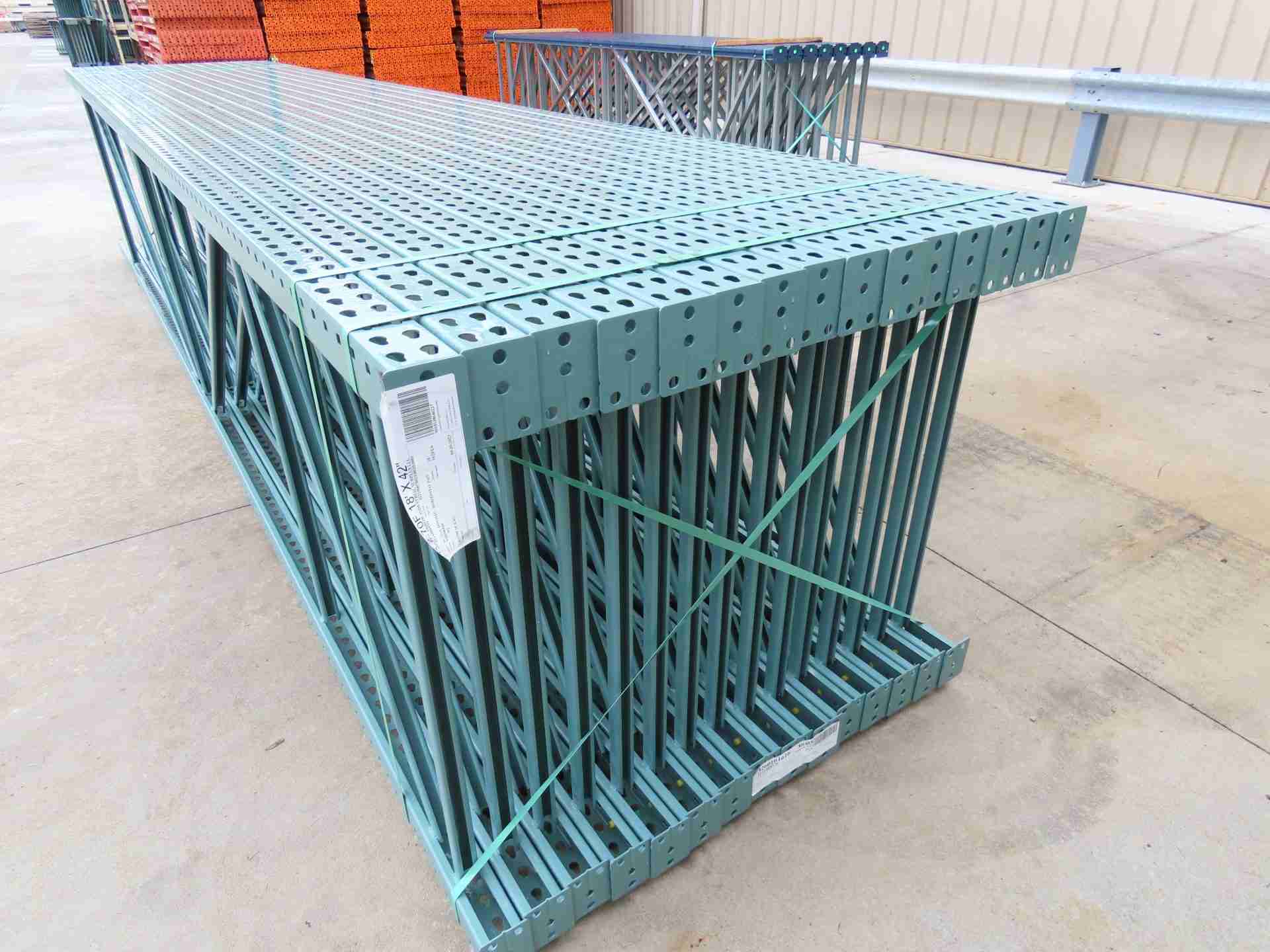
Are We Prioritizing Safety Over Cost In Racking System Decisions?
Are We Prioritizing Safety Over Cost In Racking System Decisions?
- The choice of racking systems has implications beyond costs, affecting livelihoods of workers.
- Safety should be prioritized over short-term financial savings in racking system decisions.
- Subpar racking systems can lead to catastrophic outcomes for workers and their families.
- Investing in high-quality racking systems prevents accidents and additional future costs.
- Ethical responsibility requires choosing racking solutions that prioritize employee well-being.
- A safe work environment boosts morale and productivity, benefiting the entire organization.
- Prioritizing safety fosters trust and pride, ensuring everyone leaves work safely each day.
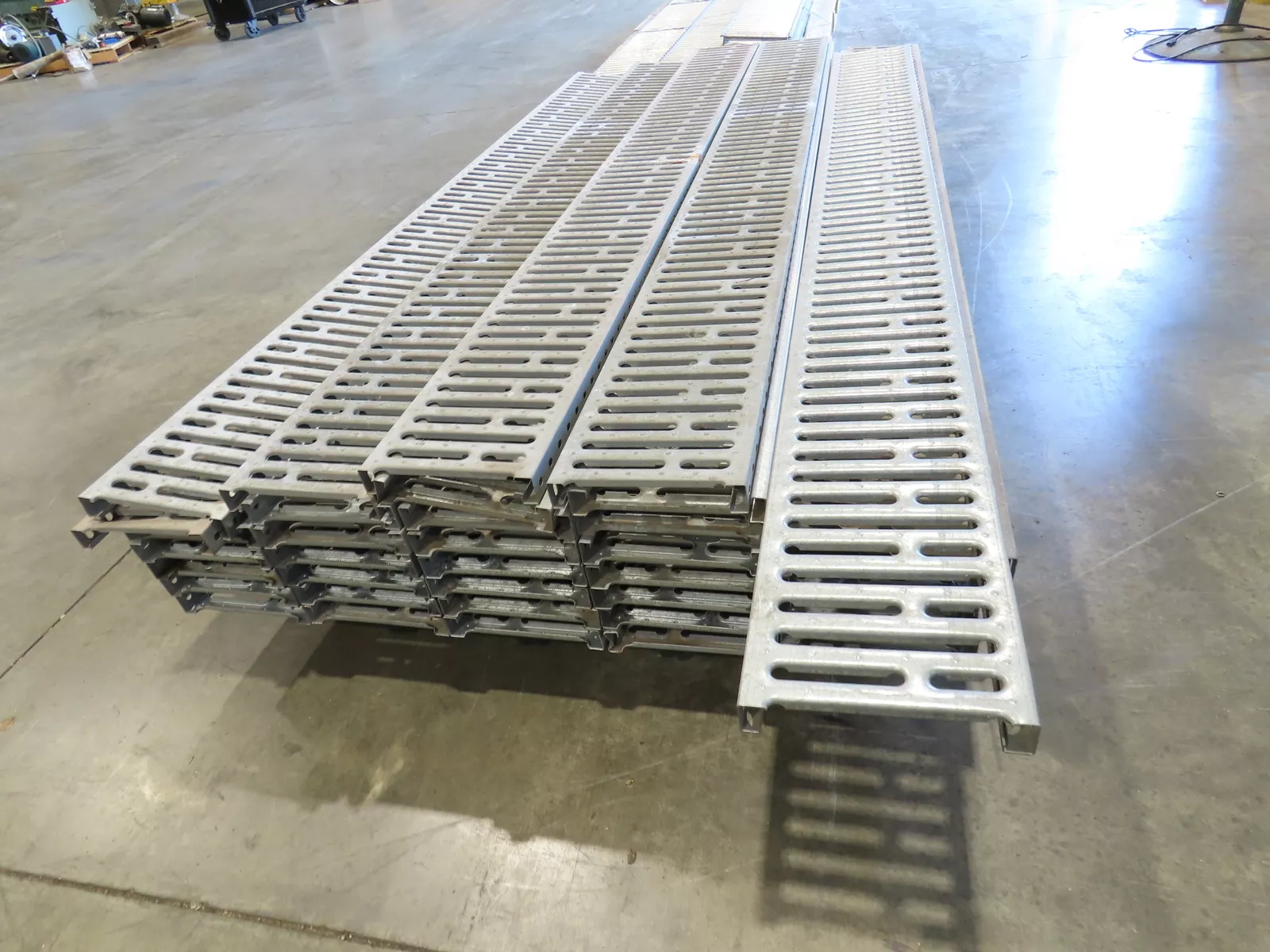
Are We Prioritizing Safety Over Cost In Racking System Decisions?
How Can We Ethically Ensure Our Racking Systems Protect Workers?
When we talk about racking systems, we’re often focused on the nuts and bolts, the strength of the metal, and the weight they can hold. But behind that steel and those bolts lies something much more significant—the safety and well-being of the people who rely on them day in and day out. The real question is: how can we ethically ensure that our racking systems not only function well but also protect the very workers who depend on them?
Imagine a day on the warehouse floor, where every sound—clattering pallets, the hum of machinery, chatter—forms a backdrop to an environment that could go from routine to risky in a heartbeat. There’s a narrative here that we should all engage with, a story too often overlooked. Each worker is not just an employee clocking in and out; they’re a son, a daughter, a breadwinner. When designing racking systems, we must keep their stories at the forefront. It’s more than just an engineering challenge; it’s a responsibility to ensure that every beam and brace contributes to a shield of safety.
From an ethical standpoint, the conversation shifts from “what can we afford” to “what can we guarantee.” This necessitates an approach driven by evidence-based practices and rigorous testing. It’s critical that we enlist the expertise of safety engineers, medical professionals, and workers alike in developing guidelines that prioritize health and safety. Imagine having protocols that are not just theoretical but grounded in real-world experiences, where feedback loops allow for continuous improvement and a workplace culture that values every voice.
On a rational level, investing in reliable racking systems may seem like a hefty cost at first glance. However, the long-term savings from reduced accidents, injuries, and insurance claims paint a very different picture. Each dollar spent on improving safety can protect the integrity of our workforce and, ultimately, our bottom line.
Let’s not forget about the social fabric of our workplaces. When organizations prioritize the safety of their workers, they shape a culture of trust. Workers feel valued, and motivation soars. They become advocates for their employers, creating a ripple effect that extends beyond the warehouse doors.
So, as we craft racking systems, let’s ensure they do more than hold weight. Let’s make them symbols of our commitment to the safety of our most precious resource: our people.
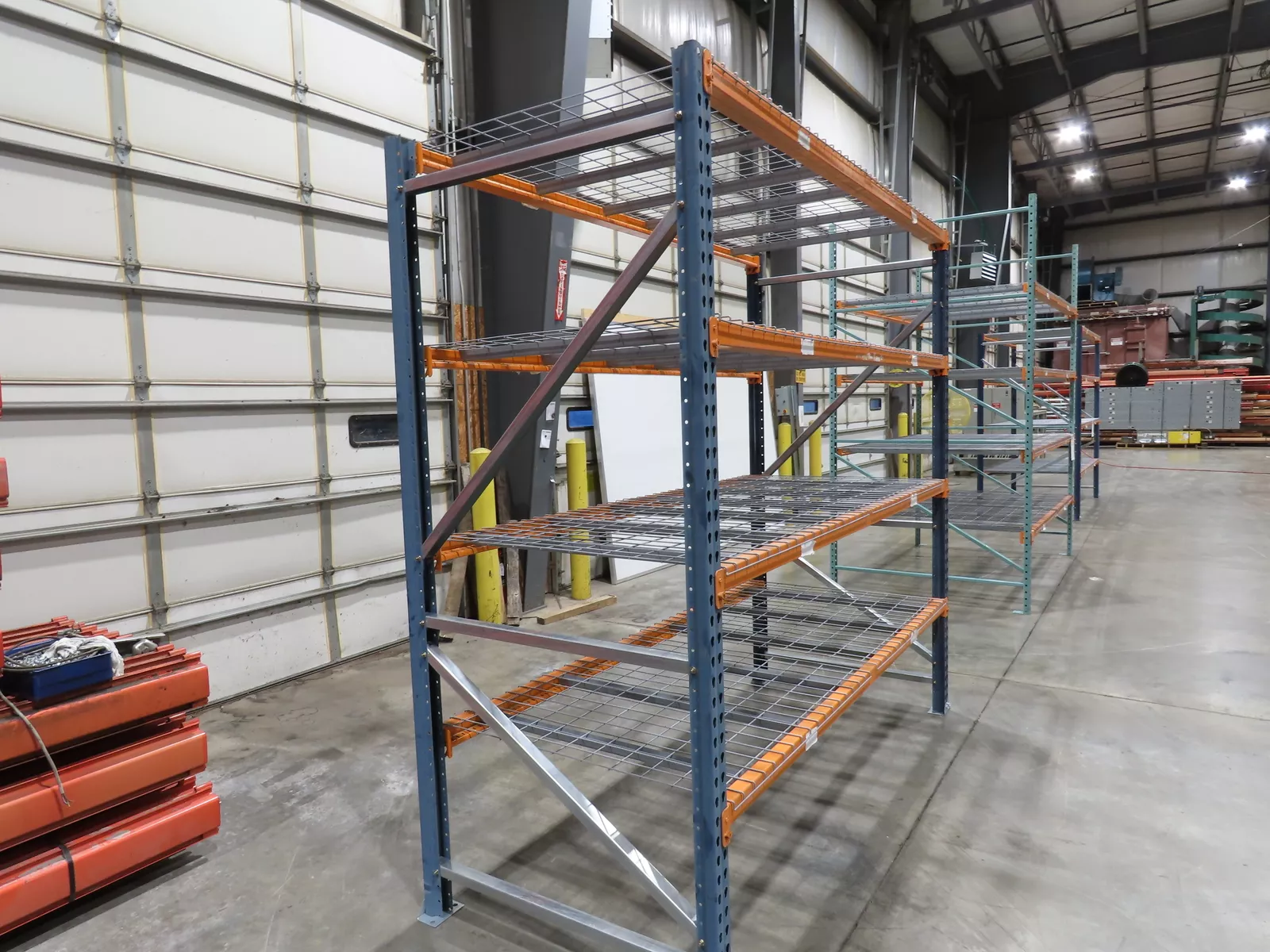
How Can We Ethically Ensure Our Racking Systems Protect Workers?
How Can We Ethically Ensure Our Racking Systems Protect Workers?
- Racking systems focus on strength and weight, but the safety of workers is paramount.
- Each worker’s personal story and value should be considered in the design of racking systems.
- Ethical considerations shift from cost to guaranteed safety and performance.
- Expert collaboration with safety engineers and medical professionals is essential for developing effective safety guidelines.
- Investing in reliable racking systems reduces long-term costs associated with accidents and injuries.
- Prioritizing worker safety fosters a culture of trust and boosts employee motivation and loyalty.
- Racking systems should symbolize a commitment to protecting the workforce as a valuable resource.
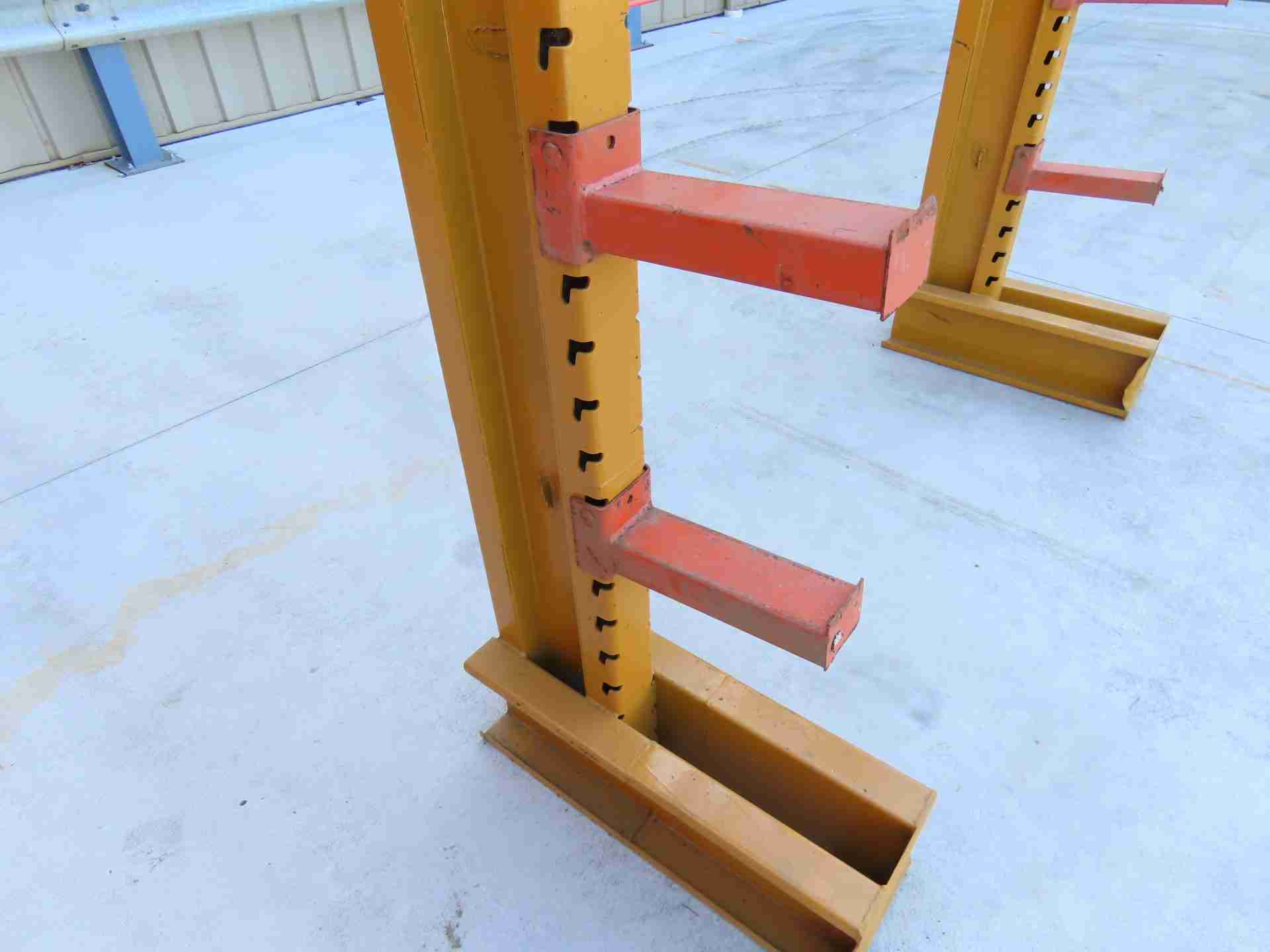
How Can We Ethically Ensure Our Racking Systems Protect Workers?
Conclusion
Every warehouse is a hive of activity, where workers hustle within the confines of towering racking systems that hold not only products but also the heartbeat of countless families. It’s easy to see these spaces as mere storage facilities, yet they represent a living, breathing environment teeming with untapped potential—and risk. Compliance with OSHA (Occupational Safety and Health Administration) standards isn’t just about ticking boxes; it symbolizes a powerful commitment to every individual that walks through those doors. Imagine every mother, father, husband, or wife waiting for their loved one to return home safely. That emotional weight is the unspoken bond between employers and employees, and adhering to safety regulations ensures that bond remains unbroken.
Rationally speaking, safety protocols enhance productivity. When workers know that their environment is designed with their well-being in mind, morale skyrockets. Investing in high-quality racking systems pays off—not just in dollars saved from prevented injuries but in improved operational flow and enhanced employee loyalty. It’s relieving to think that every dollar earmarked for safety is not just an expense but a wise investment in the fabric of the workplace. Let’s not overlook the ethical responsibility that accompanies these choices. Businesses owe it to their workforce to ensure a secure environment; anything less is a disservice to the very people who drive the company forward.
A culture of safety emerges when employees feel empowered to voice their concerns, turning potential near misses into learning opportunities. Communication creates camaraderie and a shared mission, fostering an environment where everyone looks out for one another. Think of it: a team engaged not just in their tasks but invested in the safety protocols that protect them. They gather during shifts to discuss best practices, forming a community rooted in trust and shared responsibility—this is the essence of a thriving workplace.
At the core of these decisions lies a compelling truth: prioritizing safety is more than just compliance; it’s about fostering a dignified work life for everyone. When we channel our resources to build strong, capable racking systems, we elevate not just the material structures but the very ethos of our organizations. It’s time to make choices that resonate, not just today but for countless tomorrows. In this world where threats loom in the simplest of operations, let’s commit to a future where safety stands as the cornerstone of every warehouse, ensuring that every worker, every family, receives the respect and security they rightfully deserve. This is a commitment we can all stand by.
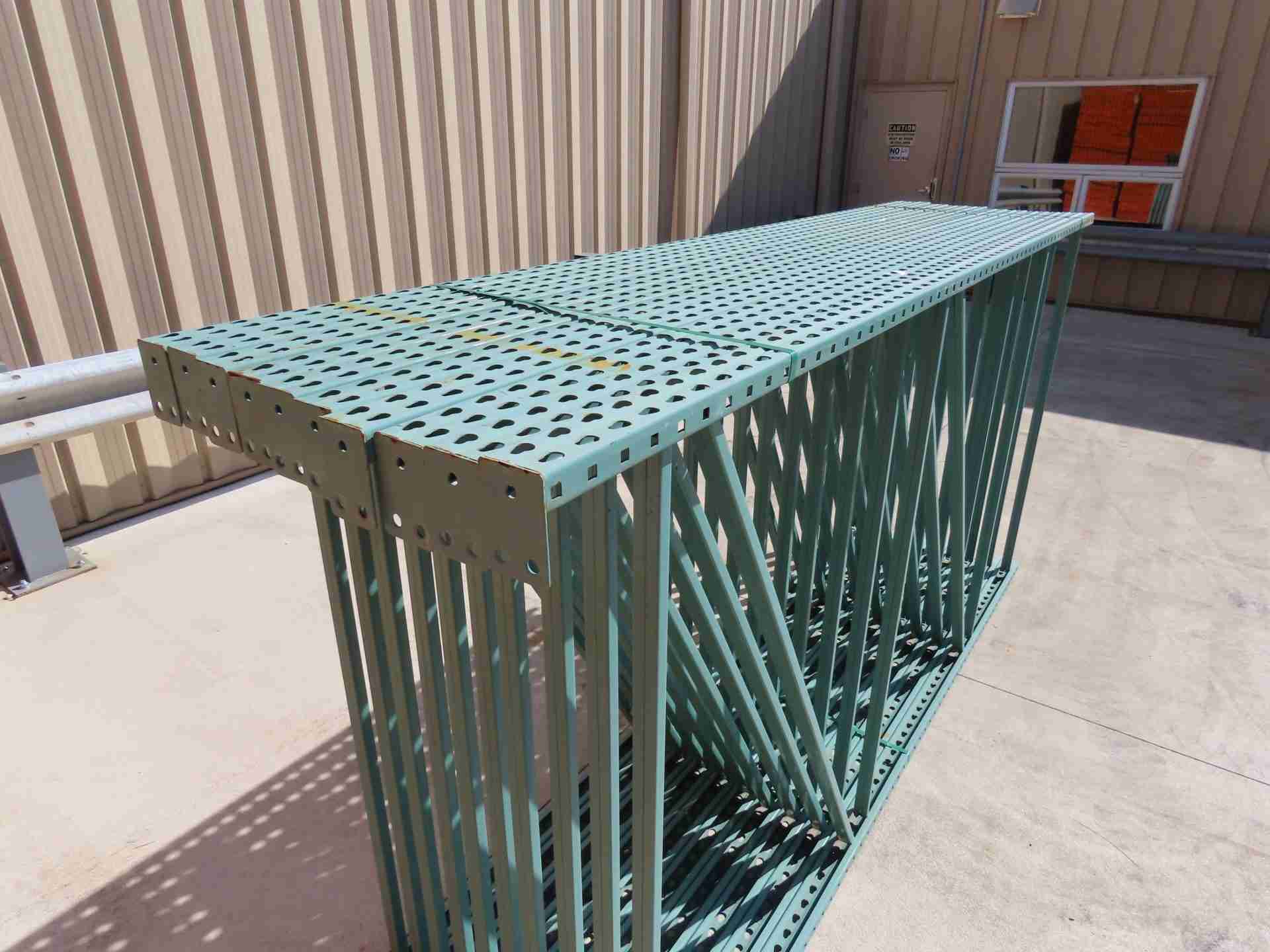
Conclusion
Conclusion:
- Warehouses are dynamic environments that support families and require adherence to safety standards.
- Compliance with OSHA signifies a commitment to employee safety and well-being.
- Investing in safety protocols increases productivity and boosts employee morale.
- High-quality racking systems lead to cost savings and improved operational flow.
- A culture of safety empowers employees to voice concerns and share best practices.
- Prioritizing safety fosters a dignified work life and builds a strong organizational ethos.
- Emphasizing safety in warehouses ensures respect and security for all workers and their families.

Conclusion
Other Resources
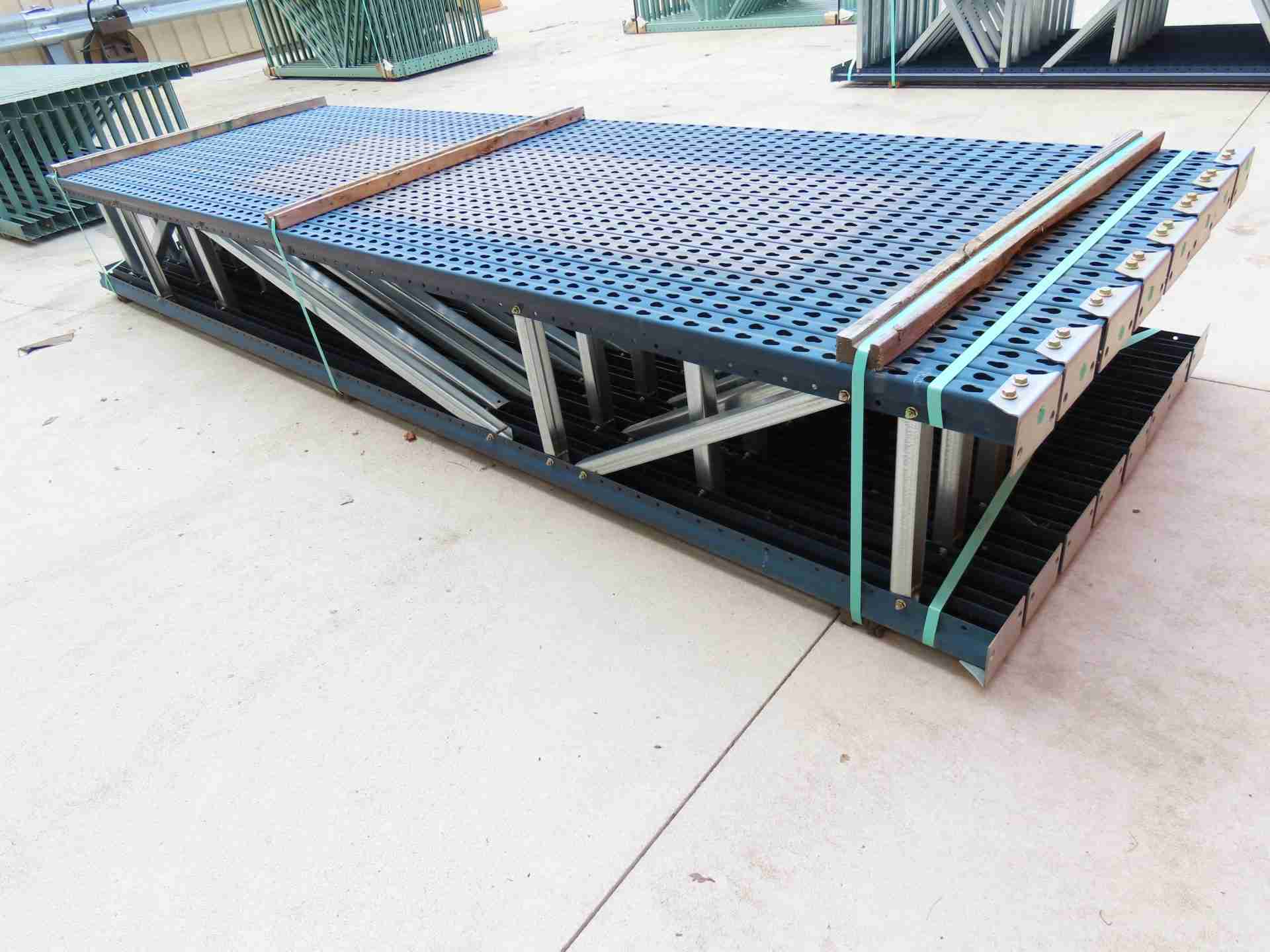
Other Resources
Here is a list of other resources you can review online to learn more:
- Warehousing Education and Research Council: https://www.werc.org/
- Teardrop Pallet Rack – Ridg-U-Rak
- Warehousing and Fulfillment
- Illinois Pallet Racking – Storage Solutions
- CA Wire
- IIWS Inc. Rack Installation Illinois & Rack Repairs Illinois
- Rack Manufacturers Institute
- Warehouse Storage Racks
- Used Teardrop Pallet Rack – American Surplus
- SEMA
- Iowa Illinois Warehouse Racking
- Illinois Pallet Racking – WPRP
- Warehouse Racking Layout: The Ultimate Guide – Conger
- Warehouse Racks, Warehouse Racking in Stock – ULINE
- Warehouse Racking Chicago, IL
- Pallet Racking 101: A Comprehensive Guide & Options Explained
- Selective Rack – Raymond West
- Cantilever Racks Chicago
- Selective Racking
- The Ultimate Pallet Racking Guide – Speedrack West
Use This Prompt To Get More Resources With Your Favorite Online AI Tool: Please provide me with a list of online articles with their URLs in a bulleted list that I can read regarding Osha Requirements for Warehouse Racking Systems
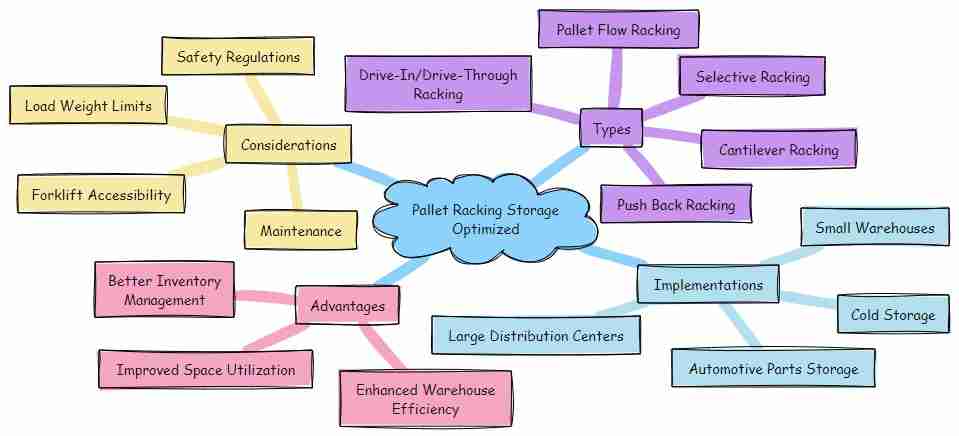
Other Resources
Glossary Terms
Osha Requirements for Warehouse Racking Systems – Glossary Of Terms
1. OSHA: Occupational Safety and Health Administration; a federal agency responsible for ensuring safe and healthful working conditions through regulation and enforcement.
2. Racking System: A storage system designed to hold materials, usually in horizontal rows, providing an organized method for inventory management in warehouses.
3. Load Capacity: The maximum weight a racking system can safely support, as defined by the manufacturer and assessed during installation.
4. Compliance: Adhering to the regulations and standards set forth by OSHA and other governing bodies regarding safety and operational practices in the warehouse.
5. Pallet Rack: A type of racking system specifically designed to hold pallets loaded with goods in warehouses and distribution centers.
6. Instability: A condition that occurs when a racking system is not properly anchored or overloaded, leading to potential collapse or tipping.
7. Inspection: The process of examining racking systems regularly to identify hazards, maintenance needs, and confirm compliance with safety standards.
8. Safety Factor: A design principle that ensures a racking system can support loads beyond its intended capacity, accounting for unforeseen stresses.
9. Aisle Width: The distance between racking systems, important for safe maneuvering of equipment like forklifts and ensuring easy access to stored materials.
10. Hazard Assessment: A systematic evaluation of potential hazards associated with the use of racking systems, aimed at minimizing risks to employees.
11. Forklift Safety: Protocols and best practices to ensure safe operation of forklifts in proximity to racking systems, preventing accidents and injuries.
12. Anchoring: The process of securing racking systems to the floor or wall to enhance stability and prevent tipping or collapsing under load.
13. Weight Distribution: The method of evenly spreading loads across a racking system to avoid overload on any single point and maintain structural integrity.
14. Bracing: Components added to racking systems to enhance rigidity and stability, providing support against lateral forces.
15. Overloading: The act of exceeding the defined weight capacity of a racking system, which can lead to structural failure and pose safety risks.
16. Safety Signage: Visual indicators placed around racking systems to communicate load limits, safety procedures, and hazard warnings to employees.
17. Training: Programs designed to educate employees on the safe use and best practices related to warehouse racking systems.
18. Vertical Clearance: The safe height space above racking systems allowing for operational maneuverability and reducing risk of accidents.
19. Damage Assessment: The evaluation of racking systems for physical damage that can compromise safety and require repairs or replacements.
20. Behavior-Based Safety: A proactive approach focusing on employee behavior and safety practices related to operating in environments with racking systems.
21. Authorized Personnel: Individuals who have received specialized training and are permitted to operate equipment or conduct tasks involving racking systems.
22. Material Handling: The movement, protection, and control of materials within a warehouse, including the interactions with racking systems.
23. Inspection Checklist: A document used to record the condition and safety compliance of racking systems during regular inspections.
24. Risk Mitigation: Strategies and actions aimed at reducing the likelihood of accidents or injuries associated with warehouse operations.
25. Periodic Maintenance: Scheduled upkeep and repairs of racking systems to ensure continued safety and functionality over time.
26. Compliance Audit: A systematic review of warehouse operations and racking systems to verify adherence to safety regulations and company policies.
27. Load Stabilization: Techniques employed to secure items on racking systems to prevent shifting or falling during storage and retrieval.
28. Emergency Procedures: Established actions to be taken in the event of an incident involving racking systems, including evacuation and reporting protocols.
29. Design Standards: Regulations and guidelines for the design and construction of racking systems to ensure safety and performance.
30. Inventory Management: The process of overseeing and controlling the flow of goods and materials in a warehouse, closely linked to the effective use of racking systems.
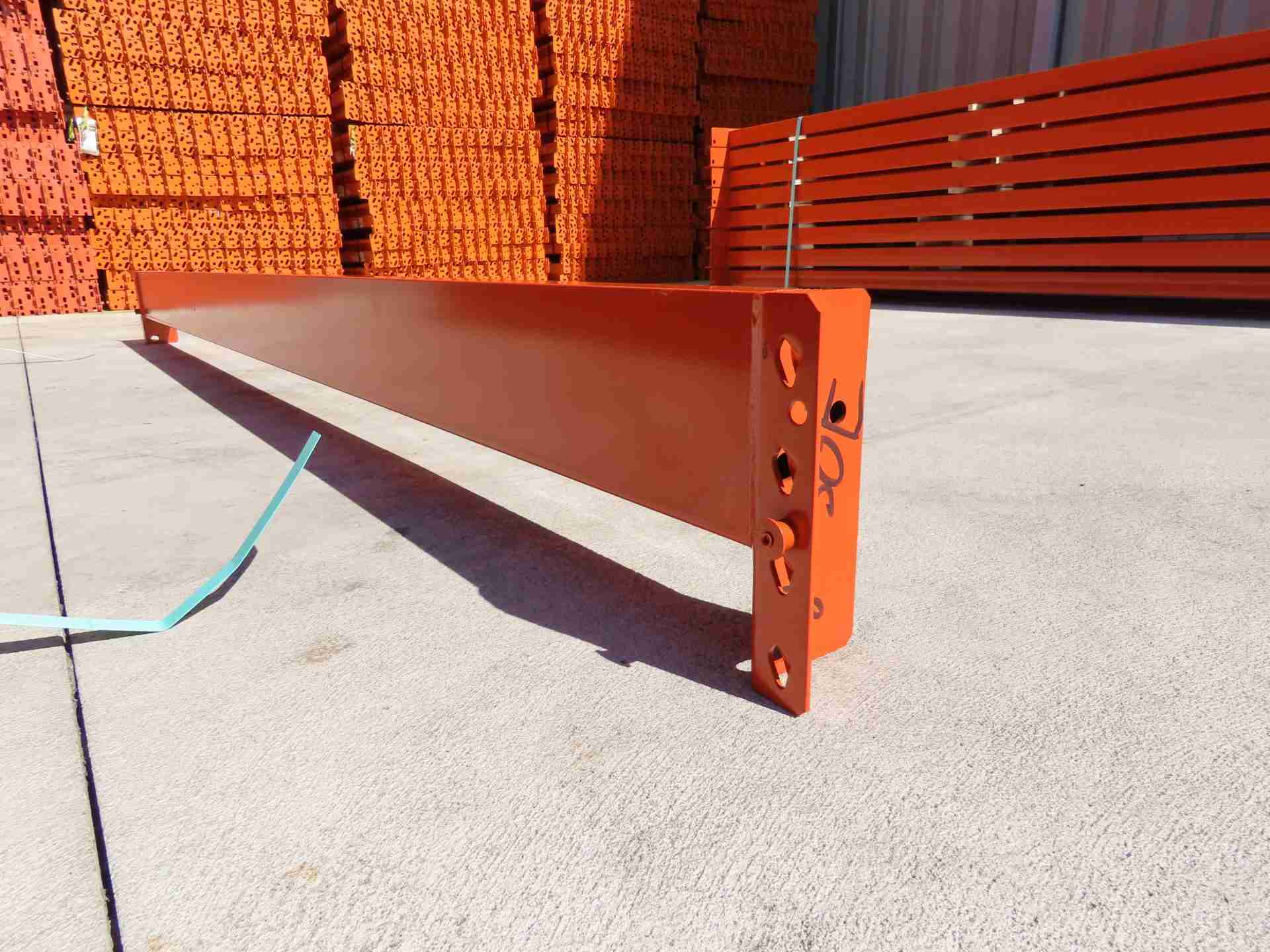
Glossary Of Terms
Other Questions
Osha Requirements for Warehouse Racking Systems – Other Questions
If you wish to explore and discover more, consider looking for answers to these questions:
- What specific OSHA standards apply to warehouse racking systems?
- How can companies effectively train employees on OSHA compliance?
- What are the most common racking system failures in warehouses?
- How do OSHA compliance rates vary across different industries?
- What additional resources are available for understanding OSHA requirements?
- How can technology improve the safety of warehouse racking systems?
- What role does employee feedback play in enhancing racking safety?
- How often should racking systems be inspected and audited?
- What are the long-term benefits of investing in high-quality racking systems?
- What steps can be taken to create a culture of safety in the workplace?
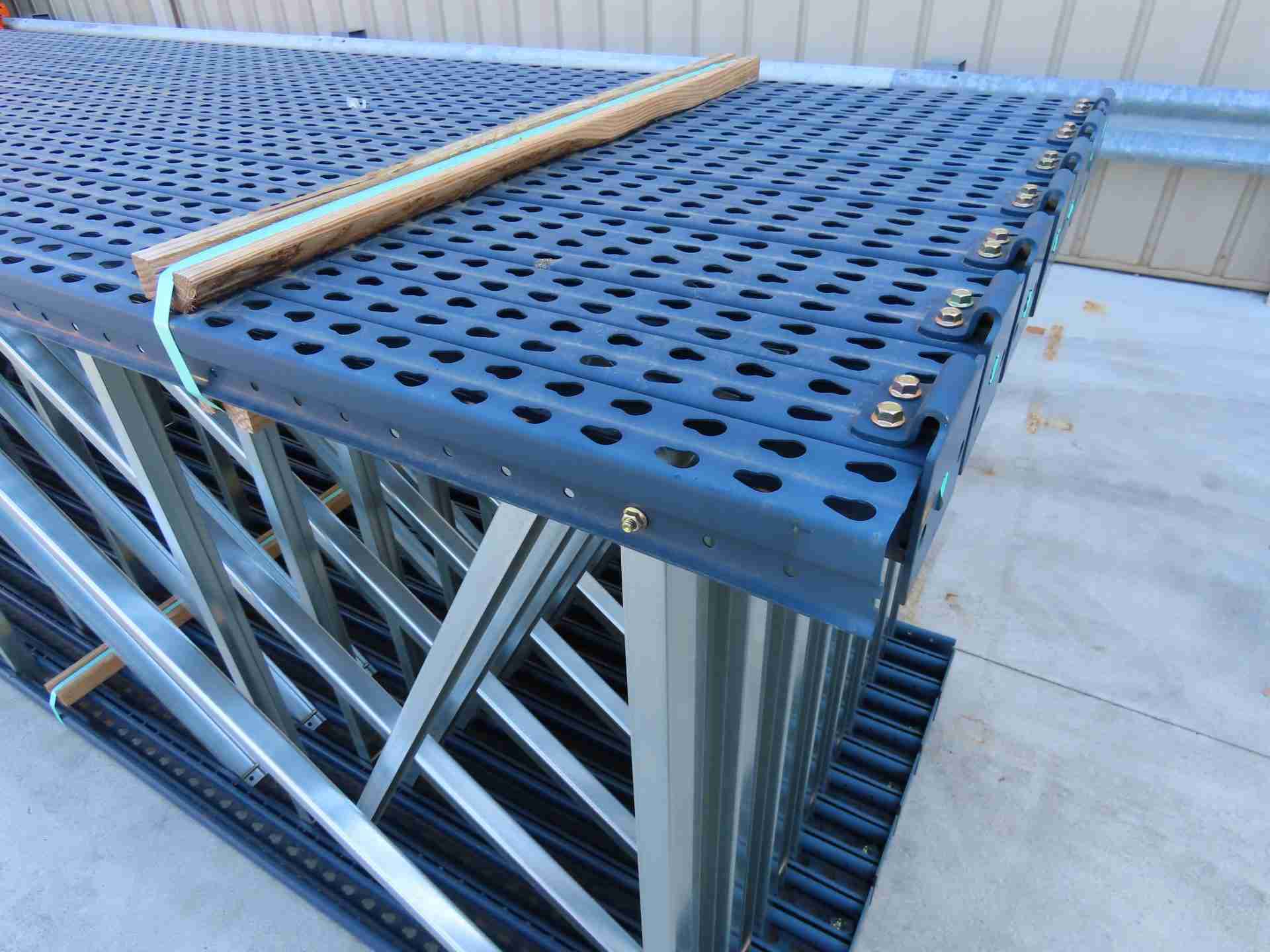
Other Questions
Checklist
Osha Requirements for Warehouse Racking Systems – A Checklist
Safety in Warehouse Racking Systems: A Holistic Checklist
Emotional Appeals
_____ Reflect on the families of your employees. How does ensuring safety impact their peace of mind?
_____ Encourage open communication about safety concerns among employees. Share stories that highlight safety successes or near misses.
Rational Appeals
_____ Conduct a thorough audit of your warehouse racking systems. Are they functional and safe?
_____ Assess layout intuitiveness and ease of access for stored items. How does this contribute to overall operational efficiency?
Ethical Appeals
_____ Evaluate your company’s commitment to prioritizing employee safety over cost-cutting. Is there a balance between profitability and responsibility?
_____ Involve employees in safety discussions. How can their insights lead to better safety protocols?
Authority Appeals
_____ Consult safety engineers and industry experts when assessing and improving racking systems. Are their recommendations being actively implemented?
_____ Keep up with the latest OSHA standards and industry guidelines. How can these standards enhance safety practices in your facility?
Narrative Appeals
_____ Share employee experiences regarding the importance of safety in daily operations. How can these narratives reinforce a culture of safety?
_____ Create a narrative around your commitment to safety—how it transforms the workplace from a mere functional space to a supportive environment.
Social Appeals
_____ Foster a community spirit among employees where safety is a collective responsibility. How can team-building activities enhance this culture?
_____ Regularly recognize and celebrate safety achievements within your team. Are these accolades communicated clearly to motivate others?
Using this checklist can help transform warehouse environments into safer, more productive spaces where every employee feels valued and secure. Prioritize safety—as it’s not just a requirement, but a commitment to your workforce’s well-being and morale.

Checklist
At RackingWorld, we help guide you through selecting warehouse storage systems and racking.
Be sure to read our other related stories at RackingWorld to learn more about warehouse storage systems.
0 Comments