
Maximizing Strength And Efficiency: The Cantilever Advantage For Steel Distributors
By Tom Seest
At RackingWorld, we help guide you through selecting warehouse storage systems and racking.
Be sure to read our other related stories at RackingWorld to learn more about warehouse storage systems.
How Do Rebar and Reinforcement Steel Distributors Leverage Cantilever Racking?
When you’ve been around the block in the rebar and reinforcement steel business, you learn that organizing heavy, long, and awkward materials is no small feat. This is where cantilever racking steps in like a trusty old workhorse. It’s not just some fancy shelving; it’s a lifesaver for distributors who need to move mountains of steel with efficiency and a sense of order that keeps the whole operation humming.
Cantilever racking is built for the long haul—literally. Unlike pallet racking, which is great for boxed goods sitting on pallets, cantilever arms reach out clear and open, making it easy to stack very long pieces like rebar and steel bars without wrestling with cumbersome pallets all the time. This open design means loaders and forklifts can grab or set down those stubborn bundles quicker than you can say “job’s done.” It saves time and spares crews unnecessary strain, cutting down on the wear and tear that comes with moving heavy steel around day after day.
From a practical standpoint, using cantilever racking means you’re working smarter, not harder. You’re maximizing floor space, and stacking steel vertically without the clutter, which keeps the yard safer and the inventory more visible. When everything’s in its place, there’s less hunting around, fewer mistakes, and deliveries go out on time. That reliability ripples through the whole business, building a reputation for getting the job done right. Customers notice that, and so do the folks on your crew who appreciate not feeling like they’re wrestling an octopus every time they pick up a load.
There’s also a certain peace of mind that comes with knowing your storage setup respects the effort and sweat that went into harvesting, shaping, and transporting every last piece of steel. It’s about doing right by the product, the workers, and the customers. Ethical stewardship of materials is more than just a buzzword here; it means preserving quality, reducing waste, and protecting the team from avoidable injuries.
For those who’ve been managing steel yards for years, cantilever racking isn’t just equipment—it’s part of the backbone of the operation. Lean on it, trust it, and it will keep your workflow steady and your inventory ready to roll. When the job’s tough and the hours long, having the right tools where hands can reach them makes all the difference. It’s old school sense and modern practicality rolled into one, and that’s why it’s a quiet hero in the world of rebar and reinforcement steel distribution.

How Do Rebar and Reinforcement Steel Distributors Leverage Cantilever Racking?
How Do Rebar and Reinforcement Steel Distributors Leverage Cantilever Racking?
- Cantilever racking is essential for efficiently organizing heavy, long, and awkward materials like rebar and reinforcement steel.
- Unlike pallet racking, cantilever arms provide clear, open storage that makes stacking and handling long steel pieces easier and faster.
- This design reduces physical strain on workers and minimizes damage from frequent handling of heavy steel bundles.
- Maximizes floor space by allowing vertical stacking, improving yard safety and inventory visibility.
- Organized storage decreases errors, speeds up deliveries, and enhances overall business reliability and reputation.
- Supports ethical stewardship by preserving material quality, reducing waste, and protecting workers from injuries.
- Considered a vital and trusted part of steel yard operations, combining practicality and durability for consistent workflow.

How Do Rebar and Reinforcement Steel Distributors Leverage Cantilever Racking?
Table Of Contents
- How Do Rebar and Reinforcement Steel Distributors Leverage Cantilever Racking?
- What Emotional Benefits Does Cantilever Racking Offer Distributors?
- How Does Cantilever Racking Improve Workspace Safety?
- Can Cantilever Systems Reduce Material Damage Risks?
- What Cost Savings Result From Using Cantilever Racking?
- How Does Cantilever Racking Enhance Inventory Management?
- What Ethical Considerations Arise In Materials Handling?
- Conclusion
- Other Resources
- Glossary Of Terms
- Other Questions
- Checklist
What Emotional Benefits Does Cantilever Racking Offer Distributors?
When you lean on cantilever racking in your warehouse, it’s more than just a sturdy steel setup—it’s a foundation you can count on. Distributors face a daily grind where time slips through your fingers and every inch of space fights for attention. Cantilever racking steps in like that reliable old workhorse, giving you room to breathe and move, handling awkward, bulky loads with ease. It’s not just about stuff on shelves; it’s about peace of mind knowing your most unwieldy inventory isn’t causing a mess or holding up the line.
There’s a quiet confidence that comes with using cantilever racking. It simplifies pallet racking by freeing you from the tangled chaos of mixed inventory. You get neat rows and easy access every time, which means less frustration, fewer mistakes, and better flow. That clarity cuts through the noise, letting you manage stock like you mean business—done right, on time, every time. It’s the kind of order that doesn’t just look good on paper, it helps you sleep at night.
At its core, cantilever racking is an ethical choice too. It respects the people on the floor, reducing strain and mishap. When heavy, awkward items have a rightful place, workers move safer and faster, and the risk of injury shrinks. That’s not fluff. It’s real care in a tough business, showing you value the hands that keep it running. You’re not just stacking goods; you’re supporting a team.
You can trust cantilever racking because it’s stood the test of hard knocks and heavy loads, time and again. It’s a proven solution from folks who’ve been in the trenches, not some shiny gimmick. The racking system adapts to your challenges rather than you bending to it. That adaptability creates a shared rhythm in your warehouse—workers, stock, and schedules all synced up, cutting downtime and boosting output.
When distributors invest in cantilever racking, they tap into a community of practical, no-nonsense operators who get it. This isn’t just a product; it’s a partnership. It connects you to a network built on trust, experience, and common sense. In a demanding world where every second counts and every inch matters, cantilever racking is the steady backbone that keeps the show running. If reliable pallet racking is what you need, this is where confidence meets capability on the warehouse floor.

What Emotional Benefits Does Cantilever Racking Offer Distributors?
What Emotional Benefits Does Cantilever Racking Offer Distributors?
- Cantilever racking provides a reliable, sturdy foundation for handling bulky and awkward warehouse inventory efficiently.
- It simplifies pallet racking by organizing mixed inventory into neat rows, improving access and reducing mistakes.
- Enhances workflow by creating order and clarity, enabling timely and accurate stock management.
- Promotes worker safety by reducing strain and risk of injury through proper placement of heavy items.
- Proven and durable solution that adapts to warehouse challenges, improving synchronization of workers, stock, and schedules.
- Purchasing cantilever racking connects distributors to a community of experienced, practical operators and fosters partnership.
- Serves as a dependable backbone in demanding environments, combining confidence and capability on the warehouse floor.

What Emotional Benefits Does Cantilever Racking Offer Distributors?
How Does Cantilever Racking Improve Workspace Safety?
When it comes to keeping a workspace safe, cantilever racking isn’t just another piece of equipment—it’s a game changer that respects the real-world hustle of the shop floor. You know the drill: cramped spaces, heavy loads, and the constant dance of forklifts and foot traffic. Pallet racking has been the backbone for storing goods, but cantilever racking takes it a step further, making safety feel less like an afterthought and more like a built-in guarantee.
Think about it: with cantilever racking, there are no front columns blocking your view or snagging gear, which means fewer accidents from clumsy bumps or misjudged forks. It’s a simple design, really, arms sticking out like strong, steady arms ready to hold long, bulky stuff—pipes, lumber, steel bars—things that don’t fit neatly on standard pallet racking. By keeping these materials organized and off the ground, it clears pathways and reduces tripping hazards. It’s about giving workers room to breathe and move without the nagging worry that a misplaced board or pipe might cause a nasty fall or worse.
From the head’s perspective, the logic is clear. Cantilever racking simplifies inventory management. When you can see what’s where, grab what you need without disassembling a leaning pile, efficiency climbs and mistakes drop. Less fumbling means fewer injuries. And let’s be honest, a safer workspace means fewer days lost to injury and less strain on everyone’s nerves. It’s not just about compliance with safety codes; it’s about creating a culture where safety and smart workflow go hand in hand.
Ethically, there’s no question. If you’re managing a warehouse or a workshop, providing a system that respects the worker’s wellbeing isn’t a luxury—it’s a responsibility. People go home to their families every night; investing in equipment like cantilever racking honors that commitment. It’s the kind of decision that signals you care—not just about output numbers but the folks who make that output happen.
The authority behind cantilever racking is built on decades of practical use. It’s been proven in countless warehouses and industrial settings, trusted by thousands. This isn’t theory; it’s hard-earned experience, the kind that comes from rolling up sleeves and getting the job done right.
If you want a workplace where safety isn’t just a rule but a reality—where your team can work confidently without fearing for their well-being—cantilever racking is a solid step in that direction. It’s straightforward, dependable, and built for the way work really happens. When the right tools meet the right mindset, safety stops being a chore and becomes part of the daily rhythm.

How Does Cantilever Racking Improve Workspace Safety?
How Does Cantilever Racking Improve Workspace Safety?
- Cantilever racking enhances workspace safety by addressing real shop floor challenges like cramped spaces, heavy loads, and busy traffic.
- Its design eliminates front columns, improving visibility and reducing accidents from bumps or forklift errors.
- Ideal for storing long, bulky items (pipes, lumber, steel bars) that don’t fit on standard pallet racking, keeping materials organized and off the ground.
- Clearing pathways reduces tripping hazards and provides workers more room to move safely.
- Simplifies inventory management by making items easy to see and access, increasing efficiency and lowering injury risk.
- Represents an ethical commitment to worker wellbeing, emphasizing safety as a responsibility, not a luxury.
- Proven through decades of practical use in industrial settings, cantilever racking supports a safe, efficient, and dependable workplace culture.
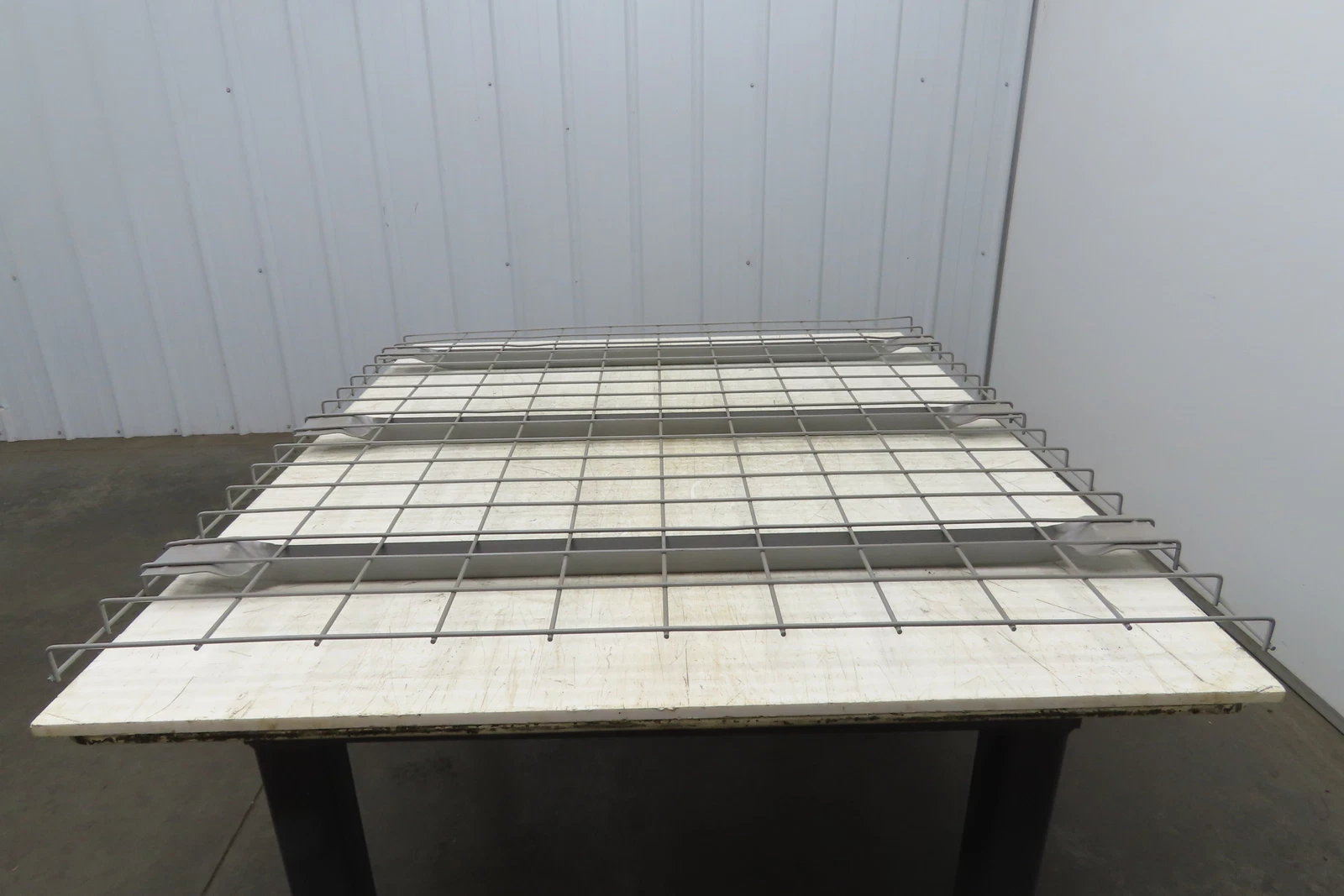
How Does Cantilever Racking Improve Workspace Safety?
Can Cantilever Systems Reduce Material Damage Risks?
When you’ve spent your days in warehouses or on the shop floor, there’s one thing you learn fast: damaged goods don’t just cost money—they cost trust. Pallet racking systems are the usual workhorses, sturdy enough for most jobs, but when you’re stacking awkward, long, or heavy items, they can sometimes feel like trying to fit a square peg in a round hole. That’s where cantilever systems step in, and you don’t have to be a rocket scientist to see their value.
Think about it—cantilever racks hold items out in the open, no uprights in the way, letting you slide in long pieces of lumber, pipes, or steel bars without smashing into racking beams or squeezing them so tight they get scuffed up. It’s a simple idea, but simplicity here isn’t cheap. It’s the kind of smart design shaped by years in the trenches, where folks got tired of fighting packing configurations or cleaning up chipped paint and bent corners. Using cantilever systems reduces material damage risks by giving the goods a clear, safe space.
What’s more, this setup doesn’t just save the product—it saves your sanity. When your team isn’t constantly worrying about wrecking an item during loading or unloading, productivity gets a natural bump. Fewer damaged materials mean fewer replacement orders, fewer delays, and fewer headaches. It’s common sense with an honest respect for the hard work that keeps the supply chain rolling.
From an ethical standpoint, keeping products safe means honoring the effort and resources that went into making them. It’s about respect—not just for the goods, but for the people who handle them day in and day out. When companies invest in cantilever systems, they invest in a safer workplace and a more responsible operation. That commitment reflects in the eyes of customers and clients who see care, not carelessness.
If you talk to warehouse operators who’ve switched to cantilever racks, their stories paint the picture best. They tell you about fewer scrapes, less wasted time, and a better workflow that feels less like a guessing game and more like a well-oiled machine. Sure, no system’s perfect, but the difference these racks make isn’t just on paper—it’s on the floor, where the real work happens.
So, can cantilever systems reduce material damage risks? Absolutely. They deliver straightforward protection, boost efficiency, and build a foundation of trust with every product they safely cradle. In the real world, that adds up to less waste, less stress, and more confidence that your goods will arrive looking just as they left.

Can Cantilever Systems Reduce Material Damage Risks?
Can Cantilever Systems Reduce Material Damage Risks?
- Damaged goods in warehouses not only cost money but also erode trust.
- Pallet racking systems are standard but often unsuitable for awkward, long, or heavy items.
- Cantilever racks hold items openly without uprights, preventing damage to long goods like lumber, pipes, or steel bars.
- These racks reduce material damage risks by providing clear, safe storage space and improve productivity by lowering handling worries.
- Investing in cantilever systems promotes workplace safety and demonstrates respect for products and workers.
- Warehouse operators report fewer scrapes, less wasted time, and smoother workflows with cantilever racks.
- Cantilever systems enhance protection, efficiency, and trust, resulting in less waste, stress, and confident delivery of goods.

Can Cantilever Systems Reduce Material Damage Risks?
What Cost Savings Result From Using Cantilever Racking?
When you’re running a warehouse or managing inventory, every penny counts, and cantilever racking isn’t just some fancy setup—it’s a tool that saves you real money, plain and simple. You know how pallet racking piles can get cramped, awkward, and downright frustrating when you’re trying to store oddly shaped or oversized gear? Cantilever racks take that headache off your plate by giving you open space and easy access. That means less time wrestling materials into tight slots, and more time moving product out the door. More efficiency, less labor cost—that’s cold, hard cash back in your pocket.
Now, sure, it’s an investment upfront, but think about the space you reclaim. With cantilever racking, you stack longer items vertically without waste, fitting more into your same warehouse footprint. That’s like getting a rent reduction without asking the landlord. More goods stored on less square footage means you delay or avoid costly expansions. It’s straightforward economics: use your space smarter, spend less on facility upgrades, and still keep your operation humming.
From a safety standpoint, cantilever racks cut down on those frustrating pallet rack accidents caused by awkward placements and overhanging goods. Fewer mishaps mean lower workers’ comp bills and less downtime fixing bent racks or replacing busted inventory. The ethical win here is keeping your team safer while cutting costs—not a trade-off; it’s a win-win. There’s dignity in running a tight ship where everyone goes home whole at the end of the day.
Folks who’ve been on the warehouse floor know you want a system that’s as tough as the wood and steel you handle daily. Cantilever racking stands up to the kind of hard, dirty work that makes lesser setups fall short. That kind of durability means fewer replacements and repairs, adding up to more savings over time. When your gear lasts, your bottom line thanks you.
It all comes down to practicality and respect for your crew and your budget. Cantilever racking isn’t some flashy gimmick—it’s a straightforward, honest solution born out of real-world use. If you’re looking to cut costs, improve safety, and make your warehouse work for you—not the other way around—this system earns its keep every single day. The proof’s in your growing wallet and quieter forklift bays. That’s value you can’t ignore.

What Cost Savings Result From Using Cantilever Racking?
What Cost Savings Result From Using Cantilever Racking?
- Cantilever racking saves money by providing open space and easy access, reducing labor costs and increasing efficiency.
- It maximizes warehouse space by vertically stacking longer items, delaying or avoiding costly expansions.
- Improves safety by reducing accidents related to awkward pallet placements and overhanging goods.
- Fewer mishaps lower workers’ compensation costs and downtime for repairs or inventory replacement.
- The durable design withstands tough, daily warehouse conditions, reducing replacements and repairs.
- Cantilever racking is a practical, real-world solution that respects both the workforce and budget.
- Overall, it cuts costs, enhances safety, and optimizes warehouse operations for tangible financial and operational benefits.
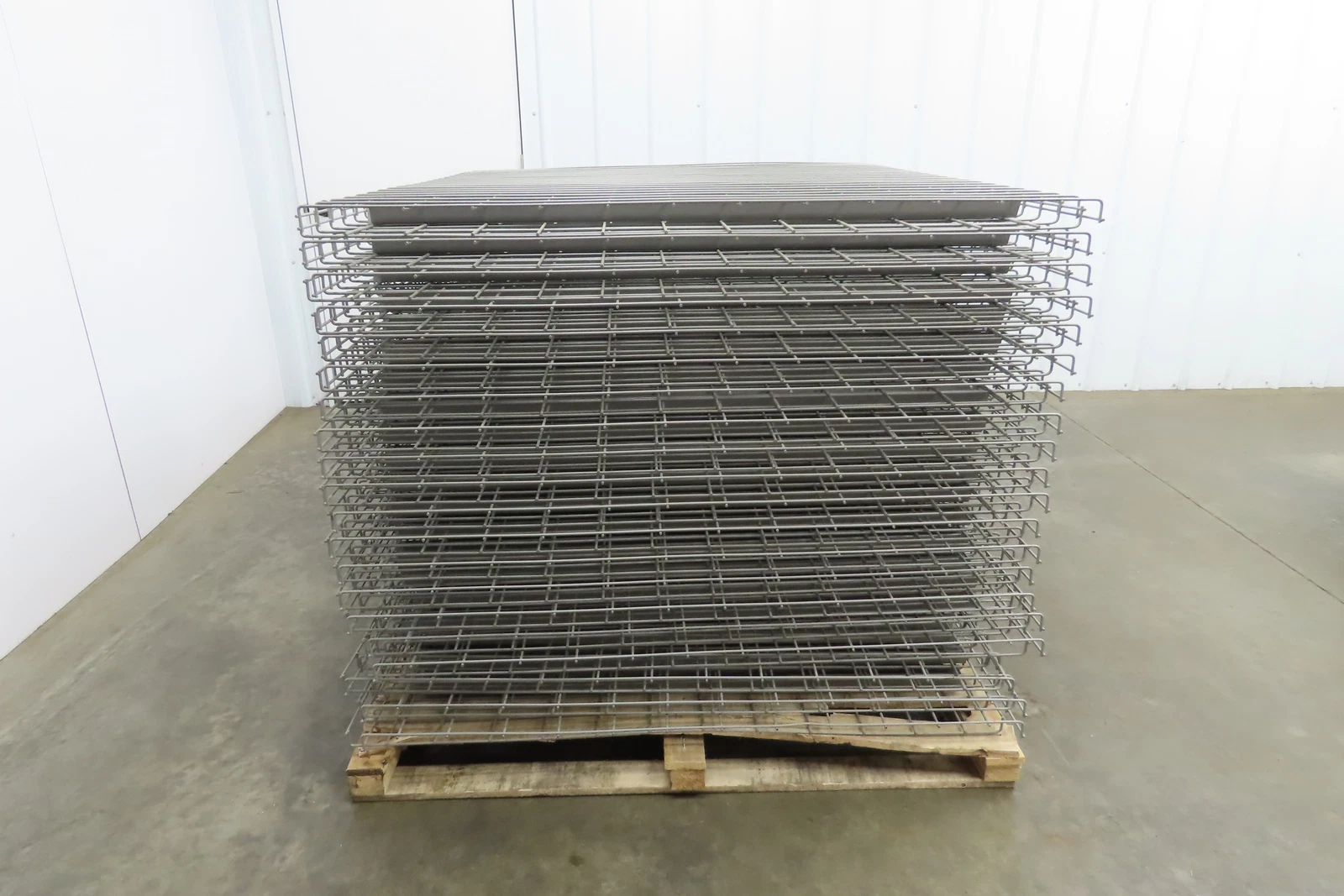
What Cost Savings Result From Using Cantilever Racking?
How Does Cantilever Racking Enhance Inventory Management?
Picture the warehouse scene: rows of pallet racking, forklifts buzzing, workers hustling to find what’s needed under tight deadlines. Now, toss in cantilever racking—those long arms sticking out like the arms of a hardworking mechanic grabbing just the right tool from his bench. Unlike standard pallet racking, cantilever racks are built for bulky, awkward items—think lumber, pipes, or steel bars. They don’t box you in with beams and crossbars, giving you clear, open space to move, stack, and manage inventory faster and smarter.
Here’s the heart of it: cantilever racking respects the work you do. It cuts frustration. No more wrestling to fit big stuff into tight spots or juggling half-loaded pallets, wondering if that slow shuffle will bottleneck the whole day. When inventory moves smoother, your crew feels it—from the rookie who’s still learning the ropes to the seasoned operator who knows every inch of the floor. That simple upgrade can turn headaches into high-fives.
From the head’s perspective, cantilever racking means efficiency you can count on. Its modular design adapts as your needs shift—long board this week, heavy tubing next. It’s an ethical move too—using space wisely reduces clutter and minimizes hazards, showing you care about the safety and dignity of the people who keep the operation running. Efficiency isn’t just numbers on a spreadsheet; it’s about respecting the real hands that build and move the stock.
Authority speaks from the steel itself. Cantilever systems are built tough, engineered for heavy loads and demanding environments. They’re trusted solutions in warehouses where standard pallet racking won’t cut it. By investing in cantilever, you lay down a foundation that’s reliable and strong, a silent partner in the inventory battle that wins day in, day out.
Narrative threads run through every rack arm. Imagine a busy morning: the team racing to fulfill orders, eyes bright but worn, and there, cantilever racking holding everything fast and organized like a dependable crew chief. It’s not just storage; it’s a backstage wingman helping the show go on.
Finally, there’s the social proof—warehouses that switched to cantilever racking swear by it. Word spreads because results speak loudest: less time searching, safer handling, and a workspace that feels less like chaos and more like a well-oiled machine. When your inventory is handled right, everyone knows it—right down to the last bolt in your pallet racking system.
Cantilever racking isn’t just a fancy upgrade. It’s practical, proven, and rooted in the kind of common sense that turns everyday work into something easier, safer, and better. That’s how it truly enhances inventory management—by making the hard stuff feel a little less hard.

How Does Cantilever Racking Enhance Inventory Management?
How Does Cantilever Racking Enhance Inventory Management?
- Cantilever racking is designed for bulky, awkward items like lumber, pipes, and steel bars, providing open space without beams and crossbars.
- It reduces frustration by making inventory handling smoother for all workers, from rookies to seasoned operators.
- Its modular design offers adaptable efficiency, accommodating changing inventory needs while promoting safer, less cluttered workspaces.
- Built tough for heavy loads and demanding environments, cantilever racking offers a reliable, strong foundation for warehouse operations.
- It acts as a dependable organizing system during busy shifts, supporting efficient order fulfillment like a reliable crew chief.
- Warehouses that switched to cantilever racking report less time searching for items, safer handling, and a more organized workspace.
- Cantilever racking is a practical, proven solution that enhances inventory management by making difficult tasks easier and safer.

How Does Cantilever Racking Enhance Inventory Management?
What Ethical Considerations Arise In Materials Handling?
You know, handling materials isn’t just about stacking boxes or shoving pallets onto some rickety pallet racking and calling it a day. It’s about respect—the kind you don’t always see but should feel in your bones. When you’re moving heavy crates or organizing a warehouse, every action has a ripple. If you cut corners, it’s not just the gear that takes a hit; it’s the folks relying on that gear to stay safe and sound. The ethical weight of materials handling presses down exactly when shortcuts seem tempting, but they can cause real harm.
There’s a simple truth learned on countless job sites: carelessness doesn’t just slow you down; it endangers lives. That’s why keeping pallet racking sturdy and well-maintained is more than a checklist item—it’s a promise to your crew. Every bolt tightened, every load balanced right, speaks volumes about the respect you have for yourself and the people who walk those floors day in and day out. Skimp on that, and you’re rolling the dice with safety, with trust, and with the integrity of the entire operation.
Then there’s the question of fairness and responsibility. Handling materials means knowing the limits of your own strength and tools, and never pushing those limits recklessly. It’s about treating everyone involved—your co-workers, the customers waiting on their orders—with honesty and fairness. When you manage materials with care and transparency, you’re not just moving goods; you’re keeping promises. And in an industry where delays or damages can mean the difference between feeding a family and turning a profit or not, that promise is a big deal.
Ethics in materials handling also means owning your mistakes. When something goes wrong—whether it’s a wobbling pallet racking or a misloaded shipment—own it, learn from it, and fix it before it gets anyone hurt or costs someone their job. That’s the kind of accountability that builds respect and makes the whole rig hum smoother.
At the end of the day, materials handling is more than muscle and machines. It’s about people—taking care of them, respecting the work, and building a workplace where everyone’s hard hat isn’t just worn but honored. Pallet racking might just be metal bars to some, but to those who know, it’s the backbone, and treating that backbone right is the ethical foundation we all lean on.

What Ethical Considerations Arise In Materials Handling?
What Ethical Considerations Arise In Materials Handling?
- Materials handling requires respect and careful attention, as cutting corners can harm both equipment and the people relying on it.
- Carelessness endangers lives, making the maintenance and sturdiness of pallet racking a critical safety commitment.
- Proper material handling involves recognizing personal and tool limits, and treating coworkers and customers with fairness and honesty.
- Managing materials with transparency is about keeping promises, which can impact livelihoods and business success.
- Ethical handling includes owning mistakes, learning from them, and fixing issues before they cause harm or job loss.
- Accountability fosters respect and smooth operations within the workplace.
- Materials handling is fundamentally about people—caring for them, respecting their work, and maintaining safety as an ethical foundation.

What Ethical Considerations Arise In Materials Handling?
Conclusion
When it comes down to it, cantilever racking isn’t just another piece of warehouse gear—it’s the unsung hero that keeps steel yards moving, safe, and sensible. For those wrestling with long, heavy, and stubborn materials like rebar and steel bars, this setup is the difference between a chaotic scramble and a smooth, steady flow. It’s built tough and smart, designed with the real-world grit of hands-on experience. That open, arm-out design clears space, makes loading quicker, and saves muscle—so folks don’t feel like they’re battling the materials every day. Beyond just making the job easier, cantilever racking carries a weighty promise: respect for the materials, the people who handle them, and the customers counting on a solid, timely delivery.
There’s a peace of mind tucked into those steel arms—that quiet confidence when you know everything’s in its place, visible, and ready to go. That order cuts down mistakes and headaches, so the work never gets held up, and the team isn’t running blind. It’s about working smarter, not harder, with a setup that’s grown from decades in the trenches, not some shiny new fad. Safety is baked in, too. Without columns blocking views or snagging gear, the yard stays safer, accidents drop, and workers get home whole instead of hurt. That’s not just good sense—it’s an ethical line in the sand for running a responsible, caring operation.
The system also protects the product itself. It keeps steel bars and other hefty goods from banging into racks or each other, cutting down damage that translates directly to lost time and money. Protecting materials means honoring the hard work—everyone from the makers to the movers—and maintaining trust with customers who expect their orders intact. When you reduce waste, you sweat less over replacements and delays, and your whole business runs cleaner and leaner.
On the money side, cantilever racking stretches your space and cuts labor costs by making everything accessible. It’s like squeezing more muscle out of the square footage you’ve got, sometimes delaying the need for costly new buildings. Less damage, fewer workplace accidents, and tougher racks built to last add up to real savings that put food on the table and keep the lights on. It’s practical, no-nonsense economics grounded in respect for people and process.
At its heart, cantilever racking is a partner in the grind—a system that meets the demands of a tough trade with humility and hard-earned wisdom. It’s about building a workflow that’s safer, smarter, and steadier; a setup where the workday’s heavy lifting doesn’t wear down the crew or the gear. That steady backbone keeps the show rolling, and when the chips are down, you want it by your side. This isn’t just storage; it’s a promise kept—to the steel, the workers, and the customers who rely on the whole bundle of it to come through day after day.
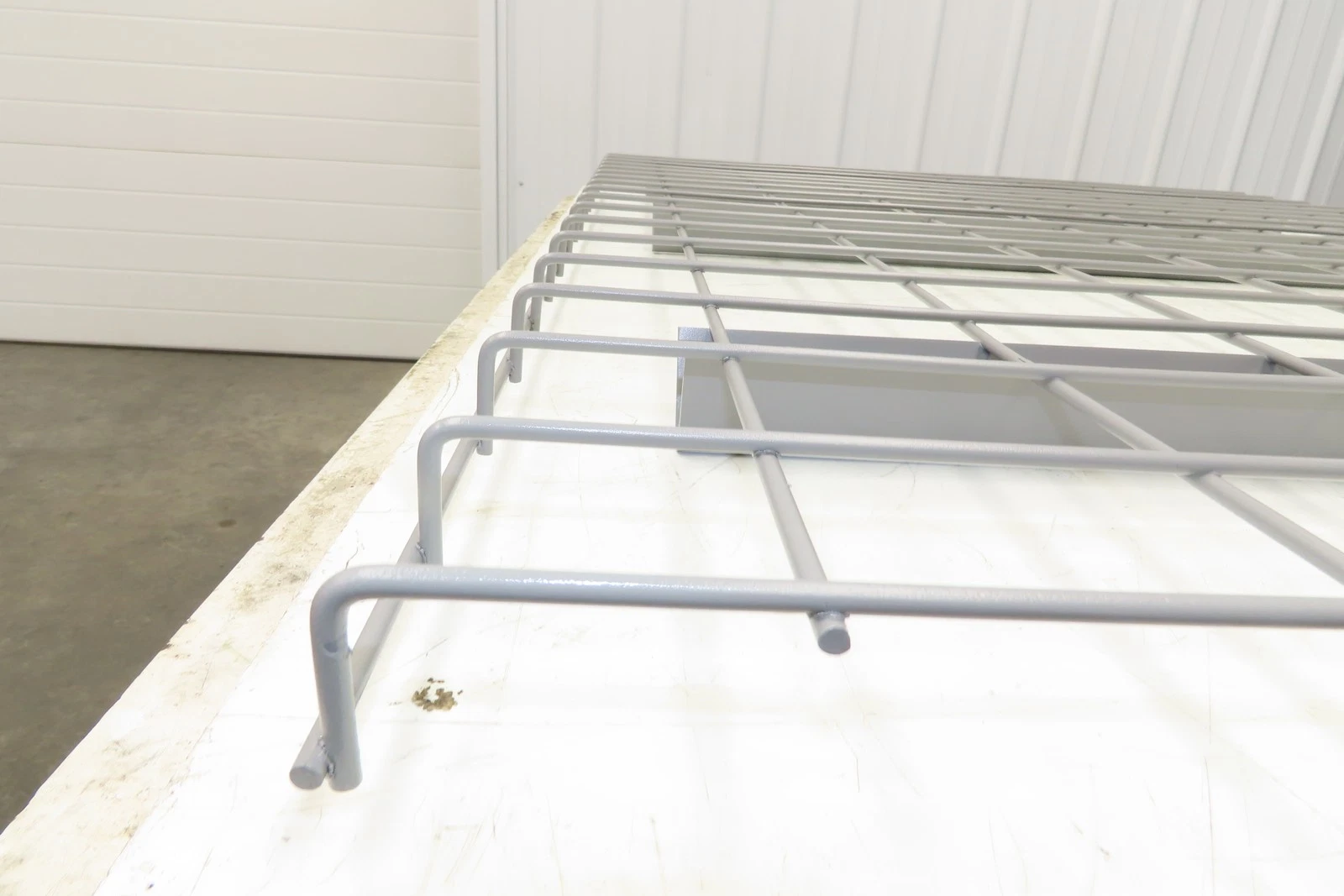
Conclusion
Conclusion:
- Cantilever racking is essential for managing long, heavy materials like steel bars, enabling smooth and efficient workflow in steel yards.
- Its open, arm-out design maximizes space, speeds up loading, and reduces physical strain on workers.
- The system promotes order and visibility, minimizing mistakes and keeping operations running smoothly.
- Safety is enhanced by eliminating obstructive columns, reducing workplace accidents and protecting workers.
- Cantilever racking protects materials from damage, reducing waste, delays, and costs associated with replacements.
- It optimizes storage space and lowers labor costs, delaying new facility investments and improving overall economic efficiency.
- The racking system supports a sustainable, reliable workflow that values the materials, workers, and customers equally.

Conclusion
Other Resources

Other Resources
Here is a list of other resources you can review online to learn more:
- NSC
- Pallet Racking systems in Illinois and Great Lakes
- Racking World
- Bradford Systems
- Illinois Pallet Racking – WPRP
- The Complete Pallet Rack Guide – Simply Rack
- Material Handling Safety
- Interlake
- Cantilever Racking Specialists – Get the Right Racks
- Teardrop Pallet Rack – Ridg-U-Rak
- WERC
- Iowa Illinois Warehouse Racking
- What is Selective Pallet Racking
- Used Teardrop Pallet Rack – American Surplus
- Shipping Boxes, Packaging Materials, Pallet Racking
- IWLA
- Warehouse Racking Chicago, IL
- American Society of Safety Professionals
- Storage Equipment Manufacturers Association
- What is Cantilever Racking? – AK Material Handling Systems
Use This Prompt To Get More Resources With Your Favorite Online AI Tool: Please provide me with a list of online articles with their URLs in a bulleted list that I can read regarding How Do Rebar and Reinforcement Steel Distributors Leverage Cantilever Racking?

Other Resources
Glossary Terms
How Do Rebar and Reinforcement Steel Distributors Leverage Cantilever Racking? – Glossary Of Terms
1. Cantilever Racking: A storage system designed with horizontal arms extending from a vertical column, used to hold long or bulky items.
2. Rebar: Steel reinforcing bars used to strengthen concrete structures.
3. Reinforcement Steel: Steel used to support and increase the strength of concrete in construction.
4. Distributor: A company or entity that stocks and supplies products to retailers or end-users.
5. Inventory Management: The process of ordering, storing, and using a company’s goods.
6. Load Capacity: The maximum weight a racking system can safely hold.
7. Storage Efficiency: The optimal use of space and resources in warehousing.
8. Vertical Column: The upright support structure in cantilever racking.
9. Horizontal Arm: The projecting beam on cantilever racks that carries the load.
10. Warehouse Layout: The arrangement of storage and handling equipment within a warehouse.
11. Space Optimization: Efficient use of available storage area to maximize capacity.
12. Material Handling: The movement, protection, storage, and control of materials throughout manufacturing or distribution.
13. Accessibility: The ease with which stored items can be reached.
14. Bulk Storage: Storing large quantities of a single product, often in large, uniform units.
15. Stock Rotation: Systematic management of inventory to use older stock before newer stock.
16. Pick Efficiency: The speed and accuracy with which products are retrieved from storage.
17. Heavy Load Handling: The ability to store and retrieve large, heavy materials safely.
18. Safety Standards: Regulations to ensure the secure installation and use of racking systems.
19. Customization: Tailoring racking solutions to specific product types or warehouse needs.
20. Modular Design: A racking system made up of standardized units that can be assembled in various configurations.
21. Space Utilization: The effective use of warehouse volume for storage.
22. Vertical Storage: Utilizing height to store products above floor level.
23. Durability: The ability of racking systems to withstand wear, pressure, or damage.
24. Load Distribution: Even spreading of weight across racking components to prevent failure.
25. Structural Integrity: The ability of a system to hold its shape and maintain strength under load.
26. Supply Chain: The entire network involved in producing and distributing a product.
27. Warehouse Safety: Measures and practices to prevent accidents and ensure safe operations.
28. Lean Inventory: Minimizing inventory levels to reduce waste and cost.
29. Material Dimension Accommodation: The ability of a racking system to store items of varied sizes and shapes.
30. Operational Efficiency: The ability to reduce time and cost in warehouse activities through effective systems.

Glossary Of Terms
Other Questions
How Do Rebar and Reinforcement Steel Distributors Leverage Cantilever Racking? – Other Questions
If you wish to explore and discover more, consider looking for answers to these questions:
- What are the typical load capacities per arm, per column, and per bay for cantilever racking used to store rebar and reinforcement steel?
- How do you calculate safe load distribution for bundled rebar of varying lengths and weights?
- What arm lengths, spacings, and heights are recommended for different rebar lengths and bundle sizes?
- How does cantilever racking cost compare to pallet racking on a per-square-foot and per-ton stored basis?
- What is the expected return on investment (ROI) and payback period after installing cantilever racking?
- What are the upfront costs versus long-term maintenance costs for cantilever systems?
- Can cantilever racking be retrofitted into existing yards or buildings, and what site preparations are required?
- What foundation, anchoring, and seismic requirements apply to cantilever installations in different regions?
- How do cantilever racks perform outdoors versus indoors, especially with exposure to weather and corrosion?
- What surface treatments, coatings, or materials (e.g., galvanization) are recommended to prevent corrosion of racks and stored steel?
- How often should cantilever racking be inspected, and what are the common inspection checklists and failure modes?
- What maintenance procedures and schedules are recommended to maximize rack life and safety?
- What training and certification do forklift operators and yard crews need to safely handle long loads on cantilever racks?
- How do cantilever systems affect pick/putaway workflows and cycle times for rebar orders?
- What are best practices for labeling, binning, and inventory control when using cantilever racking?
- How can cantilever racking be integrated with warehouse management systems (WMS) and barcoding/RFID?
- What safety accessories (guards, end caps, signage, restraining devices) are recommended to reduce accidents?
- How does cantilever racking reduce material damage compared with other storage methods, and what metrics quantify that reduction?
- What are common failure causes (overloading, impact damage, improper loading) and how can they be prevented?
- What are the regulatory and code compliance issues (OSHA, local building codes) relevant to cantilever racking?
- How should cantilever racking be configured for mixed-length inventories and frequent partial bundles?
- Are there modular or adjustable cantilever options that accommodate changing product mixes?
- What attachment and handling equipment (extended forks, multi-pallet handlers, loaders) work best with cantilever racks?
- How do you safely store and secure odd-shaped reinforcement products (bent rebar, coils, cages) on cantilever arms?
- What are the space-optimization strategies (aisle widths, bay depth, stacking height) when planning cantilever layouts?
- What noise, dust, or environmental controls are needed when storing steel outdoors on cantilever racks?
- How does cantilever racking affect insurance, liability, and workers’ compensation exposures?
- What warranty, service, and replacement policies do major cantilever manufacturers offer?
- How long do cantilever systems typically last under heavy industrial use, and what factors shorten their lifespan?
- What are the lead times for standard and custom cantilever racking orders, and how does procurement typically work?
- How do distributors evaluate and select reliable cantilever suppliers or installers?
- Are there case studies or performance benchmarks from other rebar distributors that quantify benefits (throughput, damage reduction, cost savings)?
- What are the environmental and sustainability impacts of switching to cantilever racking (material use, recyclability, reduced waste)?
- How do you plan for future expansion or reconfiguration when choosing a cantilever system today?
Other Questions
Checklist
How Do Rebar and Reinforcement Steel Distributors Leverage Cantilever Racking? – A Checklist
Fit and Purpose
✅______ Confirm primary inventory includes long, heavy, or awkward items such as rebar, steel bars, pipe, or lumber.
✅______ Identify zones where open-front access will replace inefficient pallet racking.
✅______ Map high-traffic areas where faster picks will reduce bottlenecks.
Layout and Space Utilization
✅______ Measure clear heights to stack vertically without obstruction.
✅______ Plan aisle widths for long-load turns and forklift visibility.
✅______ Separate stock by length, diameter, and grade to eliminate mixed, leaning piles.
✅______ Place fast movers at optimal pick heights; slow movers higher.
✅______ Keep pathways clear; do not store materials on floors in travel lanes.
Capacity and Configuration
✅______ Verify upright, base, and arm capacities exceed maximum bundle weights.
✅______ Set arm lengths and spacing to fully support bundles without unsafe overhang.
✅______ Install end stops or saddles to prevent roll-off.
✅______ Use modular components to reconfigure arms as the product mix changes.
✅______ Anchor bases and confirm plumb and level for all uprights.
Access and Handling
✅______ Define standard pick and place procedures for long loads to minimize touches.
✅______ Assign proper forklifts and attachments for the length and weight handled.
✅______ Mark approach and staging zones for clear, repeatable handling paths.
✅______ Ensure no front columns obstruct forks or sightlines.
Safety and Risk Reduction
✅______ Post load ratings visibly on every bay and arm level.
✅______ Train operators on long-load handling, spotter use, and line-of-sight rules.
✅______ Schedule routine inspections for arms, welds, bolts, anchors, and bases.
✅______ Tag and remove damaged components from service immediately.
✅______ Keep all materials off the floor to eliminate trip hazards.
✅______ Maintain lighting for clear visibility along the rack face.
Damage Prevention
✅______ Store by length and grade to avoid cross-contact and scuffing.
✅______ Use separators and strapping on bundles to protect surfaces.
✅______ Establish no-drag, no-scrape placement rules on arms.
✅______ Keep stock ends within the rack envelope to avoid collisions with uprights.
✅______ Add protective arm covers where cosmetic damage matters.
Inventory Management
✅______ Label each arm or bay with SKU, length, grade, and direction of growth.
✅______ Use clear visual cues, such as color zones and signage, by product family and length.
✅______ Implement FIFO for corrosion-prone or time-sensitive stock.
✅______ Map rack locations in WMS or a simple location index; audit weekly.
✅______ Track mispicks and adjust labeling and segmentation to eliminate errors.
Cost and ROI Tracking
✅______ Record average pick time before and after installation.
✅______ Measure storage density, in linear feet per square foot, gained.
✅______ Track damage and write-off reduction after deployment.
✅______ Monitor injury incidents and related costs for trend improvement.
✅______ Calculate payback based on labor, space, damage, and downtime savings.
Workforce Well-Being and Ethics
✅______ Involve operators in layout and configuration decisions.
✅______ Reduce manual lifts; align tasks with equipment to cut strain.
✅______ Encourage reporting and review of near misses; act on findings.
✅______ Reinforce standards that prioritize safe, orderly handling over speed.
Maintenance and Continuous Improvement
✅______ Clean aisles daily; remove debris that interferes with forks.
✅______ Tighten anchors and bolts on schedule; verify rack plumb and level quarterly.
✅______ Reassess arm spacing and levels as inventory shifts.
✅______ Document incidents and update procedures accordingly.
✅______ Review KPIs monthly; share improvements with the team.
Implementation Steps
✅______ Audit current pain points such as search time, damages, and congestion.
✅______ Pilot a high-impact bay or aisle and establish baseline performance metrics.
✅______ Train crew on new procedures and signage.
✅______ Roll out in phases; adjust layout using pilot feedback.
✅______ Revalidate capacities and labels after each phase.

Checklist
At RackingWorld, we help guide you through selecting warehouse storage systems and racking.
Be sure to read our other related stories at RackingWorld to learn more about warehouse storage systems.
0 Comments