
Maximizing Efficiency, Safety, And Sustainability In Meat Packing Storage
By Tom Seest
At RackingWorld, we help guide you through selecting warehouse storage systems and racking.
Be sure to read our other related stories at RackingWorld to learn more about warehouse storage systems.
How Do Meat and Poultry Packers Leverage Pallet Racking?
In the gritty world of meat and poultry packing, where every minute counts and margins are thinner than a slice of prosciutto, pallet racking isn’t just some fancy storage solution—it’s the backbone keeping the whole operation humming. Picture a warehouse floor packed tight like a well-packed lunchbox. Without pallet racking, it’s chaos: product everywhere, workers tripping over crates, and managers pulling their hair out trying to find space. With it, everything’s organized, accessible, and just plain smarter.
Meat and poultry packing is tough work. You’re handling perishable goods that need to move fast, stay cold, and stay clean. The last thing you want is inventory sitting on the floor where contamination risks lurk. Pallet racking lifts products off the ground, giving them the respect they deserve and safeguarding quality. When customers expect fresh cuts and poultry that’s handled right—day in, day out—the reliability of pallet racking answers the call quietly but powerfully.
There’s also the human factor: workers on the floor don’t have to play mine-sweeper through piles of product. They can move pallets safely with forklifts, spot what they need at a glance, and keep the operation moving like clockwork. That kind of order doesn’t just reduce headaches; it cuts down accidents and builds a workplace where folks can take pride in their job. It’s about respect—for the product, and for the people handling it.
From a commonsense standpoint, pallet racking makes dollars and sense. Every inch of square footage in a packing plant is precious. Pallet racking stacks up the inventory vertically, maximizing space like a well-organized toolbox. This means more product on hand, faster turnaround times, and less waste. When margins hang by a thread, every saved inch and every saved minute adds up to real, hard-earned profit.
Ethically, there’s also something to say for doing things right: food safety, hygiene, and responsible storage aren’t just buzzwords. They’re about trust. When pallet racking supports that trust, it’s an unsung hero in a complicated supply chain feeding families night after night.
In meat and poultry packing, pallet racking is practical muscle with a humble heart. It’s the foundation that keeps products fresh, workers safe, and the business’s reputation ironclad. No flashy gimmicks—just good, honest gear making sure hard work doesn’t go to waste.

How Do Meat and Poultry Packers Leverage Pallet Racking?
How Do Meat and Poultry Packers Leverage Pallet Racking?
- Pallet racking is essential in meat and poultry packing, preventing chaos and organizing space efficiently.
- It safeguards perishable goods by lifting inventory off the floor, reducing contamination risks and maintaining product quality.
- Improves worker safety and efficiency by allowing easy pallet movement and quick product identification.
- Maximizes vertical space use, increasing inventory capacity, speeding up operations, and reducing waste, which boosts profitability.
- Supports food safety, hygiene, and responsible storage practices, building customer trust.
- Creates a safer, more orderly workplace that fosters pride among employees and reduces accidents.
- Acts as a reliable, practical foundation that keeps products fresh, workers safe, and preserves the business’s reputation.

How Do Meat and Poultry Packers Leverage Pallet Racking?
Table Of Contents
- How Do Meat and Poultry Packers Leverage Pallet Racking?
- How Does Pallet Racking Improve Meat Packing Efficiency?
- What Safety Measures Are Needed for Pallet Racking In Meat Plants?
- How Does Pallet Racking Reduce Product Damage In Poultry Packing?
- Can Pallet Racking Support Cold Storage Requirements?
- How Do Workers Navigate Pallet Racks Safely In Meat Facilities?
- What Are the Cost Benefits Of Optimized Pallet Racking Systems?
- Conclusion
- Other Resources
- Glossary Of Terms
- Other Questions
- Checklist
How Does Pallet Racking Improve Meat Packing Efficiency?
In a place where every minute counts and every pound matters, pallet racking isn’t just some fancy storage solution—it’s the backbone of getting meat from the cooler to the customer without a hitch. Think about the folks on the floor, working long shifts, needing a system that keeps things moving smooth and steady. Pallet racking steps in like a reliable workhorse, organizing heavy loads of meat with a clear, straightforward method that cuts down the chaos.
When you stack pallets right where you can see and grab them fast, it’s like giving the team a leg up—they don’t have to waste time digging through piles or moving stuff around like a game of Jenga gone wrong. Efficiency here means less wasted energy and quicker turnaround, plain and simple. It’s about making each move count, so the product stays fresher, and orders get out the door without delay. That kind of rhythm builds confidence—not just in the machinery or the layout, but in the people who make it all work.
There’s something honest about pallet racking, too. It’s straightforward, smart, and built tough—just like the people running the lines. It keeps the workflow honest and fair, giving everyone equal chance to access what they need when they need it. That’s not just smart business; it’s good ethics. Handling meat safely and efficiently isn’t just a goal; it’s a responsibility to the customer and the whole team behind the scenes.
On the authority front, pallet racking has stood the test of time. It’s a proven work system in warehouses of all kinds, especially in meat packing where space and sanitation rules are king. It holds up under pressure, supports heavy loads, and keeps everything orderly, proving itself day in and day out. It’s not new, but it’s reliable—and sometimes, that beats flashy every time.
At the heart of it, pallet racking connects the dots between hard work and smooth results. It respects the sweat on the shop floor and rewards it with order, safety, and speed. When the rack’s doing its job, the whole operation hums along, making everyone’s life a little easier. And that’s something anyone in the meat business can appreciate.

How Does Pallet Racking Improve Meat Packing Efficiency?
How Does Pallet Racking Improve Meat Packing Efficiency?
- Pallet racking is essential for efficiently moving meat from cooler to customer, supporting smooth workflow during long shifts.
- It organizes heavy loads clearly, reducing chaos and preventing time wasted searching or rearranging pallets.
- Improved efficiency leads to less wasted energy, quicker turnaround, fresher product, and timely order fulfillment.
- Pallet racking promotes fairness by providing equal access to materials, reflecting good ethics and responsibility in meat handling.
- It is a proven, reliable system that withstands heavy loads and meets strict space and sanitation requirements in meat packing.
- The system’s straightforward, durable design matches the hardworking people on the shop floor and fosters confidence.
- Pallet racking connects hard work with smooth operation, enhancing order, safety, speed, and overall ease in meat processing.

How Does Pallet Racking Improve Meat Packing Efficiency?
What Safety Measures Are Needed for Pallet Racking In Meat Plants?
When you walk into a meat plant, the first thing you notice isn’t just the chill in the air—it’s how the pallets stack up, neat and steady, holding everything from boxes of beef to crates of pork. Pallet racking in these places isn’t just about storage; it’s about trust. Trust that everything sitting on those racks won’t come crashing down on a busy worker’s head, or worse, cause a chain of accidents that cost lives and livelihoods. You learn fast that safety measures here aren’t a luxury—they’re the backbone of the whole operation.
Let’s get real. Pallet racking in meat plants faces a unique grind. The cold, the moisture, the constant movement of heavy goods—this environment is no joke. If the racks aren’t up to scratch, if they aren’t inspected and maintained like clockwork, you’re not just risking damaged products but people’s safety. That’s why solid, regular inspections, shoring up any dents or bends, and ensuring the racks can handle the weight without a wobble are non-negotiable. A sagging rack in a meat plant can turn a normal day into a nightmare.
You can’t run a plant with loose screws or ignored damage. Everyone from the forklift driver stacking pallets to the floor manager needs to feel confident those racks hold up — literally. Beyond the physical checks, there’s training. If the team doesn’t know how to load properly, or if shortcuts get taken, the whole system’s at risk. That’s why clear rules and simple, straightforward training go a long way. It’s about looking out for each other, knowing that your co-worker depends on you packing those racks right, just as much as you depend on them.
Ethically, it’s a no-brainer. People depend on these racks day in and day out—they deserve no less than secure, stable storage. It’s about respect for the folks on the floor, the people who put in the grind every day. When safety’s tight, it shows you care. It builds a culture where everyone holds a stake in keeping that plant running smooth—and safe.
Experience tells us the best safety measures aren’t complicated. They’re solid design, regular upkeep, and a team that knows the score. When pallet racking in a meat plant holds strong, you’re not just protecting meat—you’re protecting the hands that handle it. That’s what makes safety real, and that’s what keeps the whole place moving forward without a hitch.

What Safety Measures Are Needed for Pallet Racking In Meat Plants?
What Safety Measures Are Needed for Pallet Racking In Meat Plants?
- Pallet racking in meat plants is essential for safety, preventing accidents and ensuring trust among workers.
- These racks endure cold, moisture, and heavy loads, requiring regular inspections and maintenance to remain reliable.
- Damage like dents, bends, or loose screws must be promptly addressed to avoid safety hazards.
- Proper training on loading and handling pallets is critical to maintaining rack stability and overall safety.
- Secure storage reflects respect and care for workers who rely on the racks daily.
- Effective safety combines strong design, consistent upkeep, and a knowledgeable team aware of risks and procedures.
- Maintaining pallet rack safety protects both products and the employees handling them, ensuring smooth plant operations.

What Safety Measures Are Needed for Pallet Racking In Meat Plants?
How Does Pallet Racking Reduce Product Damage In Poultry Packing?
Look, when you’re dealing with poultry packing, every bird counts. One cracked crate or crushed box isn’t just lost product—it’s lost trust, lost money, and a headache that could’ve been avoided. That’s where pallet racking steps in like a reliable workhorse on a tough day. It’s not fancy, but it’s smart. By stacking crates neatly and securely off the ground, pallet racking keeps those poultry products steady and safe, far from the floor’s dirt, moisture, and the accidental kicks that happen in a busy warehouse.
You know the feeling of trying to stack boxes on top of each other, hoping they don’t fall or get squashed? Pallet racking takes that gamble out of the equation. It offers a strong, stable framework that holds each pallet exactly where it belongs, reducing the chance that those fragile chickens get jostled around or crushed. Picture a well-organized shed versus a haphazard pile of firewood—the difference is clear, and that’s the kind of order pallet racking brings to the chaos of packing lines.
Using pallet racking is also about respect—for the workers handling those crates, for the customers counting on quality food, and for the whole chain that depends on getting product through safely. When employees don’t have to wrestle with falling or smashed pallets, their work is easier, safer, and less stressful. That’s not just good for morale; it’s ethical common sense. Protecting the product means protecting the people who make it move.
Over years hauling, stacking, and shipping poultry, the stories are simple but true: pallet racking cuts down on damaged goods because it controls motion and space. Less damage means better freshness, fewer rejections at the dock, and less waste thrown into the trash. And in an industry where margins can be tight and reputation is everything, that’s a no-brainer.
So next time you peek into a busy packing house, notice the quiet order of those racks lined up, each holding its share of the day’s catch. It’s more than just storage—it’s a frontline defense against waste and damage. Solid, steady, and built to work just like the folks who rely on it every day. That’s pallet racking doing its humble, gritty job, saving product and making every shipment count.
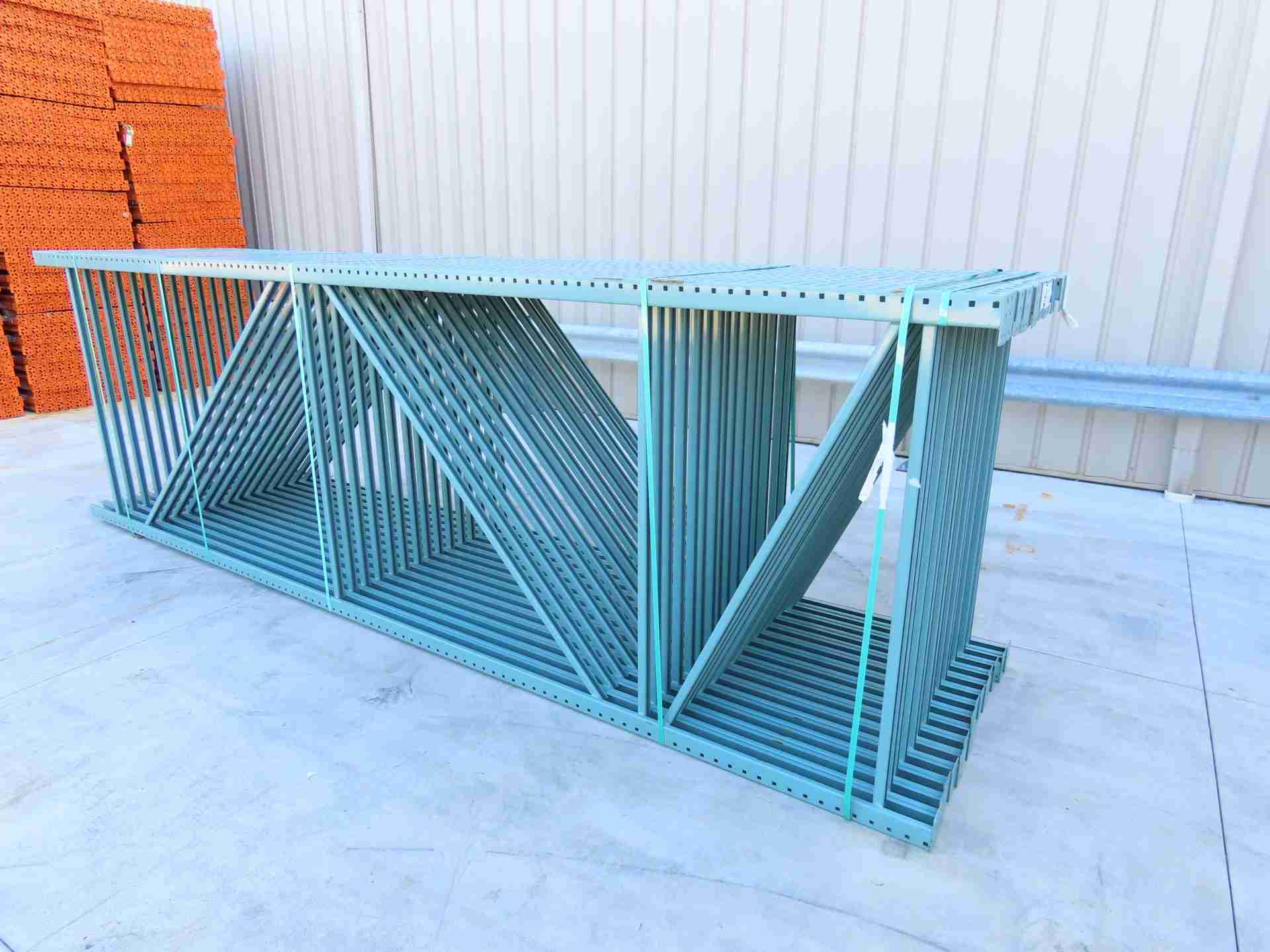
How Does Pallet Racking Reduce Product Damage In Poultry Packing?
How Does Pallet Racking Reduce Product Damage In Poultry Packing?
- Pallet racking prevents damage to poultry products by securely stacking crates off the ground, protecting them from dirt, moisture, and accidents.
- It provides a strong, stable framework that eliminates the risk of pallets falling or being crushed during stacking.
- Pallet racking brings order and organization to busy packing lines, reducing chaos and improving efficiency.
- Using pallet racking improves worker safety and reduces stress by preventing accidents with falling or smashed pallets.
- Protecting the product with pallet racking also protects the workers and upholds ethical standards.
- It reduces damaged goods, improves freshness, minimizes product rejections, and cuts down on waste, benefiting tight-margin poultry operations.
- Pallet racking serves as a practical, reliable defense against waste and damage, ensuring every shipment counts.

How Does Pallet Racking Reduce Product Damage In Poultry Packing?
Can Pallet Racking Support Cold Storage Requirements?
When you’re knee-deep in pallets and frost, you want your pallet racking to do more than just hold stuff up—it’s got to stand the cold, keep things organized, and keep your operation humming without breaking a sweat. Cold storage isn’t some fancy, cozy room; it’s a harsh environment where metal contracts, moisture sneaks in, and every extra minute lost messing with your racks costs time and money. Pallet racking has earned its place here because it’s tough, adaptable, and built to work as hard as you do.
Let’s face it, you don’t have time for racks that buckle under pressure or corrode faster than old boots left by the loading dock. Cold storage conditions demand racking systems made from materials that can handle temperature swings and resist moisture without rusting out. Properly designed pallet racking uses cold-resistant coatings and galvanized steel that fight off corrosion like a champ, keeping your stock safe and your team safe. That’s not just good business; that’s good stewardship—taking care of your investment and the people who keep the place running.
There’s a practical, no-nonsense appeal to pallet racking here: it maximizes vertical space so you’re not sprawling all over the floor like a bull in a china shop. Space is precious, especially when the thermostat’s way below zero and every cubic foot costs a buck. Reliable pallet racking means you can stack high and stack smart, cutting down on wasted room and making inventory easy to find and move. It’s about working smarter, not just harder, keeping the flow smooth from freezer to forklift.
Trust comes from knowing your pallet racking’s built for this kind of work, tested in environments where failure isn’t an option. When crews see racks standing steady week after week, it builds confidence—and when confidence is high, so is morale. That’s the kind of backbone every cold storage operation needs: equipment that feels like part of your team, not just something you bolt on and hope for the best.
Pallet racking in cold storage isn’t just about metal beams and bolts—it’s about making life simpler, safer, and more reliable. It’s about knowing your system can take the cold and keep on working, so you can get the job done and get home without extra headaches. That’s the kind of common-sense built-in value that brings people together—because when your gear works right, everything else follows.

Can Pallet Racking Support Cold Storage Requirements?
Can Pallet Racking Support Cold Storage Requirements?
- Pallet racking in cold storage must withstand harsh conditions, including cold temperatures, metal contraction, and moisture, while maintaining operational efficiency.
- Materials like galvanized steel and cold-resistant coatings prevent corrosion and ensure durability, protecting both inventory and workers.
- Effective pallet racking maximizes vertical space, reducing floor clutter and optimizing costly storage areas.
- Efficient racking systems enable smart stacking and easy access to inventory, improving workflow from freezer to forklift.
- Reliability and proven performance in cold environments build crew confidence and morale, reinforcing the operation’s backbone.
- Pallet racking simplifies operations, enhances safety, and delivers consistent reliability in demanding cold storage settings.
- Well-designed pallet racking provides practical value by ensuring systems keep working smoothly, supporting both business needs and workforce wellbeing.

Can Pallet Racking Support Cold Storage Requirements?
How Do Workers Navigate Pallet Racks Safely In Meat Facilities?
Working around pallet racking in meat facilities isn’t some slick operation—it’s raw, gritty, and demands respect every second. These racks hold the backbone of the operation, loaded up with heavy, cold products stacked high. One wrong step or a careless move can turn a regular shift into a disaster. Workers know this from the ground up because they’ve seen what happens when shortcuts or distractions creep in.
Navigating pallet racking safely starts with simple, no-nonsense habits. Eyes sharp, hands steady, and feet sure. It’s about trusting your gut when something feels off—like a pallet that’s wobbly or a rack that looks overloaded. This instinct isn’t fluff, it’s hard-earned wisdom from working shoulder-to-shoulder with the machinery and materials day in, day out. It’s the kind of insight that saves more than time; it saves well-being.
Ethically, workers have a responsibility that goes beyond just themselves. They look out for their coworkers because everyone’s got a family waiting for them outside that cold warehouse. Watching each other’s backs around those pallet racking systems builds a bond—a shared trust that if someone spots trouble, they speak up. This cooperation isn’t forced; it’s earned by knowing what’s at stake together.
From a rational standpoint, keeping clear of hazards means fewer injuries and smoother operations. Broken pallets, uneven loads, or under-maintained racks don’t just risk people—they slow the whole system down. You can’t meet quotas or keep product quality high if folks are hurt or scared to do their jobs. The cold hard math of safety keeps the facility humming, the meat moving, and the paychecks coming.
There’s an authority in experience that can’t be matched by manuals or meetings. Workers respect the rules because they’ve felt the weight of consequences firsthand. They know the difference between safe stacking and a ticking time bomb. When the boss walks the floor explaining the ‘why’ behind safety steps, it hits different—because it’s grounded in real situations, real mess-ups, and real solutions.
Story after story, it’s clear: pallet racking safety isn’t a burden; it’s the foundation of pride in the job. When the team trusts each other, respects the space, and works with common sense, they not only protect themselves but honor the craft. That connection—between the worker, the rack, and the work—makes safety something worth fighting for every day.

How Do Workers Navigate Pallet Racks Safely In Meat Facilities?
How Do Workers Navigate Pallet Racks Safely In Meat Facilities?
- Working around pallet racking in meat facilities is demanding, requiring constant respect and caution to avoid accidents with heavy, cold products.
- Safe navigation depends on simple, attentive habits and trusting instincts about unstable pallets or overloaded racks.
- Workers have an ethical responsibility to watch out for coworkers, fostering trust and cooperation to identify and address hazards.
- Maintaining safety reduces injuries and ensures efficient operations, essential for meeting quotas and preserving product quality.
- Experience provides authority and understanding beyond manuals, with workers respecting rules due to firsthand awareness of risks.
- Management explaining the reasons behind safety measures resonates more when based on real incidents and practical knowledge.
- Pallet racking safety builds pride and connection among workers, making it a shared commitment to protect themselves and honor their work.

How Do Workers Navigate Pallet Racks Safely In Meat Facilities?
What Are the Cost Benefits Of Optimized Pallet Racking Systems?
Look, if you’ve ever had to wrestle with cluttered warehouse aisles or wasted space that feels like a black hole swallowing your dollars, you know that pallet racking isn’t just some metal shelves. It’s the backbone of getting things done right, saving time, and, frankly, keeping your sanity. Optimized pallet racking systems don’t just hold pallets; they hold your hard-earned money in place and put it to work.
From the gut, it feels good knowing your space’s working for you, not against you. When pallet racking is set up sensibly, your team spends less time hunting down products or dodging safety hazards and more time moving the goods that pay the bills. That means fewer headaches, less overtime, and fewer near-miss accidents. It’s the kind of relief that hits you after a long day — knowing you’ve got a system you can count on.
Now, let’s talk sense. On paper, optimized pallet racking boosts efficiency by maximizing storage capacity and improving workflow. You need fewer square feet to store the same amount of inventory, which cuts your storage costs. It reduces the need for unnecessary forklift trips, saving fuel and maintenance. Plus, a well-racked warehouse means less inventory damage, which directly protects your margins. You invest once, and the payoff? Better use of space, faster order fulfillment, and lower replacement and labor costs down the line. That’s solid business, plain and simple.
Ethics and responsibility kick in when you consider the safety angle. A smart pallet racking system keeps your crew out of harm’s way—no worries about unstable stacks or overloaded shelves. It’s about looking out for your people, the backbone of your operation. Doing right by them builds trust and morale, and it sends a clear message that you value their well-being alongside productivity.
When you’ve been around the block and seen warehouses cluttered with jury-rigged setups, the authority of a thoughtfully designed pallet racking system stands out. It’s the kind of no-nonsense approach that separates the pros from the amateurs. You’re not just choosing racks; you’re choosing peace of mind and reliability.
Optimized pallet racking is about getting real results. It’s about connecting your budget, your people, and your operations in a way that just makes sense and works overtime for you. If your pallet racking system isn’t earning its keep, it’s time to retool, because every dollar tied up should be pulling its weight.

What Are the Cost Benefits Of Optimized Pallet Racking Systems?
What Are the Cost Benefits Of Optimized Pallet Racking Systems?
- Optimized pallet racking is essential for efficient warehouse operations, saving time and reducing frustration.
- Properly designed racking systems minimize time spent searching for products and reduce safety hazards.
- Efficient pallet racking maximizes storage capacity, lowers storage costs, and reduces unnecessary forklift trips and maintenance.
- Well-organized racks prevent inventory damage, protecting profit margins and reducing replacement costs.
- Safety is a critical benefit, preventing accidents by ensuring stable, properly loaded shelves and fostering employee trust and morale.
- A thoughtfully designed pallet racking system distinguishes professional operations from amateur setups, offering reliability and peace of mind.
- Optimized pallet racking aligns budget, personnel, and operations to improve overall productivity and return on investment.

What Are the Cost Benefits Of Optimized Pallet Racking Systems?
Conclusion
In the hard-nosed world of meat and poultry packing, pallet racking is the unsung workhorse holding everything together. It’s not flashy, but it’s tough, practical, and essential—the backbone of keeping the place running smooth, safe, and efficient. When every minute and every inch of space counts, pallet racking turns chaos into order. It lifts products off the ground, cutting contamination risks and respecting the quality customers expect. It’s a quiet guardian of food safety and freshness, standing firm under cold, wet conditions that would wreck lesser setups.
This gear makes life better for the folks on the floor too. Instead of dodging piles of heavy crates, they get clear sightlines and easy access, moving pallets safely with forklifts and cutting down accidents. That’s respect—not just for the product, but for the people who handle it day in and day out. Safety isn’t a box-checking exercise here; it’s a shared responsibility built on hard-learned experience and straightforward rules. When workers trust the racks won’t fail them or topple under pressure, they can focus on the job without worrying about what could go wrong.
It’s not just about protecting bodies and products—optimized pallet racking makes good financial sense. By stacking smart and using vertical space, operations squeeze every bit of capacity from the facility, speeding up inventory turnover and cutting waste. Less downtime, fewer damaged goods, and less time spent hunting through clutter turn into real dollars saved. A well-built racking system pays for itself by making the plant run leaner, faster, and with fewer headaches.
There’s also a moral weight to it. Doing things right isn’t just business—it’s about stewardship and trust. The racks represent a promise to customers that the meat and poultry reaching their tables have been stored safely and handled with care. They show the world a plant that values its workers and their safety, making it a place where pride in the craft runs as deep as the work ethic.
In the end, pallet racking in meat and poultry packing is more than metal beams and bolts. It’s the practical muscle and steady heart holding up every shift—delivering order, safety, and efficiency without fuss. It respects the sweat on the floor and the stakes on the line. For those who rely on it, it’s the quiet partner that makes sure hard work counts and nothing goes to waste.

Conclusion
Conclusion:
- Pallet racking is essential in meat and poultry packing for maintaining smooth, safe, and efficient operations.
- It prevents contamination by lifting products off the ground and withstands harsh cold, wet conditions.
- Improves workplace safety by providing clear sightlines and easy forklift access, reducing accidents.
- Optimizes space by utilizing vertical stacking, increasing capacity and speeding up inventory turnover.
- Reduces downtime, damaged goods, and clutter, resulting in significant cost savings for the facility.
- Represents a commitment to quality, safety, and respect for workers and customers alike.
- Serves as a reliable, sturdy foundation that supports daily operations and ensures efficient workflow.

Conclusion
Other Resources

Other Resources
Here is a list of other resources you can review online to learn more:
- Used Pallet Rack for Sale in Illinois – American Surplus
- MHI
- Selective Rack – Raymond West
- Pallet Racking systems in Illinois, Great Lakes
- BMH Equipment LLC
- RMI
- Interlake Mecalux
- Selective Racking
- Chicago Pallet Racking
- Rack Manufacturers Institute
- Overhead Lifting
- Warehousing and Fulfillment
- Illinois
- Material Handling Safety
- American Surplus
- Shipping Boxes, Packaging Materials, Pallet Racking
- The Ultimate Pallet Racking Guide – Speedrack West
- Teardrop Pallet Rack – Ridg-U-Rak
- Mustang Material Handling
- Warehouse Automation
Use This Prompt To Get More Resources With Your Favorite Online AI Tool: Please provide me with a list of online articles with their URLs in a bulleted list that I can read regarding How Do Meat and Poultry Packers Leverage Pallet Racking?

Other Resources
Glossary Terms
How Do Meat and Poultry Packers Leverage Pallet Racking? – Glossary Of Terms
1. Pallet Racking: A storage system designed to hold materials on pallets, maximizing vertical space and enhancing warehouse organization.
2. Meat Packers: Companies that process and package meat products for distribution and sale.
3. Poultry Packers: Companies specializing in processing and packaging poultry products.
4. Cold Storage: Temperature-controlled environment essential for preserving meat and poultry products.
5. FIFO (First In, First Out): Inventory management method prioritizing the oldest stock for use or shipment first.
6. LIFO (Last In, First Out): Inventory method using the most recently stored products first, less common in perishables.
7. Load Capacity: The maximum weight a pallet rack can safely carry.
8. Pallet: A flat transport structure that supports goods, enabling easy lifting and storage.
9. Warehouse Efficiency: The effectiveness of space and resource utilization in storage and distribution.
10. Inventory Turnover: The rate at which inventory is sold or used over a period.
11. Space Optimization: Efficient use of available warehouse space to store the maximum quantity of products.
12. Ergonomics: Design considerations that improve worker safety and ease of access to stored goods.
13. Cold Chain: The temperature-controlled supply chain critical for maintaining product quality.
14. Cross-Docking: A logistics practice where products are directly transferred from receiving to shipping areas, minimizing storage time.
15. Load Stability: The secure placement of products on pallets and racks to prevent shifting or damage.
16. Storage Density: Amount of product stored in a given volume of space.
17. Slotting: Strategically placing products within a warehouse to optimize picking and storage efficiency.
18. Automation: Use of technology and machinery to manage pallet racking and inventory handling.
19. Material Handling Equipment: Tools like forklifts used to move pallets within the warehouse.
20. Rack Configuration: The specific design and setup of pallet racks to suit product types and warehouse layout.
21. Traceability: The ability to track products through the supply chain for safety and quality assurance.
22. Hazard Analysis: Assessing risks in storage and handling to prevent accidents and contamination.
23. Compliance: Adhering to industry standards and regulations concerning meat and poultry storage.
24. Load Distribution: Even spreading of weight across pallet racks to maintain structural integrity.
25. Picking Accuracy: Precision in selecting correct products from storage for orders.
26. Inventory Management System: Software used to track and control stock within warehouse racking.
27. FIFO Lane Rack: Pallet rack designed to facilitate first-in-first-out inventory flow.
28. Temperature Monitoring: Continuous checking of environmental conditions to ensure product safety.
29. Contamination Control: Measures to prevent cross-contamination between products during storage.
30. Space Utilization Ratio: The proportion of warehouse space effectively used for storage versus total available space.

Glossary Of Terms
Other Questions
How Do Meat and Poultry Packers Leverage Pallet Racking? – Other Questions
If you wish to explore and discover more, consider looking for answers to these questions:
- What specific pallet racking types (selective, drive-in, push-back, pallet flow, double-deep, mobile) work best for meat and poultry operations?
- How do racking choices differ between chilled, frozen, and ambient areas?
- What are the load capacity and beam span considerations for different meat product weights and pallet sizes?
- How should pallet racking be anchored and installed on cold-room floors that may contract or shift?
- What materials and coatings (galvanized, stainless steel, powder-coated) resist corrosion and condensation in cold storage?
- How frequently should racking be inspected and what specific inspection checklist items are required?
- What are the recommended maintenance and repair procedures for damaged frames, beams, and connectors?
- How is racking inspection documented for audits and regulatory compliance?
- How do pallet racking systems integrate with HACCP plans and USDA/FDA food safety requirements?
- What sanitation and washdown procedures are safe for racking without causing corrosion or weakening components?
- Which cleaning chemicals are compatible with racking materials used in meat plants?
- How should racking be designed to prevent cross-contamination between raw and ready-to-eat products?
- What airflow and cold-chain considerations affect rack layout to maintain consistent temperatures?
- How do aisle widths and rack heights impact forklift access, ergonomics, and safety?
- What forklift types and attachments are best for use around different racking configurations?
- What training and certification requirements should forklift operators and rack loaders have?
- What are the best practices for pallet loading patterns to minimize shifting and product damage?
- How do pallet quality and pallet type (wood, plastic, hygienic pallets) affect racking performance and hygiene?
- What protective devices (column guards, rack protectors, end-of-aisle barriers, netting) are recommended?
- How do safety accessories like beam locks, safety pins, and pallet supports reduce failure risk?
- What are common causes of rack collapse in meat facilities and how are they prevented?
- How does racking layout affect emergency access, evacuation routes, and fire protection systems?
- What fire safety and sprinkler design issues arise with high-density racking?
- How do seismic or wind-load requirements influence racking design in different regions?
- What are the trade-offs between maximizing storage density and preserving worker safety and visibility?
- How can pallet racking support FIFO and traceability requirements for perishable inventory?
- How do pallet-flow or FIFO-enabled racks improve shelf-life management compared with selective racking?
- What software, WMS, or inventory systems integrate best with racking layouts for faster picking and replenishment?
- How can barcode/RFID labeling and slotting strategies be applied on pallet racks for traceability?
- What are the ROI calculations and payback period estimates for upgrading or optimizing racking?
- How much do different racking systems typically cost (including installation) for a given square footage?
- What ongoing operational cost savings (energy, labor, reduced waste) can be expected from optimized racking?
- Are there tax incentives, grants, or depreciation benefits for investing in improved cold storage racking?
- How does racking design affect freezer space efficiency and energy consumption?
- What sustainability considerations apply to racking materials, lifespan, and end-of-life recycling?
- How do you choose a racking vendor or installer—what certifications, references, and warranties matter?
- What lead times and operational disruptions should be expected during racking installation or retrofit?
- Can existing facilities be retrofitted for higher-density racking without major structural work?
- How do automated storage and retrieval systems (AS/RS), conveyors, or robotics integrate with pallet racking?
- What safety protocols and controls are required when introducing automation into racked meat storage?
- How are weight limits, deflection, and engineering calculations validated for custom racking solutions?
- What documentation and certification should a racking system have for insurance and compliance purposes?
- How should racking be zoned or separated to manage allergens, species separation, or product segregation?
- What are best practices for signage, load-rating labels, and visible capacity markers on racks?
- How are pallet racking theft, contamination, or tampering risks mitigated in distribution areas?
- What emergency plans exist for power failures that affect freezer temperatures and rack-stored inventory?
- How do temperature swings affect fasteners, bolts, and connections over time?
- What role does ergonomics play in rack height selection and pick/put operations to reduce worker strain?
- How do seasonal volume changes influence flexible racking configurations or temporary solutions?
- What metrics and KPIs should managers track to measure racking performance (throughput, damage rates, space utilization)?
- Are there case studies or benchmarks showing measurable improvements after racking optimization in meat/poultry plants?

Other Questions
Checklist
How Do Meat and Poultry Packers Leverage Pallet Racking? – A Checklist
Planning and Design
✅______ Define product mix, pallet sizes, case weights, and load dimensions (include wet weight)
✅______ Map temperature zones (ambient, cooler, and freezer) and required storage density
✅______ Select storage method by SKU velocity and rotation (selective, drive-in/through, push-back, pallet flow for FIFO or FEFO)
✅______ Confirm aisle widths for current forklifts and turning radii; set one-way traffic where needed
✅______ Verify ceiling height, column spacing, dock layout, door clearances, and egress paths
✅______ Ensure sprinkler and fire code clearances and airflow requirements are met
✅______ Choose wire or mesh decking for airflow, visibility, and drip management; avoid solid surfaces that trap moisture
✅______ Plan vertical utilization while maintaining safe top-of-load, lighting, and sprinkler clearances
✅______ Include guardrails, end-of-aisle protection, column guards, and row spacers in the design
✅______ Obtain PE-stamped drawings, seismic and wind calculations, and required permits
✅______ Schedule certified installation with anchoring per slab specifications and corrosion controls
Cold Storage Readiness
✅______ Specify galvanized or coated racking suitable for moisture and low temperatures
✅______ Use freezer-rated anchors, fasteners, and sealants; confirm torque specifications at low temperatures
✅______ Provide condensation and ice management (airflow, defrost schedules, and door discipline)
✅______ Verify deck style supports cold airflow and prevents ice buildup
✅______ Validate floor flatness and traction in freezers; maintain ice-free aisles and entries
✅______ Confirm WMS and location labels and scanners are readable in low-temperature environments
Load Capacity and Stability
✅______ Post load capacity signage at each bay; match beam levels to rated loads
✅______ Verify plumb and level of uprights and beam connections; no missing safety locks or clips
✅______ Ensure uniform load distribution; no point loading on wire decks
✅______ Approve only pallets in good condition; block damaged or incompatible pallets
✅______ Set maximum pallet stack heights and overhang limits to prevent rack damage
Safety and Training
✅______ Train operators on proper loading, unloading, and lift truck positioning for each rack type
✅______ Enforce speed limits, horn use, and stop/slow protocols at intersections
✅______ Mark pedestrian lanes, no staging zones, and visibility aids (mirrors, lighting, and blue spotlights)
✅______ Install fall-through protection where people or product could be beneath stored loads
✅______ Implement lockout/tagout for damaged bays; restrict access until repairs are complete
✅______ Conduct new-hire and refresher training; document attendance and competency
Operations and Hygiene
✅______ Keep product off the floor; use bottom beam levels or dunnage as required
✅______ Support FIFO or FEFO rotation with pallet flow lanes or disciplined slotting rules
✅______ Maintain clear, visible location labels and aisle IDs; integrate with WMS
✅______ Establish clean-as-you-go standards; prevent debris, shrink wrap, and ice in aisles
✅______ Separate raw and ready-to-eat zones; prevent overhead storage above exposed product
✅______ Standardize staging rules to keep fire exits and travel paths clear
Inspection and Maintenance
✅______ Perform daily walk-throughs for impacts, leaning, loose beams, missing clips, and ice
✅______ Conduct monthly documented inspections; gauge beam deflection and upright damage
✅______ Check anchors for looseness or corrosion; re-torque as specified
✅______ Repair or replace bent, rusted, or compromised components with manufacturer-approved parts
✅______ Maintain a damage log with dates, locations, photos, and corrective actions
✅______ Reinspect after any known forklift impact or layout change
Damage Reduction
✅______ Fit end-of-aisle guards, post protectors, pallet stops, and backstops where needed
✅______ Standardize pallet quality checks at receiving; remove bad pallets from circulation
✅______ Set precise slotting for heavy SKUs at ergonomic heights to reduce drops and strain
✅______ Optimize travel paths to minimize unnecessary handling and touches
✅______ Use stretch wrap or corner boards appropriate to low temperatures to prevent load shift
Worker Navigation and Ergonomics
✅______ Maintain clear sightlines at rack ends; add mirrors and lighting where visibility is limited
✅______ Mark one-way aisles and right-of-way rules; eliminate blind corners where possible
✅______ Limit load heights to preserve operator visibility
✅______ Provide anti-slip footwear guidance and dry floor programs near freezer thresholds
✅______ Place picking and replenishment points to reduce manual lifts and twists
Compliance and Documentation
✅______ Keep all engineering documents, permits, and capacity charts accessible on-site
✅______ Align with OSHA and industry standards for racking, powered trucks, and egress
✅______ Verify fire code compliance, including flue space and sprinkler clearances
✅______ Maintain training records, inspection logs, and incident reports
Sustainability and Energy
✅______ Increase vertical density to reduce refrigerated cube per pallet
✅______ Use LED and motion-sensing aisle lighting to cut energy in low-traffic zones
✅______ Track product damage and waste; implement countermeasures to reduce landfill
✅______ Schedule door discipline and rapid-close curtains to reduce refrigeration loss
Performance and ROI Tracking
✅______ Measure storage density (pallets per square foot and per cubic foot)
✅______ Track pick rate, travel time, and touches per pallet
✅______ Monitor inventory damage rate and credits and claims
✅______ Record lift truck fuel and energy use and maintenance costs
✅______ Track incident frequency and near misses related to racking
✅______ Review KPIs quarterly to adjust layout, slotting, and protection hardware
Emergency Preparedness
✅______ Keep aisles, exits, and fire equipment unobstructed at all times
✅______ Post evacuation routes; drill staff on freezer-specific procedures
✅______ Stage spill kits and cleanup tools; train teams for rapid response in cold areas
Go-Live and Change Control
✅______ Verify final punch list after installation; sign off on capacities and training
✅______ Update WMS locations and maps; audit first cycle counts
✅______ Establish a change-control process for any rack moves, beam height changes, or new equipment integration

Checklist
At RackingWorld, we help guide you through selecting warehouse storage systems and racking.
Be sure to read our other related stories at RackingWorld to learn more about warehouse storage systems.
0 Comments