
The Crucial Legal Guide To Rack Repairs
By Tom Seest
At RackingWorld, we help guide you through selecting warehouse storage systems and racking.
Be sure to read our other related stories at RackingWorld to learn more about warehouse storage systems.
When Are Rack Repairs Required By Law?
Picture this: a bustling warehouse, the lifeblood of commerce. Products line the aisles, meticulously organized and ready to move. But beneath that seemingly solid surface is a silent structure— the racking. Strong and steadfast, it holds everything together, often without a second thought from those who rely on it. But what happens when that steadfastness begins to crumble? When do rack repairs transform from a mere suggestion to a legal necessity?
Let’s consider the heart of the matter. A compromised racking system doesn’t just affect efficiency; it can endanger lives. The stakes are high. Just one moment of negligence can lead to accidents, injuries, and even fatalities. This reality isn’t just a statistic—it’s a visceral truth echoed in the stories of those impacted. Every rack in a warehouse is more than mere steel; it’s a promise of safety and reliability for the employees whose hands navigate those aisles daily.
Now, let’s engage your head. Legally, many jurisdictions impose strict guidelines governing racking systems. The Occupational Safety and Health Administration (OSHA) and other regulatory bodies set forth standards that dictate when repairs are not just advised, but mandated. If a racking system succumbs to damage—be it from a forklift collision, rust buildup, or the simple wear of time—you have a responsibility not just to comply with the law, but to protect your team. Regular inspections and swift repairs are not only good business; they’re an ethical obligation.
And what about the gut feeling? Trust your instincts. Think of the people behind those pallets and boxes. They have hopes, dreams, families, and responsibilities. Do you want to be the one who overlooked a crucial repair because it felt “optional”? Ignoring racking repairs can lead to cascading failures that jeopardize more than just merchandise—they endanger human lives. The burden of that responsibility should weigh heavily on any leader’s conscience.
Finally, consider the social impact. A workplace that prioritizes safety fosters a culture of care and accountability. When employees see their safety prioritized, morale soars. They feel valued and secure, knowing that their well-being matters more than profits alone. When you invest in rack repairs as required by law, you’re not just following regulations; you’re forging a connection with your team, crafting an environment where everyone thrives.
So, before you brush aside that flickering worry over your racking system, pause and reflect. The heart, head, and gut are calling. What kind of workplace do you want to cultivate?

When Are Rack Repairs Required By Law?
When Are Rack Repairs Required By Law?
- The racking system in a warehouse is essential for organization and safety.
- Compromised racking can lead to accidents, injuries, and fatalities, affecting employee safety.
- Legal guidelines by organizations like OSHA dictate when racking repairs become mandatory.
- Regular inspections and repairs are an ethical obligation to protect workers and comply with the law.
- Ignoring necessary repairs can jeopardize lives and lead to serious consequences.
- Prioritizing safety fosters a positive workplace culture and boosts employee morale.
- Investing in safety shows commitment to employee well-being, creating a thriving environment.

When Are Rack Repairs Required By Law?
Table Of Contents
- When Are Rack Repairs Required By Law?
- What Happens If I Ignore Necessary Rack Repairs?
- How Do Rack Failures Impact Safety?
- Are There Legal Consequences for Unaddressed Rack Issues?
- Is It Worth the Cost Of Regular Rack Inspections?
- How Often Should I Assess My Racks for Damage?
- Conclusion
- Other Resources
- Glossary Of Terms
- Other Questions
- Checklist
What Happens If I Ignore Necessary Rack Repairs?
Ignoring necessary rack repairs in your warehouse or storage facility isn’t just a choice; it’s a risk—with tangible and sometimes devastating consequences. Picture this: you walk through your facility, glancing at rows of racking systems that are showing signs of wear. A dent here, a slight lean there. You’ve got a million things to juggle, and fixing the racks can seem like one more thing on an endless to-do list. But here’s the kicker—those racks are the backbone of your operation. They’re not just metal frames; they’re what keeps your products safe, your workers secure, and your business running smoothly.
From a rational standpoint, overlooking minor damage can lead to bigger problems. What starts as a small crack may quickly escalate into complete failure, risking the safety of employees and leading to costly accidents. Every day you delay repairs is another day you’re rolling the dice with your livelihood. You wouldn’t ignore a cracked foundation in a house; why do the same with your livelihood? The walls of your business deserve no less attention.
Ethically speaking, you owe it to your employees to provide a safe working environment. Imagine how they’d feel walking under racks that you know need attention. It’s more than just a business decision; it’s a moral one. People put their lives, their trust, in the integrity of what you provide. When you look at your team, know that they’re counting on you to keep them safe, to make decisions that prioritize their well-being over mere convenience.
Now let’s talk about the authority of your decision-making. People notice whether you take care of your equipment. Clients, business partners, and your team look to you as a leader. When you prioritize necessary rack repairs, you send a message that you take safety seriously, that you commit to excellence, and that your operations matter.
There’s community in craftsmanship. You’re not just working for yourself but for everyone who interacts with your business—those who depend on a smoothly run operation. By taking action today, you create a culture of care and responsibility, inspiring others to follow suit. So, before you brush off those repairs, take a moment to reflect on the bigger picture. Ignoring them isn’t a minor oversight; it’s a step back from the commitment you’ve made to your people, your products, and your purpose.

What Happens If I Ignore Necessary Rack Repairs?
What Happens If I Ignore Necessary Rack Repairs?
- Neglecting rack repairs poses risks and can lead to devastating consequences for the business.
- Deteriorating racks compromise product safety, employee security, and smooth operations.
- Minor damage can escalate into major failures, risking safety and incurring costly accidents.
- Business leaders have an ethical responsibility to provide a safe working environment for employees.
- Prioritizing rack repairs reflects strong leadership and a commitment to safety and excellence.
- Taking care of equipment fosters a culture of care and responsibility within the organization.
- Ignoring repairs undermines the commitment to employees, products, and overall business purpose.

What Happens If I Ignore Necessary Rack Repairs?
How Do Rack Failures Impact Safety?
When we think about racking, we often picture shelves neatly storing goods in a warehouse or a big box store. We take for granted the trust we place in those structures to hold everything from fragile electronics to heavy machinery. But when rack failures occur, it’s not just inventory that’s at stake; it’s the safety of workers and the integrity of operations that can crumble like a poorly stacked pile of boxes.
Imagine a busy warehouse bustling with activity—forklifts beeping, workers maneuvering through narrow aisles, and the hum of commerce humming along. Now picture what happens when that racking system fails. It’s not a silent error; it’s loud and chaotic. A sudden collapse can turn a routine day into a nightmare, sending both fear and the threat of injury rippling through the air. That’s not just a statistic; it’s a very real concern for workers who end up in the wrong place at the wrong time. These are fathers, mothers, daughters, and sons—people just trying to earn a living. When racking fails, it becomes a stark reminder of how quickly safety can be compromised in environments that prioritize efficiency over vigilance.
Racking systems are engineered with safety in mind, relying on rigorous standards and checks. But even the best designs cannot withstand neglect or complacency. Investing in regular maintenance and inspections isn’t just a regulatory checkbox; it’s a commitment to creating a safe environment. The lives of those who work underneath or near these racks depend on it. An ounce of prevention is worth a pound of cure, especially in a world where the margins for error are razor-thin.
Ethically, we must challenge the idea that profit margins justify the risk of human life. Every organization has a responsibility to its employees to ensure their safety is prioritized. It starts with a culture of safety, where workers feel empowered to speak up about concerns and management actively listens. When safety is ingrained in the corporate ethos, everyone thrives.
Stories abound of workers dodging serious injury because safety protocols were actively followed, or tragedies avoided due to a simple maintenance check. These narratives reflect not only authority through expertise but shared values that resonate within the broader community. When we take racking seriously, we aren’t just protecting inventory; we’re safeguarding lives. This is a cause worth rallying behind—a call to action for everyone involved in the design, implementation, and maintenance of racking systems.

How Do Rack Failures Impact Safety?
How Do Rack Failures Impact Safety?
- Racking systems are crucial for safely storing various goods, from fragile items to heavy machinery.
- Rack failures can lead to chaotic and dangerous situations in warehouses, putting workers at risk.
- The collapse of a racking system is a significant concern for workers, many of whom are just trying to earn a living.
- Regular maintenance and inspections of racking systems are vital for ensuring safety in the workplace.
- Organizations must prioritize employee safety over profit margins through a culture of safety and open communication.
- Adherence to safety protocols can prevent serious injuries and promote a sense of community values within the workforce.
- Prioritizing racking safety is not only about protecting inventory but also about safeguarding human lives.
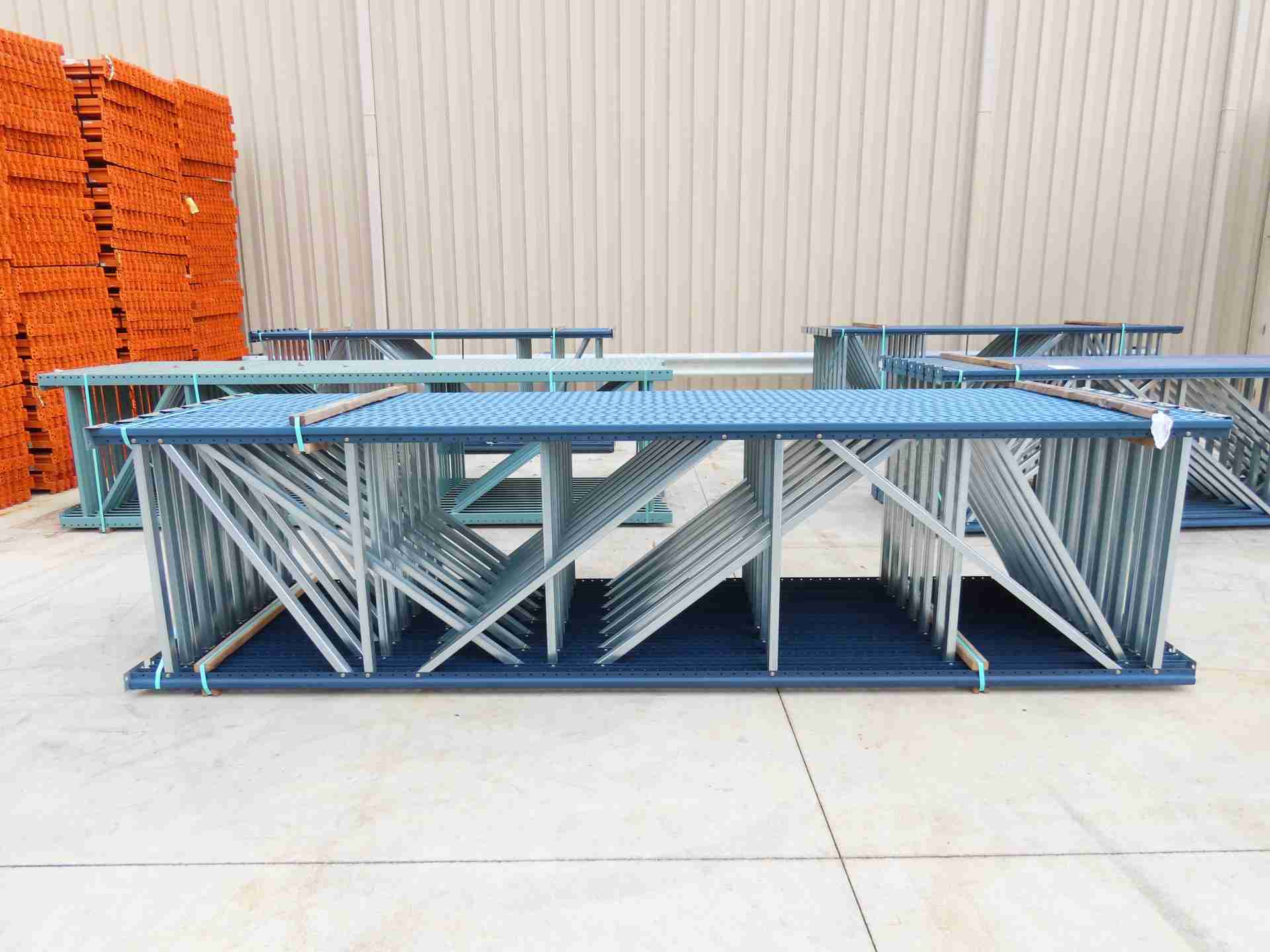
How Do Rack Failures Impact Safety?
Are There Legal Consequences for Unaddressed Rack Issues?
When it comes to racking systems in warehouses and manufacturing plants, the stakes are high. We often hear about the importance of safety and compliance, but have you ever thought about the legal consequences of unaddressed rack issues? Let’s put that into perspective. Imagine a hardworking team, hustling day in and day out, relying on a sturdy racking system to keep everything organized and efficient. The racks are more than just metal shelves; they represent a commitment to safety and productivity. Now, picture those racks failing due to neglect. Suddenly, that commitment is shattered, exposing workers to risks that no one should ever face.
On a human level, this isn’t just about safety regulations; it’s about people’s lives and livelihoods. When racks buckle under pressure, the fallout doesn’t discriminate—it affects everyone. The injured worker may become a family member struggling with loss of income, or a business owner who faces crippling legal costs. A court could easily determine that failure to maintain essential equipment like racks equates to negligence. The very fabric of trust, built through years of hard work, can unravel in the blink of an eye.
Rationally, avoiding these pitfalls boils down to a simple equation: prevention is far cheaper than dealing with the aftermath. Legal consequences could mean hefty fines, lawsuits, increased insurance premiums, or even shutdowns, destabilizing not only the business but the community that relies on it. Why gamble with human safety and financial stability when regular inspections and maintenance can keep everyone safe and sound?
Ethically, there is a duty of care owed to employees and customers alike. It’s about making informed choices, about valuing lives over profits. Companies are not just in the business of making money; they’re in the business of safeguarding the people who make that money possible.
Finally, let’s not ignore the ripple effect on society. A workplace that prioritizes rack safety fosters a culture of accountability and respect. Businesses that take these responsibilities seriously inspire others to do the same, creating a safer environment for everyone. When we acknowledge the potential legal consequences of unaddressed rack issues, we recognize that safeguarding the heart of our workforce is not just a legal obligation—it’s a moral imperative. It’s time to listen, act, and ensure that our racking systems serve as a pillar of strength, not a recipe for disaster.

Are There Legal Consequences for Unaddressed Rack Issues?
Are There Legal Consequences for Unaddressed Rack Issues?
- Racking systems in warehouses and manufacturing plants are critical for safety and productivity.
- Neglecting rack maintenance can lead to serious legal consequences, including negligence claims.
- Injuries from rack failures can affect not just individuals but also their families and businesses.
- Preventive maintenance is more cost-effective than addressing the aftermath of accidents and legal issues.
- Companies have an ethical duty to prioritize employee and customer safety over profits.
- Workplaces that prioritize rack safety foster a culture of accountability and respect.
- Recognizing the potential legal consequences emphasizes the need for proactive safety measures and moral responsibility.

Are There Legal Consequences for Unaddressed Rack Issues?
Is It Worth the Cost Of Regular Rack Inspections?
When we think about racking systems—those unsung heroes quietly holding our lives together—it’s easy to overlook their importance until something goes wrong. Picture this: a bustling warehouse, humming with activity, and suddenly, a failure occurs. Cargo crashes, chaos ensues, and the repercussions spill out far beyond lost inventory. This isn’t just about structural integrity; it’s about the very lives that depend on those racking systems. Regular inspections become not merely a procedure but an ethical obligation to safeguard your workforce and community.
Now, take a moment to consider the peace of mind that comes with knowing your racking is regularly inspected. It’s an investment that speaks to common sense and sound judgment. Imagine the weight lifted off your shoulders as you traverse the aisles filled with containers and boxes, knowing that each racking unit has been checked, tested, and deemed safe. It’s a rational choice that shows you care—not just about compliance, but about the people who work alongside you.
Think about the stories behind every racking system in your facility. Maybe it’s Joe from shipping, who has been on the job for over a decade, or Maria, a single mother striving to build a better future. Each time a rack is compromised, it’s not just an isolated incident; it ripples through the lives of individuals who depend on each other day in and day out. By investing in regular inspections, you’re part of a larger narrative—a commitment to a culture of safety, integrity, and respect, not just for equipment, but for each individual’s role in that ecosystem.
And let’s face it: when word spreads that you prioritize diligent racking inspections, it resonates beyond your walls. This is about building a reputation as a leader who values safety, fostering trust with clients and stakeholders alike. In a world where corners are often cut, being proactive in maintenance builds credibility—a social contract that reflects positively on your business.
So, is it worth the cost? The answer is yes—beyond the numbers and bottom lines, it’s about lives protected, futures secured, and a culture created where people come first. This isn’t merely about racking; it’s about standing tall together, knowing every inspection brings safety a little closer to home. That’s the kind of investment that truly counts.

Is It Worth the Cost Of Regular Rack Inspections?
Is It Worth the Cost Of Regular Rack Inspections?
- Racking systems are vital yet often overlooked until failures occur, leading to chaos and loss beyond inventory.
- Regular inspections of racking systems are an ethical obligation to protect employees and the community.
- Knowing your racking is regularly inspected provides peace of mind, demonstrating care for workforce safety.
- Each racking system holds the stories of individuals, emphasizing the human impact of equipment failures.
- Investing in inspections fosters a culture of safety and respect, crucial for a supportive work environment.
- Prioritizing inspections enhances a company’s reputation as a safety leader, building trust with clients and stakeholders.
- This investment goes beyond financials—it’s about protecting lives, securing futures, and promoting a people-first culture.

Is It Worth the Cost Of Regular Rack Inspections?
How Often Should I Assess My Racks for Damage?
When it comes to assessing your racking system for damage, there’s an essential truth that often gets lost in the shuffle: it’s not just about steel and bolts; it’s about safety, responsibility, and the trust of every person who walks through your doors. Racking systems, the unsung heroes of warehouses, are built to withstand the test of time and heavy loads—but just like any hardworking individual, they wear down and need attention.
So, how often should you assess your racks for damage? Think of it as a regular check-up for someone you care about. If you wouldn’t skip a doctor’s visit for your health, don’t skip inspections for your racking system. The recommendation is to assess these critical structures at least once a year, but there’s wisdom in being proactive. If your facility is bustling with activity or if your inventory turnover is high, consider a biannual or even quarterly check.
Now, you might be asking yourself: “Why invest time and resources into something I can’t see?” This is where the real beauty of preventative maintenance shines. Regular assessments could save lives—truly. A small crack, a bent beam, or even minor corrosion can lead to catastrophic failures. Imagine the consequences: shattered expectations, injured employees, and the potential fallout on your business’s reputation. Ethically, it’s your duty to ensure that every pallet, every box, and every friend or colleague relying on that racking system is safe.
You’re not just safeguarding physical structures; you’re nurturing an environment of trust and responsibility. When your team knows that you take their well-being seriously, it fosters a culture of care and diligence. They’ll respond in kind, showing the same dedication to safety and quality that you demonstrate.
Think back to the last time you encountered an unexpected crisis due to neglect. The tension, the fear, the weight of consequences. Don’t let that be the narrative of your facility. Racking assessments might feel tedious, but they’re a robust investment in your work environment and the people who rely on it. And remember, safety is everyone’s responsibility. So, grab a checklist, gather those on your team, and make racking assessments a part of your routine. Because taking that first step is the only way to build a future where safety is not just an option but a cornerstone of your operations.
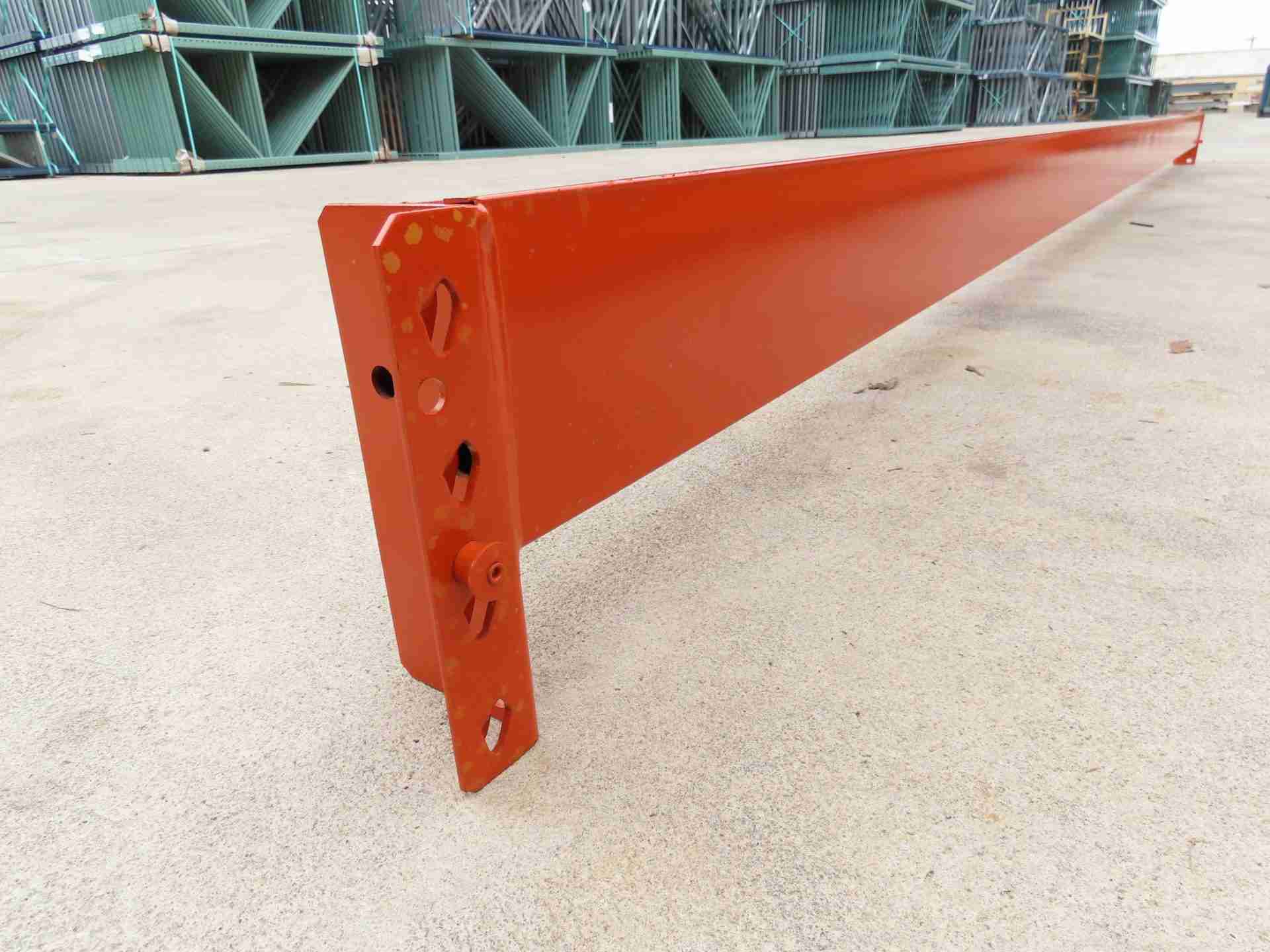
How Often Should I Assess My Racks for Damage?
How Often Should I Assess My Racks for Damage?
- Assessing racking systems is crucial for safety and trust in the workplace.
- Racking systems require regular inspections to ensure they withstand heavy loads over time.
- It’s recommended to assess racking systems at least once a year; more frequent checks may be necessary for busy facilities.
- Regular assessments can prevent catastrophic failures that could harm employees and damage business reputation.
- Conducting inspections promotes a culture of care and diligence among team members regarding safety.
- Neglecting racking systems can lead to crises and negative consequences for the facility.
- Safety should be a shared responsibility; make racking assessments a routine part of operations.

How Often Should I Assess My Racks for Damage?
Conclusion
Rack repairs often skirt the edge of necessity, blending practicality with profound implications. In a fast-paced warehouse environment, racking systems serve as the backbone—safeguarding products and supporting the workforce. Yet, beneath this reliance lies a heavy reality that warrants closer inspection: when does repair shift from being a recommendation to a legal obligation? As you navigate those aisles, consider the lives behind the labels and boxes; it’s not just about profit margins, but the human spirit behind every task.
On a rational level, the law is clear. Regulatory bodies like the Occupational Safety and Health Administration (OSHA) set forth stringent guidelines surrounding the maintenance of racking systems. Ignoring these standards isn’t merely a lapse in judgment; it’s an ethical breach that can lead to catastrophic outcomes. A small mistake—a missed inspection, a neglected dent—can cascade into larger failures, placing workers in harm’s way. No one wants to be the leader who overlooked a clear warning sign, potentially altering someone’s life forever.
Moreover, think about the social dynamics within your operation. When you prioritize regular rack inspections and repairs, you communicate that safety is paramount. This isn’t just a ‘tick in the box’—it cultivates a culture of care and accountability, fostering trust among employees who see first-hand that their well-being matters. Your commitment sends ripples outward, as employees share a sense of security and belonging that extends beyond mere compliance.
Moreover, the burden of neglect weighs heavily. What happens if you ignore those necessary repairs? It’s not just about the structural integrity of your warehouse; it’s about safeguarding aspirations, families, and livelihoods. Each racking failure is a stark reality check of the fragility of safety in spaces designed for efficiency. As leaders, acknowledging the legal and ethical ramifications of unaddressed rack issues is critical. The cost of prevention pales in comparison to the devastating emotional and financial fallout from an accident.
This all culminates in a compelling narrative: one of responsibility, vigilance, and the unwavering commitment to those who work tirelessly every day. It’s a pledge that transcends the transactional nature of business—one that prioritizes humanity over a fleeting bottom line. So ask yourself, what kind of culture are you nurturing? By investing in the safety of your racking system, you’re investing in the heart of your operations, ensuring everyone has the opportunity to thrive. The question isn’t just about compliance—it’s about the legacy you’re creating.

Conclusion
Conclusion:
- Rack repairs blend practicality with significant implications in warehouse environments.
- Racking systems are crucial for product safety and workforce support.
- Legal obligations from entities like OSHA mandate strict maintenance of racking systems.
- Neglecting maintenance can lead to catastrophic outcomes and ethical breaches.
- Regular inspections communicate a commitment to safety, fostering a culture of care and trust among employees.
- Ignoring necessary repairs jeopardizes not only safety but also the livelihoods and aspirations of workers.
- Investing in safety enhances workplace culture and defines the legacy of leadership beyond mere compliance.

Conclusion
Other Resources

Other Resources
Here is a list of other resources you can review online to learn more:
- Warehouse Racking System: Powerful Guide to Optimise, 2024
- American Society of Safety Professionals
- CMMA
- Illinois Pallet Racking – Storage Solutions
- Logic Material Handling
- Warehouse Racking Chicago, IL
- Pallet Racking systems in Illinois and Great Lakes
- Overhead Lifting
- Selective Racking
- Storage Equipment Manufacturers Association
- CA Wire
- Cantilever Racks Chicago
- Crane Manufacturers Association Of America Inc.
- National Safety Council
- Racking World
- Teardrop Pallet Rack – Ridg-U-Rak
- IWLA
- MHI
- Pallet Racking systems in Illinois, Great Lakes
- WERC
Use This Prompt To Get More Resources With Your Favorite Online AI Tool: Please provide me with a list of online articles with their URLs in a bulleted list that I can read regarding When Are Rack Repairs Required By Law?

Other Resources
Glossary Terms
When Are Rack Repairs Required By Law? – Glossary Of Terms
1. Rack: A structure used for storing or displaying items, commonly found in warehouses and retail settings.
2. Inspection: The process of examining racks for safety compliance, structural integrity, and wear and tear.
3. Damage: Physical harm to racks that compromises their functionality or safety.
4. Compliance: Adhering to laws, regulations, and industry standards regarding the maintenance and safety of racks.
5. OSHA: The Occupational Safety and Health Administration, a U. S. agency responsible for ensuring safe and healthy working conditions.
6. Regulations: Rules established by governing bodies that dictate safety and operational standards for equipment like racks.
7. Maintenance: Regular actions taken to ensure racks remain safe and functional, often specified by industry standards.
8. Load Capacity: The maximum weight a rack can safely support, which must be adhered to according to safety regulations.
9. Structural Integrity: The ability of a rack to support its intended load without failure; crucial for safety.
10. Welding: A method of joining metal parts that may need inspection for safety and stability in rack repair.
11. Reinforcement: Additional support added to racks that may have been damaged or deemed unsafe.
12. Visual Inspection: A basic examination of racks to identify signs of damage or wear, typically done regularly.
13. Safety Protocols: Established procedures to follow during the use, inspection, and maintenance of racks.
14. Repair: Restoring a damaged rack to a safe and operational condition.
15. Replacement: Substituting a damaged rack with a new one when repairs are insufficient or not feasible.
16. Documentation: Records kept regarding inspections, repairs, and maintenance performed on racks.
17. Incident Report: A formal account of any accidents or safety concerns related to rack usage.
18. Ergonomics: The study of how workers interact with their environment; pertinent in ensuring racks are user-friendly and safe.
19. Industry Standards: Benchmark guidelines provided by organizations detailing the expected safety and quality levels for racks.
20. Installation: The process of setting up racks according to manufacturer guidelines and safety regulations.
21. Hazard Assessment: The evaluation of potential risks associated with the usage of racks.
22. Lifespan: The expected duration a rack can remain functional under normal usage conditions before requiring significant repair or replacement.
23. Signage: Warning labels and signs displayed on or around racks to inform users of safety protocols and load limits.
24. Stability: The ability of a rack to remain upright and support loads without tipping over.
25. Forklift Operations: The use of forklifts to move items around racks; requires adherence to safety practices to avoid rack damage.
26. Training: Programs designed to educate employees on the proper use and maintenance of racks to ensure safety compliance.
27. Pallet Racks: Specific types of racks designed for storing palletized goods; often subject to strict regulations.
28. Compliance Audit: An evaluation process to ensure that rack systems and procedures meet applicable safety laws and standards.
29. Manufacturer Guidelines: Instructions and recommendations provided by the manufacturer regarding installation, usage, and maintenance of racks.
30. Safety Inspection Checklist: A detailed list used during rack inspections to systematically assess all necessary safety features and compliance.

Glossary Of Terms
Other Questions
When Are Rack Repairs Required By Law? – Other Questions
If you wish to explore and discover more, consider looking for answers to these questions:
- What specific standards does OSHA set for racking systems?
- What are the common signs that indicate a racking system needs repairs?
- How can a business effectively implement regular inspections for racking systems?
- What are the potential costs associated with ignoring rack repairs?
- How can one create a culture of safety within a warehouse?
- What legal ramifications exist for failing to maintain racking systems?
- What steps should be taken immediately after a rack failure occurs?
- Are there industry-specific guidelines for racking systems?
- How can businesses train employees to recognize rack issues?
- What types of inspections are most effective for ensuring racking safety?

Other Questions
Checklist
When Are Rack Repairs Required By Law? – A Checklist
Rack Safety and Maintenance Checklist
Emotional Appeals
_____ Reflect on Responsibility: Consider how your decisions impact the lives of your employees and their families.
_____ Cultivate a Culture of Safety: Ensure that your workplace fosters an environment where safety is prioritized and valued.
Rational Appeals
_____ Schedule Regular Inspections: Assess your racking systems at least annually; consider biannual or quarterly checks for high-activity warehouses.
_____ Identify Signs of Wear: Look for dents, rust, or leaning structures to prevent minor issues from escalating into major failures.
Ethical Appeals
_____ Commit to Safety Standards: Understand your obligation to comply with OSHA regulations and prioritize worker safety over convenience.
_____ Empower Your Team: Encourage workers to report safety concerns without fear of repercussion, promoting open communication about risks.
Authority Appeals
_____ Stay Informed: Keep up-to-date with the latest legal guidelines regarding rack safety and maintenance to ensure compliance.
_____ Hire Certified Inspectors: Utilize third-party services or certified inspectors to perform thorough evaluations of racking systems.
Narrative Appeals
_____ Share Stories of Impact: Discuss real-life incidents where neglecting rack safety led to accidents to reinforce the importance of maintenance.
_____ Promote Positive Experiences: Highlight examples of how regular inspections saved lives and improved workplace morale.
Social Appeals
_____ Encourage Peer Accountability: Promote a culture where team members look out for one another and prioritize safe practices together.
_____ Build Reputation as a Leader: Establish your facility as a model workplace by consistently prioritizing safety, enhancing community trust and credibility.
Action Points
_____ Conduct Training Sessions: Offer regular training on safe practices related to racking systems for all employees.
_____ Create a Maintenance Log: Keep a detailed record of all inspections and repairs to track the health of your racking system and ensure accountability.
Use this checklist to promote a safe, compliant, and thriving workplace where every employee feels valued and protected.

Checklist
At RackingWorld, we help guide you through selecting warehouse storage systems and racking.
Be sure to read our other related stories at RackingWorld to learn more about warehouse storage systems.
0 Comments