
Maximizing Space And Strength: The Smart Choice For Drywall Storage
By Tom Seest
At RackingWorld, we help guide you through selecting warehouse storage systems and racking.
Be sure to read our other related stories at RackingWorld to learn more about warehouse storage systems.
How Do Drywall and Sheetrock Suppliers Leverage Cantilever Racking?
In the world of drywall and Sheetrock supply, time is money, and space is a well-earned commodity. Cantilever racking steps in as the unsung workhorse that changes the game. Unlike traditional pallet racking systems that box you in with arms and beams, cantilever racks open up your storage like a no-nonsense buddy who knows what you need: easy access, steady support, and no fuss. When you’re dealing with long, heavy drywall sheets, those racks hold them up like a firm handshake—solid and reliable.
The savvy supplier knows that stacking drywall without the right gear leads to headaches—warped sheets, safety hazards, wasted space, and slowed operations. Cantilever racking offers a level-headed, sturdy solution that respects the nature of these bulky materials. It’s not just about fitting more sheets into a warehouse; it’s about handling them with care and speed. That resonates with the folks on the floor, the drivers making their rounds, and the clients expecting goods on-the-dot.
There’s an ethical streak here too. Proper storage means reducing damage and waste, which is good for business and the planet. Suppliers using cantilever racks show they value quality and responsibility, building trust with contractors who depend on flawless deliveries. This practical approach sends a clear message: you’re serious about your product and your patrons.
Picture a busy warehouse, drywall beams resting firm yet flexible on those cantilever arms, forklift operators maneuvering with confidence, staff moving with purpose. That scene isn’t just efficient logistics—it’s a community relying on each other to get the job done. Pallet racking might stack pallets neatly, but cantilever racks speak drywall’s language, holding each sheet steady like a craftsman’s hand.
The simplicity and resilience of cantilever racking cut through the chaos of supply. It’s a tool that respects the product, protects the team, and keeps business humming. When drywall and Sheetrock suppliers trust cantilever racks, they’re making a smart, grounded choice that serves their people and their bottom line. It’s about working smarter, not harder, and that’s something anyone in the trade understands deep down.

How Do Drywall and Sheetrock Suppliers Leverage Cantilever Racking?
How Do Drywall and Sheetrock Suppliers Leverage Cantilever Racking?
- Cantilever racking offers easy access and steady support for storing long, heavy drywall sheets, unlike traditional pallet racking systems.
- Using cantilever racks prevents issues like warped sheets, safety hazards, wasted space, and slowed operations common with improper stacking.
- The system provides a sturdy, efficient solution that handles bulky drywall materials with care and speed, benefiting warehouse staff and clients alike.
- Proper storage with cantilever racks reduces damage and waste, demonstrating business responsibility and environmental awareness.
- Suppliers using cantilever racks build trust by ensuring flawless deliveries and showing commitment to quality and client satisfaction.
- In busy warehouses, cantilever racking supports efficient logistics and teamwork, allowing smooth operation and confident equipment handling.
- Cantilever racks represent a smart, resilient choice that respects the product, protects workers, optimizes storage, and improves business efficiency.
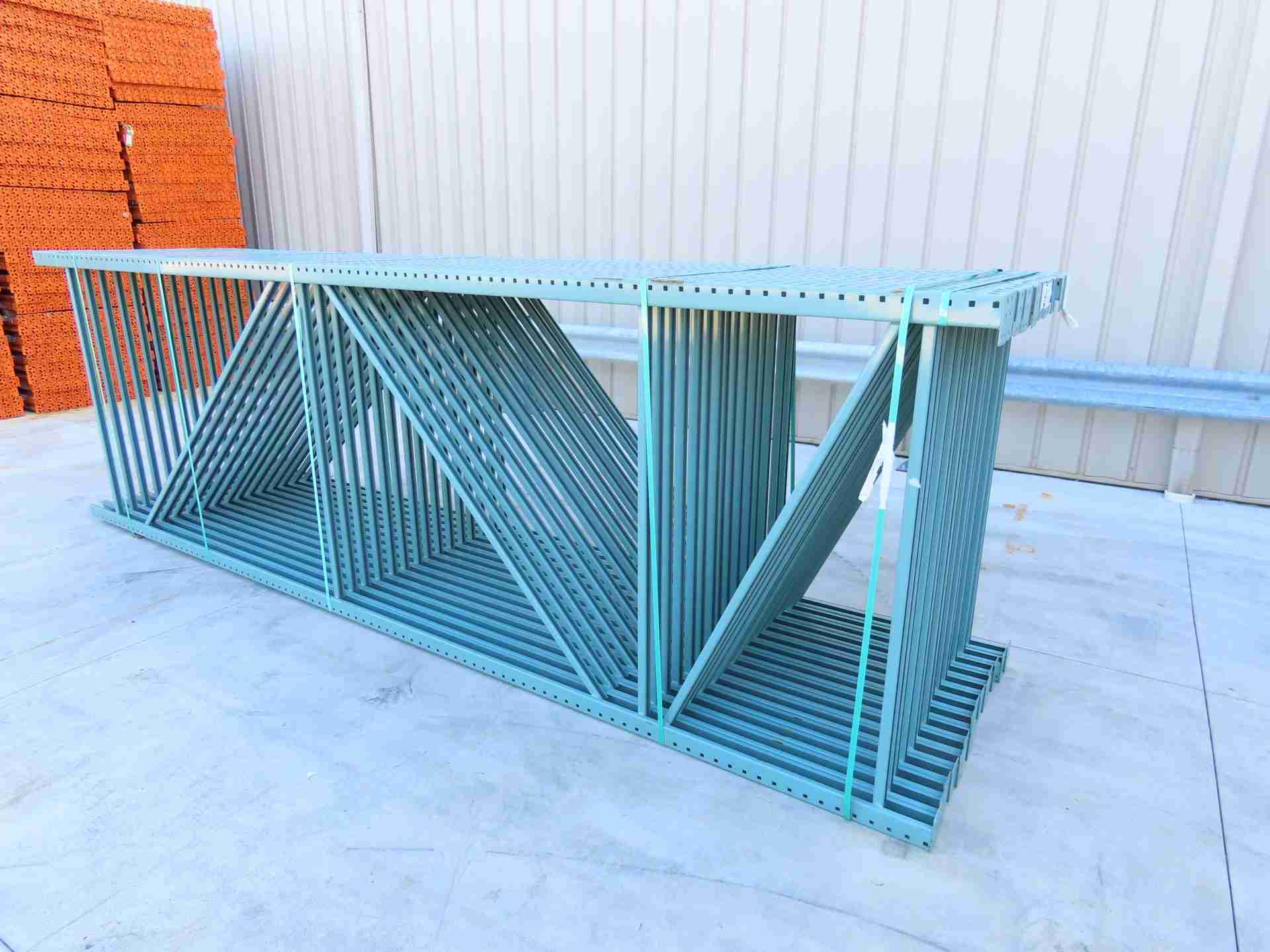
How Do Drywall and Sheetrock Suppliers Leverage Cantilever Racking?
Table Of Contents
- How Do Drywall and Sheetrock Suppliers Leverage Cantilever Racking?
- How Does Cantilever Racking Improve Drywall Storage?
- What Are the Cost Benefits Of Using Cantilever Racking?
- How Does Cantilever Racking Enhance Warehouse Safety?
- Can Cantilever Racking Reduce Drywall Damage During Storage?
- How Does Efficient Racking Impact Delivery Times?
- What Role Does Cantilever Racking Play In Space Optimization?
- Conclusion
- Other Resources
- Glossary Of Terms
- Other Questions
- Checklist
How Does Cantilever Racking Improve Drywall Storage?
When it comes to storing drywall, everybody knows it’s no small task. Drywall sheets are heavy, bulky, and downright unwieldy, and using the wrong storage setup can leave your jobsite cluttered, damaged goods everywhere, and the crew scratching their heads. That’s where cantilever racking steps in, doing the heavy lifting both literally and figuratively. It’s not just another shelving system; it’s a lifeline for anyone handling drywall day in and day out.
Unlike pallet racking that’s built for boxed goods and pallets, cantilever racking is designed to handle long, flat, and often awkward materials like drywall sheets. Its arms extend out, offering clear, unobstructed storage, which means no wrestling with awkward stacks trying to pick up or put down sheets. This setup makes grabbing what you need faster and safer, cutting down on backaches and busted drywall. You get a storage solution that respects the product and the people doing the work—a rare combo worth trusting.
From a common-sense viewpoint, cantilever racking is a no-brainer. It keeps drywall off the ground, preventing moisture damage and warping that can shut down your project or burn through your budget. Organized storage means counting sheets takes seconds, not minutes, helping crews plan better, avoid costly over-orders, and keep the workflow smooth. It’s about working smarter, not harder, and taking pride in doing the job right every time.
There’s an ethical edge to this, too. A neat, well-organized workspace respects the craft and the crew. It means fewer injuries from sloppy stacks and a safer site overall. It’s about looking out for the folks who show up every day, making sure they go home in one piece. Choosing cantilever over pallet racking in this context isn’t just practical; it’s the right thing to do.
The proof is in the floors of countless warehouses and job sites where cantilever racking has cut damage rates, boosted efficiency, and made drywall handling less of a headache. It’s not just about storing sheets; it’s about building trust with your materials and your team. So, if you’re still wrestling with pallet racking for drywall, give cantilever a shot — it’s the setup that says you respect your tools, your crew, and the hard work that goes into every square foot of drywall you hang.

How Does Cantilever Racking Improve Drywall Storage?
How Does Cantilever Racking Improve Drywall Storage?
- Cantilever racking is ideal for storing heavy, bulky drywall sheets, preventing jobsite clutter and damage.
- Designed specifically for long, flat materials, cantilever racking offers clear, unobstructed storage with extended arms.
- It enhances safety and efficiency by making drywall easier to handle, reducing backaches and breakage.
- Keeps drywall off the ground, protecting it from moisture damage and warping that could delay projects and increase costs.
- Organized storage speeds up inventory counting and planning, helping crews avoid over-orders and maintain smooth workflow.
- Promotes a safer work environment by reducing injuries from messy stacks and fostering respect for the crew and craft.
- Proven to reduce damage rates and boost efficiency, cantilever racking builds trust with materials and team alike.

How Does Cantilever Racking Improve Drywall Storage?
What Are the Cost Benefits Of Using Cantilever Racking?
Look, in any warehouse or workshop, every inch of space costs money. You can’t afford to waste a single square foot just because your storage system is clunky or awkward. That’s where cantilever racking comes in—it’s like the trusty pickup truck of storage solutions: simple, tough, and built to handle the heavy, odd-sized stuff that pallet racking just can’t. Sure, pallet racking is great for boxed goods, but when it comes to long pipes, lumber, or metal sheets, cantilever racks save your bacon and your budget.
From a pure math standpoint, cantilever racking means fewer headaches, lower maintenance, and less fiddling with pallets and forklifts. Instead of wrestling with pallets that don’t fit or cramming items into tight spaces, you get open arms ready for almost anything. That flexibility means you don’t have to buy a bunch of different storage units or keep spending on fix-it jobs because the racks don’t suit your goods. Over time, that adds up to real cash staying in your pocket.
On the practical side, cantilever systems cut down on damage. When you’re dealing with heavy pipes or bulky lumber, every bump to your goods is lost profit. Pallet racking—good as it is—sometimes forces you to stack things awkwardly or risk crush damage. Cantilever racks grip your stuff firmly without squeezing, so your inventory looks as good coming out as it did going in. That trustworthiness is gold because damaged inventory means angry customers and wasted time.
Using cantilever racking also earns you respect on the floor. Workers see gear that’s made with their back and safety in mind—no guesswork on handling heavy loads, no shuffling pallets like a juggling act. When the crew trusts the system, everything runs smoother. That kind of reliability builds morale and cuts downtime, two things no boss can afford to overlook.
Ethically, spending wisely on storage shows you value both your product and your people. Investing in cantilever racking isn’t about splurging; it’s about being smart and responsible. It’s about building a workspace that honors hard work with gear that doesn’t make life harder. That’s something every line worker, supervisor, and manager can get behind.
So if your operation is tired of wrestling pallet racking with stuff it wasn’t made for, give cantilever racking a real look. It’s the honest, straightforward choice that respects your wallet, your workforce, and your bottom line. Because good storage isn’t just about holding inventory—it’s about holding your business together, day after day.

What Are the Cost Benefits Of Using Cantilever Racking?
What Are the Cost Benefits Of Using Cantilever Racking?
- Cantilever racking maximizes space efficiency by handling heavy, odd-sized items that pallet racking cannot accommodate.
- It reduces maintenance and operational complexity by eliminating the need for constant pallet and forklift adjustments.
- Provides flexible storage options, saving money by avoiding multiple storage units and frequent repairs.
- Minimizes product damage during storage, preserving inventory quality and preventing lost profits.
- Enhances worker safety and efficiency by simplifying the handling of heavy materials and boosting morale.
- Represents a responsible investment, valuing both product integrity and workforce well-being.
- Offers a practical, cost-effective storage solution that supports business stability and growth over time.

What Are the Cost Benefits Of Using Cantilever Racking?
How Does Cantilever Racking Enhance Warehouse Safety?
When you’re knee-deep in the daily grind of a warehouse, safety isn’t just a rule on a poster—it’s the lifeline that keeps everyone going home in one piece. Cantilever racking does more than just hold up your gear; it tackles the everyday dangers head-on, making the whole place safer for folks who work hard every day.
First off, let’s talk about the heart of it: workers’ peace of mind. Unlike traditional pallet racking, cantilever racks give clear open access to bulky and awkward loads like pipes, lumber, or metal bars. No more squeezing between cramped aisles or awkwardly lifting heavy items in tight spaces. That means fewer twisted backs, scraped knuckles, and near-misses. When you reduce frustration and uncertainty on the floor, you’re building trust and boosting morale—people feel safer when the gear fits the job, plain and simple.
Now, for the head stuff—logic and numbers. Cantilever racking stands out with its open design, cutting down on clutter and bottlenecks that cause confusion and accidents. The fewer blind spots and tight corners, the fewer forklift bumps and dropped loads. It’s the kind of practical solution that pays off in real savings: fewer injuries, less downtime, and a smoother workflow. That’s not just workplace safety, that’s cash saved and a business built to last.
On the gut level, think about the everyday hands-on reality—knowing your rack won’t suddenly collapse under a heavy load or tip over because it’s engineered to handle uneven, long, or bulky items. The stability of cantilever racks isn’t just a technical spec; it’s a trust built over time and tested in rough conditions. It’s the kind of tough, no-nonsense gear your crew can count on when the pressure’s on.
There’s also an ethical angle here. Every warehouse manager and worker shares a responsibility—you want to protect your team like family. Choosing cantilever racking shows you care about reducing risks, respecting the people who make your operation run. It’s a statement that safety isn’t an afterthought. It’s a commitment you live by.
Socially, adopting safer practices like cantilever racking sets your warehouse apart. It builds a culture where everyone looks out for each other, where safety is as natural as clocking in on time. That shared effort creates a sense of pride and belonging that no payroll can buy.
In a nutshell, cantilever racking takes the weight off your workers and the worry off your mind. It blends commonsense design with real-world grit, turning safety from a hope into a habit you can trust every day. That’s how you build a workplace where everyone can roll up their sleeves without looking over their shoulder.
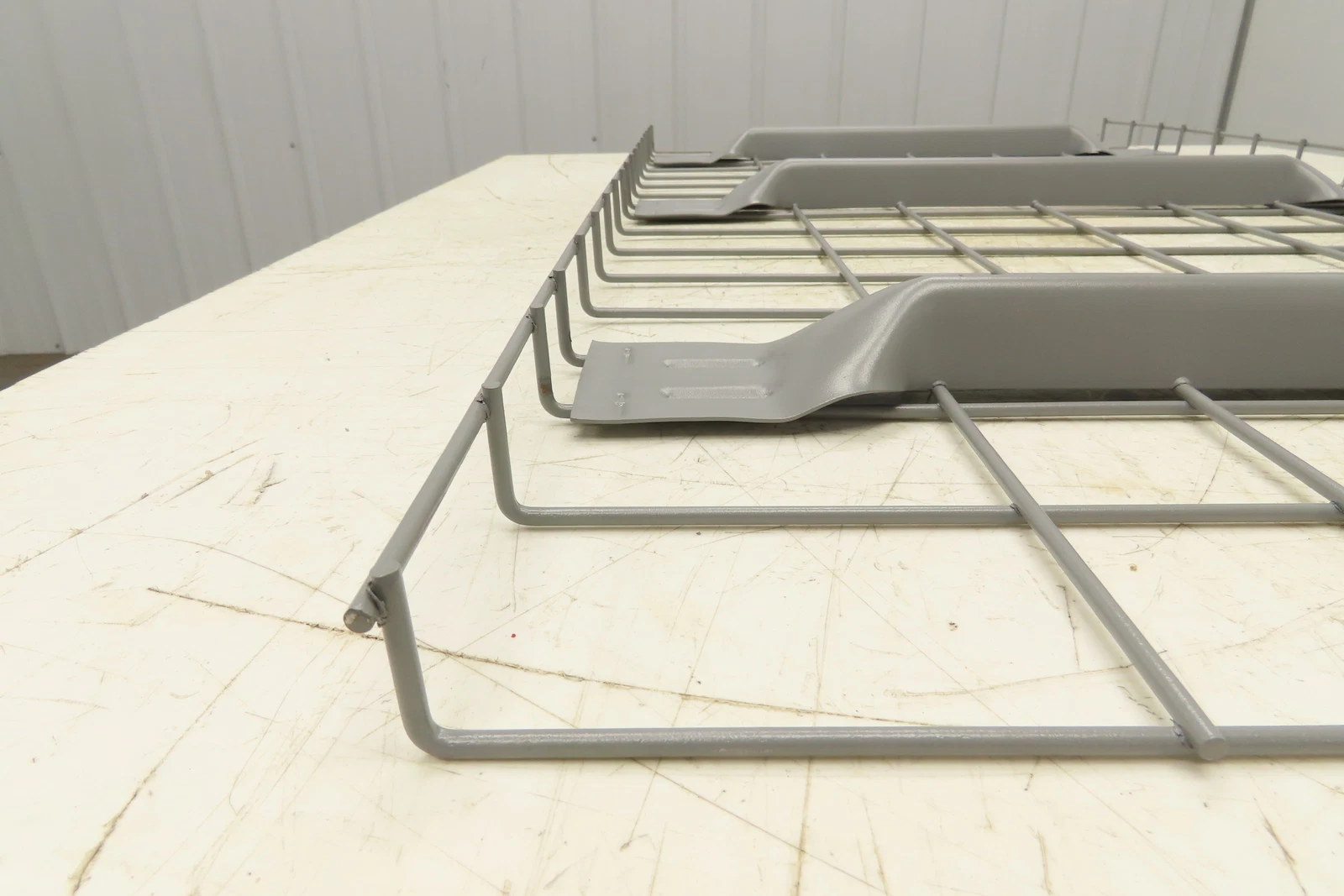
How Does Cantilever Racking Enhance Warehouse Safety?
How Does Cantilever Racking Enhance Warehouse Safety?
- Cantilever racking enhances warehouse safety by providing a lifeline that helps workers go home unharmed.
- Its open design allows easy access to bulky items, reducing physical strain and workplace injuries.
- By minimizing clutter and blind spots, it decreases accidents caused by forklifts and dropped loads.
- Engineered for stability, cantilever racks reliably support uneven, long, or heavy items under pressure.
- Using cantilever racking reflects an ethical commitment to protecting workers like family.
- Adopting safer practices fosters a workplace culture of mutual care, pride, and belonging.
- Cantilever racking transforms safety into a consistent habit, supporting efficient and worry-free operations.

How Does Cantilever Racking Enhance Warehouse Safety?
Can Cantilever Racking Reduce Drywall Damage During Storage?
When it comes to keeping drywall safe in a busy warehouse or job site, cantilever racking isn’t just another storage option—it’s a game changer. Anyone who’s handled drywall knows how easy it is to chip corners or crack sheets when they’re stacked haphazardly or shoved onto flimsy pallets. Pallet racking might get the job done for some materials, but drywall demands a gentler, smarter handling method, and that’s where cantilever racking proves its worth.
Think about the last time you saw a pile of drywall leaning or crammed together. The weight, pressure, and awkward angles usually lead to bent edges or damaged surfaces. That’s money lost, frustration piled on top of frustration, and a hit to your reputation for delivering quality materials. Cantilever racking provides open, adjustable arms that let you store drywall sheets flat, supported fully, and with plenty of breathing room. This straightforward design means the drywall isn’t stacked on corners or shoved into tight spots—it’s respected like the fragile commodity it is.
There’s a practical kind of pride in using the right tool for the job. With cantilever racking, you’re not just grabbing storage off the shelf—you’re investing in prolonging the life of your drywall stock, minimizing waste, and cutting down costly returns or replacements. For anyone managing a warehouse or construction supply chain, this isn’t some abstract benefit—it’s cold, hard savings and smoother operations. The ethical side of the story is about doing right by your customers and your crew, making sure the materials they count on reach the site intact and ready to work.
From a purely hands-on angle, cantilever racking treats drywall sheets with the respect they deserve. The arms adjustable for length and height mean you’re not forcing drywall into spaces it doesn’t belong. This simplicity cuts down on rough handling, reduces accidents, and speeds up loading and unloading time—all good news for folks who’ve sweat through enough shifts to know that efficiency and care aren’t just buzzwords, but daily necessities.
If your warehouse is still relying only on pallet racking to store drywall, it’s worth thinking about the difference cantilever systems make. They’re tried, tested, and trusted by those who know what drywall storage damage looks like first hand—and how much it eats into profits and patience. Making the switch isn’t just a smart move; it’s an honest one. Choosing cantilever racking is about working smarter, standing by your materials, and showing up ready for the next job without the headaches of chipped, cracked drywall holding you back.

Can Cantilever Racking Reduce Drywall Damage During Storage?
Can Cantilever Racking Reduce Drywall Damage During Storage?
- Cantilever racking offers a superior method for storing drywall compared to pallet racking, reducing damage from chipping and cracking.
- Drywall often suffers damage when stacked improperly due to weight, pressure, and awkward angles, causing financial loss and frustration.
- Cantilever racks feature open, adjustable arms that support drywall sheets fully and keep them flat, preventing damage.
- This storage method extends drywall life, minimizes waste, and cuts costly returns and replacements.
- Adjustable arms allow for proper fitting of drywall sheets, reducing rough handling, accidents, and speeding up loading and unloading.
- Switching to cantilever racking results in practical savings, smoother warehouse operations, and ethical handling of materials.
- Cantilever racking is trusted and proven to protect drywall, improving efficiency and preventing material damage on job sites.

Can Cantilever Racking Reduce Drywall Damage During Storage?
How Does Efficient Racking Impact Delivery Times?
You’ve been there—waiting on a shipment that’s late, the clock ticking, customers tapping their feet, and your team feeling the pressure. It’s frustrating because every delay isn’t just an inconvenience; it’s a hit to your reputation and bottom line. That’s where efficient pallet racking steps in like the unsung hero of the warehouse world. When your racks are organized right, every pallet has a place, and every place is easy to reach. No more digging through stacks of boxes or playing hide-and-seek with inventory. It’s about smart use of space that lets people work fast without scrambling.
Think about it this way: a well-thought-out racking system isn’t just steel beams bolted together; it’s the backbone of your whole delivery process. It guides the flow, minimizes mistakes, and keeps things moving like clockwork. The head knows it saves time, the gut feels it prevents headaches, and the heart appreciates how it helps keep promises to customers. You’re not just stacking goods; you’re stacking trust, reliability, and pride in the job well done.
When pallets are arranged efficiently, forklifts spend less time weaving around, and workers aren’t wasting energy hunting for the right item. That efficiency trickles down to faster packing, quicker loading, and ultimately, on-time deliveries. It’s respecting your team’s effort and your customers’ patience. There’s an ethical weight in delivering what you promised when you promised it. Efficient racking honors that unspoken contract. Plus, it fosters a sense of order that rubs off on morale—when the system works, everyone feels that flow, like a well-oiled machine.
Over the years, warehouses with streamlined pallet racking don’t just handle storms of orders; they thrive in them. They build reputations for dependability because their setup isn’t cobbled together—it’s crafted with care and experience. When your racks work for you, delivery times shrink, stress fades, and confidence grows. It’s not flashy or complicated, but it’s powerful. It’s the kind of practical muscle that holds up the whole operation and earns respect from everyone involved—from dockworkers to customers waiting on the other end.
Efficient pallet racking isn’t just about storage; it’s about trust, pride, and keeping things moving like they should. When you get it right, you’re not just meeting deadlines—you’re building lasting relationships.

How Does Efficient Racking Impact Delivery Times?
How Does Efficient Racking Impact Delivery Times?
- Efficient pallet racking prevents shipment delays by organizing pallets for easy access and quick retrieval.
- A well-designed racking system optimizes space, reducing wasted time and minimizing errors in inventory handling.
- It streamlines warehouse operations, enabling faster packing, loading, and on-time deliveries.
- Efficient racking respects both team effort and customer expectations, honoring the commitment to deliver as promised.
- Such systems improve workplace morale by creating a smooth workflow like a well-oiled machine.
- Experienced, carefully crafted racking solutions enhance warehouse reliability and reduce stress during high order volumes.
- Beyond storage, efficient pallet racking builds trust, pride, and strong, lasting relationships with customers and employees.

How Does Efficient Racking Impact Delivery Times?
What Role Does Cantilever Racking Play In Space Optimization?
In a world where every square inch counts, cantilever racking steps up like the quiet workhorse in the back of the warehouse. Unlike your typical pallet racking, which stacks boxes like playing cards on a shelf, cantilever racks throw the doors wide open—literally. No front columns, no fuss, just open arms ready to cradle long, awkward, or bulky stuff that doesn’t fit the usual mold. Think lumber, pipes, or decking—items that are the bane of traditional pallet racking systems. When you’re wrestling with odd-shaped goods, cantilever racking isn’t just handy, it’s a game-changer for space optimization.
From a logical standpoint, cantilever racks squeeze more out of your square footage. By clearing out aisle clutter and maximizing vertical space, you’re not just stacking, you’re organizing with an eye for efficiency. Those long arms mean you can store lengthy products vertically or horizontally without clogging up prized floor space. You’re freeing up room for more inventory or even safer walkways, cutting down on trips and spills. It’s a bite-sized change with a big payoff—less wasted space, smoother operations, and yes, fewer headaches.
This isn’t theory—it’s industry-proven. Warehouse managers swear by cantilever racking because it keeps materials accessible and workers safer. And in an age when sustainability matters, using space wisely means fewer buildings, less energy, and a smaller footprint, making cantilever racking an ethical choice too. It’s about being responsible with resources—doing right by your business, your team, and the planet.
Stories from the ground back this up. One dusty yard transformed by switching from pallet racking to cantilever racking saw an immediate bump in productivity. It’s human nature to cling to what’s familiar, but making the shift? It’s like finding a better tool in the toolbox—suddenly, tasks feel doable, your crew sticks around, and the work gets done right.
Cantilever racking doesn’t just hold materials; it holds the promise of smarter storage and smoother workdays. In a marketplace that moves fast and demands more with less, it’s the no-nonsense solution you can trust to optimize space, sharpen efficiency, and keep your operation humming. It’s not flashy, but it’s downright essential.

What Role Does Cantilever Racking Play In Space Optimization?
What Role Does Cantilever Racking Play In Space Optimization?
- Cantilever racking provides open, front-column-free storage ideal for long, bulky, or oddly shaped items like lumber, pipes, and decking.
- It maximizes warehouse space by reducing aisle clutter and using vertical storage efficiently, allowing products to be stored vertically or horizontally.
- This system improves organization, frees up floor space for more inventory or safer walkways, and reduces trips and spills.
- Warehouse managers endorse cantilever racks for keeping materials accessible and enhancing worker safety.
- Cantilever racking supports sustainability by optimizing space usage, leading to fewer buildings, less energy consumption, and a smaller environmental footprint.
- Real-world examples show increased productivity and job satisfaction after switching from pallet racking to cantilever racking.
- It is a practical, essential solution for efficient, responsible storage in fast-moving, demanding markets.

What Role Does Cantilever Racking Play In Space Optimization?
Conclusion
When it comes to storing drywall and Sheetrock, cantilever racking is the unsung backbone that gets the job done right. It’s the straightforward, no-nonsense solution that respects the tough-as-nails nature of the materials and the hardworking folks who handle them. Unlike pallet racks that try to fit a square peg in a round hole, cantilever racks are built for the long, heavy sheets drywall suppliers live with day in and day out. They hold those bulky pieces steady, off the floor, and easy to reach — cutting down on damage, frustration, and wasted time. You don’t just gain space; you gain peace of mind that your product won’t arrive bent or broken on a jobsite.
Space in a warehouse isn’t just real estate—it’s money in the bank. Cantilever racking squeezes every inch like a pro by opening storage out instead of boxing it in. Its open arms cradle awkward loads, clearing floors and aisles for safer, smoother workflows. This kind of smart setup turns storage from a constant headache into a well-oiled routine. Forklift drivers work without the usual obstacles, crews move with confidence, and the whole operation moves quicker. When your storage fits your work, your delivery clocks tick on time, keeping customers satisfied and stress off your team’s backs.
Safety, often overlooked until something goes sideways, gets front and center with cantilever racking. This gear reduces cramped aisles and awkward lifts, the usual culprits behind warehouse injuries. It’s built tough and stable, the kind of equipment you can bet on when handling heavy loads, keeping everyone’s lunchbox safe. That matters—not just because it’s smart business, but because it’s the right thing to do. When you invest in your people’s safety, you build trust and loyalty that last beyond any contract.
Damage is the enemy of any supplier, a silent tax that eats into profits and patience. Cantilever racks minimize busted corners and cracked sheets because they hold drywall with care, not cram it like last week’s leftovers. That respect for your materials translates straight to fewer returns and happier customers. It’s a practical win and an ethical nod that says you value quality over shortcuts.
At the end of the day, cantilever racking is more than racks and steel—it’s a tool that respects the sweat, skill, and grit of those who keep the supply chain moving. It’s about working smarter, protecting your crew, and running a business that stands strong through hard knocks. The choice isn’t flashy or complicated, just solid common sense—like a firm handshake and a job well done.
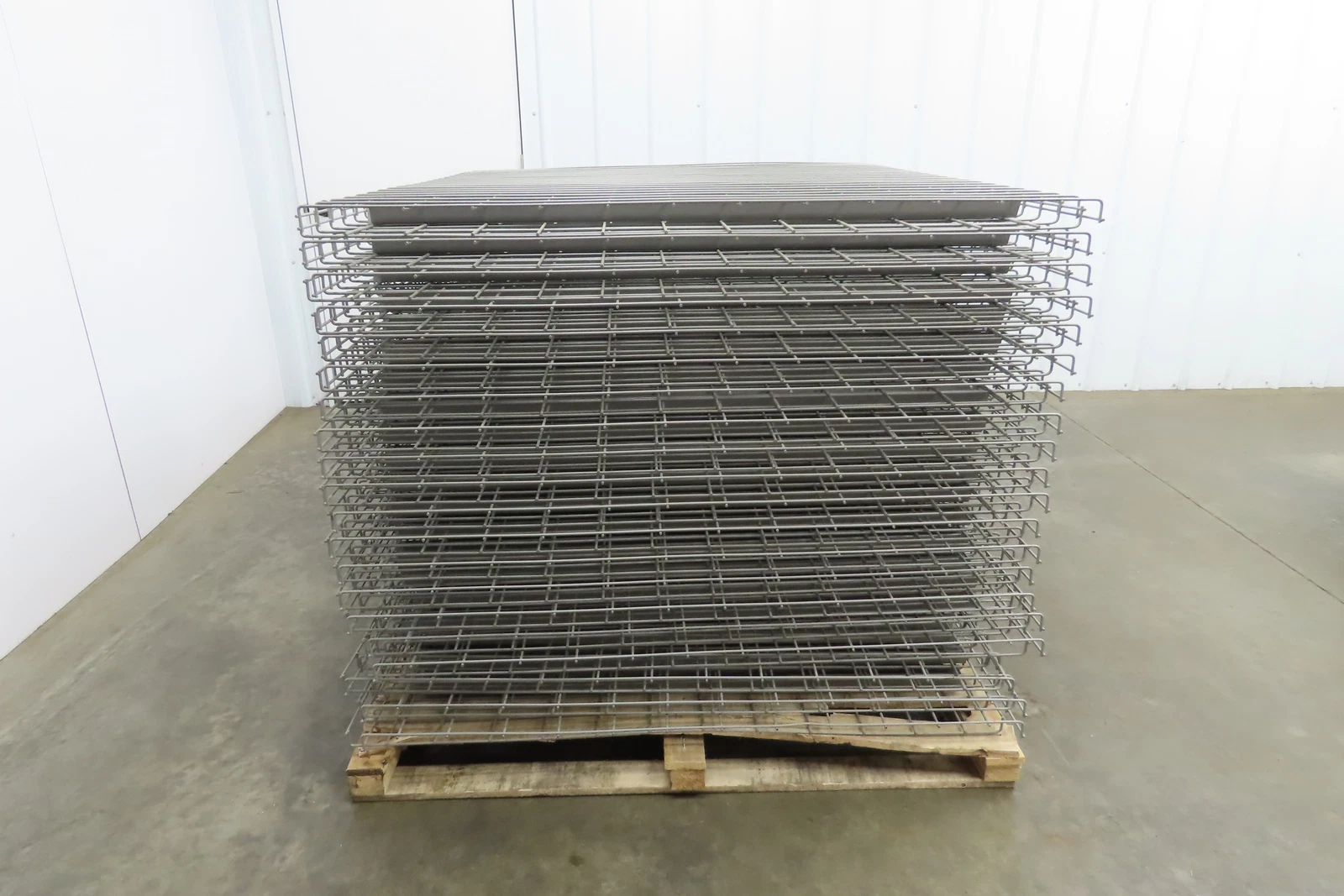
Conclusion
Conclusion:
- Cantilever racking is an effective and straightforward solution specifically designed for storing long, heavy drywall and Sheetrock sheets.
- It keeps bulky drywall off the floor and easily accessible, reducing damage, frustration, and wasted time.
- This system maximizes warehouse space by opening storage outward, improving workflow and safety by clearing floors and aisles.
- Forklift drivers and crews benefit from unobstructed movement, enabling quicker operations and on-time deliveries.
- Cantilever racks enhance safety by reducing cramped aisles and awkward lifts, providing stable support for heavy loads.
- The racks minimize material damage, lowering returns and increasing customer satisfaction through careful handling.
- Beyond functionality, cantilever racking respects the effort of workers and supports efficient, reliable business operations.

Conclusion
Other Resources

Other Resources
Here is a list of other resources you can review online to learn more:
- Storage Equipment Manufacturers Association
- Bradford Systems
- The Complete Pallet Rack Guide – Simply Rack
- BMH
- Illinois Pallet Racking – WPRP
- American Society of Safety Professionals
- Shipping Boxes, Packaging Materials, Pallet Racking
- WERC
- Overhead Lifting
- Heavy-Duty Cantilever Storage Racks
- Rack Manufacturers Institute
- Warehouse Racking Systems: Beginner’s Guide to Rack Systems
- Teardrop Industrial Shelving Rack
- IIWS Inc. Rack Installation Illinois & Rack Repairs Illinois
- Pallet Racking systems in Illinois and Great Lakes
- Cantilever Rack Guide: Ordering Cantilever Racking
- CA Wire
- Pallet Rack Systems – New and Used Pallet Racking and Shelving Experts
- Used Pallet Rack for Sale in Illinois – American Surplus
- Cantilever Racks Chicago
Use This Prompt To Get More Resources With Your Favorite Online AI Tool: Please provide me with a list of online articles with their URLs in a bulleted list that I can read regarding How Do Drywall and Sheetrock Suppliers Leverage Cantilever Racking?
Other Resources
Glossary Terms
How Do Drywall and Sheetrock Suppliers Leverage Cantilever Racking? – Glossary Of Terms
Cantilever Racking: A storage system with arms extending from a central column to hold long, bulky items like drywall sheets.
Drywall: A panel made of gypsum plaster pressed between two thick sheets of paper, used to make interior walls and ceilings.
Sheetrock: A brand name for drywall, commonly used as a generic term for drywall panels.
Supplier: A company or individual that provides products for resale or manufacturing, such as drywall.
Inventory Management: The process of ordering, storing, and using a company’s supply of products.
Load Capacity: The maximum weight a racking system can safely support.
Vertical Storage: Storing materials upright to maximize floor space, typical in cantilever racking.
Pallet Racking: A storage system designed to hold materials on pallets, less suited for drywall’s flat shape.
Material Handling: The movement, protection, storage, and control of materials throughout manufacturing or distribution.
Accessibility: Ease of reaching and retrieving stored items, improved with cantilever racking.
Space Optimization: Efficient use of warehouse or storage space to maximize capacity.
Ergonomics: Designing storage systems to reduce worker strain and improve efficiency.
Load Arm: The horizontal beam extending from the cantilever column that supports materials.
Column: The vertical support structure in a cantilever racking system.
Adjustable Arms: Movable supports on cantilever racks that accommodate different material sizes.
Warehouse Efficiency: The effectiveness in storing and retrieving materials quickly and safely.
Damage Prevention: Measures taken to protect fragile materials like drywall from harm during storage.
Organizational System: A method to arrange inventory systematically for easy tracking and retrieval.
Long Length Storage: Storing materials that are longer than standard pallet sizes, suited for cantilever racks.
Bulk Storage: Storing large quantities of similar items together.
Quick Access: Fast retrieval of stored materials to speed up workflow.
Loading Dock: Area in a warehouse designed for loading and unloading shipments.
Inventory Turnover: The rate at which inventory is sold and replaced.
Storage Density: The amount of inventory stored per unit of warehouse space.
Safety Standards: Regulations ensuring secure and safe storage practices.
Heavy-Duty Racking: Racking systems built to support very heavy loads.
Customizable Configuration: Adjusting racking system layout to fit specific storage needs.
Cross-Arm Support: Additional horizontal support between arms to stabilize stored items.
Weather Resistance: Features that protect stored items from environmental damage, important for some drywall types.
Supply Chain: The entire system of producing and delivering a product from supplier to end customer.

Glossary Of Terms
Other Questions
How Do Drywall and Sheetrock Suppliers Leverage Cantilever Racking? – Other Questions
If you wish to explore and discover more, consider looking for answers to these questions:
- What is the load capacity per arm, per bay, and per column?
- How many drywall sheets can a single cantilever bay hold?
- What arm lengths, heights, and clearances are available for drywall storage?
- Can cantilever racks accommodate different drywall sizes and thicknesses?
- Should I choose single-sided or double-sided cantilever racking for my facility?
- How do I calculate how many racks and bays I need for my current and projected inventory?
- What are the typical purchase, delivery, and installation lead times and costs?
- Do cantilever racks require floor anchoring or slab reinforcement?
- How do installation and ongoing maintenance costs compare with pallet racking?
- What is the expected ROI and typical payback period after switching to cantilever racking?
- How does cantilever racking affect picking, packing, and delivery times?
- What safety standards and regulations apply (OSHA, local building codes, industry standards)?
- How often should racks be inspected, and what does a proper inspection include?
- What load-testing or certification is recommended before putting racks into service?
- What worker training is required for safe loading, unloading, and operation around cantilever racks?
- How do cantilever systems perform in seismic or high-wind zones, and what reinforcement is needed?
- Can cantilever racks be used outdoors, and if so what protective treatments are required?
- What coatings, materials, or corrosion-resistance options are best for humid or coastal environments?
- How compatible are cantilever racks with different forklift types and handling attachments?
- What accessories are available (dividers, padding, stops, retaining bars) to protect drywall?
- How should drywall be oriented and supported on the arms to minimize warping and edge damage?
- How does cantilever racking reduce moisture-related damage and what additional moisture control is needed?
- Can cantilever racks safely store other materials (lumber, metal sheets, pipes) alongside drywall?
- How modular and scalable are cantilever systems for future growth or layout changes?
- What warranties and expected service life do manufacturers typically offer?
- Are used or refurbished cantilever racks a safe and cost-effective option?
- How does installing cantilever racking affect insurance premiums and claims for inventory damage?
- What are best practices for warehouse layout and aisle width when using cantilever racking?
- How should inventory labeling and management systems be adapted for cantilever-stored drywall?
- What are the most common failure modes or damage causes for cantilever racks, and how are they repaired?
- How much floor space savings and storage density improvement can be expected versus pallet racking?
- Can cantilever racking integrate with automated storage, conveyors, or pick-assist systems?
- What environmental and sustainability benefits result from reduced damage and optimized space?
- Are there financing, leasing, or tax incentive options for racking upgrades?
- How do I choose a reputable supplier or installer, and what certifications should I request?
- How can I transition from pallet racking to cantilever racking with minimal operational downtime?
- What real-world metrics (damage reduction percentage, productivity gains, labor savings) support the switch?
- How do you secure long sheets to prevent tipping or shifting during handling and transport?
- What personal protective equipment (PPE) and handling procedures reduce worker injury risks?
- How do fire codes and sprinkler systems influence racking placement and allowable stack heights?
- Can cantilever racks be fitted with additional shelving or crossbars to store mixed inventory types?
- How should returns, damaged stock, or rejects be handled within a cantilever storage system?
- What are the weight limits per baseplate and foundation reaction, and how do they affect floor loading?
- How do I plan cantilever storage if my product mix or drywall specifications change over time?

Other Questions
Checklist
How Do Drywall and Sheetrock Suppliers Leverage Cantilever Racking? – A Checklist
Planning and Readiness
✅______ Define drywall/sheetrock product mix (sizes, thicknesses, bundle weights, turnover).
✅______ Confirm handling equipment (forklift type, fork length, capacity, turning radius).
✅______ Measure clear height, aisle widths, door heights, column grid, and obstructions.
✅______ Verify slab capacity and condition for anchoring and point loads.
✅______ Map receiving-to-shipping flow and staging areas.
Rack Design and Specification
✅______ Select single- or double-sided cantilever based on access and footprint.
✅______ Size arm length to support sheet depth with minimal overhang.
✅______ Confirm arm, upright, and base capacities exceed the worst-case load with a safety factor.
✅______ Set upright spacing to prevent drywall sag and deflection; verify with the manufacturer.
✅______ Choose arm features (such as end stops, lips, and dividers) to prevent roll-off and keep lanes organized.
✅______ Specify finish for the environment (powder coat indoors; galvanized outdoors).
✅______ Ensure adjustability increments match SKU heights.
✅______ Add labeling provisions (level markers, location IDs, and capacity plates).
Layout and Space Optimization
✅______ Slot by size/thickness and demand velocity (A/B/C) to reduce travel.
✅______ Maximize vertical levels within lift height and sprinkler clearances.
✅______ Set aisle width to equipment needs (right-angle stacking, pass-by).
✅______ Provide dedicated staging zones near docks to speed loading.
✅______ Combine with floor stacking only where it improves flow, not clutter.
✅______ Plan overflow and seasonal lanes and quick-pick locations for fast movers.
Safety and Compliance
✅______ Obtain engineered drawings; meet RMI/ANSI, local code, and seismic/wind requirements.
✅______ Anchor per specifications; verify plumb and level; install column, arm, and base guards.
✅______ Post load ratings at each bay and level; train staff to read and follow them.
✅______ Maintain fire protection clearances and flue spaces; coordinate with the AHJ (authority having jurisdiction).
✅______ Establish daily visual and monthly documented rack inspections.
✅______ Create damage reporting and red-tag and repair protocol with qualified service.
✅______ Train operators on drywall-specific handling (edge protection, speed limits, visibility).
✅______ Define pedestrian and forklift rules, lanes, and signage to reduce conflicts.
Handling and Product Care
✅______ Standardize put-away and pick methods to avoid corner and edge impacts.
✅______ Use fork extensions or padding, or spreader bars where needed.
✅______ Specify dunnage spacing and bundle strapping to prevent bowing.
✅______ Keep sheets off the floor; control moisture (use covers, ensure airflow, prioritize indoor storage).
✅______ Implement FIFO/FEFO (first in, first out / first expired, first out) to reduce aging and warping.
✅______ Label locations; enable barcodes or RFID for quick counts and accuracy.
Cost and Performance
✅______ Baseline current damage rate, labor minutes per pick, and storage density.
✅______ Set targets for damage reduction, time saved, and density gained.
✅______ Compare TCO (total cost of ownership) versus alternatives (purchase, installation, maintenance, flexibility).
✅______ Calculate payback using labor, damage, and throughput improvements.
✅______ Track OTIF (on-time, in-full) pre- and post-implementation.
Installation and Commissioning
✅______ Conduct a pre-installation walk-through to locate utilities, joints, and constraints.
✅______ Install per stamped drawings; torque anchors; verify level and alignment.
✅______ Load test per specifications; obtain sign-off from the engineer or vendor.
✅______ Update facility maps, SOPs, and emergency plans with the new layout.
✅______ Conduct operator and supervisor training; document attendance.
Maintenance and Continuous Improvement
✅______ Schedule quarterly fastener checks and annual professional inspections.
✅______ Replace bent or damaged arms or uprights immediately; keep spares on hand.
✅______ Re-slot lanes based on demand shifts and seasonality.
✅______ Review KPIs quarterly; adjust layout, levels, and processes accordingly.
Outdoor/Yard Considerations (If Applicable)
✅______ Use galvanized components; plan drainage and ground-bearing supports.
✅______ Add wind bracing and tie-downs; protect from ultraviolet (UV) and weather.
✅______ Implement covers or sheds to prevent moisture damage.
Go-Live Readiness Gate
✅______ All capacity signage installed and visible.
✅______ Aisle markings, guards, and staging zones complete.
✅______ Training completed; SOPs posted at workstations.
✅______ Initial cycle count and location verification finished.
✅______ Pilot picks performed and timed; issues resolved before full rollout.

Checklist
At RackingWorld, we help guide you through selecting warehouse storage systems and racking.
Be sure to read our other related stories at RackingWorld to learn more about warehouse storage systems.
0 Comments