
The Overlooked Backbone Of Infrastructure
By Tom Seest
At RackingWorld, we help guide you through selecting warehouse storage systems and racking.
Be sure to read our other related stories at RackingWorld to learn more about warehouse storage systems.
Racking Is Infrastructure’so Why Don’t We Treat It That Way?
Racking isn’t just a series of steel beams arranged to hold what we need; it’s the backbone of our modern logistics. Picture a bustling warehouse. As forklifts whir by, stacks of products loom high, supported by an intricate system of racking. These systems are more than mere storage solutions; they are vital infrastructures that keep our economy humming. Yet, despite their critical role, we often overlook racking as an essential part of our industrial landscape. Why?
Let’s face it: we tend to take the obvious for granted. Driving into a big box store, we effortlessly grab what we need, unaware of the meticulous orchestration behind the scenes. That’s where racking comes to the forefront. It’s the unsung hero, quietly supporting daily operations and yet rarely receiving the recognition it deserves.
Now, let’s engage the heart. Think about those hard-working men and women who rely on these systems daily. The warehouse workers lifting heavy loads, the logistics coordinators who ensure everything flows smoothly—racking is their ally. It’s a silent partner in their daily grind, one that demands to be respected and properly maintained. When we neglect to treat racking as infrastructure, we risk the safety of these workers and the efficiency of our supply chains.
Rationally speaking, consider this: investing in quality racking systems isn’t just a cost; it’s a commitment to your bottom line. Companies that prioritize smart racking solutions see tangible returns through reduced operational delays and higher employee productivity. Neglecting these systems is not just irresponsible; it’s shortsighted.
Ethically, we have a duty to ensure safety in every aspect of our operations. Racking systems should be designed, installed, and maintained according to the highest standards. When we ignore this responsibility, we put lives at risk.
On a societal scale, the repercussions of overlooking racking are felt by all of us. An error in the racking system can lead to delays and shortages, affecting not just companies but families waiting for necessities.
So, let’s start a conversation. It’s time we recognize and respect the role of racking as part of our infrastructure. By embracing its significance, we not only ensure the safety of countless workers but also invest in the strength and durability of our commerce. A call to action lies ahead: it’s time to give racking its due attention, because when we elevate the basics, we elevate us all.
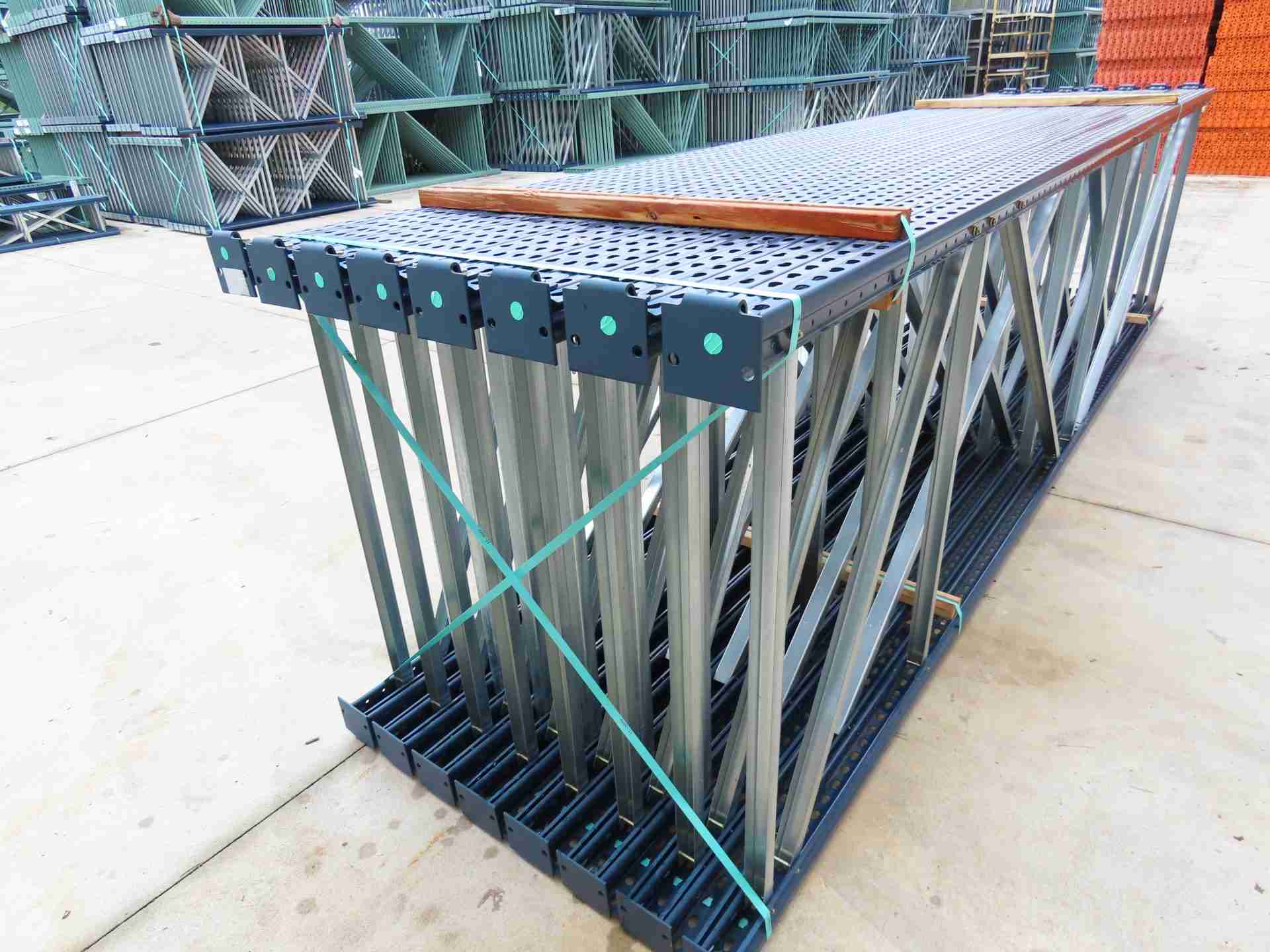
Racking Is Infrastructure’so Why Don’t We Treat It That Way?
Racking Is Infrastructure’so Why Don’t We Treat It That Way?
- Racking systems are essential infrastructures supporting modern logistics and hold a critical role in maintaining economic flow.
- Often overlooked, racking supports warehouse operations, contributing silently to efficiency and productivity.
- Warehouse workers and logistics coordinators rely on racking systems, necessitating respect and proper maintenance.
- Investing in quality racking is a commitment to reducing operational delays and enhancing profitability.
- Ensuring that racking systems meet high safety standards is an ethical responsibility to protect workers and operations.
- Negligence in racking can lead to shortages and delays affecting not just businesses but families in need.
- Recognizing the importance of racking enhances safety, efficiency, and the overall strength of commerce, necessitating urgent attention.
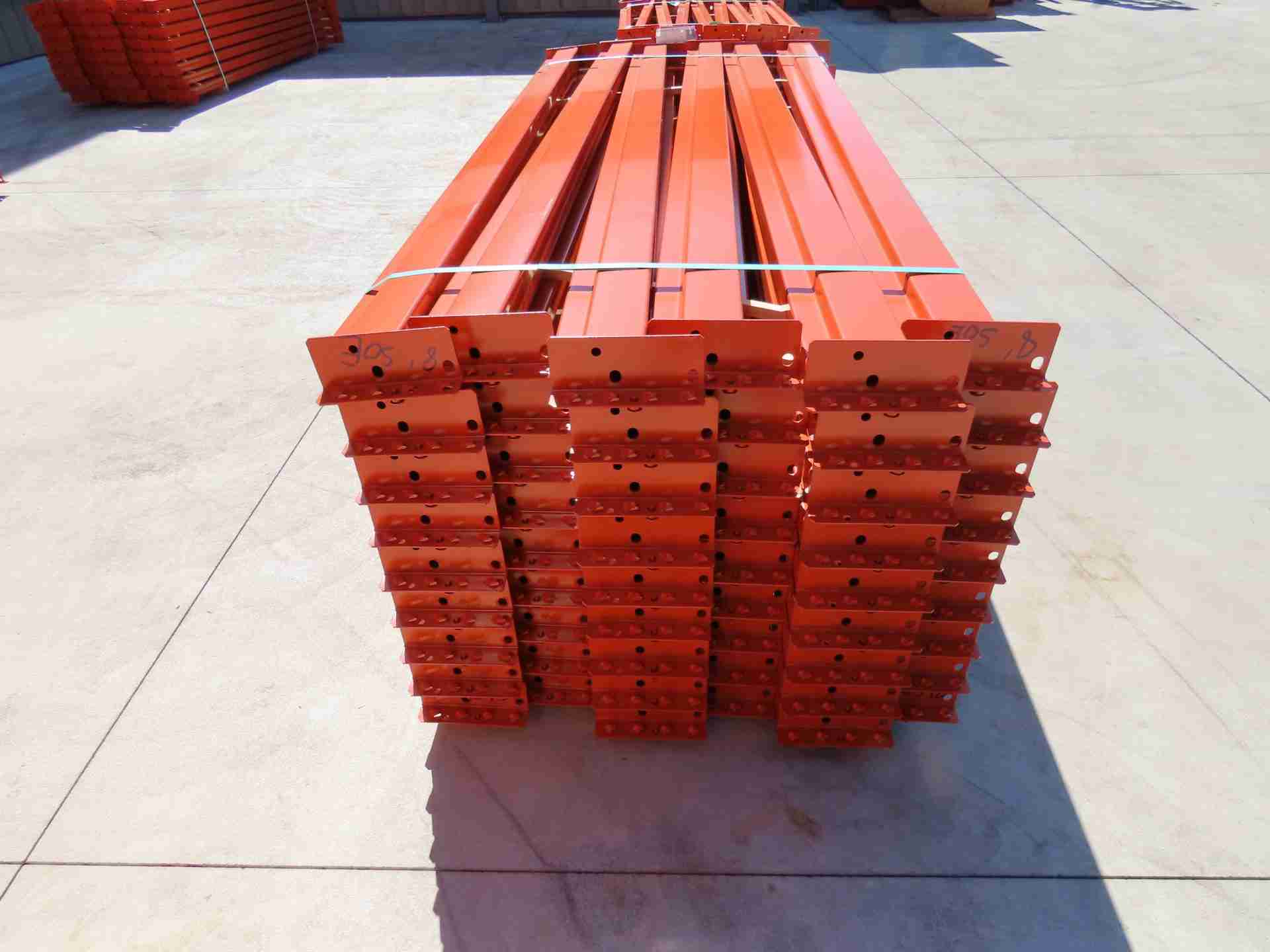
Racking Is Infrastructure’so Why Don’t We Treat It That Way?
Table Of Contents
- Racking Is Infrastructure’so Why Don’t We Treat It That Way?
- What If Proper Racking Could Enhance Safety In the Workplace?
- Are We Missing Cost Savings By Neglecting Racking As Infrastructure?
- How Can Effective Racking Systems Improve Operational Efficiency?
- How Do Our Peers View the Importance Of Racking In Their Businesses?
- Can Investing In Racking Lead to a Competitive Edge In the Market?
- Conclusion
- Other Resources
- Glossary Of Terms
- Other Questions
- Checklist
What If Proper Racking Could Enhance Safety In the Workplace?
What if proper racking could enhance safety in the workplace? This is not just a question of logistics; it’s about people—real workers like you and me—who rely on their environment to be not just functional, but safe. Think about it: when you walk into a warehouse or storage facility, the racking systems are often the very backbone of the operation. They hold the weight of countless goods, and yet, more importantly, they hold the potential to safeguard lives.
Consider a typical day on the job. Every time someone reaches for a high shelf or maneuvers around cramped aisles, uncertainty creeps in. Will that load shift? Will a poorly stacked item come tumbling down? These aren’t just hypothetical risks. They’re the kind of daily concerns that weigh heavily on our minds and hearts. Proper racking can transform that fear into confidence. By implementing well-designed, sturdy, and organized systems, workplaces can turn a dangerous game of chance into a predictable environment where safety is paramount.
Now, from a rational standpoint, think of the costs associated with workplace injuries. According to industry studies, accidents can lead to lost productivity, medical expenses, and even legal ramifications. Investing in proper racking is not merely an expense; it’s a proactive step towards mitigating these risks, ultimately benefiting both employers and employees alike. It’s an ethical responsibility to create a safe working environment. After all, every worker deserves to go home in one piece, right?
Let’s embrace the stories of those affected by inadequate racking. Picture an employee, perhaps a new hire, eager to prove themselves. They’re navigating through an aisle with stacks of boxes that aren’t secured properly. Their heart races; they’re torn between the desire to impress and the instinct of self-preservation. This is where effective racking design comes into play. It helps cultivate a culture of safety, teaching workers that their lives are valued and that their well-being matters.
Socially, we have a collective responsibility to look out for one another. When organizations prioritize safety through the right racking systems, they send a powerful message: “We care about our team.” In doing so, they foster camaraderie, trust, and morale. Safety in the workplace isn’t just about compliance; it’s about compassion and connection. So, let’s rethink how we view racking—not merely as pallets of shelves, but as the framework for a safety-first ethos that makes every workplace a better place to be.
What If Proper Racking Could Enhance Safety In the Workplace?
What If Proper Racking Could Enhance Safety In the Workplace?
- Proper racking enhances safety in the workplace, benefiting real workers.
- Racking systems are crucial for warehouse operations and can safeguard lives.
- Daily tasks such as reaching for high shelves carry inherent risks of accidents.
- Well-designed racking turns uncertainty into confidence and promotes a safe environment.
- Investing in proper racking mitigates costs associated with workplace injuries.
- Effective racking design cultivates a culture of safety, valuing worker well-being.
- Prioritizing safety through racking fosters trust, camaraderie, and morale within teams.

What If Proper Racking Could Enhance Safety In the Workplace?
Are We Missing Cost Savings By Neglecting Racking As Infrastructure?
When we think about the backbone of any warehouse or distribution center, our minds often drift towards automation, robotics, and high-tech solutions. But let’s take a moment to consider racking—yes, the unsung hero of our storage systems. Picture this sturdy framework holding every item in a business’s inventory like a lifeline, yet often it’s overlooked, collecting dust instead of dollars. The truth is, while we might be busy chasing after the latest technological marvels, we might be missing significant cost savings simply by ignoring the infrastructure that holds it all together: racking.
Now, I’m not suggesting we halt progress or shun innovation; rather, let’s ponder the foundational role that racking plays in operational efficiency. A well-designed racking system is more than just metal and bolts; it’s a carefully orchestrated dance of space optimization. By maximizing vertical and horizontal space, businesses can store 20-30% more product without expanding their footprint. Imagine the cost savings on real estate, and while we’re at it, consider the impact on labor costs. Efficient layout translates to fewer steps, quicker order fulfillment, and happier employees. These aren’t mere statistics—they’re a direct line to improved morale and productivity.
Emotionally, think about the family behind that small business struggling to make ends meet. Their dreams hinge on efficient operations and smart investments. Racking may seem like a mundane topic, but it represents something larger—the desire to thrive, to not just survive. Ethically, we owe it to ourselves and our communities to operate efficiently, to make every dollar count, especially in an economic landscape that requires critical thinking and resourcefulness.
We’ve seen the experts tout the virtues of top-notch racking systems, breathing life into an idea that some dismiss as trivial. And yet, the truth remains: organizations that embrace this often-neglected infrastructure see tangible benefits. Racking isn’t just an afterthought; it’s a strategic asset when deployed thoughtfully.
So, let’s rally together—and take action. Reassess outdated racking, invest in smart designs, and let’s unlock hidden cost savings. These are not just metal shelves; they are the backbone of your business, and they deserve both attention and respect. Every inch counts, after all. If we can capitalize on the strength of racking, we can build a base that supports not just profitability, but a vision for a more sustainable future. The time to look at racking with fresh eyes is now—don’t let another dollar slip through those gaps.
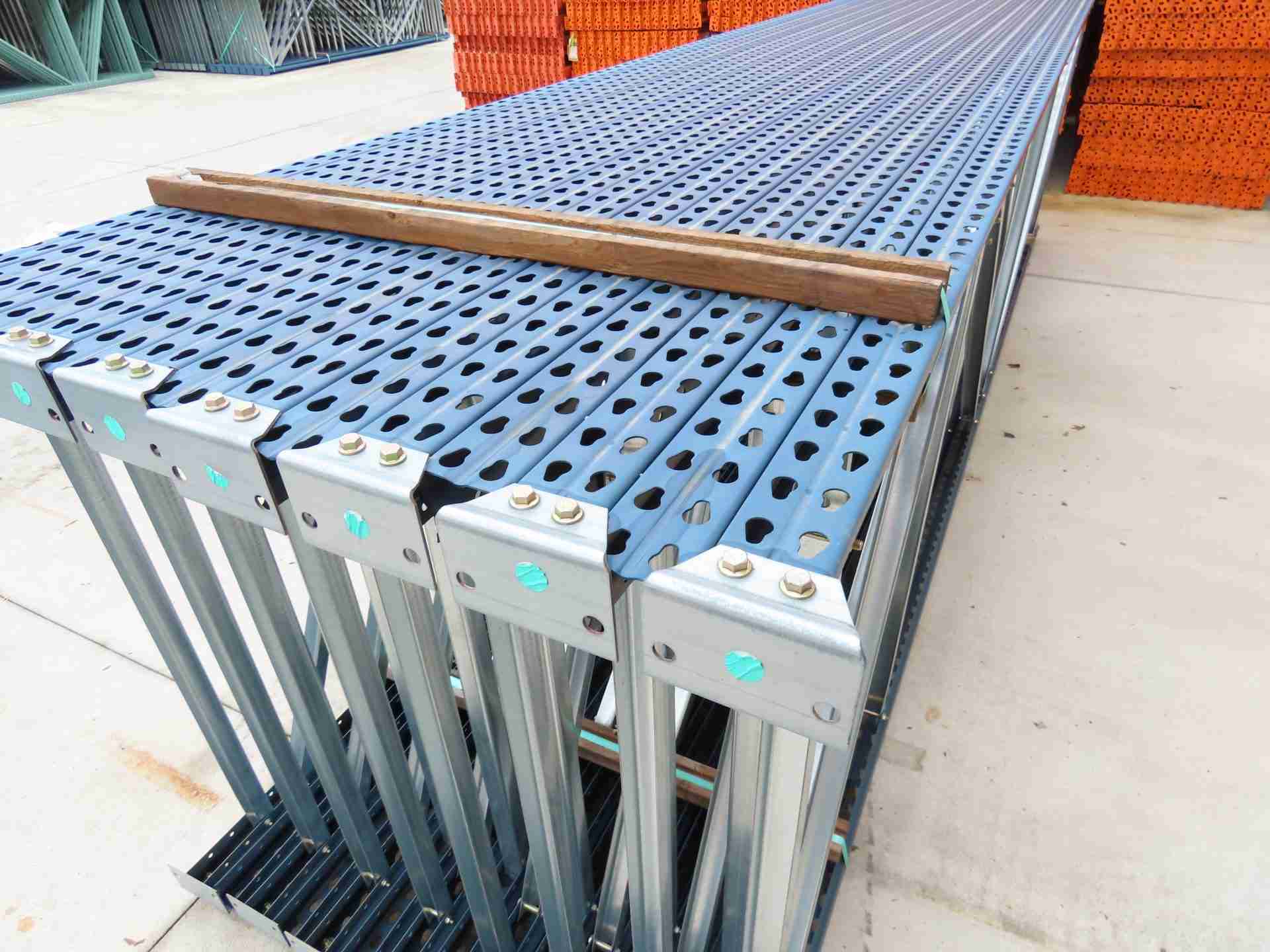
Are We Missing Cost Savings By Neglecting Racking As Infrastructure?
Are We Missing Cost Savings By Neglecting Racking As Infrastructure?
- Racking is a crucial but often overlooked component of warehouse and distribution center efficiency.
- A well-designed racking system can increase storage capacity by 20-30% without expanding the physical footprint.
- Efficient racking layouts reduce labor costs and improve employee morale through quicker order fulfillment.
- Investing in racking represents a commitment to operational efficiency and smart resource management.
- Organizations that prioritize racking as a strategic asset see tangible benefits in performance.
- Current economic conditions demand critical thinking and resourcefulness in business operations.
- Now is the time to reassess and invest in racking to unlock hidden cost savings and support sustainable growth.
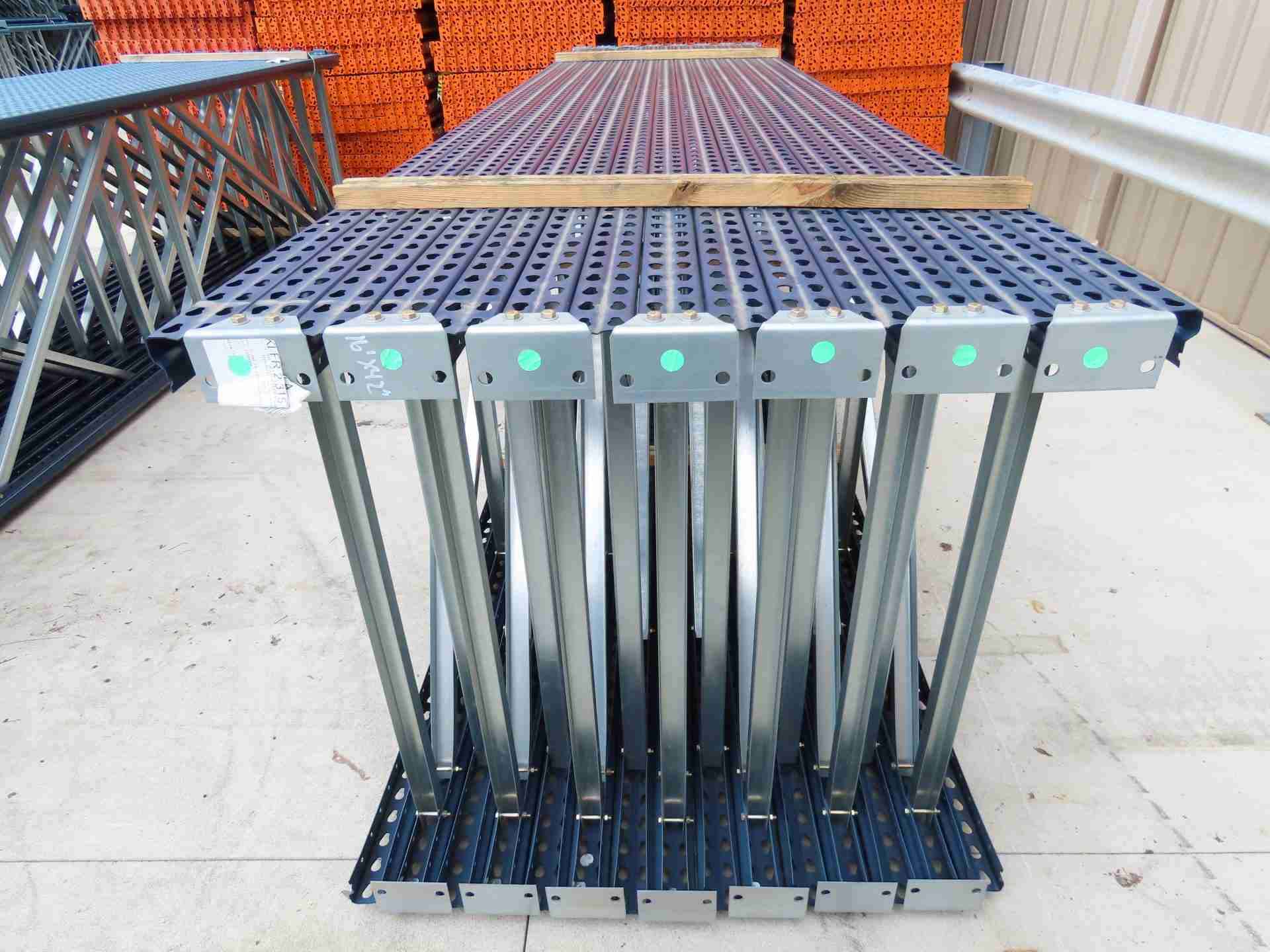
Are We Missing Cost Savings By Neglecting Racking As Infrastructure?
How Can Effective Racking Systems Improve Operational Efficiency?
When it comes to the backbone of any warehouse or storage facility, racking systems are like the silent heroes. Imagine standing in a vast expanse filled with boxes and pallets—overwhelming, isn’t it? Yet, with an effective racking system, that chaos transforms into a well-orchestrated symphony. Not only does it make the place look organized, but it also takes operational efficiency to another level.
Think about the last time you were searching for something—a lost key, a favorite pair of shoes, perhaps. As frustration builds, so does the clock, and every second wasted feels like an eternity. Now, apply that feeling to a warehouse setting, where time is money. An effective racking system ensures that every item is not only easy to find but also easy to access, cutting down on retrieval times and saving precious labor hours. The emotional weight of that transformation can’t be overstated.
From a rational standpoint, consider the financial implications. Efficient racking systems maximize storage space, allowing businesses to hold more inventory without expanding their footprint or overhead costs. Think of it as investing in a more efficient future—a small change that yields significant returns. There’s undeniable logic in this, folks, and even the skeptics can’t argue with figures. When you unlock high-density storage, you’re not just saving space; you’re equipping your team with the tools they need to perform at their best.
Ethically, effective racking aligns with sustainable practices. By optimizing your space, you can minimize waste, whether it’s through better inventory management or reducing your carbon footprint by not needing larger facilities. It’s a collaborative advancement—good for business, good for the planet, good for everyone involved.
Now, let’s not forget the social aspect. A well-designed racking system fosters a sense of pride among employees. When people walk into an organized and efficient work environment, it’s energizing. They take ownership of their space, enhancing teamwork and cooperation.
The narrative of racking isn’t just about metal beams and shelves; it’s about creating a culture of efficiency and respect for labor. So, ask yourself: Are you ready to elevate your operational game? Embrace the power of effective racking systems, and watch as your entire operation transforms, turning the mundane into the extraordinary. When you do, you’re not just changing how goods are stored; you’re redefining how work gets done.

How Can Effective Racking Systems Improve Operational Efficiency?
How Can Effective Racking Systems Improve Operational Efficiency?
- Racking systems serve as the essential backbone of warehouses and storage facilities, transforming chaotic spaces into organized environments.
- Effective racking systems enhance operational efficiency by making items easily accessible, reducing retrieval times and saving labor hours.
- Financially, efficient racking maximizes storage space, allowing businesses to hold more inventory without incurring additional overhead costs.
- High-density storage not only saves space but also equips teams with the necessary tools for optimal performance.
- From an ethical perspective, effective racking supports sustainable practices by minimizing waste and reducing the need for larger facilities.
- A well-designed racking system creates a positive work environment, fostering pride, ownership, and enhanced teamwork among employees.
- The impact of racking systems goes beyond storage; they play a crucial role in cultivating a culture of efficiency and respect for labor in the workplace.

How Can Effective Racking Systems Improve Operational Efficiency?
How Do Our Peers View the Importance Of Racking In Their Businesses?
When we talk about racking, it’s easy to get lost in the technicalities—the materials, the design, the load capacity—but let’s take a moment to consider what racking truly represents in the heart of a business. Imagine a bustling warehouse or a thriving retail store. Behind every well-organized shelf lies a story of hard work, dedication, and a commitment to quality. Our peers view racking as more than just a setup for products; it’s a lifeline that supports their ambitions and dreams. It’s the very backbone of their operations.
Picture this: a small business owner who poured their heart and soul into building their dream. They know that each inch of space is precious, and standing in front of that racking system, they feel a sense of pride. This isn’t just wood and metal; it’s their path to efficiency, the difference between order and chaos. It’s where everything comes together, making the dream just a little more attainable. This emotional connection to racking turns an ordinary job into an extraordinary mission.
Now, let’s tether that emotion to the head and heart. Statistically, properly organized racking can increase efficiency by upwards of 30%. It’s not just about aesthetics; it’s about maximizing productivity and potential. Peers understand that every mismanaged item can lead to lost sales, frustrated customers, and ultimately, a tarnished reputation. Hence, racking is a decision that should be grounded in rational thinking. Industry experts weigh in, emphasizing how optimal racking not only decreases downtime but also reduces the risk of accidents, cultivating a safe environment for everyone involved.
Ethically, our peers recognize their responsibility toward their employees and customers. A well-racked environment minimizes confusion and miscommunication, enhancing teamwork and promoting a culture built on trust. It’s about respecting the people who dedicate their time and energy to the business, ensuring that everyone has a fighting chance to succeed.
Socially, businesses that prioritize effective racking also foster a positive camaraderie. When an entire team operates in sync, everyone feels that shared sense of purpose. They know they are part of something bigger than themselves, where their contributions matter.
Ultimately, racking symbolizes the essence of what we strive for in our businesses—efficiency intertwined with passion, commitment to quality, and a sense of community that can transform not just shelves, but lives.
How Do Our Peers View the Importance Of Racking In Their Businesses?
How Do Our Peers View the Importance Of Racking In Their Businesses?
- Racking represents more than just a storage solution; it’s essential to business operations and supports ambitions and dreams.
- For business owners, racking signifies pride and efficiency, transforming their workspace into a path between order and chaos.
- Properly organized racking can boost efficiency by over 30%, maximizing productivity and potential.
- Mismanaged racking can result in lost sales, frustrated customers, and a damaged reputation, making it crucial to approach racking decisions rationally.
- Effective racking reduces downtime and the risk of accidents, contributing to a safer work environment.
- A well-organized racking system fosters teamwork, minimizes confusion, and builds trust within the business.
- Racking symbolizes the blend of efficiency, passion, commitment to quality, and a sense of community that can profoundly impact lives.
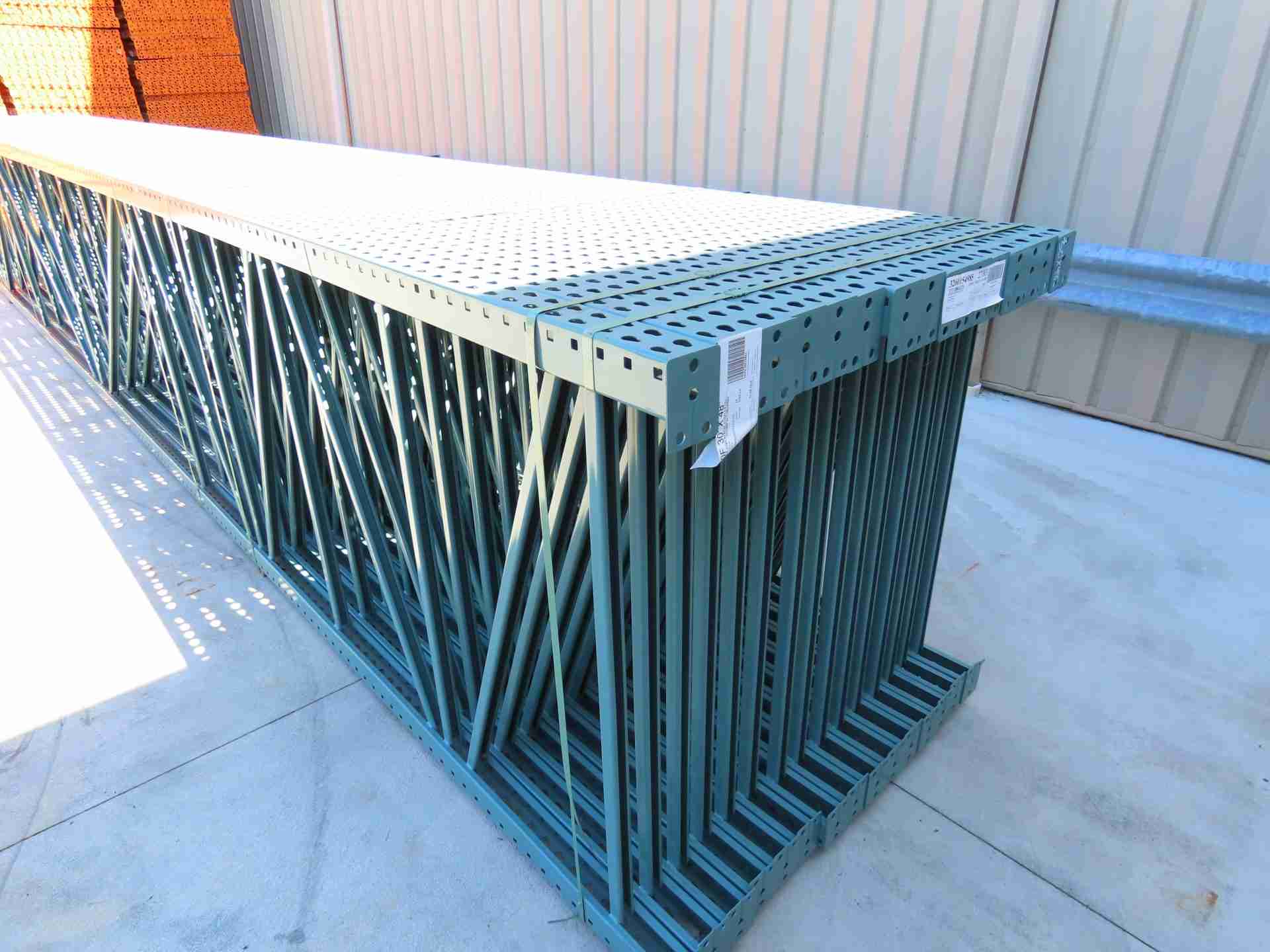
How Do Our Peers View the Importance Of Racking In Their Businesses?
Can Investing In Racking Lead to a Competitive Edge In the Market?
In today’s fast-paced marketplace, investing in racking solutions can feel like a mundane choice among the many options vying for your attention. Yet, when you peel back the layers, racking isn’t just about organizing your warehouse or maximizing space; it’s about creating a strategic foundation that separates the leaders from the laggards.
Picture this: a bustling warehouse, rows of precisely placed racking units standing tall, waiting to hold the weight of your business aspirations. Each beam of steel not only represents a structural solution but a promise of efficiency. With the right racking systems in place, inventory flows seamlessly, orders fly out the door, and customers leave with smiles on their faces. The heart of your operation begins to beat with purpose.
Now, let’s engage the head for a moment. According to industry studies, optimizing storage space can improve operational efficiency by up to 30%. Those aren’t just numbers; they’re snippets of success stories from businesses like yours that took the leap and embraced innovation. Imagine reallocating resources, redirecting manpower, and ultimately increasing margins simply because you chose to invest in a smarter racking system. It’s not just a cost— it’s a strategic move that pays dividends.
Students of ethics will tell you that sustainable practices sow seeds of trust and loyalty. Ethical racking solutions can reduce waste and carbon footprints, contributing to an environment-conscious brand identity. Customers today are driven by values, and making responsible choices in your operations nurtures not just profits but relationships.
As you consider your path forward, think about the stories behind each decision. Businesses that have prospered from investing in racking haven’t just improved their operations; they’ve built communities around efficiency, reliability, and trust. They’ve shown that when you invest in the structure of your business, you’re also investing in your people—the ones who make your dreams a reality.
Let’s not forget the social aspect, either. Whether you’re growing your team or partnering with suppliers, optimizing your space enhances collaboration, creativity, and ultimately, innovation. In a world that thrives on connections and mutual support, taking the time to rethink your racking means fostering an environment where everyone can flourish.
So, can investing in racking lead to a competitive edge in the market? Absolutely. It’s about so much more than just shelving; it’s about building a narrative of success, efficiency, and trust that resonates throughout the industry.
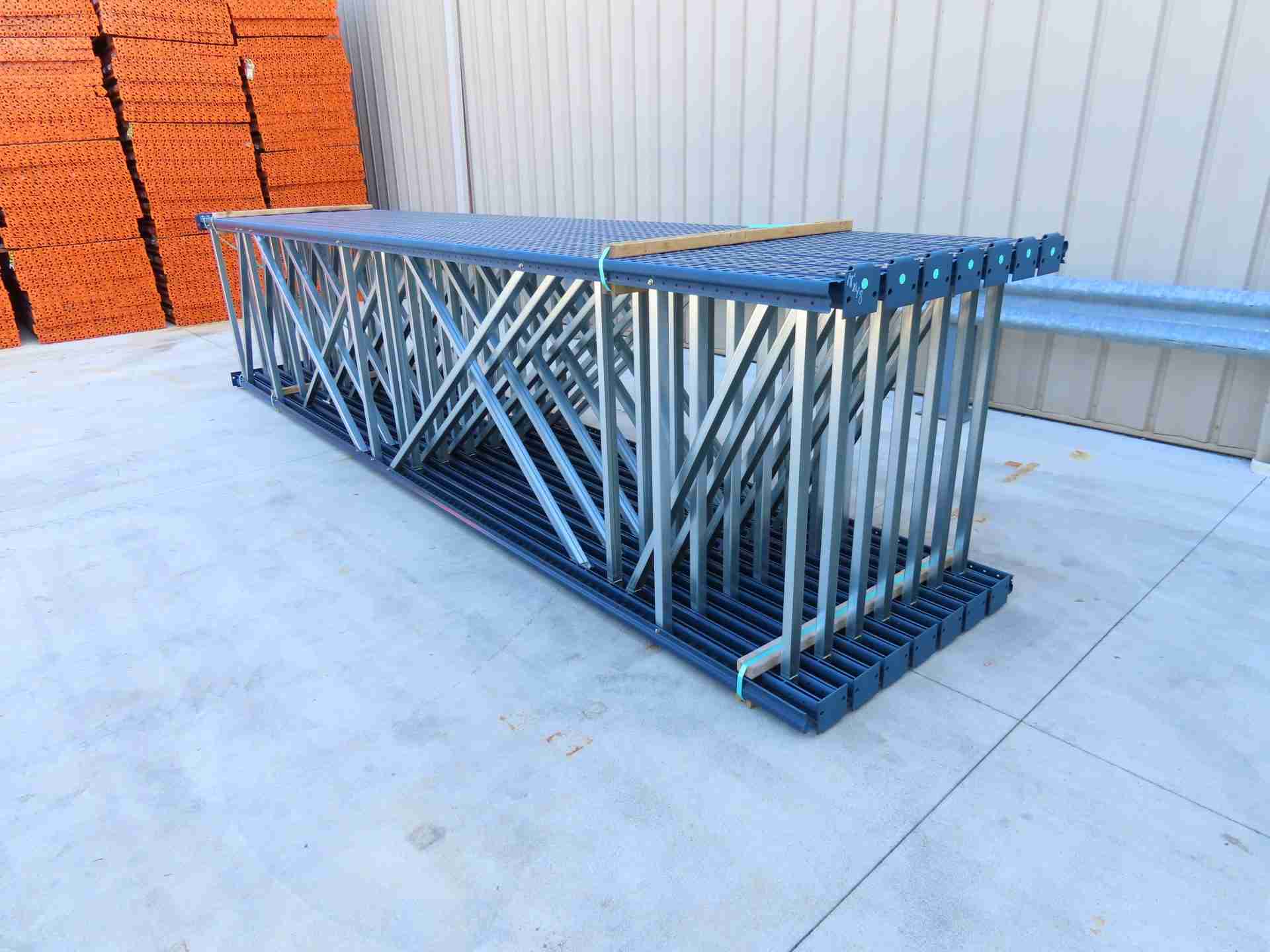
Can Investing In Racking Lead to a Competitive Edge In the Market?
Can Investing In Racking Lead to a Competitive Edge In the Market?
- Investing in racking solutions is a strategic choice that impacts operational efficiency.
- Proper racking can lead to a smoother inventory flow, faster order fulfillment, and enhanced customer satisfaction.
- Optimizing storage space can improve operational efficiency by up to 30%, leading to better resource allocation and increased margins.
- Sustainable racking solutions help reduce waste and carbon footprints, aligning with customer values and fostering brand loyalty.
- Successful businesses investing in racking create communities built on efficiency, reliability, and trust.
- Optimized space promotes collaboration and innovation among teams and suppliers.
- Investing in racking is a foundational move that enhances overall business narrative and competitive edge in the market.
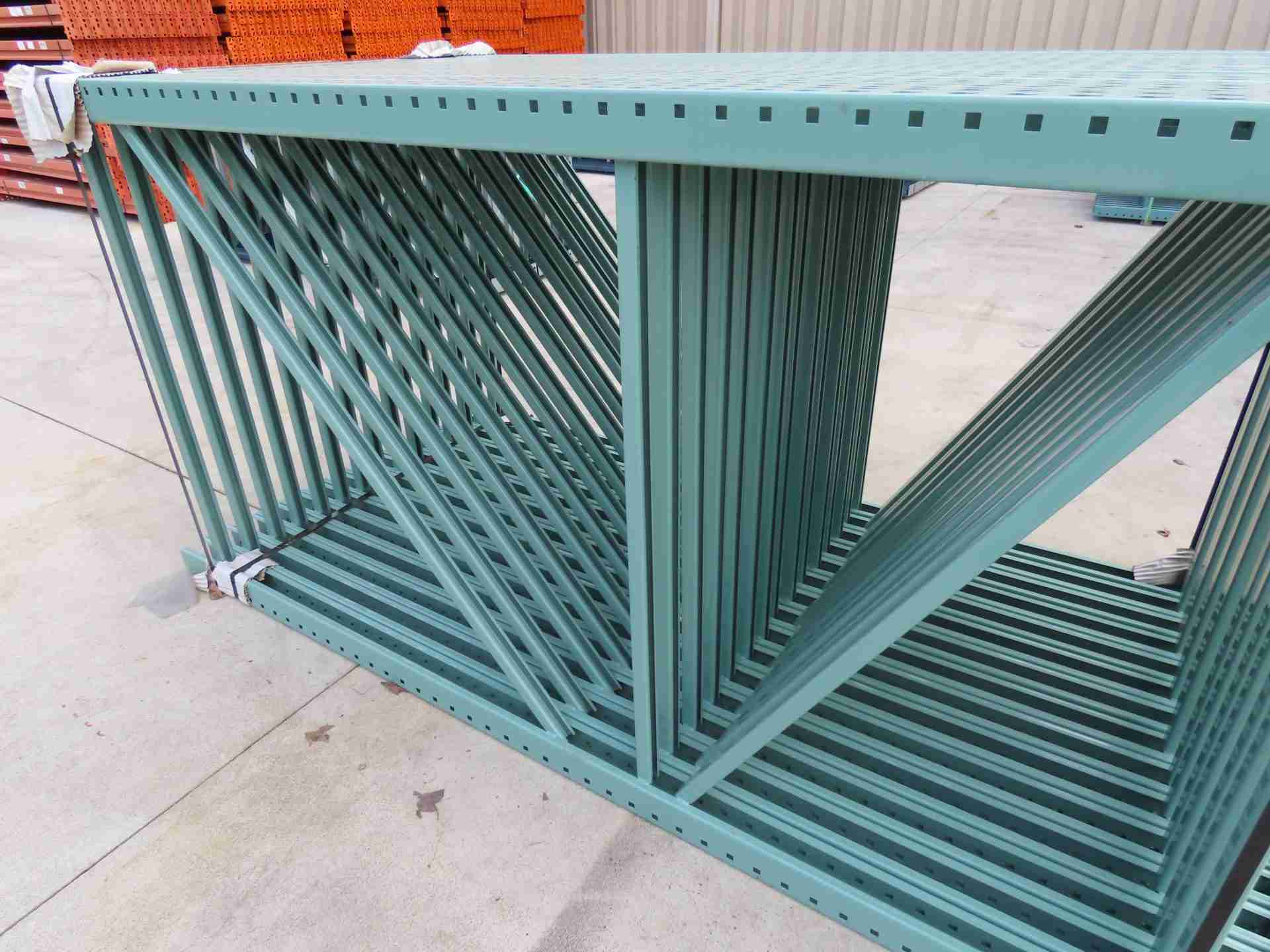
Can Investing In Racking Lead to a Competitive Edge In the Market?
Conclusion
Racking transcends mere functionality; it symbolizes the structural integrity of our commerce and daily lives. The racking systems hum quietly in warehouses, acting like the unsung heroes that keep our supply chains running smoothly. Often taken for granted, these systems hold the weight of our needs, both literally and figuratively. They are the unseen lifelines supporting hard-working employees who navigate through intricate aisles, constantly relying on racking for safety and efficiency. It’s time we acknowledge the critical role of these frameworks in our industries.
Pouring resources into well-designed racking systems is an investment—not just in materials, but in safety and operational effectiveness. It’s a commitment to creating environments where individuals can thrive without the shadow of risk looming overhead. The emotional landscape surrounding racking is vital; employees deserve to walk into workplaces that prioritize their well-being. By ensuring proper installation and maintenance, we do more than just adhere to regulations—we cultivate a culture of respect, trust, and safety that resonates throughout the organization.
Rationally, the benefits are clear; optimizing racking can lead to significant cost savings and boosted productivity. Studies show that businesses leveraging effective racking solutions can improve their operational efficiency by as much as 30%. This is not just a line item on a budget; it’s the foundation upon which successful businesses are built. Every reduction in wasted time translates directly to increased profits, making a compelling case for those who might have overlooked this fundamental aspect of their operations.
Ethically, there’s a responsibility to foster safe and efficient workplaces. Racking systems should hold our collective commitments to safety, integrity, and community. When we optimize these systems, we protect lives, promote teamwork, and ultimately uplift our neighborhoods and families who rely on these operations.
As we step back and take a holistic view, it’s difficult to ignore the social dynamics at play. Companies that embrace effective racking foster camaraderie, creating spaces where employees feel valued, and that their contributions matter. This is not merely about storing products; it’s about shaping an environment where excellence can flourish.
Let’s open the dialogue on the importance of racking in our infrastructure. By elevating this often-overlooked component, we build stronger foundations for our businesses and our lives. It’s time to give racking the recognition it deserves and, in doing so, elevate our workforce and our economy. The promise of success lies not just in innovation, but in respecting the very backbone that holds it all together.

Conclusion
Conclusion:
- Racking systems symbolize structural integrity within commerce and everyday life, acting as crucial components of supply chains.
- Investing in well-designed racking systems enhances safety and operational effectiveness, promoting employee well-being.
- Proper installation and maintenance of racking foster a culture of respect, trust, and safety within organizations.
- Optimizing racking can lead to significant cost savings and increased productivity, with improvements in operational efficiency by up to 30%.
- There is an ethical responsibility to ensure safe and efficient workplaces through effective racking systems.
- Companies embracing racking foster camaraderie, valuing employee contributions and creating environments for excellence.
- Recognizing the importance of racking can strengthen foundations for businesses and uplift workforces and communities.
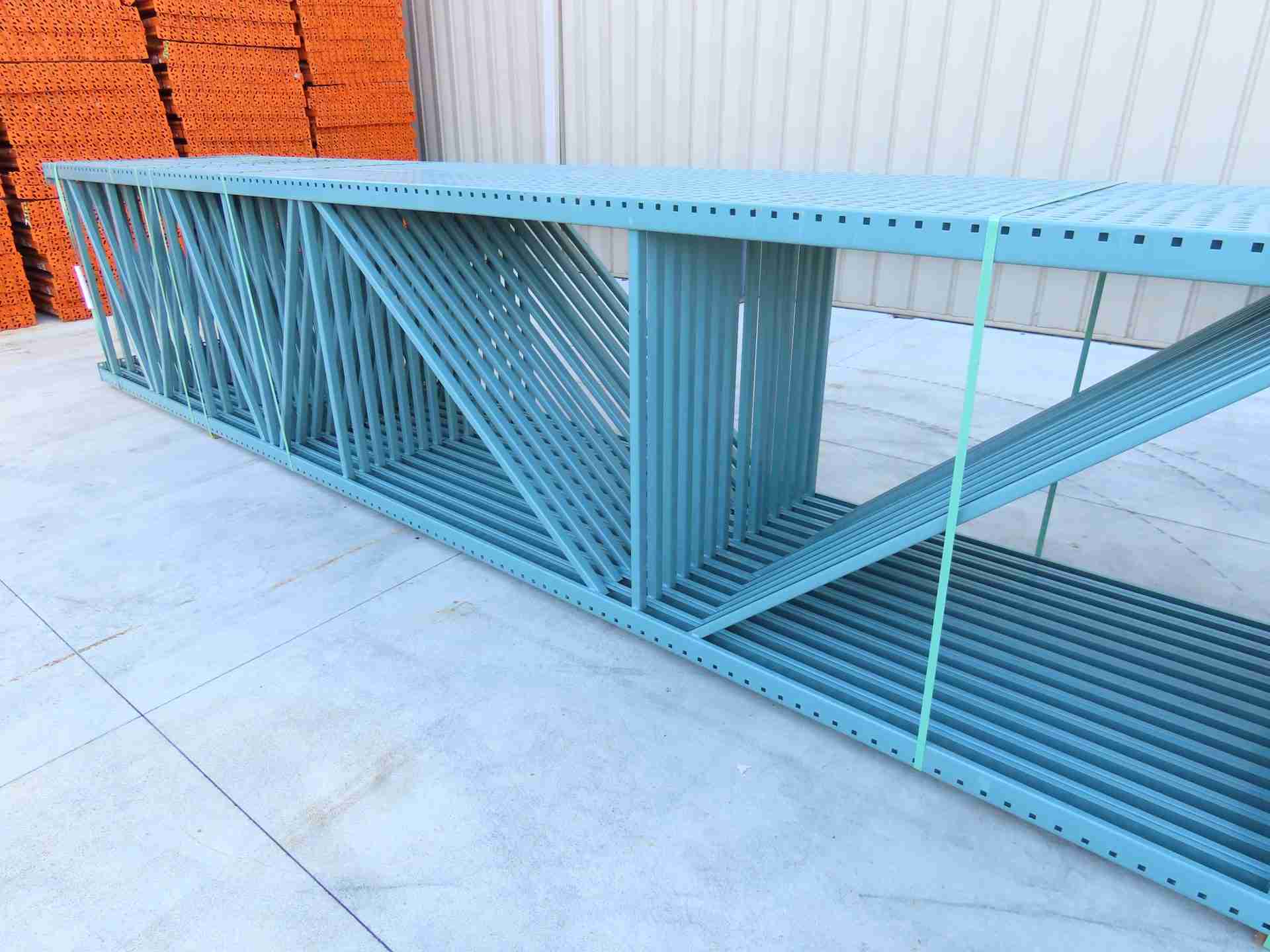
Conclusion
Other Resources
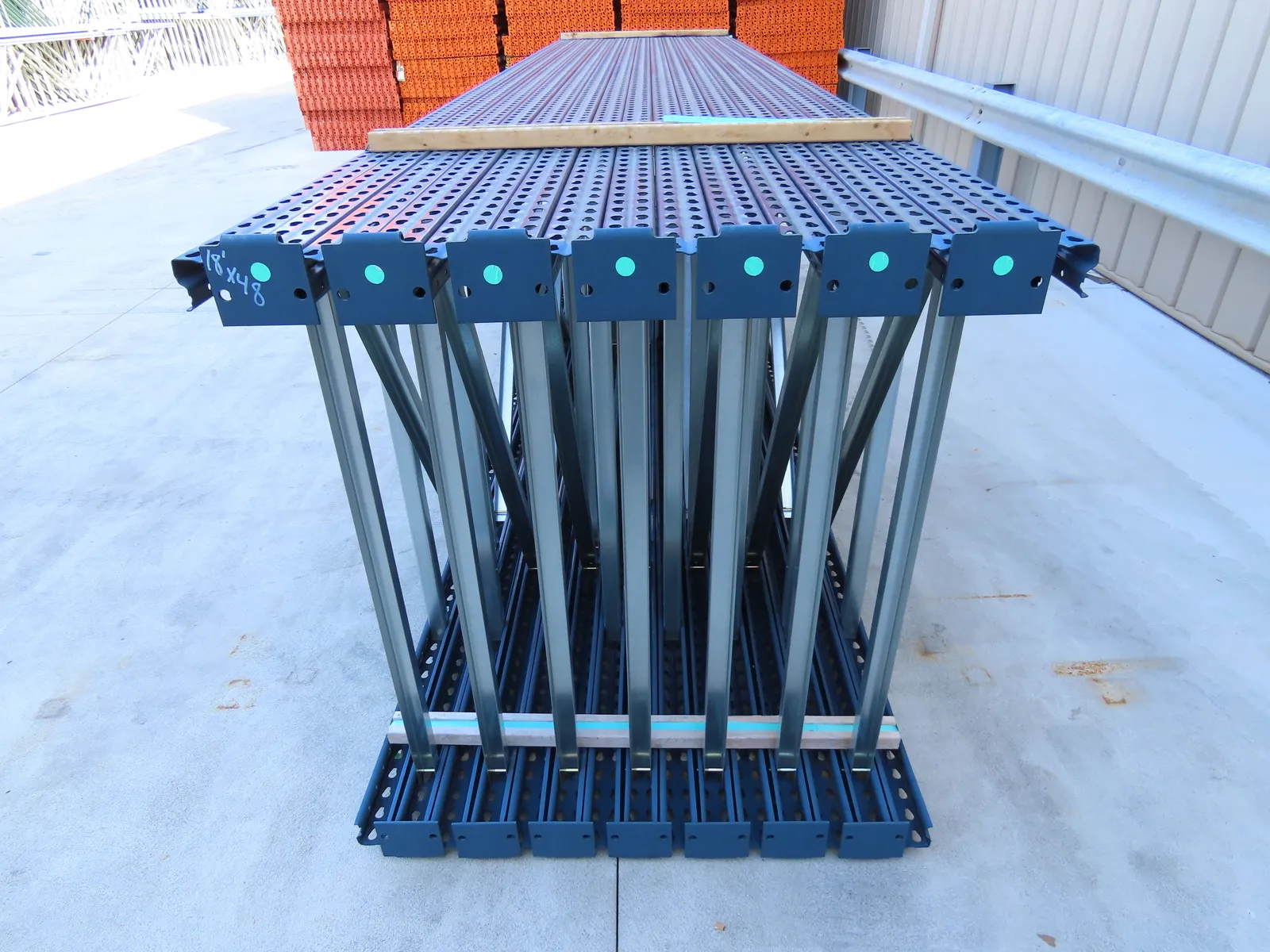
Other Resources
Here is a list of other resources you can review online to learn more:
- Wolter
- Iowa Illinois Warehouse Racking
- CMMA
- Warehousing and Fulfillment
- Warehouse Racking Systems: Beginner’s Guide to Rack Systems
- What is Cantilever Racking? – AK Material Handling Systems
- Pallet Racking systems in Illinois, Great Lakes
- The Complete Pallet Rack Guide – Simply Rack
- Warehouse Automation
- Pallet Racking systems in Illinois and Great Lakes
- Warehouse Racking Chicago, IL
- International Warehouse Logistics Association
- Selective Racking
- Pallet Racking systems in Illinois and Great Lakes
- Overhead Lifting
- Chicago Pallet Racking
- Warehouse Storage Racking in Illinois
- Rack Manufacturers Institute
- American Society of Safety Professionals
- Interlake
Use This Prompt To Get More Resources With Your Favorite Online AI Tool: Please provide me with a list of online articles with their URLs in a bulleted list that I can read regarding Racking Is Infrastructure’so Why Don’t We Treat It That Way?

Other Resources
Glossary Terms
Racking Is Infrastructure’so Why Don’t We Treat It That Way? – Glossary Of Terms
1. Racking: A system used for storing goods or materials in warehouses and distribution centers, designed to optimize space utilization.
2. Infrastructure: The underlying framework or foundation that supports a system, including both physical components and organizational structures.
3. Supply Chain: A network of entities involved in the production, handling, and distribution of goods from raw materials to end consumers.
4. Warehouse Management: The processes and systems used to oversee the storage and movement of goods within a warehouse facility.
5. Asset Management: The strategic approach to managing and optimizing physical assets, including racking systems, to improve efficiency and reduce costs.
6. Space Optimization: Techniques and strategies used to maximize the use of available space in a facility, particularly in storage areas.
7. Load Capacity: The maximum weight or volume that a racking system can safely support, crucial for ensuring safety and efficiency.
8. Inventory Management: The supervision of non-capitalized assets and stock items, focusing on the flow of goods in and out of storage.
9. Ergonomics: The study of people’s efficiency in their working environment, influencing racking design for improved accessibility and safety.
10. Safety Regulations: Compliance standards that govern the design, installation, and use of racking systems to prevent accidents and injuries.
11. Modular Racking: A flexible storage system that can be easily reconfigured or expanded according to changing needs.
12. Vertical Storage: Utilizing the height of a facility to maximize storage space, often through multi-tiered racking solutions.
13. Lean Warehousing: A methodology focused on minimizing waste within warehouse operations while maximizing productivity and efficiency.
14. Forklift Access: The design consideration ensuring that forklifts can navigate effectively within racking systems for efficient material handling.
15. Pallet Racking: A specific type of racking system that is structured to hold palletized goods, commonly used in warehouses.
16. Cross-Docking: A logistics practice where incoming goods are directly transferred to outbound shipping with minimal or no storage time.
17. Dynamic Racking: A racking system that allows for the automated or semi-automated storage and retrieval of goods, enhancing efficiency.
18. FIFO (First In, First Out): An inventory management system where the oldest stock is used first, commonly applied in perishable goods handling.
19. Stock Keeping Unit (SKU): A unique identifier for each distinct product or item that can be purchased, facilitating inventory tracking.
20. Order Picking: The process of selecting and gathering items from storage to fulfill specific customer orders.
21. Throughput: The rate at which goods are produced or processed through a system, often used to measure the efficiency of warehousing operations.
22. Return on Investment (ROI): A financial metric used to evaluate the profitability of an investment, including expenditures on racking systems.
23. Cyclic Count: A method of inventory auditing that involves counting a portion of items on a regular basis to maintain inventory accuracy.
24. Automation: The use of technology to perform tasks with minimal human intervention, increasingly applied in warehouse settings.
25. Scalability: The ability of a racking system or infrastructure to grow and adapt in response to increased demand or changes in operations.
26. Accessibility: How easily goods can be retrieved from storage, which impacts operational efficiency and employee safety.
27. Integrated Systems: A combination of various technologies and processes that work together seamlessly to improve warehouse management and operations.
28. Customization: Tailoring storage solutions to meet specific operational needs, enhancing the functionality and efficiency of racking systems.
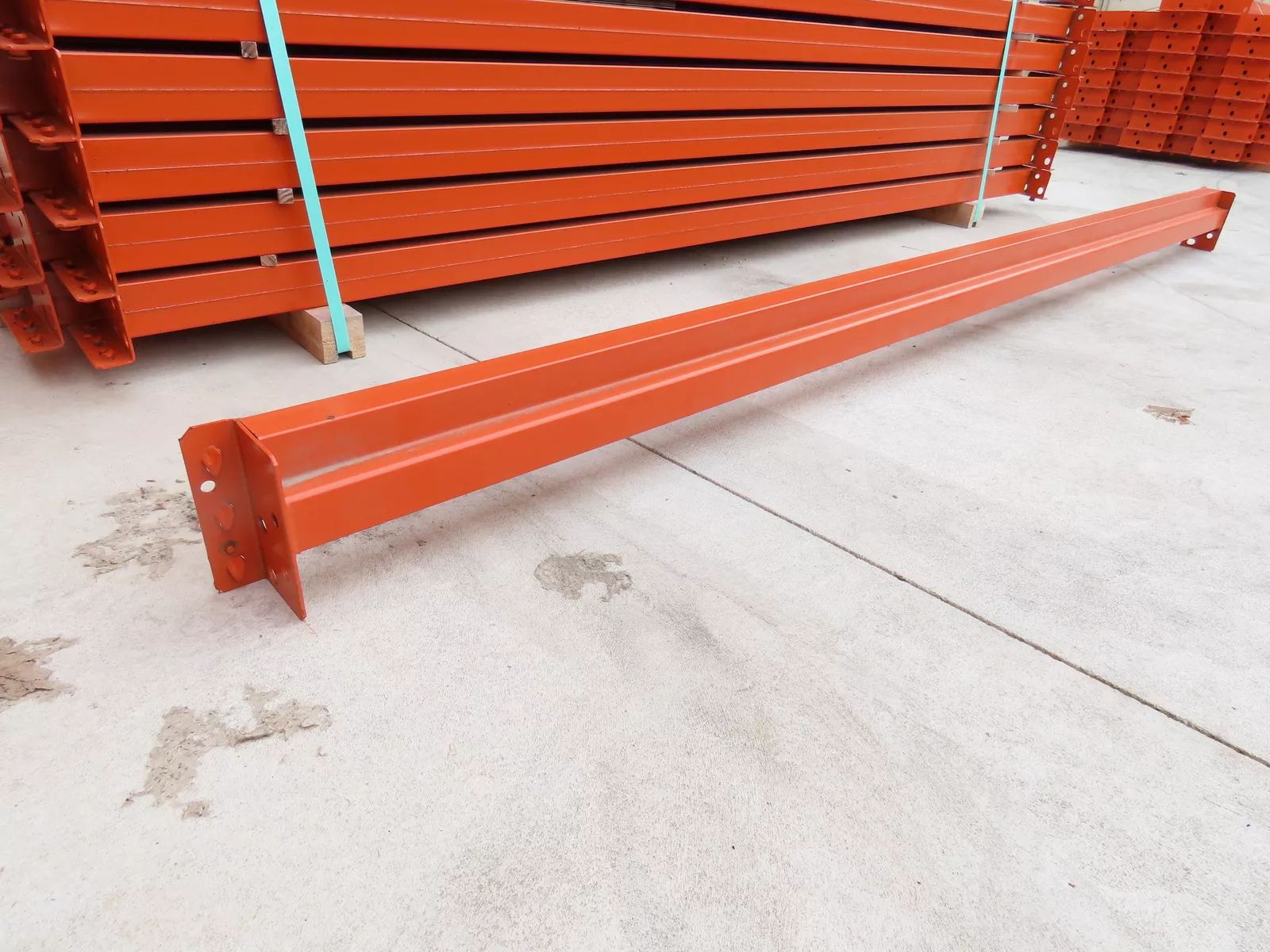
29. Load Beam: Horizontal supports in racking systems that hold the weight of stored materials and ensure stability and safety.
30. Regulatory Compliance: Adherence to laws and standards governing storage, safety, and operations related to racking infrastructures.
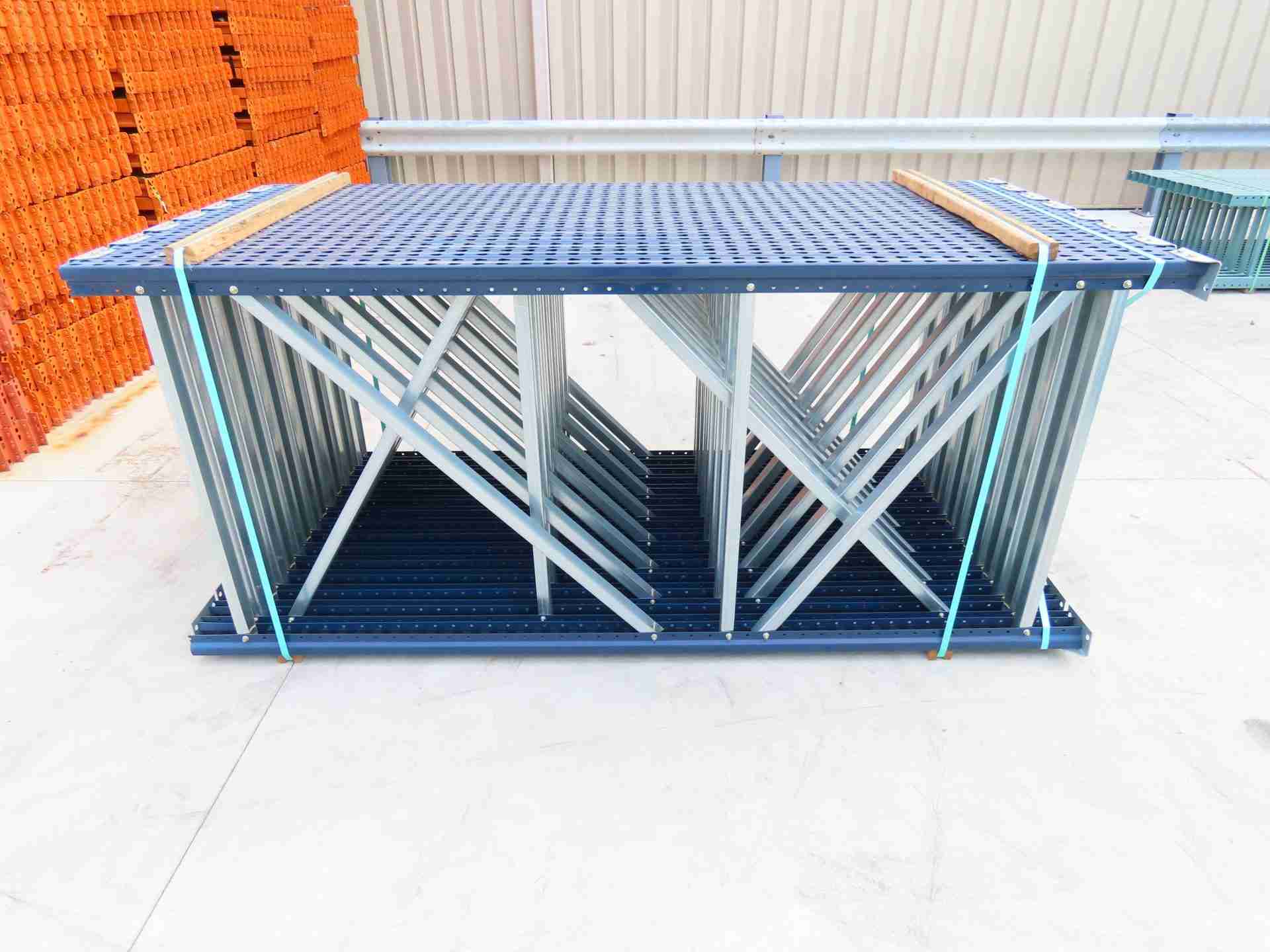
Glossary Of Terms
Other Questions
Racking Is Infrastructure’so Why Don’t We Treat It That Way? – Other Questions
If you wish to explore and discover more, consider looking for answers to these questions:
- What are the different types of racking systems available on the market?
- How does racking design vary based on the industry?
- What are the safety standards that govern racking systems?
- How can companies assess the condition of their current racking systems?
- What are the upfront costs associated with investing in high-quality racking systems?
- What are the long-term benefits of investing in effective racking systems?
- How does racking impact inventory management and supply chain efficiency?
- What are some case studies or success stories related to improved efficiency through racking?
- What role does technology play in modern racking systems?
- How can companies build a culture of safety around racking systems?
- What steps should organizations take to maintain their racking systems?
- How do different warehouse layouts affect the choice of racking systems?
Other Questions
Checklist
Racking Is Infrastructure’so Why Don’t We Treat It That Way? – A Checklist
Racking Recognition Checklist: A Comprehensive Approach to Infrastructure Awareness
Emotional Appeals:
_____ Reflect on the lives impacted by effective racking systems:
_____ Consider warehouse workers who rely on safety and efficiency.
_____ Think of small business owners whose dreams depend on optimized operations.
Rational Appeals:
_____ Evaluate your current racking systems:
_____ Are they maximizing your storage space?
_____ Have you assessed the potential for improved operational efficiency and cost savings?
_____ Review statistics on racking efficiency:
_____ How could investing in racking enhance productivity by up to 30%?
Ethical Appeals:
_____ Assess the safety measures surrounding your racking systems:
_____ Are your systems designed and maintained according to the highest safety standards?
_____ Are you committed to creating a safe work environment for all employees?
_____ Evaluate the sustainability practices in your racking choices:
_____ Are your current solutions environmentally responsible?
Authority Appeals:
_____ Seek out expert insights on racking and storage solutions:
_____ Have you consulted industry best practices and expert recommendations?
_____ Are there innovations or technologies in racking systems you might be overlooking?
Narrative Appeals:
_____ Share success stories within your organization:
_____ How have effective racking systems transformed your operations?
_____ Can you highlight specific examples of improved efficiency and morale?
_____ Encourage colleagues to embrace the narrative around racking as essential infrastructure.
Social Appeals:
_____ Foster team discussions on the importance of racking:
_____ How can prioritizing racking systems contribute to a culture of safety and efficiency?
_____ Who else in your network values effective racking, and how can you collaborate on improvements?
_____ Promote a shared sense of responsibility for maintaining and optimizing racking systems in your workplace.
This checklist aims to inspire thought, action, and dialogue about the critical role of racking in our industrial landscape, emphasizing its importance for safety, efficiency, and community.
Checklist
At RackingWorld, we help guide you through selecting warehouse storage systems and racking.
Be sure to read our other related stories at RackingWorld to learn more about warehouse storage systems.
0 Comments