
Ensuring Safety And Efficiency In Rack Height Clearance
By Tom Seest
At RackingWorld, we help guide you through selecting warehouse storage systems and racking.
Be sure to read our other related stories at RackingWorld to learn more about warehouse storage systems.
How to Measure for Rack Height Clearance
When it comes to measuring for rack height clearance, the stakes are higher than you might think. We’re not just talking about number-crunching and setting tools here; we’re diving into a world where precision matters, where a few inches could mean the difference between smooth operations and costly headaches.
Start by visualizing your racking system. These structures are the backbone of efficiency in warehouses and storage facilities, holding countless items that keep businesses afloat. When you miscalculate the height, you’re not just gambling with steel and wood; you’re risking the integrity of your entire inventory. Picture a stack of racking bursting at the seams; it’s not just unsightly—it’s unsafe. Let that imagery settle in.
Now, let’s get technical without sacrificing clarity. Grab your tape measure and head to the area where your racking will live. Measure from the floor to the highest point where the racking will sit. This isn’t just a casual stroll; you’re measuring with purpose. Consider every detail: lights hanging from the ceiling, HVAC ducts, or even obstacles like support beams. Each factor plays a pivotal role in determining your rack height clearance. You may even want to enlist the help of a colleague. There’s strength in numbers—like a pit crew fueling a race car, a second pair of knowledgeable hands can catch what you might miss.
It’s not just a practical task; it’s your ethical duty to ensure safety and efficiency for everyone working in that space. When you take the time to get it right, you’re preventing accidents and potential damage. This isn’t just about racks and inventory; it’s about creating a work environment that reflects care for your team and their safety.
Think about the social implications too. When your racking system operates smoothly, your colleagues will notice. They’ll see the benefits in improved workflows and less frustration. Share your insights and processes with your team—it fosters connection and builds trust. Nobody likes navigating a chaotic workspace, and when you contribute to a well-organized environment, you’re not just improving operations; you’re enhancing happiness.
So take a breath, grab that tape measure, and let’s do this right. You’ll not only clear the physical space for your racking but also pave the way for a safer, more efficient workplace. After all, every inch counts.

How to Measure for Rack Height Clearance
How to Measure for Rack Height Clearance
- Measuring rack height clearance is crucial for maintaining smooth operations and avoiding costly issues.
- Visualize the racking system as essential for efficiency in warehouses and storage facilities.
- Accurate measurements prevent potential risks related to racking overload and inventory integrity.
- Use a tape measure to determine the distance from the floor to the highest point of the racking location.
- Consider all obstacles such as overhead lights, HVAC ducts, and support beams during measurement.
- Enhancing rack height clearance promotes safety and efficiency, reflecting care for team members’ well-being.
- A well-organized racking system improves workflows and contributes to a positive work environment.

How to Measure for Rack Height Clearance
Table Of Contents
- How to Measure for Rack Height Clearance
- How Does Improper Clearance Impact Your Workflow Efficiency?
- Are You Aware Of the Safety Risks Related to Insufficient Rack Height?
- How Can Accurate Height Clearance Measurements Save You Money?
- What Stories Highlight the Importance Of Proper Rack Measurement?
- How Do Industry Standards Influence Your Rack Height Decisions?
- Conclusion
- Other Resources
- Glossary Of Terms
- Other Questions
- Checklist
How Does Improper Clearance Impact Your Workflow Efficiency?
When you step into a workspace without proper clearance or organization, it’s like walking into a cluttered battlefield. You’ve got racking systems underutilized, equipment strewn about, and tools misplaced. It’s almost as if the chaos is mocking your ambitions. Your workflow efficiency takes a nosedive, leaving you frustrated and dispirited, questioning your commitment to the task at hand.
Imagine you’re a craftsman, passionate about your trade. When every tool is in its place, you can flow through your work fluidly, like a symphony conductor guiding each note. Now picture that same craftsman, instruments scattered haphazardly. Stress levels rise, focus wanes, and suddenly what should be a glorious creation turns into a battle just to find a wrench. The emotional toll is real. You’re not just fighting disorganization; you’re wrestling with self-doubt and frustration.
From a rational standpoint, think about this: Every minute wasted searching for equipment is a minute stolen from productivity. Proper clearance and organization mean smoother operations, allowing you to devote your talents where they matter most. It’s not just about the tools; it’s about unleashing potential. Systems of racking can turn chaos into order, tipping the scales back in your favor. Now, when deadlines loom, you have room to breathe.
Ethically speaking, the industry needs individuals who can adapt and perform under pressure. By investing time in establishing proper clearance protocols, you’re not just benefiting yourself; you’re contributing to the collective good of your team. You set an example. You inspire others to follow suit, leading to a culture of efficiency that can uplift everyone involved.
The narrative of your work life should resonate with fulfillment, not frustration. Remember the last time you were in sync with your workflow? That feeling is attainable when systems are put in place.
By embracing the importance of clearance and organization, you’re seizing control of your environment. You’re authoring your own story. So, take that step forward. Get your space in order, not just for yourself but for everyone around you. When you do, watch as clarity reigns and inspiration flows.

How Does Improper Clearance Impact Your Workflow Efficiency?
How Does Improper Clearance Impact Your Workflow Efficiency?
- Entering a disorganized workspace feels chaotic, impacting workflow efficiency and morale.
- A craftsman’s productivity is higher when tools are organized, leading to less stress and more focus.
- Searching for misplaced tools wastes time and decreases overall productivity.
- Implementing proper organizational systems can transform chaos into order and enhance performance.
- Establishing clearance protocols benefits both individuals and the entire team, fostering a culture of efficiency.
- Personal fulfillment in work comes from having systems in place that support a smooth workflow.
- Taking initiative to improve workplace organization inspires others and contributes to a better team environment.

How Does Improper Clearance Impact Your Workflow Efficiency?
Are You Aware Of the Safety Risks Related to Insufficient Rack Height?
When it comes to racking systems in warehouses and storage facilities, the safety risks associated with insufficient rack height are often brushed aside, overshadowed by the pressing demands of productivity. But take a moment to think about what that really means—every time you stack supplies just a little too high, when you squeeze in one more box, or when you ignore that nagging voice telling you something feels off, you’re putting lives on the line.
Picture the workers in that space: the dedicated individuals who show up every day, fully trusting that the environment will be safe. They’re not just cogs in a big machine; they’re parents, siblings, and friends. When we undervalue the safety protocols surrounding rack height, we’re ignoring their humanity. Racking designed without regard for height specifications can lead to catastrophic failures, endangering everyone in the vicinity. A toppling load doesn’t just spell disaster for inventory; it spells heartbreak for families who depend on those workers to come home safe.
From a rational point of view, it’s essential to understand the physics at play. Insufficient rack height can create an unstable load, increasing the risk of accidents. You’ve got the laws of gravity working against you, and no amount of wishful thinking can change that. Numerous studies show that the majority of workplace injuries stem from improper equipment usage, and racking is no exception. Just think—better safety measures could mean fewer injuries and a lighter workload for emergency responders. That’s not just good business; it’s good for society.
Ethically speaking, there’s a moral obligation to create a safe working environment. When management chooses to cut corners regarding rack height, they’re prioritizing profit over people. Is that the message we want to send to our teams? And what about company culture? Businesses built on trust and safety attract dedicated workers. It’s about transforming a warehouse into a community—one where every member feels valued and protected.
So, let’s take a stand for those who rely on us to make smart choices. By ensuring the right rack heights, we foster an environment of respect and safety. Let’s do better—not just for the bottom line but for the heart of our workforce, where trust and dignity thrive in every aisle. Embrace the change, because there’s no better time than now to choose safety over expedience.

Are You Aware Of the Safety Risks Related to Insufficient Rack Height?
Are You Aware Of the Safety Risks Related to Insufficient Rack Height?
- Insufficient rack height in warehouses poses significant safety risks, often neglected for productivity demands.
- When safety protocols around rack height are undervalued, it jeopardizes the lives of dedicated workers.
- Improper racking design can lead to catastrophic failures, affecting both workers and inventory.
- Insufficient rack height creates unstable loads, increasing the likelihood of accidents due to gravity.
- Effective safety measures can reduce workplace injuries and decrease the burden on emergency responders.
- Ethical responsibility lies with management to prioritize safety over profit in creating a safe working environment.
- Fostering a culture of safety and trust attracts dedicated workers and transforms warehouses into communities.

Are You Aware Of the Safety Risks Related to Insufficient Rack Height?
How Can Accurate Height Clearance Measurements Save You Money?
When you think about height clearance measurements, you might picture a mundane task: a tape measure in hand, scratching your head at warehouse racking systems or underpasses. But the truth is, this practice can be the unsung hero of workplace safety and efficiency. Imagine the chaos that can ensue from a single mishap—damaged equipment, halted operations, or worse, personal injury. Those moments are costly, not just in dollars and cents but in trust, morale, and the very fabric of your business.
Now, consider the emotional toll on a team that must deal with setbacks because a vehicle with a tall load couldn’t clear a structure. The frustration of wasted time, the anxiety that bubbles when you clock out knowing today’s issues will spill into tomorrow. Accurate height clearance measurements can prevent such scenarios, allowing a company to maintain momentum, keep projects on track, and ensure that every employee gets home safely at the end of the day.
Rationally, think of the dollars involved. Every inch counts; miscalculations can lead to lost time, damaged property, and increased insurance premiums. By investing a little time and attention to detail in height clearance, businesses not only safeguard their assets but also cultivate a culture of meticulousness and responsibility. It’s about being smart with your resources, turning potential pitfalls into solid profits.
Ethically, it’s your duty to prioritize safety for your team. When you ensure that every racking system is accurately measured and accounted for, you’re signaling that their well-being is worth more than the shortcuts or saving a few minutes. It fosters a work environment rooted in care and vigilance, where employees know their lives matter as much as the bottom line.
By fostering connections within your team around the importance of proper measurements, you’re building solidarity. Everyone becomes part of a vital mission: ensuring not just operational success but also each other’s safety. Your employees will feel empowered to protect not only themselves but also their peers, creating a culture of accountability.
So, the next time you’re at the warehouse or workshop, take a moment to measure. Your careful attention could be the difference between a seamless operation and a costly, disruptive event. Height clearance isn’t just a number; it’s peace of mind, trust in your operations, and ultimately, a meaningful part of safeguarding the foundation of your business.
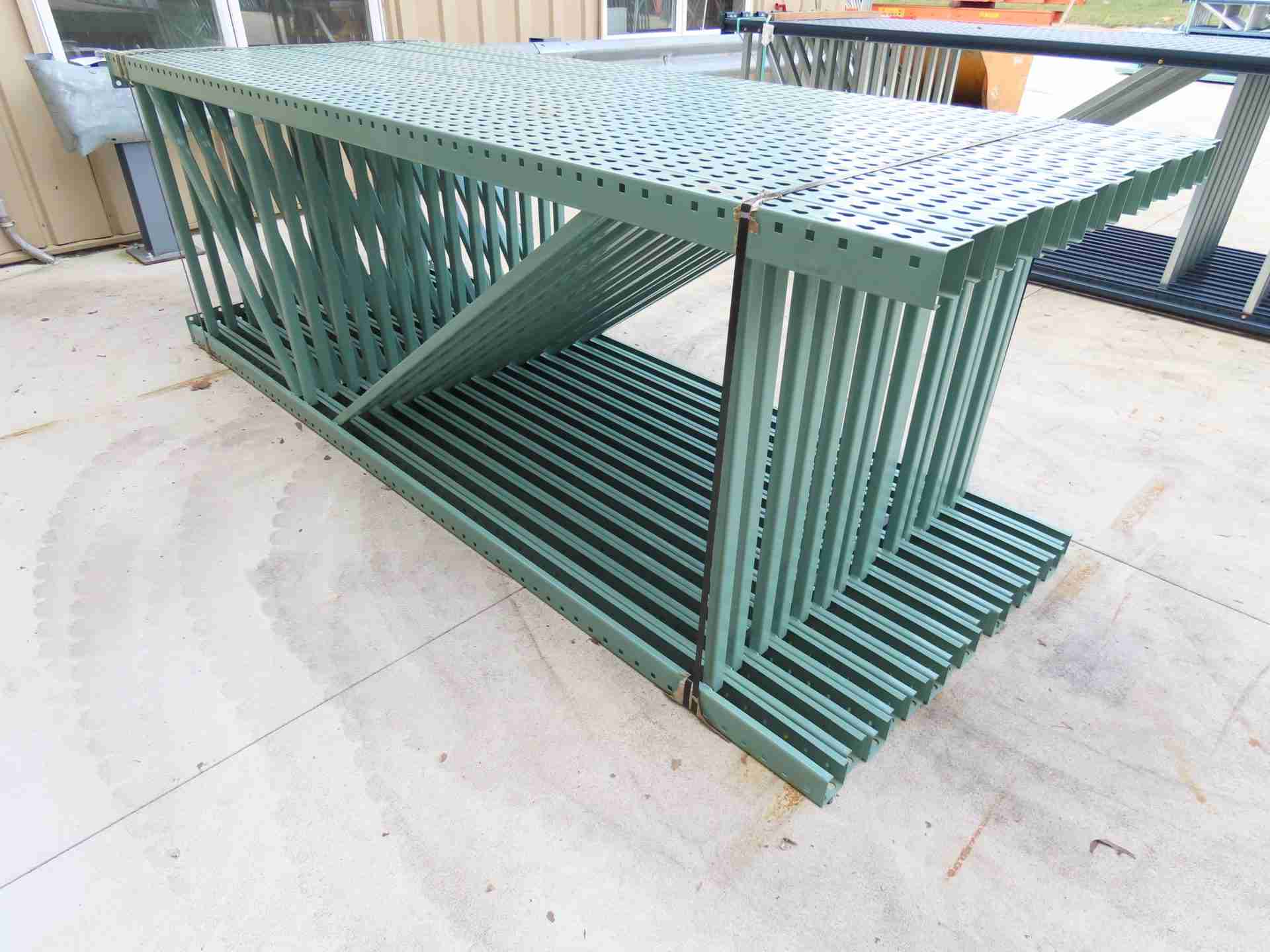
How Can Accurate Height Clearance Measurements Save You Money?
How Can Accurate Height Clearance Measurements Save You Money?
- Height clearance measurements are crucial for workplace safety and efficiency.
- Inadequate measurements can result in costly damages, halted operations, and personal injuries.
- The emotional impact on teams dealing with setbacks can lead to frustration and anxiety.
- Accurate height measurements help maintain project momentum and ensure employee safety.
- Miscalculations can result in lost time, property damage, and higher insurance premiums.
- Prioritizing safety through accurate measurements demonstrates care for employee well-being.
- Fostering a culture of accountability around proper measurements empowers teams and strengthens safety.

How Can Accurate Height Clearance Measurements Save You Money?
What Stories Highlight the Importance Of Proper Rack Measurement?
When it comes to ensuring safety and efficiency in warehouses and storage facilities, the importance of proper racking measurement can’t be overstated. Imagine a bustling warehouse where thousands of products are stored and shipped daily. A story echoes from this very environment: the tale of a worker named Sam, whose routine chore turned harrowing due to a seemingly trivial miscalculation.
One day, Sam tallied their inventory, oblivious to the fact that the racking system had not been properly measured. A critical misstep occurred when a shelf, overloaded by half a ton, buckled and spilled its contents onto the floor. The noise was thunderous, reverberating like an alarm throughout the building, causing panic among workers. Fortunately, no one was injured that day. While they were lucky, this incident reminded everyone that proper rack measurement is not just a simple calculation; it’s a matter of workplace safety and human lives.
From an ethical standpoint, consider the moral obligation companies have to their employees. Every warehouse is a drama unfolding daily, filled with hardworking individuals like Sam who risk life and limb just to make a living. They deserve our utmost consideration. Racking may seem like a technical term only understood by engineers and managers, but it profoundly impacts real people—workers, families, and communities. By ensuring correct measurements, employers can create a safer environment, reinforcing a culture of care and responsibility.
Now, let’s talk numbers. The difference between a well-measured racking system and one that’s off by mere inches can be the difference between chaos and order. Companies that prioritize professional racking solutions often see not only a reduction in accidents but also an increase in productivity. Employees working in a safe environment are happier and more efficient. This means lower turnover rates, and that’s a valuable asset in any business.
We connect through shared experiences, and Sam’s story resonates with countless individuals in various industries. The big reveal here is simple: proper racking is not just a requisite for good business practice; it’s a cornerstone of trust and reliability. When we measure racks accurately, we signal to our teams that we care about their well-being. After all, every solid warehouse operation begins with a solid foundation, and that starts with knowing exactly how to effectively and safely utilize the racking systems at hand.

What Stories Highlight the Importance Of Proper Rack Measurement?
What Stories Highlight the Importance Of Proper Rack Measurement?
- Proper racking measurement is crucial for safety and efficiency in warehouses.
- A worker named Sam experienced a serious incident due to inaccurate racking measurements, highlighting the risks involved.
- An overloaded shelf buckled, causing a loud noise and panic, but fortunately no injuries occurred.
- Companies have a moral obligation to ensure workplace safety for employees like Sam.
- Correct racking measurements impact worker safety and can improve workplace culture.
- Well-measured racking systems lead to fewer accidents and increased productivity, resulting in lower turnover rates.
- The story emphasizes that accurate racking measurement fosters trust and reliability in warehouse operations.

What Stories Highlight the Importance Of Proper Rack Measurement?
How Do Industry Standards Influence Your Rack Height Decisions?
In the world of racking systems, decisions about rack height often come down to more than just mere measurements and specifications. It’s about understanding the very heartbeat of your industry, the prevailing standards that dictate how you operate. Racking isn’t just a series of metal shelves; it’s the backbone of efficiency, safety, and functionality. The right rack height can mean the difference between seamless organization and a chaotic mess that slows your business to a crawl.
When you consider how industry standards shape your rack height decisions, take a moment to think about your colleagues, your team, and even your customers. Imagine the camaraderie built in a space that flows effortlessly. Picture the satisfied look on a customer’s face when their items are stored in an accessible, well-organized manner. Those aren’t just numbers; those are the foundations of trust, built one correctly placed box at a time.
Now let’s get down to the nitty-gritty. Ethically speaking, adhering to industry standards isn’t just a box to check; it’s a commitment to safety and compliance. When you prioritize the right rack height as outlined by standards, you’re not just protecting your investment; you’re protecting your people. A poorly designed racking system invites risk that could lead to injuries, lost productivity, and a tarnished reputation. The stakes are high, and the right decisions pave the way for a resilient workplace.
But let’s also acknowledge the authority that comes with these standards. They are crafted from years of experience, expertise, and, yes, even failure. Using these benchmarks simplifies the process. It’s not just your gut feeling guiding you; it’s a wealth of knowledge distilled into actionable guidelines. When you invest in proper racking solutions, you show your team that you value their safety and well-being. This isn’t just good practice; it’s a moral obligation to uphold standards that protect your business community.
And when you consider the narrative at play—a story of diligence, balance, and responsibility—your decisions about rack height will resonate far beyond the loading dock. Industry standards represent a collective understanding among peers, a social compact that unites you with others striving for excellence. When you align your practices with these principles, you invite collaboration, support, and growth.
It’s not just about racking; it’s about doing the right thing for your business, your team, and the industry at large. Embrace these standards, let them guide your decisions, and watch as they elevate you to a whole new level of efficiency and respect.

How Do Industry Standards Influence Your Rack Height Decisions?
How Do Industry Standards Influence Your Rack Height Decisions?
- Decisions about rack height go beyond measurements; they reflect industry standards and operational efficiency.
- Proper rack height fosters organization and prevents chaos in the workplace.
- Adherence to industry standards builds trust with colleagues and customers through well-organized storage solutions.
- Complying with standards ensures safety, protects investments, and reduces risk of injuries and productivity losses.
- Industry standards are based on years of knowledge, providing actionable guidelines for effective racking solutions.
- Aligning with industry standards promotes collaboration and support within the business community.
- Embracing these standards enhances efficiency and respect for your business, team, and industry.

How Do Industry Standards Influence Your Rack Height Decisions?
Conclusion
Measuring for rack height clearance isn’t just a mechanical task; it’s a critical consideration that impacts safety, efficiency, and the human spirit that drives every operation. Picture the scene: thousands of products stocked, workflows humming like a well-tuned machine. But lurking beneath the surface, careless miscalculations could spell disaster. The stakes are not just about inches; they’re about protecting lives and cultivating a culture of care and accountability among your team.
When you grab that tape measure, you aren’t simply drawing lines on a blueprint—you’re actively shaping a safe environment for your colleagues, who come in daily trusting that their workplace is secure. It’s an act that goes beyond mere numbers; it’s about taking responsibility for the very people who form the backbone of your organization. Every inch you measure is a reaffirmation that their safety matters more than any shortcut or pressing deadline.
Let’s not ignore the practical side, either. A chaotic workspace can drain productivity, and the emotional strain that arises from searching for misplaced tools or navigating disorganization only amplifies frustration. Imagine channeling that energy instead into creativity and efficiency—transforming your workspace from a battleground into a sanctuary of order. And let’s face it; a well-organized racking system enhances morale. When your team sees your commitment to a well-structured environment, it builds trust and fosters a united front against chaos.
The ethical ramifications are significant, too. Choosing to adhere to industry standards is more than good business practice; it’s a moral commitment to protecting your team. When standards dictate your height measurements, you’re not just acting on instinct; you’re using tried-and-true guidelines borne of experience. By following these benchmarks, you prioritize safety, demonstrating that every worker is valued beyond their productivity.
Ultimately, the narrative surrounding rack height is one of honor and responsibility. Each decision you make resonates with your team and contributes to building a culture rooted in trust and respect. It’s a shared story, one where every team member plays a vital role. As you measure, take pride in your part of this journey. Doing it right not only safeguards your operations but also strengthens the fabric of your workplace community. Every calculated inch leads to a more secure, reliable environment—a legacy worth leaving behind.

Conclusion
Conclusion:
- Measuring rack height clearance is critical for safety, efficiency, and team morale.
- Accurate measurements protect lives and foster a culture of care and accountability.
- Using a tape measure shapes a safe environment that colleagues trust daily.
- Disorganization drains productivity and causes emotional strain; a structured workspace enhances creativity.
- A well-organized racking system boosts team morale and builds trust against chaos.
- Adhering to industry standards reflects a moral commitment to safety and values every worker.
- Each decision about rack height contributes to a culture of trust and respect, strengthening workplace community.

Conclusion
Other Resources

Other Resources
Here is a list of other resources you can review online to learn more:
- Used Teardrop Pallet Rack – American Surplus
- The Complete Pallet Rack Guide – Simply Rack
- Cantilever Rack Guide: Ordering Cantilever Racking
- Total Warehouse
- Bradford Systems
- Illinois
- Iowa Illinois Warehouse Racking
- BMH
- Interlake Mecalux
- Selective Pallet Racking Systems – Container Systems
- Pallet Racking systems in Illinois, Great Lakes
- Cantilever Racking Specialists – Get the Right Racks
- Cantilever Rack Configuration & Installation: A Comprehensive Guide – BMH
- Storage Equipment Manufacturers’ Association
- Crane Manufacturers Association Of America Inc.
- Warehouse Storage Racking in Illinois
- Illinois Pallet Racking – Storage Solutions
- Logic Material Handling
- What is Cantilever Racking? – AK Material Handling Systems
- Racking World
Use This Prompt To Get More Resources With Your Favorite Online AI Tool: Please provide me with a list of online articles with their URLs in a bulleted list that I can read regarding How to Measure for Rack Height Clearance

Other Resources
Glossary Terms
How to Measure for Rack Height Clearance – Glossary Of Terms
1. Rack: A structure used for storing and organizing items, commonly in warehouses or servers.
2. Height Clearance: The vertical space available above the topmost item in a rack to ensure safe access and operation.
3. Measuring Tools: Instruments used for taking measurements, such as tape measures, laser levels, or rulers.
4. Vertical Space: The amount of room available in an upward direction, essential for determining rack height.
5. Standard Height: A commonly referenced height measurement that serves as a baseline for rack clearance.
6. Load Height: The height of the items being stored in a rack, which affects the overall height clearance needed.
7. Ceiling Height: The distance from the floor to the ceiling, which dictates the maximum allowable height for racks.
8. Safety Margin: An additional height allowance beyond the maximum load height to prevent accidents and ensure safety.
9. Rack Design: The structural configuration of a rack, influencing how items are stored and accessed.
10. Adjustable Rack: A rack designed to have its height modified to accommodate different item sizes.
11. Forklift Clearance: The height required to operate a forklift safely around or above a storage rack.
12. Overhead Obstructions: Any items or structures that could interfere with the vertical space above a rack.
13. Utilization Rate: A measure of how effectively the vertical space in a rack is being used.
14. Inventory Analysis: The process of evaluating the items stored in a rack to optimize space and clearance.
15. Stability: The ability of a rack to remain secure and balanced under the weight of stored items.
16. Weight Distribution: The way in which weight is spread across the rack, impacting its safety and height requirements.
17. Regulatory Compliance: Adhering to safety codes and standards that dictate rack height and clearance requirements.
18. Access Height: The maximum height at which items can be safely retrieved from a rack.
19. Tilted Items: Items stored at an angle which can affect the overall height and stability of a stacked rack.
20. Vertical Load: The weight applied downward on a rack structure, influencing the design and height clearance.
21. Clearance Measurements: Specific height dimensions calculated to ensure safety and functionality when storing items.
22. Upper Limits: The maximum dimensions allowed in a specific area for rack installation.
23. Installation Guidelines: Recommended practices and protocols for setting up storage racks safely and effectively.
24. Aisle Space: The area between rows of racks, necessary for accessibility and movement of equipment.
25. Height Adjustment Mechanism: A system built into adjustable racks allowing for height changes as needed.
26. End-of-Aisle Display: A rack setup at the end of a storage aisle, which can influence clearance requirements.
27. Structural Integrity: The ability of a rack to support weight without failure, an important factor in determining height.
28. Safety Standards: Industry guidelines that ensure racks provide adequate height clearance and safety measures.
29. Reveal Height: The height of the area above a rack visible to observers, affecting aesthetic and practical considerations.
30. Weight Limit: The maximum weight a rack can safely hold, which influences the height clearance needed for storage.

Glossary Of Terms
Other Questions
How to Measure for Rack Height Clearance – Other Questions
If you wish to explore and discover more, consider looking for answers to these questions:
- What are the common mistakes made when measuring for rack height clearance?
- How often should rack height measurements be reviewed or updated?
- What tools are best suited for measuring rack height clearance accurately?
- What specific industry standards should be considered in rack height measurements?
- How can changing inventory types or sizes impact rack height clearance needs?
- What training or resources are available for employees regarding rack safety measures?
- How do local regulations affect rack height and safety protocols?
- What are the warning signs of an improperly measured rack system?
- What roles do supervisors and managers play in ensuring rack height safety?
- Can technology such as sensors help improve the accuracy of rack height measurements?

Other Questions
Checklist
How to Measure for Rack Height Clearance – A Checklist
Rack Height Clearance Measurement Checklist
Emotional Appeals:
_____ Reflect on the impact of improper measurements on your team’s safety and well-being.
_____ Visualize the stress reduction that comes with a well-organized workspace.
_____ Consider how achieving the right rack height can foster a sense of pride and accomplishment in your team.
Rational Appeals:
_____ Measure accurately from the floor to the highest point where the racking will sit, considering all obstacles (lights, ducts, beams).
_____ Calculate the potential costs of accidents or damages due to miscalculations.
_____ Track the time saved through increased efficiency when workflows are smooth and organized.
Ethical Appeals:
_____ Make a commitment to prioritize safety in your racking systems for the welfare of all employees.
_____ Recognize the moral obligation to follow industry standards that protect your team and promote safety.
_____ Foster a culture of accountability by sharing the importance of proper measurement practices with your colleagues.
Authority Appeals:
_____ Utilize industry standards and guidelines as a benchmark for deciding your rack heights.
_____ Consult experts or familiarize yourself with best practices in racking systems.
_____ Ensure your measurements align with safety regulations to build trust within your team and community.
Narrative Appeals:
_____ Share stories of infractions or successes related to rack measurement to illustrate its importance.
_____ Document an incident where miscalculations led to potential hazards in the workplace.
_____ Create a narrative that emphasizes a culture of safety and efficiency, showcasing how proper measurements can enhance operations.
Social Appeals:
_____ Collaborate with a teammate during measurements to encourage a supportive work environment.
_____ Share best practices and learning experiences with your team to build camaraderie.
_____ Promote open discussions about safety procedures related to rack height and encourage feedback from all team members.
This checklist emphasizes the multifaceted importance of accurate rack height clearance measurements, appealing to emotions, logic, ethics, authority, storytelling, and social dynamics.

Checklist
At RackingWorld, we help guide you through selecting warehouse storage systems and racking.
Be sure to read our other related stories at RackingWorld to learn more about warehouse storage systems.
0 Comments