
Maximizing Warehouse Efficiency With Strategic Rack Designs
By Tom Seest
At RackingWorld, we help guide you through selecting warehouse storage systems and racking.
Be sure to read our other related stories at RackingWorld to learn more about warehouse storage systems.
Designing Rack Layouts for Rapid Inbound/Outbound Flow
Designing rack layouts for rapid inbound and outbound flow isn’t just a matter of moving boxes around; it’s about understanding the pulse of your operation, the rhythm of your workforce, and the heartbeat of your customers. Picture this: you’re in a bustling warehouse, the smell of fresh cardboard mingling with the sound of forklifts humming like a well-orchestrated symphony. This is more than logistics; it’s your lifeline.
Every decision you make about racking impacts not just efficiency, but the spirit of the place. An intelligently designed rack layout offers a sense of order amid chaos, empowering your team to work smarter, not harder. Think about it. When a worker knows precisely where to find a crucial part, everything clicks into place. They’re not just fulfilling an order; they’re delivering on a promise. It’s a commitment to your customers that their needs are prioritized, that every click on that order button translates into action.
Let’s get down to brass tacks: efficiency saves money. A well-planned rack layout accelerates the flow of goods, ultimately enhancing your bottom line. When inbound and outbound processes are seamlessly integrated, you minimize empty trips and bottlenecks, allowing your workforce more time to focus on tasks that require their expertise. Each second saved adds up, and trust me, in the world of distribution, that adds up to significant savings.
There’s an ethical dimension to all of this, too. In a time where every penny counts, and economic pressures weigh heavily on businesses and families alike, maximizing efficiency isn’t just smart—it’s responsible. Designing your racking layout isn’t just a tactical issue; it’s a moral commitment to do right by the team who pours their sweat and dedication into the job every day.
Your authority lies in your choices. By taking the time to craft a layout that prioritizes rapid flow, you’re telling your workforce that their time and skills are valued. This encourages a culture of shared success, where each member plays a vital part in the warehouse’s heartbeat.
So, as you stand at the drawing board, remember that designing rack layouts is about creating more than space—it’s about building a foundation of trust, efficiency, and connection. Each rack tells a story, and that story matters. Keep in mind: the soul of your business flows through these aisles, and how you arrange them makes all the difference.

Designing Rack Layouts for Rapid Inbound/Outbound Flow
Designing Rack Layouts for Rapid Inbound/Outbound Flow
- Designing rack layouts requires understanding the dynamics of operations and workforce rhythm.
- An effective rack layout promotes order and boosts team efficiency, empowering workers.
- Efficient layouts aid in timely parts retrieval, translating orders into fulfilled promises to customers.
- A well-planned layout enhances goods flow, minimizing empty trips and bottlenecks, saving time and money.
- Maximizing efficiency reflects a moral commitment to supporting the workforce amid economic pressures.
- Crafting priority-driven layouts demonstrates value for team members’ time and skills, fostering a positive culture.
- Rack designs create a foundational connection to the business’s core values, influencing success and operational flow.

Designing Rack Layouts for Rapid Inbound/Outbound Flow
Table Of Contents
- Designing Rack Layouts for Rapid Inbound/Outbound Flow
- What Feelings Do You Want Your Customers to Associate with Your Space?
- How Can an Optimal Layout Drive Efficiency In Your Operations?
- Are You Aware Of the Cost Benefits Of Streamlined Rack Designs?
- How Can You Create a Layout That Enhances Team Collaboration?
- What Metrics Should Guide Your Decisions on Rack Placement?
- Conclusion
- Other Resources
- Glossary Of Terms
- Other Questions
- Checklist
What Feelings Do You Want Your Customers to Associate with Your Space?
What feelings do you want your customers to associate with your space? That’s the million-dollar question, isn’t it? Imagine stepping into a place that feels like both a warm embrace and a challenge rolled into one. It’s not just about the aesthetics or the merchandise; it’s about creating a visceral connection that resonates deeply.
Let’s start with what goes beyond the surface: the emotional appeal. When your customers walk through your doors, do you want them to feel welcomed and understood? Or maybe energized and ready to tackle the world? Whatever it is, establish a feeling that lingers long after they’ve left. Racking that emotional punch requires thoughtfulness, from the lighting to the layout, crafting an atmosphere that sparks joy, curiosity, or perhaps nostalgia.
Now, let’s engage the rational side. Customers are logical beings, and they crave spaces that resonate with their values. By aligning your mission with their ethical priorities, you tap into a sense of belonging. Whether it’s sustainability, community involvement, or craftsmanship, setting the stage for real dialogue can transform a simple transaction into a relationship built on trust. When shoppers feel like they’re part of something bigger than themselves, they’re much more likely to return.
Don’t forget the narrative. Stories are powerful. Share the inspiration behind your space with your customers. It could be how you came to design a cozy nook or your journey in acquiring that unique racking system that showcases your products. Customers want to invest emotionally in businesses that have a heartbeat behind them. They want to know that there’s a human story tied to the items they’re buying.
Finally, think about the social aspect. Foster a sense of community. Offer spaces for conversation, collaboration, and connection. When your customers feel a sense of belonging to a network or group that shares their interests or values, they’re much more likely to spread the word, boosting your visibility in a meaningful way.
So, what feelings do you want your customers to associate with your space? Take a moment to visualize their journey. The warmth of a welcome, the thrill of discovery, the satisfaction of ethical alignment. Each emotion you evoke is a stepping stone to creating loyal patrons who not only return, but invite others to experience that same magic. It’s not just about the space; it’s about the memories, the connections, and the feelings that live on long after they leave.

What Feelings Do You Want Your Customers to Associate with Your Space?
What Feelings Do You Want Your Customers to Associate with Your Space?
- Define the emotional experiences you want customers to associate with your space, such as warmth and challenge.
- Create a visceral connection beyond aesthetics by establishing feelings that resonate deeply with customers.
- Design an atmosphere that sparks joy, curiosity, or nostalgia through thoughtful choices in lighting and layout.
- Appeal to customers’ rational side by aligning your mission with their values, fostering a sense of belonging.
- Share your narrative and the inspiration behind your space to create emotional investment from customers.
- Encourage community by providing spaces for conversation and connection, enhancing customer loyalty.
- Visualize the customer journey, focusing on the emotions that create lasting memories and connections.
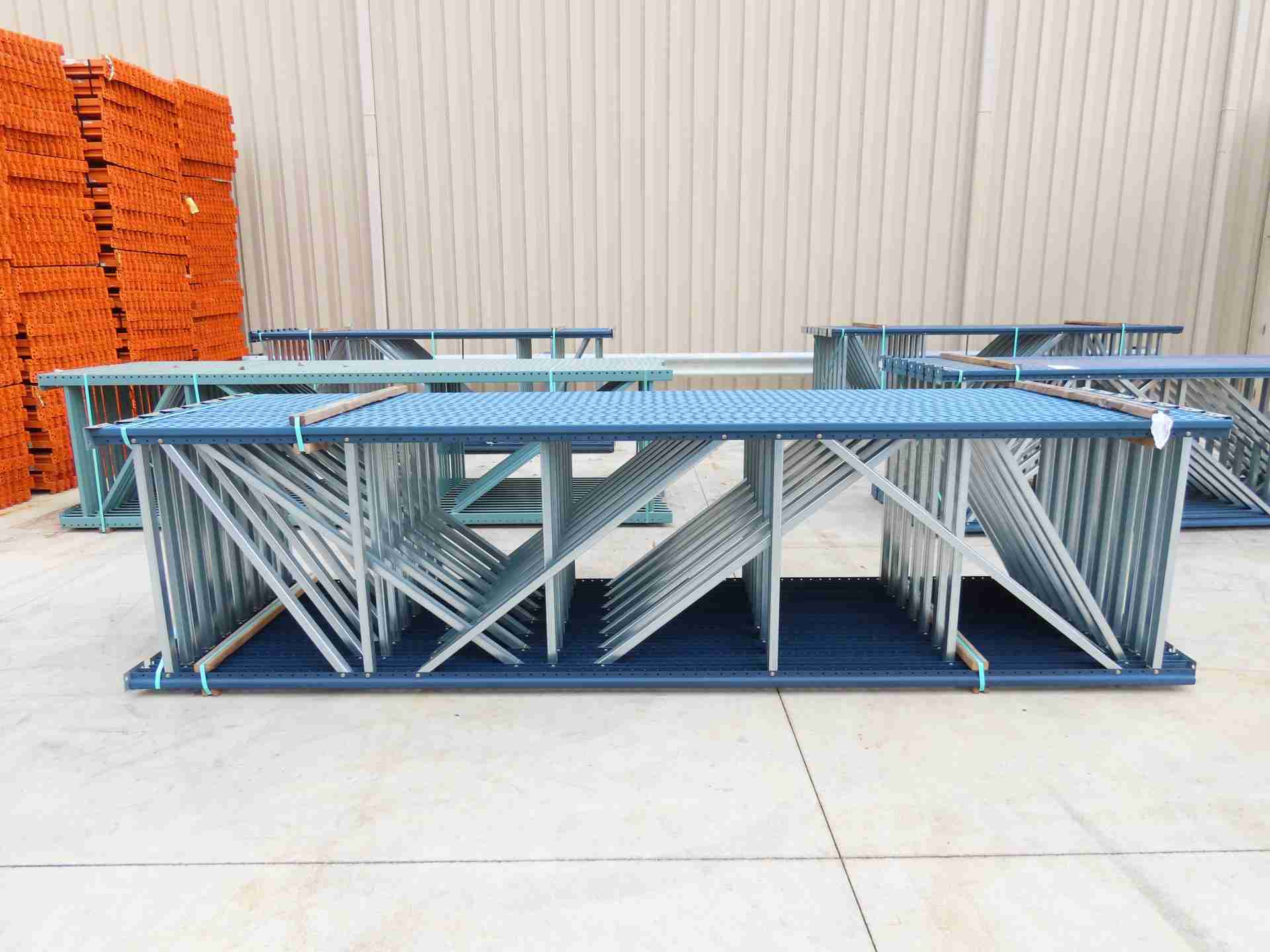
What Feelings Do You Want Your Customers to Associate with Your Space?
How Can an Optimal Layout Drive Efficiency In Your Operations?
Imagine walking into a workspace where every item has its rightful place, where tools and materials are just a few steps away from where they’re needed most. This isn’t just a dream; it’s the reality that an optimal layout can create, and it’s a game-changer for your operations. When you think about racking systems, think about more than just storage. Picture the flow of work, the speed of production, and the satisfaction of a job well done.
Take a moment to consider the emotional weight of a chaotic work environment. It’s frustrating, isn’t it? You waste time searching for materials or battling bottlenecks at every turn. That daily grind wears you down and drains morale. Now, contrast that with an optimized layout—a space designed for efficiency—where you can move fluidly, where every racking unit serves a purpose, and where employees feel empowered to do their best work. It’s not just about productivity; it’s about pride in the work you complete.
Rationally, an optimal layout is smart business. When operations are streamlined, you cut down on waste, reduce delays, and ultimately save money. Yes, there’s an upfront cost to redesigning your workspace, but think of it as an investment. The returns? Higher output, less stress, fewer accidents, and happier employees. It’s a win-win—it’s hard to argue against a system that produces such tangible benefits.
Ethically, we have a responsibility to foster environments where people can thrive. A layout designed for efficiency respects employees’ time and effort. It acknowledges that their well-being is just as essential as the bottom line.
When you share stories of companies that have turned their operations around by rethinking their layouts, you connect people to a narrative of hope and success. A community of innovators rises up when they see what’s possible, and others are inspired to follow suit.
As you explore how to boost your operations, invite your team into the discussion. They have valuable insights that can bridge the gap between theory and real-world application. Together, you can craft a layout that resonates with everyone, creating a social bond that propels the entire operation forward.
In essence, an optimal layout isn’t just bricks and mortar; it’s the foundation of a thriving, engaged workforce ready to tackle whatever comes their way. That’s the kind of operation you owe to yourself and your team.

How Can an Optimal Layout Drive Efficiency In Your Operations?
How Can an Optimal Layout Drive Efficiency In Your Operations?
- An optimal workspace layout places tools and materials within easy reach, enhancing operational efficiency.
- A chaotic environment leads to frustration, wasted time, and decreased morale among employees.
- Optimized layouts foster fluid movement, purposeful racking, and empower employees to perform at their best.
- Streamlined operations reduce waste and delays, ultimately saving money and improving productivity.
- Investing in layout redesign pays off with higher outputs, reduced stress, fewer accidents, and happier employees.
- Creating an efficient layout respects employees’ time and well-being, promoting a thriving workplace culture.
- Engaging your team in the design process can create a layout that enhances collaboration and increases overall effectiveness.

How Can an Optimal Layout Drive Efficiency In Your Operations?
Are You Aware Of the Cost Benefits Of Streamlined Rack Designs?
When you think about racking systems, the images might not exactly set your heart racing. But hold on a second—let’s peel back the layers and really consider what streamlined rack designs can do for you. Imagine walking into a warehouse where everything is organized, efficient, and easy on the eyes. That’s not just good aesthetics; it’s a well-oiled machine that maximizes productivity while cutting down on costs. The beauty of streamlined racking is that it brings order to chaos, and that’s a feeling we can all relate to in various aspects of our lives.
Picture this: your workforce navigating through a maze of disorganized shelves, wasting precious time and energy. Now compare that to a space where every item has its place—where productivity soars and mistakes dwindle. That’s the transformative power of a thoughtful racking system. It’s not just about saving space; it’s a savvy business decision that echoes far beyond the warehouse floor. The numbers don’t lie. Every square foot saved translates to lower operational costs, which means greater profit margins. In a marketplace that thrives on the bottom line, making the switch to a streamlined rack design isn’t just smart; it’s essential.
Now, let’s talk ethics. Every time we look for ways to trim excess, we’re not just being financially responsible; we’re also being responsible stewards of our resources. An efficient racking system can significantly reduce waste, contributing to a greener planet—one that our children will inherit. That’s an approach that resonates on a different level, tying our business practices to a larger mission. It’s about being part of a community that values sustainability and efficiency as much as we value our own profits.
Engaging with streamlined racking designs isn’t merely a logistical choice; it’s a commitment to excellence and accountability. When you invest in these systems, you’re not just purchasing metal and shelves; you’re building a culture of trust and pride that reverberates through every level of your organization. It’s about fostering a space where employees feel valued and are empowered to perform their best work.
So, the next time you think about racking, consider this: the right design might just be the ticket to unleashing potential you didn’t even know was locked away. Get excited about the possibilities and dare to transform your space. You’ll not only thank yourself—the entire team will feel the lift.

Are You Aware Of the Cost Benefits Of Streamlined Rack Designs?
Are You Aware Of the Cost Benefits Of Streamlined Rack Designs?
- Streamlined racking systems enhance organization and efficiency in warehouses.
- Effective racking designs maximize productivity and minimize operational costs.
- Organized spaces reduce time and energy waste for the workforce.
- Every square foot saved leads to greater profit margins.
- Efficient racking contributes to sustainability and waste reduction.
- Investing in racking systems fosters a culture of trust and accountability within organizations.
- The right racking design can unlock hidden potential and enhance employee performance.

Are You Aware Of the Cost Benefits Of Streamlined Rack Designs?
How Can You Create a Layout That Enhances Team Collaboration?
Creating a layout that enhances team collaboration is like piecing together a well-crafted jigsaw puzzle, where each section not only fits but also adds depth and meaning to the whole picture. Picture this: a workspace where creativity bubbles like a boiling pot, and innovation flows as effortlessly as a river. To achieve this, it’s crucial to design spaces that invite interaction and promote teamwork.
Start with the fundamentals. Ditch the rigid, cookie-cutter desks that isolate individuals like solitary islands. Instead, opt for communal areas, racking them together, where teams can engage in spontaneous brainstorming sessions. Imagine moving freely around an open space, exchanging ideas and laughter, as easy as passing a coffee cup across a table. This layout fosters connection and transforms mundane tasks into shared experiences, igniting a collective flame of inspiration.
Now, let’s talk about the psychology of space. Humans are social creatures. When team members can physically see each other, it creates a sense of accountability. Stack those workstations in meeting zones that encourage casual conversation. The subtle magic of these carefully crafted layouts ensures that collaboration happens naturally. There’s a certain thrill in watching ideas morph, strengthened by the diverse perspectives around you, as if you’re holding a crucial piece of the puzzle that could make all the difference.
But it’s not just about being visually appealing; it’s about functionality. Incorporate areas that balance serenity and activity. There are moments when the best ideas flow in a bustling environment, and other times when a quiet nook is needed for focused work. Providing both fosters a respect for individual needs while nurturing teamwork. It’s an ethical responsibility to create a space that empowers everyone, ensuring that no voice is drowned out in the clamor of desks packed too closely together.
Remember, this isn’t just about aesthetics; it’s about building a culture where everyone feels they belong. By actively involving team members in the design process, you cultivate trust. Ask for their input on layout choices. When people see their thoughts reflected in their workspace, it inspires ownership and camaraderie. They’re not just contributors; they become stakeholders invested in the mission.
Ultimately, a well-designed layout speaks volumes. It whispers to the heart by inviting collaboration, appeals to the head through practicality, and provokes the gut by fostering genuine human connections. Invest in your team’s environment, and watch the synergy unfold.

How Can You Create a Layout That Enhances Team Collaboration?
How Can You Create a Layout That Enhances Team Collaboration?
- Designing a collaborative workspace is akin to assembling a jigsaw puzzle that enhances the whole picture.
- Favor communal areas over isolated desks to facilitate spontaneous brainstorming and idea exchange.
- A layout that allows visibility among team members fosters accountability and natural collaboration.
- Incorporate zones for both active engagement and quiet focus to cater to diverse work styles.
- Involve team members in the design process to build trust and inspire ownership of the workspace.
- A well-crafted layout invites collaboration and nurtures a culture where everyone feels they belong.
- Investing in the right environment can lead to increased synergy and innovation among team members.

How Can You Create a Layout That Enhances Team Collaboration?
What Metrics Should Guide Your Decisions on Rack Placement?
When it comes to rack placement in your operation, the decisions should be steered by a variety of metrics that go beyond mere numbers. Each rack is more than just a structure; it’s the backbone of efficiency and productivity, shaped by the thoughtful interplay of physical space and human endeavors. Racking is not simply an act of storage; it’s a testament to your commitment to getting things right.
First, let’s talk about what your gut tells you. Consider the layout—does it feel intuitive? When you see a well-organized rack system, it should resonate with a sense of order and clarity. You want your workers to feel empowered as they navigate the aisles, finding what they need without wrestling with chaos. A smooth workflow is not just a dream; it’s a fundamental metric that can transform your operation from a confusing maze into a well-oiled machine.
Now, let’s engage your head. Analyze the data: are your racks well-utilized, or are they becoming graveyards for forgotten inventory? Efficient rack placement can save you space, reduce labor costs, and optimize your picking processes. Invest time in understanding how much weight each rack can handle and what items belong where. This rational approach can minimize lost productivity and improve your bottom line.
On an ethical level, think about your team’s wellbeing. An efficient rack layout minimizes frustration and enhances safety, ensuring that workers aren’t strained by heavy items or awkward reaches. It reflects a culture that values its people, fostering loyalty and inspiring dedication. When employees feel respected and supported, the ripple effects can enhance morale and promote a passionate work environment.
Let’s not overlook the story you’re telling. Each rack represents a lesson learned, a challenge overcome, and an opportunity seized. Share these stories with your team. Create a narrative around your rack placement decisions that highlights successes and invites involvement. Encourage your workforce to contribute their insights—this fosters a sense of ownership and community.
Ultimately, your rack placement decisions should resonate with heart, head, and gut. Think of it not just as an operational task, but as an opportunity to create a thriving environment where productivity flourishes, relationships deepen, and trust is strengthened. By recognizing the metrics that matter most, you set the stage for everyone to succeed.

What Metrics Should Guide Your Decisions on Rack Placement?
What Metrics Should Guide Your Decisions on Rack Placement?
- Rack placement decisions should be guided by metrics that encompass more than just numerical data.
- A well-organized rack system creates a sense of order, empowering workers to navigate efficiently.
- Analyze rack utilization to avoid inefficiencies and optimize picking processes, saving space and reducing labor costs.
- Prioritize team wellbeing with a layout that enhances safety and minimizes frustration for workers.
- Encourage storytelling around rack placement to highlight successes and foster team involvement.
- View rack placement as an opportunity to cultivate a productive and trustworthy work environment.
- Recognize the importance of heart, head, and gut in decision-making for enhanced operational success.

What Metrics Should Guide Your Decisions on Rack Placement?
Conclusion
In the realm of warehousing, designing rack layouts isn’t just a logistical task; it’s a sacred duty that echoes the very essence of your operation. When we think about a bustling warehouse, we should envision more than just rows of shelves—what we see is the heartbeat of a commitment to efficiency, teamwork, and customer satisfaction. An optimal rack layout doesn’t merely increase productivity; it transforms a chaotic environment into a symphony of seamless motion, ensuring every team member knows where to find what they need when they need it. This is about honoring the sweat equity your workforce invests daily and celebrating their contributions with a system that enhances their capabilities.
This brings us to the financial impact—a rational consideration that cannot be overlooked. Every second saved translates into dollars earned, and every streamlined process adds to the bottom line. Your choice to invest in effective rack design reflects not just smart business practice but an ethical responsibility to be stewards of resources amidst tightening economic pressures. You’re not merely chasing profit; you’re crafting a path where every worker can thrive, knowing their time and skills are valued.
Connect this system of organization to your customers and their experience. Picture them walking through a space that feels intentionally crafted; a place that resonates with warmth and beckons them to linger. It’s about fostering emotional connections—creating an environment where customers feel they belong and are valued, beyond just a transactional experience. By telling the story behind your design choices and aligning them with the values of your clientele, you build a bridge to a shared purpose that encourages loyalty and community.
In fostering collaboration within your workforce and inviting their insights during the design process, you’re cultivating a culture of trust that binds the entire team together. The layout should not just enhance operations but also empower individuals, creating an atmosphere where voices are heard, and creativity flows freely. Ultimately, each rack tells a story of efficiency and purpose, and how you arrange them can ripple through every facet of your operation.
In the end, it’s about so much more than racks and shelves. It’s a mission to create an environment—both for your employees and your customers—that encourages, inspires, and thrives. So, the next time you design a rack layout, remember: every decision you make is a commitment to creating a legacy of connection and excellence.

Conclusion
Conclusion:
- Designing rack layouts in warehousing is crucial for enhancing operational efficiency and team cohesion.
- An optimal layout transforms chaotic environments into organized systems, empowering team members.
- Financially, effective rack design translates into saved time, increased productivity, and improved profitability.
- Investing in smart rack design reflects ethical responsibility and stewardship of resources.
- Creating intentional spaces fosters emotional connections with customers, enhancing their experience.
- Involving employees in the design process cultivates a culture of trust and empowers individual contributions.
- The overall mission is to create environments for both employees and customers that inspire and encourage growth.

Conclusion
Other Resources

Other Resources
Here is a list of other resources you can review online to learn more:
- ASSP
- Pallet Racks, Pallet Racking, Pallet Shelves in Stock – ULINE
- Used Pallet Rack for Sale in Illinois – American Surplus
- Illinois Pallet Racking – Storage Solutions
- Crane Manufacturers Association Of America Inc.
- Interlake
- Selective Pallet Racking Systems
- Total Warehouse
- Pallet Racking systems in Illinois, Great Lakes
- What is Selective Pallet Racking
- Material Handling Safety
- Cantilever Rack Guide: Ordering Cantilever Racking
- Teardrop Pallet Rack – Ridg-U-Rak
- Selective Pallet Racking Systems – Container Systems
- Warehouse Storage Racks
- Rack Manufacturers Institute
- Pallet Racking systems in Illinois and Great Lakes
- Rack Manufacturers Institute
- Material Handling Industry
Use This Prompt To Get More Resources With Your Favorite Online AI Tool: Please provide me with a list of online articles with their URLs in a bulleted list that I can read regarding Designing Rack Layouts for Rapid Inbound/Outbound Flow

Other Resources
Glossary Terms
Designing Rack Layouts for Rapid Inbound/Outbound Flow – Glossary Of Terms
1. Rack Layout: The strategic arrangement of shelving units to maximize storage capacity and operational efficiency.
2. Inbound Flow: The process of receiving goods for storage or processing within a facility.
3. Outbound Flow: The movement of goods from storage to the customer or next point in the supply chain.
4. SKU (Stock Keeping Unit): A unique identifier for each distinct product and service that can be purchased.
5. FIFO (First In, First Out): Inventory management approach where the oldest stock is sold first.
6. LIFO (Last In, First Out): Inventory management strategy that sells the most recently stocked items first.
7. Cross-Docking: A logistics technique where incoming goods are directly transferred to outbound vehicles with minimal storage time.
8. Picking Zone: A designated area on the rack layout where items are gathered for order fulfillment.
9. Aisle Width: The distance between rack units, critical for efficient movement of personnel and equipment.
10. Slotting: The practice of strategically placing inventory to optimize picking efficiency based on product dimensions and turnover rates.
11. Lead Time: The amount of time from order placement to the fulfillment and delivery of goods.
12. FIFO Racking: A storage system designed to support the FIFO inventory method, ensuring older items are accessed first.
13. Flow Rack: A type of shelving designed to allow products to move freely and automatically towards the picking area.
14. Pallet Racking: A storage solution that allows for the efficient storage of palletized goods.
15. Vertical Space Utilization: Optimizing height in storage areas to increase overall storage capacity.
16. Ergonomics: Designing workspaces to improve efficiency and comfort for workers.
17. Kanban: A visual scheduling system used to manage workflow and inventory levels.
18. Batch Picking: The process of collecting multiple orders simultaneously to improve picking efficiency.
19. Automated Storage and Retrieval System (AS/RS): A system that uses automated machines to store and retrieve items from storage locations.
20. Inventory Turnover: A ratio that indicates how many times inventory is sold or used in a time period.
21. Order Fulfillment: The process of picking, packing, and delivering products to a customer.
22. Capacity Planning: The practice of determining the production capacity needed to meet changing demands for products.
23. Dock Leveler: A device that bridges the gap between a loading dock and a truck for smooth transitions during loading and unloading.
24. Storage Density: The amount of product that can be stored in a given space, crucial for optimal rack design.
25. Order Picking: The process of retrieving products from storage for shipment.
26. Replenishment: The act of restocking inventory in response to depletion levels.
27. Pick Path Optimization: Designing the most efficient route for pickers to reduce travel time and increase productivity.
28. Load Planning: The process of organizing the load to maximize efficiency in storage, transport, and distribution.
29. Warehouse Management System (WMS): Software that supports the day-to-day operations of a warehouse, including inventory tracking and order management.
30. Safety Stock: Extra inventory kept on hand to prevent stockouts due to sudden demand spikes or supply chain disruptions.

Glossary Of Terms
Other Questions
Designing Rack Layouts for Rapid Inbound/Outbound Flow – Other Questions
If you wish to explore and discover more, consider looking for answers to these questions:
- What factors should be considered when designing a rack layout?
- How can different types of rack designs impact warehouse operations?
- What are the common pitfalls in rack layout design?
- How does technology influence rack design and warehouse efficiency?
- What role does safety play in the design of rack layouts?
- How can employee feedback be integrated into the design process?
- What specific metrics can be used to evaluate rack system effectiveness?
- How does the design of a warehouse layout affect customer satisfaction?
- What are the initial costs versus the long-term benefits of optimal rack design?
- How can seasonal changes in inventory affect rack layout strategies?
- What are some examples of successful rack layout redesigns?
- How can a balance be achieved between aesthetics and functionality in rack design?
- What sustainable practices can be incorporated into rack design?
- How can different industries tailor rack designs to meet their specific needs?

Other Questions
Checklist
Designing Rack Layouts for Rapid Inbound/Outbound Flow – A Checklist
Warehouse Rack Layout Design Checklist
Emotional Appeals
_____ Visualize the Emotional Landscape: Define the feelings you want to evoke in your team and customers. What atmosphere will encourage productivity and loyalty?
_____ Design for Pride: Ensure the layout inspires pride in the work completed and the environment created.
Rational Appeals
_____ Analyze Workflow Efficiency: Assess the current flow of goods and identify bottlenecks. Are there areas where time and resources are wasted?
_____ Utilize Data Metrics: Measure rack utilization rates and overall space. Are your racks serving their intended purpose effectively?
Ethical Appeals
_____ Commitment to Team Well-Being: Consider the ergonomic aspects of your design. Does it prioritize your workers’ safety and comfort?
_____ Environmental Responsibility: Implement layouts that minimize waste and promote sustainable practices. How does your design impact the planet?
Authority Appeals
_____ Research Best Practices: Stay informed about industry standards and expert insights. What design principles have proven successful in leading organizations?
_____ Engage Team Expertise: Leverage the insights and experiences of your team. Have open discussions about layout decisions and acknowledge contributions.
Narrative Appeals
_____ Tell Your Design Story: Share the journey of your layout design with your team. What challenges were faced, and how were they overcome?
_____ Highlight Customer Engagement: Craft narratives around how the layout can enhance customer experience. What stories will resonate with your audience?
Social Appeals
_____ Foster a Collaborative Environment: Create spaces that encourage team interaction and brainstorming. How can design facilitate connections?
_____ Cultivate Community Values: Design areas that promote shared values and connection among employees and customers. What sense of belonging do you want to instill?
Additional Considerations
_____ Optimize for Flexibility: Is your rack layout adaptable for future needs or changes in product lines?
_____ Visualize the Flow: Map out the physical flow of products and people within the space. Is every step strategically planned to minimize chaos?
_____ Feedback Mechanism: Establish a system for ongoing feedback from your team about the layout. Are changes needed as they adapt to the new setup?

Checklist
At RackingWorld, we help guide you through selecting warehouse storage systems and racking.
Be sure to read our other related stories at RackingWorld to learn more about warehouse storage systems.
0 Comments