
Learning From Preventable Rack Failures
By Tom Seest
At RackingWorld, we help guide you through selecting warehouse storage systems and racking.
Be sure to read our other related stories at RackingWorld to learn more about warehouse storage systems.
Case Study: Avoidable Rack Failures and Their Lessons
In a bustling warehouse nestled in the heart of industry, racks filled with everything from delicate electronics to heavy machinery lean precariously against the walls. One day, without warning, a racking failure occurred, sending hundreds of pounds of gear crashing down. The clamor echoed through the building, triggering panic and concern among the employees who depend on these structures for their livelihood.
In this dizzying moment, the scene served as an eye-opener. It wasn’t just an isolated event; it echoed the common struggles many businesses face. Racking failures don’t just disrupt operations; they rattle the very core of a community’s confidence in safety and efficiency. This incident was avoidable, rooted in insufficient inspections and a lack of training—a stark reminder that even the strongest metal can buckle under poor practices.
Yet, what really resonates is the human element. It’s about the workers—those who maneuver around these racking systems daily, trusting implicitly that they won’t fail. The emotional weight lies in their stories—fathers, mothers, and students working to support families, with every shift a step toward dreams and aspirations. The fear sparked by a collapse can linger, creating an invisible barrier to productivity and progress.
Now, let’s navigate the facts. Assessments showed that regular maintenance could have prevented this failure. Businesses must wield the tools of compliance and training like lifelines. Instituting a standardized safety protocol isn’t just a checkbox; it’s an investment in collective welfare. The numbers speak for themselves: a well-maintained racking system not only enhances safety but ultimately boosts morale and productivity, crafting an environment where creativity and collaboration thrive.
Ethically, it’s crucial for leaders to take charge. This isn’t merely about the bottom line; it’s about stewardship. When racking systems are safe and secure, we foster a culture of trust, forging connections between management and employees that go beyond mere transactions. That’s where lasting relationships are built, where people feel valued and motivated to contribute their best.
We all have a stake in ensuring that racking failures become a thing of the past. This is a clarion call for proactive change—because when you prioritize safety and training, you don’t just prevent disasters; you empower communities to rise stronger together, transforming a potentially tragic narrative into an inspiring one. Let’s band together and champion a safer tomorrow for everyone involved.
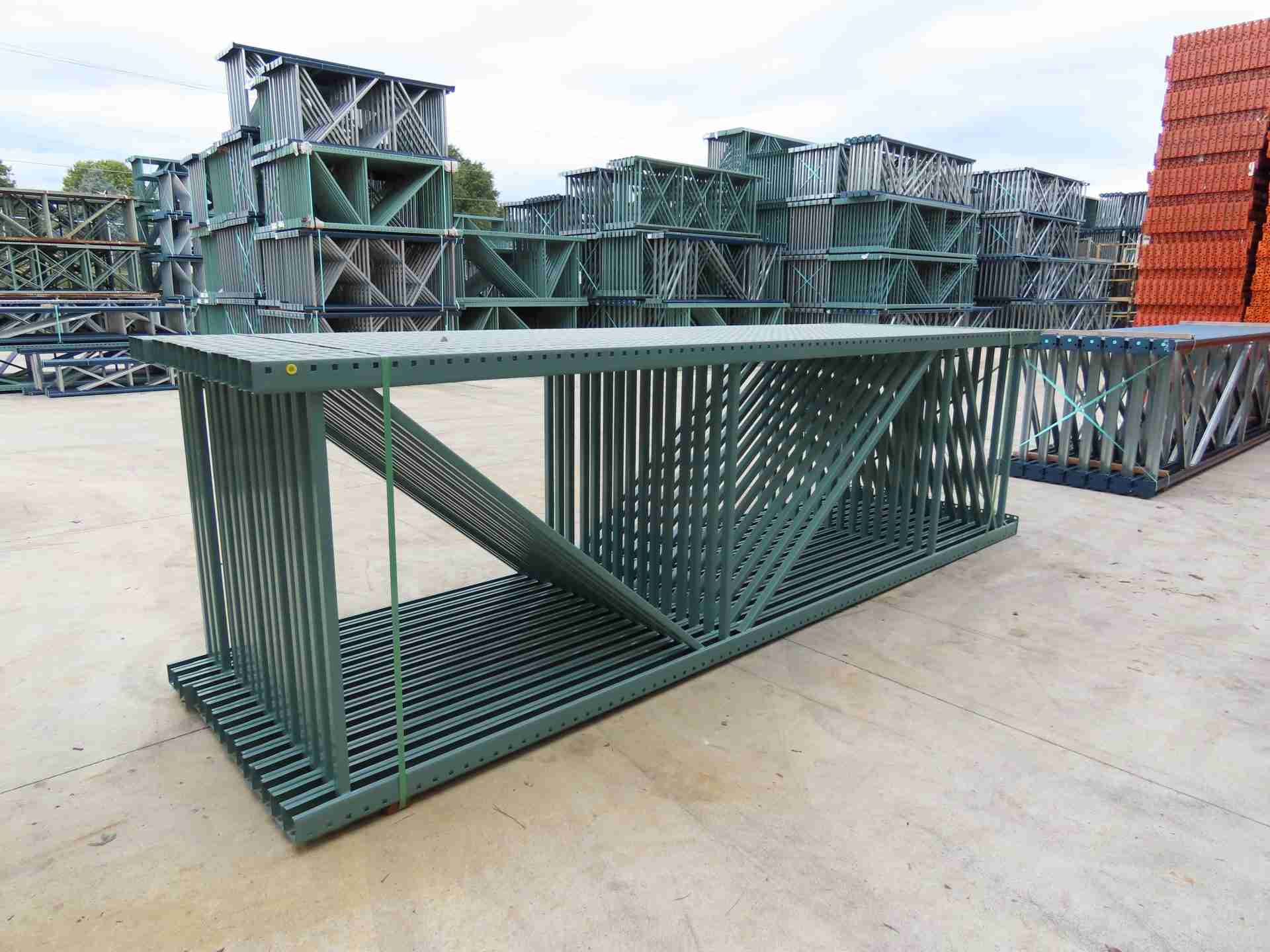
Case Study: Avoidable Rack Failures and Their Lessons
Case Study: Avoidable Rack Failures and Their Lessons
- A racking failure in a warehouse led to a dangerous incident, causing panic among employees.
- The event highlighted common struggles in businesses regarding safety and efficiency in racking systems.
- Insufficient inspections and lack of training contributed to the avoidable failure.
- The emotional impact on workers, who rely on these systems for their livelihoods, is significant.
- Regular maintenance and compliance can prevent such failures and improve workplace morale.
- Leaders are encouraged to prioritize safety, fostering a culture of trust between management and employees.
- The importance of proactive change is emphasized, promoting community empowerment through safety and training investments.
Case Study: Avoidable Rack Failures and Their Lessons
Table Of Contents
- Case Study: Avoidable Rack Failures and Their Lessons
- What Emotional Toll Do Rack Failures Take on Employees and Families?
- How Can Data Analytics Reduce the Likelihood Of Rack Failures?
- What Ethical Responsibilities Do Companies Have In Maintaining Safety?
- How Can Industry Leaders Set Standards to Prevent Rack Failures?
- What Narratives From Past Failures Can Guide Future Safety Practices?
- Conclusion
- Other Resources
- Glossary Of Terms
- Other Questions
- Checklist
What Emotional Toll Do Rack Failures Take on Employees and Families?
In the world of manufacturing and distribution, racking systems are the backbone of efficiency. They hold together not just inventory but the very lives of those who depend on them. When these systems fail, the emotional toll can be devastating, rippling through employees and their families like shockwaves. It’s not just a matter of lost production or damaged goods; it’s about job security, pride, and the heartache of uncertainty.
Imagine standing on a factory floor watching a crucial racking system collapse. The immediate chaos is like a scene pulled from a disaster movie, but the aftermath is all too real. Workers feel a gnawing anxiety about their jobs. Each day brings an uneasy blend of hope and fear as they question whether they’ll even have a job tomorrow. Appeals to authority can only go so far in reassuring them; words from management about recovery and solutions often ring hollow in the face of raw, tangible loss.
Families as well bear the burden of these failures. When the paycheck dims or is even threatened, stress creeps into homes like an uninvited guest. Dinner conversations, once filled with laughter and plans, turn into hushed tones of worry. The implications stretch beyond finances; broken racking systems upset the rhythm of daily life, placing strain on relationships and support systems. Spouses shoulder burdens as they attempt, often in vain, to remain optimistic for their partners. Children pick up on these tensions, inadvertently carrying their parents’ anxiety into their own innocent worlds.
Ethically, businesses carry a significant responsibility. Ensuring that racking systems are robust isn’t just an operational priority; it’s a commitment to the people who rely on those structures. Neglecting this duty erodes trust. Employees feel abandoned, leading to disengagement that can spiral into a toxic workplace culture. It’s vital for employers to recognize that creating a safe, resilient working environment is as important as profitability.
Narratively, this isn’t simply a tale of machinery and metrics; it’s one of community. Each worker is part of a larger tapestry, threading their individual stories into the collective narrative of the company. When racking collapses, it’s more than metal and weight; it’s dreams weighted down by an unexpected burden. We must unite to ensure that our workplaces — and families — are fortified against the potential storms ahead, investing not merely in equipment but, more importantly, in the people who make it all work.
What Emotional Toll Do Rack Failures Take on Employees and Families?
What Emotional Toll Do Rack Failures Take on Employees and Families?
- Racking systems are critical for efficiency in manufacturing and distribution, supporting both inventory and livelihoods.
- Failures of these systems create devastating emotional impacts, affecting employees and their families beyond just production loss.
- Employees experience anxiety and uncertainty about job security following incidents, fueling a blend of hope and fear.
- Families face stress and strain in daily life when financial stability is threatened by racking system failures.
- Children may absorb the anxieties of their parents, affecting their own sense of security and well-being.
- Businesses have an ethical obligation to ensure robust racking systems, as neglect can erode trust and lead to a toxic workplace culture.
- The narrative extends beyond machinery, emphasizing community and the interconnected lives of workers in the corporate fabric.
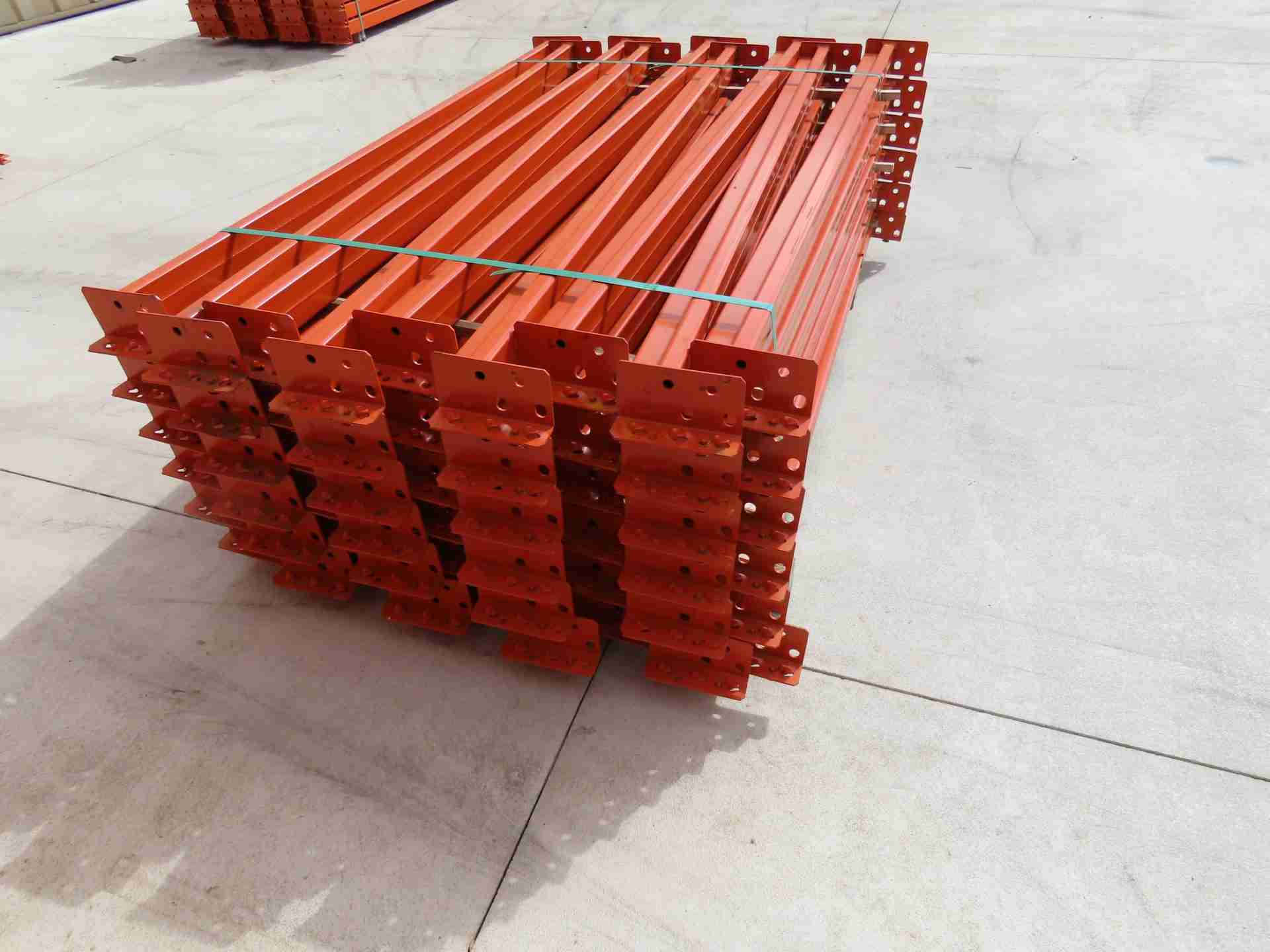
What Emotional Toll Do Rack Failures Take on Employees and Families?
How Can Data Analytics Reduce the Likelihood Of Rack Failures?
When you step into a warehouse filled with towering racking systems, there’s a sophisticated dance happening behind the scenes. These racks aren’t just structures; they’re the backbone of operations, holding the weight of expectations, livelihoods, and entire supply chains. Yet, when you consider how vital these racking systems are, it’s startling to think about how easily they can fail. The thought of a rack collapsing under the weight of inventory isn’t just a logistical nightmare; it’s a threat to safety and a impact on productivity that no one wants to face.
This is where data analytics comes in—not as a shiny gadget or an overly complex algorithm, but as a partner that helps us navigate the unpredictable landscape of warehouse management. By analyzing patterns and monitoring the health of racking systems over time, businesses can identify stress points and potential failures before they become catastrophic. It’s about turning raw numbers into meaningful insights that speak to our responsibilities as stewards of safety and productivity.
Imagine a scenario in which a warehouse manager is alerted to anomalies in rack performance due to excessive weight shifts. Instead of coming in the next morning to find debris scattered and downtime costing thousands, they can take action beforehand. This isn’t just efficient; it’s ethical. It’s about protecting employees on the ground who rely on those shelves to do their jobs safely. Data analytics gives us the power to make decisions grounded in real-time evidence, fostering trust between employers and employees—each number represents a life safe and secure.
Beyond the business implications, there’s a human element at play. When workers know their safety is prioritized, morale improves, and a sense of community thrives. They feel valued, not just as cogs in a machine, but as essential contributors to a larger mission. This connection enhances teamwork, improves communication, and encourages a culture of proactive problem-solving.
We’ve all seen the headlines: warehouse accidents due to rack failures. They tug at our heartstrings and make us question whether corners were cut or signs were ignored. Let’s disrupt that narrative. By embracing data analytics, we take a stand, ensuring that our warehouses aren’t just functional but also safe sanctuaries for those who work within them. It’s time to leverage the best tools available to serve the greater good—because when we protect our people, we lay the foundation for lasting success.
How Can Data Analytics Reduce the Likelihood Of Rack Failures?
How Can Data Analytics Reduce the Likelihood Of Rack Failures?
- Warehouse racking systems are crucial for operations, supporting supply chains and livelihoods.
- The risk of rack failure poses serious safety threats and can significantly impact productivity.
- Data analytics serves as a key partner in warehouse management by monitoring racking system health.
- Proactive analysis allows businesses to identify potential failures, preventing catastrophic incidents.
- Data-driven decision-making enhances employee safety, fostering trust and protection on the job.
- Prioritizing worker safety improves morale and strengthens community and teamwork within the workplace.
- Embracing data analytics disrupts negative narratives about warehouse accidents, promoting safer environments.
How Can Data Analytics Reduce the Likelihood Of Rack Failures?
What Ethical Responsibilities Do Companies Have In Maintaining Safety?
When we talk about safety in the workplace, we’re not just discussing rules and regulations; we’re digging into the very fabric of what it means to be human. Companies have an ethical responsibility to maintain an environment where employees feel protected, valued, and respected. It’s not just about racking up profits or hitting quarterly goals; it’s about the lives of people who dedicate their time, energy, and passion to their jobs.
Imagine a father leaving for work, a mother putting in long hours to provide for her family, or a recent graduate eager to make their mark. Each of these individuals trusts their employer with their dreams and aspirations. They believe that when they step through those doors, their safety is guaranteed. But let’s be honest: accidents happen, and sometimes, in pursuit of profits, safety protocols get pushed aside, and corners get cut. That’s when companies have to recognize their obligation—not just legally, but morally—to uphold the well-being of their employees.
It isn’t simply about compliance; it’s about creating a culture where everyone feels empowered to speak up when they see a potential hazard. Ethical responsibility here goes beyond a set of guidelines—it’s about cultivating a community where safety is woven into the very DNA of the organization. Leaders must model this commitment, demonstrating that safety is a core value and not merely a box to check.
Rationally, investing in safety measures makes sense. Reducing workplace accidents translates to fewer injuries, lower insurance premiums, and increased productivity. But let’s not just look at numbers; think of the families that avoid sleepless nights worrying about a loved one returning home unscathed.
This is where the heart comes in. Stories of injured workers, lost opportunities, and shattered dreams remind us of our collective humanity. They illustrate the need for action and underscore that ethical responsibility cannot be an afterthought. It must become a foundational principle that guides every decision.
In a time when conversations around ethics and accountability are more vital than ever, it’s incumbent upon companies to not only listen but to act—fostering trust through transparency and accountability. This isn’t just a workplace issue; it’s a societal one. The way businesses handle safety speaks volumes about their values. When companies genuinely commit to protecting their people, they don’t just build trust; they create a ripple effect that enhances the quality of life for everyone, including their broader community. We owe it to ourselves to make safety a priority, because, at the end of the day, we’re all in this together.
What Ethical Responsibilities Do Companies Have In Maintaining Safety?
What Ethical Responsibilities Do Companies Have In Maintaining Safety?
- Workplace safety transcends rules; it reflects our humanity and ethical obligations.
- Companies must create environments where employees feel protected, valued, and respected.
- Employees trust their employers with their dreams and safety but accidents can occur when profit drives decisions.
- Creating a safety culture involves empowering employees to report hazards, not just following legal compliance.
- Investing in safety reduces accidents, lowers costs, and boosts productivity while protecting families.
- Stories of workplace injuries emphasize the need for ethical responsibility to be foundational in decision-making.
- Companies must act on ethical commitments to safety, building trust and positively impacting the broader community.
What Ethical Responsibilities Do Companies Have In Maintaining Safety?
How Can Industry Leaders Set Standards to Prevent Rack Failures?
When it comes to preventing rack failures in our industries, the responsibility doesn’t fall solely on engineers or safety officers; it starts at the very top, with industry leaders. These individuals have the unique power to shape not just policies but also cultures that prioritize safety, reliability, and integrity. Imagine a warehouse filled not just with products, but with trust—a trust that every worker feels when they step onto the floor, knowing their safety is paramount. This is where leadership steps in, and it’s a call to action that stirs something deep within all of us.
Heartfelt connections often spring from shared stories. Picture a seasoned warehouse employee, someone who has dedicated years to ensuring that every racking system is adequately loaded and inspected. One day, they overhear a conversation about cutting corners—about saving a few bucks at the expense of safety. Suddenly, that emotional bond they have with their job transforms into a moral obligation to speak up. Industry leaders can cultivate this kind of environment by setting standards that are not just rules, but living principles, guidelines that workers can feel and believe in.
Now let’s engage the rational mind. It’s a simple equation: when leaders invest in quality racking systems and training, they prevent costly failures that ripple through the entire operation. Data shows that organizations prioritizing safety see decreased accidents and increased productivity. Leaders who openly share this information foster a culture of transparency and accountability—essential elements for building trust.
Ethically, it’s undeniable: the lives of every employee and the welfare of the community depend on safe practices. Leaders have the duty to champion these causes, to pave the way for a future where accidents are not merely expected but prevented. This creates an ethical mandate that resonates across the industry, igniting a shared sense of purpose.
Moreover, authority figures in positions of influence have an obligation to lead by example, setting standards that others aspire to meet. They must call upon their networks, not just to dictate terms but to engage in collaborative discussions focused on continuous improvement. When a seasoned leader shares their experience wrestling with failures and ultimately triumphs, it inspires the next generation.
Together, by nurturing a culture that respects racking safety and the people who rely on it, industry leaders can foster a climate of confidence. It’s a conscious choice—a commitment to do right by each person in their sphere of influence and beyond. The future of our industries rests not just on steel and structure but on the unity and fervor of those who believe in a safer tomorrow. Let’s turn this belief into action.

How Can Industry Leaders Set Standards to Prevent Rack Failures?
How Can Industry Leaders Set Standards to Prevent Rack Failures?
- Preventing rack failures begins with industry leaders, who shape safety cultures and policies.
- A warehouse filled with trust enhances worker safety morale and emotional investment in their roles.
- Leaders can create an environment that encourages employees to voice concerns about safety practices.
- Investing in quality racking systems and training leads to decreased accidents and increased productivity.
- Transparency and accountability foster trust, essential for a safe working environment.
- Leaders have an ethical obligation to champion safety practices for the well-being of employees and communities.
- By nurturing a culture of safety, leaders inspire a commitment to a safer future in the industry.
How Can Industry Leaders Set Standards to Prevent Rack Failures?
What Narratives From Past Failures Can Guide Future Safety Practices?
In the world of safety practices, there’s a simple truth that sometimes, the most powerful lessons come not from triumphant success, but from the stark realities of failure. Imagine standing in a workshop, racking tools on the wall, each one representing a story—some inspiring, others cautionary. It’s those stories of past missteps, the spills and the near-misses, that hold the keys to a more secure future.
Consider the construction foreman who ignored the old adage, “measure twice, cut once.” In his rush to meet deadlines, he made a choice that, in hindsight, seems obvious. The resulting accident was not just an abstract mishap but a jagged scar on the lives of his crew and their families. The emotional toll was tremendous; in that moment, the job wasn’t just about numbers or schedules—it was about trust. The heart of safety lies in connections, where every decision can ripple through the livelihoods of those involved.
As leaders in our fields, we must confront the hard truths of these narratives. Rational analysis of such failures provides us with insights that can’t be gleaned from wishful thinking. By dissecting past incidents, we unearth patterns that allow us to tweak our systems, improving not just processes but the very fabric of our workplaces. Every setback can serve as a beacon, guiding us away from danger when we allow the lessons learned to shape our future strategies.
Ethically, we owe it to ourselves and each other to create environments where safety is a shared responsibility. Each worker deserves to finish their shift unscathed. The authority figures in any organization must champion a culture that prioritizes safety above all else. Learning from past failures isn’t just about avoiding mistakes; it’s about fostering a mindset where everyone feels empowered to speak up and take an active role in safety practices.
Socially, sharing these stories breaks down barriers. It transforms fear and shame into dialogue, offering solace in the knowledge that we are not alone in our struggles. Each tale of hazard reminds us that behind the tools and the machinery, we are all human—flawed, striving, and interconnected.
So let’s embrace these narratives. Let’s transform failures into tools for tomorrow’s success. After all, in the world of safety, acknowledgment of our past wrongs is often the first step toward creating a future where success stands tall, unblemished and sturdy, like those very tools we rely on every day.
What Narratives From Past Failures Can Guide Future Safety Practices?
What Narratives From Past Failures Can Guide Future Safety Practices?
- Safety lessons often arise from failures rather than successes.
- Past mistakes, like the foreman’s oversight, have deep emotional impacts on teams and their families.
- Analyzing failures provides valuable insights that improve workplace safety practices.
- Every setback can guide future strategies and promote safer work environments.
- Creating a culture of shared responsibility is essential for workplace safety.
- Transparent dialogue about failures helps reduce fear and build connections among workers.
- Acknowledging past mistakes is crucial for shaping a successful and safe future.
What Narratives From Past Failures Can Guide Future Safety Practices?
Conclusion
In the pulsating heart of our industries, the safety of countless workers hinges on something seemingly simple: racking systems. Yet, as we’ve seen in the cautionary tale of preventable rack failures, this simplicity can mask profound implications. Every rack that holds inventory isn’t just a piece of metal; it’s a lifeline for families and a crucial element sustaining the aspirations of workers. When failures occur, the consequences extend beyond damaged goods. They ripple through the lives of employees, shaking their foundations, and often invoking a visceral fear about job security that echoes long after the immediate chaos subsides.
We must understand that our workplaces are more than just collections of machinery and metrics. They are communities. Each worker brings forth stories of commitment and sacrifice—parents striving to provide, young professionals eager to prove themselves, and veterans sharing wisdom. When racking systems falter, it’s not just the physical structure that’s compromised; it’s the emotional trust between employees and their employer. An ethical responsibility falls on leaders to prioritize safety and well-being in ways that foster community and collaboration rather than mere compliance.
So, where do we go from here? The answer lies in a fervent commitment to proactive strategies—regular inspections, comprehensive training, and embracing data analytics as tools for insight and prevention. Each number gleaned from data analytics can illuminate potential dangers before they manifest into disasters. This isn’t just logical; it’s a moral imperative. Companies that embed safety at their core don’t merely sidestep disasters—they catalyze a culture of trust, productivity, and pride.
Leaders in industry aren’t just figureheads; they are the architects of a safety-first mentality, driving standards that inspire confidence from the ground up. By setting clear examples, they nurture environments where the well-being of each individual is not secondary to profit but integral to the mission. This narrative of responsibility, empowerment, and continuous improvement is one we must all contribute to. When we prioritize robust safety practices, we impact lives—preserving dreams, securing livelihoods, and building resilient communities that thrive together.
Let’s harness the lessons of past failures, weave them into our daily practices, and create a future where the metal of our racking systems—and the spirit of our workers—stands strong. It’s time to rally together. In doing so, we don’t just safeguard today’s operations; we pave the way for a legacy where every worker can walk into their job knowing they are valued, protected, and essential to a greater purpose. Together, let’s embark on this journey and forge a safer tomorrow for everyone involved.
Conclusion
Conclusion:
- The safety of workers relies heavily on effective racking systems, which can have serious implications when failures occur.
- Rack failures affect not only inventory but also the lives and job security of employees.
- Workplaces are communities, with workers bringing personal stories and commitments that matter beyond mere productivity.
- The responsibility falls on leaders to prioritize safety and foster a collaborative workplace culture.
- Proactive strategies such as regular inspections and data analytics are essential for preventing disasters.
- Leaders should embody a safety-first mentality, placing employee well-being at the heart of their mission.
- By learning from past failures, we can create a safer future where every worker feels valued and essential.
Conclusion
Other Resources
Other Resources
Here is a list of other resources you can review online to learn more:
- Warehouse Racking Systems: Beginner’s Guide to Rack Systems
- The Complete Pallet Rack Guide – Simply Rack
- Bradford Systems
- Interlake
- Teardrop Pallet Rack – Ridg-U-Rak
- Storage Equipment Manufacturers’ Association
- Illinois Pallet Racking – WPRP
- Pallet Rack Systems – New and Used Pallet Racking and Shelving Experts
- Warehouse Storage Racks
- Teardrop Industrial Shelving Rack
- American Surplus
- CA Wire
- IIWS Inc. Rack Installation Illinois & Rack Repairs Illinois
- Material Handling Industry
- Rack Manufacturers Institute
- Cantilever Rack Configuration & Installation: A Comprehensive Guide – BMH
- Warehouse Racks, Warehouse Racking in Stock – ULINE
- Mustang Material Handling
- Warehouse Racking Chicago, IL
- Selective Racking
Use This Prompt To Get More Resources With Your Favorite Online AI Tool: Please provide me with a list of online articles with their URLs in a bulleted list that I can read regarding Case Study: Avoidable Rack Failures and Their Lessons
Other Resources
Glossary Terms
Case Study: Avoidable Rack Failures and Their Lessons – Glossary Of Terms
1. Rack Failure: The collapse or malfunction of a storage rack system due to improper design, overloading, or maintenance issues.
2. Load Capacity: The maximum weight a storage rack system is designed to safely support during normal operation.
3. Safety Inspection: A systematic evaluation of storage racks to identify potential hazards and ensure compliance with safety regulations.
4. Preventive Maintenance: Regular scheduled maintenance activities aimed at preventing equipment failures and extending the lifespan of storage systems.
5. Design Specifications: Detailed requirements and guidelines for constructing a storage rack that meets safety and operational standards.
6. Dynamic Load: The stress and forces exerted on a rack system due to movement or impact, such as loading and unloading materials.
7. Static Load: The weight imposed on a rack system when all items are at rest, with no movement involved.
8. Forklift Operations: The handling and maneuvering of forklifts in storage facilities, crucial to safely placing and retrieving items from racks.
9. Warehouse Layout: The strategic arrangement of storage areas and rack placements designed to maximize efficiency and safety.
10. Risk Assessment: The process of identifying, evaluating, and prioritizing risks associated with rack operations and maintenance.
11. Occupational Safety and Health Administration (OSHA): A regulatory body that establishes safety standards and conducts inspections in workplace environments.
12. Load Test: An assessment that determines whether a rack can withstand its intended operational load without compromising safety.
13. Material Handling: The movement, protection, storage, and control of materials throughout the manufacturing and distribution processes.
14. Structural Integrity: The ability of a storage rack to support loads without failure, ensuring safety and reliability over time.
15. Product Identification: The labeling and organization of stored items to enhance accessibility and reduce handling errors.
16. Training Programs: Instructional courses designed to educate employees on safe handling practices regarding storage racks and warehouse operations.
17. Aisle Configuration: The design and spacing of aisles within a warehouse, affecting navigation and safety during material handling.
18. Overloading: Exceeding the recommended weight limit on a rack, leading to increased risk of failure or collapse.
19. Compliance Standards: Regulations and guidelines that govern the design, maintenance, and operation of storage racks to ensure safety.
20. Incident Reporting: A formal process for documenting and analyzing accidents or near-misses related to rack operations.
21. Load Distribution: The even placement of weight across a storage rack to prevent localized stress and potential failure.
22. Safety Barrier: Protective equipment, such as guardrails or nets, used to prevent accidents and protect workers from falling materials.
23. Inventory Management: The systematic tracking and controlling of stock levels, ensuring that weight limits and storage capacities are not exceeded.
24. Ergonomics: Designing workspace and routines that promote worker comfort and safety, reducing the risk of injuries related to material handling.
25. Rack Layout: The arrangement and positioning of individual racks within a warehouse to optimize space and operational efficiency.
26. Post-Failure Analysis: The investigation conducted after a rack failure to determine root causes and prevent recurrence.
27. Visual Inspections: Quick assessments of storage racks performed regularly to identify visible signs of damage or deterioration.
28. Splice Kits: Accessories used to connect sections of rack beams or uprights, enhancing the stability and strength of the storage system.
29. Maintenance Log: A record-keeping system that documents all maintenance activities and inspections performed on storage racks.
30. Incident Prevention: Proactive measures and strategies implemented to reduce the likelihood of accidents and failures in rack systems.
Glossary Of Terms
Other Questions
Case Study: Avoidable Rack Failures and Their Lessons – Other Questions
If you wish to explore and discover more, consider looking for answers to these questions:
- What specific maintenance practices can prevent rack failures?
- How often should inspections of racking systems be conducted?
- What training protocols are most effective for employees working near racking systems?
- What are the financial implications of rack failures for businesses?
- How can companies foster a culture of safety among employees?
- What role does communication play in preventing rack failures?
- Are there industry standards for racking systems that companies should follow?
- How can technology be utilized to enhance the safety of racking systems?
- What are the legal responsibilities of companies regarding employee safety in relation to racking systems?
- How do different types of racking systems compare in terms of safety and reliability?
Other Questions
Checklist
Case Study: Avoidable Rack Failures and Their Lessons – A Checklist
Emotional Resonance:
_____ Reflect on the human impact of racking failures—how do these incidents affect workers and their families?
_____ Share stories within the organization to build empathy and understanding about safety concerns.
_____ Create a culture where employees feel comfortable expressing concerns about safety.
Rational Considerations:
_____ Implement regular inspections and maintenance protocols for all racking systems.
_____ Use data analytics to monitor racking system performance and identify potential issues.
_____ Establish measurable safety goals and track progress toward them.
Ethical Responsibility:
_____ Develop a written safety policy that prioritizes employee well-being alongside productivity.
_____ Ensure all employees receive training on safety practices for handling and inspecting racking systems.
_____ Foster a culture of accountability where everyone, from leadership to staff, is responsible for adhering to safety standards.
Authority Engagement:
_____ Encourage leaders to visibly champion safety practices and prioritize them in company discussions.
_____ Invite safety experts to present on best practices and the importance of racking safety.
_____ Set up a safety advisory group, including employees from various levels, to provide input on safety measures.
Narrative Learning:
_____ Share case studies of past rack failures and discuss lessons learned from each incident.
_____ Host regular workshops that explore how historical missteps can inform future practices.
_____ Compile a report of past incidents and distribute it within the team to promote transparency.
Social Connectivity:
_____ Organize team-building exercises that focus on safety and collaboration.
_____ Create a safety recognition program that rewards employees for proactive safety measures.
_____ Facilitate open forums for employees to discuss safety concerns and share suggestions for improvements.
Using this checklist can guide your organization in prioritizing safety, enhancing employee morale, fostering a culture of trust, and ultimately preventing avoidable rack failures.
Checklist
At RackingWorld, we help guide you through selecting warehouse storage systems and racking.
Be sure to read our other related stories at RackingWorld to learn more about warehouse storage systems.
0 Comments