
Maximize Warehouse Safety With Proven Shelving Techniques
By Tom Seest
At RackingWorld, we help guide you through selecting warehouse storage systems and racking.
Be sure to read our other related stories at RackingWorld to learn more about warehouse storage systems.
Are You Aware Of The Best Practices for Warehouse Shelving Safety?
When it comes to the backbone of your warehouse operations, nothing holds more weight—quite literally—than your pallet racking systems. With the robust demand for fast and efficient service in today’s e-commerce landscape, ensuring safety in pallet racking is not just a compliance issue; it’s a fundamental business practice. Let’s take a moment to explore some indispensable best practices that guarantee safety, efficiency, and profitability.
First, conduct regular inspections and audits of your pallet racking. Think of this as an essential maintenance schedule akin to changing your car’s oil—neglect it, and you risk catastrophic failure. A staggering statistic from the Occupational Safety and Health Administration (OSHA) reveals that more than 15% of workplace injuries involve forklift operations. Regular checks can help in identifying and rectifying issues like bent beams or overloaded racks, which could lead to serious accidents.
Next, proper training for your employees is paramount. Are your staff equipped to handle the intricacies of pallet racking safety? Ensure they’re well-versed in loading procedures, weight limitations, and emergency protocols. For instance, imagine a scenario where a new hire improperly loads a rack, ignoring the ‘lighter items go below, heavier items above’ rule. This could lead to a tipping disaster that not only endangers lives but also halts operations and costs money.
Furthermore, consider implementing a clear labeling system for your shelving. This may sound trivial, but clear indications of weight limits and storage guidelines can transform your warehouse into a paragon of safety. It’s similar to putting up caution signs in a construction zone—when people know the dangers, they can avoid them.
In light of recent global supply chain disruptions, the need for optimized warehouse spaces has never been more pronounced. A well-organized pallet racking system not only ensures safety but boosts productivity, like a finely tuned engine powering a race car. By maximizing vertical space and implementing flow designs, businesses can stock more while maintaining compliance with safety standards.
Lastly, don’t forget about the importance of a safety culture. Encouraging employees to report safety concerns without fear of reprisal builds a proactive environment. Remember, an empowered workforce keeps not only the shelves stocked but the workplace safe.
The best practices for warehouse shelving safety—especially regarding pallet racking—are vital for cultivating a safe, productive, and efficient work environment. Don’t wait for an accident to highlight the importance of safety; take proactive steps today to ensure you’re not just compliant, but a leader in warehouse operations.

Are You Aware Of The Best Practices for Warehouse Shelving Safety?
Are You Aware Of The Best Practices for Warehouse Shelving Safety?
- Pallet racking systems are crucial for warehouse operations and compliance with safety standards.
- Regular inspections and audits of pallet racks are essential to prevent catastrophic failures; over 15% of workplace injuries are linked to forklift operations.
- Employee training is vital for understanding pallet racking safety, including loading procedures and weight limitations.
- A clear labeling system for shelving helps communicate weight limits and storage guidelines, enhancing safety awareness.
- Optimized warehouse spaces increase productivity and safety by maximizing vertical space and implementing flow designs.
- Fostering a safety culture encourages employees to report concerns and contributes to a proactive work environment.
- Implementing these best practices ensures a safe, productive, and efficient warehouse operation.

Are You Aware Of The Best Practices for Warehouse Shelving Safety?
Table Of Contents
- Are You Aware Of The Best Practices for Warehouse Shelving Safety?
- How Can I Assess The Stability Of Warehouse Shelving?
- What Tools Are Needed For Shelving Inspections?
- How Often Should Shelving Units Be Inspected For Safety?
- What Are Common Hazards Associated With Warehouse Shelving?
- How Should Heavy Items Be Stored On Shelves For Safety?
- What Is The Ideal Height For Warehouse Shelving To Reduce Risks?
- Conclusion
- Other Resources
- Glossary Of Terms
- Other Questions
- Checklist
How Can I Assess The Stability Of Warehouse Shelving?
Warehouse shelving isn’t merely a structure for storage; it’s the backbone of your operational efficiency. In an era where supply chain disruptions are prominent—think about the recent global shipping delays and the heightened demand during holiday seasons—ensuring your pallet racking system remains stable is crucial.
First, let’s consider the fundamentals of assessing your shelving. Begin by checking the specifications of your pallet racking. Most systems come with a load capacity rating; never underestimate the importance of adhering to these ratings. Exceeding these limits can not only destabilize your shelving but can pose significant safety risks to employees. A real-life example: last winter, a large retailer faced a massive recall issue after overloading their shelving, resulting in accidents that led to injuries and legal troubles.
Next, inspect the condition of your racks. Look for signs of wear and tear such as bent beams or compromised joints. It’s common for pallet racking systems to experience deterioration, especially in high-traffic areas. Regular inspections should be part of your operational routine—think quarterly surveys to judge stability. Avoid the tragedy of neglect; it can be costly both in terms of money and reputation.
Another critical factor is the way in which you load your racks. Are pallets stacked evenly? Is the weight distributed properly? Improper loading techniques can lead to significant instability. For instance, during a recent e-commerce boom, one warehouse faced a crisis because of unbalanced loading, leading to the collapse of an entire aisle! Implementing a training program for your team on proper loading techniques could make all the difference.
Furthermore, assess the overall design of your shelving. Ensure that your pallet racking system is adequately anchored and that it complies with local codes and regulations. Local governmental regulations have become increasingly stringent in response to concerns about warehouse safety, particularly following the recent incidents of warehouse collapses. Ignorance here is not bliss—it can lead to fines, legal actions, or worse.
To wrap it up, the stability of your warehouse shelving hinges on a mixture of regular inspections, proper loading practices, and adherence to operational guidelines. An investment in assessing your pallet racking is an investment in the long-term success and safety of your warehouse operations. If you’re serious about safeguarding your assets—and your workforce—don’t wait for a disaster before you take action!

How Can I Assess The Stability Of Warehouse Shelving?
How Can I Assess The Stability Of Warehouse Shelving?
- Warehouse shelving is essential for operational efficiency, especially amid supply chain disruptions.
- Adhere to load capacity ratings of pallet racking systems to prevent destabilization and safety risks.
- Inspect racks regularly for signs of wear and tear, especially in high-traffic areas, to avoid costly neglect.
- Ensure even stacking and proper weight distribution to prevent instability and potential collapse.
- Regular training on proper loading techniques for staff is crucial to maintain safety and stability.
- Verify that the shelving design meets local codes and regulations to avoid fines and legal issues.
- Investing in regular assessments of pallet racking systems ensures long-term success and safety for warehouse operations.

How Can I Assess The Stability Of Warehouse Shelving?
What Tools Are Needed For Shelving Inspections?
In the ever-evolving landscape of warehousing and inventory management, ensuring the safety and integrity of your shelves isn’t just a recommendation; it’s a necessity. A thorough shelving inspection safeguards your investment and protects your workforce. But what tools are essential for efficient inspections?
First and foremost, you’ll need a solid set of visual inspection tools. A simple yet effective magnifying glass can help you spot superficial wear or damage on pallet racking systems—a critical first step. However, don’t rely solely on your eyes. For deeper investigations, infrared thermometers can identify temperature discrepancies that might indicate structural weaknesses, especially in temperature-sensitive environments.
Next on the checklist are measurement tools. A good-quality tape measure is indispensable for determining the height and space of your shelving units. This is especially vital to maintain compliance with safety standards that govern clearance heights and weight capacities. For instance, if you’re utilizing pallet racking systems, understanding the dimensions ensures that you aren’t overloading the shelves, which can lead to catastrophic failures.
Then, we have the high-tech equipment. Digital inspection cameras are making waves in the industry. These cameras not only provide high-resolution images of your racking but also allow for documentation and reporting. For example, with the recent rise in e-commerce, many logistics companies are revisiting their shelving systems to keep pace with growing inventory demands. With a digital camera, you can provide evidence of any discrepancies and justify corrective actions.
Moreover, a good-quality scaffold or ladder should be part of your toolkit. Many shelving units are tall, and often, potential hazards lie out of sight. Climbing up to visually check the upper shelves isn’t just advisable; in many sectors, it’s mandated. Safety first!
Don’t overlook the importance of keeping records. A spreadsheet or inventory management software can help you track inspection dates, findings, and necessary repairs, creating a robust history that allows for proactive management. With modern compliance requirements tightening, having a digital record isn’t just a nice-to-have; it’s a must-do.
Lastly, a hands-on approach is paramount. Gather your team for regular training sessions, reinforcing knowledge about the importance of these tools and the frequency of inspections. This not only fosters accountability but can also illuminate hidden problems before they escalate, safeguarding your operational flow.
In a world where delays can cost you time and money, arming yourself with the right inspection tools is your best strategy for maintaining safe, efficient shelving systems and ensuring the continued success of your operations.

What Tools Are Needed For Shelving Inspections?
What Tools Are Needed For Shelving Inspections?
- Regular shelving inspections are essential for safety and protection of investments and workforce.
- Visual inspection tools, like magnifying glasses, are crucial for spotting superficial wear on pallet racking systems.
- Infrared thermometers help identify temperature discrepancies that may indicate structural weaknesses.
- A good-quality tape measure is vital for maintaining compliance with clearance heights and weight capacities.
- Digital inspection cameras provide high-resolution images and documentation for inspection reporting.
- Using scaffolds or ladders is essential for safely checking upper shelves, especially in tall shelving units.
- Keeping detailed records of inspections and repairs is necessary for proactive management and meeting compliance requirements.

What Tools Are Needed For Shelving Inspections?
How Often Should Shelving Units Be Inspected For Safety?
In the fast-paced world of warehousing and retail, ensuring the safety and stability of your shelving units is paramount. Just think about the consequences of neglecting regular inspections. Imagine a pallet racking system collapsing under the weight of improperly stored goods—this not only jeopardizes employee safety but can also lead to significant financial losses due to damaged products and even lawsuits. As accidents occur with alarming frequency, the question becomes: How often should you be inspecting these critical elements of your storage solution?
A sound rule of thumb is to conduct thorough inspections of your shelving units every six months. During these inspections, you should assess the integrity of the pallet racking system, checking for signs of wear, tear, or misalignment. Pay particular attention to the connectors, beams, and base plates; even slight deviations can compromise the entire structure. Just recently, a major retailer faced scrutiny when a collapse caused injuries due to neglected inspections. Don’t let your business become a headline for the wrong reasons!
Beyond the biannual check-ups, it is also wise to perform informal inspections on a more frequent basis. Encourage your team to monitor the condition of the shelving units daily. This includes spotting items that are stacked too high or leaning against the frame—both preventable behaviors that can lead to accidents. Assume a proactive culture where even the smallest factors are considered; remember, an ounce of prevention is worth a pound of cure.
Seasonal conditions can also trigger the need for more frequent inspections. For instance, if your facility is subjected to heavy snowfall or floods, you may want to increase inspection frequency significantly. The structural integrity of the shelving may be affected by excess moisture or weight, leading to scenarios you simply cannot afford.
Moreover, make it a practice to review inspection protocols whenever new equipment or processes are introduced. Adding new pallet racking systems or changing how goods are stored could necessitate a reevaluation of safety standards. Isn’t it time that you take the necessary steps to guarantee not just compliance, but a work environment that prioritizes safety above all else?
Regular inspections of shelving units aren’t just a best practice, they are a lifeline to operational success. Stay ahead of potential pitfalls by incorporating frequent, comprehensive check-ups into your business model, and watch your safety record soar! The cost of neglecting these inspections is far higher than the investment in ensuring a secure and efficient workplace.

How Often Should Shelving Units Be Inspected For Safety?
How Often Should Shelving Units Be Inspected For Safety?
- Regular inspections of shelving units are crucial in warehousing and retail to ensure safety and stability.
- Neglecting inspections can lead to accidents, financial losses, and legal issues due to damaged products.
- A recommended frequency for thorough inspections is every six months, focusing on the integrity of the pallet racking system.
- Pay attention to key components like connectors, beams, and base plates, as even minor issues can compromise safety.
- Informal daily inspections by team members can help identify unsafe stacking behaviors and potential hazards.
- Seasonal conditions, such as heavy snowfall or floods, may require increased inspection frequency to maintain structural integrity.
- Review inspection protocols whenever new equipment or processes are introduced to ensure ongoing safety compliance.

How Often Should Shelving Units Be Inspected For Safety?
What Are Common Hazards Associated With Warehouse Shelving?
When it comes to keeping your warehouse running smoothly, few elements deserve more attention than your shelving—specifically, your pallet racking. This essential component can greatly enhance storage efficiency, but failing to recognize the potential hazards associated with it can lead to dangerous situations and costly liabilities.
Imagine a bustling warehouse where pallets are stacked high, each carrying valuable goods. The implicit risks associated with pallet racking cannot be overlooked. A common hazard is improper load distribution. When items are not evenly distributed, it can cause shelves to bend or collapse, leading to significant damage or injury. Think about the headlines that flashed across news outlets last year when a well-known retailer faced backlash after a faulty pallet rack led to injuries among employees. The damages were catastrophic, not only financially but also in terms of reputation.
Moreover, the importance of regular inspections cannot be overstated. Failing to conduct routine checks is akin to tempting fate. Cracks, wear, and tear on pallet racking can significantly compromise safety. One recent case involved a distribution center that neglected its inspections. A dramatic failure occurred when a pallet racking system collapsed, causing severe disruption in operations and putting employees at risk. Regular maintenance checks can catch these issues before they turn into crises, saving money and lives.
Inadequate training for warehouse staff is another prevalent issue contributing to hazards in setting up and using pallet racking. Employees should be well-versed in best practices, including proper loading techniques and safe equipment handling. A lack of training is not just a missed opportunity; it may lead to employee errors that can have dire consequences. Consider the ongoing discussions in the supply chain industry surrounding increasing automation and the need for training that keeps pace with technology. As logistics evolve, so should safety protocols.
Lastly, consider the physical environment: poor lighting and clutter can significantly impair visibility and movement around pallet racking systems. Recent reports have highlighted how distracted or poorly lit workspaces can lead to accidents. Proper lighting is an inexpensive upgrade that can make a world of difference in ensuring safety and efficiency.
Recognizing these hazards associated with warehouse shelving, particularly pallet racking, equips business owners with the knowledge needed to mitigate risks. By investing time and resources into proper training, regular inspections, and an improved work environment, you’re not just avoiding potential disasters—you’re creating a culture of safety that pays dividends in productivity and peace of mind. Don’t wait until it’s too late; make safety your number one priority today!

What Are Common Hazards Associated With Warehouse Shelving?
What Are Common Hazards Associated With Warehouse Shelving?
- Pallet racking is crucial for enhancing storage efficiency in warehouses but poses risks if not managed properly.
- Improper load distribution can lead to pallet racking collapse, resulting in significant damage and injury.
- Regular inspections of pallet racking systems are essential to identify cracks and wear that compromise safety.
- Lack of training for warehouse staff can lead to improper loading techniques and equipment handling, increasing the risk of accidents.
- As logistics evolve, ongoing staff training must keep pace with new technologies and safety protocols.
- Poor lighting and clutter in the warehouse environment can impair visibility and lead to accidents around pallet racking systems.
- Investing in safety measures, training, and improved workspace conditions fosters a culture of safety and enhances productivity.

What Are Common Hazards Associated With Warehouse Shelving?
How Should Heavy Items Be Stored On Shelves For Safety?
When it comes to storing heavy items, safety shouldn’t just be a priority; it should be your first thought in designing your storage solutions. With incidents like supply chain disruptions and soaring demand for warehouse space in recent years, now is the time to focus on proper storage strategies, especially if you’re utilizing pallet racking systems.
First and foremost, don’t underestimate the importance of the right shelving system. Pallet racking is designed specifically for accommodating heavy loads while ensuring stability and accessibility. Whether you’re dealing with heavy machinery parts or bulk supplies of goods, implementing industrial-grade pallet racking can make all the difference. These systems are typically adjustable, allowing you to customize the height and depth based on your inventory needs, which is essential for efficiency and safety.
Think about weight distribution. Storing heavy items on high shelves can lead to dangerous situations if not handled correctly. Arrange your shelving so that heavier items are placed on the lower shelves to minimize the risk during retrieval and reduce the chances of a falling load. For instance, a warehouse managing both light and heavy parts should avoid placing those hefty automotive components high up. Instead, think smart – keep them on lower-tier pallet racks while lighter items can leverage the upper shelves.
Furthermore, ensure that shelves are not overloaded. Each shelf has a weight limit, and exceeding this can lead to catastrophic failures. Regularly inspect your pallet racking system for any signs of wear or damage. Surveillance tools can provide valuable insights into inventory movement, making it easier to determine if adjustments are needed.
Training your employees on proper lifting techniques is equally vital. Encourage a culture of safety where workers feel comfortable voicing concerns about storage methods. In the last few years, OSHA’s regulations and publicized safety breaches have emphasized that an ounce of prevention is worth a pound of cure.
Lastly, don’t forget about proper labeling. Having a clear labeling system aids in inventory management and ensures that heavy items are placed properly. You might be considering lightening your load by cutting costs, but investing in quality storage solutions now—especially following recent trends in inventory growth—can save you substantial payouts in potential accidents and injuries down the line.
The proper storage of heavy items on shelves requires smart strategies like robust pallet racking systems, weight distribution awareness, ongoing employee training, diligent inspections, and effective labeling. When safety is prioritized, efficiency follows, and your business can thrive in any economic climate.

How Should Heavy Items Be Stored On Shelves For Safety?
How Should Heavy Items Be Stored On Shelves For Safety?
- Safety should be a primary consideration when designing storage solutions for heavy items.
- Pallet racking systems are crucial for accommodating heavy loads, offering stability and accessibility.
- Adjustable pallet racks allow customization of height and depth based on inventory needs for improved efficiency and safety.
- Weight distribution is important; place heavier items on lower shelves to minimize retrieval risks.
- Regular inspections of pallet racking systems are essential to ensure load limits are not exceeded and to check for wear or damage.
- Employee training on proper lifting techniques fosters a safety culture and complies with regulations.
- A clear labeling system aids in inventory management and proper placement of heavy items, preventing accidents.

How Should Heavy Items Be Stored On Shelves For Safety?
What Is The Ideal Height For Warehouse Shelving To Reduce Risks?
When it comes to warehouse shelving, maximizing efficiency while minimizing risk is a balancing act that can make or break your operation. So, what is the ideal height for warehouse shelving? It’s not just a matter of preference; it directly impacts safety, accessibility, and inventory management.
First, consider the type of shelving in question, particularly pallet racking. Standard pallet racking systems can reach heights of up to 30 feet. While that may sound impressive, you shouldn’t simply stack your pallets as high as possible. OSHA regulations suggest keeping items within the 6 to 8-foot range for optimal safety. This allows workers to access materials without undue risk of accidents. A staggering 70% of warehouse injuries stem from improper lifting techniques or falling items, with high shelving systems frequently at the center of these incidents.
Emphasizing accessibility is crucial. Imagine a scenario where your team needs to retrieve a pallet of fast-moving consumer goods. If those goods are stored overhead, the risk of injury multiplies. Not only do workers have to stretch or climb, but they also have to account for the potential of falling items. It’s vital to ensure they have clear lines of sight and convenient access to frequently used products. This can not only reduce workplace injuries but also enhance productivity.
Consider the recent disruption in supply chains. Organizations that chose to invest in lower, more accessible pallet racking saw their efficiency surge during the pandemic. With fluctuating demand, workers were better equipped to respond swiftly, reducing downtime and improving fulfillment rates.
Moreover, emerging technologies, like automated storage and retrieval systems, have changed the game. These systems can safely handle high shelving heights without risking human injury. So for warehouses leaning toward automation, the game of optimum height shifts. Effective implementation can allow for heights of 20 to 25 feet, ensuring safety while optimizing floor space.
In summary, while there’s no one-size-fits-all solution, a sensible approach is to keep pallet racking within 6 to 8 feet for manual handling, while leveraging technology for taller solutions safely. By focusing on worker safety and accessibility, not only do you mitigate risks, but you also bolster the bottom line as well. In today’s fast-paced environment, that’s a win-win that every warehouse operator should aim for.

What Is The Ideal Height For Warehouse Shelving To Reduce Risks?
What Is The Ideal Height For Warehouse Shelving To Reduce Risks?
- Maximizing efficiency and minimizing risks in warehouse shelving is crucial for operations.
- The ideal shelving height affects safety, accessibility, and inventory management.
- Standard pallet racking can reach heights of up to 30 feet, but OSHA recommends keeping items within 6 to 8 feet for safety.
- 70% of warehouse injuries result from improper lifting or falling items, often linked to high shelving systems.
- Accessibility is vital; overhead storage increases injury risks due to stretching or climbing to retrieve items.
- Lower, more accessible pallet racking improved efficiency during the pandemic by allowing quicker responses to fluctuating demand.
- Automated storage systems can safely manage higher shelving, with effective implementation allowing heights of 20 to 25 feet.
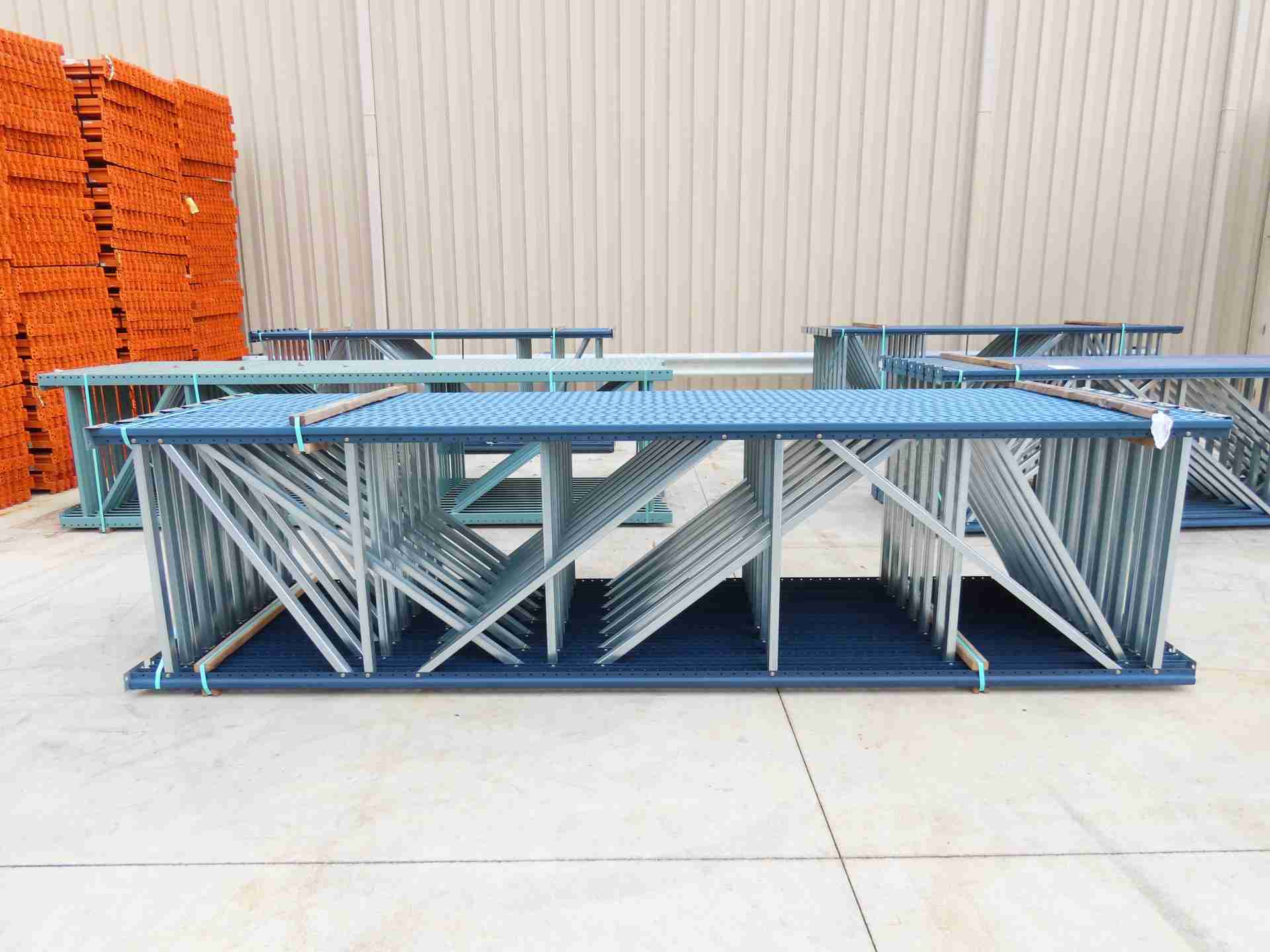
What Is The Ideal Height For Warehouse Shelving To Reduce Risks?
Conclusion
In the world of warehousing, the safety and integrity of your pallet racking systems should never be an afterthought; rather, they should stand as the bedrock of your operational success. The best practices outlined in this article are not mere suggestions—they’re essential strategies that serve to safeguard both your workforce and your investment. By taking proactive measures like conducting regular inspections, providing comprehensive training for employees, and implementing clear labeling systems, your warehouse can transform into a beacon of safety and efficiency.
As e-commerce demands escalate and supply chain disruptions become more common, the urgency to adhere to safety protocols has never been clearer. Each item you store needs to abide by load specifications; neglecting this responsibility can turn your warehouse into a hazardous environment. Imagine the consequences of an overloaded pallet rack or a poorly distributed load—significant injuries, business interruptions, and, of course, a tarnished reputation.
Regular inspections, ideally conducted every six months, along with daily informal checks by employees, are crucial. This attention to detail not only prevents accidents but also fosters a culture of safety. When everyone on your team understands the importance of both proper loading techniques and the right tools for shelving inspections, you’re investing in a safer workplace that is also poised for greater productivity.
Moreover, investing in the right storage solutions, such as robust pallet racking systems and accessible shelving heights, can yield substantial returns—not only in safety but in overall efficiency and cost-effectiveness. The strategic thinking behind warehouse operations is paramount in this era of heightened demand and operational complexity.
At Arrow Industrial Sales, we stand ready to help you navigate these challenges. We bring a wealth of expertise in warehouse shelving solutions tailored to meet safety standards while maximizing your storage potential. Don’t leave safety to chance—take action right now! Call us at (574) 349-6575 to start a conversation about how we can assist you in implementing these best practices.
In today’s competitive landscape, the urgency to prioritize warehouse safety cannot be overstated. Don’t wait for the consequences of negligence to catch up with you. Act now to ensure your warehouse operations are compliant, safe, and efficient, positioning your business for sustained success in the future.

Conclusion
Conclusion:
- Safety and integrity of pallet racking systems are crucial for operational success in warehousing.
- Implementing best practices like regular inspections and employee training is essential for workforce and investment safety.
- E-commerce growth and supply chain disruptions highlight the importance of adhering to safety protocols.
- Proper load specifications must be followed to prevent hazardous conditions, accidents, and reputational damage.
- Regular inspections every six months and daily employee checks create a culture of safety and productivity.
- Investing in robust storage solutions enhances safety, efficiency, and cost-effectiveness in warehouse operations.
- Arrow Industrial Sales offers expertise in warehouse shelving solutions to help ensure compliance and safety.

Conclusion
Other Resources

Other Resources
Here is a list of other resources you can review online to learn more:
- Pallet Racking systems in Illinois and Great Lakes
- Chicago Pallet Racking
- Illinois Pallet Racking – Storage Solutions
- Interlake Mecalux
- American Surplus
- Material Handling Industry
- Pallet Racking 101: A Comprehensive Guide & Options Explained
- New Cantilever Racks and Racking Kits
- Total Warehouse
- What is Cantilever Racking? – AK Material Handling Systems
Use This Prompt To Get More Resources With Your Favorite Online AI Tool: Please provide me with a list of online articles with their URLs in a bulleted list that I can read regarding Are You Aware Of The Best Practices for Warehouse Shelving Safety?

Other Resources
Glossary Terms
Are You Aware Of The Best Practices for Warehouse Shelving Safety? – Glossary Of Terms
1. Aisle: A passageway between shelving units that allows safe access for personnel and equipment.
2. Anchor: A device used to secure shelving units to walls or floors, preventing tipping or collapse.
3. Clearance: The space needed between shelving and the ceiling or other structures, critical for fire safety and ventilation.
4. Load Limit: The maximum weight that a shelving unit can safely support, determined by manufacturer specifications.
5. Pallet Racks: Shelving systems designed specifically for storing pallets, providing vertical storage space.
6. Safety Stock: Extra inventory kept on hand to prevent stockouts, requiring careful shelving for easy access.
7. Cross-bracing: Structural supports that reinforce shelving units, enhancing stability and safety.
8. Ergonomics: The study of designing workspaces to fit the needs of employees, promoting safe lifting techniques.
9. Safety Signage: Visual warnings or instructions posted throughout the warehouse to communicate hazards and safe practices.
10. Inspection: Regular checks performed on shelving and storage systems to ensure they are safe and functional.
11. Weight Distribution: The even placement of items on shelving to prevent tipping or overloads on any single area.
12. Edge Protection: Safety features like barriers or guards installed to prevent items from falling off the shelf edges.
13. First-in, First-out (FIFO): A storage method where older inventory is used before newer stock, reducing spoilage and ensuring safety.
14. Fire Code Compliance: Adhering to local fire safety regulations regarding shelving height, materials, and spacing.
15. Personal Protective Equipment (PPE): Safety gear such as gloves, helmets, and safety shoes worn by warehouse employees to minimize injury risk.
16. Overstock: Excess inventory that can create clutter and safety hazards if not managed correctly within shelving systems.
17. Weight Sensors: Devices installed within shelving systems to monitor and alert users when weight limits are approached.
18. Rolling Ladder: A type of ladder designed for accessing high shelving units safely and efficiently.
19. Training: Programs designed to educate employees on safe shelving practices and proper lifting techniques.
20. Storage Density: The amount of usable storage per square foot in the warehouse; affects shelving design and safety.
21. Fumigation: A pest control process that requires preparing and clearing certain shelving areas for safety.
22. Modular Shelving: Flexible shelving systems that can be resized or reconfigured for changing inventory needs.
23. Fire Suppression Systems: Equipment used to extinguish or control fire incidents in warehouses, strategically placed near shelving.
24. Retraining: Ongoing education for employees to refresh their knowledge of shelving safety practices.
25. Shelf Life: The length of time products can be stored before they expire, necessitating organized, safe shelving practices.
26. Spill Kits: Supplies kept on hand to manage unexpected spills or leaks, especially in areas with hazardous materials stored on shelves.
27. Load Bars: Reinforcements added to shelving or racks to strengthen support and prevent load shifting.
28. Organization: The systematic arrangement of items on shelves to improve safety, accessibility, and efficiency.
29. Inspection Checklist: A detailed list used during safety inspections, ensuring all relevant aspects of shelving and storage are evaluated.
30. Emergency Plan: A structured approach outlining the steps to take in case of a safety incident related to shelving or inventory management.

Glossary Of Terms
Other Questions
Are You Aware Of The Best Practices for Warehouse Shelving Safety? – Other Questions
If you wish to explore and discover more, consider looking for answers to these questions:
- What specific training programs should be implemented for warehouse staff regarding shelving safety?
- How can I effectively conduct a shelving inspection?
- What are the legal requirements for warehouse shelving safety?
- How can I create a safety culture among warehouse employees?
- What maintenance schedules are recommended for pallet racking systems?
- What are the best practices for labeling shelves for safety?
- How can I best manage inventory in relation to shelf safety?
- What are the signs indicating that shelving systems need repair or replacement?
- How can technology be integrated into shelving safety practices?
- What should be done after an accident occurs related to pallet racking?
- How do weight limits vary among different types of shelving systems?
- What role does warehouse layout play in shelving safety?
- How can seasonal changes affect shelving inspection frequency?
- Are there industry standards or certifications for shelving safety?
- What are the consequences of neglecting shelving safety protocols?

Other Questions
Checklist
Are You Aware Of The Best Practices for Warehouse Shelving Safety? – A Checklist
1. Conduct Regular Inspections:
_____ Schedule inspections every six months.
_____ Perform informal checks daily for signs of wear and misalignment.
_____ Focus on connectors, beams, and base plates during inspections.
2. Ensure Proper Employee Training:
_____ Provide training on loading procedures, weight limitations, and emergency protocols.
_____ Reinforce best practices for shelf loading (e. g. , heavier items on lower shelves).
3. Implement a Clear Labeling System:
_____ Use clear labels to indicate weight limits and storage guidelines.
_____ Ensure labels are visible and informative to prevent overloads.
4. Assess and Adhere to Load Capacity Ratings:
_____ Regularly check the specifications of your pallet racking systems.
_____ Do not exceed load capacity ratings; ensure compliance with safety standards.
5. Evaluate the Condition of Shelving:
_____ Check for signs of wear, including bent beams or compromised joints.
_____ Manage repair schedules to address any identified issues promptly.
6. Optimize Storage Strategies:
_____ Store heavier items on lower shelves to minimize risk during retrieval.
_____ Avoid overloading shelves; regularly inspect for signs of excessive weight.
7. Foster a Safety Culture:
_____ Encourage employees to report safety concerns without fear of reprimand.
_____ Conduct regular team meetings to discuss safety protocols and practices.
8. Use the Right Tools for Inspections:
_____ Keep tools like magnifying glasses, tape measures, and digital inspection cameras handy.
_____ Maintain a scaffold or ladder for safe access to high shelving.
9. Monitor Environmental Conditions:
_____ Increase inspection frequency during adverse weather conditions (e. g. , heavy rainfall, snowfall).
_____ Ensure adequate lighting to prevent accidents around shelving units.
10. Determine Ideal Shelf Height for Safety:
_____ Maintain shelving heights within 6 to 8 feet for manual access.
_____ Consider automation for heights exceeding 20 feet, if applicable.
11. Record and Document Inspections:
_____ Utilize spreadsheets or inventory management software to track inspection histories.
_____ Document findings and necessary repairs for future reference.
12. Reinforce the Importance of Safety Practices:
_____ Regularly review safety practices and adapt as necessary for new equipment or processes.
_____ Stay informed about updated safety regulations and best practices in warehouse operations.
Additional Recommendations:
_____ Emergency Protocols: Regularly review and practice emergency procedures related to pallet racking.
_____ Verify Compliance: Stay updated on local and industry-specific safety regulations to ensure full compliance.
_____ Engage with Employee Feedback: Regularly solicit and act on feedback from employees regarding safety practices.
Feel free to distribute this checklist along with the article to enhance awareness and promote safe practices in warehouse operations!

Checklist
At RackingWorld, we help guide you through selecting warehouse storage systems and racking.
Be sure to read our other related stories at RackingWorld to learn more about warehouse storage systems.
0 Comments