
Maximizing Safety, Efficiency, And Trust: Pallet Racking In Chemicals
By Tom Seest
At RackingWorld, we help guide you through selecting warehouse storage systems and racking.
Be sure to read our other related stories at RackingWorld to learn more about warehouse storage systems.
How Do Chemical Distributors Leverage Pallet Racking?
When you’re moving chemicals by the truckload, every inch of space counts and every second wasted stacks up like empty pallets in a dirty warehouse corner. That’s where pallet racking steps in—not just as some metal shelving but as the backbone holding together the whole operation. Chemical distributors rely on pallet racking like a good toolbox: it keeps things organized, accessible, and safe, so the work gets done right without a second guess.
You’ve got heavy drums, fragile containers, and everything in between piled up day in and day out. Pallet racking turns that chaos into a predictable system. Instead of tearing through piles looking for the right batch, you know where each pallet is, how it’s stored, and how to get it out quickly. That means fewer mistakes, less damage, and a whole lot less headache. Efficiency on the floor isn’t just about speed—it’s about trust. You trust the setup won’t let a dangerous spill happen, and the team trusts they can find what they need without juggling boxes or risking their necks.
There’s something honest and solid about pallet racking—like the grit and muscle of the guys and gals who show up every day to stack, move, and ship. It’s not fancy, but it gets the job done—and done safely. That reliability builds a quiet confidence in everyone from the warehouse floor to the office upstairs. For chemical distributors, that confidence isn’t just a nice-to-have; it’s the difference between a clean sweep and a costly mess. Pallet racking helps maintain compliance with safety standards, respects the environment by preventing spills, and shows a real commitment to doing things the right way.
Put simply, chemical distributors use pallet racking to own their responsibility—to the product, to their teams, and to the community. It’s about showing up, stacking it right, and knowing that when the call comes, everything holds steady. After all, trust doesn’t just come from good words; it’s earned in steel beams, organized shelves, and the steady hum of a warehouse where everyone knows their role and plays it with quiet pride. That’s the kind of backbone pallet racking builds—strong, dependable, and ready for whatever the day throws at it.

How Do Chemical Distributors Leverage Pallet Racking?
How Do Chemical Distributors Leverage Pallet Racking?
- Pallet racking maximizes space and efficiency in chemical distribution operations, acting as a critical organizational backbone.
- It safely stores diverse items like heavy drums and fragile containers, transforming chaos into a predictable, accessible system.
- Using pallet racking reduces errors, minimizes product damage, and streamlines retrieval, enhancing overall workflow trust.
- The system promotes safety by preventing spills and ensuring compliance with industry standards.
- Pallet racking fosters confidence across all levels, from warehouse staff to office personnel, by providing reliability and order.
- Chemical distributors demonstrate responsibility to products, teams, and communities through proper pallet racking use.
- The sturdy and dependable nature of pallet racking supports consistent, safe, and effective warehouse operations daily.

How Do Chemical Distributors Leverage Pallet Racking?
Table Of Contents
- How Do Chemical Distributors Leverage Pallet Racking?
- How Does Pallet Racking Improve Chemical Storage Safety?
- How Can Pallet Racking Increase Warehouse Efficiency?
- How Does Pallet Racking Reduce Chemical Contamination Risks?
- What Ethical Practices Are Involved In Pallet Racking Setup?
- How Do Industry Standards Influence Pallet Racking Choices?
- What Role Does Pallet Racking Play In Regulatory Compliance?
- Conclusion
- Other Resources
- Glossary Of Terms
- Other Questions
- Checklist
How Does Pallet Racking Improve Chemical Storage Safety?
When you’re dealing with chemicals, safety isn’t just a checkbox—it’s the difference between going home at night or facing a disaster. Pallet racking changes the game because it puts order to what could otherwise be a messy, risky operation. Picture a cluttered warehouse where drums and containers are stacked haphazardly, leaning, ready to tip at the slightest bump. Now, swap that out for rows of sturdy pallet racking—solid steel frames designed to hold those heavy, often unpredictable loads steady and secure. It’s like giving chemicals a proper home instead of a shaky ledge.
From a practical standpoint, pallet racking allows you to keep chemicals organized by type, hazard class, and compatibility. This reduces the chances of accidental mixing or spills that people end up regretting big time. Instead of playing a dangerous guessing game every time someone needs a chemical, the clear layout cuts confusion, speeds up work, and keeps everyone’s nerves in check. When the right container is on the right rack, you avoid frantic scrambling and open the door to safer, smoother operations.
There’s also something ethically solid about taking care of your crew by investing in pallet racking. It shows respect for human lives and health because you’re not just tossing chemicals around willy-nilly—you’re preventing accidents before they happen. It’s about stepping up to the responsibility that comes with handling stuff that could hurt people and the environment. When a company makes this kind of effort, it sends a message that safety isn’t just a slogan, it’s a way of doing business.
Experience teaches you that pallet racking isn’t just a fancy upgrade; it’s built tough for the job. It handles the weight and precarious nature of chemical containers without bending or giving way. Using it creates a safer workplace where supervisors and workers can feel confident in their surroundings. Confidence doesn’t just come from hope—it comes from knowing your equipment is up to snuff and your procedures have real teeth.
Pallet racking makes chemical storage one less thing to worry about on a busy workday. It’s about respect for the craft, a nod to the folks who make it run, and a commitment to getting everyone through the shift safely. That’s not just common sense—it’s the kind of solid, no-nonsense safety that sticks with you.

How Does Pallet Racking Improve Chemical Storage Safety?
How Does Pallet Racking Improve Chemical Storage Safety?
- Pallet racking transforms chemical storage from chaotic and risky to organized and secure, preventing accidents caused by unstable stacks.
- It enables organization of chemicals by type, hazard class, and compatibility, reducing accidental mixing and spills.
- The clear layout speeds up work, reduces confusion, and minimizes frantic searching for the right chemicals.
- Investing in pallet racking demonstrates ethical responsibility by prioritizing the health and safety of workers and the environment.
- Pallet racking is a durable solution designed to support heavy chemical containers without bending or failing.
- Using pallet racking increases workplace safety and worker confidence through reliable equipment and effective procedures.
- Pallet racking simplifies chemical storage, showing respect for workers and commitment to safe, efficient operations every day.

How Does Pallet Racking Improve Chemical Storage Safety?
How Can Pallet Racking Increase Warehouse Efficiency?
You ever walk into a warehouse and feel that pinch? Like, there’s just too much stuff and not enough space, and everyone’s bumping elbows trying to find what they need? That chaos wears on you. Pallet racking isn’t just some fancy storage setup—it’s the backbone that turns disorder into order, making everyday work smoother and less of a headache.
Here’s the plain truth: when you install pallet racking, you’re not just stacking boxes higher; you’re stacking up time, safety, and respect for the folks on the floor. It cuts down the clutter, opens up walkways, and keeps everything visible and easy to reach. No more scrambling to find that one part or pallet buried in some dark corner. Your team won’t spend half their day playing hide-and-seek with inventory—they get on with the real job, and that feels good.
On a practical level, pallet racking transforms wasted vertical space into valuable storage real estate. You’re not fighting against the limits of your warehouse; you’re working with it, mastering it. The floor stays clear, accidents drop, and productivity climbs. Plus, you show your crew you care about their safety and comfort, and that goes a long way to boosting morale. When workers feel respected and safe, they stick around, work smarter, and pull together better.
Ethically, investing in pallet racking says something important—it’s about doing the right thing for everyone involved. It’s about valuing your people, your products, and your bottom line, all at once. It’s a simple, reliable way to say, “We mean business, and we mean to do it right.” And that trust? It spreads, making your whole operation stronger, tighter, and ready for whatever’s next.
In every warehouse where pallet racking has been put in, the story’s the same: chaos tamed, time saved, and pride restored. It’s the kind of upgrade that pays its dues day after day. So when you think about making your warehouse hum like a well-oiled machine, remember—it starts with something solid, simple, and dependable. Pallet racking isn’t just storage. It’s sanity.

How Can Pallet Racking Increase Warehouse Efficiency?
How Can Pallet Racking Increase Warehouse Efficiency?
- Pallet racking transforms warehouse chaos into organized, efficient space, easing daily work stress.
- It increases storage capacity by utilizing vertical space, reducing clutter and widening walkways.
- Improves safety and accessibility, minimizing accidents and making inventory easy to locate.
- Boosts worker morale by showing care for their safety and comfort, encouraging smarter teamwork and retention.
- Represents an ethical investment valuing employees, products, and business success simultaneously.
- Builds trust within the operation, strengthening the entire warehouse system for future challenges.
- Provides a reliable, practical upgrade that saves time, restores pride, and keeps the warehouse running smoothly.

How Can Pallet Racking Increase Warehouse Efficiency?
How Does Pallet Racking Reduce Chemical Contamination Risks?
Look, when you’re dealing with chemicals, you don’t have the luxury of guessing or hoping everything stays clean and safe. Pallet racking ain’t just some fancy shelving. It’s the backbone that keeps your hazardous materials from turning your warehouse into a nightmare. When chemicals are stacked haphazardly, you’re asking for spills, leaks, and cross-contamination that can cause serious harm—not just to your stock but to your people.
Think about it like this: Pallet racking lifts those containers off the floor and gets them locked into place with sturdy beams and frames. That means no sneaky drips soak into your floors, mixing with stuff that shouldn’t be mixed. It keeps chemicals separated, telling each pallet exactly where to stay. No clash, no cross-contamination. Just a straightforward, organized setup that respects the nature of what you’re storing.
It’s not just about preventing messes or accidents, though. It’s about responsibility—knowing that you’re doing right by your team and your customers. When you invest in pallet racking, you’re saying you care about safety and quality. You’re holding yourself to a higher standard because you understand the ethics behind proper storage: chemicals stored dirty or wrong cost more than money—they risk people’s health and trust. That’s a heavy deal, and pallet racking is the straightforward, no-BS way to keep those risks tight and controlled.
From a practical standpoint, pallet racking sets the stage for easy inspection and handling. When every crate sits where it’s supposed to, your staff can spot leaks or damage before it turns ugly. It makes cleaning easier—no more crawling under piles of junk or maneuvering through chaos. Cleaner space means lower contamination chances and peace of mind. When your setup looks solid and works right, you’re not just running a warehouse—you’re commanding it.
There’s also something working quietly in the background: confidence. When your crew sees that everything’s in place, stacked smart, and protected, that confidence spreads. It’s not just about equipment; it’s a culture. One where safety isn’t an afterthought but a lived reality. And that culture protects everybody from the word “contamination.” Pallet racking helps build that culture brick by brick, beam by beam, pallet by pallet.
So next time you’re thinking of ways to cut chemical contamination risks, don’t overlook this rugged, simple champion of safety. Pallet racking’s not glamorous, but it’s the kind of grunt work your warehouse needs to keep business running clean, steady, and right.

How Does Pallet Racking Reduce Chemical Contamination Risks?
How Does Pallet Racking Reduce Chemical Contamination Risks?
- Pallet racking is essential for safely storing hazardous chemicals, preventing spills, leaks, and cross-contamination.
- It elevates containers off the floor and secures them with sturdy beams, avoiding chemical drips and mixing.
- Provides organized storage that respects chemical properties and prevents clashes or contamination.
- Investing in pallet racking reflects responsibility for team safety, customer trust, and overall storage ethics.
- Facilitates easy inspection and handling, allowing staff to identify leaks or damage promptly, and simplifies cleaning.
- Creates a culture of confidence and safety, making contamination prevention a standard practice within the warehouse.
- Pallet racking is a practical, durable solution crucial for maintaining a clean, steady, and safe chemical storage environment.

How Does Pallet Racking Reduce Chemical Contamination Risks?
What Ethical Practices Are Involved In Pallet Racking Setup?
Setting up pallet racking isn’t just about stacking metal beams and shelves; it’s about doing right by the folks who’ll be working around it every day. When you screw up this job, you’re not just risking some boxes falling—you’re risking injuries, downtime, and a whole lot of headaches. Ethical pallet racking setup starts with respect: respect for safety, respect for the workers, and respect for the long haul. It means you don’t cut corners just to save a buck or rush a deadline. You take the time to get the measurements right, use the proper materials, and follow industry standards like they’re gospel. Because, really, no shortcut makes up for a compromised structure.
There’s a whole lot riding on pallet racking. It holds hundreds, sometimes thousands of pounds, day in and day out. When done properly, it becomes the backbone of a warehouse, making everything flow smoother and safer. Skimp on quality or neglect proper training, and you’re asking for disaster. Ethically speaking, the people setting it up owe it to their co-workers to approach the job with diligence, accountability, and a mindset that values life over ledger sheets.
From the ground up, pallet racking setup demands honesty. That means admitting when a part doesn’t fit or when a design needs tweaking instead of forcing something to work. It means transparent communication between installers, supervisors, and clients—no guessing games or “good enough” allowances. When everyone’s clear on the job’s demands and limitations, trust grows naturally. And trust on a job site is worth its weight in steel.
Experience teaches that pallet racking is more than metal and bolts—it’s about people who rely on it to keep their workday safe and steady. Taking shortcuts or ignoring ethical responsibilities chips away at that foundation. But when you stand firm on doing the job right, you foster a culture where safety and quality come first. That’s how you build systems and relationships that hold up over time.
When ethical pallet racking setup becomes the norm, it’s a win-win: fewer injuries, smoother operations, and peace of mind for everyone involved. It’s the kind of no-nonsense, just-the-facts approach that earns respect and saves lives. That’s the baseline every crew should set—the solid, common-sense foundation on which every warehouse depends.

What Ethical Practices Are Involved In Pallet Racking Setup?
What Ethical Practices Are Involved In Pallet Racking Setup?
- Ethical pallet racking setup prioritizes safety, respect for workers, and long-term durability over shortcuts and cost-saving.
- Accurate measurements, proper materials, and strict adherence to industry standards are essential to prevent injuries and downtime.
- Pallet racking supports heavy loads daily and serves as the backbone of efficient and safe warehouse operations.
- Installers must practice honesty, openly communicate issues, and avoid forcing improper fits or designs.
- Clear communication among installers, supervisors, and clients builds trust critical to job site success.
- Maintaining ethical standards fosters a culture where safety and quality are prioritized, strengthening systems and relationships.
- Consistently ethical setup leads to fewer injuries, smoother workflows, and lasting peace of mind for all involved.

What Ethical Practices Are Involved In Pallet Racking Setup?
How Do Industry Standards Influence Pallet Racking Choices?
Choosing pallet racking isn’t just about tossing up whatever looks cheapest or easiest. It’s about knowing the rules of the road—those industry standards that steer the whole warehouse ship. They’re not there to make life complicated or slow you down; they’re the time-tested guideposts built from hard knocks and lessons learned in thousands of warehouses full of heavy gear and tight deadlines.
When you think about pallet racking, it’s easy to picture stacks of steel beams holding up wooden pallets loaded with everything from cans of paint to heavy machinery parts. But behind that simple image is a whole system designed to keep folks safe, products intact, and operations running smooth as butter. Industry standards come into play here like an old, wise foreman who’s seen it all, pointing out how much weight you can safely pile up, how wide your aisles should be to dodge collisions, and even how tall those racks can stand without toppling over.
There’s a gut-level comfort when you know your equipment isn’t a house of cards waiting to collapse. When those racks hold steady under heavy loads, you’re protecting your crew from accidents and your stock from costly damage. It’s the kind of confidence that lets you focus on the job, not on what might go wrong. These standards aren’t just red tape; they’re a lifeline that respects the human element behind every warehouse door.
Ethically, adhering to standards is a matter of doing right by the folks who clock in every day, the customers who expect their goods undamaged, and the larger business ecosystem. It’s about owning your responsibility and standing by the promise of a safe, reliable workplace. That kind of accountability builds trust, not just inside the walls of the warehouse but out there in the marketplace where reputation is everything.
The authority of these standards comes from real-world testing and decades of collective experience. They aren’t guesses; they’re carved-out truths, the result of trial, error, and adjustments. Stick with them and you’re playing it smart, saving money in the long haul by avoiding mishaps, insurance headaches, and downtime.
At the end of the day, pallet racking choices become easier when you lean into the proven path. You’re not just buying a piece of equipment; you’re investing in a foundation that supports your whole operation. That kind of decision is grounded in sense, shaped by experience, and backed by a community of people who’ve been there, done that, and know exactly what it takes to keep the goods—and people—safe.

How Do Industry Standards Influence Pallet Racking Choices?
How Do Industry Standards Influence Pallet Racking Choices?
- Pallet racking must comply with industry standards developed from extensive real-world experience to ensure safety and efficiency.
- Standards guide safe load limits, aisle widths, and rack heights to prevent accidents and product damage.
- Following these standards provides confidence that equipment will hold steady under heavy use, protecting workers and inventory.
- Adhering to standards is an ethical responsibility that builds trust among employees, customers, and the wider business community.
- The authority of standards comes from decades of testing, trial, and error, making them reliable and practical guidelines.
- Complying with standards reduces costly mishaps, insurance issues, and operational downtime.
- Choosing pallet racking with standards in mind is an investment in a stable foundation vital to overall warehouse operations and safety.

How Do Industry Standards Influence Pallet Racking Choices?
What Role Does Pallet Racking Play In Regulatory Compliance?
Pallet racking isn’t just about stacking stuff up and saving space. It’s the backbone of keeping a warehouse safe, organized, and right by the book. You look around any solid operation, and you’ll see pallet racking working overtime to make sure everything stays put, nothing falls, and no one ends up with more than a story to tell about a spill or collapse. It’s the unsung hero in the background, quietly doing its bit so folks can clock in and clock out without worrying about a cage of goods turning into a hazard.
Here’s the thing: regulations aren’t about red tape for the sake of it—they’re about real-life safety. Pallet racking systems built and maintained according to those standards aren’t just meeting a checklist. They’re standing guard against accidents that could shut down a whole site or worse, hurting a coworker. Warehouse managers who get this know that skimping on racking integrity isn’t just risking fines—it’s risking lives. That’s where the respect for the craft kicks in. Proper pallet racking aligns with fire codes, load capacities, aisle widths, and emergency access routes, ticking all the boxes that regulators come knocking for, and doing so with no excuses.
From a practical standpoint, well-installed pallet racking enhances operational flow. When you know your racks can hold the weight and are set up in a way that eases movement, it’s like the entire workspace breathes easier. Less clutter, less confusion, fewer injuries. It’s a straightforward win for everyone: the workers on the ground, the supervisors keeping tabs, and the compliance folks writing up reports. Those racks keep the freight steady and the company’s reputation solid.
Look around any warehouse that’s made it through a tough audit or a surprise inspection—chances are it’s because the foundation of their system is good pallet racking that meets or exceeds the rules. It’s not flashy, but it’s dependable. It’s built with sweat and pragmatism, and it earns respect. When you start thinking of pallet racking as part of your compliance team, you’re not just stacking pallets—you’re building trust. Trust in your business, trust in your people, and trust in the simple, tough hardware that holds it all together.

What Role Does Pallet Racking Play In Regulatory Compliance?
What Role Does Pallet Racking Play In Regulatory Compliance?
- Pallet racking is essential for warehouse safety, organization, and regulatory compliance, preventing accidents and ensuring stability.
- Regulations governing pallet racking focus on real-life safety, not bureaucratic hurdles, protecting workers and operations.
- Properly maintained pallet racking aligns with fire codes, load capacities, aisle widths, and emergency access requirements.
- Well-installed racking improves operational flow by reducing clutter, confusion, and injuries, benefiting workers and supervisors alike.
- Compliance with pallet racking standards supports successful audits and inspections, reinforcing warehouse reliability.
- Pallet racking, though not flashy, is a dependable foundation built on practical effort and earns respect within operations.
- Viewing pallet racking as part of the compliance framework builds trust in the business, personnel, and warehouse infrastructure.

What Role Does Pallet Racking Play In Regulatory Compliance?
Conclusion
In the rough-and-tumble world of chemical distribution, pallet racking isn’t just another piece of gear—it’s the sturdy backbone holding everything together. It’s the unsung hero that turns chaos into order, safety into habit, and clutter into calm. When you’re dealing with barrels of chemicals that could spell disaster with one wrong move, you need more than luck. You need a system built on solid steel beams, clear layouts, and good old-fashioned common sense. Pallet racking delivers that, making sure each drum and container has its exact spot, lifted off the floor, locked in tight, and ready for action without risking a spill or a spill’s costly fallout.
This isn’t about fancy tech or bells and whistles; it’s about respect—respect for the folks who stack those pallets, the ones walking the aisles every shift, and the community counting on everyone to get it right. When done right, pallet racking reduces confusion, speeds up workflows, and cuts down on the kind of mistakes that bring downtime, injuries, and headaches. It’s the difference between a warehouse humming like a well-oiled machine and one teetering on a disaster waiting to happen.
Ethically, pallet racking is a commitment. It’s the promise that safety isn’t just a slogan but the baseline for every decision. Skimping on quality or corners in setup isn’t just cheap—it’s dangerous. Following industry standards and regulations isn’t red tape; it’s the backbone of trust between management, workers, and customers. Compliance proves you’re serious about protecting lives and livelihoods, showing that you value the people on the floor as much as the bottom line.
Efficiency, too, comes from these steel frameworks. They don’t just save space; they save time, cut clutter, and clear the way for the real work to get done. When aisles are open and pallets are easy to find, morale goes up, and so does productivity. It’s a straightforward fact—people work better when they feel safe, respected, and trusted.
The quiet confidence pallet racking builds is the kind you see in crews who know their tools won’t quit on them. It’s built on honest work, solid materials, and a no-nonsense approach that says, “We do this right or not at all.” That’s the kind of backbone every chemical warehouse needs: dependable, tough, and ready for whatever the day throws at it. No frills—just solid steel and solid trust.

Conclusion
Conclusion:
- Pallet racking serves as the essential structural support in chemical distribution, organizing and securing barrels and containers safely off the floor.
- It transforms disorder into order by providing designated spots for each item, minimizing risk of spills and related accidents.
- Beyond technology, pallet racking represents respect for workers and the surrounding community, promoting safety as a habitual practice.
- Proper pallet racking reduces confusion, accelerates workflow, and decreases errors that can cause downtime and injuries.
- Adhering to industry standards in pallet racking reflects a commitment to safety, ethical responsibility, and trust among management, workers, and customers.
- The system enhances efficiency by saving space and time, improving morale and productivity through open aisles and easy access to pallets.
- Pallet racking embodies reliability and durability, providing a dependable solution crucial for chemical warehouse operations without unnecessary complexity.
Conclusion
Other Resources

Other Resources
Here is a list of other resources you can review online to learn more:
- Chicago Pallet Racking
- National Safety Council
- Selective Racking
- Teardrop Pallet Rack – Ridg-U-Rak
- The Complete Pallet Rack Guide – Simply Rack
- Material Handling Industry
- Teardrop Industrial Shelving Rack
- The Ultimate Pallet Racking Guide – Speedrack West
- Teardrop Uprights
- Storage Equipment Manufacturers’ Association
- Illinois
- What is Selective Pallet Racking
- Logic Material Handling
- Pallet Racking systems in Illinois and Great Lakes
- MHI
- Rack Manufacturers Institute
- Pallet Racking systems in Illinois and Great Lakes
- Teardrop Pallet Rack – Ridg-U-Rak
- Warehousing and Fulfillment
- Warehouse Racking Layout: The Ultimate Guide – Conger
Use This Prompt To Get More Resources With Your Favorite Online AI Tool: Please provide me with a list of online articles with their URLs in a bulleted list that I can read regarding How Do Chemical Distributors Leverage Pallet Racking?

Other Resources
Glossary Terms
How Do Chemical Distributors Leverage Pallet Racking? – Glossary Of Terms
1. Chemical Distributor: A company or entity that purchases chemical products in bulk and supplies them to end-users or retailers.
2. Pallet Racking: A storage system designed to hold materials on pallets in horizontal rows and multiple levels.
3. Inventory Management: The process of ordering, storing, and using a company’s stock of goods efficiently.
4. Storage Optimization: The strategic use of space to maximize inventory capacity and accessibility.
5. Material Handling: The movement, protection, storage, and control of materials throughout manufacturing and distribution.
6. Load Capacity: The maximum weight a pallet rack can safely hold.
7. Warehouse Efficiency: The effectiveness with which warehouse operations reduce costs and improve product handling.
8. Stock Rotation: The process of organizing inventory to ensure older stock is used or shipped first.
9. FIFO (First In, First Out): An inventory method where the first stored items are the first to be retrieved.
10. Safety Compliance: Adherence to regulations and standards ensuring safe storage and handling of chemicals.
11. Accessibility: The ease with which stored products can be retrieved or moved.
12. Rack Configuration: The specific design and setup of pallet racking systems within a warehouse.
13. Bulk Storage: Storing large quantities of goods together, often on pallets.
14. Vertical Space Utilization: Using the height of a warehouse to increase storage capacity.
15. Load Stability: Ensuring that pallet loads remain secure and balanced on racks.
16. Hazardous Material Storage: Specialized practices for safely storing chemicals that pose risks.
17. Environmental Control: Measures taken to maintain appropriate temperature, humidity, and ventilation for chemical storage.
18. Cross-Docking: Direct transfer of goods from inbound to outbound transport with minimal or no storage.
19. Picking Efficiency: The speed and accuracy with which products are selected from inventory for shipment.
20. Space Savings: Reducing the physical footprint required for storage through efficient rack design.
21. Pallet Positioning: The strategic placement of pallets within racks to optimize handling and safety.
22. Load Distribution: Evenly spreading weight across racks to prevent overloading or damage.
23. Equipment Compatibility: Ensuring forklifts and other machinery can safely operate within the racking system.
24. Rack Protection: Measures such as guards or barriers to prevent damage to pallet racks.
25. Modular Design: Racking systems that can be adjusted or expanded to meet changing storage needs.
26. Turnaround Time: The time required to process and ship orders efficiently.
27. Supply Chain Integration: Linking storage and distribution processes within the broader supply chain.
28. Order Fulfillment: The complete process from receiving orders to delivering products to customers.
29. Load Inspection: Regular checks to verify that stored pallets and racks remain safe and intact.
30. Automated Storage: The use of technology and robotics for storing and retrieving pallets in the warehouse.

Glossary Of Terms
Other Questions
How Do Chemical Distributors Leverage Pallet Racking? – Other Questions
If you wish to explore and discover more, consider looking for answers to these questions:
- What types of pallet racking systems (selective, drive-in, push-back, flow) work best for different chemical products?
- How do you choose pallet racking based on chemical hazard classes and compatibility?
- How are load capacities for pallet racks calculated and documented for chemical storage?
- What are the recommended inspection and maintenance schedules for pallet racking in a chemical warehouse?
- What are common signs of pallet racking damage and when should racks be taken out of service?
- How should incompatible chemicals be segregated on pallet racks to prevent dangerous reactions?
- What secondary containment or spill control solutions integrate with pallet racking?
- How do pallet racking layouts affect fire protection systems and sprinkler performance?
- What aisle widths are required for safe forklift operation and emergency access in racked chemical storage?
- Which industry standards and regulations (e.g., OSHA, NFPA, EPA) specifically apply to pallet racking for chemicals?
- How should pallet racking be documented and organized to support compliance audits and inspections?
- What training and PPE requirements should staff have when working with chemicals stored on racks?
- How can pallet racking improve picking efficiency and inventory accuracy for chemical distributors?
- What labeling, signposting, and inventory management practices work best on racked chemical storage?
- How can pallet racking be protected from forklift impacts and accidental collisions?
- What retrofit options exist for converting an existing warehouse to chemical-safe pallet racking?
- Are there specialized racking materials or coatings for corrosive or moisture-sensitive chemicals?
- How should temperature- or humidity-sensitive chemicals be stored on pallet racks?
- Can pallet racking be used outdoors for chemical storage, and what weatherproofing is needed?
- How does pallet quality and pallet condition affect rack safety and chemical containment?
- What are best practices for stacking drums, IBCs, and small packages on pallet racks?
- How do dynamic systems (e.g., pallet flow) compare to static racks for FIFO/LIFO chemical handling?
- What emergency procedures should be in place for spills, leaks, or rack collapse involving chemicals?
- How can pallet racking layout support rapid incident response and spill cleanup?
- What are the cost factors (purchase, installation, maintenance) and expected ROI for racking investments?
- How do pallet racking choices affect insurance premiums and liability for chemical distributors?
- What criteria should be used when selecting pallet racking suppliers and installers for chemical facilities?
- How should racks be integrated with warehouse management systems, barcoding, and traceability tools?
- What sustainability and end-of-life disposal or recycling options exist for pallet racking?
- How do you plan for future capacity and scalability when designing pallet racking for chemicals?
- What permit or local-code approvals are typically required before installing pallet racking for hazardous materials?
- How long do pallet racking systems typically last, and when should they be replaced?
- How do you safely store mixed loads or partially filled pallets on racking without increasing contamination risk?

Other Questions
Checklist
How Do Chemical Distributors Leverage Pallet Racking? – A Checklist
Planning and Responsibility
✅______ Defined purpose: safety, efficiency, compliance, and contamination control
✅______ Single accountable owner for racking integrity and change control
✅______ Written Management of Change (MOC) process for any layout or load changes
Inventory and Compatibility
✅______ Complete inventory by chemical type, container, weight, and hazard class
✅______ Compatibility matrix applied; incompatible groups segregated by rack, bay, or zone
✅______ SDS available and mapped to rack locations; labels match locations and SKUs
✅______ Clear isolation rules for flammables, oxidizers, corrosives, toxics, and reactives
Rack Selection and Design
✅______ Rack type and finish suited to loads and environment (e.g., corrosion-resistant where needed)
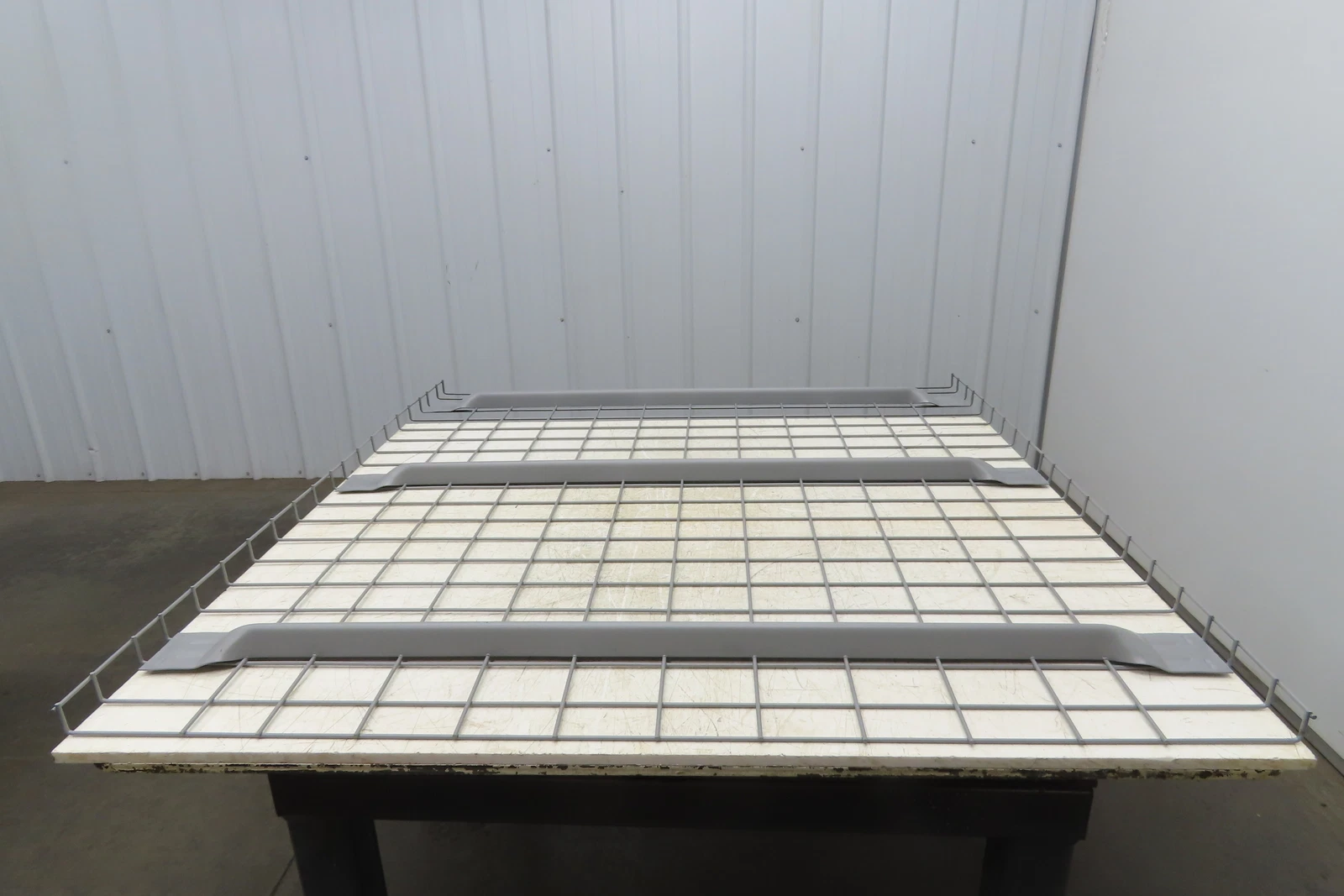
✅______ Beam levels and decking compatible with drums, IBCs, and totes (rated wire decking or drip pans where required)
✅______ Load capacities engineered for worst-case pallet and container weights and dynamic loads
✅______ End-of-aisle capacity plaques installed and legible
✅______ Floor loading verified and slab conditions documented
Layout and Access
✅______ Aisle widths set for equipment, egress, and inspections
✅______ Longitudinal and transverse flue spaces maintained for ventilation and fire protection
✅______ Clearances to sprinklers, heaters, and lighting maintained per local code
✅______ High-risk materials stored in designated, clearly signed zones
✅______ Emergency access routes marked and unobstructed
Installation and Ethical Practices
✅______ Installed by qualified personnel to manufacturer specifications; no field-drilled or mismatched parts
✅______ Frames plumb and level; anchors installed and torqued; seismic bracing as required
✅______ Column guards, end-of-aisle protection, and rack backstops installed where needed
✅______ No missing bolts, bent members, or unauthorized modifications at handover
✅______ Acceptance checklist signed by installer and owner
Load Management
✅______ Pallet quality verified; damaged pallets removed from service
✅______ Uniform load placement centered on beams; no overhang beyond design
✅______ Heaviest loads on lower levels; fragile or unstable containers restrained
✅______ FIFO/FEFO rules applied where applicable and reflected in locations
✅______ Travel paths minimize tight turns and rack strikes
Contamination and Spill Control
✅______ Secondary containment integrated (spill pallets, drip pans, or decking with pans) where needed
✅______ Incompatibles separated vertically and horizontally according to plan
✅______ Leaks detectable: clear sightlines, adequate lighting, and inspection access
✅______ Housekeeping plan: floors dry and clean; no storage on floors under racks
✅______ Spill kits staged, sized for the worst-case container, and locations marked
Operations and Material Handling
✅______ Certified operators for forklifts and reach trucks; speed and height limits enforced
✅______ No pushing or pulling pallets with forks; use proper attachments for drums and IBCs
✅______ Impact reporting is mandatory; rack strikes trigger immediate inspection
✅______ Staging areas defined to avoid blocking aisles and egress
✅______ Pick and put-away sequence standardized with location IDs and signage
Inspection and Maintenance
✅______ Pre-shift visual checks by operators (plumb, damage, leaks, obstructions)
✅______ Weekly supervisor walk with documented findings
✅______ Monthly detailed rack inspection using damage criteria (uprights, beams, anchors)
✅______ Immediate unload and tag-out for red-condition components; repair or replace promptly
✅______ Annual third-party or engineering review; records retained
Training and Culture
✅______ Initial and refresher training on load ratings, compatibility, spill response, and impact reporting
✅______ Clear stop-work authority for unsafe conditions
✅______ Visual standards posted: load limits, damage criteria, inspection tags, zone maps
✅______ Near-miss and strike reporting encouraged; no-blame feedback loop
Documentation and Compliance
✅______ As-built drawings, engineering calculations, and manufacturer manuals on file
✅______ Capacity plaques match engineered limits and current configuration
✅______ Inspection logs, repair records, and training records maintained
✅______ Fire code and racking standard compliance verified; gaps closed
✅______ Hazard communication plan aligned with racking layout and labeling
Emergency Preparedness
✅______ Eyewash and shower within the required distance of corrosive storage
✅______ Fire extinguishers and alarms accessible; staff trained on use and evacuation
✅______ Containment and isolation steps defined for spills and leaks
✅______ Drill schedule executed and documented; lessons incorporated
Environmental Stewardship
✅______ Drain protection in chemical areas; spill pathways evaluated and mitigated
✅______ Waste and empty container storage segregated and labeled
✅______ Outdoor and temperature-sensitive storage managed per product needs
Change Management
✅______ Engineering review before reconfiguring beams, adding levels, or mixing components
✅______ Decommissioned parts inspected and tagged; unsuitable parts scrapped
✅______ Spare components stocked and tracked by manufacturer and series
Performance and Continuous Improvement
✅______ KPIs tracked: storage density, pick time, travel distance, rack strikes per 10,000 moves, near misses, spills, audit findings
✅______ Root cause analysis for incidents and deviations; corrective actions closed
✅______ Periodic layout optimization to reduce congestion and improve flow
Daily Quick Check (Operator)
✅______ Aisles clear; flue spaces open
✅______ No visible rack damage or leaning frames
✅______ Capacity plaques present and readable
✅______ Loads seated, centered, and stable
✅______ No leaks or stained decking/floors
✅______ Spill kits and extinguishers in place
✅______ Eyewash and shower unobstructed
✅______ Any strike or defect reported immediately

Checklist
At RackingWorld, we help guide you through selecting warehouse storage systems and racking.
Be sure to read our other related stories at RackingWorld to learn more about warehouse storage systems.
0 Comments