
The Decision-Making Guide For New Pallet Rack Investment
By Tom Seest
At RackingWorld, we help guide you through selecting warehouse storage systems and racking.
Be sure to read our other related stories at RackingWorld to learn more about warehouse storage systems.
When to Avoid Buying Used Pallet Racks
When it comes to racking, it’s easy to see the allure of a good deal. The temptation to save a few bucks by choosing used pallet racks can be overwhelmingly seductive, especially when budgets are tight and profits are on the line. However, before you dive headfirst into the world of secondhand racking, there are crucial moments when you should pause and reflect.
Picture this: a bustling warehouse, your proud fortress of productivity, where every shelf and rack serves a purpose. Now imagine that very structure compromised because you opted for used equipment with an unknown history. The gut-wrenching realization that an unstable rack could topple and endanger lives is an outcome no one should take lightly. Safety isn’t just a corporate liability—it’s a moral obligation. The ethical weight of your choice bears heavily on everyone who walks through those aisles. Choosing quality over cost isn’t just smart; it showcases your commitment to your team.
Furthermore, let’s think about reliability. Think about that nagging doubt creeping in: was there structural integrity testing? Were those racks damaged in a previous life, perhaps from overloading or mishandling? The truth is, a used pallet rack may hold a few too many shadows in its past. Investing in new or certified racking systems not only assures you of their strength but also eliminates the worries of compromised durability and safety, making your decision a true act of leadership rather than mere economics.
Additionally, consider your company’s long-term vision. What do you want your workplace to stand for? Quality should be your cornerstone. Opting for used racks may save money today but could cost you reputation, stability, and employee morale tomorrow. When it comes to public perception, being known as a business that cuts corners speaks volumes.
Engage your gut, head, and heart in this decision. Ask yourself, can you really trust something unproven in an environment that demands resilience? When planning for the future, remember that what you choose today will either anchor you in strength or leave you exposed to risk. Invest in your warehouse’s foundation—make choices that foster lasting success, the kind that resonates with everyone in your operation and inspires them to work for a brand they believe in. Your racks might hold up your products, but only integrity can hold up your business.
When to Avoid Buying Used Pallet Racks
When to Avoid Buying Used Pallet Racks
- The temptation to choose used pallet racks for cost savings can compromise safety and performance.
- Every decision about racking affects the safety of employees and the moral integrity of the business.
- Used racks may have unknown histories that could jeopardize structural integrity and reliability.
- Investing in new or certified racking systems ensures strength and safety, showcasing leadership.
- Long-term company vision should prioritize quality to avoid risking reputation and morale.
- Trusting unproven, used equipment in demanding environments can expose a business to unnecessary risks.
- Investing in quality racking fosters a culture of success and integrity within the organization.
When to Avoid Buying Used Pallet Racks
Table Of Contents
- When to Avoid Buying Used Pallet Racks
- What Are the Safety Risks Of Buying Used Pallet Racks?
- How Can Used Pallet Racks Impact Your Warehouse Efficiency?
- What Signs Indicate a Used Pallet Rack Is Not Reliable?
- Are There Cost Benefits to Investing In New Pallet Racks Instead?
- How Do Regulatory Standards Affect Your Choice Of Pallet Racks?
- Conclusion
- Other Resources
- Glossary Of Terms
- Other Questions
- Checklist
What Are the Safety Risks Of Buying Used Pallet Racks?
When considering a purchase of used racking, it’s essential to peel back the layers and uncover the potential safety risks that come with it. Imagine for a moment the bustling heart of a warehouse, the heavy thud of boxes being stacked high, the rhythm of a well-oiled logistical machine. Now, picture that dream interrupted—an unstable rack, wobbling under the weight of negligence or hidden damage, sends your hard work tumbling to the ground. Those are the stakes we’re dealing with here.
First and foremost, let’s talk about the rational side of things. When purchasing used racking, it’s vital to verify its structural integrity. Was it damaged in transit? Did it endure the kind of forklift mishaps that can quietly compromise its strength? The truth is, these racks may have stories etched into their metal that you can’t see with the naked eye. It’s not just about aesthetics or price; it’s about safety. A thorough inspection is your best bet to protect not only your investment but also your workforce.
Now, from an ethical perspective, what does it say about your organization if you ignore these risks? Your employees trust you to provide a safe work environment. Investing in top-quality, safe racking isn’t just a business decision; it’s a moral one. Ensuring that your team can work safely should be at the top of your priority list. No profit margin is worth the potential consequences of neglecting safety standards.
Let’s not forget the emotional angle. Think of the family waiting at home, the loved ones who depend on their income. If an accident happens due to inadequate racking, the ripple effect extends far beyond the warehouse walls. A moment of carelessness can turn into a lifetime of regret. It’s easy to get caught up in the hustle and bustle of business, but we owe it to our teams to foster an environment where they can thrive without fear.
Engage with your suppliers. Ask about their products’ histories and standards. Don’t shy away from a good, old-fashioned conversation about safety certifications. Those knowledgeable voices in the industry can be your most valuable allies in making informed choices. When you surround yourself with trusted experts, you build a network that prioritizes safety above all else.
Buying used racking is a gamble. Don’t just look at the price tag; look at the bigger picture. Safety is not an option; it is a necessity. Protect your team, your reputation, and your future—because that’s the kind of foundation worth building on.
What Are the Safety Risks Of Buying Used Pallet Racks?
What Are the Safety Risks Of Buying Used Pallet Racks?
- Assess potential safety risks when purchasing used racking to avoid accidents in warehouses.
- Verify the structural integrity of used racking, checking for hidden damage and previous mishaps.
- Prioritize employee safety by ensuring that the chosen racking meets industry safety standards.
- Consider the ethical implications of providing a safe work environment for employees.
- Reflect on the emotional impact of workplace accidents on families and loved ones.
- Engage with suppliers to understand product histories and safety certifications.
- Focus on safety as a necessity rather than an option when investing in used racking.
What Are the Safety Risks Of Buying Used Pallet Racks?
How Can Used Pallet Racks Impact Your Warehouse Efficiency?
In the world of warehousing, efficiency is the name of the game. Imagine stepping into a facility where chaos reigned supreme—boxes piled high, paths cluttered, employees frustrated. Now, picture the transformation brought about by used pallet racks. With racking organized like a symphony, every piece of inventory has its rightful place, fostering not just order but a sense of pride among staff.
When you invest in quality used pallet racks, you’re not just upgrading storage; you’re enhancing the very culture of your warehouse. You see, people thrive in environments where they feel in control and empowered. The right racking system allows your team to navigate the space with confidence. Each aisle becomes a roadmap to efficiency, turning a daunting task into a smooth operation. You’d be amazed at what a little organization can do for morale.
On a rational level, used pallet racks can lead to significant cost savings. New racking systems may break the bank, but opting for pre-owned solutions means you stretch your budget while still maximizing storage potential. The longevity of well-maintained racking can rival new options, offering a wise investment for the future. It’s a no-brainer—why spend more when you can achieve high returns with less?
Ethically, there’s something commendable about choosing used over new. It’s a responsible choice that minimizes waste and respects resources. In an industry often criticized for excess, this mindful decision can demonstrate leadership in sustainable practices. Your warehouse becomes not just a place of transactions, but a beacon of social responsibility.
Moreover, with the right guidance and expertise, you can easily navigate the landscape of used pallet racks. Industry veterans who have lived through the trials and tribulations can steer you toward functional and reliable options. Understanding the nuances of design, weight distribution, and safety compliance fosters trust in your choices.
Finally, let’s bring it all home: nothing bonds a team more than working together in a well-structured environment. By embracing the potential of used pallet racks, you’re not only improving efficiency—you’re cultivating a shared sense of purpose. So the next time you walk through your doors, look around. What’s holding you back from making that leap into a world of organized productivity? The journey to a more efficient warehouse, full of pride and promise, is just a decision away.
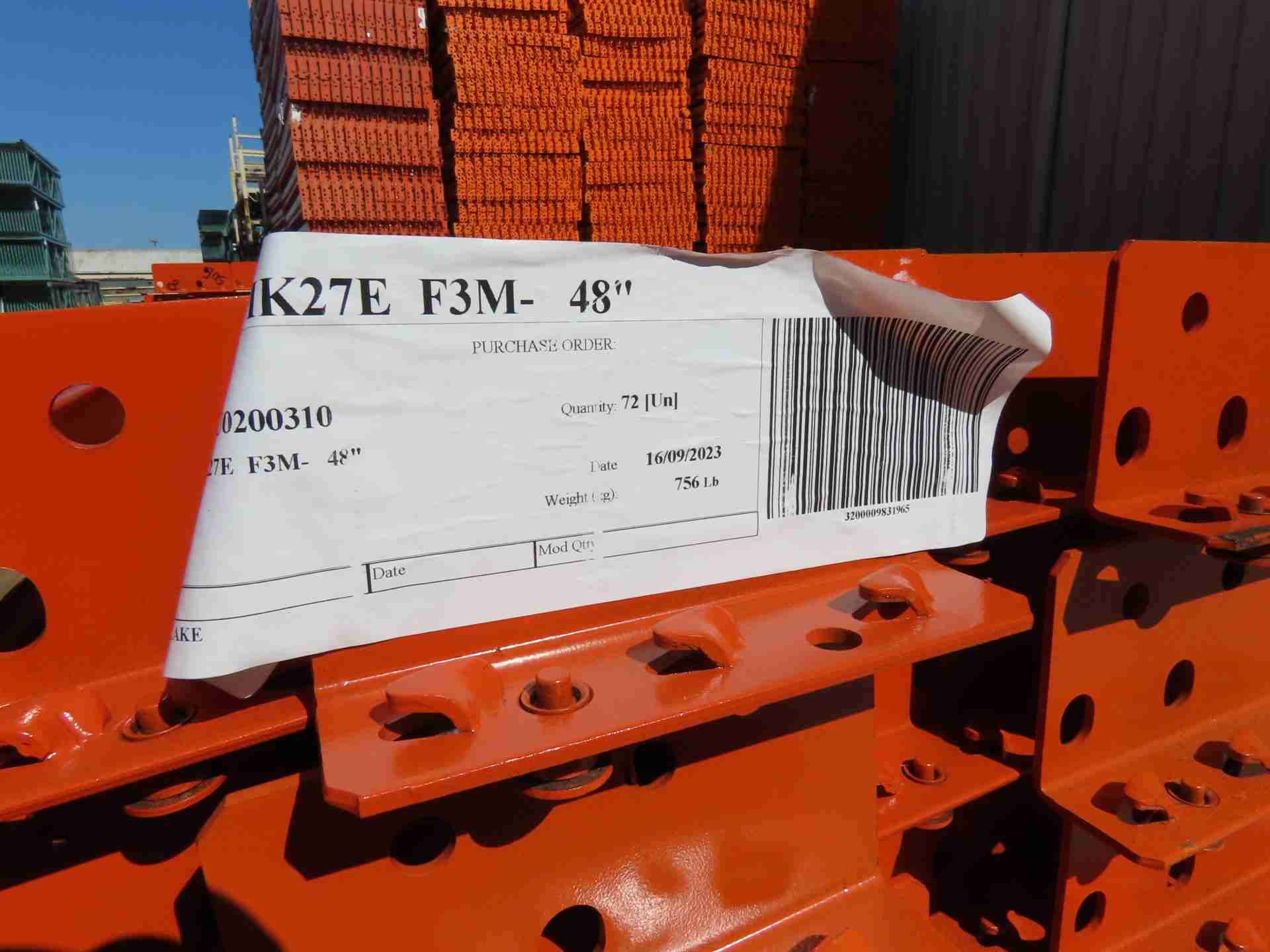
How Can Used Pallet Racks Impact Your Warehouse Efficiency?
How Can Used Pallet Racks Impact Your Warehouse Efficiency?
- Efficiency is crucial in warehousing, where chaos can create frustration.
- Used pallet racks bring order to inventory, fostering pride among staff.
- Investing in used pallet racks enhances both storage and warehouse culture.
- They allow teams to navigate confidently, improving morale and operational flow.
- Choosing pre-owned racks leads to significant cost savings without sacrificing quality.
- Opting for used over new reduces waste and reinforces sustainable practices.
- Experienced guidance helps in selecting reliable used pallet racks for safety and design.
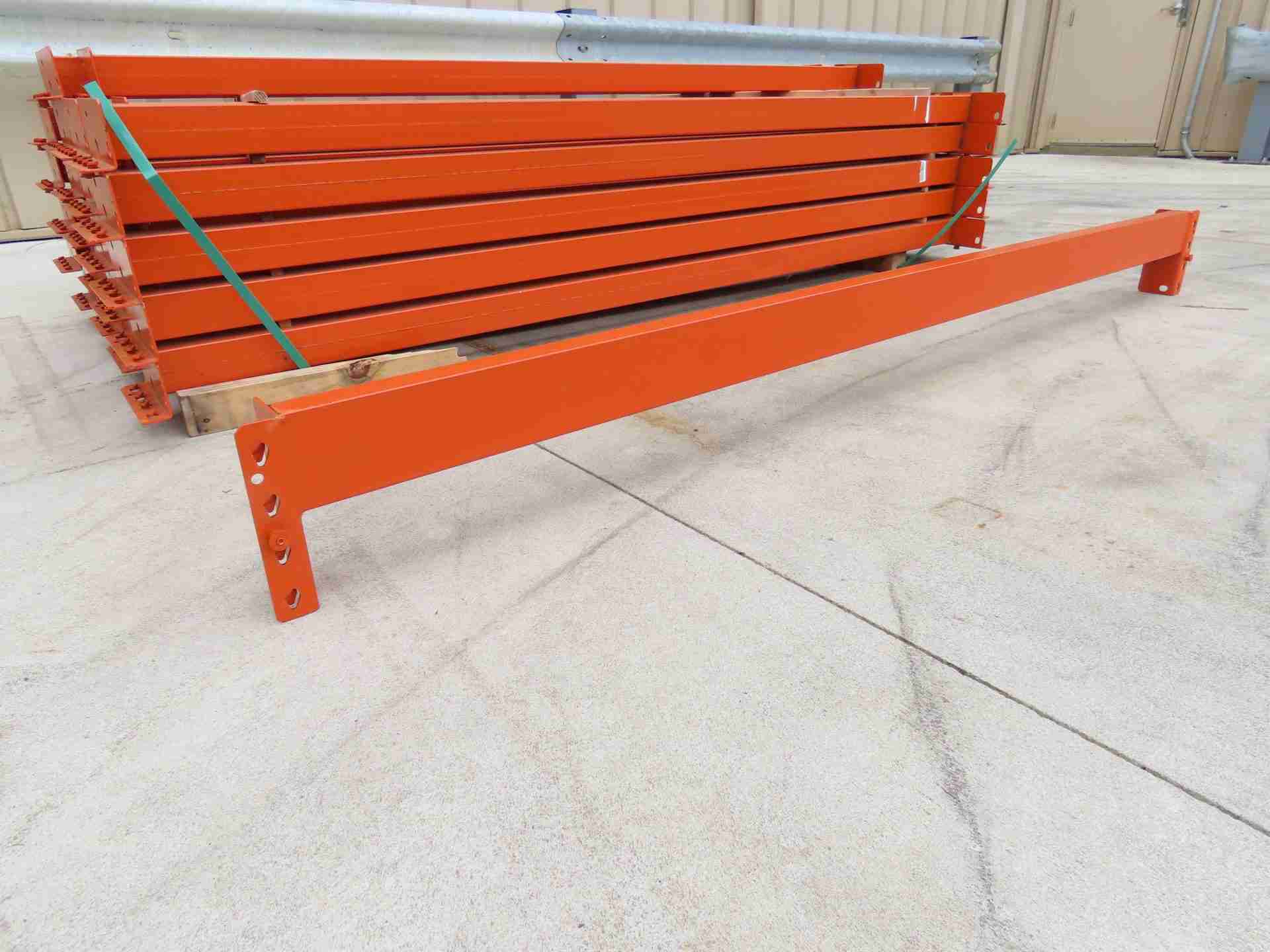
How Can Used Pallet Racks Impact Your Warehouse Efficiency?
What Signs Indicate a Used Pallet Rack Is Not Reliable?
When it comes to investing in used pallet racking, discerning what signs indicate unreliability can save not just your hard-earned money but keep your team safe. We’ve all heard the stories—once reliable equipment letting someone down at the worst moment. Take it from someone who’s seen enough warehouse wreckage to write an encyclopedia on it: If your racking is showing wear and tear, it’s time to take a step back.
Imagine this: You’re in the thick of your busy season—orders flying, temperatures rising, and your workers hustling to meet that looming deadline. Suddenly, a loud crash echoes through the warehouse. A stack of goods tumbles because the racking gave in. That’s not just a financial loss; it’s a safety breach that could cost lives. That’s the gut punch of poor equipment choices.
Start with visual cues. Look for bent beams or noticeable rust, especially at the joints. If the racking is leaning or sagging under the weight of even the lightest loads, you’re staring down a ticking time bomb. The head knows that these structural flaws don’t just look ominous; they are a clear indicator that the racking may no longer be up to code. A respected supplier will offer a history of their equipment’s use and maintenance. If they can’t, that’s your red flag waving.
Now, let’s talk ethics. Responsible sourcing isn’t just a trend; it’s a commitment. If you’re considering used racking, ensure it’s been inspected and recertified by a qualified professional. This isn’t just about profit margins—it’s about keeping your crew safe and maintaining integrity in your operations. Purchasing from reputable dealers who stand behind their products fosters trust and ultimately ensures operational reliability.
Finally, consider your gut. If something feels off, it probably is. The first impression of your potential supplier should evoke a sense of confidence. If they brush over the details or seem evasive, don’t compromise. Trust your instincts. You deserve the peace of mind that comes from knowing your racking is not just functional but plays a crucial role in the well-being of your team.
Reliable racking isn’t just a logistical concern; it’s a lifeline for your business. Pay attention, ask the hard questions, and never overlook the signs. Your warehouse deserves the best. Your team deserves the best. Make every decision count.
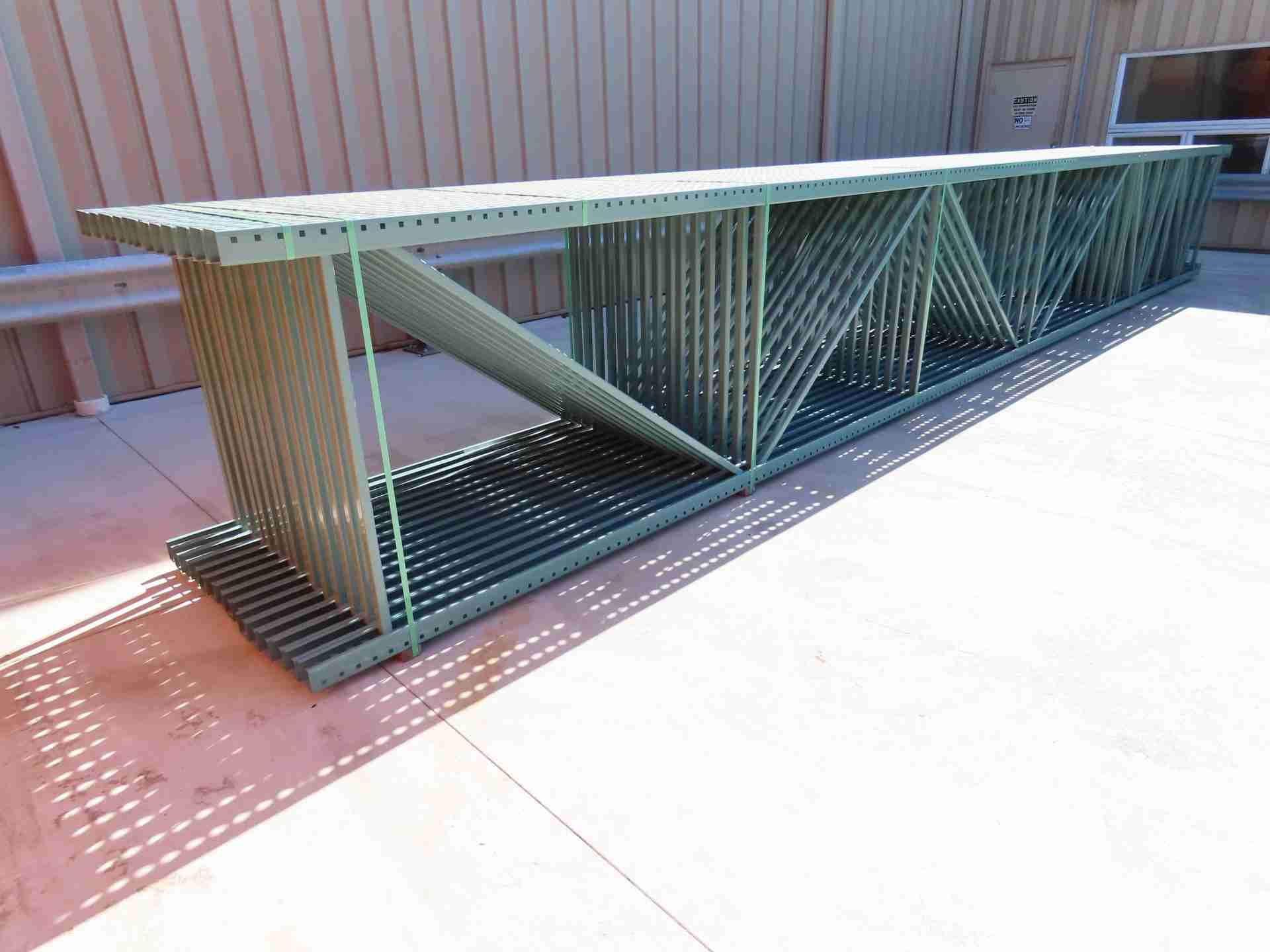
What Signs Indicate a Used Pallet Rack Is Not Reliable?
What Signs Indicate a Used Pallet Rack Is Not Reliable?
- Investing in used pallet racking requires vigilance to avoid financial loss and ensure team safety.
- Wear and tear on racking can lead to accidents, resulting in financial and safety breaches.
- Visual cues of deterioration include bent beams, noticeable rust, and sagging under weight.
- Purchase from reputable suppliers who can provide equipment history and maintenance records.
- Ensure used racking is inspected and recertified by a qualified professional for safety.
- Trust your instincts when dealing with suppliers; a lack of transparency can indicate unreliability.
- Reliable racking is crucial for operational integrity and the safety of your team; prioritize quality in your decisions.
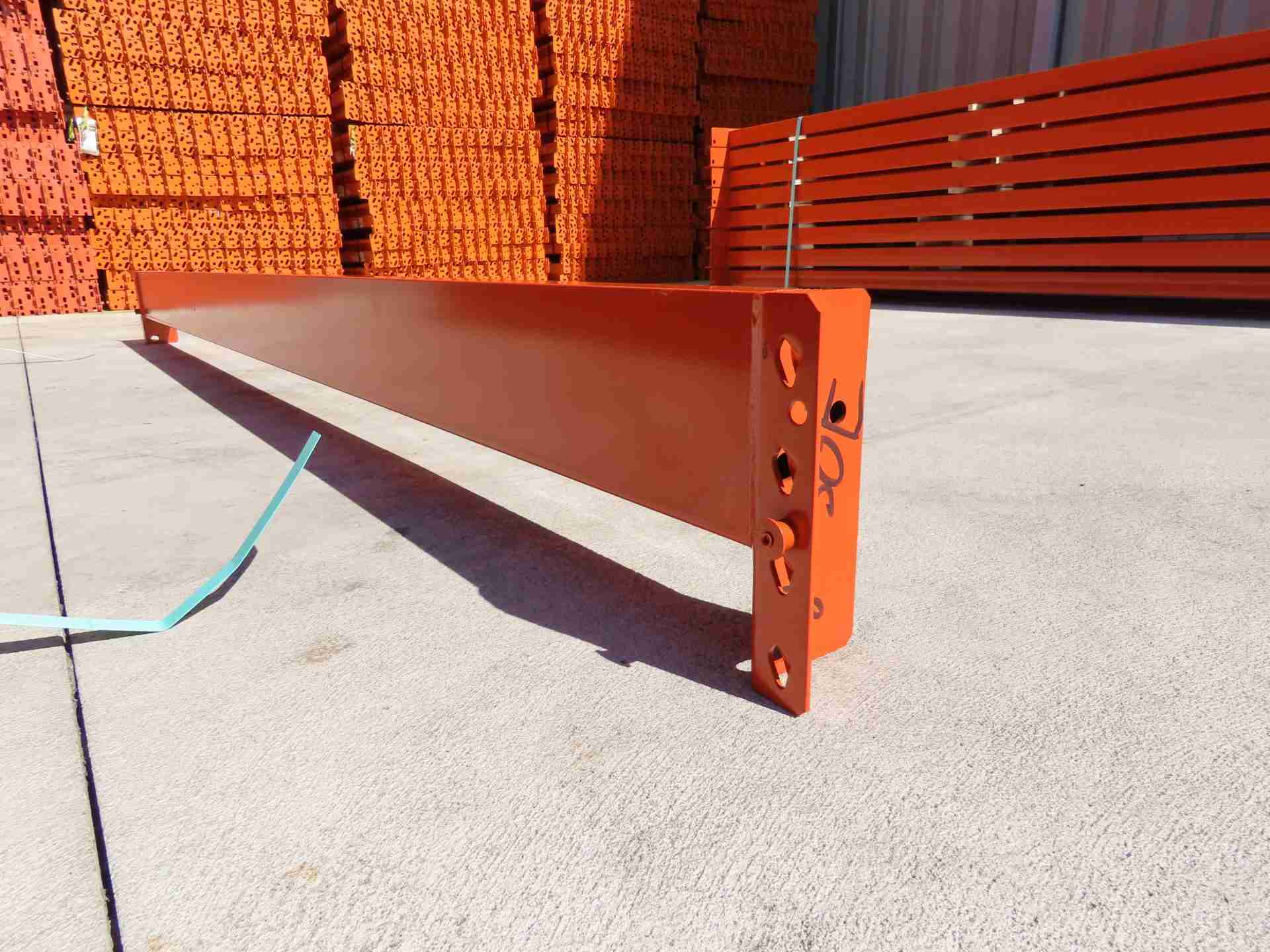
What Signs Indicate a Used Pallet Rack Is Not Reliable?
Are There Cost Benefits to Investing In New Pallet Racks Instead?
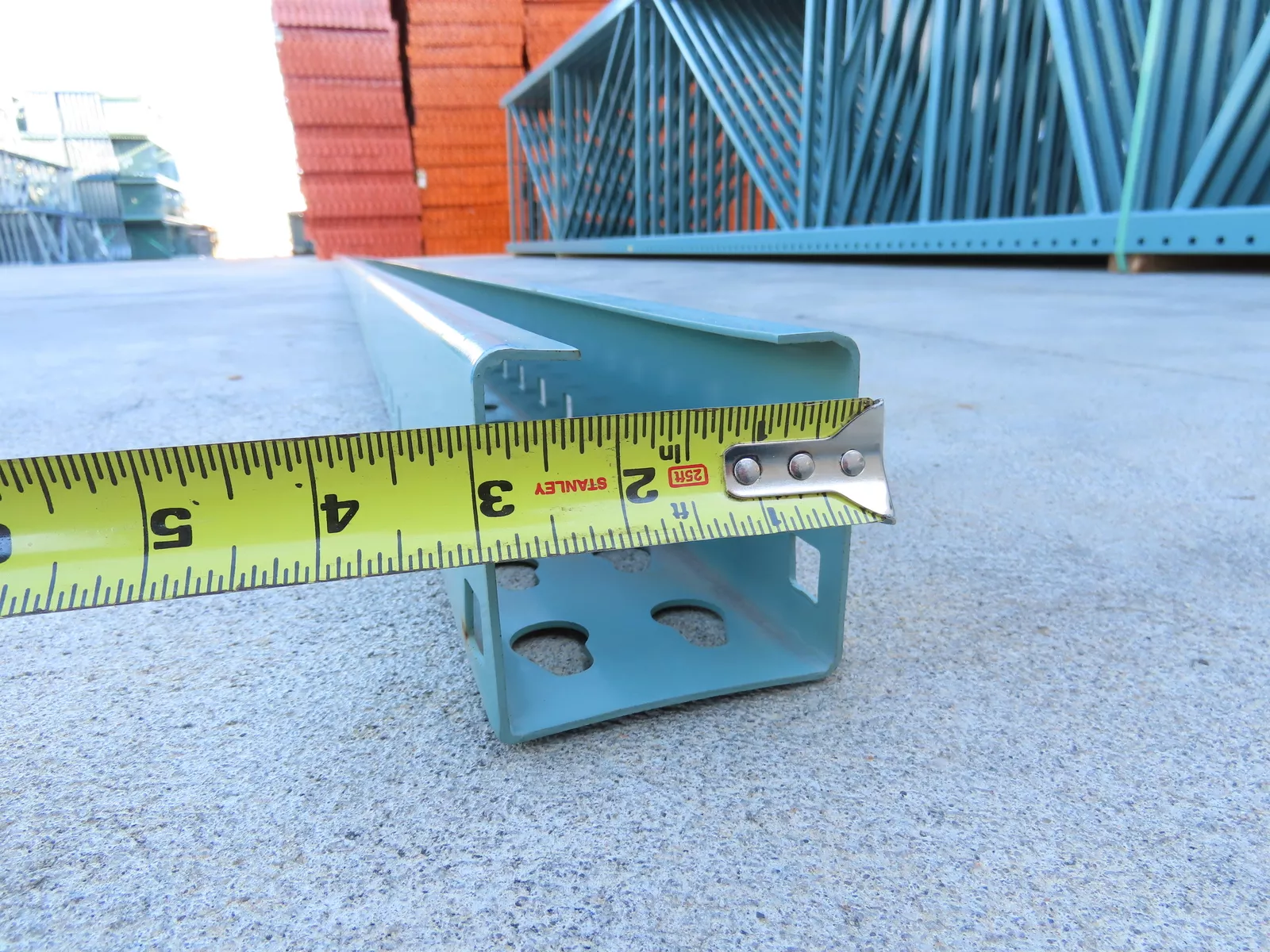
When it comes to investing in new pallet racking, the decision isn’t just an exercise in numbers; it’s a chance to transform your operation and give your team the tools they need to excel. Picture this: a well-organized warehouse where every box, every tool, every item is stored efficiently. It’s not just about maximizing space; it’s about creating an environment that fosters productivity and pride. Your workers walk in every day, trusting that everything has a place. That matters—morale flourishes in order.
Practically speaking, investing in high-quality racking solutions can lead to long-term savings that extend well beyond the upfront cost. Improper racking may save a few bucks now, but it can lead to inefficiencies that snowball into huge expenses down the road—lost time, damaged goods, even safety risks. By investing in reliable racking systems, you sidestep the costly pitfalls of disorganization, streamlining your workflow. That’s not just smart; it’s responsible.
Let’s be real: the safety of your employees should always come first. Consider the ethical dimensions of your choices. By choosing modern, well-designed racking, you’re saying, “I care about your well-being.” It’s about creating a space where safety and efficiency coexist. No one should turn a blind eye to the risks of outdated or poorly designed storage systems. Your choices reflect your values, and those values ripple through your business culture.
Think about the stories you can tell your clients and partners. A facility that operates like a well-oiled machine speaks volumes about your commitment to excellence. Showcase your pride in your infrastructure; it builds trust. Your reputation hinges on reliability, and a knack for organization can open new doors, paving the way for new partnerships that may have otherwise remained closed.
So, invest in new racking solutions, not just because it makes sense on paper, but because it’s the right move for your team, your operation, and your community. Create a workspace that’s built on trust and innovation. When you enhance your storage systems, you’re not just adding modular pieces of steel; you’re laying the foundation for a legacy of efficiency and care. That’s an investment worth making, one pallet rack at a time.

Are There Cost Benefits to Investing In New Pallet Racks Instead?
Are There Cost Benefits to Investing In New Pallet Racks Instead?
- Investing in new pallet racking can transform operations and empower teams.
- A well-organized warehouse fosters productivity and boosts morale among employees.
- High-quality racking solutions lead to long-term savings, avoiding costly inefficiencies.
- Employee safety should be a top priority; modern racking systems enhance safety and efficiency.
- Choosing reliable storage systems reflects a company’s values and impacts business culture.
- A well-organized facility enhances reputation and builds trust with clients and partners.
- Investing in storage solutions is about creating a legacy of efficiency and care for the community.
Are There Cost Benefits to Investing In New Pallet Racks Instead?
How Do Regulatory Standards Affect Your Choice Of Pallet Racks?
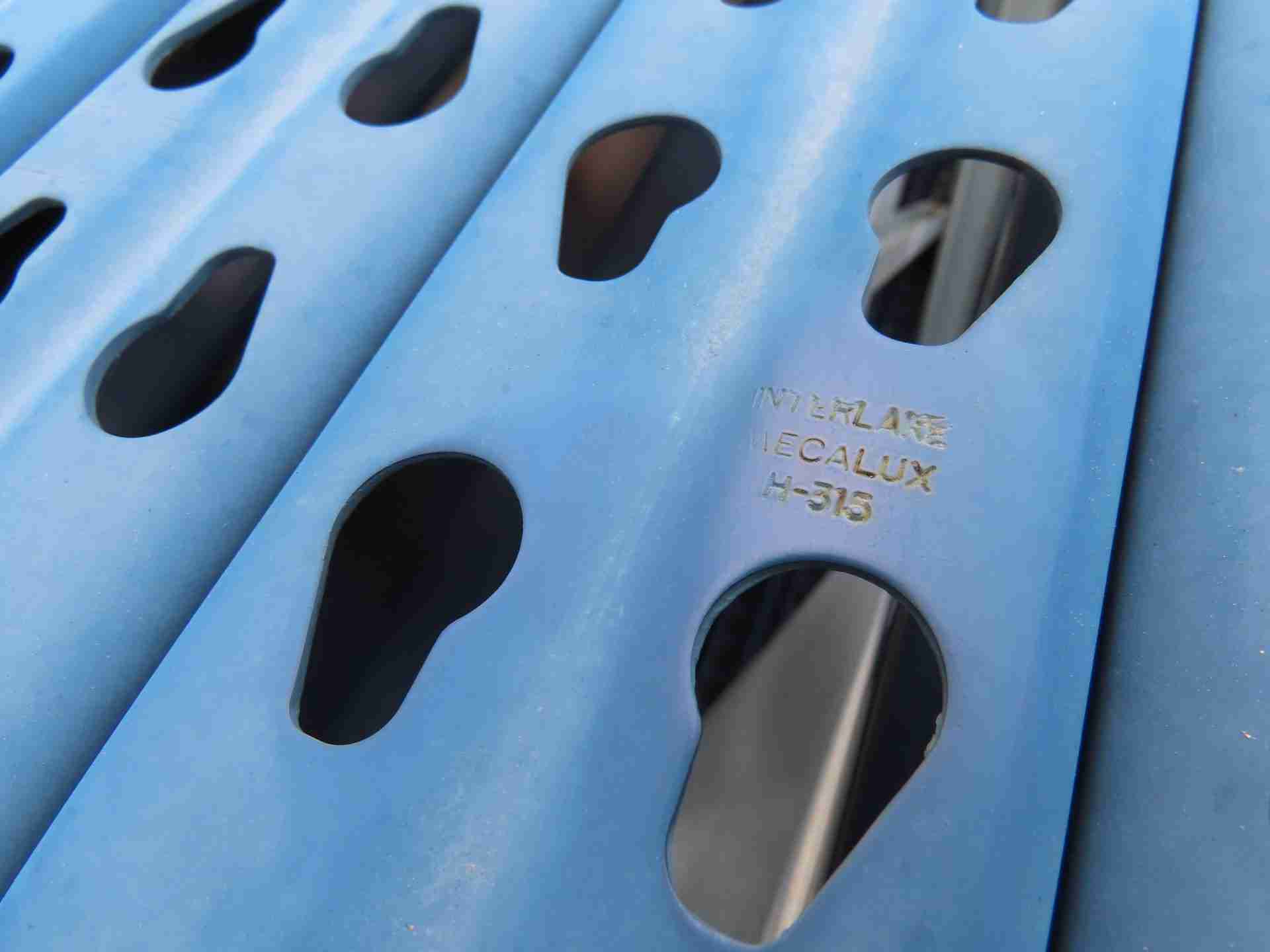
When you step into a bustling warehouse filled with towering racking and the constant hum of industrious movement, you might not initially notice the invisible hand guiding every decision made there—regulatory standards. These policies, born from years of trial, error, and hard-won experience, are there for one reason: safety. But let’s be honest; they’re more than just rules etched into some dusty handbook. They embody our collective commitment to safeguarding lives and preserving livelihoods.
Imagine each pallet rack, laden with product, as a risk and reward equation. On the one side, you’ve got the sheer potential for profit, efficiency, and growth. On the other, the heavy reality of what could happen if something goes wrong. A perfectly stacked racking system under industry-compliant regulations doesn’t just protect your bottom line; it protects your people. The workers who climb those ladders, wielding forklifts, deserve to trust that the racking they depend upon is safe and secure. That’s an ethical responsibility we all share, as business leaders and community members alike.
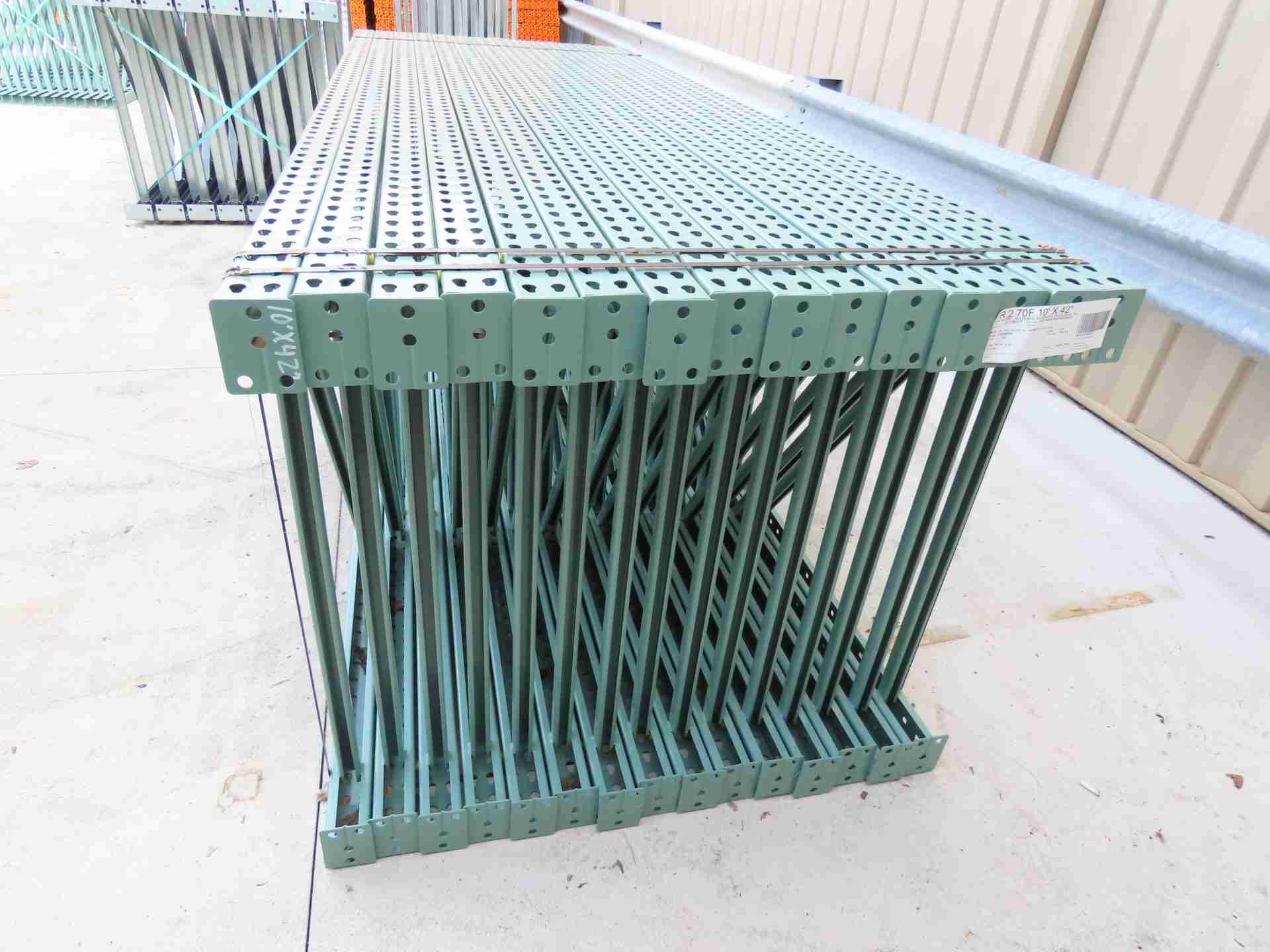
From a rational standpoint, compliance with standards is your best friend. Not only do these guidelines foster a safe environment, but they also provide a roadmap for navigating the complexities of rack design—load capacities, seismic considerations, and fire safety. Ignoring them is akin to leaving your front door wide open in a storm; it’s a risk most seasoned operators know better than to take.
Yet here’s where it gets personal. As you consider your options in racking systems, let the stories of those who’ve faced disasters encourage you to think twice. A collapsed rack can lead to injuries, losses, or even tragedy, altering lives forever. These aren’t just numbers on a page; they’re the echoes of stories halted before their time.
What you choose in pallet racks isn’t merely an operational decision; it’s a declaration of your values. By opting for compliant systems, you send a clear message to your team—“We care.” It fosters a culture where safety isn’t just a checkbox; it’s a priority woven into the fabric of your operation. And in the fast-paced world of warehousing, that trust reverberates through every aisle, every transaction, making your choice resonate far beyond profit and loss. So let your racks rise, but let them do so grounded in something deeper: responsibility to your people, the community, and the very fabric of your business’s integrity.
How Do Regulatory Standards Affect Your Choice Of Pallet Racks?
How Do Regulatory Standards Affect Your Choice Of Pallet Racks?
- Regulatory standards in warehouses ensure safety through collective commitment and experience.
- Pallet racks represent a risk and reward equation involving profit potential versus safety concerns.
- Compliance with industry standards protects not only financial interests but also the well-being of workers.
- Standards provide guidance on rack design, addressing load capacities, seismic concerns, and fire safety.
- A failure to comply with regulations risks accidents that can have severe consequences for individuals and companies.
- Choosing compliant racking systems reflects organizational values and promotes a safety-first culture.
- This commitment to safety fosters trust within the operation and extends beyond financial considerations.
How Do Regulatory Standards Affect Your Choice Of Pallet Racks?
Conclusion
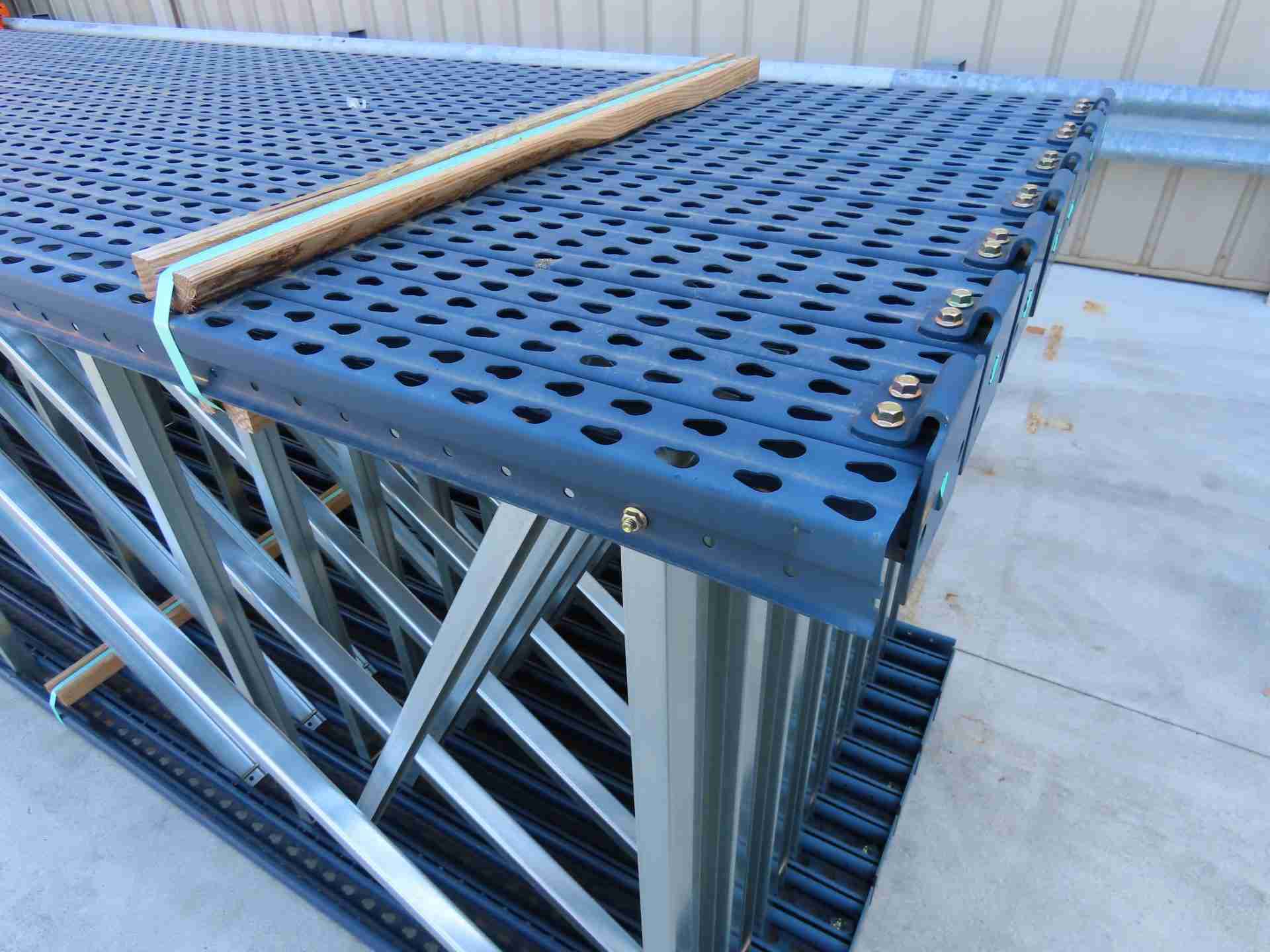
Opting for new pallet racks instead of used options is a decision steeped in responsibility, foresight, and an unwavering commitment to safety and efficiency. As tempting as it may be to save a few bucks on secondhand racks, the stakes are much higher than the price tag. Picture the bustling warehouse that supports livelihoods, holds products, and nurtures teamwork. Each sturdy rack represents not only an asset but a promise—a promise to your employees that their safety and well-being is valued above all else. In a world where corners can be cut, investing in new, high-quality racks is a declaration of integrity. It’s casting aside the siren call of immediate savings for the long-term well-being of your workforce and operational efficiency.
The rational risks of buying used racks are numerous. Structural integrity is often a gamble when it comes to pre-owned equipment—hidden damages can wreak havoc in fast-paced environments, compromising not only productivity but lives. When taking shortcuts, the potential consequences extend beyond mere financial loss—they can shake the very foundation of trust within your team. By choosing new racks built to withstand the demands of your operations, you create an environment where productivity can thrive, and your employees can focus on their roles without fear of looming hazards.
Furthermore, the ethical implications of maintaining a safe workspace resonate deeply. Your choice reflects your organizational values—one where employee welfare comes first. Cultivating this culture not only protects your crew but enhances morale and fosters loyalty. Employees working in a safe and well-organized environment are more likely to feel invested in their roles, resulting in a ripple effect of efficiency and satisfaction that echoes across the organization.
Public perception is another canvas to consider. The message sent by investing in robust, compliant racking systems reaffirms your dedication to excellence and social responsibility. Customers and partners notice when a business prioritizes safety and quality over fleeting savings. This reputation can open doors leading to lasting partnerships and opportunities.
Ultimately, it’s about making choices that honor your team’s hard work, sacrifice, and dedication. By reinforcing that their safety matters, you cultivate not just a productive workspace, but a community founded on trust, resilience, and shared purpose. So, take a moment to reflect—what are you truly investing in when it comes to your warehouse? Are you laying a foundation built on integrity, or inviting uncertainty into the mix? Embrace the commitment to choose wisely; the outcomes are far-reaching, and the legacy of those decisions lingers long after the racks are installed.
Conclusion
Conclusion:
- Choosing new pallet racks demonstrates responsibility, foresight, and a commitment to safety and efficiency.
- Investing in high-quality racks ensures employee safety and well-being, reinforcing a culture of integrity.
- Used racks come with risks, such as hidden damages that threaten structural integrity and workplace safety.
- Good rack choices enhance productivity by creating a safe environment, allowing employees to focus on their roles.
- Prioritizing safety reflects organizational values, boosting morale and fostering employee loyalty.
- Investing in compliant racking systems enhances public perception and showcases dedication to excellence and social responsibility.
- Wise investment decisions build trust and resilience within the team, creating a supportive workplace culture.
Conclusion
Other Resources
Other Resources
Here is a list of other resources you can review online to learn more:
- BMH
- Storage Equipment Manufacturers Association
- BMH Equipment LLC
- IWLA
- IIWS Inc. Rack Installation Illinois & Rack Repairs Illinois
- Shipping Boxes, Packaging Materials, Pallet Racking
- CMMA
- Rack Manufacturers Institute
- The Ultimate Pallet Racking Guide – Speedrack West
- What is Selective Pallet Racking
- Selective Rack – Raymond West
- Used Pallet Rack for Sale in Illinois – American Surplus
- Warehouse Storage Racking in Illinois
- IIWS Inc. Rack Installation Illinois & Rack Repairs Illinois
- NSC
- Warehousing and Fulfillment
- Pallet Racking systems in Illinois and Great Lakes
- ASSP
- Material Handling Safety
- Warehouse Racking System: Powerful Guide to Optimise, 2024
Use This Prompt To Get More Resources With Your Favorite Online AI Tool: Please provide me with a list of online articles with their URLs in a bulleted list that I can read regarding When to Avoid Buying Used Pallet Racks
Other Resources
Glossary Terms
When to Avoid Buying Used Pallet Racks – Glossary Of Terms
1. Pallet Rack: A storage system used for supporting pallets and organizing products in warehouses.
2. Used Pallet Rack: Previously owned pallet racking systems that may be available at a lower cost than new ones.
3. Condition: The physical state of the pallet rack, including any signs of wear, damage, or corrosion that can affect its safety.
4. Load Capacity: The maximum weight a pallet rack can safely support; crucial to consider when purchasing used racks.
5. Compliance: Adherence to local and national safety regulations governing the construction and use of pallet racks.
6. Inspection: A thorough examination of a pallet rack’s structural integrity and safety features before purchase.
7. Warranty: A guarantee from the seller regarding the lifespan or condition of the used pallet racks, often limited or nonexistent.
8. Manufacturer’s Specs: Information provided by the original manufacturer detailing dimensions, load capacities, and safety standards.
9. Compatibility: The ability of used pallet racks to fit within existing warehouse layouts and work with current material handling equipment.
10. Installation Costs: Expenses associated with setting up used pallet racks, which may include labor and needed modifications.
11. Product Lifecycle: The duration a pallet rack can effectively function before it is deemed obsolete or unsafe.
12. Safety Standards: Regulations and best practices governing the safe design and use of pallet racking systems.
13. Modifications: Changes made to used pallet racks to accommodate specific storage needs or safety requirements.
14. Risk Assessment: The process of evaluating the potential hazards of using used pallet racks in a warehouse setting.
15. Structural Integrity: The ability of a pallet rack to remain stable and support weight without risk of failure.
16. Rust: Corrosion that can weaken steel pallet racks; a significant factor to check when considering used options.
17. Warranty Transfer: The ability to transfer the original manufacturer’s warranty of used equipment to a new owner.
18. Cost-Benefit Analysis: A comparison of the costs associated with purchasing used pallet racks versus new ones, considering potential repairs and safety risks.
19. Aisle Width: The space between pallet racks in a warehouse, which impacts maneuverability and safety.
20. Vertical Clearance: The height available in a warehouse to accommodate tall pallet racks and stored goods.
21. Pallet Size: The dimensions of pallets that the rack is designed to hold, affecting the selection of racking systems.
22. Storage Density: The amount of inventory that can be stored within a given space, relevant for effective warehouse operations.
23. Load Distribution: The manner in which weight is spread across the pallet rack, vital for maintaining stability.
24. Durability: The ability of the pallet rack to withstand wear, tear, and environmental factors over time.
25. Alternatives: Other storage solutions to consider, such as new pallet racks or different shelving systems that may better meet needs.
26. Return on Investment (ROI): The potential financial return from purchasing used pallet racks, considering their longevity and performance.
27. Resale Value: The potential worth of used pallet racks if they need to be sold in the future.
28. Inspection Reports: Documentation of any past inspections, detailing the condition and any issues with used pallet racks.
29. Forklift Compatibility: The suitability of pallet racks for use with specific types of forklifts or material handling equipment.
30. Overhead Clearance: The available space above the pallet racks, crucial for safety and for preventing collisions with overhead structures.
Glossary Of Terms
Other Questions
When to Avoid Buying Used Pallet Racks – Other Questions
If you wish to explore and discover more, consider looking for answers to these questions:
- What are the most common safety hazards associated with used pallet racks?
- How can I assess the quality of used pallet racks before purchasing?
- What certifications should I look for when buying pallet racks?
- How much should I expect to spend on new vs. used pallet racks?
- What is the lifespan of new versus used pallet racks?
- How do I properly maintain used pallet racks to ensure safety?
- What are the signs that indicate a used pallet rack has been improperly maintained?
- What are the best practices for installing pallet racks safely?
- How can I find reputable suppliers for new and used pallet racks?
- What are the implications of choosing cheap racking solutions on business operations?
Other Questions
Checklist
When to Avoid Buying Used Pallet Racks – A Checklist
Checklist for Making Informed Decisions on Pallet Racks
*Engaging the Heart:*
1. Visualize the impact of your choice: How would an accident due to unreliable racking affect your employees and their families?
2. Emphasize team morale: Does the racking system you choose inspire pride and a sense of safety among your staff?
3. Reflect on your workplace culture: Is the integrity of your operations aligning with your values and the values of your team?
*Engaging the Head:*
4. Inspect thoroughly: Are there visible signs of wear, damage, or rust on used pallet racks?
5. Verify supplier credibility: Can the supplier provide a reliable history and maintenance records of the racking systems?
6. Analyze cost-effectiveness: Have you calculated potential long-term costs of choosing used racks vs. new options in terms of efficiency and safety?
*Engaging the Gut:*
7. Trust your instincts: Do you feel confident and assured about the quality and safety of the racks being considered?
8. Consult with experts: Have you engaged knowledgeable voices in the industry for their insights and recommendations on safety standards?
9. Reflect on regulatory compliance: Are you ensuring that the racking systems meet all necessary industry standards and regulations?
*Emotional Appeal:*
10. Focus on safety: How does your decision demonstrate care for your employees’ well-being?
11. Consider social responsibility: Does your choice reflect leadership in sustainable practices and waste reduction?
*Rational Appeal:*
12. Assess the efficiency: Is the proposed racking solution likely to enhance productivity and operational flow in your warehouse?
13. Evaluate alternative options: Have you thoroughly considered all available options, including the benefits of investing in new racking systems?
*Ethical Appeal:*
14. Moral obligation: Are you prioritizing the safety and welfare of your team over short-term financial gains?
15. Ensure reliability: Have you confirmed that any used racks are properly inspected and certified by professionals?
*Narrative Appeal:*
16. Reflect on past experiences: What lessons learned from past warehouse accidents influence your decision-making today?
17. Share stories of success: Can you identify companies or warehouses that have thrived through investing in quality racking solutions?
*Social Appeal:*
18. Foster teamwork: How will a well-organized racking system contribute to a more effective team environment?
19. Build community trust: Will your investment in quality racking enhance your organization’s reputation within the community?
Utilize this checklist to navigate the complexities of pallet rack investment and make decisions that benefit your team, your operations, and your legacy.

Checklist
At RackingWorld, we help guide you through selecting warehouse storage systems and racking.
Be sure to read our other related stories at RackingWorld to learn more about warehouse storage systems.
0 Comments