
Maximizing Efficiency And Safety: Transforming Prefab Storage With Pallet Racking
By Tom Seest
At RackingWorld, we help guide you through selecting warehouse storage systems and racking.
Be sure to read our other related stories at RackingWorld to learn more about warehouse storage systems.
How Do Prefabricated Building Component Facilities Leverage Pallet Racking?
In the world of prefabricated building component facilities, pallet racking is more than just metal racks stacked high—it’s the backbone that keeps everything running smooth and steady. When you’re dealing with heavy steel beams, bulky wall panels, or stacks of pre-cut lumber, having a reliable system to store and organize those parts isn’t just convenient, it’s essential. Pallet racking provides that sturdy support, holding everything in place while freeing up precious floor space for the real hands-on work.
Picture a bustling warehouse where every piece of a building’s skeleton waits its turn to be assembled. Without good pallet racking, materials turn into clutter. They get lost, wasted, or damaged. That’s money and time thrown out the window—luxuries nobody in this line of work can afford. But with a well-designed pallet racking setup, workers know exactly where to find each component. That kind of order isn’t just a convenience; it’s a quiet confidence-builder. When folks see their tools and parts neatly arranged and easily accessible, their job feels less like wrestling chaos and more like craftsmanship.
The truth is, pallet racking doesn’t just save time and space—it protects the hard-earned quality of each piece. No builder wants to wrestle bent metal or cracked panels because someone piled them on the floor or stacked them wrong. These racks respect the material, hold it steady, and keep it safe from harm. And that’s not just about protecting inventory—it’s respecting the work itself, the sweat and skill that went into making those parts.
From an ethical standpoint, using pallet racking signals a commitment to doing things right. It shows a company isn’t cutting corners or taking shortcuts with safety or quality. It tells the folks on the floor, and the customers counting on solid structures, that this job matters and every detail counts. Reliability doesn’t come from flashy promises—it comes from grounded systems you can trust, day in and day out.
Working in a prefabricated building component facility is hands-on, no-nonsense work. And pallet racking fits that mold perfectly: simple, tough, practical. It’s not about flashy gizmos or bells and whistles—it’s about setting a foundation, literally and figuratively, so the building blocks of tomorrow can stand tall. When the trucks roll in and the orders pile up, having pallet racking means you’re ready—that’s confidence you can build on.

How Do Prefabricated Building Component Facilities Leverage Pallet Racking?
How Do Prefabricated Building Component Facilities Leverage Pallet Racking?
- Pallet racking is essential in prefabricated building component facilities for storing heavy steel beams, wall panels, and lumber, providing sturdy support and freeing floor space.
- Without effective pallet racking, materials become cluttered, lost, wasted, or damaged, leading to costly inefficiencies.
- A well-designed pallet racking system organizes materials clearly, boosting worker confidence and turning chaotic tasks into skilled craftsmanship.
- Pallet racking protects materials from damage, preserving the quality and respecting the effort put into manufacturing components.
- Using pallet racking reflects a company’s ethical commitment to safety, quality, and doing the job right without shortcuts.
- Reliability in prefabrication comes from practical, dependable systems like pallet racking rather than flashy promises or gadgets.
- Pallet racking supports the hands-on, no-nonsense nature of prefabrication work, ensuring readiness and efficiency when handling large orders.

How Do Prefabricated Building Component Facilities Leverage Pallet Racking?
Table Of Contents
- How Do Prefabricated Building Component Facilities Leverage Pallet Racking?
- How Does Pallet Racking Improve Workflow In Prefab Facilities?
- Can Pallet Racking Reduce Storage Costs Effectively?
- What Emotional Benefits Do Workers Feel Using Pallet Racking?
- How Does Pallet Racking Enhance Safety In Prefabrication Plants?
- What Ethical Considerations Arise From Efficient Storage Use?
- Can Pallet Racking Systems Boost Facility Productivity?
- Conclusion
- Other Resources
- Glossary Of Terms
- Other Questions
- Checklist
How Does Pallet Racking Improve Workflow In Prefab Facilities?
There’s something honest about a good pallet racking system—it’s like the backbone of any prefab facility that’s serious about getting things done right. You walk into a shop where the floors are clear, parts are stacked clean and easy to reach, and you feel it in your bones: this place respects the work and the workers. Pallet racking isn’t just metal and bolts; it’s the quiet champion of workflow that turns chaos into rhythm.
Think about the days when materials were scattered everywhere, forklifts weaving like they were in a derby, and folks spending more time hunting parts than building them. Pallet racking cuts through all that nonsense. It corrals inventory into neat, accessible rows so crews can grab exactly what they need without overtime battles or frustration. That’s where the real value shines—not just saving minutes, but sparing the wear on people’s patience and backs. When the right stuff is right there, ready to roll, it connects everyone’s efforts, bolsters teamwork, and keeps the job moving steady.
From a practical standpoint, pallet racking maximizes space like a pro. These prefab shops aren’t sprawling warehouses; every square foot counts. Good pallet racking systems stack vertically and arrange horizontally so you don’t waste precious real estate. That efficiency means more parts stored in less space, fewer trips, and less stoppage. On the factory floor, where every second feeds the bottom line, that’s a big deal. It’s not just about storing stuff; it’s about storing your ability to deliver quality, on time.
Here’s another layer folks sometimes miss: there’s ethics baked into it, too. When your setup respects safety—no tumbling piles, clear aisles, solid supports—you’re showing your crew that their well-being matters. Trust grows fast when workers see management isn’t cutting corners on their day-to-day safety. And trust is the kind of thing that doubles productivity because people feel they’re part of something fair and solid. Pallet racking might not wear a cape, but it carries weight in the story of a well-oiled prefab facility where people take pride in their craft.
At the end of the day, pallet racking is more than gear. It’s an old-school smart move that transforms clutter into order, headaches into smooth sailing, and strangers into a crew that gets it. It’s the foundation your workflow leans on, and anyone who’s spent a day in a shop knows you can’t build much without a strong foundation.

How Does Pallet Racking Improve Workflow In Prefab Facilities?
How Does Pallet Racking Improve Workflow In Prefab Facilities?
- Pallet racking is the essential backbone of a well-organized prefab facility, promoting respect for work and workers through clean, accessible storage.
- It replaces chaotic, scattered materials with neat, reachable inventory, reducing time wasted searching and minimizing physical strain on workers.
- Efficient use of space is achieved by stacking vertically and arranging horizontally, maximizing storage in limited factory floor areas.
- This spatial efficiency leads to fewer trips, less downtime, and supports on-time, quality delivery that impacts the bottom line.
- Pallet racking also embodies ethics by maintaining safety—preventing accidents with stable setups and clear aisles, which builds trust with workers.
- Trust from safe and fair workplaces contributes to doubled productivity as workers feel valued and part of a solid team.
- Overall, pallet racking transforms disorder into organized workflow, strengthening teamwork and forming a foundation critical to facility success.

How Does Pallet Racking Improve Workflow In Prefab Facilities?
Can Pallet Racking Reduce Storage Costs Effectively?
Look, anyone who’s spent time in a dusty warehouse or a cramped backroom knows the pain of wasted space. Pallet racking isn’t just some fancy setup for neat freaks; it’s a straightforward, no-nonsense solution that can shrink storage costs in ways that actually matter. When you stack goods efficiently, you free up floor space, which means fewer square feet rented or bought—plain and simple savings you can see on the bottom line. It’s like putting your inventory on shelves instead of the floor, turning chaos into order without a lot of fancy gadgetry.
From the get-go, pallet racking respects the sweat and struggle of blue-collar work. It doesn’t judge. It just holds your stuff steady and gets out of the way, making loading, unloading, and finding what you need faster and easier. Time is money in this business—less time fumbling means more time moving. And that means fewer headaches for your crew, less wear and tear on equipment, and fewer mistakes that cost both dollars and pride. It’s not just about storage; it’s about making the whole operation smoother, safer, and leaner.
There’s also an ethical undercurrent here: using pallet racking smartly helps reduce waste, both in terms of space and materials. When you optimize storage, you’re not hoarding useless clutter; you’re making every inch count. That’s good stewardship of resources, and it’s better business, too. It shows you care about running a tight ship, not just chasing profits without regard for efficiency or sustainability.
Stories from places where pallet racking has been the unsung hero are everywhere. Folks who once squeezed goods into every corner now walk through bright, organized aisles where pallet racking holds the line. The hard work pays off, not just in saved cash but in respect from employees and customers alike. That kind of upgrade is worth every penny because it revolutionizes how you handle the daily grind while cutting costs.
Bottom line: pallet racking isn’t a luxury, it’s a smart investment grounded in practicality. It’s the kind of real-world fix that respects hard work, stretches every dollar, and lifts your operation up instead of just piling things on top of each other. If you’re serious about cutting storage costs without sacrificing sanity or safety, pallet racking earns its keep every day.

Can Pallet Racking Reduce Storage Costs Effectively?
Can Pallet Racking Reduce Storage Costs Effectively?
- Pallet racking efficiently maximizes storage space, reducing floor space needs and cutting storage costs.
- It organizes inventory, turning chaotic spaces into orderly, accessible storage without complex technology.
- Pallet racking supports blue-collar work by simplifying loading, unloading, and locating items, saving time and reducing errors.
- Using pallet racks improves operational safety, efficiency, and reduces equipment wear and crew stress.
- It promotes ethical resource use by minimizing waste of space and materials, reflecting strong stewardship and sustainability.
- Successful pallet racking implementations create organized, bright work environments that boost employee and customer respect.
- Overall, pallet racking is a practical, cost-effective investment that enhances operations without compromising safety or sanity.

Can Pallet Racking Reduce Storage Costs Effectively?
What Emotional Benefits Do Workers Feel Using Pallet Racking?
There’s something steady and reassuring about working with pallet racking. When your day starts and ends around it, you feel that quiet confidence knowing your goods are stored safely and organized well. It’s not flashy, but it’s solid – like a reliable tool in your hands or a truck that never lets you down. That feeling of control over a messy warehouse, turning chaos into order on those sturdy metal shelves, gives workers more than just a clean space. It gives peace of mind.
Pallet racking is the kind of setup that speaks directly to the hardworking folks on the floor. It simplifies the job, cutting through the clutter so you can find what’s needed without wasting a minute. That sense of efficiency hits right in the gut—because it means less stress, fewer mistakes, and fewer scrambles at the end of the day. When you know exactly where your pallets are, there’s less guesswork, and that steady rhythm builds confidence. You’re not just moving boxes; you’re keeping production humming and the whole team moving forward.
And it’s not just about speed or safety—it’s about pride in the workplace. Workers take ownership when the environment supports them smartly. Pallet racking helps create that sense of belonging, like you’re part of something well-run and respected. There’s an ethical piece here, too—knowing you’re working in a space designed with care, minimizing risks and valuing human effort. It’s a quiet nod from management that your well-being matters, and that trust translates into a stronger, more motivated crew.
Experience shows that teams with organized pallet racking don’t just perform better; they communicate better. There’s less tension, less frustration—because everyone’s on the same page, seeing the system work as it should. When your tools and systems work hard for you, it fosters a social bond, a shared pride in craftsmanship and a job well done. It’s this grounded, common-sense approach to storage that turns an ordinary warehouse into a place where people feel respected and capable.
At the end of the shift, when you step back and survey the neat rows of pallets lined up just right, it’s a small victory. It’s something you earned, a sign that your hands-on work matters—and the pallet racking is right there supporting that every step of the way.

What Emotional Benefits Do Workers Feel Using Pallet Racking?
What Emotional Benefits Do Workers Feel Using Pallet Racking?
- Pallet racking provides steady, reliable storage that instills confidence and peace of mind by organizing goods safely and efficiently.
- It simplifies warehouse work by reducing clutter, minimizing guesswork, and increasing efficiency, leading to less stress and fewer mistakes.
- The system supports workplace pride and ownership, creating a sense of belonging and respect among workers.
- Pallet racking reflects thoughtful design that prioritizes worker safety and well-being, fostering trust from management.
- Organized pallet racking enhances team performance and communication by reducing tension and aligning efforts.
- It cultivates social bonds and shared pride in craftsmanship through dependable tools and clear systems.
- At shift’s end, orderly pallets symbolize a job well done and reinforce the value of hands-on labor supported by the racking system.

What Emotional Benefits Do Workers Feel Using Pallet Racking?
How Does Pallet Racking Enhance Safety In Prefabrication Plants?
You know, in a prefabrication plant, the atmosphere can get pretty hectic—materials flying in and out, heavy loads stacking up, and folks constantly on their feet trying to keep things moving. That’s where pallet racking steps in like an unsung hero. It’s not just a steel frame holding stuff up; it’s a backbone of safety. When your inventory is neatly organized and stored the right way, you reduce the risk of accidents, and that means fewer injuries and less downtime. It’s simple: a cluttered floor is a dangerous floor, and pallet racking takes that clutter off the ground, keeping walkways clear and workers safer.
From the heart of the matter, imagine the peace of mind you get when you know that every beam and shelf is designed to carry its load without bending or breaking. It’s about looking out for the people who sweat it out day in and day out. When material is stored securely on pallet racking systems, the chances of goods tipping over or falling drop dramatically. That’s protecting the very hands that build the future—your crew. It’s a quiet, steady way of saying, “We care enough to get it right.” That’s respect in steel and bolts.
Using pallet racking is common sense, plain and simple. It’s a practical solution that turns chaos into order. Instead of stacking materials haphazardly, which invites accidents, the racking creates clear zones and sturdy platforms. This system makes it easier for forklifts to maneuver without risking tipping loads or collisions. From a rational standpoint, it’s an investment that pays off by reducing insurance claims, equipment damage, and lost work hours. You’re not just buying metal racks—you’re buying a safer workflow that keeps the whole operation humming.
Ethically, every business has a duty to protect its people. Pallet racking is a part of fulfilling that duty. It’s a visible, tangible commitment to workplace safety—a pact that each worker will return home healthy at the end of the day. When safety is built into the structure itself, it’s not just policy; it’s practice, and that builds trust.
Pallet racking isn’t fancy or flashy, but its role in fostering a safer prefabrication environment is undeniable. It’s a tool born from hard lessons learned the hard way, grounded in experience and hard-headed common sense. This reliable system quietly supports your team, keeps the plant running smooth, and stands as a silent promise: we’ve got your back.

How Does Pallet Racking Enhance Safety In Prefabrication Plants?
How Does Pallet Racking Enhance Safety In Prefabrication Plants?
- Pallet racking organizes materials in prefabrication plants, reducing clutter and enhancing worker safety by keeping walkways clear.
- Designed to bear loads without bending or breaking, pallet racks protect workers by preventing goods from tipping or falling.
- Using pallet racking creates clear zones and stable platforms, facilitating safer forklift operation and reducing accidents.
- It is a practical investment that lowers insurance claims, equipment damage, and lost work hours by promoting a safer workflow.
- Pallet racking represents a business’s ethical commitment to protecting employees and ensuring they return home healthy.
- Safety built into pallet racking systems moves beyond policy to trusted workplace practice.
- This durable, experienced-backed system supports smooth plant operations and symbolizes dependable support for the team.

How Does Pallet Racking Enhance Safety In Prefabrication Plants?
What Ethical Considerations Arise From Efficient Storage Use?
When it comes to efficient storage use, especially something as straightforward as pallet racking, it’s easy to get caught up in the nuts and bolts—the measurements, the loads, the layouts. But there’s more to it than just stacking boxes neatly. Behind every organized shelf lies a set of ethical considerations that touch our heads, hearts, and guts all at once.
First off, there’s the practical side. Using pallet racking efficiently means making the most of limited space without risking safety. It’s not just about squeezing in more goods; it’s about respecting the people who work around these racks every day. A poorly planned setup might save space but create a hazard. When someone’s well-being is on the line, taking shortcuts isn’t just bad sense—it’s bad ethics. Ensuring racks are sturdy, accessible, and clearly arranged shows a genuine respect for the workforce and their safety, which ought to be non-negotiable in any operation.
Beyond safety, there’s a bigger picture here about responsibility. Efficient storage can cut down waste, reduce clutter, and lessen the environmental footprint by optimizing how we use materials and energy. Those racks aren’t just metal and bolts—they’re a statement of how much care we put into handling resources. When a business commits to making space stretch smarter, it sends a powerful message: that we owe it to the planet and future generations to use what we have wisely instead of gobbling up more than we need.
Then there’s the human side that wells up in everyday stories. Think about the worker climbing ladders, the manager tracking inventory, the customer waiting on an order. When pallet racking is well laid out and thoughtfully managed, it’s like a silent promise kept—everyone’s role is made easier, safer, and more efficient. All that organization behind the scenes respects not just products but people’s time and effort, building trust that the job’s being done right.
Efficient storage is about more than space. It reflects values—honesty in how business runs, care for people and planet, and a commitment to doing the job properly, not just quickly. That’s the kind of ethic worth stacking every shelf on.
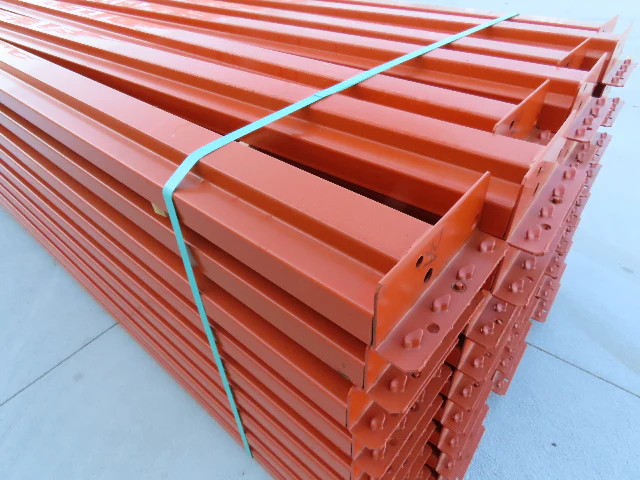
What Ethical Considerations Arise From Efficient Storage Use?
What Ethical Considerations Arise From Efficient Storage Use?
- Efficient pallet racking involves more than measurements and layouts; it includes ethical considerations affecting safety, responsibility, and respect.
- Proper setup maximizes space without compromising worker safety, emphasizing the importance of sturdy, accessible, and well-arranged racks.
- Efficient storage reduces waste, clutter, and environmental impact by optimizing material and energy use, reflecting care for the planet.
- Thoughtful pallet racking supports workers, managers, and customers by making tasks safer, easier, and more efficient.
- Organization behind storage respects not only products but also people’s time and effort, fostering trust in operational integrity.
- Efficient storage reflects core values including honesty, care for people and the environment, and commitment to doing work properly.
- The ethical approach to storage should be foundational, guiding every decision about how shelves are stacked and spaces are used.

What Ethical Considerations Arise From Efficient Storage Use?
Can Pallet Racking Systems Boost Facility Productivity?
Look, when you’re knee-deep in the daily grind of a warehouse or a busy backroom, every second counts. Pallet racking isn’t just some fancy storage system—it’s the backbone that can turn a chaotic mess into smooth operation. You’ve probably seen those places where forklifts circle like sharks, workers scrambling, and pallets piled haphazardly. That’s not just inefficient—it’s a recipe for frustration. Pallet racking steps in like a trusted buddy who knows the ropes, carving out order from the chaos.
Here’s the deal: with properly installed pallet racking, you’re not just stacking boxes—you’re stacking up valuable time. Everything gets a clear spot, easy to access without wasting muscle or minutes. That cuts down on the guesswork and keeps the workflow moving. Folks on the floor can spend less time hunting for inventory and more time hustling to get orders out. It’s a simple truth—when your stuff is where you expect it to be, you get more done.
But it’s not just about speed. There’s pride in running a tight ship. When a facility invests in the right pallet racking, it shows respect for the workers and the work itself. You’re saying everyone deserves to have their gear organized and accessible, not thrown in wherever it fits. It builds a culture where safety and efficiency matter, not just filling space. That ethical backbone keeps folks coming back, knowing their effort is valued and their environment is cared for.
From the standpoint of authority, the smart operators know pallet racking systems are the way forward. Warehouses across industries lean on them to handle high-volume demands without breaking a sweat. It’s proven tech, hands-on tested and tough as nails, built to support the weight of modern business. When you adopt pallet racking, you’re aligning with best practices that have withstood the test of countless busy seasons.
At the heart of it, pallet racking isn’t just metal beams and shelves—it’s the silent partner that makes the difference between dragging through the day and feeling like you’re winning. It’s about making the everyday grind manageable, giving workers room to breathe, and setting the stage for a facility that runs like a well-oiled machine. If you want to boost productivity without adding stress, pallet racking is where the story begins.

Can Pallet Racking Systems Boost Facility Productivity?
Can Pallet Racking Systems Boost Facility Productivity?
- Pallet racking transforms chaotic warehouse environments into organized, efficient operations.
- Properly installed pallet racking saves time by providing clear, accessible storage spots, reducing wasted effort and guesswork.
- It enhances workflow by allowing workers to find inventory quickly and focus on fulfilling orders.
- Investing in pallet racking shows respect for workers and promotes a culture of safety and efficiency.
- Pallet racking supports operational pride, ensuring equipment is organized rather than haphazardly stored.
- Smart operators rely on pallet racking systems to handle high-volume demands with proven durability and effectiveness.
- Pallet racking makes daily warehouse work manageable, boosting productivity while reducing stress and operational friction.

Can Pallet Racking Systems Boost Facility Productivity?
Conclusion
In a prefabricated building component facility, pallet racking isn’t just a storage tool—it’s the unsung workhorse that holds everything together. When you’re dealing with heavy beams, wall panels, and piles of lumber, this system does more than stack materials; it carves out order from chaos, turning clutter into rhythm. It frees up floor space, so the real work—the craft—gets room to breathe. Without it, parts get lost, damaged, or worse, held up by disorder, costing time and money that nobody’s keen to waste. But with a solid pallet racking setup, the crew knows exactly where everything lives. That certainty isn’t just convenient; it’s a quiet boost of confidence, turning the daily grind into honest, steady progress.
Pallet racking respects the work behind the materials. No one wants to wrestle warped steel or cracked panels because things were stacked wrong or left on the floor. The racks cradle each piece safely, honoring the sweat and skill burned into them. That’s not just about protecting inventory—it’s about doing right by the people whose hands built it and the customers counting on those structures to hold. It’s a commitment that says this job matters; cutting corners isn’t an option here. This practical backbone supports safety and workflow alike, clearing aisles so forklifts don’t turn the place into a battleground, and letting workers move with less stress—both on their backs and in their heads.
Storage costs tighten up when a good pallet racking system stretches every inch intelligently. Instead of squeezing goods in like a rusty old toolbox, these racks stack vertically and keep aisles tidy, saving money on space and minimizing waste. It’s simple math with real-world impact: less clutter, fewer accidents, faster loading times, and a smoother operation. But it’s also ethical business—respecting resources and human effort alike by not hoarding or risking safety for savings. When you invest in pallet racking, you’re not just buying handy shelves—you’re buying peace of mind and respect for the crew showing up day after day.
For the workers, pallet racking offers quiet reassurance. It’s the steady companion that keeps your day from spiraling into chaos. Knowing where things are, moving safely, and working in a space that values your presence turns a simple warehouse into a place of pride and belonging. Confidence grows when the workplace cares enough to be organized and safe, and that trust doubles productivity. It’s the kind of common-sense backbone that holds a team together, smoothing out rough edges and keeping people connected to what matters—the job done right.
At the end of the day, pallet racking is a plainspoken hero made of steel beams and common sense. It’s about practicality, respect, and steady work. Not flashy, not complicated—just tough, reliable, and necessary. It sets the foundation so the buildings of tomorrow stand firm, the workers stay safe and proud, and the business hums along without missing a beat. When the trucks roll in and the orders stack up, pallet racking means you’re ready to get it done right, every time.

Conclusion
Conclusion:
- Pallet racking in a prefabricated building component facility organizes heavy materials, freeing up floor space and preventing loss, damage, and delays.
- It protects materials by properly supporting them, respecting the work invested by workers and ensuring quality for customers.
- The system enhances safety by keeping aisles clear, reducing stress and physical strain on workers, and improving workflow.
- Efficient vertical stacking and tidy aisles lower storage costs, minimize waste, and speed up operations.
- Pallet racking fosters worker confidence and pride by creating an organized, safe, and respectful workspace.
- The system is practical, reliable, and essential for maintaining steady progress and business continuity.
- Pallet racking sets the foundation for successful construction, worker safety, and smooth order handling every day.

Conclusion
Other Resources
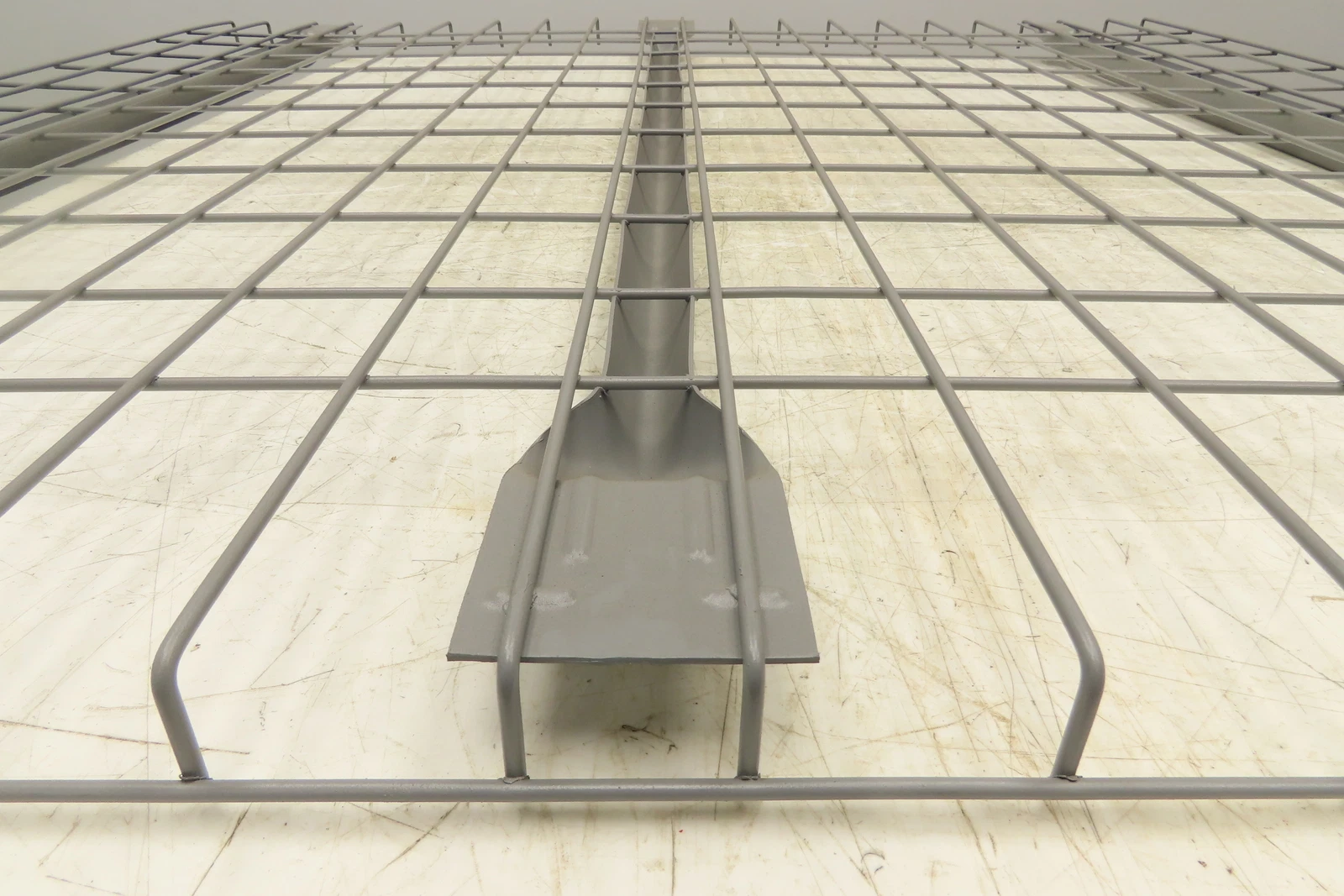
Other Resources
Here is a list of other resources you can review online to learn more:
- American Surplus
- Teardrop Industrial Shelving Rack
- American Society of Safety Professionals
- Selective Pallet Racking Systems – Container Systems
- BMH
- Rack Manufacturers Institute
- Warehouse Racking Chicago, IL
- Warehouse Racking Systems: Beginner’s Guide to Rack Systems
- ASSP
- Arrow Industrial Sales
- Storage Equipment Manufacturers’ Association
- Mustang Material Handling
- Material Handling Industry
- Warehouse Automation
- CMMA
- Warehouse Racks, Warehouse Racking in Stock – ULINE
- Bradford Systems
- Selective Rack – Raymond West
- NSC
- Wolter
Use This Prompt To Get More Resources With Your Favorite Online AI Tool: Please provide me with a list of online articles with their URLs in a bulleted list that I can read regarding How Do Prefabricated Building Component Facilities Leverage Pallet Racking?

Other Resources
Glossary Terms
How Do Prefabricated Building Component Facilities Leverage Pallet Racking? – Glossary Of Terms
1. Pallet Racking: A storage system designed to hold materials on pallets in horizontal rows with multiple levels.
2. Prefabricated Building Components: Factory-made building parts such as walls, floors, and roofs assembled on-site.
3. Material Handling: The movement, protection, storage, and control of materials within a facility.
4. Warehouse Efficiency: The effectiveness of space utilization and workflow in storage operations.
5. Inventory Management: The process of ordering, storing, and using components in production.
6. Vertical Storage: Utilizing height in storage to maximize space through multi-level systems.
7. Load Capacity: The maximum weight a pallet rack can safely support.
8. Space Optimization: The strategic arrangement of storage to use available area effectively.
9. Forklift Access: The ability for forklifts to navigate and retrieve items from pallet racks.
10. Just-In-Time (JIT): Inventory strategy to reduce storage time by receiving goods only as needed.
11. Picking Efficiency: Speed and accuracy in retrieving stored components for manufacturing.
12. Safety Compliance: Adhering to regulations and standards in storage setup and operation.
13. Component Segregation: Organized separation of different prefab parts for easy access.
14. Slotting: Assigning specific rack locations for components based on demand and size.
15. Load Stability: Ensuring components are safely secured on pallets and racks.
16. Modular Storage: Storage systems that can be adjusted or expanded as needed.
17. Throughput: The rate at which components are moved through storage to production.
18. Inventory Turnover: Frequency at which stored components are used and replenished.
19. Cross-Docking: Direct transfer of materials from inbound to outbound transport with minimal storage.
20. Lead Time Reduction: Shortening the delay between ordering and using materials.
21. Automated Storage: Use of machinery or robotics to store and retrieve components.
22. Space Utilization Rate: Percentage of warehouse space effectively used for storage.
23. Pallet Standardization: Uniform pallet size and specification to streamline storage and handling.
24. Accessibility: Ease of reaching components stored on pallet racks.
25. Load Distribution: Even spread of weight across racks to prevent damage or collapse.
26. Component Traceability: Tracking origin and movement of parts through storage.
27. Warehouse Layout: The physical arrangement of storage racks and workflows.
28. Cycle Counting: Periodic inventory counting to maintain accuracy.
29. Order Fulfillment: The process of gathering and preparing components for assembly or shipment.
30. Space Reconfiguration: Adjusting pallet racking layout to meet changing storage needs.

Glossary Of Terms
Other Questions
How Do Prefabricated Building Component Facilities Leverage Pallet Racking? – Other Questions
If you wish to explore and discover more, consider looking for answers to these questions:
- What specific types of pallet racking are best suited for storing long or irregular prefabricated components like wall panels, trusses, and steel beams?
- How are load capacities for pallet racking calculated and labeled for different prefab materials?
- What design considerations (aisle width, rack height, beam spacing) optimize space and workflow in a prefab facility?
- How do pallet racking systems integrate with forklifts, reach trucks, and other material-handling equipment used in prefabrication plants?
- What are the recommended safety standards, codes, and inspections (local, national, industry) for pallet racking in prefab facilities?
- How should facilities handle seismic bracing, wind loads, or other site-specific structural requirements for racking?
- What are common failure modes for pallet racking and how are damaged racks identified, repaired, or replaced?
- How frequently should racking be inspected and who should perform those inspections?
- What are best practices for load signage, weight limits, and employee training to prevent overloading and accidents?
- How can pallet racking layouts be configured to support different production flows (just-in-time, batch production, staging for assembly)?
- What are the cost components for a pallet racking installation (materials, installation, engineering, permits), and typical ROI timelines?
- How does pallet racking contribute to inventory accuracy, and what inventory-management technologies (RFID, barcode, WMS) pair best with racking?
- What strategies minimize material damage while stacked (protective supports, dunnage, pallet types, load stabilization)?
- How can racking be adapted for mixed-size inventory and seasonal or variable stock levels?
- What are the ergonomic considerations for workers loading and unloading prefab components from racks?
- How do pallet racking choices affect insurance premiums, liability, and workplace compensation claims?
- What sustainable or recyclable racking materials and practices can reduce environmental impact?
- When is it better to use specialized storage (cantilever racks, wide-flange racks, cantilever arms) versus standard pallet racking?
- How do mezzanine systems, shelving, and rack-supported platforms integrate with pallet racking to expand usable floor area?
- What are recommended procedures for emergency access, fire suppression, and aisle clearance in racked areas?
- How should a facility plan racking layout changes to scale up capacity or change product mix without major disruption?
- What training programs and certifications should forklift operators and racking technicians have in prefab plants?
- How do storage practices and racking policies impact worker morale, retention, and perceptions of management’s commitment to safety?
- What metrics should managers track to measure the performance impact of pallet racking (throughput, picking time, damage incidents)?
- How do different pallet racking vendors and pricing models compare, and what should buyers evaluate in quotes?
- What case studies or real-world examples show measurable improvements after installing optimized pallet racking in prefab facilities?
- How can temporary or modular racking solutions be used for project-based or short-term prefabrication jobs?
- What legal or ethical obligations do companies have when deciding to retrofit, remove, or reconfigure existing racking systems?

Other Questions
Checklist
How Do Prefabricated Building Component Facilities Leverage Pallet Racking? – A Checklist
Planning and Layout
✅______ Map component types (steel beams, wall panels, lumber) to storage locations sized for weight and dimensions
✅______ Define aisle widths to match lift equipment and turning radius
✅______ Use vertical space while maintaining safe clearances above and around loads
✅______ Create clear zones for inbound, staging, assembly kitting, and outbound
✅______ Assign consistent location codes and install durable labels and signage
✅______ Place high-velocity items in easy-access “golden zone” locations
✅______ Establish one-way traffic flow for forklifts and pedestrians
Rack Selection and Setup
✅______ Match rack configuration and decking to load size, weight, and handling method
✅______ Verify manufacturer load ratings; post plaques at aisle ends
✅______ Anchor all uprights; use row spacers, shims, and beam locks as required
✅______ Set and enforce limits for pallet overhang, load height, and bay capacity
✅______ Install end-of-aisle, column, and rack-leg protectors
✅______ Apply netting, backstops, or pallet stops where fall protection is needed
Safety and Compliance
✅______ Keep aisles, egress routes, and pick faces clear of obstructions
✅______ Standardize pallet quality and dunnage to prevent load failures
✅______ Implement daily operator walkarounds and a damage tag-out process
✅______ Schedule periodic rack inspections by a qualified person
✅______ Train all operators and pickers on rack-safe practices and traffic rules
✅______ Maintain housekeeping (5S) to reduce trip and collision risks
Workflow and Inventory Control
✅______ Define putaway rules by size, weight, and velocity to reduce travel and congestion
✅______ Set replenishment triggers (minimum/maximum) for assembly components
✅______ Use FIFO or FEFO (first in, first out; first expired, first out) where applicable to control aging and damage
✅______ Mark staging lanes and dock doors for clarity and faster turns
✅______ Establish standard pick paths and batch and wave rules for orders or kits
Cost and Space Efficiency
✅______ Calculate storage density trade-offs versus accessibility for SKUs
✅______ Consolidate slow movers to higher or deeper locations
✅______ Prioritize vertical cube utilization before expanding footprint
✅______ Track touches per line and travel distance to identify layout gains
Worker Experience and Culture
✅______ Place frequent picks at ergonomic heights to reduce strain
✅______ Provide clear visual cues (labels, floor tape, signs) to cut search time
✅______ Involve floor teams in layout changes and feedback loops
✅______ Recognize and reinforce safe behaviors and organized work areas
Ethics and Stewardship
✅______ Put safety ahead of space gains; avoid shortcuts on ratings or clearances
✅______ Remove damaged pallets, racking, and materials promptly
✅______ Reuse or recycle dunnage and packaging where feasible
✅______ Minimize clutter to respect workers’ time, safety, and craft
Maintenance and Documentation
✅______ Keep as-built rack drawings, load charts, and repair logs current
✅______ Re-torque anchors on a set schedule; inspect beams and uprights for damage
✅______ Document and close corrective actions from inspections
✅______ Refresh training after reconfigurations or incidents
KPIs to Monitor
✅______ Dock-to-stock time
✅______ Pick time per line and travel distance per order
✅______ Rack utilization and cube utilization
✅______ Inventory accuracy and cycle count results
✅______ Incident and near-miss rates
✅______ Equipment impacts and repair frequency
Go-Live Readiness (Day 1)
✅______ Aisles and lanes marked and unobstructed
✅______ Load plaques and safety signage posted
✅______ Location labels installed and verified
✅______ Guards and stops installed
✅______ Operator training completed and documented
✅______ Emergency egress and extinguishers accessible
✅______ Baseline cycle count completed and recorded

Checklist
At RackingWorld, we help guide you through selecting warehouse storage systems and racking.
Be sure to read our other related stories at RackingWorld to learn more about warehouse storage systems.
0 Comments