
The Evolution Of Warehouse Storage: Embracing Change For Efficiency
By Tom Seest
At RackingWorld, we help guide you through selecting warehouse storage systems and racking.
Be sure to read our other related stories at RackingWorld to learn more about warehouse storage systems.
Why Some Warehouses Are Ditching Pallet Racks Entirely
In today’s fast-paced logistics landscape, some warehouses are saying goodbye to traditional racking altogether. It’s not just about efficiency; it’s about rethinking what it means to be adaptable in a world that no longer waits for anyone. Imagine walking into a facility that feels more like a well-oiled machine than a maze of steel and wood. This transition is not merely a trend; it’s a comprehensive strategy to embrace the ever-evolving demands of commerce.
We’ve all been there, watching the chaos of packed aisles and towering pallet racks. It might seem efficient at first glance, but a closer look reveals a juggling act of frustration. For many operators, maneuvering through cramped spaces and dodging forklifts is akin to navigating a concrete labyrinth. The emotional toll of this frenetic dance is palpable. Workers feel the pressure, and it weighs on morale. When you strip away those towering walls of racking, you create an open, inviting atmosphere where collaboration thrives, and innovation can take root.
Let’s talk reason. The math is simple: eliminating traditional racking can enhance space efficiency and improve inventory management. It’s about using technology—automated systems, modular storage solutions, and innovative shelving that can flex and adapt to the needs of the moment. These advancements bring more than just numbers on a spreadsheet; they offer real savings and boost operational agility. Decisions backed by data and design lead to more responsive warehouses, ready to tackle whatever tomorrow brings.
Ethically, this shift is a commitment to sustainability and environment-friendly practices. By moving away from metal and wood structures, companies can explore eco-friendly alternatives, contributing to a planet that desperately needs a helping hand. It’s more than just logistics—it’s being part of a larger narrative where businesses step up not only for profit but for planet and people.
Socially, the ripple effects are profound. When warehouses prioritize employee well-being through better design and less clutter, they foster a community of trust and accountability. Workers feel valued; they’re not just cogs in a wheel but integral parts of a thriving ecosystem that encourages growth. This shift isn’t merely a novel idea; it’s becoming a movement.
This journey to reimagine warehouse spaces isn’t just about what we’re storing; it’s about how we choose to store it and who we become in the process. When warehouses ditch traditional racking, they create a pathway to a more efficient, ethical, and human-centered future. It’s about time we embrace that change.
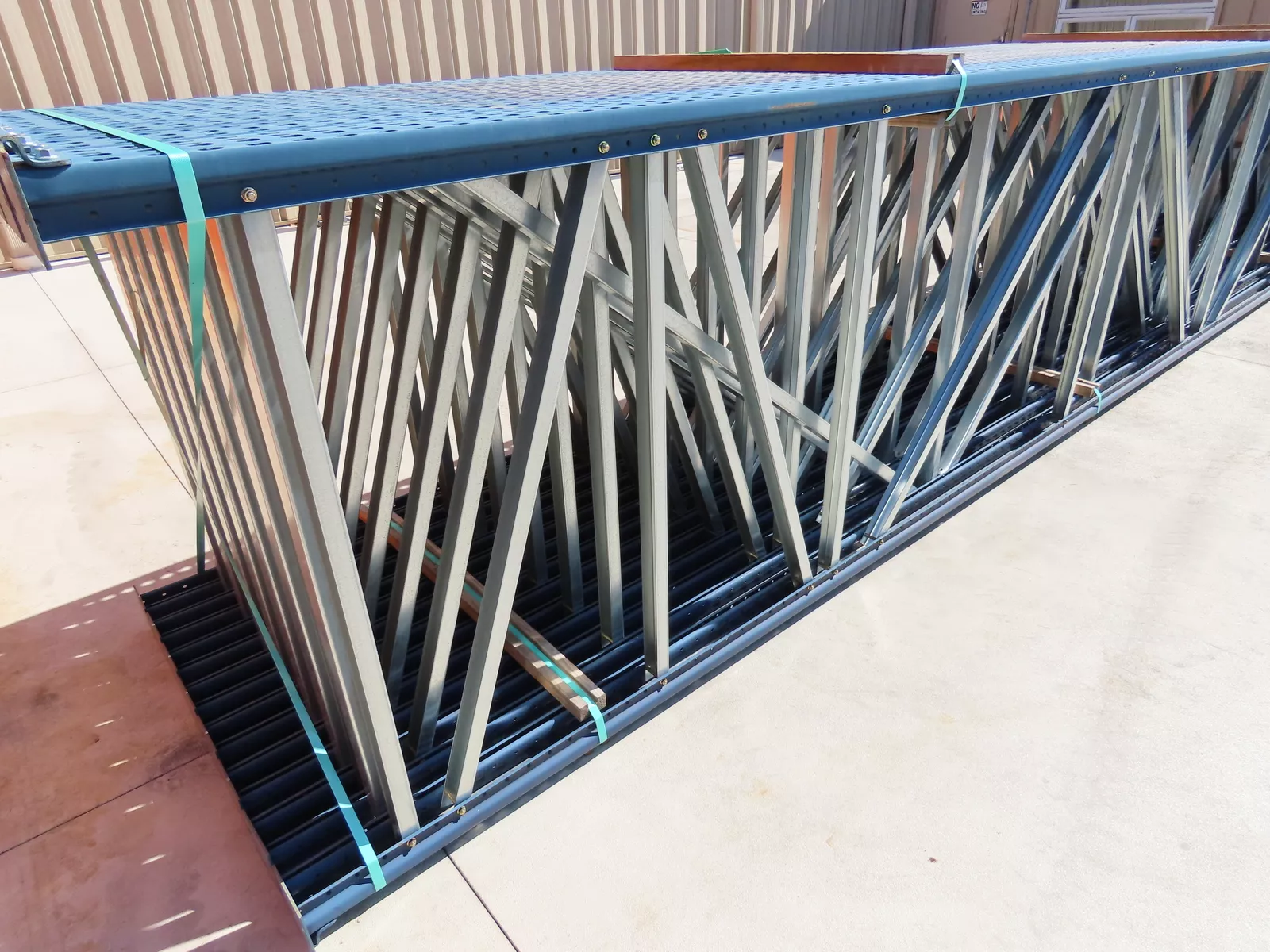
Why Some Warehouses Are Ditching Pallet Racks Entirely
Why Some Warehouses Are Ditching Pallet Racks Entirely
- Traditional racking is being phased out in warehouses to increase adaptability and efficiency.
- Warehouse environments are shifting to feel more like efficient operations rather than chaotic spaces.
- Eliminating racking enhances space efficiency and improves inventory management through better design.
- Innovation and technology, such as automated systems and modular storage, play a key role in this transition.
- The movement away from traditional racking supports sustainability by utilizing eco-friendly materials.
- Prioritizing employee well-being through improved design fosters trust and accountability among workers.
- This transformation is not only about storage but also about creating a better future for both people and the planet.
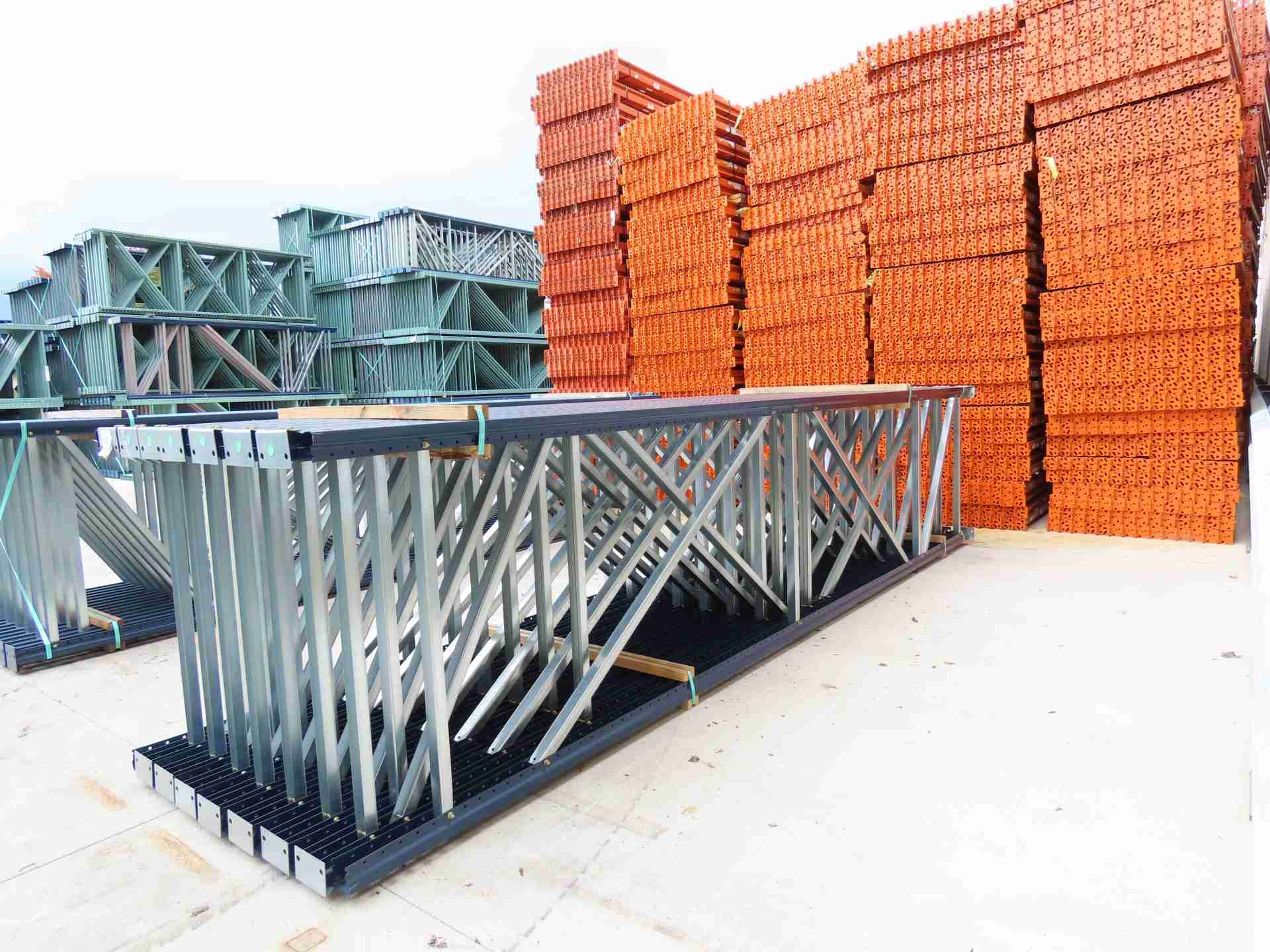
Why Some Warehouses Are Ditching Pallet Racks Entirely
Table Of Contents
- Why Some Warehouses Are Ditching Pallet Racks Entirely
- What If the Future Of Warehousing Is Shelf-Less?
- Can Maximizing Space Increase Profit Margins?
- How Do Worker Safety and Efficiency Impact Operations?
- Are Pallet Racks Contributing to Unnecessary Workplace Injuries?
- What Innovative Solutions Can Replace Traditional Pallet Racks?
- Conclusion
- Other Resources
- Glossary Of Terms
- Other Questions
- Checklist
What If the Future Of Warehousing Is Shelf-Less?
Imagine walking into a vast cavern of possibility, not filled with racks of forgotten goods, but a dynamic hub buzzing with the hum of innovation. What if the future of warehousing transformed into spaces that didn’t rely on traditional racking systems? Instead, envision warehouses where technology adapts to the needs of the moment—flexible, responsive, and efficient. This isn’t just a fantasy; it’s a future we can build together.
Think about it. Conventional racks have dominated our warehouses for decades, serving a purpose, but also limiting creativity and flow. We’ve packed pallets like sardines, often wasting precious time navigating those narrow aisles. It’s not just frustrating; it’s a drain on morale. With a shelf-less design, workers could navigate freely, fostering collaboration and camaraderie. No more wrestling with cumbersome pallets—just a streamlined environment that inspires hard work and promotes efficiency.
From a rational standpoint, this evolution in warehousing could revolutionize the industry. Automated systems and drone technology can optimize space like never before, reducing costs and waste. Researchers are starting to show that these innovations could bolster productivity, slashing the time it takes to get from storage to shipment. In a world that demands quicker turnaround times, this isn’t just smart; it’s essential.
But this isn’t solely a numbers game; it’s about ethics and the responsibility we share with our communities. By reducing the reliance on traditional shelving, we’re minimizing our ecological footprint, creating greener, more sustainable operations. We’re talking about refocusing on the people behind the processes—the ones who have tirelessly lifted, stocked, and sorted through these racks. By shifting our gaze, we can empower those workers and foster a workforce that’s more engaged and fulfilled.
And let’s not forget the ripple effects. Consumers today crave transparency. They want to know where their products come from and how they’re handled. A shelf-less warehouse, optimized for efficiency and competence, can provide that level of trust. It opens up new dialogues about practices, ethics, and sustainability—conversations that invite communities to engage.
So, picture this future not as a stark departure from the past, but as a natural evolution in warehousing that celebrates progress and honors the human spirit. Together, we can step into a shelf-less world that works smarter, uplifts communities, and sets a new standard for what’s possible. It’s time to dismantle the racks and rethink our approach—because the future is too precious to just stand still.
What If the Future Of Warehousing Is Shelf-Less?
What If the Future Of Warehousing Is Shelf-Less?
- Envision a future of warehousing as dynamic hubs of innovation, moving away from traditional racking systems.
- Conventional racks limit creativity and flow, creating navigational frustrations and hurting morale.
- A shelf-less design allows for free navigation, promoting collaboration and enhancing worker efficiency.
- Automated systems and drone technology can optimize space, reduce costs, and improve productivity.
- This shift in warehousing is not just about efficiency but also about minimizing the ecological footprint.
- A shelf-less warehouse fosters transparency and trust, inviting conversations about ethics and sustainability.
- Advocating for a shelf-less future celebrates progress and human spirit, redefining industry standards.
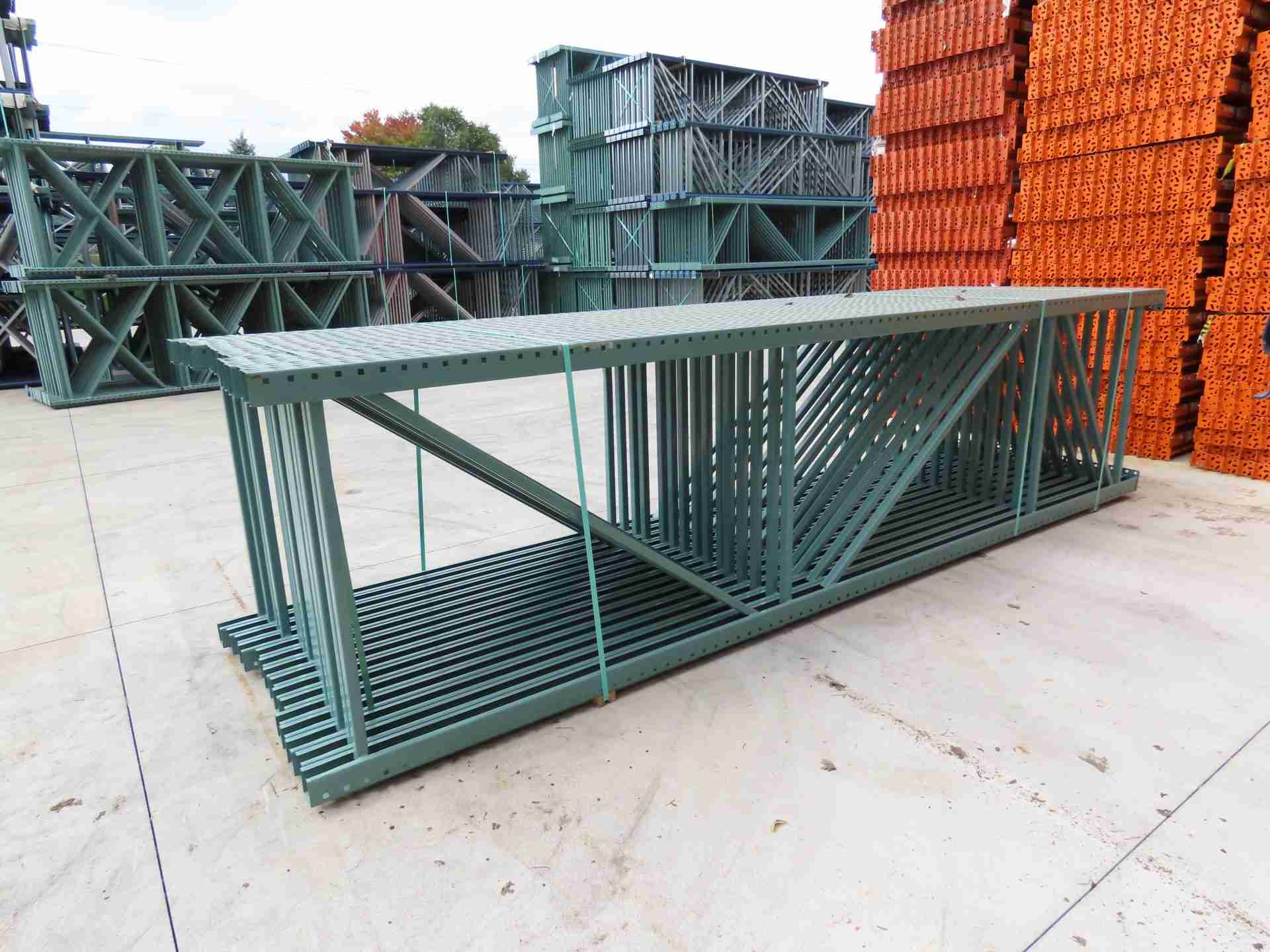
What If the Future Of Warehousing Is Shelf-Less?
Can Maximizing Space Increase Profit Margins?
In the world of business, where every square inch can determine the fate of a venture, the importance of maximizing space cannot be overstated. Picture a warehouse, where towering metal racking stretches high above the floor, efficiently cradling products that speak volumes about a company’s hard work and ingenuity. That space, when optimized, is not just a physical area — it’s a canvas for growth, a blueprint for profit margins.
Now, let’s get real. You’ve probably seen firsthand how a cluttered, disorganized space can stifle creativity and drain productivity. Imagine an employee searching for a critical part, rummaging through piles of inventory. Frustration mounts, time slips away, and before you know it, profits evaporate like water on a hot day. But when that racking is orderly and intuitive, teams can move with purpose, unleashing their potential and transforming frustration into innovation. That’s not just efficiency; that’s firing on all cylinders.
It’s also worth considering the ethical aspect. A well-structured space isn’t just about profit; it’s about respect for your workforce. Employees deserve an environment that elevates their work experience. Maximize your space, and you create a setting where they can thrive, feel valued, and contribute more effectively. This connection fosters loyalty and enhances company culture, leading to higher retention rates and reduced turnover – all of which directly impacts your bottom line.
Think of it like nurturing a garden. The more you invest in soil, light, and space, the more blooms you’ll see. It’s a simple yet powerful narrative that resonates deeply. Companies that understand this thrive not just on paper but in the hearts and minds of their communities. They become authorities, inspiring others to follow suit and make space — both literally and figuratively — for their successes.
But it’s not just about returns or growth numbers; it’s about forging a path where everyone involved feels the impact of those decisions. As you embark on the journey of reimagining your spaces, envision how the ripple effects of this transformation could lead to a new era for your business, one defined by clarity, purpose, and lasting success. You have the power to turn every square foot into a profit powerhouse. Don’t underestimate the magic of maximizing space — after all, success isn’t a distant goal; it’s found in the details of our everyday work.
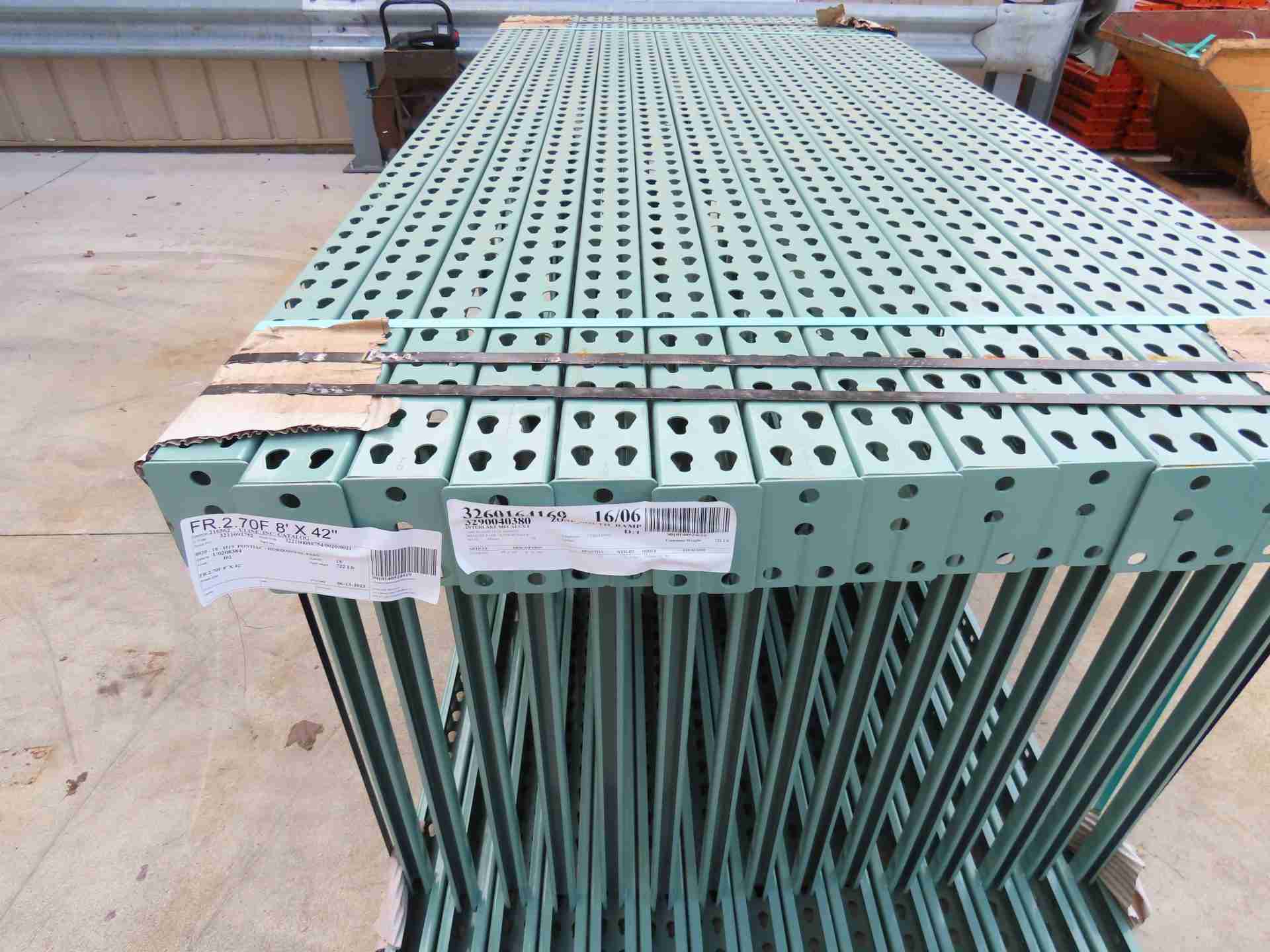
Can Maximizing Space Increase Profit Margins?
Can Maximizing Space Increase Profit Margins?
- Maximizing space in business is crucial for success and profitability.
- A well-organized warehouse enhances efficiency and productivity, reducing frustration among employees.
- A cluttered environment can hinder creativity and lead to decreased profits.
- Creating a respectful and well-structured workspace improves employee satisfaction and loyalty.
- Investing in organized space fosters a positive company culture and reduces turnover rates.
- Successful companies inspire their communities by valuing space optimization.
- Maximizing space can transform business processes, leading to clarity and lasting success.
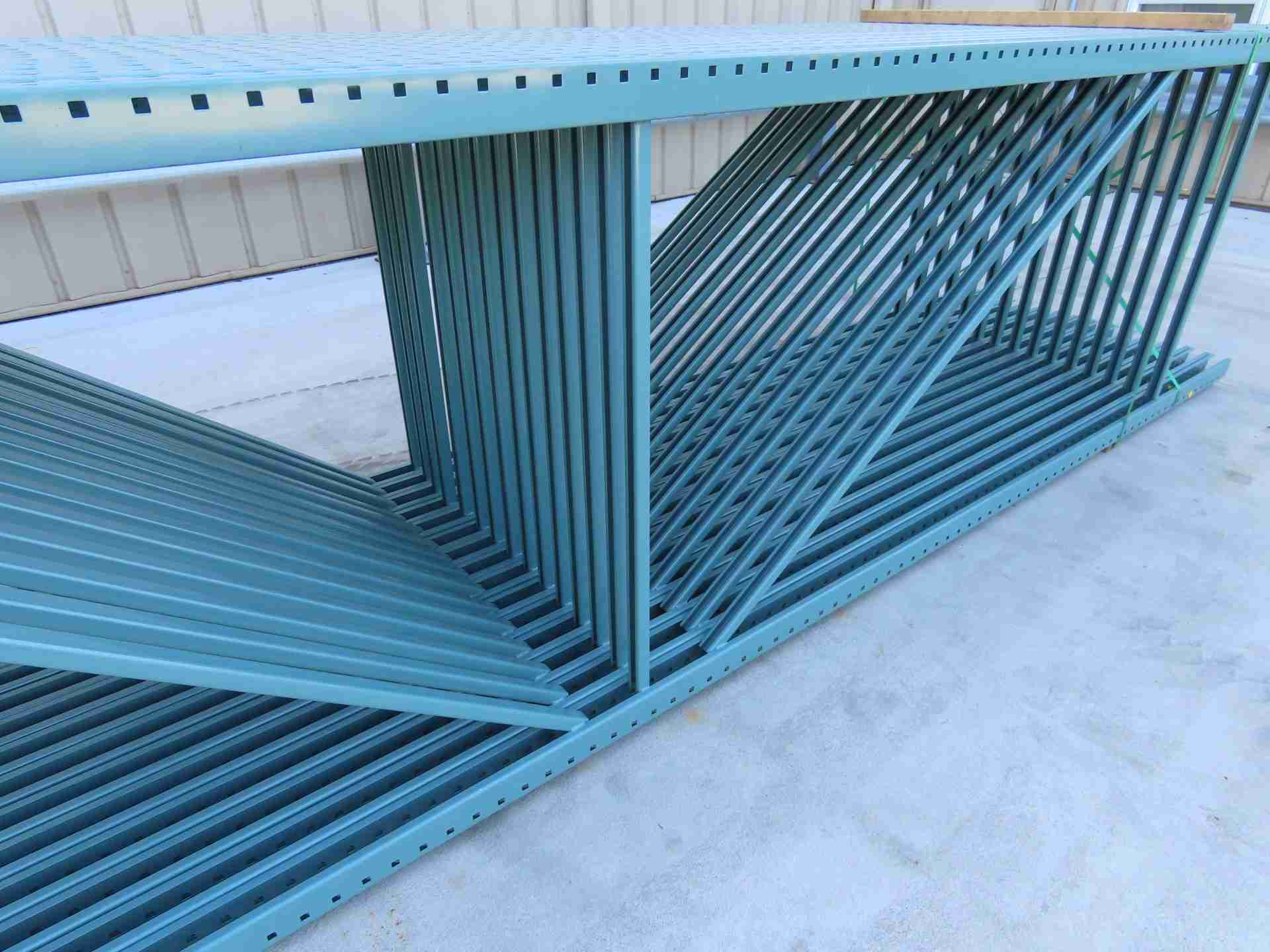
Can Maximizing Space Increase Profit Margins?
How Do Worker Safety and Efficiency Impact Operations?
When we think about the backbone of any operation, we often overlook the fundamental truth: worker safety and efficiency are two sides of the same coin. Imagine a bustling warehouse, where workers move with purpose, navigating through aisles filled with racking. Safety isn’t just a bullet point on a checklist; it’s the very pulse of productivity. When workers feel secure, their commitment to safety breeds a culture of efficiency. They become conscious of their environment and the tools they use, leading to fewer accidents and enhanced focus on the task at hand.
From a rational standpoint, every investment in safety measures pays dividends. Consider the costs associated with workplace injuries—from lost workdays to medical expenses, they can spiral out of control. But when organizations prioritize safe practices, they not only protect their most valuable asset—their people—but also boost their bottom line. It’s simple math: fewer accidents mean less downtime, and less downtime means a more efficient operation.
Ethically speaking, businesses have a moral obligation to provide a safe workspace. It’s a non-negotiable duty that every employer must embrace. When leaders prioritize the well-being of their teams, it fosters a sense of loyalty and trust that’s hard to replicate. Workers who feel valued and safe are far more likely to take pride in their roles, to communicate openly about hazards, and to contribute ideas for improvement. That kind of engagement doesn’t just keep the lights on; it illuminates the path to innovation and growth.
On a deeper, more relatable level, let’s not forget the human stories behind the statistics. Picture a worker who clocked in, eager to provide for their family, returning home safely at the end of the day. That’s the goal—every day, every shift. It’s personal. It’s about lives, relationships, dreams, and the legacy we create for future generations.
As a society, we’re interconnected, and what affects one of us echoes throughout our communities. When businesses thrive through safe and efficient practices, everyone benefits, from families to local economies. It’s not just about making a profit; it’s about making a difference. And when we weave safety into the fabric of our operations, we don’t just enhance efficiency—we build a stronger, more resilient foundation for all. Let’s make our workplaces places of pride, not peril, and watch as they transform into thriving, empowered environments.
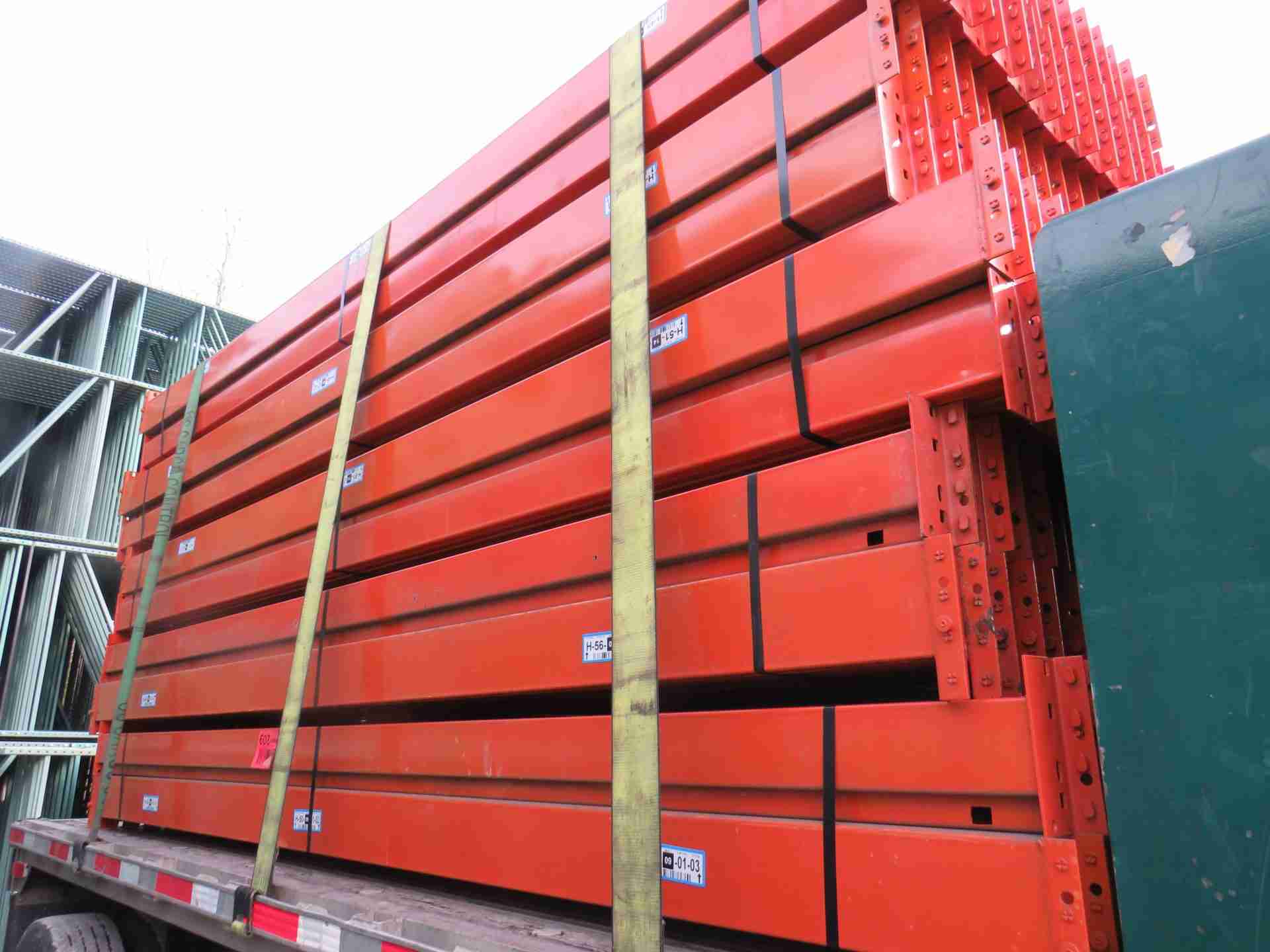
How Do Worker Safety and Efficiency Impact Operations?
How Do Worker Safety and Efficiency Impact Operations?
- Worker safety and efficiency are interconnected core aspects of operations.
- A culture of safety enhances worker focus, reduces accidents, and drives productivity.
- Investing in safety measures leads to reduced costs related to workplace injuries.
- Prioritizing safety boosts organizational performance and employee morale.
- Businesses have a moral obligation to ensure safe work environments for their employees.
- Worker safety positively impacts community well-being and local economies.
- Integrating safety into operations fosters innovation, growth, and a sense of pride among employees.
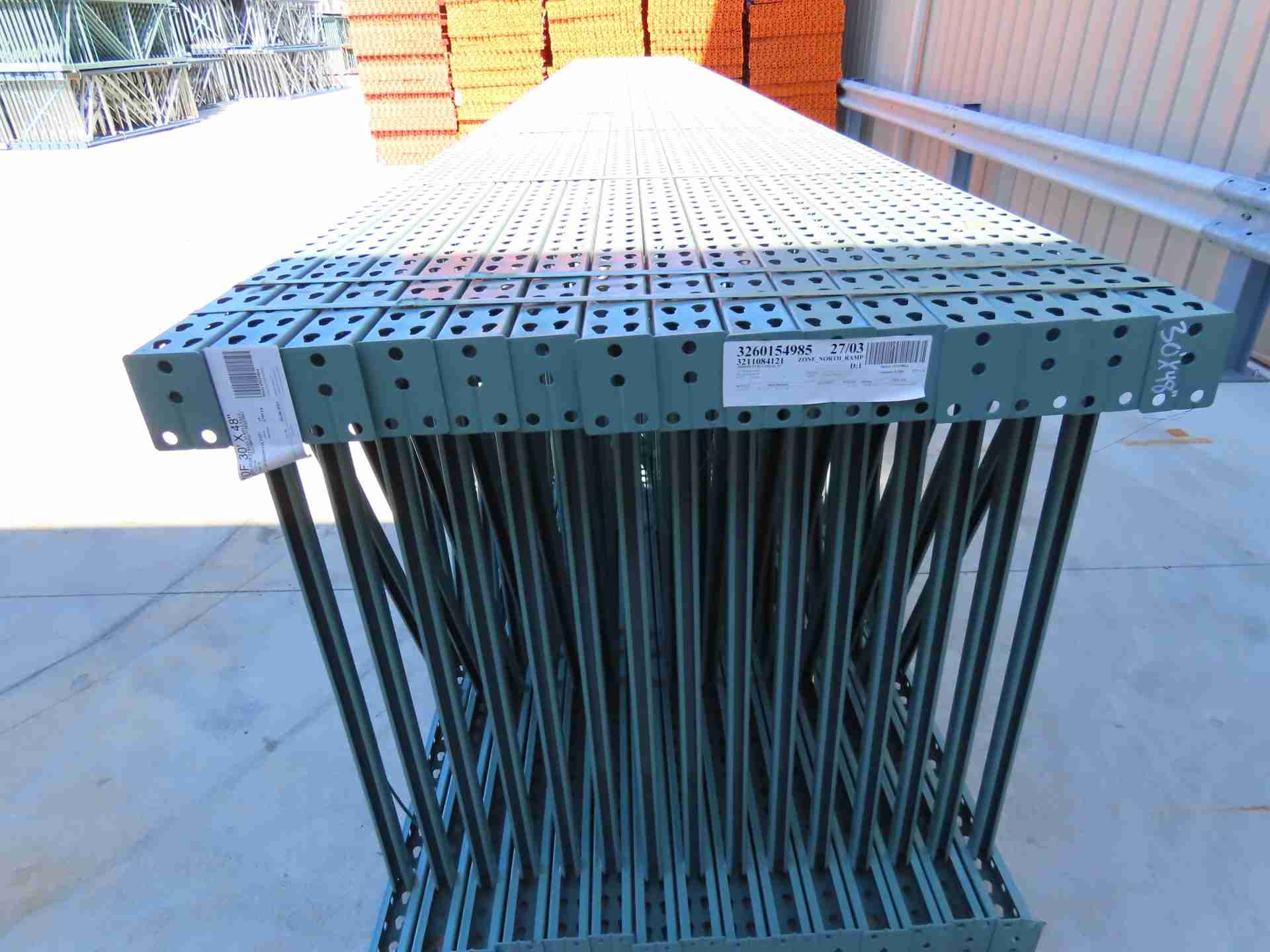
How Do Worker Safety and Efficiency Impact Operations?
Are Pallet Racks Contributing to Unnecessary Workplace Injuries?
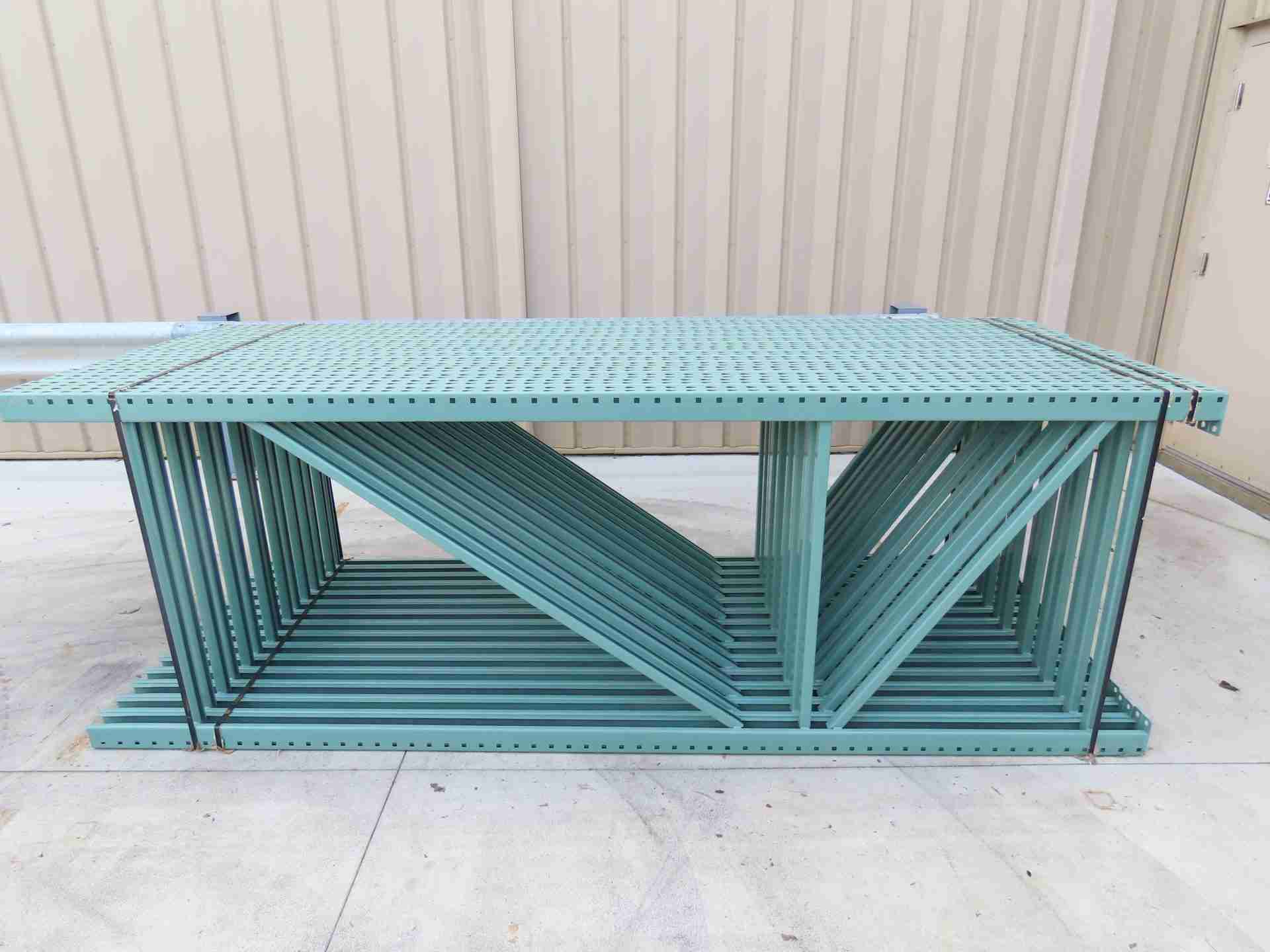
When you step into a bustling warehouse, there’s a rhythm to the energy—forklifts zipping by, employees strategizing their next best moves, and the unmistakable sight of pallet racks towering like steel sentinels. But these racks, while essential for storage, might be silently contributing to unnecessary workplace injuries. It’s a reality worth examining, not just for efficiency’s sake but for the well-being of the people who keep our economy moving.
Imagine a hard-working individual. She arrives at dawn, her eyes still adjusting to the fluorescent light. She’s dedicated, putting in the hours, racking up achievements. But what we sometimes overlook is the toll this environment takes on her body and mind. Heavy lifting, awkward positions, and the constant risk of toppling loads can turn a simple task into a recipe for disaster. Each bend, each reach, is a chance for mishap, threatening to erase hard-earned progress and jeopardize not just her health, but also her family’s future.
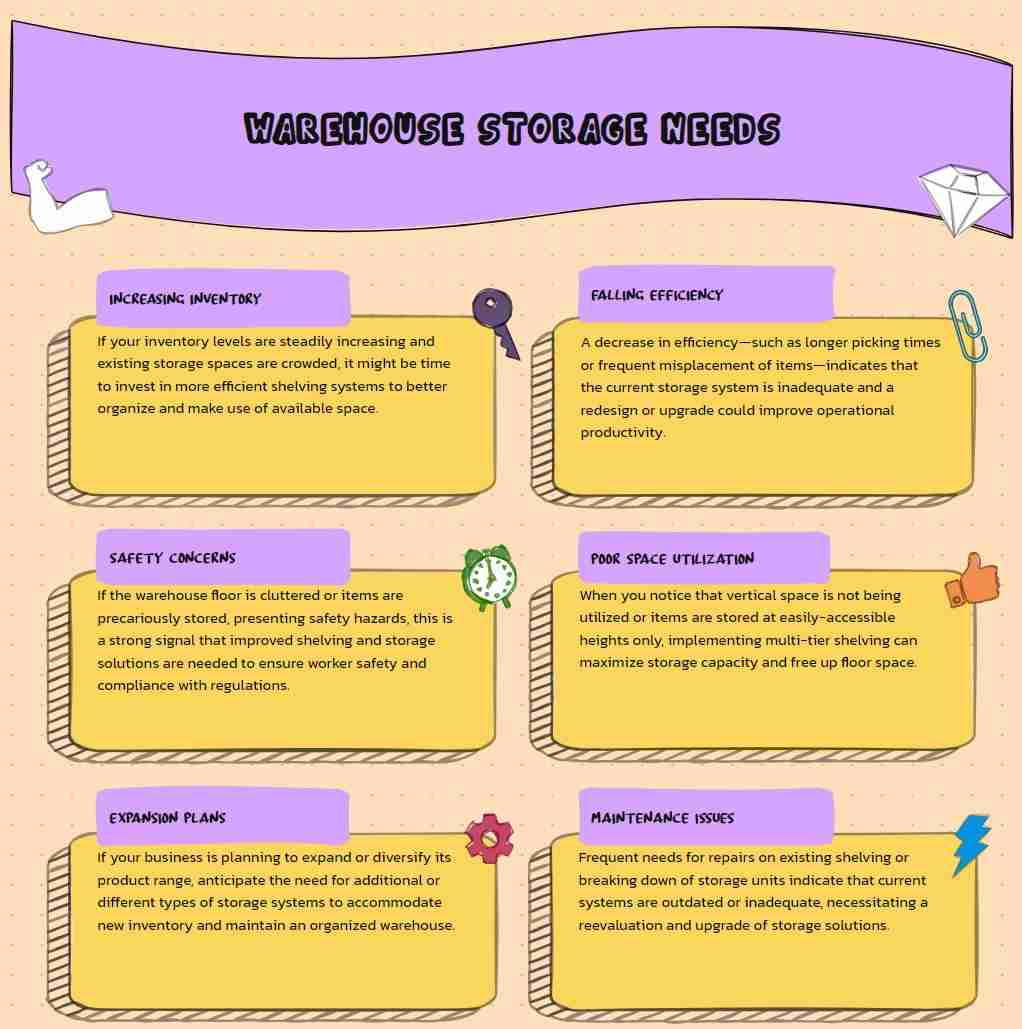
From a rational standpoint, the statistics speak volumes. Reports indicate that improper handling of goods and poor racking systems contribute to thousands of injuries each year. A little prevention can go a long way; innovative safety measures and training programs can minimize risks, transforming that once perilous environment into a fortress of safety. It’s about more than avoiding lawsuits or lowering insurance premiums—this is about human beings. Nothing can replace the value of a healthy, capable workforce, and that begins with understanding the systems we work with.
On an ethical level, we’re called to protect our colleagues, our teammates. We owe it to each other to foster a culture where safety is paramount, where discussions about potential hazards become commonplace and solutions become part of the fabric of our daily operations.
And let’s not forget, we’re all part of a community. Those pallet racks aren’t just pieces of metal; they’re the backbone of our supply chain, connecting us with the consumers who rely on our efficiency. Disregarding safety doesn’t just hurt individuals; it reverberates through the entire network, affecting everyone from producers to shoppers.
As we look around at our surroundings—those towering racks, filled to the brim with goods—let’s commit to making them safe. Together, we can foster environments that don’t just prioritize productivity but humanity. The heart of our industry deserves just as much attention as its bottom line. Let’s keep it that way.
Are Pallet Racks Contributing to Unnecessary Workplace Injuries?
Are Pallet Racks Contributing to Unnecessary Workplace Injuries?
- Warehouse environments are dynamic, with forklifts and employees coordinating tasks.
- Pallet racks, while essential, can lead to workplace injuries through heavy lifting and awkward movements.
- Injuries from improper handling and poor racking systems are widespread, affecting workers’ health and families.
- Implementing innovative safety measures and training can significantly reduce risks in warehouses.
- Safety discussions should be integrated into workplace culture to protect colleagues and support well-being.
- The safety of warehouse workers impacts the entire supply chain, affecting producers and consumers alike.
- Commitment to safety fosters environments that prioritize both productivity and human health in the industry.
Are Pallet Racks Contributing to Unnecessary Workplace Injuries?
What Innovative Solutions Can Replace Traditional Pallet Racks?
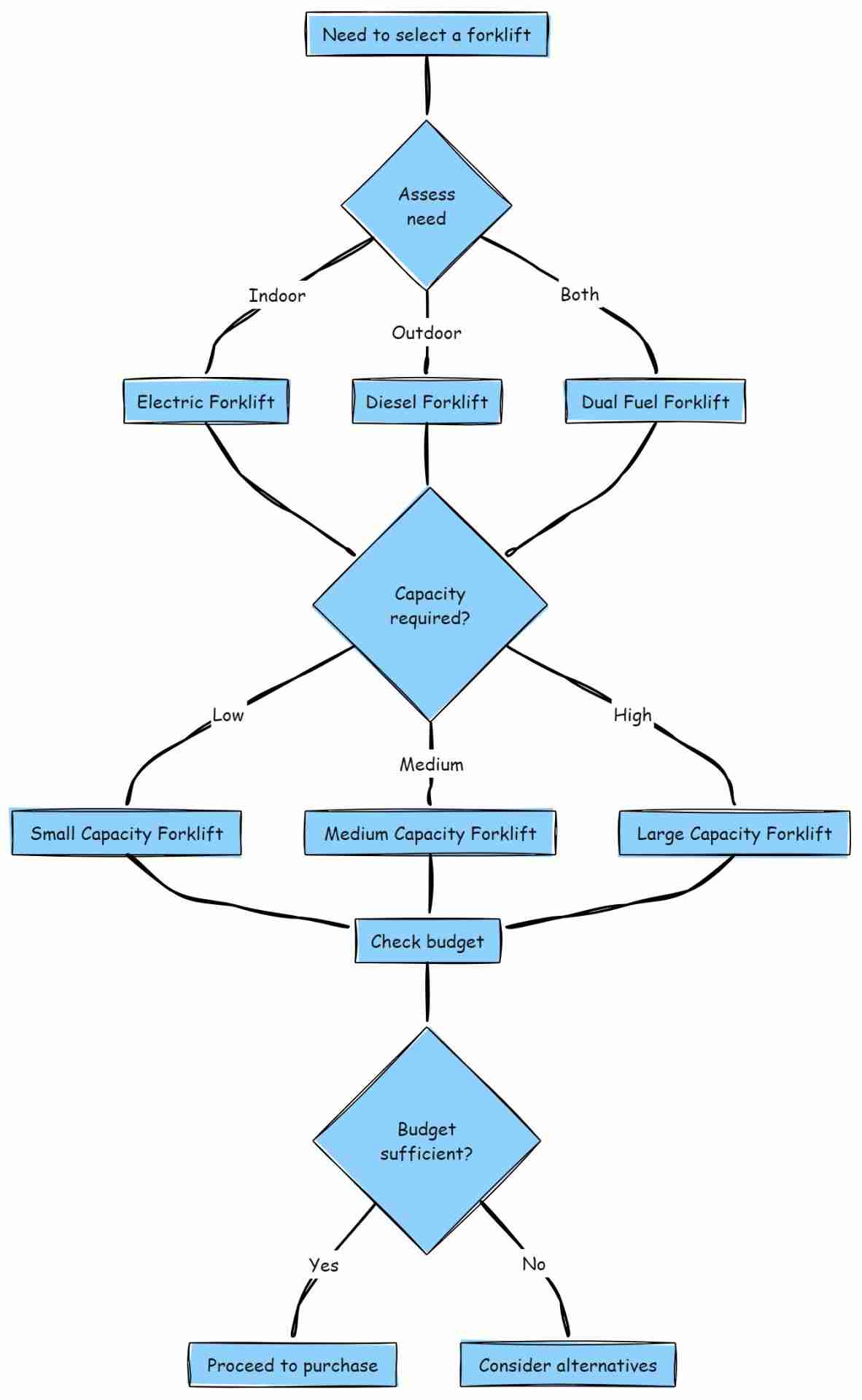
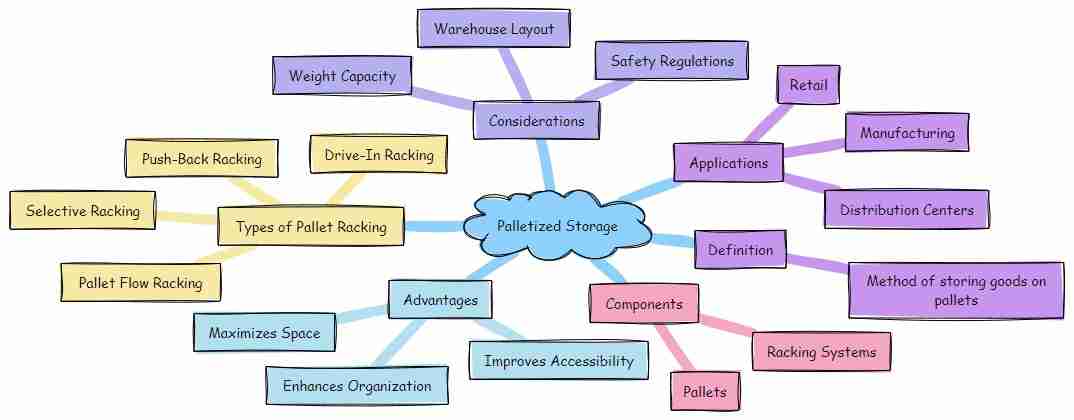
For years, traditional racking systems have held the fort in warehouses, standing tall like sentinels of efficiency. But as we traverse deeper into the era of innovation, it begs the question: what solutions can replace these time-tested structures? Let’s take a moment to explore alternatives that not only streamlines processes but also speaks to the heart, head, and gut of modern industry.
Think about mobile racking systems, for instance. Imagine a model that can shift in real-time to maximize space and accessibility. Your team can adapt the layout to suit your needs, moving entire racking units as if they were pieces on a chessboard. The flexibility not only improves workflow but also fosters a culture of collaboration and creativity. There’s something powerful knowing that with just a little ingenuity, you can reshape your environment to optimize tasks.
Now, let’s dive into the world of vertical lift modules (VLMs). These automated systems function like modern-day elevators for your inventory, retrieving products and delivering them right to your fingertips. They eliminate the need for excessive walking, reducing physical strain while boosting productivity. Consider the impact: a facility where your workers spend less time hunting for products and more time contributing to your bottom line. It injects a sense of value into their day-to-day efforts—because after all, when employees feel respected and valued, morale flourishes, and so does the business.
Then, there’s the rising trend of using sustainable materials and methods. Why not swap out traditional steel racking for lightweight, eco-friendly options? Not only does this reduce your carbon footprint, but it also aligns your company’s mission with ethical standards that consumers increasingly demand. In today’s world, businesses thrive when they embrace intelligent innovation that respects both the environment and the community—because feel-good is good business, pure and simple.
Lastly, consider the social implications of implementing innovative solutions. When you invest in cutting-edge technology like automated guided vehicles (AGVs) or smart racking solutions, you attract a forward-thinking workforce eager to embrace change. A commitment to progress sends a message: your organization is a leader, not just in industry but in creating a better workplace for all.
Remember, the path to innovation is paved with practicality and purpose. Embracing alternatives to traditional racking is not just about efficiency; it’s about creating an ecosystem that values trust, respect, and human connection. The future is here, and it’s time to step boldly into it.
What Innovative Solutions Can Replace Traditional Pallet Racks?
What Innovative Solutions Can Replace Traditional Pallet Racks?
- Traditional racking systems have provided efficiency in warehouses for years.
- Mobile racking systems allow real-time adjustments to maximize space and accessibility.
- Vertical lift modules (VLMs) automate inventory retrieval, enhancing productivity and reducing physical strain.
- Utilizing sustainable materials in racking solutions can lower carbon footprints and align with ethical consumer demands.
- Investing in modern technologies attracts a progressive workforce that embraces change.
- Innovative racking solutions foster a workplace ecosystem that values trust and human connection.
- Embracing alternatives to traditional systems is essential for creating a forward-thinking and efficient business environment.
What Innovative Solutions Can Replace Traditional Pallet Racks?
Conclusion
Warehouses today stand at a crossroads, moving away from traditional pallet racks in favor of innovative storage solutions that resonate deeply with the human spirit. Imagine entering a space that pulsates with energy and collaboration, rather than being overwhelmed by towering metal fixtures. This shift isn’t merely driven by the desire for efficiency; it’s about reimagining efficiency itself—a commitment to creating work environments where adaptability and innovation flourish.
The traditional racking system can turn a bustling warehouse into a crowded maze, where the pressure to navigate cluttered aisles takes a toll on worker morale. By eliminating these cumbersome structures, businesses open the door to collaboration and creativity, fostering a sense of camaraderie among team members. This transformation embodies more than a strategy for saving time; it cultivates a culture where people are valued, and their contributions acknowledged, resulting in happier, more engaged employees.
Rationally, this evolution is backed by cold, hard facts. Embracing modern solutions significantly boosts space efficiency and can optimize inventory management through smart design and automation. These enhancements lead to real financial benefits—cutting operational costs while increasing agility in an unforgiving market. It’s the kind of math that pays dividends, not just in numbers, but in the sense of purpose it brings to a workforce eager to engage in meaningful work.
Ethically, there’s a profound commitment to sustainability. Companies moving away from traditional racking demonstrate a willingness to rethink practices that contribute to our planet’s well-being. This transformation encourages a narrative where businesses are not just profit-oriented but also stewards of their communities—uplifting both people and the planet.
On the social front, as workplaces prioritize safety and well-being through streamlined designs, they cultivate trusting relationships built on respect and accountability. Workers, no longer seen as mere cogs, become vital contributors to a thriving ecosystem. This new approach encourages transparency, paving the way for conversations about practices that matter to consumers today.
Ultimately, this warehouse revolution isn’t just about transforming spaces but redefining what it means to operate in the modern economy. It’s a call to action for every leader, every innovator, and every individual to embrace a future that retains its humanity amidst the drive for industrial progress. By rethinking storage, we invite a new era—where safety, efficiency, and ethical responsibility converge, forging an industry that truly serves its people. Let’s move forward, not with racks that confine us, but with a vision that elevates us all.
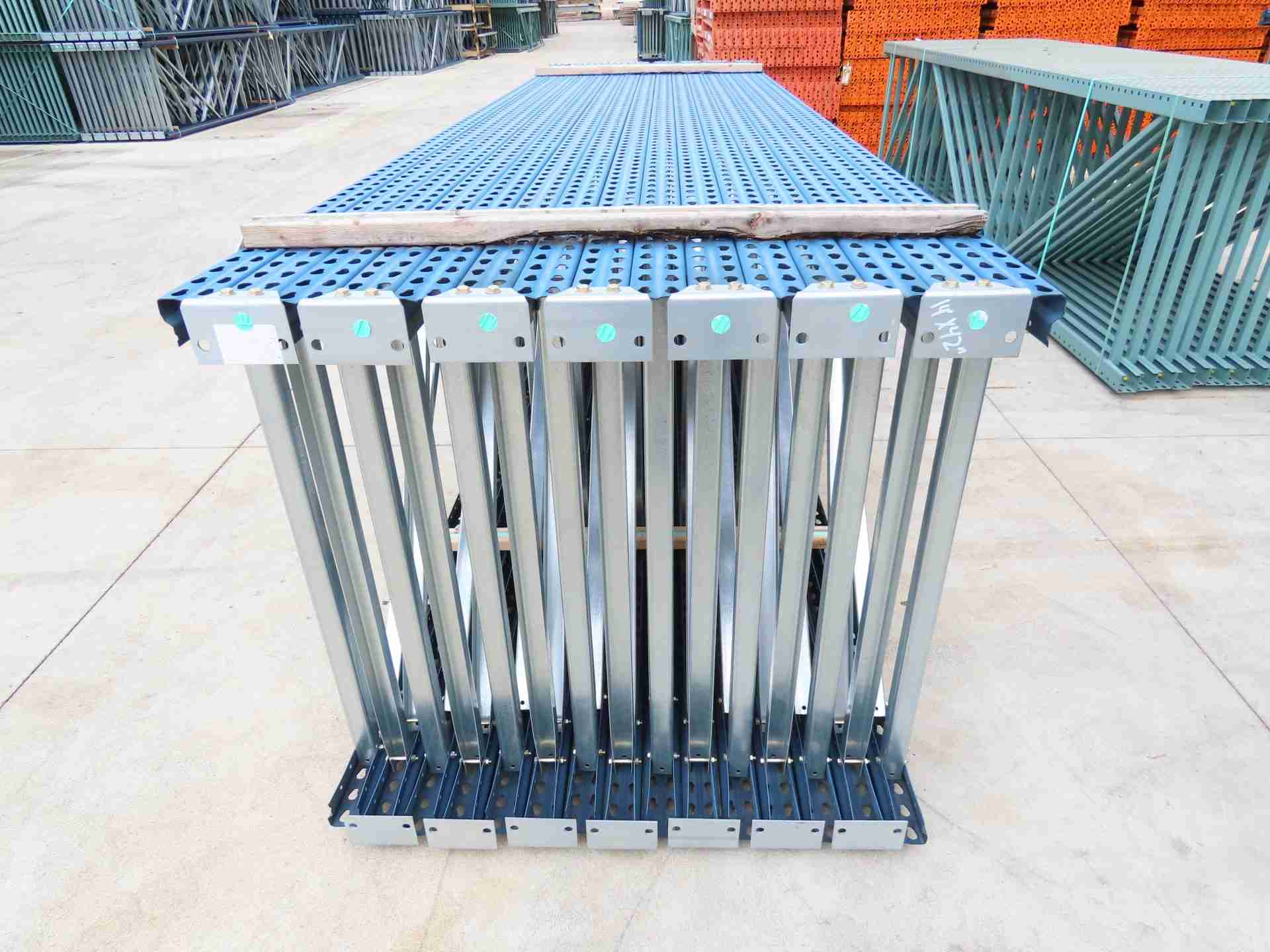
Conclusion
Conclusion:
Here’s a bulleted summary of the provided text, formatted as an HTML list:
- Warehouses are transitioning from traditional pallet racks to innovative storage solutions that enhance collaboration and energy.
- This shift emphasizes reimagining efficiency and creating adaptable work environments that foster innovation.
- Eliminating traditional racking systems reduces clutter and enhances worker morale through increased collaboration and creativity.
- Modern storage solutions improve space efficiency and inventory management, resulting in financial benefits and operational agility.
- Companies are increasingly focused on sustainability, demonstrating a commitment to ethical practices that benefit both people and the planet.
- Prioritizing safety and well-being in design fosters trust and accountability among workers, highlighting their value in the workplace.
- This warehouse revolution calls for a redefinition of industrial practices that enhance humanity alongside efficiency and responsibility.
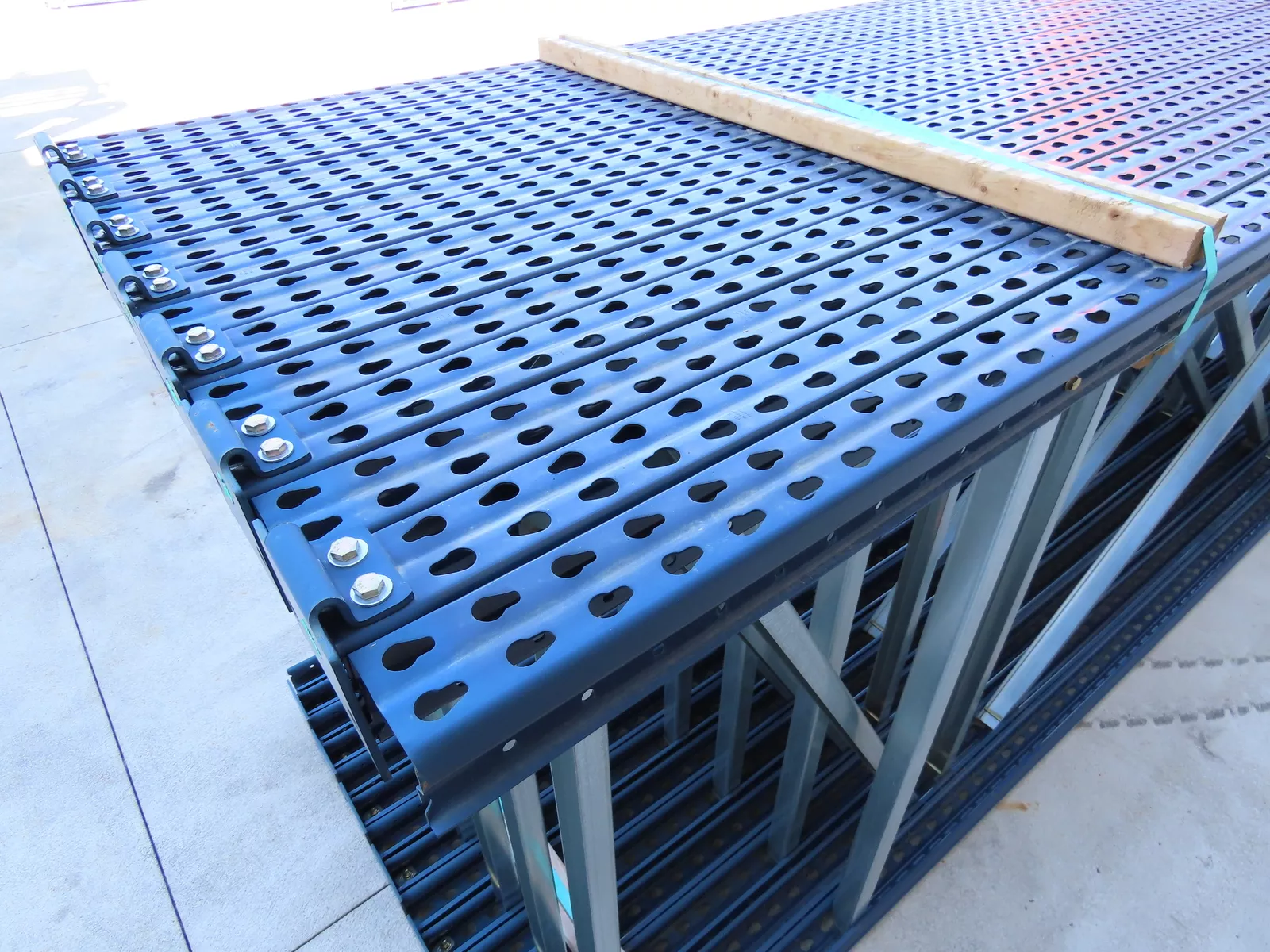
Conclusion
Other Resources
Other Resources
Here is a list of other resources you can review online to learn more:
- Pallet Rack Systems – New and Used Pallet Racking and Shelving Experts
- Cantilever Rack Guide: Ordering Cantilever Racking
- Material Handling Industry
- Warehouse Racking System: Powerful Guide to Optimise, 2024
- Bradford Systems
- Teardrop Pallet Rack – Ridg-U-Rak
- Shipping Boxes, Packaging Materials, Pallet Racking
- Selective Racking
- Overhead Lifting
- MHI
- Total Warehouse
- Intro to Warehouse Racks & Warehouse Racking Systems – ShipBob
- The Ultimate Pallet Racking Guide – Speedrack West
- New Cantilever Racks and Racking Kits
- Cantilever Racking Specialists – Get the Right Racks
- Cantilever Rack Configuration & Installation: A Comprehensive Guide – BMH
- Warehouse Racking Layout: The Ultimate Guide – Conger
- Rack Manufacturers Institute
- Cantilever Racks Chicago
Use This Prompt To Get More Resources With Your Favorite Online AI Tool: Please provide me with a list of online articles with their URLs in a bulleted list that I can read regarding Why Some Warehouses Are Ditching Pallet Racks Entirely

Other Resources
Glossary Terms
Why Some Warehouses Are Ditching Pallet Racks Entirely – Glossary Of Terms
1. Pallet Rack: A storage system designed to hold pallets, allowing for high-density storage of goods.
2. Warehouse Efficiency: The effectiveness of a warehouse in terms of operations, space utilization, and labor productivity.
3. Automation: The use of technology to perform tasks without human intervention, often increasing speed and accuracy in warehouse operations.
4. Vertical Storage: Utilizing height for storage, maximizing space in warehouses by stacking products vertically.
5. AS/RS (Automated Storage and Retrieval System): A system that automates the storage and retrieval of goods, often used instead of traditional pallet racks.
6. Space Optimization: The practice of maximizing the available storage area to increase capacity and efficiency.
7. Inventory Management: The tracking and controlling of inventory to ensure availability, reduce costs, and increase efficiency.
8. Lean Warehousing: A strategy focused on minimizing waste and maximizing value in warehouse processes.
9. Product Accessibility: The ease with which products can be retrieved or stored within a warehouse.
10. Flexible Storage Solutions: Adaptable storage systems that can be modified based on changing inventory needs.
11. Fulfillment Centers: Warehouses specifically designed for quick order processing and distribution to customers.
12. Cross-Docking: A logistics practice where products are unloaded from inbound trucks and immediately loaded onto outbound trucks without storage.
13. Bulk Storage: The method of storing large quantities of items in a warehouse without individual item separation.
14. Modular Racking Systems: Storage systems made up of interconnecting units that can be expanded or altered as needed.
15. Order Picking: The process of selecting and gathering products from storage to fulfill customer orders.
16. Inventory Turnover: A ratio that shows how many times inventory is sold and replaced over a specific period.
17. Warehouse Layout: The design and arrangement of various sections within a warehouse to enhance workflow and efficiency.
18. Safety Stock: Extra inventory kept on hand to prevent stockouts due to unpredictable demand.
19. Third-Party Logistics (3PL): Outsourcing logistics and distribution functions to specialized service providers.
20. Warehouse Management System (WMS): Software that manages warehouse operations, improving inventory control and order fulfillment.
21. Cold Storage: Warehousing facilities designed to store perishable goods at low temperatures.
22. FIFO (First In, First Out): An inventory management method where the oldest items are sold first.
23. Dynamic Slotting: The practice of adjusting product placement in a warehouse based on demand patterns to improve picking efficiency.
24. Pick-to-Light Systems: Technology using lights to guide warehouse workers to items that need to be picked for orders.
25. Sustainability: Practices in warehousing aimed at reducing environmental impact and promoting eco-friendly operations.
26. Load Capacity: The maximum weight or volume of goods a storage system can support safely.
27. Ergonomics: Designing warehouse operations and workspaces to optimize human well-being and overall performance.
28. Real-Time Data: Instantaneous information on inventory levels and warehouse operations, used for better decision-making.
29. Demand Forecasting: Predicting future customer demand based on historical data, trends, and market analysis.
30. Just-in-Time (JIT): An inventory strategy that aligns production with demand, reducing excess inventory and storage needs.
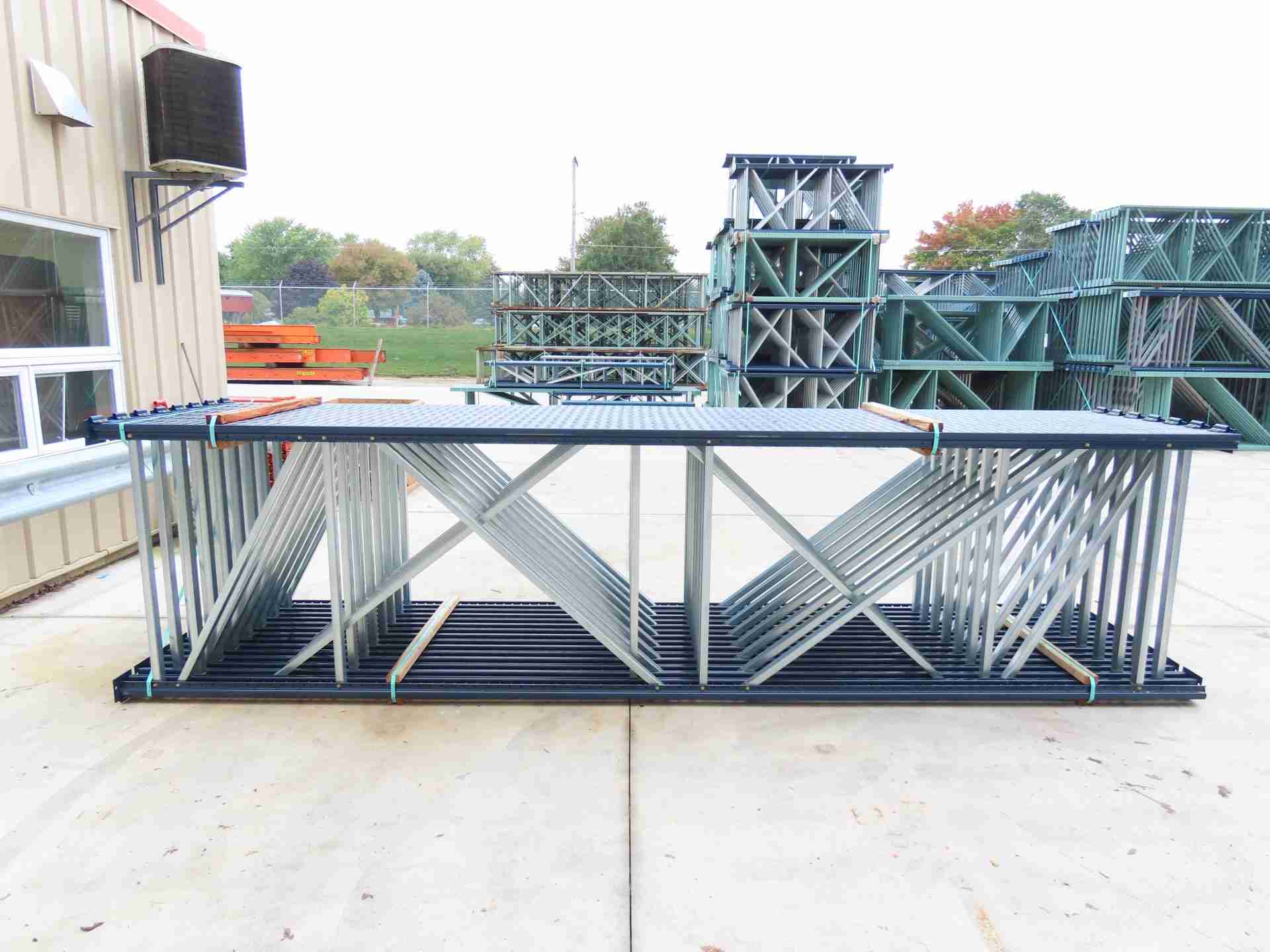
Glossary Of Terms
Other Questions
Why Some Warehouses Are Ditching Pallet Racks Entirely – Other Questions
If you wish to explore and discover more, consider looking for answers to these questions:
- What are the key benefits of moving away from traditional pallet racks?
- How do automated systems enhance warehouse efficiency compared to traditional racking?
- What types of modular storage solutions are available for modern warehouses?
- Can innovative shelving truly adapt to various inventory needs?
- How does a shelf-less design affect employee morale and productivity?
- What specific technologies can optimize space in a warehouse environment?
- How can companies ensure their transition to new racking solutions is smooth?
- What are the environmental benefits of reducing reliance on steel and wood structures?
- How can the shift toward innovative design impact customer relations and trust?
- What safety measures should be prioritized in warehouses without traditional racks?
- How can embracing modern warehouse solutions contribute to a company’s bottom line?
- What are common challenges companies face when implementing new storage solutions?
- How can worker feedback shape the evolution of warehouse storage practices?
- What role does employee training play in transitioning to new storage systems?
- Are there case studies that illustrate the successful implementation of shelf-less designs?

Other Questions
Checklist
Why Some Warehouses Are Ditching Pallet Racks Entirely – A Checklist
Warehouse Innovation Checklist
Emotional Appeals:
_____ Reflect on the morale of your workforce. How does your current storage system affect their daily experience?
_____ Consider the cultural impact of an open workspace. How might a less cluttered environment enhance collaboration and creativity among employees?
_____ Visualize a work environment where employees feel valued and safe. What changes can you implement to achieve this?
Rational Appeals:
_____ Assess your current space efficiency. Are there areas where optimized layout could significantly improve workflow?
_____ Analyze potential cost savings from reducing reliance on traditional racking. Have you calculated the ROI of switching to innovative storage solutions?
_____ Investigate automated systems and their potential impact on productivity. What data do you have that supports implementing these technologies?
Ethical Appeals:
_____ Examine your company’s sustainability practices. Are you using eco-friendly materials in your warehouse operations?
_____ Evaluate the safety protocols in your workspace. Are you fulfilling your ethical obligation to ensure worker safety?
_____ Reflect on your commitment to fostering a workplace that prioritizes employee well-being and community responsibility. What steps can you take to make improvements?
Authority Appeals:
_____ Research case studies of warehouses that have successfully transitioned to shelf-less systems. What lessons can you apply to your own operations?
_____ Seek insights from industry leaders about the future of warehousing. What trends are emerging that you should be aware of?
_____ Consult with logistics experts or ergonomics specialists to evaluate your current strategy. What expert recommendations can guide your next steps?
Narrative Appeals:
_____ Share your vision for a new warehouse environment with your team. How can storytelling inspire your workforce to adapt to changes?
_____ Document the “transformational journey” of your warehouse. How will this shift create compelling narratives for your brand and employees?
_____ Create a vision board that illustrates the future of your warehouse. What images and concepts best represent innovation in your operations?
Social Appeals:
_____ Foster a feedback loop with your team about proposed changes. How can you engage employees in discussions about improving their workspace?
_____ Build a sense of community by celebrating changes that enhance employee safety and efficiency. How can you recognize contributions to this transformation?
_____ Promote transparency about your warehouse operations with stakeholders. How can sharing your progress inspire trust and support from your community?
Implementation Steps:
_____ Identify key stakeholders to involve in the transition process. Who needs to be on board for successful implementation?
_____ Develop a timeline with milestones for transitioning from traditional racks to innovative storage solutions. What are your short-term and long-term goals?
_____ Create a communication plan to keep everyone informed about changes, benefits, and progress. How can you ensure clear messaging throughout the process?
Use this checklist to guide your transition toward a more efficient, ethical, and human-centered warehouse environment. Each step you take is part of a larger movement towards innovation and sustainability in logistics.
Checklist
At RackingWorld, we help guide you through selecting warehouse storage systems and racking.
Be sure to read our other related stories at RackingWorld to learn more about warehouse storage systems.
0 Comments