
Unlocking Success: The Critical Role Of Racking In Erp Integration
By Tom Seest
At RackingWorld, we help guide you through selecting warehouse storage systems and racking.
Be sure to read our other related stories at RackingWorld to learn more about warehouse storage systems.
Why Racking Should Be In the Conversation with Erp Integration
When we think about the lifeblood of our warehouses and distribution centers, we often focus solely on cutting-edge software and lean processes. Yet, in this high-tech dance of productivity, we mustn’t overlook an unsung hero—racking. Yes, racking! It’s the sturdy skeletal framework that holds everything together, the backbone of efficiency that deserves a prominent spot in the conversation surrounding ERP integration.
Imagine this: a warehouse that’s organized, streamlined, and brimming with potential. Your valuable products are not just scattered willy-nilly; they’re positioned with purpose, ready for action. Racking is more than just metal shelves—it’s a system that can directly influence your operational success. Functional racking solutions increase space utilization, reduce time spent searching for items, and ultimately enhance your bottom line. That’s the rational side of it, the kind of logic that speaks directly to the head.
However, there’s an ethical dimension to racking that resonates with our values. Think of the workers who spend their days in these environments, relying on well-structured systems to do their jobs efficiently, safely, and with pride. Implementing a cohesive racking strategy not only promotes productivity but fosters a culture of respect for the hard work that fuels your business. Investing in proper racking means investing in the people behind the product.
Now, let’s talk about connections—think about the camaraderie that forms when an entire team shares a common goal: an efficiently managed warehouse. The harmony that emerges is palpable, creating an environment where everyone feels empowered to contribute. When racking systems are integrated seamlessly with ERP solutions, the entire operation sings. Orders are fulfilled faster; inventory is managed smarter. You’re not just running a warehouse; you’re building a community, and that’s a narrative we can all be part of.
Trust in racking as not just a component, but as an essential partner in ERP integration. This relationship inspires confidence—knowing that your infrastructure is solid and ready to support your efforts. It’s time to embrace the conversation fully, acknowledging racking as an equal player in the ever-evolving landscape of warehouse management. Let’s give racking the attention it deserves, because at the end of the day, the support it offers touches every aspect of your operation, fueling the success of your business and the people who make it thrive.
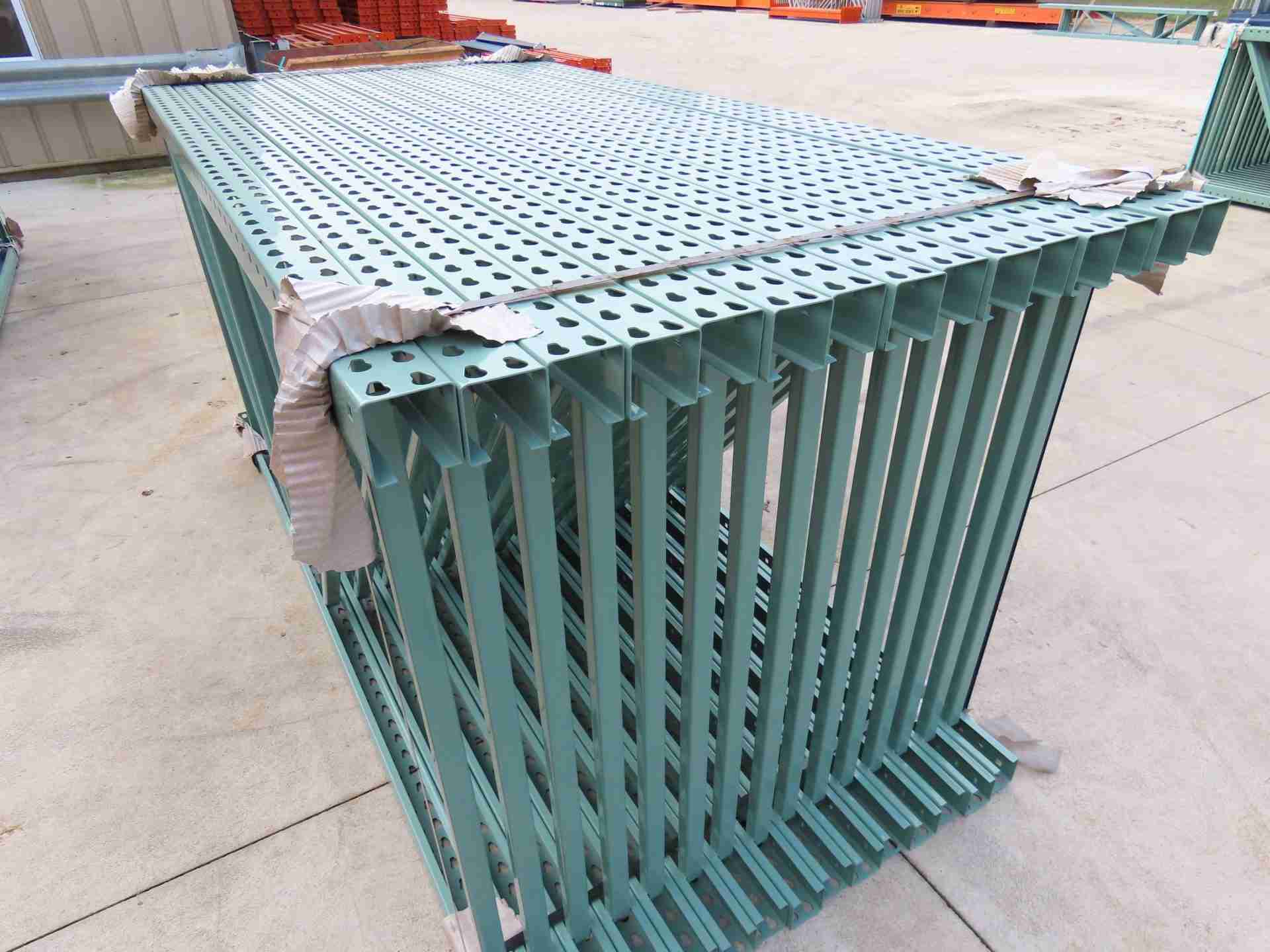
Why Racking Should Be In the Conversation with Erp Integration
Why Racking Should Be In the Conversation with Erp Integration
- Racking is a critical component of warehouse and distribution center efficiency, often overlooked amid software and process discussions.
- Organized and purposeful product positioning enhances operational success and productivity.
- Functional racking solutions maximize space utilization and reduce time spent searching for items.
- Investing in effective racking systems supports workers by promoting safe and efficient work environments.
- A cohesive racking strategy fosters teamwork and empowers staff to contribute to operational success.
- Integrating racking systems with ERP solutions streamlines order fulfillment and inventory management.
- Racking should be recognized as a vital partner in ERP integration, supporting business infrastructure and success.
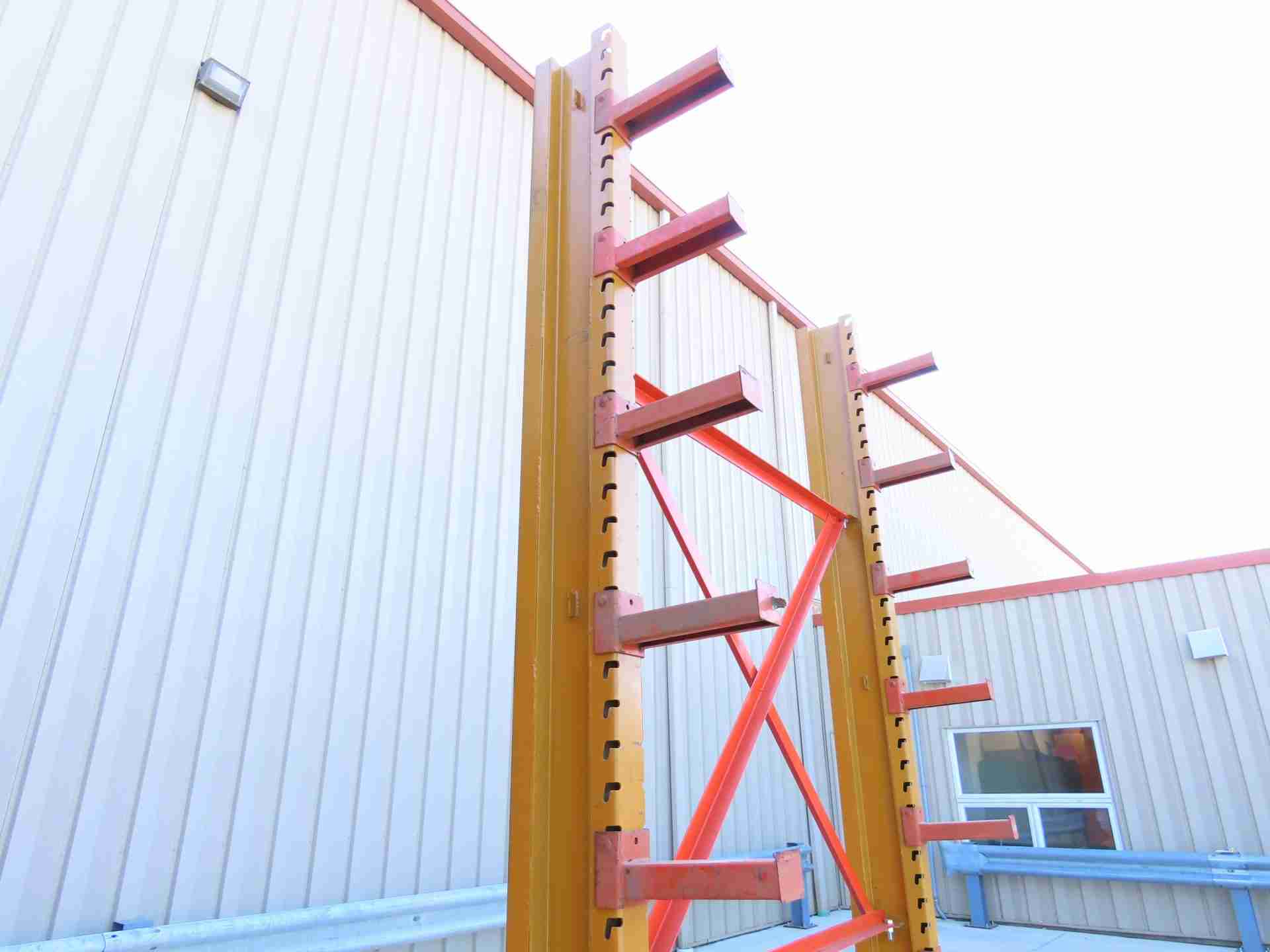
Why Racking Should Be In the Conversation with Erp Integration
Table Of Contents
- Why Racking Should Be In the Conversation with Erp Integration
- What Impact Does Racking Have on Operational Efficiency?
- How Can Racking Improve Your Bottom Line?
- Is Your Current Storage Solution Hindering Growth?
- What Are the Long-Term Benefits Of Integrating Racking with Erp?
- How Does Proper Racking Enhance Workplace Safety?
- Conclusion
- Other Resources
- Glossary Of Terms
- Other Questions
- Checklist
What Impact Does Racking Have on Operational Efficiency?
When our warehouses hum with activity, the pulse of operational efficiency is felt in every corner. One of the unsung heroes behind this vibrant rhythm is racking—the backbone of organized storage. It’s easy to overlook how these metal structures, often perceived as mere shelving units, possess the incredible power to transform a chaotic environment into a seamless operation.
Imagine a busy warehouse, where workers navigate mountains of inventory, eyes darting between items and aisles. Now, picture an efficient racking system expertly designed to clear the clutter and streamline the workflow. You can almost hear the sighs of relief as employees retrieve items in moments instead of minutes. That’s the heart of operational efficiency—less time searching, more time doing.
From a rational standpoint, think about the numbers. Implementing a smart racking system doesn’t just minimize wasted space; it maximizes productivity. Every square foot of a warehouse can be optimized, allowing for increased inventory storage and faster order fulfillment. This results in significant cost savings and a notable boost in profitability. When you can fulfill orders quicker and more accurately, customer satisfaction soars—a win-win for all involved.
Ethically, consider how a well-planned racking system contributes to employee well-being. When workers aren’t scrambling to find products, they are more engaged, less stressed, and less prone to injury. You’re investing not just in steel and structure, but in your team’s morale and health. Happy employees are productive employees, and that feeling ripples through the entire operation.
Look to the stories of those in the trenches. A small business that implemented an advanced racking solution shared how their chaos transformed into a flourishing hub of efficiency. Employees who once dreaded cluttered aisles now boast about their workspace, feeling a sense of pride in being part of something greater. This social aspect is essential. When your team feels connected and supported, they’ll go above and beyond for the company’s mission.
So, when contemplating how racking impacts operational efficiency, reflect on the broader picture. It’s about more than just shelves; it’s about creating an environment where everyone thrives. These systems embody a commitment to excellence, efficiency, and the very heart of what it means to work together toward a common goal. Embrace the power of racking, and watch as operational efficiency transforms not only your workspace but your entire team’s spirit and success.

What Impact Does Racking Have on Operational Efficiency?
What Impact Does Racking Have on Operational Efficiency?
- Racking systems are essential for operational efficiency in warehouses.
- Effective racking transforms chaotic inventory environments into organized spaces.
- Smart racking minimizes wasted space and maximizes productivity and order fulfillment.
- Implementing racking systems leads to cost savings and increased profitability.
- Well-planned racking enhances employee well-being by reducing stress and injury.
- Happy and engaged employees contribute positively to the company’s mission and productivity.
- Racking systems support a thriving workplace environment that promotes teamwork and excellence.
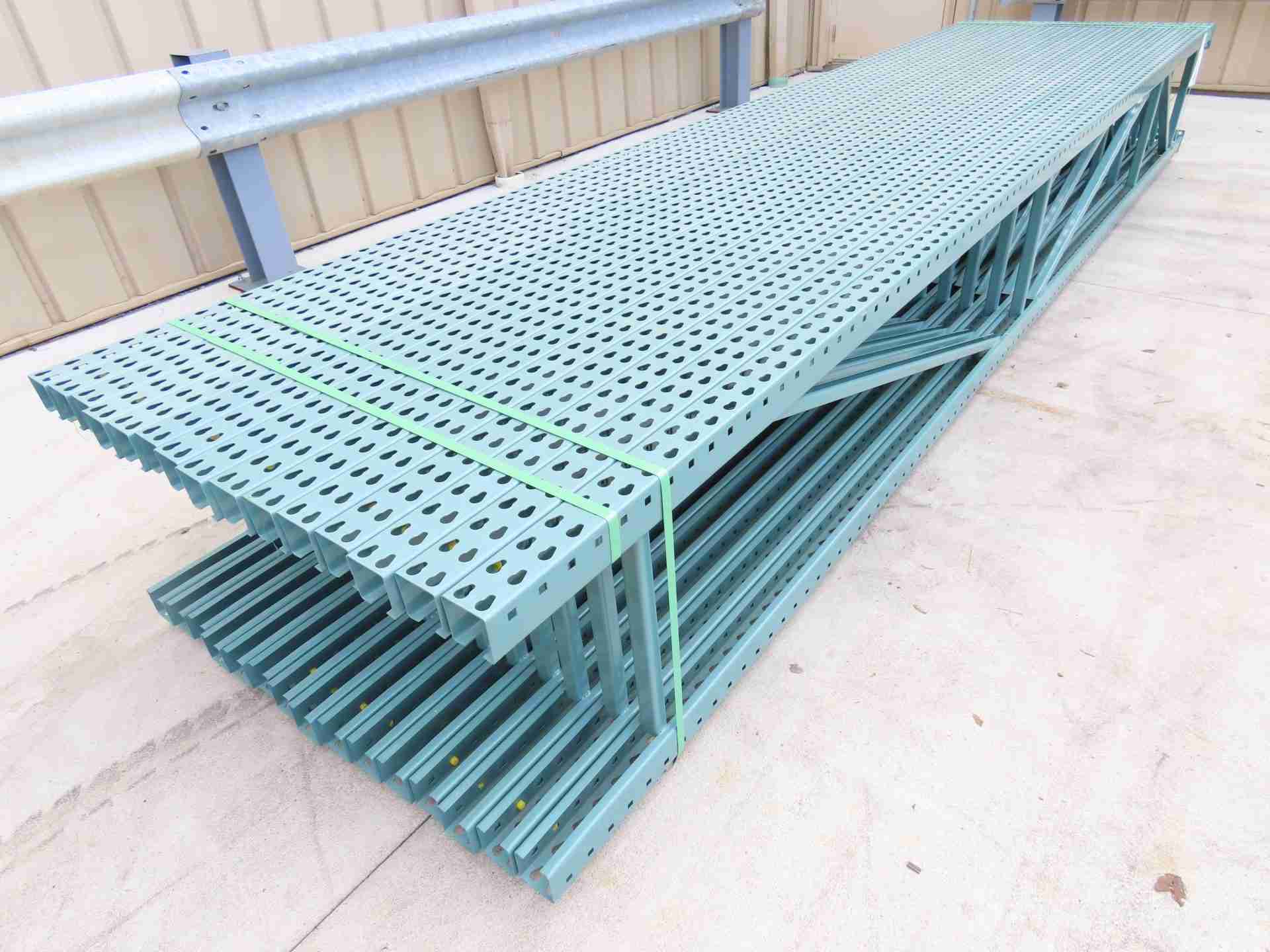
What Impact Does Racking Have on Operational Efficiency?
How Can Racking Improve Your Bottom Line?
When it comes to squeezing every last drop of efficiency and profitability from your business, there’s an often-overlooked hero in the shadows—racking. Just like a seasoned tradesman knows the importance of tools in his toolbox, savvy business owners understand that the right racking system can transform the way their operations run, ultimately boosting the bottom line.
Think about it: you’ve invested your time, sweat, and tears into building your business. But without an organized system of racking, all that hard work can feel like pushing a boulder uphill. Imagine walking into a warehouse where products are stacked high and haphazardly. Chaos reigns, and time slips away—but with a well-planned racking system, every inch of that space becomes an asset. Your team can locate items quickly, reducing wasted hours and frustration. That’s a gut punch to inefficiency, and your productivity levels will thank you.
Emotionally, consider the stress that comes from disorganization. Your employees feel it; they know when there’s a better way to work. Good racking systems foster an environment of clarity and purpose. They not only help get the job done faster but also inspire teamwork and motivation. Folks want to be proud of where they work. And when they see order instead of chaos, it makes them feel good about the role they play in your success.
Rationally, by maximizing vertical space and streamlining your storage solutions, racking reduces operational costs. The numbers don’t lie: more efficient storage means lower overhead and increased capacity for movement—creating a ripple effect of positive outcomes. It’s simple math: invest in the right racking, and watch your return skyrocket.
Ethically, think about your commitment to sustainability. Efficient racking systems reduce waste and allow you to make the most of what you have. It’s a clean, green solution that not only improves your bottom line but also reflects your values—a step towards responsible business practices that the modern consumer respects.
And don’t overlook the peer pressure of a well-organized environment. This isn’t just a personal journey; it’s about setting a standard in your industry. When your operations run smoothly and efficiently, others take notice. You become a benchmark for profitability, attracting new partnerships and customers.
So, take a moment to reflect. Is your racking system doing its job? Because when it works, it’s not just shelves holding products; it’s the backbone of your business success. It’s time to make racking a priority—and watch how it changes everything.
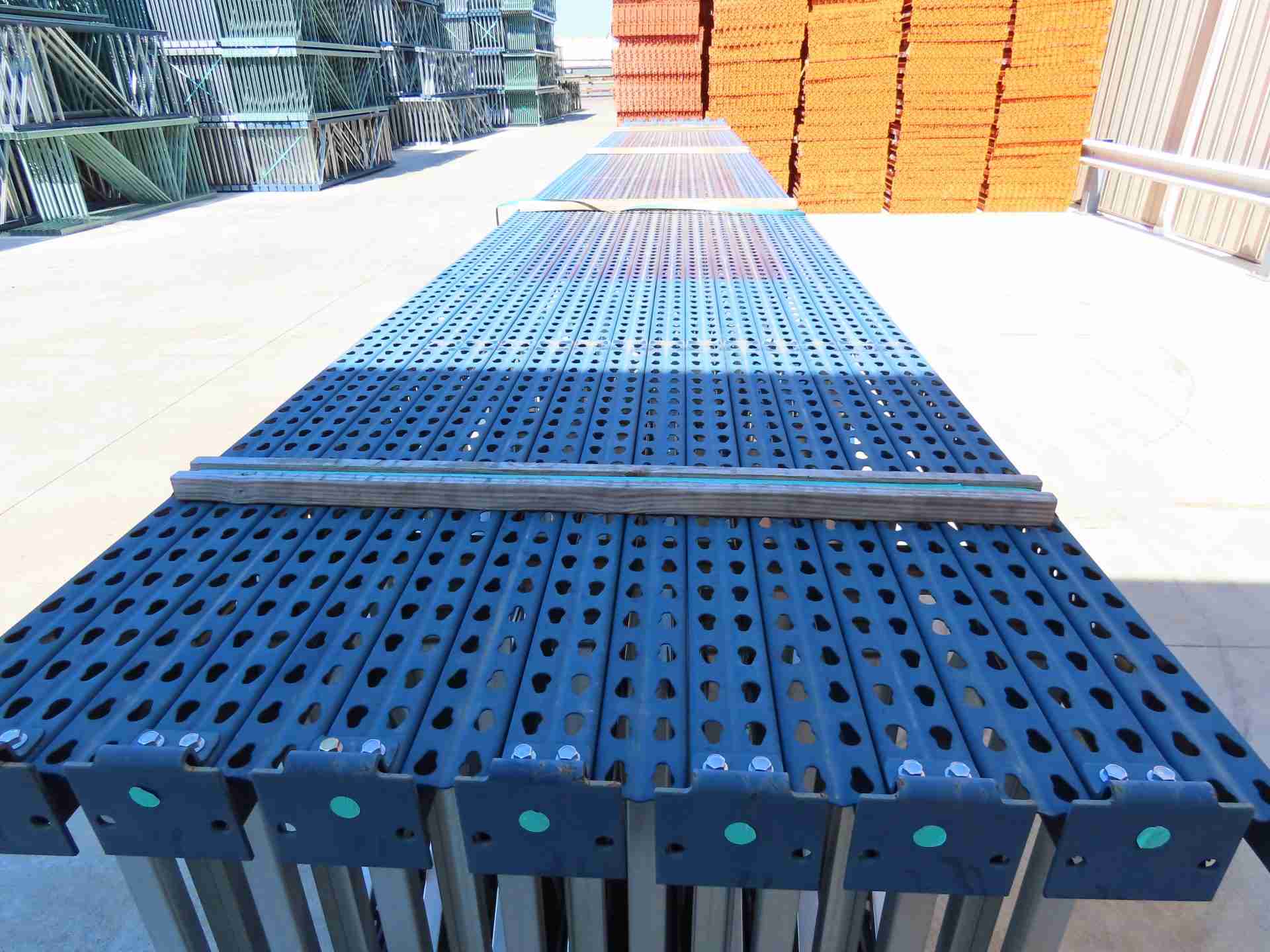
How Can Racking Improve Your Bottom Line?
How Can Racking Improve Your Bottom Line?
- Racking is an essential, often overlooked, component of business efficiency and profitability.
- An organized racking system transforms operations, enhancing productivity and reducing wasted time.
- Good racking systems foster a positive work environment, boosting employee morale and teamwork.
- Effective racking maximizes vertical space, lowers operational costs, and increases capacity.
- Sustainable racking solutions minimize waste and promote responsible business practices.
- A well-organized environment sets industry standards and can attract new partnerships and customers.
- Evaluating your racking system is crucial for business success and operational effectiveness.
How Can Racking Improve Your Bottom Line?
Is Your Current Storage Solution Hindering Growth?
When you think about the tools you rely on to build your business, what’s the heart of your operation? Is it the people you employ, the products you craft, or perhaps, the storage solutions that keep everything running smoothly? Let’s take a closer look.
Imagine your warehouse, a bustling hive of activity. You’ve got good racking systems in place, but as your business grows, are they really cutting it? If your storage is less than stellar, it’s more than just an inconvenience; it’s a barrier to your potential. Every moment spent fumbling through cluttered aisles or wrestling with subpar organization chips away at your productivity and morale. You may have a great team willing to move mountains, but if your resources aren’t supporting them, you’re setting yourself up for frustration.
The numbers don’t lie. A study found that inefficient storage solutions can reduce productivity by as much as 30%. That’s hard cash down the drain. When racks are overloaded or misconfigured, it doesn’t just hurt your margins—it can lead to costly errors. Rationally, it makes sense to invest in quality storage options. Solid racking enhances not just space utilization but also safety. You don’t want to put your employees at risk with unstable storage.
From an ethical standpoint, it’s about doing right by your team. They deserve an environment that fosters efficiency and safety—an atmosphere where their efforts can shine, rather than be stifled by outdated solutions. Think about the pride you feel when your business operates seamlessly. That pride has roots in solid fundamentals.
Let’s also tap into some storytelling here. Picture a small business that was once sandwiched between chaos and confusion, struggling to scale its operations. Then, they upgraded their storage system and saw immediate results. Orders were filled faster, employees wore smiles like badges of honor, and customers noticed. There’s power in transformation, and often, it begins with how we store our resources.
Finally, let’s not forget the simplicity of good storage. Everyone knows someone who has struggled with overflowing shelves or misplaced inventory. You’re not alone in this journey. By addressing your storage solutions, you engage not only with your own growth but also with the well-being of your colleagues and community. Trust your instincts. Say yes to the potential for growth and the prosperity that comes with a well-organized operation. When your storage works for you, everyone wins.
Is Your Current Storage Solution Hindering Growth?
Is Your Current Storage Solution Hindering Growth?
- Efficient storage solutions are crucial for business operations and employee morale.
- Poor organization in warehousing can hinder productivity and increase frustration.
- Inefficient storage can reduce productivity by up to 30%, impacting profitability.
- Investing in quality racking systems improves space utilization and employee safety.
- An effective storage system creates a positive work environment and enhances team pride.
- Transformation stories highlight the benefits of upgrading storage systems on overall operations.
- Improving storage solutions contributes to overall growth and well-being of the business community.
Is Your Current Storage Solution Hindering Growth?
What Are the Long-Term Benefits Of Integrating Racking with Erp?
Integrating racking systems with ERP is not just about efficient storage; it’s a transformational journey that reshapes how a business operates. Imagine walking into a warehouse where every item has its own designated spot—no chaos, just a well-choreographed dance of goods. This seamless integration can stir not just the heart, but also offer a profound sense of peace and belonging within the workforce. When employees know that they can quickly find what they need without unnecessary disruptions, morale gets a boost, creating a culture grounded in trust and efficiency.
Now, let’s talk pragmatism. At its core, an integrated racking system with ERP means eliminating repetition. Gone are the days when paperwork ruled the roost, and confusion lingered in the shadows. Think of how the right data, at the right time, leads to smarter decisions. An intelligent system gives you insights into stock levels, order patterns, and even seasonal needs. It’s not just a gut feeling; it’s a strategy backed by data. Knowing you can depend on this information reassures business leaders, transforming sleepless nights into peaceful dreams.
Ethically, consider the environmental benefits. An integrated approach often leads to reduced waste—not just in terms of materials, but also in energy consumption and labor costs. By optimizing space and resources, companies can contribute positively to the planet while still promoting profitability. This isn’t just good for the books; it’s good for the community, building a legacy that resonates well beyond the balance sheet.
Narratively, think of a local manufacturer who transformed their warehouse by embracing this technology. Initially hesitant, they learned the ropes of the system, and now they operate like a well-oiled machine. They’re not just moving products; they’re weaving a story of innovation that resonates with customers, suppliers, and even competitors. The community watches, the marketplace reacts, and suddenly, they are not only participants in their industry; they are leaders.
Finally, socially, we crave connection. An integrated racking and ERP system does more than just organize; it fosters collaboration. Teams can align their efforts effortlessly, share insights, and celebrate successes as one cohesive unit. This engagement and transparency can forge stronger relationships, both internally and externally, driving a sense of purpose within the workforce. So, when it comes to integrating racking with ERP, it’s more than a choice; it’s a powerful step towards a thriving future.
What Are the Long-Term Benefits Of Integrating Racking with Erp?
What Are the Long-Term Benefits Of Integrating Racking with Erp?
- Integrating racking systems with ERP transforms business operations and promotes efficient storage.
- Well-organized warehouses enhance employee morale and foster a culture of trust and efficiency.
- An integrated system eliminates paperwork and reduces confusion by providing timely, accurate data for decision-making.
- Access to data on stock levels and order patterns empowers leaders, enhancing confidence and reducing stress.
- Ethically, these systems reduce waste and energy consumption, benefiting the environment and promoting profitability.
- Local manufacturers adopting this technology experience improved operational efficiency and become industry leaders.
- The integration encourages collaboration, strengthens team dynamics, and drives purpose within the workforce.
What Are the Long-Term Benefits Of Integrating Racking with Erp?
How Does Proper Racking Enhance Workplace Safety?
When we think about workplace safety, our minds often drift to the big-ticket items: hard hats, fire extinguishers, and safety protocols that everyone seems to gloss over. But what about the unsung heroes of safety—the racking systems that hold everything in place? These systems are more than just steel frameworks; they form the backbone of a safe working environment, preventing chaos from rearing its ugly head.
Imagine a warehouse buzzing with activity—forklifts whizzing by, employees stacking pallets, and boxes teetering precariously. Now picture the racking systems that organize this bustling environment. They’re not just there to maximize space; they’re the silent sentinels of safety. When your items are properly racked, they’re less likely to topple over, creating a hazardous liability. From a rational standpoint, well-designed racking enhances operational efficiency, allowing workers to navigate their space confidently. Fewer accidents mean fewer disruptions, which translates to improved productivity and morale.
But it’s not just about numbers and figures. It’s personal. Every time a worker reaches for a box, whether it’s the last component of a vital project or a simple supply, they deserve to know that their workspace is designed with their safety in mind. When employees feel secure, they invest more of themselves in their work. They’re not just clocking in; they’re giving their all, knowing that their environment supports them. This correlation between well-organized racking and employee engagement is as clear as day.
We owe it to our teams and our communities to prioritize safety. When we cut corners or take racking for granted, we’re not only jeopardizing productivity but also risking the well-being of those who count on us. The ethical obligation to provide a safe workplace resonates deeply within each of us. It’s about making sure that every person leaves the job site in the same condition they arrived—fit, healthy, and whole.
Moreover, we’re part of a larger community of businesses and organizations that share a common goal: to inspire trust through safety and reliability. By investing in proper racking systems, we send a message—one that echoes throughout the industry. It’s a promise that we value human life and well-being above all else. And that promise is worth standing behind, so let’s make it happen!
How Does Proper Racking Enhance Workplace Safety?
How Does Proper Racking Enhance Workplace Safety?
- Workplace safety often focuses on high-visibility items like hard hats and fire extinguishers.
- Racking systems are essential components that enhance safety by preventing chaos in work environments.
- Properly designed racking reduces the risk of items toppling over, minimizing hazardous situations.
- Effective racking improves operational efficiency, allowing workers to navigate safely and confidently.
- Employees who feel secure in their workspace are more engaged and committed to their work.
- Providing a safe workplace is an ethical obligation that impacts productivity and employee well-being.
- Investing in racking systems promotes a culture of safety and reliability across the community and industry.
How Does Proper Racking Enhance Workplace Safety?
Conclusion
Racking is not merely an afterthought in the world of warehousing; it’s the silent backbone crucial to efficiency, safety, and community spirit within our operations. While we often celebrate the high-tech advancements of ERP systems and streamlined processes, racking deserves its moment in the spotlight for what it truly represents: the foundation from which success springs. Imagine an organized warehouse where items are positioned strategically, reducing the time workers spend searching for products and transforming chaos into clarity. This is not just about shelving; it’s about creating an environment where operations can thrive.
From a practical standpoint, effective racking increases space utilization and significantly boosts productivity. When employees can access items quickly, it translates directly into faster order fulfillment and happier customers. This is the emotional pull—an invigorated workforce taking pride in their organized surroundings, where efficiency melds with morale. It’s about fostering a culture where every team member feels valued and engaged, fully aware that their workspace supports their efforts instead of hindering them.
Moreover, integrating racking with ERP systems elevates our operational capabilities beyond mere efficiency. It creates a seamless dance of data and inventory, where shifts in storage not only optimize space but also promote safety. A well-structured racking system reduces the risks associated with disorganization—fewer items fall, fewer injuries happen, and the whole environment feels more secure. This is not just a rational evaluation but an ethical commitment to protecting our workforce.
Let’s also embrace the narrative dimension here. Picture the story of a business once beleaguered by clutter and confusion that blossomed after investing in quality racking. Employees transformed from overwhelmed to empowered, and the business became a beacon of community trust, showcasing a commitment to excellence that ripples through the industry.
Racking isn’t just about holding products; it’s about nurturing a cohesive workplace culture where support is felt at every level. It emphasizes the essence of collaboration, where teams align under shared goals and successes become collective victories. By prioritizing proper racking, we set a standard of operational excellence, inspiring trust and reliability both in our teams and the communities we serve.
So, let’s acknowledge racking as a vital player in the conversation about ERP integration. This isn’t just about technology; it’s about building bridges, fostering safety, and paving the way for a brighter, more efficient future for our businesses and the people behind them. Embrace this partnership, and witness how racking can elevate every aspect of your operations, delivering lasting success, and inspiring pride in every individual it touches.
Conclusion
Conclusion:
- Racking is essential for efficiency, safety, and community spirit in warehousing operations.
- Effective racking enhances space utilization and boosts productivity, leading to faster order fulfillment.
- An organized workspace improves employee morale, creating a culture of pride and engagement.
- Integrating racking with ERP systems optimizes operational capabilities and enhances safety.
- A well-structured racking system minimizes risks related to disorganization, promoting a secure environment.
- Investing in quality racking transforms businesses from cluttered to empowered, fostering community trust.
- Prioritizing racking cultivates collaboration and operational excellence, inspiring trust in teams and communities.
Conclusion
Other Resources
Other Resources
Here is a list of other resources you can review online to learn more:
- Warehouse Automation
- Cantilever Racks Chicago
- Pallet Racks, Pallet Racking, Pallet Shelves in Stock – ULINE
- Teardrop Pallet Rack – Ridg-U-Rak
- Shipping Boxes, Packaging Materials, Pallet Racking
- Pallet Racking systems in Illinois, Great Lakes
- Warehousing Education and Research Council: https://www.werc.org/
- WERC
- BMH Equipment LLC
- Wolter
- NSC
- Warehouse Racking System: Powerful Guide to Optimise, 2024
- Cantilever Rack Guide: Ordering Cantilever Racking
- Intro to Warehouse Racks & Warehouse Racking Systems – ShipBob
- The Complete Pallet Rack Guide – Simply Rack
- Heavy-Duty Cantilever Storage Racks
- Teardrop Pallet Rack – Ridg-U-Rak
- Teardrop Uprights
- Selective Rack – Raymond West
- BMH
Use This Prompt To Get More Resources With Your Favorite Online AI Tool: Please provide me with a list of online articles with their URLs in a bulleted list that I can read regarding Why Racking Should Be In the Conversation with Erp Integration
Other Resources
Glossary Terms
Why Racking Should Be In the Conversation with Erp Integration – Glossary Of Terms
1. Racking: A storage system consisting of shelves or frameworks that hold and organize items, typically in warehouses or distribution centers.
2. ERP (Enterprise Resource Planning): Software that integrates core business processes, including inventory management, finance, and HR, into a unified system.
3. Integration: The process of combining different systems or components to function together as a cohesive unit.
4. Warehouse Management: The process of overseeing and controlling warehouse operations, including inventory management and order fulfillment.
5. Inventory Control: The methodology employed to manage inventory levels, ensuring optimal stock is available without overstocking.
6. Supply Chain Management: The management of the flow of goods and services, including all processes that transform raw materials into final products.
7. Data Flow: The movement of data between systems, which is crucial in aligning operations, like racking with ERP systems.
8. Automation: The use of technology to perform tasks with minimal human intervention, often used in warehousing for efficiency.
9. Real-time Data: Information that is available immediately as events occur, enabling quick decision-making and responsiveness.
10. Scalability: The ability of a system to grow and accommodate increasing amounts of work or to be easily expanded.
11. Utilization Rate: A measure of how effectively the space and resources in a warehouse are being used.
12. Configuration: The arrangement and setup of racking systems, which can influence efficiency in storage and retrieval processes.
13. Cross-docking: The practice of unloading goods from inbound vehicles and loading them directly onto outbound ones, minimizing storage time.
14. Pick and Pack: The process of selecting items from storage to fulfill orders and packing them for shipment.
15. Lead Time: The amount of time taken from the initiation of a process until its completion, important for inventory management.
16. Cycle Count: An inventory auditing procedure that counts a portion of inventory in rotation, ensuring accuracy.
17. SKU (Stock Keeping Unit): A unique identifier for each distinct product and service that can be purchased, crucial for inventory management.
18. Safety Stock: Extra inventory kept on hand to mitigate stockouts during demand fluctuations or supply chain disruptions.
19. Throughput: The amount of goods processed or moved through a system in a given timeframe, indicating operational efficiency.
20. Demand Forecasting: The process of predicting future customer demand based on historical data, critical for inventory planning.
21. Space Optimization: Strategies to maximize storage capacity and efficiency within a warehouse, often influenced by racking design.
22. Order Fulfillment: The complete process of preparing and delivering an order to a customer, involving storage and distribution.
23. FIFO (First In, First Out): An inventory management principle where the oldest stock is sold or used first, often used to reduce spoilage.
24. LIFO (Last In, First Out): An inventory management method where the most recently received items are sold or used first.
25. Asset Management: The system of overseeing and maintaining physical assets over their lifecycle for optimal performance.
26. Barcode Systems: A method of tracking inventory and sales through scannable codes, ensuring accurate data in ERP systems.
27. Returns Management: The process of handling returns from customers, crucial for maintaining inventory balance and customer satisfaction.
28. Collaboration Tools: Software or systems used to enhance communication and teamwork between departments, crucial for effective ERP integration.
29. Inventory Turnover Ratio: A calculation that shows how many times inventory is sold and replaced over a period, indicating efficiency.
30. Change Management: The strategy for managing a transition within an organization, essential when integrating new technologies like ERP systems.
Glossary Of Terms
Other Questions
Why Racking Should Be In the Conversation with Erp Integration – Other Questions
If you wish to explore and discover more, consider looking for answers to these questions:
- What types of racking systems are most effective for different warehouse layouts?
- How does racking integrate with different ERP systems?
- What are the initial costs associated with implementing a new racking system?
- How can businesses measure the impact of racking on their operational efficiency?
- What are some best practices for maintaining racking systems?
- How often should a warehouse assess its racking needs?
- In what ways can racking systems contribute to sustainability initiatives?
- What safety standards should be considered when choosing racking systems?
- How can employee feedback be incorporated into racking system designs?
- What are the common challenges faced when integrating racking with ERP?
- Can racking systems be customized for specific industries?
- What training is necessary for warehouse staff to effectively use a new racking system?
- How does racking affect inventory accuracy and management?
- What technologies are available to enhance racking systems further?
- Are there case studies that demonstrate the success of racking integration with ERP?
Other Questions
Checklist
Why Racking Should Be In the Conversation with Erp Integration – A Checklist
Racking and ERP Integration Checklist
Emotional Appeals
_____ Visualize Success: Picture a streamlined warehouse. How does it feel to walk through an organized space?
_____ Cultivate Team Pride: Reflect on how a well-structured racking system empowers employees and fosters pride in their roles.
Rational Appeals
_____ Evaluate Efficiency: Assess current storage solutions for space utilization and time savings. Are they optimized for productivity?
_____ Analyze Costs: Calculate potential cost savings from reduced operational inefficiencies and quick order fulfillment.
Ethical Appeals
_____ Promote Worker Safety: Ensure that your racking systems prioritize employee safety. Are they designed to minimize risk and promote well-being?
_____ Adopt Sustainable Practices: Consider the environmental impact of your racking solutions. Do they help reduce waste and support sustainable operations?
Authority Appeals
_____ Leverage Industry Standards: Research best practices in racking solutions and ERP integration. Are you following the expertise of industry leaders?
_____ Seek Expert Advice: Consult with professionals who specialize in warehouse management and racking systems to maximize effectiveness.
Narrative Appeals
_____ Share Transformation Stories: Develop a narrative around successful racking system implementations—how have businesses transformed their environments?
_____ Engage Your Team: Encourage team members to share their experiences related to storage challenges and successes, creating a collective story of growth.
Social Appeals
_____ Foster Collaboration: Create opportunities for team discussions about racking systems. How can everyone contribute to making improvements?
_____ Set an Industry Benchmark: Consider how a well-organized racking system positions your business as a leader in operational efficiency within your sector.

Checklist
At RackingWorld, we help guide you through selecting warehouse storage systems and racking.
Be sure to read our other related stories at RackingWorld to learn more about warehouse storage systems.
0 Comments