
Maximize Value And Peace Of Mind With The Right Storage Solution
By Tom Seest
At RackingWorld, we help guide you through selecting warehouse storage systems and racking.
Be sure to read our other related stories at RackingWorld to learn more about warehouse storage systems.
Used Pallet Racks Vs. Refurbished: Know the Difference
When it comes to choosing between used pallet racks and refurbished ones, there’s a lot more at stake than just price. Sure, we all love a good deal, but let’s dig deeper into what each option truly offers. Used pallet racks might scream “cheap,” but they also carry the history of countless moving parts, each one marked by the daily grind of a bustling warehouse. They’ve seen it all—loading, unloading, and everything that comes with the rhythm of business. And while that may instill a sense of rugged durability, it also comes with risks. Is that trustworthiness rooted in years of service or a ticking time bomb waiting to fail just when you need it most?
On the flip side, refurbished racks are like the phoenix of the racking world. They’ve shed their past, primed for a new life with the added benefit of rigorous inspections and repairs. Each beam, each upright, and each plate is meticulously restored, often enhanced with improved safety standards. Choosing refurbished is not just a practical decision; it’s an ethical one. It’s a choice that values sustainability, extending the lifespan of these vital structures, and reducing waste. It’s making sure that your investment isn’t just a transaction but a commitment to responsible business practices.
Yet, let’s not forget the heart of the matter: your people. Safety in the workplace isn’t just a guideline; it’s the foundation upon which effective operations stand. By opting for refurbished racks, you’re sending a message to your team: you care about their safety and productivity. You’re building a culture that doesn’t just aim for efficiency but strives for excellence.
Emotion plays a big role here too. Picture your warehouse, bustling and alive, trusting not just in the machinery but in the space that holds it all together. That’s the power of thoughtful investment. Imagine walking into that space, knowing that your equipment has been chosen with care, inspected with precision, and catered to the needs of your business.
So, whether you lean towards used pallet racks or take the leap into the refurbished path, tread wisely. The choice isn’t only about the racks—it’s about what they represent. They’re not just tools; they’re vital components in the journey of your enterprise. Make the choice that resonates with your values, your business, and, above all, your people.
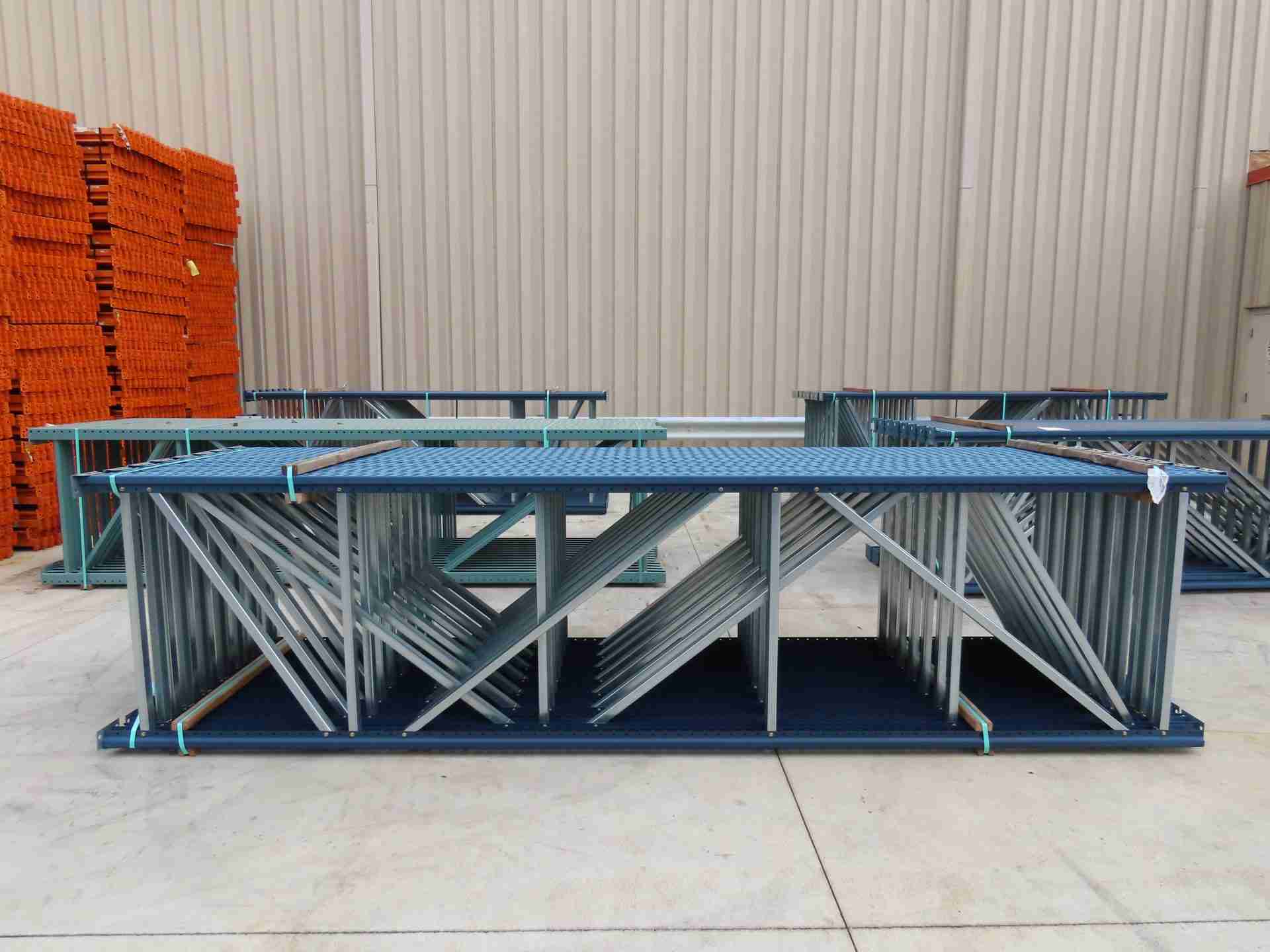
Used Pallet Racks Vs. Refurbished: Know the Difference
Used Pallet Racks Vs. Refurbished: Know the Difference
- Choosing between used and refurbished pallet racks involves more than just price considerations.
- Used pallet racks have a history of wear and tear from constant use in warehouses, raising concerns about durability and reliability.
- Refurbished racks undergo thorough inspections and repairs, enhancing safety standards and ensuring quality.
- Opting for refurbished racks is an ethical decision, promoting sustainability by extending the lifespan of existing structures and reducing waste.
- By choosing refurbished options, businesses prioritize workplace safety, demonstrating care for employee well-being and productivity.
- The emotional aspect of investment plays a role, fostering trust in the equipment and the workspace environment.
- Ultimately, the choice reflects values and impacts the overall health and culture of the enterprise.
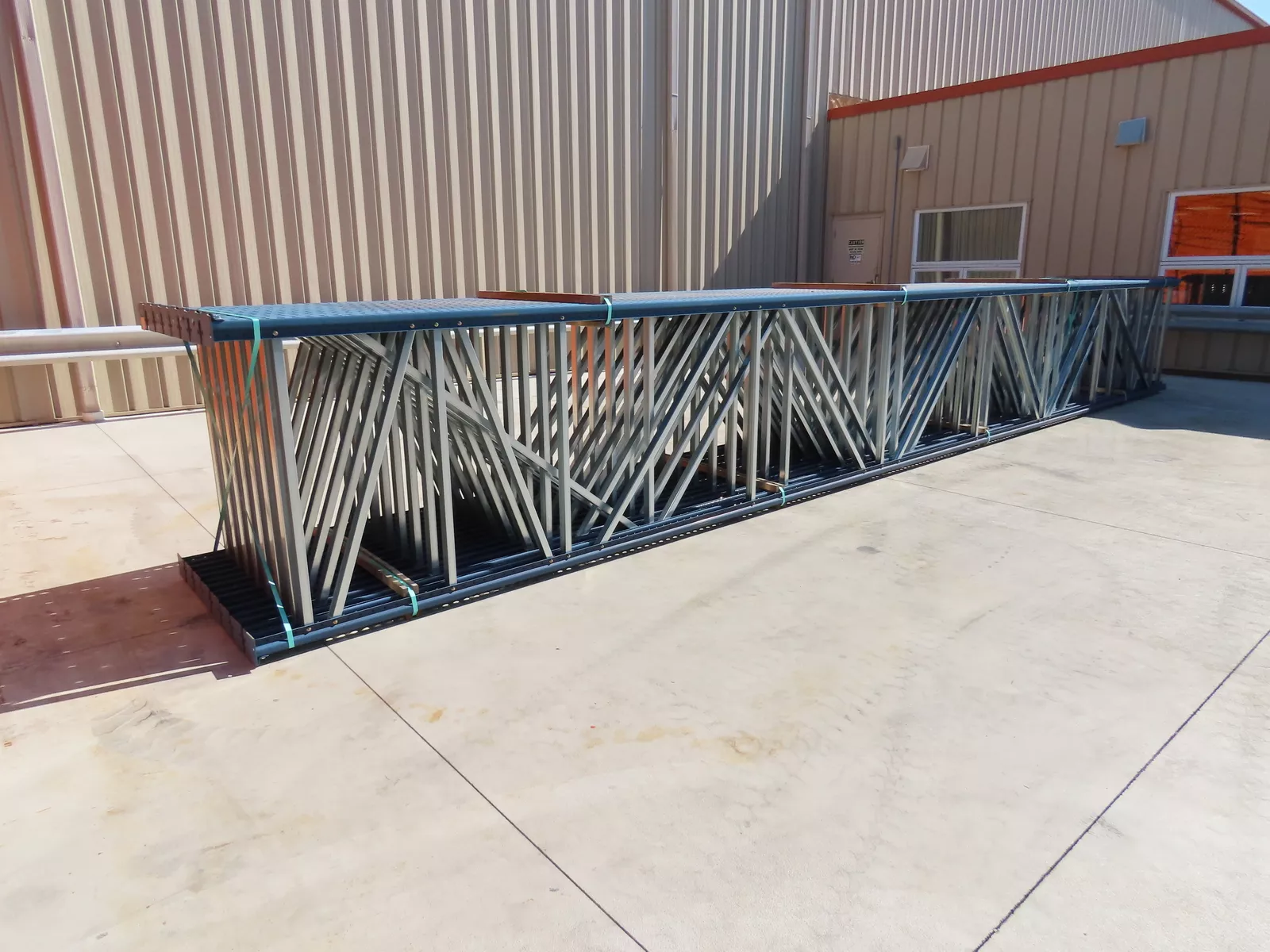
Used Pallet Racks Vs. Refurbished: Know the Difference
Table Of Contents
- Used Pallet Racks Vs. Refurbished: Know the Difference
- What Emotions Do You Feel When Considering Used Pallet Racks?
- How Do Refurbished Racks Ensure Safety and Reliability?
- Are You Making the Most Cost-Effective Choice for Your Business?
- What Ethical Concerns Arise When Purchasing Used Equipment?
- How Can You Trust the Authority Of Suppliers In This Market?
- Conclusion
- Other Resources
- Glossary Of Terms
- Other Questions
- Checklist
What Emotions Do You Feel When Considering Used Pallet Racks?
When considering used pallet racks, it’s not just the steel and the structure that stir up feelings—there’s a range of emotions tied to decision-making, possibility, and responsibility. Picture this: you’ve got a warehouse filled with potential, but without the right racking, all that potential might lie hidden under chaos.
On a gut level, there’s a sense of hope coupled with anxiety. Hope because you imagine your space transforming, organized and optimized, allowing you to run your operation more efficiently. Yet, there’s anxiety as well, stemming from the fear of making the wrong choice. Every rack you look at carries a history, and with it, the weight of past successes and failures. It’s natural to wonder if the investment will pay off, particularly when stretched budgets demand careful selections.
Then there’s the heart of the matter. Racking systems are more than mere equipment; they embody the dreams of a business owner striving to provide for their family or employees. You want that rack to serve not just as a tool, but as a foundation upon which a brighter future is built. When you consider the stories that come with these used racks—moving products that feed families, shipping out materials that keep communities thriving—you can’t help but feel a connection to something greater. It’s a symbol of resilience in an ever-changing marketplace.
Rationally, you know buying used is a smarter financial decision. But it goes beyond mere economics; it’s about sustainability, about making choices that reduce waste and conserve resources. By opting for used options, you’re not only saving money but also embracing an ethical responsibility to protect our planet. It’s the right move, both for your bottom line and for the greater good.
In terms of authority, seeking guidance from industry experts or trusted peers can ease those nagging doubts. They’ve been there. They understand the emotional wrestle between excitement and apprehension. As you build connections within your community, you create a network of support that reinforces your confidence in choosing the right racking solution.
As you stand in front of used pallet racks, envision not just the shelves and beams but the impact they’ll have. Feel the weight of their potential. Embrace that mix of joy, anxiety, and determination. This is more than just a decision; it’s a leap towards a future where your operation thrives, and your dreams come to life.

What Emotions Do You Feel When Considering Used Pallet Racks?
What Emotions Do You Feel When Considering Used Pallet Racks?
- Choosing used pallet racks evokes emotions tied to decision-making, potential, and responsibility.
- There is a blend of hope for transformation and anxiety about making the right choice.
- Every racking system has a history, reflecting past successes and failures.
- Racking systems symbolize the dreams and aspirations of business owners aiming to support their families and communities.
- Opting for used racks is a financially smart and sustainable choice that reduces waste and conserves resources.
- Consulting with industry experts can alleviate doubts and provide reassurance in decision-making.
- Considering used racks is a step towards a thriving operation and realization of dreams.
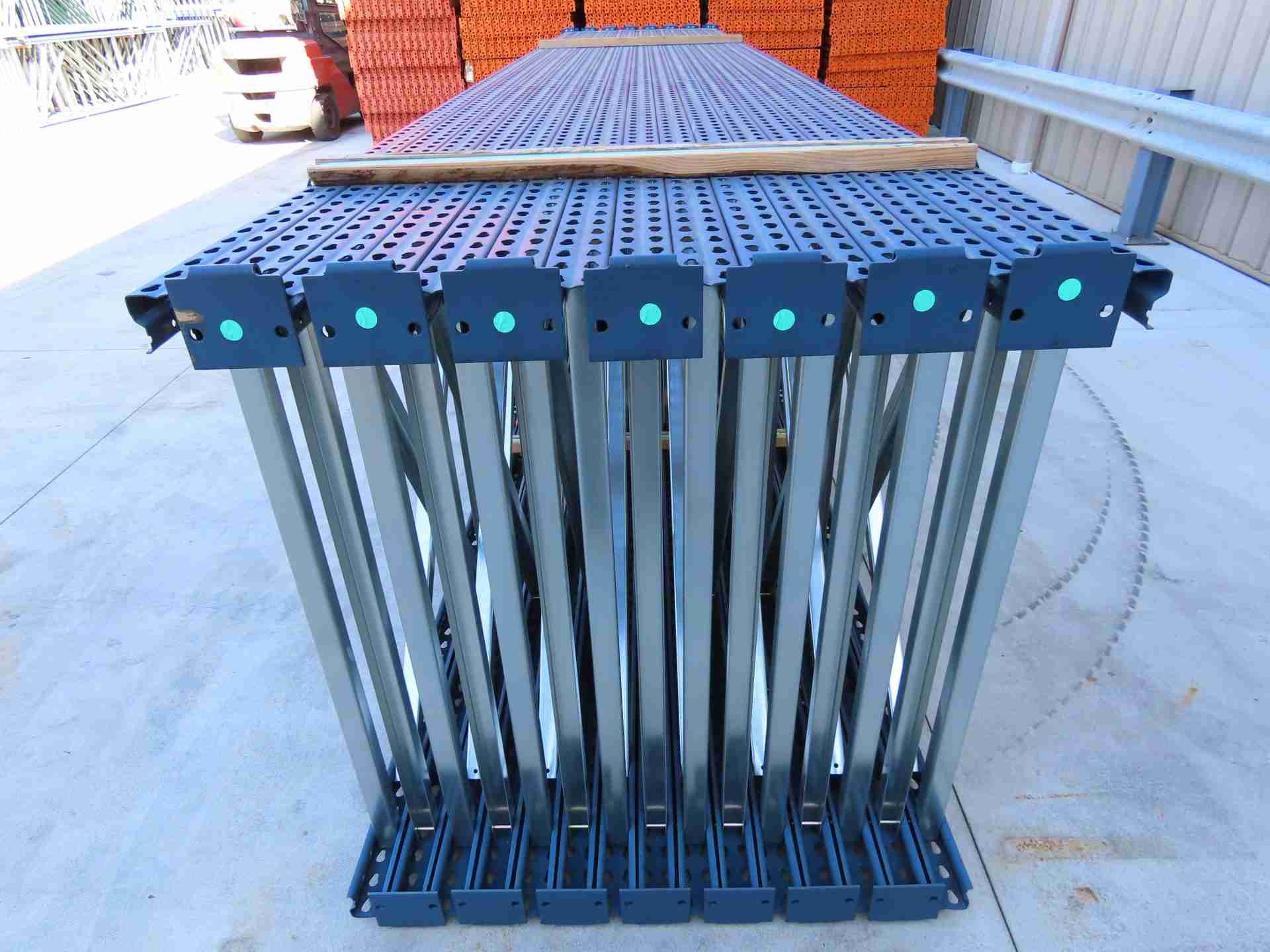
What Emotions Do You Feel When Considering Used Pallet Racks?
How Do Refurbished Racks Ensure Safety and Reliability?
When we step into a warehouse or a manufacturing facility, our eyes might be drawn to the hustle and bustle, yet it’s those unassuming structures—racks—that quietly hold the weight of operations. Racking systems, often overlooked, serve as the backbone of storage solutions, cradling everything from delicate components to heavy machinery. Their reliability isn’t just a matter of convenience; it’s a matter of safety.
Refurbished racking systems, when handled by skilled hands, can be a testament to both ingenuity and ethical responsibility. They breathe new life into what might have been dismissed as obsolete, showcasing human creativity at its finest. Each piece undergoes rigorous inspections and refurbishments, expertly crafted to meet safety standards. Imagine the feeling of reassurance when you see a rack that has been thoroughly vetted, offering the promise of safety to the countless workers who depend on it every day. This process not only enhances the reliability of these racks but also champions a sustainable approach—keeping functional materials out of landfills and turning them into dependable storage solutions.
Behind every refurbished rack is a story—one that resonates with the essence of teamwork and commitment to quality. These racks are not just metal beams; they are a symbol of what happens when we refuse to compromise on safety. Each rack carries with it the weight of people’s livelihoods, from factory operatives to supply chain workers. This narrative intertwines our everyday lives with the equipment that supports us, fostering a profound connection between the worker and their environment.
Moreover, opting for refurbished racking systems can be an ethical choice for companies striving to uphold corporate responsibility. It sends a clear message: taking a thoughtful approach to resource management can build trust and strengthen relationships with clients and employees alike. By investing in reliable, refurbished options, businesses convey their commitment to quality and safety.
So, next time you consider racking systems, think beyond the metal. Recognize the safety, reliability, and unwavering commitment to excellence these refurbished solutions represent. Trust is built piece by piece—one refurbished rack at a time—and in that trust lies the foundation of every successful operation. Each rack doesn’t just hold inventory; it holds promise, duty, and a vital role in our shared futures.
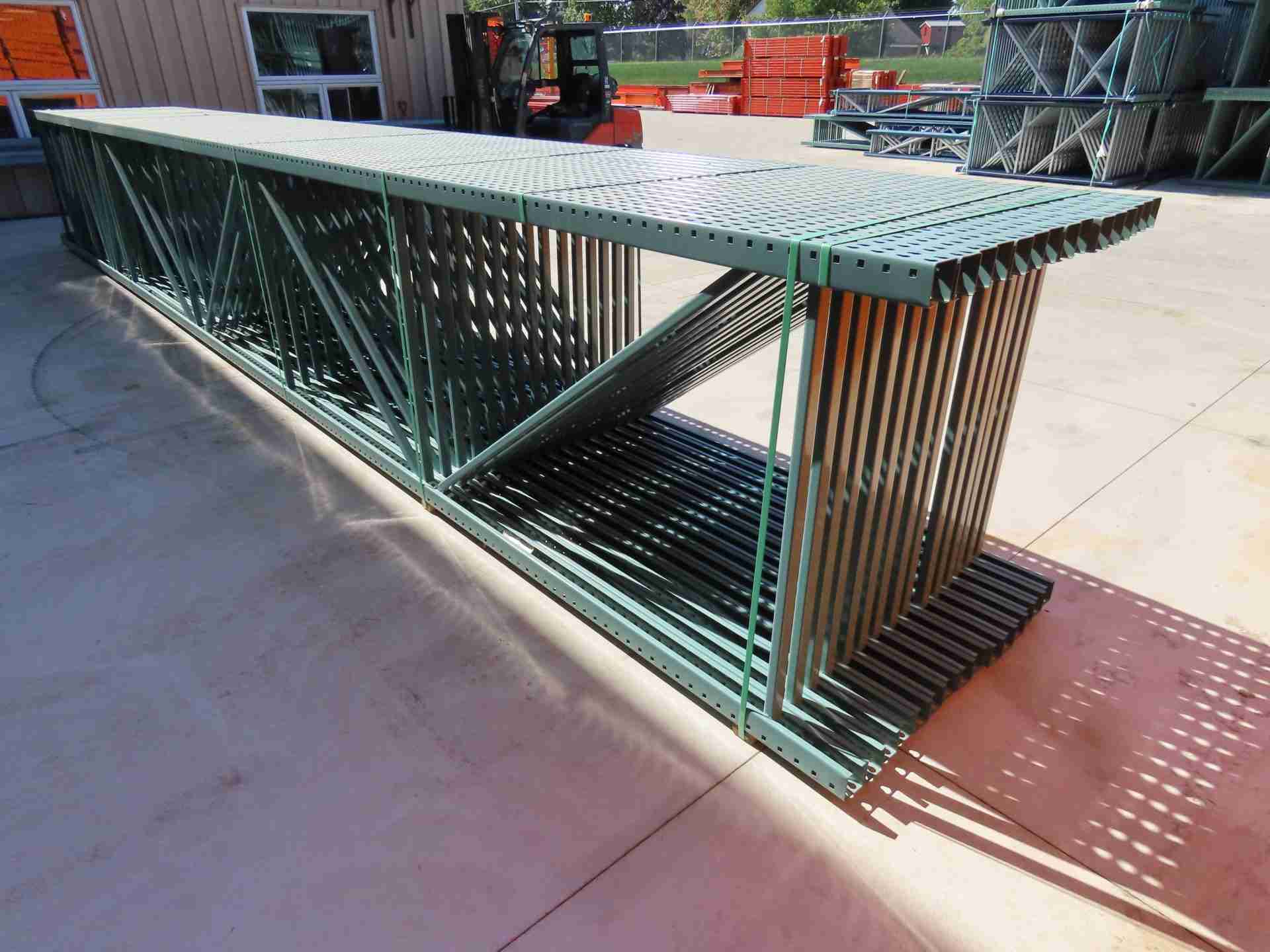
How Do Refurbished Racks Ensure Safety and Reliability?
How Do Refurbished Racks Ensure Safety and Reliability?
- Racking systems are essential to warehouse and manufacturing operations, supporting storage needs from delicate to heavy items.
- Refurbished racking systems showcase ingenuity and ethical responsibility by revitalizing seemingly obsolete materials.
- Each refurbished rack undergoes rigorous inspections and refurbishments to ensure it meets safety standards.
- Refurbishment enhances reliability and promotes sustainability by reducing waste and keeping functional materials out of landfills.
- Every refurbished rack symbolizes teamwork and commitment to quality, impacting the livelihoods of numerous workers.
- Choosing refurbished racking systems reflects a company’s commitment to corporate responsibility and resource management.
- Investing in reliable, refurbished racks builds trust with clients and employees, reinforcing a commitment to quality and safety.
How Do Refurbished Racks Ensure Safety and Reliability?
Are You Making the Most Cost-Effective Choice for Your Business?
When it comes to running a business, the decisions we make often rest on a delicate balance between our heart, head, and gut. Imagine standing in your warehouse, gazing at rows of Racking that hold not just products, but the hopes and ambitions you’ve poured into your enterprise. Beyond the dollars and cents, there’s an emotional investment that connects you to every item on those shelves. Each piece represents a promise to your customers—one that says you’re committed to delivering quality and reliability.
But let’s take a step back. The head plays its part too; every choice should be backed by solid reasoning. Look at your financial statements—are you maximizing your resources? Are you opting for cost-effective solutions that allow you to reinvest in your team, equipment, or technology? The data doesn’t lie; understanding your actual costs versus the benefits of various options is crucial. The math is simple: every dollar saved today can translate to growth tomorrow.
Now, think about what drives your decisions ethically. As business owners, we have a responsibility—not just to ourselves but to our employees, our community, and the environment. Prioritizing sustainable practices is not only right; it’s smart business. Consumers increasingly prefer brands that align with their values, which means your choices today could build a loyal customer base tomorrow.
And let’s not forget the power of a story. Share your journey; let your customers know about the challenges you’ve faced and the triumphs you’ve celebrated. This narrative creates connection and loyalty—people want to support brands that resonate with their own experiences. When you engage with them authentically, you foster a community that stands by you during turbulent times.
Finally, as you consider your next steps, listen to your gut. It’s easy to get bogged down in logic and figures, but sometimes the most impactful choice is driven by instinct. Trust it. If something feels off, it probably is. Take action, adjust your strategy, and focus on making those cost-effective choices that not only enhance your bottom line but also support your values and your vision.
Are you ready? Your decisions today are the foundation for the future you want to create. Embrace the journey, make those connections, and move forward with confidence.
Are You Making the Most Cost-Effective Choice for Your Business?
Are You Making the Most Cost-Effective Choice for Your Business?
- Business decisions balance emotional investments, logical reasoning, and instinct.
- Products in your warehouse reflect your ambitions and commitment to quality for customers.
- Data-driven choices optimize resources, enabling reinvestment in team and technology.
- Ethical considerations and sustainable practices are essential for long-term success.
- Storytelling fosters connection and loyalty, encouraging support from customers.
- Instinct plays a crucial role; trust your gut when something feels off.
- Your decisions today shape the future—move forward with confidence and purpose.

Are You Making the Most Cost-Effective Choice for Your Business?
What Ethical Concerns Arise When Purchasing Used Equipment?
When it comes to purchasing used equipment, ethical concerns can loom larger than the machinery itself. Picture this: you’re eyeing that well-worn racking system, seeing the promise of opportunity and savings, yet you must pause to consider the stories behind it. Each piece of secondhand gear carries a history, often intertwined with the lives of those who poured their sweat and labor into its utilitarian purpose. It’s not just metal and bolts; it’s a part of someone’s journey, a stepping stone in the pursuit of a dream or the struggle for survival.
Now, let’s engage our heads. Buying used often seems like a no-brainer—lower costs, reduced waste, and a chance to prolong the life of valuable resources. Yet, lurking beneath those enticing price tags are ethical mines waiting to be navigated. You may ask yourself: Where has this equipment been? Who owned it before? Was it properly maintained or repaired? These questions matter, not just for your peace of mind but for the broader implications of your purchase decision. Are you supporting local businesses, or indirectly contributing to a cycle of exploitation by a seller with less-than-ethical practices?
Your gut instinct, that little voice urging you to tread carefully, is more than just a feeling; it’s a reflection of your values. When you choose to buy used, you can champion sustainability and safety. The truth is, responsible sourcing of equipment ensures that it has been treated ethically along its journey to your facility. If you remain vigilant and mindful, you have the power to make choices that reflect not only your business ethics but also your commitment to a larger community that’s in this together.
After all, we’re all part of a web of interconnections. By opting for carefully vetted secondhand goods, you become part of a collective movement toward a more sustainable future. You are not just acquiring items; you are fostering relationships with businesses that prioritize accountability and integrity.
So, take that step with confidence. Seek visionaries and sellers who value transparency, those who ensure that every old racking system sold is another small victory against wastefulness and exploitation. Together, let’s pave the path for a world where every purchase is an opportunity to make an ethical choice, inspiring others to think twice when they reach for that used gear. Embrace the chance to connect, contribute, and create a ripple effect of kindness and responsibility in the marketplace.
What Ethical Concerns Arise When Purchasing Used Equipment?
What Ethical Concerns Arise When Purchasing Used Equipment?
- Purchasing used equipment raises important ethical concerns beyond just the machinery.
- Each piece of secondhand gear has a unique history linked to its previous owners’ experiences and efforts.
- Buying used can offer benefits like lower costs and reduced waste, but ethical considerations must be addressed.
- Questions regarding the equipment’s previous ownership, maintenance, and repair history are crucial for informed purchasing decisions.
- Your purchasing choices can impact local businesses and perpetuate exploitation if not made carefully.
- Responsible sourcing of used equipment supports sustainability and reflects your business ethics.
- By selecting vetted secondhand goods, you contribute to a collective movement promoting accountability and integrity in the marketplace.
What Ethical Concerns Arise When Purchasing Used Equipment?
How Can You Trust the Authority Of Suppliers In This Market?
In today’s bustling marketplace, the weight of choice can feel as heavy as a racking system packed with inventory. We find ourselves navigating an endless sea of suppliers, each promising reliability, quality, and unbeatable prices. But how do we sift through the noise to discover those who genuinely deserve our trust?
It starts with a gut feeling—a whisper deep down that can signal something’s amiss or affirm a strong partnership ahead. Trust is built on relationships, not mere transactions. Engage in conversations with potential suppliers. Ask questions that matter. Don’t just scratch the surface; dig deeper. Authentic suppliers will welcome transparency, freely sharing their stories, values, and even their challenges. It’s in these narratives that we find the makings of trust.
When suppliers speak of their journey, it often mirrors our own struggles and victories. They might share how they weathered economic storms or innovated in the face of adversity. Their resilience can resonate with us, reminding us that business is more than just numbers—it’s about people. By recognizing their humanity, we foster a connection that transcends the bottom line.
Rationally, we must assess their credentials and background. Don’t shy away from seeking third-party reviews or testimonials. These authentic endorsements can provide a clearer picture of a supplier’s reputation. Engage with their existing customers. A conversation with someone who has walked this path before can offer insights that no glossy marketing brochure ever could.
But let’s not forget the ethical dimension. Trustworthy suppliers abide by a code, adhering to principles that govern their practices. They prioritize transparency and accountability. Look for certifications or industry standards that validate their claims. If a supplier stands by their ethical commitments, it speaks volumes about their integrity.
As you weigh your options, consider the social implications too. Supporting suppliers who give back to their communities or who prioritize sustainable practices can align your values with theirs. It’s about making choices that not only benefit our own bottom line but also contribute to the larger good.
In this vibrant, competitive landscape, cultivating trust is an ongoing journey. But when you align your heart, head, and gut, you’ll be empowered to choose suppliers that genuinely embody the spirit of partnership. The right supplier isn’t just a vendor; they’re an ally in your mission. By trusting wisely, you build a foundation of collaboration that can drive success for both parties.
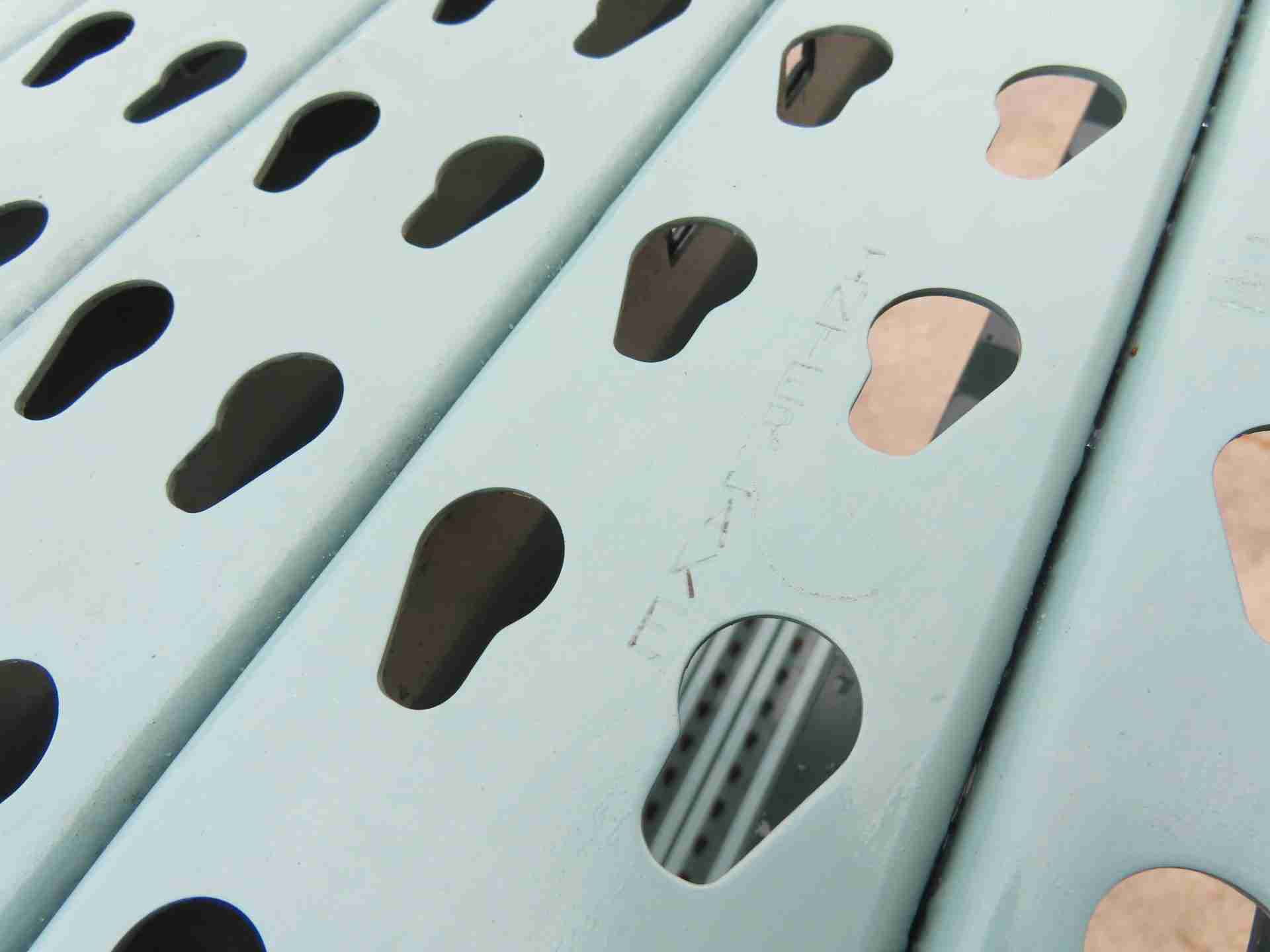
How Can You Trust the Authority Of Suppliers In This Market?
How Can You Trust the Authority Of Suppliers In This Market?
- The marketplace offers an overwhelming number of suppliers, making the choice challenging.
- Trust is built through relationships rather than transactions, requiring meaningful conversations.
- Authentic suppliers share their stories, values, and challenges, fostering trust through transparency.
- Understanding a supplier’s journey can help create a personal connection that transcends business.
- Assessing credentials and seeking third-party reviews can provide a clearer picture of a supplier’s reputation.
- Ethical suppliers prioritize transparency and accountability, often validated by certifications and industry standards.
- Choosing suppliers aligned with your values can benefit both your business and the larger community.
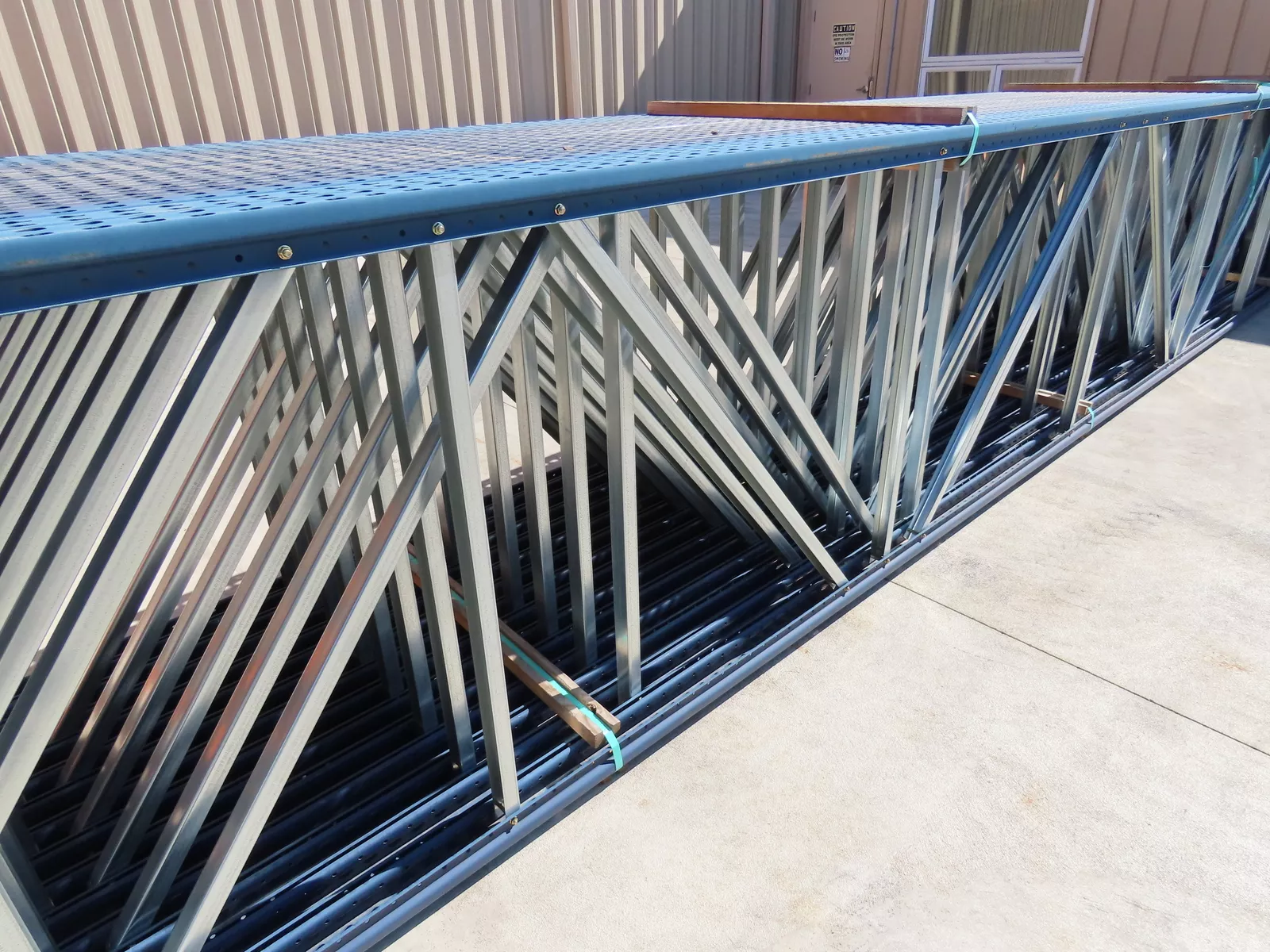
How Can You Trust the Authority Of Suppliers In This Market?
Conclusion
When faced with the critical choice between used and refurbished pallet racks, we’re often caught in a swirling vortex of emotions, rationalizations, and ethical considerations. At first glance, used racks beckon with their low prices, but they come laden with a history of hard work and potential hidden dangers. Have they endured too much wear and tear, or are they reliable remnants of the past? This is where our intuition wrestles with logic.
Refurbished racks, conversely, embody a rejuvenated promise, having been carefully restored to meet safety and reliability standards. Each meticulously inspected part stands as a testament to sustainability, breathing new life into what could have been relegated to scrap. Choosing refurbished isn’t merely about enhancing your operations; it signals a deeper commitment to ethical practices and environmental stewardship. Every rack you acquire this way benefits not just your business, but also the planet.
This decision is also about your team—the very souls who keep your operation thriving. Investing in refurbished racks sends a clear message: you value your people and their safety above all. It’s not merely a purchase; it’s a statement of care and responsibility, one that fosters a culture of excellence instead of mere efficiency. Picture your warehouse, a vibrant ecosystem, resting upon the sturdy shoulders of trusted equipment, ready to tackle whatever challenges arise.
Emotionally, the weight of your choice is palpable. Each rack doesn’t just hold inventory; it cradles aspirations and dreams. It’s the backbone supporting your enterprise, the sturdy foundation for future growth. In a practical sense, making a cost-effective decision has profound implications. Every dollar saved can fuel innovation or bolster your workforce, creating a ripple effect of benefits throughout your organization.
Concurrently, ponder the ethical landscape. Delving into the backstory of the equipment you choose helps you weigh its worth. Are you supporting local businesses or contributing to questionable practices? Your gut instinct plays a crucial role here. Aligning your purchases with a commitment to transparency and integrity not only elevates your business but becomes a beacon of hope and trust within your community.
In this intricate dance of decision-making, it’s vital to listen to all aspects—your heart, head, and gut. Recognizing the layers entwined in this choice invites you into a broader narrative, one of resilience, responsible sourcing, and a shared future. Choose wisely, not just for yourself, but for the legacy you’re building alongside your team and your community.
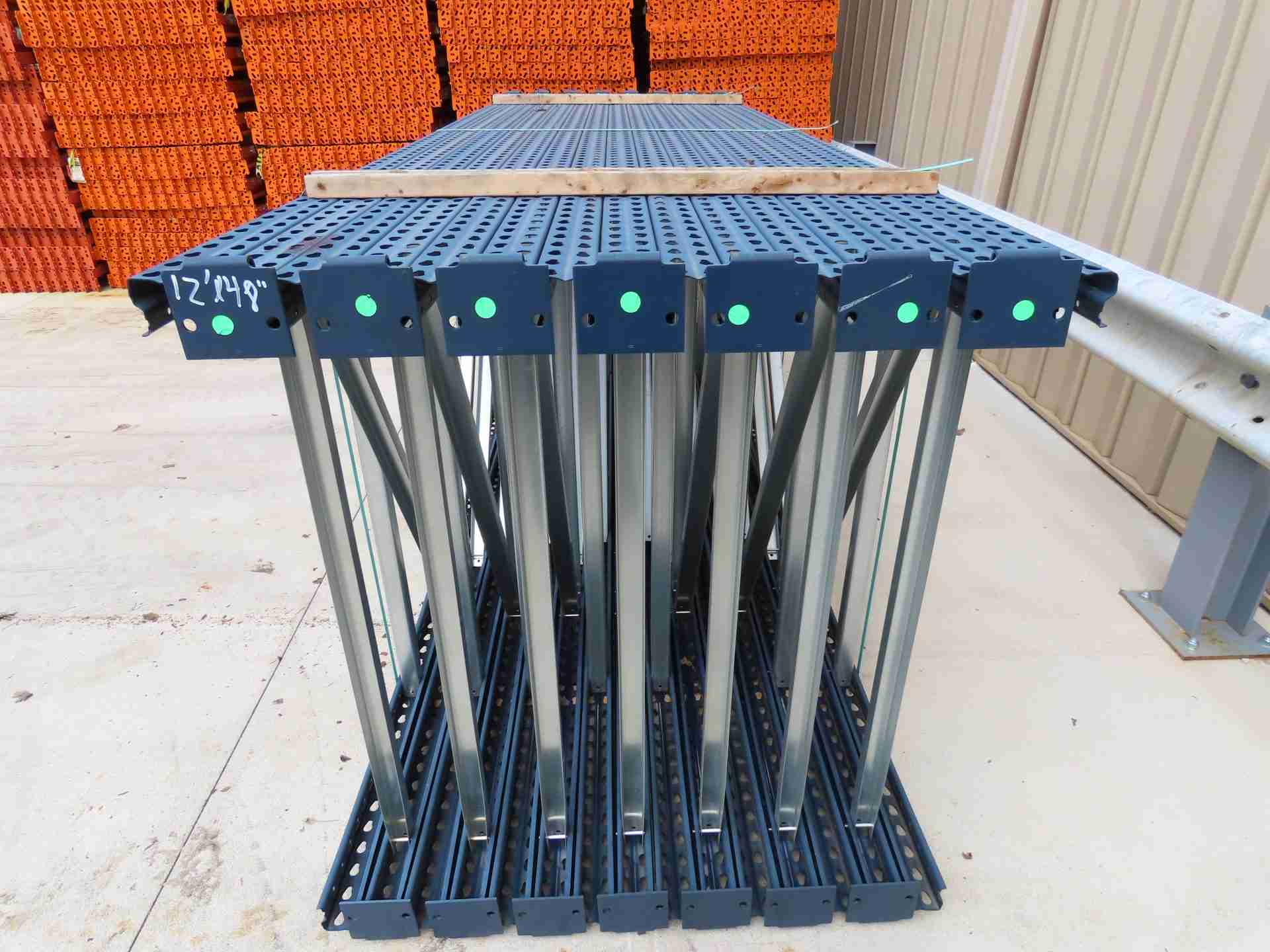
Conclusion
Conclusion:
- Choosing between used and refurbished pallet racks involves emotional, rational, and ethical considerations.
- Used racks are appealing due to low prices but may harbor hidden dangers and reliability issues.
- Refurbished racks represent a commitment to safety, sustainability, and environmental stewardship.
- Investing in refurbished racks signals a dedication to employee safety and fosters a culture of excellence.
- The choice of racks impacts not only business operations but also supports aspirations and growth.
- Consider the ethical implications of equipment sourcing, supporting local businesses and maintaining integrity.
- Informed decision-making combines emotional intuition with practical and ethical considerations, impacting the future legacy of your operation.
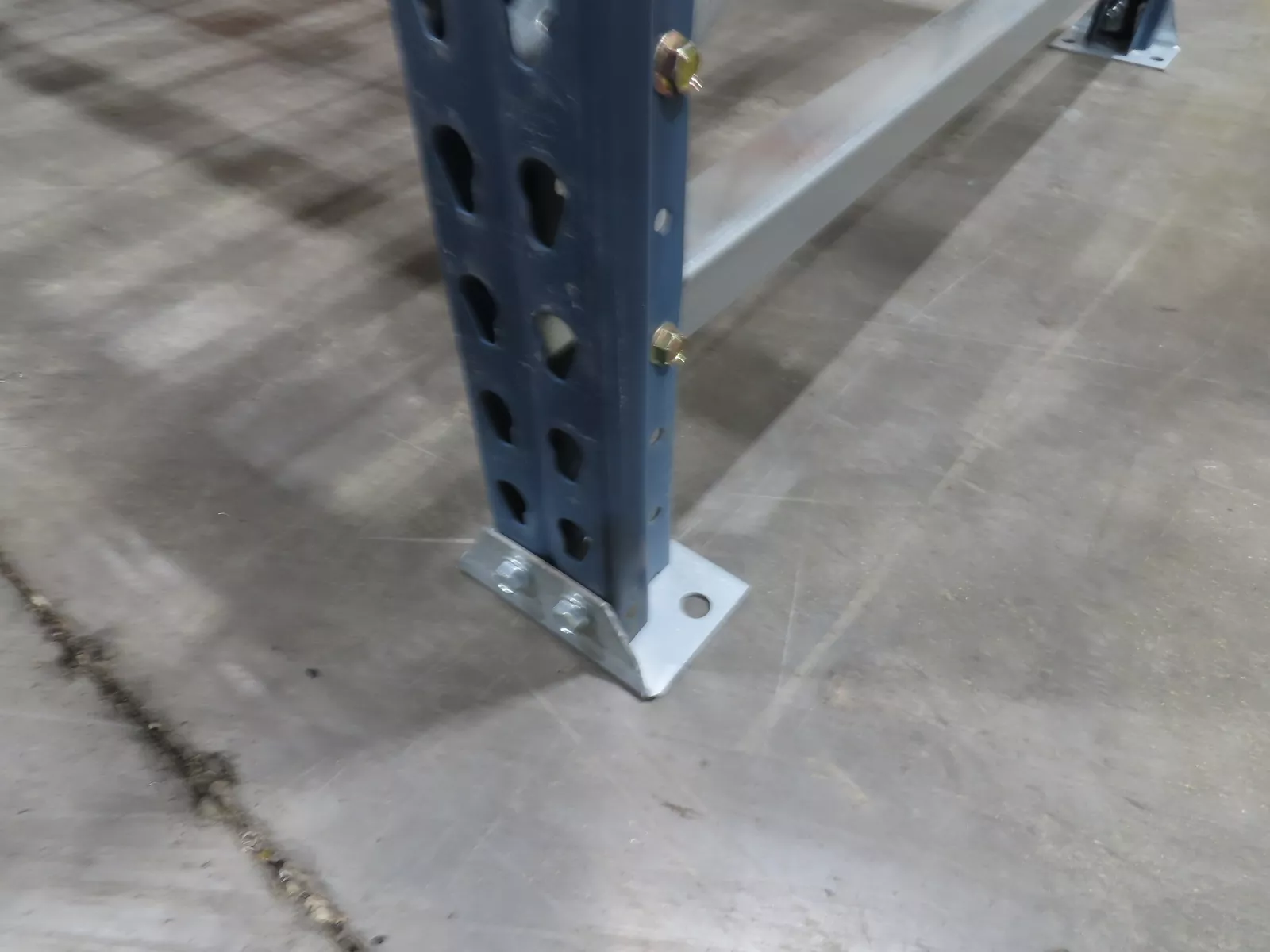
Conclusion
Other Resources
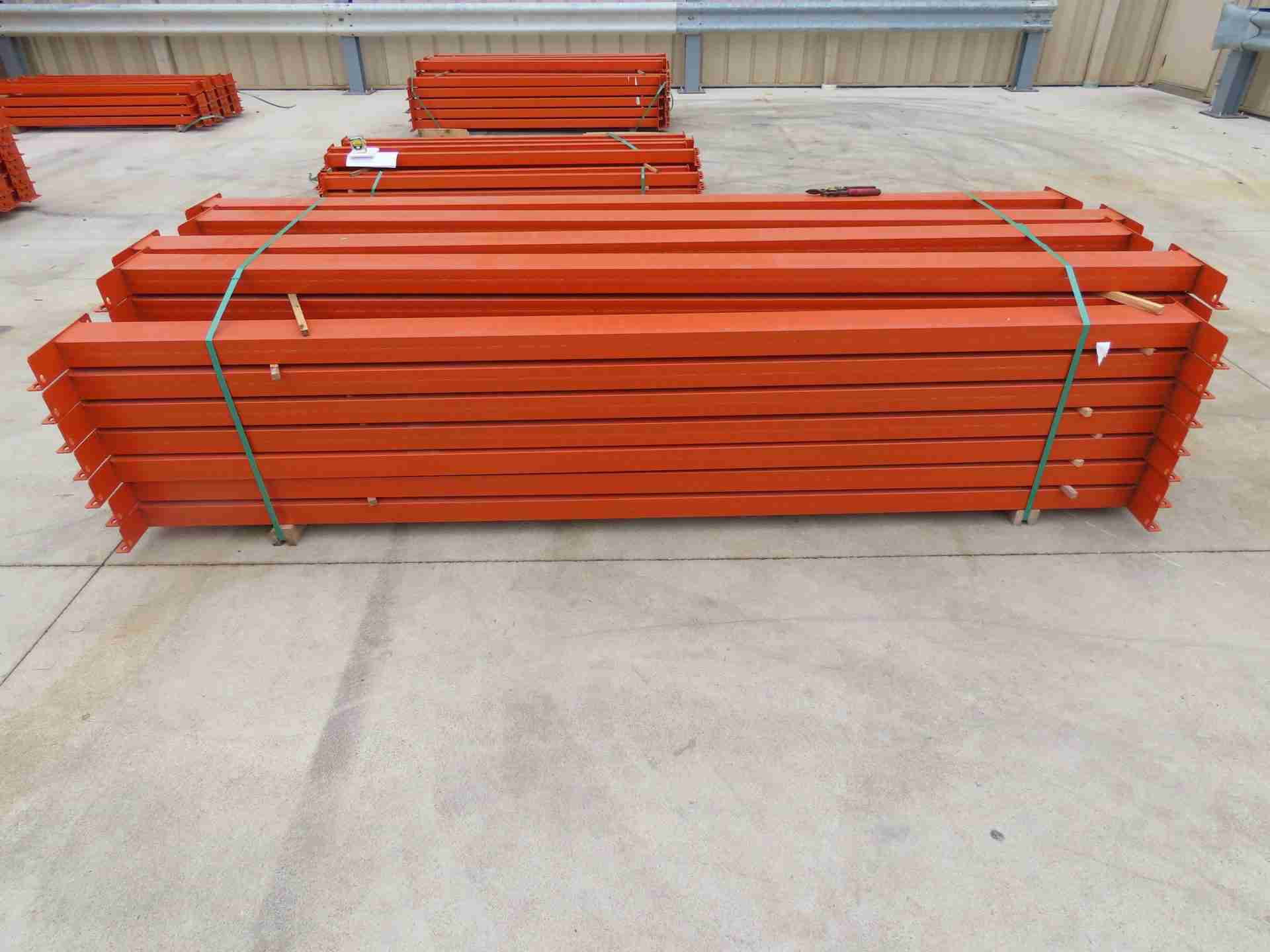
Other Resources
Here is a list of other resources you can review online to learn more:
- Selective Pallet Racking Systems
- Interlake Mecalux
- Intro to Warehouse Racks & Warehouse Racking Systems – ShipBob
- Cantilever Racks Chicago
- CMMA
- Total Warehouse
- Pallet Racking 101: A Comprehensive Guide & Options Explained
- What is Cantilever Racking? – AK Material Handling Systems
- Warehouse Racking System: Powerful Guide to Optimise, 2024
- Cantilever Rack Guide: Ordering Cantilever Racking
- Storage Equipment Manufacturers’ Association
- RMI
- Used Pallet Rack for Sale in Illinois – American Surplus
- What is Selective Pallet Racking
- Pallet Racks, Pallet Racking, Pallet Shelves in Stock – ULINE
- Mustang Material Handling
- Teardrop Uprights
- Crane Manufacturers Association Of America Inc.
- Iowa Illinois Warehouse Racking
- Warehouse Racking Layout: The Ultimate Guide – Conger
Use This Prompt To Get More Resources With Your Favorite Online AI Tool: Please provide me with a list of online articles with their URLs in a bulleted list that I can read regarding Used Pallet Racks Vs. Refurbished: Know the Difference
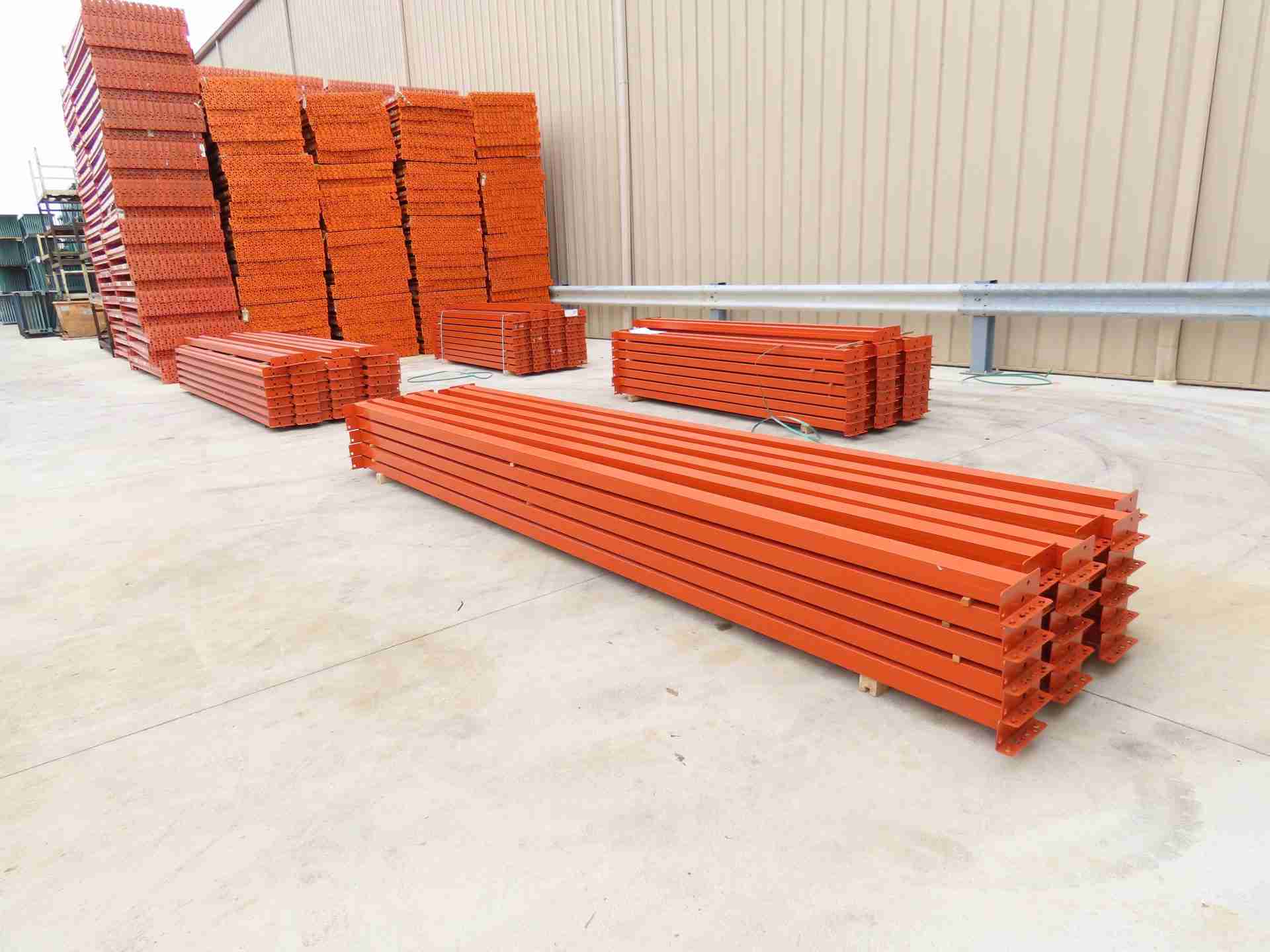
Other Resources
Glossary Terms
Used Pallet Racks Vs. Refurbished: Know the Difference – Glossary Of Terms
1. Pallet Rack: A storage system designed to hold and organize pallets of goods in warehouses or retail environments.
2. Used Pallet Racks: Previously owned pallet racks that are sold as-is, typically at a lower price than new options.
3. Refurbished Pallet Racks: Previously owned pallet racks that have been repaired, cleaned, and often upgraded to meet current safety and aesthetic standards.
4. Condition: The physical state of a pallet rack, which can range from poor to excellent, influencing its usability and safety.
5. Safety Standards: Regulations and guidelines ensuring that pallet racks meet structural integrity and safety requirements for storage.
6. Capacity: The maximum weight a pallet rack can safely hold, often specified by the manufacturer.
7. Configuration: The arrangement of pallet racks, including the number of levels and dimensions that affect storage efficiency.
8. Inspection: The process of evaluating pallet racks for damage, wear, and compliance with safety standards.
9. Compliance: Adherence to local and national regulations regarding warehousing safety and equipment usage.
10. Warranty: A guarantee provided by the seller, often covering defects or issues with newly purchased or refurbished pallet racks.
11. Cost-Effectiveness: Evaluating the financial benefits of purchasing used vs. refurbished pallet racks, considering initial price and longevity.
12. Pallet Type: The specific design and material of pallets (e. g. , wood, plastic, metal) that affect rack compatibility.
13. Load-Bearing: The capacity of a pallet rack to support weight, crucial for safe storage practices.
14. Durability: The ability of a pallet rack to withstand wear and tear over time, impacting its operational lifespan.
15. Aesthetic Appeal: The visual appearance of pallet racks, which can be enhanced during refurbishment.
16. Installation: The process of assembling and setting up pallet racks, which may require professional expertise.
17. Disassembly: The process of taking apart pallet racks for relocation, storage, or resale.
18. Ergonomics: The study of how pallet racks can be designed to minimize physical strain on workers during use.
19. Warehouse Racking Systems: A collective term for various types of storage solutions, including pallet racks.
20. Storage Density: The amount of product stored in a given space, which can be optimized through effective rack design.
21. Cost of Ownership: The total expense associated with purchasing, maintaining, and operating pallet racks over their lifespan.
22. Vendor: A supplier or retailer from whom pallet racks are purchased, offering either new, used, or refurbished options.
23. Inventory Management: Strategies for tracking and controlling stock levels, which can affect pallet rack organization.
24. Recycling: The process of repurposing or disposing of old pallet racks in an environmentally responsible manner.
25. Customization: The ability to modify pallet racks to meet specific operational needs or warehouse layouts.
26. Delivery: The logistics involved in transporting purchased pallet racks to the buyer’s location, crucial for planning inventory.
27. Cost Analysis: Evaluating the financial implications of choosing used versus refurbished pallet racks to make informed purchasing decisions.
28. Installation Manual: Documentation provided to assist with the assembly and proper setup of pallet racks.
29. Forklift Compatibility: The suitability of pallet racks for use with forklifts, essential for efficient loading and unloading.
30. Return on Investment (ROI): A measure of the profitability gained from purchasing pallet racks, considering initial costs versus productivity benefits.
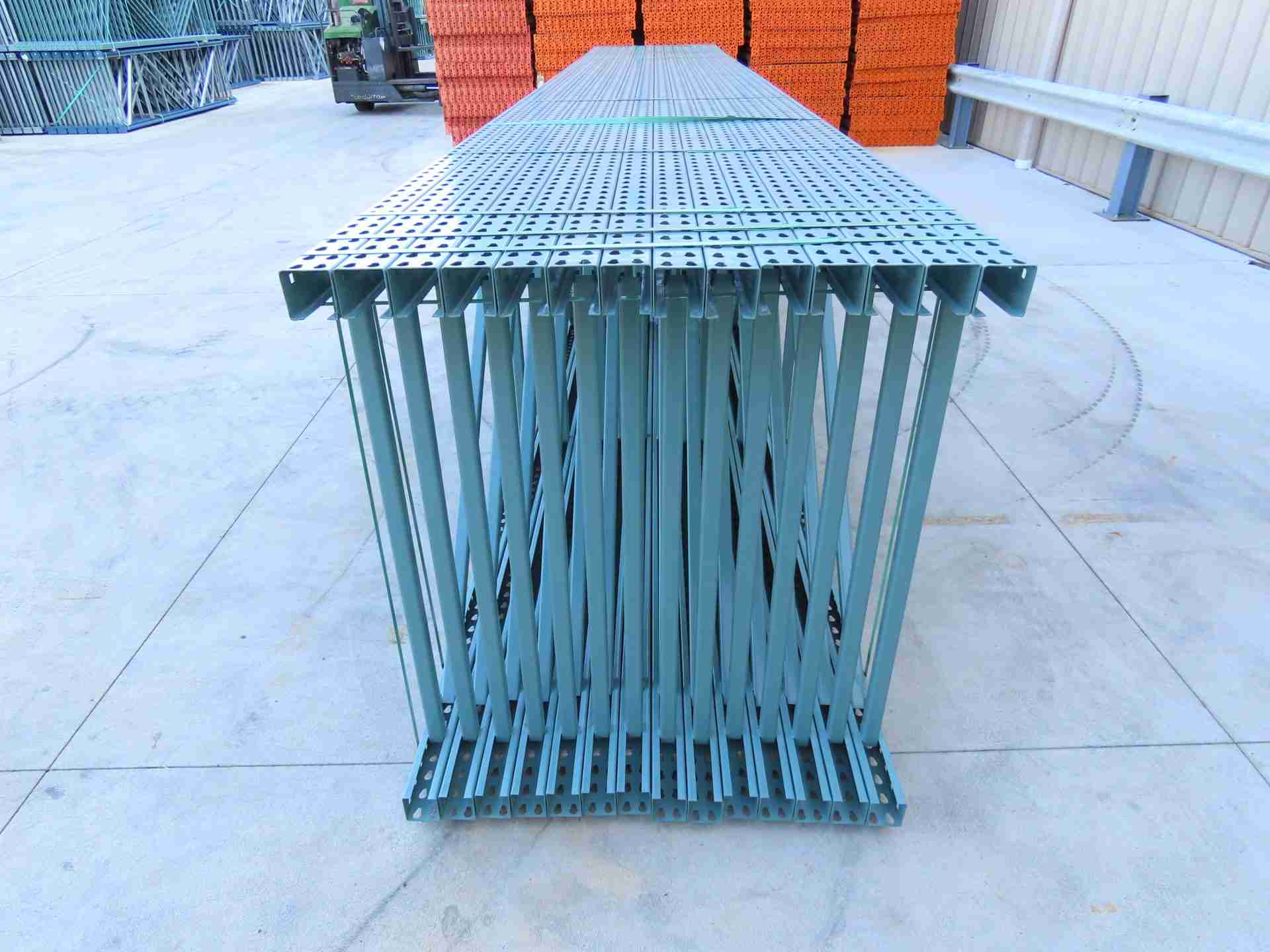
Glossary Of Terms
Other Questions
Used Pallet Racks Vs. Refurbished: Know the Difference – Other Questions
If you wish to explore and discover more, consider looking for answers to these questions:
- What are the advantages of choosing used pallet racks over new ones?
- How can I assess the condition and history of used pallet racks before purchase?
- What types of inspections should refurbished pallet racks undergo?
- Are there specific safety certifications for refurbished racks that I should look for?
- How can I determine the best choice for my specific warehouse needs?
- What are the environmental impacts of choosing used versus refurbished pallet racks?
- How do refurbished racks compare in terms of price to new and used options?
- What ethical sourcing practices should I look for in suppliers of used and refurbished racks?
- How does the emotional aspect of purchasing influence business decisions?
- What are the potential risks associated with buying used pallet racks?
- How can I build trust with suppliers in the used equipment market?
- What role do warranties play in the decision-making process for used and refurbished racks?
- What factors should I consider when evaluating the reliability of a supplier?
- Are there industry benchmarks or standards for pallet rack safety and reliability?
- How can I incorporate employee feedback into the decision on which type of rack to purchase?
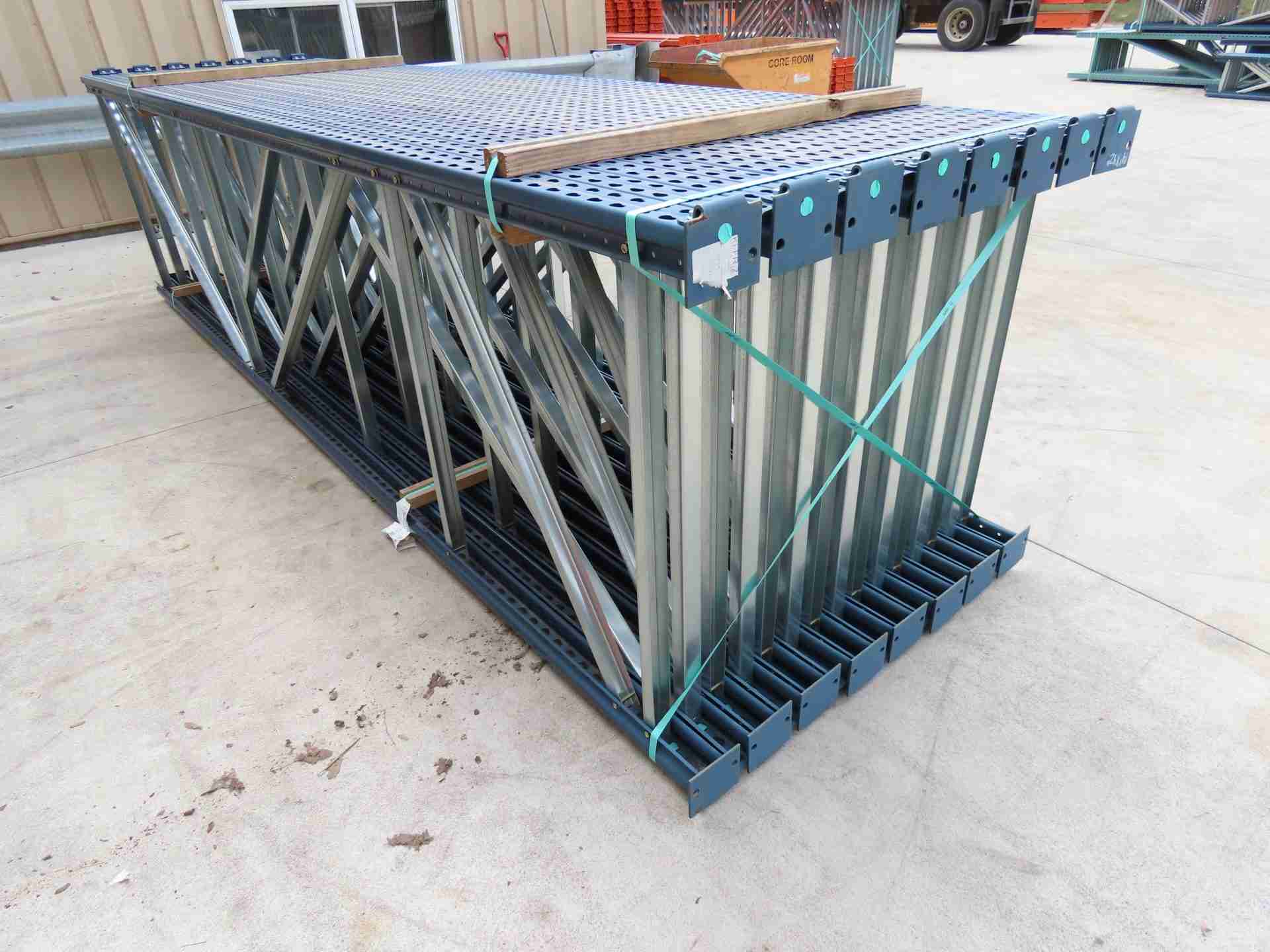
Other Questions
Checklist
Used Pallet Racks Vs. Refurbished: Know the Difference – A Checklist
Checklist for Choosing the Right Storage Solution: Used vs. Refurbished Pallet Racks
Emotional Appeals
_____ Consider the Human Connection: Reflect on how your choice impacts your team’s safety and morale.
_____ Visualize Your Future: Imagine the transformation of your warehouse with organized and reliable racking solutions.
_____ Acknowledge Your Values: Identify what you care about most—safety, sustainability, employee well-being.
Rational Appeals
_____ Conduct a Cost-Benefit Analysis: Assess the financial implications of used vs. refurbished options.
_____ Evaluate Long-Term Investment: Consider the lifespan and reliability of each option to avoid future costs.
_____ Seek Expert Opinions: Research and consult industry authorities to gain insights on the best practices.
Ethical Appeals
_____ Examine Sourcing Practices: Investigate the history and maintenance of the used racks to ensure ethical acquisition.
_____ Support Sustainable Choices: Opt for refurbished racks to minimize waste and promote responsible recycling.
_____ Foster Community Ethics: Engage with suppliers who share your commitment to ethical business practices.
Authority Appeals
_____ Verify Supplier Credentials: Ensure suppliers have a proven track record and certifications in quality and safety.
_____ Ask for References: Request testimonials from previous customers to gain confidence in their products and practices.
_____ Follow Industry Standards: Check for adherence to safety regulations and best practices in rack refurbishment.
Narrative Appeals
_____ Connect with Supplier Stories: Listen to the journeys of your suppliers to foster a personal connection and shared values.
_____ Share Your Own Business Story: Articulate your company’s mission and values, and align them with your choice of racking.
_____ Be Part of a Larger Movement: Recognize your role in creating a culture of safety and sustainability within the industry.
Social Appeals
_____ Engage with Your Network: Discuss your decision with peers to gain diverse perspectives and support.
_____ Encourage Team Involvement: Involve your employees in the decision-making process to boost morale and confidence.
_____ Commit to Transparency: Create an open dialogue with your team about the reasons behind your storage solutions choice.
Use this checklist to navigate the decision-making process thoughtfully, ensuring that your choice resonates with your values while maximizing the safety, efficiency, and sustainability of your operations.

Checklist
At RackingWorld, we help guide you through selecting warehouse storage systems and racking.
Be sure to read our other related stories at RackingWorld to learn more about warehouse storage systems.
0 Comments