
Empower Your Decision: 10 Essential Questions For Selecting The Perfect Racking System
By Tom Seest
At RackingWorld, we help guide you through selecting warehouse storage systems and racking.
Be sure to read our other related stories at RackingWorld to learn more about warehouse storage systems.
Top 10 Questions to Ask Before Buying a Racking System
When it comes to investing in a racking system, it’s not just about the steel and odds you’re bolting together; it’s about creating a foundation for growth, efficiency, and safety in your workspace. You might be tempted to dive headfirst into the colorful brochures or fancy online specs, but take a beat. Ask yourself this: What exactly do I need from this racking system? Is it merely about storing boxes, or is it about optimizing workflow for my team, preserving their safety, and improving productivity?
Let’s start with the basics—what’s your load capacity? The answer might seem technical, but it hits home. You’re not just giving your product a home; you’re supporting livelihoods, dreams, and sometimes a family business. Then, consider the available space. Are you maximizing every inch? A well-designed racking system can transform chaos into order, turning that messy warehouse into a productive powerhouse.
Next up, how versatile is this system? If you’re like most of us, your needs aren’t static. You want a racking system that evolves with your business, adjusts to your needs, and doesn’t become an obstacle down the line. Flexibility is critical, and it’s not just a buzzword—it’s your ticket to staying competitive.
Let’s talk about safety. Every business owner knows that your greatest asset is your people. A racking system should not only store your product but safeguard your employees too. Ask about the safety certifications. Sure, it might seem boring, but wouldn’t you rather be aware of potential hazards before they turn into headlines?
As you navigate these questions, consider your supplier. Do they have a solid reputation in the industry? Research their history, reach out for testimonials, and gauge their customer service. A supplier with integrity will be there for you, not just at the point of sale but throughout the life of your racking system.
Buying a racking system is more than an operational decision; it’s part of building a lasting legacy, a commitment to your craft and the people you serve. Let these questions guide you, connecting you to the heart of what really matters: a safe, efficient, and prosperous future.

Top 10 Questions to Ask Before Buying a Racking System
Top 10 Questions to Ask Before Buying a Racking System
- Investing in a racking system is about creating a foundation for growth, efficiency, and safety.
- Evaluate the specific needs of your racking system beyond storage—consider workflow optimization and employee safety.
- Understand your load capacity; it supports not just products but also livelihoods and businesses.
- Maximize available space; a well-designed system can enhance productivity and order in the workspace.
- Ensure versatility in your racking system to accommodate evolving business needs and maintain competitiveness.
- Prioritize safety; choose a system that protects employees and verify the safety certifications.
- Research your supplier’s reputation and customer service for long-term support beyond the initial sale.

Top 10 Questions to Ask Before Buying a Racking System
Table Of Contents
- Top 10 Questions to Ask Before Buying a Racking System
- What Weight Capacity Do I Really Need for My Inventory?
- How Will This Racking System Improve My Workflow Efficiency?
- Is the Racking System Adaptable for My Changing Needs?
- What Are the Safety Standards and Regulations I Must Adhere To?
- How Do the Costs Compare to Potential Long-Term Savings?
- Conclusion
- Other Resources
- Glossary Of Terms
- Other Questions
- Checklist
What Weight Capacity Do I Really Need for My Inventory?
When it comes to managing inventory, the question of weight capacity is more than just a number on a label—it’s the heartbeat of your operation. Picture your warehouse filled with racking systems, each holding products that represent your hard work, dreams, and relationships. The weight capacity of that racking is more than a technical detail; it’s a promise. A promise that the structures you depend on will support the weight of your ambitions without compromising safety or performance.
Now, let’s engage your rational side. It’s easy to think you can guesstimate how much weight your inventory will reach, but let’s be honest—underestimating that figure is a gamble you simply can’t afford to take. Imagine loading that sturdy racking with heavy boxes just to find they exceed the capacity. The sound of tipping and crashing would echo the realization that your oversight could have lasting consequences—not just in inventory loss, but in lost trust from customers and a dent in your reputation.
The ethical appeal here underscores the responsibility we have—not just to ourselves but to our employees, our partners, and our community. Every decision we make impacts those around us. By choosing the right weight capacity, you prioritize their safety and well-being. Think about how many families depend on their jobs in that warehouse. The capacity you choose isn’t merely a stat; it’s a lifeline for countless individuals who put their livelihoods on the line every day.
Sharing stories about times when businesses overlooked weight capacities may resonate with many of us. Perhaps you’ve seen a colleague or friend face the consequences of a similar oversight. Their experience could serve as a cautionary tale, driving home the importance of informed decisions.
Finally, consider the social aspect. As you navigate these decisions, you’re part of a larger community—all striving for efficiency, safety, and success. We often turn to experts and peers for guidance. By collaborating and sharing insights, you bolster collective knowledge. After all, the strength of your inventory management reflects on everyone involved.
In short, the weight capacity you choose is more than a technical specification—it’s a declaration of your commitment to trust, safety, and a shared future. So, embrace it with the confidence of knowing that you’re building a foundation that can hold not just products but the hopes of many.

What Weight Capacity Do I Really Need for My Inventory?
What Weight Capacity Do I Really Need for My Inventory?
- Weight capacity in inventory management is crucial, reflecting the core values of the operation.
- It serves as a promise that racking systems will safely support ambitious goals.
- Guesstimating weight capacity risks significant consequences, such as inventory loss and damaged reputation.
- Every decision regarding weight capacity impacts employees, partners, and the community.
- The choice of weight capacity acts as a lifeline for workers who rely on warehouse jobs.
- Sharing cautionary tales of past oversights can enhance awareness and promote informed decisions.
- Choosing the right weight capacity reflects a commitment to safety, trust, and collective success in the community.

What Weight Capacity Do I Really Need for My Inventory?
How Will This Racking System Improve My Workflow Efficiency?
When it comes to improving workflow efficiency, a racking system isn’t just a stack of metal and wood; it’s the backbone of your operation. Imagine stepping into your workspace, and instead of chaos, you find order—a place where everything has its spot, and you can access what you need in a heartbeat. That transformation isn’t mere wishful thinking; it’s a reality rooted in how effectively you store and retrieve your assets.
Think about it: every moment you waste searching for a tool or product is a moment lost—time that could be spent on what truly matters, whether it’s pushing your projects forward or enjoying a well-deserved break. With the right racking system, you’re not just clearing out physical space; you’re reclaiming your time and mental energy. It’s like tuning a fine instrument; every adjustment creates harmony in your workflow, allowing you to play your best tune without the distracting cacophony of clutter.
From a practical standpoint, choose a racking solution that fits the unique needs of your operations. It’s not just about storing goods—it’s about streamlining every inch of your workspace. The authority of well-designed racking systems lies in their versatility: they can be adjusted, expanded, and tailored to meet changing demands. You want solutions that adapt to your workflow, not a one-size-fits-all approach that forces you to dance to someone else’s tune.
Ethically, investing in a high-quality racking system demonstrates a commitment to your workers’ wellbeing. A tidy, organized environment fosters morale, reducing stress and promoting a culture where people feel valued and empowered. When employees know they can trust their workspace and the processes in place, it ignites a collective drive to succeed.
Here’s a story for you: think of the small business owner who once felt overwhelmed by disarray but found salvation in a racking system that brought clarity. Overnight, the search for misplaced items turned into a simple reach, and newfound order sparked creativity and innovation that led to growth. This isn’t just a narrative; it’s a testament to the profound impact of structured storage.
Incorporating a racking system isn’t just an operational choice; it’s a step toward creating a space that fosters connection, efficiency, and productivity. When you feel confident in your setup, you lay the groundwork for success—not just for yourself, but for everyone who steps inside your organized sanctuary.

How Will This Racking System Improve My Workflow Efficiency?
How Will This Racking System Improve My Workflow Efficiency?
- A racking system is essential for improving workflow efficiency and serves as the backbone of operations.
- Organized storage enables quick access to tools and products, saving time and enhancing productivity.
- Implementing the right racking system helps reclaim time and mental energy, promoting a clutter-free environment.
- Choose a racking solution tailored to specific operational needs for maximum efficiency and adaptability.
- Investing in quality racking systems contributes to employee wellbeing, reducing stress and boosting morale.
- Anecdotes illustrate that structured storage can lead to creativity and growth by transforming workspace chaos into order.
- Incorporating a racking system fosters a productive and harmonious workspace for everyone involved.

How Will This Racking System Improve My Workflow Efficiency?
Is the Racking System Adaptable for My Changing Needs?
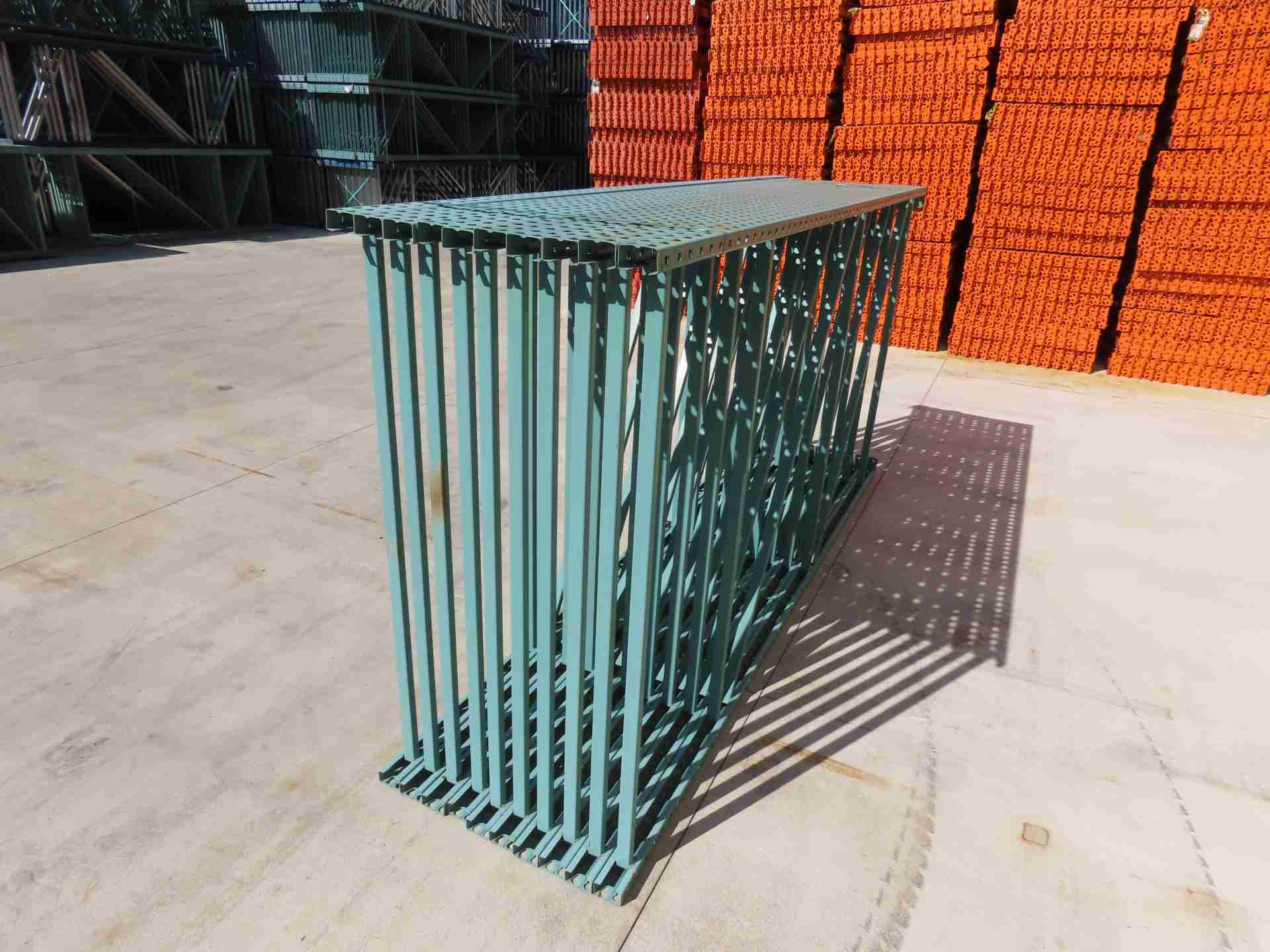
When you think about a racking system, it’s easy to see it as just a collection of metal beams and shelves. But in reality, it’s so much more—it’s the backbone of your operation, the silent workhorse powering your efficiency. Whether you’re in a bustling warehouse or a cozy home office, the truth is that your needs will evolve. The challenge lies in ensuring your racking can adapt alongside you, because let’s face it—life is anything but predictable.
Imagine transforming your space to meet the demands of a growing business or even a new hobby. This is where adaptability steps in. Your racking system should not be a stagnant entity; it should be a dynamic player that can flex and bend alongside your aspirations. Investing in a versatile racking solution can save you the headache of reconfiguring your entire setup down the line. It’s like having a trusted friend who’s willing to roll with the punches.
Now, consider the emotional aspect. When you walk into your space and see everything organized and in its place, it speaks to your inner need for order. A well-designed racking system can bring a sense of calm to the chaotic world we live in, allowing you to focus on what truly matters—your work, your creativity, your passions. Every time you retrieve a box or organize your tools efficiently, you’ll feel a surge of satisfaction, knowing that you’ve made a wise choice that reflects your commitment to progress.
On a practical note, let’s discuss the economic implications. A racking system that adapts minimizes waste and optimizes productivity, ultimately leading to savings in time and resources. This isn’t just about moving boxes; it’s about enhancing workflows, streamlining operations, and perhaps even fostering a community that thrives on collaboration.
Ethically speaking, choosing a racking system built to last also signals your commitment to sustainability. By opting for quality materials and designs that extend the life cycle of your setup, you’re contributing to a greener world.
So, whether you’re a seasoned pro or just starting out, remember that the right racking system is more than just storage; it’s a foundation for growth, a vessel of your ambition, and a reflection of your values. Don’t settle for yesterday’s solutions—make the leap toward adaptability today and watch your space flourish.
Is the Racking System Adaptable for My Changing Needs?
Is the Racking System Adaptable for My Changing Needs?
- A racking system is essential for operational efficiency, not just a collection of metal beams and shelves.
- Adaptability is key; racking solutions should evolve with changing business needs and personal aspirations.
- Investing in versatile racking can prevent the hassle of reconfiguring setups in the future.
- Organized spaces foster a sense of calm and satisfaction, reflecting personal values and commitment to progress.
- An adaptable racking system minimizes waste, optimizes productivity, and enhances workflows.
- Choosing durable racking solutions contributes to sustainability and ethical practices in operation.
- Ultimately, the right racking system serves as a foundation for growth and embodies one’s ambitions and values.

Is the Racking System Adaptable for My Changing Needs?
What Are the Safety Standards and Regulations I Must Adhere To?
In any industry, the safety of your workspace is paramount, especially when it comes to racking systems. These towering giants of metal, designed to hold a world of inventory, can transform a warehouse into a well-oiled machine. But with that power comes responsibility—yours, to adhere to safety standards and regulations that protect everyone who steps foot on the floor.
Let’s start with the emotional pull of safety. Imagine a loved one walking through your facility, trusting that every beam, rack, and pallet is secure. It’s a weighty thought, isn’t it? The heart aches for those in our lives, reminding us that safety isn’t just a checkbox—it’s a promise. When you prioritize safety, you’re not just protecting your business; you’re safeguarding someone’s future.
Now, let’s pivot to the pragmatic side. The regulations are in place for a reason. They exist to keep operations flowing smoothly, to minimize accidents, and to prevent costly work stoppages. You wouldn’t drive a car without brake lights or a seatbelt—so why would you operate a warehouse without adhering to its safety protocols? This isn’t just about avoiding fines or penalties; it’s about upholding a standard that you can respect and that builds confidence in your operations.
On a larger ethical plane, consider your reputation. Your stakeholders—employees, clients, and partners—expect you to maintain a culture of safety. They look to you as an authority in your field, and nothing tarnishes that authority faster than negligence. By adhering to safety regulations, you cultivate trust and respect, essential ingredients for a thriving business and a robust community.
Think of the stories shared among workers. When employees know their safety is a priority, tales of accidents and near-misses turn into tales of triumph and teamwork. The camaraderie that flourishes in a safe environment vibrates across shifts. Each new hire is not just trained; they feel part of something bigger—an organization that truly cares.
Embrace the guidelines on racking systems and safety regulations like the sturdy base they are. They not only provide vital protection but also pave the way for a strong, resilient culture. Remember, investing in safety is investing in your people, your integrity, and ultimately, your success. When you choose to adhere to these standards, you’re setting a course for a future where everyone thrives.

What Are the Safety Standards and Regulations I Must Adhere To?
What Are the Safety Standards and Regulations I Must Adhere To?
- Safety in the workspace, particularly regarding racking systems, is crucial for protecting all individuals in the facility.
- Prioritizing safety is not just a regulatory requirement but a promise to loved ones that their well-being is valued.
- Adhering to safety standards ensures smooth operations, minimizes accidents, and prevents costly work stoppages.
- Safety protocols uphold a respected standard and build confidence within business operations.
- Maintaining a culture of safety enhances your reputation among employees, clients, and partners.
- A safe work environment fosters camaraderie and promotes stories of triumph rather than incidents of danger.
- Investing in safety is fundamentally an investment in your people, integrity, and long-term success.

What Are the Safety Standards and Regulations I Must Adhere To?
How Do the Costs Compare to Potential Long-Term Savings?
When it comes to costs versus potential long-term savings, we often find ourselves caught in a tug-of-war between immediate expenses and future benefits. Think about the last time you invested in something that didn’t pay off right away: maybe a new tool for your workshop, a quality piece of racking for your garage, or even an educational course to better your skills. Initial costs might give you pause, but what if I told you that those dollars spent today could ripple through your life, saving you not just money, but also headaches, time, and stress down the road?
Let’s start with racking systems. Sure, the upfront price may seem steep, yet consider how efficiently they can organize your space. That cluttered garage can turn into a streamlined haven—less time searching for tools, fewer accidents tripping over misplaced items, and the satisfaction that comes from a tidy, functional area. Your gut knows it’s worth the investment. When everything has a place, your mind can focus on what truly matters—your projects, your passions, and maybe even your family.
Now, let’s look at the numbers. It’s simple: well-structured storage saves you cash in wasted time and energies spent digging through chaos. Data shows that increased efficiency can lead to savings that dwarf that initial outlay. When you approach life with this rational mindset, you start to see costs not just as dollars leaving your wallet, but as opportunities for better, long-term financial health. Combine that with the knowledge that organized spaces can lessen stress—a benefit to both your mental well-being and your productivity—and you start to realize that the long-term savings are more than monetary; they’re life-enhancing.
But it’s more than just financial sense. This is about setting a standard for how we live and work. Choosing to invest in proper racking or reliable tools is a chance to take responsibility, to create a home or workspace that reflects our values. It’s an ethical decision to invest in products that contribute to the betterment of our lives and those around us.
Now, think about sharing this wisdom with your friends and family. It’s not just about you anymore; it’s about creating a ripple effect. When you invest wisely, you inspire others to do the same. In a society that often emphasizes instant gratification, choosing long-term benefits fosters community, stability, and support.
So, the next time you weigh costs against potential savings, remember: investing in your future isn’t just smart—it’s transformative. Trust the process, invest in quality, and watch those long-term dividends pay off richly in all areas of your life.

How Do the Costs Compare to Potential Long-Term Savings?
How Do the Costs Compare to Potential Long-Term Savings?
- Investing often involves balancing immediate costs with future savings.
- Initial investments, like tools or educational courses, may not pay off immediately but can lead to significant long-term benefits.
- Efficient racking systems can transform cluttered spaces, saving time and reducing stress.
- Organized spaces enhance both mental well-being and productivity, leading to potential financial savings.
- Investing in quality tools and organization reflects personal values and sets standards for living and working.
- Sharing the wisdom of wise investments can create a positive ripple effect in your community.
- Long-term investments not only enhance financial well-being but can also transform various aspects of life.

How Do the Costs Compare to Potential Long-Term Savings?
Conclusion
Investing in a racking system transcends the mere act of buying steel. It’s about building a foundation that nurtures growth, optimizes workflow, and fortifies safety. As you embark on this journey, pause and reflect on what truly matters. What do you need from this system? Is it merely about stashing boxes away, or is it about enhancing the efficiency of your team, prioritizing their safety, and ultimately driving productivity?
Start by contemplating your load capacity—not just as a technical specification but as a promise. This promise supports your ambitions and the countless individuals relying on your operations. Think about the chaos of an unorganized workspace. With a well-thought-out racking system, you wield the power to transform disorder into harmony, regaining valuable time and mental clarity. Each moment spent searching for a misplaced item is a moment lost—a reminder that a thoughtfully designed system isn’t just about storage; it’s about reclaiming your focus and energy.
Flexibility is also paramount. Your business won’t stay static, and neither should your racking system. Opt for a solution that evolves with your needs, eliminating the worries of future reconfigurations. Consider this not merely a convenience but an ethical commitment to sustainability and adaptability, echoing your dedication to thoughtful progress in your operations.
And while we often focus on the nitty-gritty of weight capacity and workflow efficiencies, let’s not overlook the human element. Every safety standard you adhere to is an investment in the lives of your employees. Picture your team functioning under the assurance that their well-being is a priority. Safety regulations are there for a reason, fostering an environment of trust and camaraderie that can propel your business forward. A culture that prioritizes safety uplifts everyone involved, creating a thriving workplace fueled by shared values and collaboration.
Finally, when weighing costs against potential long-term savings, remember this: the initial investment may seem daunting, but the dividends it pays in efficiency, safety, and morale are incalculable. Quality racking systems can transform your operations, offering not just financial relief but mental clarity and reduced stress. By sharing your knowledge and experiences with others in your community, you contribute to a ripple effect of informed decisions and collective success.
Ultimately, selecting a racking system is more than a matter of logistics. It’s a commitment to your craft and the broader community you serve. Embrace this process with the understanding that every decision not only affects your immediate operations but also lays the groundwork for the future you strive to create.

Conclusion
Conclusion:
- Investing in a racking system is about enhancing growth, workflow, and safety, not just purchasing steel.
- Consider what you truly need from the system: is it just storage or does it enhance team efficiency and productivity?.
- Reflect on load capacity as a promise that supports ambitions and operations, transforming chaos into organization.
- A well-designed racking system helps reclaim focus and energy by minimizing time spent searching for items.
- Choose a flexible racking solution that can evolve with your business needs, emphasizing adaptability and sustainability.
- Prioritize safety standards, viewing them as investments in employee well-being that foster trust and innovation.
- The initial investment in quality racking systems pays off in long-term efficiency, safety, morale, and community success.

Conclusion
Other Resources

Other Resources
Here is a list of other resources you can review online to learn more:
- Storage Equipment Manufacturers’ Association
- Overhead Lifting
- Chicago Pallet Racking
- Illinois
- Heavy-Duty Cantilever Storage Racks
- The Complete Pallet Rack Guide – Simply Rack
- Interlake
- Logic Material Handling
- Pallet Rack Systems – New and Used Pallet Racking and Shelving Experts
- Warehouse Racks, Warehouse Racking in Stock – ULINE
- Teardrop Pallet Rack – Ridg-U-Rak
- Wolter
- Teardrop Industrial Shelving Rack
- Crane Manufacturers Association Of America Inc.
- Warehouse Racking System: Powerful Guide to Optimise, 2024
- Pallet Racking 101: A Comprehensive Guide & Options Explained
- Mustang Material Handling
- The Ultimate Pallet Racking Guide – Speedrack West
- Cantilever Rack Configuration & Installation: A Comprehensive Guide – BMH
- Chicago Pallet Racking
Use This Prompt To Get More Resources With Your Favorite Online AI Tool: Please provide me with a list of online articles with their URLs in a bulleted list that I can read regarding Top 10 Questions to Ask Before Buying a Racking System

Other Resources
Glossary Terms
Top 10 Questions to Ask Before Buying a Racking System – Glossary Of Terms
1. Racking System: A structured framework used to store materials or inventory in a warehouse or retail environment efficiently.
2. Load Capacity: The maximum weight a racking system can safely hold without compromising structural integrity.
3. Configuration: The specific layout and arrangement of racks, influencing storage density and accessibility.
4. Pallet Type: The kind of pallets used (e. g. , standard, Euro, double-deep) that affects compatibility with the racking system.
5. Aisle Width: The distance between rows of racks, impacting maneuverability of forklifts and access to stored goods.
6. Height Constraints: Limitations on the vertical space of a facility determining the maximum height of racking systems.
7. Material: The substance (steel, aluminum, etc. ) used to construct the racking, influencing durability and load capacity.
8. Safety Standards: Regulations and guidelines ensuring the racking system is safe for handling and storing goods.
9. Modularity: The ability to expand or reconfigure the racking system to accommodate changing storage needs.
10. Inventory Management: The processes and systems used to track and control stored items within the racking system.
11. Vertical Storage: Utilizing vertical space to maximize storage efficiency and minimize floor area usage.
12. Accessibility: The ease with which items can be reached and retrieved from the racking system.
13. Cost Efficiency: Evaluating the overall expense of the racking system versus its benefits and return on investment.
14. Installation: The process of assembling and setting up the racking system within the designated space.
15. Maintenance: Regular checks and repairs needed to ensure the racking system’s longevity and function.
16. Environmental Considerations: Factors like temperature and humidity that may affect material choice and racking performance.
17. Ergonomics: Designing the racking system to reduce physical strain on workers during loading and unloading.
18. Compliance: Adherence to local, state, and federal regulations relevant to warehouse storage and safety.
19. Flexibility: The ability of a racking system to adapt to various types or sizes of inventory.
20. Lead Time: The time required to order, manufacture, and deliver the racking system after purchase.
21. Warranty: A guarantee provided by the manufacturer covering defects and issues within a specified period.
22. Retrieval Method: The system used for picking items from the racks, such as FIFO (First In, First Out) or LIFO (Last In, First Out).
23. Weight Distribution: The manner in which load is spread across the racking system to ensure stability.
24. Storage Type: The specific form of racking (e. g. , cantilever, drive-in, selective) designed for particular storage needs.
25. Modular Design: A racking system that can be customized with interchangeable parts for specific storage functions.
26. Pallet Flow: A method of storage where pallets flow through the racking system based on gravity.
27. Clearance: The space required between the top of a load and the next shelf or ceiling to avoid damage.
28. Durability: The capability of the racking system to withstand wear, pressure, or damage over time.
29. Warehouse Layout: The physical arrangement of storage areas, aisles, and racking that optimizes workflow.
30. Technology Integration: The incorporation of software or systems for inventory tracking and management alongside the racking system.

Glossary Of Terms
Other Questions
Top 10 Questions to Ask Before Buying a Racking System – Other Questions
If you wish to explore and discover more, consider looking for answers to these questions:
- What are the different types of racking systems available?
- How do I determine the right size for my racking system?
- What maintenance is required for racking systems?
- How can I ensure my racking system complies with industry standards?
- What are the best materials for a racking system?
- What are common mistakes to avoid when buying a racking system?
- How can I customize my racking system for specific needs?
- What are the installation requirements for a racking system?
- How can I assess the return on investment for a racking system?
- What do I need to know about supplier warranties and service agreements?

Other Questions
Checklist
Top 10 Questions to Ask Before Buying a Racking System – A Checklist
Empower Your Decision: Racking System Selection Checklist
Heart (Emotional Appeals)
_____ Reflect on how the racking system aligns with your vision for growth and efficiency.
_____ Consider the impact on employee safety and morale. How will your choice make them feel valued and secure?
_____ Visualize the transformation from chaos to order. How do you want your workspace to feel?
Head (Rational Appeals)
_____ What is the required weight capacity for your inventory?
_____ Evaluate the efficiency improvements this racking system can provide. How will it save time and reduce clutter?
_____ Assess the costs against potential long-term savings. Is the investment justified by the benefits it brings?
Gut (Instinctual Appeals)
_____ Trust your instincts: Does this racking system feel reliable and robust?
_____ Does the supplier have a solid reputation? Can you confidently rely on their products and support?
_____ Ask yourself if this system is adaptable. Will it grow with your changing needs?
Ethical Appeals
_____ Are you prioritizing safety certifications and industry regulations in your selection?
_____ How does your choice reflect your responsibility toward employees, customers, and the community?
_____ Is the racking system built with sustainable practices in mind?
Authority Appeals
_____ What do industry experts say about this racking system? Seek third-party testimonials and reviews.
_____ Consult any available case studies from businesses similar to yours. What were their outcomes?
_____ Verify if the supplier provides adequate customer service and ongoing support.
Narrative Appeals
_____ Think of success stories: Have others seen improved operations after upgrading their racking systems?
_____ Share any personal experiences or warnings regarding overlooked weight capacity or safety regulations.
_____ Imagine the story you will tell about your choice: Emphasize the positive impact of your well-considered investment.
Social Appeals
_____ What do colleagues or industry peers recommend? Engage in discussions about best practices.
_____ How will the choice of your racking system influence your team’s collaboration and efficiency?
_____ Consider how this decision will position you within your professional community as a leader in safety and efficiency.
Use this checklist to guide your decision-making process and ensure you choose the right racking system for your business, employees, and future success.

Checklist
At RackingWorld, we help guide you through selecting warehouse storage systems and racking.
Be sure to read our other related stories at RackingWorld to learn more about warehouse storage systems.
0 Comments