
Maximizing Esg Impact: The Case For Racking
By Tom Seest
At RackingWorld, we help guide you through selecting warehouse storage systems and racking.
Be sure to read our other related stories at RackingWorld to learn more about warehouse storage systems.
Should Racking Be a Part Of Your Esg Strategy?
When considering the components of your ESG strategy, racking may not be the first thought that pops into your mind, but it should be. Picture this: your warehouse, bustling with life, filled with products ready to meet customer demands. Now imagine those products efficiently organized, safely stored, and accessible at a moment’s notice. That’s the power of racking—it’s not just a physical structure; it’s a foundation for a responsible business.
You might wonder, “What does racking have to do with Environment, Social, and Governance?” Well, think about it. Sustainability starts with efficiency. Racking systems that maximize space reduce the need for expanding your footprint. Fewer buildings mean lower energy consumption, which translates to a smaller carbon footprint. It’s not just about your bottom line; it’s about making a tangible difference in our world.
On a deeper level, every decision we make speaks volumes about our values. Investing in quality racking solutions means supporting a supply chain that prioritizes safety and durability. When your employees see you committed to their well-being—providing them with proper storage that minimizes risk—they’ll feel valued. That respect fosters a positive workplace culture, boosting morale and productivity.
Let’s borrow a page from history: the innovative thinkers who revolutionized industries didn’t just dream big; they built things that lasted. Racking—the backbone of efficient logistics—is your opportunity to become part of that legacy. The right racking solution can streamline operations, reduce waste, and facilitate better inventory management. Good governance isn’t just about ticking boxes; it’s about creating systems that underpin ethical behavior and responsibility.
There’s a profound social responsibility in adopting smart racking solutions. It’s not just about saving a few bucks; it’s about being a role model in your community. When you make conscious choices that align with sustainability, your company becomes a beacon for others. You inspire change—not just within your organization but across your industry.
Finally, trust comes from action. Implementing a solid racking strategy shows your stakeholders that you’re serious about environmental stewardship, that you care about the community, and that you’re paving the way for a sustainable future. Change begins with the choices we make today, and it’s time to rack up some wins in your ESG journey.

Should Racking Be a Part Of Your Esg Strategy?
Should Racking Be a Part Of Your Esg Strategy?
- Racking should be a key consideration in your ESG strategy for effective warehouse management.
- Efficient racking systems maximize space, reduce energy consumption, and lower carbon footprints.
- Investing in quality racking solutions demonstrates commitment to employee safety and a positive workplace culture.
- The right racking solutions can streamline operations, reduce waste, and enhance inventory management.
- Adopting smart racking solutions positions your company as a sustainability role model in the community.
- Implementing a solid racking strategy shows stakeholders your dedication to environmental stewardship and a sustainable future.
- Conscious choices in racking lead to tangible progress in your ESG journey and inspire change across your industry.
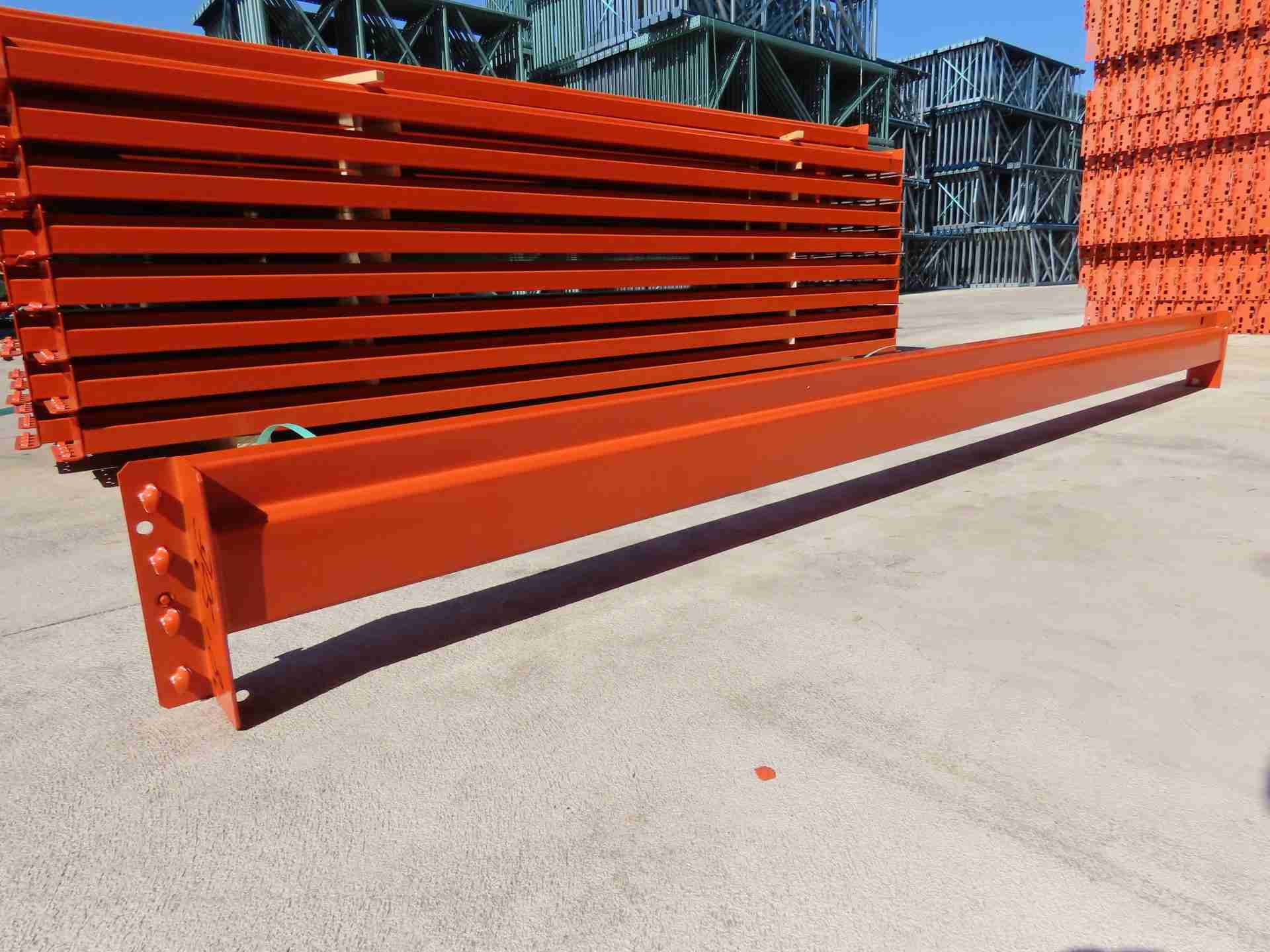
Should Racking Be a Part Of Your Esg Strategy?
Table Of Contents
- Should Racking Be a Part Of Your Esg Strategy?
- What Consequences Do Unethical Practices In Racking Create?
- What Data Supports the Case for Racking In Esg Strategies?
- Are You Aware Of the Latest Racking Technologies and Their Benefits?
- How Does Your Competition Approach Racking In Their Esg Efforts?
- What Stories Of Successful Racking Implementations Inspire You?
- Conclusion
- Other Resources
- Glossary Of Terms
- Other Questions
- Checklist
What Consequences Do Unethical Practices In Racking Create?
In the world of warehousing and logistics, racking systems are the backbone of operations, yet the consequences of unethical practices can reach far beyond the aisles of a distribution center. When corners are cut, and safety is compromised, it’s not just a ledger that takes a hit; it’s lives and livelihoods hanging in the balance. Consider the warehouse worker, diligently lifting boxes day after day. Each rung of a rack they climb represents a risk, one that should be met with responsible oversight and ethical governance. When those in charge prioritize profits over people, the potential for catastrophic accidents rises steeply.
Think of it this way—every time a racking structure is improperly installed, inspected, or maintained, we’re not just playing with steel and wood; we’re meddling with human safety. Picture a stack of fragile boxes, leaning precariously, ready to topple at any moment. Now imagine the worker below, someone’s family member, under that weight. The stakes are real, and the cost of negligence is measured not just in dollars and cents but in the very lives affected by workplace hazards. There’s a gut-wrenching reality that emerges when we glimpse the consequences; one accident ripples out, impacting families, communities, and the broader social fabric.
Not to mention, the reputational fallout that follows unethical practices can reverberate throughout an organization. Companies that fail to act with integrity risk alienating their workforce, losing experienced employees who demand a safe working environment. In a landscape shaped by social responsibility, this is more than just bad business—it’s a betrayal of trust. When consumers learn of unethical racking practices, they often vote with their wallets, choosing to support brands that demonstrate accountability and care towards their workers.
As purveyors of goods, organizations are not merely in the business of product delivery; they hold a crucial role in shaping workplace cultures and safeguarding human dignity. It’s not only the right thing to do—it’s a moral imperative. Investing in ethical racking practices fosters an environment where safety is prioritized, and productivity thrives, ultimately leading to a healthier bottom line. This isn’t a complex equation; it’s just good sense, really. Doing the right thing may seem daunting, but in the grand tapestry of life, it’s those who lead by example who flourish, building not just safe workplaces but communities anchored in mutual respect and mutual success.
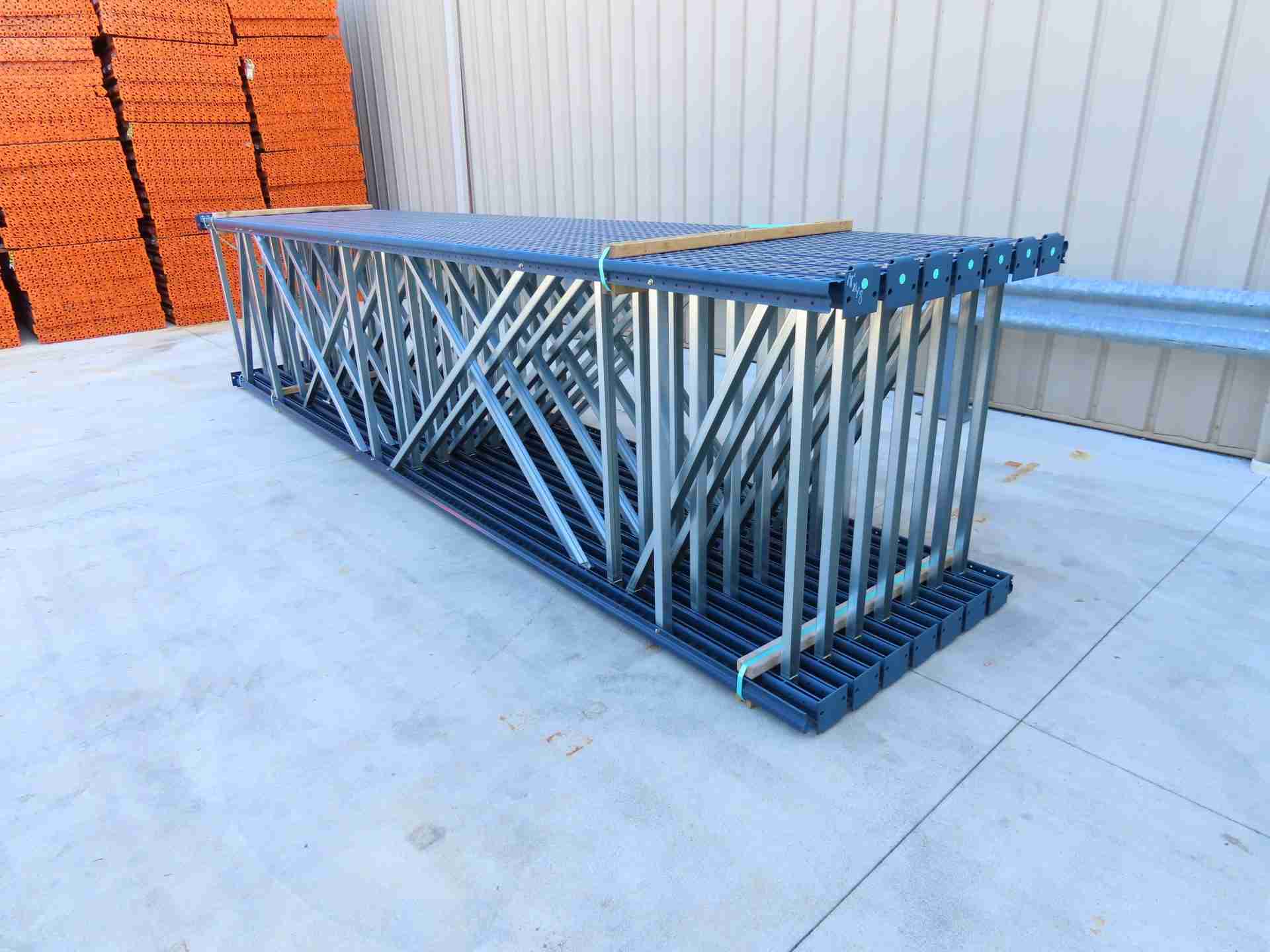
What Consequences Do Unethical Practices In Racking Create?
What Consequences Do Unethical Practices In Racking Create?
- Racking systems are essential to warehousing and logistics, but unethical practices can have severe consequences.
- Compromised safety in warehouses risks not just financial losses but also lives and job security.
- Improper installation and maintenance of racking structures endanger workers and their families.
- A single accident can have a far-reaching impact on families, communities, and society as a whole.
- Unethical practices can damage a company’s reputation, alienate employees, and lead to loss of talent.
- Organizations must prioritize ethical practices to foster safety and productivity, reflecting their moral responsibility.
- Leading by example in ethical behavior not only creates safer workplaces but also builds stronger communities and trust.

What Consequences Do Unethical Practices In Racking Create?
What Data Supports the Case for Racking In Esg Strategies?
Picture a world where businesses aren’t just about profits but are also stewards of the planet—a world where every dollar spent can help uplift communities, reduce carbon footprints, and create lasting legacies. The case for racking in ESG strategies isn’t just a trend; it’s a transformation that’s supported by a mountain of data. Let’s face it: consumers today have grown more discerning. They want to know that their choices matter; they want to put their money where their values are. Research shows that 70% of millennials are willing to spend more on a product from a sustainable brand. That’s not just a statistic; it’s a resounding call to action.
Consider the broader implications. When companies integrate ESG strategies into their core operations, they often witness reduced risks and improved financial performance. Studies have shown that firms with strong sustainability practices enjoy lower capital costs and higher operational efficiencies. That adds up to real numbers on balance sheets and empowers businesses to make better decisions. It’s a win-win that appeals to both heart and head.
Moreover, there is an ethical dimension that can’t be ignored. Businesses hold significant power over societal issues. By racking in ESG frameworks, companies have the moral authority to influence change—like addressing income inequality or championing diversity. It’s no longer a mere obligation but a chance for businesses to be the change-makers they claim to be. And let’s talk about the social implications; companies that embrace transparency and responsibility attract talented employees who are eager to join a mission-driven team. They become not just employees but advocates, creating an invigorating culture steeped in purpose and shared values.
Personal stories amplify this message even more. Think about an innovative start-up that took the plunge and committed to a zero-waste policy. The impact resonated beyond their own operations, inspiring competitors to follow suit and local communities to rally around sustainable practices. That ripple effect is precisely what racking in ESG strategies can foster.
In a world where trust is paramount, businesses incorporating ESG are not just checking boxes; they’re building relationships rooted in transparency and responsibility. Consumers, employees, and stakeholders will not only see the value; they’ll feel it. So why not take the plunge? The data is clear, and the benefits are compelling—it’s time to lead not just by profits, but by principles.

What Data Supports the Case for Racking In Esg Strategies?
What Data Supports the Case for Racking In Esg Strategies?
- Businesses are evolving to be stewards of the planet, emphasizing sustainability alongside profits.
- 70% of millennials prefer sustainable brands and are willing to pay more for eco-friendly products.
- Integrating ESG strategies reduces risks and improves financial performance for companies.
- Firms with strong sustainability practices benefit from lower capital costs and higher operational efficiencies.
- Businesses can wield their power to address societal issues like income inequality and diversity through ESG frameworks.
- Companies embracing transparency attract mission-driven employees, fostering a culture of purpose and shared values.
- Incorporating ESG builds trust with consumers and stakeholders, emphasizing principles over mere profit.
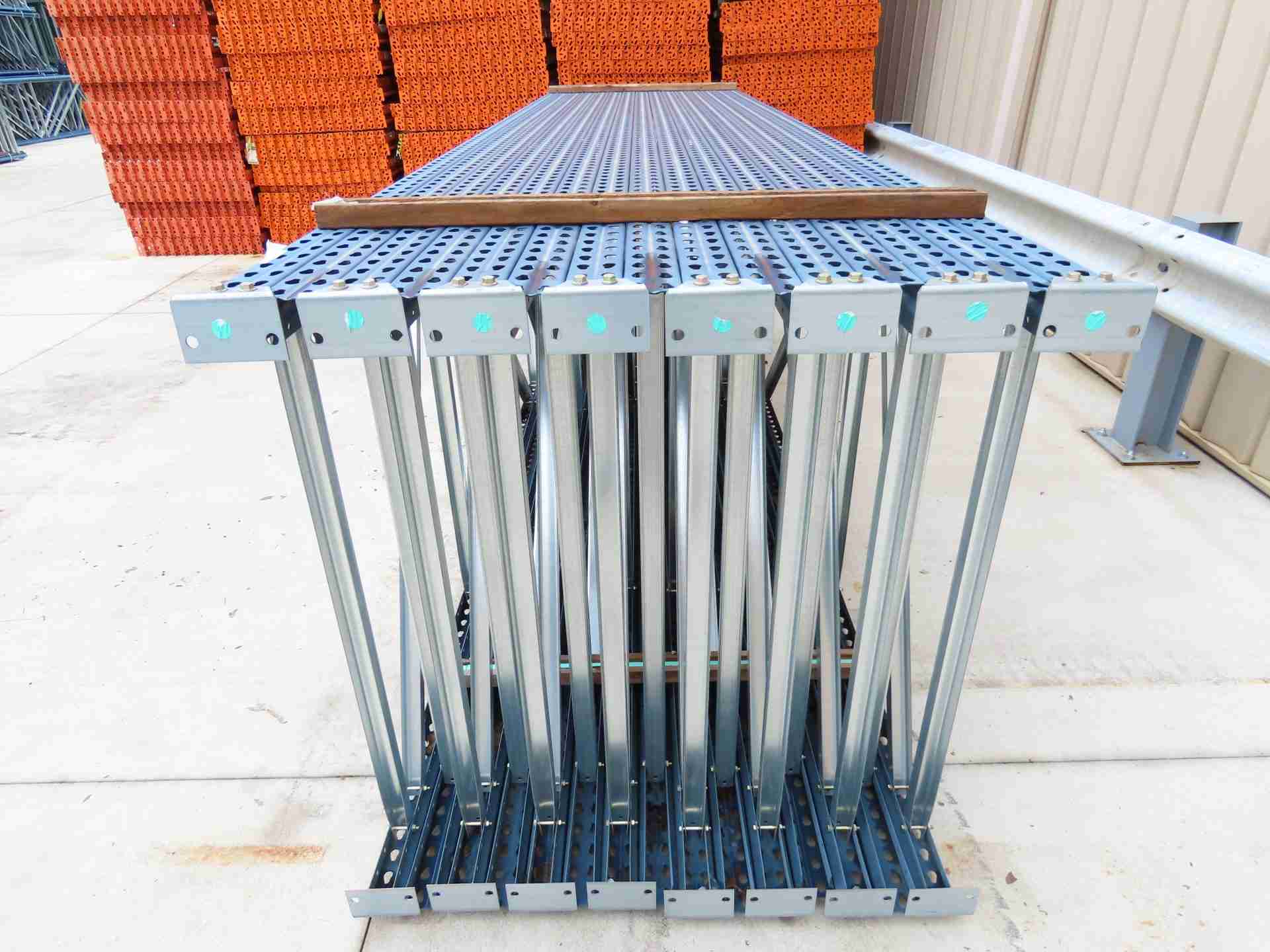
What Data Supports the Case for Racking In Esg Strategies?
Are You Aware Of the Latest Racking Technologies and Their Benefits?
When you think about the lifeblood of a warehouse or distribution center, what comes to mind? It’s not just the goods rolling in and out; it’s the structure that holds it all together—racking. This unsung hero of logistics serves as the backbone, and the latest racking technologies are revolutionizing the way we store and manage our inventory. But it’s more than just metal shelves and beams; this is about maximizing efficiency, enhancing safety, and ultimately driving your bottom line.
Imagine stepping into a space where every inch is utilized, where products are organized so intuitively that even the newest employee finds their way without confusion. That’s the power of modern racking systems. Gravity flow, selective pallet racking, and automated systems not only streamline operations but also minimize the risk of accidents and errors. The heart of your warehouse, the racking, can make or break your operational efficiency and employee morale.
Now let’s get to the head of the matter. By adopting the latest racking technologies, you’re making a rational choice that speaks volumes about your commitment to innovation and best practices. Think about it: improved organization leads to quicker retrieval times, less product damage, and, ultimately, happier customers. Investing in smart racking solutions isn’t merely a financial decision—it’s a strategic one that positions your business for growth in a fiercely competitive market.
On an ethical note, consider the environmental impact. Advanced racking systems often lead to better energy efficiency, reducing waste and optimizing space. You can sleep a little easier knowing that your choices are paving the way for a more sustainable future.
Stories abound in warehouses. Picture a facility where employees take pride in their environment. They experience fewer injuries, feel valued, and thrive in a setting that prioritizes their safety and success. By prioritizing state-of-the-art racking systems, you’re not just enhancing productivity; you’re fostering a culture of respect and teamwork.
So, let’s talk about connection. In a world increasingly defined by technology, don’t forget the human element. Racking systems may not be the flashiest part of your business, but they are a crucial foundation that supports your most valuable resource—your people. Embracing these innovative solutions shows your workforce and your customers that you care about efficiency, safety, and sustainability. Be the leader who acknowledges the importance of proper racking; your whole operation will thank you for it.

Are You Aware Of the Latest Racking Technologies and Their Benefits?
Are You Aware Of the Latest Racking Technologies and Their Benefits?
- The backbone of warehouse efficiency is modern racking systems that maximize organization and space utilization.
- Advanced racking technologies streamline operations and reduce the risk of accidents and errors.
- Improved organization through smart racking leads to faster retrieval times and less product damage.
- Investing in innovative racking is a strategic decision that supports growth in a competitive market.
- Modern racking systems can enhance energy efficiency, contributing to sustainability and waste reduction.
- Prioritizing state-of-the-art racking fosters a positive work environment, promoting employee safety and morale.
- Emphasizing racking solutions shows commitment to efficiency, safety, and sustainability, benefiting both employees and customers.
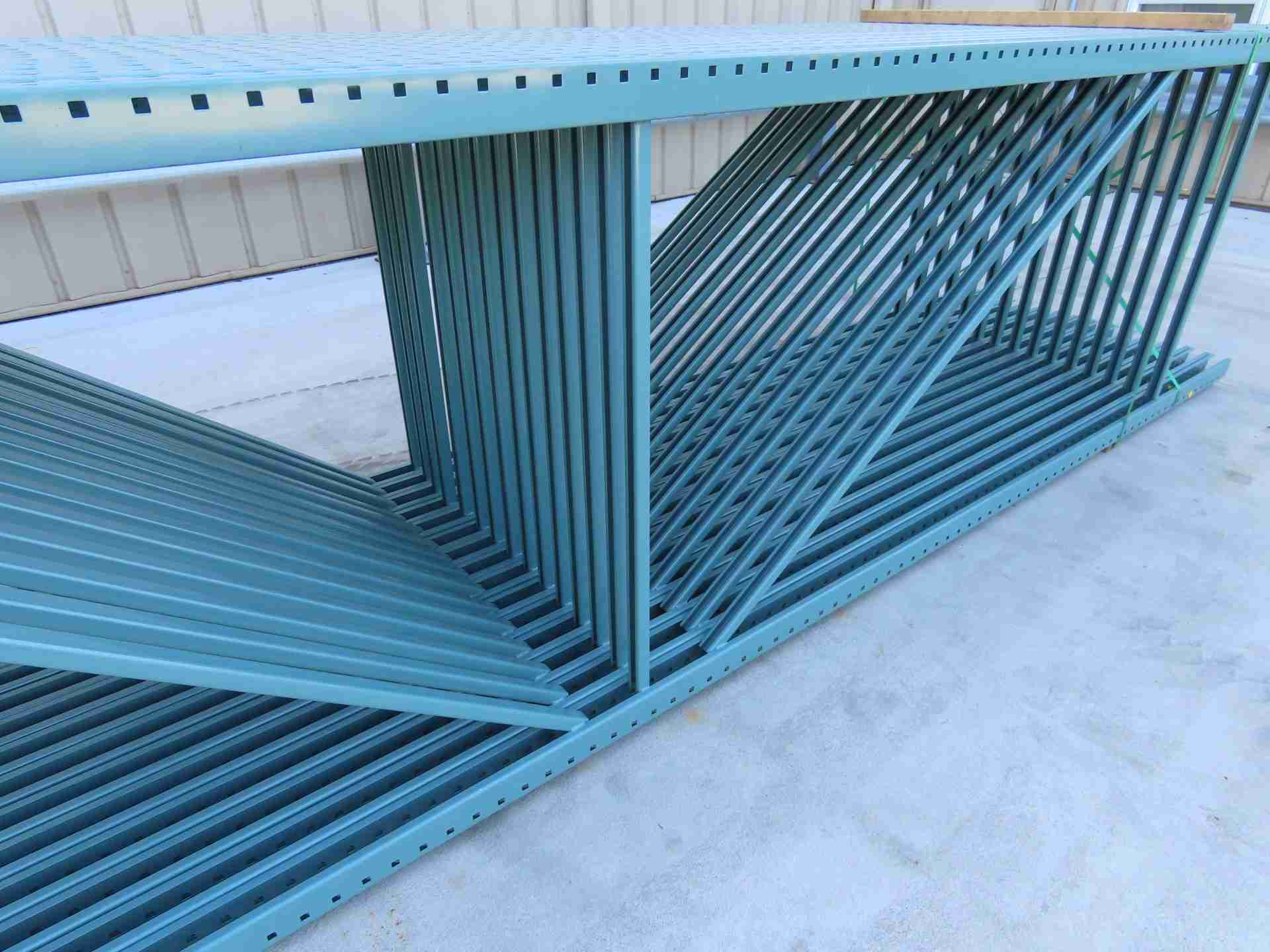
Are You Aware Of the Latest Racking Technologies and Their Benefits?
How Does Your Competition Approach Racking In Their Esg Efforts?
As we dive into the world of Environmental, Social, and Governance (ESG) efforts, it’s crucial to look at how your competitors are approaching the daunting task of racking their sustainability initiatives. Imagine standing shoulder to shoulder with the competition, witnessing not just their strategies, but the heart and soul they pour into them.
Some organizations lead with empathy, understanding that their racking choices not only impact their bottom line but resonate with their community and the planet. They’re in tune with the pulse of society, realizing that each decision sends ripples through the ecosystem. This isn’t just about compliance; it’s about connection. Picture a company implementing a racking system that minimizes waste and maximizes efficiency, all while fostering local partnerships. That’s not just a savvy business move; it’s a narrative of accountability and honor—showing that success can be intertwined with purpose.
Let’s pivot to the logical side. Competitors are not solely motivated by goodwill. They’ve seen the numbers—the overwhelming data supporting sustainable practices. Companies that prioritize ESG principles often experience enhanced reputation and increased investor confidence. These aren’t just buzzwords; they’re a roadmap to long-term viability, a clear recognition that being ethical is good business practice. A solid racking strategy keeps their operations efficient and cost-effective, proving that sustainability and profitability can march hand in hand.
And then, we consider the ethical dimension. Look around and you’ll see organizations that don’t shy away from making bold choices. They’re leading the charge by incorporating innovative racking solutions that not only support their operational needs but also reflect their commitment to future generations. When you see a business taking a stand—whether it’s using materials that reduce their carbon footprint or implementing practices that support fair labor—you can’t help but feel inspired.
Ultimately, it’s about fostering a sense of trust and belonging in a world that craves authenticity. When you examine how competitors handle their racking, it’s a mirror reflecting the values they live by. Do they play it safe or leap into the arena of bold innovation? Their choices create a social tapestry, inviting everyone to rally behind shared goals that transcend mere profitability. As you reflect on your own ESG strategy, remember: it’s not just about what you rack, but how you stack up against the values that matter most. Embrace your role—contribute to a sustainable future that resonates both near and far.
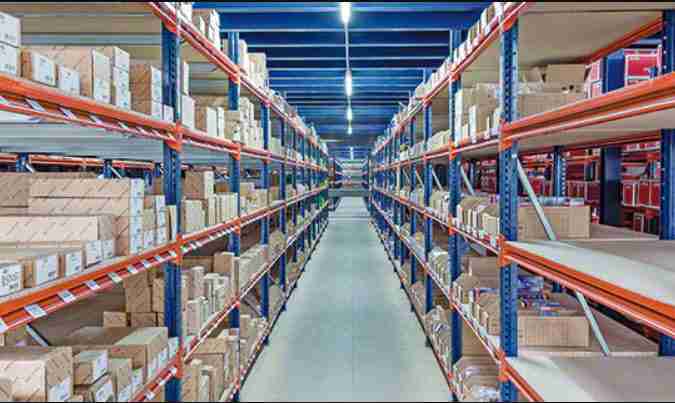
How Does Your Competition Approach Racking In Their Esg Efforts?
How Does Your Competition Approach Racking In Their Esg Efforts?
- Understanding competitors’ ESG efforts is essential for gauging sustainability initiatives.
- Some organizations prioritize empathy in their racking choices, impacting their community and the planet positively.
- Sustainable racking systems can minimize waste, enhance efficiency, and foster local partnerships.
- Companies that focus on ESG principles often enjoy enhanced reputations and increased investor confidence.
- Innovative racking solutions reflect a commitment to ethical practices and future generations.
- Examining competitors’ racking choices reveals their core values and encourages a sense of trust and belonging.
- Personal ESG strategies should align with meaningful values to contribute to a sustainable future.
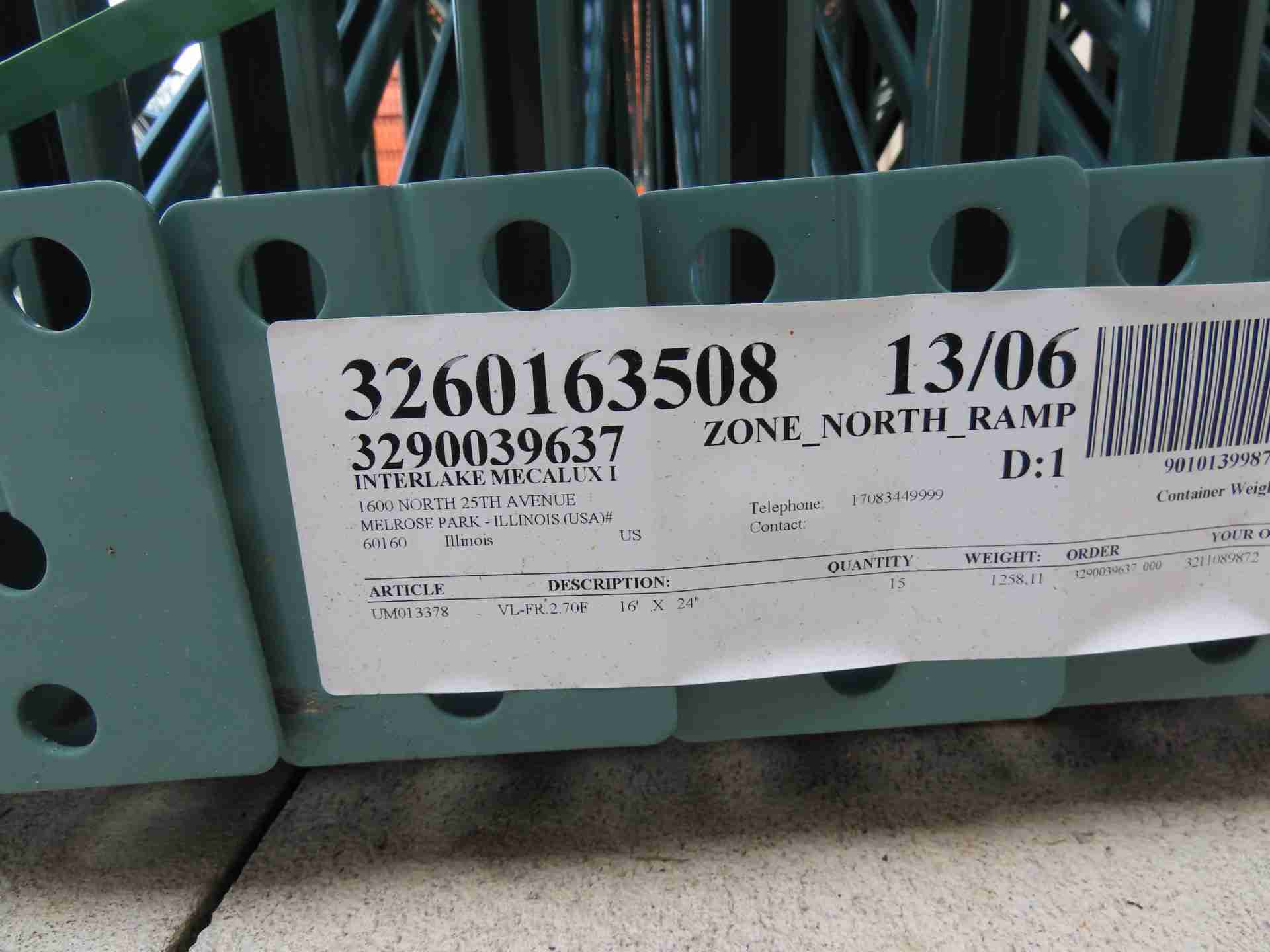
How Does Your Competition Approach Racking In Their Esg Efforts?
What Stories Of Successful Racking Implementations Inspire You?
When you think of racking, it might conjure images of warehouses stacked high with goods, but underneath that steel framework lies a testament to human ingenuity and resilience. Each racking system tells a story—stories that pulse with the heartbeat of innovation, frustration, and eventually, triumph. Imagine a small business owner facing the daunting challenge of limited space and overflowing inventory. With determination, they transform their cramped storage area into a symphony of organization and efficiency. That feat isn’t merely about shelving; it’s a reflection of hoping and hustling, of taking control of chaos and shaping it into success.
Consider the factory that adopted a new racking system, allowing them to streamline their operations and significantly reduce costs. At first, there was skepticism. Change is a hard pill to swallow, often met with resistance and doubts. But then comes the proverbial light bulb moment when workers begin to see the impact: fewer accidents, faster picking times, and a palpable boost in morale. They aren’t just stacking boxes; they’re stacking wins. Each improved process is a motivational boost that resonates through the entire team, creating a culture that values efficiency and teamwork. This is more than a story about racking; it’s about fostering a mindset—the power of change coupled with the thrill of achievement.
We can’t ignore the broader implications either. Successful racking implementations are often lauded within communities as benchmarks of sustainable practices. Businesses that prioritize efficient inventory management help ease the strain on resources and promote ethical operations. They embody the principles of responsible business, positively impacting both their employees and the environment. By sharing these success stories, companies not only position themselves as industry leaders but also build trust. Their achievements inspire countless others to take the leap, showing them that transformative change is within reach—if only they’re willing to embrace it.
Ultimately, the stories of successful racking implementations are woven into the fabric of our work ethic. They inspire us to take action. They remind us that with creativity, dedication, and a willingness to adapt, we can transform the mundane into something magnificent. Each story, in its unique way, beckons us to step forward and reshape our environments, knowing that every racking system is just as much about who we are as it is about what we store. So, what story are you inspired to tell?
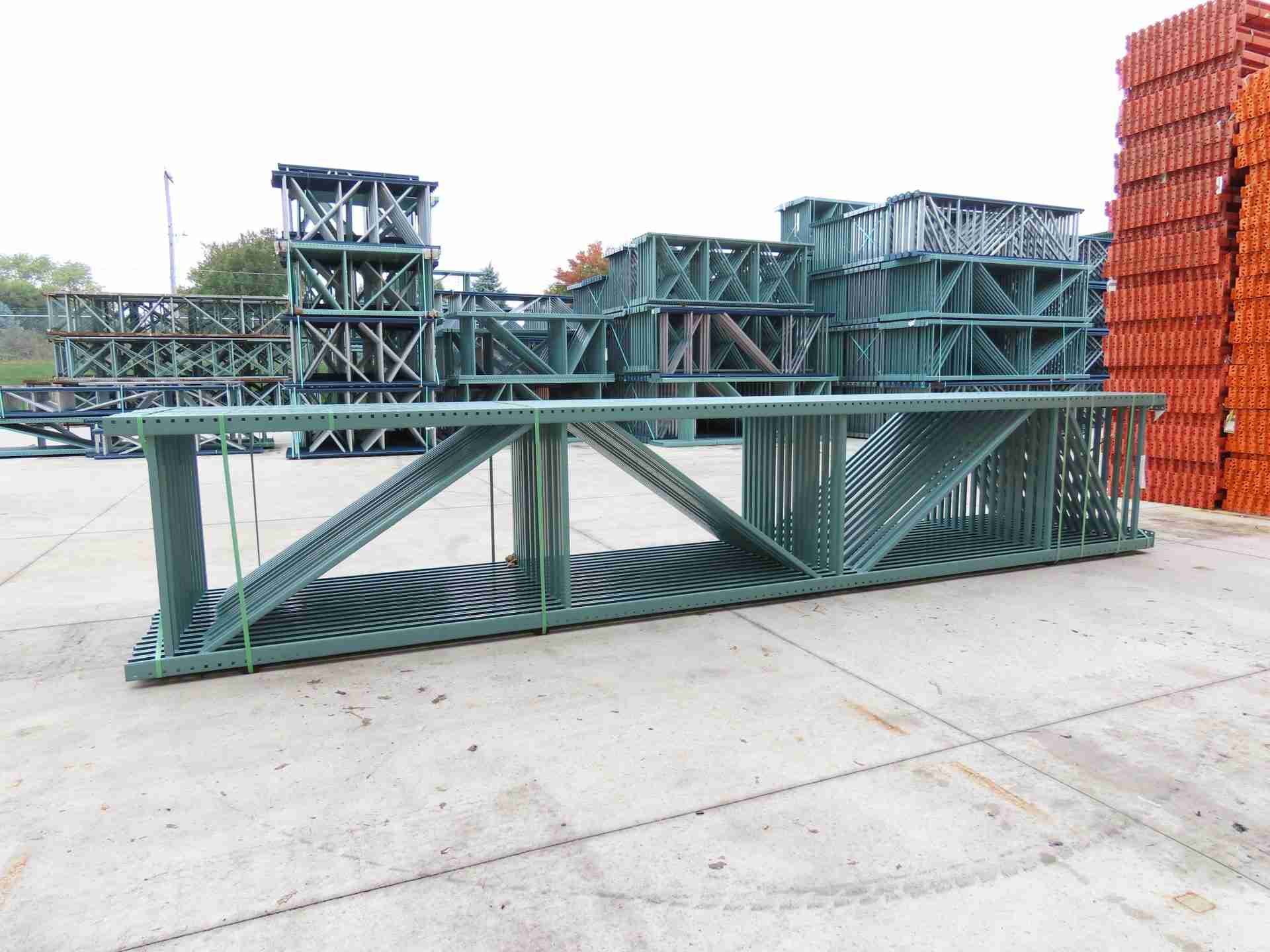
What Stories Of Successful Racking Implementations Inspire You?
What Stories Of Successful Racking Implementations Inspire You?
- Racking systems represent human ingenuity and resilience beyond mere storage solutions.
- A small business owner turned a cramped storage area into an organized, efficient space, showcasing determination.
- Factories adopting new racking systems streamline operations, reduce costs, and enhance worker morale.
- Transformational changes in racking lead to fewer accidents and faster picking times, creating a culture of efficiency.
- Successful racking implementations are viewed as sustainable benchmarks within communities.
- Efficient inventory management promotes ethical business operations and positively impacts employees and the environment.
- Stories of racking success inspire creativity, dedication, and the potential for transformative change in business practices.
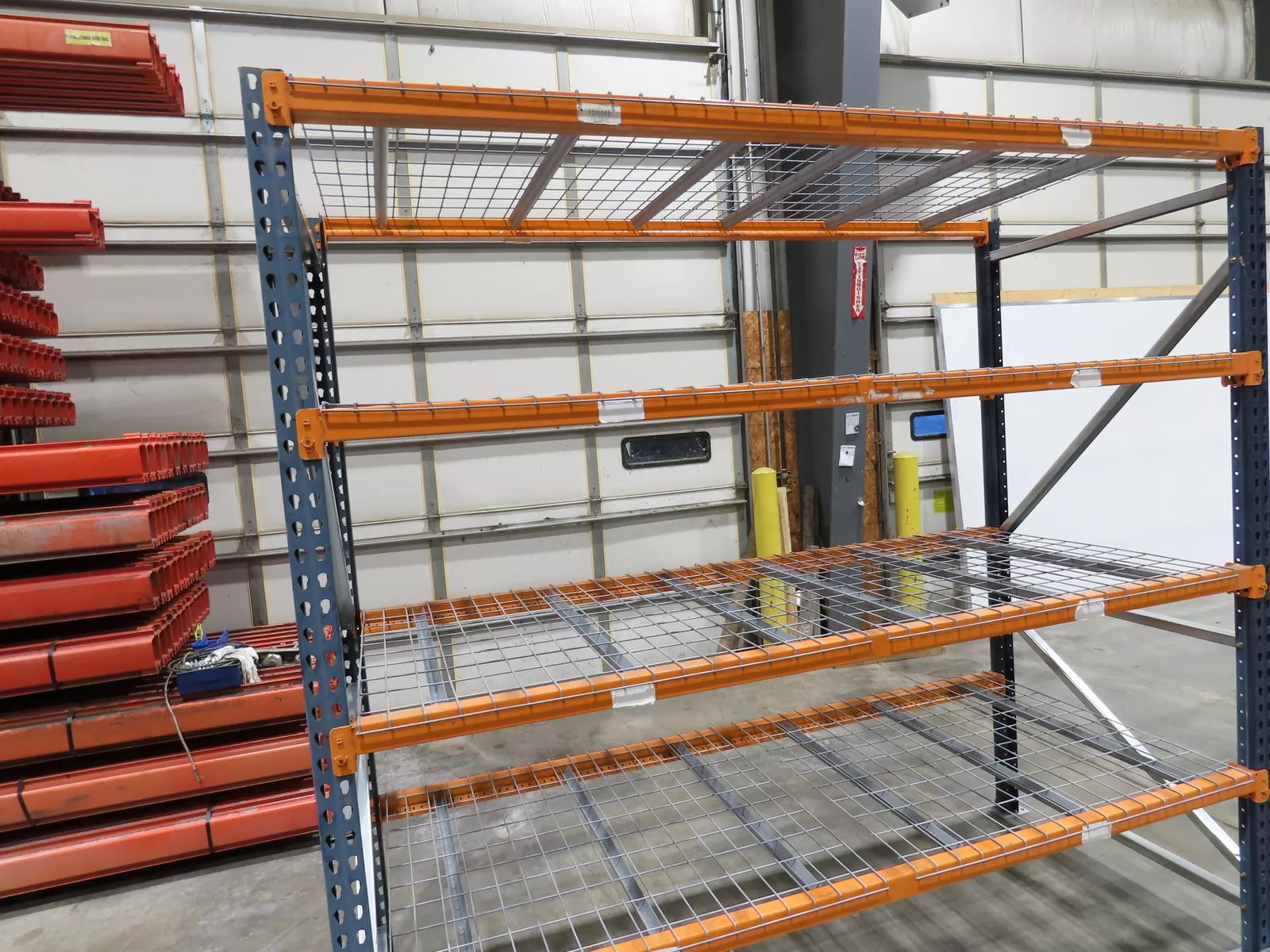
What Stories Of Successful Racking Implementations Inspire You?
Conclusion
Racking might not be the first element to spring to mind when drafting an ESG strategy, but it deserves your attention. Envision a warehouse buzzing with life, where products aren’t just piled haphazardly but are organized, accessible, and stored safely. Racking systems are the backbone of this efficiency, and their influence extends beyond mere logistics—they serve as a tangible expression of a business’s commitment to sustainability, safety, and social responsibility.
At its core, sustainability is about efficient resource usage, and effective racking systems maximize space while minimizing footprint. This leads to a notable reduction in energy consumption, resulting in a smaller carbon footprint, which gives companies not just economic benefits but also the chance to contribute positively to the world. Every racking decision reflects a commitment to employee safety; investing in quality racking shows you care about the well-being of your workforce, fostering a culture of respect that boosts morale and productivity.
Consider the wisdom of innovators throughout history: success is built on foundations that last, and the right racking solutions pave the way for operational excellence. This isn’t merely a strategic choice; it’s a moral obligation. Good governance entails creating systems that emphasize ethical behavior. When a business adopts sustainable racking systems, it doesn’t just improve itself—it sets a standard, inspiring others to follow, reinforcing the message that there’s a more responsible way to operate.
Think about the implications of unethical racking practices. Shortcuts can lead to disastrous consequences, not just financially but in human terms—workers’ lives hang in the balance. Negligence erodes trust, alienating employees and consumers who prioritize accountability. Conversely, a commitment to ethical practices cultivates an environment where safety is paramount, allowing productivity to flourish.
The data underscores the necessity for effective racking in ESG frameworks. Consumers increasingly prefer to support brands embracing sustainable practices, and the financial rewards for ethical operations are manifested in enhanced reputation and investor confidence. When you step up your racking strategies, you also lead the charge in addressing critical social issues, becoming a change-maker in the community.
Let’s not forget the power of narrative. Stories of successful, responsible racking implementations echo through the industry, inspiring others to innovate while paving the way for sustainable practices. This is about more than products and profits; it’s about building a legacy and fostering a culture that values integrity, safety, and a commitment to future generations. In the end, it’s time to rack up some wins—to make choices that speak not only to our bottom line but resonate deep within our communities and the planet.

Conclusion
Conclusion:
- Racking systems are crucial for efficiency in warehouses, impacting logistics, safety, and sustainability.
- Effective racking maximizes space and minimizes environmental footprint, reducing energy consumption and carbon emissions.
- Investing in quality racking fosters employee safety, morale, and productivity, reflecting a company’s commitment to workforce well-being.
- Sustainable racking practices represent ethical governance, setting standards for responsible operations within the industry.
- Unethical racking practices can lead to negative consequences, eroding trust among employees and consumers, while prioritizing accountability enhances safety.
- Consumers are gravitating towards brands with sustainable practices, leading to improved reputation and investor confidence for companies embracing ethical operations.
- Sharing success stories of responsible racking can inspire industry-wide innovation and cultivate a culture that values integrity and commitment to sustainability.
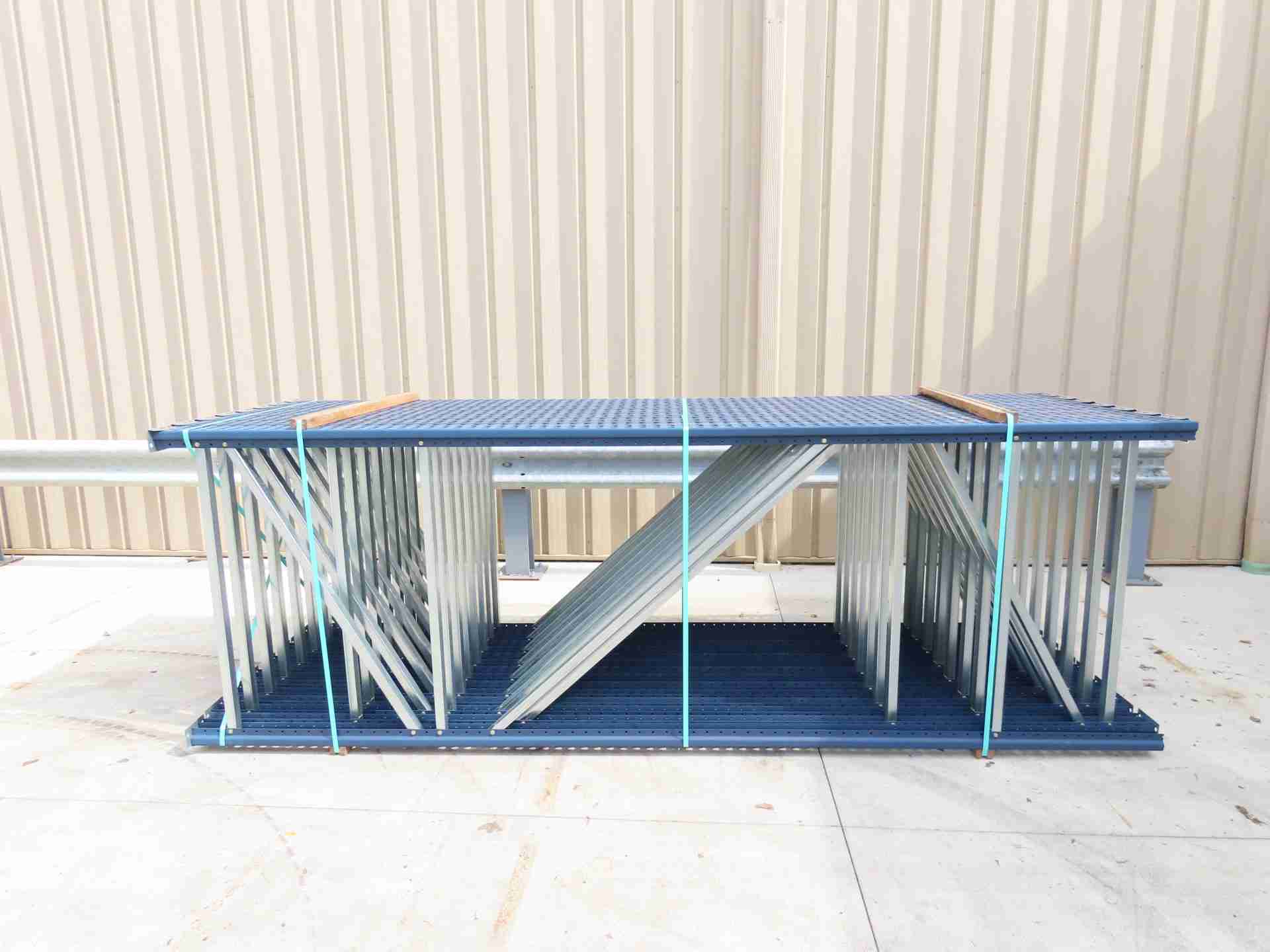
Conclusion
Other Resources
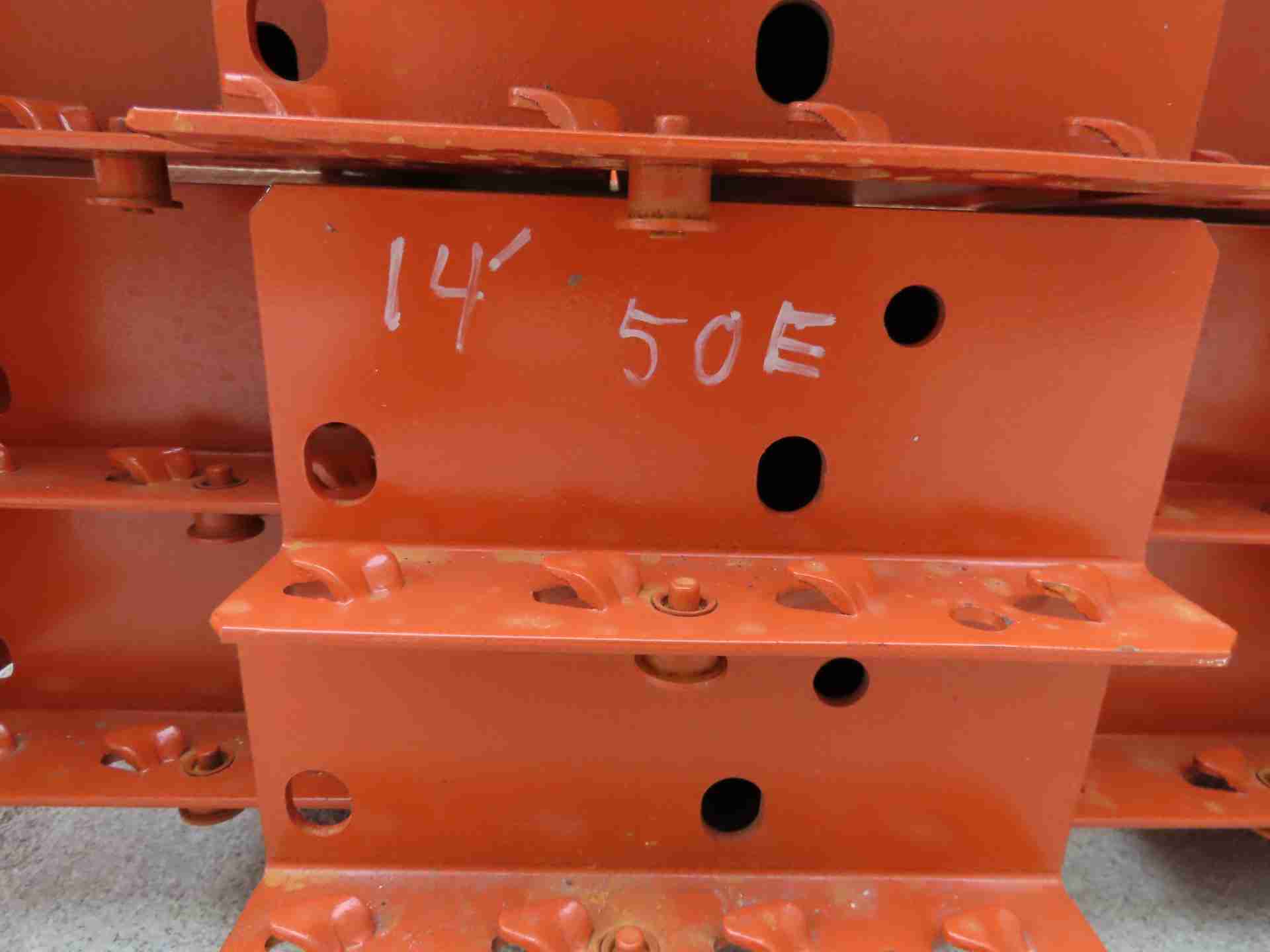
Other Resources
Here is a list of other resources you can review online to learn more:
- Pallet Rack Systems – New and Used Pallet Racking and Shelving Experts
- Cantilever Racks Chicago
- SEMA
- Intro to Warehouse Racks & Warehouse Racking Systems – ShipBob
- American Surplus
- Teardrop Pallet Rack – Ridg-U-Rak
- NSC
- American Society of Safety Professionals
- The Ultimate Pallet Racking Guide – Speedrack West
- Rack Manufacturers Institute
- Chicago Pallet Racking
- Overhead Lifting
- IIWS Inc. Rack Installation Illinois & Rack Repairs Illinois
- Mustang Material Handling
- Pallet Racking systems in Illinois and Great Lakes
- CA Wire
- New Cantilever Racks and Racking Kits
- Warehousing Education and Research Council: https://www.werc.org/
- Warehouse Racks, Warehouse Racking in Stock – ULINE
- Teardrop Pallet Rack – Ridg-U-Rak
Use This Prompt To Get More Resources With Your Favorite Online AI Tool: Please provide me with a list of online articles with their URLs in a bulleted list that I can read regarding Should Racking Be a Part Of Your Esg Strategy?
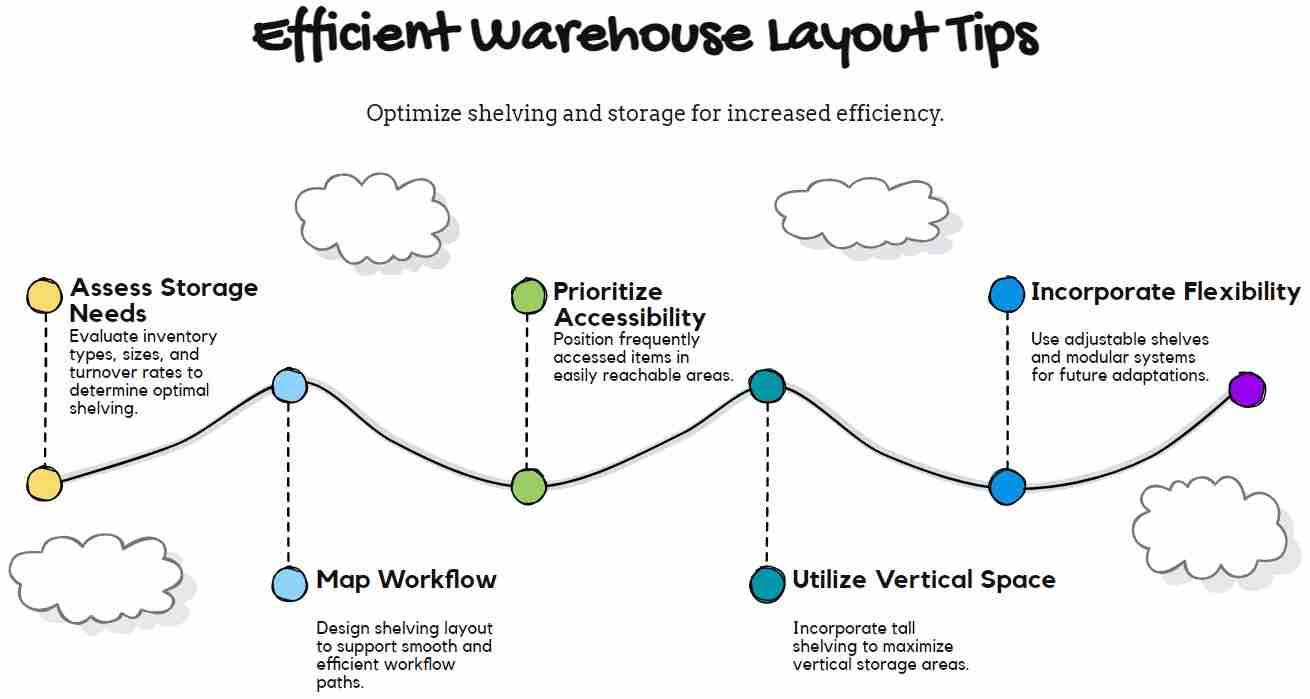
Other Resources
Glossary Terms
Should Racking Be a Part Of Your Esg Strategy? – Glossary Of Terms
1. ESG: Stands for Environmental, Social, and Governance; a framework used to assess a company’s ethical impact and sustainability practices.
2. Racking: A system of shelving and storage structures used to organize and store materials, products, or inventory efficiently.
3. Sustainability: The ability to meet current needs without compromising the ability of future generations to meet theirs, often through responsible resource management.
4. Carbon Footprint: The total amount of greenhouse gases emitted directly or indirectly by a person, organization, or product, usually measured in carbon dioxide equivalents.
5. Supply Chain Management: The oversight and management of the flow of goods and services from the point of origin to the end consumer.
6. Waste Reduction: Strategies and practices aimed at minimizing the amount of waste generated during production and consumption processes.
7. Resource Efficiency: Utilizing resources in a manner that maximizes output while minimizing input, thereby reducing waste and environmental impact.
8. Corporate Responsibility: A self-regulating business model in which companies are accountable to stakeholders and the public regarding their social, environmental, and economic performance.
9. Stakeholder Engagement: The process of involving individuals or groups who have an interest in a company’s operations or performance, particularly in ESG-related decisions.
10. Circular Economy: An economic system aimed at eliminating waste and promoting the continual use of resources through recycling, reuse, and sustainable design.
11. Green Procurement: The process of purchasing goods and services that have a reduced environmental impact throughout their lifecycle.
12. Compliance: Adhering to laws, regulations, standards, and ethical practices relevant to environmental and social governance.
13. Energy Efficiency: Using less energy to provide the same service or achieve the same output, which contributes to lower emissions and reduced costs.
14. Renewable Energy: Energy from sources that are replenished naturally, such as solar, wind, and hydropower, which have a minimal environmental impact.
15. Employee Well-Being: The health, happiness, and overall welfare of employees, which is critical to social sustainability.
16. Transparency: Openness and clarity in communication regarding a company’s practices, policies, and performance, especially relating to ESG issues.
17. Risk Management: The identification, assessment, and prioritization of risks, alongside strategies to minimize their impact, particularly regarding environmental and social factors.
18. Greenwashing: The practice of making misleading claims about the environmental benefits of a product, service, or company to appear more environmentally friendly than they are.
19. Impact Reporting: The practice of measuring and communicating the social and environmental impacts of a company’s operations and decisions.
20. Benchmarking: Comparing a company’s ESG performance to industry standards or best practices to gauge effectiveness and identify areas for improvement.
21. Materiality Assessment: The process of identifying and prioritizing the ESG issues that are most significant to a company and its stakeholders.
22. Eco-Design: The design approach that considers the environmental impacts of a product throughout its life cycle, from raw material extraction to disposal.
23. Social License to Operate: The ongoing approval and acceptance of a company’s operations by its stakeholders, influenced by its social and environmental performance.
24. Stakeholder Theory: A theory in organizational management that asserts a company’s responsibility extends beyond shareholders to include all stakeholders affected by its actions.
25. Long-term Value Creation: The pursuit of business strategies that generate sustainable economic, social, and environmental benefits over time.
26. Diversity and Inclusion: Practices aimed at promoting the representation and participation of different groups, enhancing workplace culture and performance.
27. Environmental Management System (EMS): A framework that organizations use to manage their environmental impacts and improve their environmental performance.
28. Biodiversity: The variety of life in a particular habitat or ecosystem, crucial for ecosystem health and resilience.
29. Lifecycle Assessment (LCA): A methodological approach for evaluating the environmental impacts associated with all stages of a product’s life, from raw material extraction through disposal.
30. Social Impact Assessment: The process of analyzing the potential social effects of a project, policy, or program on the surrounding community and stakeholders.
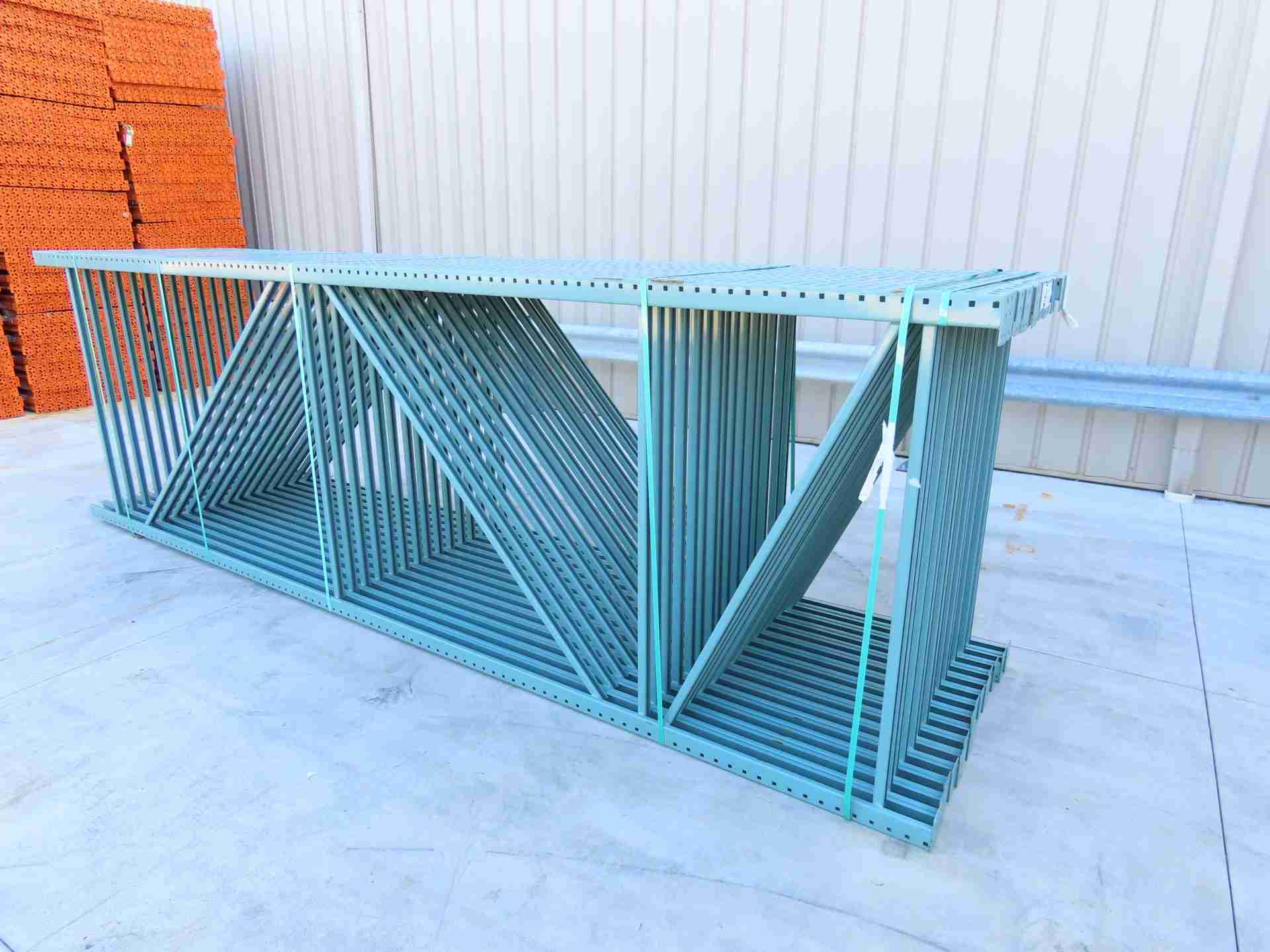
Glossary Of Terms
Other Questions
Should Racking Be a Part Of Your Esg Strategy? – Other Questions
If you wish to explore and discover more, consider looking for answers to these questions:
- What specific types of racking systems are most effective for ESG strategies?
- How can businesses measure the impact of racking on their ESG performance?
- What are the costs associated with implementing advanced racking technologies?
- Are there industry standards or certifications for sustainable racking solutions?
- What role do stakeholders play in shaping racking decisions for ESG initiatives?
- How can companies educate their employees about the importance of ethical racking?
- What case studies exist that demonstrate successful integration of racking into ESG strategies?
- How can small businesses leverage racking solutions to enhance their ESG performance?
- What are the long-term benefits of ethical racking practices for businesses?
- How does consumer demand influence the adoption of sustainable racking systems?

Other Questions
Checklist
Should Racking Be a Part Of Your Esg Strategy? – A Checklist
Checklist for Integrating Racking into Your ESG Strategy
Emotional Appeals
_____ Visualize your warehouse as a hub of efficiency and safety: How will your racking system enhance the workspace?
_____ Reflect on the value of employee well-being: Are your racking solutions designed to protect your team and minimize risk?
_____ Inspire change within your organization: What legacy do you want to leave through your business practices?
Rational Appeals
_____ Assess the operational efficiency: How can improved racking systems streamline your inventory management?
_____ Review the financial benefits: Have you calculated the potential cost savings from reduced energy consumption and waste?
_____ Investigate data on consumer preferences: Are you aware that a significant percentage of consumers prefer brands with sustainable practices?
Ethical Appeals
_____ Evaluate your current racking practices: Are they promoting safety, durability, and ethical governance?
_____ Consider the broader social impact: How do your choices influence your community and workforce?
_____ Embrace sustainability: Are your racking solutions environmentally responsible and resource-efficient?
Authority Appeals
_____ Research industry standards: What best practices are leaders in your field adopting regarding racking in ESG?
_____ Seek expert insights: Have you engaged with professionals who specialize in logistics and sustainability?
_____ Leverage success stories: What success examples from peers can validate the importance of racking in ESG?
Narrative Appeals
_____ Share personal stories: Have you recorded experiences that illustrate the transformation brought by effective racking?
_____ Craft a narrative of change: What journey have you taken to incorporate ESG principles into your racking systems?
_____ Highlight community impacts: How have your racking improvements resonated with clients and stakeholders?
Social Appeals
_____ Connect with stakeholder values: How do your racking choices align with the values of your employees and customers?
_____ Foster a culture of accountability: Are you creating an environment where your team feels proud of ethical practices?
_____ Network with other organizations: What relationships can you form to share ideas and inspire collective action in sustainability?

Checklist
At RackingWorld, we help guide you through selecting warehouse storage systems and racking.
Be sure to read our other related stories at RackingWorld to learn more about warehouse storage systems.
0 Comments