
Maximizing Storage Efficiency Without Workflow Disruption
By Tom Seest
At RackingWorld, we help guide you through selecting warehouse storage systems and racking.
Be sure to read our other related stories at RackingWorld to learn more about warehouse storage systems.
Setting Up a Rack System Without Interrupting Inventory Flow
Setting up a rack system without interrupting your inventory flow is not just about moving metal and wood into place; it’s about preserving the lifeblood of your operation. Think of it like a well-tuned orchestra. Each musician has a role that contributes to the harmony of the overall performance. Your inventory, too, needs to flow seamlessly, without fumbling in a chaotic setup that breeds frustration.
Picture this: it’s a busy afternoon, orders are coming in hot, and your team is hustling with purpose. Suddenly, a racking installation starts. Confusion creeps in; items that once danced gracefully from shelf to cart are now stuck in limbo. If you’re not careful, productivity can tank. This reality brings out the gut-wrenching need for a proactive approach to system upgrades.
Racking systems should enhance efficiency, not hinder it. You’ll want a game plan—one that respects the workforce and the workflow. Begin by mapping out the entire process. Take note of peak hours, responsible teams, and the critical items that are indispensable in your flow. By strategizing around these key elements, you ensure that your setup doesn’t throw a wrench in the works, but rather fine-tunes them.
Ethically, it’s crucial to involve your employees. They’re the ones in the trenches, facing daily challenges. Ask for input—acknowledge their expertise. Decision-making shouldn’t just be top-down; it should feel collaborative. This honesty builds trust, reinforces teamwork, and cultivates a sense of ownership in the process. Show them that their voices matter. As you step towards implementing a new rack system, remember, this is about more than just physical space; it’s about the people who navigate it day in and day out.
When it comes to authority in the realm of racking, acknowledge those successful voices within your industry. Lean on professionals who’ve crafted systems that withstand the test of time and demand. Their insights can prevent costly mistakes, assure compliance, and help you avoid the pitfalls that come with poorly executed adjustments.
Finally, think about the social impact. A well-organized inventory flow supports local economies, supplying essential goods with efficiency. Your decision to enhance your racking system doesn’t just improve your bottom line; it fosters community resilience. By investing in the right setup, you’re not just enhancing a business—you’re making a promise to the people who rely on it.
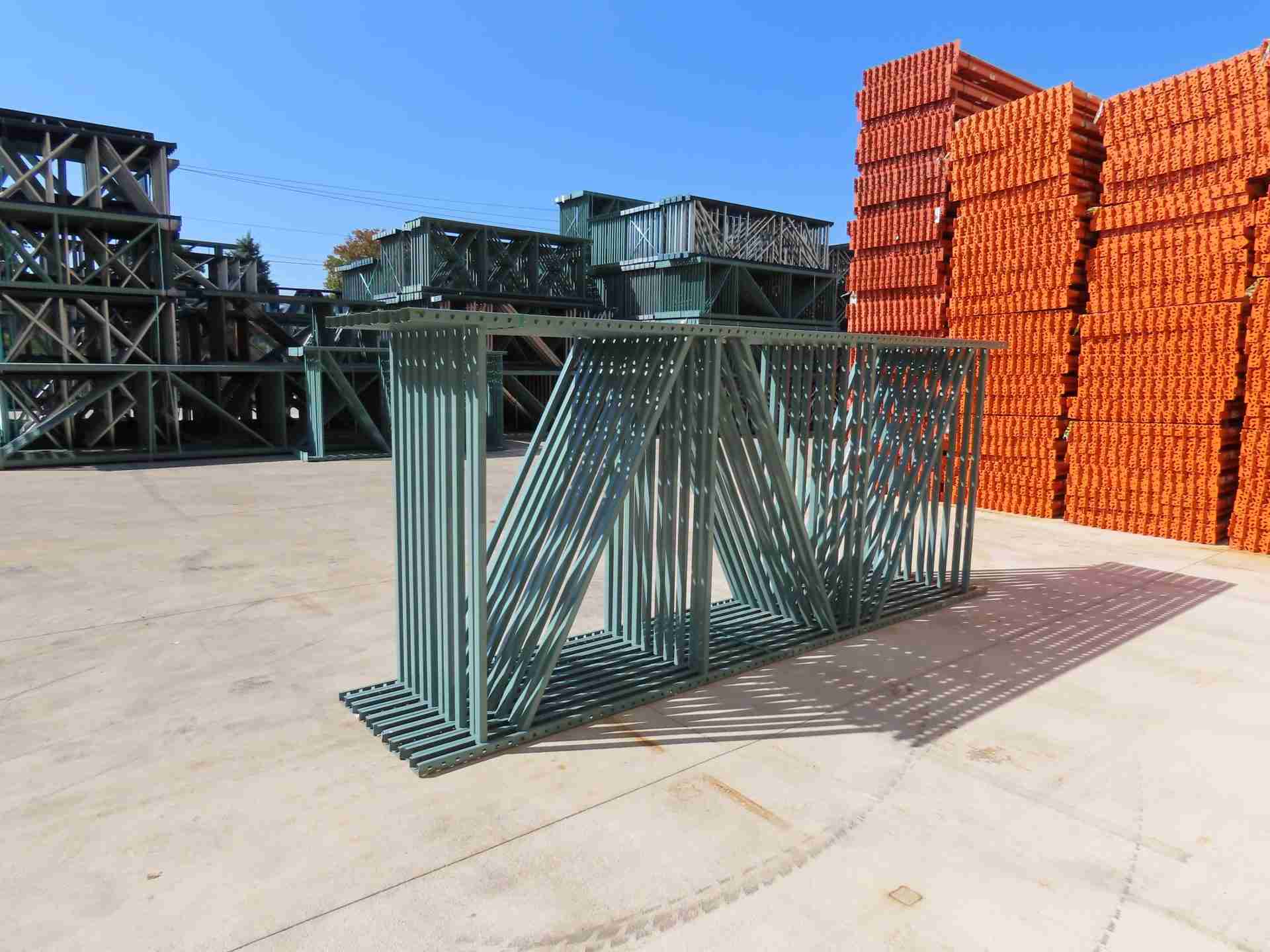
Setting Up a Rack System Without Interrupting Inventory Flow
Setting Up a Rack System Without Interrupting Inventory Flow
- Setting up a racking system requires careful planning to avoid disrupting inventory flow.
- Maintaining seamless inventory movement is crucial for operational harmony.
- A proactive approach to upgrades is necessary to prevent productivity loss.
- Map out the process, considering peak hours and critical inventory items.
- Involve employees in decision-making to foster collaboration and build trust.
- Leverage insights from industry professionals to avoid costly mistakes and ensure compliance.
- Improving racking systems supports local economies and enhances community resilience.

Setting Up a Rack System Without Interrupting Inventory Flow
Table Of Contents
- Setting Up a Rack System Without Interrupting Inventory Flow
- How Can We Optimize Space Without Slowing Down Our Operations?
- What Strategies Ensure a Smooth Transition to New Rack Systems?
- How Can We Maintain Employee Morale During the Setup Process?
- What Are the Financial Benefits Of an Efficient Rack System?
- How Can We Minimize Disruptions While Improving Inventory Accuracy?
- Conclusion
- Other Resources
- Glossary Of Terms
- Other Questions
- Checklist
How Can We Optimize Space Without Slowing Down Our Operations?
When we think about optimizing space, we often picture sleek designs and organized racking systems, but it’s so much more than just aesthetics or logistics. It’s about creating an environment where people thrive, where every inch serves a purpose and every worker feels valued. Imagine walking into a warehouse or workspace and feeling that unmistakable buzz of efficiency, a sense of pride in the air that doesn’t come from robots or algorithms, but from the camaraderie of a well-oiled team doing what they do best.
Take Anna, for example, a logistics manager in a bustling distribution center. She spearheaded an initiative to reorganize their racking setup, stripping away layers of inefficiency that had been creeping in over the years. Now, instead of labyrinthine aisles filled with chaos, her space breathes—each item strategically placed for quick access. The result? Not only did productivity soar, but her team developed a renewed sense of ownership. They weren’t just moving boxes; they were part of a mission ramped up for success.
The numbers speak for themselves. By optimizing their operational footprint, Anna’s team reduced pick times by nearly 30%. That’s not just better performance; it’s less stress and a happier workplace. But let’s remember, this transformation didn’t stop at efficiency metrics. It also created a ripple effect—improving morale, inviting collaboration, and forging a stronger bond among coworkers. People want to feel they’re part of something bigger, and optimizing space fuels that aspiration.
It’s ethically responsible to provide a workspace that enhances productivity while respecting the time and effort of every team member. Imagine the impact on a person’s day when they find the tools they need exactly where they expect them to be. The psychological lift that comes from an organized environment cannot be overstated; it fosters confidence, sparks creativity, and instills a sense of belonging.
We are social beings, after all. When we work together in an optimized space, we build relationships and develop a culture of trust. So, let’s reframe how we look at space. Let’s embrace it as a canvas for human potential, where every square foot can inspire and elevate, and every decision leads to a more impactful operation. It’s about more than just the racking or the numbers; it’s about the heart at the core of what we do.

How Can We Optimize Space Without Slowing Down Our Operations?
How Can We Optimize Space Without Slowing Down Our Operations?
- Optimizing space goes beyond aesthetics or logistics; it fosters an environment for team thrive.
- Effective space organization contributes to a sense of pride and camaraderie among workers.
- Anna, a logistics manager, improved her distribution center’s racking setup, enhancing efficiency.
- The new layout reduced pick times by nearly 30%, increasing productivity and lowering stress.
- This transformation also boosted team morale, encouraged collaboration, and strengthened bonds.
- An organized workspace facilitates tool accessibility, leading to psychological benefits like confidence and creativity.
- Optimizing space should be viewed as a means to unlock human potential and enhance operational impact.
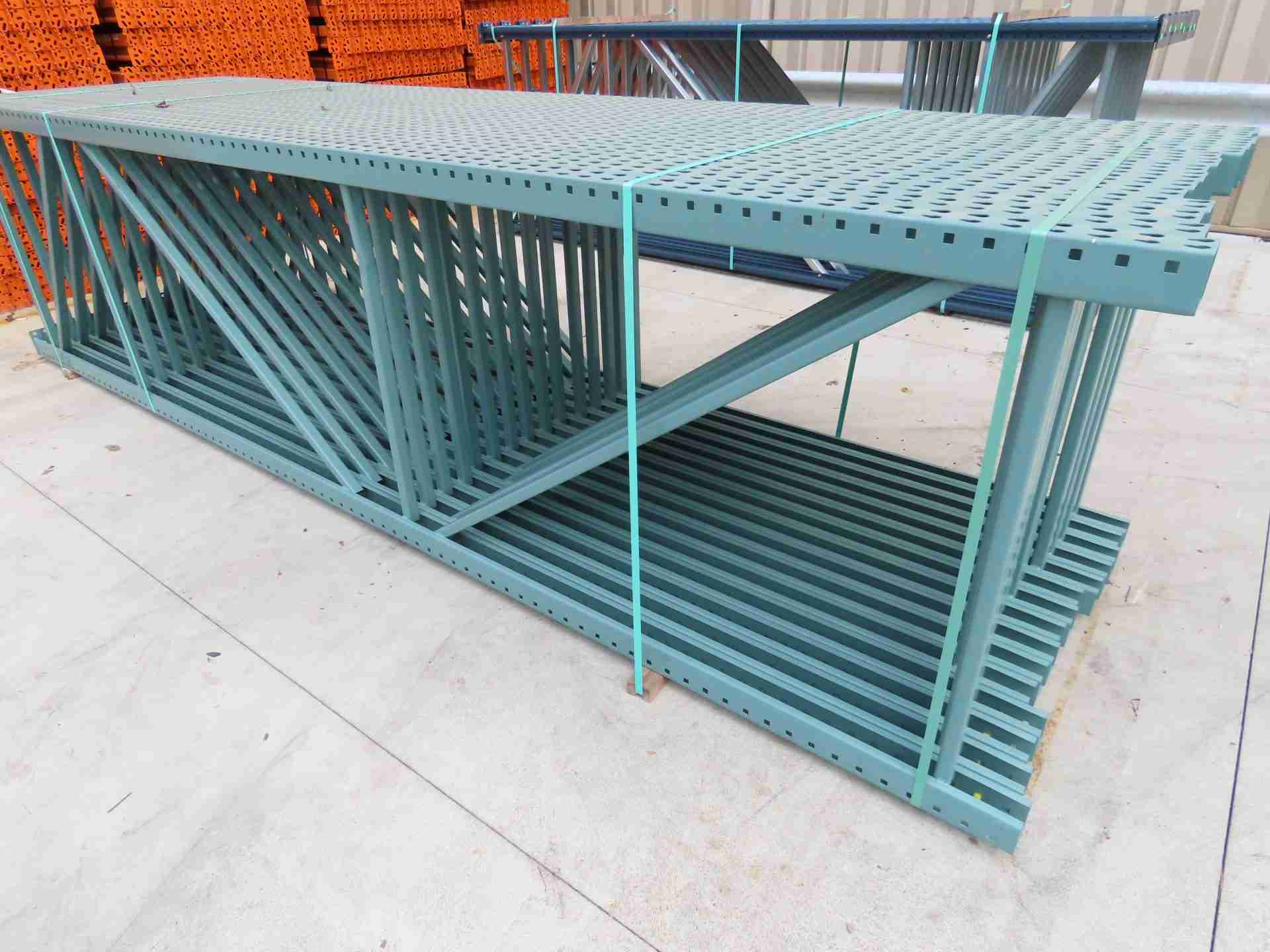
How Can We Optimize Space Without Slowing Down Our Operations?
What Strategies Ensure a Smooth Transition to New Rack Systems?
Transitioning to new rack systems isn’t just about the mechanics—it’s a journey that takes careful planning, strategic thinking, and a dash of heart. There’s a palpable excitement in the air when teams realize they’re on the cusp of improvement, but it’s essential to channel that energy into a smooth transition that avoids pitfalls and surprises.
First off, communication is your best ally. Gather your team and talk about what racking really means for your operations. Share stories, ideas, and concerns. This isn’t simply a logistical move; it’s a transformation that impacts daily lives and workflows. Let everyone in on the rationale behind the change and the benefits that lie ahead. When individuals feel like a part of the discussion, they’re not just passive participants—they become advocates for the change.
Next, it’s crucial to take a hard look before diving in. Assess your current operations and pinpoint what works and what doesn’t. It’s not about throwing out everything you’ve built; it’s about enhancing and evolving. This thoughtful approach creates a sense of ownership and fosters trust that you’re not just chasing the latest trend, but genuinely looking to improve efficiency and safety, making it ethically sound for everyone involved.
Once you’ve laid down the groundwork, bring in the experts. There’s no shame in seeking help from those who’ve navigated these waters before. Their insights and authority can be incredibly reassuring. Engage vendors who not only understand the technical specifications of racking but who also pride themselves on exceptional service and ongoing support. This relationship will assure you that, come transition day, you’re not sailing into uncharted waters without a map.
Engage with the broader community, too. Learn from others who have successfully implemented new racking systems. Sharing experiences builds camaraderie and provides invaluable lessons on what works and what doesn’t. This social component strengthens your resolve and reminds everyone that they’re not alone in this endeavor.
Lastly, don’t lose sight of the end goal: a streamlined, efficient operation that empowers your team. Celebrate every milestone, no matter how small. A positive outlook fuels motivation and fosters a culture of resilience, leaving individuals ready to tackle challenges head-on. By approaching your transition with empathy, insight, and teamwork, you won’t just implement new systems—you’ll foster a sense of collaboration that propels everyone forward.
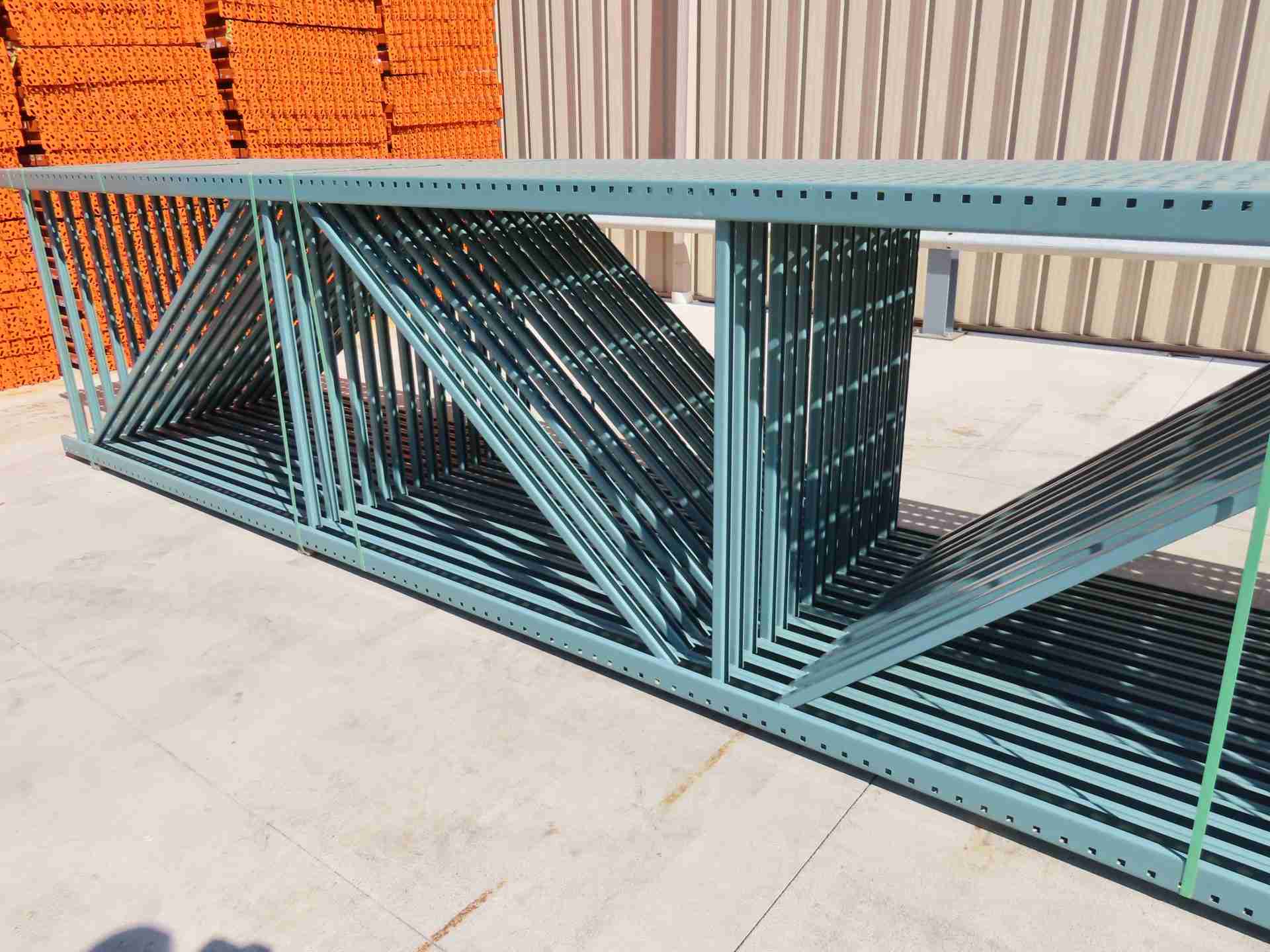
What Strategies Ensure a Smooth Transition to New Rack Systems?
What Strategies Ensure a Smooth Transition to New Rack Systems?
- Transitioning to new rack systems requires careful planning, strategic thinking, and enthusiasm.
- Effective communication is crucial; involve your team in discussions about the changes and their impacts.
- Assess current operations to identify strengths and areas for improvement rather than overhauling everything.
- Seek expertise from experienced vendors for guidance and support during the transition.
- Engage with the broader community to learn from others’ experiences and best practices.
- Focus on the ultimate goal of creating a streamlined and efficient operation that empowers the team.
- Celebrate milestones to maintain motivation and foster a resilient culture during the transition.

What Strategies Ensure a Smooth Transition to New Rack Systems?
How Can We Maintain Employee Morale During the Setup Process?
On the journey of setting up a new system, it’s easy to see the technical aspects—like racking equipment and ensuring everything’s in place—but the human element deserves just as much attention. Employee morale is often the backbone of any successful operation, and during tumultuous times, it can waver. This is where we step in to show our team they matter beyond mere tasks.
First, let’s talk about the heart. Communication is vital. Regular check-ins foster a sense of belonging and connection. Share the vision behind the setup process, and let everyone see their role in that narrative. When employees understand how their work ties into a greater purpose—whether it’s providing better service, improving workflows, or enhancing collaboration—they feel valued. Paint a picture of what success looks like, and they’ll be more inclined to roll up their sleeves and get to the hard work of racking equipment and streamlining processes.
Next, consider the head. This isn’t just about feelings; it’s also about rationality. You must equip employees with the tools they need—from training sessions on the new setup to resources for troubleshooting. Providing clear guidelines and expectations can reduce anxiety and reinforce confidence. Emphasize teamwork; establish cross-function groups that allow them to collaborate. The more they absorb knowledge and practical expertise, the more competent they’ll feel—transforming uncertainty into capability.
Then, we come to the gut. Morale often stems from a sense of fairness and ethical leadership. It’s crucial to celebrate small wins along the way. Acknowledging achievements—in real-time—creates a shared sense of purpose that inspires everyone to pull together. It’s essential not only to lead by example but to involve employees in decision-making. This gives them ownership over their work and fosters a culture of mutual respect.
Ultimately, remember that the setup process isn’t just about new systems; it’s about people. Take the time to share stories of past challenges and victories, showcasing resilience and teamwork. Allow employees to express their concerns and ideas, transforming a daunting transition into a collective adventure. As we navigate this journey together, let’s ensure morale stays high, not just in words, but in action, proving every step of the way that they are the heart of this operation. This connection—between leadership, teammates, and the mission—will be what truly sets the stage for success.
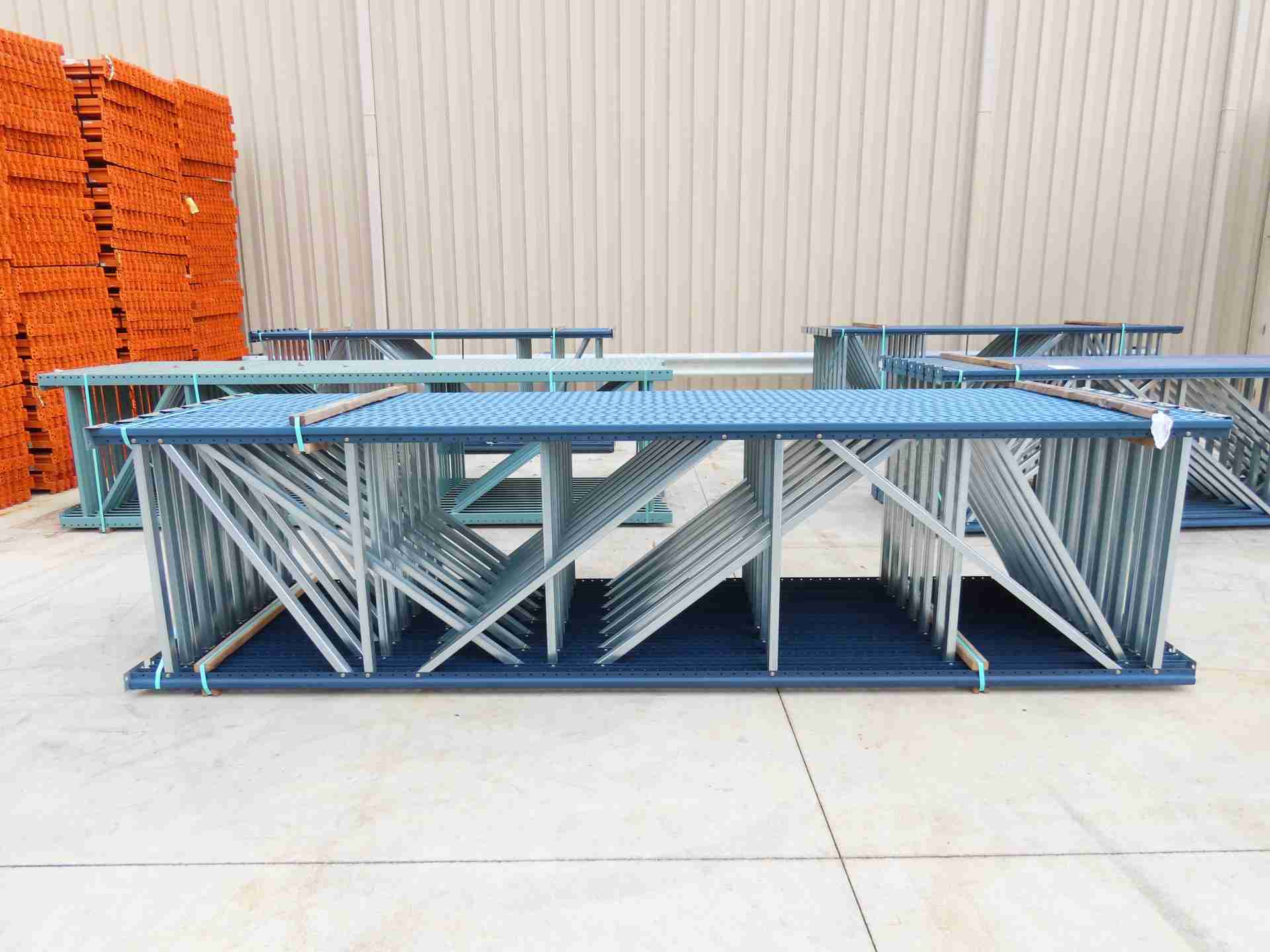
How Can We Maintain Employee Morale During the Setup Process?
How Can We Maintain Employee Morale During the Setup Process?
- The human element in system setup is crucial for maintaining employee morale.
- Effective communication includes regular check-ins and sharing the overall vision.
- Understanding the purpose of their work helps employees feel valued and connected.
- Providing the necessary tools and training can reduce anxiety and boost confidence.
- Celebrating small wins fosters a sense of fairness and ownership among employees.
- Encouraging employee involvement in decision-making promotes mutual respect.
- The journey of setup is a collective adventure that reinforces teamwork and resilience.

How Can We Maintain Employee Morale During the Setup Process?
What Are the Financial Benefits Of an Efficient Rack System?
Imagine walking into a warehouse where every inch is optimized, where products are neatly stored and easily accessible. This is not just some pipe dream; it’s the power of an efficient racking system. It’s more than just a way to organize; it’s a game-changer for your bottom line.
First, let’s tap into the heart. There’s something inherently satisfying about a well-organized space. Think back to a time when you tackled a messy garage or a cluttered office. The sense of accomplishment and relief is palpable. An efficient racking system does that for businesses. It transforms chaos into order, which brings not only peace of mind but also boosts morale among employees. Happy workers lead to higher productivity, and that’s a financial win right from the get-go.
Now, let’s engage the head. Rationally speaking, the layout of your racking impacts how goods are handled. Think about the cost of labor. The less time employees spend searching for items, the more time they can focus on adding value. An optimized racking system minimizes wasted movement, resulting in lower labor costs and faster turnaround times. By reducing operational inefficiencies, you not only save money but also improve customer satisfaction — and happy customers mean repeat business.
Addressing the gut feeling, you might be asking, “Is this really worth it?” The answer is a resounding yes. Consider the longevity of your investment. An efficient racking system not only maximizes space but also extends the life of your products by preventing damage from improper storage. A well-designed system adheres to best practices in safety and compliance, protecting your business from costly accidents and fines.
Ethically, embracing an efficient racking system means your business is contributing positively to the environment. Reduced waste, lower energy consumption, and better resource management showcase your commitment to sustainability, which resonates with today’s socially conscious consumer.
Lastly, imagine sharing stories of your success with peers. Be it at a networking event or in a casual conversation, confident leaders find common ground in their shared experiences of making operations smarter. With every layer of efficiency added, you not only increase financial benefits but also cultivate a reputation of reliability and excellence, inspiring others to follow suit.
All this leads to one undeniable conclusion: an efficient racking system isn’t just a logistical improvement; it’s a strategic investment that resonates on every level, securing your organization’s future while building trust and connecting with your community.
What Are the Financial Benefits Of an Efficient Rack System?
What Are the Financial Benefits Of an Efficient Rack System?
- An efficient racking system optimizes warehouse space, making products accessible and organized.
- Transforming chaos into order boosts employee morale, leading to increased productivity and financial gains.
- A well-structured layout minimizes wasted movement, reducing labor costs and enhancing customer satisfaction.
- Investing in efficient racking extends product lifespan and adheres to safety and compliance standards.
- Implementing such systems demonstrates a commitment to sustainability by reducing waste and energy consumption.
- Success stories related to improved operations strengthen business reputation and inspire industry peers.
- An efficient racking system is a strategic investment that secures organizational growth and community trust.

What Are the Financial Benefits Of an Efficient Rack System?
How Can We Minimize Disruptions While Improving Inventory Accuracy?
When it comes to inventory accuracy, we tend to think of numbers, barcodes, and racking systems, treating them like mere tools in a faceless machine. But let’s pause and consider what all those figures and systems mean to the real people behind the processes. Every inventory item tells a story — a story of effort, dedication, and countless hours of work. Mismanagement can lead to more than just misplaced stock; it impacts morale, livelihoods, and the trust we’ve built within our teams and with our customers.
Imagine a small business owner, pouring their heart into their venture, only to face hefty losses due to poor inventory tracking. Each missing item represents not just a dollar count, but a dream deferred and a promise broken. This is where we, as stewards of our operations, take a stand. By improving inventory accuracy, we’re not just tightening up the numbers; we’re safeguarding aspirations.
So, how do we minimize disruptions while trimming down those inaccuracies? It starts with believing in the human element behind every box on a shelf and every entry in a system. Let’s use technology smartly but humanely: integrate sophisticated inventory management systems that make our lives easier, rather than add complexity. Train your team not as mere operators, but as vital contributors who hold the keys to accuracy. Foster an environment where they feel safe to report discrepancies or suggest improvements. When individuals trust the system and each other, it exponentially reduces disruptions.
Moreover, it’s crucial to cultivate a culture of accountability. Create procedures that not only emphasize accuracy but also reflect the value of each person involved. Ethical practices should shine through every inventory check, reminding us that every misstep is an opportunity to learn, grow, and evolve. Often, it’s the stories of resilience and collaboration that inspire progress.
Engage your workforce in dialogue – it’s not just about talking at them; it’s about listening to their experiences. When employees feel involved, they not only take ownership of their tasks, but they also feel a deep-rooted connection to the work, translating to higher accuracy and lower disruption rates.
Let’s remember, at the heart of inventory management is trust—trust in our systems, trust in our people, and trust in our mission. When we nurture that trust, we create a swarm of self-starters eager to contribute to our collective success, ensuring that every shelf is stocked and every customer experience is seamless. Building accuracy is not just a task; it’s a commitment to excellence.
How Can We Minimize Disruptions While Improving Inventory Accuracy?
How Can We Minimize Disruptions While Improving Inventory Accuracy?
- Inventory accuracy is more than just numbers, barcodes, and systems; it reflects the efforts of real people.
- Mismanagement of inventory can negatively impact morale and trust within teams and with customers.
- A small business owner’s losses due to poor inventory tracking represent more than money; they symbolize broken dreams.
- Improving inventory accuracy safeguards aspirations and reinforces the importance of the human element.
- Foster a culture of accountability and ethical practices to promote learning and growth within teams.
- Engage employees in dialogue, giving them ownership and a sense of connection to their work for better accuracy.
- Trust is crucial in inventory management; nurturing it leads to a motivated workforce committed to excellence.

How Can We Minimize Disruptions While Improving Inventory Accuracy?
Conclusion
Setting up a new rack system isn’t merely a logistical challenge; it’s a pivotal moment that can revitalize your entire operation. Imagine the hum of productivity in a space where every team member feels engaged, equipped, and empowered. This transition is much like the conductor of an orchestra, where each section plays its part in harmony. Your racks serve as the staging ground for inventory flow, and if they’re not installed correctly, the entire performance can stumble.
The crux of this process is a well-planned strategy—one that starts with you understanding not just the physical layout but the people who navigate it daily. Engaging employees in this journey transforms a mundane change into a collective mission. When workers see their insights valued and their expertise acknowledged, they not only adapt more seamlessly but also take ownership of the transition, fostering enthusiasm and a sense of vested interest.
Relying on industry experts during this process is another essential step. By leveraging the know-how of professionals who have successfully implemented racking systems in the past, you are not only preventing errors but also ensuring adherence to best practices. It’s about drawing on their authority and experience to navigate the complexities of change.
As you embark on this transition, remember the broader implications. A well-organized warehouse does more than enhance your efficiency—it enhances community resilience. Each box that moves smoothly off the shelves represents local jobs sustained, families supported, and businesses thriving. Your commitment to efficiency translates into tangible benefits for those who depend on you, underpinning the very fabric of your surroundings.
Moreover, every person involved in the setup—managers, floor workers, vendors—contributes to a narrative of collaboration and shared success. Celebrate milestones and recognize the hard work that brings this vision to life. When the heart of your company beats with the rhythm of teamwork, everyone benefits from increased morale and reduced stress.
This isn’t just about racking systems and inventory accuracy; it’s about building a workplace where every detail—from safety to efficiency to teamwork—is intentionally crafted. Every challenge along the way is merely a stepping stone towards a stronger, more capable operation. Embrace the journey, and you’ll find not just an improved bottom line but a workforce committed to upholding the mission you’ve built together. That’s where real transformation begins—at the intersection of people, purpose, and performance.
Conclusion
Conclusion:
- Setting up a new rack system is a crucial moment that can rejuvenate operations.
- A well-planned strategy, understanding both layout and personnel, is vital for success.
- Engaging employees transforms the transition into a collective mission and fosters ownership.
- Consulting industry experts helps prevent errors and ensures best practices are followed.
- A well-organized warehouse enhances efficiency and supports local jobs and businesses.
- Collaboration among all involved—from managers to vendors—creates a narrative of shared success.
- The process focuses on building a workplace attentive to safety, efficiency, and teamwork.
Conclusion
Other Resources
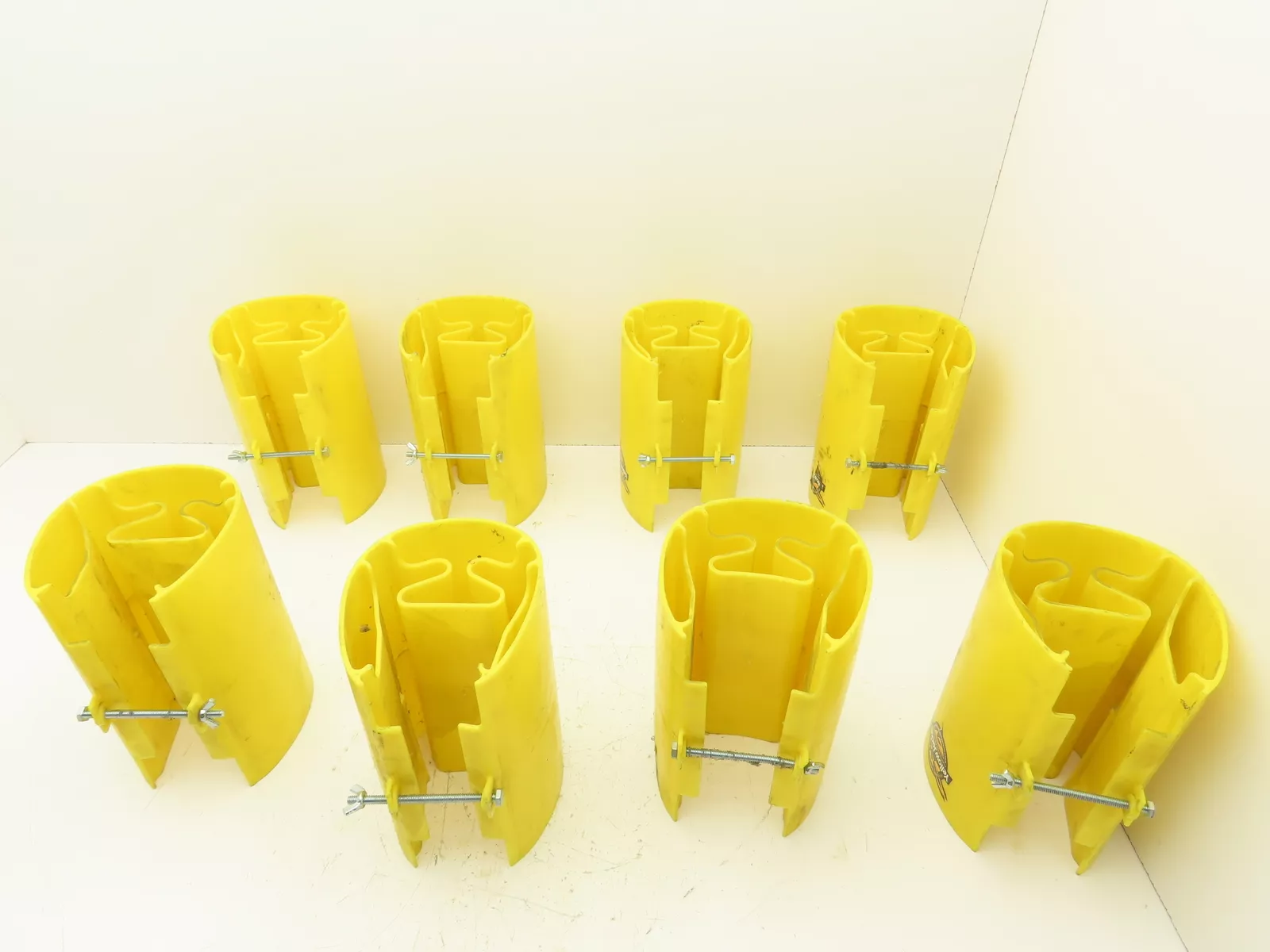
Other Resources
Here is a list of other resources you can review online to learn more:
- ASSP
- Interlake Mecalux
- WERC
- Chicago Pallet Racking
- Wolter
- Selective Pallet Racking Systems
- International Warehouse Logistics Association
- Storage Equipment Manufacturers Association
- Logic Material Handling
- Warehousing and Fulfillment
- Pallet Racking systems in Illinois and Great Lakes
- Material Handling Industry
- Warehouse Racking System: Powerful Guide to Optimise, 2024
- Bradford Systems
- Teardrop Pallet Rack – Ridg-U-Rak
- Warehouse Storage Racking in Illinois
- Illinois Pallet Racking – WPRP
- Pallet Racking systems in Illinois and Great Lakes
- Pallet Racks, Pallet Racking, Pallet Shelves in Stock – ULINE
- Selective Pallet Racking Systems – Container Systems
Use This Prompt To Get More Resources With Your Favorite Online AI Tool: Please provide me with a list of online articles with their URLs in a bulleted list that I can read regarding Setting Up a Rack System Without Interrupting Inventory Flow
Other Resources
Glossary Terms
Setting Up a Rack System Without Interrupting Inventory Flow – Glossary Of Terms
1. Rack System: A structured series of shelves or support frames used for storing goods in a warehouse or storage area.
2. Inventory Flow: The movement of goods in and out of a storage area, including receiving, storage, and shipping processes.
3. Operational Efficiency: The ability to maximize output while minimizing waste and resource use during inventory processes.
4. Space Optimization: The process of maximizing storage space utilization through effective layout and racking solutions.
5. Modular Racking: A type of racking system designed with interchangeable components, allowing for flexible configurations.
6. FIFO (First In, First Out): An inventory management strategy where the oldest stock is sold or used first to minimize obsolescence.
7. LIFO (Last In, First Out): An inventory management strategy where the newest stock is used or sold first, often applicable in certain industries.
8. Aisle Space: The area between racks that must be maintained to ensure safe navigation and accessibility to stored items.
9. Cross-Docking: A logistics practice that involves unloading goods from incoming trucks and loading them directly onto outbound trucks with minimal storage time.
10. SKU (Stock Keeping Unit): A unique identifier assigned to each product for inventory tracking and management purposes.
11. Lean Inventory: A strategy focused on reducing waste and optimizing inventory levels, ensuring products are only kept as needed.
12. Throughput: The rate at which inventory moves through a warehouse, including the speed of delivery and processing times.
13. Dynamic Racking: A flexible racking system that can be adjusted or reconfigured as inventory needs change.
14. Slotting: The process of strategically placing inventory within a storage system to optimize accessibility and retrieval speed.
15. Overstock: An inventory situation where too much product is held, resulting in increased holding costs and potential obsolescence.
16. Picking Efficiency: The effectiveness of order picking processes, often measured by time, accuracy, and productivity.
17. Restocking: The process of replenishing inventory to ensure adequate supply levels are maintained for continued operations.
18. Inventory Audits: Systematic examinations of stock to verify accuracy and ensure that physical counts match recorded numbers.
19. Safety Stock: Extra inventory kept on hand to prevent stockouts and meet unexpected demand fluctuations.
20. Pallet Racking: A method of storing goods using pallets on vertical frames, allowing for effective space utilization.
21. Storage Density: The amount of inventory that can be stored in a given physical space, important for maximizing rack efficiency.
22. Order Fulfillment: The process of receiving, processing, and delivering customer orders, critical to maintaining customer satisfaction.
23. Warehouse Management System (WMS): Software used to manage inventory, streamline processes, and improve operational efficiency in a warehouse.
24. Cycle Counting: A method of inventory auditing that involves counting a portion of the inventory on a regular basis to maintain accuracy.
25. Lead Time: The time required to fulfill an order or request from the moment it is placed until it is completed and delivered.
26. Automated Racking: Racking systems that use automated technology to store and retrieve products efficiently without human intervention.
27. Point-of-Sale (POS): A system that captures customer transaction data at the moment of sale, often used for inventory management.
28. Just-In-Time (JIT): An inventory strategy aimed at reducing waste by receiving goods only as they are needed in production or sales processes.
29. Barcoding: A method of labeling inventory items with barcodes for easy tracking and management through scanning technology.
30. Sustainability Practices: Strategies implemented to reduce environmental impact, including efficient resource use and waste reduction in inventory management.
Glossary Of Terms
Other Questions
Setting Up a Rack System Without Interrupting Inventory Flow – Other Questions
If you wish to explore and discover more, consider looking for answers to these questions:
- What are the key steps to effectively map out the setup process for a new rack system?
- How do we determine the best time for installation to minimize disruption?
- What training methods can be implemented for employees regarding the new rack system?
- How can we measure the success of the new rack system after implementation?
- What common pitfalls should we avoid during the racking system transition?
- What maintenance practices ensure the longevity of the racking system?
- How can we assess employee input during the planning phase?
- What tools or software can help in optimizing inventory flow alongside the new rack system?
- How can the racking system be adjusted to accommodate future growth?
- What are some real-world examples of successful rack system implementations?
- How does an efficient rack system impact customer satisfaction and service delivery?
- What role does teamwork play in the successful setup of a new inventory system?
- How can we sustain the momentum of improvement post-implementation?
- What ethical considerations should be taken into account during the setup process?
- How does optimizing space influence safety compliance in a warehouse environment?
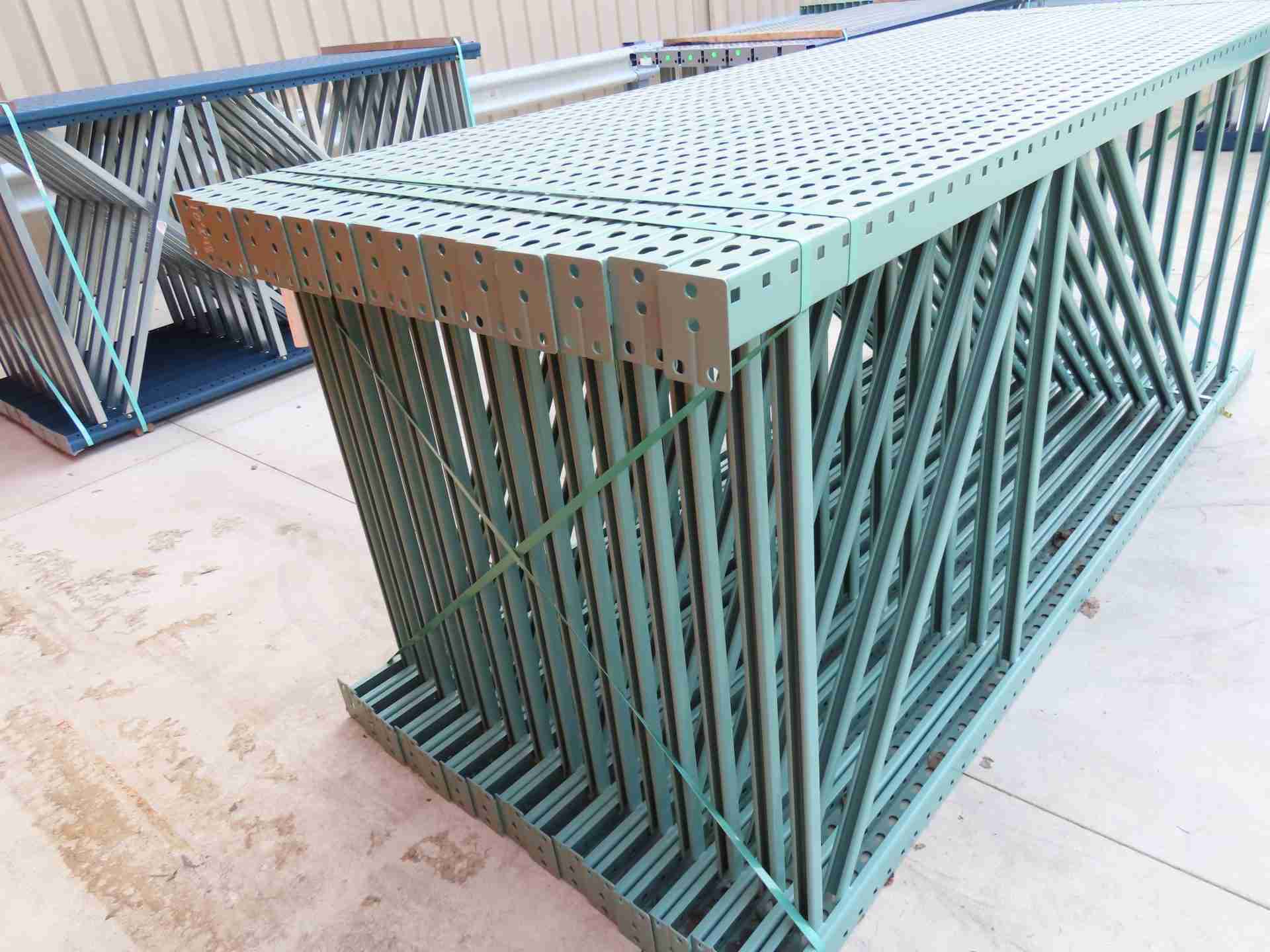
Other Questions
Checklist
Setting Up a Rack System Without Interrupting Inventory Flow – A Checklist
Checklist for Setting Up a Rack System Without Interrupting Inventory Flow
Emotional Appeals (Heart)
_____ Communicate the vision of the new setup to inspire enthusiasm.
_____ Share success stories from team members to foster morale and connection.
_____ Celebrate small milestones to keep motivation high during the transition.
Rational Appeals (Head)
_____ Analyze current workflows to identify inefficiencies before starting the setup.
_____ Provide training on new systems to ensure team members feel confident and competent.
_____ Regularly assess inventory accuracy and employee feedback to optimize processes.
Ethical Appeals
_____ Involve employees in decision-making to build trust and a sense of ownership.
_____ Foster a culture of accountability where errors are seen as learning opportunities.
_____ Ensure the setup process respects the workers’ time and contributions.
Authority Appeals
_____ Consult industry experts for insights on best practices and potential pitfalls.
_____ Engage with vendors who prioritize service and support during the transition.
_____ Keep up with industry standards to ensure compliance and safety.
Narrative Appeals
_____ Create a collective story around the setup process that emphasizes teamwork and shared goals.
_____ Document the transition journey to showcase improvements and lessons learned.
_____ Encourage sharing of personal experiences related to inventory management for deeper connection.
Social Appeals
_____ Encourage collaboration through cross-functional teams during the setup process.
_____ Share progress updates with the broader community to build camaraderie and shared learning.
_____ Highlight how an efficient system contributes positively to local economies and community resilience.
By addressing heart, head, and gut appeals, this checklist encourages participation, nurtures a positive environment, and enhances overall efficiency during the rack system transition.
Checklist
At RackingWorld, we help guide you through selecting warehouse storage systems and racking.
Be sure to read our other related stories at RackingWorld to learn more about warehouse storage systems.
0 Comments