
The Smart Choice For Efficiency And Impact
By Tom Seest
At RackingWorld, we help guide you through selecting warehouse storage systems and racking.
Be sure to read our other related stories at RackingWorld to learn more about warehouse storage systems.
Rack System Roi: Pallet Racks Vs. Automated Storage
When it comes to maximizing the return on investment (ROI) in warehousing, business owners often find themselves caught in a classic tug-of-war: traditional pallet racking versus the sleek allure of automated storage systems. Both options have their merits, but the decision goes deeper than just numbers—it’s about what fits your company’s soul.
Picture a bustling warehouse filled with stacks of goods, organized with the precision of a symphony. Pallet racks stand resilient, telling a story of manual labor and teamwork, showcasing the human spirit. These sturdy structures have a heart. They embody the sweat and grit of warehouse employees who know every inch of their domain. There’s something profoundly satisfying about watching a skilled worker maneuver a forklift, knowing that every movement counts. That sense of camaraderie enriches workplace culture, fostering loyalty and longevity.
On the flip side, automated storage is a marvel of modern engineering, boasting efficiency and speed. It whispers promises of tidier aisles and reduced human error. Economically speaking, these systems can significantly cut labor costs and increase the throughput. However, let’s not ignore the potential ethical implications. Implementing automation isn’t just about saving a buck; it’s vital to consider the human cost—those left behind in favor of machines. The gut knows that progress should never come at the expense of the workforce that built the foundation.
So how do we decide? We must weigh the emotional attachment to our existing racking systems against the undeniable appeal of innovation. It’s a choice that impacts not just the balance sheet but also the people who make the daily grind worth it. Choosing a racking solution is more than a financial decision; it reflects your values as a leader. Are you the type who vests in your team, lifting them up with every box they pack? Or do you favor cold efficiency, trading culture for speed?
Ultimately, the best answer lies in understanding your unique narrative. Assess your current operations while envisioning the future. Engage your staff in dialogues about their experiences and aspirations. Trust your instincts—whether to invest in classic racking or leap into automation is a personal journey. Make it one that aligns not just with profit but with purpose, and you’ll find not only ROI but a legacy worth building.

Rack System Roi: Pallet Racks Vs. Automated Storage
Rack System Roi: Pallet Racks Vs. Automated Storage
- Business owners face a choice between traditional pallet racking and automated storage systems for maximizing ROI in warehousing.
- Pallet racks symbolize human effort, teamwork, and workplace culture while embodying the dedication of warehouse employees.
- Automated storage systems offer efficiency, speed, and reduced labor costs but raise ethical concerns regarding workforce impact.
- The decision goes beyond finances, reflecting the values of leadership and the importance of investing in the workforce.
- It’s crucial to evaluate both the emotional attachment to existing systems and the appeal of technological innovation.
- Engaging staff in conversations about their experiences and aspirations can guide the decision-making process.
- Ultimately, the best choice aligns with both profit and purpose, fostering a legacy worth building.

Rack System Roi: Pallet Racks Vs. Automated Storage
Table Of Contents
- Rack System Roi: Pallet Racks Vs. Automated Storage
- What Success Stories Highlight the Roi Of Automated Storage Solutions?
- How Can the Right Storage Choice Enhance Employee Morale and Safety?
- How Do Customer Demands Influence Your Choice Between Rack Systems?
- How Can Reducing Clutter Enhance Productivity In Your Warehouse?
- What Are The Long-Term Cost Savings Of Automated Storage Solutions?
- Conclusion
- Other Resources
- Glossary Of Terms
- Other Questions
- Checklist
What Success Stories Highlight the Roi Of Automated Storage Solutions?
In the bustling world of warehousing and logistics, stories emerge from the shadows, revealing how businesses transform challenges into triumphs through automated storage solutions. Picture a family-owned manufacturing plant, struggling beneath the weight of outdated racking systems that seemed to mock their efforts. This hardworking team found itself bogged down by inefficiencies, lost inventory, and a frustrating lack of space.
Enter automation, a game-changer that not only simplified their operations but breathed new life into a family legacy. With sleek, automated racking systems in place, the business was able to reclaim precious square footage, allowing them to increase production without the need for costly expansions. The emotional impact was profound; the owners felt an incredible sense of relief as they witnessed their once-dwindling profits rebound, carrying hope to their dedicated workforce.
Turning to the numbers, the return on investment was staggering. After implementing automated storage solutions, the plant reported a 30% reduction in handling times and a staggering 40% decrease in lost inventory. Those figures resonate, don’t they? Imagine the freedom to focus on what really matters—innovation, quality, and building a more resilient operation. When you consider the ethical implications, it becomes clear that investing in these technologies isn’t just about profit—it’s about creating a sustainable future for employees and communities alike.
Stories like this don’t exist in isolation; they’re part of a larger narrative around automation and efficiency. Across myriad industries, businesses are embracing technological advancements to foster a culture of progress. Industry leaders share experiences through conferences and forums, providing a powerful social validation of this journey. Companies that were once hesitant now band together, exploring the vast world of automated storage solutions and witnessing firsthand how their competitors thrive.
As you stand at the crossroads of decision-making, consider the lives that can be positively impacted. The foresight to adopt these systems is an invitation to build trust—not just with your bottom line, but with every person whose livelihood depends on your decisions. Automation isn’t just about scaling up; it’s about scaling compassion, ownership, and community. So, join the ranks of those inspired by the success stories emerging from the shadows. Embrace the future, harness the power of automated logistics, and watch as your organization blossoms into a beacon of efficiency and resilience.

What Success Stories Highlight the Roi Of Automated Storage Solutions?
What Success Stories Highlight the Roi Of Automated Storage Solutions?
- Automation is transforming warehousing and logistics, turning challenges into successes.
- A family-owned manufacturing plant faced inefficiencies due to outdated racking systems.
- Implementation of automated racking systems reclaimed space and increased production capacity.
- The plant experienced a 30% reduction in handling times and a 40% decrease in lost inventory.
- Investing in automation promotes not just profits, but sustainable futures for communities and employees.
- Industry leaders share insights through conferences, fostering a culture of technological advancement.
- Adopting automated solutions can positively impact lives and build trust with stakeholders.

What Success Stories Highlight the Roi Of Automated Storage Solutions?
How Can the Right Storage Choice Enhance Employee Morale and Safety?
When it comes to the workplace, the environment isn’t just a backdrop—it’s a living, breathing entity that shapes our daily experiences. You’ve got a team of hardworking folks, each bringing their unique skills and passion to the table. But what happens when the space they navigate each day is cluttered, disorganized, or downright unsafe? It’s not just about aesthetics; it’s about morale, safety, and the overall culture of your organization.
Imagine walking into a warehouse where racking systems harmonize seamlessly with the daily hustle. Each item is accounted for, each tool easily accessible, thanks to thoughtful storage choices. The sight alone can uplift spirits. Employees feel valued when their workspace is organized, free of chaos, and predictive of their needs. It fosters confidence, creating a place where they know they can perform their tasks without unnecessary obstacles or hazards lurking around the corner.
Let’s be real. Safety isn’t just a checkbox on a corporate compliance form; it’s a promise to your team. A properly designed racking system significantly lowers the risk of accidents that can lead to injuries or even worse. Each well-placed shelf becomes a barrier against chaos, allowing your employees to focus on their jobs instead of worrying about what could go wrong. It builds trust and a culture of safety—an ethical obligation we owe to those who dedicate their time and talents to our shared goals.
Now, there’s something powerful about knowing your employer cares enough to invest in the right storage solutions. It sends a message: “We prioritize your well-being.” The very act of improving these systems opens the door to conversations about teamwork, efficiency, and growth. A company that treats its environment with respect inadvertently builds a community where people support one another. When your employees feel safe and happy, they radiate that positivity outward, touching the hearts of clients and stakeholders.
Furthermore, let’s consider the authority of experience. Leaders in various industries have seen firsthand that well-thought-out storage solutions can significantly enhance productivity. These are not just theories; they’re proven strategies advocating for an empowered workforce.
So, how can the right storage choice elevate employee morale and safety? It’s simple: by crafting an environment where individuals feel supported, valued, and most importantly, safe. A well-organized workspace isn’t merely about efficiency; it’s about creating a culture that inspires growth, fosters connection, and ultimately transforms the way people work together.

How Can the Right Storage Choice Enhance Employee Morale and Safety?
How Can the Right Storage Choice Enhance Employee Morale and Safety?
- The workplace environment significantly impacts daily experiences and overall organizational culture.
- An organized and accessible workspace boosts employee morale and confidence.
- Safety in the workplace is a vital promise that reduces the risk of accidents and injuries.
- Well-designed storage solutions serve as barriers against chaos, allowing focus on tasks.
- Investing in the right storage conveys a commitment to employee well-being and fosters teamwork.
- Industry leaders recognize that effective storage enhances productivity and supports an empowered workforce.
- A well-organized workspace promotes growth, connection, and teamwork among employees.

How Can the Right Storage Choice Enhance Employee Morale and Safety?
How Do Customer Demands Influence Your Choice Between Rack Systems?
When it comes to deciding between racking systems, it’s easy to get lost in the specifications and features. But let’s step back for a moment. Think about what really guides your choices—customer demands. Imagine you’re running a bustling warehouse, the kind that hums with the energy of people moving and products flying off the shelves. What do your customers expect? Reliability? Speed? Security? Understanding these demands is like discovering the heartbeat of your business.
Picture that moment when a customer walks into your store, brows furrowed, eyes scanning the aisles. They’re looking for more than just products; they crave assurance that you’ve got what it takes to meet their needs. The right racking system doesn’t just hold inventory; it holds the weight of customer expectations, and this is where your choice truly matters. Customers want to feel understood, valued, and confident that their purchases are secure.
Dig a little deeper, and you’ll see that choosing a racking system isn’t just a financial decision; it’s an ethical one as well. Are you choosing durable materials that will last, or are you cutting corners to save a few bucks? Your customers are savvy. They’re aware of the implications of your decisions—both for the environment and their own wallets. By opting for a resilient racking solution, you’re not just fostering trust with your customers; you’re building a reputation that they can believe in.
Let’s put this in a narrative context. You’ve got the chance to tell a story through your business decisions. Every box meticulously placed on a sturdy rack tells your customers that you’re ready for anything. Each shelf is a testament to your dedication to quality, your respect for their needs, and your commitment to excellence. Word of mouth spreads quickly. When customers see a well-organized space that meets their needs efficiently, they talk. They share their experiences, and before you know it, you’ve turned a one-time shopper into a lifelong patron.
In a world where options abound, your choice of racking systems can set you apart. Listen to your customers; respond to their demands. It’s not just about what’s functional. It’s about what resonates, forming a connection between you and them that lasts beyond the checkout. Ultimately, the racking you choose becomes the backbone of your business, both supporting your products and embodying your resolve to meet and exceed customer expectations.

How Do Customer Demands Influence Your Choice Between Rack Systems?
How Do Customer Demands Influence Your Choice Between Rack Systems?
- Choosing a racking system should be guided by customer demands such as reliability, speed, and security.
- The right racking system addresses customer expectations, providing assurance and confidence in their purchases.
- Selecting a durable racking solution reflects ethical considerations and fosters customer trust.
- Quality racking systems strengthen your business reputation, showing respect for customer needs.
- Organized, efficient spaces encourage positive word-of-mouth and can convert one-time shoppers into loyal patrons.
- Decisions about racking systems are more than functional; they create lasting connections with customers.
- The chosen racking system serves as the backbone of your business, supporting both products and commitment to excellence.

How Do Customer Demands Influence Your Choice Between Rack Systems?
How Can Reducing Clutter Enhance Productivity In Your Warehouse?
Picture this: it’s a bustling day in your warehouse, and you’re surrounded by towering racking systems that are overflowing with boxes, tangled cables, and half-finished projects. Everyone’s moving, but the chaos is palpable, like a beehive gone rogue. You know in your gut that something has to change. That’s where reducing clutter steps in to save the day.
Imagine the scene transformed. Floor space is visible, equipment is accessible, and your team can navigate with ease. By decluttering, you create an environment where focus thrives and distractions diminish. It’s not just about neatness; it’s a tangible investment in productivity that pays dividends. Each item that finds its rightful place not only clears the physical space but also lightens the mental load. Suddenly, there’s a rhythm in the air, and your workers are more engaged and less stressed.
Rationally speaking, streamlining your warehouse operations can lead to more efficient workflows. With proper organization, the time spent searching for tools or products drops significantly—think about the hours saved and how those could transform your operations. Fewer distractions mean fewer mistakes and, ultimately, greater output. You don’t just boost productivity; you enhance safety, reduce costs, and foster an atmosphere of teamwork and accountability.
Ethically, embracing a decluttering mindset demonstrates a commitment to your team and your bottom line. Your workers deserve an environment that enables their best performance, and when you take the initiative to clear out the unnecessary noise, you send a message: “We value your time, your health, and your contributions.”
But let’s not forget the power of a good story. Think back to the last time you entered an organized space, whether it was a friend’s home or a well-kept garden. There’s peace there, isn’t there? You can feel the energy shift. Your warehouse can be the same—a space where passion for work reigns and the crew bonds over shared goals, not stumbling over boxes.
When everyone pulls together to declutter, you’re not just reorganizing a physical space; you’re building a culture of pride and purpose. So, take a step forward. Equip your team with the right tools and the right mindset. Because in a world cluttered with distractions, clarity isn’t just a luxury; it’s essential for true productivity.

How Can Reducing Clutter Enhance Productivity In Your Warehouse?
How Can Reducing Clutter Enhance Productivity In Your Warehouse?
- The warehouse is chaotic, filled with cluttered racking systems and disorganization.
- Reducing clutter enhances focus, accessibility, and navigability for the team.
- A decluttered environment boosts productivity and reduces mental load.
- Efficient organization minimizes time spent searching for tools and products.
- Decluttering improves safety, reduces costs, and fosters teamwork and accountability.
- Creating an organized space shows commitment to the team’s performance and well-being.
- Collaborative decluttering builds a culture of pride and purpose within the workforce.

How Can Reducing Clutter Enhance Productivity In Your Warehouse?
What Are The Long-Term Cost Savings Of Automated Storage Solutions?
In a world where every square foot of space counts, the decision to invest in automated storage solutions is as much about the heart as it is about the bottom line. Picture a bustling warehouse, filled to the brim with inventory. Amidst the chaos, workers shuffle through narrow aisles, navigating a labyrinth of racking systems. Now, imagine a different scene—one where an automated system takes over the mundane tasks, allowing human workers to focus on what really matters: creativity, innovation, and efficiency.
When you consider the long-term cost savings of such a system, it becomes clear that the initial investment is not just a line item; it’s a gateway to increased productivity and reduced overhead. Racking systems that were once cumbersome and inefficient become streamlined and smart, transforming the way businesses operate. The reliance on machinery not only speeds up retrieval times but significantly lowers labor costs, turning what was once an expensive overhead into a well-oiled machine of productivity.
Think about the peace of mind that comes from knowing your goods are safely and optimally stored. No more concerns about misplaced items or bottlenecks in your supply chain. An automated storage solution provides not just an efficient process but also an ethical approach to handling resources. It minimizes waste, promotes sustainability, and shows a commitment to responsible business practices that resonate with both employees and customers.
As you weigh the benefits, consider the social impact, too. When businesses thrive, communities flourish. Employees who are freed from repetitive tasks can engage in more fulfilling roles, contributing to a positive workplace culture. This shift not only improves morale but also attracts talent eager to work in an innovative environment.
Data from industry experts supports this transformation, lending authority to the discussion of automation’s long-term viability. Those who took the plunge are reaping the rewards, experiencing not just immediate savings but lasting changes that position them for future growth.
So, can you afford to ignore these advancements? The answer is no. Embracing automated storage solutions is a step toward long-term sustainability. It’s not just about cutting costs; it’s about investing in a brighter future for your business, your employees, and the world around you. Take a moment, reflect on the possibilities, and imagine leading your organization down a path paved with trust, confidence, and undeniable progress.
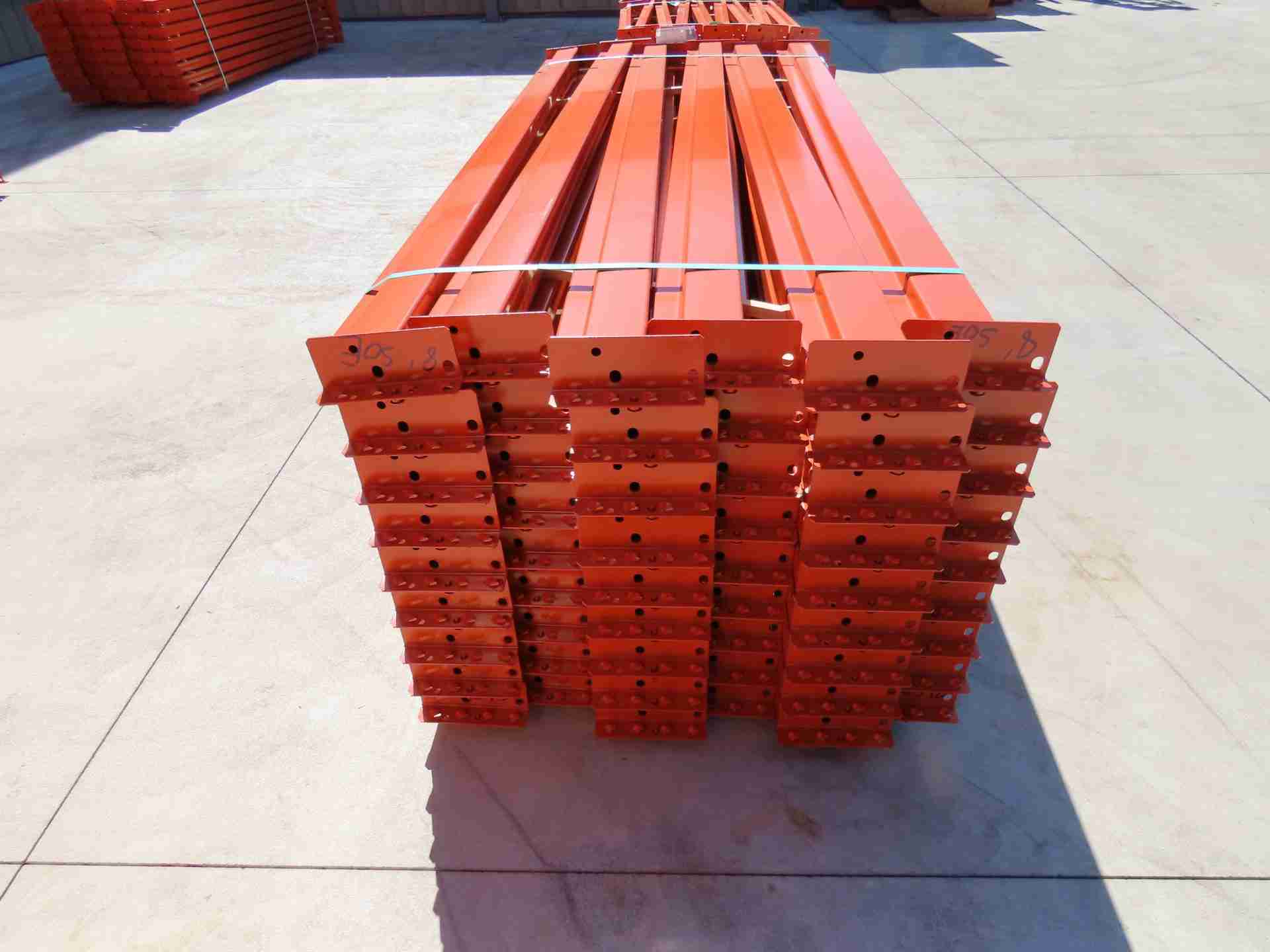
What Are The Long-Term Cost Savings Of Automated Storage Solutions?
What Are The Long-Term Cost Savings Of Automated Storage Solutions?
- Automated storage solutions enhance efficiency and creativity for human workers in warehouses.
- The initial investment in automation leads to long-term cost savings and increased productivity.
- Streamlined racking systems reduce labor costs and improve retrieval times.
- Automated systems ensure safe and optimal storage, minimizing waste and promoting sustainability.
- Freed employees can take on more fulfilling roles, improving workplace culture and morale.
- Data indicates that businesses using automation gain immediate savings and lasting growth advantages.
- Investing in automation is essential for future sustainability and overall organizational progress.

What Are The Long-Term Cost Savings Of Automated Storage Solutions?
Conclusion
In the dynamic landscape of warehousing, the choice between traditional pallet racks and cutting-edge automated storage systems is more than a financial decision; it’s a reflection of your company’s values and your commitment to the people behind the operations. Pallet racks embody the enduring spirit of manual labor and teamwork, showcasing the dedication of your workforce. Witnessing skilled employees navigating these racks fosters a sense of pride and community, creating a culture where people are valued and safety is paramount. Yet, the allure of automated storage systems cannot be overlooked. These systems promise streamlined efficiency, elevated productivity, and significant labor cost reductions. However, the rapid advance of technology raises ethical concerns—could a push for automation jeopardize the jobs of dedicated workers?
Striking the balance between human investment and technological efficiency requires a deeper examination of your unique narrative. Each decision impacts not just the ledger but the lives of those who contribute daily to your organization’s successes. Engage your team, gather insights, and envision a path that aligns profitability with purpose. Delving into the customer perspective adds another layer to the equation. Today’s consumers expect reliability, security, and a genuine commitment to sustainability. Your choice of racking system sends a clear message about the quality, ethics, and integrity of your brand.
Moreover, imagine transcending clutter and chaos to foster an environment where employees feel empowered and safe. A well-organized workspace boosts morale, reduces accidents, and cultivates teamwork. Clarity transforms focus, enabling workers to harness their innovation and drive. The story of your warehouse doesn’t just begin and end with products; it encompasses the lived experiences of everyone involved in the operation.
Investing in automated solutions can seem daunting, yet the long-term financial and social benefits make it a compelling choice. A streamlined, efficient operation not only alleviates stress from labor costs but enhances job satisfaction, allowing workers to engage in meaningful contributions. Ultimately, the racking system you implement can serve as the backbone of your business, ensuring stability and resilience in a competitive landscape. It’s about crafting a legacy rooted in compassion, commitment, and community. Choose wisely, and not just for today—forge a future that resonates with the aspirations of your employees and customers, elevating everyone involved as you navigate the challenges ahead.

Conclusion
Conclusion:
- The choice between traditional pallet racks and automated storage systems reflects company values and commitment to workforce.
- Pallet racks represent manual labor and teamwork, fostering pride, community, and a culture of safety.
- Automated systems offer efficiency, productivity, and labor cost savings, but raise ethical concerns about job security.
- Balancing human investment with technological efficiency involves understanding the unique narrative of the organization.
- Consumer expectations for reliability, security, and sustainability inform the choice of storage systems and impact brand integrity.
- A well-organized workspace enhances employee morale, reduces accidents, and promotes teamwork and innovation.
- Investing in automation can lead to long-term benefits, ensuring business resilience and fostering a compassionate, community-centered legacy.

Conclusion
Other Resources

Other Resources
Here is a list of other resources you can review online to learn more:
- American Surplus
- Warehousing Education and Research Council: https://www.werc.org/
- Teardrop Industrial Shelving Rack
- Overhead Lifting
- New Cantilever Racks and Racking Kits
- International Warehouse Logistics Association
- Warehouse Storage Racks
- Interlake Mecalux
- MHI
- Teardrop Racks – Pallet Rack World
- Warehouse Racking Layout: The Ultimate Guide – Conger
- Chicago Pallet Racking
- Selective Pallet Racking Systems
- Total Warehouse
- Teardrop Pallet Rack – Ridg-U-Rak
- Wolter
- The Ultimate Pallet Racking Guide – Speedrack West
- Selective Rack – Raymond West
- Teardrop Pallet Rack – Ridg-U-Rak
- IWLA
Use This Prompt To Get More Resources With Your Favorite Online AI Tool: Please provide me with a list of online articles with their URLs in a bulleted list that I can read regarding Rack System Roi: Pallet Racks Vs. Automated Storage

Other Resources
Glossary Terms
Rack System Roi: Pallet Racks Vs. Automated Storage – Glossary Of Terms
1. ROI (Return on Investment): A financial metric used to evaluate the profitability of an investment, calculated by dividing the net profit by the initial cost.
2. Pallet Rack: A type of storage system designed to hold palletized loads, typically arranged in horizontal rows with vertical supports.
3. Automated Storage: A mechanical system designed to store and retrieve goods automatically without the need for manual handling.
4. Efficiency: The ability to maximize output while minimizing waste and resources, crucial in logistics and warehouse management.
5. Throughput: The rate at which products are produced and moved through a system, reflecting operational efficiency.
6. Warehouse Space Utilization: The measurement of how effectively warehouse space is used, aiming to minimize wasted space while maximizing storage capacity.
7. Inventory Turnover: A measure of how fast inventory is sold and replaced over a specific period, indicating sales performance and inventory management effectiveness.
8. Manual Handling: The process of moving goods by hand, involving labor-intensive tasks that can impact efficiency and injury risk.
9. Labor Costs: Expenses associated with employee wages and benefits, crucial in calculating the overall cost of operating a warehouse.
10. Capital Expenditure (CapEx): Funds used by an organization to acquire or upgrade physical assets such as warehouses and equipment.
11. Operating Expenses (OpEx): Ongoing costs for running a business, including rent, utilities, and labor.
12. Scalability: The ability of a system to grow and manage increased demands without sacrificing performance.
13. Lead Time: The time taken from when an order is placed to when it is fulfilled, critical for customer satisfaction and inventory management.
14. Pick and Pack Process: The steps involved in selecting products from storage and preparing them for shipment, crucial in fulfillment efficiency.
15. Space Optimization: Strategies to maximize available storage space, including layout design and high-density storage solutions.
16. Return Process: The logistics involved in managing returned goods, which can impact overall operational efficiency and customer satisfaction.
17. Technological Integration: The incorporation of technology and systems into warehouse operations to enhance efficiency and tracking.
18. Cost-Benefit Analysis: A systematic approach to compare the financial costs and benefits of different storage solutions.
19. Flexibility: The ease with which a storage system can adapt to changing inventory levels and product types without incurring high costs.
20. Safety Regulations: Guidelines and standards designed to minimize hazards in the workplace, particularly in warehouse operations.
21. Inventory Management System (IMS): Software systems that track inventory levels, orders, sales, and deliveries to optimize stock control.
22. Order Fulfillment Rate: The percentage of customer orders that are successfully shipped within a specific time frame, indicating efficiency.
23. Forklift: A powered industrial truck used to lift, move, and stack materials, commonly used in warehouses.
24. Energy Efficiency: The ability of a storage system to reduce energy consumption, which can cut operational costs and environmental impact.
25. Dynamic Storage: Storage systems that allow for adjustable configurations, enabling quick adaptation to different inventory demands.
26. Pallet Size: The dimensions of a pallet, affecting how products are stored and moved within a warehouse.
27. Management Software: Programs used to oversee operations, track inventory, and analyze performance metrics in warehousing.
28. Automated Guided Vehicles (AGVs): Mobile robots used to transport goods throughout a warehouse automatically, increasing efficiency.
29. Cost per Order: The total cost associated with processing a single customer order, important for determining profitability.
30. Cycle Counting: An inventory auditing procedure where a subset of inventory is counted on a specific day, enhancing accuracy and inventory control.

Glossary Of Terms
Other Questions
Rack System Roi: Pallet Racks Vs. Automated Storage – Other Questions
If you wish to explore and discover more, consider looking for answers to these questions:
- What are the key differences between pallet racks and automated storage systems?
- How do initial costs compare between traditional and automated storage systems?
- What maintenance requirements are involved with automated storage systems?
- How does implementing automation impact employee training and skill requirements?
- What specific metrics should be used to measure ROI for each storage solution?
- What ethical considerations should businesses keep in mind when choosing between these systems?
- How can companies effectively gauge employee sentiments towards automation?
- What are some common challenges businesses face when transitioning to automated storage?
- How can reduced clutter lead to improved safety regulations in warehouses?
- What role does technology play in enhancing the efficiency of pallet racks?
- How do automated systems affect supply chain dynamics?
- Can you provide examples of industries where automated storage has been particularly beneficial?
- What strategies can be implemented to facilitate a smooth transition to automated storage?
- How do customer expectations influence warehouse design decisions?
- What steps can businesses take to involve employees in the decision-making process?

Other Questions
Checklist
Rack System Roi: Pallet Racks Vs. Automated Storage – A Checklist
Rack System ROI Checklist: Emotional, Rational, and Ethical Considerations
Emotional Appeals:
_____ Reflect on workplace culture: Does your current system foster camaraderie and pride among employees?
_____ Consider employee morale: Are your staff members feeling valued and supported in their roles?
_____ Imagine the satisfaction of a well-organized environment: How would a tidy workspace impact overall happiness?
Rational Appeals:
_____ Assess productivity: What are the time savings associated with reducing clutter and streamlining processes?
_____ Analyze costs: Have you calculated the long-term savings from improved efficiency and reduced labor costs?
_____ Review operational metrics: Are there measurable benefits (e. g. , inventory accuracy, handling times) that justify your decision?
Ethical Appeals:
_____ Evaluate impact on workforce: How will your choice of racking system affect current employees? Are you prioritizing their job security?
_____ Consider sustainability: Are the materials and systems you’re investing in environmentally responsible?
_____ Align decisions with company values: Does your choice reflect a commitment to supporting your workers and ethical business practices?
Authority Appeals:
_____ Seek industry benchmarks: Have you researched success stories from companies that have implemented automated storage systems?
_____ Consult experts: Are there proven strategies you can follow from industry leaders advocating for efficient storage solutions?
_____ Gather employee feedback: Are your team members’ insights considered in the decision-making process?
Narrative Appeals:
_____ Create a vision for the future: What story do you want your company to tell about growth and innovation?
_____ Talk about past challenges: How did outdated systems hinder progress in your operations?
_____ Inspire through success stories: Can you share examples of businesses that transformed their operations through better storage solutions?
Social Appeals:
_____ Foster a sense of community: How can investing in the right racking system strengthen team dynamics?
_____ Share experiences: Are you encouraging dialogue among employees regarding their workspace needs and preferences?
_____ Promote the benefits of effective organization: Can you illustrate how improving orderliness enhances teamwork and collaboration?
Use this checklist to evaluate your racking system decisions critically, ensuring alignment with your goals and values while considering the broader impact on your employees and community.

Checklist
At RackingWorld, we help guide you through selecting warehouse storage systems and racking.
Be sure to read our other related stories at RackingWorld to learn more about warehouse storage systems.
0 Comments