
Maximize Efficiency And Presentation With Pristine Rack Labels
By Tom Seest
At RackingWorld, we help guide you through selecting warehouse storage systems and racking.
Be sure to read our other related stories at RackingWorld to learn more about warehouse storage systems.
How to Keep Your Rack Labels Intact and Readable
Keeping your rack labels intact and readable requires more than just slapping a sticker on a shelf and hoping for the best. It’s about respect—for the work you do, for the people who rely on that organization, and even for the materials you use. Every label, every neatly organized rack tells a story, a promise that you care enough to keep things in their rightful place. When folks walk into your space and see those labels crisp and clear, they feel a sense of order and trust.
Let’s face it: in a world where chaos often reigns, being able to go straight to what you need is like finding an oasis in the desert. Whether you’re in a busy warehouse, a bustling office, or any other setting where racking is crucial, your labels should act as beacons of clarity. So, let’s get our heads around practical strategies to keep those labels up to snuff.
Start with materials that can withstand the test of time. Laminated labels or durable vinyl can take quite a beating from dust, grime, and even the occasional coffee spill. Think about it: you wouldn’t use a flimsy piece of paper for an important document—labels deserve the same level of respect. When you invest in quality materials, you’re making a commitment. You’re saying, “I care about my work and those who rely on it.”
Then, let’s talk about placement. Labels should be positioned at eye level and easily visible, cutting down on the frustration of hunting down an item. It’s not just about aesthetics; it’s about efficiency. You don’t want your colleagues scrambling like they’re in a scavenger hunt. When people can find what they need quickly, it creates a better work culture, and everyone benefits.
Maintaining your labels isn’t just an item on a to-do list—it’s part of your collective ethos. Regular checks can prevent minor issues from turning into major headaches. Make it a routine, instill a sense of responsibility in your team, and watch how a little proactive care fosters respect for the space.
Ultimately, keeping those rack labels intact and readable builds a culture of pride and accountability. You’re not just organizing; you’re creating an environment that reflects your values and fosters teamwork. When everyone knows where things belong and can find them easily, it empowers each person to do their best. And that, my friends, is a win for all involved.

How to Keep Your Rack Labels Intact and Readable
How to Keep Your Rack Labels Intact and Readable
- Maintaining rack labels is about respect for the work and the people who rely on organization.
- Clear, crisp labels provide a sense of order and trust in chaotic environments.
- Quality materials, like laminated labels or durable vinyl, are essential for longevity.
- Proper label placement at eye level enhances visibility and efficiency in locating items.
- Regular maintenance of labels prevents minor issues from escalating into major problems.
- Fostering label care instills a sense of responsibility and respect within the team.
- Readable labels build a culture of pride, accountability, and teamwork, empowering individuals to perform their best.
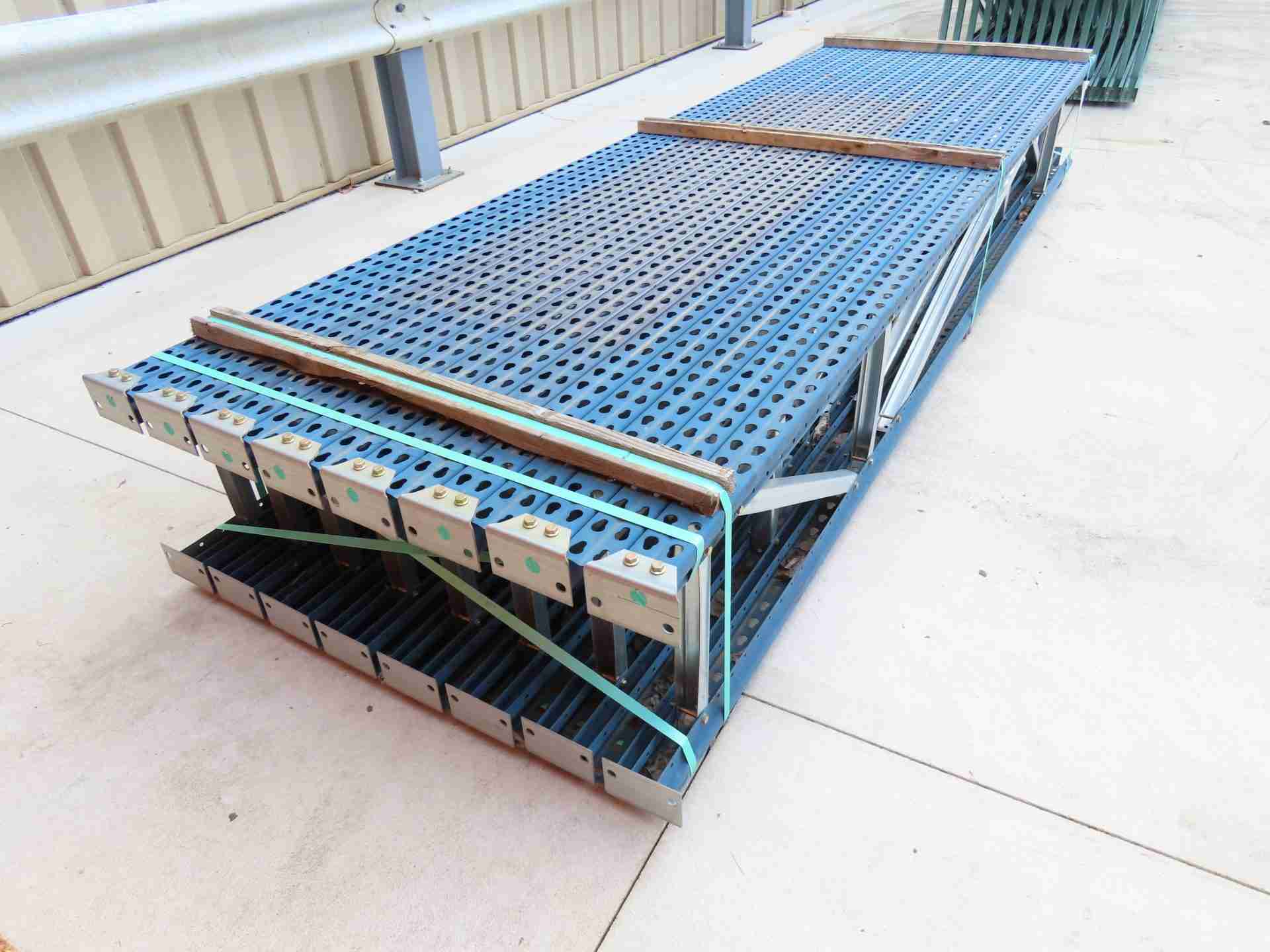
How to Keep Your Rack Labels Intact and Readable
Table Of Contents
- How to Keep Your Rack Labels Intact and Readable
- How Can You Ensure Your Rack Labels Withstand Daily Wear and Tear?
- What Materials Help Maintain Clear, Readable Labels Over Time?
- How Often Should You Replace Labels to Prevent Confusion?
- Which Labeling Techniques Are Most Effective for Long-Term Use?
- What Role Does Proper Positioning Play In Label Visibility?
- Conclusion
- Other Resources
- Glossary Of Terms
- Other Questions
- Checklist
How Can You Ensure Your Rack Labels Withstand Daily Wear and Tear?
When it comes to racking, the unsung heroes of any warehouse or stockroom, you might think they’re just metal and screws. But let me tell you, those racks are the backbone of organization, efficiency, and safety in your operation. So, what happens when the labels that identify what’s where begin to fade or peel? You might as well be navigating a maze in the dark. Your hardworking employees deserve better—they deserve clarity.
Investing in high-quality labels is about more than just maintaining order; it’s about fostering a culture of accountability and pride in every shift. Think about it: Every time someone reaches for an item and finds it exactly where it should be thanks to a well-placed label, it builds confidence. Confidence breeds team spirit. When your workers know that the racking system is reliable, the whole operation runs smoother. And let’s face it, no one wants to waste time searching for supplies or misplacing stock because a label couldn’t withstand the daily grind.
Now, let’s talk materials. Opt for labels made from durable, weather-resistant vinyl or polyester. These resilient options can handle the bumps and scrapes of a bustling workspace while remaining legible. Use sturdy adhesives that won’t peel away from humidity or temperature extremes. And don’t forget visibility—choose bold lettering and contrasting colors that draw the eye. This is where functionality meets ethics; you’re protecting everyone from potential accidents while demonstrating a commitment to excellence.
But here’s the kicker: labeling is not a one-and-done deal. Regular maintenance is essential. Schedule periodic checks to ensure your labels are still doing their job. Engage your team in the process; make labeling a shared responsibility. By fostering an environment of vigilance, you empower your crew to take pride in their workspace. This collective ownership of the racking system can build camaraderie while reducing mistakes.
When you equip your racks with resilient, thoughtful labels and involve your team in their upkeep, you’re creating a place where everyone can thrive—where people feel empowered and safe to do their best work. After all, in the world of racking and organizing, every label counts. And let’s be honest, who doesn’t want to be part of something bigger than themselves?
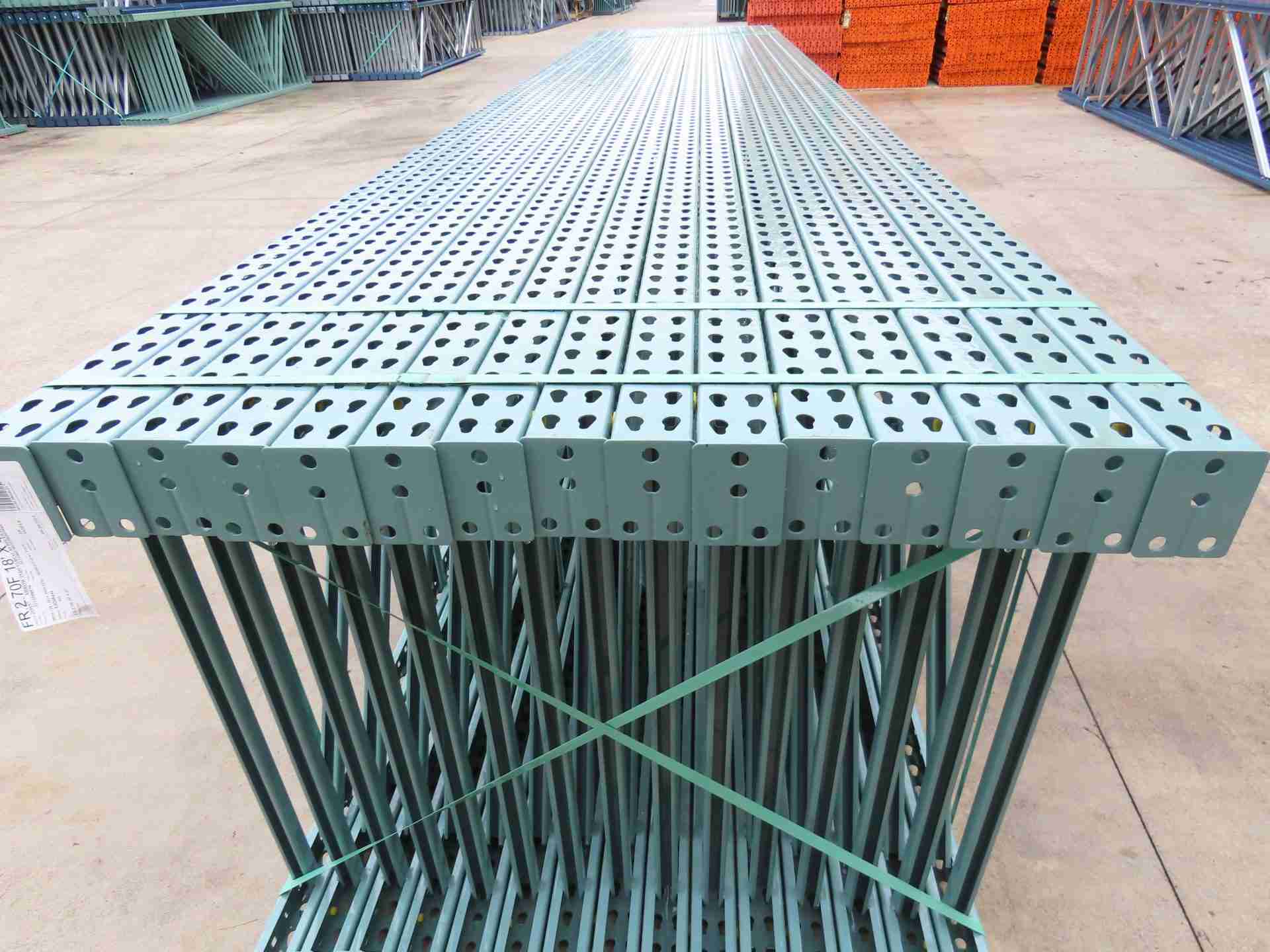
How Can You Ensure Your Rack Labels Withstand Daily Wear and Tear?
How Can You Ensure Your Rack Labels Withstand Daily Wear and Tear?
- Racks are crucial for organization, efficiency, and safety in warehouses and stockrooms.
- Faded or peeling labels create confusion, hindering employees’ ability to locate items quickly.
- Investing in high-quality labels fosters accountability and pride among workers.
- Reliable labeling builds employee confidence, enhancing team spirit and overall operation efficiency.
- Durable, weather-resistant materials like vinyl or polyester are recommended for labels.
- Regular maintenance of labels and engaging the team in this process encourage collective responsibility.
- Effective labeling creates a thriving workplace where employees feel empowered and safe.

How Can You Ensure Your Rack Labels Withstand Daily Wear and Tear?
What Materials Help Maintain Clear, Readable Labels Over Time?
When it comes to labeling, particularly in environments where the stakes are high, the materials you choose can make all the difference. Picture yourself in a bustling warehouse, aisles lined with towering racks of merchandise. A confused employee squints at a faded label, unsure if they’re grabbing a box of widgets or the last few jars of mayonnaise. That’s a recipe for disaster, isn’t it? Choosing the right materials for your labels isn’t just about aesthetics; it’s about clarity, efficiency, and ultimately, safety.
Let’s dive into the world of label materials. Vinyl labels are an excellent choice for most applications. Their waterproof and tear-resistant nature allows them to withstand the rigors of handling while staying legible. Think about it: a label that remains clear, even after spills or dust settles on it, makes all the difference. Years down the line, when those labels are still perfectly readable and you’re racking up profit thanks to efficient operations, you’ll know you made the right call.
Laminate coatings offer another layer of protection. They don’t just keep labels safe from the elements; they enhance readability. Imagine walking into a stockroom years later and seeing your labels just as crisp and vibrant as the day they were applied. That’s not merely maintenance; that’s a testament to intelligent planning and ethical responsibility. You’re not just labeling; you’re investing in long-term efficacy and safety for everyone who encounters those boxes.
But it doesn’t stop there. Eco-friendly options are available, too. When you choose recyclable materials for your labels, you’re aligning with a growing ethos that respects both your workforce and the wider community. It’s not just about keeping the labels clear; it’s about making choices that reflect your values. Maintaining readability over time can be a formidable task, but incorporating sustainable practices fosters a connection with your employees and customers alike, showing them you care about more than just profit.
Ultimately, it’s about creating a legacy of clarity. Every visible label is a tiny ambassador of your brand, greeting each individual who walks through that warehouse. By selecting the right materials, you’re not just avoiding confusion and accidents; you’re building trust, establishing a culture of professionalism, and paving the way for a future where everyone knows what to expect. Clear, readable labels contribute to smoother operations, happier employees, and satisfied customers. That sounds like a win-win, doesn’t it?
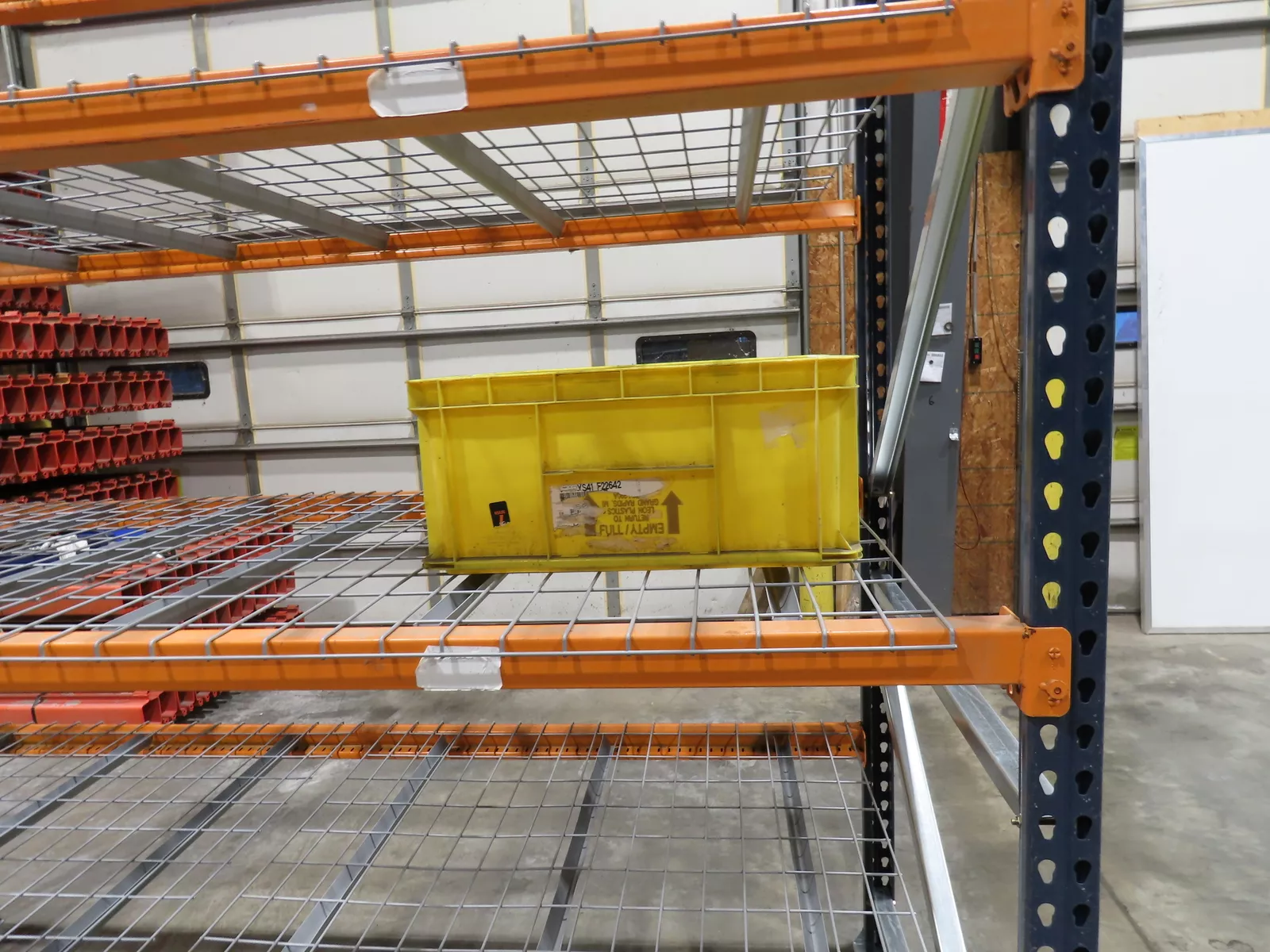
What Materials Help Maintain Clear, Readable Labels Over Time?
What Materials Help Maintain Clear, Readable Labels Over Time?
- Choosing the right label materials is crucial in high-stakes environments for clarity and safety.
- Vinyl labels are waterproof and tear-resistant, maintaining legibility despite handling conditions.
- Laminate coatings protect labels and enhance readability over time.
- Eco-friendly labeling options align with sustainable practices and reflect corporate values.
- Maintaining long-term readability fosters a sense of responsibility towards employees and customers.
- Clear labels build trust and professionalism, contributing to smoother operations.
- Investing in quality labeling leads to happier employees and satisfied customers, promoting a positive legacy.
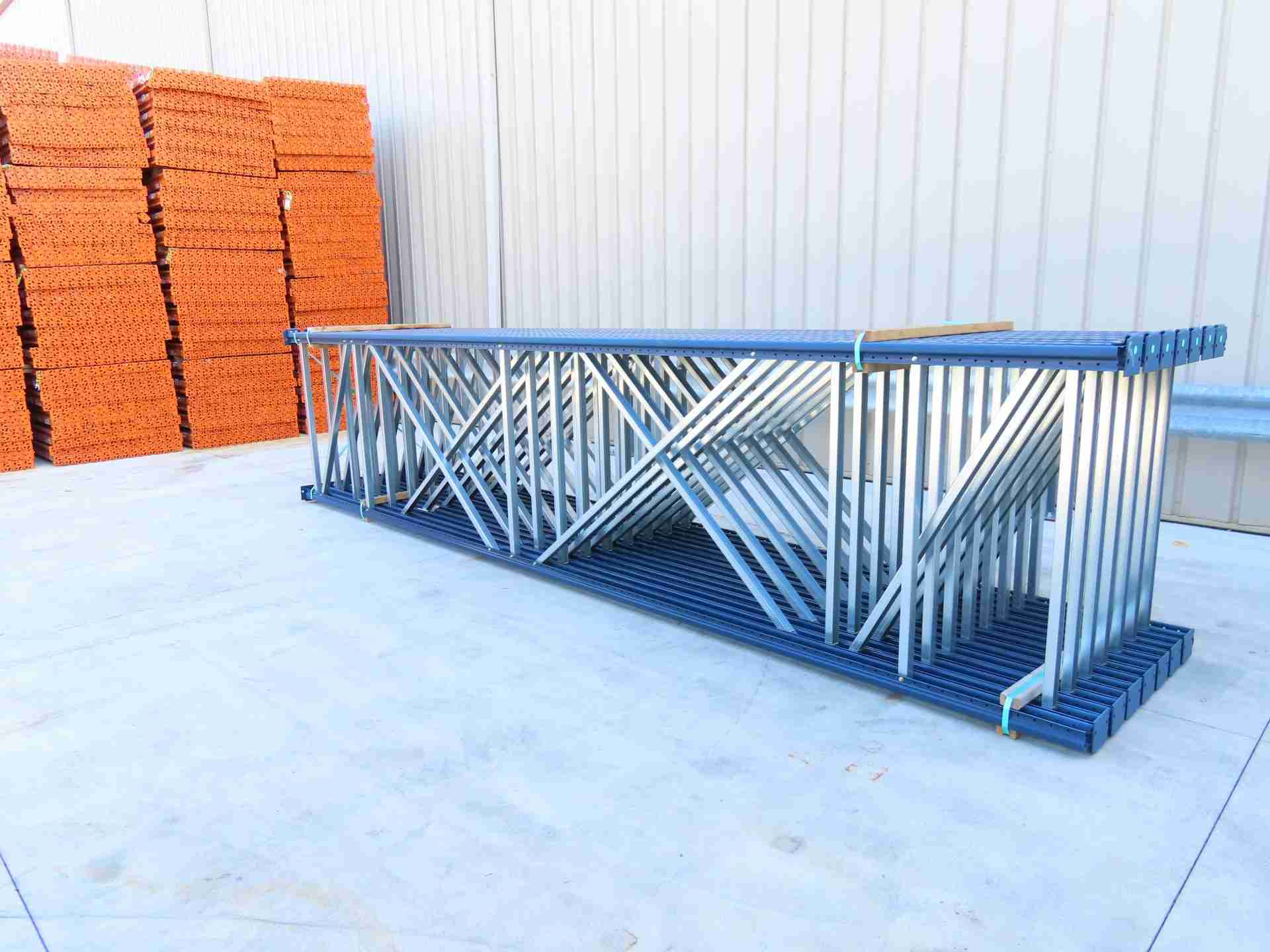
What Materials Help Maintain Clear, Readable Labels Over Time?
How Often Should You Replace Labels to Prevent Confusion?
In the hustle and bustle of our everyday lives, we hardly spare a thought for the labels that guide us through our routines. Yet, these unassuming tags play a critical role in keeping the chaos at bay. Think about it: when was the last time you reached for a container in the fridge, only to be greeted by a jumble of faded or outdated labels? That moment of confusion can send you down a rabbit hole of uncertainty—one that could easily be avoided.
Labels are the unsung heroes of our organizational systems, providing clarity in a world that often feels like it’s racking up more confusion by the day. But how often should we replace these indicators to prevent the miscommunication that leads to those frustrating moments? The answer isn’t as straightforward as it seems. While some may say a routine annual check is sufficient, I’d argue that there’s more to the story.
Let’s talk about trust. In any relationship—be it with a partner, a colleague, or even the items in your pantry—trust is built through consistency and reliability. When you pull a jar from the shelf expecting peanut butter and wind up with pickles, that trust can shatter in an instant. Rotating labels that are either smudged, damaged, or outdated fosters confidence not just within our environments, but also within ourselves.
From a practical standpoint, consider the potential waste that arises from mislabeled goods. Not only do we risk throwing away perfectly good food, but we might also be left with a pile of products that we don’t even recognize as ours—all because we hesitated too long to update a label. The simple act of refreshing these identifiers can save time, money, and precious resources.
Now, let’s get ethical. It’s not just about personal convenience; it’s about responsibility. In environments where food safety or precise measurements matter—like kitchens, labs, or even warehouses—reliable labels can mean the difference between success and failure. Keeping track of expiration dates, handling instructions, or safety warnings is not just good practice; it’s a way of showing respect for the health and safety of ourselves and others around us.
So, let’s take a cue from the simple label on that long-forgotten jar: just as it evolves with time, so too should our approach to keeping our labels fresh and clear. It’s a small effort that echoes across our lives—the clarity we foster in our spaces mirrors the clarity we cultivate in our minds. Engage with your labels, refresh them regularly, and let’s make confidence in our environments a habit we can all embrace.

How Often Should You Replace Labels to Prevent Confusion?
How Often Should You Replace Labels to Prevent Confusion?
- Labels play a critical role in organizing our daily routines and reducing chaos.
- Confusion from outdated or smudged labels can lead to frustration and waste.
- Trust is built through consistency and reliability in our labels, impacting our confidence.
- Mislabeled items can result in significant waste of food and resources.
- Regularly updating labels is a responsible practice, especially in critical environments like kitchens and labs.
- Reliable labels are essential for safety, health, and effective functioning.
- Refreshing labels can enhance clarity in our physical spaces and foster mental clarity.
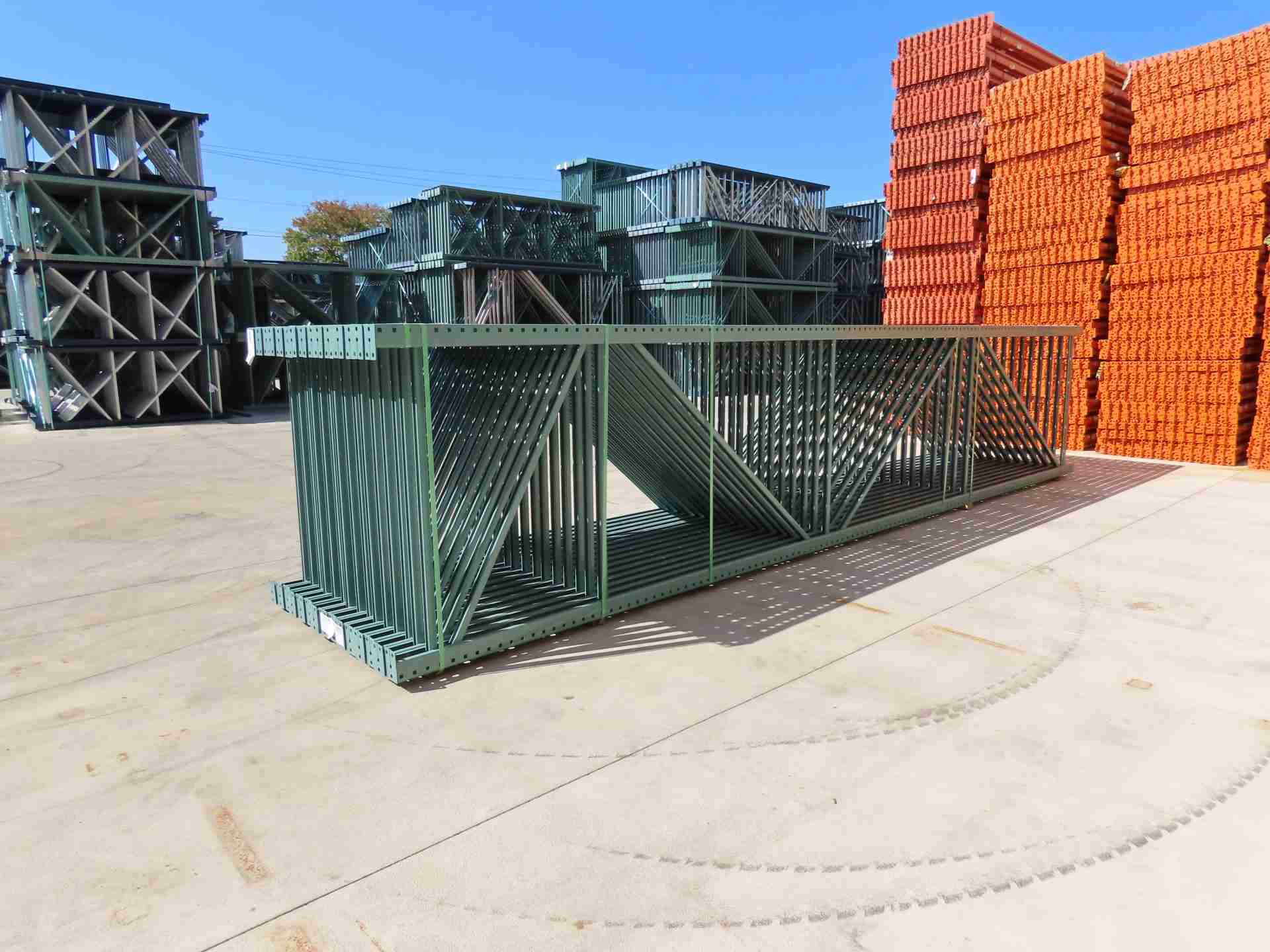
How Often Should You Replace Labels to Prevent Confusion?
Which Labeling Techniques Are Most Effective for Long-Term Use?
When it comes to labeling techniques that stand the test of time, we need to roll up our sleeves and delve into the nitty-gritty. It’s not just about slapping a pretty tag on something; it’s about creating a system that resonates and endures. Think about it: the labels we choose don’t just serve a functional purpose—they tell a story.
Imagine a bustling workshop where workers are busy racking tools, each one neatly labeled. Each label is a promise—a guarantee that the next person can find exactly what they need, when they need it. This is about more than organization; it’s about fostering a culture of respect for the craft. When you place a tool back in its rightful spot, you’re not just maintaining order; you’re participating in a legacy of knowledge and care. That’s why effective labeling should be both clear and intuitive. It should speak to the head and the heart.
Consider the various materials and formats for labeling. Vinyl labels can withstand the test of time, while thermal transfer labels can provide clarity in the dust of labor. Each choice reflects thoughtfulness and respect for the task at hand. Ethically, we owe it to ourselves and our coworkers to ensure that everyone can find what they need without frustration. It’s about trust—trust that the tools will be where they’re supposed to be, trust that the system is in place for a reason.
Then there’s the human element—the camaraderie that comes from labeling techniques that everyone can understand. Labeling becomes a conversation starter. It invites teamwork and fosters a sense of responsibility. When we’re all on the same page, working toward a common goal, the results can be staggering. This is where the gut truly kicks in; it feels good to help each other out, to share the load of responsibility.
So ask yourself: are your labeling techniques just functional, or can they inspire connection and collaboration? The most effective methods will do both. They’ll create an environment where trust flourishes, where every worker feels valued and empowered to contribute to a shared mission. Not only does this enhance productivity; it fosters a deep sense of community, making each space not just a workplace, but a home. When labels tell a story, when they honor the effort behind every task, they become an integral part of our daily lives—one worthy of long-term investment.

Which Labeling Techniques Are Most Effective for Long-Term Use?
Which Labeling Techniques Are Most Effective for Long-Term Use?
- Effective labeling is not just about aesthetics; it creates a lasting organizational system.
- Labels tell a story and foster respect for the craft in a workspace.
- Maintaining order is an act of participating in a legacy of knowledge and care.
- Label clarity and intuitiveness are essential for effective communication.
- Label material choices reflect thoughtfulness, impacting usability and frustration levels.
- Labeling encourages camaraderie, teamwork, and shared responsibility among workers.
- Inspiring connection and trust enhances productivity and creates a sense of community.

Which Labeling Techniques Are Most Effective for Long-Term Use?
What Role Does Proper Positioning Play In Label Visibility?
When it comes to label visibility, proper positioning is more than just a strategic move—it’s the heartbeat of effective communication. Imagine walking into a bustling store or navigating a cluttered pantry; it’s the labels that tell the story. They guide us, inform us, and often evoke a sense of trust. Now, let’s consider the power of racking. Yes, the unassuming shelves that hold our products can either create a symphony of organization or a chaotic orchestra of confusion.
When products are well-positioned, labels become the ambassadors of clarity and intention. Think about it—when you can easily spot that jar of organic honey, your gut tells you, “This is what I need.” Proper positioning speaks directly to the heart of the consumer experience. It builds an emotional connection, allowing customers to feel understood and valued. When they can effortlessly find what they need, it’s not just about the product; it’s about the relationship they’ll form with your brand.
But let’s not shy away from the rational side. A well-placed label empowers consumers with the information they need to make informed choices. This is where ethics come into play. We have a responsibility to be transparent and honest with our customers. Clear, visible labels positioned strategically allow people to scrutinize the contents without frustration. They can see the ingredients, nutritional values, and even ethical sourcing practices right where they expect them to be—front and center.
Positioning doesn’t just create visibility; it fosters authority. Think of the brands that have mastered this art. They understand that the right label in the right spot elevates their standing. It sends a message: “We care. We know our products. We want you to know, too.” This is what builds long-lasting loyalty among customers.
Above all, consider the stories these labels tell. Each well-positioned label can narrate a tale of craftsmanship, passion, and dedication. It invites consumers into a larger narrative, one that resonates on a social level, appealing to community values and shared experiences.
In this fast-paced world, let’s remember that every label carries a promise. Proper positioning transforms that promise into reality, engendering trust and inspiring action. Let’s celebrate the power of simplicity, ensuring that every label stands proudly—visible, clear, and ready to connect.
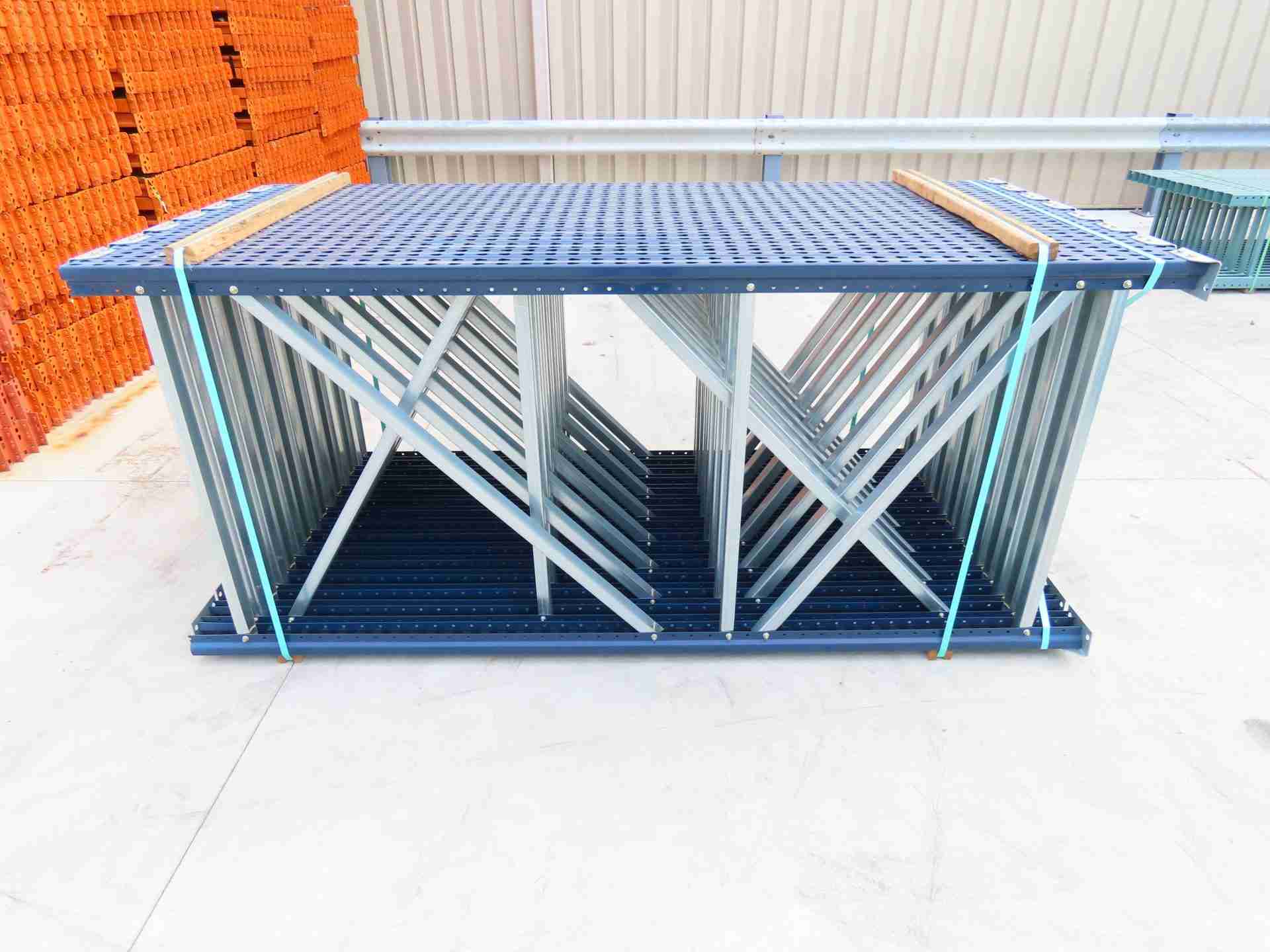
What Role Does Proper Positioning Play In Label Visibility?
What Role Does Proper Positioning Play In Label Visibility?
- Proper label positioning is essential for effective communication and guides consumer experiences.
- Well-organized shelving enhances clarity and builds an emotional connection between customers and brands.
- Easy visibility of labels allows consumers to make informed choices, emphasizing transparency and ethics.
- Strategically placed labels foster authority and demonstrate a brand’s commitment to quality and customer care.
- Labels tell stories of craftsmanship, passion, and dedication, appealing to community values.
- Every label represents a promise, and proper positioning reinforces trust and inspires action.
- Emphasizing simplicity ensures that all labels are visible, clear, and ready to connect with consumers.
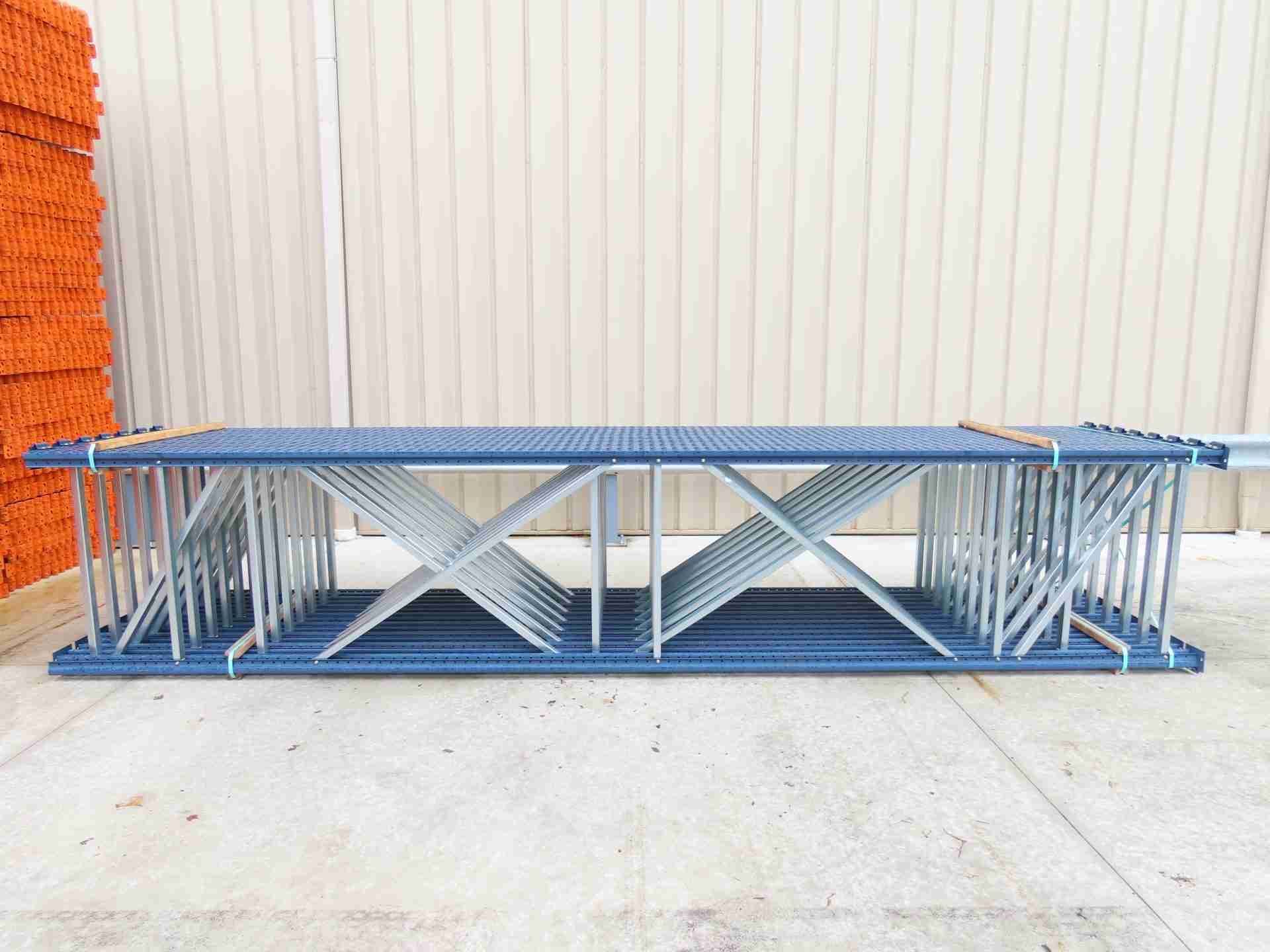
What Role Does Proper Positioning Play In Label Visibility?
Conclusion
In the fast-paced world we navigate daily, it’s easy to overlook the significance of something as seemingly mundane as rack labels. Yet, these small markers play an enormous role in our operational morale, efficiency, and overall workplace culture. Think about it: each label isn’t merely a tag; it’s an invitation to order amidst chaos, a promise of clarity in a universe brimming with uncertainty. When people enter a space and see organized, readable labels, there’s an immediate sense of trust and reliability, like stepping into a well-oiled machine instead of a disorganized mess.
Investing in high-quality, durable materials isn’t just a smart move; it’s a reflection of respect—for your work, your team, and your commitment to operational excellence. Using resilient vinyl or laminated forms ensures labels can withstand spills, grime, and the daily grind without fading into obscurity. Consider this: would you hand a critical client a flimsy business card? Of course not. Just as you expect quality from your tools and documents, those same standards should apply to your labeling system.
Placement of these labels is not just a consideration; it’s paramount. They require visibility to be effective. Placing them at eye level isn’t merely about aesthetics; it’s about enhancing efficiency. No one enjoys scanning the shelves like they’re on a scavenger hunt, and a well-positioned label can save time, frustration, and, ultimately, resources. It’s an ethical responsibility—a way of showing that you value the time and effort of your coworkers.
Routine maintenance of labels reinforces a culture of accountability and pride. By instilling a mindset of collective responsibility, you encourage teamwork and camaraderie, making everyone feel empowered. When we are all in on maintaining a space, we cultivate a culture that supports clear communication and minimizes misunderstandings.
Embracing effective labeling practices becomes more than just a task on a checklist; it transforms into a legacy of clarity and trust. Every time an employee reaches for an item confidently identified by a solid, clear label, you’re not just facilitating an action; you’re fostering a spirit of teamwork. So, let’s celebrate this often-overlooked aspect of our operations and recognize that proper labels are more than functional—they are vital components of an organized environment. Together, let’s build a place where every label tells a story and enhances our collective experience, leading us all to succeed.
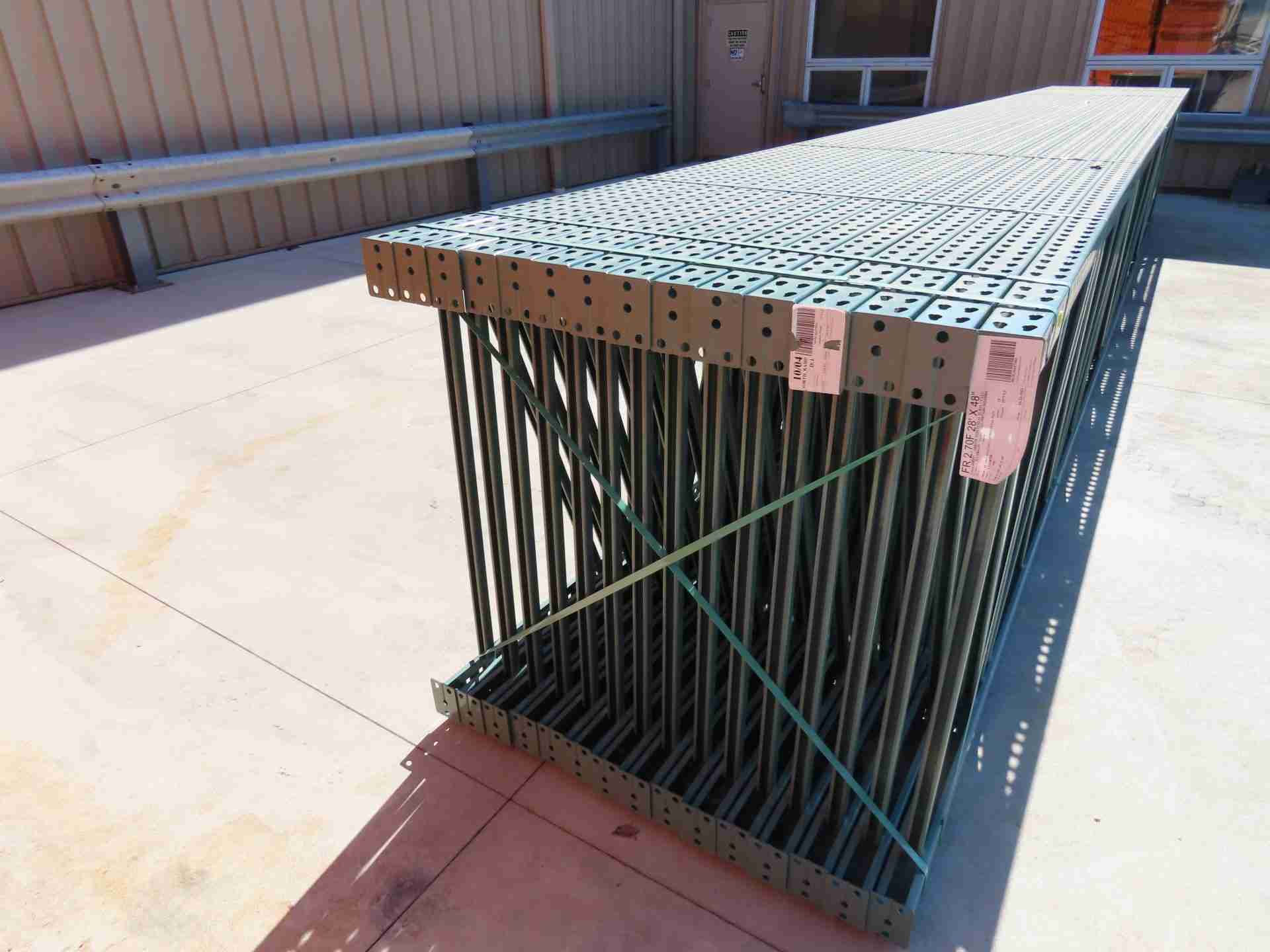
Conclusion
Conclusion:
- Rack labels may seem mundane but are crucial for operational morale, efficiency, and workplace culture.
- Each label represents order, clarity, and reliability in a chaotic environment.
- Investing in durable materials for labels reflects respect for work, team, and commitment to excellence.
- Proper label placement at eye level enhances visibility and efficiency, saving time and resources.
- Routine label maintenance fosters accountability, teamwork, and clear communication.
- Effective labeling practices contribute to a culture of clarity and trust within the workplace.
- Proper labels are essential for an organized environment, embodying teamwork and enhancing collective success.
Conclusion
Other Resources
Other Resources
Here is a list of other resources you can review online to learn more:
- Heavy-Duty Cantilever Storage Racks
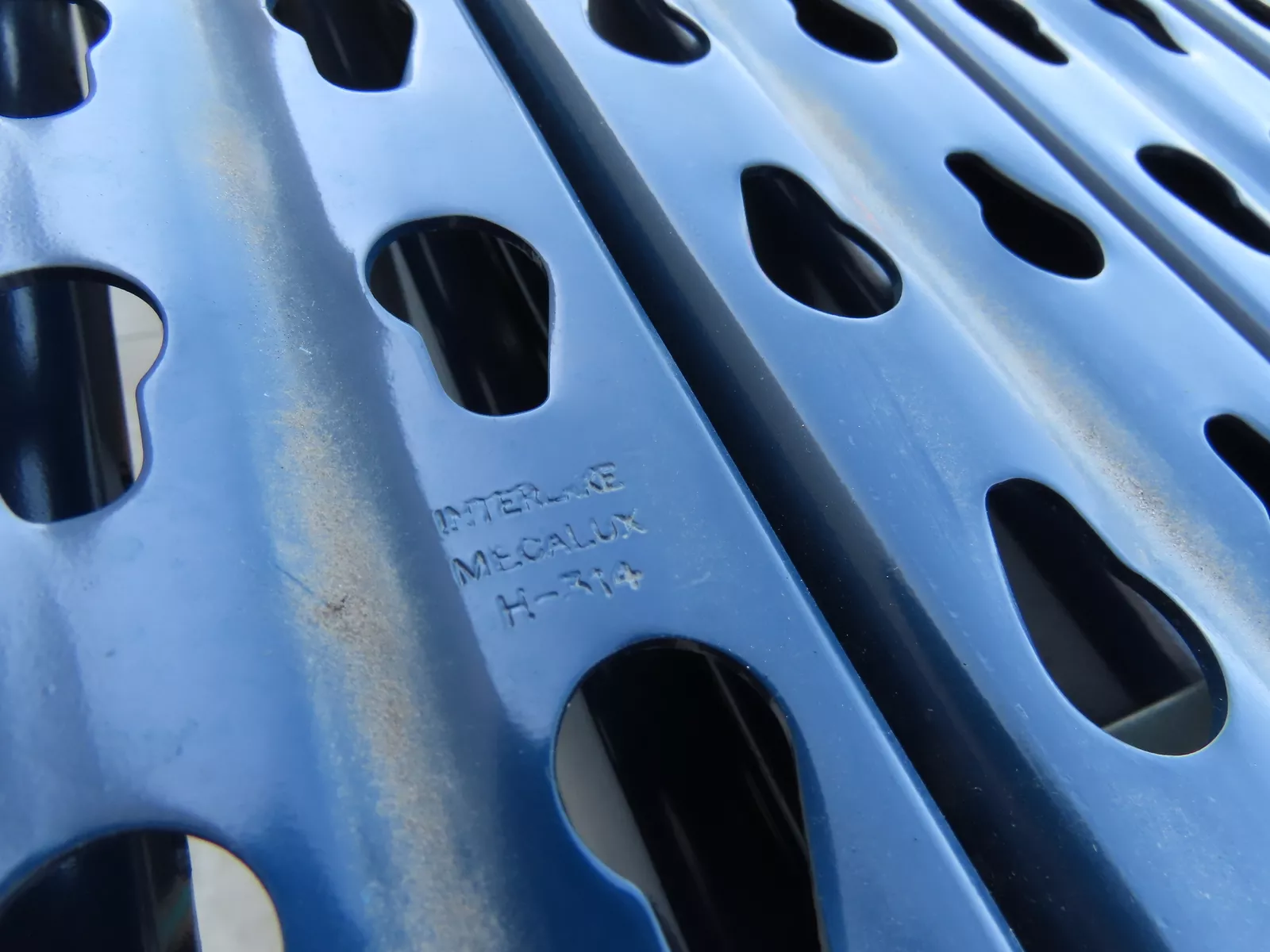
- Interlake Mecalux
- Shipping Boxes, Packaging Materials, Pallet Racking
- Warehouse Racking System: Powerful Guide to Optimise, 2024
- Cantilever Rack Configuration & Installation: A Comprehensive Guide – BMH
- What is Selective Racking: Understanding Benefits & Options
- Iowa Illinois Warehouse Racking
- Used Teardrop Pallet Rack – American Surplus
- Pallet Racking systems in Illinois and Great Lakes
- What is Selective Pallet Racking
- Teardrop Pallet Rack – Ridg-U-Rak
- Total Warehouse
- Illinois Pallet Racking – Storage Solutions
- BMH
- Material Handling Safety
- Storage Equipment Manufacturers’ Association
- Used Pallet Rack for Sale in Illinois – American Surplus
- Cantilever Racking Specialists – Get the Right Racks
- Cantilever Rack Guide: Ordering Cantilever Racking
- Selective Racking
Use This Prompt To Get More Resources With Your Favorite Online AI Tool: Please provide me with a list of online articles with their URLs in a bulleted list that I can read regarding How to Keep Your Rack Labels Intact and Readable

Other Resources
Glossary Terms
How to Keep Your Rack Labels Intact and Readable – Glossary Of Terms
1. Rack Labels: Identification tags used on storage racks to indicate contents or categories of items.
2. Durability: The ability of a material or label to withstand wear, pressure, or damage over time.
3. Adhesive: A substance used to bond labels to surfaces; must be compatible with the label material and surface.
4. UV Resistance: The property of a label to resist degradation from ultraviolet light exposure, preventing fading.
5. Waterproof: A characteristic of labels that protects them from moisture, allowing for durability in humid environments.
6. Material: The substance from which labels are made, commonly vinyl, polyester, or paper.
7. Print Quality: The clarity and sharpness of text and images on a label, affecting readability.
8. Font Size: The height of text characters, impacting visibility from different distances.
9. Font Style: The design of text characters (e. g. , bold, italic), influencing the ease of reading.
10. Color Coding: A system of using different colors to classify and categorize items for quick identification.
11. Label Placement: The strategic positioning of labels on a rack to ensure they are easily visible and accessible.
12. Protective Coating: A layer applied over printed labels to enhance resistance to dirt, moisture, or chemicals.
13. Cleaning Supplies: Materials used to clean rack surfaces before applying labels, ensuring better adhesion.
14. Temperature Resistance: The ability of a label to maintain integrity under varying temperature conditions.
15. Label Size: The dimensions of a label that should correspond to available space and content being labeled.
16. Identification Numbers: Unique numbers assigned to items for tracking and inventory management.
17. Operational Efficiency: The effectiveness of processes and workflows enhanced by clear labeling.
18. Storage Organization: The systematic arrangement of items on racks to optimize space and accessibility.
19. Visual Clarity: The ease with which information can be read on a label, influenced by design and color contrast.
20. Label Reapplication: The process of replacing or adjusting labels to correct errors or update information.
21. Label Templates: Pre-designed formats that streamline the label creation process.
22. Inventory Management: The supervision of ordering, storing, and using a company’s inventory, heavily reliant on labeling.
23. Compliance Standards: Regulatory guidelines that may dictate labeling requirements for safety and organization.
24. Maintenance Schedule: A routine plan for inspecting and updating labels to ensure continued clarity and effectiveness.
25. Positioning Guidelines: Instructions for where and how to place labels for optimal visibility and access.
26. Labeling Software: Digital tools used to design and print labels efficiently.
27. Shelf Life: The period during which a label remains usable before it deteriorates or becomes unreadable.
28. Error Prevention: Strategies implemented to avoid mislabeling or misplacing items on racks.
29. Barcodes: Machine-readable codes that encode information about products, often used in conjunction with labels.
30. Training Protocols: Established procedures for educating staff on proper labeling techniques and maintenance.

Glossary Of Terms
Other Questions
How to Keep Your Rack Labels Intact and Readable – Other Questions
If you wish to explore and discover more, consider looking for answers to these questions:
- What types of materials are most effective for long-lasting rack labels?
- How can I train my team to take responsibility for label maintenance?
- What are the best practices for label design to enhance readability?
- How often should I conduct maintenance checks on my rack labels?
- What strategies can I implement to engage my team in the labeling process?
- What are common mistakes to avoid when placing labels on racks?
- How can proper labeling contribute to workplace safety?
- Are there eco-friendly labeling options available that maintain durability?
- What impact does labeling have on customer perception in a retail environment?
- How can I evaluate the effectiveness of my current labeling system?

Other Questions
Checklist
How to Keep Your Rack Labels Intact and Readable – A Checklist
Checklist for Keeping Rack Labels Intact and Readable
Emotional Appeal
_____ Reflect pride in your workspace by using high-quality labels.
_____ Create a sense of order and trust for everyone who uses the space.
_____ Engage your team in the process of maintaining labels, fostering camaraderie.
Rational Appeal
_____ Use durable materials like vinyl or laminate to ensure longevity.
_____ Position labels at eye level for quick visibility and efficiency.
_____ Schedule regular checks to prevent minor issues from becoming major headaches.
Ethical Appeal
_____ Commit to using eco-friendly materials whenever possible.
_____ Refresh labels regularly to ensure safety and clarity in communication.
_____ Foster a culture of responsibility where label maintenance is a shared task.
Authority Appeal
_____ Invest in reliable labeling techniques to establish trust in your storage system.
_____ Follow industry standards for visibility and clarity in labeling.
_____ Learn from best practices in labeling techniques used by successful organizations.
Narrative Appeal
_____ Share stories of how clear labels have improved efficiency in your workspace.
_____ Document changes made from implementing effective labeling.
_____ Encourage team members to contribute their experiences with label usage.
Social Appeal
_____ Promote teamwork through collaborative labeling efforts.
_____ Recognize and celebrate improvements in organizational culture due to effective labeling.
_____ Create a shared vision for organization that involves every team member’s input.

Checklist
At RackingWorld, we help guide you through selecting warehouse storage systems and racking.
Be sure to read our other related stories at RackingWorld to learn more about warehouse storage systems.
0 Comments