
Optimizing Efficiency And Safety Through Strategic Warehouse Design
By Tom Seest
At RackingWorld, we help guide you through selecting warehouse storage systems and racking.
Be sure to read our other related stories at RackingWorld to learn more about warehouse storage systems.
How to Design a Warehouse Layout with Racking In Mind
When it comes to designing a warehouse layout with racking in mind, you’re not merely arranging shelves; you’re orchestrating the very heartbeat of efficiency and productivity. Think of it as a symphony where each rack, aisle, and quadrant plays a crucial role. Picture yourself standing in a vast expanse of potential—sturdy racking systems towering above, waiting to be filled with inventory that fuels livelihoods and dreams. This isn’t just about storage; it’s about providing a foundation for everything that happens in that space.
Your mind knows the stakes: a well-designed warehouse layout streamlines operations, reduces unnecessary movement, and optimizes space utilization. We’re not talking about just saving a few steps here; we’re talking about saving time—and time is money. When racking is thoughtfully integrated into your design, you are not just filling space; you are maximizing it. That means greater productivity, lower costs, and ultimately, a better bottom line.
Now consider the emotional side of it. Each time an employee finds exactly what they need without rummaging through boxes or skimming through endless aisles, you can sense the relief. That moment of triumph—when order is streamlined and chaos is tamed—creates a more positive work environment. It fosters connection among coworkers, builds morale, and inspires collaboration. We’re all in this together, and each well-placed rack is a testament to the respect we have for the very people driving the operation.
Ethically speaking, let’s emphasize safety. A poorly designed layout can become a hazard, leading to accidents that disrupt lives and livelihoods. Remember, your choices echo beyond the warehouse walls. Designing a space with ergonomics in mind means fewer injuries and a healthier workplace.
Drawing from experiences shared by industry experts and seasoned managers, a wise layout can cut down on wasted effort and promote smarter workflows. They tell stories of transformations—warehouses reborn into efficient hubs of activity, all thanks to taking the time to put thought into each decision.
Designing a warehouse layout with racking isn’t just about you, the designer. It’s about everyone who steps foot in that space; it’s about being a part of a community dedicated to progress, efficiency, and most importantly, a shared vision for success. Trust the process, and remember: every rack is an opportunity waiting to be realized.
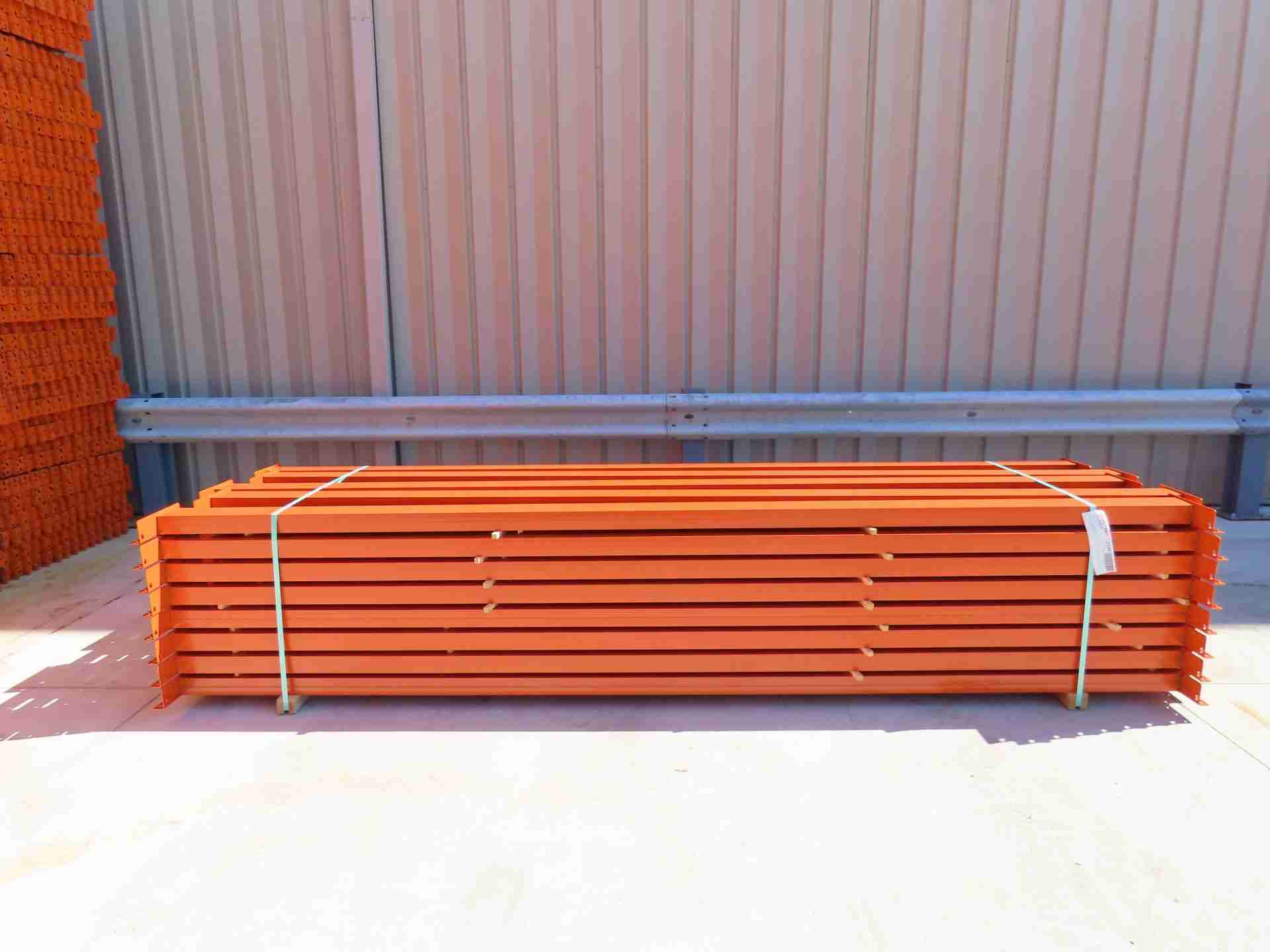
How to Design a Warehouse Layout with Racking In Mind
How to Design a Warehouse Layout with Racking In Mind
- Designing a warehouse layout is crucial for efficiency and productivity.
- A well-structured layout streamlines operations and optimizes space utilization.
- Thoughtfully integrated racking systems maximize space and reduce time wastage.
- A well-designed environment fosters employee morale and collaboration.
- Safety is paramount; poor design can lead to accidents and disrupt workplace health.
- Industry experts suggest that a wise layout can enhance workflows and reduce wasted effort.
- The layout impacts the entire community, reflecting a shared vision for success.
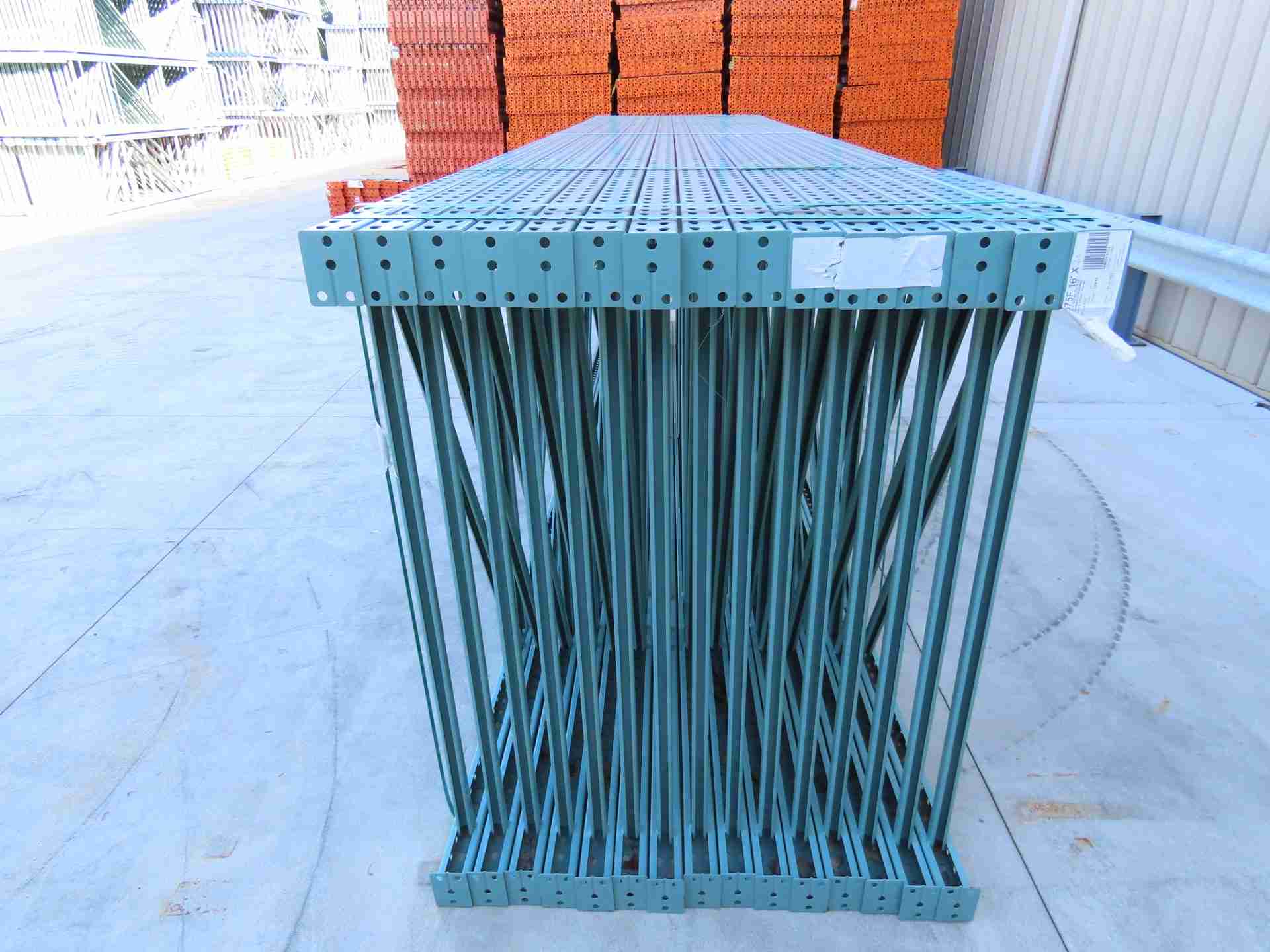
How to Design a Warehouse Layout with Racking In Mind
Table Of Contents
- How to Design a Warehouse Layout with Racking In Mind
- What Emotional Connection Do Your Customers Feel with Your Products?
- What Ethical Considerations Arise When Designing Your Racking System?
- How Does a Well-Organized Warehouse Layout Enhance Employee Morale?
- How Can the Right Racking System Save You Time and Reduce Stress?
- What Stories Can You Share About Warehouse Challenges and Solutions?
- Conclusion
- Other Resources
- Glossary Of Terms
- Other Questions
- Checklist
What Emotional Connection Do Your Customers Feel with Your Products?
When it comes to understanding the emotional connection your customers have with your products, you must dig deeper than numbers and sales charts. The act of purchasing isn’t just a transaction; it’s a narrative that intertwines your brand with their life story. Imagine your customer, racking their brains over a gift for someone special. Which product will they choose? It’s never just about the item itself; it’s about the emotions the purchase evokes: joy, nostalgia, or perhaps comfort in knowing they’ve picked something meaningful.
This connection can thrill the heart. Think about those moments when your product provides reassurance. When someone pours a bowl of cereal from that carton with the familiar logo, it might remind them of a simpler time, a moment shared with a loved one. The trust built through those memories can’t be underestimated. You’re not just selling cereal; you’re part of their family history.
Yet, the rational side of your customers can’t be ignored. They’ll weigh their options carefully, considering quality, durability, and value. By making sure your products deliver on their promises, you balance the scales between emotion and intellect. It’s that sensory appeal—feel the texture, see the craftsmanship—that can help sway their decision. Authenticity screams from your products, and that can resonate like a drumbeat in their minds, leading them to action.
Ethically, sharing your brand’s story adds a layer of significance. People care where their products come from. Highlighting your commitment to sustainability or local craftsmanship establishes not just trust, but delivers a message: that they’re part of a community that values responsible choices. Your product isn’t just an object; it’s an extension of their values.
Finally, there’s the social aspect. Consumers want to feel included. They want to tell their friends and family about the product that made their life a little better. If your brand fosters community—maybe through social media or events—your products will become vessels for sharing experiences and building connections.
So, as you consider the emotional landscape your customers navigate, remember that they’re seeking more than a product. They’re longing for connection, memory, and a promise that they are making a choice their heart can stand behind. And in that, lies the key to not just their loyalty, but a relationship built on trust, understanding, and a shared journey.
What Emotional Connection Do Your Customers Feel with Your Products?
What Emotional Connection Do Your Customers Feel with Your Products?
- Understanding customer emotion goes beyond sales numbers and charts.
- Purchasing is a narrative that integrates brands into customers’ life stories.
- Products evoke emotions like joy, nostalgia, and comfort, influencing customer decisions.
- Trust is built through shared memories linked to products, making them part of family history.
- Rational considerations like quality and value must be balanced with emotional appeal.
- Communicating brand stories emphasizes shared values, trust, and community connection.
- Consumers seek inclusion and want to share positive experiences through products.
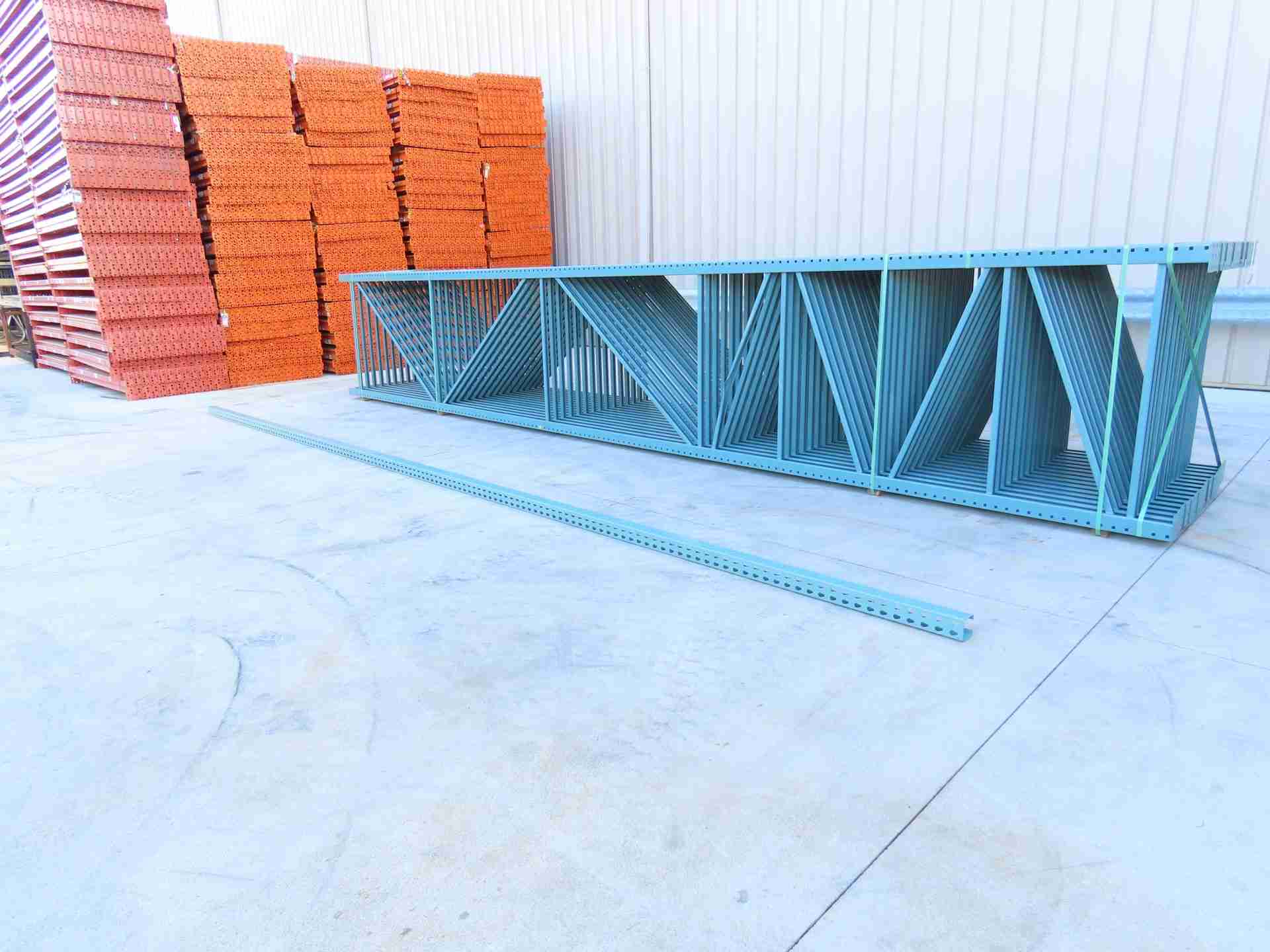
What Emotional Connection Do Your Customers Feel with Your Products?
What Ethical Considerations Arise When Designing Your Racking System?
Designing a racking system isn’t just about maximizing storage space or enhancing efficiency; it’s a responsibility that ripples through your entire workforce and community. Consider this: every shelf you install, every beam you secure, carries weight beyond products and pallets. It embodies a commitment to safety, sustainability, and ethical practices that resonate in the heart of every employee.
Picture a warehouse bustling with activity. A racking system that teeters on the brink of collapse is no laughing matter. It’s a recipe for disaster, but it also raises questions about judgment and responsibility. Are you creating a place where your team feels safe? Are you fostering an environment where productivity doesn’t come at the cost of human welfare? When you design your racking system, you’re tasked with safeguarding not just the materials, but the people who depend on them. That’s an ethical consideration that should always weigh heavily on the mind.
Then there’s sustainability. In a world where environmental concerns are more pressing than ever, it’s essential to integrate green solutions into your racking design. This isn’t just a trendy marketing ploy; it’s about leaving a legacy for future generations. Using recycled materials or choosing energy-efficient designs may require an investment today, but think about the long-term benefits. Your decision reflects a conscious effort to align with practices that prioritize the planet—a choice that your workforce, your customers, and society as a whole will respect and appreciate. People gravitate toward organizations that demonstrate integrity.
Don’t forget the human element; every piece of equipment designed to hold weight also holds stories, dreams, and aspirations of the people who work with it. Listen to your team. Gather their input when designing the racking system because they are the ones living with it daily. Their insights might transform a robust design into an intuitive system that flows naturally with their workflows.
Ultimately, when you think about racking design, remember that you hold the keys to fostering a culture of safety and sustainability. Your choices set an example—one that resonates through the aisles of your facility, instilling trust and confidence in every person involved. It’s more than just racking; it’s about being a part of something bigger, a community that values ethics and well-being as much as profit. Take the initiative, embrace the responsibility, and build not just for today, but for a better tomorrow.

What Ethical Considerations Arise When Designing Your Racking System?
What Ethical Considerations Arise When Designing Your Racking System?
- Designing a racking system goes beyond storage efficiency; it impacts safety, sustainability, and ethical practices.
- A safe racking system is crucial for employee well-being and productivity, preventing potential disasters.
- Incorporating sustainability into racking design reflects a commitment to environmental integrity and future generations.
- Using recycled materials and energy-efficient designs can have long-term benefits despite initial costs.
- Engaging employees in the racking design process leads to systems that better fit their daily workflows and needs.
- Your design choices embody a culture of safety and sustainability that builds trust within the workforce.
- Ultimately, racking design is about contributing to a community that values ethics, well-being, and profits equally.

What Ethical Considerations Arise When Designing Your Racking System?
How Does a Well-Organized Warehouse Layout Enhance Employee Morale?
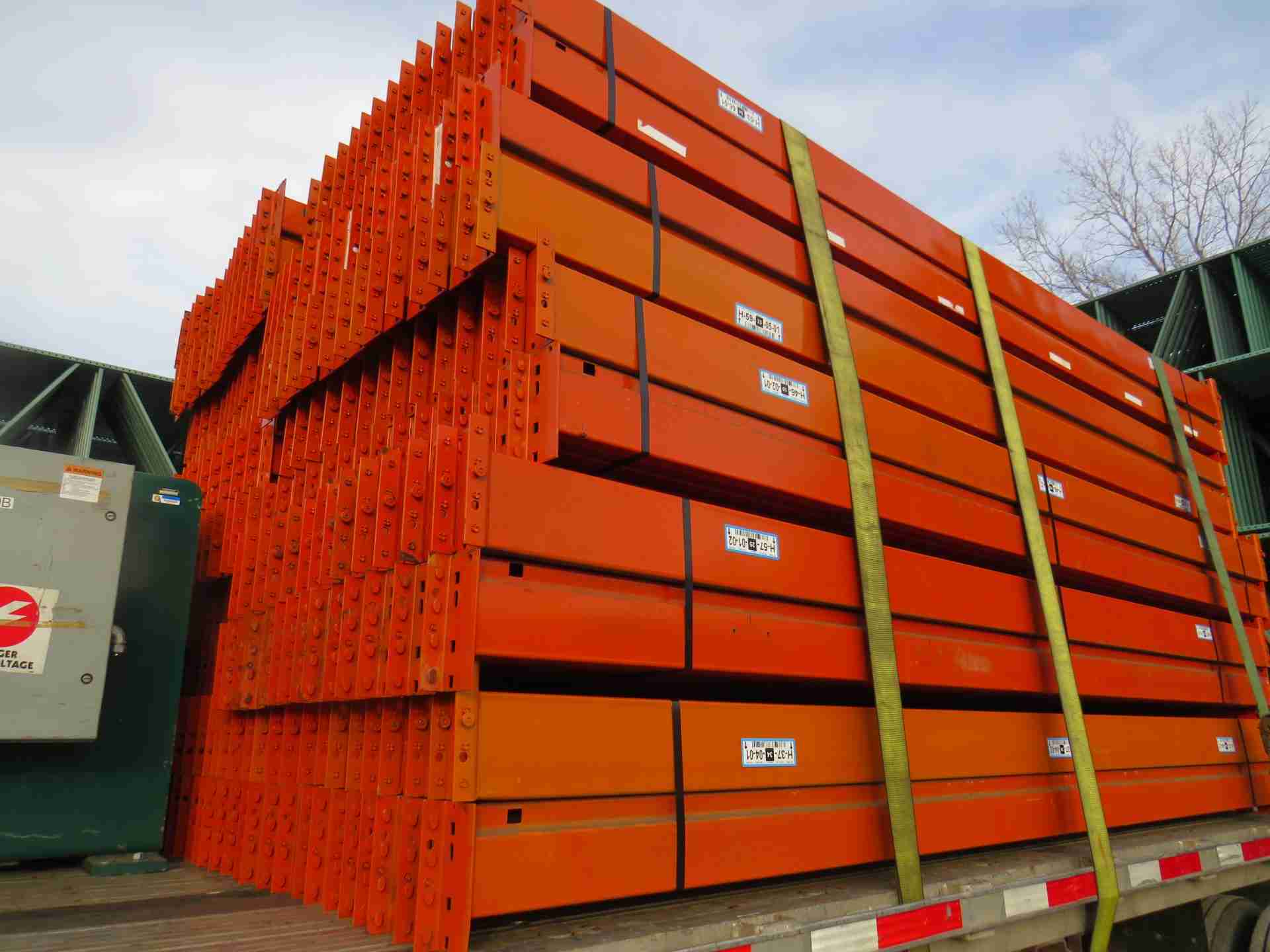
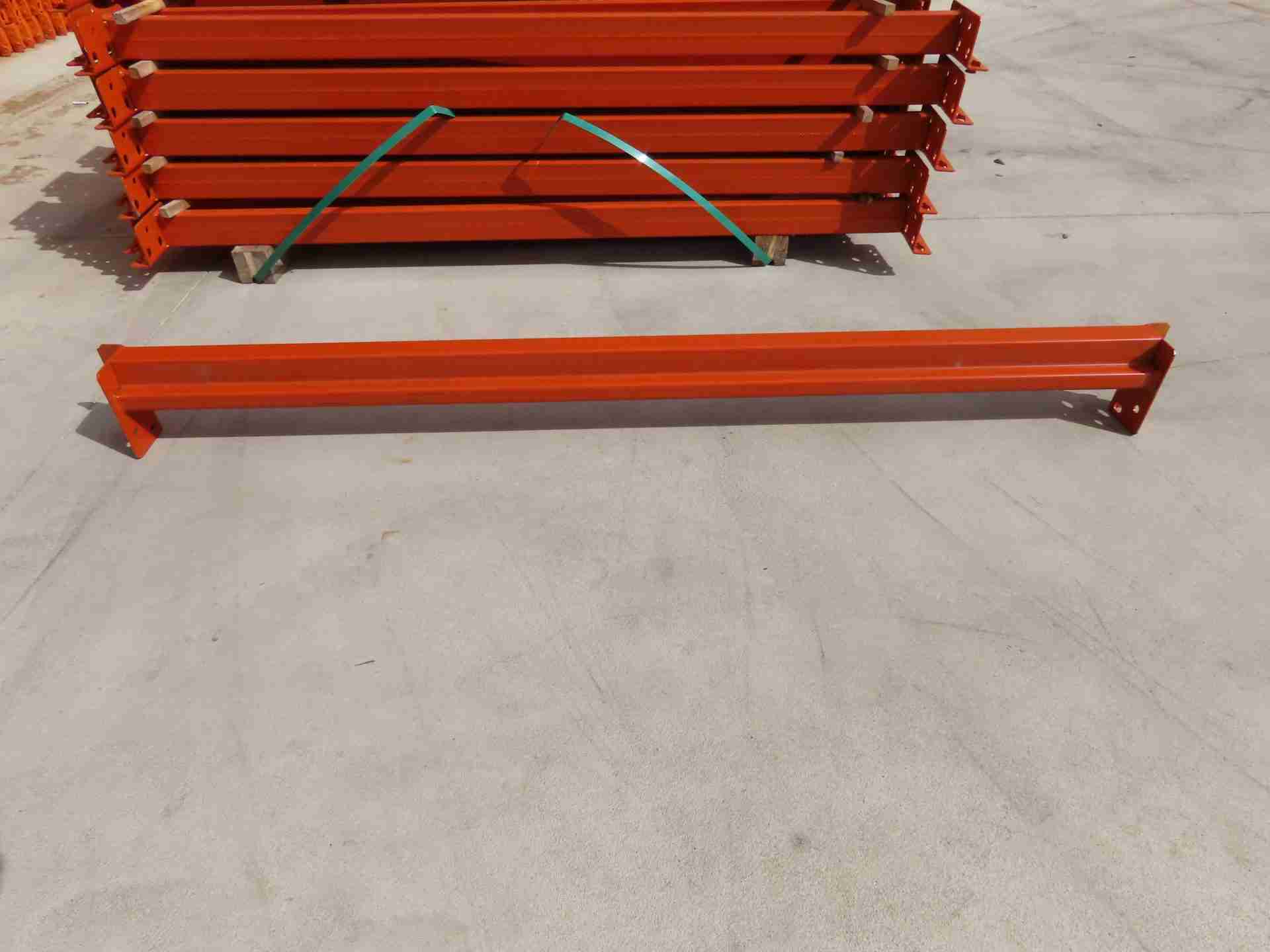
When you step inside a well-organized warehouse, you immediately sense a rhythm, a pulse that echoes the hard work and dedication of the people inside. The layout itself—each aisle, each shelf, each piece of racking—speaks volumes about respect for workflow and, more importantly, respect for the people who navigate it. A clean, systematic environment transforms ordinary tasks into an art form, allowing employees to channel their energy into productive endeavors rather than getting lost in chaotic corners.
Picture this: an employee pushes through endless clutter, searching for a single item, their frustration mounting with every wasted minute. Now, imagine the flip side, where everything has its place. Items are easily accessible, and order reigns supreme. The difference? It’s like night and day. When employees aren’t wrestling with disarray, they’re free to feel accomplished at the end of the day. And what’s more rewarding than going home knowing you gave your best? This sense of pride enhances morale like a finely-tuned engine, driving productivity and cooperation to new heights.
We know that a good workplace goes beyond just being efficient; it’s also about creating an atmosphere where people feel valued. A well-organized warehouse layout fosters this sense of belonging. When the team sees their input reflected in the processes—whether it’s how the racking is structured or how paths are charted—they feel empowered. Their voice is part of the conversation, and that encourages participation and enthusiasm.
Consider teamwork: when every employee understands the layout and their role within it, they start to move in harmony. This connection extends beyond immediate tasks; it grows into friendships that can last a lifetime. We’re social creatures, and when we work in an environment that’s friendly and purposeful, it enhances not just our morale but also our sense of community.
Ethically speaking, investing time and resources into a well-organized warehouse isn’t just about the bottom line—it’s about people. It shows that leadership cares about creating an environment where everyone can thrive. When employees feel seen, understood, and inspired, they come to work each day not just as workers but as part of something bigger. They become champions of their roles, proud to carry the company banner forward.
So, if you’re wondering how to boost spirits and cement loyalty among your team, don’t overlook the power of a well-thought-out layout. It’s not just about space; it’s about the people who fill it.
How Does a Well-Organized Warehouse Layout Enhance Employee Morale?
How Does a Well-Organized Warehouse Layout Enhance Employee Morale?
- A well-organized warehouse evokes a sense of rhythm and dedication from its workers.
- Systematic environments enhance productivity by reducing chaos and frustration in daily tasks.
- A clean, orderly layout boosts employee morale and fosters a sense of accomplishment.
- Team members feel valued and empowered when their input is reflected in the workspace design.
- Understanding the layout encourages teamwork, leading to better cooperation and lasting friendships.
- Investing in organization demonstrates leadership’s commitment to creating a thriving environment.
- A well-thought-out layout enhances not just efficiency but also the emotional well-being of employees.
How Does a Well-Organized Warehouse Layout Enhance Employee Morale?
How Can the Right Racking System Save You Time and Reduce Stress?
When you walk into a warehouse or a storage area, what do you see? Stacks of boxes piled high, items jumbled together, and a seemingly endless quest to find what you need. It’s a scene that can unfold as a symphony of chaos, making even the toughest among us feel a twinge of anxiety. But what if I told you that the right racking system could turn that chaos into harmony? Let’s dive in.
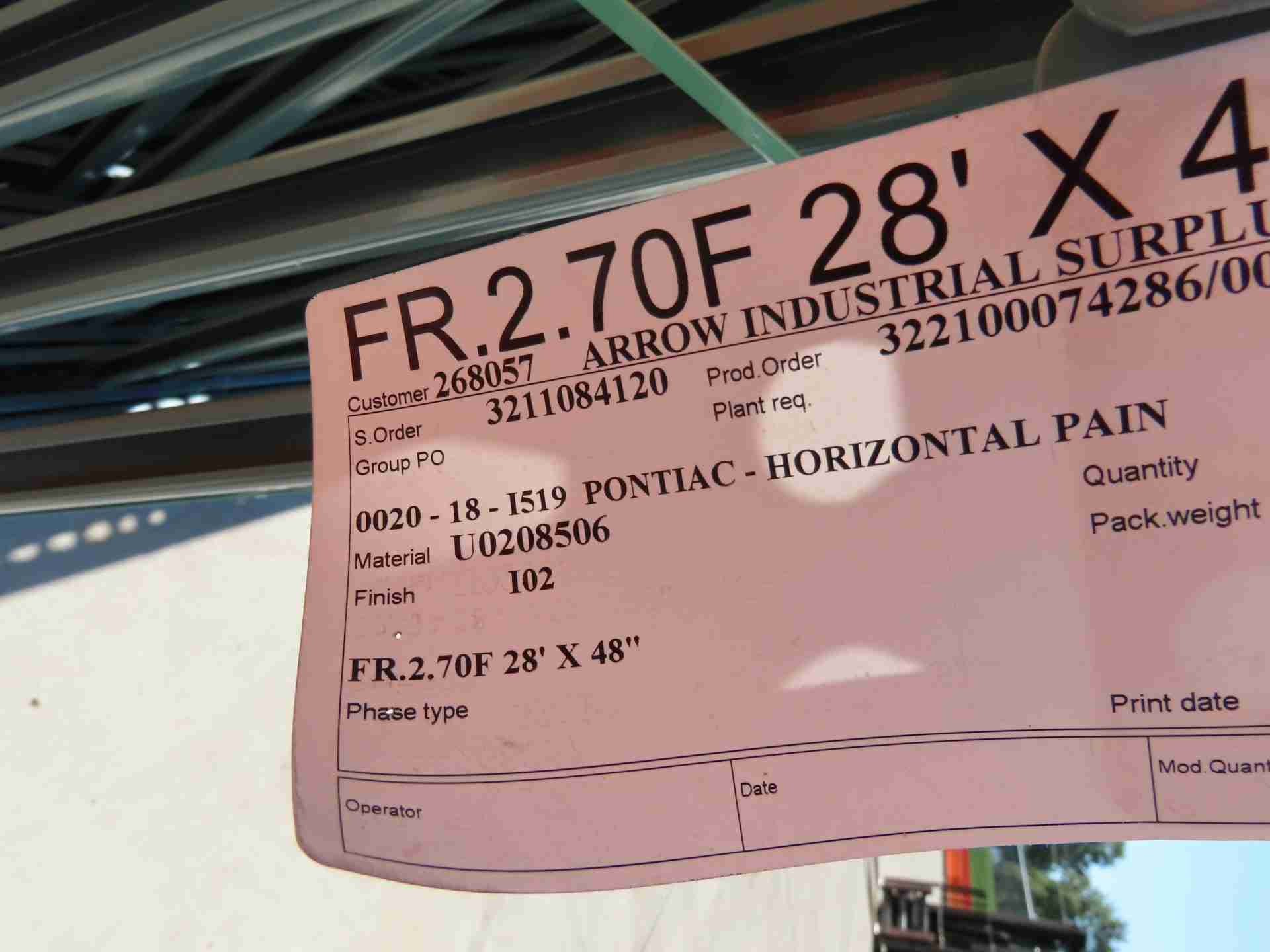
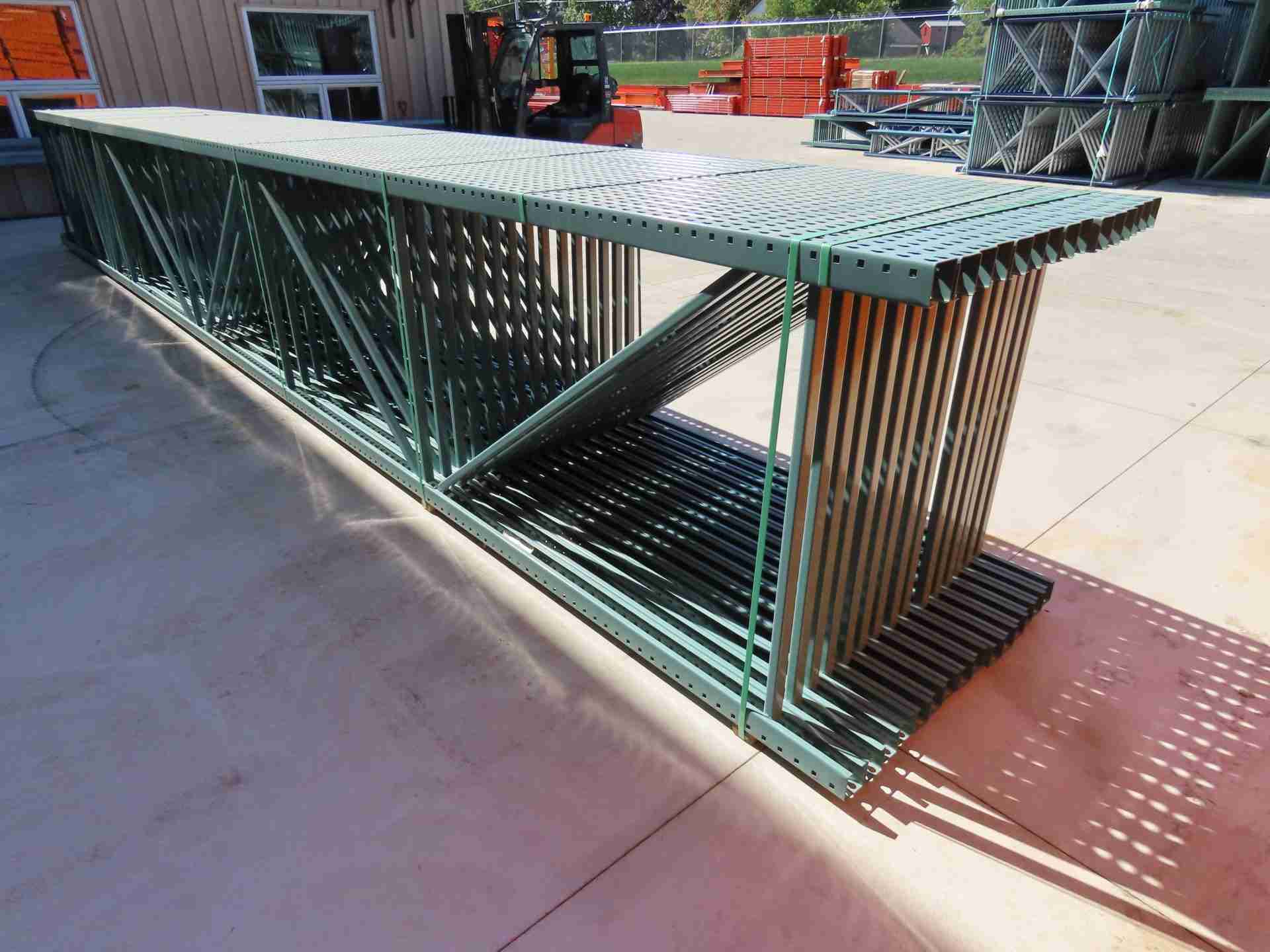
Picture this: you’ve got a project due in a week, and every minute of your time counts. You wade through mountains of disorganized inventory, each item like a small weight on your shoulders. Frustration builds as your focus drifts and stress mounts. Now, imagine a world where every product has its place, easily accessible and neatly labeled. With the right racking, you can shave hours off your search time, letting you reclaim those precious minutes for more important tasks — or even a break to recharge.
Beyond the obvious time benefits, a well-designed racking system gives you peace of mind. Racks that are sturdy, reliable, and thoughtfully arranged provide a sense of control. It’s about knowing that your workflow is efficient and effective. You don’t just feel good; you know you’re making ethical choices. Choosing systems that prioritize safety and organization means you’re caring for your team and your bottom line.
The stories behind businesses that champion organization are inspiring. Companies that decide to invest in the right racking see boosts in morale and efficiency. Employees aren’t just cogs in a machine; they’re empowered. Productivity thrives in an organized environment, where folks can trust that their hard work won’t be wasted sifting through disorder.
And let’s not forget about the social aspect. A clean, organized space fosters collaboration and builds camaraderie among team members. When everyone knows where the tools and inventory are, it creates an atmosphere of shared responsibility and teamwork. You become part of a bigger picture, contributing to something that flows seamlessly from one task to the next.
So why wait? Let your space thrive through thoughtful organization. The right racking system is more than just a storage solution; it’s a lifeline that can save you time, reduce stress, and elevate your entire operation. Embrace clarity and pave the way for success—you deserve it!
How Can the Right Racking System Save You Time and Reduce Stress?
How Can the Right Racking System Save You Time and Reduce Stress?
- Warehouse and storage areas often appear chaotic, causing frustration and anxiety.
- An effective racking system transforms disorganization into harmony, saving time on inventory searches.
- Organized spaces foster peace of mind and enhance workflow efficiency and effectiveness.
- Investing in the right racking boosts employee morale and productivity, empowering team members.
- Clean and organized environments promote collaboration and camaraderie among team members.
- With an organized space, employees feel a shared responsibility and contribute to overall success.
- Implementing a suitable racking system is key to reducing stress and elevating operational performance.
How Can the Right Racking System Save You Time and Reduce Stress?
What Stories Can You Share About Warehouse Challenges and Solutions?
When you walk into a warehouse, what you see may look like organized chaos at first glance—endless rows of shelving, forklifts zipping through the aisles, and stacks of products reaching skyward like eager hands. But beneath that bustling exterior lie stories of struggle and triumph that reveal the true heart of warehousing.
Take a moment to think about racking, for instance. This seemingly mundane aspect of warehouse operation is often the unnoticed backbone of functionality. An efficient racking system can mean the difference between smooth operations and a frustrating logjam. I remember a warehouse that was teetering on the brink of disaster because of outdated racking systems. Products piled high were difficult to access, leading to delays, lost items, and eventually, shattered morale among the team. It was a mess—a ticking time bomb just waiting to go off.
But it was also a chance for change. When leadership had the insight to invest in more adaptive racking solutions, everything shifted. Teams started to feel empowered as they devised new layouts, optimizing both space and access. The air became charged with a newfound energy. Suddenly, workers were no longer overwhelmed by the sheer volume of tasks; they were motivated by the clarity of their work environment. A simple racking upgrade turned into a catalyst for innovation and teamwork.
This isn’t just a story of physical transformation; it’s a testament to the human spirit. When we address challenges head-on—whether it’s refining processes, investing in new technologies, or simply listening to the on-the-ground insights of the workers who make it all happen—we unlock potential. This isn’t just about reducing costs or boosting profits. It’s about fostering a culture where everyone feels valued and capable.
Think about how many people are touched by the logistics of one warehouse: the families, the communities, the countless lives that are made better by a single package delivered on time. When we tackle warehousing challenges, we’re not just fine-tuning operations; we’re building pathways for connection and trust.
So, what stories can you share? Think about your racking solutions, your team dynamics, and the innovative changes that have eaten away at chaos and birthed order. This isn’t just about boxes on shelves; it’s about the lives that those boxes touch. When we face challenges together and seek solutions, we rise—not just as a company but as a community rooted in partnership and purpose.
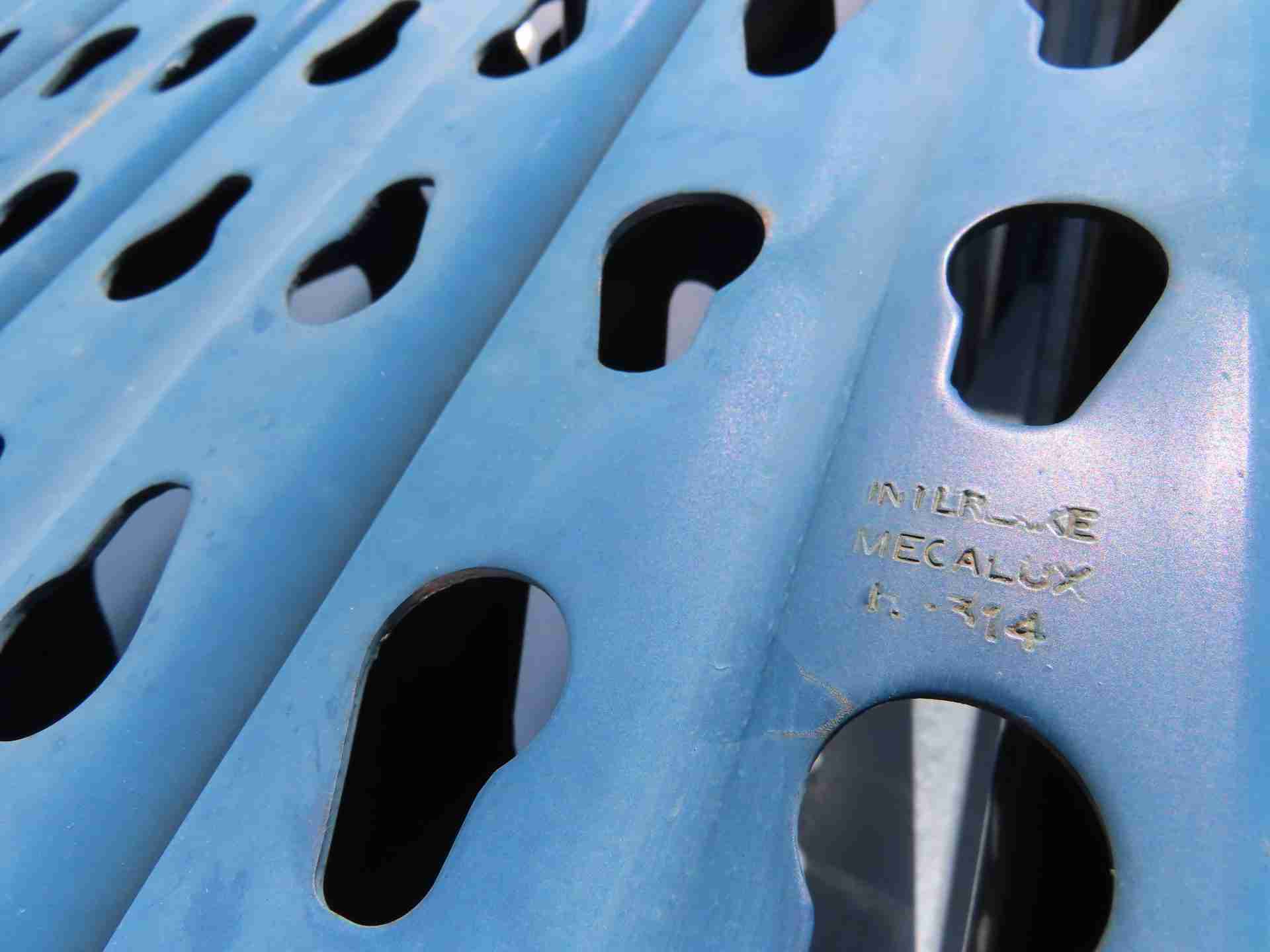
What Stories Can You Share About Warehouse Challenges and Solutions?
What Stories Can You Share About Warehouse Challenges and Solutions?
- Warehouses appear chaotic but hold stories of struggle and triumph.
- An efficient racking system is essential for smooth operations, preventing logjams.
- Outdated racking can lead to access difficulties, delays, and low team morale.
- Investing in adaptive racking solutions transformed a struggling warehouse into an efficient workspace.
- Upgrading racking fostered innovation, teamwork, and energy among workers.
- Tackling warehouse challenges promotes a culture of value and capability among employees.
- Logistics affect many lives, enhancing connections and trust within the community.

What Stories Can You Share About Warehouse Challenges and Solutions?
Conclusion
Designing an efficient warehouse layout is more than just arranging racking and shelving; it’s a vital undertaking that influences the entire operation and resonates deeply with the people involved. Picture the warehouse as the beating heart of a business—each rack, each aisle contributing to a rhythm of productivity that can determine success or failure. Those racks are not merely structures—they represent the aspirations of individuals striving to achieve their best every day. When you establish a layout that promotes efficiency, you aren’t just saving space; you’re saving time, reducing stress, and creating an environment that aligns with human potential.
Think of the countless individuals who walk through those aisles each day. The impact of a well-structured layout goes beyond operational benefits. It creates a sense of relief and achievement. Employees benefit from less chaos, enabling them to find the tools they need swiftly and efficiently. This streamlining builds morale, encourages collaboration, and fosters a community spirit among workers. When they know their input has shaped how things are organized, they invest not just in their role, but in a shared vision for the success of the entire operation.
Ethical considerations play a significant role here as well. Safety must be at the forefront of any design. A poorly constructed layout can lead to accidents that disrupt lives and impact livelihoods. Every decision you make echoes in the lives of the team members who rely on that space to perform their jobs safely. Integrating ergonomic principles and sustainable practices into your design shows a conscious commitment to the well-being of your workforce and our planet, affirming that your business values human life and environmental responsibility over mere profits.
The stories told by employees reveal moments of transformation that highlight the importance of thoughtful design. A facility that embraces innovation—not just through technology but also through the intuition and experience of its people—stands to thrive. These narratives remind us that behind every warehouse challenge lies an opportunity to elevate not just products, but the lives impacted by the intricate web of logistics that drives economies.
Ultimately, a well-planned warehouse layout with racking systems in mind becomes a testament to our shared values of efficiency, safety, and respect for the human spirit. This endeavor isn’t merely about improving metrics; it’s about building a legacy where every rack symbolizes an opportunity for growth, community, and success. Embrace this task, and strive to create a workspace that empowers every individual, reinforcing the notion that when we invest in structure and design, we are truly investing in people.

Conclusion
Conclusion:
- Designing an efficient warehouse layout influences overall operations and employee satisfaction.
- The layout impacts productivity, creating a rhythm vital for business success.
- A well-structured design enhances employee morale, fosters collaboration, and builds community spirit.
- Safety and ergonomic considerations are crucial to prevent accidents and enhance worker well-being.
- Integrating sustainable practices reflects a commitment to both workforce welfare and environmental responsibility.
- Thoughtful design can transform lives and enhance the experience of individuals within the warehouse.
- A successful layout promotes growth, community, and a legacy of shared values in the workplace.
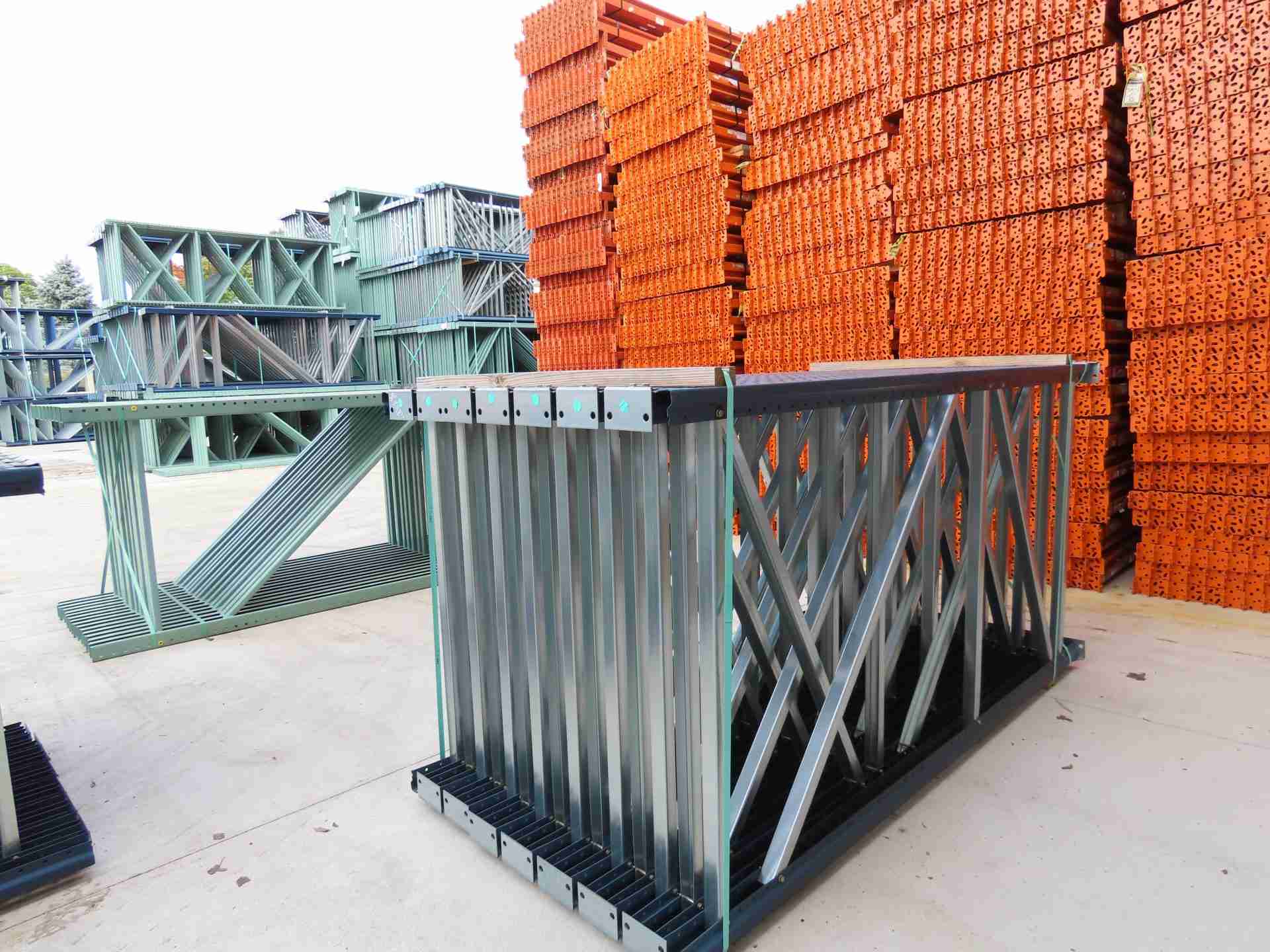
Conclusion
Other Resources
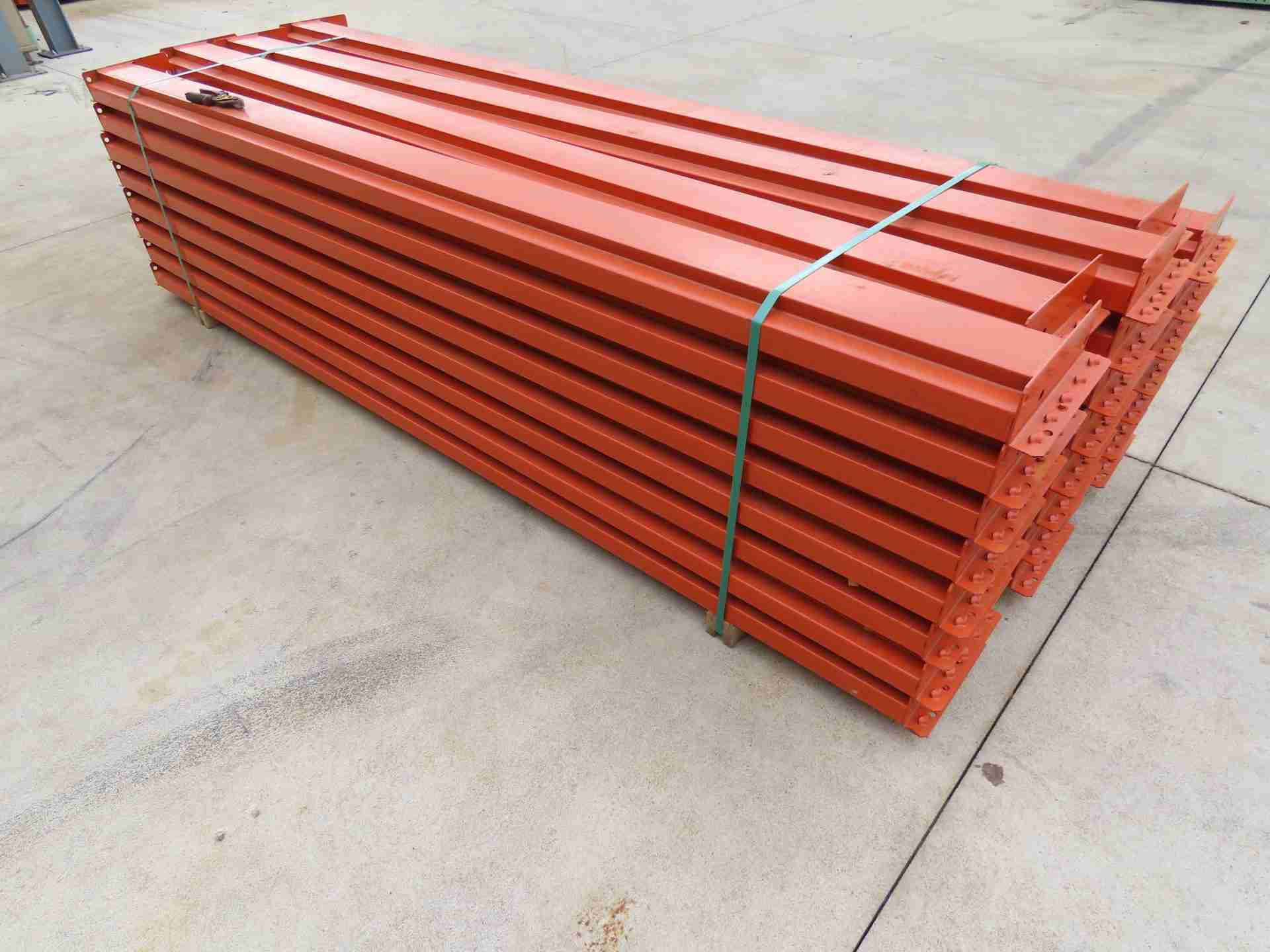
Other Resources
Here is a list of other resources you can review online to learn more:
- Crane Manufacturers Association Of America Inc.
- Warehouse Racking System: Powerful Guide to Optimise, 2024
- IIWS Inc. Rack Installation Illinois & Rack Repairs Illinois
- Pallet Racking systems in Illinois, Great Lakes
- National Safety Council
- Warehouse Racking Chicago, IL
- Storage Equipment Manufacturers’ Association
- Intro to Warehouse Racks & Warehouse Racking Systems – ShipBob
- Illinois Pallet Racking – WPRP
- Interlake Mecalux
- Warehouse Storage Racking in Illinois
- Used Teardrop Pallet Rack – American Surplus
- Pallet Racks, Pallet Racking, Pallet Shelves in Stock – ULINE
- Warehouse Racking Layout: The Ultimate Guide – Conger
- Cantilever Racking Specialists – Get the Right Racks
- Chicago Pallet Racking
- Teardrop Industrial Shelving Rack
- The Ultimate Pallet Racking Guide – Speedrack West
- Rack Manufacturers Institute
Use This Prompt To Get More Resources With Your Favorite Online AI Tool: Please provide me with a list of online articles with their URLs in a bulleted list that I can read regarding How to Design a Warehouse Layout with Racking In Mind
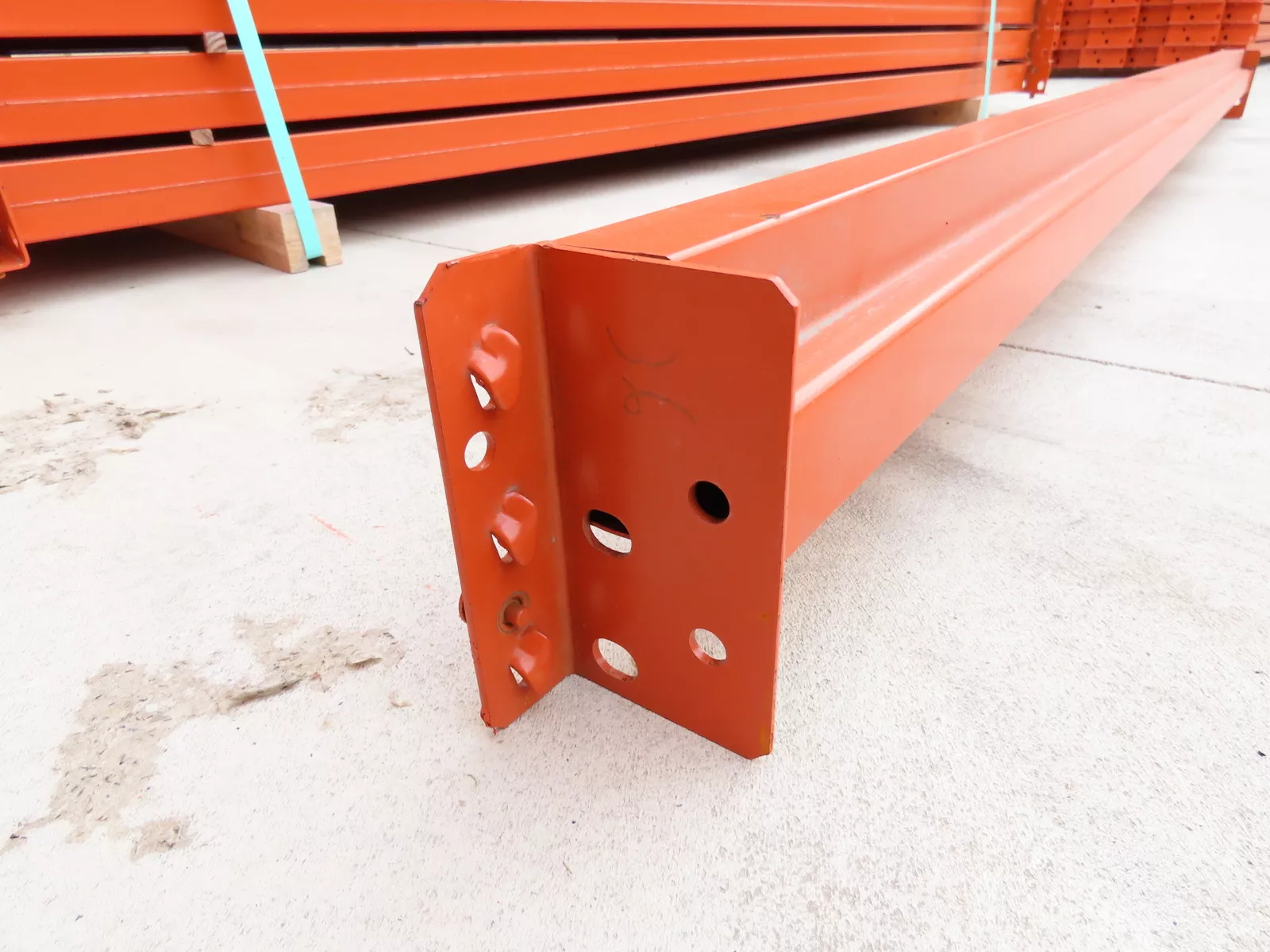
Other Resources
Glossary Terms
How to Design a Warehouse Layout with Racking In Mind – Glossary Of Terms
1. Warehouse: A large building where goods are stored before distribution.
2. Layout: The arrangement of different areas within a warehouse to optimize space and efficiency.
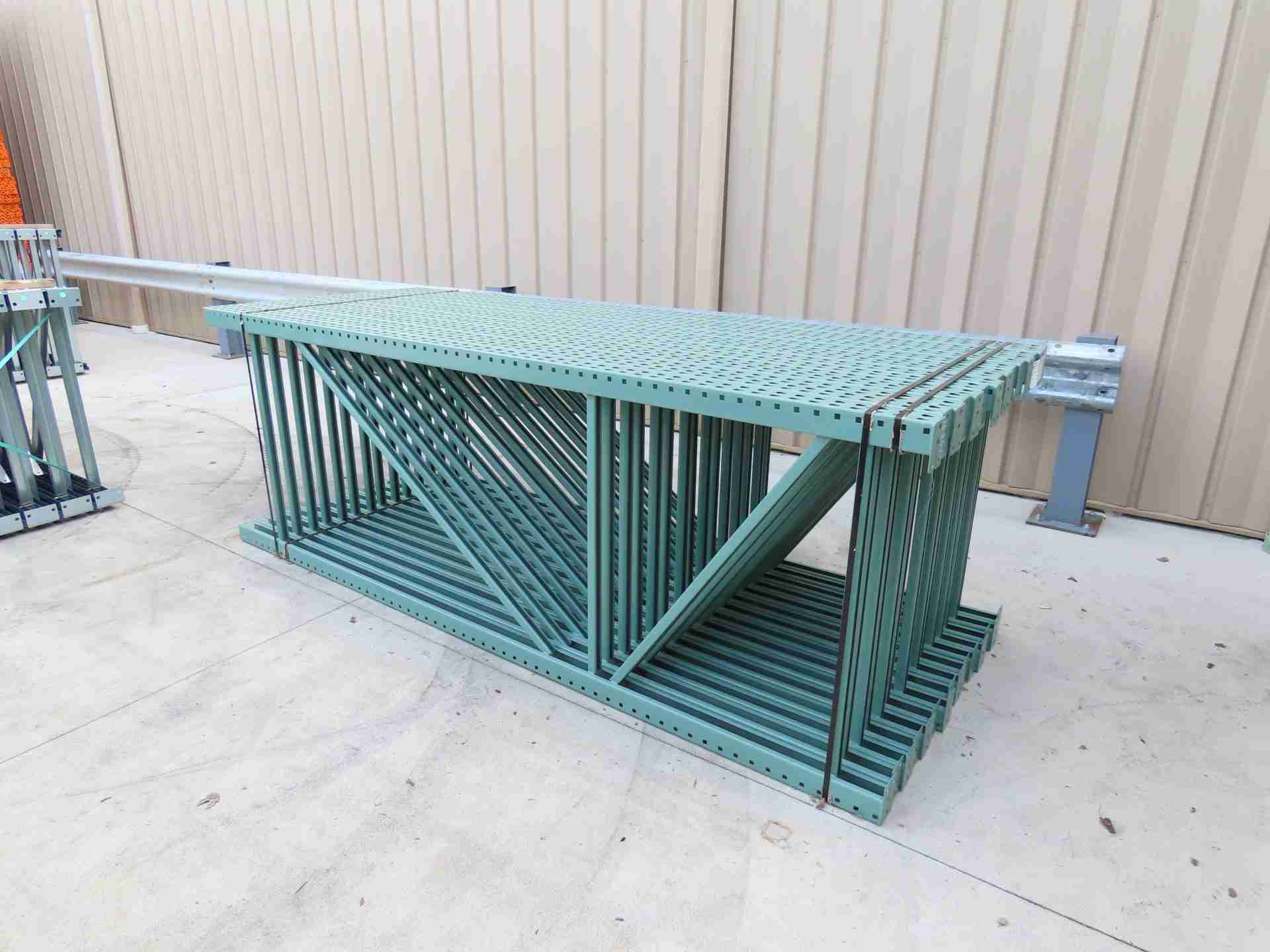
3. Racking: Shelving systems designed to hold and store goods within a warehouse.
4. Pallet: A flat structure used to support goods for storage or transportation; often used in conjunction with racking.
5. SKU (Stock Keeping Unit): A unique identifier for each distinct product or item in inventory.
6. Aisle: A passage between rows of racking that allows for access to stored goods.
7. Picking Path: The most efficient route taken by workers when retrieving items from racking.
8. Forklift: A vehicle designed to lift and transport heavy loads within a warehouse.
9. Throughput: The amount of product that can be processed and moved through the warehouse in a given timeframe.
10. Safety Stock: Extra inventory kept on hand to prevent stockouts during unexpected demand spikes.
11. Lead Time: The time taken from placing a purchase order to receiving the goods.
12. Flow Rack: A type of racking system that allows products to flow in and out from a sloped track.
13. Bulk Storage: A method of storing large quantities of homogeneous goods in open floor space rather than in racking.
14. Cross-Docking: A logistics practice where incoming goods are directly transferred to outgoing trailers without being stored.
15. Inventory Turnover: A ratio that indicates how many times inventory is sold or used over a period.
16. Ergonomics: The study of designing tasks and workspaces to fit the physical capabilities of workers, enhancing safety and efficiency.
17. Dead Stock: Inventory items that are not likely to be sold and have not moved for a certain period.
18. Benches: Work surfaces often incorporated in the warehouse layout for processing goods.
19. Temperature-Controlled Storage: Climate-controlled areas designed for storing temperature-sensitive products.
20. Zoning: The practice of dividing a warehouse into specific areas for designated types of products or functions.
21. Rails: Horizontal supports that hold the weight of goods on supported racking systems.
22. Vertical Storage: Maximization of height in a warehouse to utilize space more efficiently using tall racking systems.
23. Picking Strategy: A plan outlining how to retrieve items from racking, such as single-order picking or batch picking.
24. Barcode: A machine-readable code in the form of numbers and a pattern of parallel lines, used for tracking items.
25. Slotting: The process of determining the optimal placement of products in a warehouse to improve picking efficiency.
26. Pallet Jack: A manual or powered device used to lift and move pallets.
27. Return on Investment (ROI): A ratio used to evaluate the financial return from a warehouse layout investment.
28. Conveyor System: Mechanical equipment used to transport goods quickly and efficiently throughout the warehouse.
29. Space Utilization: The measure of how effectively warehouse space is used for operations.
30. Lean Warehousing: An approach aimed at minimizing waste while maximizing productivity in warehouse operations.
Glossary Of Terms
Other Questions
How to Design a Warehouse Layout with Racking In Mind – Other Questions
If you wish to explore and discover more, consider looking for answers to these questions:
- What are the key elements to consider when designing a warehouse layout?
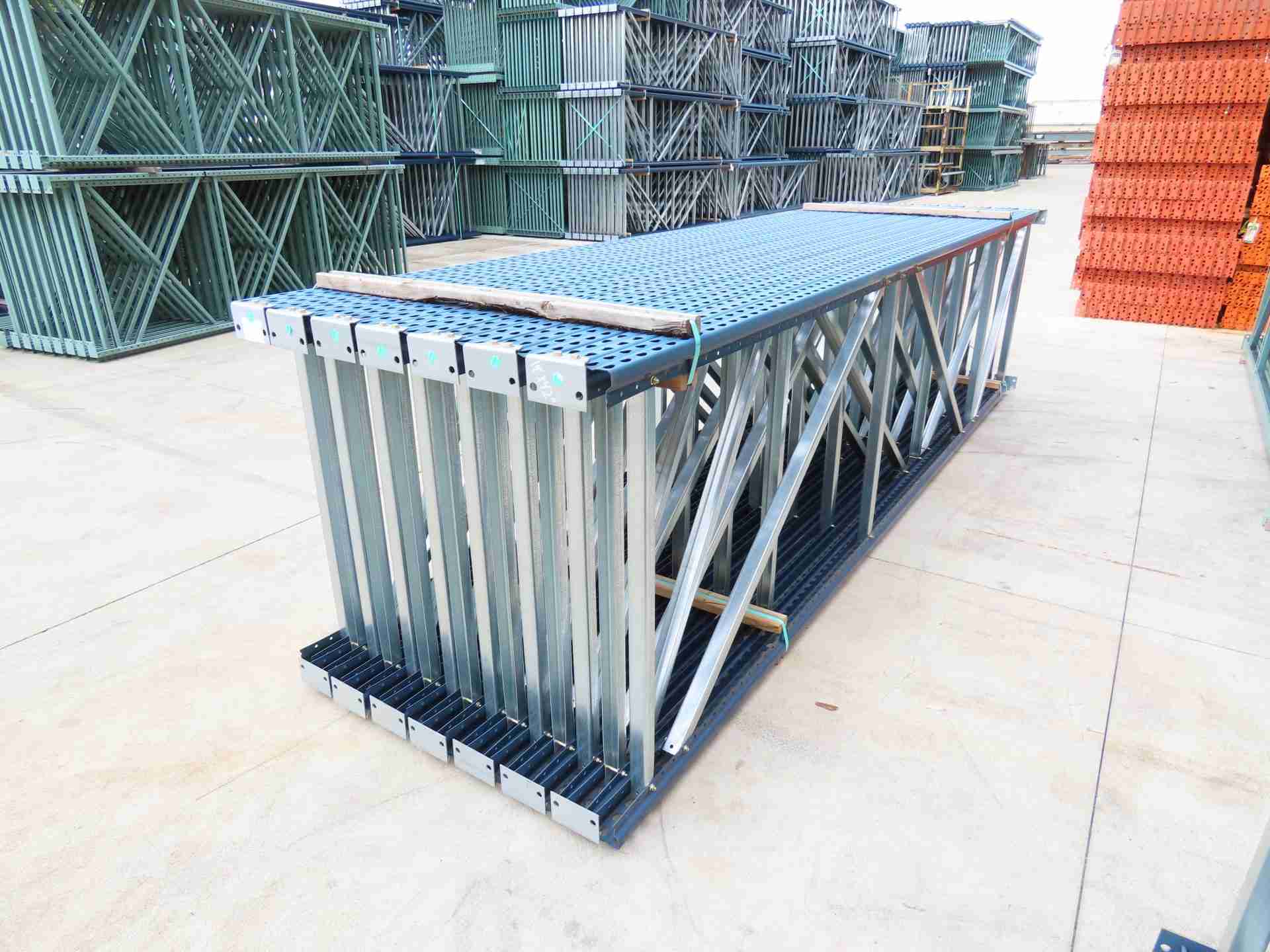
- How do different racking systems impact warehouse efficiency?
- What are common safety hazards in warehouse design?
- How can technology enhance warehouse layout and racking systems?
- What strategies can be implemented to ensure employee safety in warehouses?
- How can sustainability be integrated into warehouse design?
- What role does employee input play in designing an effective warehouse layout?
- How can a well-designed warehouse layout reduce operational costs?
- What training is necessary for employees to effectively use the racking system?
- How can good warehouse design support logistics and supply chain management?
- What are some examples of successful warehouse transformations?
- How does warehouse organization affect customer satisfaction?
- In what ways can a disorganized warehouse impact company culture?
- What metrics should be used to evaluate warehouse efficiency?
- How do you balance aesthetics with functionality in warehouse design?
Other Questions
Checklist
How to Design a Warehouse Layout with Racking In Mind – A Checklist
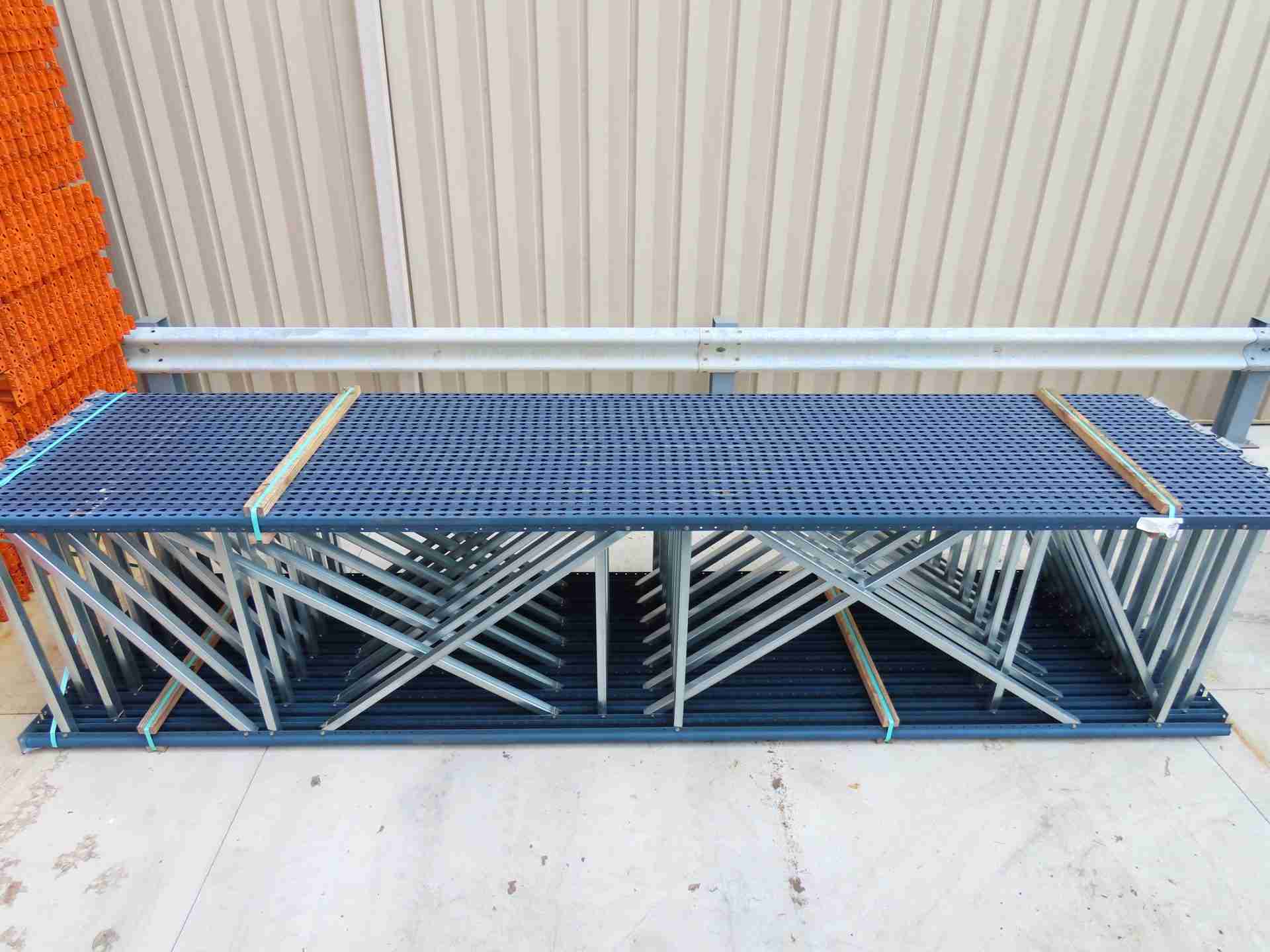
Checklist for Designing an Efficient and Safe Warehouse Layout with Racking
Emotional Appeal
_____ Reflect on how a well-organized layout can enhance employee satisfaction and morale.
_____ Consider the relief and pride employees experience when they can easily find items.
_____ Explore ways to foster a sense of community and teamwork in the workspace.
Rational Appeal
_____ Analyze space utilization and the potential time savings from a well-planned racking system.
_____ Evaluate different racking styles to determine which best supports your inventory type.
_____ Measure efficiency improvements and their impact on operational costs.
Ethical Appeal
_____ Ensure safety measures are prioritized in the layout and racking design to protect employees.
_____ Consider sustainable practices, such as using recycled materials or energy-efficient systems.
_____ Engage employees in decision-making about warehouse design to promote a culture of respect and inclusion.
Authority Appeal
_____ Research industry best practices and learn from experts or case studies demonstrating successful warehouse designs.
_____ Consult with seasoned warehouse managers to gain insights on layout optimization.
_____ Utilize data from logistics experts to support design decisions that enhance productivity.
Narrative Appeal
_____ Share transformation stories of warehouses that improved operations through strategic design.
_____ Encourage employees to share their experiences with the previous layout and how improvements could enhance their work environment.
_____ Document the journey of designing the racking system as a collaborative project, showcasing the team’s contributions.
Social Appeal
_____ Promote an open dialogue in the workplace about layout preferences and improvements, inviting feedback from all employees.
_____ Organize team-building activities that focus on enhancing the layout design together as a group.
_____ Celebrate milestones achieved through improved organization, fostering a sense of shared accomplishment and ownership.
Checklist
At RackingWorld, we help guide you through selecting warehouse storage systems and racking.
Be sure to read our other related stories at RackingWorld to learn more about warehouse storage systems.
0 Comments