
The Science And Art Of Maximizing Warehouse Efficiency
By Tom Seest
At RackingWorld, we help guide you through selecting warehouse storage systems and racking.
Be sure to read our other related stories at RackingWorld to learn more about warehouse storage systems.
How to Calculate Storage Density with Racks
Calculating storage density with racks is more than just a mundane task; it’s about optimizing space, efficiency, and ultimately, productivity. Imagine walking into a warehouse and feeling overwhelmed by the expanse of unused space, cluttered aisles, and mismanaged storage. Your head spins at the thought of lost revenue and time. But let’s take a step back and approach this like a puzzle waiting to be solved.
First, let’s talk numbers. You need to measure your total warehouse space and understand the dimensions of your racking systems. It’s about systematically utilizing every inch. The formula for calculating storage density is simple: take the total number of cubic feet of storage and divide it by the area of the racking in square feet. The beauty of this calculation isn’t just in the math; it lies in the opportunity it provides. When you know your storage density, you can maximize your racking efficiency and make informed decisions that drive performance.
Now, let’s engage that gut feeling. It’s easy to overlook the importance of organized storage until you’re knee-deep in chaos. A well-organized racking system creates not only functional space but fosters a sense of pride among workers. Picture a team knowing their job is to ensure products are stored respectfully, efficiently, and safely. They’re not just chasing numbers; they’re part of a mission to serve customers and support one another. Each calculation feeds into a greater narrative — one of teamwork and shared success.
This isn’t merely about improving profit margins; it’s also about making ethical choices. Choosing the right racks, ensuring safety compliance, and optimizing resources not only reflect business acumen but also commitment to your workforce and community. When you prioritize effective storage density, you’re safeguarding jobs and fostering a sustainable environment.
So, how do you start this journey? Gather your team, break down the numbers, and let the shared excitement of organizing your racking system turn into a collaborative project. Let each person see how their role impacts the bigger picture. Ask questions, celebrate milestones, and empower your team to take ownership of the process. By focusing on your racking, you’re creating a culture of responsibility and pride — and that’s where the real value lies.
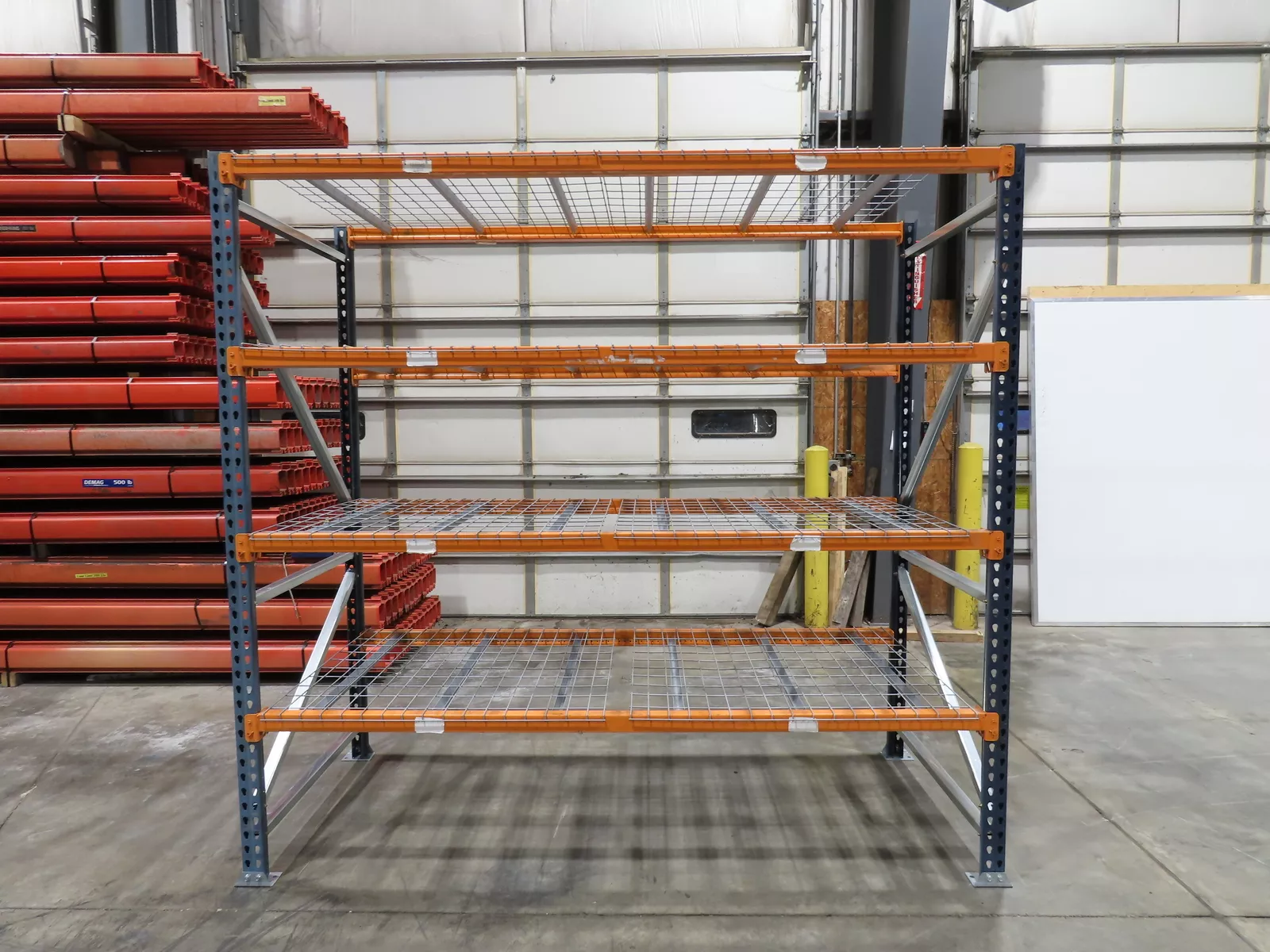
How to Calculate Storage Density with Racks
How to Calculate Storage Density with Racks
- Calculating storage density is essential for optimizing space, efficiency, and productivity in a warehouse.
- Measuring total warehouse space and understanding racking dimensions is crucial for maximizing utilization.
- The formula for storage density: total cubic feet of storage divided by the area of the racking in square feet.
- Knowing storage density helps maximize racking efficiency and informs decisions that drive performance.
- A well-organized racking system fosters teamwork and creates a sense of pride among workers.
- Prioritizing effective storage density reflects ethical business choices and commitment to workforce sustainability.
- Encourage team collaboration and ownership in the organizing process to cultivate a culture of responsibility and pride.
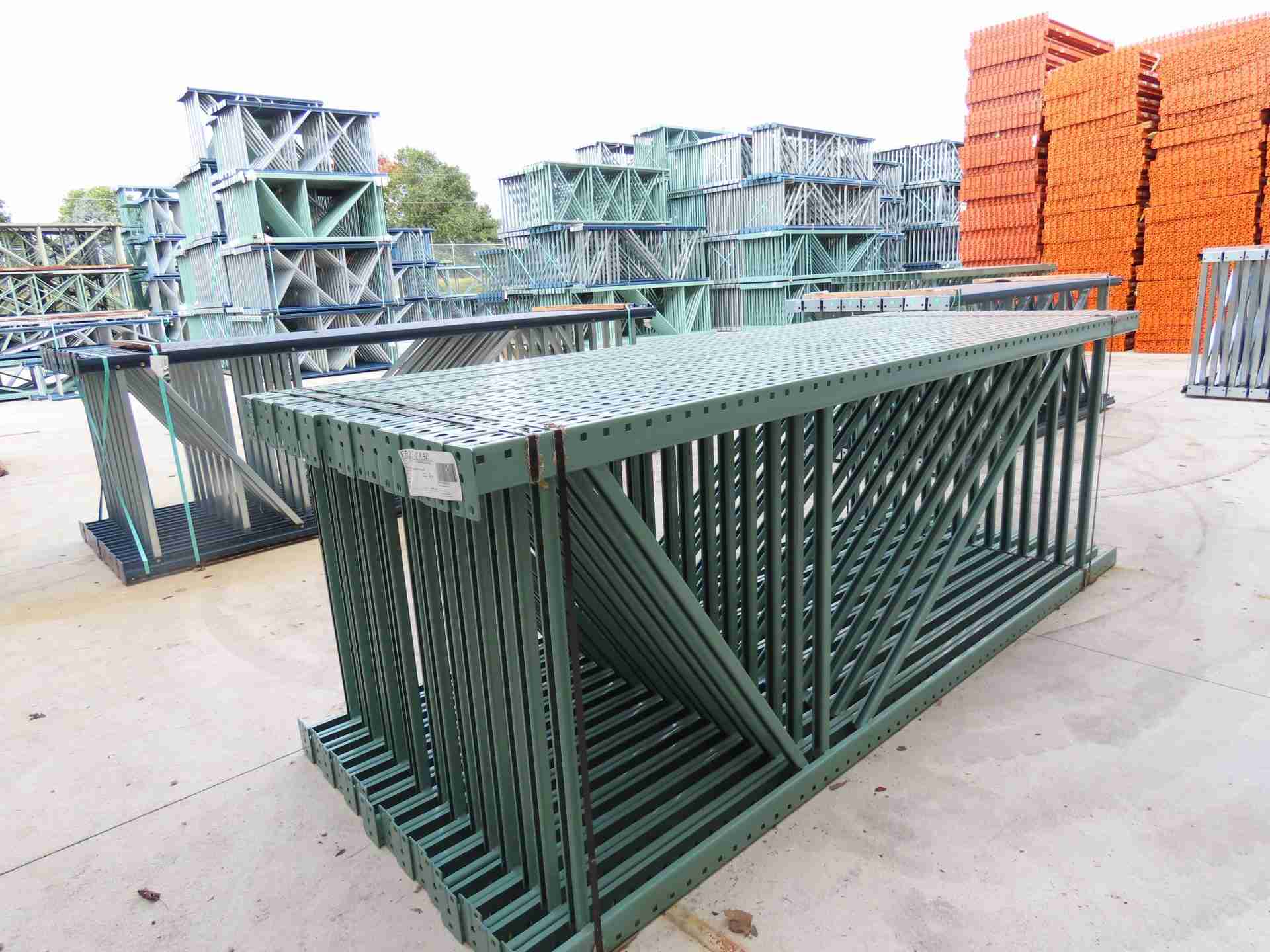
How to Calculate Storage Density with Racks
Table Of Contents
- How to Calculate Storage Density with Racks
- What Emotional Benefits Can You Gain From Optimizing Storage Density?
- How Can Improved Storage Density Enhance Business Efficiency?
- Is Maximizing Rack Space Essential for Sustainable Operations?
- What Are the Ethical Implications Of Poor Space Utilization?
- How Do Industry Leaders Calculate Storage Density Effectively?
- Conclusion
- Other Resources
- Glossary Of Terms
- Other Questions
- Checklist
What Emotional Benefits Can You Gain From Optimizing Storage Density?
When you think about storage density, it may not feel like a topic that stirs the heart, but let’s dig deeper. Imagine stepping into a space that was once chaotic, where clutter ruled the day and chaos reigned supreme. Now picture that same space transformed, thanks to the strategic use of racking systems that optimize storage. What once felt overwhelming has morphed into an organized sanctuary, a testament to efficiency and foresight. This shift is more than just physical; it’s emotional.
The emotional benefits of optimizing storage density overflow. You gain clarity in a world that seems cluttered and chaotic. With every box neatly stacked, every item in its proper place, there is an undeniable sense of accomplishment. It’s a feeling of victory over the mundane, a moment where you regain control. This clarity doesn’t just stop at the space; it spills over into your mind, helping to declutter thoughts and foster creativity. Who knew that simply optimizing your space could lead to heightened productivity and a clearer headspace?
From a rational standpoint, maximizing your storage solutions makes perfect sense. Resources become more accessible, and efficiency skyrockets. No longer are you wasting precious time searching for that one tool or document buried under piles of disregarded belongings. Your life becomes streamlined—and we all crave that.
Ethically, let’s consider the impact on your surroundings. An efficient space means less waste. By utilizing every inch to its fullest potential, you send a clear message: you respect not only your belongings but also the environment. Less consumption leads to less waste, a step in the right direction for a sustainable future.
And let’s not forget the social connections that emerge from organizing our spaces. Picture your friends gathering in a home that radiates comfort and coherence. People naturally feel drawn to organized spaces, and sharing friendlier environments invites deeper connections. Your tidy space becomes a canvas for entertaining, harmony, and community, fostering relationships that enrich our lives.
Finally, consider the authority that comes with intentional living. Confidence blossoms when you’ve taken action to enhance your environment. Step back and admire your handiwork with pride, knowing that you’ve created not just storage space, but a testament to purposeful living. By optimizing your storage density, you’ve crafted a space that reflects not just who you are but the future you aspire to lead. Embrace it; the benefits are waiting, and so is a life well-lived.

What Emotional Benefits Can You Gain From Optimizing Storage Density?
What Emotional Benefits Can You Gain From Optimizing Storage Density?
- Storage density may seem unexciting, but it has profound emotional and practical implications.
- Transforming chaotic spaces into organized sanctuaries enhances clarity and fosters creativity.
- Optimized storage leads to increased productivity by making items more accessible and reducing wasted time.
- Maximizing storage solutions contributes to sustainability by decreasing waste and promoting resource efficiency.
- Organized spaces foster social connections, creating inviting environments for gatherings and enhancing community relationships.
- Intentional living and improved organization boost confidence and allow for pride in one’s surroundings.
- Optimizing storage density reflects personal values and aspirations, leading to a more fulfilled and purposeful life.
What Emotional Benefits Can You Gain From Optimizing Storage Density?
How Can Improved Storage Density Enhance Business Efficiency?
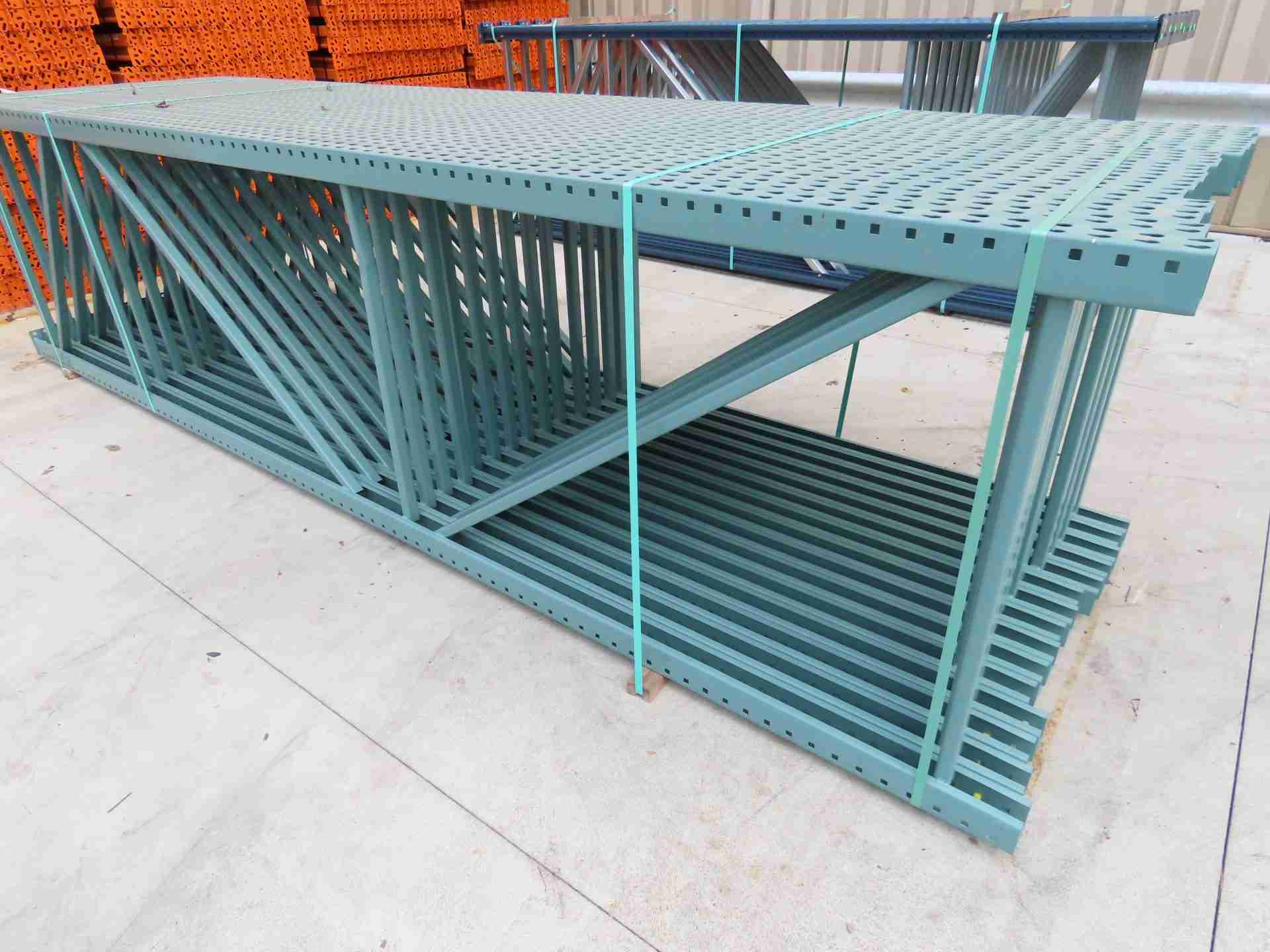
Imagine walking into a warehouse buzzing with activity, where every inch of space is utilized to its fullest potential. You see rows of meticulously arranged racking, reaching up to the ceiling, each layer a testament to smart planning and hard work. But this isn’t just about tidy aisles or maximizing square footage; it’s about what effective storage density can do for a business—both behind the scenes and at the heart of the workforce.
Racking, when optimized for storage density, transcends mere organization. It transforms operations into a well-oiled machine. Imagine a team where every member spends less time searching for products and more time delivering quality service. That’s not just a dream; it’s what improved storage density can accomplish. Time saved equals money earned, and isn’t that what every business aims for? The answer is yes, and it’s supported by cold, hard facts. Statistics show that efficient storage can boost productivity by leaps and bounds, a quantifiable return on investment that appeals to the head and the heart.
But let’s get personal. Think of the workers—those unsung heroes who lift, load, and organize day in and day out. When they walk into a space designed for efficiency, they breathe easier. They feel valued and empowered. It’s easier to connect with their work when they can navigate their environment seamlessly. A well-structured storage solution fosters not just productivity but also pride in one’s role. Ethically, it’s about creating conditions where people can do their best work—not just for the company’s bottom line, but for their own dignity and sense of purpose.
Then there’s the social aspect of operational efficiency. In a world where collaboration is key, effective storage density cultivates teamwork. A shared goal—maximizing the potential of every square foot—brings people together, reinforcing bonds and sparking creativity.
At the end of the day, the benefits of improved storage density aren’t limited to the warehouse floor. They ripple outward, instilling confidence in stakeholders, enhancing customer satisfaction, and establishing a strong company culture. When every item has its place and every worker knows their role, businesses don’t just function; they thrive. The call to action is clear: let’s prioritize smart, strategic storage solutions. Embrace the change and watch how it transforms the very fabric of your business.
How Can Improved Storage Density Enhance Business Efficiency?
How Can Improved Storage Density Enhance Business Efficiency?
- Warehouse efficiency is achieved through optimized storage density, maximizing every inch of space.
- Effective racking systems streamline operations, allowing workers to focus on delivering quality service.
- Statistics show that efficient storage solutions can significantly boost productivity and provide a strong return on investment.
- Workers feel valued and empowered in spaces designed for efficiency, enhancing their connection to their work.
- A well-structured storage solution fosters a sense of pride and dignity among employees.
- Improved storage density promotes teamwork and collaboration, facilitating shared goals and creativity.
- The benefits extend beyond the warehouse, enhancing stakeholder confidence, customer satisfaction, and company culture.
How Can Improved Storage Density Enhance Business Efficiency?
Is Maximizing Rack Space Essential for Sustainable Operations?
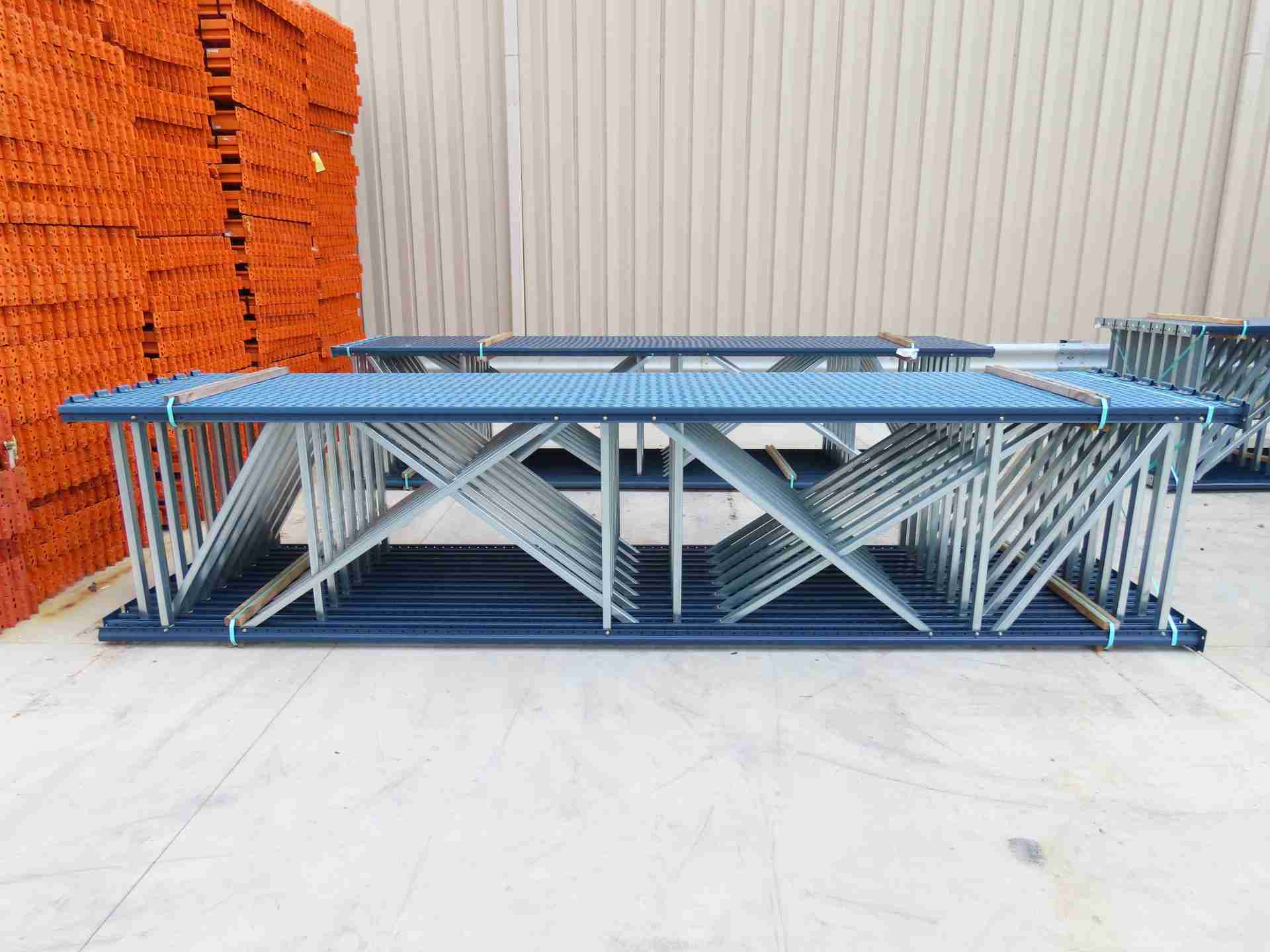
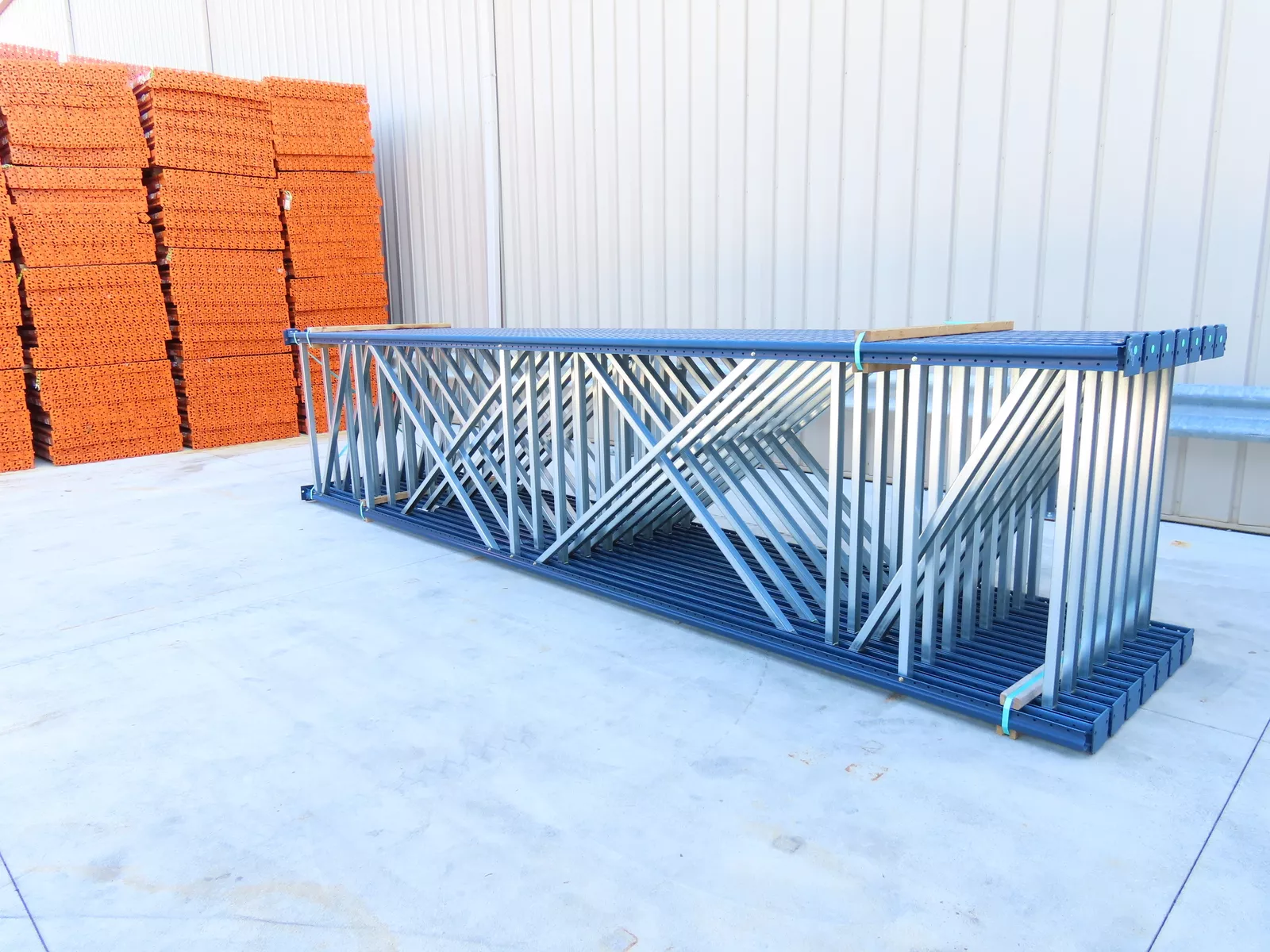
Is maximizing rack space essential for sustainable operations? Imagine standing in a vast warehouse, rows of metal racking reaching high into the air, each shelf brimming with products just waiting to become part of someone’s story. Racking is not just a physical structure; it represents the backbone of efficiency in our operations. When we maximize every inch of that space, we’re not just making numbers work on a spreadsheet; we’re making choices that ripple through our communities and our planet.
Consider the environmental impact. Each extra inch of vertical storage you create means fewer trucks on the road, reducing carbon emissions. This isn’t just about saving a few bucks; it’s about shaping how we interact with our Earth. Every time a business opts for smarter racking solutions, it takes a step toward sustainability, saying “yes” to innovation and “no” to waste. This is where the heart of the operation pulses—knowing that your choice echoes beyond profits, resonating with the idea that we’re all part of something bigger.
Now let’s engage the mind. It’s easy to overlook the numbers, but they tell a powerful story. By optimizing rack space, businesses report higher order fulfillment rates, increased inventory accuracy, and better resource management. It’s simple math: more space equals more products ready to meet market demand. In this digital age, where instant gratification is the norm, convoluted systems quickly become obsolete. Businesses that embrace efficient racking become leaders, standing tall in a crowded marketplace, while those who resist fall behind.
However, the decision to invest in adequate racking goes beyond dollars and cents; it’s an ethical choice. Think about the workers in those warehouses and logistics centers. Maximizing space means creating a safer, more organized work environment—less time searching for products means more time focused on innovation and collaboration. It’s a call to respect not just the company’s bottom line but the people who keep it running.
Finally, let’s not overlook the social aspect. When we support businesses that prioritize efficiency, we’re voting with our wallets for sustainability. This collective choice fosters a community that values thoughtful operations over mere convenience. So the next time you look at a warehouse full of racking, remember: it’s not just about fitting in more—it’s about building a better world. And that’s a story worth sharing.
Is Maximizing Rack Space Essential for Sustainable Operations?
Is Maximizing Rack Space Essential for Sustainable Operations?
- Maximizing rack space enhances efficiency in operations and contributes to sustainability.
- Creating vertical storage reduces carbon emissions by minimizing truck transportation.
- Innovative racking solutions represent a commitment to sustainability and waste reduction.
- Optimized rack space leads to higher order fulfillment rates and improved inventory accuracy.
- Efficient racking systems help businesses thrive in a fast-paced, digital marketplace.
- Investing in effective racking creates safer and more organized work environments for employees.
- Choosing efficient businesses fosters community support for sustainable operations.
Is Maximizing Rack Space Essential for Sustainable Operations?
What Are the Ethical Implications Of Poor Space Utilization?
When we talk about poor space utilization in the vast expanse of our universe, it’s easy to get lost in numbers and statistics. Yet, beneath those digits lies a profound ethical dilemma that strikes at the heart of what it means to be human. Imagine an empty spaceship floating aimlessly, its resources squandered, while countless people on Earth struggle for basic needs. This is not just a waste of technology; it’s a squander of potential that could foster innovation, create solutions, and inspire generations.
Consider the impact of our actions through a rational lens. We’ve invested billions into space exploration, pushing the boundaries of human achievement. But what if those resources—our rockets, our satellites, even our racking systems designed to hold valuable equipment—are poorly utilized? What message does that send to young dreamers who look up and see the stars as an invitation to greatness? When we mismanage our ventures into the great unknown, we risk not only jeopardizing current missions but also laying waste to opportunities for future advancements.
This situation begs us to weigh the ethical implications of our choices. As stewards of not just our planet, but also of space itself, we have a responsibility to maximize our resources. The narrative shifts when we think of astronauts and scientists who’ve sacrificed so much for the advancement of humankind. They gaze down at Earth, hoping to inspire a sense of connection between their lofty pursuits and our everyday struggles. If we waste space, we squander their dreams.
On a deeper level, consider the social implications. The unwillingness to utilize space effectively can further entrench inequality. While some nations bask in the glory of space programs, others grapple with poverty. The inequity is stark: precious space for satellites or research that could address climate change or connect remote communities is often misallocated. Imagine the ripple effect of every satellite repositioned for humanitarian aid instead of profit—a small step that could lead to monumental change.
As we move forward, let’s not only aim for the stars but do so with purpose and intention. Space is not just the final frontier; it’s a shared canvas where our humanity must prevail. It’s time to inspire trust and action in this pursuit, ensuring our exploration reflects the best of who we are.

What Are the Ethical Implications Of Poor Space Utilization?
What Are the Ethical Implications Of Poor Space Utilization?
- Poor space utilization presents an ethical dilemma that questions humanity’s values.
- Waste of resources in space exploration contrasts with struggles for basic needs on Earth.
- Billions invested in space raise concerns when resources are mismanaged.
- Mismanaged space ventures jeopardize current missions and future advancements.
- There is a responsibility to maximize resources as stewards of both Earth and space.
- Ineffective space utilization can exacerbate global inequalities and hinder humanitarian efforts.
- Future exploration should be pursued with intention, reflecting our shared humanity and purpose.

What Are the Ethical Implications Of Poor Space Utilization?
How Do Industry Leaders Calculate Storage Density Effectively?
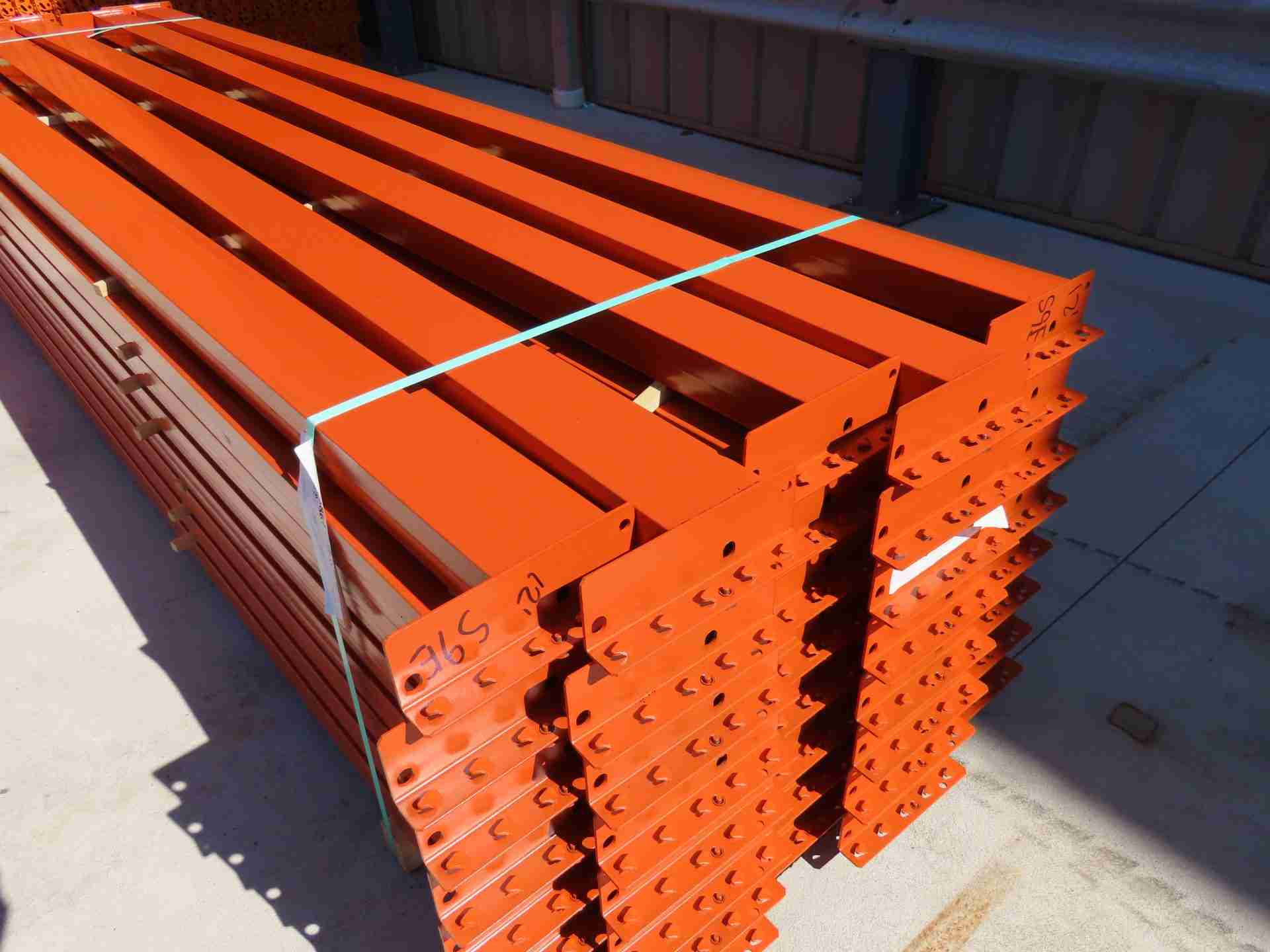
When it comes to calculating storage density, industry leaders are not just crunching numbers; they’re weaving together a tapestry of experience, intuition, and a keen understanding of their environment. Imagine the bustling warehouse floor, the rhythmic sound of forklifts maneuvering racks stacked high with product. Here, every square foot is precious, and the right approach to racking can mean the difference between wasted space and maximum efficiency.
It begins with a comprehensive assessment of the inventory—a process that ignites the heart of anyone who appreciates the meticulous nature of warehousing. Industry leaders aren’t just concerned with the numbers on a spreadsheet; they’re committed to ensuring that every item stored aligns with the broader operational vision. This is about more than optimizing space; it’s about cultivating a sense of responsibility—both to their clients and to their workforce.
The head comes into play as technology and data analytics transform the way storage density is viewed. By employing sophisticated algorithms, leaders can forecast demand trends, identify peak storage times, and analyze turnover rates. Through these metrics, they ascertain how to configure their racking systems for maximum density without sacrificing accessibility. This strategic utilization of data not only bolsters profit margins but also enhances the overall workflow, proving that smart planning leads to tangible results.
Then there’s the gut reaction—those gut instincts honed over years of on-the-ground experience. Seasoned professionals understand that sometimes, the numbers don’t tell the whole story. They rely on the insights gleaned from daily operations, listening to their teams’ feedback, and ultimately trusting their instincts on the best racking configurations. Relationships built on trust fuel this instinct, fostering a culture of openness and collaboration that enables everyone to contribute to the mission.
Ethically, industry leaders prioritize sustainable practices, ensuring their racking systems maximally utilize space while minimizing waste. It’s a commitment to not just better business but also a healthier planet—a cause that resonates deeply with consumers today. Moreover, fostering strong relationships with suppliers and clients enriches this initiative, building a community committed to professionalism and responsible logistics.
So, when you think of storage density, think beyond the numbers. It’s a balance of heart, head, and gut—an ongoing story that requires the precision of a craftsman and the wisdom of those who have walked the path before. With each calculated decision in racking, leaders inspire action and trust, proving that at the end of the day, it’s about more than just space; it’s about creating a legacy of efficiency and reliability.
How Do Industry Leaders Calculate Storage Density Effectively?
How Do Industry Leaders Calculate Storage Density Effectively?
- Calculating storage density involves a blend of experience, intuition, and environmental understanding.
- A comprehensive inventory assessment is crucial for aligning storage practices with operational goals.
- Technology and data analytics play a vital role in optimizing storage density through demand forecasting and turnover analysis.
- Experienced professionals rely on gut instincts and feedback from teams to inform racking configurations.
- Sustainable practices are prioritized to maximize space utilization while minimizing waste, benefiting both business and the environment.
- Building strong relationships with suppliers and clients is essential for fostering responsible logistics.
- Effective storage density is a combination of strategic planning, collaboration, and a commitment to efficiency and reliability.
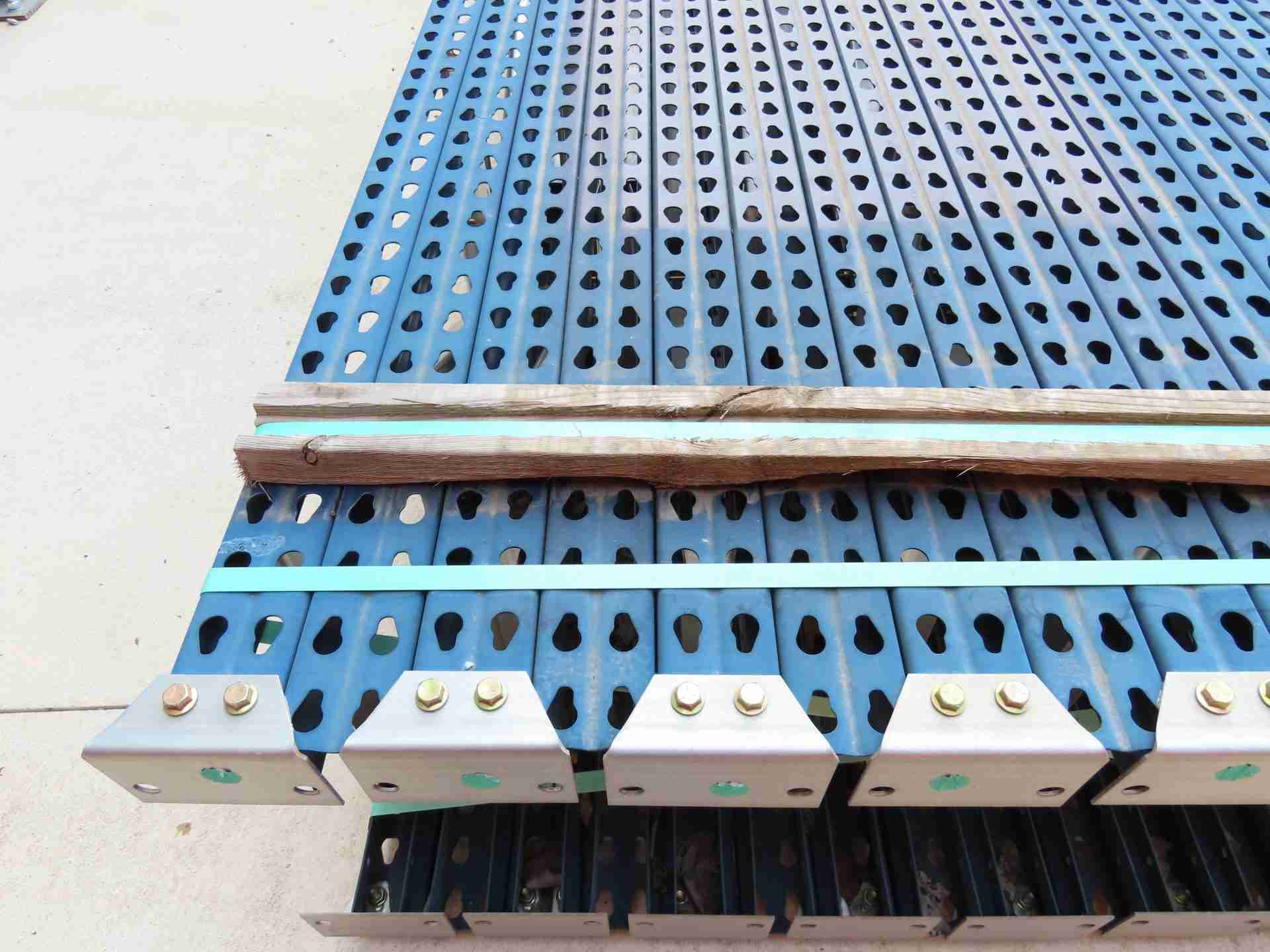
How Do Industry Leaders Calculate Storage Density Effectively?
Conclusion
Optimizing storage density in a warehouse isn’t just an operational task; it’s a mission that speaks to the heart of efficiency and the soul of teamwork. Picture a bustling warehouse, once filled with clutter and confusion, now transformed into a harmonious space with neatly arranged racks that cradle products like cherished treasures. This metamorphosis resonates beyond the physical—it fosters clarity, pride, and a shared sense of purpose among the workforce. When each team member understands their role in managing space effectively, they shift from merely fulfilling tasks to embracing a collective mission that serves customers and reflects on their work ethic.
The numbers tell a powerful narrative, too. Calculating storage density is not just about maximizing cubic feet; it involves strategic planning that positions a business for success. Every square foot optimized leads to higher productivity and, consequently, greater profitability. Statistics reveal how effective storage increases order fulfillment rates and inventory accuracy—making the business smarter in a world that demands quick, efficient solutions. And let’s not forget the emotional benefits—stepping into an organized environment can declutter the mind, inspiring creativity and focus that translate into action.
From an ethical standpoint, making informed choices about racking systems is vital for preserving our environment. Every inch of vertical space maximized means resources are used judiciously, resulting in fewer emissions from transportation. This commitment reflects a business’s responsibility to not just its employees but the larger community. By prioritizing smart storage solutions, companies foster a sense of dignity for the workers who help execute these plans—a testament to their value and importance.
But there’s a profound social aspect too. An organized space invites connection and collaboration, transforming interactions among colleagues and fostering a community spirit. This collective effort extends beyond company walls; it resonates with customers who support businesses prioritizing thoughtful operations.
Ultimately, optimizing storage density is about crafting a legacy of reliability and innovation. It’s a call to action for businesses to embrace their space with intention—ensuring not only their success but contributing positively to the world around them. When we make room for efficiency, we’re not just shaping our environments; we’re paving the way for growth, sustainability, and a more connected future.
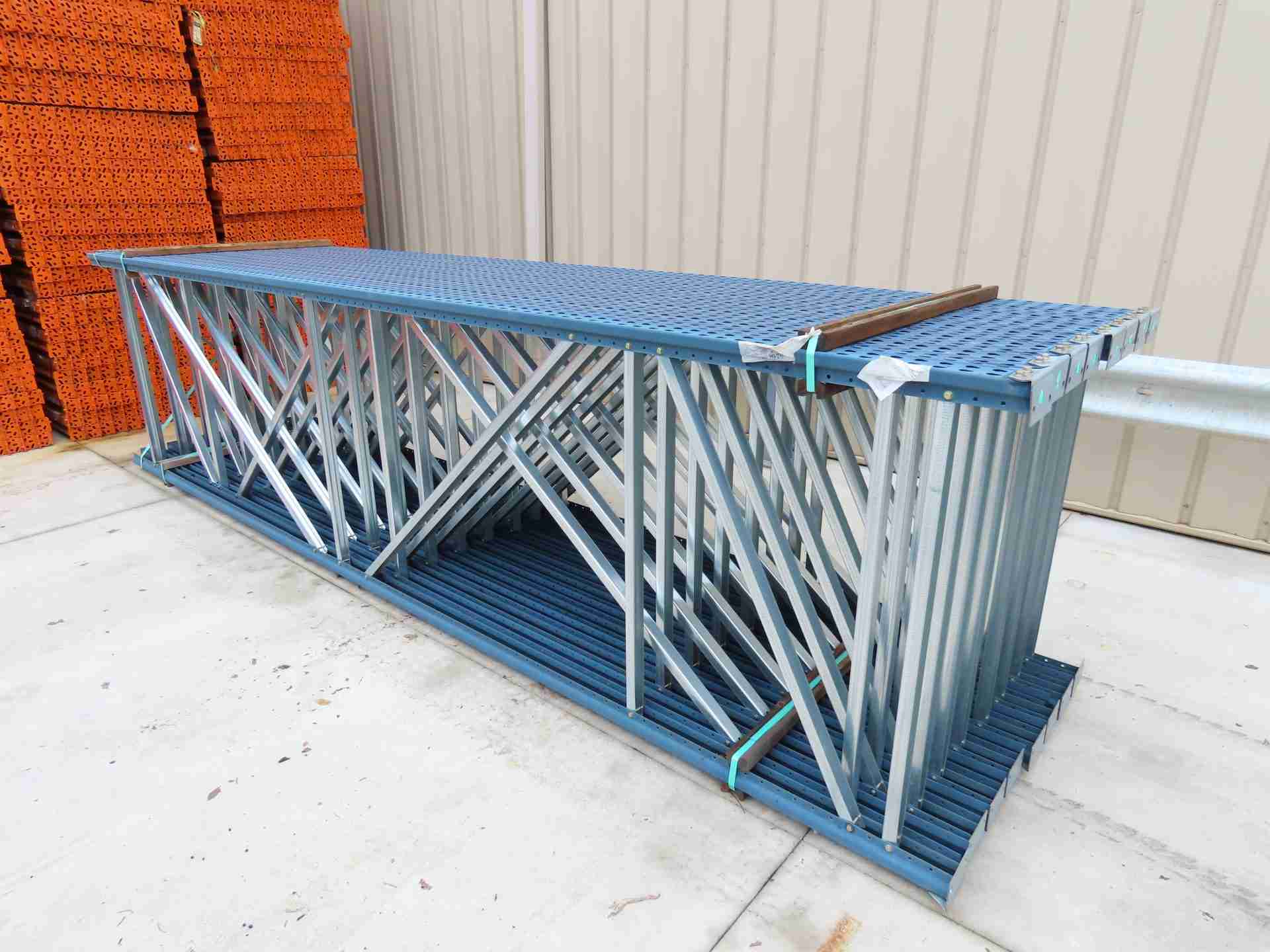
Conclusion
Conclusion:
- Optimizing storage density is crucial for operational efficiency and teamwork in a warehouse setting.
- A well-organized warehouse transforms chaos into clarity, fostering pride and purpose among employees.
- Effective storage density leads to increased productivity and profitability through strategic planning.
- Statistics indicate improved order fulfillment rates and inventory accuracy with better storage solutions.
- Maximizing vertical space also benefits the environment by reducing transportation emissions.
- An organized workspace encourages collaboration and builds a sense of community among coworkers.
- Ultimately, optimizing storage density creates a legacy of reliability, innovation, and positive social impact.
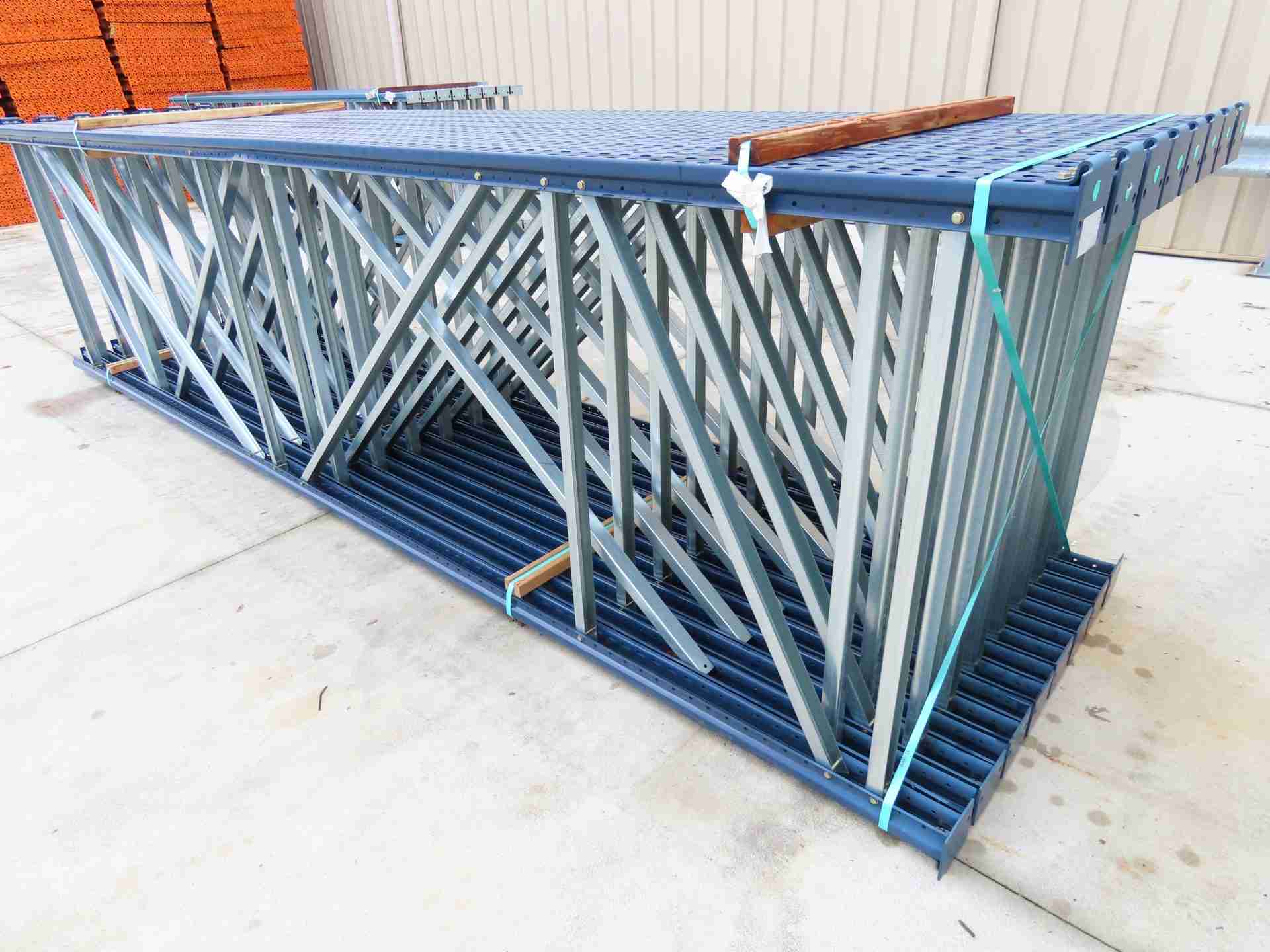
Conclusion
Other Resources

Other Resources
Here is a list of other resources you can review online to learn more:
- Interlake
- Total Warehouse
- Storage Equipment Manufacturers Association
- IIWS Inc. Rack Installation Illinois & Rack Repairs Illinois
- Pallet Racking systems in Illinois and Great Lakes
- Heavy-Duty Cantilever Storage Racks
- Chicago Pallet Racking
- Teardrop Industrial Shelving Rack
- Intro to Warehouse Racks & Warehouse Racking Systems – ShipBob
- Chicago Pallet Racking
- Cantilever Rack Guide: Ordering Cantilever Racking
- WERC
- Pallet Racking systems in Illinois and Great Lakes
- Pallet Racks, Pallet Racking, Pallet Shelves in Stock – ULINE
- Cantilever Rack Guide: Ordering Cantilever Racking
- Warehouse Storage Racking in Illinois
- Teardrop Pallet Rack – Ridg-U-Rak
- Warehouse Storage Racks
- Teardrop Industrial Shelving Rack
- Used Pallet Rack for Sale in Illinois – American Surplus
Use This Prompt To Get More Resources With Your Favorite Online AI Tool: Please provide me with a list of online articles with their URLs in a bulleted list that I can read regarding How to Calculate Storage Density with Racks

Other Resources
Glossary Terms
How to Calculate Storage Density with Racks – Glossary Of Terms
1. Storage Density: A measure of how much storage space is utilized relative to the available space, often expressed in terms of items or weight per square foot.
2. Racks: Frameworks designed for storing items, typically used in warehouses or storage facilities to maximize vertical space.
3. Square Footage: The total area of the storage space, often used to calculate the density by comparing with the volume of products stored.
4. Vertical Space Utilization: The practice of maximizing the height of storage areas to increase storage density.
5. Load Capacity: The maximum weight or number of items that a rack system can safely hold without compromising structural integrity.
6. SKU (Stock Keeping Unit): A unique identifier for each distinct product in inventory management used to track stock levels and movements.
7. Pallet: A flat transport structure that supports goods in a stable fashion while being lifted by a forklift or pallet jack.
8. Aisle Width: The distance between storage racks, critical for ensuring maneuverability of equipment and staff.
9. Rack Configuration: The specific arrangement or layout of racks in a storage area, impacting overall storage efficiency.
10. Depth: The measurement of how far back a rack extends, affecting the number of levels that can be stored.
11. Height: The vertical measurement of racks, influencing how much vertical space can be utilized.
12. Weight Distribution: The allocation of weight across shelves or racks to maintain balance and prevent collapse.
13. Dynamic Storage: A system that accommodates changing inventory levels, often incorporating features like adjustable shelves.
14. Static Storage: Fixed storage arrangements where the layout does not change frequently, often limiting adaptability.
15. Throughput: The amount of product that moves through a storage area over a specific time period, influencing density calculations.
16. Inventory Turnover Rate: A measure of how quickly inventory is sold and replaced, impacting how storage density might be calculated.
17. Shelf Life: The length of time products can remain stored before becoming unsuitable for use, affecting how density is managed.
18. Cross-Docking: A logistics practice where inbound shipments are directly transferred to outbound transportation with minimal storage time.
19. Density Ratio: A mathematical relationship expressed as the total volume of goods divided by the total storage space available.
20. Material Handling: The movement and storage of materials within a facility, crucial to optimizing storage density.
21. Warehouse Management System (WMS): Software that assists in inventory management, tracking products through storage systems, and optimizing space.
22. Inventory Classification: The process of organizing products based on various criteria, aiding in effective storage solutions.
23. Adjustable Shelving: Shelves that can be modified in height or spacing to accommodate varying item sizes and improve density.
24. Pallet Jack: A tool used to lift and move pallets, essential for efficient use of rack systems.
25. Barcoding: The use of barcodes for tracking inventory within storage systems, assisting in accurate density calculation.
26. Safety Standards: Regulations and guidelines ensuring storage systems are designed and maintained to prevent accidents and damage.
27. Leveraging Technology: The integration of tools and software to enhance storage density calculations and management practices.
28. Efficient Layout: A strategic organization of storage space to maximize accessibility and minimize wasted space.
29. Temperature Control: Managing environmental conditions in storage areas crucial for certain products, influencing space utilization.
30. Cost-Benefit Analysis: An evaluation of the costs associated with storage density improvements compared to the benefits gained, used to guide decisions.
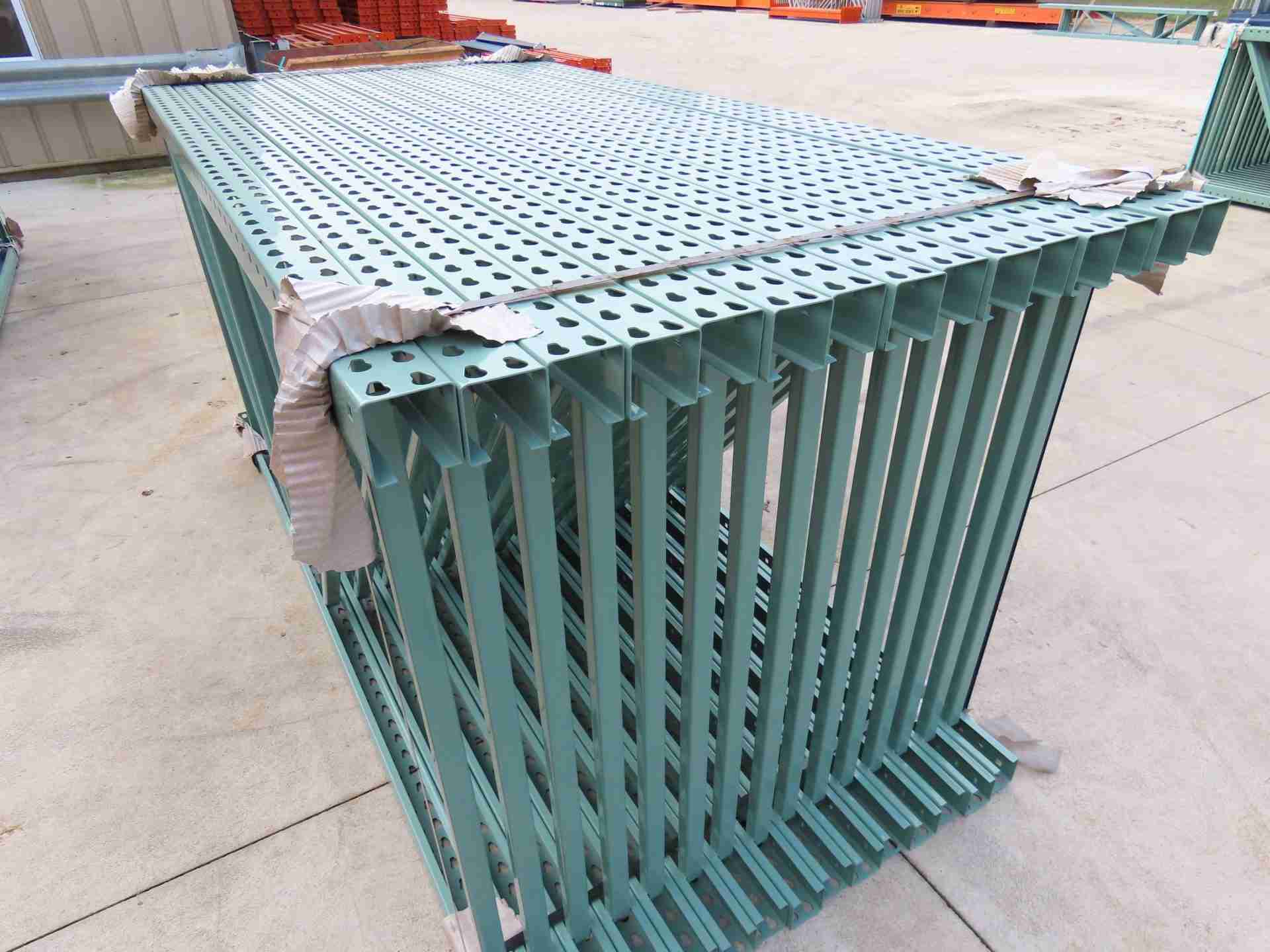
Glossary Of Terms
Other Questions
How to Calculate Storage Density with Racks – Other Questions
If you wish to explore and discover more, consider looking for answers to these questions:
- What are the benefits of using different types of racking systems?
- How can technology improve warehouse organization and storage density?
- What metrics should be tracked to measure storage density effectively?
- How do seasonal fluctuations affect storage density calculations?
- What are the best practices for maintaining an organized racking system?
- How does employee training impact storage density and warehouse efficiency?
- What role does safety play in optimizing warehouse storage density?
- What are common mistakes made when calculating storage density?
- How can businesses assess their current storage density levels?
- What is the impact of storage density on customer satisfaction?
Other Questions
Checklist
How to Calculate Storage Density with Racks – A Checklist
Checklist for Maximizing Warehouse Storage Density
Emotional Appeals
_____ Visualize the transformation: Picture a chaotic space turned organized and efficient.
_____ Reflect on the sense of accomplishment: How will optimizing storage density foster pride in your team?
Rational Appeals
_____ Measure and document all warehouse space: Ensure to include total square footage and ceiling height.
_____ Utilize the storage density formula: Total cubic feet of storage divided by the area of racks in square feet.
_____ Set goals for increasing efficiency: What specific targets can you set to improve storage density and productivity?
Ethical Appeals
_____ Evaluate the safety compliance of your racking systems: Are you prioritizing the well-being of your workforce?
_____ Consider resource optimization: How can maximizing space reduce waste and contribute to sustainability?
Authority Appeals
_____ Research industry standards: What practices do leading companies employ to calculate and optimize storage density?
_____ Consult with warehousing experts: Engage professionals who understand advanced storage solutions and technologies.
Narrative Appeals
_____ Collect stories from your team: How has organized storage impacted their daily tasks and job satisfaction?
_____ Share success stories: Document before-and-after scenarios demonstrating the benefits of optimized storage density.
Social Appeals
_____ Encourage teamwork: Organize workshops for your team to collaboratively discuss and implement storage solutions.
_____ Celebrate achievements: Acknowledge milestones reached in improved organization and efficiency within the warehouse.
By utilizing this checklist, you can effectively engage your heart, head, and gut, driving both personal and organizational growth in warehouse management.

Checklist
At RackingWorld, we help guide you through selecting warehouse storage systems and racking.
Be sure to read our other related stories at RackingWorld to learn more about warehouse storage systems.
0 Comments