
Maximizing Efficiency And Sustainability In Logistics
By Tom Seest
At RackingWorld, we help guide you through selecting warehouse storage systems and racking.
Be sure to read our other related stories at RackingWorld to learn more about warehouse storage systems.
How Third-Party Logistics Providers Use Pallet Racks
In the world of logistics, third-party providers are the unsung heroes, often working behind the scenes to keep our beloved goods moving from place to place. At the heart of their operation is an intricate system of racking that elevates not only products but also the entire efficiency of the supply chain. Picture this: towering pillars of pallet racks, each a meticulously organized fortress of goods, where every item has a designated home and every inch of space is put to work.
These racking systems are more than just metal frameworks; they embody the very principles of clarity and order in what can be a chaotic industry. When you step into a warehouse overflowing with boxes and pallets, each organized carefully on racking, you can almost feel a sense of calm amid the hustle. That’s not just good design; it’s smart logistics that respects time, resources, and space. It’s like a well-tuned orchestra—every shelf, every crate, and every product in harmony, ensuring smooth operations and timely deliveries.
But let’s dig a little deeper into the emotional underpinning of these structures. Each pallet rack not only serves a functional purpose but also tells the story of countless hard-working people—warehouse workers, truck drivers, and managers—who band together to push our economy forward. It’s their sweat and dedication that breathe life into an otherwise cold metal framework. Each labor hour invested is not just about profit; it’s about supporting families, building communities, and enabling dreams, one shipment at a time.
Now, think about the ethical implications of this efficiency. As customers, we trust third-party logistics providers to handle our products responsibly. Proper racking leads to safer storage, minimizing the risk of accidents and ensuring that everyone goes home safe at the end of the day. When logistics companies prioritize safety and organization, they send a clear message: they care. Care for their employees, care for their customers, and care for the products that we all rely on.
So, the next time you see those towering racks in a warehouse, remember the people behind them—those who navigate the complexities of logistics, ensuring that the goods we love are available when we need them. It’s a partnership built on trust, craftsmanship, and a commitment to excellence. It’s about more than just storage; it’s about connection—between people, products, and possibilities.
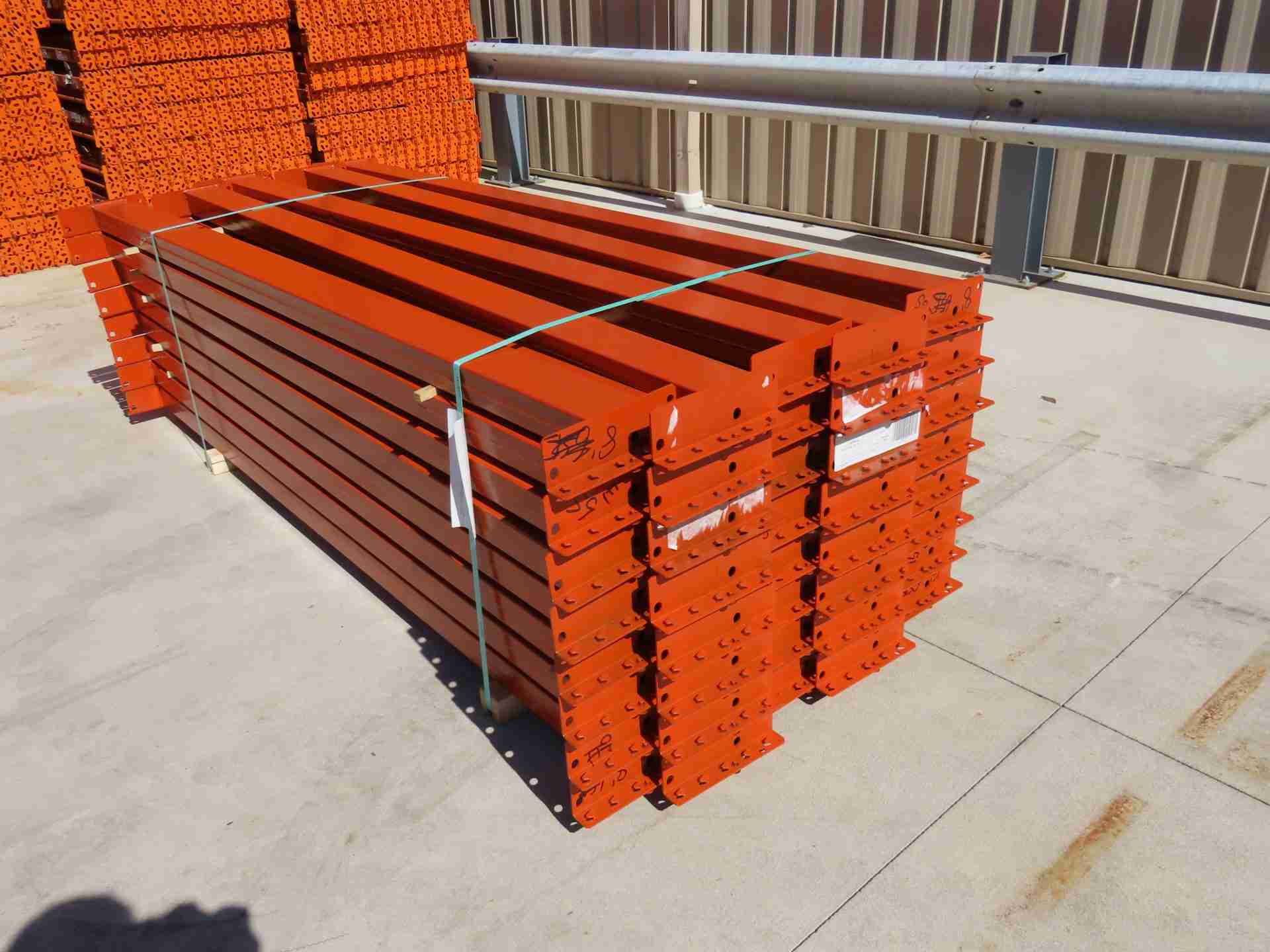
How Third-Party Logistics Providers Use Pallet Racks
How Third-Party Logistics Providers Use Pallet Racks
- Third-party logistics providers play a crucial role in keeping goods moving efficiently.
- Racking systems are essential for organizing products and enhancing supply chain efficiency.
- These systems create a sense of order and calm in chaotic warehouse environments.
- Pallet racks represent the hard work of warehouse personnel, truck drivers, and managers.
- Efficiency in logistics has ethical implications, emphasizing safety and responsibility.
- Proper racking minimizes risks and promotes a culture of care for employees and customers.
- The partnership in logistics is about connection among people, products, and possibilities.
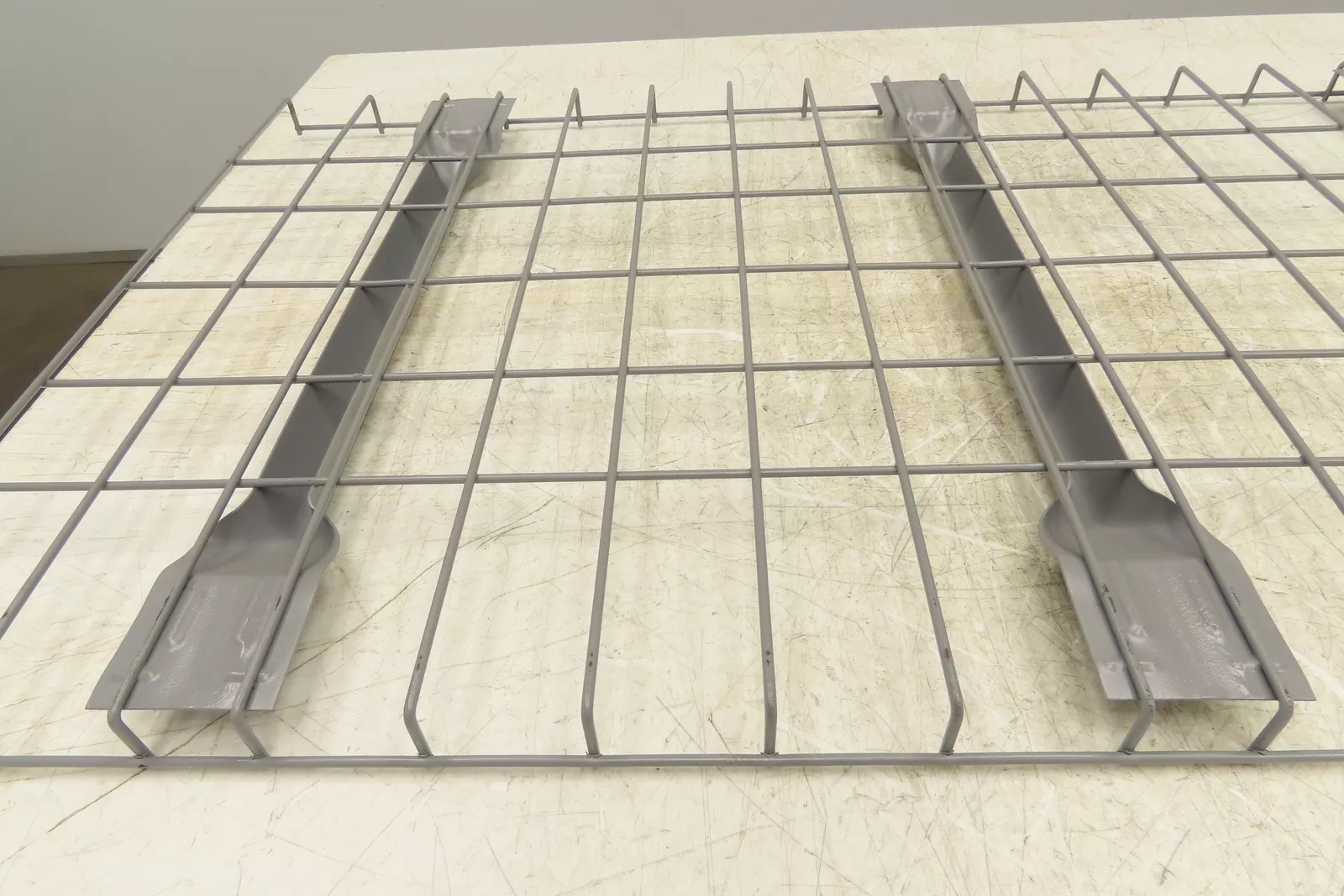
How Third-Party Logistics Providers Use Pallet Racks
Table Of Contents
- How Third-Party Logistics Providers Use Pallet Racks
- How Do Pallet Racks Optimize Efficiency In Logistics Operations Today?
- What Are the Hidden Costs Of Not Using Pallet Racks In Your Warehouse?
- What Emotions Drive Businesses To Choose Third-Party Logistics?
- How Do Pallet Racks Optimize Supply Chain Efficiency And Reliability?
- What Ethical Considerations Arise When Selecting A Logistics Partner?
- Conclusion
- Other Resources
- Glossary Of Terms
- Other Questions
- Checklist
How Do Pallet Racks Optimize Efficiency In Logistics Operations Today?
In the bustling world of logistics, where every second counts and every inch of space matters, pallet racking stands as a silent but powerful partner in the dance of efficiency. Picture a warehouse filled to the brim with products, all vying for attention like rowdy children in a classroom. Now imagine turning that chaos into a sleek, well-organized operation where every item has a designated place, thanks to racking systems designed with precision. This isn’t just about storage; it’s about unleashing potential.
When you walk into a warehouse outfitted with state-of-the-art racking, you can almost feel the heartbeat of productivity. It’s an edge that transforms logistics from mere function into a finely tuned engine of opportunity. Workers zip through the aisles, their movements flowing effortlessly thanks to clear pathways and optimized layouts. It’s not just about getting the job done; it’s about doing it smarter and faster. From an emotional standpoint, there’s a sense of pride in knowing that every item is efficiently stored and easily accessible, driving a sense of accomplishment among the team. When they can find what they need without wasting precious minutes, morale soars.
Rationally, pallet racks provide more than just a systematic approach to storage; they maximize usable space. With various configurations, businesses can adjust their racking according to their needs, accommodating everything from pallets of goods to seasonal inventory spikes. Imagine the peace of mind that comes from knowing your assets are protected, appropriately handled, and organized in a way that saves money and time. That’s the essence of ethical logistics—a responsibility to do more with less, to minimize waste.
Socially, as companies embrace these systems, they often become role models in their communities—demonstrating a commitment to operational excellence and environmental sustainability. Others look on, inspired to follow suit, creating a ripple effect that fosters a culture of efficiency across industries.
So, the next time you step into a warehouse, take a moment to appreciate the racking systems at work. They’re the unsung heroes of the logistics world, transforming the everyday into something extraordinary. It’s about making logistics not just a job, but a passion—a continual push for better, for smarter, and for more efficient ways to connect goods with needs. With each rack, we are, in essence, racking up progress on the path to greatness.
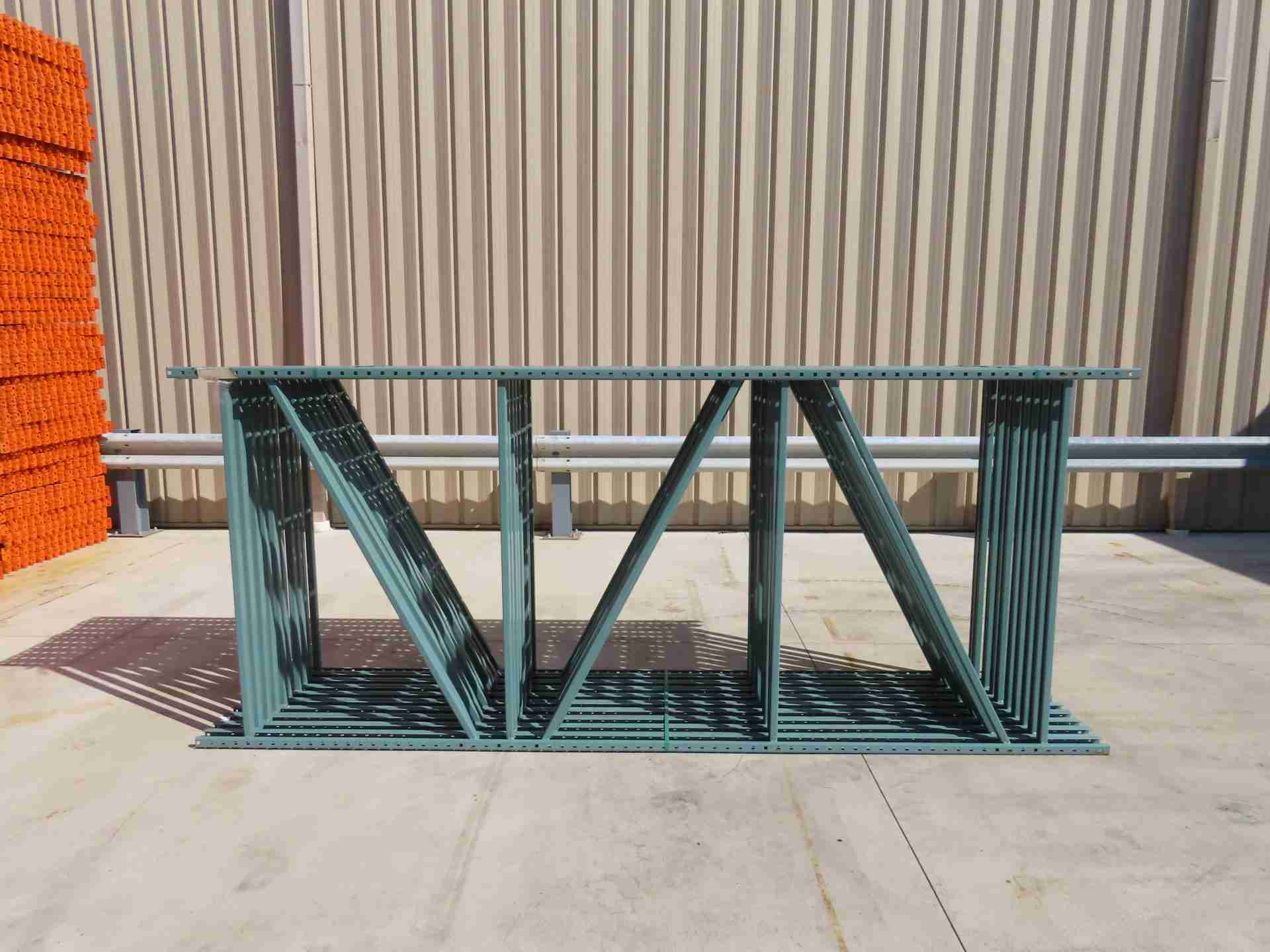
How Do Pallet Racks Optimize Efficiency In Logistics Operations Today?
How Do Pallet Racks Optimize Efficiency In Logistics Operations Today?
- Pallet racking enhances efficiency in logistics by organizing warehouses and maximizing space.
- Well-designed racking systems improve productivity, allowing for smooth operations and easy access to items.
- Optimized layouts and clear pathways elevate worker morale and foster a sense of accomplishment.
- Pallet racks enable businesses to adjust storage configurations to meet varying operational needs.
- Effective racking systems contribute to ethical logistics by minimizing waste and optimizing resource use.
- Companies utilizing advanced racking become role models for operational excellence and sustainability.
- Pallet racking transforms logistics into a passion for continuous improvement and efficiency.
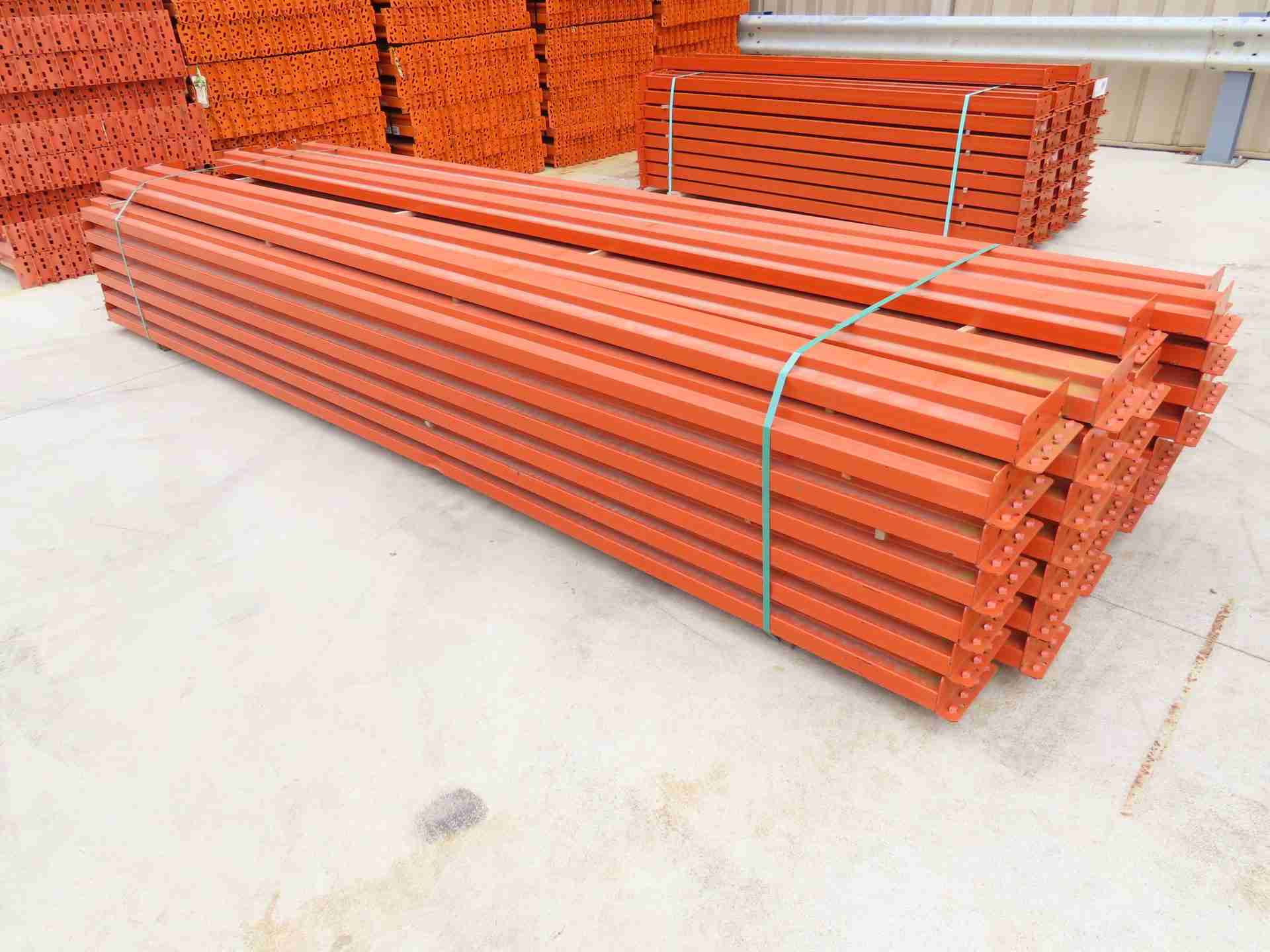
How Do Pallet Racks Optimize Efficiency In Logistics Operations Today?
What Are the Hidden Costs Of Not Using Pallet Racks In Your Warehouse?
When you walk into a warehouse without the orderly embrace of pallet racking, you might see a sprawling chaos—a jumbled assortment of boxes, stacks teetering on the brink of disaster. It’s easy to dismiss this disorder, but what you’re witnessing isn’t just a mess; it’s a chasm of hidden costs that can drain your resources and morale.
Let’s start with space, the silent burden lurking in the corners. Without racking, every inch of valuable real estate is squandered. Imagine trying to navigate that labyrinthine floor, searching for a specific item at the expense of time, labor, and, inherently, money. Reduced efficiency doesn’t just frustrate workers; it chips away at the bottom line. Rationally speaking, investing in robust racking systems can double or even triple your storage efficiency, turning chaos into a streamlined operation where everything has its place.
But let’s take a step further, shall we? Picture your team—hungry for productivity but bogged down by disorganization. Mental strain can erode workplace culture, creating an atmosphere heavy with stress and disconnection. Your workers deserve a space built for success, where they feel empowered and confident. Ethically, we owe it to our teams to provide an environment that optimizes their efforts and keeps them safe from hazards like falling stacks or misplaced inventory. Investing in racking not only improves efficiency but creates a safer working landscape, inspiring trust and loyalty.
Now let’s talk about authority. This isn’t just about aesthetics or convenience; it’s about smart logistics. Industry leaders understand that effective shelving and racking aren’t optional; they’re foundational. When you follow their example, you’re not just adopting best practices; you’re setting a new standard for your own operations, elevating the reputation of your business in the process.
And let’s connect on a personal level. We’ve all experienced that sinking feeling when things spiral into disarray. It’s frustrating, it’s exhausting, and it can leave you questioning your choices. But by embracing pallet racking, you aren’t merely making a purchase; you’re investing in your sanity, your team’s well-being, and the journey of your business. Choose to level up your warehouse, and watch your operation transform from a frustrating melee into a well-oiled machine, one shelf at a time. That’s the kind of decision that resonates with purpose, creating a workspace filled with promise and potential.
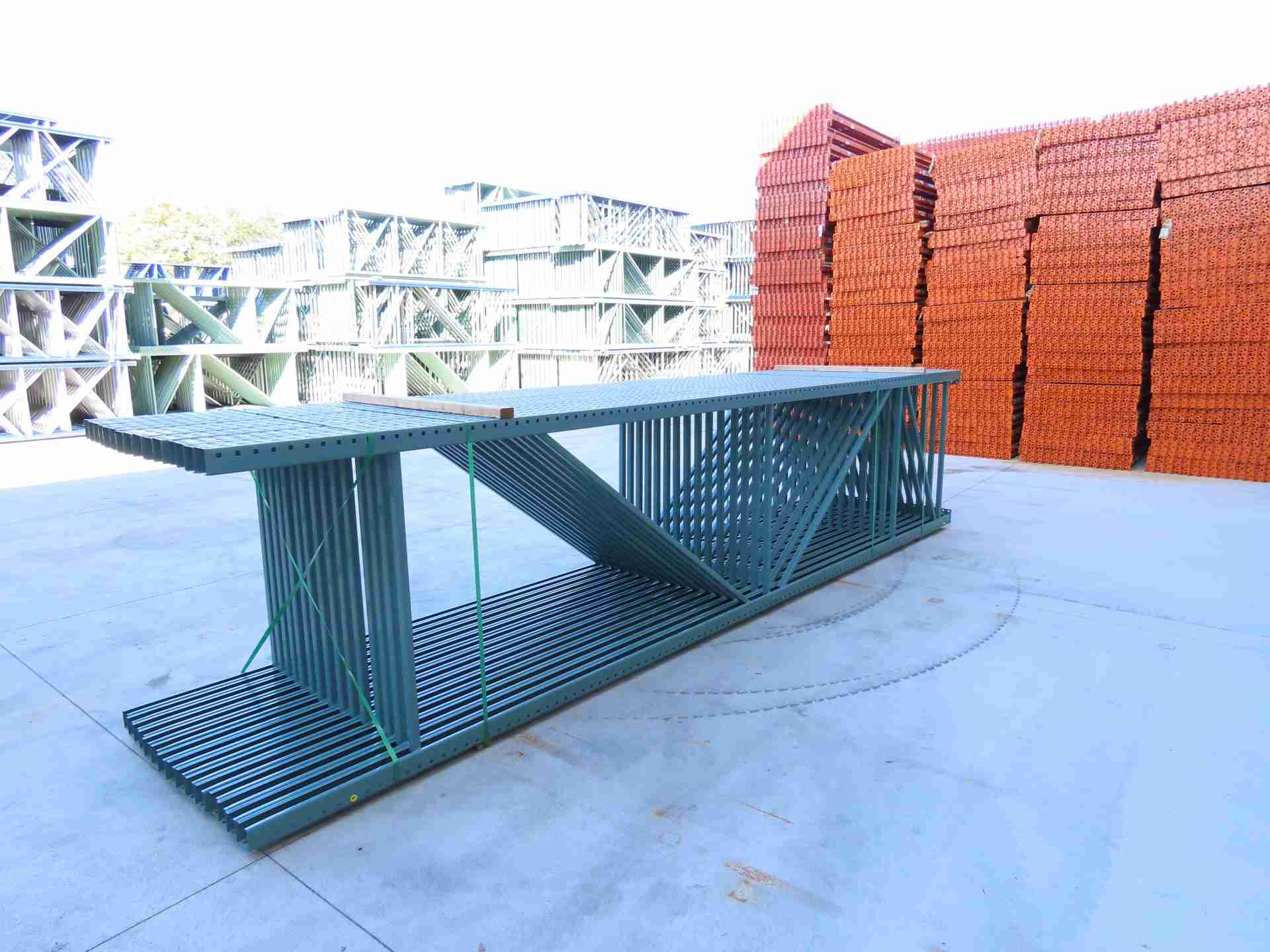
What Are the Hidden Costs Of Not Using Pallet Racks In Your Warehouse?
What Are the Hidden Costs Of Not Using Pallet Racks In Your Warehouse?
- Warehouse disorder leads to hidden costs and resource drain.
- Without pallet racking, valuable floor space is wasted, reducing efficiency.
- Investing in racking systems can significantly improve storage efficiency.
- Disorganization contributes to mental strain and negatively impacts workplace culture.
- Providing a well-organized environment increases safety and employee morale.
- Effective shelving and racking are foundational for smart logistics and operational standards.
- Embracing pallet racking is an investment in productivity, morale, and business success.

What Are the Hidden Costs Of Not Using Pallet Racks In Your Warehouse?
What Emotions Drive Businesses To Choose Third-Party Logistics?
When businesses contemplate the decision to partner with a third-party logistics (3PL) provider, they don’t just weigh numbers and logistics; they wrestle with a tapestry of emotions that intertwine with their daily operations. Picture a company on the verge of expansion, gazing at a racking system overflowing with inventory, each box a symbol of potential growth. The frustration of insufficient space collides with the excitement of opportunity. That’s where trusting a 3PL comes in—a lifeline, a chance to breathe life into dreams without drowning in the details.
Emotions like fear and determination dance in the minds of decision-makers. The fear of failing to meet customer demand can be paralyzing. The pressure to deliver on promises is a heavy burden. But alongside it grows a fierce determination: to provide excellent service, to remain competitive, to carve out a place in the market. By outsourcing logistics, businesses can channel that energy into innovation, allowing them to focus on what they do best while relinquishing the burdens of warehousing and shipping.
Yet, there’s more than just rational calculations at play. At the heart of many companies is a commitment to ethical practices and sustainability. Choosing a 3PL that shares these values fosters a sense of camaraderie, elevating the brand’s image and winning the trust of customers who care about their environmental footprint. When decision-makers know they are contributing to a larger good, it ignites passion and purpose—making logistics not just a process, but a vital component of their brand story.
Narratives also shape our choices. Behind every business decision lies a story. Perhaps it’s the tale of a small family business that struggled to scale, only to thrive after turning to a reliable logistics partner. It’s a journey of resilience, transformation, and partnership—a story that resonates deeply with others in similar shoes.
Lastly, we must consider the social element. Trust is built in communities, both local and extended. When businesses choose a reputable 3PL, they’re not just investing in their growth; they’re becoming part of a network of reliability and shared success. This connection fosters a sense of belonging in an industry that often feels impersonal. It’s an invitation to collaborate, inspire, and elevate each other, no matter where they stand in the marketplace. By understanding the emotions that drive logistics decisions, businesses can create environments where both employees and customers thrive, lining up racking systems with heart, head, and gut.
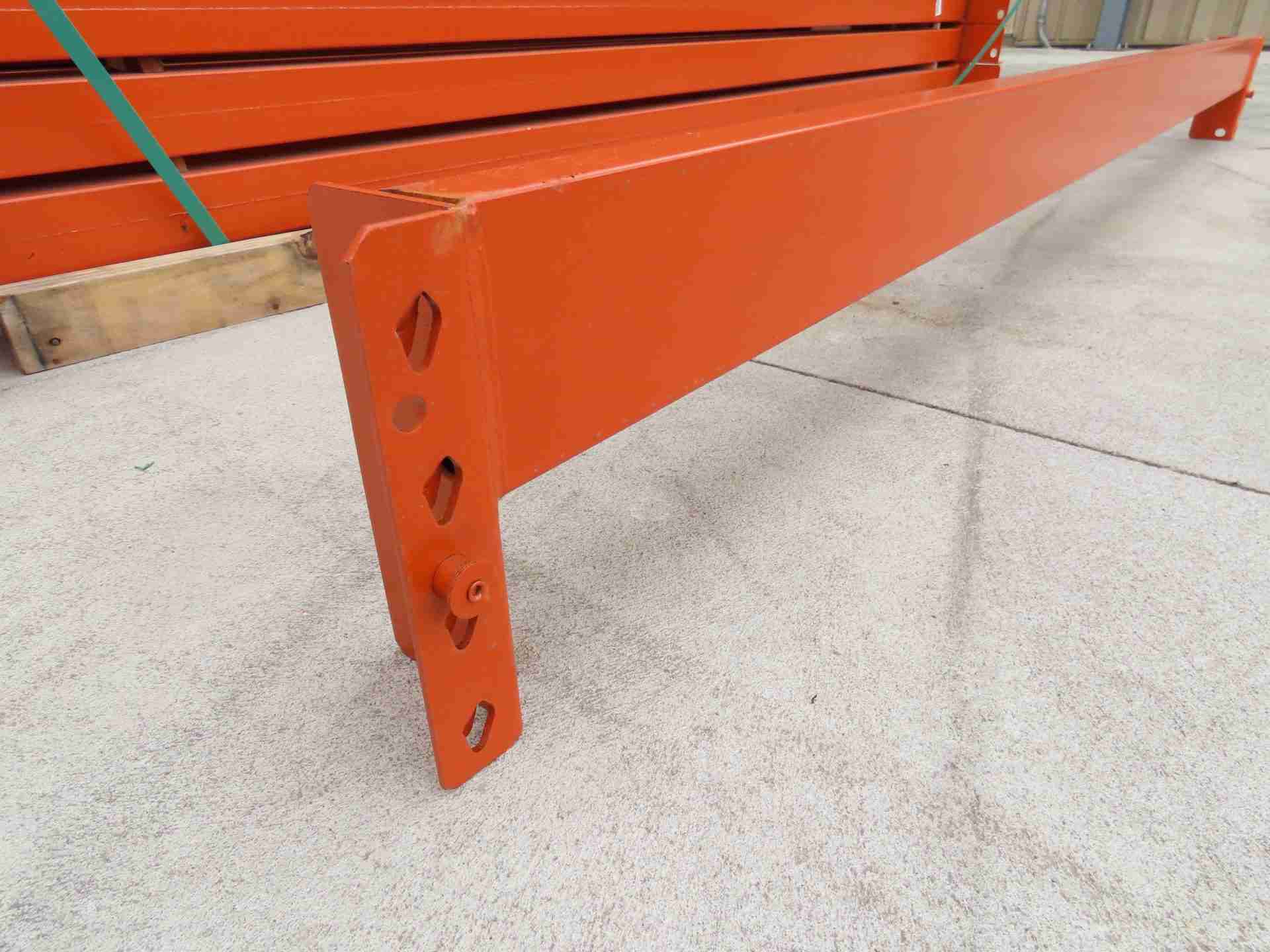
What Emotions Drive Businesses To Choose Third-Party Logistics?
What Emotions Drive Businesses To Choose Third-Party Logistics?
- Businesses face a blend of emotions when considering third-party logistics (3PL) partnerships, including frustration and excitement about expansion.
- Fear of failing to meet customer demand can hinder decision-making, but determination to provide excellent service drives innovation.
- Outsourcing logistics allows businesses to focus on their core competencies while alleviating the burdens of warehousing and shipping.
- Alignment with ethical and sustainable practices when choosing a 3PL enhances brand image and cultivates customer trust.
- Narratives about the transformative power of logistics partnerships resonate with businesses striving for growth and success.
- Trust and community play significant roles in selecting a 3PL, contributing to a network of reliability and shared success.
- Understanding the emotional aspects of logistics decisions fosters environments where both employees and customers can thrive.
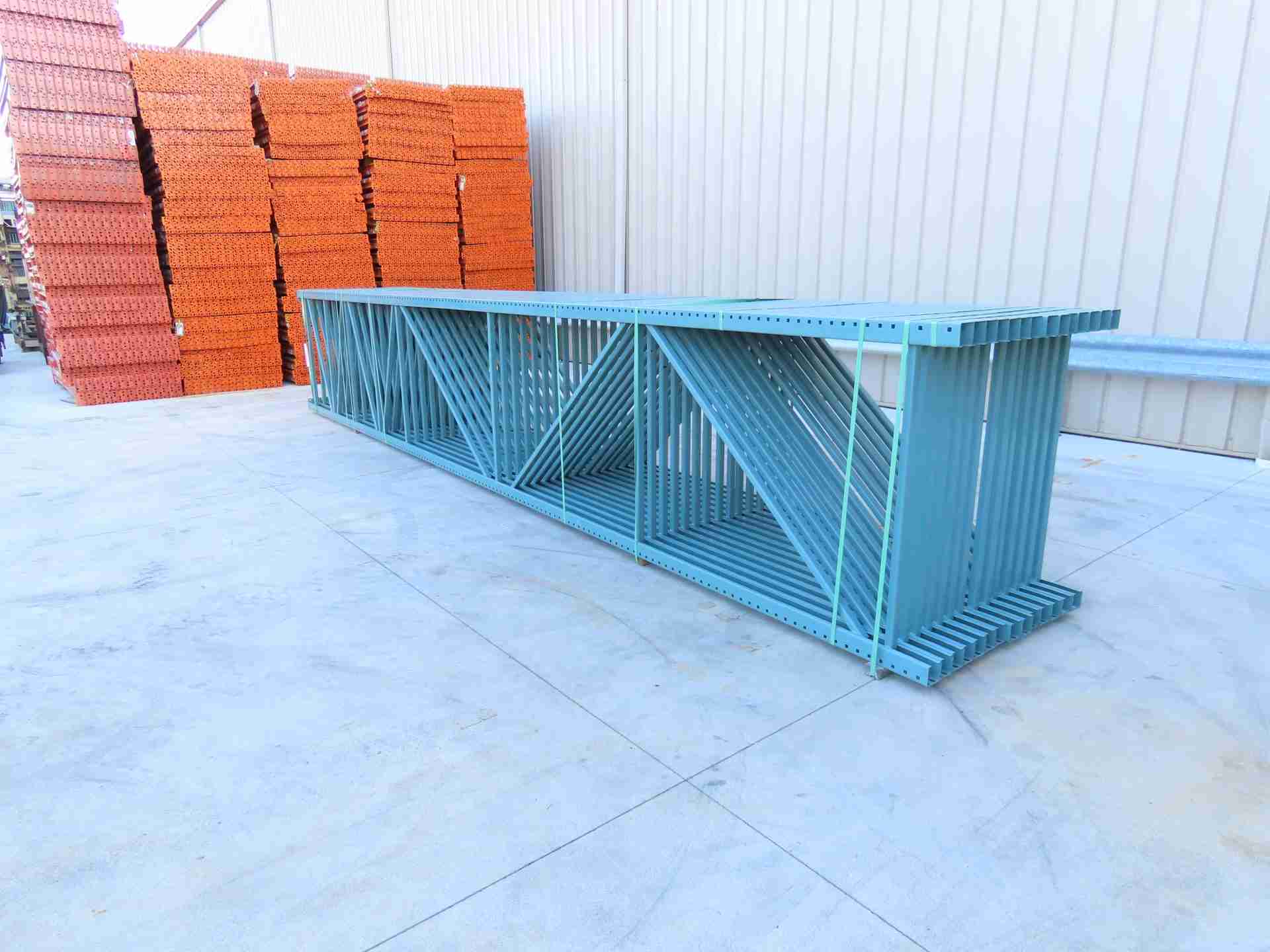
What Emotions Drive Businesses To Choose Third-Party Logistics?
How Do Pallet Racks Optimize Supply Chain Efficiency And Reliability?
When you stroll through a bustling warehouse, it’s easy to overlook the sturdy rows of racking lining the aisles. But these structures are the unsung heroes of supply chain efficiency and reliability. They’re not just metal beams holding boxes; they represent countless hours of thoughtful design and purpose. Racking is the backbone that supports the rhythm of commerce, ensuring every item finds its way home without a hitch.
At first glance, it appears like simple logistics, but consider the emotional weight behind each box stacked neatly above another. Each pallet holds stories—of small businesses trying to make it, of families who rely on those products, and of workers who take pride in their craft. The sight of a well-organized racking system offers a sense of order, a promise that everything is in its rightful place—a promise that fosters trust among customers and employees alike. It’s the very foundation of peace of mind.
From a rational standpoint, optimized racking transforms chaos into clarity. It maximizes space utilization, reduces picking times, and decreases labor costs. Imagine a world where inventory mismanagement doesn’t lead to lost sales or frustrated customers. A smart racking system does that by maximizing vertical space and organizing products by demand. It’s not just effective; it’s essential for businesses striving to stay competitive in a fast-paced environment.
Ethically, investing in quality racking systems ensures safety for workers and efficiency for the company. When employees have safe access to the products they need, the work environment flourishes. Effective racking reduces the risk of accidents, ensuring that the focus can remain on productivity rather than on potential hazards.
Statistics tell us that companies utilizing advanced racking solutions report higher inventory integrity rates and improved order fulfillment times. Leading experts in supply chain management continually endorse the adoption of these systems, verifying their critical role in modern logistics.
Finally, there’s a social aspect to it. A well-orchestrated racking strategy reflects a commitment to community services and responses. When efficiency thrives, so does the ability to give back—whether through donations, partnerships, or volunteerism. This is not merely about maximizing profits; it’s about creating a cycle that uplifts everyone involved.
So, the next time you notice those steel beams and pallets standing tall, remember they’re not just a part of the warehouse; they’re a significant step toward a better, more reliable, and dynamic supply chain.
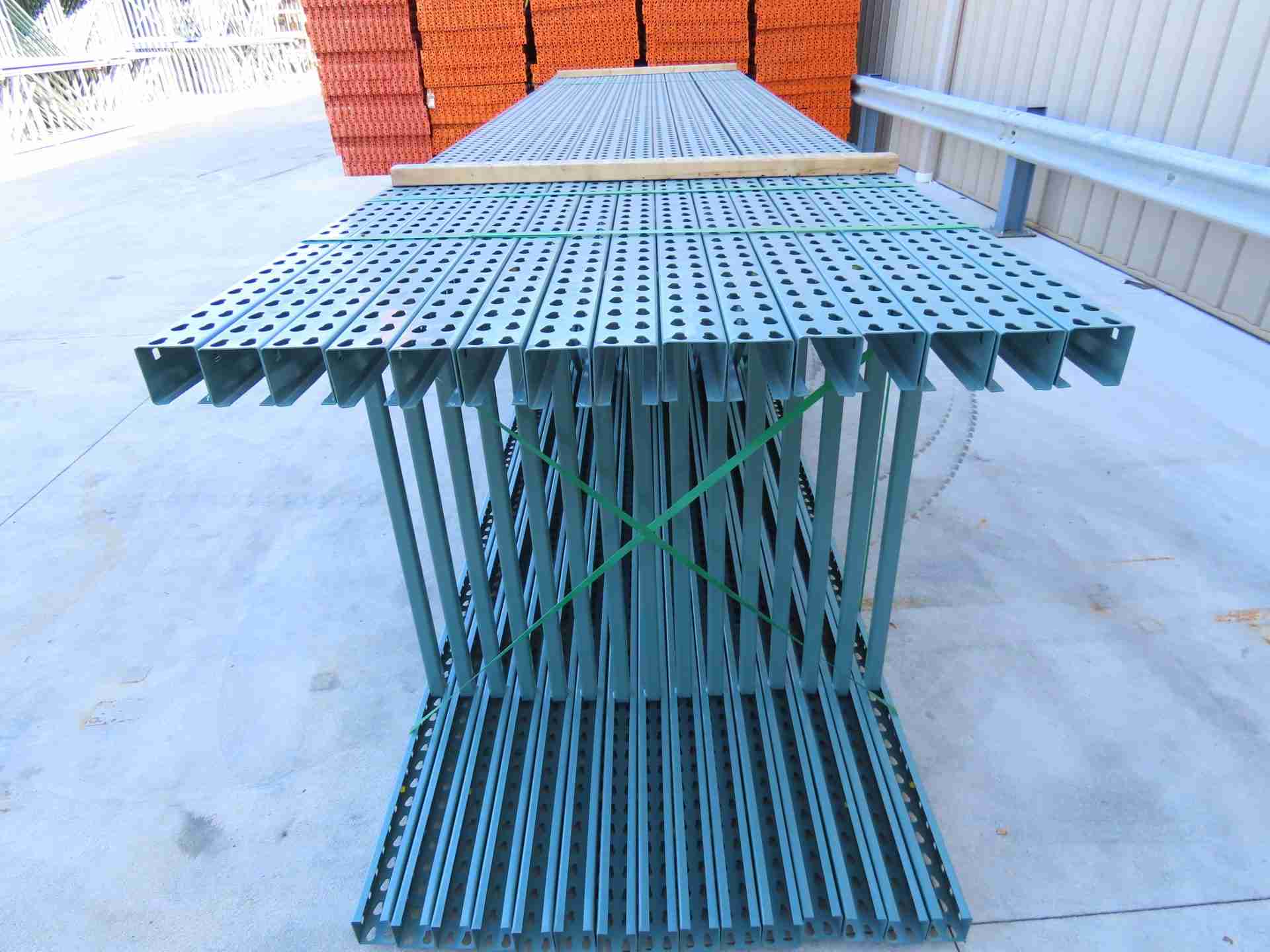
How Do Pallet Racks Optimize Supply Chain Efficiency And Reliability?
How Do Pallet Racks Optimize Supply Chain Efficiency And Reliability?
- Racking systems are essential components of supply chain efficiency and reliability, designed with purpose.
- Each organized pallet tells a story, representing small businesses and families reliant on those products.
- A well-structured racking system fosters order and trust among customers and employees.
- Optimized racking maximizes space, reduces picking times, and decreases labor costs, crucial for competitiveness.
- Investing in quality racking systems promotes worker safety and productivity by minimizing hazards.
- Advanced racking solutions lead to higher inventory integrity and improved order fulfillment times, as endorsed by experts.
- A strategic racking approach not only increases efficiency but also allows for greater community engagement and support.
How Do Pallet Racks Optimize Supply Chain Efficiency And Reliability?
What Ethical Considerations Arise When Selecting A Logistics Partner?
When it comes to selecting a logistics partner, the challenges extend far beyond the bottom line. You’re not just choosing a company to shuffle boxes from point A to B; you’re diving into a relationship that affects livelihoods, communities, and the very planet we share. Picture this: your products are cradled in a racking system inside a warehouse, but those materials come with strings attached—strings of ethical responsibility.
First, let’s talk about the human element. Behind every shipping label is a team of dedicated individuals, often working long hours at wages that barely keep them afloat. Choosing a logistics partner means assessing how they treat their workforce. Are they supported by fair wages and benefits? Are their working conditions safe and respectful? The heart connects here; when you put people before profits, everyone thrives. It’s not just about efficiency—it’s about compassion.
Now, the head enters the conversation with a dose of rationality. Companies with strong ethical practices typically avoid legal troubles that could compromise your own operations. A partner with a solid ethical foundation can lead to reduced risks, better compliance with regulations, and a reputation that shines brighter than a freshly polished delivery truck. Think long-term: a trustworthy logistics partner today can safeguard your brand tomorrow.
But don’t forget the gut: choosing a logistics partner isn’t just a business decision; it’s a moral compass pointing towards environmental responsibility. With consumers increasingly aware of sustainability, a partner who prioritizes eco-friendly practices can be a game-changer. Are they utilizing green packaging? Are they actively looking to reduce their carbon footprint? It’s not just about transporting goods; it’s about ensuring that future generations inherit a world worth living in.
In the digital age, transparency is a social expectation. Your customers are watching. They want to know that their purchases support companies aligned with their values. Partnering with a logistics provider that shares your commitment to ethics fosters trust, builds confidence, and ultimately drives action from engaged consumers who believe in what you stand for.
In this complex landscape, your choice in a logistics partner speaks volumes. It reflects not just your business priorities, but your core values. Stand firm for ethical integrity—because when you align your operations with your principles, everyone wins.
What Ethical Considerations Arise When Selecting A Logistics Partner?
What Ethical Considerations Arise When Selecting A Logistics Partner?
- Selecting a logistics partner involves challenges beyond cost considerations; it impacts livelihoods, communities, and the environment.
- Evaluate the treatment of employees: fair wages, benefits, and safe working conditions are crucial for a responsible logistics partner.
- Ethical logistics partners often face fewer legal issues, improving your own company’s compliance and reputation.
- Choosing a partner with strong ethical practices safeguards your brand and reduces risks in the long term.
- Consider environmental responsibility as consumers prioritize eco-friendly practices; a partner’s commitment to sustainability can enhance your brand’s image.
- Transparency is essential in the digital age; customers seek companies that align with their values, enhancing trust and engagement.
- Your choice in a logistics partner reflects your business priorities and core values; ethical integrity leads to mutual success.
What Ethical Considerations Arise When Selecting A Logistics Partner?
Conclusion
Logistics may seem like a world of cold steel and mechanical efficiency, but beneath the surface lies a pulsating heart of human connection, commitment, and purpose. Third-party logistics providers, often the behind-the-scenes warriors, utilize pallet racking systems to orchestrate a symphony of order amidst chaos, enhancing efficiency while also honoring the individuals who power this industry. Imagine stepping into a warehouse buoyed by towering racks, where every item has its place, transforming disarray into a well-oiled machine. These systems optimize space and workflow, amplifying productivity while welcoming the human spirit into the heart of logistics.
Every stacked pallet embodies a story—the surge of a small business, the diligence of warehouse workers, the trust of consumers eagerly awaiting their goods. Racking systems do more than store products; they establish an ecosystem where efficiency thrives, safety is prioritized, and employees find pride in their work. This isn’t merely a conversation about logistics; it’s about stewardship over resources and responsibilities. The emphasis placed on ethical practices in logistics shapes not only the internal culture of a business but also its impact on the larger community and environment. Businesses stand at a crossroads, tasked with deciding which logistics partners to align with. When companies choose ethically responsible providers, they’re not just protecting their reputation but also affirming their commitment to fairness, integrity, and sustainability.
As customer consciousness about environmental impact grows, partnering with logistics providers that place a premium on green practices becomes imperative. When organizations invest in sustainable solutions, they pave the way for a better tomorrow, fostering loyalty among consumers who seek to support businesses that share their values.
These choices create ripples, spreading a culture of ethical logistics throughout industries and inspiring others to prioritize responsibility. The warehouse narrative transforms from one of mere transactions to a profound connection where every shipment contributes to a larger purpose. So, the next time you’re navigating the complexities of logistics—whether you’re a manager contemplating your options or a consumer choosing a brand—remember that behind every pallet rack is a commitment to community, safety, and sustainability. In the grand scheme of commerce, this partnership speaks to a legacy built not only on profit but also on integrity, showcasing how a simple structure can elevate the entire logistics ecosystem. Embrace this opportunity for connection, and together, let’s rack up progress for a brighter future.
Conclusion
Conclusion:
- Logistics is driven by human connection, commitment, and purpose, beyond mechanical efficiency.
- Third-party logistics providers use pallet racking systems to enhance efficiency in warehouses.
- These systems convert chaos into organization, optimizing space and workflow while embracing the human spirit.
- Every pallet represents a story, highlighting the efforts of small businesses and warehouse workers.
- Ethical practices in logistics shape business culture and their impact on the community and environment.
- Partnering with sustainable logistics providers fosters customer loyalty and responsible business practices.
- The logistics narrative emphasizes connection, safety, and sustainability, leading to a legacy of integrity.
Conclusion
Other Resources
Other Resources
Here is a list of other resources you can review online to learn more:
- Cantilever Rack Configuration & Installation: A Comprehensive Guide – BMH
- Chicago Pallet Racking
- CA Wire
- Shipping Boxes, Packaging Materials, Pallet Racking
- Pallet Racking systems in Illinois and Great Lakes
- BMH Equipment LLC
- RMI
- Racking World
- Illinois Pallet Racking – Storage Solutions
- Selective Pallet Racking Systems
- Cantilever Rack Guide: Ordering Cantilever Racking
- Pallet Rack Systems – New and Used Pallet Racking and Shelving Experts
- American Surplus
- Pallet Racking systems in Illinois and Great Lakes
- What is Selective Racking: Understanding Benefits & Options
- Used Teardrop Pallet Rack – American Surplus
- MHI
- ASSP
- Pallet Racking 101: A Comprehensive Guide & Options Explained
- What is Cantilever Racking? – AK Material Handling Systems
Use This Prompt To Get More Resources With Your Favorite Online AI Tool: Please provide me with a list of online articles with their URLs in a bulleted list that I can read regarding How Third-Party Logistics Providers Use Pallet Racks
Other Resources
Glossary Terms
How Third-Party Logistics Providers Use Pallet Racks – Glossary Of Terms
1. Third-Party Logistics (3PL): Companies that provide outsourced logistics services, including transportation, warehousing, and distribution.
2. Pallet Rack: A storage system designed to hold palletized goods in warehouses, optimizing space and accessibility.
3. Warehouse Management: The process of overseeing and controlling warehouse operations, including inventory management and order fulfillment.
4. Inventory Control: Techniques used to manage inventory levels, ensuring product availability while minimizing holding costs.
5. SKU (Stock Keeping Unit): A unique identifier for each distinct product or item in inventory, facilitating tracking and management.
6. FIFO (First In, First Out): An inventory management method in which the oldest stock is sold or used first to minimize waste.
7. LIFO (Last In, First Out): An inventory management technique where the newest inventory is utilized before older stock, often used for items with fluctuating prices.
8. Cross-Docking: A logistics practice where incoming goods are directly transferred to outbound transportation, reducing storage time.
9. Load Capacity: The maximum weight a pallet rack can safely support, crucial for ensuring structural safety and compliance.
10. Column Spacing: The distance between vertical supports of a pallet rack, impacting maneuverability and access for forklifts.
11. Beam: A horizontal support structure in pallet racks that holds pallets and adjusts in height to accommodate different products.
12. Upright: The vertical component of a pallet rack system that supports beams and provides overall stability.
13. Selective Racking: A type of pallet rack system that allows easy access to each pallet, ideal for warehouses with a diverse product range.
14. Drive-In Rack: A high-density storage system that allows forklifts to drive directly into the rack for loading and unloading, maximizing storage space.
15. Push-Back Rack: A pallet storage system that uses a series of nested carts to allow pallets to be pushed back for easy retrieval.
16. Cantilever Rack: A storage solution for long or bulky items, featuring arms that extend from a vertical frame for easy access.
17. Safety Barriers: Protective equipment used to prevent accidental impacts with pallet racks, enhancing workplace safety.
18. Load-Bearing: The ability of a pallet rack to support weight, critical for preventing structural failure and ensuring safety.
19. Warehouse Layout: The design and arrangement of storage, work areas, and transportation paths within a warehouse.
20. Picking Operation: The process of retrieving items from storage for order fulfillment, essential in warehouse operations.
21. Pallet Size: The dimensions of pallets (e. g. , standard or custom), which influence how products are stored and organized.
22. Dynamic Storage: A warehouse storage method that allows rapid movement of goods, often seen in environments with high turnover rates.
23. Static Storage: A storage system where goods are stationary until needed, typical in more stable inventory environments.
24. Space Optimization: Techniques aimed at maximizing available warehouse space for efficiency and cost-effectiveness.
25. Custom Racking Solutions: Tailored pallet rack systems designed to fit specific storage needs and improve operational efficiency.
26. Forklift: A powered industrial vehicle used to lift and transport materials within a warehouse, essential for accessing pallet racks.
27. Pallet Flow Rack: A system using gravity to move pallets from the back to the front of the rack, aiding in high-density storage.
28. Temperature-Controlled Storage: Warehousing solutions designed to maintain specific temperature ranges for perishable goods.
29. Compliance: Adherence to safety regulations and standards related to warehouse design and operation, essential in risk management.
30. Maintenance: Regular inspections and repairs of pallet racks to ensure safety and extend their lifespan in operational use.
Glossary Of Terms
Other Questions
How Third-Party Logistics Providers Use Pallet Racks – Other Questions
If you wish to explore and discover more, consider looking for answers to these questions:
- What are the different types of pallet racking systems available?
- How can businesses assess their specific racking needs?
- What factors should be considered when choosing a third-party logistics provider?
- How does proper racking reduce warehouse accidents?
- What are the costs associated with installing and maintaining pallet racks?
- Can pallet racks be customized for unique warehouse layouts?
- What metrics should companies use to measure the efficiency of their racking system?
- How do pallet racks contribute to environmental sustainability in logistics?
- What common mistakes do businesses make when implementing racking systems?
- How can technology enhance the management of pallet racks?
- What role do pallet racks play in inventory management and tracking?
- How do different industries utilize pallet racks differently?
- What training is necessary for warehouse staff to effectively use pallet racking systems?
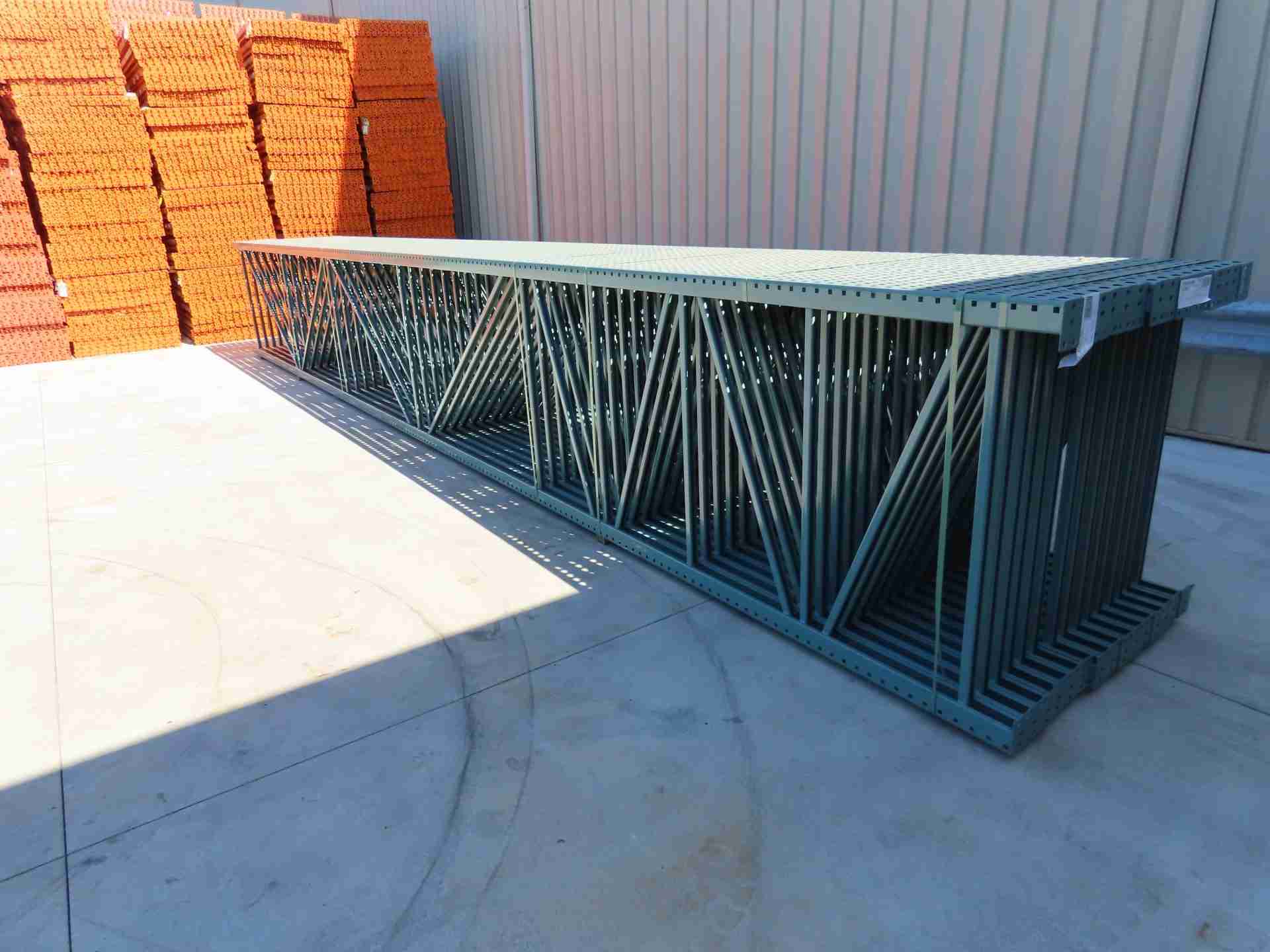
Other Questions
Checklist
How Third-Party Logistics Providers Use Pallet Racks – A Checklist
Checklist for Maximizing Efficiency and Sustainability in Logistics
Emotional Appeals
_____ Reflect on the human stories behind every product and shipment.
_____ Foster a sense of pride and accomplishment among your team through efficient operations.
_____ Create an organized workspace that contributes to a positive morale.
Rational Appeals
_____ Analyze current racking systems for space optimization and efficiency.
_____ Evaluate the potential time savings and labor cost reductions a new system could provide.
_____ Understand the financial benefits of improved inventory management and reduced accidents.
Ethical Appeals
_____ Commit to fair labor practices and ensure employee well-being in logistics operations.
_____ Choose partners and systems that prioritize safety and reduce workplace hazards.
_____ Incorporate sustainable practices, such as eco-friendly materials and waste reduction strategies.
Authority Appeals
_____ Research industry experts and case studies that highlight the importance of pallet racking.
_____ Benchmark against leading logistics companies recognized for their efficiency and ethical standards.
_____ Stay informed about regulations relevant to logistics and warehouse safety practices.
Narrative Appeals
_____ Share success stories of businesses that transformed operations through effective racking systems.
_____ Illustrate the journey of a product from warehouse to consumer and the role of logistics.
_____ Discuss how partnerships can elevate both brands and communities through shared success.
Social Appeals
_____ Connect with local businesses and organizations to foster a community of efficient logistics.
_____ Promote transparency about your practices to build consumer trust and brand loyalty.
_____ Engage employees in discussions about workplace improvement and their role in the logistics process.
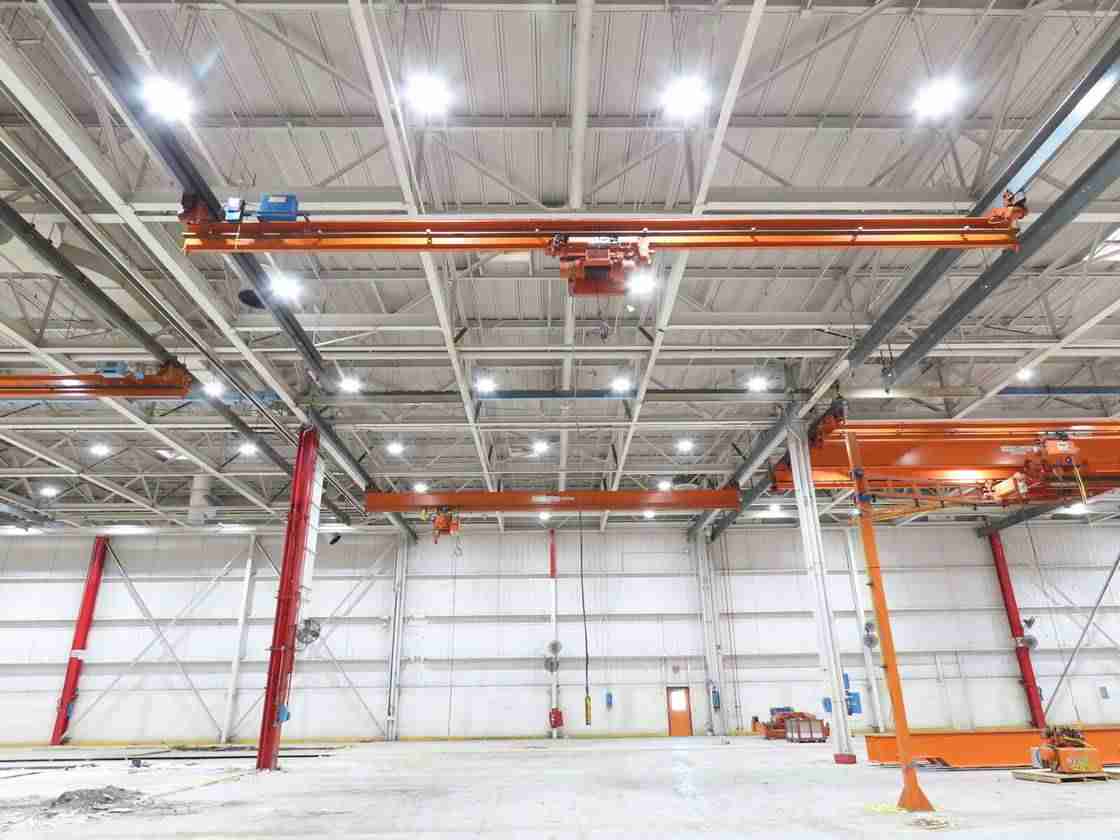
Checklist
At RackingWorld, we help guide you through selecting warehouse storage systems and racking.
Be sure to read our other related stories at RackingWorld to learn more about warehouse storage systems.
0 Comments