
Maximizing Efficiency And Minimizing Waste With Innovative Racking Systems
By Tom Seest
At RackingWorld, we help guide you through selecting warehouse storage systems and racking.
Be sure to read our other related stories at RackingWorld to learn more about warehouse storage systems.
How Racking Systems Support Lean Inventory
When you walk into a warehouse filled with perfectly organized racking systems, you can’t help but feel a sense of calm amidst the chaos of goods and machinery. It’s more than just metal and shelves; it’s a living testament to the notion that order can spring from disorder. Racking systems support lean inventory practices in a way that connects not only our minds but also our hearts and guts, instilling a sense of purpose among workers and bringing teams together.
Imagine the heart of a bustling distribution center, where every worker knows their role and every rack tells a story. Those racking systems aren’t just there for show; they’re a lifeline, breathing efficiency into the daily grind. By maximizing space and minimizing excess, these systems allow businesses to keep inventory lean. This fosters a culture of responsibility—workers take pride in knowing that each item they retrieve or store plays a vital role in the bigger picture. It’s not just about saving time and costs; it’s about creating a sense of ownership that energizes the workplace.
From a rational perspective, a well-executed racking system implements smart storage solutions that save time, reduce waste, and improve accuracy. When products are organized and easily accessible, it leads to quicker pick times and delivery speeds. This is not just a mundane task; it’s a streamlining effort that ensures customer satisfaction. Your gut instinct tells you that a place running like a well-oiled machine feels more reliable, and that attracts customers who want to partner with trustworthy businesses.
Ethically, there’s something profoundly satisfying about supporting sustainability through lean inventory practices. Efficient racking systems help prevent the overproduction of goods, reducing the carbon footprint associated with excess waste. This is a movement toward responsible business practices that anyone can stand behind, and when society rallies behind a cause, great things happen.
Finally, there’s an element of authority in adopting these systems. Companies that invest in smart racking not only enhance their reputation in the eyes of their clients but also become beacons of innovation within their industry. Each rack filled with products becomes a focal point of confidence—offering visual proof that being lean and mean is the way of the future.
So, the next time you see a racking system, take a moment to appreciate what it represents: a harmonious blend of efficiency, culture, responsibility, and respect. Each shelf is a stepping stone toward a brighter tomorrow, where businesses thrive and communities flourish.
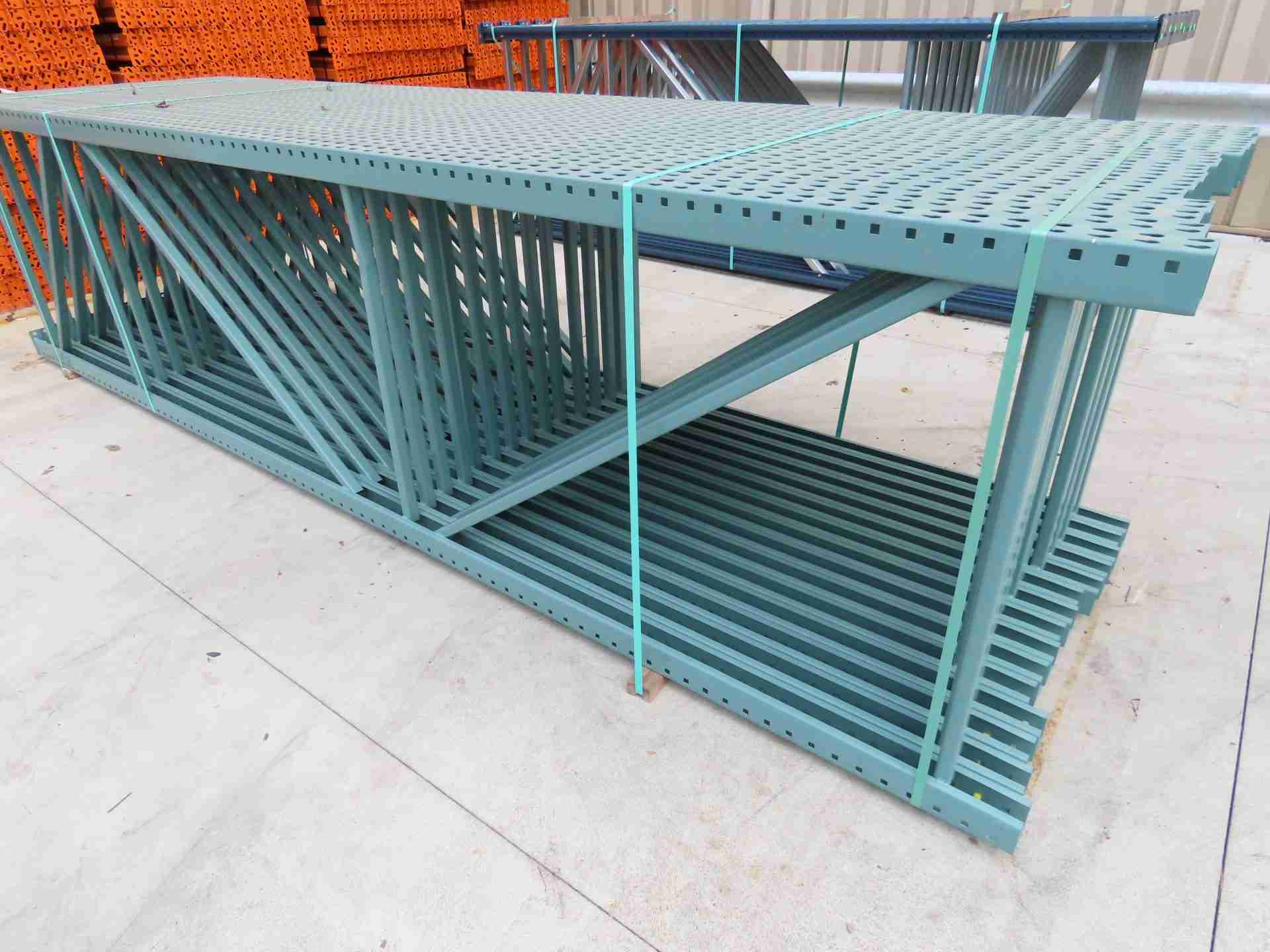
How Racking Systems Support Lean Inventory
How Racking Systems Support Lean Inventory
- Warehouse racking systems evoke a sense of calm and order amidst chaos.
- They support lean inventory practices, fostering a sense of purpose and teamwork among workers.
- Racking systems enhance efficiency by maximizing space and minimizing waste, fostering a culture of responsibility.
- Organized products lead to quicker pick times and delivery speeds, boosting customer satisfaction.
- Efficient systems contribute to sustainability by preventing overproduction and reducing carbon footprint.
- Investing in smart racking enhances a company’s reputation and innovation in their industry.
- Racking systems symbolize a harmonious blend of efficiency, culture, responsibility, and respect for business growth.
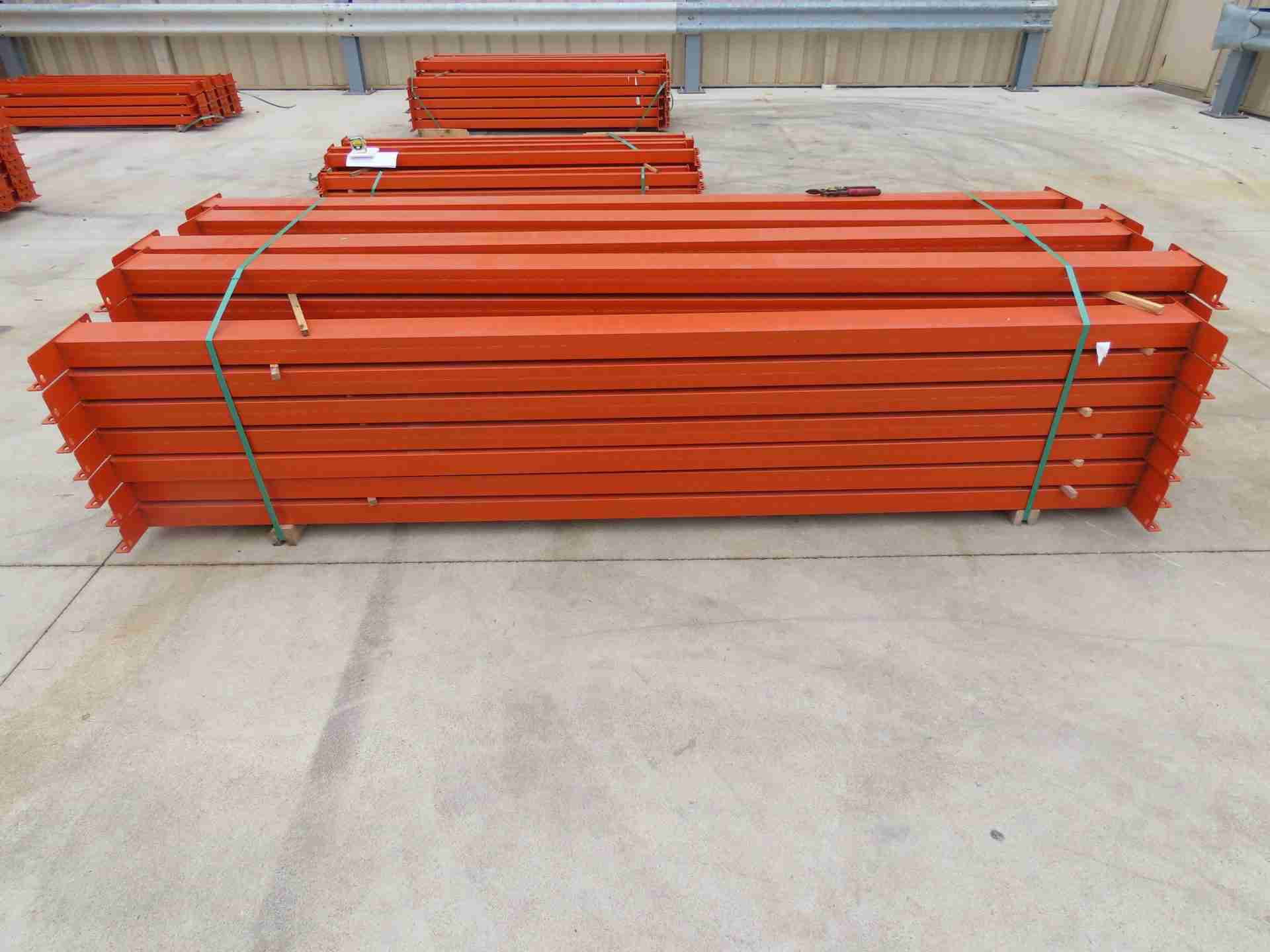
How Racking Systems Support Lean Inventory
Table Of Contents
- How Racking Systems Support Lean Inventory
- What Emotional Impact Can Efficient Racking Systems Have on Workers?
- What Are the Hidden Costs Of Poorly Managed Inventory Systems?
- How Can Racking Systems Enhance Overall Supply Chain Efficiency?
- Are We Considering the Environmental Impact Of Our Racking Choices?
- How Do Customer Demands Shape the Evolution Of Our Racking Systems?
- Conclusion
- Other Resources
- Glossary Of Terms
- Other Questions
- Checklist
What Emotional Impact Can Efficient Racking Systems Have on Workers?
When you walk into a warehouse or a manufacturing facility, the first thing you might notice isn’t the towering shelves or the forklifts whirring around, but rather the look on the faces of the workers. It’s hard to quantify, but the emotional impact of an efficient racking system can transform an environment from one of chaos to one of purpose. Picture this: employees navigating through aisles with confidence instead of frustration, working in a space that feels organized and manageable. It’s a shift that resonates deeply, not just in productivity but in morale.
When workers feel empowered by their surroundings, their mindset shifts dramatically. You see a spark in their eyes, a bounce in their step. Racking systems that are designed with efficiency in mind give workers the tools they need to excel, cultivating a sense of pride in their work. This isn’t just about cold metal and shelves; it’s about creating a culture of respect, where each individual knows their contribution matters. Workers begin to view their tasks not just as jobs, but as essential parts of a larger mission. This is where the heart and head come together—when efficiency meets human connection.
Take a moment to think about ethics. If we’re striving for workplaces that prioritize safety and effectiveness, why would we settle for anything less than the best in racking solutions? Investing in reliable racking systems isn’t just a business decision; it’s a commitment to your people. It tells them, “We care about your well-being.” An organized environment reduces stress and anxiety, allowing workers to focus on what they do best. When everyone feels secure, the entire organization benefits.
Now, let’s consider the narrative. Picture a young worker, perhaps new to the scene, standing before a jumbled mountain of boxes. That chaos can feel daunting, even overwhelming. But with an efficient racking system, that same worker can glide through a structured space, finding what they need with ease. Suddenly, the job no longer feels like an uphill battle. It transforms into a well-orchestrated dance, each worker playing their part in perfect harmony—this creates a shared sense of achievement.
Finally, think about the social impact. A well-organized workplace fosters teamwork. Workers come together, celebrating victories large and small, knowing they play crucial roles in the efficiency of their operations. When you foster an environment where each person feels valued and connected, you create a powerful ripple effect—one that resonates through the organization and into the communities it touches. The right racking system is more than just equipment; it’s a lifeline to cohesion and fulfillment in the workplace.
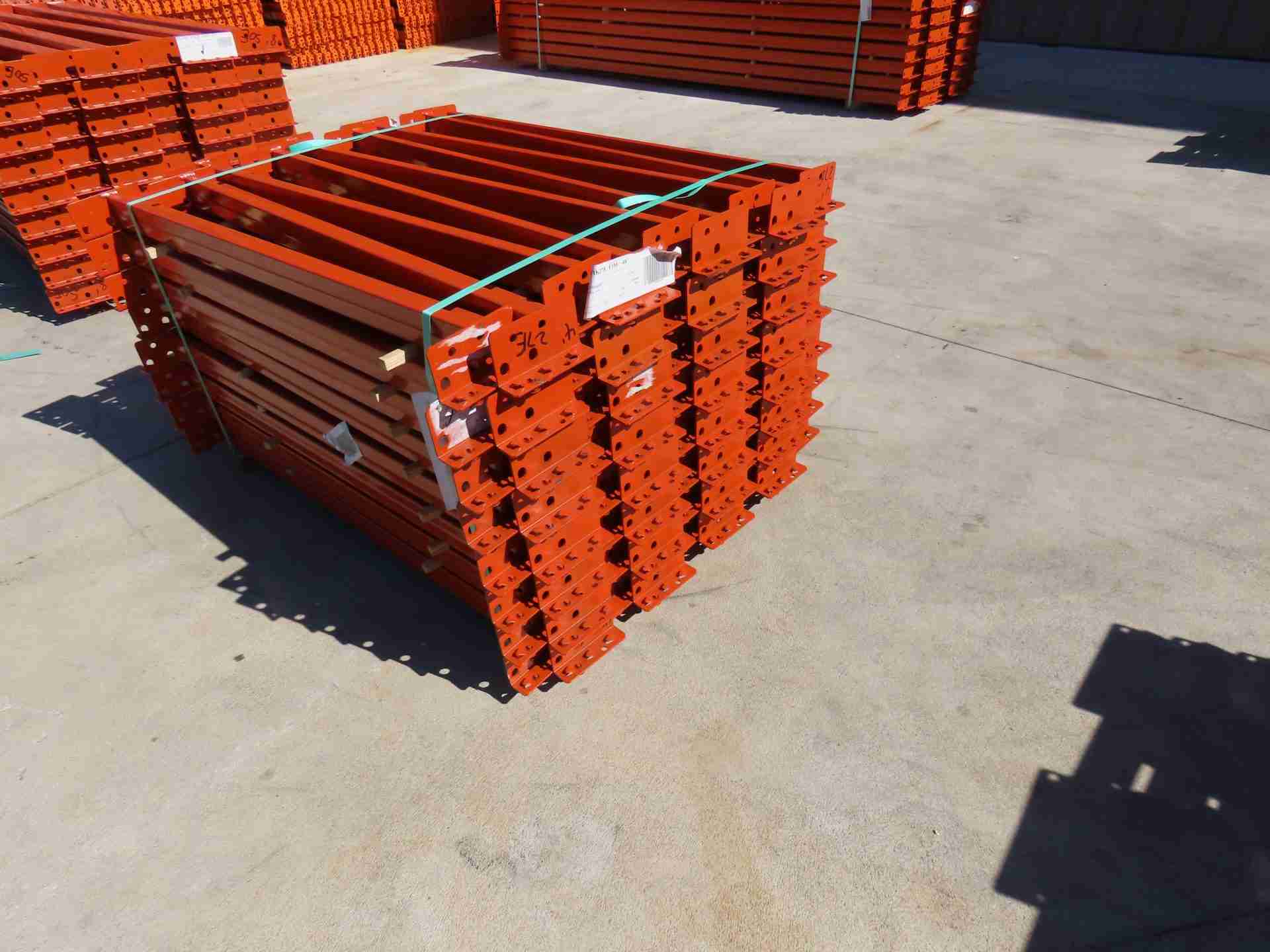
What Emotional Impact Can Efficient Racking Systems Have on Workers?
What Emotional Impact Can Efficient Racking Systems Have on Workers?
- The emotional impact of an efficient racking system transforms chaotic environments into organized, purposeful spaces.
- Workers experience improved morale and productivity when navigating organized aisles with confidence.
- Racking systems foster a culture of respect and empowerment, making workers feel their contributions are valuable.
- Investing in effective racking solutions reflects a commitment to employee well-being and safety.
- An organized environment reduces stress, enabling workers to focus on their tasks effectively.
- Efficient racking systems facilitate teamwork, creating a sense of achievement among workers.
- The right racking system promotes cohesion and fulfillment within the workplace and its wider community.
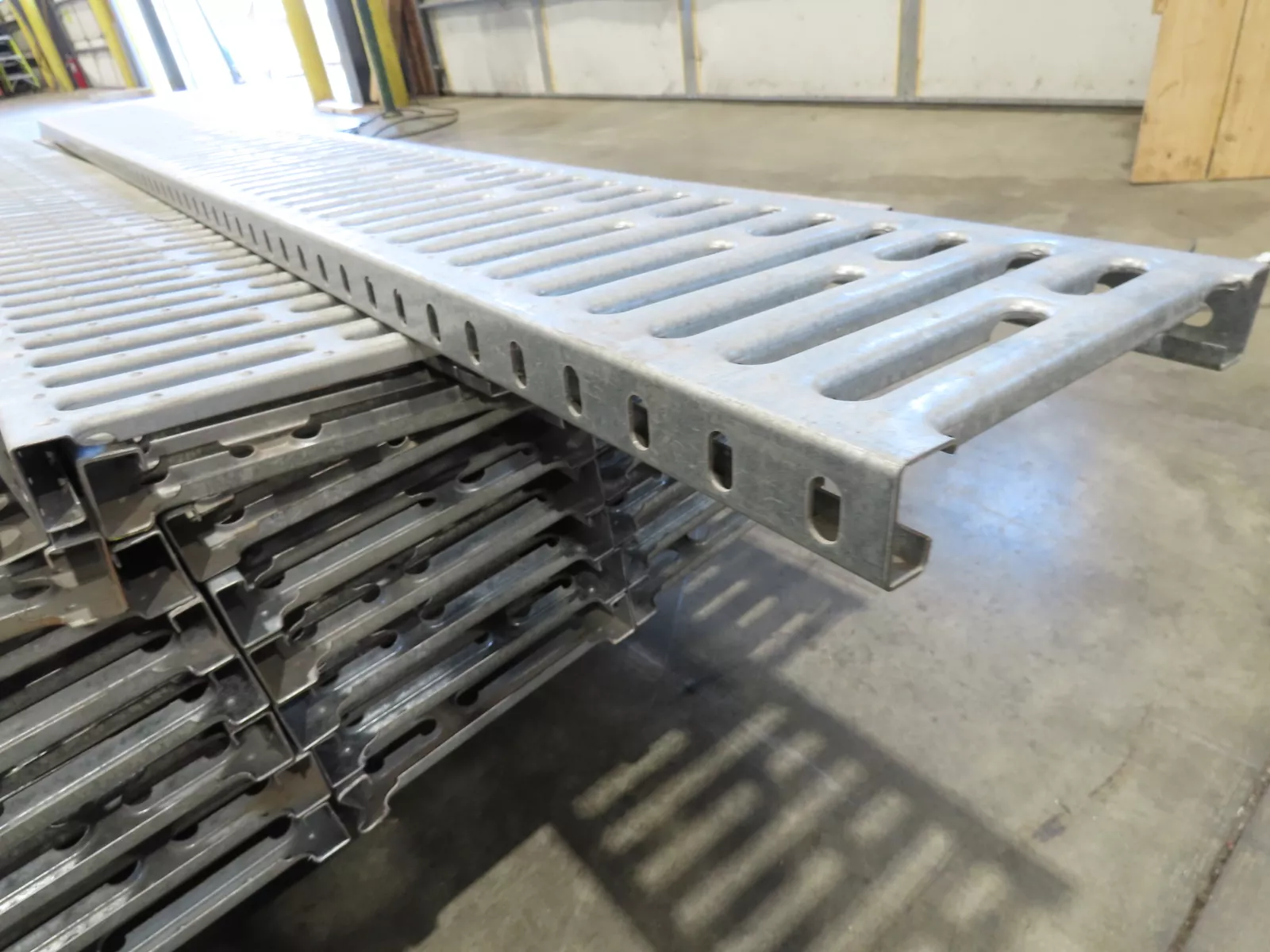
What Emotional Impact Can Efficient Racking Systems Have on Workers?
What Are the Hidden Costs Of Poorly Managed Inventory Systems?
When you think of inventory systems, you might picture endless rows of racking, meticulously organized and ready to serve your customers. But what happens when that system falls apart? The hidden costs of poorly managed inventory reach far beyond the warehouse walls, seeping into every facet of your business—and even your life.
Imagine a small business owner pouring their heart into their craft, only to find their shelves bare because they failed to track what sold and what didn’t. The sheer frustration of losing a loyal customer to an out-of-stock item can be a gut-punch. Each sale lost is not just a financial hit; it’s a missed opportunity to build loyalty and trust. We all know that warm feeling of walking into a store and seeing the exact item we’ve been dreaming of, right? Now, imagine being the person who let that dream slip away.
On a rational level, the chaos of poor inventory management translates into a tangled web of mistakes. Erroneous orders lead to excess stock that clutters your racking system and strains cash flow. You might think excess inventory is harmless, but consider this: every unproductive dollar tied up in stock is a dollar that could have been invested elsewhere, fueling growth or innovation. It’s simple economics, but tough to swallow when the bills start piling up.
Ethically, there’s a responsibility we carry not just to the bottom line but to our teams and our communities. Poor inventory management can lead to layoffs, lost wages, and shattered lives. If a business collapses under this weight, it’s not just numbers on a balance sheet—it’s real people facing real consequences. As business leaders, we have a duty to cultivate a system that values every employee and customer.
And then there’s the social aspect. Connections matter. When your inventory system is in disarray, you send a ripple effect through your community. Small businesses thrive on referrals and word of mouth. When you’re reliable, people talk. When you’re not, they spread that too—often louder.
So, let’s take a step back and ask ourselves: Are we ready to invest in better management practices? It’s not just about saving money; it’s about respect—for your craft, your customers, and your community. After all, building a robust inventory system isn’t just good business; it’s the right thing to do.
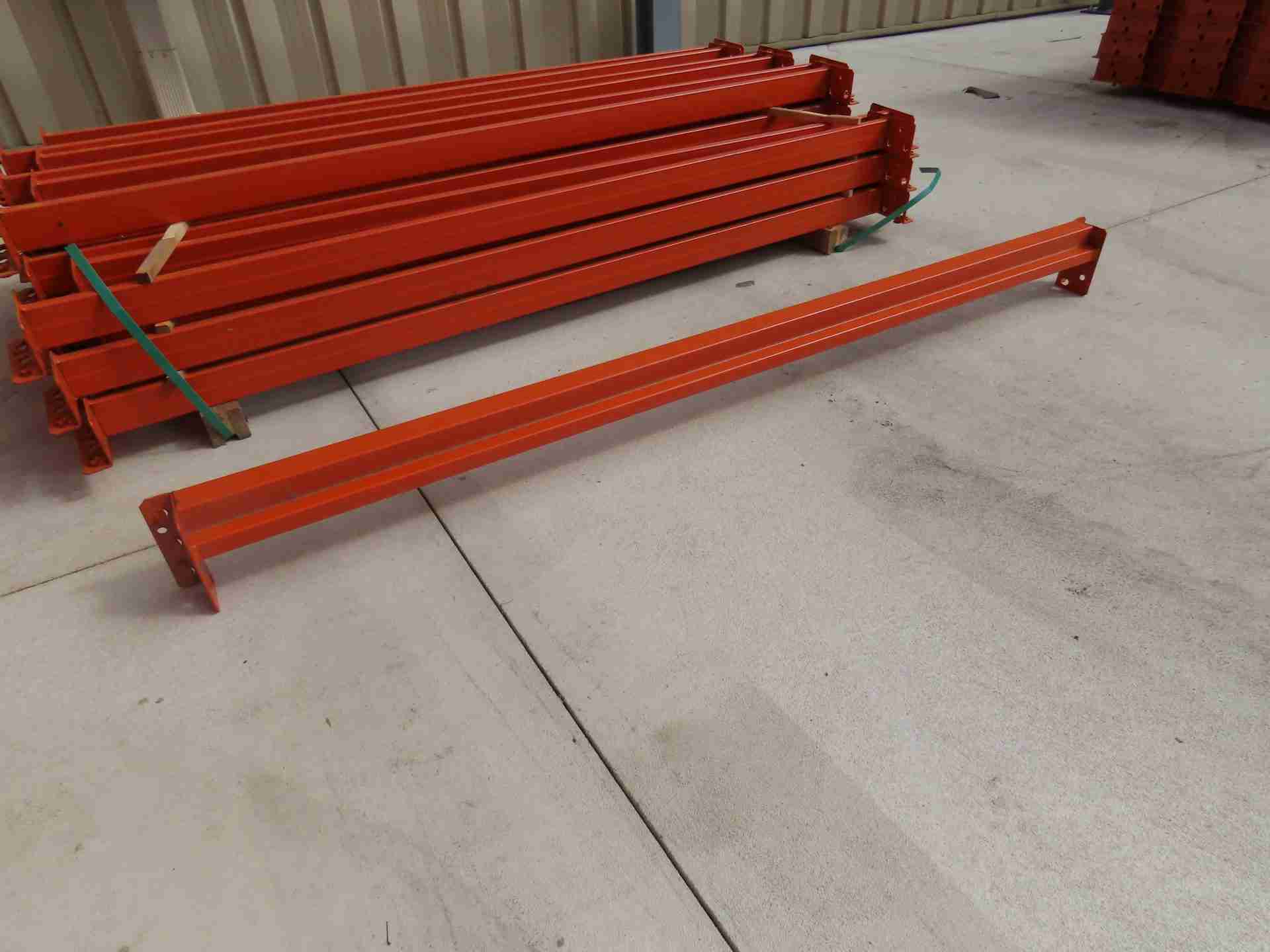
What Are the Hidden Costs Of Poorly Managed Inventory Systems?
What Are the Hidden Costs Of Poorly Managed Inventory Systems?
- Poorly managed inventory systems have hidden costs that extend beyond the warehouse.
- Small business owners can lose loyal customers due to out-of-stock items, affecting sales and trust.
- Excess inventory leads to financial strain and missed opportunities for investment and growth.
- The ethical implications of poor inventory management can result in layoffs and negative impacts on employees and communities.
- Disorganized inventory systems can damage community relations and hinder business referrals.
- Investing in better inventory management practices respects your craft, customers, and community.
- Building a robust inventory system is not only beneficial for business but also a moral responsibility.
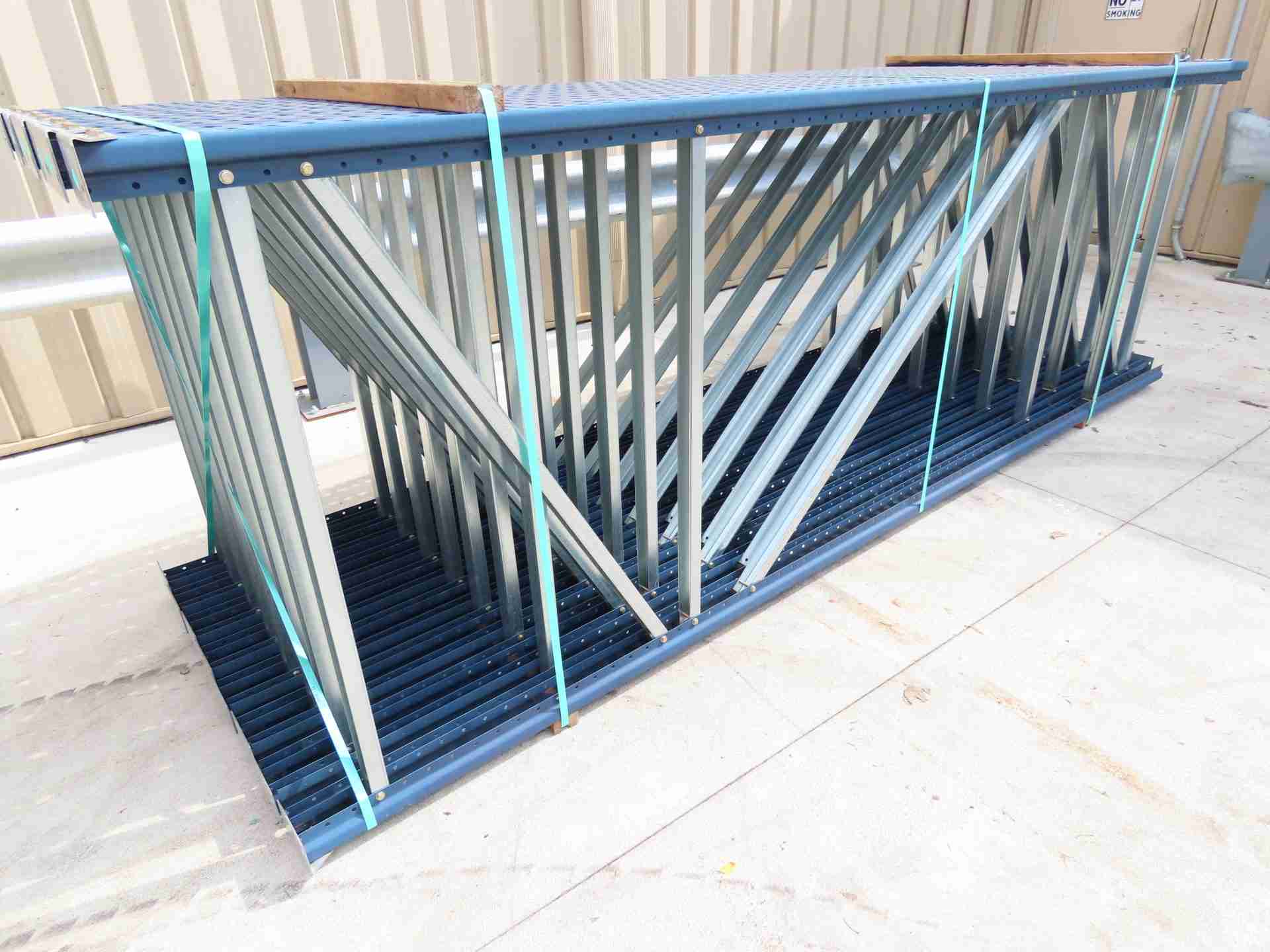
What Are the Hidden Costs Of Poorly Managed Inventory Systems?
How Can Racking Systems Enhance Overall Supply Chain Efficiency?
When we think about the heart of any supply chain, it often leads us to the least visible yet most vital components. Racking systems serve as the backbone of warehouses, transforming chaos into order and confusion into clarity. Picture a busy warehouse, filled with the hum of machinery, workers bustling about, and orders flying in and out. At the core of this intricate dance is the humble racking system, working tirelessly to enhance overall supply chain efficiency.
Let’s put this into perspective. Imagine you’re a warehouse manager, responsible for ensuring that every item is ready to go out the door on time. You face the daily challenges of managing inventory, meeting demand, and minimizing costs. Racking systems can lighten this load in tangible ways. They optimize space, increase accessibility, and streamline picking processes. That means less time searching for products and more time getting orders fulfilled, significantly boosting productivity. When every team member knows exactly where to find an item and can do it quickly, the operation runs smoother—a pure emotional win for everyone involved.
Now consider the ethical dimensions. In a world driven by consumer expectations, the pressure to deliver efficiently and sustainably is immense. Racking systems not only improve performance; they contribute to environmental accountability. By maximizing space, businesses can reduce their footprint, utilize resources more effectively, and decrease waste. The ripple effect of efficiency extends beyond the warehouse and into the community—fueling growth, creating jobs, and fostering connection.
The narrative becomes even richer when you think about teamwork. In today’s world, where collaboration is key, a well-structured racking system promotes that synergy. Workers can operate in harmony, creating an environment where trust and confidence flourish. As you enhance efficiency through effective racking, you also empower your team, instilling a sense of pride in their work. An organized space promotes a culture of respect—not just for the products, but for the people handling them.
Racking systems may seem like a trivial aspect of supply chains, but they resonate deeply with the very fabric of efficiency. They connect heart, head, and gut in a way that matters. So when you think about your supply chain strategy, remember: it’s not just about moving products; it’s about moving people towards a better, more efficient future where everyone wins.
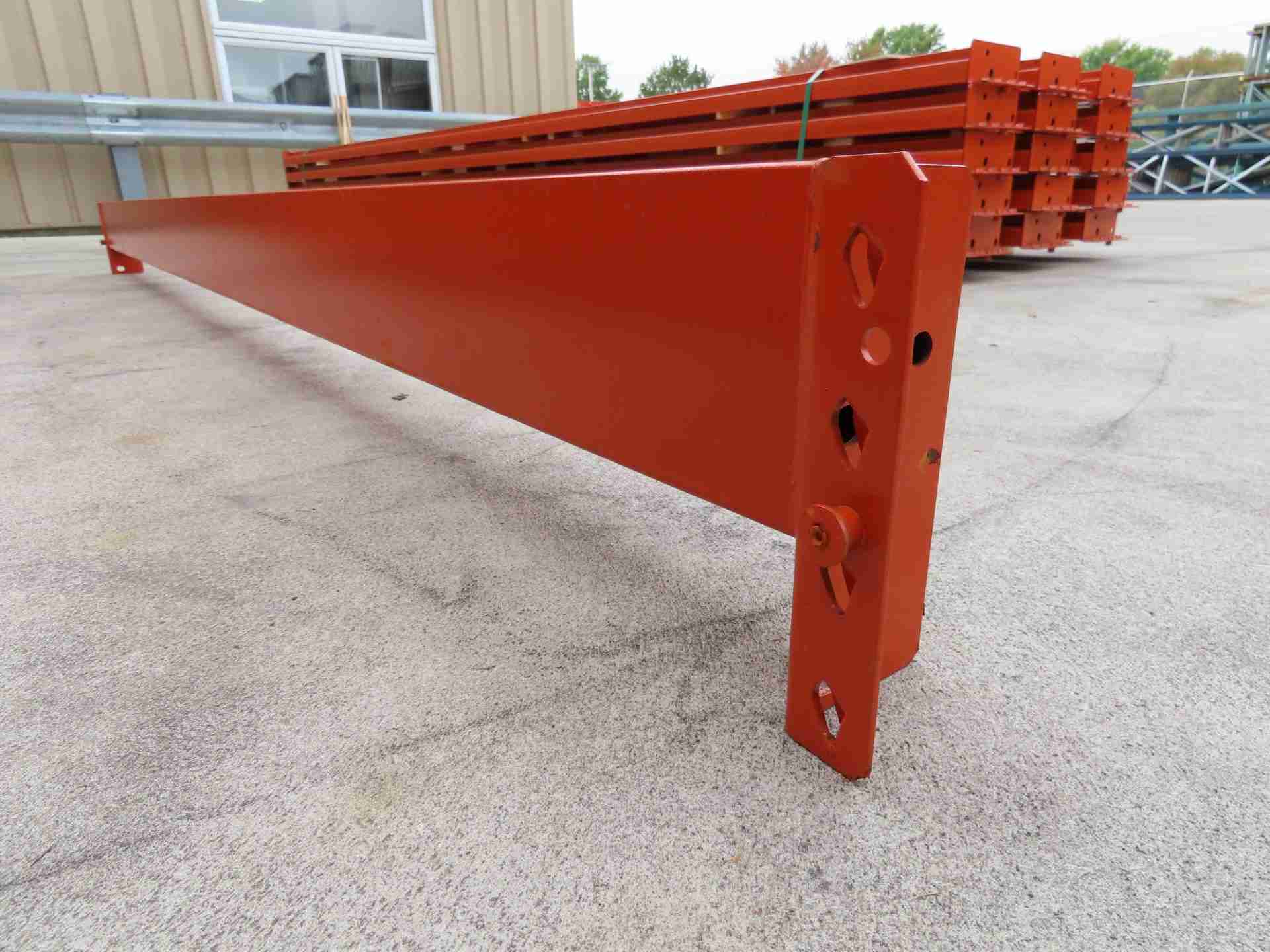
How Can Racking Systems Enhance Overall Supply Chain Efficiency?
How Can Racking Systems Enhance Overall Supply Chain Efficiency?
- Racking systems are essential components of warehouses, providing structure and organization.
- They enhance supply chain efficiency by optimizing space, increasing accessibility, and streamlining picking processes.
- Efficient racking helps reduce search times for products, boosting productivity and ensuring timely order fulfillment.
- Racking systems contribute to sustainability by maximizing space usage and minimizing waste.
- They support teamwork and collaboration, fostering trust and confidence among workers.
- An organized racking system instills pride in the workforce and promotes respect for both products and people.
- Overall, racking systems are vital for creating a more efficient future in supply chain management.
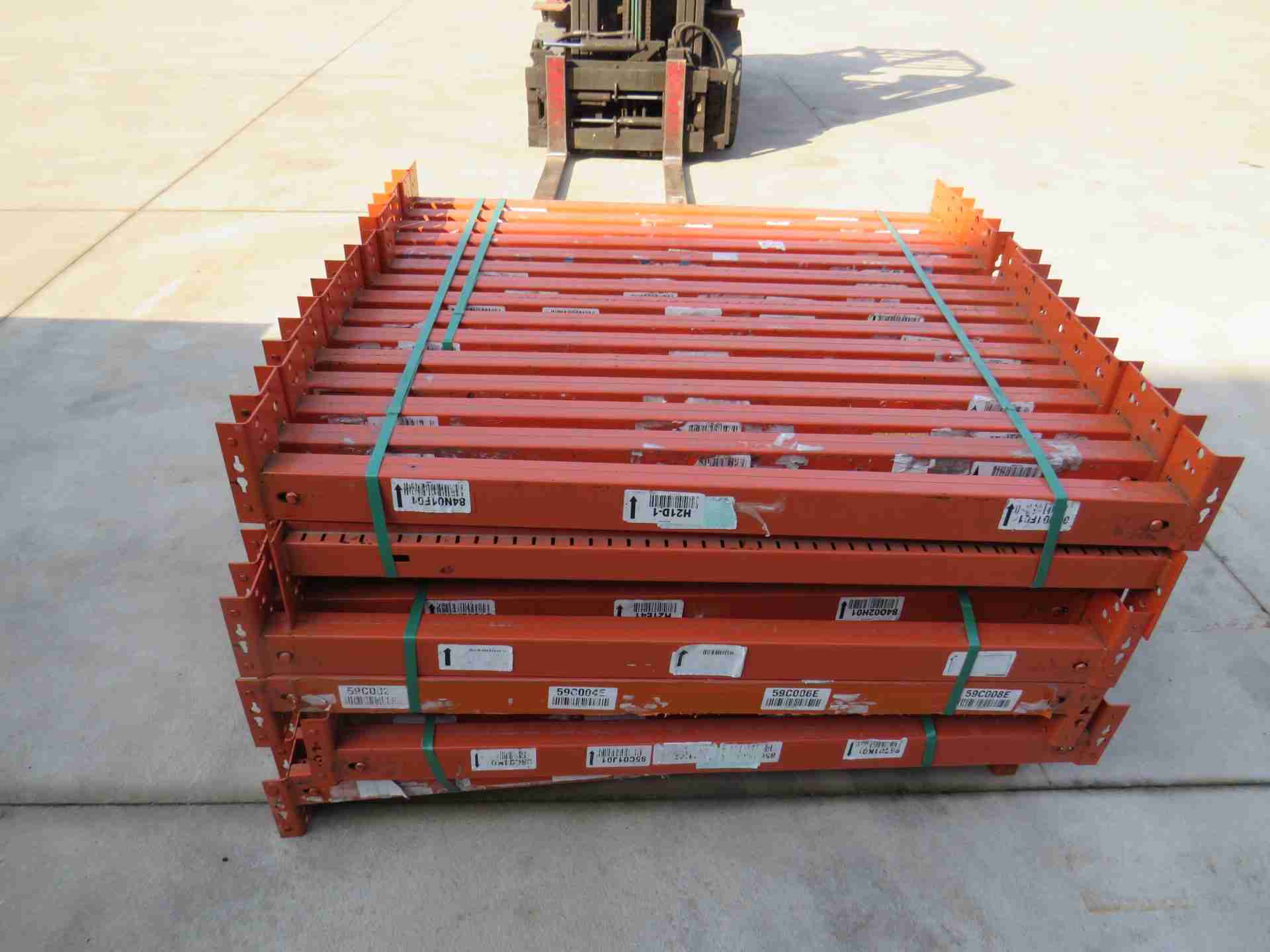
How Can Racking Systems Enhance Overall Supply Chain Efficiency?
Are We Considering the Environmental Impact Of Our Racking Choices?
When you step into a warehouse, the sheer scale of operations can be overwhelming. Shelves laden with products seem to stretch endlessly, and racking systems play an unsung hero role in this intricate dance. But have we ever paused to think about what lies beneath those metal beams and wooden pallets? It’s time to consider the environmental impact of our racking choices.
Imagine this: a family enjoying a picnic on a sunlit Saturday, their laughter mingling with the sounds of nature. They wouldn’t want that bliss disrupted by pollution or deforestation, yet every racking decision can unleash a ripple effect that touches lives far beyond the warehouse walls. When we choose materials and manufacturing processes for racking systems, it’s not just a logistical decision; it’s an ethical one. Are we opting for sustainable timber from responsibly managed forests, or are we contributing to deforestation? Are we evaluating the carbon footprint of our steel suppliers, or turning a blind eye in the name of expedience?
The head has a significant role in this conversation, weighing the long-term financial implications of sustainable choices. Investing in recycled materials or energy-efficient manufacturing can save costs down the line. Think about it—less waste equals lower disposal fees and a more favorable public image, which translates into greater customer loyalty. Companies committed to sustainability are attracting consumers who care about their planet. In an age where the green movement is gaining momentum, aligning your racking choices with environmental stewardship isn’t just responsible; it’s smart business.
Now, let’s connect this to the gut. Have you ever felt that sinking feeling when realizing your choices contribute to environmental degradation? Picture other families—yours, your friends’, your neighbors’—who share this planet and the future of generations to come. We all have a role to play. By choosing eco-friendly racking options, we not only preserve our way of life but gift future generations the clean, vibrant world we hope they will inherit.
When it comes to racking, our choice can reflect our values. We can take pride in knowing that the systems holding up our goods also support the planet we cherish. So the next time you’re faced with a decision, remember that every beam and shelf tells a story. Let it be one of responsibility, connection, and hope for a sustainable future. The choices we make today shape the world for tomorrow—make them count.
Are We Considering the Environmental Impact Of Our Racking Choices?
Are We Considering the Environmental Impact Of Our Racking Choices?
- Warehouses showcase vast operations with extensive racking systems playing a critical role.
- The environmental impact of racking choices is significant, affecting lives beyond the warehouse.
- Choosing sustainable materials and processes is an ethical decision regarding forest conservation.
- Long-term financial benefits come from investing in eco-friendly materials and practices.
- Companies focused on sustainability enhance their public image and attract environmentally-conscious consumers.
- Our choices in racking can impact future generations and the health of our planet.
- Every racking decision reflects our values; choosing responsibly fosters hope for a sustainable future.
Are We Considering the Environmental Impact Of Our Racking Choices?
How Do Customer Demands Shape the Evolution Of Our Racking Systems?
In the ever-evolving landscape of logistics and warehousing, customer demands aren’t just a passing trend; they’re the beating heart of our racking systems’ evolution. Picture this: a busy warehouse where every space is optimized, every pallet positioning is intentional, and every product is precisely where it needs to be. When customers clamor for efficiency and speed, it pushes us to rethink the very way we design our racking solutions.
Embracing innovation isn’t merely a choice; it’s a necessity. The modern consumer yearns for faster delivery times, and it’s our job, as stewards of the supply chain, to answer that call. Sure, we could stick to tried-and-true methods. But if we truly listen to our customers, we understand that agility in our racking systems directly translates into their satisfaction. When we align our approaches with their needs, we’re not just creating solutions; we’re building trust.
Imagine a family eagerly awaiting a long-awaited package. That thrill, that anticipation—they want it now. They don’t want excuses; they want results. This urgency driving the need for nimble racking options taps into both our rational and emotional cores. It transforms the logistics process into a shared journey, where each pallet stored, and every shelf reconfigured, symbolizes our commitment to service and reliability.
Ethically speaking, ignoring these demands is not an option. As companies, we have a responsibility—not just to our shareholders but to the communities reliant on us. Our approach to racking must reflect those values, paving the way for increased efficiency while considering sustainability and responsible resource management. Today, customers care about how products are handled and stored, just as much as they care about the products themselves. That’s where our collective integrity comes into play.
From a societal standpoint, the evolution of racking isn’t just about steel and space—it’s about making connections. When our systems are designed with the customer in mind, we not only fulfill orders but also create a positive ripple effect across the supply chain. Each improved racking system fosters collaboration among suppliers, retailers, and customers alike, enhancing the entire fabric of commerce.
Let’s face it—by prioritizing customer demands in our racking systems, we are not just keeping up; we’re leading the charge into a brighter future. A future where every decision we make has the potential to uplift not just our bottom line, but the lives of everyone who relies on us.
How Do Customer Demands Shape the Evolution Of Our Racking Systems?
How Do Customer Demands Shape the Evolution Of Our Racking Systems?
- Customer demands drive the evolution of racking systems in logistics and warehousing.
- Efficient space optimization and intentional pallet positioning are crucial for modern warehouses.
- Innovation is essential to meet the modern consumer’s need for faster delivery times.
- Agility in racking systems enhances customer satisfaction and builds trust.
- Companies have a responsibility to consider sustainability and resource management in racking design.
- Well-designed racking systems create positive connections across the supply chain.
- Prioritizing customer demands positions companies as leaders in the logistics industry.
How Do Customer Demands Shape the Evolution Of Our Racking Systems?
Conclusion
Racking systems aren’t just metal and shelving; they are the silent backbone of our warehouses, guiding efficiency and instilling purpose. When you step into a well-organized facility, you immediately sense the harmony that comes from structure. Here, workers thrive, empowered by an environment that transforms their frustrations into a smooth flow of operations. They move confidently, knowing their roles contribute to something bigger. This isn’t merely about saving time or cutting costs; it’s about creating a culture where every individual feels valued and every contribution is recognized.
On a rational level, racking systems streamline operations, reducing waste and improving accuracy. Products are accessible, orders are fulfilled swiftly, and customer satisfaction sees a boost. In a world where reliability is paramount, think for a moment about how a well-oiled machine—one where workers can perform their tasks efficiently—fuels trust. Customers are more likely to return to a business that operates seamlessly, which brings us to the ethical implications. By minimizing excess inventory, efficient racking practices help us tread lightly on the environment, cut carbon footprints, and stand behind sustainable choices. When society embraces these responsible practices, it sparks a movement—a call for businesses to be accountable, not just to the bottom line, but to their communities.
The tale doesn’t end there. Racking systems also serve as a catalyst for teamwork and collaboration. When everyone shares an organized space, they work together effortlessly, celebrating the little victories that drive morale. Picture employees rallying as they hit targets, fostering a sense of collective achievement. This ripple effect reaches beyond the workplace, touching the community as businesses that shine in efficiency contribute positively to everyone around them.
Moreover, the choices we make about racking reflect our values. Are we opting for sustainable materials? Are we thinking ahead for generations to come? When we choose eco-friendly solutions, we not only support our operations but also commit to a healthier planet. In every decision we make regarding racking, we hold the power to drive progress, enhance efficiency, and nurture our communities. So, the next time you glimpse organized rows of shelves, take a moment to appreciate their significance. They stand not only as symbols of operational excellence but as a commitment to a brighter tomorrow—for our businesses, our people, and our planet.
Conclusion
Conclusion:
- Racking systems serve as the backbone of warehouses, enhancing efficiency and creating a structured work environment.
- A well-organized facility transforms workers’ frustrations into smooth operations, fostering a culture of recognition and value.
- They streamline operations by reducing waste, improving accuracy, and ensuring swift order fulfillment, thereby boosting customer satisfaction.
- Efficient racking builds trust, encouraging customer loyalty and repeat business.
- Minimizing excess inventory through effective racking practices promotes environmental sustainability and accountability in business.
- Racking systems foster teamwork and collaboration, enhancing morale and collective achievement among employees.
- Choosing sustainable materials for racking reflects our values and commitment to a healthier planet for future generations.

Conclusion
Other Resources
Other Resources
Here is a list of other resources you can review online to learn more:
- Warehouse Racking Layout: The Ultimate Guide – Conger
- Teardrop Industrial Shelving Rack
- Pallet Rack Systems – New and Used Pallet Racking and Shelving Experts
- WERC
- BMH
- SEMA
- Teardrop Uprights
- International Warehouse Logistics Association
- Storage Equipment Manufacturers Association
- Interlake Mecalux
- Selective Racking
- Intro to Warehouse Racks & Warehouse Racking Systems – ShipBob
- Total Warehouse
- Wolter
- Bradford Systems
- Rack Manufacturers Institute
- Teardrop Pallet Rack – Ridg-U-Rak
- Cantilever Rack Guide: Ordering Cantilever Racking
- Racking World
- Warehouse Racking Systems: Beginner’s Guide to Rack Systems
Use This Prompt To Get More Resources With Your Favorite Online AI Tool: Please provide me with a list of online articles with their URLs in a bulleted list that I can read regarding How Racking Systems Support Lean Inventory

Other Resources
Glossary Terms
How Racking Systems Support Lean Inventory – Glossary Of Terms
1. Racking: Structural systems designed to store goods in organized rows to optimize space utilization.
2. Lean Inventory: A management approach that aims to minimize waste while maximizing productivity and efficiency in inventory management.
3. FIFO (First In, First Out): An inventory strategy where the oldest stock is sold first to prevent spoilage or obsolescence.
4. LIFO (Last In, First Out): An inventory management method where the most recently acquired stock is sold first, often used for products with a longer shelf life.
5. Kanban: A visual scheduling system that triggers inventory replenishment based on current consumption levels.
6. Stock Keeping Unit (SKU): A distinct item for sale with a unique identifier used to manage inventory.
7. Cross-Docking: A logistics practice where incoming goods are directly transferred to outgoing shipments, reducing storage time.
8. Just-in-Time (JIT): An inventory strategy that aligns production and supply with demand, minimizing in-house inventory levels.
9. Inventory Turnover Ratio: A metric that measures how many times inventory is sold and replaced over a period, indicating efficiency.
10. Warehouse Management System (WMS): Software designed to optimize warehouse functionality, including inventory tracking and order fulfillment.
11. Pick-to-Order: A fulfillment method where items are picked from the racking system and packed immediately after receiving an order.
12. Serpentining: An arrangement of racking systems that allows for dynamic movement and increased workflow efficiency.
13. Batch Picking: A method where multiple orders are picked simultaneously, increasing order fulfillment efficiency.
14. Lean Manufacturing: A production philosophy emphasizing the minimization of waste within manufacturing systems without sacrificing productivity.
15. Continuous Improvement (Kaizen): An ongoing effort to improve products, services, or processes through incremental changes.
16. Vertical Space Utilization: The effective use of vertical space in a warehouse to maximize storage capacity and efficiency.
17. ABC Analysis: An inventory categorization technique that divides items into three categories (A, B, and C) based on their importance and value.
18. Safety Stock: Extra inventory kept on hand to prevent stockouts during fluctuations in demand or supply chain disruptions.
19. Lead Time: The time taken from placing an order until it is fulfilled, crucial for inventory planning.
20. Inventory Accuracy: The degree to which recorded inventory matches the actual physical inventory, vital for effective management.
21. Throughput: The rate at which inventory is processed and moved through the supply chain.
22. Cycle Counting: A periodic inventory audit method that involves counting a portion of inventory on a specific schedule.
23. Bulk Storage: A storage method that allows large quantities of items to be stored together, often used to reduce handling time.
24. Stock Rotation: The practice of utilizing older inventory before newer stock to reduce waste and spoilage.
25. Lead Time Reduction: Strategies aimed at shortening the time between order and delivery, enhancing responsiveness to demand.
26. Space Optimization: Techniques used to maximize warehouse space efficiency through layout and racking design.
27. Order Picking: The process of selecting items from a racking system to fulfill customer orders.
28. Dynamic Slotting: A method that allocates storage locations based on real-time data to improve picking efficiency.
29. Inventory Forecasting: The process of predicting future inventory requirements based on historical data and market trends.
30. Multi-Channel Fulfillment: A strategy that involves processing orders from various sales channels while maintaining inventory efficiency and accuracy.
Glossary Of Terms
Other Questions
How Racking Systems Support Lean Inventory – Other Questions
If you wish to explore and discover more, consider looking for answers to these questions:
- What are the key features of an effective racking system?
- How do racking systems contribute to workplace safety?
- What industries benefit the most from innovative racking systems?
- What are the initial costs and potential ROI of implementing new racking systems?
- How can businesses determine the right type of racking system for their needs?
- What role does technology play in modern racking systems?
- What are common challenges when transitioning to a lean inventory model?
- How do businesses measure the success of their racking systems?
- Can racking systems be customized for specific operational needs?
- What are the best practices for maintaining racking systems?
- How do companies train employees to use racking systems effectively?
- What are the environmental impacts of different racking materials?
- How do racking systems affect supply chain resilience?
- What innovations are on the horizon for racking systems?
- How can businesses foster a culture of respect and ownership using racking systems?
Other Questions
Checklist
How Racking Systems Support Lean Inventory – A Checklist
Racking Systems and Lean Inventory: A Balanced Checklist
Emotional Appeals
_____ Visualize: Imagine the calmness of an organized warehouse. How does this environment affect worker morale and pride?
_____ Connect: Reflect on how racking systems empower workers, transforming their tasks into meaningful contributions.
_____ Celebrate: Acknowledge individual and team successes within a well-structured environment.
Rational Appeals
_____ Evaluate Efficiency: Analyze how organized racking systems can reduce time spent searching for products and increase order fulfillment speed.
_____ Consider Financial Impact: Review potential cost savings from reduced waste and improved cash flow with effective inventory management.
_____ Measure Accuracy: Ensure that your racking systems enhance order accuracy and minimize errors in fulfillment processes.
Ethical Appeals
_____ Environmental Responsibility: Identify the sustainability of materials used in your racking systems, considering the carbon footprint and sourcing practices.
_____ Community Impact: Reflect on how a well-managed racking system prevents business failures that can affect local employment and health, promoting ethical leadership.
_____ Employee Well-being: Commit to providing safe, organized work environments that prioritize the health and safety of your team.
Authority Appeals
_____ Learn from Industry Leaders: Research case studies of companies that successfully leverage racking systems for efficiency and sustainability.
_____ Consult Experts: Seek insights from logistics professionals and supply chain consultants about best practices in racking solutions.
_____ Certification Checks: Verify if your racking systems are compliant with industry standards and regulations to enhance credibility.
Narrative Appeals
_____ Share Success Stories: Tell stories of how effective racking systems have transformed workplace culture and efficiency.
_____ Create a Vision: Craft a narrative around the journey of improving your racking systems—what innovations and changes have been implemented?
_____ Engage Anecdotes: Use personal anecdotes or testimonials from employees about how racking systems affect their daily work experiences.
Social Appeals
_____ Foster Team Collaboration: Encourage team-building activities around organizing and utilizing racking systems effectively.
_____ Engage Stakeholders: Involve employees, suppliers, and customers in discussions about racking practices and efficiency outcomes.
_____ Promote Community Values: Highlight the social responsibility of adopting environmentally friendly racking solutions and showcasing these efforts to the community.
Use this checklist to assess your racking systems’ alignment with lean inventory principles, invoking heart, head, and gut in fostering a cohesive and productive work environment.
Checklist
At RackingWorld, we help guide you through selecting warehouse storage systems and racking.
Be sure to read our other related stories at RackingWorld to learn more about warehouse storage systems.
0 Comments