
Maximizing Efficiency And Savings Through Improved Warehouse Storage
By Tom Seest
At RackingWorld, we help guide you through selecting warehouse storage systems and racking.
Be sure to read our other related stories at RackingWorld to learn more about warehouse storage systems.
Can You Slash Costs with Better Warehouse Storage Practices Today?
Imagine stepping into your warehouse and instantly feeling efficient. Picture the aisles clear and organized, products easily accessible, and no more wasted time searching for items. Sounds like a dream, right? But what if I told you that this dream can become your reality by implementing smarter warehouse storage practices—specifically, transforming how you utilize pallet racking?
When it comes to warehousing, the right storage solutions can significantly impact your bottom line. Pallet racking isn’t just about stacking goods; it’s a strategic approach to maximizing space and streamlining operations. By optimizing your pallet racking system, you can reduce clutter, minimize handling times, and ultimately slash overhead costs.
Many businesses fall into the trap of shoving too much inventory into their warehouses without a proper layout or design in mind. As a result, they end up spending unnecessary time and money. But let’s flip the script. A well-organized pallet racking system allows you to store products in a way that’s inventory-friendly. The right configuration ensures quick access and makes the picking process efficient—everything is at your fingertips, ready to be shipped out the door within moments.
Now, think about the cost benefits. Every hour your employees save searching for a product is cash back in your pocket. A recent study highlighted that optimizing storage practices can lead to a 30% decrease in operational costs. Yes, you read that right—30%! Imagine reinvesting those savings back into your business for marketing, technology upgrades, or staff training. The possibilities are endless.
Transitioning to an efficient pallet racking system is not just an investment in your warehouse; it’s an investment in your peace of mind. You will navigate through clutter with confidence, knowing that your inventory levels are accurate and your operations are streamlined. Plus, engaging with an expert who can tailor a solution for your specific needs fosters trust—trust in your processes, your team, and ultimately your growth.
Don’t let old storage practices hold you back. It’s time to embrace a new approach and leverage the power of upgraded pallet racking systems. The transformation starts today—take that first step, and watch your costs dwindle as efficiency soars. Let’s turn your warehouse from a chaotic space into a well-oiled machine!
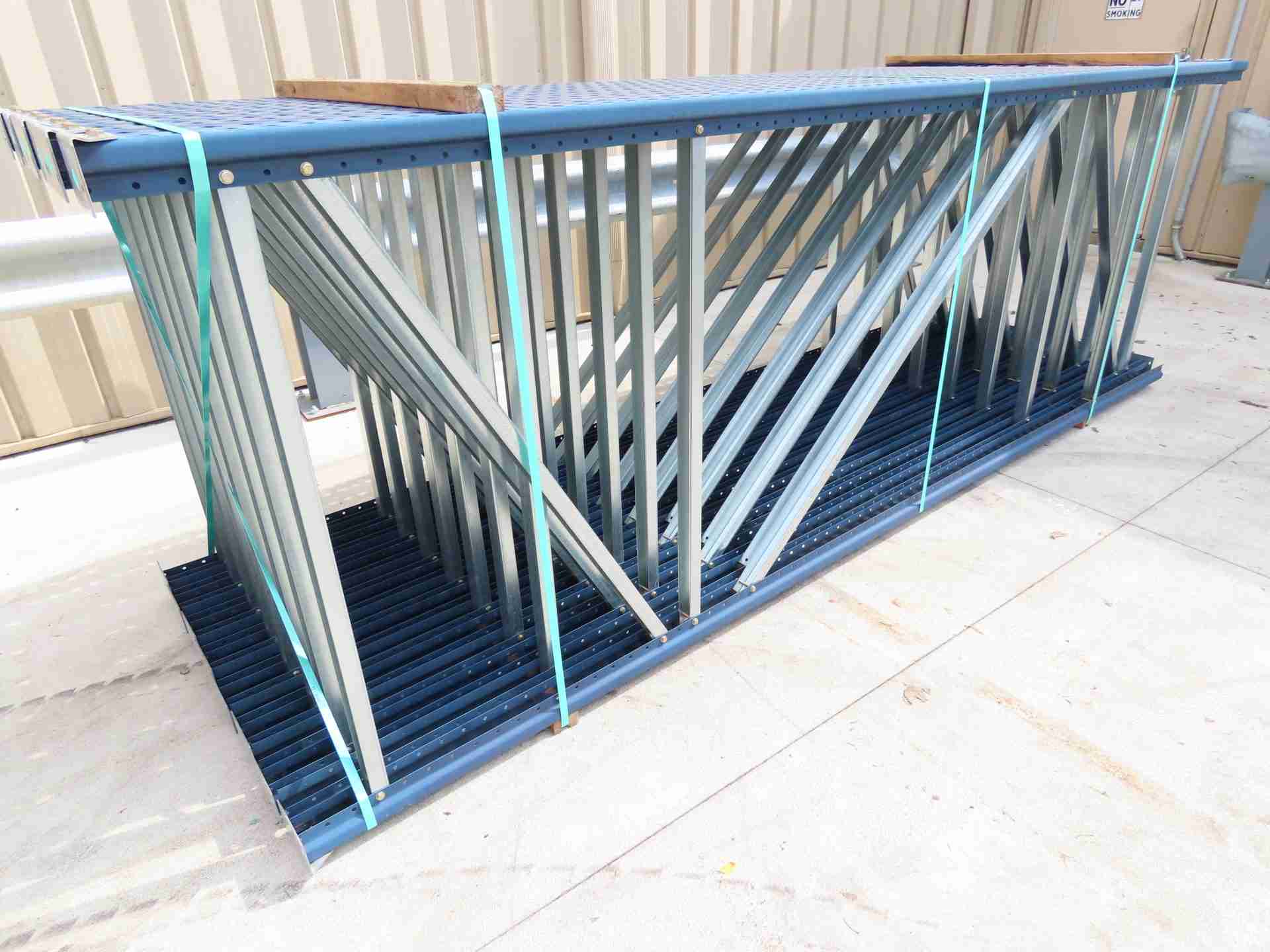
Can You Slash Costs with Better Warehouse Storage Practices Today?
Can You Slash Costs with Better Warehouse Storage Practices Today?
- Smarter warehouse storage practices, particularly optimizing pallet racking, can enhance efficiency.
- Effective pallet racking maximizes space, streamlines operations, reduces clutter, and minimizes handling times.
- A well-organized pallet racking system ensures quick access to products, facilitating efficient picking processes.
- Optimizing storage practices can lead to significant cost savings, with potential reductions in operational costs by up to 30%.
- Saved time from reorganized inventory translates into potential reinvestment opportunities for marketing and staff training.
- Transitioning to an efficient pallet racking system boosts confidence in inventory accuracy and operational smoothness.
- Adopting upgraded pallet racking systems transforms chaotic warehouses into efficient, well-organized spaces.
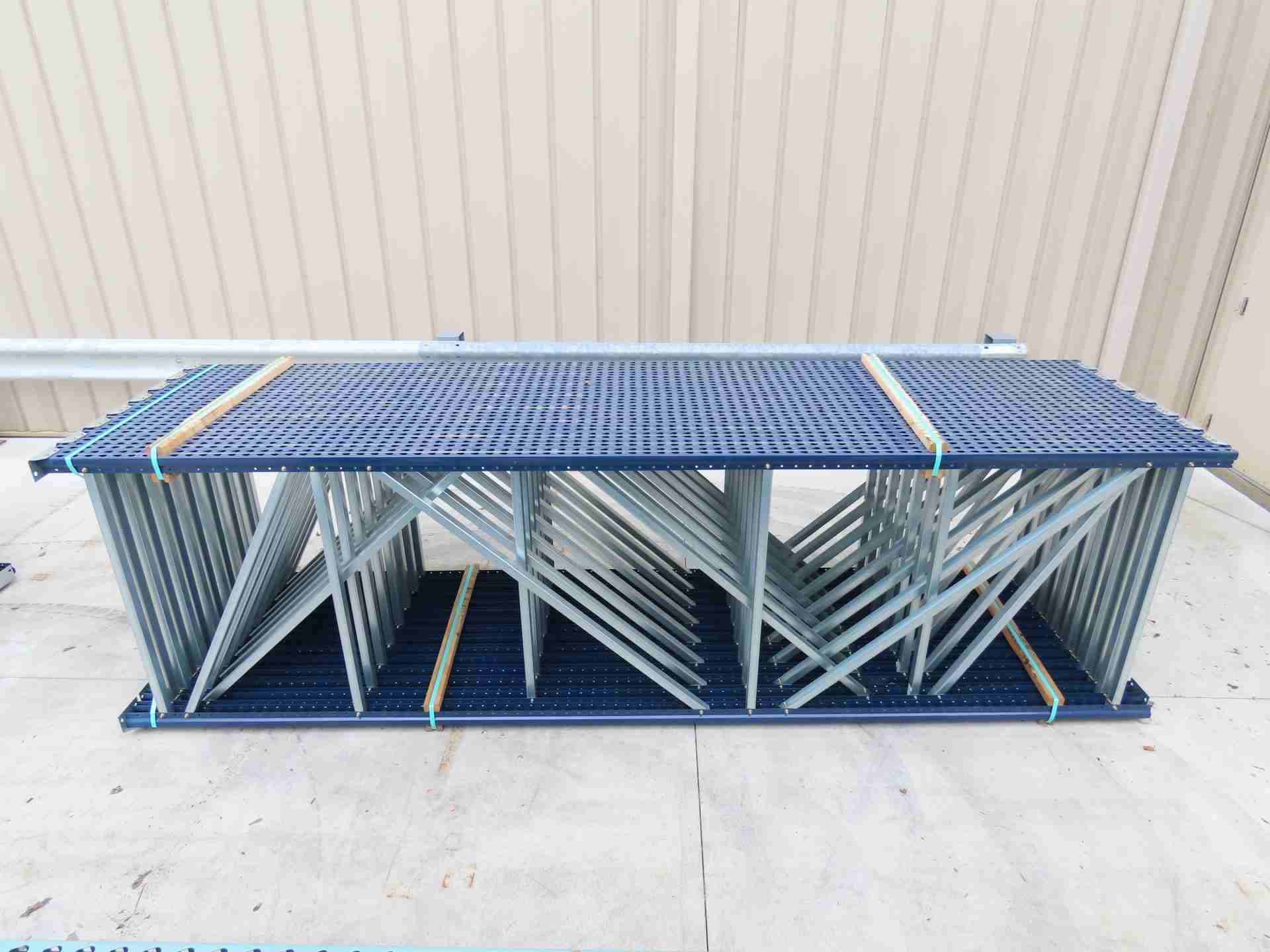
Can You Slash Costs with Better Warehouse Storage Practices Today?
Table Of Contents
- Can You Slash Costs with Better Warehouse Storage Practices Today?
- What Are The Most Efficient Warehouse Storage Solutions Available?
- How Can Inventory Management Reduce Storage Costs Effectively?
- What Role Does Technology Play In Optimizing Warehouse Spaces?
- How Often Should Warehouse Layouts Be Reassessed For Cost Savings?
- What Are The Best Practices For Maximizing Vertical Storage Space?
- How Can Proper Employee Training Cut Warehouse Operating Costs?
- Conclusion
- Other Resources
- Glossary Of Terms
- Other Questions
- Checklist
What Are The Most Efficient Warehouse Storage Solutions Available?
When it comes to streamlining your warehouse operations, making the right choice in storage solutions can transform your entire business. Picture a well-organized space where your products are easily accessible and chaos is a thing of the past. This is where efficient warehouse storage solutions come into play, and one standout option is Pallet Racking.
Imagine this: a pallet racking system towering smartly along the walls, maximizing vertical storage space and allowing you to stockpile more inventory without sacrificing floor space. It’s not just about storage; it’s about transforming your warehouse into a powerhouse of productivity! The beauty of pallet racking lies in its adaptability. Whether you’re storing bulky items, seasonal goods, or quick-moving stock, these systems can be adjusted to meet your unique needs.
Let’s talk about organization—the unsung hero of warehouse efficiency. When you implement pallet racking, you’re not merely stacking goods; you’re creating a logical flow. With dedicated slots for each product, employees can easily identify and retrieve items, slashing time spent searching for what they need. And we all know that time saved is money earned.
But it doesn’t just stop at convenience; safety is a core benefit of utilizing pallet racking. By keeping items neatly organized and elevating them off the ground, you reduce the risk of damage and accidents. Moreover, many racking systems are designed to handle heavy loads, which means you don’t have to worry about structural integrity when you load them up with inventory.
Before you invest in a new system, consider your specific business requirements. Are you accommodating a large volume of small products, or do you need a robust solution for heavier items? The right approach starts with understanding your needs—after all, a one-size-fits-all approach rarely yields the best results.
In a world where efficiency equates to profitability, enhancing your warehouse operations with smart storage solutions like pallet racking is not just a wise investment; it’s a strategic move. Don’t let disorganization hold you back. Take action today and explore how the right warehouse storage solutions can elevate your operations and, ultimately, your success. Creating an organized, efficient, and profitable warehouse is within your grasp, and the journey begins with making the right choice now.
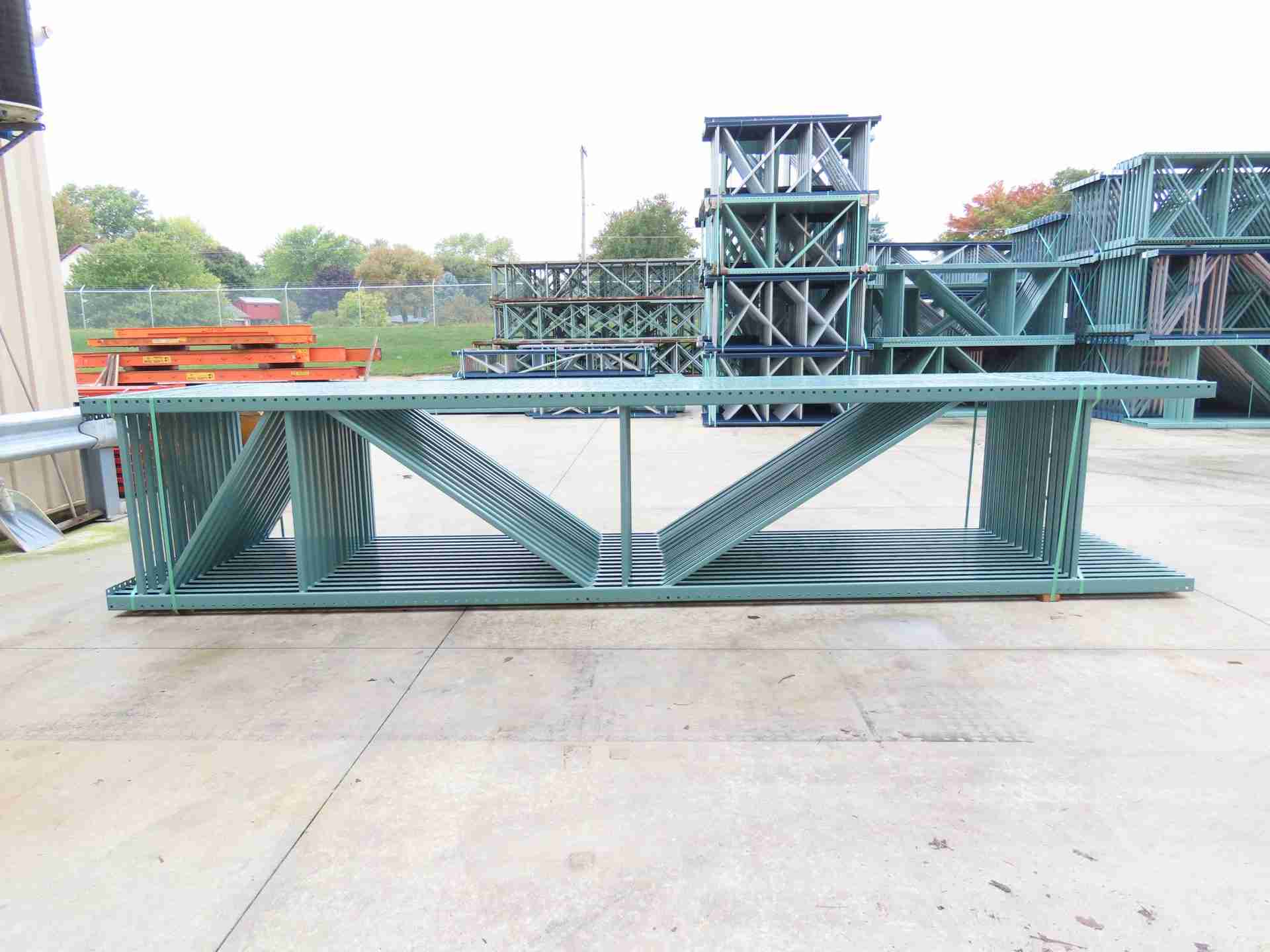
What Are The Most Efficient Warehouse Storage Solutions Available?
What Are The Most Efficient Warehouse Storage Solutions Available?
- Efficient storage solutions can transform warehouse operations.
- Pallet racking optimizes vertical space, allowing for more inventory without using excess floor space.
- The adaptability of pallet racking accommodates various types of goods, from bulky items to seasonal stock.
- Implementing pallet racking enhances organization, reducing time spent searching for products.
- Pallet racking improves safety by organizing items and elevating them off the ground to minimize accidents.
- Consider specific business needs before investing in storage systems for optimal results.
- Smart storage solutions like pallet racking are strategic investments that improve efficiency and profitability.
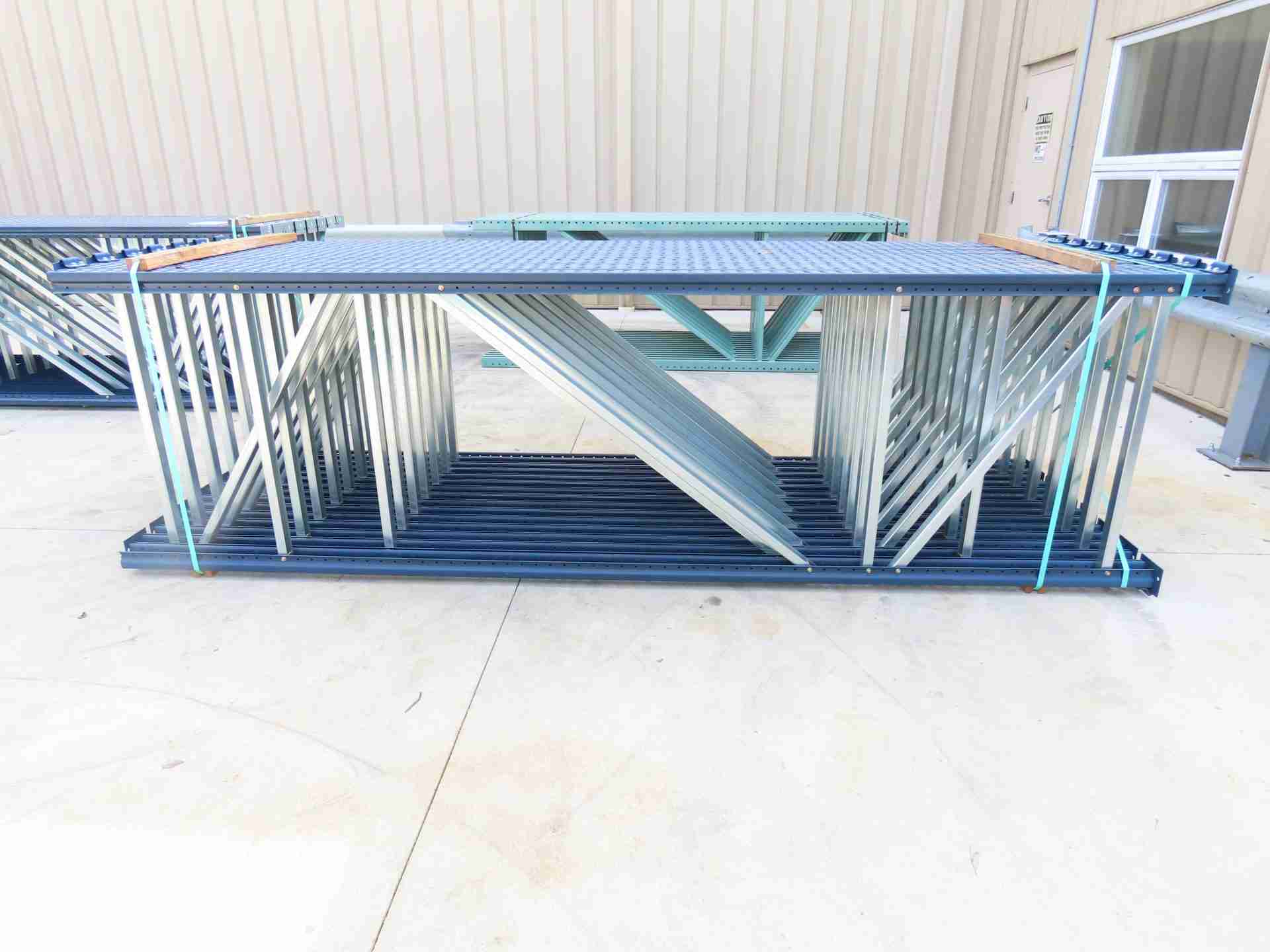
What Are The Most Efficient Warehouse Storage Solutions Available?
How Can Inventory Management Reduce Storage Costs Effectively?
Imagine walking into a warehouse that appears chaotic, where products are piled high on every surface, and the aisles seem to vanish into obscurity. It’s a scenario that many businesses face, and it can do more than just create a headache—it bleeds your bottom line. Lucky for you, effective inventory management is the secret weapon that can transform this chaos into streamlined efficiency, ultimately slashing your storage costs.
Think about it: with an optimal inventory management system, every item has its rightful place. You can utilize clever solutions like pallet racking to maximize your vertical space. By going up instead of out, you not only save on square footage but also ensure that your products are organized and accessible. This means less time spent searching for items and more time relishing the profits that come from a well-oiled operation.
But it doesn’t stop there. Accurate inventory tracking allows you to identify slow-moving items. Those dusty boxes sitting in the back corner? They’re costing you money, possibly even space that could be better utilized for high-demand products. By analyzing sales patterns and adjusting your stock accordingly, you can easily pivot to meet customer demand without overstocking—or worse, running out of popular items. This fine-tuning is what sets successful businesses apart from the rest.
Now, let’s dive a little deeper. Have you ever considered how much your storage methods influence costs? Your choice of pallet racking should not just be about supporting weight; it should be about optimizing costs too. Well-designed racking systems can allow for better airflow and easier access, reducing the time your team spends navigating through clutter. This improved efficiency translates into labor savings—every hour saved is money saved!
And let’s not forget about the emotional aspect of inventory management. A well-organized warehouse creates a culture of accountability and pride among your employees. No one likes to work in disarray. When your team sees a clean, efficient space, it boosts morale and productivity. You retain your star employees and attract the best talent, all because you made inventory management a priority.
In short, effective inventory management isn’t just a back-office task; it’s a growth strategy. By embracing it, you create a smoother operation, reduce unnecessary storage costs, and pave the way for sustained business success. Are you ready to take the leap? Your bottom line will thank you!

How Can Inventory Management Reduce Storage Costs Effectively?
How Can Inventory Management Reduce Storage Costs Effectively?
- Many businesses face chaotic warehouse environments, which can negatively impact profitability.
- Effective inventory management transforms chaos into streamlined efficiency, lowering storage costs.
- Optimal inventory systems ensure that products are organized, accessible, and utilize vertical space.
- Accurate tracking helps identify slow-moving items, allowing businesses to adjust stock to meet demand.
- Storage methods, like pallet racking, influence costs by improving airflow and access, leading to labor savings.
- A well-organized warehouse fosters a culture of accountability, boosting employee morale and productivity.
- Effective inventory management is a growth strategy that enhances operations and supports sustained business success.
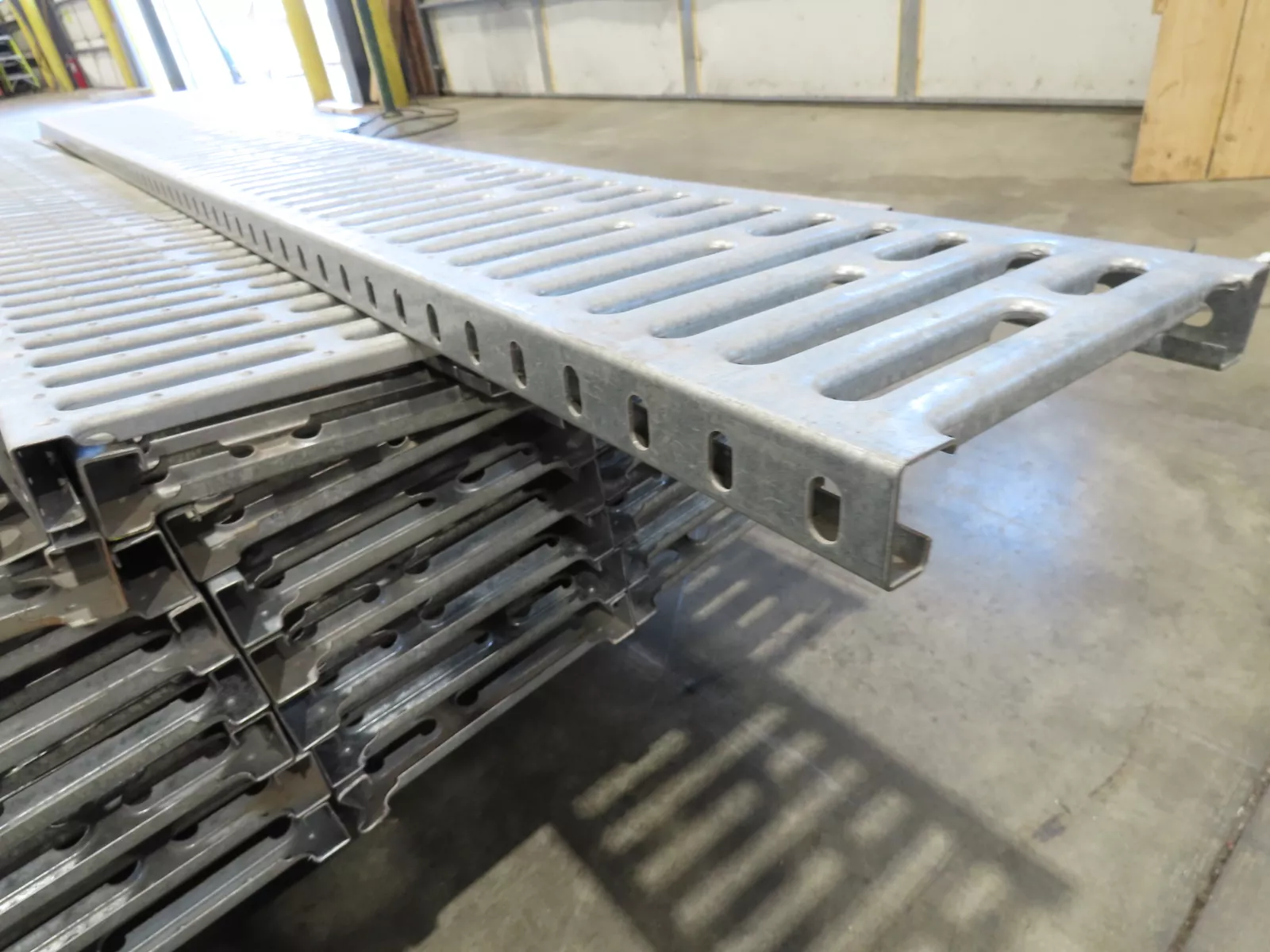
How Can Inventory Management Reduce Storage Costs Effectively?
What Role Does Technology Play In Optimizing Warehouse Spaces?
In today’s fast-paced world, where every second counts, optimizing warehouse spaces is no longer a luxury—it’s a necessity. The intersection of cutting-edge technology and smart design stands at the heart of this transformation, empowering businesses to leverage every square foot. Let’s talk about one of the prime players in this optimization game: pallet racking.
Imagine your warehouse bustling with activity—each product in its perfect place, effortlessly accessed when needed. That’s the beauty of modern pallet racking systems, expertly integrated with technology. These aren’t your grandfather’s racking solutions; today’s systems are smart. They provide real-time data on inventory levels, movement patterns, and space utilization. The technology tracks each pallet’s location and availability, eliminating the guesswork and allowing your staff to devote energy to more valuable tasks.
Let’s pause for a moment and consider the impact that this optimization can have. A state-of-the-art pallet racking system can boost your storage capacity by utilizing vertical spaces that were once neglected. Imagine stacking up products high and efficiently, maximizing every inch of your warehouse. Not only does this mean less clutter, but it also directly translates to shipping more orders faster, ultimately driving your profitability.
But what makes this technology even more compelling is the added layer of flexibility it offers. In the demanding world of logistics, the ability to adapt and change layouts without substantial downtime is vital. Automated racking solutions allow you to reconfigure your warehouse layout easily, accommodating new products, seasonal stock, or shifting demand without breaking a sweat.
And let’s not forget about safety. Technology-enhanced solutions come equipped with advanced safety features that minimize the risks associated with high-stacking or frequent heavy lifting. By prioritizing the wellbeing of your team, you cultivate an environment of trust and reliability—two invaluable currencies in any successful venture.
So, are you ready to take the plunge? Embracing technology for warehouse optimization isn’t just about keeping up with the competition; it’s about setting the pace. It’s about ensuring your business is not only efficient but also resilient. By investing in advanced pallet racking systems and incorporating technology into your operations, you position yourself for growth, innovation, and sustainable success.
The future of your warehouse is here, and it’s waiting for you to seize it. Don’t let this opportunity pass you by—take action today!

What Role Does Technology Play In Optimizing Warehouse Spaces?
What Role Does Technology Play In Optimizing Warehouse Spaces?
- Optimizing warehouse spaces is essential in today’s fast-paced business environment.
- Modern pallet racking systems integrate technology to improve inventory management and space utilization.
- These systems provide real-time data on inventory levels, movement patterns, and location tracking.
- Advanced pallet racking can significantly increase storage capacity by utilizing vertical space.
- Flexibility in layout changes is crucial for adapting to new products and shifting demands.
- Technology-enhanced solutions incorporate safety features to reduce risks associated with high stacking and heavy lifting.
- Investing in advanced pallet racking positions businesses for growth and sustainable success.
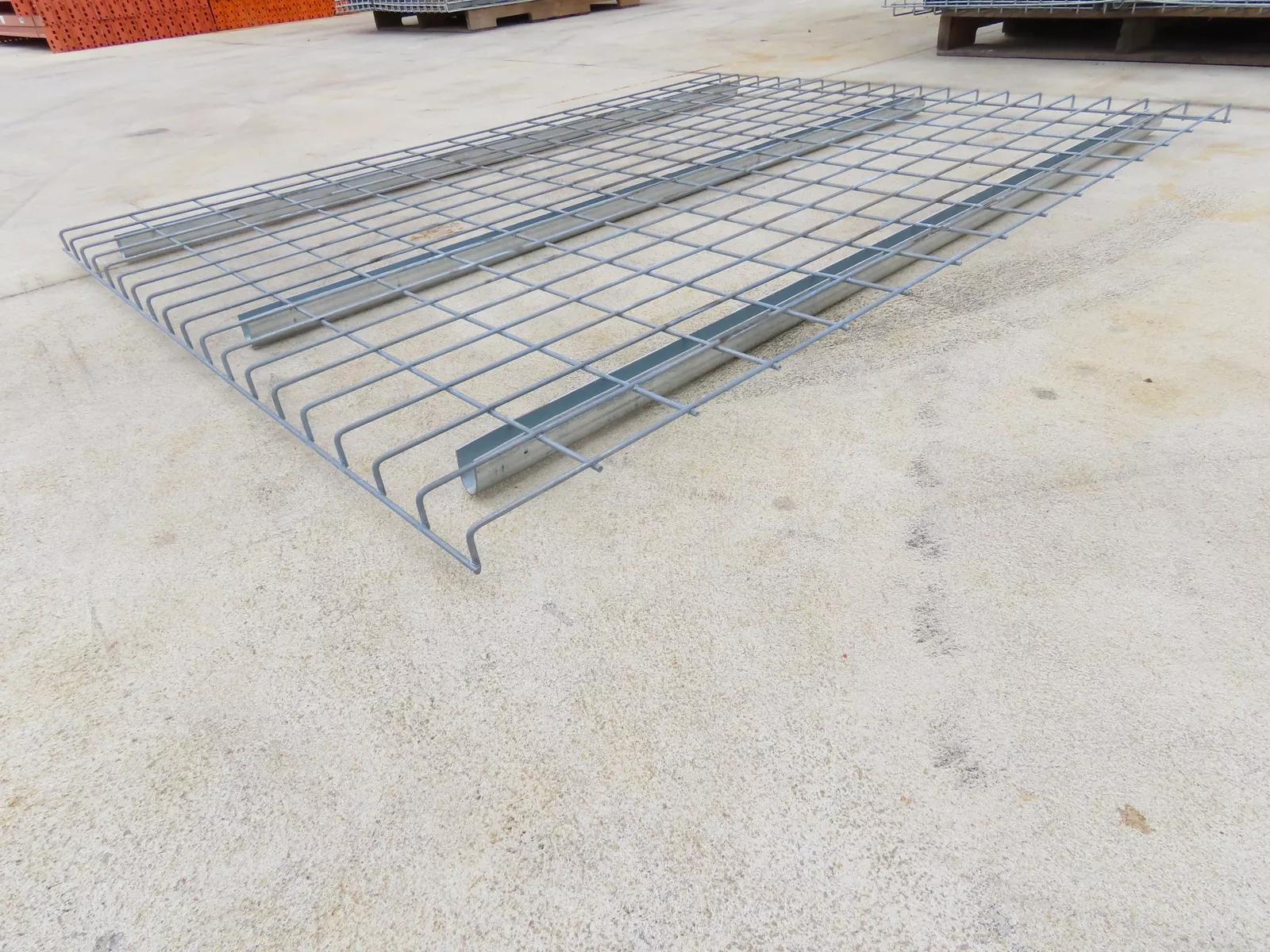
What Role Does Technology Play In Optimizing Warehouse Spaces?
How Often Should Warehouse Layouts Be Reassessed For Cost Savings?
In the fast-paced world of logistics and warehousing, the layout you once thought brilliant could quickly become a roadblock to efficiency and cost savings. So when was the last time you truly scrutinized your warehouse layout? If you can’t remember, it’s high time to roll up your sleeves and take a fresh look. The stakes are too high to let inefficiencies linger—your bottom line begs for action.
Consider your pallet racking—these mighty structures are the backbone of your storage solutions. If they’re not strategically placed, they could be perfecting the art of inefficiency rather than supporting your productivity. A poorly arranged layout may force employees to waste precious time zigzagging through aisles, searching for items that could be more accessible with just a little thought. If your pallet racking isn’t optimized, ask yourself: What else is underperforming?
Best practices suggest reassessing your warehouse layout at least once a year. But don’t let the calendar dictate your urgency. Monitoring real-time efficiency metrics allows you to recognize the warning signs sooner rather than later. If you notice a slowdown in picking speed or increasing out-of-stock situations, it’s time to ask whether your layout is contributing to these challenges.
By routinely evaluating your layout, you position yourself to adapt to fluctuations in inventory levels, product lines, and customer demands. Maybe you’re introducing new technology or shifting to a just-in-time inventory model; whatever the case, it’s about leveraging your warehouse space fluidly. Regular assessments can reveal opportunities for reconfiguration, enabling a more effective use of square footage, especially regarding your pallet racking systems.
For those genuinely committed to cutting costs and enhancing service levels, proactive reassessments lead to informed decisions that translate into stronger profitability. Open the door to collaboration with your team; gather insights on daily operations and pain points, and foster an environment where feedback drives positive change.
Time spent reevaluating your warehouse layout is an investment. It’s your opportunity to create an agile operation ready to meet today’s demands while paving the way for future growth. So don’t wait for inefficiencies to compound—take action now. Your future selves will thank you for the strategic forethought and consideration you put into this critical aspect of your business.

How Often Should Warehouse Layouts Be Reassessed For Cost Savings?
How Often Should Warehouse Layouts Be Reassessed For Cost Savings?
- Warehouse layouts can quickly become obstacles to efficiency and cost savings in logistics and warehousing.
- Regular assessment of pallet racking and overall layout is essential to avoid inefficiencies.
- Employees may waste time if the layout is not optimized, affecting productivity.
- Best practices recommend reassessing warehouse layouts at least once a year, but proactive monitoring is key.
- Routine evaluations help adapt to changes in inventory levels, product lines, and customer demands.
- Collaboration with team members can uncover daily operational insights and drive positive change.
- Investing time in reevaluating warehouse layout prepares businesses for future growth and enhances profitability.
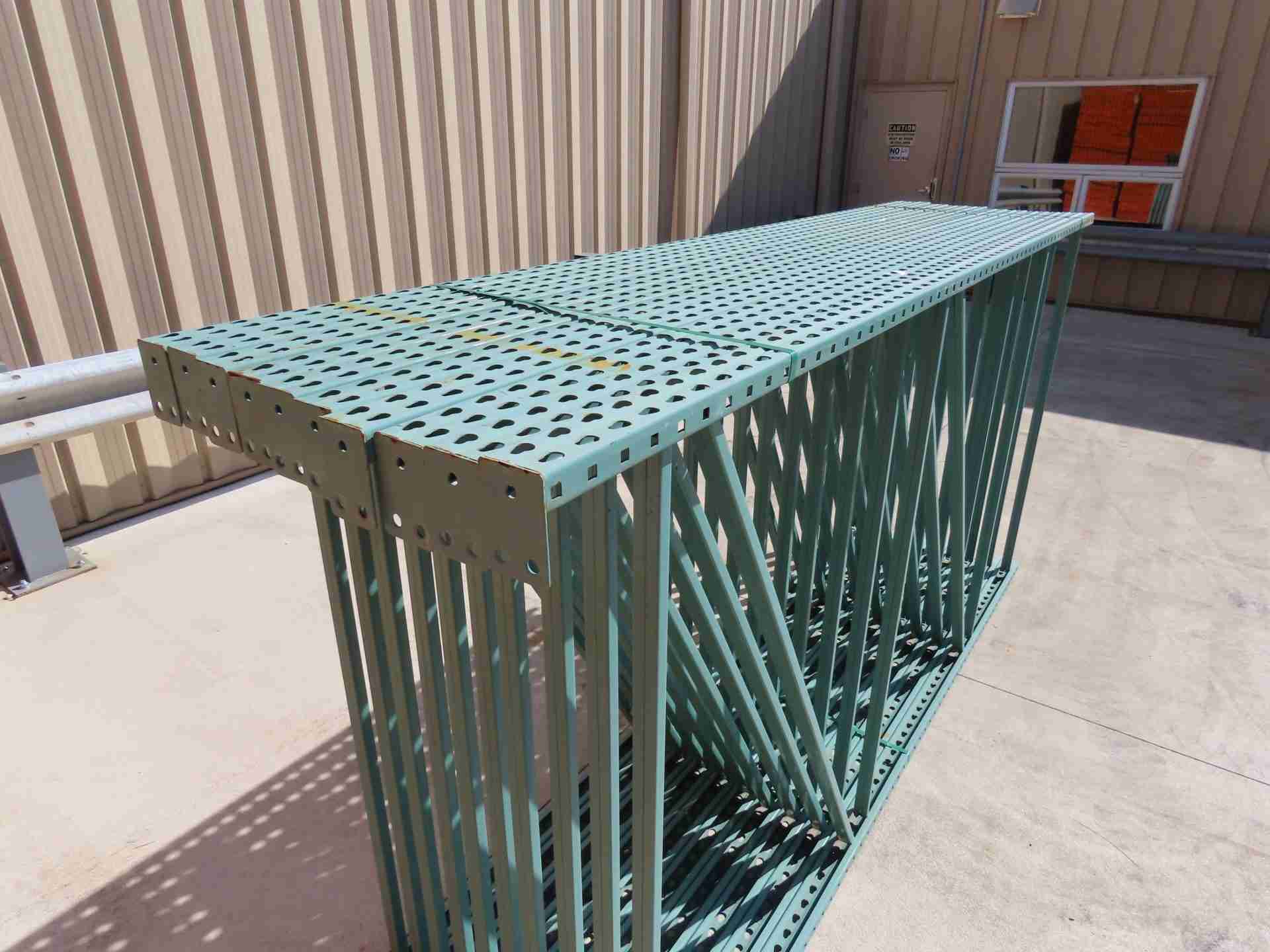
How Often Should Warehouse Layouts Be Reassessed For Cost Savings?
What Are The Best Practices For Maximizing Vertical Storage Space?
In today’s fast-paced world, every square inch of your storage area matters. If you’re striving for efficiency, organization, and ease of access, it’s crucial to master the art of vertical storage. Imagine walking into your warehouse or storage room and feeling a sense of calm rather than chaos. How can you achieve this? Let’s explore how to transform your space into a well-oiled operation.
First, consider the benefits of Pallet Racking systems. These structures aren’t just practical; they are an investment in your business. By utilizing pallet racking, you convert wasted air space into valuable storage capacity, allowing you to stack products high without compromising on retrieval ease. Whether you’re storing seasonal items or inventory for your retail store, pallet racking enables you to create a clear, organized space that maximizes efficiency.
Next, don’t overlook the power of categorization. Organizing items by their size, weight, and frequency of use is the best way to effectively use your vertical space. Start by grouping similar items together; it not only makes locating them easier but also streamlines the picking process. High-turnover items should be placed on the lower levels of your pallet rack, while less frequently accessed products can be stacked higher. You’ll marvel at how simple tweaks can revolutionize your workflow!
Vertical storage can also be enhanced with adjustable shelving. These systems allow you to modify shelf height based on the specific needs of your inventory. This flexibility ensures that every item you store has its designated spot, enabling quick and effortless access. In an environment where time is always of the essence, being able to grab what you need in moments can make a world of difference.
Finally, let’s talk about the importance of routine. Just like any great system, maintaining and regularly revisiting your vertical storage solution keeps your space efficient. Schedule periodic audits to assess your organization. Are those top shelves filled with dust and forgotten items? Take time to declutter—this is your opportunity to reclaim valuable space.
Embrace these best practices for maximizing vertical storage space, and watch your operations flourish. Trust in the systems you put in place, and soon enough, your storage area will transition from overcrowded and disorganized to a prime example of efficiency and productivity. Let’s get started on this transformative journey together!
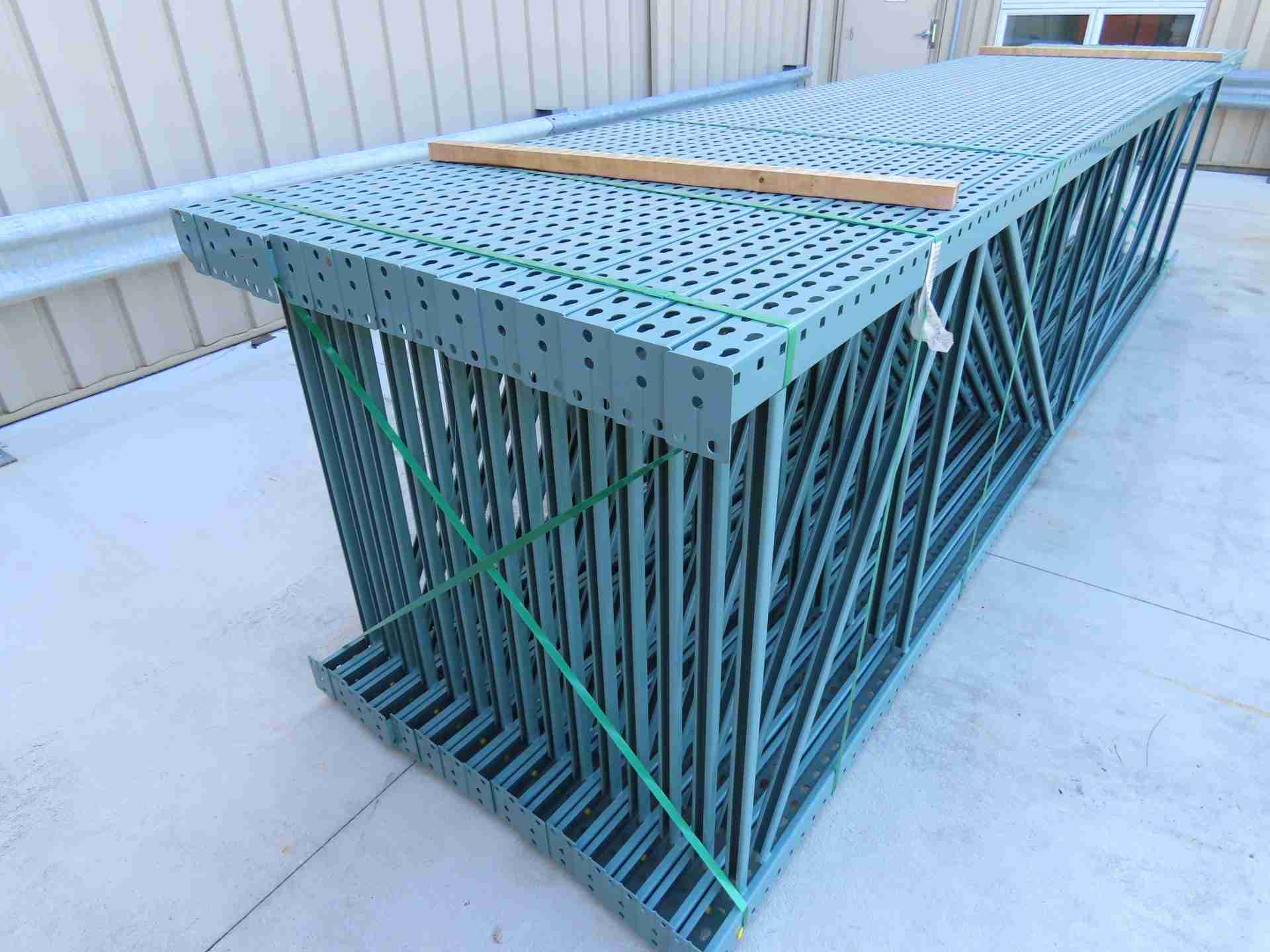
What Are The Best Practices For Maximizing Vertical Storage Space?
What Are The Best Practices For Maximizing Vertical Storage Space?
- Master vertical storage for enhanced efficiency, organization, and accessibility in storage areas.
- Pallet Racking systems convert unused air space into valuable storage, maximizing capacity without sacrificing ease of access.
- Organize items by size, weight, and frequency of use for effective utilization of vertical space and streamlined picking processes.
- Place high-turnover items on lower levels of the pallet rack, reserving higher levels for less frequently accessed products.
- Adjustable shelving allows for modification of shelf height, providing designated spots for every item and facilitating quick access.
- Regular maintenance and audits of your storage system are essential for ongoing efficiency and decluttering of unused items.
- Implement best practices for vertical storage to improve operations and transform your workspace into a model of productivity.
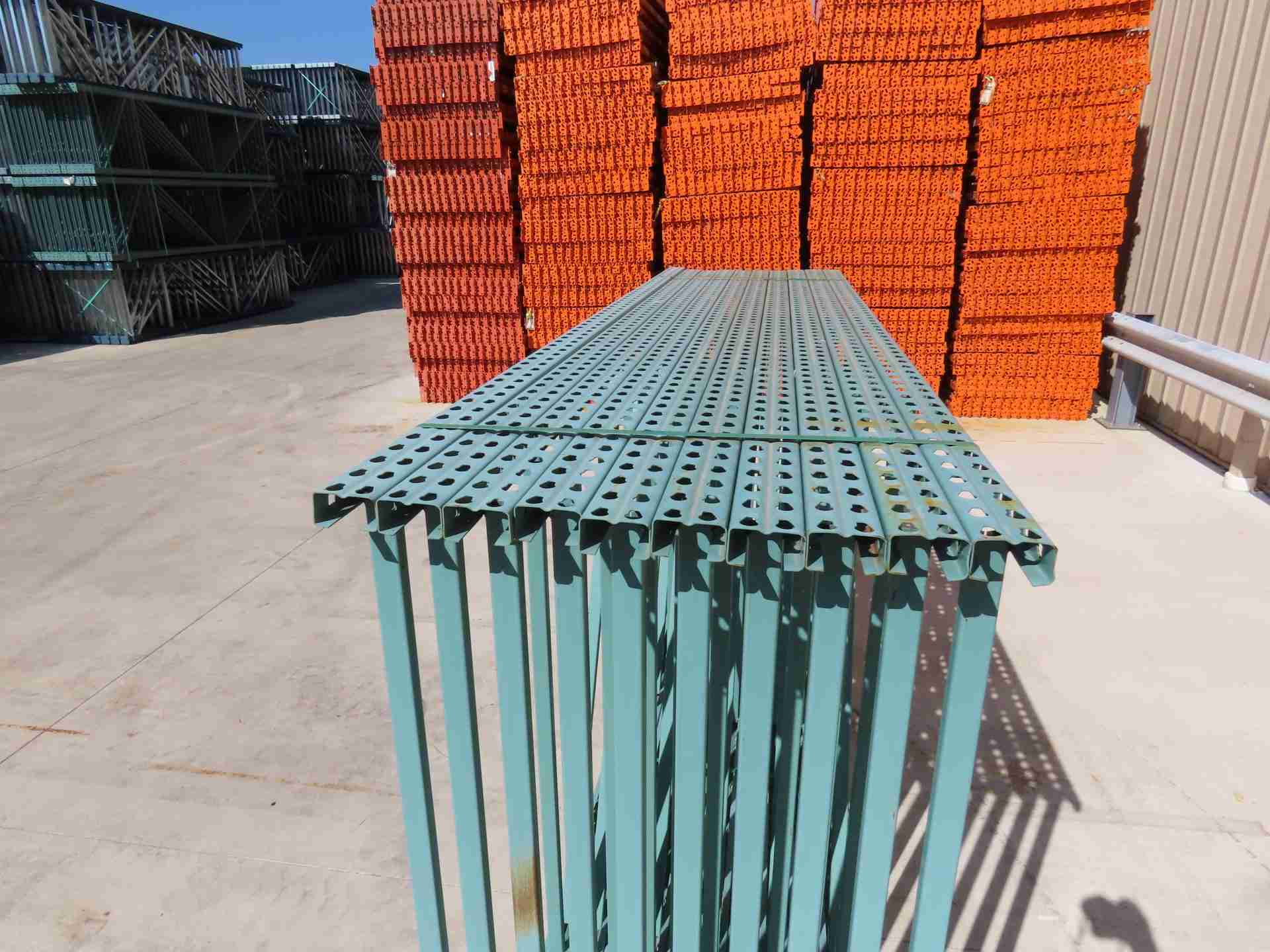
What Are The Best Practices For Maximizing Vertical Storage Space?
How Can Proper Employee Training Cut Warehouse Operating Costs?
Imagine a bustling warehouse, where pallets stacked high are effortlessly maneuvered through smartly designed pallet racking systems. Now, picture the chaos that can ensue without the right training in place. It’s not just about saving a few bucks here and there; it’s about fostering a culture of excellence that transcends the loading dock and resonates throughout your entire operation.
Proper employee training is your golden ticket to operating efficiency and cost reduction. When your team is thoroughly educated on best practices—like how to safely utilize pallet racking systems—safety mishaps diminish and productivity soars. Think about it: a trained employee knows the ins and outs of equipment, understands how to navigate the layout effectively, and can spot potential hazards before they lead to costly accidents or equipment damage. Just one incident can derail your bottom line, so investing in training becomes a no-brainer.
Let’s delve deeper: how many hours are wasted on the floor due to confusion and miscommunication? Picture an employee unsure of how to navigate your pallet racking setup while a productivity clock ticks away in the background. Clear and consistent training reduces these wasted hours and transforms hesitation into action. Employees empowered with knowledge tackle problems with confidence, leading to faster decision-making and impressively quick turnaround times.
Moreover, effective training creates a unified team spirit. When employees share a common understanding of protocols and procedures, they work more seamlessly together. Your warehouse becomes an orchestra where every worker knows their instrument—efficiently handling everything from inventory management to order fulfillment—keeping operations humming smoothly. This collaborative environment means less time spent rectifying errors and more time focusing on elevating your service standards.
But it doesn’t end there. A well-trained workforce translates to lower employee turnover. When workers feel equipped and respected, they’re more likely to stay put. Imagine the savings from reduced hiring, onboarding, and training for new workers. Plus, a stable workforce knows the ropes, making the warehouse even more efficient.
So, what are you waiting for? Proper employee training is an investment that pays dividends, turning your warehouse into a powerhouse of productivity while cutting unnecessary operating costs. It’s time to cultivate a training-focused culture—your bottom line will thank you!

How Can Proper Employee Training Cut Warehouse Operating Costs?
How Can Proper Employee Training Cut Warehouse Operating Costs?
- Proper employee training fosters a culture of excellence in warehouse operations.
- Thorough training improves safety and productivity, reducing mishaps and enhancing efficiency.
- Trained employees understand equipment usage, navigate layouts effectively, and identify hazards.
- Clear and consistent training minimizes wasted hours caused by confusion and miscommunication.
- Effective training fosters teamwork, leading to seamless operations and improved service standards.
- A well-trained workforce reduces employee turnover, leading to significant cost savings.
- Investing in employee training enhances productivity and lowers operating costs, benefiting the bottom line.
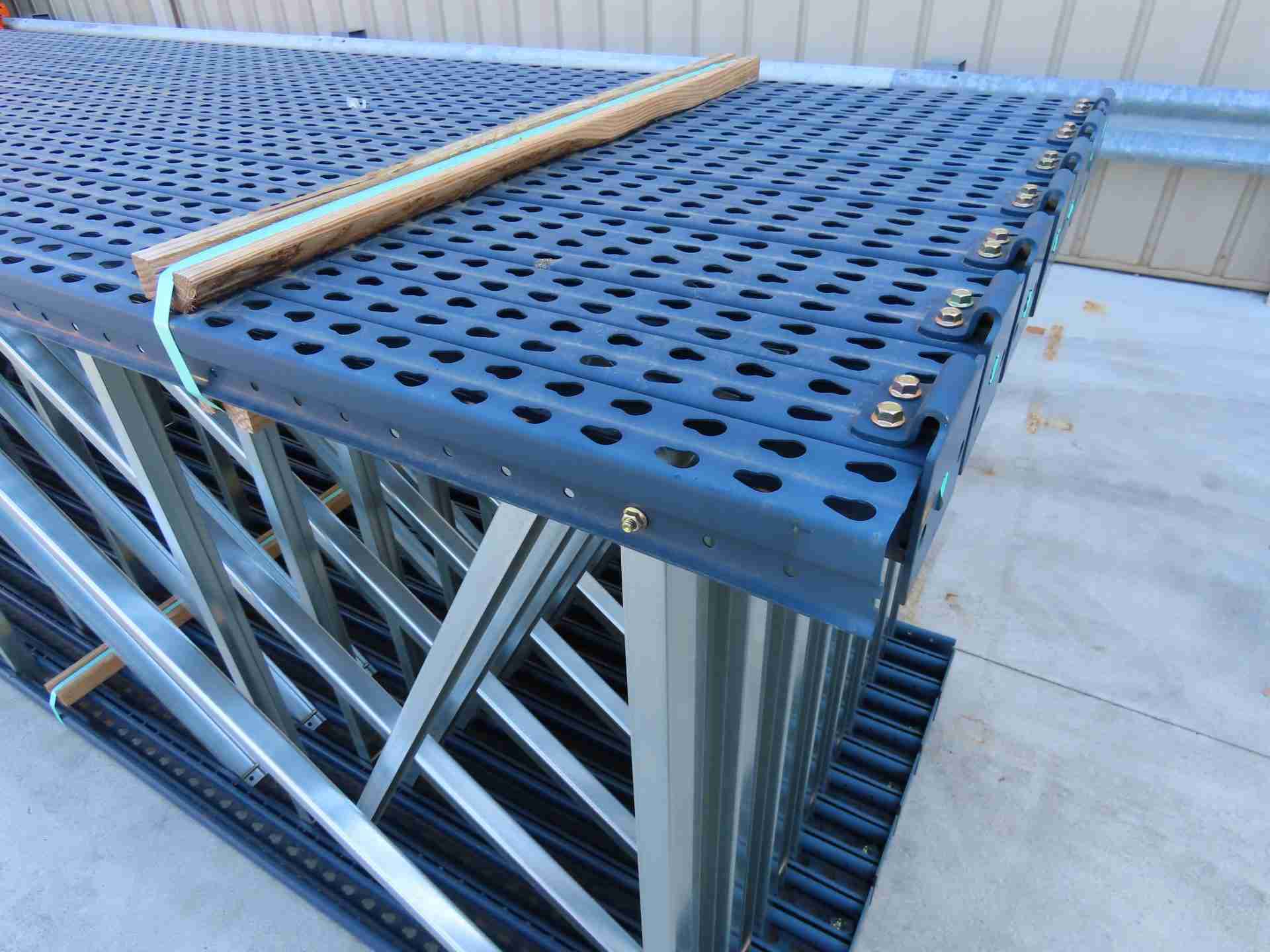
How Can Proper Employee Training Cut Warehouse Operating Costs?
Conclusion
Conclusion
In the ever-evolving landscape of warehouse management, the difference between mediocrity and remarkable efficiency lies within your grasp, and it starts with the transformative power of improved storage systems. Imagine walking into a clutter-free, organized warehouse where every item is precisely where it needs to be—waiting to be picked, packed, and shipped with incredible speed. This is not a mere dream but a feasible reality when you implement smarter warehouse storage practices, notably through the strategic use of pallet racking.
When you optimize your pallet racking system, you are not just freeing up valuable floor space; you are unlocking a treasure trove of potential savings—up to a staggering 30% reduction in operational costs. This isn’t just about streamlining processes; it’s about letting your bottom line thrive as you reinvest those savings into growth opportunities for your business.
However, these changes require more than mere adjustments; they demand a committed approach to continuous improvement. Consider regularly reassessing your warehouse layout, embracing cutting-edge technology, and investing in proper employee training to foster a thriving culture of efficiency. Each of these actionable steps contributes to a well-oiled machine, ensuring that your operations are not just functional but optimal.
Think about the cost-saving benefits of effective inventory management and the motivational boost a well-trained workforce brings. Employees who feel equipped and confident in their environments work faster and smarter, directly impacting your profitability. A consistent review of warehouse layouts keeps your operations agile and responsive to changing demands, ensuring that inefficiencies do not become a long-term hindrance.
As you stand at the precipice of potential, remember: embracing modern pallet racking systems isn’t just about today’s efficiencies but building the future of your business. Now is the time to take action. Don’t let old storage practices inhibit your growth; tap into the power of innovative solutions that maximize vertical space and organization.
We urge you not to miss this opportunity to overhaul your operations. Call Arrow Industrial Sales today at (574) 349-6575 to explore tailored storage solutions that can elevate your warehouse efficiency and decrease costs. The time for change is now—transform your warehouse from chaos into a bastion of productivity and watch your costs plummet while your success soars!

Conclusion
Conclusion:
- Optimizing warehouse management can transition operations from mediocrity to remarkable efficiency through improved storage systems.
- Implementing smarter warehouse storage practices, notably through strategic pallet racking, facilitates a clutter-free and organized workspace.
- Effective pallet racking systems can lead to up to a 30% reduction in operational costs, allowing for reinvestment into business growth.
- Continuous improvement requires regular reassessment of warehouse layouts, adoption of cutting-edge technology, and investment in employee training.
- A well-trained workforce, equipped and confident in their roles, enhances speed and efficiency, positively impacting profitability.
- Regular reviews of warehouse layouts keep operations agile and responsive to change, preventing inefficiencies from becoming long-term issues.
- Embrace modern pallet racking systems to not only improve current efficiencies but also build a solid future for your business.
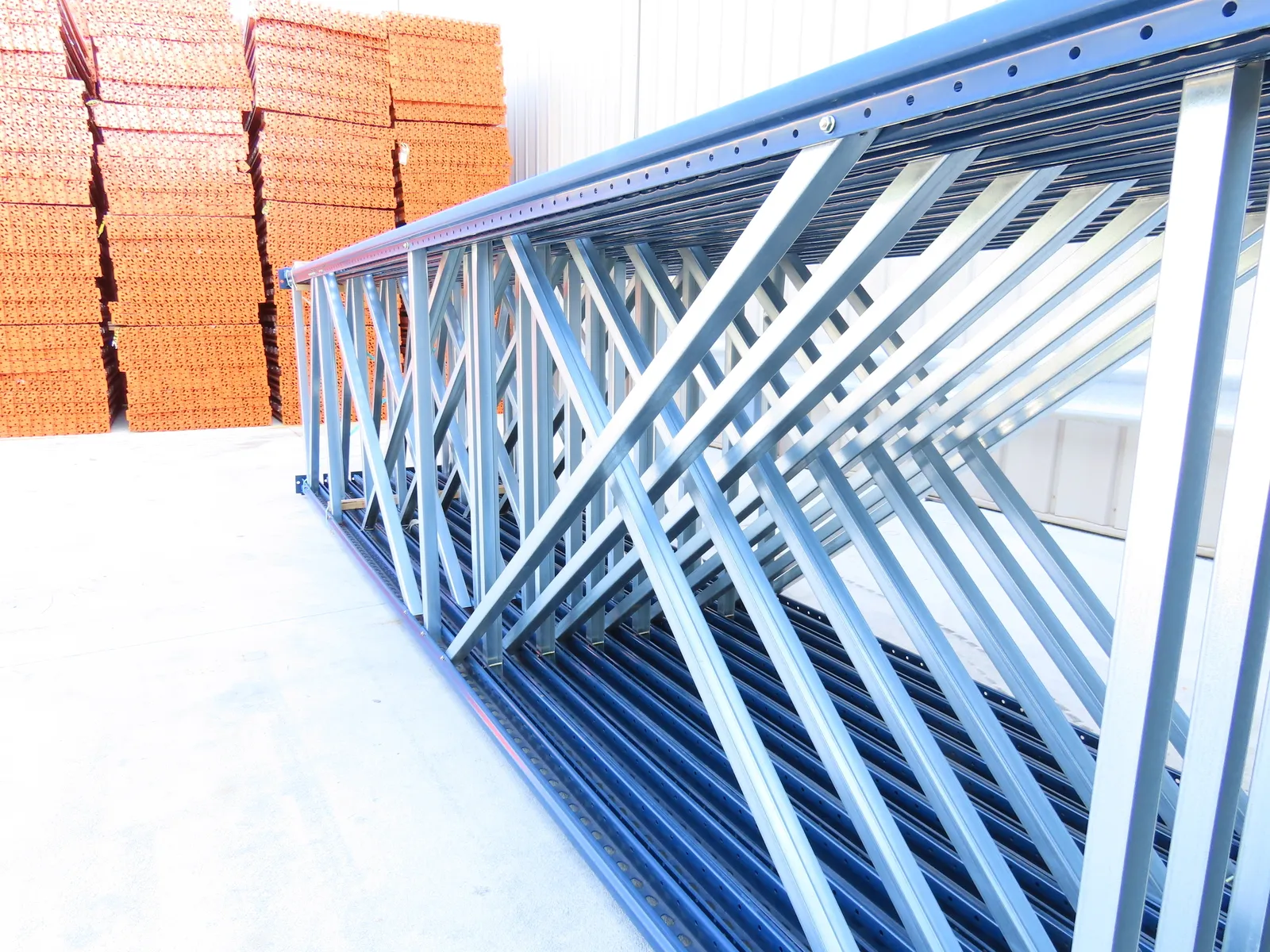
Conclusion
Other Resources
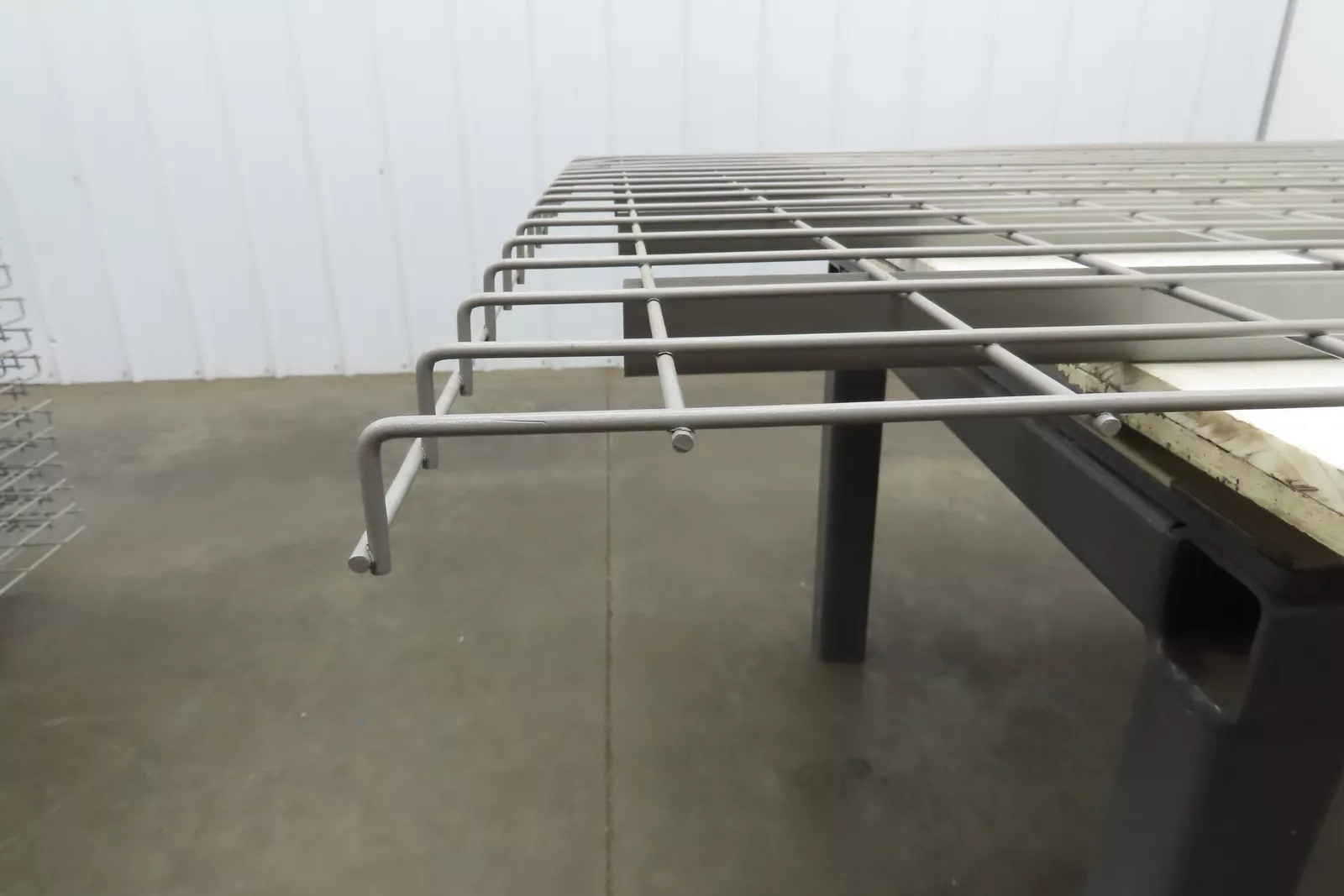
Other Resources
Here is a list of other resources you can review online to learn more:
- WERC
- RMI
- Selective Racking
- Pallet Racking systems in Illinois and Great Lakes
- The Complete Pallet Rack Guide – Simply Rack
- IWLA
- What is Selective Racking: Understanding Benefits & Options
- International Warehouse Logistics Association
- Interlake
- Overhead Lifting
Use This Prompt To Get More Resources With Your Favorite Online AI Tool: Please provide me with a list of online articles with their URLs in a bulleted list that I can read regarding Can You Slash Costs with Better Warehouse Storage Practices Today?
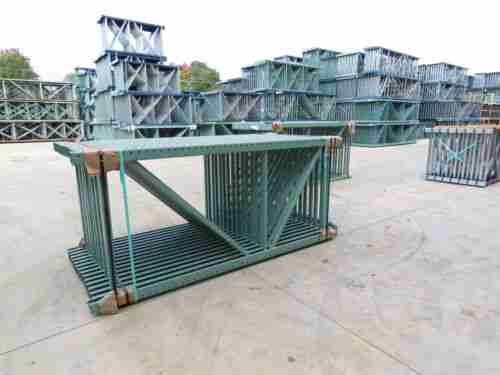
Other Resources
Glossary Terms
Can You Slash Costs with Better Warehouse Storage Practices Today? – Glossary Of Terms
1. Warehouse Optimization: The process of improving warehouse operations to maximize efficiency and reduce costs, including storage layouts and inventory management.
2. Inventory Management: The supervision of non-capitalized assets (inventory) and stock items, ensuring that the right amount of stock is available at the right time.
3. Space Utilization: The effective use of physical storage space within a warehouse, aiming to maximize storage density and minimize wastage.
4. Lean Warehousing: A methodology that focuses on minimizing waste within warehouse operations while maximizing productivity and efficiency.
5. FIFO (First In, First Out): An inventory management strategy where the oldest stock is sold or used first to ensure freshness and reduce waste.
6. LIFO (Last In, First Out): An inventory management approach where the newest stock is used first, often applied in specific situations based on product type.
7. Cross-Docking: A logistics procedure where incoming goods are directly transferred to outbound shipping with minimal handling and storage time.
8. Storage Density: The amount of product or items that can be stored in a given warehouse space, critical for maximizing warehouse capacity.
9. Automated Storage and Retrieval Systems (AS/RS): Mechanized systems that automatically retrieve products for order fulfillment, improving efficiency and reducing labor costs.
10. Dynamic Slotting: A strategy to place products in warehouse locations based on their picking frequency to optimize retrieval times and reduce costs.
11. Bulk Storage: The practice of storing large quantities of goods together, often used for high-volume items to maximize space efficiency.
12. ABC Analysis: A method of classifying inventory into three categories (A, B, C) based on criteria like value and volume to prioritize management efforts.
13. Pick-to-Light Systems: A technology that uses lights to direct warehouse personnel to items that need to be picked for orders, increasing picking speed and accuracy.
14. Zone Picking: A method where warehouse workers are assigned specific zones to pick items for orders, enhancing organization and efficiency.
15. Warehouse Layout: The design and arrangement of storage areas, workspaces, and flow paths within a warehouse to optimize operations.
16. Temperature-Controlled Storage: A specialized storage area that maintains specific temperature ranges necessary for certain products, such as pharmaceuticals or perishables.
17. Sustainability Practices: Techniques aimed at reducing environmental impact in warehousing, including energy-efficient operations and waste reduction measures.
18. Cost-to-Serve Analysis: Evaluating the total costs associated with serving a customer, helping to identify areas where efficiencies can be achieved.
19. Shrinkage: The loss of inventory due to theft, damage, or accounting errors, which can significantly impact warehouse costs.
20. Return on Investment (ROI): A measure used to evaluate the profitability of investments made in warehouse improvements or technologies.
21. Cycle Counting: An inventory auditing process where a portion of inventory is counted on a specific day, helping maintain accurate inventory records.
22. Direct Shipping: A logistics method where products are shipped straight from the manufacturer to the customer, bypassing the warehouse.
23. Technology Integration: The incorporation of software and hardware technologies into warehouse operations to streamline processes and improve efficiency.
24. Shipping Accuracy: The precision with which orders are filled, impacting customer satisfaction and operational costs.
25. Consolidation: The grouping of shipments from multiple locations to optimize transportation costs and improve shipping efficiency.
26. Warehouse Management System (WMS): Software that helps manage daily warehouse operations, including inventory tracking, order management, and labor planning.
27. Inventory Turnover: A ratio indicating how many times inventory is sold and replaced over a period, reflecting warehouse efficiency and demand management.
28. Palletization: The process of stacking goods on pallets for easier handling, storage, and transport in a warehouse.
29. Last-Mile Delivery: The final step of the delivery process, focusing on getting products from a transportation hub to the customer’s door.
30. Cost Efficiency: The ability to deliver products and services at the lowest possible cost while maintaining quality, crucial for effective warehouse operations.
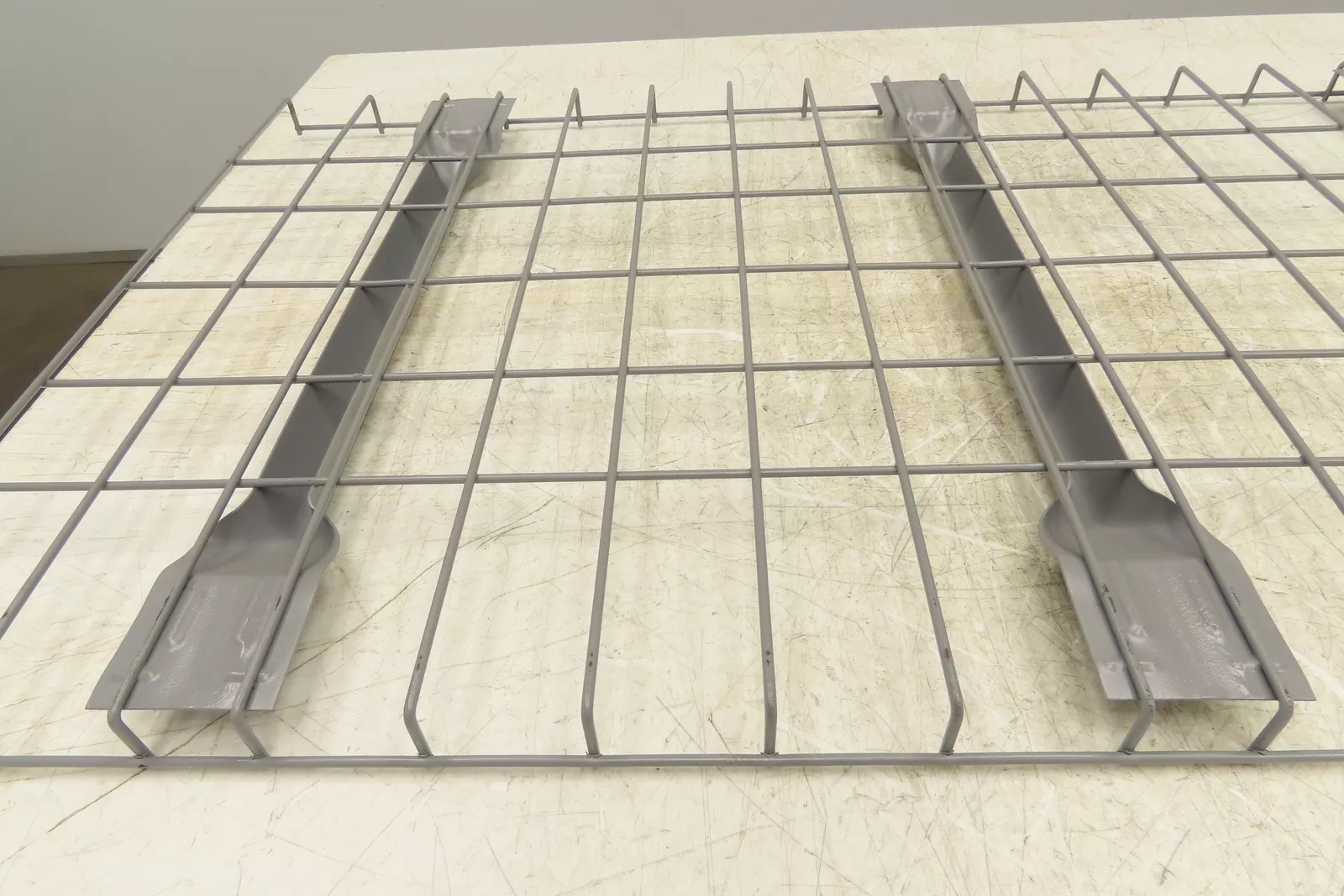
Glossary Of Terms
Other Questions
Can You Slash Costs with Better Warehouse Storage Practices Today? – Other Questions
If you wish to explore and discover more, consider looking for answers to these questions:
- What specific pallet racking systems are most effective for my type of inventory?
- How can I measure the efficiency of my current warehouse layout?
- What are the common mistakes businesses make in warehouse storage practices?
- How much space can I realistically save by optimizing my warehouse storage?
- What technology solutions can enhance my current warehouse operations?
- What is the best way to assess the success of new storage practices or technologies?
- How can I engage employees in the warehouse optimization process?
- What factors should I consider when choosing a storage solution?
- How often should inventory levels be reviewed in conjunction with storage practices?
- Are there industry benchmarks for warehouse space utilization that I should be aware of?
- What safety protocols should I implement when reorganizing my warehouse?
- How can seasonal fluctuations in inventory impact my storage planning?
- What role do suppliers play in optimizing warehouse storage solutions?
- How can I ensure a smooth transition when implementing new storage practices?

Other Questions
Checklist
Can You Slash Costs with Better Warehouse Storage Practices Today? – A Checklist
Checklist: Optimizing Your Warehouse Storage Practices for Cost Efficiency
Storage Solutions
1. Assess Current Storage Systems
_____ Evaluate existing pallet racking systems and storage solutions.
_____ Check for space optimization and accessibility.
2. Explore Pallet Racking Options
_____ Research different types of pallet racking systems (adjustable, heavy-duty, etc. ).
_____ Consider vertical storage solutions to maximize space.
3. Organize Inventory
_____ Categorize inventory by size, weight, and turnover rate.
_____ Place high-turnover items at eye level for easy access.
Inventory Management
4. Implement Inventory Tracking Tools
_____ Use technology for real-time inventory monitoring.
_____ Identify slow-moving items to prevent overstocking.
5. Conduct Regular Inventory Audits
_____ Schedule audits to assess stock levels and organization.
_____ Declutter and update inventory based on sales patterns and demand.
Technology Integration
6. Invest in Smart Technology
_____ Explore automated racking and inventory systems.
_____ Check for software that provides analytics on space utilization and employee productivity.
7. Train Employees on Technology Usage
_____ Provide specific training on new technology and tools.
_____ Ensure staff understands how to leverage the technology for efficiency.
Employee Training
8. Implement Ongoing Training Programs
_____ Create a structured training schedule for staff on best practices.
_____ Cover safe equipment usage and efficient workflow processes.
9. Foster a Culture of Continuous Improvement
_____ Encourage employee feedback on operations and layout.
_____ Regularly revisit training materials to address changing needs or processes.
Layout Optimization
10. Reassess Warehouse Layout Regularly
_____ Conduct layout assessments at least once a year.
_____ Monitor real-time metrics for inefficiencies (e. g. , picking speed).
11. Involve Employees in Layout Decisions
_____ Get input from employees on workflow and layout challenges.
_____ Use insights to make informed changes that enhance efficiency.
Best Practices
12. Create a Routine for Maintenance
_____ Schedule regular cleanups of the warehouse and storage areas.
_____ Ensure that pallet racking systems are inspected and maintained frequently.
13. Implement Safety Protocols
_____ Establish safety guidelines for handling heavy items and navigating storage areas.
_____ Use signage and training to foster a safe working environment.
Conclusion
14. Commit to Continuous Improvement
_____ Regularly review cost-saving methods and efficiency strategies.
_____ Set measurable goals to track improvements over time.
By following this checklist, you can enhance your warehouse operations, improve efficiencies, and significantly cut costs. Embrace the changes needed to transform your storage practices today!
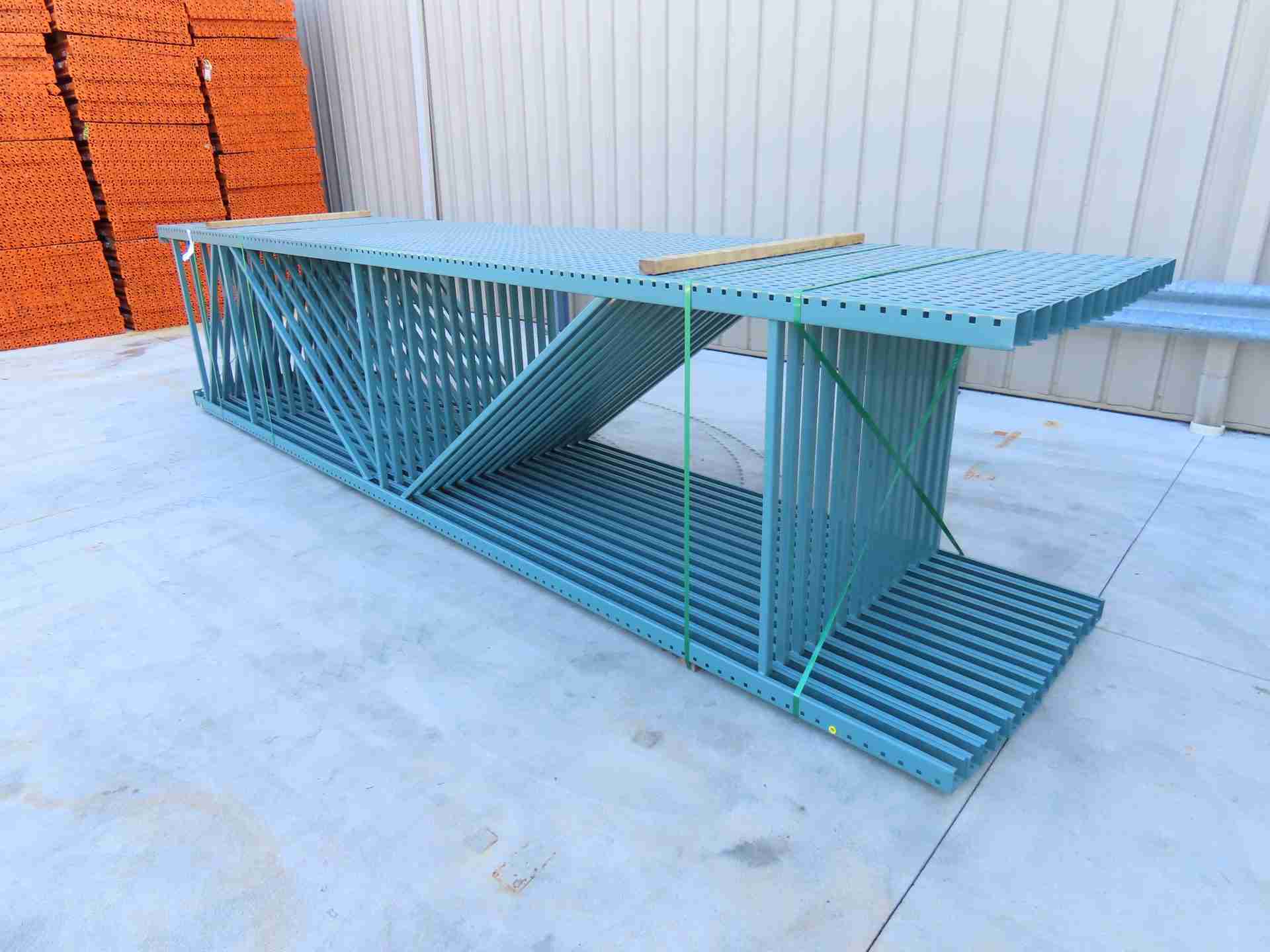
Checklist
At RackingWorld, we help guide you through selecting warehouse storage systems and racking.
Be sure to read our other related stories at RackingWorld to learn more about warehouse storage systems.
0 Comments