
Solving The Mystery Of Disappearing Warehouse Workers
By Tom Seest
At RackingWorld, we help guide you through selecting warehouse storage systems and racking.
Be sure to read our other related stories at RackingWorld to learn more about warehouse storage systems.
Are Your Warehouse Practices Turning Workers Into Ghosts?
Imagine walking through your warehouse, surrounded by stacks of pallet racking filled to the brim with inventory. Everything seems orderly at first glance, but look a little closer. Are your workers merely shadows, dutifully pushing carts and operating forklifts, or are they fully engaged, driven, and motivated? If your warehouse practices are likely turning workers into ghosts, it’s time to shine a light on what truly matters—the human element of your operation.
Workers are the heartbeat of your warehouse. When warehouse practices become mere routines, they drain the energy and enthusiasm right out of your team. The repetitive tasks, the tightly packed pallet racking, and the constant pressure to meet quotas can create a sterile environment that saps creativity and morale. And as motivation fades, productivity dwindles. Your valuable team members—from the picker to the packer—start feeling like invisible specters, merely existing but not thriving.
The consequences? You lose turnover. High turnover breeds chaos, costing you valuable time and resources on training new hires. Workers that feel disconnected or undervalued tend to disengage, and disengaged workers are less likely to put in that extra effort—the kind you need to propel your operation forward.
So, how do you ensure your warehouse isn’t a ghost town? Start by evaluating your practices. Prioritize not just efficiency, but also the well-being of your team. When you invest in ergonomic solutions, like adjustable shelving or pallet racking systems that minimize strain, you demonstrate a commitment to their comfort. Implement training that empowers employees to take ownership of their roles and contribute ideas for improvement. Open lines of communication; create an environment where employees feel they can voice concerns and suggest enhancements without fear.
Engage with your team. Offer rewards and recognition for high performance, not just to hit targets but to make workers feel valued. A simple “thank you” can go a long way. When your workers know you appreciate their efforts, they will return the favor tenfold.
Transform your warehouse from a place where workers exist into a vibrant hub of activity and innovation. Revitalize your practices, and watch as your workers stop becoming ghosts and start thriving as integral parts of a living, breathing operation. Don’t wait—take action today, and turn your warehouse into a place where everyone wants to be.
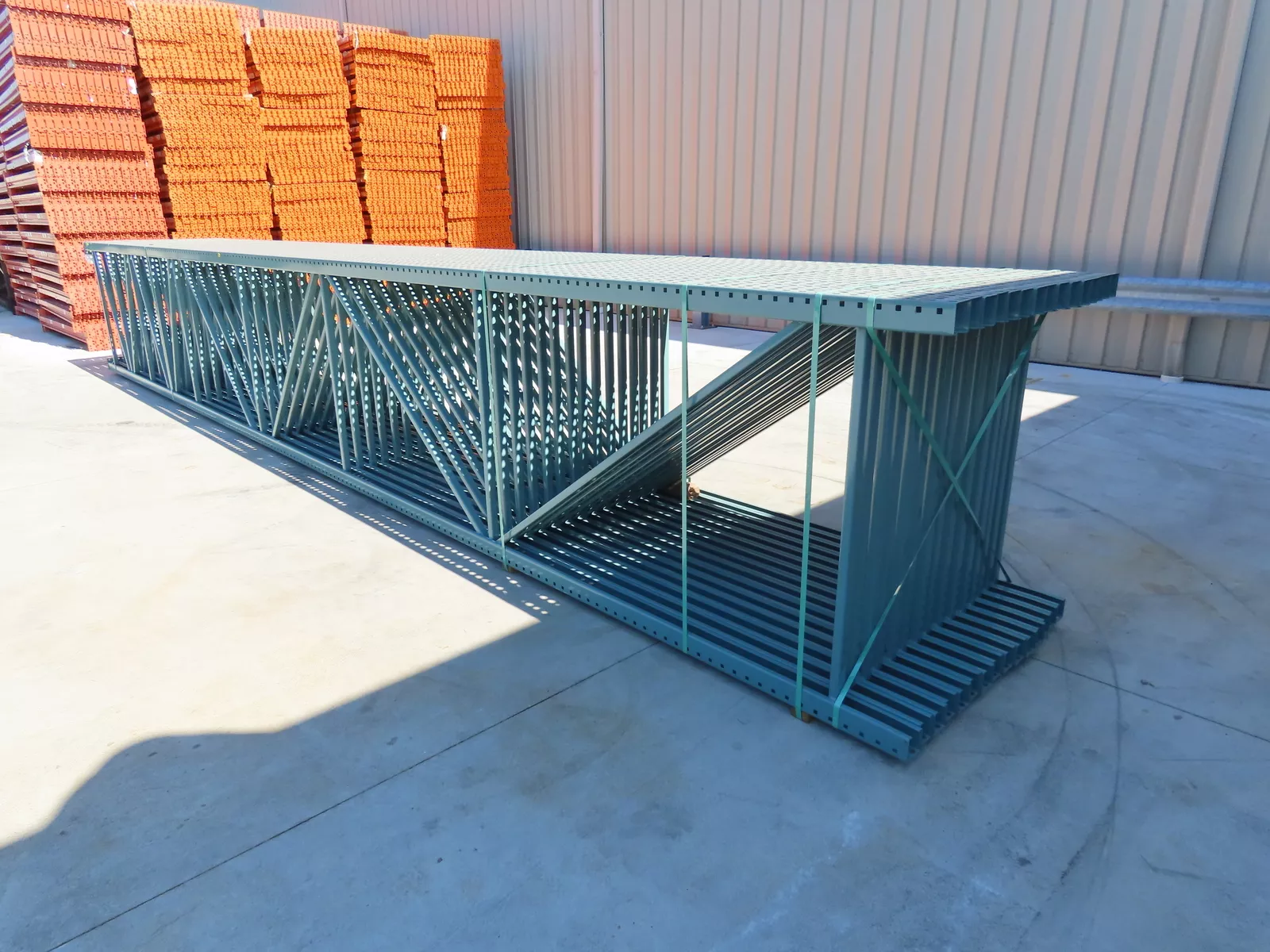
Are Your Warehouse Practices Turning Workers Into Ghosts?
Are Your Warehouse Practices Turning Workers Into Ghosts?
- Workers are essential to warehouse operations; their engagement significantly impacts productivity.
- Repetitive tasks and pressure can drain enthusiasm, leading to disengaged workers who feel like mere shadows.
- High turnover rates due to disengagement can waste resources on training new hires.
- Prioritize both efficiency and employee well-being by investing in ergonomic solutions.
- Empower workers by providing training, encouraging ownership, and fostering open communication.
- Recognize and reward high performance to make employees feel valued and appreciated.
- Transform the warehouse into a dynamic environment that encourages innovation and promotes worker satisfaction.
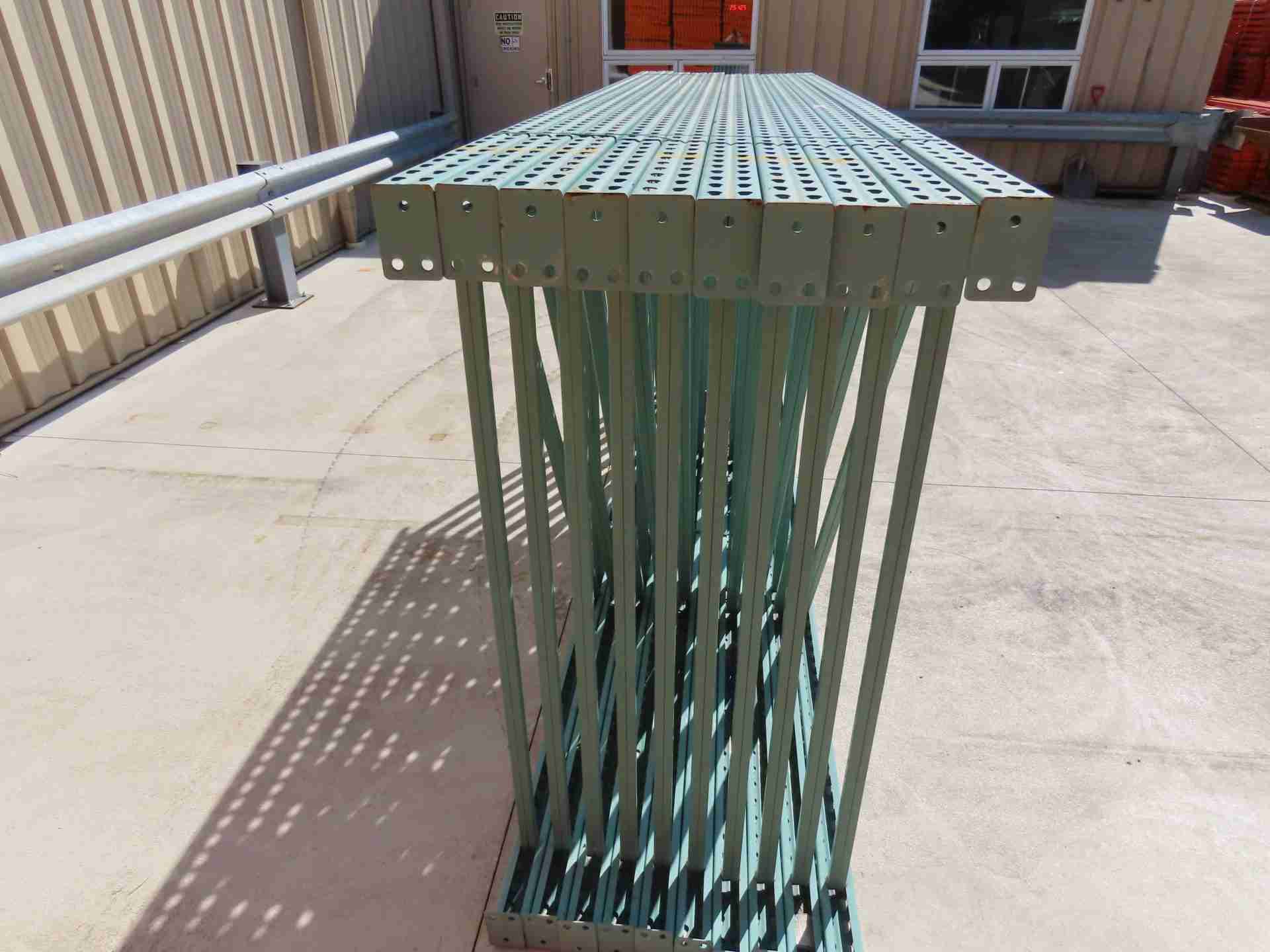
Are Your Warehouse Practices Turning Workers Into Ghosts?
Table Of Contents
- Are Your Warehouse Practices Turning Workers Into Ghosts?
- What Are The Signs Of Employee Disengagement In Warehouses?
- How Can Poor Practices Lead To High Turnover Rates?
- What Role Does Warehouse Layout Play In Worker Satisfaction?
- Are Safety Concerns Contributing To Employee Ghosting Behavior?
- How Can Communication Improve Morale In Warehouse Settings?
- What Training Methods Can Reduce The Feeling Of Isolation For Workers?
- Conclusion
- Other Resources
- Glossary Of Terms
- Other Questions
- Checklist
What Are The Signs Of Employee Disengagement In Warehouses?
Have you ever walked into your warehouse and felt the energy just… drain away? It’s more common than you might think, and understanding the signs of employee disengagement can make all the difference between productivity and chaos. Let’s break it down.
First, consider the physical environment. If you see that the pallet racking systems are cluttered or poorly organized, it might not just be a sign of poor inventory management—it’s a glaring indicator of disengagement. Employees who care about their work will keep their areas tidy, ensuring that each pallet and product has a designated place. A neglected workspace often reveals a workforce that has lost motivation.
Next, look for a dip in enthusiasm. Have the routine group meetings turned into monotonous check-ins where eyes glaze over, and shoulders slump? If your team members are merely going through the motions, it’s time to take a closer look. Disengaged employees won’t actively participate in discussions or contribute ideas. They might even stand idly by as shipping deadlines come and go, casting an ominous shadow over productivity.
Another red flag to watch for is a reluctance to collaborate. In a warehouse setting, teamwork is essential. If you notice employees avoiding collaboration or working in isolation, it can be a telltale sign of disengagement. They should be rallying around each other, sharing insights on efficient pallet racking setups and assisting when heavy loads come into play. When they stop working together, you can bet it’s because they feel disconnected from their roles and from one another.
Moreover, keep an eye on absenteeism. Frequent missed shifts often indicate a deeper issue. Employees who are engaged typically view their work as a crucial part of their lives—missing work would mean sacrificing their sense of purpose. When absenteeism spikes, it’s time to dig deeper into employee sentiment.
Finally, gauge the quality of their work. Are mistakes on the rise? Are tasks being completed below standards? These performance declines reflect not only a lack of engagement but can also cascade into larger operational challenges. Employees who are invested take pride in their work and strive for excellence.
Recognizing these signs early will empower you to create an environment that fosters connection, inspires accountability, and most importantly, ignites the passion of your workforce. After all, a thriving warehouse starts with engaged employees who feel valued and motivated to excel!

What Are The Signs Of Employee Disengagement In Warehouses?
What Are The Signs Of Employee Disengagement In Warehouses?
- Employee disengagement can negatively impact warehouse productivity.
- Pallet racking systems that are cluttered or unorganized indicate low motivation among employees.
- Dips in enthusiasm during meetings suggest a lack of engagement and participation.
- Avoidance of collaboration among team members is a key sign of disengagement.
- Frequent absenteeism may signal deeper issues with employee sentiment and engagement.
- Declines in work quality and rising mistakes reflect disengagement and can lead to operational problems.
- Recognizing disengagement signs early can help foster a more connected and motivated workforce.
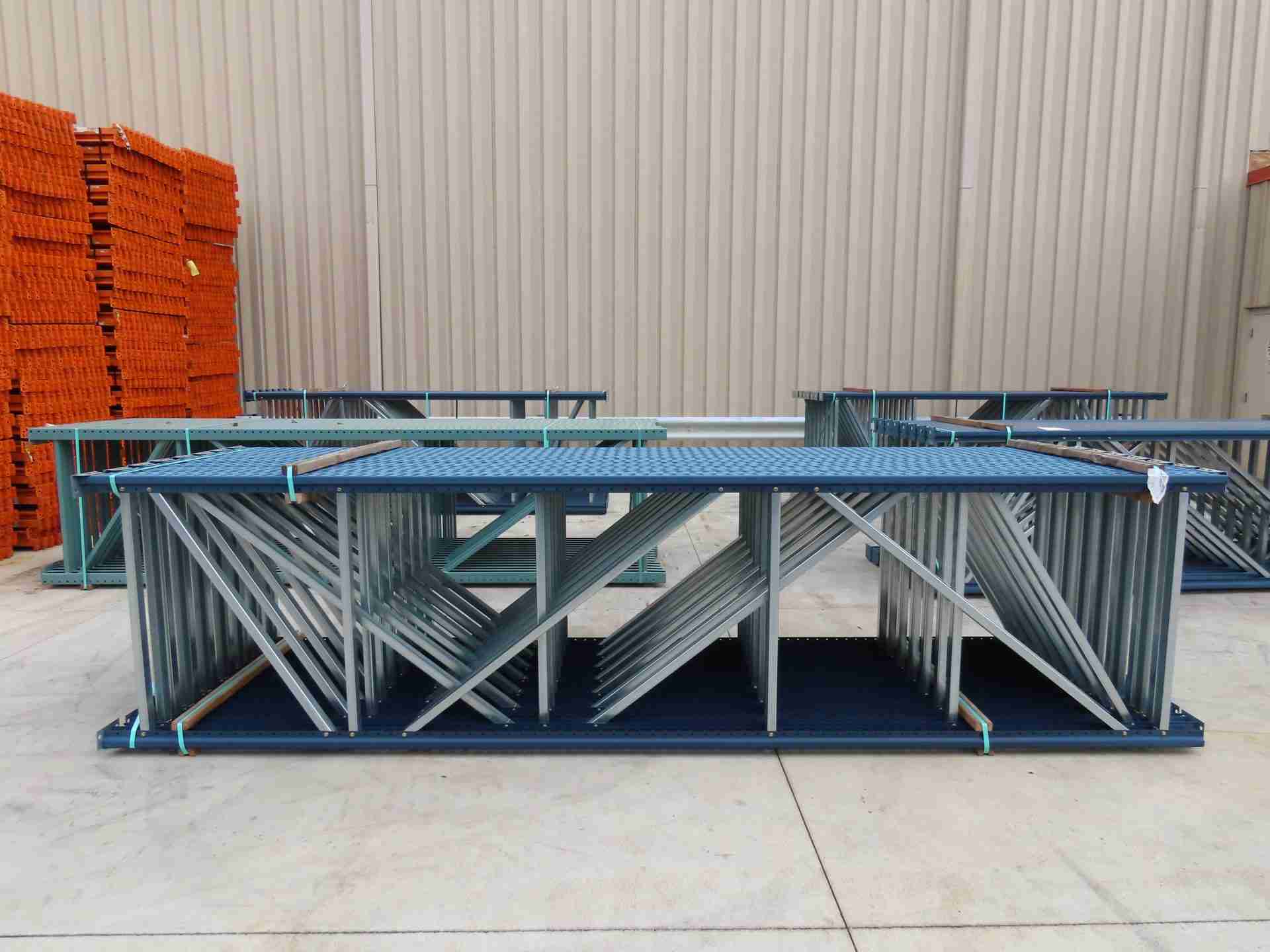
What Are The Signs Of Employee Disengagement In Warehouses?
How Can Poor Practices Lead To High Turnover Rates?
In an age where talent is paramount to business success, understanding the connection between poor practices and high turnover rates is crucial for any organization striving for excellence. Imagine this: you walk into a warehouse lined with expertly organized Pallet Racking, each unit standing tall, a testament to efficiency and effectiveness. Now, imagine the opposite—clutter, chaos, and disorganization. This scenario is not just a layout; it serves as a powerful metaphor for workplace culture.
When employees feel as if they are adrift in a sea of poor practices, the consequences can be devastating. High turnover rates are often the result of a workforce that perceives a lack of direction, support, or acknowledgment. Employees thrive in environments that prioritize teamwork, clear expectations, and open communication. If your workplace mirrors the disarray of an improperly managed warehouse, where Pallet Racking is left to rust, all the promising talent in the world will swiftly exit stage left.
But why does this happen? Poor management practices create stress and dissatisfaction. When leaders fail to provide training or support, employees will feel overwhelmed and unprepared, leading to a toxic work environment. Imagine trying to navigate an intricate system of Pallet Racking without the proper instructions or tools—frustrating, right? This sense of disconnect fosters resentment and drives employees into the arms of competitors who offer better working conditions.
Moreover, lackluster onboarding and inadequate feedback mechanisms can leave employees feeling like mere cogs in a machine. This scenario is akin to having Pallet Racking installed in your warehouse, yet neglecting to educate staff on its proper use—quickly leading to inefficiency and frustration. When employees don’t see a pathway to growth or improvement, their engagement wanes. Before long, the best talent walks away, leaving businesses with a revolving door of new hires who lack the commitment necessary to drive success.
To counteract this trend, leaders must foster an environment rooted in respect, support, and clear communication. Just as a well-organized warehouse maximizes storage and efficiency, a thoughtful workplace culture optimizes talent retention. It’s time to end the cycle of poor practices and embrace approaches that create strong connections and inspire employees to invest in their roles long-term.
The solution is clear: build a culture where your people feel valued. By prioritizing good practices today, you’ll not only minimize turnover but also cultivate a thriving, engaged team that drives your business forward.
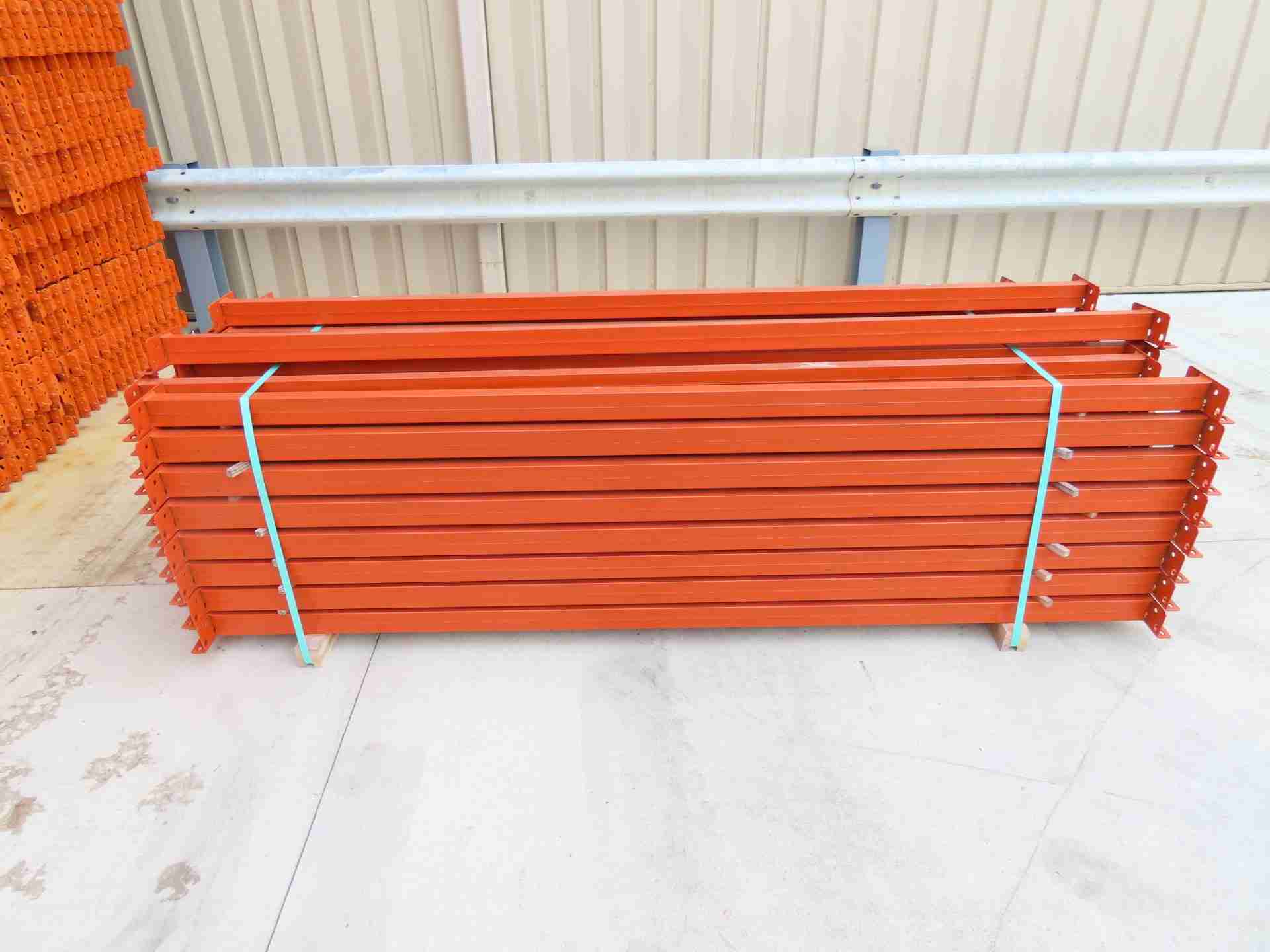
How Can Poor Practices Lead To High Turnover Rates?
How Can Poor Practices Lead To High Turnover Rates?
- Understanding the link between poor practices and high turnover is vital for business success.
- A well-organized workplace culture promotes employee satisfaction, while chaos leads to disengagement.
- Poor management practices contribute to employee stress, dissatisfaction, and high turnover rates.
- Lack of training, support, and clear expectations creates a toxic work environment.
- Inadequate onboarding and feedback make employees feel undervalued and disengaged.
- Leaders should foster respect, support, and communication to enhance talent retention.
- Building a culture where employees feel valued minimizes turnover and promotes a thriving team.

How Can Poor Practices Lead To High Turnover Rates?
What Role Does Warehouse Layout Play In Worker Satisfaction?
Imagine walking into a warehouse that feels chaotic, where aisles are cluttered and essential items are hard to find. It’s the kind of place that drains energy and motivation as quickly as a leaky bucket. Now, flip that scenario around. Picture a well-organized warehouse with efficient pallet racking systems, clearly marked pathways, and designated zones for different tasks. Suddenly, everything shifts. You feel a sense of order, a rhythm that invites productivity and fosters satisfaction among workers.
The layout of a warehouse isn’t just a matter of convenience; it directly influences worker morale and performance. A well-thought-out design minimizes unnecessary movement and time spent searching for supplies, allowing employees to focus on their tasks. When you implement strategically placed pallet racking, you create a seamless flow of goods and a streamlined process that enhances efficiency. Workers can navigate quickly and easily, which reduces stress and boosts confidence in their abilities.
It’s not just about maneuverability, either. A pleasing layout reflects a company’s commitment to a positive work environment, and that doesn’t go unnoticed. When employees feel valued and see that their comfort is prioritized, they are more likely to engage enthusiastically with their work. This connection builds trust – trust in the company, in their colleagues, and in their own capabilities.
Think of it this way: a positive warehouse layout is like a well-orchestrated symphony, where every instrument plays its part in harmony. When the aisle layouts are optimized, and the pallet racks are aligned for efficiency, employees thrive. You’re not just stringing together a collection of shelving and aisles; you are crafting an environment where workers feel empowered and appreciated.
And let’s not overlook the psychological impact. A clear, accessible layout boosts not only productivity but also the overall mood of employees. Happy workers lead to lower turnover rates and higher quality outcomes. It’s a win-win situation. So, if you’re ready for a dramatic shift in workplace satisfaction, consider investing in a thoughtful warehouse layout.
This isn’t merely about logistics; it’s about creating a thriving workplace culture that inspires action, loyalty, and success. When your employees shine, your business shines. It’s time to embrace the transformative power of an intentional layout—transform your warehouse, transform your workforce!
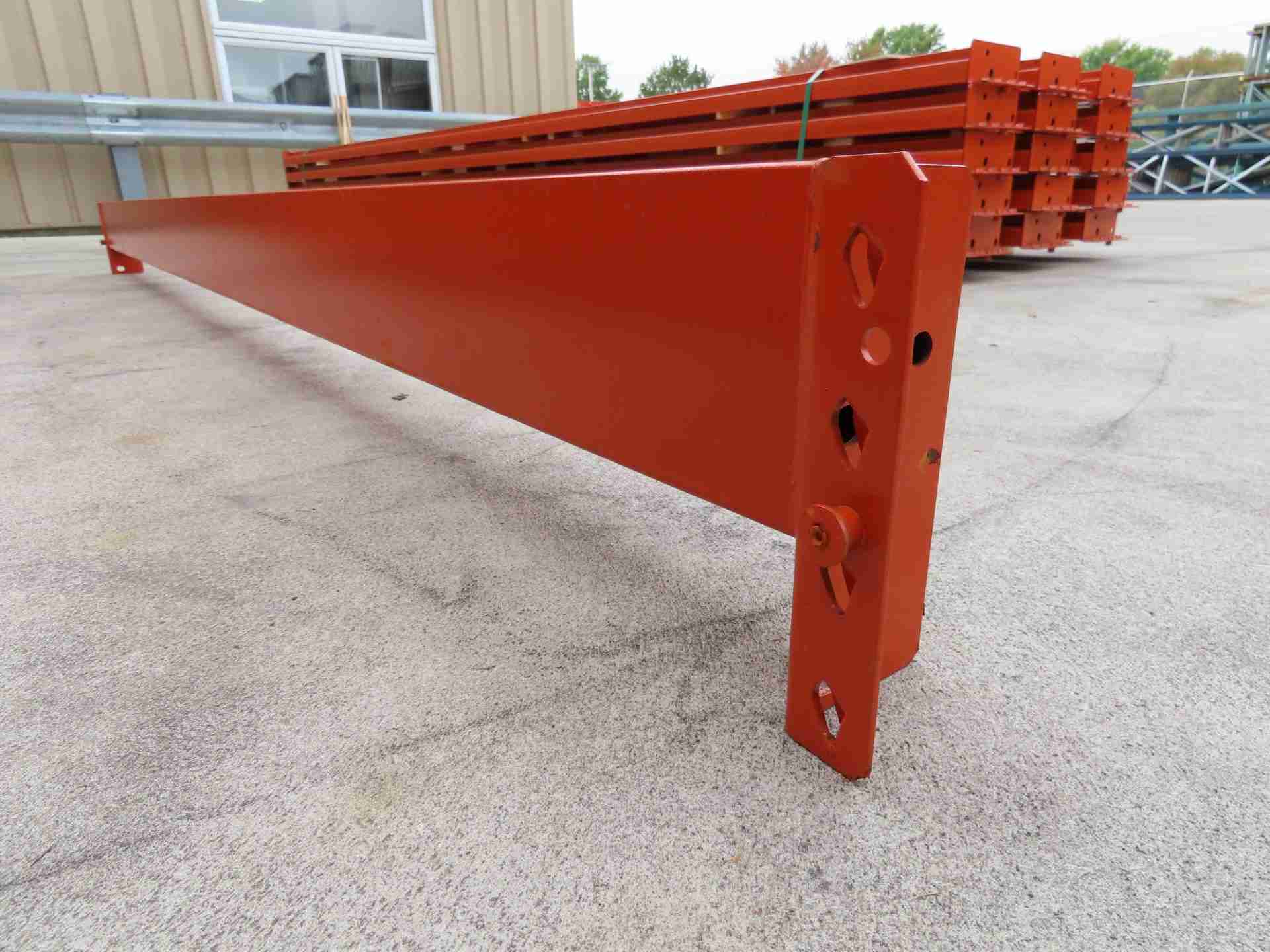
What Role Does Warehouse Layout Play In Worker Satisfaction?
What Role Does Warehouse Layout Play In Worker Satisfaction?
- A chaotic warehouse drains energy and motivation, whereas a well-organized space fosters productivity.
- The layout of a warehouse influences worker morale and performance significantly.
- Strategic pallet racking minimizes unnecessary movement and enhances efficiency.
- Employees benefit from a streamlined process, which reduces stress and boosts confidence.
- A pleasing layout reflects a commitment to a positive work environment, fostering employee engagement.
- A clear layout improves mood, leading to lower turnover rates and higher quality outcomes.
- Investing in a thoughtful warehouse layout cultivates a thriving workplace culture that benefits the entire business.
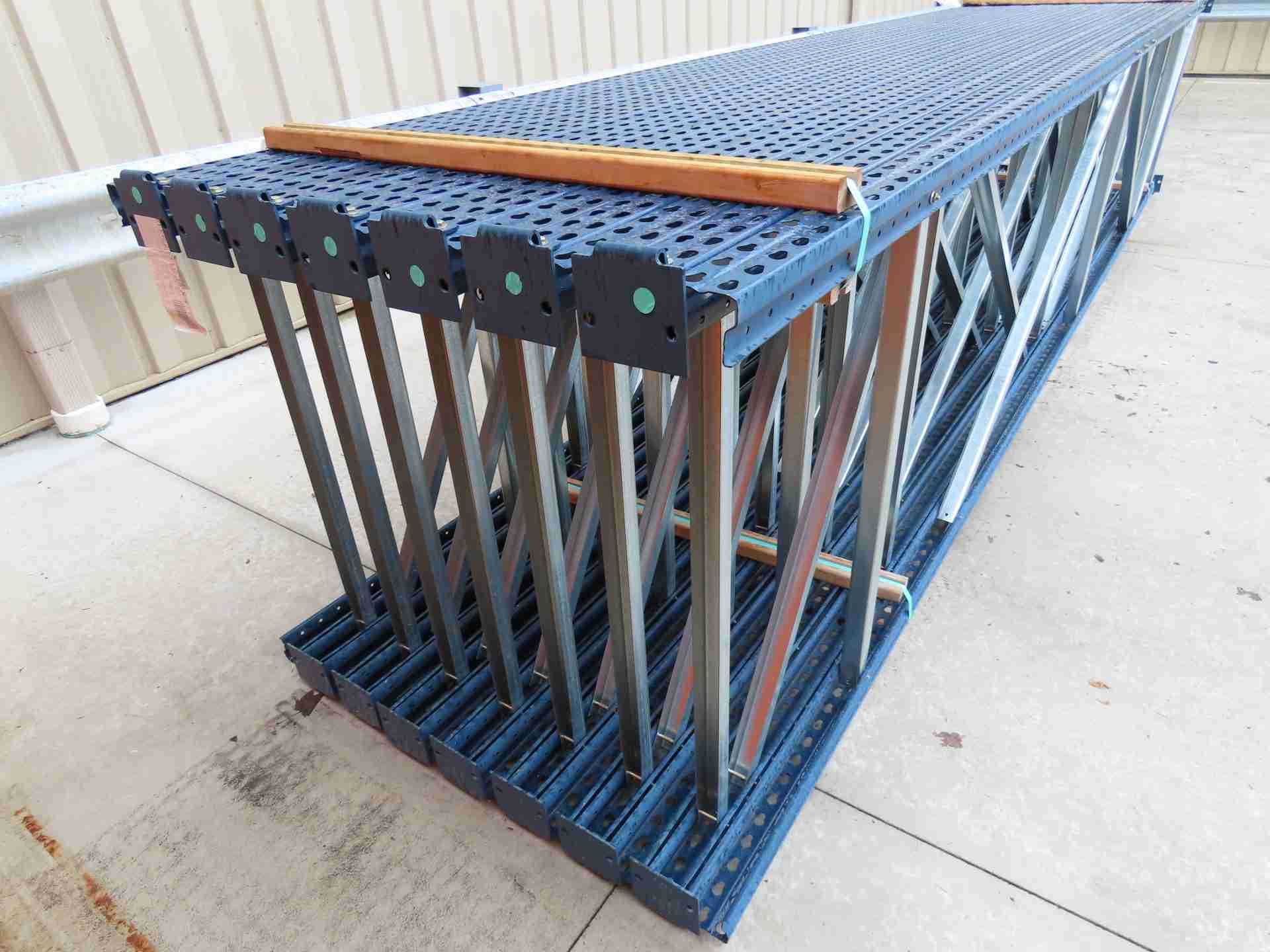
What Role Does Warehouse Layout Play In Worker Satisfaction?
Are Safety Concerns Contributing To Employee Ghosting Behavior?
Are Safety Concerns Contributing to Employee Ghosting Behavior?
In today’s rapidly evolving workplace, a phenomenon known as “ghosting” is haunting employers everywhere. Employees are increasingly leaving their roles without a word, sending shockwaves through the corporate landscape. But could underlying safety concerns be fueling this unsettling trend? Let’s unpack this situation and make it relatable for business leaders looking to foster a deeper connection with their workforce.
Take a moment to consider the environment you’ve created. Imagine a warehouse filled with towering pallet racking, a crucial element for effective stock management. But what happens when employees start to feel anxious about safety issues related to their workspace? If these towering structures are improperly maintained or cluttered with hazards, it can breed anxiety and, ultimately, disengagement. When workers believe their safety isn’t a priority, they may feel compelled to leave in search of a safer environment, opting for silence rather than confrontation. This tangible fear can lead to employee ghosting—a ghostly disappearance that can leave employers in a lurch.
It’s essential to understand that fostering a culture of safety is not just good ethics; it’s a smart business strategy. When employees feel secure in their surroundings, not only are they happier, but they also become more productive and loyal. Open lines of communication play a pivotal role here. Encourage your team to voice their concerns—whether about the safety of pallet racking systems or other hazards around the workplace. When employees see action taken in response to their feedback, trust flourishes, and the urge to vanish dissipates like mist in the morning sun.
Additionally, conducting regular safety audits and providing comprehensive training can significantly mitigate apprehensions. Employees who are empowered with knowledge surrounding safety protocols are more likely to feel valued and respected, thus reducing the inclination to ghost when things get tough.
By investing in a robust safety culture, you’re not just preserving your assets and mitigating risks; you’re making an emotional investment in people. They want to feel secure in their roles, knowing that their well-being is prioritized. So, take that first leap toward transformation. Let’s establish a thriving workplace where concerns are addressed, trust is nurtured, and ghosting becomes a thing of the past. The stronger your foundation in safety, the more connected and committed your employees will be. Now is the time to act.

Are Safety Concerns Contributing To Employee Ghosting Behavior?
Are Safety Concerns Contributing To Employee Ghosting Behavior?
- Employee ghosting is increasingly common, leaving employers in uncertainty.
- Safety concerns in the workplace, such as poorly maintained equipment, can drive employees to leave quietly.
- A culture of safety fosters employee happiness, productivity, and loyalty.
- Open communication helps employees feel comfortable voicing safety concerns.
- Regular safety audits and training help mitigate employee apprehensions.
- Investing in safety culture prioritizes employee well-being, reducing ghosting behavior.
- Addressing safety issues builds trust, leading to a more committed workforce.
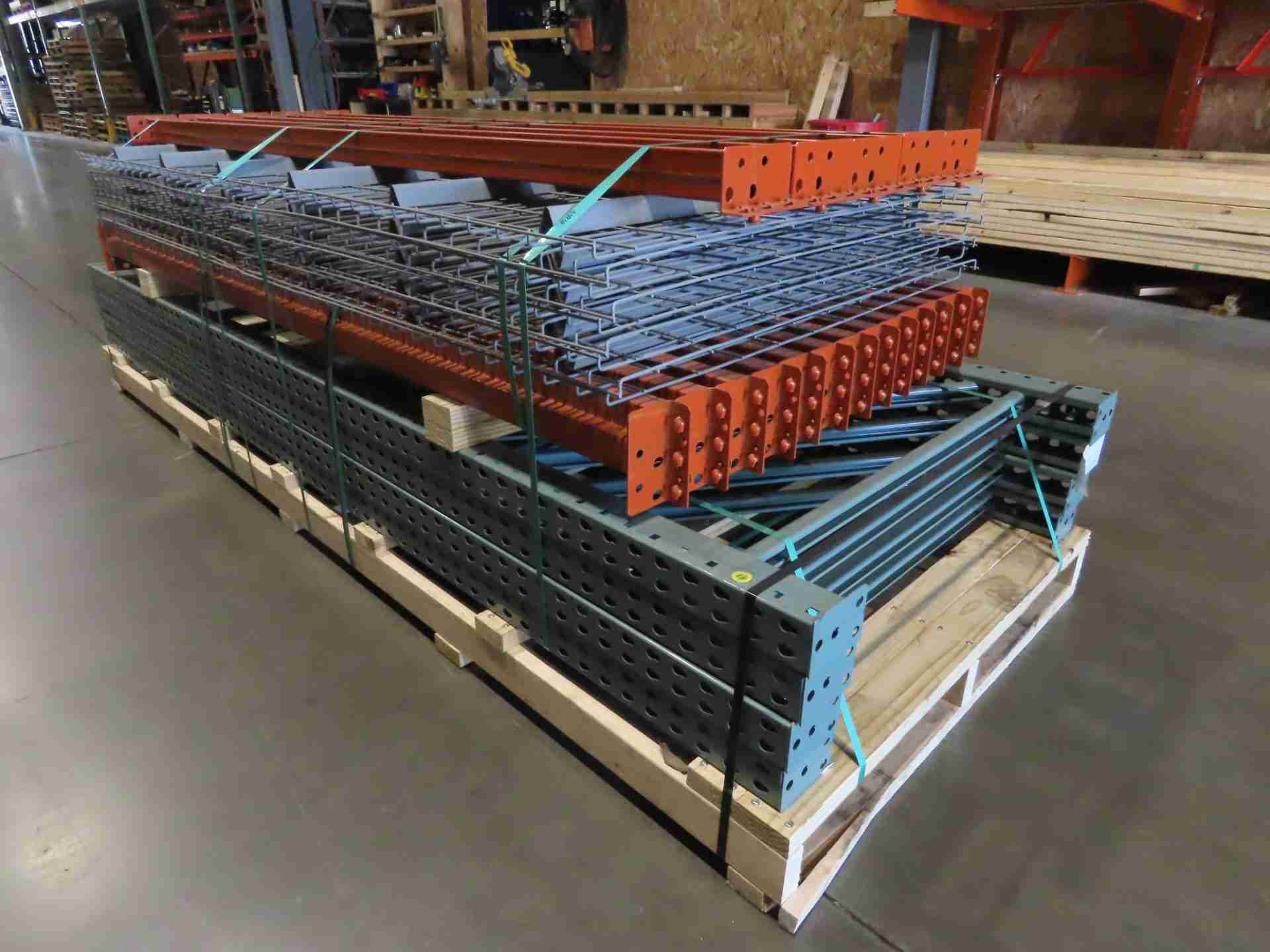
Are Safety Concerns Contributing To Employee Ghosting Behavior?
How Can Communication Improve Morale In Warehouse Settings?
How Can Communication Improve Morale in Warehouse Settings?
In the fast-paced world of warehouses, every second counts. Picture your team navigating the maze of pallet racking, efficiently seeking out inventory, packaging orders, and ensuring smooth operations. But beneath the surface of this bustling environment lies something even more crucial than the sturdy racks that hold your products: communication. A shift towards open and effective communication can transform the warehouse experience, enhancing morale and boosting productivity.
Imagine a scenario where every worker feels heard and valued. When communication flows seamlessly, not only can you address potential concerns before they escalate, but you create an atmosphere where feedback is welcomed and acted upon. This connection breeds trust among team members, directly influencing their commitment to the job. After all, when employees know they can voice their suggestions or concerns—whether it’s about the configuration of the pallet racking or the procedures they follow—they become invested in their work and the overall success of the warehouse.
But how does this translate into improved morale? Communication cultivates a sense of belonging. When employees know that their voices matter, they’re more likely to collaborate and support one another. This collective effort not only fosters teamwork but also injects a dose of enthusiasm into daily operations. A workforce engaged in open dialogues, celebrating wins—from efficiently organizing pallet racking to achieving record shipping times—creates an invigorating environment where motivation thrives.
Moreover, implementing regular check-ins and open forums can create an environment where team members feel comfortable sharing ideas on operational enhancements. This isn’t about checking off a box; it’s about creating a culture where each contribution is valued, leading to innovative solutions and increased efficiency. Imagine the synergy of a team discussing real-time challenges and solutions rather than trudging through monotonous tasks in silence.
As morale strengthens, so does employee retention. A motivated workforce is far less likely to seek opportunities elsewhere. You reduce turnover costs and invest in developing a skilled team that knows the ins and outs of your warehouse, including the best practices for utilizing pallet racking effectively. In essence, improved communication is not merely a nicety; it’s a strategic necessity that has the power to invigorate your workforce, leading to a more efficient, productive, and cohesive environment.
So, stop and reflect: What steps can you take today to enhance communication in your warehouse setting? The road to elevated morale starts with that simple, yet profound, decision.

How Can Communication Improve Morale In Warehouse Settings?
How Can Communication Improve Morale In Warehouse Settings?
- Effective communication is crucial in fast-paced warehouse environments.
- Open communication enhances employee morale by making them feel heard and valued.
- A supportive communication culture fosters trust and commitment among team members.
- Engaged employees are more likely to collaborate, resulting in increased teamwork and enthusiasm.
- Regular check-ins and forums encourage the sharing of ideas, leading to innovative solutions.
- Stronger morale contributes to higher employee retention and reduced turnover costs.
- Improved communication is essential for creating a more efficient and productive warehouse environment.
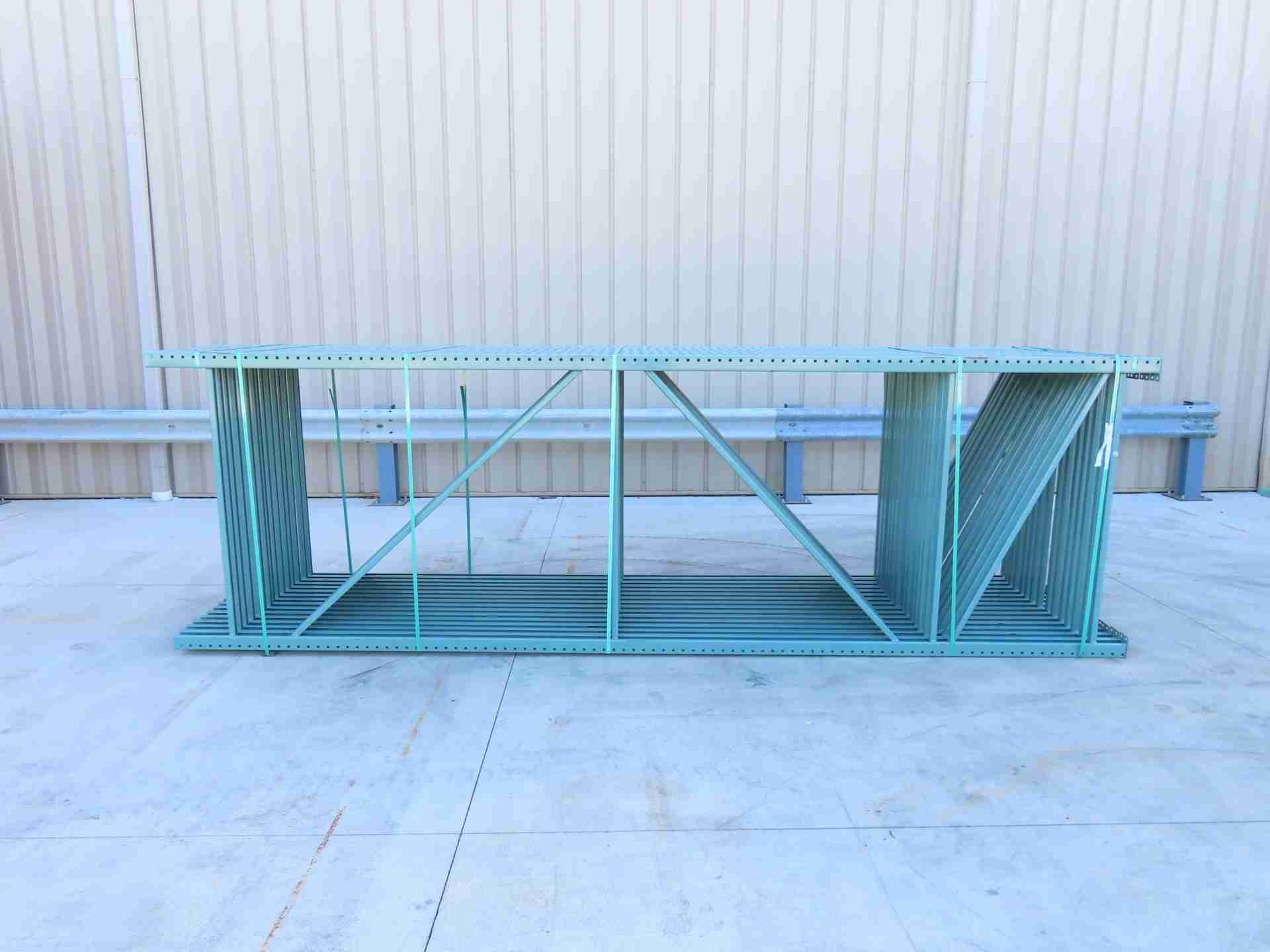
How Can Communication Improve Morale In Warehouse Settings?
What Training Methods Can Reduce The Feeling Of Isolation For Workers?
In today’s fast-paced, digital economy, many workers find themselves locked away in their cubicles or working remotely, battling that haunting feeling of isolation. But fear not—innovation in training can bridge this gap and transform isolation into collaboration. Imagine a workspace where employees feel more like a vibrant community than solitary drones stuck beneath the weight of pallet racking!
First, consider implementing collaborative learning techniques. Whether it’s through virtual training sessions, group projects, or even informal lunch-and-learn gatherings, creating opportunities for workers to connect fosters a sense of belonging. When team members can share ideas and problem-solve together, the distance between them—no matter how many miles or walls—diminishes. Have you ever noticed how a united team can overcome the toughest challenges, even while navigating the complexities of pallet racking storage solutions? That’s the power of collaboration!
Next, mentorship programs are incredibly effective for combating feelings of isolation. Pairing less experienced employees with seasoned veterans encourages knowledge sharing and builds personal connections. Mentors can guide their mentees through the complexities of their roles, much like navigating the intricacies of a warehouse filled with pallet racking. This partnership nurtures trust, makes employees feel valued, and not to mention, builds a sense of community that helps keep the isolation monster at bay.
Moreover, gamification in training can elevate engagement levels and unite teams. By creating a fun, competitive atmosphere, employees can bond over challenges that require teamwork and strategy. Picture a scenario where teams compete to solve logistics puzzles, optimize pallet racking layouts, or even create the most efficient workflow. This not only promotes learning but also creates shared experiences that solidify relationships among coworkers.
Finally, regular feedback loops ensure that employees feel heard and connected. When workers know their input matters and can discuss their challenges openly, it creates an atmosphere of trust and belonging. Incorporating feedback sessions into training allows employees to voice their concerns about isolation or disconnect, giving them a platform to foster change.
So, if you’re eager to combat isolation in your workplace, implement training methods that emphasize collaboration, mentorship, gamification, and open communication. Take action today, and transform your isolated workforce into a thriving community. Trust us—your employees will thank you.
What Training Methods Can Reduce The Feeling Of Isolation For Workers?
What Training Methods Can Reduce The Feeling Of Isolation For Workers?
- Workers often feel isolated in cubicles or remote setups within today’s digital economy.
- Innovative training can transform isolation into collaboration, fostering a vibrant community.
- Implementing collaborative learning techniques, such as virtual sessions and group projects, helps employees connect.
- Mentorship programs pair less experienced workers with seasoned veterans, encouraging knowledge sharing and personal connections.
- Gamification in training elevates engagement through competitive challenges, fostering teamwork and relationships.
- Regular feedback loops ensure employees feel heard, promoting trust and an atmosphere of belonging.
- Emphasizing collaboration, mentorship, gamification, and communication can combat workplace isolation effectively.

What Training Methods Can Reduce The Feeling Of Isolation For Workers?
Conclusion
Conclusion: Transform Your Warehouse and Revitalize Your Workforce
In an era where warehouse operations are pivotal to business success, the correlation between employee engagement, morale, and operational efficiency cannot be overstated. At RackingWorld.com and Arrow Industrial Sales, we understand that the true value of your warehouse lies not only in its physical structure but also in its spirit—the workers who drive the operation. If your warehouse feels like a ghost town, with employees merely going through the motions, it’s time for a change.
The signs of disengagement can be subtle yet significant, manifesting in cluttered workspaces, low morale during team meetings, and a reluctance to collaborate. When employees feel disconnected, productivity plummets, leading to high turnover rates that drain your resources and impact the overall health of your business. To combat this unsettling trend, it’s essential to shift your focus from merely managing operations to nurturing the humans behind the scenes.
Investing in ergonomically designed solutions, fostering open communication, and implementing comprehensive safety measures are proactive steps that cultivate a thriving workplace environment. When your employees feel their well-being is prioritized and their voices are amplified, you empower them to engage and innovate. It’s not about merely preventing chaos; it’s about creating a vibrant hub of activity where every team member feels valued and motivated to excel.
Furthermore, the layout of your warehouse plays a crucial role in worker satisfaction. A thoughtfully designed space not only enhances efficiency but also boosts morale, allowing employees to navigate seamlessly and feel confident in their roles. Recognize the importance of regular training programs that emphasize collaboration and mentorship, transforming isolated workers into a cohesive community committed to success.
Now is the time to act! To rejuvenate your workforce and ensure that they don’t ghost you at the first sign of distress, reach out to Arrow Industrial Sales at (574) 349-6575. Our team of experts is ready to help you create a workplace that not only meets operational demands but also nurtures and engages your most valuable assets—your employees.
Don’t let your warehouse turn into a spectral environment where workers fade away. Embrace these transformative strategies and lead your workforce into a brighter, more productive future today.
Conclusion
Conclusion:
- Warehouse operations are crucial for business success, linking employee engagement to operational efficiency.
- Disengagement signs include cluttered workspaces, low morale, and reluctance to collaborate.
- Failure to address employee disconnection can lead to reduced productivity and high turnover rates.
- Investing in ergonomic solutions and fostering open communication helps create a thriving workplace.
- A well-designed warehouse layout can enhance efficiency and boost employee morale.
- Regular training programs focused on collaboration can transform isolated workers into a cohesive community.
- Act now to rejuvenate your workforce; contact Arrow Industrial Sales for expert assistance.
Conclusion
Other Resources

Other Resources
Here is a list of other resources you can review online to learn more:
- Illinois Pallet Racking – Storage Solutions
- IWLA
- Warehouse Storage Racking in Illinois
- American Surplus
- Cantilever Racks Chicago
- Pallet Rack Systems – New and Used Pallet Racking and Shelving Experts
- Bradford Systems
- International Warehouse Logistics Association
- CA Wire
- Warehouse Racking Systems: Beginner’s Guide to Rack Systems
Use This Prompt To Get More Resources With Your Favorite Online AI Tool: Please provide me with a list of online articles with their URLs in a bulleted list that I can read regarding Are Your Warehouse Practices Turning Workers Into Ghosts?
Other Resources
Glossary Terms
Are Your Warehouse Practices Turning Workers Into Ghosts? – Glossary Of Terms
1. Ghosting: The phenomenon where employees disengage from their jobs without formally resigning or notifying management.
2. Employee Engagement: The level of commitment and enthusiasm an employee has towards their job and workplace.
3. Job Satisfaction: The degree to which employees feel fulfilled and content with their work environment, responsibilities, and compensation.
4. Turnover Rate: The percentage of employees who leave an organization within a given timeframe, often indicating employee dissatisfaction or poor workplace practices.
5. Warehouse Ergonomics: The study of creating safe and efficient work environments in warehouses that prevent injury and maximize productivity.
6. Standard Operating Procedures (SOPs): Established guidelines and processes designed to ensure consistent and efficient operations within the warehouse.
7. Workplace Culture: The shared values, beliefs, and practices that shape the environment and behavior within an organization.
8. Lean Warehousing: A methodology focused on minimizing waste and maximizing value in warehouse operations, which can influence employee morale and engagement.
9. Automation: The use of technology to perform tasks, often changing job roles and potentially impacting worker satisfaction and involvement.
10. Collaboration: The act of workers and teams cooperating to achieve common goals, which can foster a sense of belonging and reduce feelings of isolation.
11. Training and Development: Programs designed to enhance employees’ skills and knowledge, contributing to job satisfaction and reduced ghosting tendencies.
12. Recognition Programs: Initiatives aimed at acknowledging and rewarding employees’ contributions, which can boost morale and engagement.
13. Performance Metrics: Quantifiable measures used to assess employee productivity and effectiveness, which can impact worker morale if not managed appropriately.
14. Feedback Loops: Systems for providing employees with regular feedback on their performance, which can enhance engagement and reduce feelings of ghosting.
15. Work-Life Balance: The equilibrium between professional responsibilities and personal life, crucial for maintaining employee satisfaction and preventing disengagement.
16. Job Rotation: A practice where employees switch roles within the warehouse to enhance skills and reduce monotony, potentially combating ghosting.
17. Safety Protocols: Guidelines designed to maintain a secure working environment, directly impacting employee morale and commitment.
18. Workplace Inclusivity: Efforts to create an environment where all employees feel valued and accepted, reducing feelings of alienation.
19. Burnout: A state of physical, emotional, and mental exhaustion caused by prolonged stress, particularly relevant in high-demand warehouse environments.
20. Morale: The overall attitude and satisfaction level of employees, which can significantly impact productivity and retention.
21. Onboarding Process: The steps taken to introduce new employees to the organization, crucial for setting the tone for engagement from the outset.
22. Quarterly Reviews: Regular evaluations discussing performance and goals, which can foster an open dialogue and reduce disengagement.
23. Employee Surveys: Tools used to gather feedback on workplace practices and employee sentiment, providing insights into potential ghosting causes.
24. Team Building: Activities designed to improve relationships and camaraderie among employees, enhancing overall morale and engagement.
25. Flexible Scheduling: Work hours that allow employees to have a say in their scheduling, promoting a better work-life balance and reducing disengagement.
26. Conflict Resolution: Strategies to address and resolve disputes among workers, which can impact team dynamics and overall workplace atmosphere.
27. Resource Allocation: The distribution of tools, time, and support to employees, which can affect engagement levels if inadequate.
28. Retention Strategies: Plans and practices aimed at keeping employees satisfied and engaged in their roles, reducing turnover and ghosting.
29. Cross-training: Educating employees in multiple roles to improve flexibility and reduce monotony, potentially leading to higher job satisfaction.
30. Emotional Intelligence: The ability to recognize and manage one’s own emotions and those of others, crucial for creating a supportive work environment and reducing ghosting effects.
Glossary Of Terms
Other Questions
Are Your Warehouse Practices Turning Workers Into Ghosts? – Other Questions
If you wish to explore and discover more, consider looking for answers to these questions:
- What specific warehouse practices contribute most to employee disengagement?
- How can leaders measure employee engagement in a warehouse setting?
- What are some effective strategies for reducing turnover rates in warehouses?
- What types of ergonomic solutions can be implemented in warehouses?
- How can a warehouse layout be optimized for better employee satisfaction?
- What incentives can be used to increase worker motivation and engagement?
- What role does safety training play in improving employee retention?
- How can technology be leveraged to improve communication among warehouse teams?
- What are the best practices for conducting employee feedback surveys in warehouses?
- How can mentorship programs specifically target disengaged employees?
- What are the long-term benefits of investing in employee well-being in warehouse environments?
- How can collaboration among employees be encouraged in a fast-paced warehouse setting?
- What indicators should managers look for to assess improvements in employee morale?
- How can companies effectively train new hires without contributing to high turnover?
- What impact do recognition and rewards have on employee performance in warehouses?
Other Questions
Checklist
Are Your Warehouse Practices Turning Workers Into Ghosts? – A Checklist
Checklist: Enhancing Employee Engagement in Your Warehouse
Signs of Employee Disengagement
_____ Assess the organization of pallet racking and inventory: Look for clutter and disarray.
_____ Monitor meeting dynamics: Are discussions engaging or monotonous?
_____ Observe collaboration amongst team members: Are they working together or in isolation?
_____ Track absenteeism: Are employees frequently missing shifts?
_____ Evaluate quality of work: Are mistakes occurring more often or is work below standards?
Improving Warehouse Practices
_____ Prioritize ergonomic solutions: Invest in adjustable shelving and equipment to reduce strain.
_____ Implement empowerment training: Encourage employees to take ownership of their roles.
_____ Foster open communication: Create channels for employees to voice concerns and suggestions without fear.
_____ Recognize and reward high performance: Offer incentives such as verbal appreciation, bonuses, or employee of the month programs.
Optimizing Warehouse Layout
_____ Assess the current warehouse layout: Ensure it minimizes unnecessary movement and reduces search times.
_____ Create clearly marked pathways: Designate zones for different tasks to enhance efficiency.
_____ Involve employees in layout decisions: Solicit feedback on how to improve warehouse organization.
Building a Safety Culture
_____ Conduct regular safety audits: Ensure all equipment (e. g. , pallet racking) is maintained and free from hazards.
_____ Provide comprehensive training: Equip employees with safety protocols and procedures.
_____ Encourage open discussions about safety concerns: Create a platform for employees to express issues.
Enhancing Communication
_____ Implement regular check-ins: Schedule consistent meetings to discuss concerns and celebrate achievements.
_____ Establish open forums for feedback: Allow employees to share ideas and operational enhancements.
_____ Create a culture of recognition: Highlight team and individual accomplishments to promote morale.
Innovative Training Methods
_____ Start collaborative learning programs: Organize group training sessions or lunch-and-learn events.
_____ Pair employees with mentors: Establish a mentorship program to connect less experienced workers with veterans.
_____ Utilize gamification in training: Introduce teamwork challenges related to warehouse operations.
_____ Implement feedback loops: Regularly solicit employee input on training and operational strategies.
Creating a Thriving Work Environment
_____ Assess overall organizational culture: Ensure respect, support, and clarity are foundational principles.
_____ Monitor employee engagement levels: Regularly check in with employees to gauge morale and satisfaction.
_____ Invest in team-building activities: Foster community and camaraderie among workers through social events.
By following this checklist, you can transform your warehouse from a place of disengagement to a vibrant, thriving work environment where workers feel valued and motivated. Don’t wait—take action today!

Checklist
At RackingWorld, we help guide you through selecting warehouse storage systems and racking.
Be sure to read our other related stories at RackingWorld to learn more about warehouse storage systems.
0 Comments