
Revolutionizing Warehouse Storage: The Latest Shelving Solutions
By Tom Seest
At RackingWorld, we help guide you through selecting warehouse storage systems and racking.
Be sure to read our other related stories at RackingWorld to learn more about warehouse storage systems.
What Innovative Shelving Options Are Shaping Modern Warehousing?
In the fast-paced world of logistics and supply chain management, warehouses are evolving at lightning speed. Traditional storage methods are quickly being overshadowed by innovative shelving options that not only enhance efficiency but also significantly improve the bottom line. One standout solution that’s transforming the landscape of modern warehousing is advanced pallet racking.
Pallet racking has long been a staple in warehouse design, allowing businesses to stack goods neatly and accessibly. Yet, the game is changing, driven by emerging technologies and evolving consumer habits. With the rapid growth of e-commerce and the need for quick order fulfillment, flexibility is paramount. High-density pallet racking systems, such as drive-in and push-back racks, are being embraced. These not only maximize vertical space but also facilitate swift retrieval, effectively shortening pick times and boosting productivity.
Take, for instance, Amazon’s warehouse efficiency model, prominently featuring sophisticated pallet racking systems. By employing high-rise selective racking, they ensure expedited delivery times and optimal use of space. This isn’t just about storing pallets; it’s about creating a dynamic environment where inventory can be processed, stored, and shipped with unparalleled speed.
Moreover, innovative shelving solutions like automated storage and retrieval systems (AS/RS) are taking this concept a step further. These systems utilize robotics and software to seamlessly handle inventory, reducing human error and maximizing accuracy. The recent surge in automation highlights a critical trend in warehousing—companies are investing heavily in technology to meet the surging demand for just-in-time delivery.
Another pioneering aspect is the integration of modular shelving systems. These can be easily adjusted and scaled according to changing inventory needs, allowing businesses to adapt quickly without significant capital expenditures. Current global supply chain disruptions have underscored the importance of agility, and adaptable shelving is proving to be an essential tool for businesses looking to stay ahead.
Lastly, sustainability is coming to the forefront of warehouse design. Companies are increasingly looking to eco-friendly materials for their pallet racking systems. By reducing carbon footprints through smart, sustainable practices, businesses not only appeal to environmentally conscious consumers but often save money long-term due to energy-efficient designs.
Innovative shelving options like advanced pallet racking, AS/RS, and modular systems are not just improving the efficiency of warehouses—they are revolutionizing the industry. Businesses that understand and leverage these innovations will not only survive but thrive in this competitive market. Don’t get left behind; embrace the future of warehousing today!
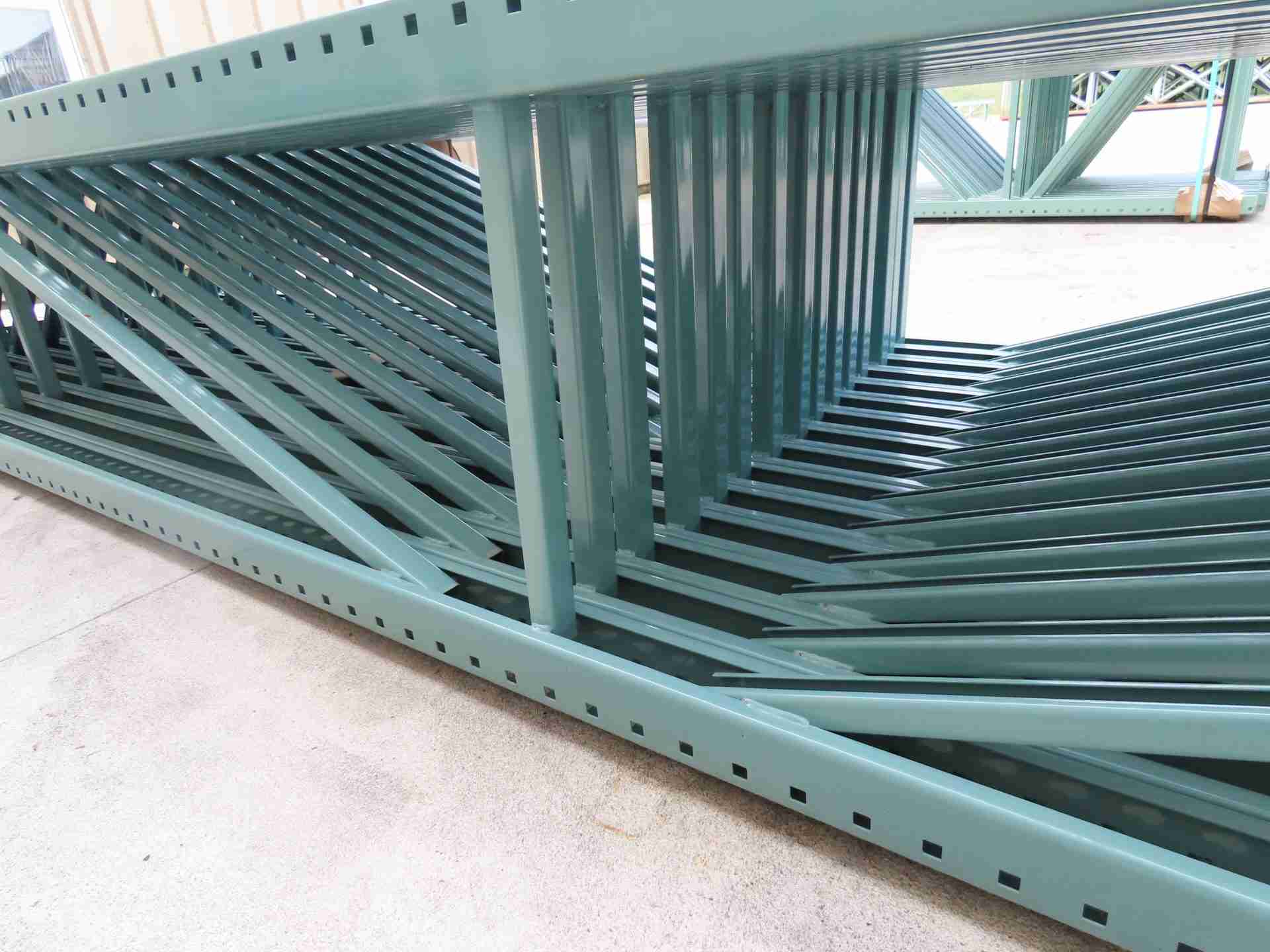
What Innovative Shelving Options Are Shaping Modern Warehousing?
What Innovative Shelving Options Are Shaping Modern Warehousing?
- Warehouses are rapidly evolving in logistics and supply chain management.
- Advanced pallet racking is transforming modern warehousing efficiency and profitability.
- High-density pallet racking systems like drive-in and push-back racks are gaining popularity to maximize space and improve retrieval speed.
- Amazon exemplifies efficient warehouse design with high-rise selective racking for quick delivery and optimal space utilization.
- Automated storage and retrieval systems (AS/RS) leverage robotics and software to enhance inventory handling and accuracy.
- Modular shelving systems offer flexibility to adapt to changing inventory needs without significant investment.
- Sustainability is becoming key in warehouse design, with companies opting for eco-friendly materials to reduce carbon footprints while saving costs.
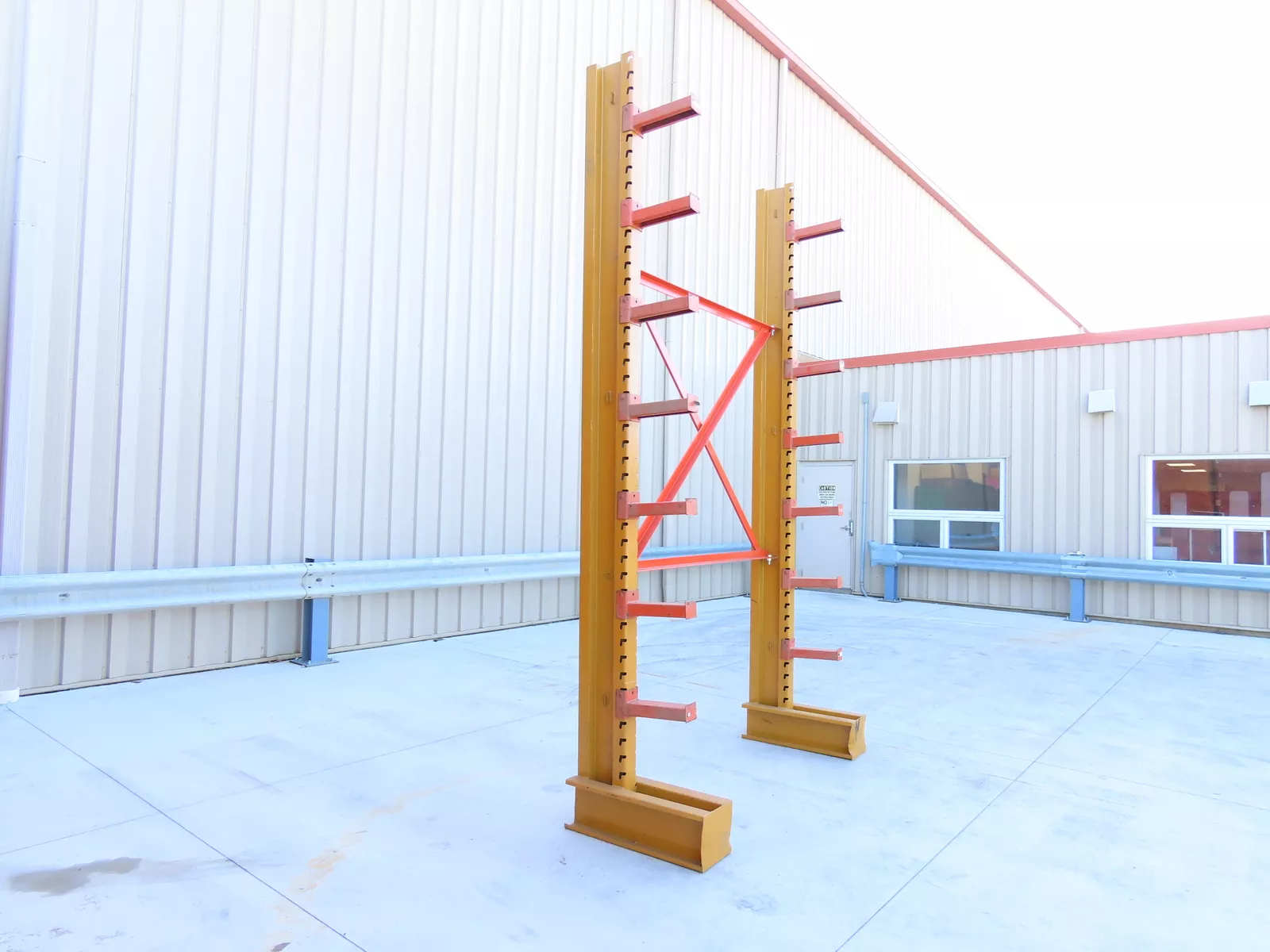
What Innovative Shelving Options Are Shaping Modern Warehousing?
Table Of Contents
- What Innovative Shelving Options Are Shaping Modern Warehousing?
- What Are The Latest Trends In Warehouse Shelving Design?
- How Can Adjustable Shelving Improve Warehouse Efficiency?
- What Are The Benefits Of Using Modular Shelving In Storage?
- How Do Automated Shelving Systems Enhance Inventory Management?
- What Role Does Sustainability Play In Modern Shelving Solutions?
- How Can Vertical Shelving Optimize Space In Warehouses?
- Conclusion
- Other Resources
- Glossary Of Terms
- Other Questions
- Checklist
What Are The Latest Trends In Warehouse Shelving Design?
In today’s fast-paced logistics landscape, the design of warehouse shelving is evolving at lightning speed, driven by technological advancements and the ever-increasing demand for efficiency. As e-commerce continues to soar, businesses are revisiting their warehouse layouts to optimize space and streamline operations. Among the most prominent trends in warehouse shelving design is the rise of pallet racking systems, which are reshaping storage solutions across industries.
Pallet racking is not just for storing goods; it’s a strategic component of modern inventory management. Today’s systems are more adaptable and robust than ever. New adjustable configurations allow warehouses to dynamically reorganize their layouts based on inventory type or storage requirements. This flexibility enables businesses to respond swiftly to market changes, ensuring they can accommodate seasonal spikes or shifts in product demand without breaking a sweat.
Another trend is the incorporation of automation into shelving designs. Automated pallet racking systems are revolutionizing how warehouses function. For example, vertical lift modules maximize vertical space by automatically retrieving pallets from high storage areas, making picking faster and reducing the need for manual labor. As a consequence, facilities are reaping the rewards with lower operational costs and increased throughput.
Moreover, sustainability is becoming a critical factor in shelving design. Companies are focusing on materials and methods that minimize their environmental impact. This includes the use of recycled steel for pallet racking and energy-efficient lighting systems that illuminate storage areas without taxing the planet. Businesses are not only focusing on profits but also on their corporate social responsibility, positioning themselves as environmentally-conscious players in the market.
We can’t overlook the trend of embracing technology in inventory management either. Warehouse management systems (WMS) that integrate advanced tracking capabilities are now a standard feature in shelving design. For instance, RFID technology allows real-time inventory tracking that synchronizes with pallet racking to ensure accuracy in stock levels. Companies like Amazon are at the forefront of this trend, continuously evolving their warehouse strategies through cutting-edge technology.
Lastly, ergonomic design is making its mark. New shelving solutions are being designed to minimize worker strain and optimize movement throughout the warehouse. This not only improves employee safety but also enhances productivity. Companies are realizing that an invested workforce leads to better service and lower turnover rates.
In summary, the latest trends in warehouse shelving design focus on adaptability, automation, sustainability, technology integration, and ergonomics. Businesses that embrace these trends not only enhance their operational efficiency but also position themselves ahead of the competitive curve in the marketplace. Embrace the change, or risk being left behind!
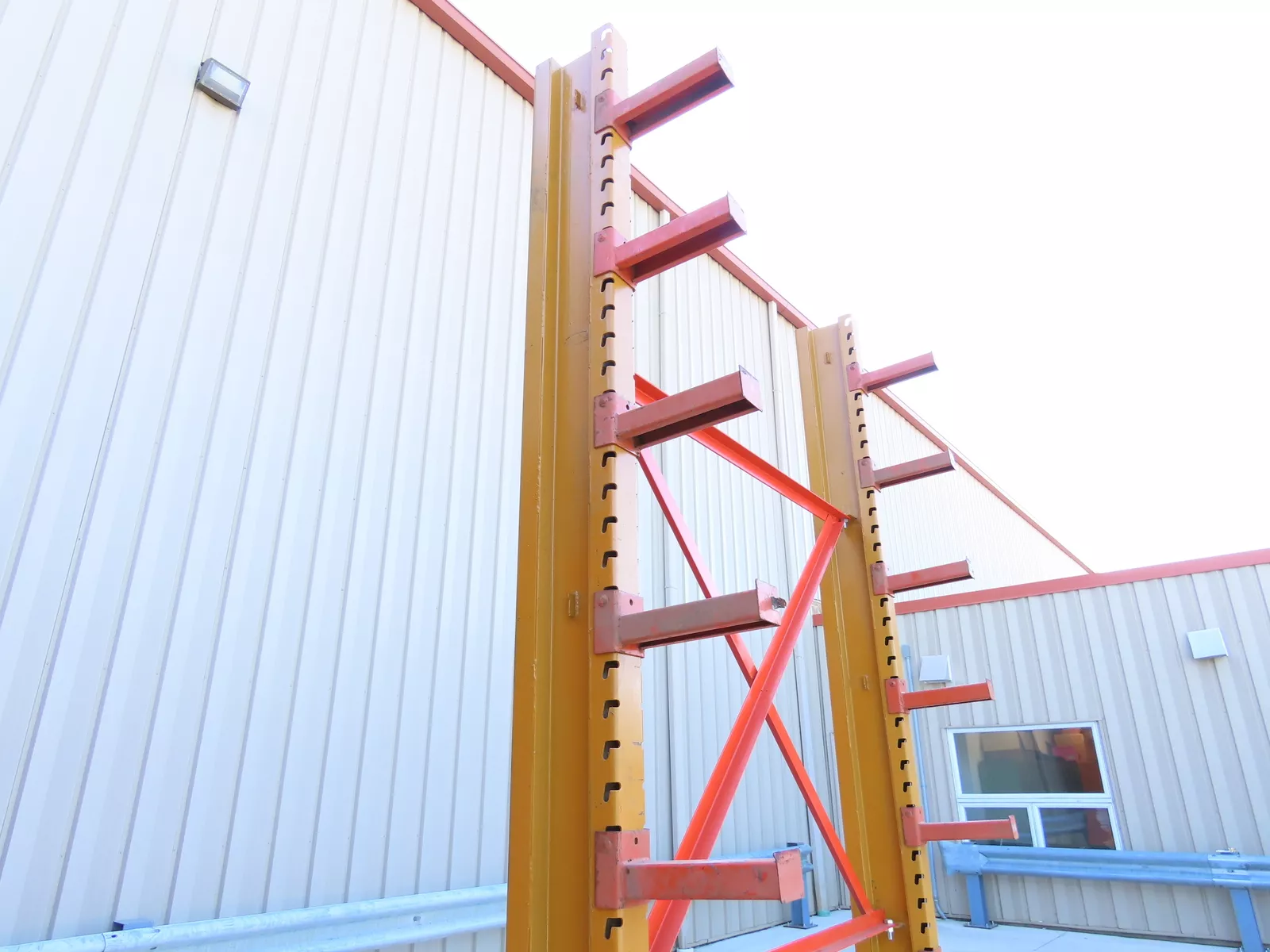
What Are The Latest Trends In Warehouse Shelving Design?
What Are The Latest Trends In Warehouse Shelving Design?
- Warehouse shelving design is rapidly evolving due to technological advancements and increased demand for efficiency.
- Pallet racking systems are becoming central to modern inventory management, offering adaptable and robust configurations.
- Automated pallet racking systems improve warehouse functionality by maximizing vertical space and reducing manual labor.
- Sustainability is a critical focus, with companies utilizing recycled materials and energy-efficient systems in their designs.
- Integration of technology in inventory management, such as RFID for real-time tracking, is now common in shelving design.
- Ergonomic designs are being prioritized to minimize worker strain, enhance safety, and boost productivity.
- Embracing these trends is vital for businesses to maintain operational efficiency and gain a competitive edge.
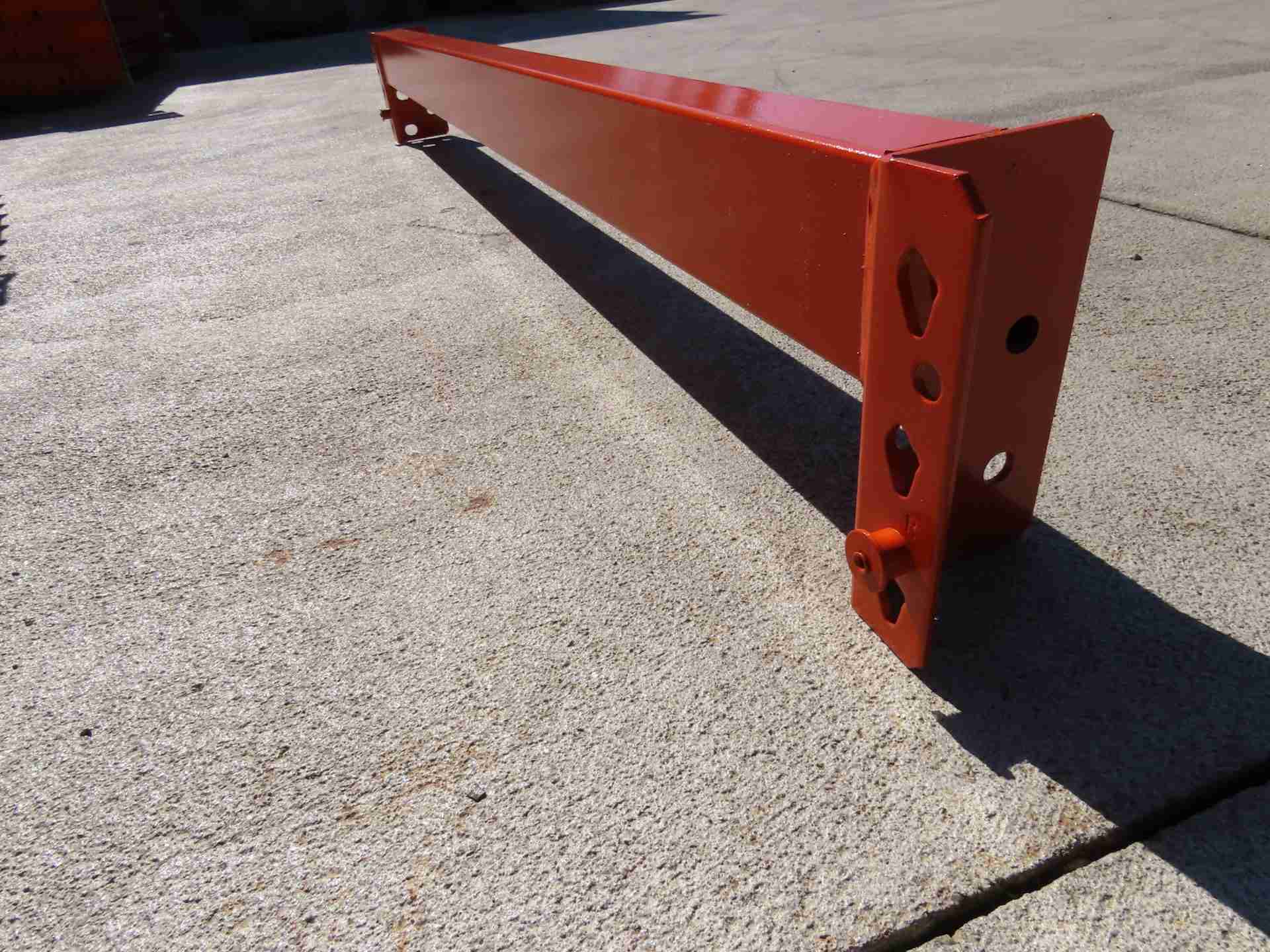
What Are The Latest Trends In Warehouse Shelving Design?
How Can Adjustable Shelving Improve Warehouse Efficiency?
In today’s fast-paced supply chain environment, the need for adaptability is paramount. One of the most effective solutions to enhancing warehouse efficiency is the implementation of adjustable shelving systems. These systems have evolved beyond simple storage solutions to become a pivotal part of operational productivity and strategic space utilization.
Adjustable shelving allows warehouses to customize their storage configurations according to evolving inventory requirements. Consider the ongoing global disruptions in the supply chain, driven by recent events such as the pandemic and geopolitical tensions. Companies have had to pivot quickly to accommodate fluctuating demands, and adjustable shelving offers this necessary flexibility. For instance, a warehouse that previously specialized in bulk items can seamlessly transition to accommodate smaller, more varied SKUs without incurring significant costs or downtime.
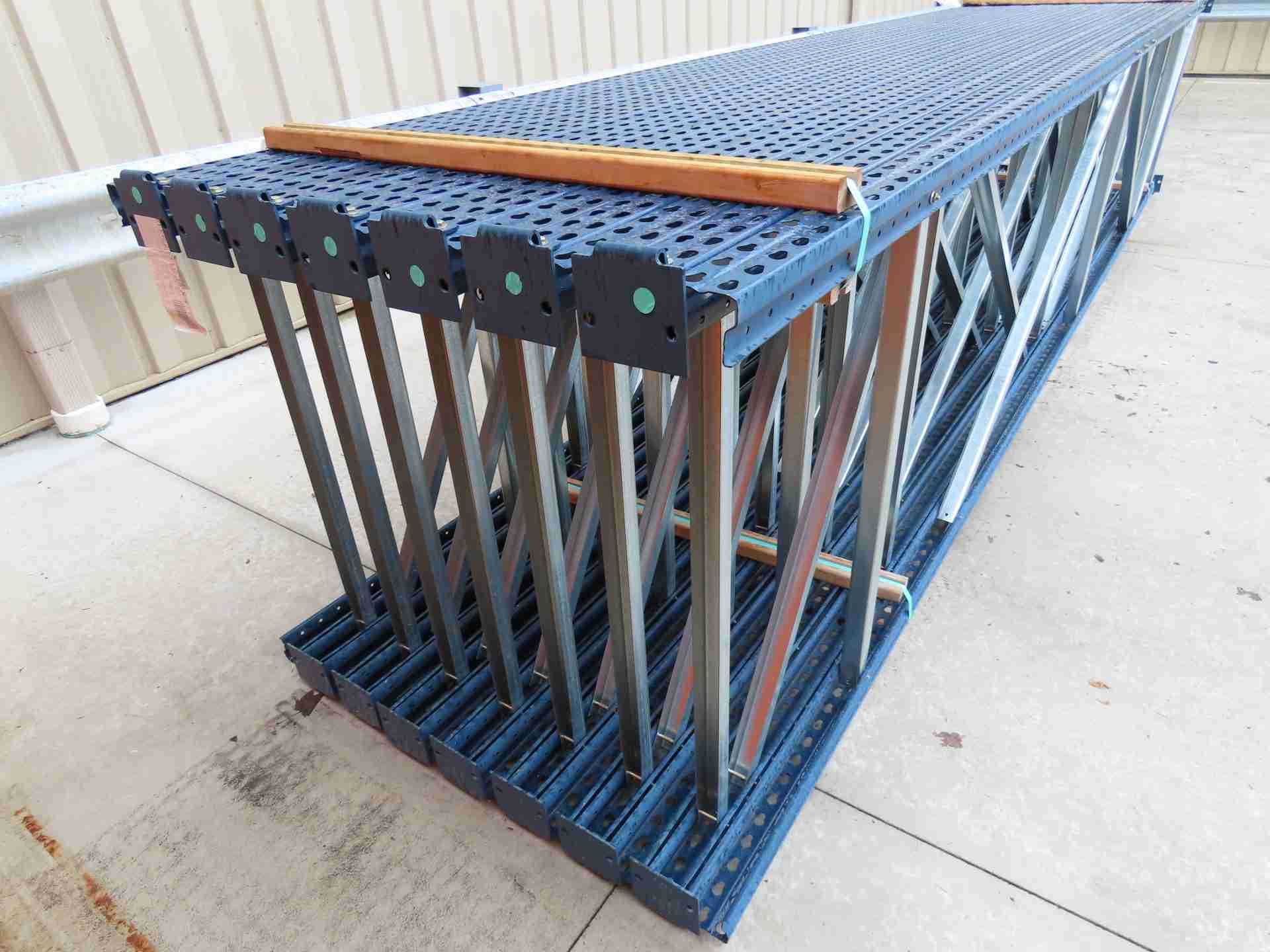
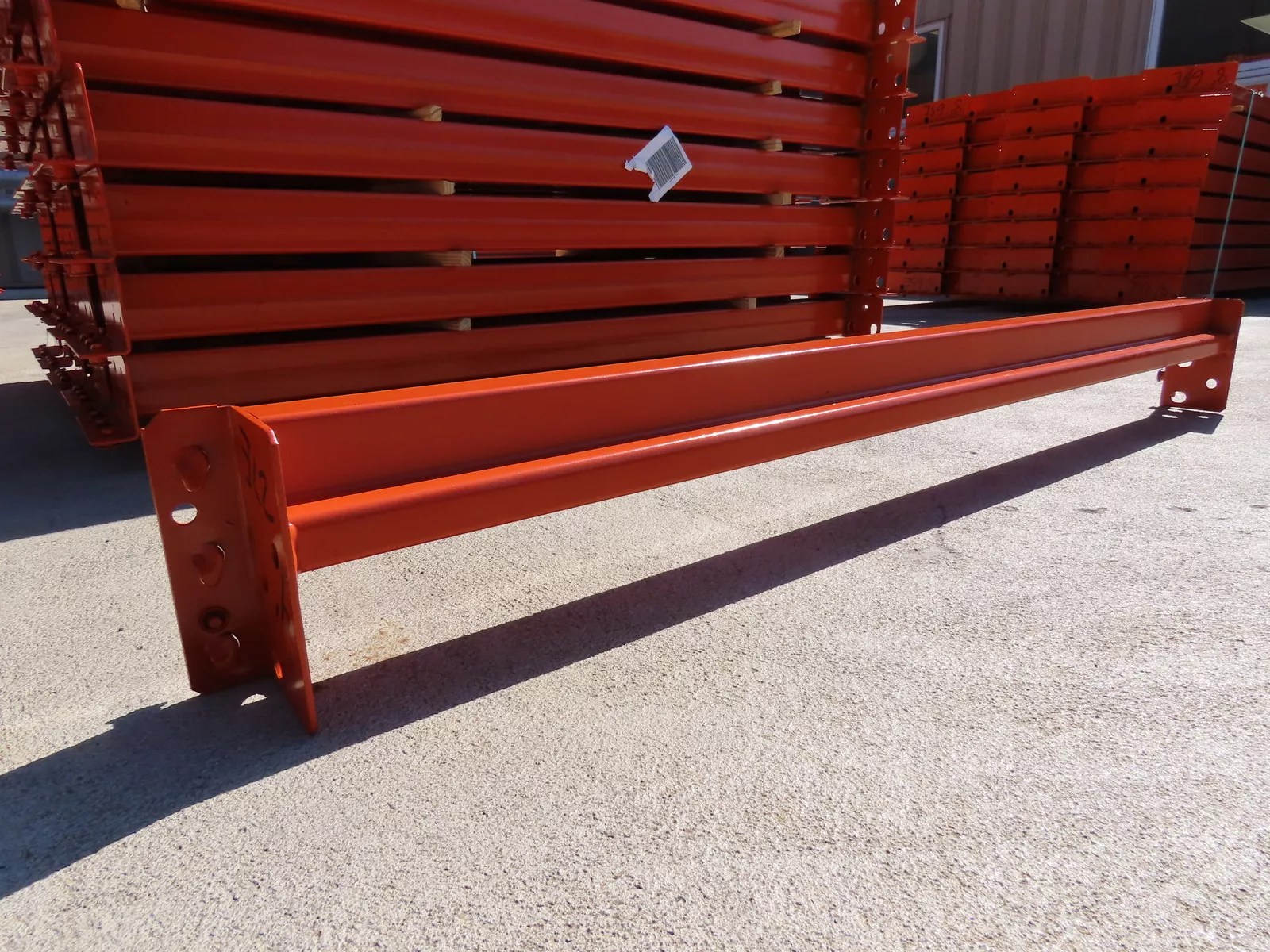
Let’s examine pallet racking as an example. Traditional pallet racking systems can be rigid and difficult to modify, leading to wasted space and inefficiencies. In contrast, adjustable shelving can be modified vertically and horizontally to optimize storage density. By employing adjustable shelving next to pallet racking, warehouses can maximize vertical space, allowing for more efficient inventory management. With adjustable shelving units, items can be stored in a manner that creates a streamlined workflow, minimizing the time spent searching for or retrieving products.
In a recent case study involving a major e-commerce retailer, the integration of adjustable shelving systems led to a 25% increase in picking efficiency. The retailer was able to adapt their layout based on seasonal demand changes without undergoing expensive renovations. This capacity for rapid adaptability not only saved money but also significantly improved customer satisfaction by ensuring that orders were filled promptly.
Moreover, the trend of handling diverse product categories—whether dealing with rapid e-commerce growth or changing consumer preferences—makes adjustable shelving an essential component of modern warehouse configurations. With an effective adjustable shelving strategy, companies can reduce reliance on predictable inventory patterns, allowing them to respond swiftly to market changes.
Adjustable shelving is more than just a storage solution; it’s a critical driver of efficiency in today’s dynamic warehouse environments. By leveraging this flexible storage option alongside traditional pallet racking and other systems, organizations can position themselves advantageously in an ever-changing market landscape, ultimately driving growth and increasing profitability. If you’re looking to elevate your warehouse operations, investing in adjustable shelving may just be the game-changer you need.
How Can Adjustable Shelving Improve Warehouse Efficiency?
How Can Adjustable Shelving Improve Warehouse Efficiency?
- The fast-paced supply chain environment requires adaptability for enhanced efficiency.
- Adjustable shelving systems have evolved into crucial tools for operational productivity and space utilization.
- These systems allow customization of storage configurations based on changing inventory needs.
- They provide flexibility during global disruptions, accommodating fluctuations in demand without significant costs.
- The integration of adjustable shelving alongside traditional pallet racking can optimize storage density and improve workflow.
- A case study showed a 25% increase in picking efficiency for an e-commerce retailer using adjustable shelving.
- Adjustable shelving is essential for managing diverse product categories and responding to market changes efficiently.
How Can Adjustable Shelving Improve Warehouse Efficiency?
What Are The Benefits Of Using Modular Shelving In Storage?
In a world where adaptability is the name of the game, modular shelving emerges as a front-runner in the quest for efficient storage solutions. This innovative approach transforms your storage strategy from a static endeavor into a dynamic success story. If you’ve been clinging to outdated storage systems like pallet racking that offer limited flexibility, it’s time to rethink your approach.
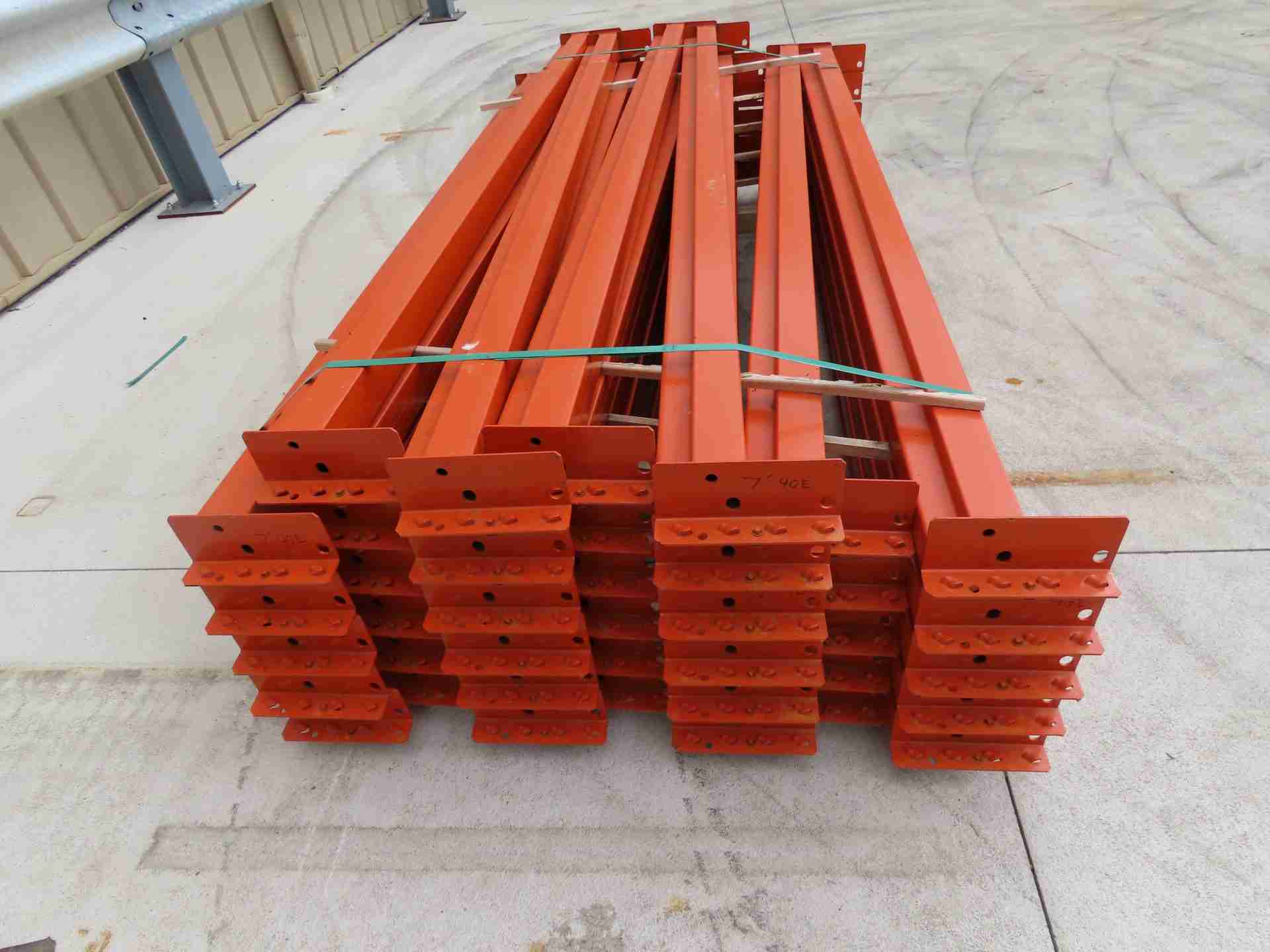
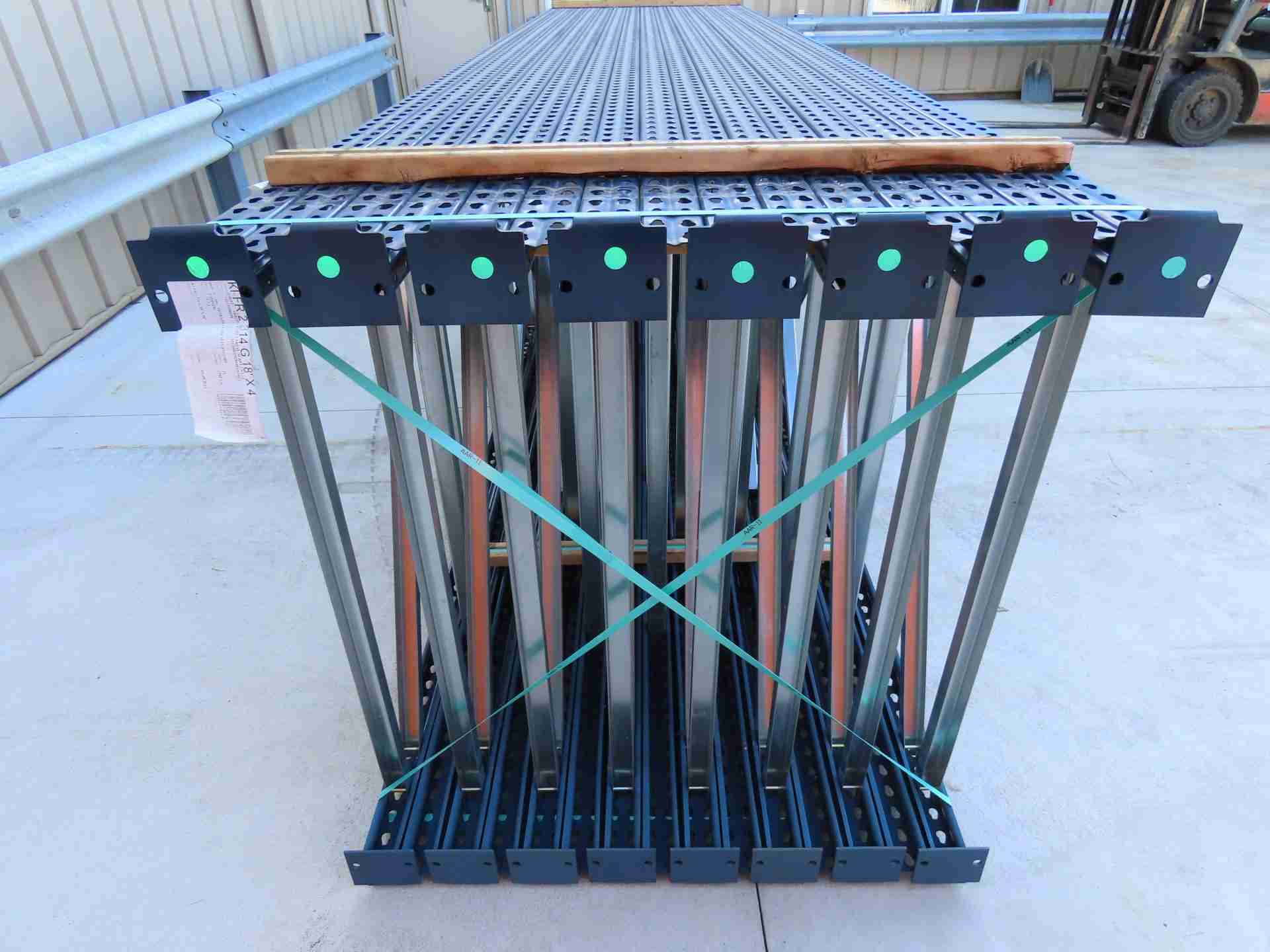
Modular shelving’s primary advantage lies in its versatility. Picture a warehouse bustling with activity, where peak seasons demand rapid rearrangements and swift access to inventory. Here, modular shelving shines brightly. Unlike standard pallet racking that can confine you to a rigid layout, modular shelving can be customized and reconfigured at a moment’s notice. This adaptability means you can scale your storage solution in tandem with your business growth or seasonal fluctuations.
Consider an e-commerce business that experiences tremendous spikes in demand during holiday seasons. By utilizing modular shelving, they can quickly reorganize their space to accommodate increased inventory. For instance, they can adjust shelf heights, add additional shelving units, or reposition components to enhance accessibility, allowing for efficient order fulfillment processes.
Another key benefit is the ease of maintenance and organization. With modular shelving, you can create a system that mirrors your workflow. Imagine a manufacturing facility where components are stored in a way that aligns with the assembly line’s layout. By minimizing the distance between necessary parts, staff can cut down on unnecessary movement, ultimately boosting productivity and reducing the risk of injury—a factor increasingly important in today’s health-conscious landscape.
Moreover, the aesthetic appeal of modular shelving shouldn’t be discounted. In a retail environment, a clean, organized display can significantly influence buyer behavior. An inviting and functional shelving system allows products to take center stage, thus enhancing the overall shopping experience. For example, during recent shifts in consumer preferences toward sustainability, modular shelving can be crafted from eco-friendly materials, resonating with customers who prioritize green practices.
Lastly, modular shelving is cost-effective. By investing in a system that allows for growth and modification, businesses can avoid the substantial expenses associated with purchasing new equipment or undergoing extensive renovations when their storage needs change. The ability to adapt not only saves money but also fosters long-term planning and resource management.
The myriad benefits of modular shelving—from its flexibility and organization to aesthetic appeal and cost-effectiveness—position it as an essential tool for businesses looking to optimize their storage solutions in a rapidly changing market. Embrace modular shelving today, and watch your storage issues transform into streamlined solutions.
What Are The Benefits Of Using Modular Shelving In Storage?
What Are The Benefits Of Using Modular Shelving In Storage?
- Modular shelving offers adaptability in storage solutions, transforming static systems into dynamic ones.
- Its primary advantage is versatility, allowing for rapid rearrangements to meet changing demands.
- Businesses can customize and reconfigure modular shelving easily to scale with growth or seasonal fluctuations.
- Quick organization and maintenance mirror workflows, boosting productivity and minimizing unnecessary movement.
- Modular shelving enhances aesthetic appeal in retail settings, influencing buyer behavior positively.
- It can be made from eco-friendly materials, aligning with sustainable consumer preferences.
- Cost-effective investment avoids high expenses associated with new equipment or renovations as storage needs evolve.
What Are The Benefits Of Using Modular Shelving In Storage?
How Do Automated Shelving Systems Enhance Inventory Management?
In an age where efficiency reigns supreme, automated shelving systems are transforming inventory management into a finely tuned machine. These systems not only streamline warehousing but also catapult businesses ahead of their competitors. The evolution from traditional pallet racking to these advanced systems highlights a fundamental shift in how we perceive and manage stock.
Consider any bustling warehouse. Traditionally, a cumbersome pallet racking system might dominate the space, presenting a daunting maze of inventory that requires time and manpower to navigate. Now, picture automated shelving stepping into the limelight. These smart systems utilize robotics and intelligent software that work in tandem to organize inventory with laser-like precision. From pharmaceuticals to automotive parts, companies like Amazon and Zalando have embraced automated shelving, reaping significant operational benefits. With automated systems, they reportedly boost picking accuracy and reduce labor costs by upwards of 30%—a staggering number when profitability is on the line.
Furthermore, the unpredictable nature of today’s supply chain demands agility. Automated shelving systems allow for real-time inventory tracking, ensuring that businesses know exactly what’s in stock at any given moment. This capability became especially crucial during the COVID-19 pandemic, when supply chains were disrupted and consumer demands fluctuated wildly. Companies using automated solutions could pivot swiftly, replenishing their products based on current trends without missing a beat.
Let’s not overlook the environmental advantages of automated shelving! As organizations prioritize sustainability, these systems reduce wasted space and energy consumption. Unlike conventional pallet racking, which often leaves gaps and inefficiencies, automated shelving optimizes vertical space, often utilizing up to 90% of storage capacity. This means fewer resources consumed and a smaller carbon footprint, a compelling narrative as consumers increasingly favor eco-friendly brands.
Integrating these systems doesn’t just serve operational efficiency; it enhances customer satisfaction. Fast, accurate fulfillment translates directly to happier customers—essential in a marketplace where options are endless. Brands like IKEA have recognized this and implemented automated solutions to ensure their customers experience seamless service, thus solidifying customer loyalty.
In summary, automated shelving systems represent the forefront of inventory management innovation. By phasing out outdated pallet racking and implementing smarter, agile solutions, businesses stand not only to survive but to thrive in a competitive world. Embracing this technology isn’t just a trend; it’s a necessity for any organization serious about its growth and sustainability. The future is automated—will you keep pace?
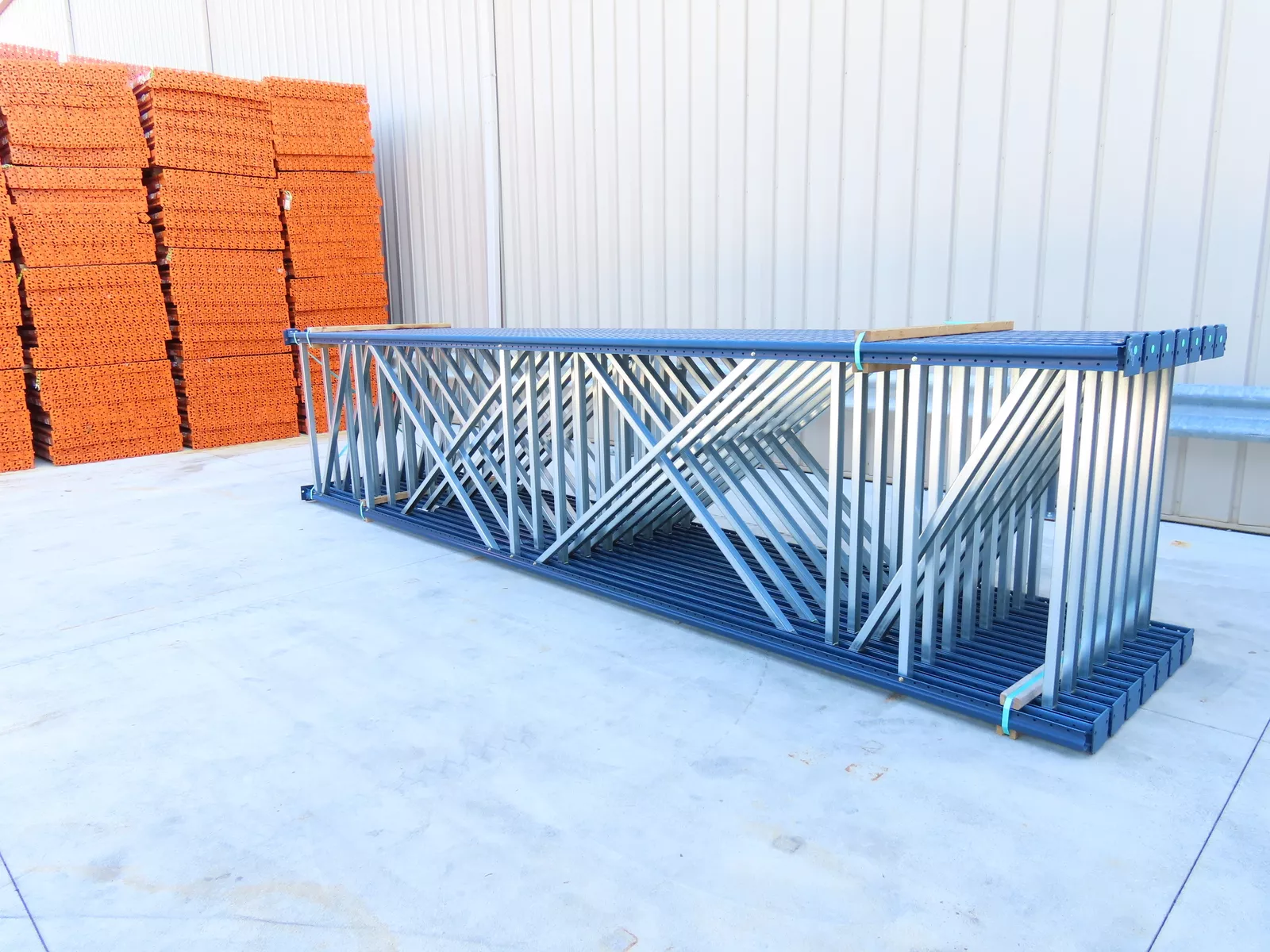
How Do Automated Shelving Systems Enhance Inventory Management?
How Do Automated Shelving Systems Enhance Inventory Management?
- Automated shelving systems revolutionize inventory management, enhancing efficiency and competitiveness.
- These systems replace traditional pallet racking, organizing inventory with precision through robotics and software.
- Companies like Amazon and Zalando have improved picking accuracy and reduced labor costs by over 30% with automated shelving.
- Real-time inventory tracking is enabled, crucial for navigating supply chain disruptions like those seen during the COVID-19 pandemic.
- Automated shelving systems promote sustainability by optimizing vertical storage and reducing energy consumption, appealing to environmentally conscious consumers.
- They also enhance customer satisfaction by ensuring fast and accurate fulfillment, helping brands like IKEA maintain loyalty.
- Overall, adopting automated shelving is essential for businesses aiming for growth and sustainability in an increasingly competitive landscape.
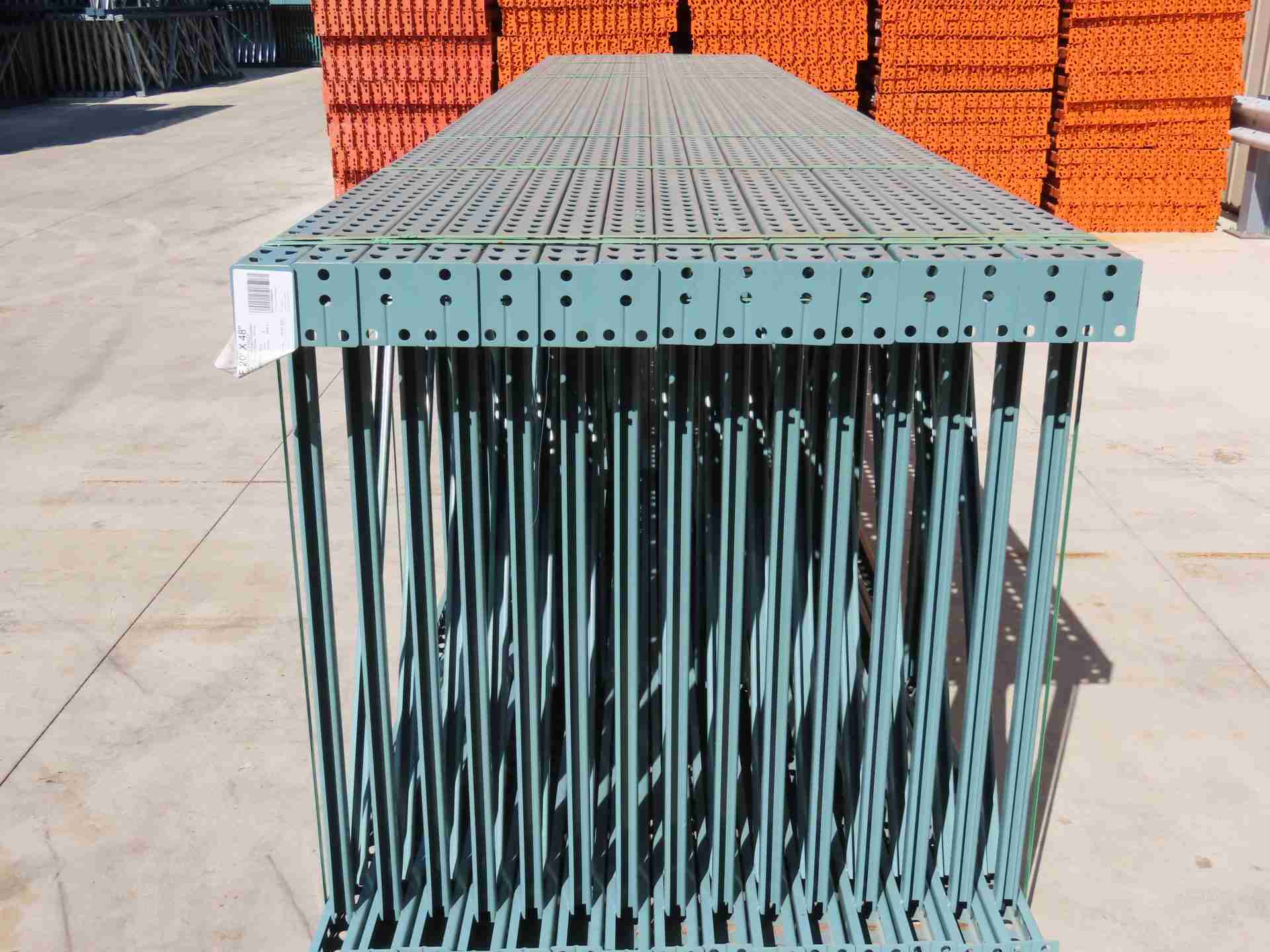
How Do Automated Shelving Systems Enhance Inventory Management?
What Role Does Sustainability Play In Modern Shelving Solutions?
In today’s fast-paced world, where environmental consciousness is no longer a fringe movement but a mainstream imperative, sustainability has become a cornerstone of modern shelving solutions. Companies are increasingly prioritizing eco-friendly practices in their operations, creating a ripple effect that influences every aspect of their supply chains, including storage systems like pallet racking.
Pallet racking has long been a staple in warehouses and distribution centers, efficiently maximizing storage space. But now, the way businesses approach pallet racking is transforming. Companies are moving away from cheap, disposable shelving materials toward sustainable alternatives that reduce waste and environmental impact. Recycled steel, for example, is being used to create resilient, long-lasting pallet racks that not only handle heavy loads but also conserve precious natural resources.
Consider the recent trends highlighted at industry trade shows, where vendors proudly showcase innovative designs made from sustainable materials. Many of these modern racks are modular, allowing businesses to adapt their storage solutions as needs change—reducing the need for frequent replacements and minimizing brand-new purchases. This adaptability is a win-win: it boosts operational efficiency while maintaining an eco-friendly footprint.
Furthermore, sustainability in shelving goes beyond materials. The rise of smart warehouse technologies—such as automated pallet racking systems—emphasizes energy efficiency. These cutting-edge systems optimize space and streamline inventory management, ultimately lowering the carbon footprint of storage operations. Such practices are not just trendy; they reflect a fundamental shift in how businesses view their role in climate preservation.
Global events have also spotlighted the importance of sustainability in manufacturing and warehousing. For instance, the COVID-19 pandemic underscored the vulnerabilities within supply chains, prompting companies to rethink their sourcing strategies. The shift toward local and sustainable materials is now more vital than ever. Brands that align themselves with sustainability initiatives not only gain consumer trust but also position themselves as leaders in their respective industries.
By adopting sustainable shelving solutions, businesses send a clear message: they are not just concerned about profitability but also about the planet. This commitment resonates strongly with today’s eco-savvy consumers, who are more likely to support brands that demonstrate genuine environmental stewardship.
In summary, sustainability is not merely a buzzword in modern shelving solutions; it’s a vital component shaping the future of warehousing. Investing in eco-friendly pallet racking systems is not just good for business—it’s good for the planet. The future belongs to those who can merge functionality with sustainable practices, setting a powerful precedent for generations to come.
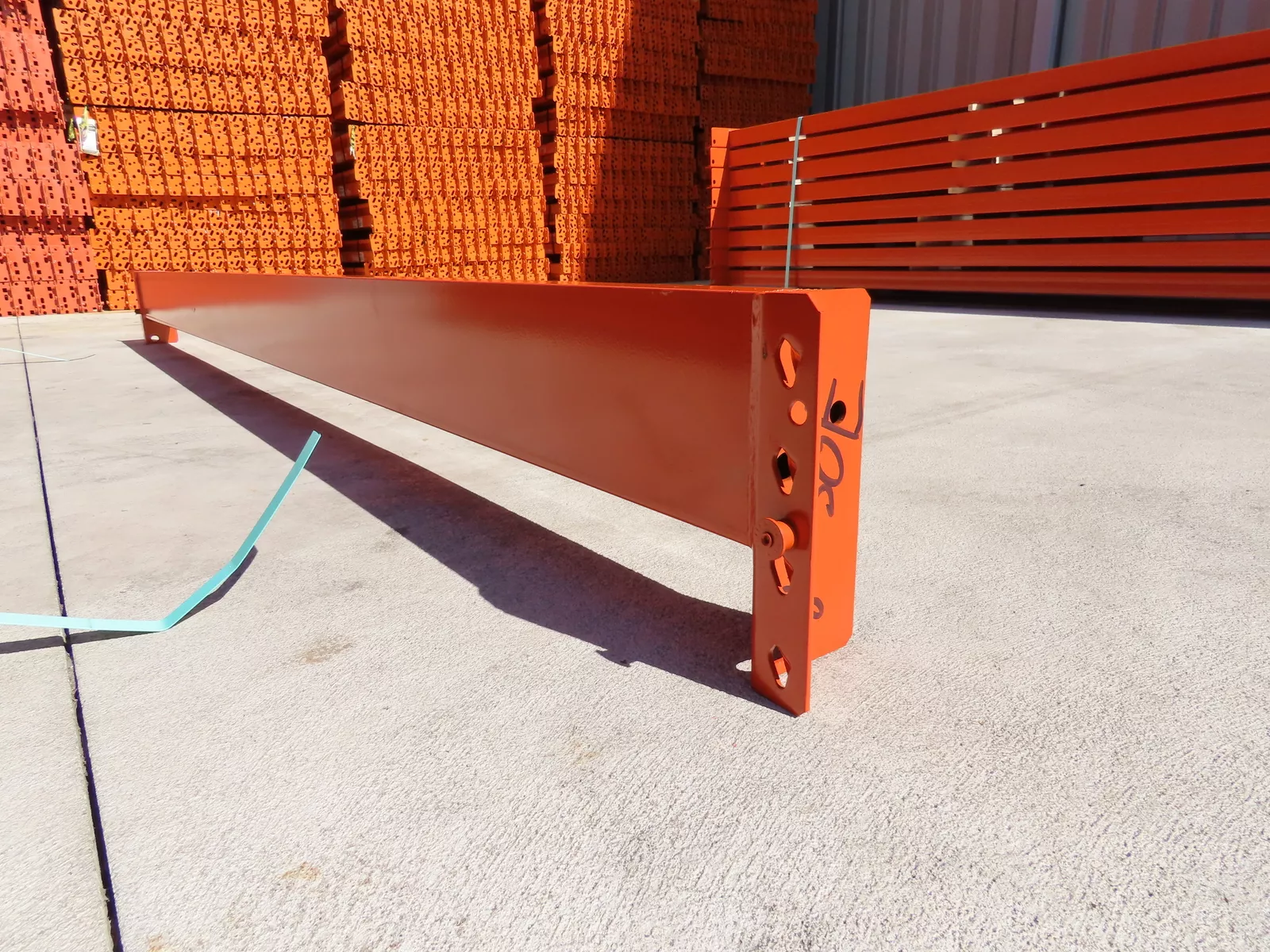
What Role Does Sustainability Play In Modern Shelving Solutions?
What Role Does Sustainability Play In Modern Shelving Solutions?
- Sustainability is now a central focus in modern shelving solutions, reflecting mainstream environmental consciousness.
- Companies are transitioning from disposable shelving materials to sustainable alternatives like recycled steel for pallet racking.
- Recent industry trends reveal innovative, modular designs that allow adaptation to changing storage needs, reducing waste and replacements.
- Smart warehouse technologies enhance energy efficiency, optimizing space and lowering the carbon footprint of storage operations.
- Global events, such as the COVID-19 pandemic, have highlighted the need for sustainable sourcing and manufacturing practices.
- Brands that commit to sustainability gain consumer trust and position themselves as industry leaders.
- Investing in eco-friendly pallet racking systems aligns with business goals and environmental stewardship, shaping a sustainable future.

What Role Does Sustainability Play In Modern Shelving Solutions?
How Can Vertical Shelving Optimize Space In Warehouses?
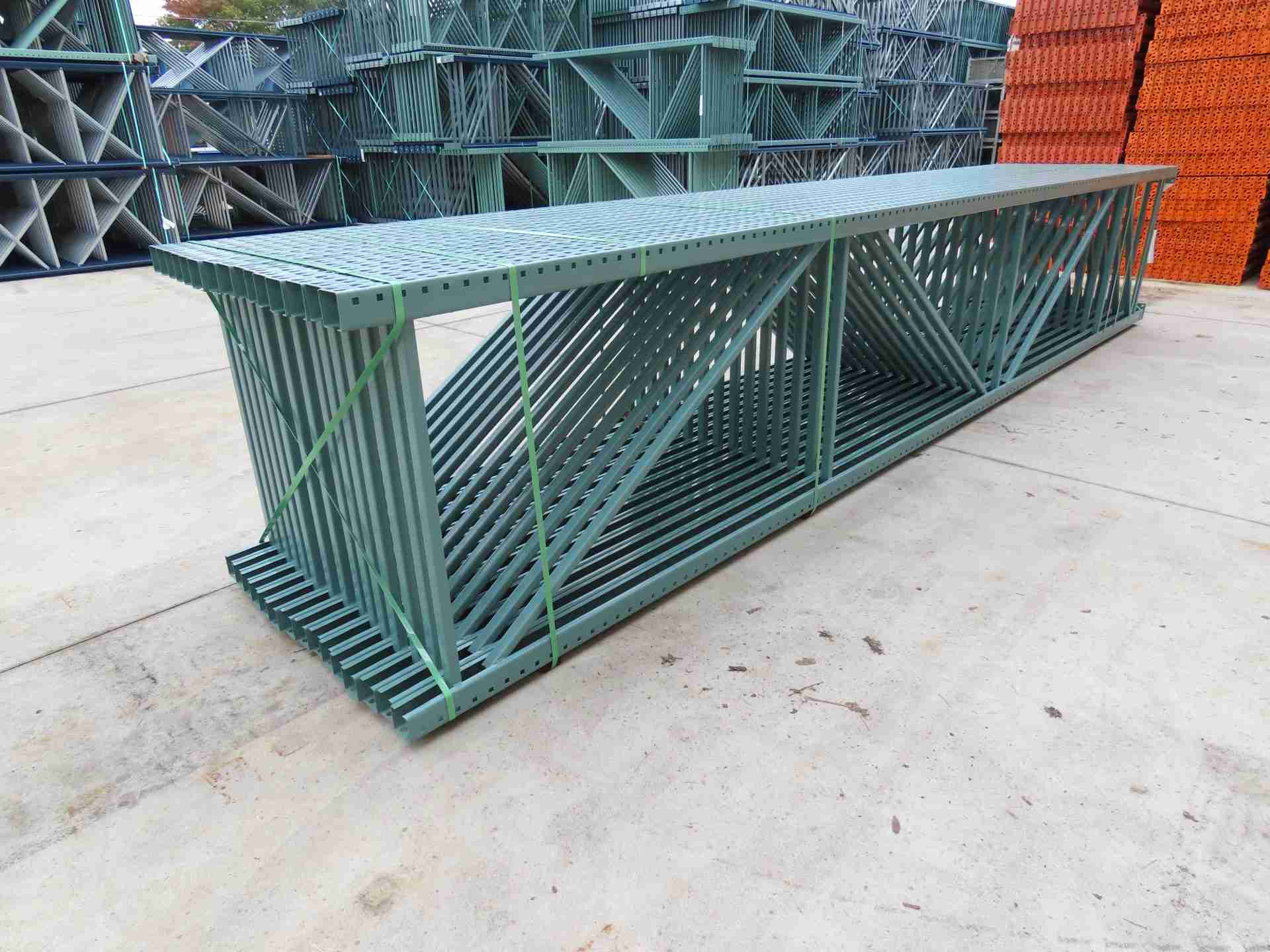
In today’s fast-paced economy, maximizing warehouse efficiency isn’t just a luxury; it’s a necessity. One of the most effective ways to achieve this is through the strategic implementation of vertical shelving systems, which can significantly enhance your storage capacity. When paired with modern pallet racking systems, vertical shelving can help you make the most out of even the most limited space, paving the way to increased productivity and streamlined operations.
Imagine a bustling warehouse filled with pallets of goods stacked high, but space is still at a premium. This is where vertical shelving comes into play. By utilizing the full height of the facility, vertical shelving allows for the efficient storage of products while simultaneously maintaining easy accessibility. Consider a grocery distribution center that incorporates vertical shelving combined with pallet racking. Instead of occupying floor space, items can be stored upwards, freeing up valuable ground-level areas for high-traffic picking operations.
As companies look to adapt to the e-commerce boom and last-mile delivery demands, optimizing warehouse real estate has become essential. According to reports, as online shopping continues to surge, businesses need to rethink their logistics strategies. Vertical shelving not only maximizes storage but also can lead to enhanced organization. For instance, by storing frequently accessed items at eye level, warehouses can become more efficient in inventory management, saving time and reducing labor costs.
Let’s take a moment to highlight a real-world application: in 2023, a well-known furniture retailer revamped its distribution strategy by integrating vertical shelving with pallet racking. They reported a 30% increase in their storage capacity while also cutting retrieval times by 20%. This case is a direct testament to how vertical solutions can effectively tackle the challenges of space limitations in warehouses.
Moreover, with sustainability gaining traction in various industries, vertical shelving can help organizations store more goods without expanding their physical footprints. By optimizing space, companies contribute to reducing their environmental impact, which is increasingly becoming a focal point for consumers.
If your warehouse is clamoring for improvement, look no further than vertical shelving. This dynamic storage solution not only complements pallet racking systems but also offers a pathway to increased efficiency and productivity. As the logistics landscape evolves, businesses must embrace innovative strategies — starting with maximizing the vertical space available. Seize the opportunity to transform your warehouse operations and stay ahead of the competition!
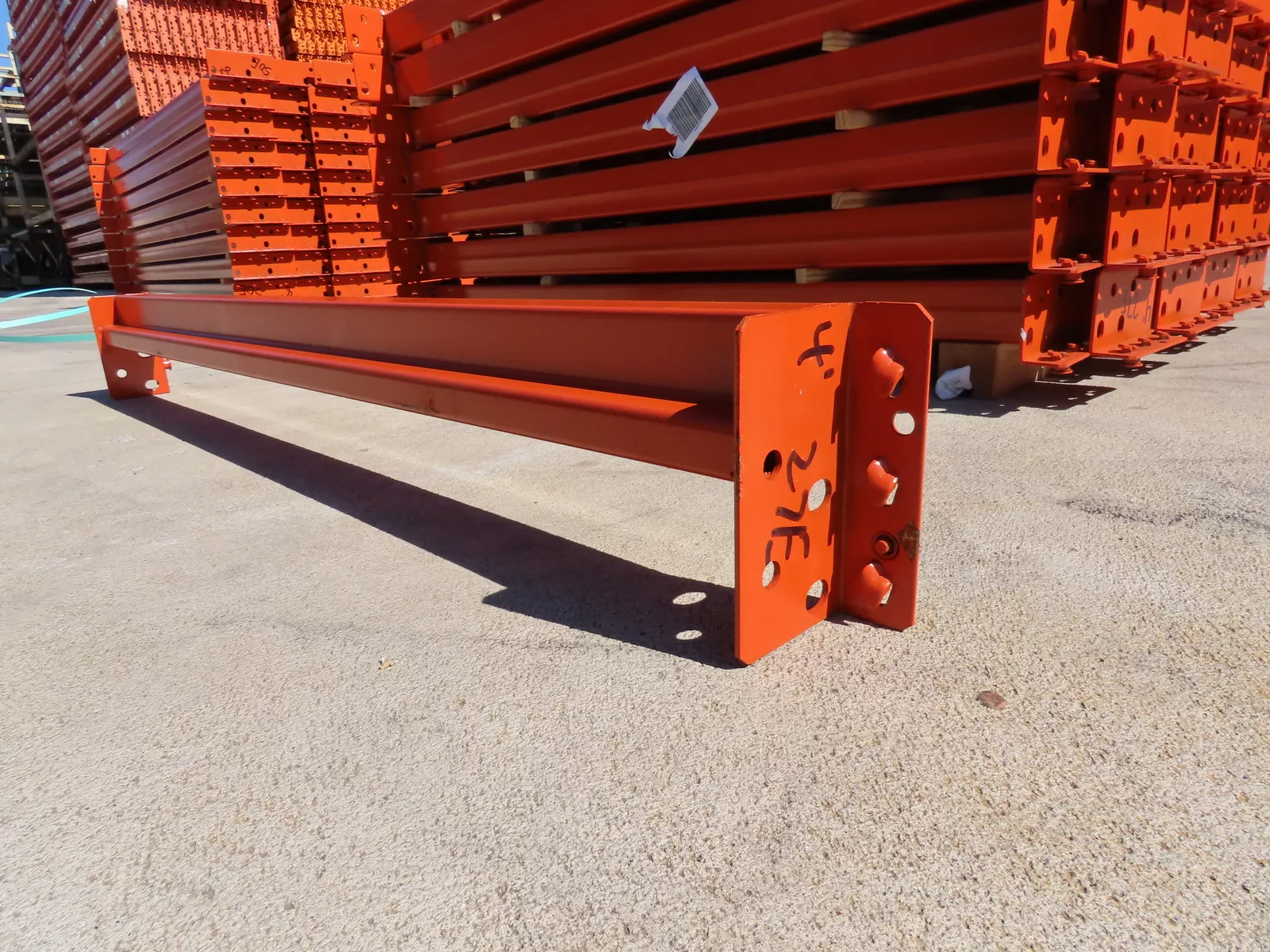
How Can Vertical Shelving Optimize Space In Warehouses?
How Can Vertical Shelving Optimize Space In Warehouses?
- Maximizing warehouse efficiency is essential in today’s fast-paced economy.
- Vertical shelving systems can enhance storage capacity significantly.
- Combined with pallet racking, vertical shelving optimizes limited space and improves productivity.
- Utilizing vertical space allows for easy accessibility while freeing up ground-level areas for high-traffic operations.
- Optimizing warehouse space is crucial for adapting to the e-commerce growth and delivery demands.
- A furniture retailer increased storage capacity by 30% and reduced retrieval times by 20% through integrating vertical shelving.
- Vertical shelving also contributes to sustainability by maximizing space without expanding physical footprints.
How Can Vertical Shelving Optimize Space In Warehouses?
Conclusion
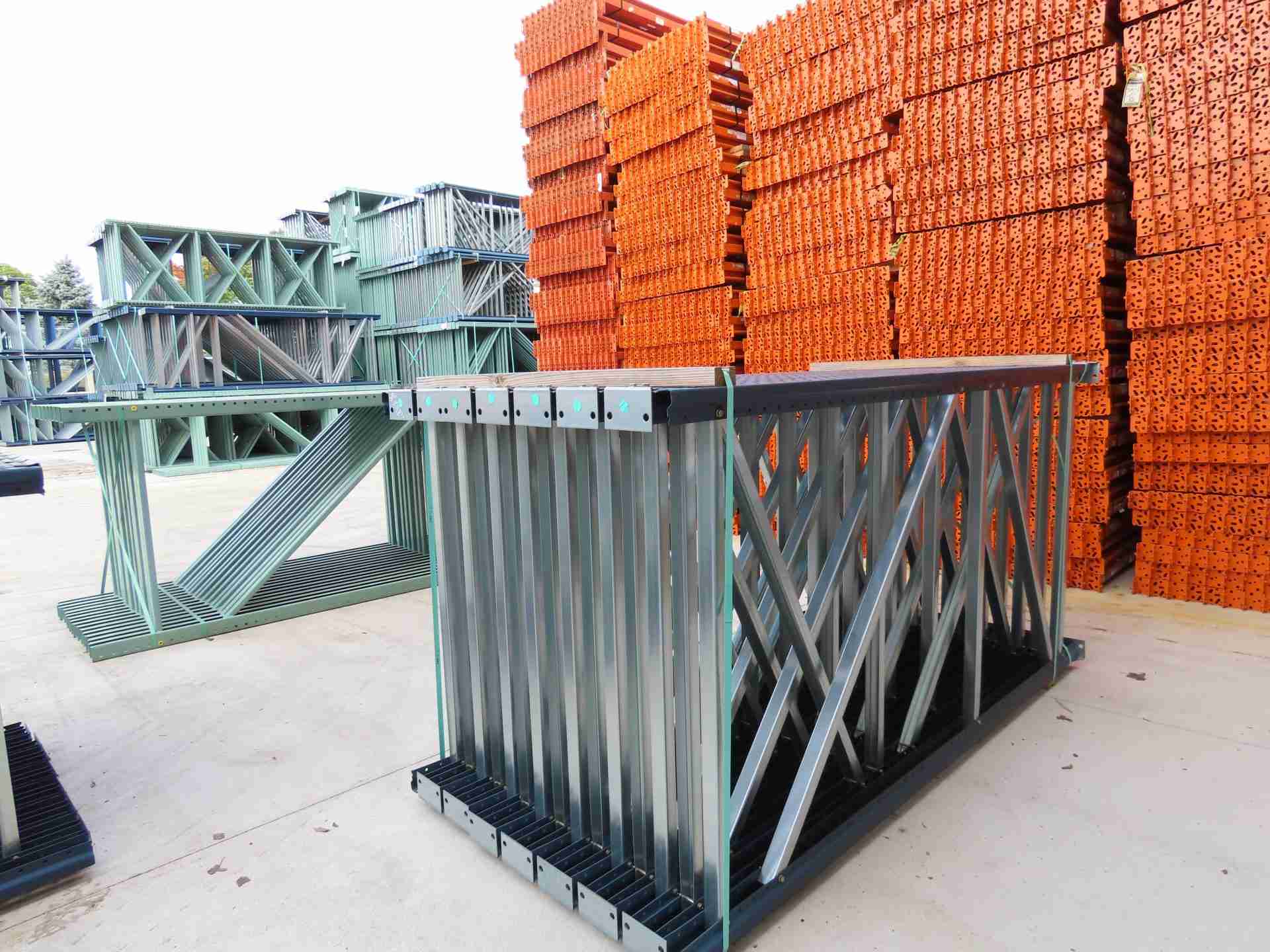
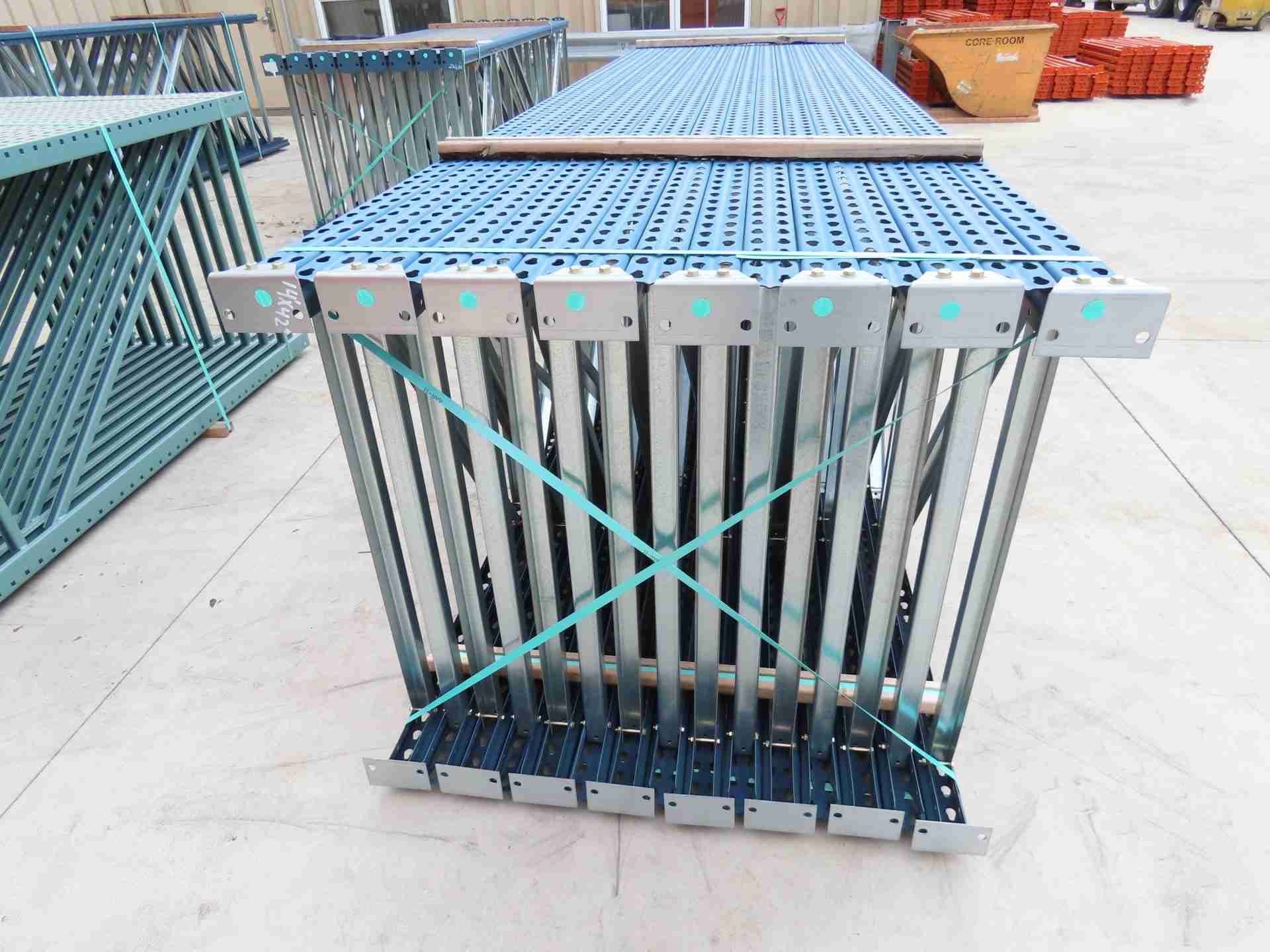
In the highly competitive realm of logistics, efficient warehousing isn’t merely an advantage; it’s a necessity for survival. As we explore the innovative shelving solutions shaping modern warehousing, it’s evident that businesses must adapt to succeed. Arrow Industrial Sales presents a suite of advanced shelving options—such as high-density pallet racking, automated storage systems, and modular configurations—that are enhancing operational efficiency and driving profitability.
The everyday warehouse is transforming, shedding outdated storage methods in favor of flexible, responsive solutions that maximize both space and productivity. High-density pallet racking systems, including drive-in and push-back racks, allow for optimized inventory management, ensuring swift retrieval in a world that demands immediacy, especially with the meteoric rise of e-commerce. Automation is no longer a futuristic concept but a present-day necessity, enabling businesses to meet customer expectations with speed and accuracy. Integrating systems that harness robotics and intelligent software, like Automated Storage and Retrieval Systems (AS/RS), allows organizations to maintain control over their inventory while minimizing human error.
However, it’s not just about technology; sustainability plays an increasingly pivotal role in warehousing operations. Businesses are leaning towards eco-friendly practices, from using recycled materials in shelving systems to adopting energy-efficient designs. This commitment not only appeals to socially conscious consumers but also reduces long-term operational costs, proving that a green approach can coincide with strong financial performance.
One of the most compelling advantages of modern shelving solutions is their adaptability. Modular shelving systems allow businesses to respond quickly to market fluctuations without hefty renovations. Companies can seamlessly transition between different configurations to meet changing inventory needs—crucial in today’s unpredictable market landscape. Adjustability further optimizes user workflows, resulting in enhanced employee safety and overall productivity.
In conclusion, the future of warehousing is grounded in innovation, flexibility, and sustainability. As these trends continue to shape logistics, businesses must equip themselves with advanced shelving solutions to remain competitive. Don’t let your company fall behind; explore how Arrow Industrial Sales can elevate your warehousing strategy. Call us today at (574) 349-6575 to discover the game-changing shelving options that will revolutionize your operations. Act now—your future efficiency hinges on the decisions you make today!
Conclusion
Conclusion:
- Efficient warehousing is essential for survival in the competitive logistics industry.
- Arrow Industrial Sales offers advanced shelving solutions like high-density pallet racking and automated storage systems to boost operational efficiency.
- The shift from outdated storage methods to modern, flexible solutions enhances space utilization and productivity.
- High-density pallet racking systems optimize inventory management for swift retrieval, crucial in the rapidly growing e-commerce sector.
- Sustainability is increasingly important, with businesses adopting eco-friendly practices that lower costs and attract environmentally conscious consumers.
- Modular shelving systems provide adaptability, allowing quick transitions to meet market demands without major renovations.
- In summary, innovation, flexibility, and sustainability are key to the future of warehousing, necessitating advanced shelving solutions for competitiveness.
Conclusion
Other Resources
Other Resources
Here is a list of other resources you can review online to learn more:
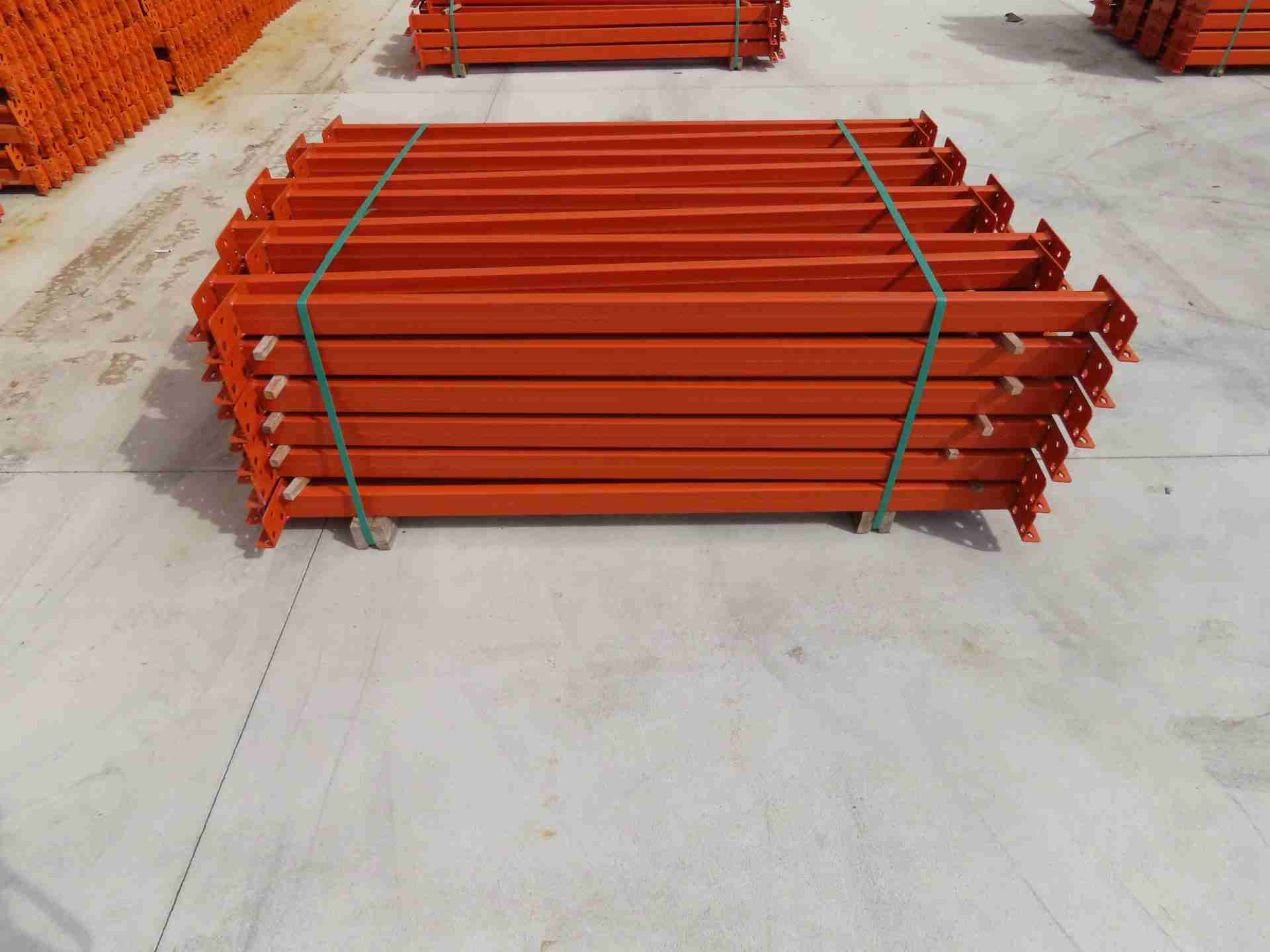
- Selective Pallet Racking Systems
- Cantilever Rack Configuration & Installation: A Comprehensive Guide – BMH
- Bradford Systems
- What is Selective Pallet Racking
- Selective Pallet Racking Systems – Container Systems
- Crane Manufacturers Association Of America Inc.
- Overhead Lifting
- Rack Manufacturers Institute
- Warehouse Storage Racks
- Material Handling Industry
Use This Prompt To Get More Resources With Your Favorite Online AI Tool: Please provide me with a list of online articles with their URLs in a bulleted list that I can read regarding What Innovative Shelving Options Are Shaping Modern Warehousing?

Other Resources
Glossary Terms
What Innovative Shelving Options Are Shaping Modern Warehousing? – Glossary Of Terms
1. Adjustable Shelving: Shelving units designed with movable shelves that can be repositioned to accommodate various item sizes.
2. Automated Storage and Retrieval Systems (AS/RS): Advanced systems that use robotics and software to automate the storage and retrieval of goods in a warehouse.
3. Cantilever Racking: A shelving system with horizontal arms that extend from vertical columns, ideal for storing long or bulky items such as pipes and lumber.
4. Cross-docking: A logistics practice where incoming goods are directly transferred to outbound transportation without long-term storage, often requiring smart shelving arrangements.
5. Dynamic Shelving: Shelving that utilizes movement and flow, such as rotating or gravity-fed systems, to optimize storage efficiency.
6. Flat-pack Storage: Modular shelves that can be easily disassembled and reassembled, allowing for flexible storage solutions.
7. Flow Rack: A shelving unit designed for high-throughput operations, using inclined tracks to facilitate the flow of products to pick points.
8. Heavy-duty Racking: Robust shelving systems engineered to hold significant weight, suitable for industrial warehouses.
9. Mobile Shelving: Shelves mounted on mobile bases that can be moved closer together to maximize space efficiency when not in use.
10. Pallet Racking: A common warehouse storage system that supports pallets stacked in layers, commonly used for bulk storage.
11. Pick-to-Light Systems: Shelving units equipped with lights that guide workers to the correct item, enhancing order picking speed and accuracy.
12. Shelving Preservation: Techniques and materials used to protect shelves from wear, moisture, and contamination, prolonging the lifespan of storage systems.
13. Smart Shelving: Shelving units integrated with IoT technology to track inventory levels, usage, and environmental conditions.
14. Stackable Shelving: Modular units that can be stacked on top of one another, ideal for optimizing vertical space in a warehouse.
15. Storage Bins: Containers used on shelves to hold smaller items, improving organization and ease of access.
16. Vertical Lift Module (VLM): An automated system that vertically stores items, retrieving them on demand, maximizing floor space and increasing efficiency.
17. Wire Shelving: Open-shelf designs made of wire mesh, promoting airflow and visibility for inventory, often used in cold storage.
18. Warehouse Management System (WMS): Software that supports warehouse operations, including inventory tracking and the optimization of shelving layouts.
19. Gondola Shelving: Freestanding display fixtures with adjustable shelves, commonly found in retail settings but adaptable for certain warehouse applications.
20. Modular Shelving: Storage systems that can be configured in various ways to meet changing storage needs, promoting flexibility.
21. Mobile Racking: Racks mounted on mobile bases that can be shifted to create aisles, allowing for higher storage density.
22. Nesting Shelves: Shelves designed to fit into one another when not in use, saving space and facilitating easy transportation.
23. Overstock Shelving: Sections of shelving designated for excess inventory, helping to manage surplus items effectively.
24. Quick Pick Shelving: Storage solutions designed for fast access and retrieval of commonly picked items, optimizing picking routes.
25. Shelf Life Management: The practice of monitoring the expiration and usability of products stored on shelves, crucial in inventory for perishable goods.
26. Three-Dimensional (3D) Storage: Utilizing all three dimensions of warehouse space through creative shelving design, including vertical stacking and multi-level systems.
27. Zoned Storage: Organization of shelving based on categories or usage frequency, optimizing space and increasing picking efficiency.
28. Bin Shelving: Shelves specifically designed to accommodate bins for organizing assorted small items, enhancing access and inventory control.
29. Heavyweight Racking: Shelving engineered specifically for heavyweight materials, ensuring stability and safety during storage.
30. Ergonomic Shelving: Shelving designed to facilitate easy access to items while minimizing strain on the worker, improving safety and efficiency.
These terms and their descriptions highlight the innovative shelving solutions transforming modern warehousing, enhancing efficiency, organization, and space utilization.
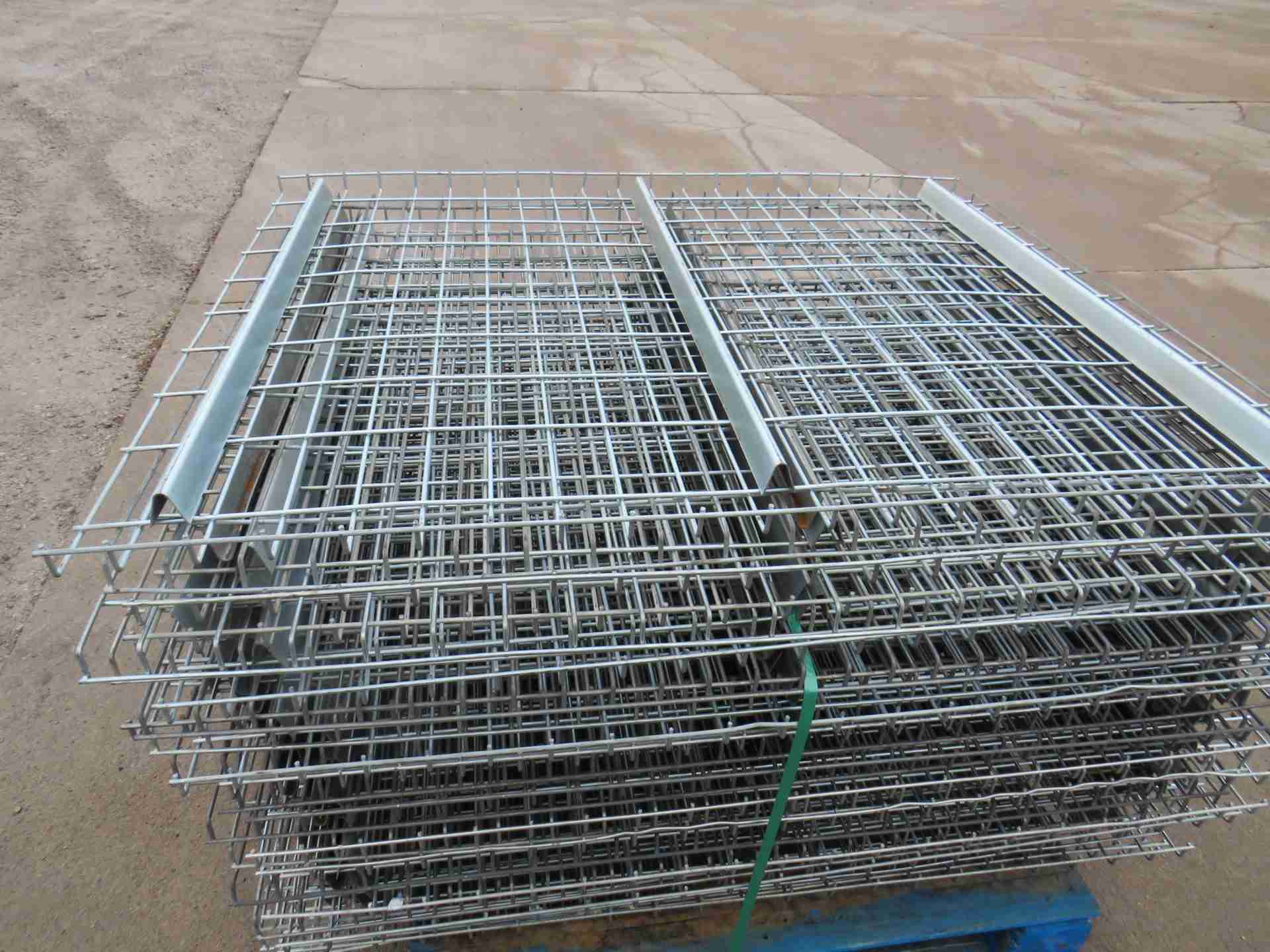
Glossary Of Terms
Other Questions
What Innovative Shelving Options Are Shaping Modern Warehousing? – Other Questions
If you wish to explore and discover more, consider looking for answers to these questions:
- What are the specific technologies driving innovations in warehouse shelving?
- How do companies determine which shelving solution is best for their specific needs?
- What are the costs associated with implementing advanced shelving systems?
- How can businesses measure the effectiveness of their new shelving options?
- What are common challenges faced when upgrading to modern shelving solutions?
- Are there case studies of companies successfully implementing these shelving innovations?
- What is the future outlook for shelving technology in warehousing?
- How do international standards and regulations impact warehouse shelving options?
- What role does employee training play in utilizing new shelving systems effectively?
- How can businesses ensure their shelving solutions are scalable for future growth?
- How do modular and adjustable shelving systems compare in terms of cost and efficiency?
- What safety standards should be considered when selecting warehouse shelving?
- How can sustainability in shelving solutions impact a company’s brand image?
- What are the environmental benefits associated with automated shelving systems?
- How do automated inventory management systems integrate with shelving solutions?
Other Questions
Checklist
What Innovative Shelving Options Are Shaping Modern Warehousing? – A Checklist
Understanding Innovative Shelving Options
_____ Familiarize yourself with advanced pallet racking systems (e. g. , drive-in, push-back racks).
_____ Explore the benefits of automated storage and retrieval systems (AS/RS) and how they can enhance inventory management.
_____ Investigate modular shelving systems and their adaptability to changing inventory needs.
Analyzing Current Trends
_____ Keep an eye on the latest trends in warehouse shelving design focusing on adaptability and automation.
_____ Understand the importance of sustainability in shelving solutions and materials used.
_____ Research the role of technology integration in modern shelving, such as RFID tracking and warehouse management systems (WMS).
_____ Be aware of ergonomic design advancements in shelving to improve employee safety and productivity.
Assessing the Benefits of Adjustable Shelving
_____ Evaluate the flexibility of adjustable shelving systems for different inventory types and handling needs.
_____ Consider the case studies demonstrating increases in efficiency and customer satisfaction due to the implementation of adjustable shelving.
_____ Analyze how adjustable shelving impacts space utilization in your warehouse.
Leveraging Modular Shelving
_____ Calculate the potential cost savings of switching to modular shelving systems.
_____ Plan for easy maintenance and organization using modular shelving to optimize workflows.
_____ Consider the aesthetic appeal of modular shelving in retail environments to influence customer behavior.
Implementing Automated Shelving Systems
_____ Research various automated shelving systems that can enhance your warehouse operations.
_____ Assess the potential labor cost savings and increased accuracy provided by automation.
_____ Evaluate the environmental benefits of these systems in terms of reduced space and energy consumption.
Sustainability Considerations
_____ Identify sustainable materials, like recycled steel, that can be integrated into your shelving solutions.
_____ Explore practices that enable your business to align with eco-friendly initiatives, leveraging these to improve brand image.
_____ Evaluate your current supply chain for opportunities to shift towards local and sustainable sourcing.
Maximizing Vertical Space
_____ Assess your current warehousing layout and determine how to incorporate vertical shelving solutions.
_____ Analyze the benefits of vertical shelving in increasing storage capacity while maintaining easy accessibility.
_____ Implement strategies to organize inventory for efficient picking and reduced retrieval times.
Taking Action
_____ Develop a warehouse transformation strategy that incorporates findings from this checklist.
_____ Set measurable goals for efficiency improvements derived from innovative shelving solutions.
_____ Schedule regular reviews of shelving systems and inventory management processes to ensure continuous improvement.
By following this checklist, you can stay informed and prepared to embrace the latest innovations in shelving solutions, ensuring that your warehouse operations remain competitive and efficient in today’s evolving landscape.

Checklist
At RackingWorld, we help guide you through selecting warehouse storage systems and racking.
Be sure to read our other related stories at RackingWorld to learn more about warehouse storage systems.
0 Comments