
Maximize Efficiency With The Right Shelving
By Tom Seest
At RackingWorld, we help guide you through selecting warehouse storage systems and racking.
Be sure to read our other related stories at RackingWorld to learn more about warehouse storage systems.
Are You Prepared for Seasonal Demands with Your Current Shelving?
In the fast-paced world of retail and warehousing, the ability to adapt to seasonal demands can make or break your business. As we approach peak seasons—be it the holiday rush, back-to-school sales, or the summer influx of consumers—having the right shelving solutions is essential. One critical component often overlooked in managing seasonal inventory fluctuations is pallet racking.
Pallet racking is more than just a stylish choice for your storage needs; it’s a strategic asset that can boost your operational efficiency. Picture this: the holiday season is knocking, and you’re scrambling to accommodate an influx of products while maintaining order and accessibility. Utilizing pallet racking allows you to maximize vertical space, enabling you to store more products in the same footprint while minimizing the time employees spend searching for items. For example, a facility with a well-ordered pallet racking system can increase storage efficiency by as much as 40%.
In 2023, with e-commerce sales continuing to soar to new heights, businesses can’t afford to let disorganization affect their bottom line. Major retailers have already started leveraging technology and modular shelving systems to prepare for their busiest days. With proper pallet racking in place, businesses can efficiently handle Large-scale deliveries and sudden increases in inventory—keeping products well-organized and easily retrievable.
Take the recent spikes we saw in home improvement and gardening supplies during the pandemic. Many businesses faced unprecedented demand, and those who had already invested in robust pallet racking systems could quickly pivot to meet these challenges. Others suffered, having to scramble to rearrange makeshift shelving, leading to delays and lost sales. The question is: which category do you want your business to fall into?
But it’s not just about handling excess inventory during rush periods; effective pallet racking also streamlines your operations during slower seasons. Efficient storage layouts reduce the time employees spend navigating your warehouse, especially in the off-peak periods when staff may be operating with leaner resources. This efficiency not only saves you money but also enhances customer satisfaction when orders are shipped quickly and accurately.
So, as the seasons change, take a long, hard look at your current shelving solutions. If you aren’t currently using pallet racking—or your system isn’t set up to handle seasonal demands—now is the time to make a move. Your inventory deserves a robust framework that will not only streamline storage but also position your business to thrive year-round. Don’t wait until the crunch hits; prepare today to keep your business ahead of the game!
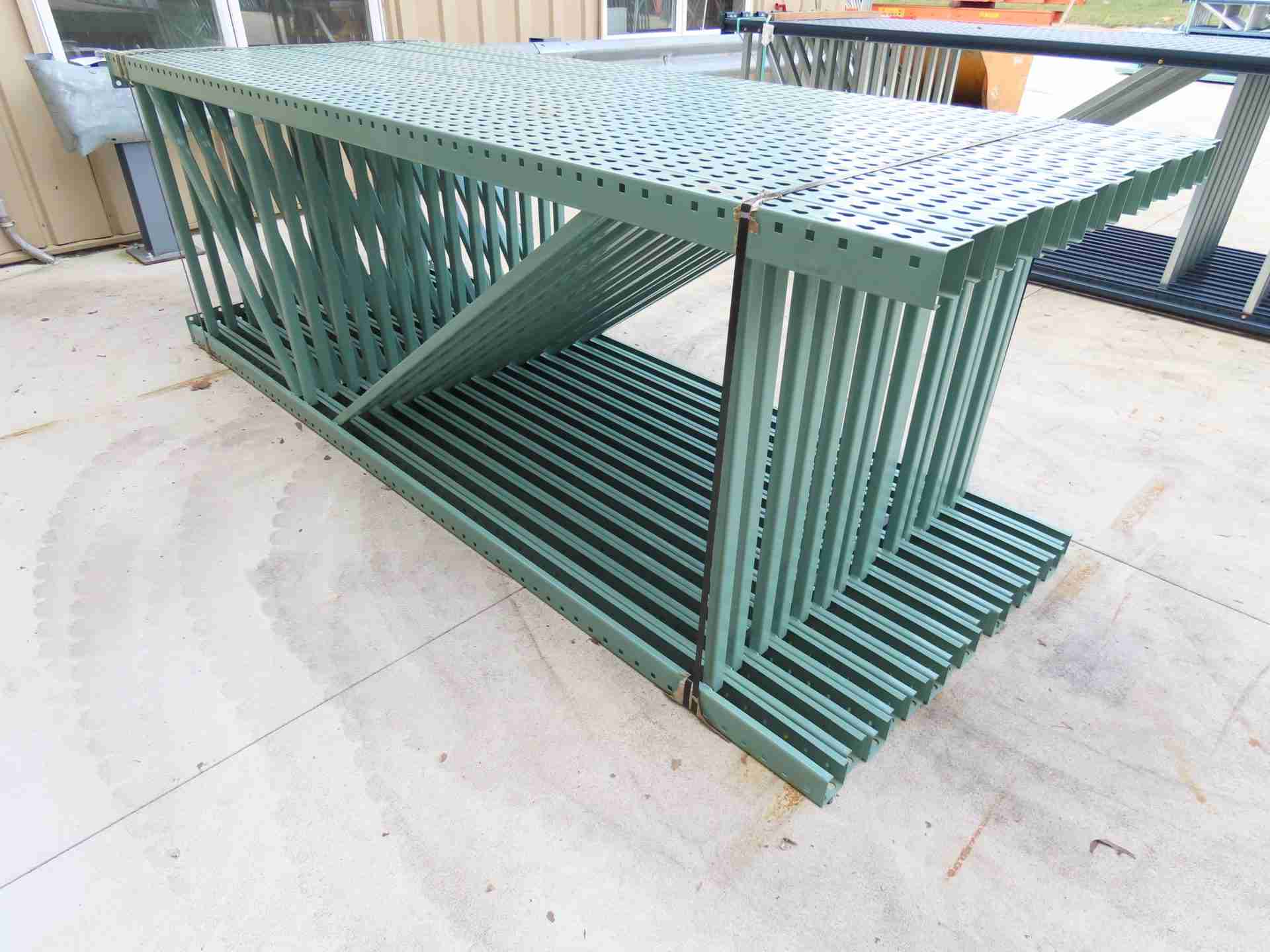
Are You Prepared for Seasonal Demands with Your Current Shelving?
Are You Prepared for Seasonal Demands with Your Current Shelving?
- The ability to adapt to seasonal demands is crucial in retail and warehousing.
- Pallet racking is a strategic asset that enhances operational efficiency and storage capacity.
- Utilizing pallet racking can increase storage efficiency by up to 40% during peak seasons.
- Proper pallet racking helps businesses manage large-scale deliveries and unexpected inventory spikes.
- Companies with robust pallet racking systems can quickly adapt to sudden demand changes, avoiding lost sales.
- Effective pallet racking also improves operations during slower seasons, saving time and enhancing customer satisfaction.
- Investing in adequate shelving solutions like pallet racking is essential for maintaining a competitive edge year-round.

Are You Prepared for Seasonal Demands with Your Current Shelving?
Table Of Contents
- Are You Prepared for Seasonal Demands with Your Current Shelving?
- How Do Seasonal Demands Affect Shelving Efficiency?
- What Features Should Seasonal Shelving Solutions Have?
- Are Your Products Easily Accessible During High Demand Seasons?
- How Often Should You Assess Your Shelving Needs Seasonally?
- Can Your Shelving Support Heavier Loads During Peak Seasons?
- What Are The Best Materials For Seasonal Shelving Solutions?
- Conclusion
- Other Resources
- Glossary Of Terms
- Other Questions
- Checklist
How Do Seasonal Demands Affect Shelving Efficiency?
As industries navigate the ever-changing landscapes of consumer demand, the efficiency of your shelving systems, particularly pallet racking, can make or break your operations. It’s crucial to understand how seasonal demands influence storage needs to optimize your inventory management for maximum profitability.
Imagine a bustling retail store during the holiday season. Toys, electronics, and seasonal decorations flood the aisles. Without a strategic approach to shelving, stores can find themselves scrambling to keep products in stock while facing overflows in storage space. Effective use of pallet racking can resolve this chaos. By utilizing adjustable pallet racking systems, businesses can swiftly adapt their layouts as seasonal demands shift. This system empowers retailers to increase their storage capacity during peak seasons, ensuring they never miss a sale.
Consider the rise of e-commerce, especially during events like Black Friday and Cyber Monday. These annual occurrences send shockwaves through supply chains. Last year’s data showed that online sales surged by nearly 20% during the holiday season, demanding increased storage efficiency in warehouses. Businesses that implemented double-deep pallet racking effectively managed their inventory, allowing for rapid retrieval of products, leading to faster order fulfillment. This adaptability results in a competitive edge that directly translates to increased sales and customer satisfaction.
Furthermore, the COVID-19 pandemic emphasized the importance of responsive shelving systems. As consumer shopping behaviors shifted dramatically—with a surge in home improvement supplies, fitness gear, and hygiene products—companies had to pivot quickly. Those who upgraded their storage with pallet racking witnessed greater flexibility, enabling them to cope with fluctuating demands. A perfect example is how grocery chains optimized their backroom areas to handle the spikes in demand for certain products, ensuring that shelves were stocked, and customers were satisfied.
The changing seasons also present opportunities for business owners to rethink their inventory strategies. Implementing a just-in-time inventory system paired with efficient pallet racking can allow for a smooth transition between products throughout the year. This method minimizes storage costs while maximizing product availability.
In summary, seasonal demands directly impact shelving efficiency. Businesses that embrace flexible pallet racking solutions not only enhance their operational efficiency but also position themselves as agile competitors in a dynamic market. With the right systems in place, companies can better handle the demands of today’s consumers, ensuring they stay ahead—no matter the season.

How Do Seasonal Demands Affect Shelving Efficiency?
How Do Seasonal Demands Affect Shelving Efficiency?
- Efficient shelving systems like pallet racking are critical for operations, especially during seasonal demand shifts.
- Adjustable pallet racking helps retailers increase storage capacity during peak seasons, preventing stock shortages.
- E-commerce growth, especially during events like Black Friday, necessitates enhanced storage efficiency in warehouses.
- Double-deep pallet racking allows for rapid product retrieval and faster order fulfillment, boosting sales and customer satisfaction.
- The COVID-19 pandemic highlighted the need for responsive shelving systems, enabling quick adaptations to changing consumer behaviors.
- Implementing a just-in-time inventory system alongside efficient pallet racking minimizes storage costs and maximizes product availability.
- Companies leveraging flexible pallet racking solutions enhance operational efficiency and maintain a competitive edge in the market.

How Do Seasonal Demands Affect Shelving Efficiency?
What Features Should Seasonal Shelving Solutions Have?
In a retail landscape that shifts with the seasons, one thing remains constant: the need for effective and adaptable shelving solutions. When considering your options for seasonal shelving, it’s crucial to focus on the features that will enable your business to thrive during peak periods. Here’s what you should be looking for.
1. Versatility and Adjustability
Your seasonal shelving solutions should come equipped with versatile features that allow you to easily adjust and reconfigure your layout. This means selecting shelving systems that can be tailored for different product sizes and weights, from summer beach apparel to winter holiday decorations. For example, a pallet racking system provides the flexibility to rearrange shelves depending on the current season’s inventory, ensuring that your products are always displayed effectively and attractively.
2. Robust Load Capacity
When it’s time to stock up for the upcoming holidays or seasonal events, don’t let flimsy shelving let you down. Look for solutions that boast a strong load capacity. Modern pallet racking systems can support heavy, bulky items without compromising stability. This is especially relevant during high-demand periods, like Black Friday, where the volume of goods can skyrocket. Choose a system that can bear the weight without warping or collapsing—your bottom line depends on it.
3. Easy Assembly and Disassembly
A seasonal shelving unit should be as simple to set up as it is to take down. Quick assembly features save you invaluable time, allowing your team to focus on what truly matters—servicing customers and driving sales. Whether you’re putting up spring gardening supplies or dismantling end-of-summer clearance racks, your shelving should allow for a seamless transition.
4. Durability and Aesthetic Appeal
Let’s not forget about quality. Seasonal shelving needs to withstand both the wear and tear of constant use and the changing aesthetics of each season. Materials should be sturdy yet visually appealing. Opt for shelving that can accommodate seasonal décor, enhancing the ambiance of your space while appealing to the consumer’s emotions. For instance, incorporating vibrant spring colors or festive ornaments during holidays can boost product visibility and sales.
5. Accessibility
Lastly, consider how easy it is for both staff and customers to access the products on your seasonal shelves. An intuitive design saves time and improves the shopping experience. Pallet racking, for example, often supports a wide array of accessibility options, keeping your inventory organized and at the fingertips of your customers.
Incorporating these features into your seasonal shelving solutions will ensure that as the seasons change, your store’s layout and organization can effortlessly keep pace. By investing in strong, flexible, and aesthetically pleasing shelving, you set your business up for success—no matter what the season holds.

What Features Should Seasonal Shelving Solutions Have?
What Features Should Seasonal Shelving Solutions Have?
- Versatility and Adjustability: Look for shelving systems that can be easily tailored for different product sizes and weights to effectively display seasonal inventory.
- Robust Load Capacity: Select shelving solutions that support heavy items, ensuring stability during peak demands like holidays and sales events.
- Easy Assembly and Disassembly: Choose shelving units that are quick to set up and take down, facilitating seamless transitions between seasons.
- Durability and Aesthetic Appeal: Opt for shelves made from sturdy materials that enhance the visual atmosphere of your store while withstanding regular use.
- Accessibility: Ensure that the shelving design allows easy access for both staff and customers, improving the overall shopping experience.
- Seasonal Adaptability: Invest in flexible shelving that can adjust to seasonal changes, allowing your store layout to evolve as needed.
- Business Success: By investing in strong, flexible, and attractive shelving, you set your business up for success throughout the changing seasons.

What Features Should Seasonal Shelving Solutions Have?
Are Your Products Easily Accessible During High Demand Seasons?
In today’s fast-paced market, navigating the complexities of seasonal demand can feel like a high-stakes game of chess. Whether you’re a retailer prepping for the holiday rush or a supplier anticipating increased orders during summer peak seasons, the efficiency with which you store and access your products can spell the difference between success and missed opportunities. One vital aspect of this equation is your warehousing system, particularly the design and layout of your pallet racking.
Imagine this: It’s Black Friday, and your store has a surge of customers eager to snatch up deals. If your products are buried beneath layers of ineffectively managed inventory, you could end up losing those buyers to competitors. This is where optimizing your pallet racking comes into play. Efficient pallet racking isn’t just about placing products on shelves; it’s a strategic advantage. Models like drive-in and push-back racking allow you to maximize the vertical space in your warehouse and keep fast-moving items easily accessible. For instance, if you sell consumer electronics, ensure that high-demand products, like the latest gaming consoles during the holiday season, are positioned for quick retrieval.
In light of current events, such as the ongoing shifts in supply chain dynamics and commerce driven by e-commerce expansion, many companies are reevaluating their warehousing strategies. Take, for example, the direct-to-consumer brands that thrived during the lockdown. Their ability to fulfill orders efficiently has set the standard. Imagine a brand that capitalizes on a surge in home fitness demand. By optimizing their pallet racking systems, they can have exercise equipment at the ready—boosting both efficiency and customer satisfaction as they capitalize on fleeting trends.
Moreover, think about seasonal products like lawn care supplies. As spring approaches, consumers flood retail outlets looking to buy fertilizers, seeds, and tools. If you’ve effectively designed your warehouse to accommodate the influx with strategically placed pallet racks, you can ensure that your team can fulfill orders quickly, thus capitalizing on high-demand seasons. Conversely, mishaps in inventory management may lead to frustrated customers and hefty financial losses.
Ultimately, making your products easily accessible is not just a convenience; it’s a prerequisite for thriving in high-demand seasons. Investing in an effective pallet racking solution can be a game-changer, leading to increased sales and customer loyalty. So, ask yourself: Is your warehouse primed for success this season?
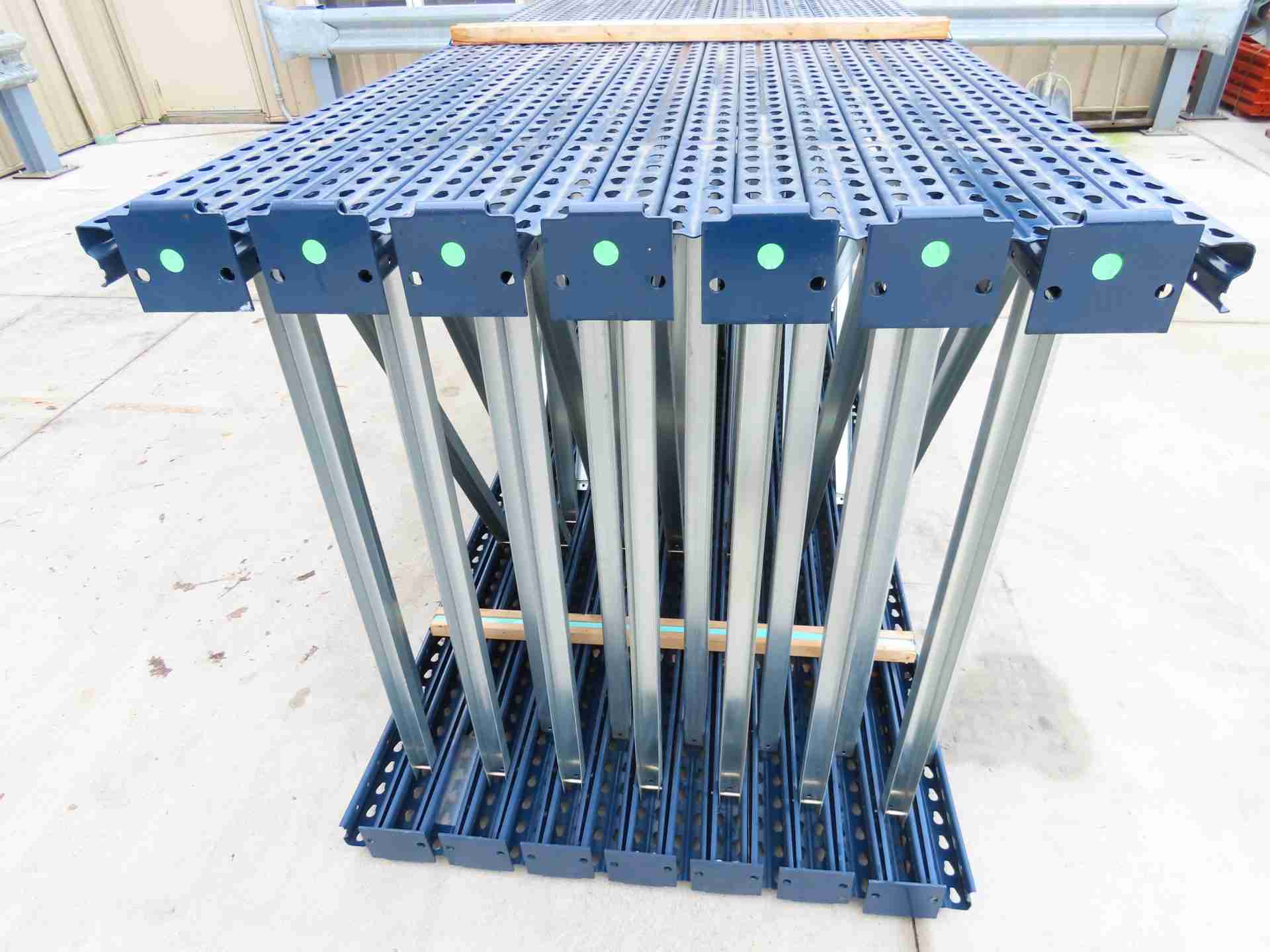
Are Your Products Easily Accessible During High Demand Seasons?
Are Your Products Easily Accessible During High Demand Seasons?
- Navigating seasonal demand complexities is essential for retailers and suppliers in a fast-paced market.
- Efficient warehousing systems, particularly optimized pallet racking, can differentiate success from missed opportunities.
- On high-demand days like Black Friday, effective inventory management is crucial to capture customer sales.
- Strategic pallet racking models, such as drive-in and push-back, maximize vertical space and quick access to fast-moving items.
- Current shifts in supply chain dynamics and e-commerce expansion prompt companies to reassess their warehousing strategies.
- Effective pallet racking ensures quick fulfillment of seasonal products, enhancing customer satisfaction and reducing frustration.
- Investing in effective pallet racking solutions can lead to increased sales, improved efficiency, and greater customer loyalty.

Are Your Products Easily Accessible During High Demand Seasons?
How Often Should You Assess Your Shelving Needs Seasonally?
In the fast-paced world of inventory management and warehousing, your shelving needs are not set in stone. Just like any business strategy, regular assessments are paramount for optimal efficiency and profitability. So, how often should you take stock of your shelving arrangements, particularly your pallet racking? The answer lies in the seasonal nature of consumer demand and the trends that influence it.
Quarterly Reviews: A Seasonal Necessity
To keep your operations razor-sharp, conduct a comprehensive evaluation of your shelving every quarter. This schedule aligns perfectly with the changing trends in consumer behavior. For instance, retailers often see surges around back-to-school sales, holidays, and major events like Black Friday. Therefore, assessing your pallet racking systems at each quarter’s end will enable you to adapt to these fluctuations and ensure that you have the capacity to meet increased demand.
Pipeline Inventory Indications
Current events can also dictate a need for immediate shelving reassessments. Take, for example, the recent chaos seen in supply chains due to global crises. When products arrive in waves, your pallet racking must be equipped to handle significant volumes in short periods. If you notice delays in replenishment or trends in overstock, don’t wait for the next quarterly review—act swiftly. A bi-monthly inspection can help identify potential bottlenecks and make necessary adjustments to accommodate influxes.
Trends in Inventory Management
Let’s talk tech: modern inventory management tools can track your inventory levels and usage rates in real time. If you haven’t yet embraced automation, you’re putting yourself at a significant disadvantage. By integrating these systems, you can complement your seasonal assessments. This data-driven approach not only shapes your shelving configuration but ensures your pallet racking is utilized to its full capacity, reducing wasted space and optimizing workflow.
A Proactive Mindset
A common pitfall in inventory management is the reactive approach—waiting until problems arise before addressing your shelving needs. With a proactive mindset, you’ll be able to forecast demand spikes and adjust your pallet racking system accordingly. Think of it this way: you wouldn’t wait until a storm is upon you to strengthen your roof, so why would you delay adjustments in your inventory systems?
Assessing your shelving needs seasonally isn’t just a good practice; it’s essential to maintaining a well-oiled operation. Embrace the system-wide changes and the uncertainties of modern commerce, and you’ll be well-prepared to meet the evolving demands of your market.

How Often Should You Assess Your Shelving Needs Seasonally?
How Often Should You Assess Your Shelving Needs Seasonally?
- Regular assessments of shelving arrangements are crucial for efficiency and profitability.
- Conduct comprehensive evaluations of shelving every quarter to align with seasonal consumer behavior trends.
- Quarterly reviews help adapt to sales surges during events like back-to-school and holidays.
- Immediate reassessments may be necessary due to current events affecting supply chains.
- Utilize modern inventory management tools for real-time tracking of inventory levels and usage rates.
- Adopt a proactive mindset to forecast demand spikes and adjust pallet racking systems accordingly.
- Seasonal assessments are essential for maintaining a well-oiled operation in a dynamic market.

How Often Should You Assess Your Shelving Needs Seasonally?
Can Your Shelving Support Heavier Loads During Peak Seasons?
As businesses gear up for peak seasons—whether it’s the holiday rush, back-to-school sales, or seasonal promotions—the strain on your warehousing systems becomes undeniable. One critical area that often gets overlooked is the shelving and storage solutions you utilize. Right now, as e-commerce continues to boom, your ability to efficiently manage inventory can make or break your bottom line. So, the question is: can your shelving, particularly your pallet racking systems, support heavier loads when the demand spikes?
Pallet racking is a popular choice for warehouses due to its adaptability and strength. However, just because it looks sturdy doesn’t mean you can pack it to the brim. Take, for instance, a major retail chain that transitioned to a new pallet racking system in preparation for the Black Friday rush. Their previous racks simply couldn’t handle the influx of inventory they were expecting. After investing in upgraded pallet racks with higher load capacities, they not only managed to stock their items more efficiently but ultimately increased their sales and profitability during the critical holiday period.
It’s essential to assess whether your current pallet racking can withstand the extra weight of products during peak seasons. Start by examining the load ratings established by the manufacturer and ensure you’re not exceeding them. An overload can lead to catastrophic failures, costly damages, and, worse, safety hazards for your employees. Remember last year’s unfortunate event when a warehouse faced severe fallout from collapsing shelving? The financial and reputational damage was immense. Avoid being part of this statistic!
Moreover, consider optimizing your layout. Using vertical space effectively with the right pallet racking configuration can significantly enhance your storage capacity, making room for additional stock without compromising safety. Adopting mezzanine floors or mobile shelving solutions can further elevate your operational efficiency.
And let’s not forget about the seasonal inventory turnover. Have you incorporated a first-in, first-out (FIFO) approach to ensure older stock leaves before you bring in the new? This strategy not only minimizes waste but maximizes profit by reducing the risk of holding obsolete inventory—which can be detrimental during peak purchasing periods.
In summary, your shelving systems, particularly pallet racking, are not just spaces for storage; they are strategic assets that can either lift your business to new heights or leave it teetering on the brink of collapse. As the seasons change, it’s time to brace yourself—ensure your shelving can bear the weight of your success!

Can Your Shelving Support Heavier Loads During Peak Seasons?
Can Your Shelving Support Heavier Loads During Peak Seasons?
- Peak seasons impose strain on warehousing systems, especially shelving and storage solutions.
- Efficiency in managing inventory is crucial for profitability, particularly during high-demand periods.
- Pallet racking systems are popular for their adaptability and strength, but must meet load ratings to avoid failure.
- Upgrading pallet racks can improve inventory management and increase sales during critical periods like Black Friday.
- Safeguarding against overload is essential, as failures can lead to financial loss and safety hazards.
- Optimizing your layout with vertical space and new configurations can enhance storage capacity and operational efficiency.
- Implementing a first-in, first-out (FIFO) approach helps minimize waste and maximizes profit during seasonal inventory turnover.

Can Your Shelving Support Heavier Loads During Peak Seasons?
What Are The Best Materials For Seasonal Shelving Solutions?
When it comes to effectively managing seasonal inventory, the materials you choose for shelving can make all the difference. With retail strategies evolving rapidly in response to changing consumer behavior, smartly designed shelving solutions are now pivotal to success. Let’s dive into the best materials that can elevate your seasonal shelving game.
Pallet Racking is a versatile and sturdy option that shouldn’t be overlooked. Made of durable steel, pallet racking systems can accommodate heavy loads and are perfect for businesses that see significant fluctuations in inventory levels. When the holiday season approaches, for instance, retailers like Target and Amazon often rely on pallet racking to store everything from gift items to seasonal decor. The modular nature of pallet racking also allows for flexible layouts, providing the adaptability necessary for evolving trends.
Another fantastic material for seasonal shelving is plastic. You might think of plastic as an inferior option, but modern plastics have come a long way. Consider the current mega-trend of sustainability; recycled plastic shelves are not only lightweight and resistant to moisture, making them ideal for indoor and outdoor seasonal decor, but they also cater to eco-conscious consumers. Retailers that embrace sustainability can tap into a growing niche market. For example, eco-friendly brands like IKEA are now showcasing plastic shelving that reflects this trend, attracting consumers who prioritize environmental responsibility.
Wood is yet another material that provides an appealing, classic aesthetic for seasonal shelving. Heavy-duty wooden shelves can support a significant amount of weight and offer a warmth and charm that plastic and metal cannot match. This makes wood particularly popular for boutique shops during peak seasons like holidays or the back-to-school rush. A quaint local boutique displaying artisanal products on beautifully crafted wooden shelves can create an inviting atmosphere that encourages consumer spending. It’s the perfect marriage of form and function.
Let’s not forget about metal shelving. Galvanized or stainless steel options provide not only strength and durability but also a sleek, modern appearance ideal for urban environments. Businesses like warehouse clubs and bulk retailers have swiftly adopted metal shelving systems to maximize efficiency in handling seasonal inventory. As the e-commerce landscape continues to explode, these sturdy structures help maintain organization in bustling warehouses.
The best materials for seasonal shelving solutions vary depending on your specific needs and audience. Whether you’re opting for pallet racking, environmentally-friendly plastic, beautiful wood, or modern metal, each option presents unique advantages. Investing in the right shelving materials can prove to be a strategic decision that pays off in increased sales and customer satisfaction during peak seasons. Choose wisely, and watch your seasonal inventory thrive!

What Are The Best Materials For Seasonal Shelving Solutions?
What Are The Best Materials For Seasonal Shelving Solutions?
- Effective management of seasonal inventory relies heavily on the right shelving materials.
- Pallet racking is a durable option made of steel, ideal for fluctuating inventory levels.
- Modern plastics are lightweight, moisture-resistant, and cater to eco-conscious consumers.
- Wooden shelving offers a classic aesthetic, providing warmth and charm for boutique shops.
- Metal shelving, such as galvanized or stainless steel, offers strength and a modern look for urban settings.
- Each shelving material has unique advantages, tailored to specific business needs and target audiences.
- Choosing the right shelving can lead to increased sales and customer satisfaction during peak seasons.

What Are The Best Materials For Seasonal Shelving Solutions?
Conclusion
As a savvy business owner in today’s competitive retail and warehouse landscape, you’re undoubtedly aware that the key to thriving amidst the ebb and flow of seasonal demand lies in your operational agility. Picture this: the holiday rush is just around the corner, and your current shelving solutions are not up to the task. Inventory is piling up, employees are scrambling to find products, and customers are growing frustrated. Now, imagine having a pallet racking system in place—a system designed specifically to meet peak seasonal demands. This is not merely a wish; it’s a necessity for operational success.
The insights provided throughout this article reveal a compelling truth: effective shelving—especially adjustable pallet racking—is vital for optimizing efficiency and reducing chaos within your space. With the demand for e-commerce skyrocketing, businesses equipped with robust shelving solutions are poised to handle the surges without missing a beat. If you want your business to be as nimble as the changing seasons, regular assessments of your shelving needs are essential. We recommend quarterly reviews, or even more frequent checks during peak times—this proactive mindset will empower you to respond to inventory shifts effectively, ensuring your business remains prepared not just for today, but for the unpredictable future.
Now, let’s address a critical point: urgency. With every passing moment, competition heats up. Will you be the last to step up your shelving game, or will you act swiftly to enhance your storage capabilities? The choice is clear—delay could mean lost opportunities and diminished customer satisfaction. The time to optimize your systems is NOW.
At Arrow Industrial Sales, we specialize in elevating your business through expert shelving solutions tailored to meet the unique demands of your industry. Our team is prepared to assist you every step of the way—from evaluating your current shelving setup to providing customized recommendations that ensure you’re ready for whatever comes your way.
Don’t risk falling behind in a rapidly evolving market landscape. Dial (574) 349-6575 today to take the first step toward maximizing efficiency and preparing your business for seasonal demands. Your inventory deserves the best, and so do your customers. Make the smart choice—enhance your shelving solutions with Arrow Industrial Sales and watch your operational efficiency soar!

Conclusion
Conclusion:
- Operational agility is essential for thriving in competitive retail and warehouse environments.
- Effective shelving, especially adjustable pallet racking, is crucial for optimizing efficiency and reducing chaos.
- Regular assessments of shelving needs, at least quarterly, are necessary to adapt to changing inventory demands.
- Responding quickly to inventory shifts ensures preparedness for both current and future challenges.
- Delaying improvements to shelving could lead to lost opportunities and decreased customer satisfaction.
- Arrow Industrial Sales offers expert shelving solutions tailored to your industry requirements.
- Contact Arrow Industrial Sales at (574) 349-6575 to enhance your shelving systems and boost operational efficiency.

Conclusion
Other Resources

Other Resources
Here is a list of other resources you can review online to learn more:
- Teardrop Racks – Pallet Rack World
- Interlake Mecalux
- WERC
- BMH
- Warehouse Racking System: Powerful Guide to Optimise, 2024
- Heavy-Duty Cantilever Storage Racks
- Pallet Racking systems in Illinois, Great Lakes
- CA Wire
- IIWS Inc. Rack Installation Illinois & Rack Repairs Illinois
- Cantilever Racks Chicago
Use This Prompt To Get More Resources With Your Favorite Online AI Tool: Please provide me with a list of online articles with their URLs in a bulleted list that I can read regarding Are You Prepared for Seasonal Demands with Your Current Shelving?

Other Resources
Glossary Terms
Are You Prepared for Seasonal Demands with Your Current Shelving? – Glossary Of Terms
1. Shelving: A system of horizontal surfaces used for storing or displaying items, often adjustable to accommodate various sizes.
2. Seasonal Demand: Fluctuations in consumer buying patterns that occur during specific times of the year, such as holidays or weather changes.
3. Inventory Management: The process of ordering, storing, and utilizing a company’s inventory efficiently to meet demand.
4. Adjustable Shelving: Shelving units with movable shelves that can be repositioned to fit various types of products or seasonal stock.
5. Stockout: A situation where the inventory level for a particular item reaches zero, leading to missed sales opportunities.
6. Lead Time: The time it takes from placing an order until the products are received and ready for sale, critical for seasonal stock replenishment.
7. Retail Layout: The physical arrangement of shelving and displays in a retail space designed to optimize customer flow and product visibility.
8. Product Slotting: The process of determining the best locations for products on shelves to maximize accessibility and sales potential.
9. Merchandising: The activity of promoting the sale of goods through their presentation and display in a retail space.
10. FIFO (First In, First Out): An inventory management method where the oldest stock is sold first, important for perishable goods.
11. Backstock: Inventory that is kept in storage, not on display, to quickly replenish shelves during peak demand.
12. Peak Season: The time of year when demand for certain products is at its highest; planning is essential to prepare for this period.
13. Visual Merchandising: The practice of strategically displaying products to attract customers and enhance their shopping experience.
14. Cross-Merchandising: Displaying related products together on the same shelf to encourage customers to purchase complementary items.
15. SKU (Stock Keeping Unit): A unique identifier used to track a product’s inventory levels, essential for effective inventory management.
16. Shelf Life: The length of time products can be stored before they become unsuitable for use or sale, vital for seasonal products.
17. Planogram: A visual representation that indicates where and how products should be placed on shelves to maximize sales.
18. Sales Forecasting: The process of estimating future sales based on historical data, trends, and seasonal considerations to manage inventory proactively.
19. Flexible Storage Solutions: Adjustable and modular shelving systems that can be reconfigured to meet changing inventory needs.
20. Overstock: An excess amount of inventory that exceeds expected sales levels, which can waste space and resources.
21. End Caps: Shelving displays located at the end of aisles, often used to highlight special promotions and seasonal products.
22. Customer Flow: The movement patterns of customers within a retail space, influenced by shelving layout and product placement.
23. Shelf Tagging: The practice of labeling shelves to provide product information, prices, and promotional messages to customers.
24. E-commerce Readiness: Preparing physical shelving and inventory to support online sales, including shipping and fulfillment processes.
25. Seasonal Products: Items that are in demand only during specific times of the year, requiring special planning for shelf space and stock levels.
26. Bulk Storage: Refers to large quantities of products stored together, often requiring specialized shelving units.
27. Retail Optimization: Strategies aimed at enhancing the efficiency of shelf space usage to improve sales and customer experience.
28. Loss Prevention: Measures taken to reduce theft and inventory shrinkage, which can be exacerbated during peak shopping seasons.
29. Shelf Capacity: The maximum amount of weight or number of items that a shelf can support safely and effectively.
30. Replenishment Cycle: The regular process of restocking shelves to maintain optimal inventory levels, particularly important during busy seasons.

Glossary Of Terms
Other Questions
Are You Prepared for Seasonal Demands with Your Current Shelving? – Other Questions
If you wish to explore and discover more, consider looking for answers to these questions:
- What are the benefits of using pallet racking systems over traditional shelving?
- How can businesses assess the effectiveness of their current shelving systems?
- What specific types of pallet racking are best for seasonal inventory management?
- How can technology improve shelving efficiency during peak seasons?
- What are the costs associated with upgrading to more efficient shelving solutions?
- How does the layout of a warehouse impact accessibility and efficiency?
- What are the key indicators that it’s time to reassess your shelving needs?
- Are there any safety concerns associated with heavy loads on shelving systems?
- What strategies can businesses use to maximize vertical storage space?
- How can businesses train employees to manage seasonal shelving efficiently?
- What role do customer preferences play in determining shelving solutions?
- How can businesses manage returns on seasonal products effectively with their shelving systems?
- Are there specific design trends in shelving that businesses should consider?
- What steps can businesses take to ensure their shelving is environmentally sustainable?
- How do different retail sectors (e.g., grocery vs. electronics) have unique shelving needs?

Other Questions
Checklist
Are You Prepared for Seasonal Demands with Your Current Shelving? – A Checklist
Evaluate Your Current Shelving Solutions
1. Assess Existing Shelving:
_____ Are you currently using pallet racking?
_____ Is your system adaptable to handle seasonal inventory changes?
Optimize for Seasonal Demand
2. Storage Capacity:
_____ Can your shelving accommodate increased demands during peak seasons (e. g. , holidays, back-to-school)?
_____ Have you evaluated the overall load capacity of your shelves?
3. Increase Efficiency:
_____ Are you utilizing vertical space effectively?
_____ Does your shelving system allow for easy organization and quick retrieval of items?
Flexibility and Features
4. Versatility and Adjustability:
_____ Do your shelving solutions allow for easy reconfiguration?
_____ Can you adjust layouts based on seasonal products?
5. Ease of Assembly:
_____ Are your shelving units easy to assemble and disassemble when transitioning between seasonal displays?
6. Durable Materials:
_____ Are you using high-quality materials (e. g. , sturdy steel, moisture-resistant plastic, aesthetic wood) that can support your seasonal inventory?
Regular Assessments
7. Conduct Regular Reviews:
_____ Have you committed to quarterly assessments of your shelving needs?
_____ Are you prepared for bi-monthly or immediate evaluations based on inventory trends?
Accessibility and Layout
8. Product Accessibility:
_____ Can staff and customers easily access products on your shelves?
_____ Is your shelving layout intuitive for quick navigation, especially during peak shopping times?
9. Optimize Layouts for Seasonal Products:
_____ Are fast-moving seasonal items strategically positioned for quick retrieval?
Embrace Technology
10. Utilize Modern Inventory Management Tools:
_____ Are you tracking inventory levels and usage rates in real-time?
_____ Can your inventory system help inform shelving adjustments proactively?
Safety First
11. Check Load Ratings:
_____ Have you reviewed the manufacturer’s load ratings for your shelving?
_____ Are you ensuring that you’re not exceeding weight limits to prevent accidents?
Final Consideration
12. Plan for Future Seasons:
_____ Have you developed a strategy to assess and prepare your shelving system for the next peak season?
_____ Are you ready to pivot your inventory strategy based on shifts in consumer behavior?
By following this checklist, you can ensure that your shelving solutions are optimized for upcoming seasonal demands, helping your business operate efficiently and effectively throughout the year.

Checklist
At RackingWorld, we help guide you through selecting warehouse storage systems and racking.
Be sure to read our other related stories at RackingWorld to learn more about warehouse storage systems.
0 Comments