
Ensuring OSHA Compliance With Storage Rack Inspections
By Tom Seest
At RackingWorld, we help guide you through selecting warehouse storage systems and racking.
Be sure to read our other related stories at RackingWorld to learn more about warehouse storage systems.
Is There a OSHA Storage Rack Inspection Checklist?
When it comes to maintaining workplace safety and compliance, especially in bustling warehouses and distribution centers, knowing the ins and outs of OSHA (Occupational Safety and Health Administration) regulations is not just smart—it’s essential. A crucial piece of this puzzle is the storage rack inspection checklist. But does one exist? The answer is a resounding yes! And utilizing it can save your business from costly fines and catastrophic accidents.
Let’s face it: a busy warehouse is a precarious ecosystem. Picture this—forklifts darting about, heavy pallets stacked high, and employees hustling to meet deadlines. Without a safety net in the form of an inspection checklist, that environment could swiftly turn into a risk-laden arena. An OSHA-endorsed storage rack inspection checklist will guide you through the fundamentals you need to keep your operations running smoothly and safely.
So what does a storage rack inspection checklist typically include? First, start with periodic visual inspections. Examine the structural integrity of the racks—look for signs of bending, corrosion, or any damage. A quick glance can tell you if a brighter, sturdier future is necessary—or if you’re sitting on a ticking time bomb. The collapses in recent years at various distribution centers serve as a stark reminder of why this step is non-negotiable.
Next, assess the load limits. Each rack comes with a specified weight capacity, and violating this can lead to disastrous results. For instance, earlier this year, a warehouse incident that made headlines involved a rack collapse due to overloading, resulting in injuries and significant financial loss. Keeping detailed records of weight loads can safeguard against such mishaps.
Furthermore, check the anchoring systems. Are the racks properly secured to the floor? A properly anchored rack system can withstand more stress and prevent tipping, especially in high-movement areas. Annual inspections conducted by qualified personnel will enhance your safety profile while demonstrating compliance with OSHA regulations.
Lastly, don’t overlook employee training. Every worker should be briefed on the proper use of storage racks and safety protocols. Regular training sessions not only elevate your compliance game but foster a culture of safety—something that resonates with everyone from employees to clients.
In summary, implementing an OSHA storage rack inspection checklist is not merely a regulatory obligation; it’s a proactive strategy for ensuring workplace safety and operational excellence. Avoiding expensive penalties, minimizing injuries, and promoting a safety-minded workplace isn’t just a good idea—it’s a must! Make the checklist your roadmap to a safer, smoother warehouse operation today!
Is There a OSHA Storage Rack Inspection Checklist?
Is There a OSHA Storage Rack Inspection Checklist?
- OSHA regulations are essential for maintaining safety in warehouses and distribution centers.
- A storage rack inspection checklist exists and is crucial for preventing fines and accidents.
- Conduct periodic visual inspections to assess the structural integrity of storage racks.
- Regularly check load limits to avoid disastrous rack collapses due to overloading.
- Ensure that anchoring systems of racks are secure to prevent tipping in high-movement areas.
- Provide employee training on proper use of storage racks to foster a culture of safety.
- Implementing the checklist is a proactive strategy for ensuring safety and compliance.
Is There a OSHA Storage Rack Inspection Checklist?
Table Of Contents
- Is There a OSHA Storage Rack Inspection Checklist?
- What Are The Key Components Of An OSHA Storage Rack Checklist?
- How Often Should Storage Racks Be Inspected Under OSHA?
- What Are The Common Hazards Associated With Storage Racks?
- Who Is Responsible For Conducting Storage Rack Inspections?
- What Training Is Required For Storage Rack Inspectors?
- How Do You Document Storage Rack Inspections Effectively?
- What Should You Do If A Storage Rack Fails Inspection?
- Are There Specific Regulations For Different Types Of Storage Racks?
- What Tools Are Needed For Conducting A Storage Rack Inspection?
- Conclusion
- Other Resources
- Glossary Of Terms
- Other Questions
- Checklist
What Are The Key Components Of An OSHA Storage Rack Checklist?
What Are The Key Components Of An OSHA Storage Rack Checklist?
When it comes to workplace safety, particularly in warehousing and distribution centers, having a comprehensive OSHA storage rack checklist is not just a good practice—it’s essential. In our ever-evolving economic landscape, with increasing regulatory scrutiny and heightened awareness of worker safety, neglecting this vital tool could lead to dire consequences for both employees and employers. So, what key components should be included in your OSHA storage rack checklist?
1. Structural Integrity Assessment: Begin by inspecting the structural integrity of your storage racks. Look for signs of wear like rust, corrosion, or bent frames. For example, in 2022, a well-known shipping company faced a significant fine due to a collapse attributed to neglected structural assessments. Regular checks can prevent such costly and dangerous mishaps.
2. Load Capacity Compliance: Every storage rack has a specified load limit. Ensure that the weight of stored items does not exceed the manufacturer’s recommendations. For instance, if a particular rack is designed to hold 2,000 pounds, exceeding that can not only damage the rack but create hazardous conditions for workers. As part of your checklist, document the load specifications and update them if any changes occur.
3. Safety Label Visibility: OSHA mandates that all storage racks should have visible safety labels. These should clearly specify maximum load limits and any safety warnings. Consistency is key; check that these labels are legible and not obstructed by goods. A prominent example of this was witnessed in a major retail warehouse last year when an employee was involved in an accident due to obscured labeling on high shelves. Your employees should always be aware of their surroundings.
4. Clear Aisles and Emergency Access: Ensure that aisles are kept clear and provide unobstructed emergency access. This is especially crucial in high-stakes environments where quick evacuations may be necessary. An OSHA inspection in a crowded distribution center last month highlighted the dangers of blocked exits, leading to immediate action and fines. Design your storage layout to allow easy movement while complying with fire safety regulations.
5. Regular Inspections and Documentation: Establish a routine for inspection, ideally monthly or quarterly, and keep detailed records of all findings and corrective actions taken. Not only does this cultivate a safe work environment, but it also demonstrates compliance during OSHA visits.
By taking these key components seriously, you protect your workforce and ensure your business adheres to regulations, thereby enhancing operational efficiency. Don’t wait for an incident to prompt action—prioritize your OSHA storage rack checklist today.
What Are The Key Components Of An OSHA Storage Rack Checklist?
What Are The Key Components Of An OSHA Storage Rack Checklist?
- Structural Integrity Assessment: Inspect storage racks for signs of wear such as rust, corrosion, or bent frames to prevent collapses and costly mishaps.
- Load Capacity Compliance: Ensure that stored items do not exceed the manufacturer’s specified weight limits to avoid damage and hazardous conditions.
- Safety Label Visibility: Confirm that all storage racks have clear, unobstructed safety labels indicating maximum load limits and safety warnings.
- Clear Aisles and Emergency Access: Maintain unobstructed aisles and emergency exits to facilitate quick evacuations in high-stakes environments.
- Regular Inspections and Documentation: Conduct routine inspections, ideally monthly or quarterly, and keep detailed records to demonstrate compliance during OSHA visits.
- Prioritize Safety: Implementing these checklist components enhances operational efficiency and protects your workforce.
- Act Before an Incident: Proactively maintain your OSHA storage rack checklist to avoid regulatory scrutiny and ensure workplace safety.
What Are The Key Components Of An OSHA Storage Rack Checklist?
How Often Should Storage Racks Be Inspected Under OSHA?
When it comes to workplace safety, particularly concerning storage racks, it’s not just about compliance; it’s about creating a culture of safety and efficiency that can directly impact your bottom line. According to Occupational Safety and Health Administration (OSHA) guidelines, storage racks must be inspected regularly to ensure they remain sound, stable, and safe. But what does “regularly” really mean, and how can you embed this practice into the fiber of your operation?
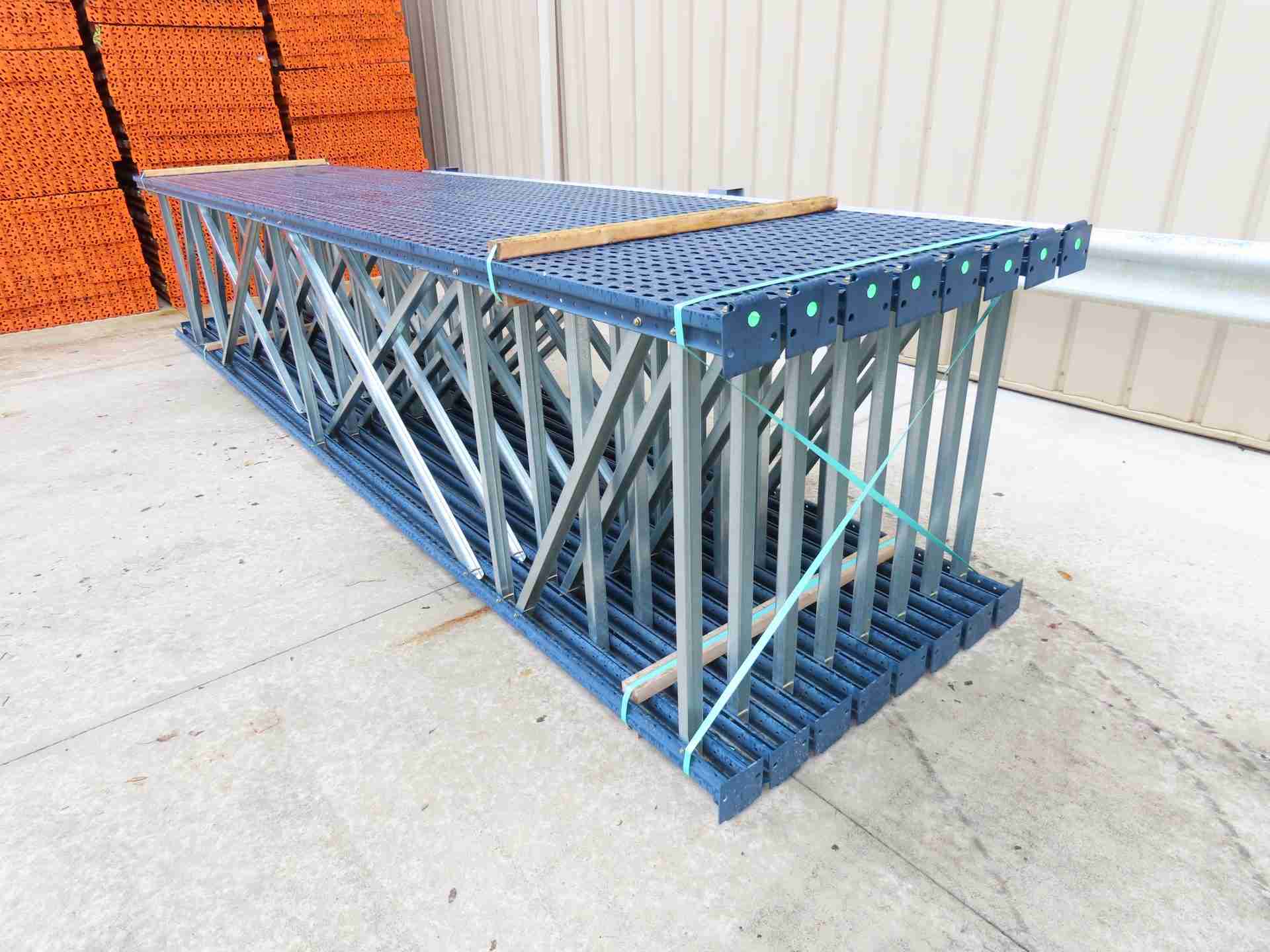
First, let’s clarify the OSHA standards: they mandate that inspections should be conducted at least once a year. However, many industry experts suggest that more frequent inspections—such as quarterly or even monthly—can be beneficial, especially if you have high turnover in inventory or a heavy usage rate. Remember, you’re not merely ticking off a box on a compliance checklist; you’re safeguarding your employees and protecting your inventory.
For instance, consider a busy warehouse managing multiple product lines. They noticed a significant increase in incident reports related to damaged racks after conducting only annual inspections. By switching to quarterly inspections, they not only minimized accidents but also enhanced productivity by avoiding disruptions. This proactive approach not only saved costs on potential injuries and damage but also boosted employee morale, knowing their workplace is prioritizing safety.
It’s important to involve your staff in the inspection process. Training team members to identify potential issues, such as bent beams or signs of corrosion, creates an empowered workforce. Empowered employees are less likely to overlook hazards and are more likely to contribute to a culture of safety. By integrating these inspections into your daily or weekly routines, you create a safety-first mindset that resonates throughout the company.
Moreover, don’t forget to document every inspection. Keeping a well-maintained log serves a dual purpose: it demonstrates compliance when OSHA comes knocking but also allows you to track trends over time. If you see an uptick in issues, this could signal the need for a deeper dive into your processes or even a change in your handling practices.
In our increasingly regulation-focused world, remember that safety is more than just following the rules; it’s about reducing the risks your employees face every day. Make inspections a priority, not an afterthought. Commit to a robust schedule for storage rack inspections and watch how it pays dividends, from compliance to culture, directly enhancing your overall business health.
How Often Should Storage Racks Be Inspected Under OSHA?
How Often Should Storage Racks Be Inspected Under OSHA?
- Storage racks must be inspected regularly to ensure safety and stability, as per OSHA guidelines.
- OSHA mandates at least annual inspections, but industry experts suggest quarterly or monthly for high turnover or heavy usage.
- Increased incident reports in busy warehouses led to a proactive switch from annual to quarterly inspections.
- Involving staff in inspections empowers employees and contributes to a culture of safety.
- Integrating inspections into daily or weekly routines fosters a safety-first mindset throughout the organization.
- Documenting inspections shows compliance and helps track trends over time, addressing potential issues proactively.
- Prioritizing inspections can enhance overall business health, safety culture, and employee morale.
How Often Should Storage Racks Be Inspected Under OSHA?
What Are The Common Hazards Associated With Storage Racks?
In the fast-paced world of warehousing and logistics, efficiency is paramount. However, safety should never take a backseat, especially when it comes to storage racks. A well-organized facility can improve productivity, but poorly managed storage systems can lead to serious hazards that not only jeopardize employee safety but can also have financial repercussions that ripple through your entire operation.
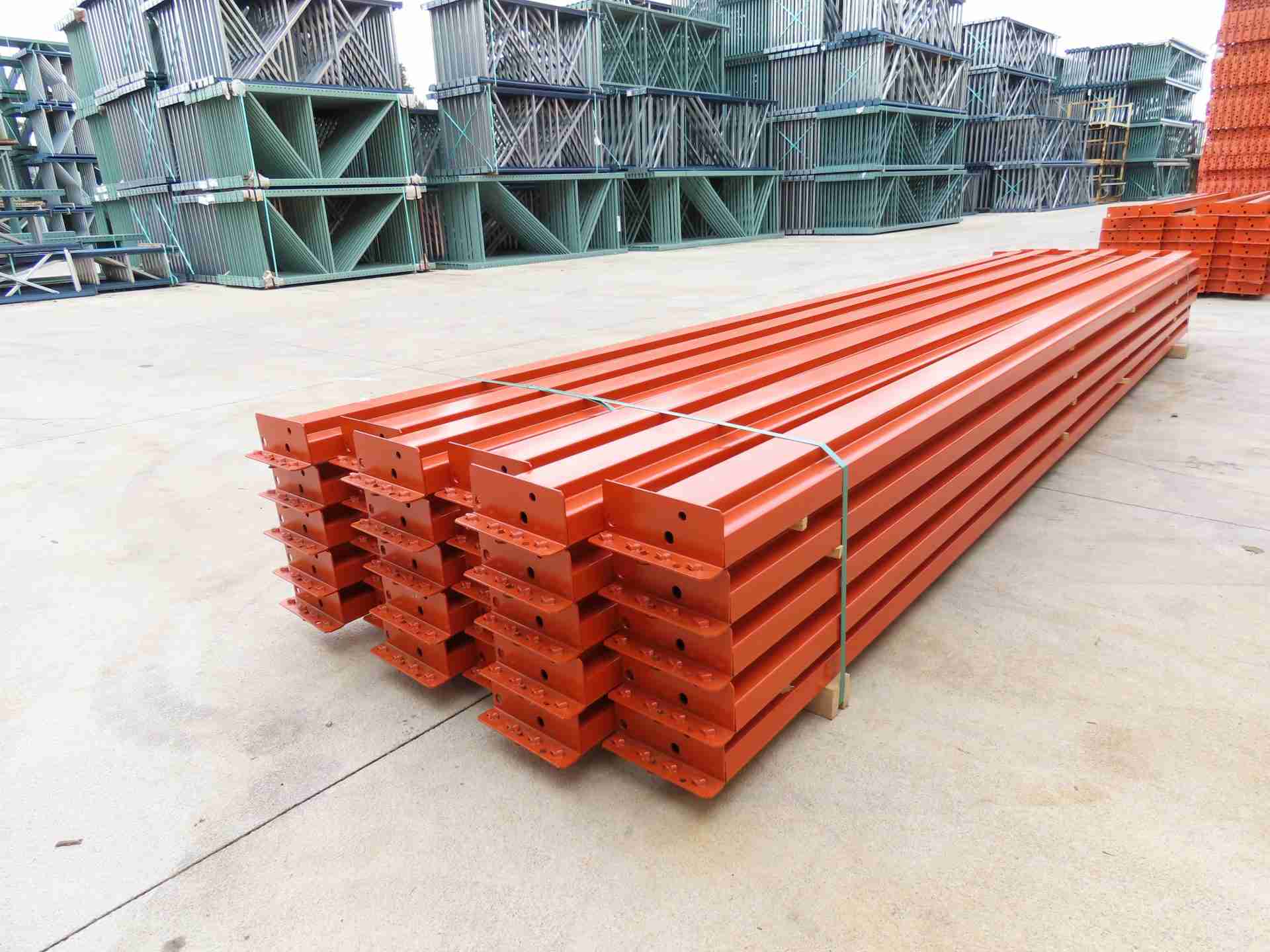
One of the most glaring hazards associated with storage racks is the risk of collapsing shelves. This can occur due to improper installation, neglecting weight limits, or overstocking. Picture this: a busy distribution center where a worker misjudges the load capacity of a rack and loads it with excessive inventory. Suddenly, the weight distribution goes awry, and the entire structure gives way. This not only poses a threat to the worker but also to others nearby—potentially leading to severe injuries and costly downtime for your business.
Another common hazard involves inadequate aisle space. Cluttered aisles can create obstacles for forklifts and other lifting equipment. Current events in warehousing highlight the importance of proper spatial planning after a series of accidents were reported when merchandise obstructed designated pathways. These accidents often lead to collisions, resulting in damaged goods, injured employees, and increased liability costs.
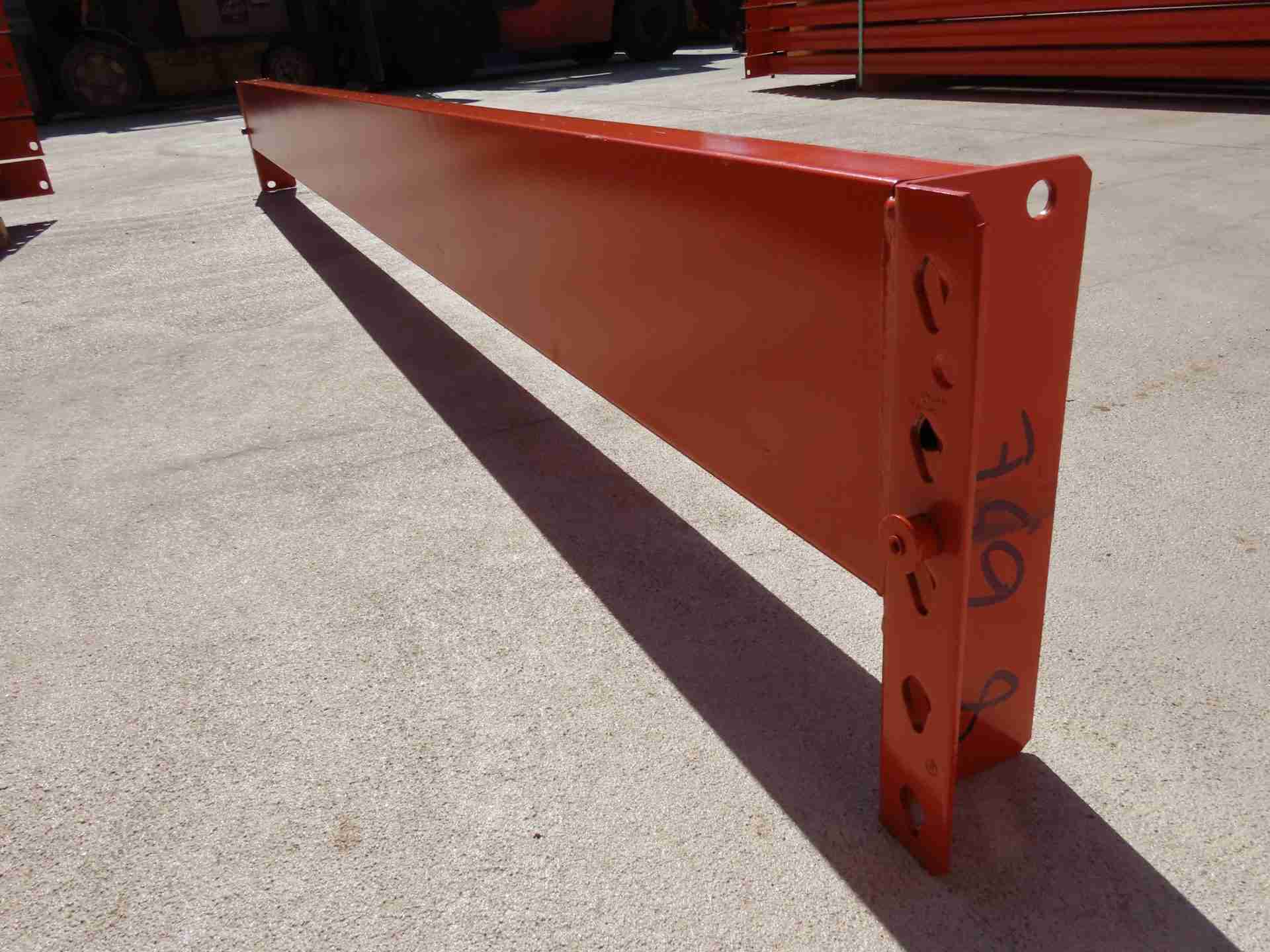
Additionally, there is the issue of inadequate maintenance. Rust, wear and tear, and structural deformities gradually undermine the integrity of your storage racks. Recent reports have shown that routine inspections can prevent up to 70% of rack-related accidents. Yet, many facilities skip this crucial step, not realizing the risks they pose – both to their workforce and their bottom line.
Moreover, the placement of stored items also warrants attention. Items positioned at higher levels can fall if not secured properly. For instance, a case study conducted in late 2022 revealed that improper stacking led to an incident where pallets fell from greater heights, injuring two employees and costing the company thousands in medical bills and insurance claims.
Lastly, employee training remains one of the most effective defenses against hazards associated with storage racks. It’s crucial to ensure that your staff understands how to load and unload properly, recognize the signs of overloading, and maintain organized workspaces.
By remaining vigilant against these common hazards, you can create a safer work environment, significantly reduce the risk of accidents, and enhance overall efficiency. After all, a safer operation is synonymous with a more successful one. Refresh your safety protocols today, and remember: it pays to prioritize safety over sheer volume.
What Are The Common Hazards Associated With Storage Racks?
What Are The Common Hazards Associated With Storage Racks?
- Efficiency is crucial in warehousing and logistics, but safety must not be overlooked, particularly regarding storage racks.
- Collapsing shelves can arise from improper installation, exceeding weight limits, or overstocking, posing risks to worker safety and operational costs.
- Inadequate aisle space creates obstacles for forklifts, increasing the likelihood of collisions and resulting in injuries and damage.
- Lack of regular maintenance, such as routine inspections, can lead to rust and structural issues, significantly heightening accident risk.
- Improperly stacked items, especially at higher levels, can fall and cause injuries, emphasizing the importance of secure storage practices.
- Employee training on safe loading, unloading, and workspace organization is essential to mitigate hazards related to storage racks.
- Prioritizing safety can enhance efficiency and reduce accidents, highlighting the importance of updating safety protocols regularly.
What Are The Common Hazards Associated With Storage Racks?
Who Is Responsible For Conducting Storage Rack Inspections?
When it comes to the safety and efficiency of your warehouse operations, the question of who is responsible for conducting storage rack inspections is not just a matter of compliance—it’s about protecting your people, products, and profits. In today’s fast-paced industrial landscape, it’s crucial to recognize that safe practices can make or break your business reputation.
The primary responsibility often falls to the warehouse manager. This role is pivotal in creating a culture of safety. A dedicated warehouse manager who takes ownership of inspections ensures that racks are regularly examined for any signs of damage, rust, or structural weakness. They should lead by example, visibly participating in inspections to emphasize their importance. This is akin to how a captain steers a ship—no matter how big the crew, the captain’s vigilance is vital.
Additionally, companies may engage trained safety professionals or external inspectors. This is especially relevant in larger operations or those with intricate shelving systems. For instance, a high-profile construction company recently faced significant fines after an unqualified employee performed inspections, leading to a catastrophic rack failure. By hiring certified professionals, you not only enhance your credibility but also position yourself as a forward-thinking leader in your industry.
Employees on the floor also play a crucial role. They should be trained to identify potential hazards and report issues promptly. A peer-driven approach not only amplifies accountability but fosters an environment where safety becomes second nature. For example, consider a warehouse specializing in e-commerce. Instilling a sense of ownership among employees led to a remarkable drop in accidents, boosting morale and productivity.
Maintaining a reliable inspection schedule is just as critical. Regular audits—whether monthly, quarterly, or biannual—should become entrenched in your operational rhythm. Those in regulated industries, such as pharmaceuticals or food distribution, might face stricter guidelines and should remain vigilant in meeting and exceeding those standards. An employee’s slip-up due to neglected inspections can lead to costly recalls and damaged reputations.
Finally, it’s important to stay updated on government regulations and industry standards. Bodies such as OSHA and the Rack Manufacturers Institute provide resources that can guide your inspection processes. By enhancing your knowledge and often, learning from others’ missteps, you become not just compliant, but a benchmark within your industry.
In summary, while the primary responsibility for storage rack inspections rests with the warehouse manager, it is a multi-faceted approach that requires involvement at every level—from management to employees, training, and external inspections. This collective effort is what truly elevates warehouse safety and efficiency.
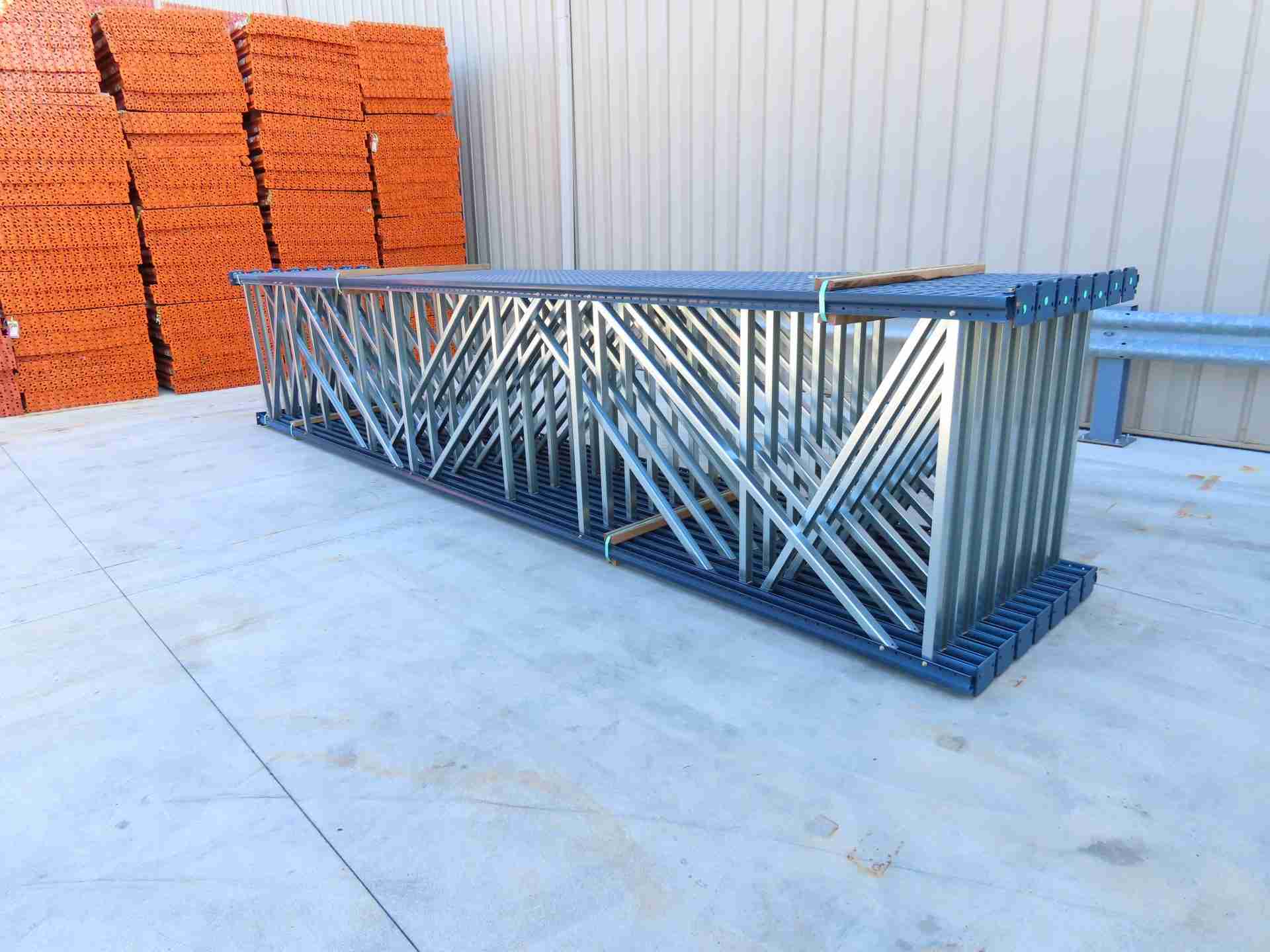
Who Is Responsible For Conducting Storage Rack Inspections?
Who Is Responsible For Conducting Storage Rack Inspections?
- Storage rack inspections are vital for safety, efficiency, and the protection of people, products, and profits.
- The warehouse manager plays a key role in establishing a culture of safety through regular inspections.
- Engaging trained safety professionals or external inspectors can prevent catastrophic failures and enhance credibility.
- Floor employees should be trained to identify hazards and report issues, fostering accountability and a safety-focused environment.
- Regular inspection schedules (monthly, quarterly, biannual) are essential for operational consistency, especially in regulated industries.
- Staying informed about government regulations and industry standards is crucial for compliance and best practices.
- A multi-faceted approach that involves management, employees, training, and external oversight strengthens warehouse safety and efficiency.

Who Is Responsible For Conducting Storage Rack Inspections?
What Training Is Required For Storage Rack Inspectors?
In today’s fast-paced supply chain management environment, the safety and integrity of storage systems are paramount. Storage rack inspectors play a crucial role in ensuring the security of goods in warehouses and distribution centers. But what does it take to become a qualified inspector in this niche and vital field?
First and foremost, it is essential to gain a solid foundation in warehouse operations and material handling. Many inspectors begin their careers in logistics or warehousing roles, familiarizing themselves with the layout and functionality of storage solutions. Hands-on experience provides invaluable insights into the stresses and strains storage racks endure daily. Consider the recent surge in e-commerce, where warehouses must adapt rapidly to increased demand. Inspectors must appreciate how this can affect storage capacity and safety.
Next, formal training is essential. Various certification programs exist, equipping aspiring inspectors with the necessary knowledge and skills. The Material Handling Industry (MHI) offers the Rack Safety Inspection Qualification Course, which covers critical topics like the types of racks, common hazards, and inspection protocols. This course arms professionals with the tools to identify deficiencies and recommend corrective actions—skills particularly relevant in light of new regulations and safety standards emerging in response to the exponential growth of online retailing.
Moreover, ongoing education is crucial. Storage rack inspectors must stay updated on evolving industry standards, best practices, and regulatory changes. Regular workshops, online courses, and webinars allow professionals to hone their skills. For instance, as the Occupational Safety and Health Administration (OSHA) continues to revise guidelines, being well-versed in these updates can make a significant difference in an inspector’s on-the-ground effectiveness.
Certifications like the Certified Storage Rack Inspector (CSRI) offered by recognized industry associations can also boost credibility. This designation not only represents a commitment to safety and excellence but can also differentiate inspectors in a competitive job market. In an age when safety concerns are at the forefront—exemplified by recent warehouse accidents and rising liability issues—such distinctions become increasingly important.
Finally, gaining proficiency in the use of inspection tools and technology is essential. Familiarity with software for tracking inspections and generating reports can enhance accuracy and efficiency. In an era where data-driven decision-making is critical, the right tools can give inspectors a significant edge, allowing them to provide actionable insights that drive safety improvements and operational excellence.
With the right blend of foundational knowledge, formal training, ongoing education, and technology utilization, storage rack inspectors not only secure storage solutions but also safeguard the very framework of our bustling economy. In a world where efficiency and safety are non-negotiable, investing in the right training can set you on a prosperous path in this essential field.
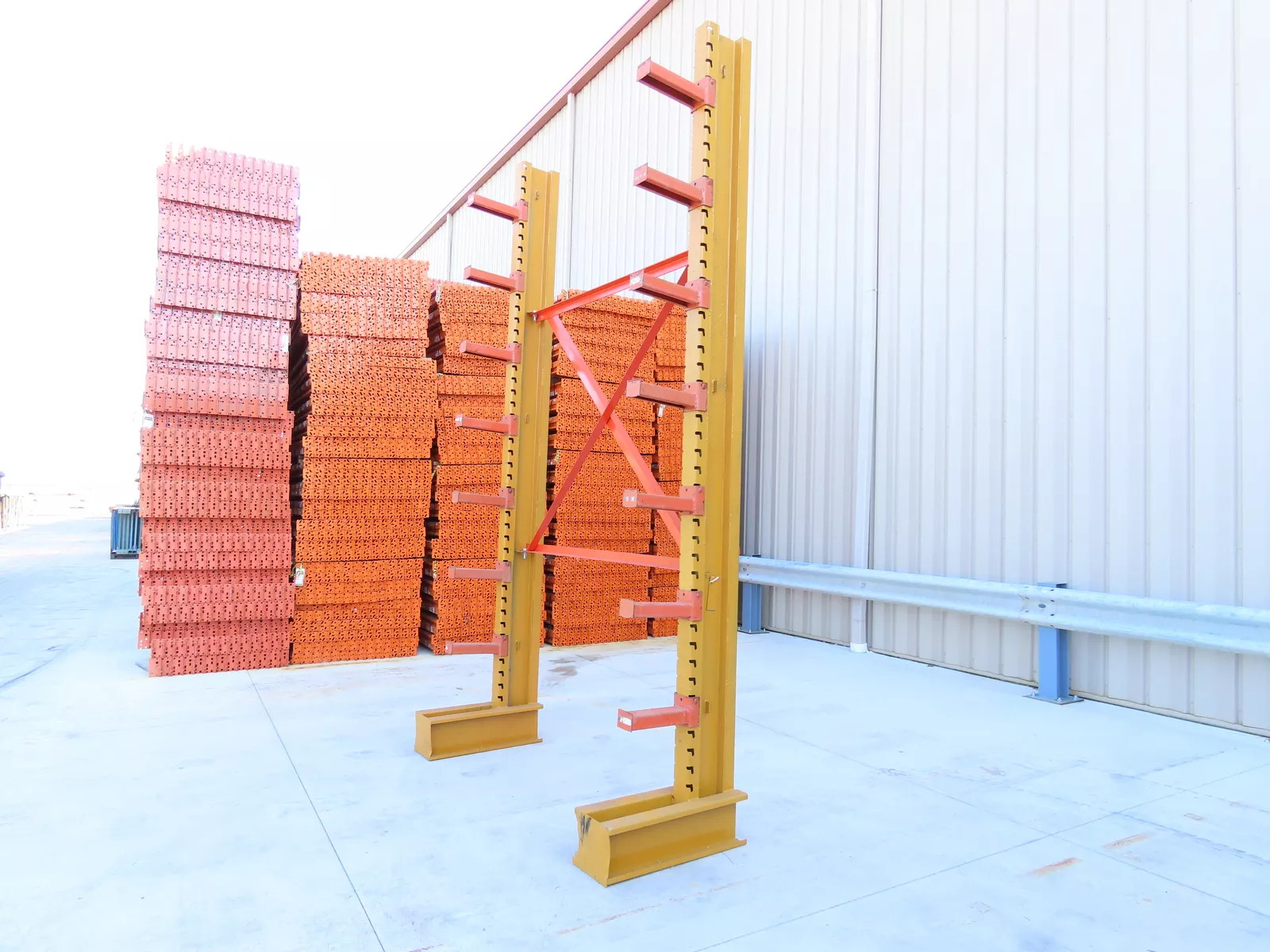
What Training Is Required For Storage Rack Inspectors?
What Training Is Required For Storage Rack Inspectors?
- Storage rack inspectors are vital for ensuring the safety and integrity of goods in warehouses and distribution centers.
- A solid foundation in warehouse operations and material handling is necessary, often gained through hands-on experience in logistics or warehousing roles.
- Formal training programs, such as the Rack Safety Inspection Qualification Course offered by MHI, provide essential knowledge about inspection protocols and safety standards.
- Ongoing education through workshops and online courses is crucial to keep inspectors updated on industry standards and regulations.
- Certifications like the Certified Storage Rack Inspector (CSRI) enhance credibility and differentiate inspectors in a competitive job market.
- Proficiency with inspection tools and software is important for accurate reporting and improving operational efficiency.
- A combination of knowledge, training, education, and technology is essential for successful storage rack inspectors, contributing to safety and operational excellence.

What Training Is Required For Storage Rack Inspectors?
How Do You Document Storage Rack Inspections Effectively?
In the fast-paced world of warehousing and logistics, maintaining safety and efficiency is paramount. One essential aspect of this is conducting regular inspections of storage racks. But inspections alone are not enough; documenting these inspections effectively is crucial to ensure compliance, enhance operations, and safeguard your workforce. Here’s how you can turn your documentation into a powerful tool for your business.
1. Create a Standardized Inspection Checklist
Start by developing a detailed checklist that covers all critical aspects of your storage racks. This should include physical condition, load capacity, and stability. Consider incorporating elements such as identifying rust, bending or corrosion, and the proper labeling of racks. For example, if your warehouse recently transitioned to handling more diverse products due to supply chain shifts, your checklist should reflect those changes in load distribution and rack requirements.
2. Use Digital Solutions to Streamline Documentation
Gone are the days of pen-and-paper notes; technology is here to enhance your processes. Leverage mobile apps and software tailored to facility management to document inspections in real time. Not only does this save time, but it also minimizes the risk of errors. Imagine a warehouse manager conducting an inspection and using a smartphone app to instantly note a potential hazard, complete with photo evidence that can be shared with the safety team. Tools like these are becoming increasingly essential in an era where swift action can prevent accidents and costly downtime.
3. Schedule and Automate Reminders
Regularity is key when it comes to inspections. Utilizing software to automate reminders for upcoming inspections helps ensure that nothing slips through the cracks. For instance, a company that warehouses seasonal products can set up reminders based on their operational calendar. As we saw during the pandemic, warehouses that maintained rigid inspection schedules significantly reduced the likelihood of damaging accidents, showcasing the power of proactive management.
4. Analyze Data and Implement Continuous Improvement
Once you’ve gathered a wealth of documented inspections, don’t let that data sit idle. Regularly review your inspection records to identify patterns or recurring issues. If multiple inspections highlight similar problems, this might indicate a larger systemic flaw that needs addressing. Perhaps your storage solutions aren’t suited for the high turnover of goods, a lesson learned during recent supply chain disruptions. By applying insights from your documentation, you can not only enhance safety but also drive operational improvements.
5. Communicate Findings with Your Team
Effective documentation isn’t just about record-keeping; it’s about communication. Share insights from inspections with your team to foster a culture of safety and accountability. A quarterly review meeting that includes inspection summaries encourages dialogue and makes everyone a stakeholder in maintaining proper storage practices.
In summary, documenting storage rack inspections doesn’t have to be a burdensome task. When executed efficiently, it serves as a strategic advantage for your business—ensuring safety, enhancing operations, and preparing your workforce for whatever challenges lie ahead. Embrace these methods, and you’ll be on the path to unparalleled safety and efficiency in your warehouse operations.
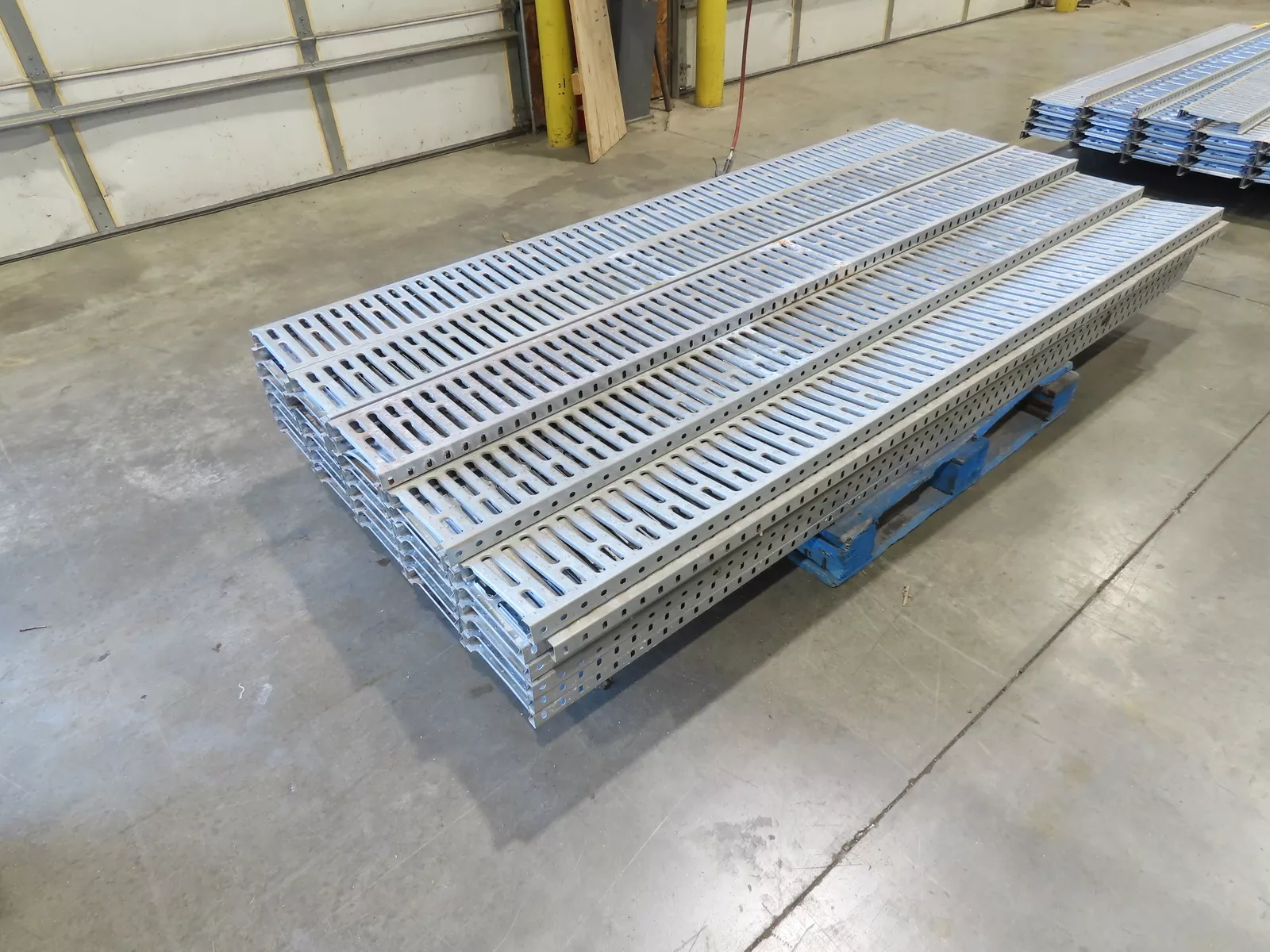
How Do You Document Storage Rack Inspections Effectively?
How Do You Document Storage Rack Inspections Effectively?
- Regular inspections of storage racks are essential for safety and efficiency in warehouses and logistics.
- Create a standardized inspection checklist that includes physical condition, load capacity, stability, and specific issues like rust or corrosion.
- Utilize digital solutions to streamline documentation, allowing real-time recording of inspections via mobile apps and software.
- Schedule and automate reminders for inspections to maintain regularity and prevent accidents or oversights.
- Analyze inspection data to identify patterns and implement continuous improvements in safety and operations.
- Communicate findings with your team to promote a culture of safety and accountability through regular review meetings.
- Efficient documentation serves as a strategic advantage that enhances safety and prepares the workforce for future challenges.
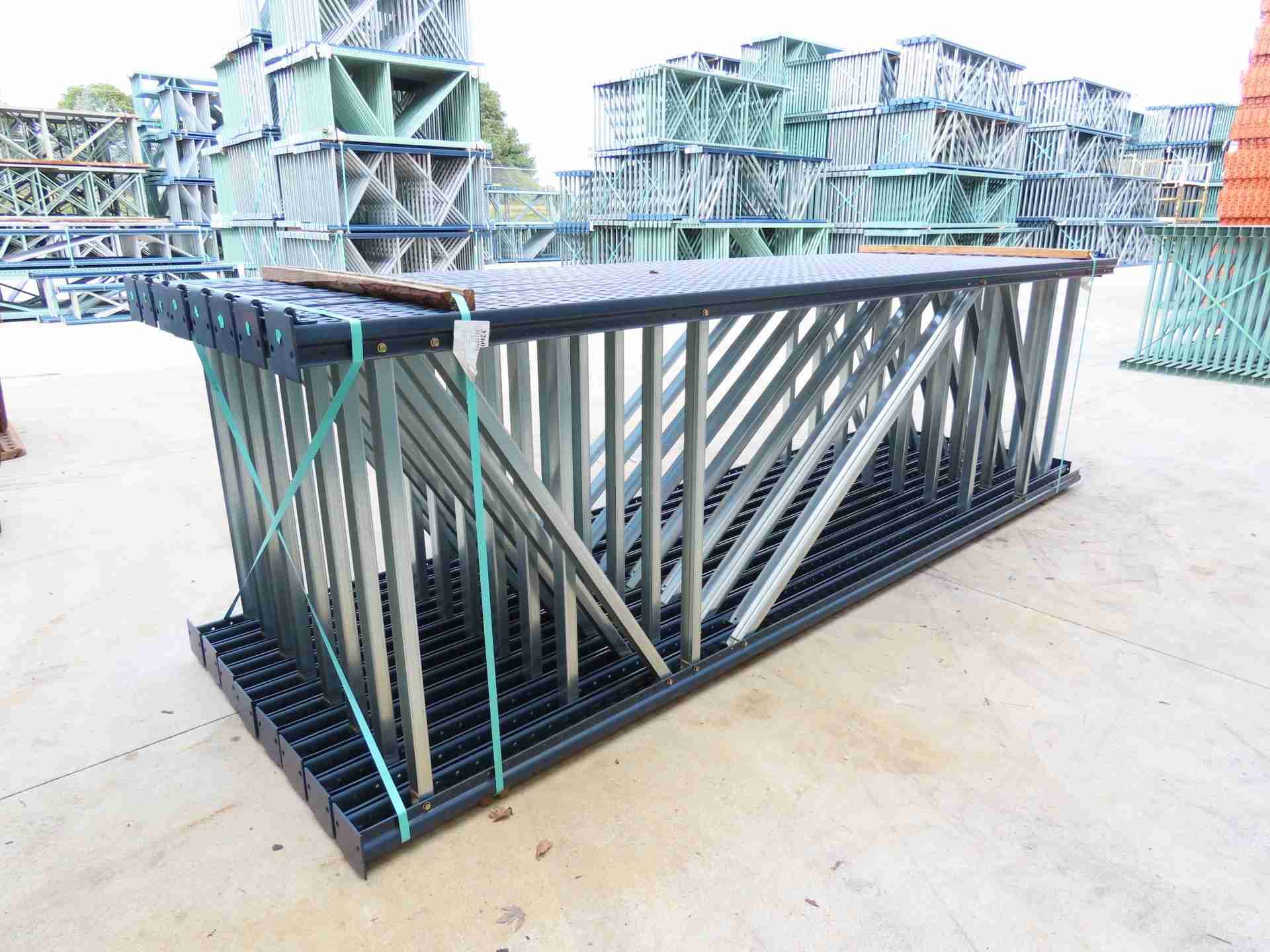
How Do You Document Storage Rack Inspections Effectively?
What Should You Do If A Storage Rack Fails Inspection?
Receiving the dreaded notice that your storage rack has failed inspection can feel like a punch to the gut. But instead of wallowing in despair, this moment presents a crucial opportunity: the chance to turn a setback into a beneficial transformation for your operation.
First things first—don’t panic! Recognizing the issue is half the battle won. The first step is to undergo a thorough analysis of the findings. Identify the specific reasons behind the failure, whether it’s structural integrity, a lack of proper labeling, or safety concerns. Consider a recent example from a major warehouse chain that faced scrutiny due to improperly assembled racks, which ultimately led to costly downtime and damage to inventory. Don’t become the next headline in unsafe storage practices.
Next, engage your team and foster a culture of safety and compliance. Organize a meeting to discuss the inspection results and outline a clear action plan. Investing time in team education on proper use and maintenance of storage equipment can make a world of difference. Training isn’t just a checkbox; it’s an asset that enhances your team’s effectiveness and mitigates future risks. For instance, after a minor compliance infraction, a leading logistics firm implemented new safety protocols and increased their training budget significantly. The result? A marked drop in mishaps and a surge in employee morale, reinforcing the idea that everyone is part of the safety solution.
Then, it’s time to act. Depending on the inspection findings, you may need to repair or replace your racks. Budgeting for this can be daunting, but the costs of non-compliance could be far steeper. Use this as an opportunity to explore upgrading your equipment. After all, well-maintained and modern storage solutions not only ensure safety but can also optimize your space utilization and improve operational efficiency.
Finally, document everything. Once you’ve rectified the issues, ensure you have detailed records of the inspection results, your corrective actions, and any team training provided. This documentation can shield you from potential liabilities and serve as a powerful tool in future inspections.
A failed inspection isn’t the end of the road; it’s a pivotal moment for growth and advancement. When handled correctly, it can strengthen your operation, boost team engagement, and enhance safety protocols. So, take the reins, make the necessary changes, and turn a daunting challenge into a definitive opportunity for improvement. After all, success is built on the ability to navigate and learn from setbacks.
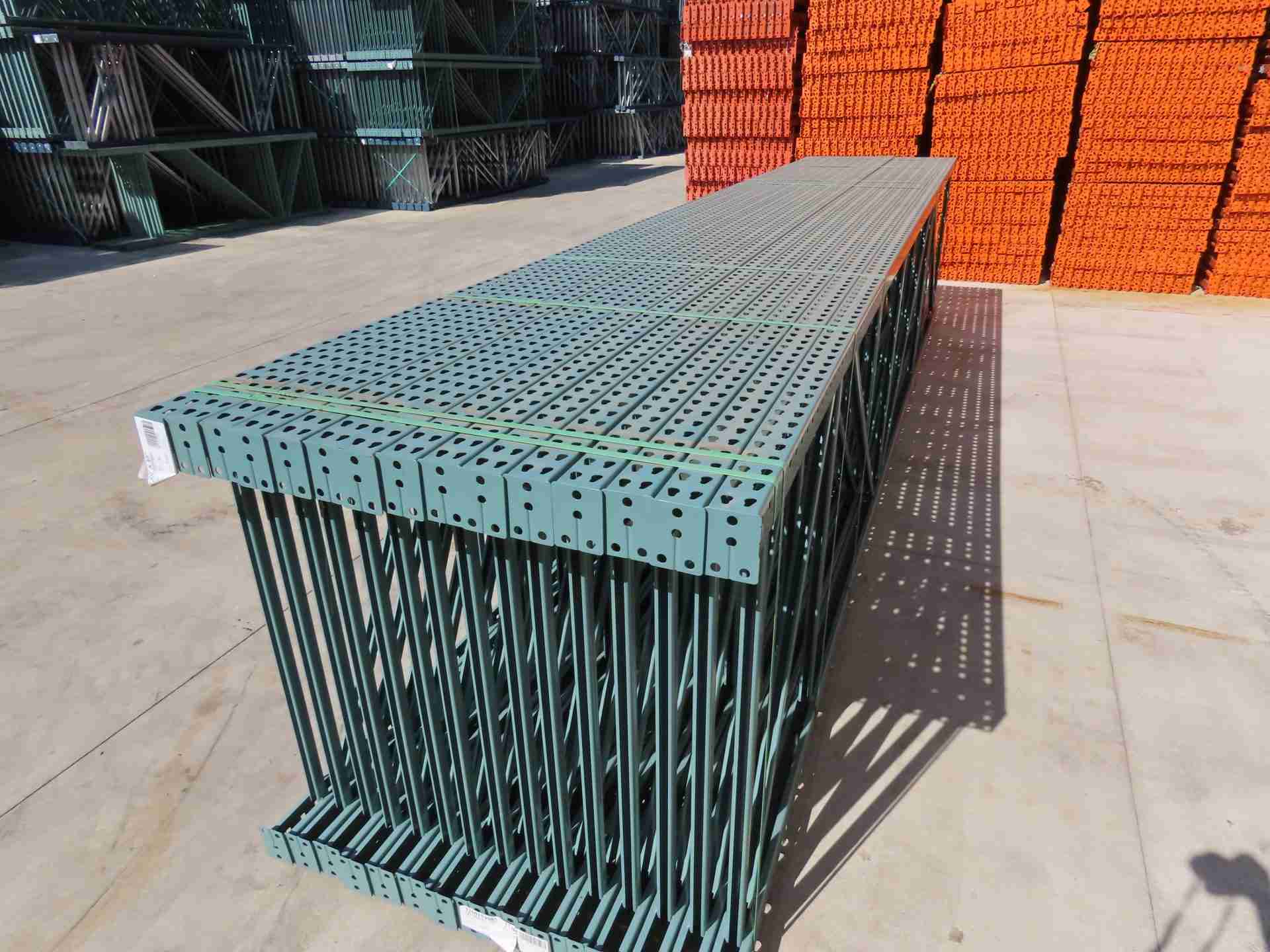
What Should You Do If A Storage Rack Fails Inspection?
What Should You Do If A Storage Rack Fails Inspection?
- Receiving a failed storage rack inspection can feel alarming but presents an opportunity for transformation.
- Don’t panic; identifying the reasons for the failure (e.g., structural integrity, labeling, safety concerns) is crucial.
- Engage your team to foster a culture of safety and compliance, discussing the results and creating an action plan.
- Invest in training on the proper use and maintenance of storage equipment to reduce future risks and enhance effectiveness.
- Consider repairing or replacing racks based on findings, and explore upgrading equipment for safety and efficiency.
- Document all corrective actions, inspection results, and training efforts to protect against future liabilities.
- View a failed inspection as a chance for growth, strengthening operations, team engagement, and safety protocols.
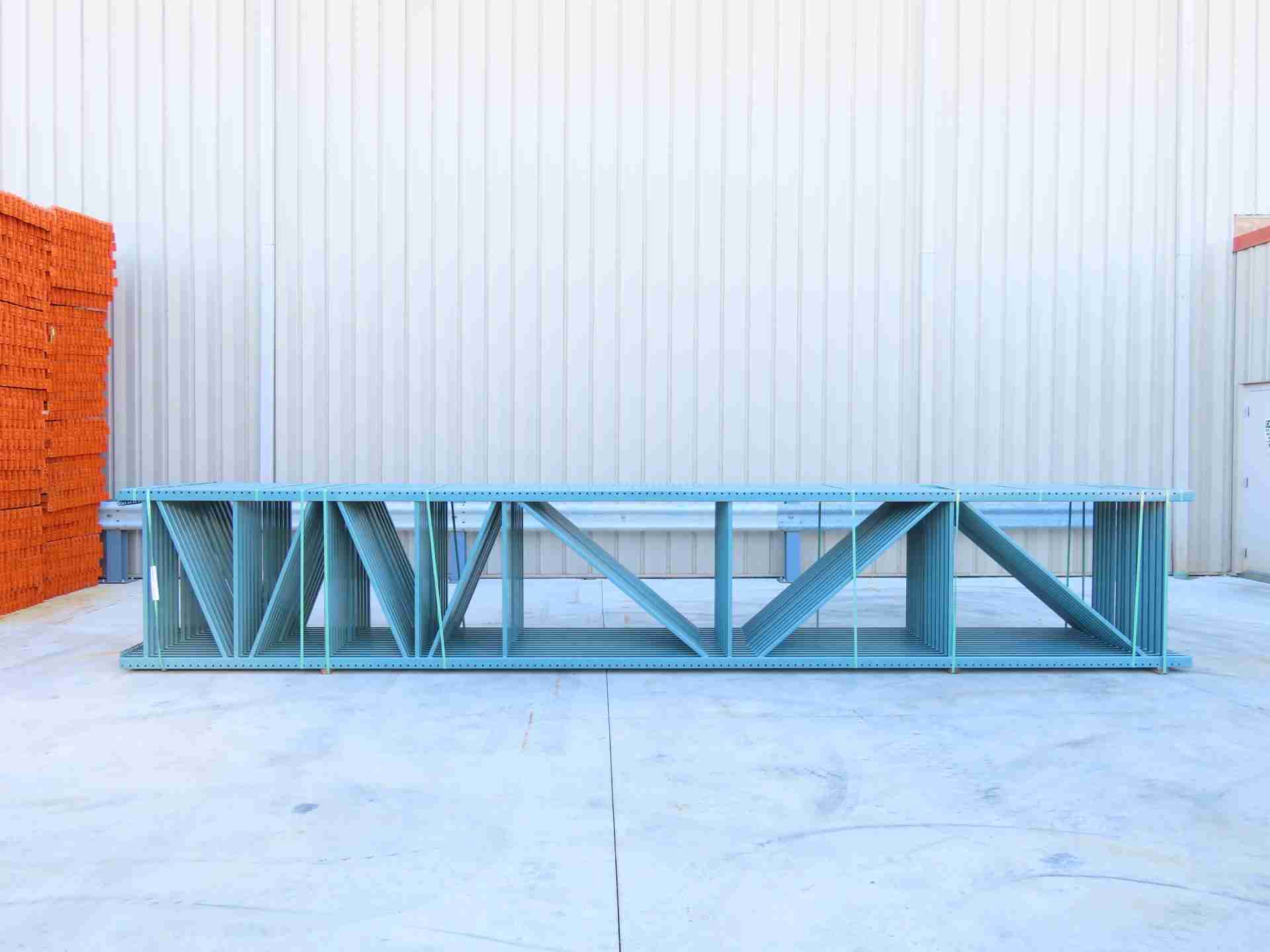
What Should You Do If A Storage Rack Fails Inspection?
Are There Specific Regulations For Different Types Of Storage Racks?
When it comes to storage racks, businesses need to navigate a complex web of regulations that are anything but one-size-fits-all. Understanding the specific requirements for different types of racks is not just a matter of compliance; it’s essential for ensuring safety, efficiency, and ultimately, profitability. With the surge in warehouse activity globally—sparked by the e-commerce boom and recent supply chain upheavals—now is the time to scrutinize your storage solutions.
Take, for instance, pallet racks. These workhorses of warehouse storage have distinct regulations. The Occupational Safety and Health Administration (OSHA) mandates that pallet racks must not only be structurally sound but also capable of withstanding the rigors of operation. Failure to adhere to load capacity specifications can lead to catastrophic failures—examples abound, with warehouses collapsing under improperly loaded racks, resulting in not just inventory loss but also potential injuries or fatalities. This regulatory landscape is compounded by the American National Standards Institute (ANSI) guidelines, which provide additional protocols for design, installation, and maintenance.
Now, let’s pivot to cantilever racks, commonly used for storing long, bulky items such as lumber and pipes. These racks have their own specific set of regulations, particularly when it comes to stability and securing loads. Recent reports indicate an uptick in accidents related to improperly secured cantilever racks. Ensuring that these racks comply with local building codes and industry standards is essential for safety and operational integrity. Failing to maintain these regulations can result in serious legal ramifications and financial liabilities.
But it’s not just about safety; regulations can also impact your bottom line. For example, new guidelines around mobile shelving units—crafted to maximize space efficiency—require businesses to assess the load-bearing capabilities of these systems. Non-compliance can lead to costly fines and disruptions in operations.
With the increased scrutiny on warehouse operations post-pandemic, businesses are urged to review their storage rack compliance meticulously. The recent disruptions in global supply chains highlight an essential truth: you cannot afford to overlook the rules governing your storage systems. Make it a priority to consult with industry experts, conduct thorough audits, and invest in compliant, durable storage solutions that cater to the specific needs of your operations.
In summary, understanding and adhering to the regulations surrounding different types of storage racks is imperative for maximizing safety, efficiency, and profitability. Ignoring these regulations could spell disaster; leading to more than just operational hiccups, but potentially catastrophic failures. Prioritize compliance, and you’ll ensure that your business remains not just viable, but thriving in an ever-evolving marketplace.
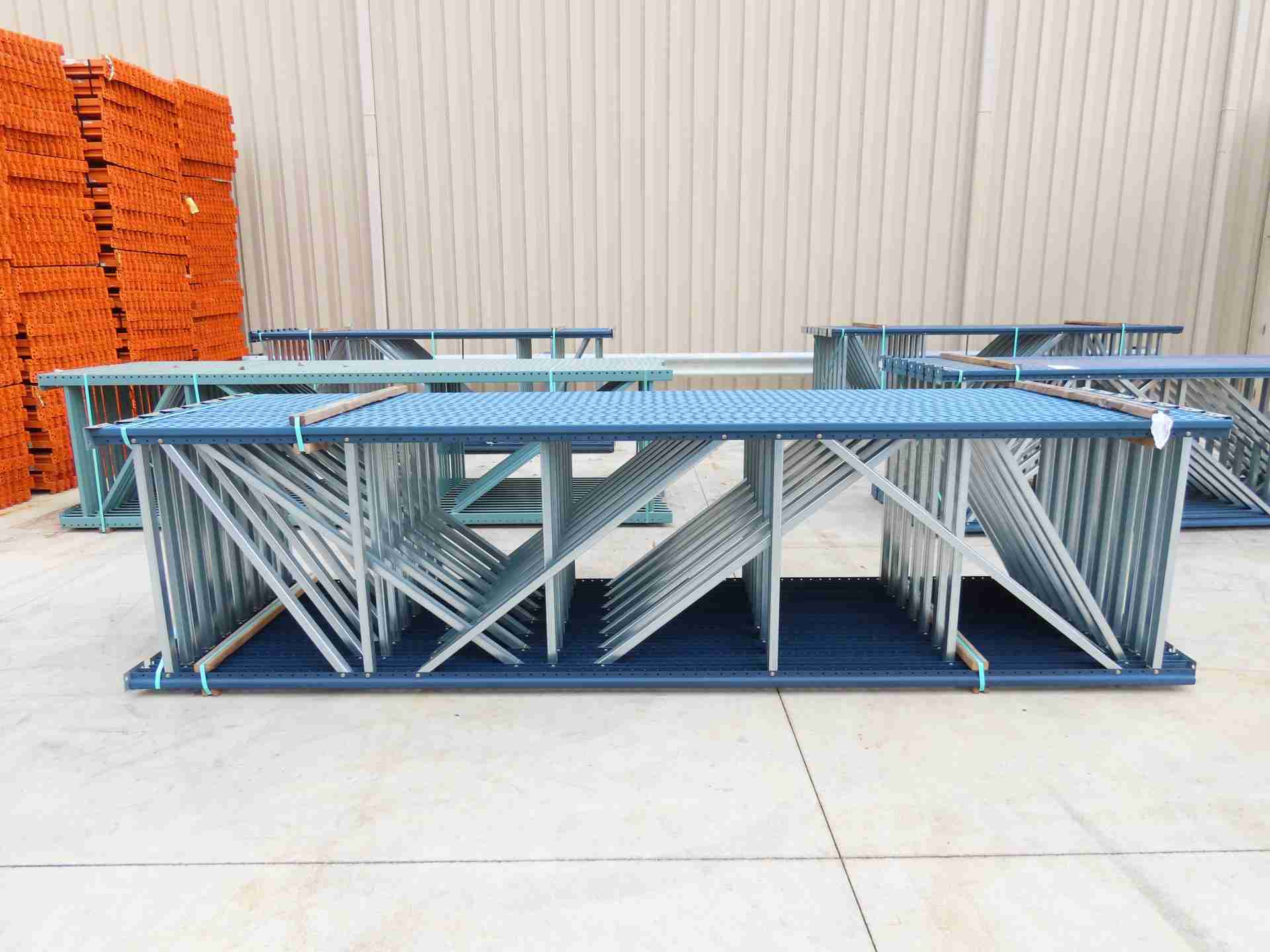
Are There Specific Regulations For Different Types Of Storage Racks?
Are There Specific Regulations For Different Types Of Storage Racks?
- Businesses must navigate complex regulations for storage racks to ensure safety and efficiency.
- Pallet racks require adherence to OSHA regulations for structural integrity and load capacity.
- Improperly loaded pallet racks can cause catastrophic failures, inventory loss, and injuries.
- Cantilever racks also have specific regulations focused on stability and load securing.
- Non-compliance with rack regulations can lead to legal ramifications and financial liabilities.
- Post-pandemic scrutiny urges businesses to review storage rack compliance meticulously.
- Understanding regulations is vital for profitability and operational integrity in warehouse operations.
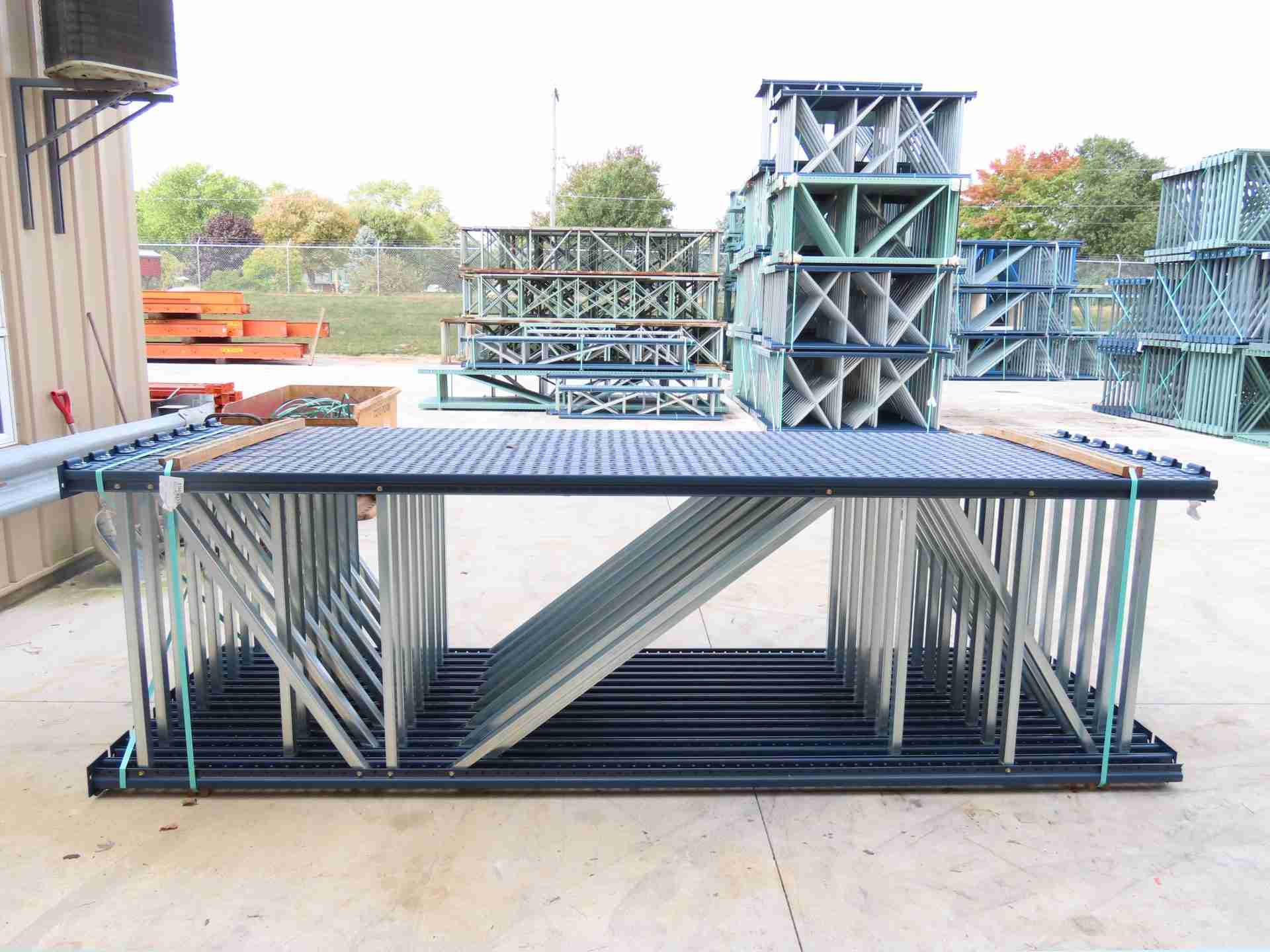
Are There Specific Regulations For Different Types Of Storage Racks?
What Tools Are Needed For Conducting A Storage Rack Inspection?
When it comes to ensuring the safety and efficiency of your warehouse operations, conducting regular storage rack inspections is non-negotiable. Just as a well-oiled machine demands the right parts, your inspection process hinges on having the right tools at your disposal. Here’s a straightforward guide to equipping yourself for a thorough storage rack inspection that ensures compliance and enhances productivity.
1. Inspection Checklist
A comprehensive inspection checklist is your first line of defense. It serves as a framework, ensuring no area is overlooked. You might consider elements such as load capacity, joint integrity, and overall structural stability. Having your checklist handy not only streamlines the inspection process but also reinforces accountability among your team. Think of it as your detailed roadmap, guiding you to safety and compliance.
2. Measuring Tools
Measuring tools, such as a laser distance measurer or tape measure, are crucial. Utilizing these tools, you can verify that each rack adheres to the specified dimensions and load capacities. For example, during the recent scrutiny of warehouse operations across various sectors due to increased e-commerce demands, facilities that neglected this basic step found themselves facing costly fines and penalties. Don’t let that be you!
3. Safety Gear
Never underestimate the importance of safety gear. Personal Protective Equipment (PPE)—including helmets, gloves, and safety goggles—can mean the difference between a routine inspection and a trip to the emergency room. As accidents in warehouses are on the rise due to heightened activity from online shopping, equip your inspection team properly to minimize risk.
4. Camera or Smartphone
A camera or smartphone is invaluable for documentation. Capture images of any damages or discrepancies—such as bent beams or rust—so you can address them promptly. In light of recent regulatory changes regarding workplace safety standards, these visual records can save you during inspections by regulatory bodies, proving that you are proactive about safety.
5. Load Testing Equipment
For warehouses that move heavy inventory regularly, having load testing equipment on hand can elevate your inspections from basic checks to a best-practice operation. Regularly testing the limits of your racks provides peace of mind and helps in identifying potential weaknesses before they escalate into serious issues.
6. Cooperative Staff Members
Finally, remember that your inspection tools aren’t just physical items. The expertise and attentiveness of your staff during inspections are essential. A well-informed team can identify potential issues on the spot, leading to quicker resolutions.
In summary, conducting effective storage rack inspections requires a blend of practical tools and skilled personnel. Investing in the right equipment is not just about compliance; it’s about maximizing safety and efficiency in your operations. Don’t wait until an accident occurs or regulations tighten to take action—prepare today for a safer tomorrow!
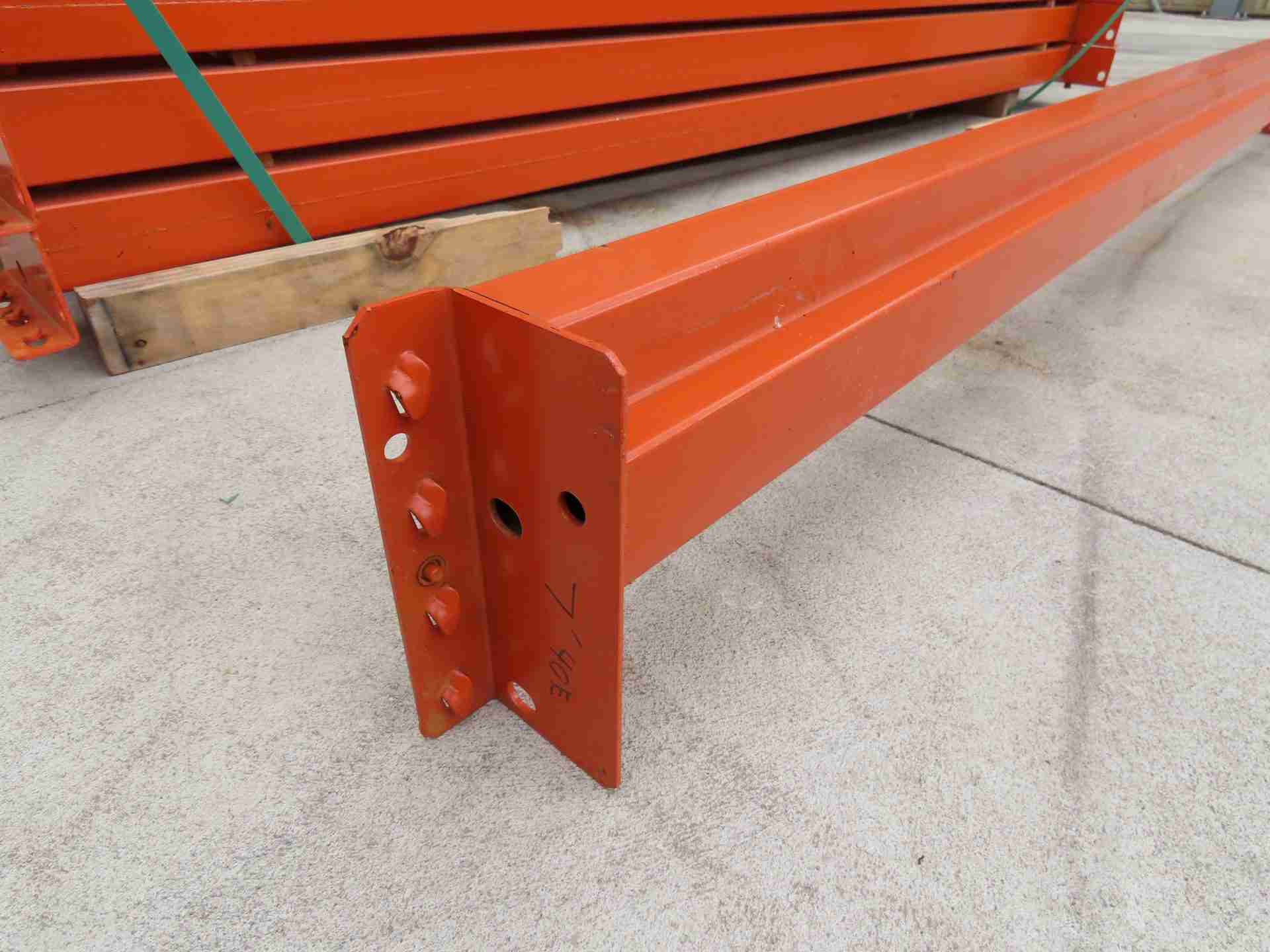
What Tools Are Needed For Conducting A Storage Rack Inspection?
What Tools Are Needed For Conducting A Storage Rack Inspection?
- Regular storage rack inspections are essential for safety and efficiency in warehouse operations.
- An inspection checklist serves as a crucial framework to ensure thorough evaluations and accountability.
- Measuring tools like laser distance measurers or tape measures help verify compliance with load capacities and dimensions.
- Personal Protective Equipment (PPE) is vital for minimizing risks during inspections and ensuring the safety of the inspection team.
- A camera or smartphone is important for documentation, helping capture evidence of damages and discrepancies.
- Load testing equipment enhances inspections by identifying potential weaknesses in storage racks before they become serious issues.
- Engaged and knowledgeable staff are key components of successful inspections, aiding in the quick identification and resolution of problems.

What Tools Are Needed For Conducting A Storage Rack Inspection?
Conclusion
Navigating the complexities of OSHA compliance in storage rack management is not simply a regulatory obligation—it’s a strategic imperative that safeguards your workforce, preserves your assets, and fortifies your bottom line. From understanding the ins and outs of the OSHA storage rack inspection checklist to implementing actionable safety protocols, every step you take is an investment in a safer, more efficient workplace. The stakes are high; neglecting these responsibilities could result in costly fines, damaging accidents, and a toxic work environment plagued by anxiety and safety concerns.
Imagine the peace of mind that comes from knowing your storage systems are compliant and your employees are properly trained to recognize hazards. With the fast-paced nature of modern warehousing—especially amidst the e-commerce boom and heightened regulatory scrutiny—every moment counts. Whether it’s conducting regular inspections, ensuring the structural integrity of your racks, or providing comprehensive employee training, each proactive measure brings you closer to operational excellence.
Moreover, awareness of the specific regulations governing various types of storage racks—from pallet racks to cantilever systems—ensures that you remain compliant while bolstering efficiency. Don’t let your business become another cautionary tale; leveraging proper tools, training, and documentation transforms compliance from a burden into a culture of safety that resonates throughout your organization.
As you reflect on the insights and guidance shared throughout this article, now is the time to act. Call Arrow Industrial Sales at (574) 349-6575 for tailored solutions and expert advice that can empower you to achieve full OSHA compliance. With just one call, you can set your business on the path to improved safety standards and prevent catastrophic failures before they occur.
Your warehouse deserves more than just compliant storage—it deserves a robust safety framework that champions your workforce and optimizes your operations. Remember, safety isn’t just an option; it’s a necessity in today’s competitive landscape. Make the choice to prioritize it today, and watch how it transforms your business for the better. Don’t delay—there’s no time like the present to ensure your storage systems are safe, compliant, and performing at their best.
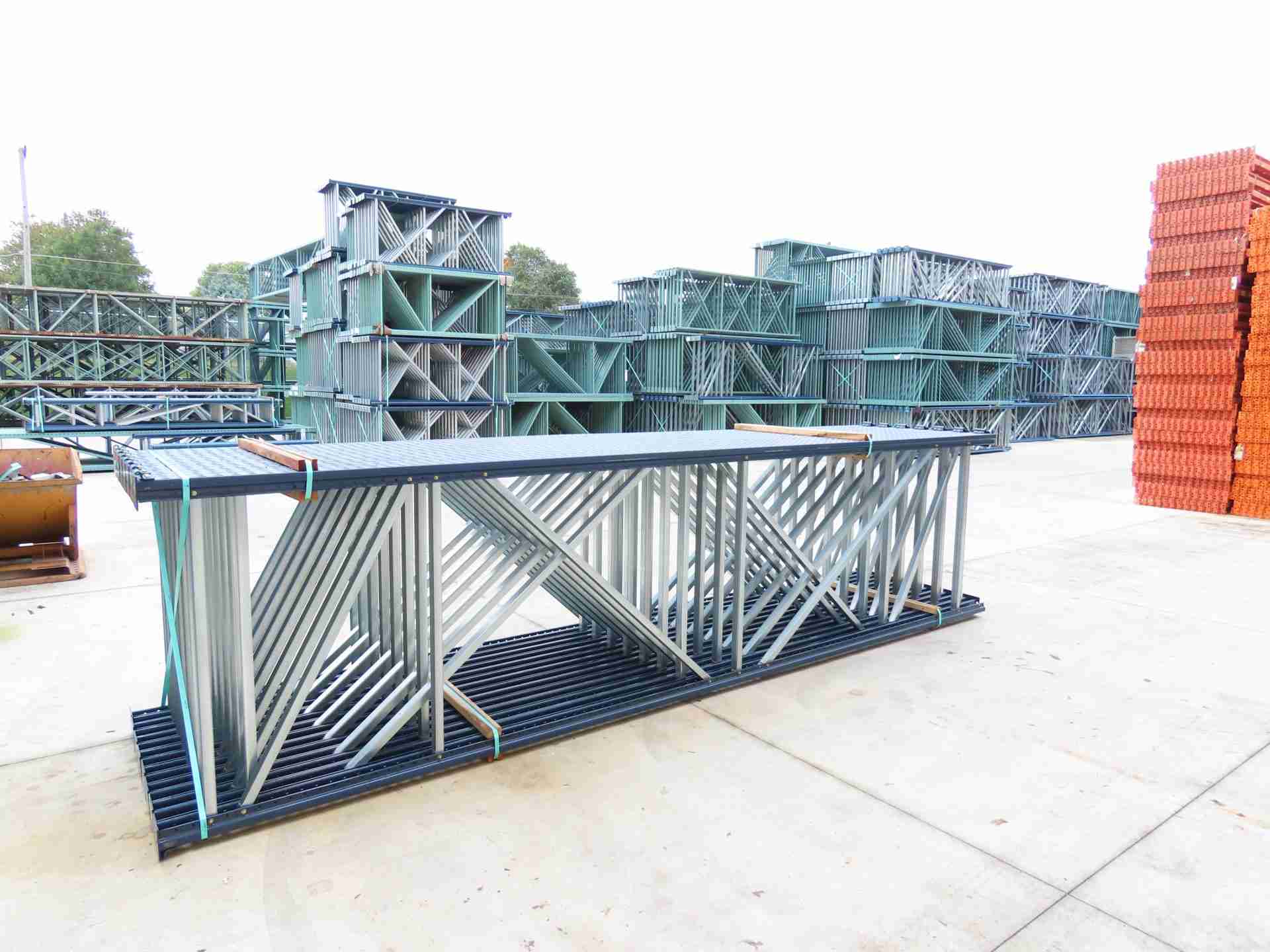
Conclusion
Conclusion:
- OSHA compliance in storage rack management is a strategic imperative for workforce safety and business health.
- Implementing safety protocols and understanding the OSHA storage rack inspection checklist are vital steps towards a safer workplace.
- Neglecting compliance can lead to costly fines, accidents, and a negative work environment.
- Proper training for employees enhances hazard recognition and peace of mind regarding storage system compliance.
- Awareness of regulations for different storage racks improves compliance and operational efficiency.
- Investing in tools, training, and documentation fosters a culture of safety throughout the organization.
- Contacting experts like Arrow Industrial Sales can provide tailored solutions for achieving full OSHA compliance.
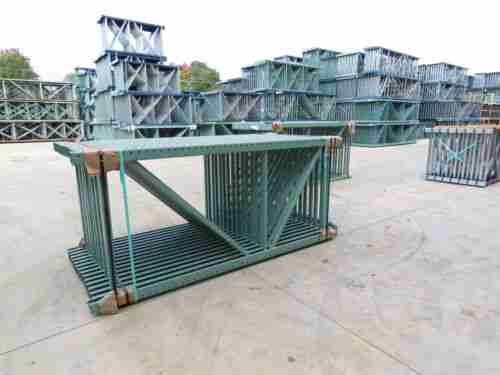
Conclusion
Other Resources
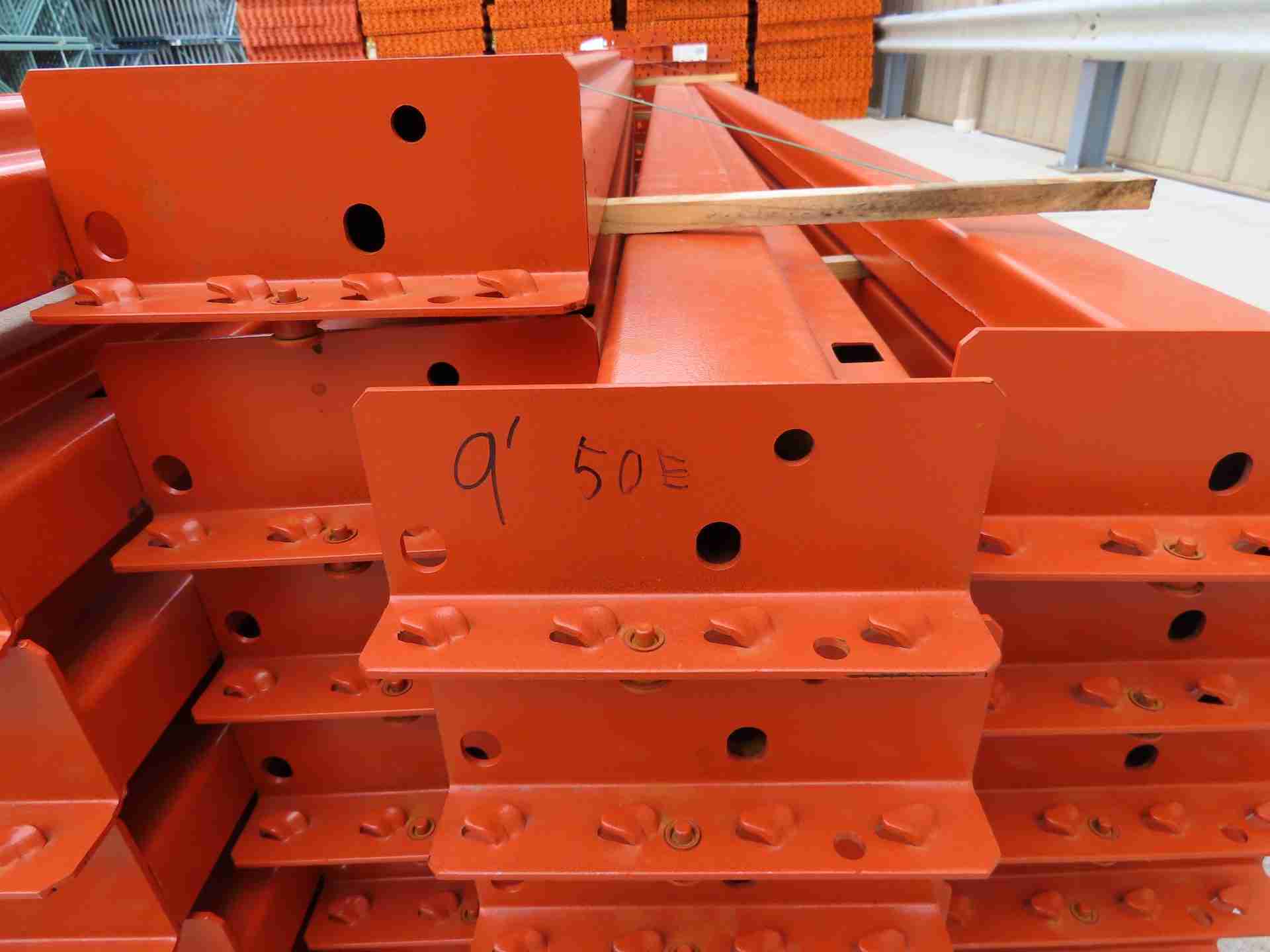
Other Resources
Here is a list of other resources you can review online to learn more:
- “Warehousing – Overview | Occupational Safety and Health …”
- “Warehousing – Know the Law | Occupational Safety and …”
- “OSHA Penalties | Occupational Safety and Health …”
- “Warehousing – Hazards and Solutions”
- “OSHA Warehouse Safety Inspection Checklist”
- “Understanding OSHA Requirements for Warehouse Racking”
- “The 2022-2027 OSHA Warehouse Safety Program”
- “Powered Industrial Trucks – Forklifts – Overview”
Use This Prompt To Get More Resources With Your Favorite Online AI Tool: Please provide me with a list of online articles with their URLS in a bulleted list that I can read regarding Is There a OSHA Storage Rack Inspection Checklist?
Other Resources
Glossary Terms
Is There a OSHA Storage Rack Inspection Checklist? – Glossary Of Terms
1. OSHA: The Occupational Safety and Health Administration, an agency of the U. S. Department of Labor that regulates workplace safety and health.
2. Storage Rack: A structure for storing goods that provides vertical storage space to utilize warehouse or facility area efficiently.
3. Inspection: The process of examining equipment or structures to ensure they meet safety standards and regulatory compliance.
4. Checklist: A written list used to ensure that safety standards and requirements are met during inspections.
5. Load Capacity: The maximum weight a storage rack is designed to hold safely, determined by the manufacturer and regulatory standards.
6. Deflection: The amount a storage rack bends or moves under load, important to monitor to prevent structural failure.
7. Integrity: The overall soundness of the storage rack, ensuring it has no damage or weaknesses that could compromise safety.
8. Safety Caution Label: A label affixed to racks indicating safe loading procedures and warnings about potential hazards.
9. Tipping Hazard: A condition where a storage rack is at risk of overturning due to excessive weight or improper design.
10. Aisle Clearance: The space between storage racks that must be maintained for safe access and to comply with fire regulations.
11. Forklift Protocol: Guidelines for using forklifts safely around storage racks to prevent damage and accidents.
12. Palettization: Stacking products onto pallets for efficient storage and handling, often affecting rack design.
13. Rack Bracing: Structural supports that stabilize racks and prevent swaying or collapsing under load.
14. Inventory Management: The process of tracking stored goods to optimize storage solutions and maintain safety.
15. Regular Maintenance: Routine tasks performed to keep storage racks in safe, working condition, as recommended by manufacturers.
16. Seismic Compliance: Regulations requiring storage racks to be designed to withstand seismic activity in earthquake-prone areas.
17. Sway Bracing: Diagonal supports used on racks to reduce lateral movement and improve stability.
18. Vertical Storage: Utilizing height in a storage area to maximize space efficiency while maintaining safety.
19. Check for Damage: A critical inspection point that involves looking for dents, bends, or cracks that could indicate a safety risk.
20. Date of Inspection: The date when the last inspection was performed, critical for maintaining safety records.
21. General Industry Standards: OSHA regulations that offer broad safety guidelines applicable to various industries, including storage rack usage.
22. Hazardous Materials: Any substances that pose a risk to health, safety, or property, and require specific storage considerations.
23. Compliance: Adhering to safety regulations and standards set forth by OSHA and local authorities.
24. Training Requirements: Programs designed to educate employees about safe handling and storage practices related to storage racks.
25. Safety Audit: A systematic evaluation of safety practices and equipment to identify vulnerabilities and ensure compliance.
26. Non-compliance: The failure to adhere to safety regulations, which may result in penalties or increased risk of accidents.
27. Weight Distribution: The manner in which weight is spread across a storage rack, critical for maintaining structural integrity.
28. Dunnage: Materials used to prevent items from shifting during storage to protect both the products and the storage rack.
29. Inspection Frequency: How often inspections should be conducted, typically determined by usage, regulations, and manufacturer recommendations.
30. Occupational Safety: The field concerned with maintaining safety and health standards in workplaces, particularly in environments utilizing storage racks.
Glossary Of Terms
Other Questions
Is There a OSHA Storage Rack Inspection Checklist? – Other Questions
If you wish to explore and discover more, consider looking for answers to these questions:
- What are the specific OSHA regulations regarding storage racks?
- How can I develop my own storage rack inspection checklist?
- What are the penalties for failing to comply with OSHA storage rack regulations?
- How do I train my employees on storage rack safety and use?
- What are the best practices for maintaining storage racks?
- Can third-party inspectors assist with storage rack inspections?
- What should I do if I find damaged storage racks during an inspection?
- Are there industry-specific guidelines for storage rack inspections?
- What technology can be used to enhance the inspection process?
- How do I handle storage rack modifications or upgrades?
- What are the consequences of overloading storage racks?
- How can I improve employee accountability in storage safety?
Other Questions
Checklist
Is There a OSHA Storage Rack Inspection Checklist? – A Checklist
Structural Integrity
_____ Visual Inspection: Look for signs of:
_____ Bending
_____ Corrosion
_____ Any visible damage
Load Capacity
_____ Weight Limits: Verify that current loads do not exceed the manufacturer’s specified weight limits.
_____ Documentation: Keep records of weight loads and update them as needed.
Safety Labels
_____ Label Visibility: Ensure safety labels clearly indicate:
_____ Maximum load limits
_____ Safety warnings
_____ Condition: Check that labels are not obstructed and are legible.
Aisle and Emergency Access
_____ Clear Aisles: Verify that all aisles are free of obstructions.
_____ Emergency Access: Confirm that emergency exits are easily accessible and not blocked.
Inspection Frequency
_____ Routine Checks: Establish a schedule for inspections (monthly or quarterly recommended).
_____ Record Keeping: Maintain detailed records of inspections and any corrective actions taken.
Employee Training
_____ Training Sessions: Schedule regular training for employees on:
_____ Proper use of storage racks
_____ Awareness of safety protocols
_____ Hazard identification
Anchoring Systems
_____ Secure Installation: Ensure racks are properly anchored to the floor to prevent tipping.
_____ Stability Checks: Assess the stability of racks in high-movement areas.
Documentation
_____ Standardized Inspection Checklist: Utilize a comprehensive checklist during inspections.
_____ Digital Solutions: Implement mobile apps or software for real-time documentation of inspections.
Continuous Improvement
_____ Data Analysis: Review inspection data for recurring issues and implement improvement measures.
_____ Communication: Share inspection findings with team members to promote a culture of safety.
Action Plan for Failed Inspections
_____ Corrective Actions: Create a plan to address any issues found during inspections.
_____ Team Involvement: Engage employees in discussions about inspection results to enhance compliance and safety awareness.
By following this checklist, you’ll not only promote a safer working environment in your warehouse but also ensure compliance with OSHA regulations, potentially avoiding costly fines and enhancing operational efficiency.
Checklist
At RackingWorld, we help guide you through selecting warehouse storage systems and racking.
Be sure to read our other related stories at RackingWorld to learn more about warehouse storage systems.
0 Comments