
Maximizing Storage Space With Cantilever Racking
By Tom Seest
At RackingWorld, we help guide you through selecting warehouse storage systems and racking.
Be sure to read our other related stories at RackingWorld to learn more about warehouse storage systems.
Can Cantilever Racking Improve Your Warehouse’s Efficiency?
In the fast-paced world of logistics and warehousing, the difference between success and stagnation often hangs in the balance of how effectively you manage your space. One game-changing solution that numerous businesses are now embracing is cantilever racking. This innovative storage system is not just a choice; it’s becoming a necessity for warehouses aiming to boost their efficiency and meet growing consumer demands.
Imagine a scenario where you’re struggling to navigate your warehouse aisles due to bulky items taking up valuable space. Traditional shelving systems may simply not cut it. Enter cantilever racking: uniquely designed to handle long and heavy items—like lumber, pipes, or furniture—without the constraints of front-to-back depth limiting your storage potential. It allows for a seamless process flow, enabling you to stack items vertically, thereby maximizing your cubic footage.
For example, take a construction materials supplier that transitioned to cantilever racking. After installing a new system, their storage capacity increased by over 30% within the same square footage. This had a direct impact on their picking efficiency, reducing retrieval time by nearly half. Consequently, that supplier could fulfill orders more rapidly, enhancing customer satisfaction and edging out competitors.
But the benefits extend beyond just storage efficiency. In a market increasingly governed by e-commerce, where swift order fulfillment times are paramount, cantilever racking offers the flexibility to easily adjust your layout as seasonal demands fluctuate. During peak seasons, businesses can quickly reconfigure their racking systems to accommodate increased inventory levels, further streamlining their operations.
Recent trends show that as supply chains continue to grapple with changes stemming from global events like the ongoing shifts in trade policies and post-pandemic recovery, many businesses are prioritizing storage solutions that provide not just flexibility, but also resilience. Cantilever racking is a forward-thinking investment in your operational infrastructure that pays dividends in agility and cost-effectiveness.
Moreover, with the focus on sustainability and efficiency in today’s business environment, cantilever racking systems are often designed with durable materials that also reduce maintenance costs over time. This strategic approach improves your bottom line while positioning your business as an eco-conscious player in the market.
In summary, integrating cantilever racking into your warehouse operations can drastically elevate your efficiency, enabling a more organized, scalable, and nimble environment. As the logistics landscape continues to evolve, those who adapt with intelligent storage solutions will not only survive—they will thrive. Don’t let inefficiency slow you down; make the leap to a more effective warehouse today!
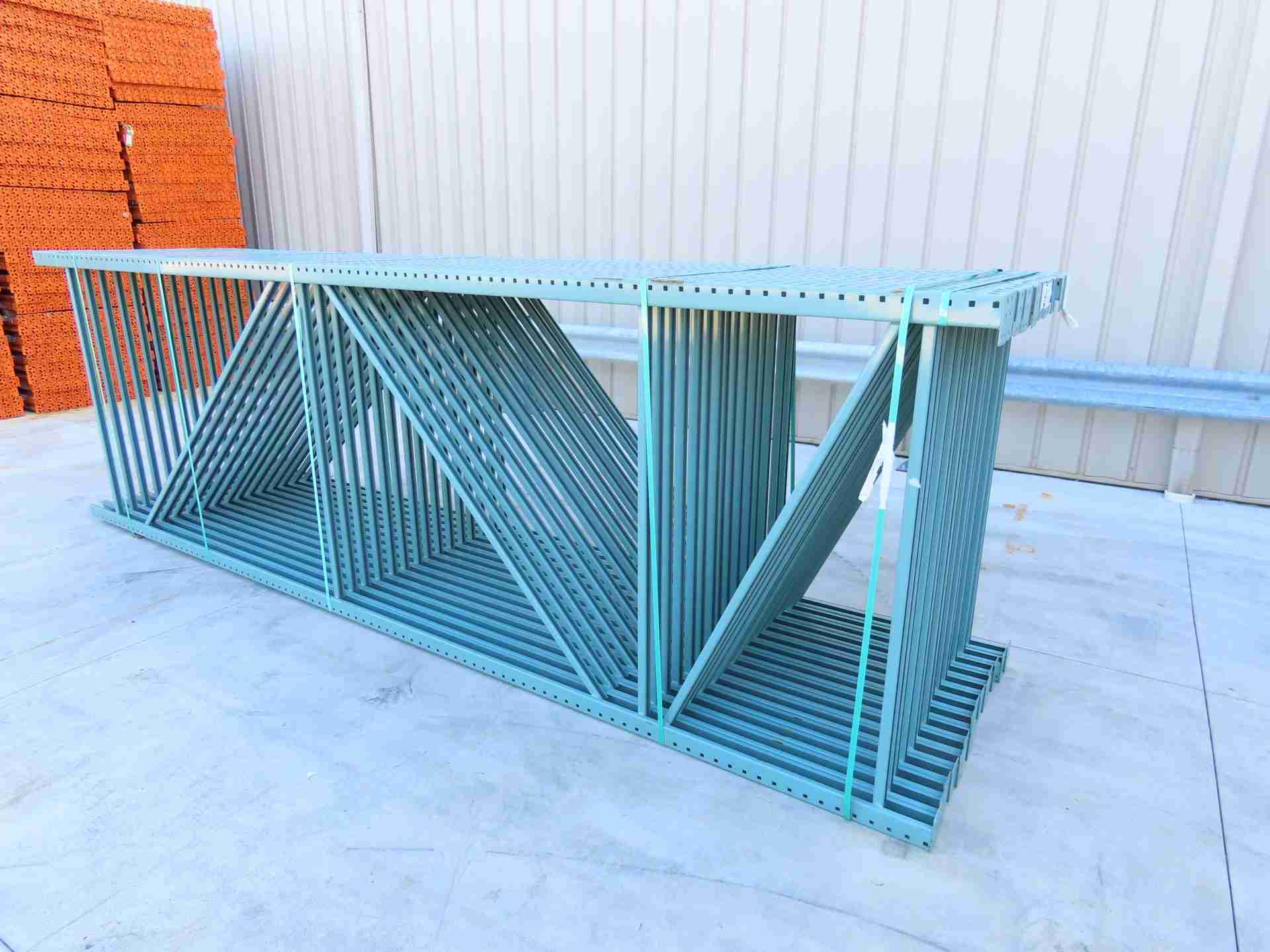
Can Cantilever Racking Improve Your Warehouse’s Efficiency?
Can Cantilever Racking Improve Your Warehouse’s Efficiency?
- Cantilever racking is becoming essential for improving warehouse efficiency and meeting consumer demands.
- Designed to accommodate long and heavy items, it maximizes storage potential by allowing vertical stacking.
- A construction materials supplier increased storage capacity by over 30% and reduced retrieval time by nearly half after switching to cantilever racking.
- Offers flexibility to quickly adjust layouts in response to seasonal demand fluctuations.
- Provides resilience and adaptability in light of supply chain changes and global events.
- Made from durable materials that lower maintenance costs, contributing to sustainability and cost-effectiveness.
- Integrating cantilever racking can lead to a more organized, scalable, and agile warehouse environment, essential for thriving in the logistics landscape.

Can Cantilever Racking Improve Your Warehouse’s Efficiency?
Table Of Contents
- Can Cantilever Racking Improve Your Warehouse’s Efficiency?
- Can Cantilever Racking Save Space In My Warehouse?
- How Does Cantilever Racking Optimize Storage?
- What Are The Benefits Of Using Cantilever Racking?
- How Does Cantilever Racking Improve Accessibility For Items?
- Can Cantilever Racking Handle Heavy Or Bulky Items?
- What Types Of Materials Are Best For Cantilever Racking?
- How Do I Determine The Right Size Of Cantilever Racking?
- Does Cantilever Racking Require Special Installation Considerations?
- How Does Cantilever Racking Compare To Traditional Shelving?
- What Maintenance Is Needed For Cantilever Racking Systems?
- Can Cantilever Racking Adapt To Changing Inventory Needs?
- What Safety Features Should I Consider With Cantilever Racking?
- How Can I Maximize The Efficiency Of My Cantilever Racking?
- What Are The Costs Involved With Installing Cantilever Racking?
- Are There Any Limitations To Using Cantilever Racking?
- Conclusion
- Other Resources
- Glossary Of Terms
- Other Questions
- Checklist
Can Cantilever Racking Save Space In My Warehouse?
When it comes to maximizing space in your warehouse, cantilever racking stands out as a game-changer for businesses in a variety of industries. If you’re still relying on traditional shelving solutions, it’s time to ask yourself: could you be leaving valuable space—and money—on the table?
Imagine a bustling warehouse filled with bulky items like lumber, piping, or oversized equipment. Traditional racking systems can quickly become overwhelmed, rendering aisles cramped and inventory organization a daunting task. Enter cantilever racking—an innovative solution that not only frees up floor space but optimizes your entire inventory management strategy.
Cantilever racks utilize a straightforward design featuring vertical columns and horizontal arms that extend outward, allowing for easy access to long or heavy items without obstructions. This configuration means that you can store items of varying sizes and weights without the limitations imposed by traditional shelving. For instance, a construction company that recently transitioned to cantilever racking was able to increase its storage capacity by a staggering 40%, transforming previously wasted space into premium storage for lumber and materials.
Let’s talk numbers: according to a 2023 report from the Supply Chain Management Association, warehouses utilizing specialized racking systems like cantilever racking have reported a 30% increase in efficiency. This is particularly relevant as global supply chain challenges persist, often forcing businesses to adapt to more dynamic inventory management practices. With cantilever racking, not only do you enhance visibility and accessibility, but you also streamline your workflow—allowing for faster loading and unloading times that can lead to improved customer satisfaction.
Moreover, cantilever racking can be easily customized to fit your specific needs. Whether it’s configuring the arm lengths to accommodate different product dimensions or adjusting the height of the racks to optimize vertical space, customization ensures you’re not constrained by one-size-fits-all solutions. Businesses are already seeing the benefits: a leading home improvement retailer recently revamped their storage areas with cantilever racks, resulting in a smoother inventory process and reduced labor costs compliance with OSHA regulations.
In a world where efficient space utilization can mean the difference between profit and loss, consider cantilever racking as your key to success. By embracing this innovative storage solution, you’ll not only save valuable square footage but also position yourself ahead of the competition. Don’t let your warehouse be just another space—unlock its full potential today!

Can Cantilever Racking Save Space In My Warehouse?
Can Cantilever Racking Save Space In My Warehouse?
- Cantilever racking maximizes warehouse space and improves inventory management.
- Traditional shelving may leave valuable space and financial resources wasted.
- The design of cantilever racks allows for easy access to bulky items without obstructions.
- Businesses adopting cantilever racking have seen up to a 40% increase in storage capacity.
- Specialized racking systems can enhance efficiency in warehouses by 30% according to recent reports.
- Cantilever racking is customizable, catering to specific product dimensions and storage needs.
- This storage solution can lead to improved workflow, faster loading times, and increased customer satisfaction.
Can Cantilever Racking Save Space In My Warehouse?
How Does Cantilever Racking Optimize Storage?
In the ever-evolving landscape of warehouse management and logistics, businesses are perpetually seeking strategies to maximize storage efficiency and streamline operations. Enter cantilever racking—a game-changer that transforms conventional storage methods into a powerhouse of optimized space utilization.
Cantilever racking is engineered to accommodate long, bulky items such as lumber, pipes, and furniture. What sets it apart is its unique design: arms extend outward from a vertical post, creating a strong yet open structure. Instead of being confined by traditional shelving, you can store items horizontally with ease and accessibility. As more industries embrace just-in-time inventory, the significance of swift stock retrieval cannot be understated. Imagine a furniture manufacturer that needs quick access to varying types of wood. A cantilever racking system not only supports the weight of those materials but also allows for organized, rapid retrieval, cutting down the time spent searching through cluttered stacks.
In today’s economic climate, where supply chain disruptions have become the norm, optimizing storage can give companies a competitive edge. Consider the recent shifts in global supply chains caused by geopolitical tensions and a surge in e-commerce demands. Businesses must respond swiftly. For instance, a wholesale distributor using cantilever racks can easily pivot and adapt to changes in inventory needs, ensuring that popular products are readily accessible when customer demand peaks. This adaptability translates to faster order fulfillment and satisfied customers.
But the benefits of cantilever racking don’t stop at efficiency. Investing in a smart racking system can significantly save on operational costs. For instance, maximizing vertical space with adjustable height and arm configurations allows companies to utilize existing warehouse space more effectively without the need for costly expansions. A construction company storing steel beams can vertically store more without scattering materials across multiple locations—a crucial step for minimizing overhead costs.
Moreover, enhanced visibility is another key advantage. With items displayed openly on beams rather than hidden behind walls of heavy shelving, employees can assess inventory at a glance, leading to more efficient stock management and fewer errors during order picking.
So, if you’re eager to enhance your storage capabilities and improve your bottom line in this challenging economic climate, look no further than cantilever racking. It’s not just a storage solution; it’s a strategic asset that aligns with the demands of modern logistics—all while positioning your business for growth in a competitive marketplace. Don’t just store your products; optimize your potential!

How Does Cantilever Racking Optimize Storage?
How Does Cantilever Racking Optimize Storage?
- Cantilever racking enhances warehouse management by maximizing storage efficiency and streamlining operations.
- Designed for long, bulky items like lumber and pipes, its structure allows for horizontal storage and easy accessibility.
- Supports just-in-time inventory practices with quick stock retrieval, reducing time spent searching for materials.
- Facilitates adaptability in response to supply chain disruptions and changing customer demands, leading to faster order fulfillment.
- Offers significant operational cost savings by optimizing vertical space without the need for costly expansions.
- Improves inventory visibility, allowing for better stock management and fewer errors during order picking.
- Cantilever racking is a strategic asset for businesses looking to enhance storage capabilities and improve overall competitiveness.
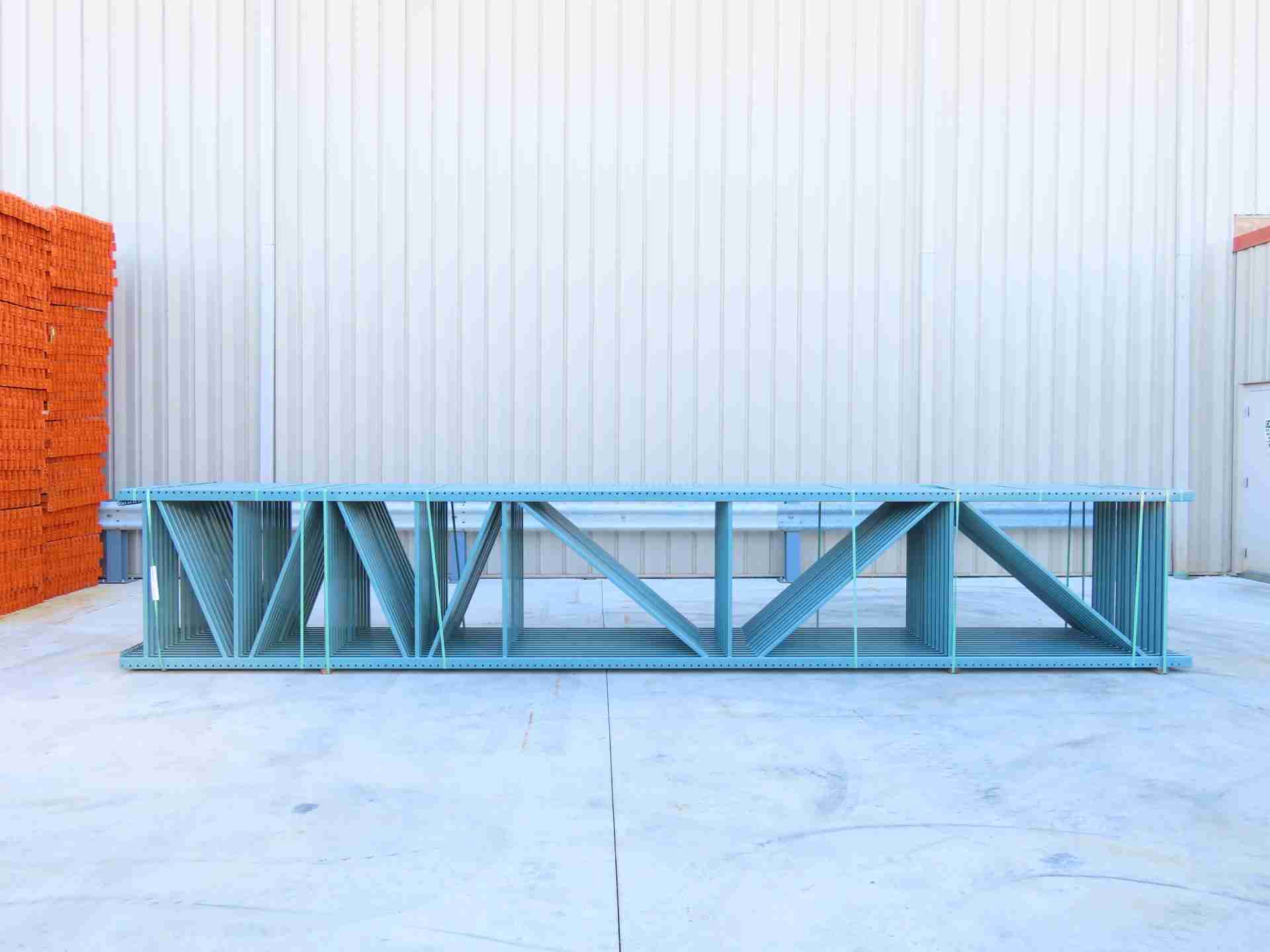
How Does Cantilever Racking Optimize Storage?
What Are The Benefits Of Using Cantilever Racking?
In today’s fast-paced business climate, efficiency and space optimization are paramount. Enter cantilever racking, an innovative storage solution that seamlessly combines practicality and versatility to elevate your warehouse operations. If you’re in the game of managing inventory, embracing this game-changing system might just be the catalyst that propels your business forward.
1. Maximum Space Utilization
Traditional shelving can restrict you to fixed dimensions, limiting storage potential. Cantilever racking, however, allows for flexible configurations tailored to the dimensions of your inventory. Imagine a lumberyard or a manufacturing facility that needs to store oversized components—these adaptations enable you to leverage vertical space, effectively doubling your storage capacity. With vertical space at a premium, using cantilever racking can mean the difference between cramped aisles and a streamlined operation.
2. Ease of Access
In industries like retail and manufacturing where efficiency during pick operations is critical, cantilever racking shines. Products are easily accessible from both sides, which translates to improved workflow and reduced picking times. Consider today’s booming e-commerce landscape; businesses must fulfill orders swiftly to stay competitive. Utilizing cantilever racking not only speeds up retrieval but also minimizes the chance of accidents by keeping items in clear sight.
3. Enhanced Safety
Speaking of safety, the open design of cantilever racks significantly reduces the risk of accidents. With fewer obstructions in the way, forklifts and other handling equipment can navigate more safely among stored items. Moreover, many cantilever racks are engineered to hold heavy loads, ensuring stability even under pressure. Recent industry reports indicate that enhanced safety protocols are not just a regulatory necessity but are also a boost to employee morale and productivity.
4. Customization Capabilities
Every industry has unique storage needs. Cantilever racking systems can be easily customized with accessories such as braces, crossbars, and additional arms to suit your specific inventory. Whether you’re a beverage distributor managing cases of soft drinks or a distributor of metal sheets, a tailored cantilever solution will give you the exact support your products require.
5. Cost-Effectiveness
While the initial investment in cantilever racking may be higher than traditional systems, the long-term benefits far outweigh the costs. As your storage needs grow, this solution grows with you, leading to reduced overall operational expenses. Recent studies show that businesses utilizing versatile storage solutions are seeing up to a 20% reduction in handling costs.
In a world where space and efficiency are non-negotiable, incorporating cantilever racking into your logistical strategy isn’t just an option—it’s a business imperative. Make the smart choice today and watch your operations soar.

What Are The Benefits Of Using Cantilever Racking?
What Are The Benefits Of Using Cantilever Racking?
- Maximum Space Utilization: Cantilever racking allows for flexible configurations that adapt to inventory dimensions, effectively doubling storage capacity by leveraging vertical space.
- Ease of Access: Products are easily accessible from both sides, improving workflow and reducing picking times, crucial for industries like retail and manufacturing.
- Enhanced Safety: The open design reduces accident risks, allowing safe navigation for forklifts and ensuring stability under heavy loads.
- Customization Capabilities: Tailorable with various accessories to meet unique storage needs across industries, such as beverage distribution or metal sheet storage.
- Cost-Effectiveness: Initial investment is higher, but long-term benefits and a potential 20% reduction in handling costs make it a financially sound choice.
- Operational Efficiency: Incorporating cantilever racking can significantly streamline operations, making it a crucial component of logistical strategies.
- Business Imperative: In a fast-paced business environment, adopting cantilever racking is essential for maintaining competitiveness through efficient space and resource management.

What Are The Benefits Of Using Cantilever Racking?
How Does Cantilever Racking Improve Accessibility For Items?
In the fast-paced world of warehouses and distribution centers, accessibility is everything. Modern businesses are leaning heavily on cantilever racking systems as a solution to this pressing issue, and for good reason. These versatile storage solutions are designed to handle long and heavy items that traditional shelves struggle with. But how does cantilever racking improve accessibility, and why should your business make the switch?
First and foremost, cantilever racking eliminates the barrier of conventional shelf structures. Unlike standard shelving systems that contain multiple rows of shelves, cantilever racks offer an open-faced design. This feature allows for easy access to materials, reducing the time employees spend searching for items. Imagine a lumberyard where different lengths of wood are stored. Traditionally, workers would need to weave through tight aisles to find the right piece. With cantilever racking, they can swiftly identify and retrieve what they need, ultimately leading to increased productivity.
Emerging trends in logistics further emphasize the urgency of scalability and accessibility. As more businesses opt for just-in-time inventory methods, the ability to quickly access stock becomes paramount. Cantilever racking can be easily customized to the specific needs of a business, accommodating various lengths and weights, whether it’s steel piping in a manufacturing facility or furniture in a home goods warehouse. This flexibility eliminates wasted space and ensures every item is instantly accessible.
Let’s consider a real-world example: a recent case study from a growing e-commerce firm showed that by switching from traditional shelving to cantilever racking, they improved their picking efficiency by 30%. Not only did they meet the increasing demands of their business, but they also enhanced their customer satisfaction rates by maintaining quicker turnaround times.
Moreover, cantilever racking can be configured with various accessories—like safety guards and loading ramps—to further enhance accessibility. In the context of current supply chain challenges, ensuring that every potential resource is easily reachable can mean the difference between fulfilling a vital order or falling behind the competition.
The answer to improving accessibility lies in the sophisticated design of cantilever racking systems. By embracing this innovative storage solution, businesses are not only optimizing their space but also increasing efficiency and accessibility. In a world where speed is critical, your ability to access materials swiftly can help you stay ahead—regardless of your industry. So, why wait? Your path to improved accessibility and success starts with upgrading to cantilever racking today.
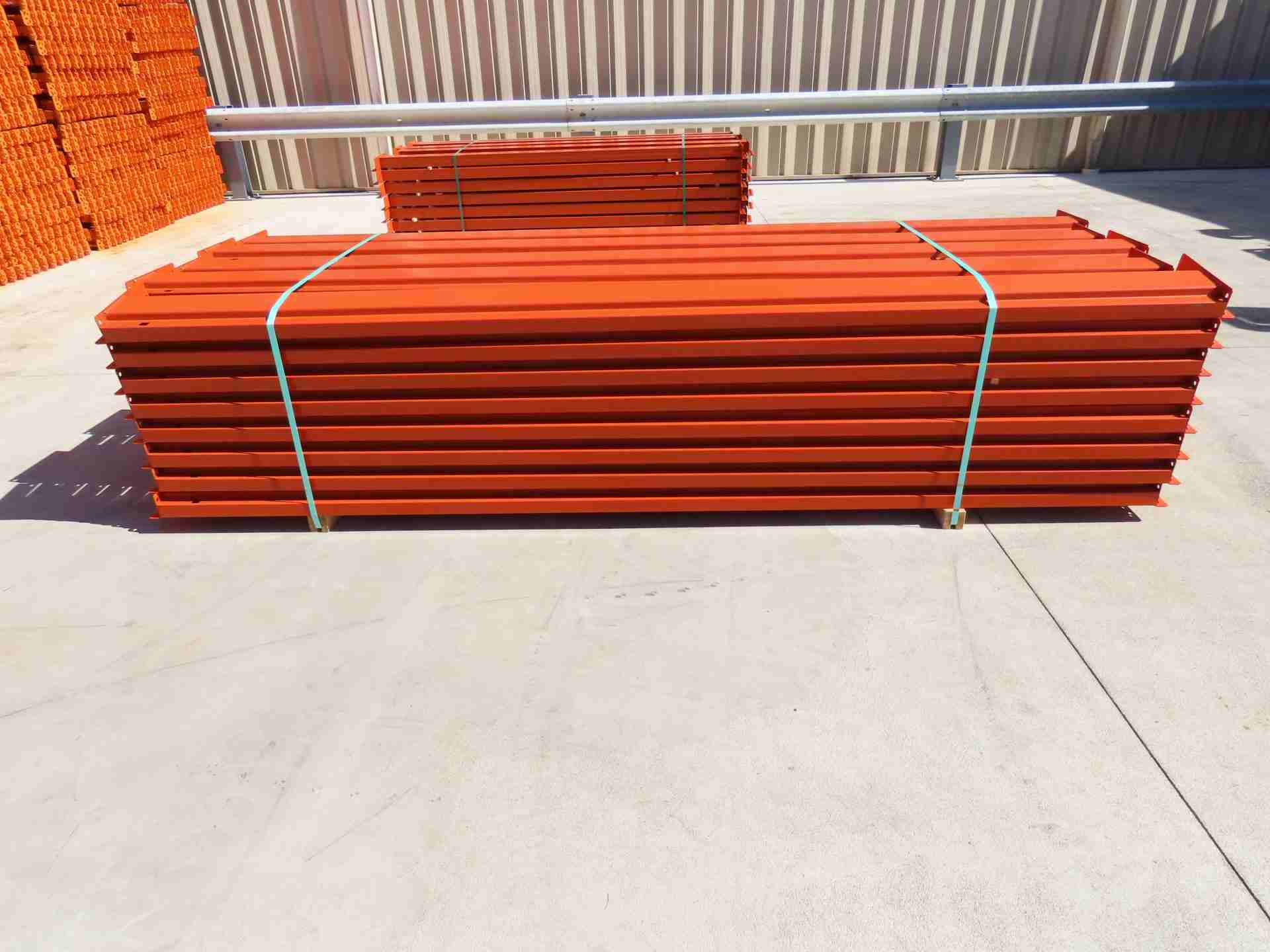
How Does Cantilever Racking Improve Accessibility For Items?
How Does Cantilever Racking Improve Accessibility For Items?
- Cantilever racking systems enhance accessibility in warehouses and distribution centers.
- They are designed to store long and heavy items that traditional shelves cannot accommodate.
- The open-faced design of cantilever racks allows for easy access to materials, improving productivity.
- These racks can be customized to fit various lengths and weights, eliminating wasted space.
- A case study showed a 30% improvement in picking efficiency for an e-commerce firm after switching to cantilever racking.
- Additional accessories, like safety guards and loading ramps, can be added to enhance accessibility further.
- Upgrading to cantilever racking can optimize space and efficiency, giving businesses a competitive edge.

How Does Cantilever Racking Improve Accessibility For Items?
Can Cantilever Racking Handle Heavy Or Bulky Items?
When it comes to storage solutions, one question echoes through warehouses and distribution centers alike: Can cantilever racking handle heavy or bulky items? The unequivocal answer is a resounding yes! In fact, cantilever racking is specifically designed to tackle the challenges posed by oversized, unique loads, allowing businesses to maximize their storage efficiency and streamline their operations.
Imagine a busy lumberyard bustling with activity. Long beams of untreated lumber, thick planks, and peculiar-shaped logs line up like soldiers in formation. Traditional shelving simply cannot accommodate these dimensions, but cantilever racking shines in this environment. With its unique, arm-based design, this racking system allows for easy loading and unloading of heavy and bulky items without sacrificing stability or safety. Each arm can be adjusted to various heights, providing the flexible configuration necessary to store everything from metal pipes to furniture components without the clutter.
Consider the current economic shift towards e-commerce. As more retailers transform their spaces to meet the demand for rapid order fulfillment, the ability to store non-conventionally shaped inventory becomes paramount. Take, for instance, a company specializing in outdoor equipment; oversized kayaks or camping tents need a dedicated space that a conventional shelving system cannot provide. Cantilever racking steps into the spotlight as the ultimate game-changer. It provides the ease of access required for fast-paced environments, allowing workers to efficiently pick and place bulky items with minimal hassle.
With recent supply chain disruptions and the rise of just-in-time inventory systems, the need for reliable, robust storage solutions has never been more critical. A well-designed cantilever racking system can not only alleviate the pain of cluttered warehouses but can also enhance workplace safety. By keeping heavy items off the ground and well-organized, businesses can reduce the likelihood of accidents, potentially saving thousands in liability costs.
Cantilever racking is the unsung hero of storage, adeptly addressing the needs of businesses dealing with heavy and bulky items. Whether you’re in the woodworking industry, construction supply, or large-scale retail, investing in cantilever racking is not just a choice; it’s a strategic decision that pays dividends in efficiency, safety, and productivity. Embrace this powerful storage solution today and unlock the full potential of your workspace. Your bottom line will thank you!

Can Cantilever Racking Handle Heavy Or Bulky Items?
Can Cantilever Racking Handle Heavy Or Bulky Items?
- Cantilever racking is designed to handle heavy and bulky items effectively.
- Its arm-based design allows for easy loading and unloading without sacrificing stability or safety.
- Adjustable arms enable flexible configurations for various oversized items, from lumber to furniture components.
- As e-commerce grows, cantilever racking meets the demand for storing non-conventionally shaped inventory.
- This storage solution enhances efficiency by allowing quick access to bulky items in fast-paced environments.
- Cantilever racking helps reduce clutter and enhance workplace safety, minimizing accident risks.
- Investing in this system is a strategic decision that boosts efficiency, safety, and productivity in warehouses.

Can Cantilever Racking Handle Heavy Or Bulky Items?
What Types Of Materials Are Best For Cantilever Racking?
When it comes to optimizing your storage space, cantilever racking has emerged as the go-to solution for businesses looking to maximize efficiency and accessibility. But to realize these benefits fully, it’s crucial to select the right materials for your cantilever racking system. Understanding the characteristics of various materials will not only enhance the functionality of your racking but also extend its lifespan and ensure safety. Let’s dive into the best materials for cantilever racking and how they impact your operations.
1. Steel: The Titan of Durability
When you think of heavy-duty storage, steel is the undisputed champion. Its exceptional strength-to-weight ratio makes it perfect for cantilever racking, which is often used to store bulky items such as lumber, metal sheets, and appliances. Steel’s resilience against deformation allows it to handle significant loads without bending or breaking, ensuring that your products stay secure.
In light of recent supply chain fluctuations, companies are reevaluating inventory management practices. Having a robust cantilever racking system built from high-quality steel not only ensures stability but also boosts confidence in your storage solutions.
2. Aluminum: The Lightweight Contender
Aluminum is gaining traction in the cantilever racking world, especially for businesses looking to strike a balance between weight and strength. While it doesn’t quite match steel’s load-bearing capabilities, aluminum is ideal for lighter items and has the added benefits of being resistant to rust and corrosion. This makes it an excellent option for warehouses located in humid environments or those storing materials prone to oxidation.
With the rise of eco-friendly initiatives, businesses are also opting for aluminum racking systems due to their recyclability. Investing in sustainable materials aligns your brand with contemporary values, a key factor that can appeal to customers who prioritize responsible practices.
3. Composite Materials: The Innovative Solutions
In a quest for the perfect blend of weight, strength, and affordability, composite materials are stepping onto the stage. Made from a combination of fibers and resins, composite cantilever racks are lightweight and resistant to chemical damage, making them ideal for specialized industries that handle hazardous materials.
Moreover, the increasing focus on workplace safety means that investing in composite materials can reduce the chances of injury associated with traditional steel racks. They can absorb impacts better due to their engineering, providing an added layer of protection for both your employees and stored goods.
Conclusion
The material you choose for your cantilever racking can make or break your operational efficiency. Steel, aluminum, and innovative composites each offer unique advantages that can cater to different storage needs and tactical goals. As your business adapts to the evolving market landscape, remember that investing in the right materials will pave the way for streamlined operations and a safer work environment. Select wisely, and you’ll witness your storage efficiency reach new heights!

What Types Of Materials Are Best For Cantilever Racking?
What Types Of Materials Are Best For Cantilever Racking?
- Cantilever racking is an efficient storage solution for businesses aiming to optimize space and accessibility.
- Steel is highly durable and ideal for heavy-duty storage, capable of holding bulky items without deformation.
- A robust cantilever racking system made of steel instills confidence in stability and reliability amidst supply chain fluctuations.
- Aluminum is lightweight and rust-resistant, making it suitable for lighter items in humid environments.
- Choosing aluminum aligns with eco-friendly practices, appealing to customers who value sustainability.
- Composite materials provide a balance of weight, strength, and affordability, ideal for specialized industries and enhancing workplace safety.
- The choice of material significantly impacts operational efficiency and safety; select wisely to maximize storage potential.

What Types Of Materials Are Best For Cantilever Racking?
How Do I Determine The Right Size Of Cantilever Racking?
Choosing the right size of cantilever racking is not merely a decision; it’s a strategic move that can profoundly impact your operational efficiency and bottom line. Imagine walking into your warehouse and seeing everything perfectly organized and easily accessible. That visualization can become a reality when you select the suitable cantilever racking system.
First and foremost, assess your inventory. Start by categorizing your goods—are they long, heavy, or uniquely shaped? For instance, if you’re in the lumber business, you’ll likely need racks capable of holding long lengths and heavy weights. If you deal with steel pipes, consider racks that accommodate both vertical and horizontal placements, with adjustable arms to tailor the height. It’s essential to measure not just the dimensions of your products but also their weight. A common error is to assume that all products fit a standard racking size; they don’t. Misalignments can lead to safety hazards and operational inefficiencies.
Next, think about your warehouse space. If you’re operating in a tight area, narrow aisles may be beneficial, but this will affect your choice of rack height and arm length. For example, a company specializing in heavy equipment may demand taller racks to utilize vertical space fully, while smaller operations may prioritize accessibility with shorter racks. Remember, it’s not just about the height of the racks but how you’ll access them. Investing in reach forklifts can make it easier to handle taller racking systems if designed correctly.
Current market trends also play a crucial role in your decision-making process. With supply chains becoming increasingly complex, many businesses are transitioning to just-in-time inventory systems. Implementing cantilever racking that accommodates rapid inventory turnover enables you to keep stock levels low while maximizing storage efficiency. This trend is particularly evident in e-commerce giants, which are reshaping warehousing strategies to meet consumer demands.
Lastly, engage with industry experts or suppliers. They have invaluable insights that can guide you through selections based on your unique needs and current market conditions. Some companies may even offer customization options that better suit your inventory.
The right size of cantilever racking is the blend of understanding your inventory, optimizing space, and staying ahead in a shifting market. Thoughtful consideration of each factor not only promotes safety and efficiency but also positions your business for future growth. Don’t just rack it; rack it right!

How Do I Determine The Right Size Of Cantilever Racking?
How Do I Determine The Right Size Of Cantilever Racking?
- Selecting the right cantilever racking size is crucial for operational efficiency and profitability.
- Assess your inventory by categorizing goods based on size, weight, and shape to find appropriate storage solutions.
- Consider warehouse space constraints, affecting rack height and accessibility, especially in tight areas.
- Implementing tall racks can maximize vertical space, while smaller operations may prefer shorter racks for easier access.
- Be aware of current market trends, such as just-in-time inventory systems, which necessitate effective storage solutions.
- Consult with industry experts or suppliers for tailored advice and potential customization options.
- Understanding your inventory and market dynamics enhances safety, efficiency, and business growth potential.

How Do I Determine The Right Size Of Cantilever Racking?
Does Cantilever Racking Require Special Installation Considerations?
When it comes to optimizing storage space in warehouses and industrial environments, cantilever racking stands out as a premier choice. However, the installation of cantilever racks isn’t just a straightforward task of assembly; it requires specialized considerations that can significantly impact both safety and functionality.
First and foremost, the unique design of cantilever racks means they are inherently different from traditional shelving systems. These racks are specifically engineered to support long and bulky items, such as lumber, pipes, or heavy machinery. This variation necessitates a careful assessment of your inventory needs before installation. For example, if you’re planning to store oversized goods, investing in adjustable arm lengths might be a prudent choice to accommodate various item sizes effectively.
Another critical aspect to consider is the structural integrity of the installation site. Unlike standard shelving, which can often be anchored directly to walls or floor, cantilever racks must be installed on a level surface capable of bearing heavy loads. Regular inspections of the ground conditions, as seen in recent incidents like warehouse collapses during heavy storms, illustrate how neglecting this factor can lead to dire consequences. Always consult with an engineer to evaluate the surface and determine if reinforcements are needed before installation begins.
Additionally, loading and unloading practices are vital considerations in the installation process. Proper training for operators on how to use the rack can prevent accidents. Facilities that frequently handle heavy or awkward loads should consider equipping their racking systems with ergonomic lift assist devices or employing specialized forklifts. This not only enhances safety but also improves overall productivity—a win-win in today’s fast-paced warehousing environments.
Regulatory compliance is another crucial component to keep in mind. Local building codes and safety regulations must be adhered to, which often dictate specific requirements for racking systems. Ignoring these standards can lead to costly fines or operational shutdowns. Engaging with professionals who understand the legal landscape can save you from potential pitfalls.
While cantilever racking offers impressive benefits in maximizing vertical space and enhancing access to your inventory, the installation process demands a degree of meticulous planning. From analyzing your specific storage needs to ensuring regulatory compliance, taking the time to address these considerations can lead to safer and more efficient operations. In today’s highly competitive market, investing in the right systems and practices isn’t just smart—it’s essential for sustainable growth.

Does Cantilever Racking Require Special Installation Considerations?
Does Cantilever Racking Require Special Installation Considerations?
- Cantilever racking is an ideal option for optimizing storage space in warehouses and industrial settings.
- Installation requires specialized considerations that affect both safety and functionality.
- Cantilever racks support long and bulky items, necessitating an assessment of inventory needs prior to installation.
- A level surface is crucial for installation; regular inspections of ground conditions are essential to prevent collapses.
- Proper training for operators and ergonomic equipment can enhance safety and productivity during loading and unloading.
- Compliance with local building codes and safety regulations is necessary to avoid fines and operational shutdowns.
- Meticulous planning is essential for safe and efficient operations, leading to sustainable growth in competitive markets.

Does Cantilever Racking Require Special Installation Considerations?
How Does Cantilever Racking Compare To Traditional Shelving?
In the fast-paced world of inventory management and storage solutions, choosing the right system can significantly impact your operational efficiency and bottom line. While traditional shelving has long been a staple in warehouses and retail environments, cantilever racking has emerged as a game changer. Let’s dive into how these two solutions compare and why businesses are increasingly making the switch to cantilever racking.
Maximizing Space and Efficiency
Consider this: traditional shelving often requires uniform shelving dimensions to accommodate various items. This can lead to wasted space or unnecessary adjustments for oversized goods. In contrast, cantilever racking offers adjustable arms that can be configured to hold irregularly shaped items or different lengths, maximizing your vertical and horizontal space. Take, for example, a lumber yard. Where traditional shelving might pile boards inefficiently, cantilever racking allows for organized, easy-to-access vertical storage, significantly increasing both capacity and speed of retrieval.
Versatility Meets Durability
Let’s talk about the versatility of cantilever racking. This system isn’t limited to one type of product. Whether you’re housing furniture, piping, or automotive parts, cantilever racks can be adjusted to meet your specific needs. Compare this to traditional shelving, which is often fixed and can become obsolete as your inventory needs evolve. The recent surge in e-commerce due to global events, such as the pandemic, has compelled businesses to re-evaluate their storage strategies. Companies like Amazon have seen dramatic shifts in inventory – the flexibility of cantilever racking is a strategic advantage in dynamically adjusting to market demands.
Cost-Effectiveness and Labor Efficiency
Investing in cantilever racking may seem daunting at first glance, but consider the long-term savings. Yes, traditional shelving might appear less expensive upfront, but think of the labor costs associated with constant repacking and awkward maneuvering of goods. With a cantilever racking system, items can be accessed quickly, reducing the time spent on inventory management and increasing workforce productivity. During recent supply chain disruptions, businesses that optimized their storage systems saw quicker response times and improved customer satisfaction — all thanks to efficient storage solutions.
Conclusion
Whether you’re reevaluating your current storage method or starting fresh, the choice between cantilever racking and traditional shelving should be clear. From maximizing valuable space to contributing to labor efficiency, the benefits of cantilever racking are undeniable. The world is changing, and so should your approach to storage solutions. Embrace the future and position your business for growth by considering cantilever racking as the optimal choice for your inventory management needs.

How Does Cantilever Racking Compare To Traditional Shelving?
How Does Cantilever Racking Compare To Traditional Shelving?
- Impact on Operational Efficiency: The choice between traditional shelving and cantilever racking significantly affects inventory management and bottom line.
- Space Maximization: Cantilever racking provides adjustable arms for irregularly shaped items, optimizing vertical and horizontal space, unlike traditional shelving.
- Versatility and Adaptability: Cantilever racking accommodates various types of products and adapts to changing inventory needs, while traditional shelving is often fixed.
- E-commerce and Market Demand: The rise in e-commerce has highlighted the need for flexible storage solutions like cantilever racking to meet dynamic inventory shifts.
- Cost-Effectiveness: While traditional shelves may seem cheaper initially, cantilever racking leads to long-term savings by reducing labor costs associated with inventory management.
- Time Efficiency: Quick access to items in cantilever racking improves workforce productivity, especially during supply chain disruptions.
- Future-Oriented Storage Solutions: Businesses should consider transitioning to cantilever racking to enhance growth and meet modern storage challenges.

How Does Cantilever Racking Compare To Traditional Shelving?
What Maintenance Is Needed For Cantilever Racking Systems?
In the ever-evolving landscape of warehousing and logistics, you can’t afford to overlook proper maintenance for your cantilever racking systems. These robust structures are designed to store long or bulky items, making them invaluable for industries like lumber, plumbing, and even automotive parts. However, to ensure their longevity and functionality, a proactive maintenance strategy is essential.
1. Regular Inspections: The Eye of the Tiger
Just like athletes need regular evaluations to perform their best, your cantilever racks require meticulous inspections. Schedule visual checks at least once a month. Look for signs of wear and tear, such as bent arms or signs of corrosion. If you spot any issues, they can escalate quickly, leading to costly downtime or, worse, a hazardous situation. With supply chain disruptions still fresh in our minds from the global pandemic, maintaining operational efficiency through regular inspections is crucial.
2. Load Capacity Checks: Know Your Limits
Every cantilever rack comes with a specified load capacity. It’s crucial to weigh your stored items and ensure they stay within these limits. Exceeding load capacity not only compromises the integrity of the rack but also poses serious safety risks to your workforce. Consider using digital scales and tracking systems to keep everything in check. Remember, a little prevention prevents a lot of regret.
3. Cleaning and Upkeep: Out of Sight, Out of Mind
While racking systems may seem impervious to dirt, neglecting cleanliness can lead to deterioration. Dust and debris can cause a slippery workplace, increasing the chances of accidents. Periodically, dust off the beams and components, and if necessary, perform more thorough cleanings to protect against rust and grime. In an age where warehouse safety is under heightened scrutiny, maintaining a clean environment can help you stay compliant with OSHA standards.
4. Repairs and Replacement: Swift Action Saves the Day
Promptly address any damage to your cantilever racks. Minor issues can escalate quickly; a bent support arm can lead to catastrophic failure if unnoticed. Establish a dedicated maintenance team to address repairs and stock critical replacement parts. Quick action not only prevents extensive damage but also mitigates the risks of operational delays, ensuring a smooth supply chain—even in tumultuous times like the current economic climate.
In sum, proactive maintenance of cantilever racking systems is non-negotiable. From regular inspections to immediate repairs, proper care not only ensures safety but also maximizes the efficiency of your operational space. In an uncertain world, investing time and resources in maintenance is one of the smartest strategies you can adopt. Keep your racks strong, keep your operations smooth, and watch your business thrive.

What Maintenance Is Needed For Cantilever Racking Systems?
What Maintenance Is Needed For Cantilever Racking Systems?
- Importance of Maintenance: Proper maintenance is essential for the longevity and functionality of cantilever racking systems used in various industries.
- Regular Inspections: Schedule monthly visual checks to identify wear and tear to prevent costly downtime and hazardous situations.
- Load Capacity Checks: Ensure stored items do not exceed the specified load capacity to maintain the integrity of the rack and ensure workforce safety.
- Cleaning and Upkeep: Regular cleaning prevents rust and grime buildup, ensuring safety and compliance with OSHA standards.
- Repairs and Replacement: Quickly address any damages to avoid escalation and ensure operational efficiency; establish a dedicated maintenance team for repairs.
- Proactive Strategy: Investing time and resources in maintenance ensures safety and maximizes operational efficiency.
- Business Impact: Proper care of racking systems contributes to business success and smooth operations in a challenging economic landscape.

What Maintenance Is Needed For Cantilever Racking Systems?
Can Cantilever Racking Adapt To Changing Inventory Needs?
In today’s fast-paced business environment, flexibility is key. Companies must navigate fluctuating demands, unexpected supply chain disruptions, and evolving customer preferences. Amid these challenges, one system stands out for its adaptability: cantilever racking.
Imagine a bustling warehouse filled with an array of products—lumber, pipes, furniture, or oversized bulky items. Traditional shelving may struggle to accommodate such diversity, leading to inefficiencies and wasted space. Enter cantilever racking. This system, designed with adjustable arms that extend horizontally from a central column, allows for easy customization based on inventory needs.
For instance, consider a home improvement retailer that experiences seasonal surges in demand for specific products—think gardening supplies in the spring or holiday decorations in winter. By utilizing cantilever racking, the retailer can quickly reconfigure its storage setup. Adding or removing arms allows for the accommodation of large, awkwardly shaped items while maintaining a clean and organized space. Moreover, during slower months, the retailer can easily transition the rack to store smaller goods, maximizing utility without incurring additional costs.
Recent global events have further highlighted the need for adaptable storage solutions. The pandemic taught businesses that supply chain routes and customer demand can change overnight. Companies like Amazon have ramped up their efficiency by leveraging versatile storage systems, enabling them to switch inventory focus in record time. Cantilever racking not only supports this agility but also reduces downtime and labor costs associated with reorganization.
Moreover, environmental considerations in 2023 make it essential for warehouses to efficiently utilize space. With rising logistics costs related to fuel and transport, optimizing storage capabilities is no longer just a convenience—it’s a necessity. Cantilever racking maximizes vertical space and minimizes wasted floor area, thereby enhancing overall efficiency. Businesses are increasingly incentivized to embrace sustainable practices, and adaptable systems like cantilever racking align beautifully with those goals.
In essence, cantilever racking is not merely a storage solution; it’s a powerful strategic asset for businesses aiming to navigate the unpredictable tides of modern commerce. Companies that invest in this adaptable system position themselves as agile leaders, ready to face evolving inventory needs with confidence. Don’t just keep up—surpass expectations and thrive in today’s dynamic marketplace. When the next big shift comes, will your storage solution be ready?

Can Cantilever Racking Adapt To Changing Inventory Needs?
Can Cantilever Racking Adapt To Changing Inventory Needs?
- Flexibility is essential in today’s fast-paced business environment to manage fluctuating demands and supply chain disruptions.
- Cantilever racking offers exceptional adaptability, designed with adjustable arms for easy customization based on inventory needs.
- This system is ideal for warehouses dealing with diverse products, such as lumber, pipes, and oversized items, facilitating efficient space usage.
- Retailers can quickly reconfigure storage setups for seasonal demands, accommodating both large and smaller items without extra costs.
- Adaptability in storage solutions has become crucial due to changing supply chain routes and customer demands, as highlighted by the pandemic.
- Cantilever racking enhances space utilization, minimizing wasted floor area and aligning with sustainable practices amid rising logistics costs.
- Investing in cantilever racking allows companies to position themselves as agile leaders, enabling them to confidently navigate modern commerce challenges.

Can Cantilever Racking Adapt To Changing Inventory Needs?
What Safety Features Should I Consider With Cantilever Racking?
When it comes to maximizing storage space, cantilever racking is the go-to solution for businesses across industries. However, with great storage capacity comes great responsibility—particularly the need for robust safety features. As you evaluate your options, it’s crucial to recognize which safety aspects can help safeguard your inventory and your workforce.
First and foremost, consider the Structural Integrity of the cantilever system. Look for racking made from high-quality steel with adequate load-bearing capacity. The ongoing supply chain disruptions have spotlighted the importance of investing in durable materials. A company that recently faced severe damages due to subpar racking experienced not only material loss but lengthy downtime—an issue you certainly want to avoid.
Stability Braces should also be on your checklist. These are essential to prevent tipping, especially if your racking will be storing heavy or oddly shaped items. Current trends show an uptick in customer demand for versatile storage solutions, which means your cantilever system might see varying loads. Make sure stability accessories are included in the design; otherwise, you might find yourself in a precarious position—literally!
Next, consider the Aisle Width and Load Height Limitations. A common pitfall is underestimating the space needed for safe access to your inventory. While it may be tempting to pack as much as possible into a smaller space for cost savings, the risks far outweigh the benefits. Instances like the recent accidents in warehouses highlight the importance of allowing adequate space for operators to maneuver forklifts and other equipment efficiently and safely.
One crucial feature that can’t be overlooked is the Safety Locking Mechanism. A cantilever racking system with adjustable arms should have secure locking mechanisms to prevent accidental dislodgment during loading and unloading. The last thing you want is for a careless moment to cause an entire load to topple over, leading to costly damages or injury.
Lastly, don’t forget about Regular Inspections and Maintenance Plans as part of your safety protocol. Implementing a routine check-up schedule allows you to identify wear and tear before they morph into larger, costly issues. Recent market data shows that companies prioritizing regular maintenance see not only fewer accidents but also a significant reduction in long-term operational costs.
When exploring cantilever racking options, ensure that safety is your top priority. Structural integrity, stability braces, appropriate aisle width, locking mechanisms, and a robust maintenance plan will not only protect your assets but also fortify your reputation as a responsible and reliable business. Remember, proactive safety measures today save headaches tomorrow!

What Safety Features Should I Consider With Cantilever Racking?
What Safety Features Should I Consider With Cantilever Racking?
- Cantilever racking is ideal for maximizing storage space across industries, requiring robust safety features.
- Ensure the structural integrity of the racking system by selecting high-quality steel with adequate load-bearing capacity.
- Incorporate stability braces to prevent tipping, especially with heavy or oddly shaped stored items.
- Consider aisle width and load height limitations to provide safe access and maneuverability for equipment.
- Utilize safety locking mechanisms in adjustable arms to prevent accidental dislodgment during loading and unloading.
- Implement regular inspections and maintenance plans to identify wear and tear early, reducing long-term costs.
- Prioritize safety when selecting cantilever racking to protect assets and enhance business reputation.

What Safety Features Should I Consider With Cantilever Racking?
How Can I Maximize The Efficiency Of My Cantilever Racking?
When it comes to maximizing the efficiency of your cantilever racking system, a strategic approach can make all the difference. Picture this: your warehouse is bustling, orders are flying out the door, but the functionality of your storage setup could be optimized to unleash even greater potential. Let’s explore actionable strategies that can elevate your storage game to new heights.
1. Tailored Design for Your Inventory
First and foremost, assess the types of materials you’re storing. Cantilever racks are ideal for long, bulky items—think lumber, pipes, and sheet metal. Ensure that the design of your racking system is tailored to these specific needs. For instance, if you’re dealing with varying lengths, adjustable arms will allow you to make quick modifications without extensive downtime. This flexibility not only saves time but also reduces the risk of product damage during storage.
2. Implement an Organized Inventory System
Second, integrating an organized inventory management system is non-negotiable. Seasoned operators know that every second counts in a busy warehouse. Consider leveraging modern technology, such as barcode scanning or RFID systems, to streamline inventory tracking. A well-implemented inventory system can prevent overstocking or stockouts, driving up efficiency. Current trends in warehouse automation emphasize this, as more warehouses adopt smart technologies that enhance visibility and control over inventory.
3. Optimize Layout and Access
Next, evaluate the layout of your racking system. Arrange your cantilever racks for optimal access and workflow. Create clear pathways for forklift operators and ensure that frequently accessed items are positioned at eye level. For instance, a recent study indicated that warehouses adopting lean layout principles reported a 30% increase in picking efficiency. This design not only conserves energy but also maximizes space, allowing you to pack in more inventory without overcrowding.
4. Regular Maintenance Checks
Lastly, don’t underestimate the power of maintenance. Schedule regular inspections of your cantilever racks to ensure that structural integrity is maintained over time. An overlooked rack can lead to catastrophic failure and costly downtime. Just look at ongoing supply chain challenges; many businesses are missing out on critical efficiencies due to undetected equipment issues. By prioritizing maintenance, you can safeguard productivity and keep operations running smoothly.
Maximizing the efficiency of your cantilever racking system isn’t about grand gestures; it’s about the little changes that yield remarkable results. With a tailored approach to design, a focus on organization, an optimized layout, and committed maintenance, you can transform your racking system into a powerhouse of productivity. Start implementing these strategies today, and watch your warehouse become a model of efficiency in the current competitive landscape.

How Can I Maximize The Efficiency Of My Cantilever Racking?
How Can I Maximize The Efficiency Of My Cantilever Racking?
- Tailored Design for Your Inventory: Optimize the cantilever racking system based on the specific types of materials stored, utilizing adjustable arms for varying lengths.
- Implement an Organized Inventory System: Use modern technology, such as barcode scanning or RFID, to streamline inventory management and prevent overstocking or stockouts.
- Optimize Layout and Access: Arrange racks for optimal access and workflow, positioning frequently used items at eye level to improve picking efficiency.
- Regular Maintenance Checks: Conduct routine inspections to maintain structural integrity and avoid equipment issues that can lead to downtime.
- Focus on Small Changes: Implementing small, strategic changes can lead to significant improvements in efficiency.
- Boost Productivity: A well-optimized racking system can transform warehouse operations into models of efficiency.
- Act Promptly: Start implementing these actionable strategies today for enhanced warehouse effectiveness in a competitive landscape.

How Can I Maximize The Efficiency Of My Cantilever Racking?
What Are The Costs Involved With Installing Cantilever Racking?
When it comes to optimizing your warehouse space, few solutions can rival the flexibility and effectiveness of cantilever racking. However, before diving into this space-saving solution, it’s crucial to assess the financial implications involved in the installation process. Understanding these costs will empower you to make informed decisions and maximize your investment.
First and foremost, the initial expense of purchasing cantilever racking systems can vary widely depending on several factors, including the type, size, and configuration of the racks. Standard single-sided racks can range from $800 to $2,000 per section, while double-sided systems may cost between $1,500 and $4,000. Advanced, custom configurations—tailored for specific loads or unique warehouse layouts—can push your investment even higher. For example, specialized racking designed to hold extra-long materials, such as lumber or piping, might escalate prices significantly, reflecting both the materials used and the intricacy of customization.
Installation costs present another critical component. While many businesses opt to handle this aspect in-house, there’s significant value in hiring professional installers who understand the nuances of safety and efficiency. Professional installation can range from $500 to $2,500, depending on the complexity of the system and the number of sections being installed. It’s vital to consult with installers to get an accurate quote, as some may even offer a free consultation to assess your specific needs.
Additionally, consider the ongoing operational costs. This includes maintenance—regular checks to ensure structural integrity and stability, which may require an annual budget of around $300 to $500. Remember, neglecting this aspect can lead to costly accidents or system failures that could interrupt your operations, as seen in several recent warehouse incidents reported globally.
In the current landscape characterized by evolving supply chain demands and an increasing emphasis on efficiency, investing in cantilever racking can yield excellent returns. For instance, businesses that adapted their warehousing strategies quickly to rising e-commerce needs, particularly in light of the post-pandemic surge, have reported improved throughput and space utilization.
Lastly, don’t overlook the hidden costs such as potential downtime during installation or relocation, staff training on new systems, and the possible need for updated equipment to work in conjunction with your new racks.
While the costs associated with installing cantilever racking may seem daunting at first glance, a comprehensive understanding will allow you to budget accordingly. By investing wisely now, you’ll reap the benefits of increased efficiency and space utilization in your operations for years to come. Remember, thoughtful investments today can pave the way for remarkable returns tomorrow.
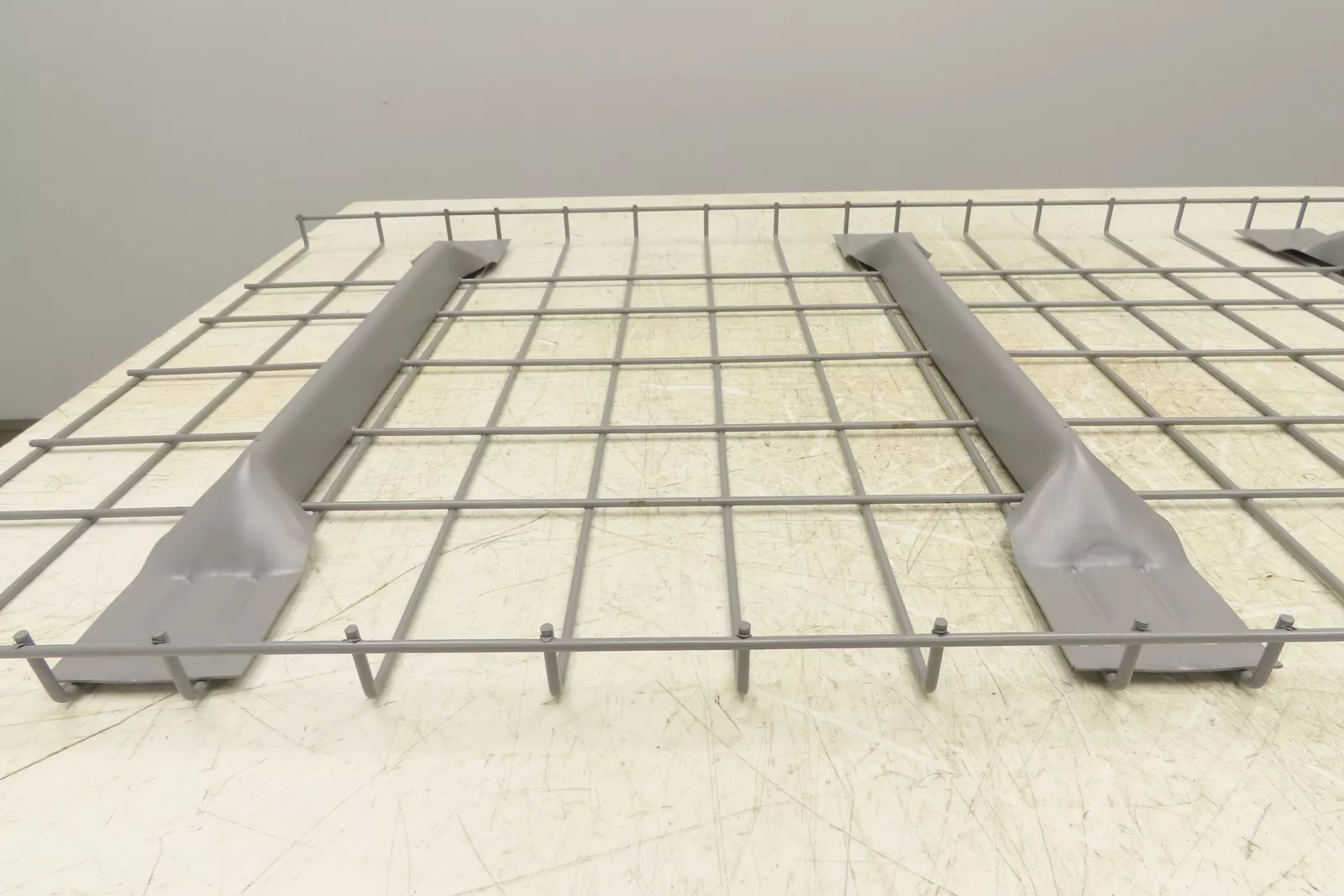
What Are The Costs Involved With Installing Cantilever Racking?
What Are The Costs Involved With Installing Cantilever Racking?
- Cantilever racking offers flexibility and effectiveness for warehouse space optimization.
- Initial costs for cantilever racking can range from $800 to $4,000 per section depending on type and configuration.
- Specialized racking for unique loads may significantly increase costs due to customization.
- Installation costs vary from $500 to $2,500; hiring professionals is recommended for safety and efficiency.
- Ongoing operational costs include maintenance, with an annual budget of $300 to $500 recommended.
- Investing in cantilever racking can enhance efficiency and space utilization, particularly in response to e-commerce demands.
- Consider potential hidden costs like downtime, staff training, and updated equipment requirements.

What Are The Costs Involved With Installing Cantilever Racking?
Are There Any Limitations To Using Cantilever Racking?
While cantilever racking systems are celebrated for their versatility and efficiency, it’s essential to recognize that no storage solution is perfect for every situation. Understanding the limitations of cantilever racking can help businesses make informed decisions that maximize their operational efficacy.
Weight Distribution Concerns: A prominent limitation of cantilever racking is its capacity for weight distribution. Unlike other racking systems that have a more uniform load-bearing structure, cantilever racks are designed to support heavier items on specific arms. This can lead to uneven weight distribution, especially if materials are loaded incorrectly or if the racking isn’t appropriately configured for the specific load. For example, a warehouse specializing in furniture might face challenges if oversized items are unevenly piled, risking structural integrity and safety hazards.
Space Limitations: While cantilever racks are excellent for long or bulky items, they inherently require more aisle space to facilitate access. This can be a drawback in smaller warehouses where maximizing vertical space is crucial. Current trends in e-commerce have seen many businesses embracing tighter inventory management models, like just-in-time inventory systems, which necessitate efficient space utilization. Businesses with tightly packed facilities may find that the wide aisles required for access slightly undermine the potential space-saving advantages of cantilever systems.
Material Handling Equipment Compatibility: Another limiting factor hinges on the compatibility of cantilever racking with material handling equipment. Not all forklifts or pallet jacks can easily maneuver around and between cantilever racks, particularly if the aisles are not wide enough. This can slow down the picking and restocking processes, offsetting potential efficiency gains. A recent analysis of supply chain efficiencies pointed toward the importance of selecting racking that aligns seamlessly with the chosen handling equipment, showcasing that incompatibility can hinder overall operations.
Initial Investment and Maintenance: Investing in cantilever racking often requires a significant upfront capital expenditure, which might deter small to medium-sized businesses. Additionally, maintaining these systems can incur costs over time, particularly in environments where racks might be subject to wear or accidental damage from heavy machinery. A small logistics company recently faced unexpected expenses after a relocation, discovering that their cantilever racks hadn’t been adequately supported for their new, more humid environment, leading to rust and deterioration.
While cantilever racking offers remarkable benefits for specific industries and storage needs, it’s vital to assess potential limitations. Understanding weight factors, spatial constraints, equipment compatibility, and long-term costs will empower businesses to choose the most effective storage solutions for their unique challenges.

Are There Any Limitations To Using Cantilever Racking?
Are There Any Limitations To Using Cantilever Racking?
- Cantilever racking systems are versatile but not universally ideal for all situations.
- Weight distribution can be uneven, leading to safety risks if loads are improperly managed.
- They require more aisle space, which can be a drawback in smaller warehouses.
- Incompatibility with material handling equipment can disrupt efficiency in operations.
- Significant initial investment and ongoing maintenance costs can deter smaller businesses.
- Environmental factors can impact the durability of cantilever racks, leading to unexpected expenses.
- Businesses should assess limitations to choose the most effective storage solutions for their needs.

Are There Any Limitations To Using Cantilever Racking?
Conclusion
In the fiercely competitive logistics landscape, adapting to evolving customer demands is not merely advantageous; it’s essential. Cantilever racking has emerged as a transformative storage solution, helping warehouses maximize storage efficiency and streamline operations. Picture this: your storage area, once cluttered and constrained, is now a model of organization, leverage, and accessibility—thanks to the unrivaled design of cantilever racking systems.
This innovative racking solution is specifically engineered to accommodate long and heavy items, providing the flexibility to adjust arm lengths and orientations according to your unique inventory needs. By transitioning to cantilever racking, businesses have reported extraordinary increases in storage capacity—up to 40%—while significantly enhancing retrieval speeds and overall operational efficiency. For instance, a construction supplier could navigate their aisles with ease, boosting customer satisfaction and decreasing order fulfillment times—all of which translate to a competitive edge in a market that prioritizes rapid delivery.
But the benefits don’t stop at heightened efficiency. In a world where supply chain dynamics are constantly shifting, cantilever racking presents a robust solution with remarkable adaptability. Its design allows you to reconfigure your warehouse layout with minimal downtime, effectively responding to seasonal fluctuations and sudden inventory shifts. This level of agility is crucial in mitigating risks associated with supply chain disruptions, ensuring that your business remains resilient regardless of external pressures.
Moreover, embracing cantilever racking systems is not just a logistical decision—it’s a risk management strategy and an opportunity to champion sustainability. Built from durable materials, these systems significantly reduce maintenance costs and your overall environmental footprint. Additionally, with a focus on improving safety and optimizing operations, these racks not only protect your assets but contribute to a positive workplace culture.
Now is the moment to act. Don’t let inefficiency hold your business back. By partnering with Arrow Industrial Sales, you can explore tailored cantilever racking solutions that fit your needs to a tee. When you call them at (574) 349-6575, you’ll have access to expert advice, customized solutions, and the latest insights in warehouse management.
Your warehouse’s potential is waiting—unlock it today with cantilever racking. The time to maximize efficiency, reduce costs, and facilitate seamless operations is now. Embrace the future of warehousing and set your business on the path to success!

Conclusion
Conclusion:
- Cantilever racking is a transformative storage solution for maximizing warehouse efficiency.
- This system is designed for long and heavy items, allowing for adjustable arm lengths and orientations.
- Businesses report up to a 40% increase in storage capacity with enhanced retrieval speeds.
- Cantilever racking promotes agility in warehouse layout, supporting rapid responses to inventory changes.
- It serves as a risk management strategy, mitigating supply chain disruptions.
- Durable materials used in cantilever racking reduce maintenance costs and environmental impact.
- Contact Arrow Industrial Sales at (574) 349-6575 for tailored cantilever racking solutions and expert advice.

Conclusion
Other Resources

Other Resources
Here is a list of other resources you can review online to learn more:
- “Cantilever Racking Systems Market Research Report 2024”
- “Cantilever Racking Systems Market 2024 Growth …”
- “Cantilever Racking & Lumber Racking for Warehouse”
- “Cantilever racking: a warehouse-friendly guide – Mecalux”
- “Cantilever Racks”
- “Supply chains’ role in promoting safety and health … – EU-OSHA”
- “Building Materials & Supplies | Racking Systems – OHRA”

Other Resources
Glossary Terms
Can Cantilever Racking Improve Your Warehouse’s Efficiency? – Glossary Of Terms
1. Cantilever Racking: A type of storage system that uses arms that extend from a vertical structure to support long or bulky items like lumber, pipes, or furniture.
2. Warehouse Efficiency: The measure of how effectively a warehouse uses its space, labor, and time to store and handle goods.
3. Load Capacity: The maximum weight a cantilever rack or individual arm can safely hold without compromising structure integrity.
4. Vertical Space Utilization: The effective use of a warehouse’s height to maximize storage capacity, often enhanced by cantilever racking systems.
5. Accessibility: The ease with which items stored in a warehouse can be reached and retrieved, an important factor in operational efficiency.
6. Inventory Turnover: A measure of how often inventory is sold and replaced over a given period, often improved with efficient racking.
7. Pallets: Wooden or plastic platforms used for storing goods, which can be integrated with cantilever racking for added versatility.
8. Customization: The ability to tailor a racking system to specific warehouse needs, including the length and height of arms in cantilever racks.
9. Space Optimization: The strategic arrangement of warehouse items to maximize available space and improve workflow, often facilitated by cantilever racking.
10. Skids: Similar to pallets, skids are flat platforms that can support goods; cantilever racks can be designed to accommodate skidded items.
11. Loading and Unloading: The processes of placing goods onto or removing them from storage shelves; effective racking systems enhance these operations.
12. Balancing Space and Access: The challenge of maximizing storage area while providing easy access to goods, which can be improved with cantilever designs.
13. Safety Standards: Regulations set to ensure the structural integrity and operational safety of racking systems, relevant to cantilever racks.
14. Warehouse Layout: The physical arrangement of storage areas, aisles, and handling equipment in a warehouse, which can impact efficiency.
15. Order Picking: The process of selecting items from inventory to fulfill customer orders; efficient racking systems can streamline this process.
16. Material Handling Equipment: Tools such as forklifts and pallet jacks used to move goods; cantilever racking must accommodate these to improve efficiency.
17. SKU (Stock Keeping Unit): A unique identifier for each product in inventory; efficiently organizing SKUs can optimize warehouse operations.
18. Warehouse Management System (WMS): Software that helps manage inventory, orders, and storage space; optimized racking can enhance WMS effectiveness.
19. Bulk Storage: A method of storing large quantities of items; cantilever racks are ideal for bulk storage of long or irregularly shaped items.
20. Throughput: The amount of product processed through a warehouse during a specific time; effective racking can enhance throughput.
21. Vertical Lift Module (VLM): An automated storage system that improves accessibility and space utilization, often contrasted with cantilever racks.
22. Aisle Width: The space between rows of racks that influences how easily goods can be accessed and moved; critical in optimizing warehouse flow.
23. Overstock: Excess inventory that can occupy valuable warehouse space; efficient racking helps manage and reduce overstock.
24. Productivity: The rate at which goods are produced or processed; improved warehouse efficiency often translates to higher productivity.
25. Lean Warehousing: An approach that focuses on minimizing waste while maximizing efficiency; cantilever racking can support lean practices.
26. Return on Investment (ROI): A measure used to evaluate the efficiency of an investment; upgrading to cantilever racking can improve ROI through enhanced efficiency.
27. Ergonomics: The study of people’s efficiency in their working environment; cantilever systems can be designed for ease of use and reduce worker fatigue.
28. Safety Stock: Extra inventory kept on hand to prevent stockouts; proper racking systems help manage safety stock efficiently.
29. Cross-Docking: A logistics practice where incoming shipments are directly transferred to outgoing vehicles without storage; optimized racking can facilitate this process.
30. Scalability: The ability of a racking system to adapt to changing needs, such as increased inventory; cantilever racks can be easily expanded or modified.

Glossary Of Terms
Other Questions
Can Cantilever Racking Improve Your Warehouse’s Efficiency? – Other Questions
If you wish to explore and discover more, consider looking for answers to these questions:
- How much does cantilever racking typically cost to install?
- What specific industries benefit most from cantilever racking?
- Are there any special considerations for loading items onto cantilever racks?
- What are the common sizes available for cantilever racking systems?
- How do I ensure the safety of workers when using cantilever racking?
- What kind of maintenance routine is recommended for cantilever racking?
- Can I use cantilever racking for outdoor storage?
- What are the advantages of using cantilever racking over pallet racking?
- Are there any material restrictions when using cantilever racking?
- How does cantilever racking affect inventory turnover rates?
- Can cantilever racking systems be relocated easily?
- What is the average lifespan of cantilever racking systems?
- How does one determine the number of cantilever racks needed based on inventory?
- What safety features are specific to cantilever racking systems?
- Are there any customization options available for cantilever racking?

Other Questions
Checklist
Can Cantilever Racking Improve Your Warehouse’s Efficiency? – A Checklist
Before Implementing Cantilever Racking
_____ Assess Inventory Needs:
_____ Determine the types, sizes, and weights of items to be stored.
_____ Identify if items are long, bulky, or uniquely shaped.
_____ Evaluate Warehouse Space:
_____ Measure the available floor area and assess vertical height.
_____ Consider aisle width for safe maneuvering of forklifts and other equipment.
_____ Consult with Industry Experts:
_____ Discuss needs with suppliers or racking professionals for tailored solutions.
During Installation
_____ Choose the Right Racking System:
_____ Select single-sided or double-sided racks based on storage needs.
_____ Consider adjustable arms for flexibility in storing various item lengths.
_____ Ensure Structural Integrity:
_____ Confirm the installation site can support heavy loads.
_____ Consider reinforced bases for stability in high-load areas.
_____ Follow Safety Regulations:
_____ Adhere to local building codes and safety standards during installation.
_____ Implement safety systems and features, such as locking mechanisms and stability braces.
After Installation
_____ Establish a Maintenance Plan:
_____ Schedule regular inspections at least once a month.
_____ Check for signs of wear or corrosion, and immediately address any issues.
_____ Monitor Load Capacity:
_____ Ensure that weight limits are not exceeded during storage.
_____ Use tracking systems to keep an accurate inventory of loads.
_____ Maintain Cleanliness:
_____ Periodically clean the racking system to prevent dirt buildup and potential rust.
Continuous Improvement
_____ Optimize Rack Layout:
_____ Arrange racks for optimal access to frequently picked items.
_____ Utilize vertical space fully to enhance storage efficiency.
_____ Implement Inventory Management Practices:
_____ Use barcode scanning or RFID for tracking inventory.
_____ Organize products to minimize retrieval times and improve workflow.
_____ Adapt to Changing Inventory Needs:
_____ Regularly assess inventory trends and adjust racking configurations as necessary.
_____ Reconfigure storage setups during seasonal shifts to maximize space utilization.
Safety Considerations
_____ Train Employees:
_____ Provide training for staff on safe loading/unloading practices.
_____ Ensure operators are familiar with using cantilever systems effectively.
_____ Set Clear Emergency Protocols:
_____ Establish procedures for addressing accidents or injuries.
_____ Keep safety equipment accessible and ensure compliance with OSHA standards.
By following this checklist, you can effectively maximize the efficiency of your warehouse operations using cantilever racking. Whether you’re planning to implement a new system or revamp your current setup, these steps will help ensure a smooth transition and sustainable use of your storage solutions.

Checklist
At RackingWorld, we help guide you through selecting warehouse storage systems and racking.
Be sure to read our other related stories at RackingWorld to learn more about warehouse storage systems.
0 Comments