
Maximizing Safety: Pallet Racking Inspection Frequency
By Tom Seest
At RackingWorld, we help guide you through selecting warehouse storage systems and racking.
Be sure to read our other related stories at RackingWorld to learn more about warehouse storage systems.
How Often Should Pallet Racking Be Inspected?
In today’s fast-paced warehouse environments, safety and efficiency are paramount. As businesses ramp up their operations to meet growing consumer demand, the importance of regular pallet racking inspections cannot be overstated. But how often should these inspections take place to ensure optimal safety and performance?
Establishing a Routine is Key
Think of your pallet racking system as the backbone of your warehouse. Just like any other critical infrastructure, it requires consistent check-ups to prevent costly accidents and downtime. Industry experts recommend conducting formal inspections at least once a year. However, depending on your operation’s intensity, frequency of use, and storage loads, you may need to ramp up that schedule.
For example, a distribution center that handles high volumes of fast-moving consumer goods might benefit from quarterly inspections to catch wear and tear before it leads to a catastrophic failure. On the other hand, a seasonal storage facility with lower traffic might manage with semi-annual checks while keeping an eye on any visible signs of stress.
Visual Inspections and Employee Training
However, formal inspections shouldn’t be your only line of defense. Encouraging a culture of vigilance through daily visual inspections performed by your employees can be a game-changer. Teach your staff to spot red flags like bowed beams, misaligned racks, and excessive wear. Regular training sessions can empower your workforce to identify risks proactively, sending a clear message that safety is everyone’s responsibility.
Embrace Technology and Current Events
The warehouse sector is rapidly evolving. With new technologies enabling real-time monitoring, consider integrating digital tools that automatically track the condition of your pallet racking systems, thereby prompting inspections based on actual usage data. Recent developments, such as the rise of automation and robotics in warehousing, have highlighted the increased complexity of storage systems. Therefore, aligning your inspection cadence with technological advancements will only bolster your safety protocols.
Stay Compliant with Regulations
Don’t forget to keep abreast of local regulations governing warehouse safety. Compliance mandates can dictate the frequency of inspections, and failing to adhere to these regulations can lead to costly fines or, worse, serious accidents. Stay informed of current events, such as the surge in warehouse accidents reported this past year, to put renewed focus on your inspection strategy.
By setting an effective inspection schedule and fostering an aware workforce, you can create a safer and more efficient storage environment. Remember, cleanliness is next to safety—it’s time to invest in proactive inspection today to protect your operations tomorrow!
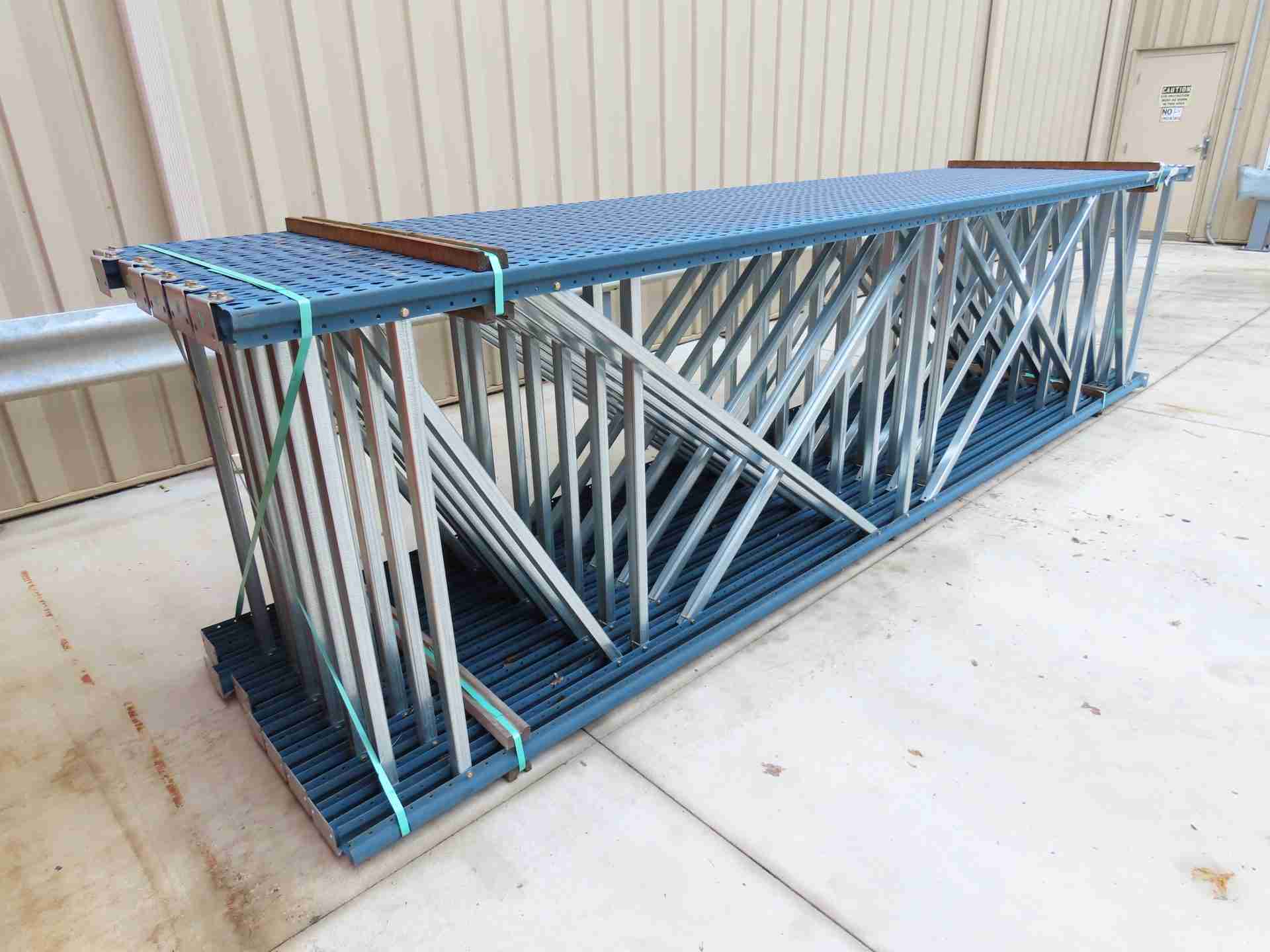
How Often Should Pallet Racking Be Inspected?
How Often Should Pallet Racking Be Inspected?
- Safety and efficiency are crucial in fast-paced warehouse environments.
- Regular pallet racking inspections are essential; industry experts recommend at least annual inspections.
- Inspection frequency may vary based on warehouse operation intensity: quarterly for high-volume centers, semi-annual for low-traffic facilities.
- Daily visual inspections by employees can enhance safety, allowing them to identify risks such as bowed beams and misaligned racks.
- Integrating technology for real-time monitoring can improve inspection strategies and adapt to warehouse automation trends.
- Staying compliant with local regulations is vital to avoid fines and ensure safety; recent accidents underscore the need for vigilance.
- Investing in proactive inspections and an aware workforce fosters a safer, more efficient storage environment.
How Often Should Pallet Racking Be Inspected?
Table Of Contents
- How Often Should Pallet Racking Be Inspected?
- How Often Should Pallet Racking Be Inspected For Safety?
- What Are The Signs Of Pallet Racking Damage?
- How Can I Create A Pallet Racking Inspection Schedule?
- What Regulatory Standards Apply To Pallet Racking Inspections?
- How Do I Train Staff For Pallet Racking Inspections?
- What Tools Are Needed For Inspecting Pallet Racking?
- How Often Do Industry Experts Recommend Inspections?
- What Common Issues Should Be Checked During Inspections?
- How Can I Document Pallet Racking Inspections Effectively?
- What Are The Consequences Of Neglecting Pallet Racking Inspections?
- Conclusion
- Other Resources
- Glossary Of Terms
- Other Questions
- Checklist
How Often Should Pallet Racking Be Inspected For Safety?
When it comes to safety in warehouses, complacency can be your worst enemy. Recent events have underscored the importance of regular inspections for pallet racking systems. A staggering 30% of warehouse injuries are related to poor storage equipment maintenance, as highlighted by studies from the Occupational Safety and Health Administration (OSHA). Would you risk your employees’ well-being and your bottom line by neglecting safety checks? Absolutely not!
So, how often should you be inspecting your pallet racking? The answer lies in a combination of regulatory recommendations and best practices tailored to your unique operations. The American National Standards Institute (ANSI) recommends that pallet racks be inspected annually by a competent individual. However, waiting a full year can feel like inviting danger. Regular maintenance checks should also happen quarterly—identify potential hazards before they escalate into costly accidents.
Let’s take a case in point: A mid-sized logistics company in Ohio found itself in hot water last year when a poorly maintained racking system collapsed, injuring three employees and causing significant damage to inventory. The aftermath of that incident was far-reaching—the costs of workers’ compensation skyrocketed, and the company faced reputational damage that resulted in lost contracts. This is a cautionary tale that emphasizes the necessity of routine inspections.
But here’s where you can stand out from the competitors. Implementing a weekly inspection routine can be a game-changer. Simple checks for visible damage, misalignment, or excessive wear can be done by your warehouse staff during their shifts. This empowers employees to take ownership of their environment and contributes to a culture of safety. Creating a checklist can make this process even more effective—look for issues such as dented beams, bent frames, and excessive sway in the racks.
Furthermore, it’s not just about frequency; the quality of inspections matters too. Consider investing in training sessions for your staff or engaging professional engineers who specialize in racking inspections. With the growing complexity of supply chains and increased scrutiny from regulatory bodies—especially in light of recent scandals in the food and pharmaceuticals sectors—having a thorough safety protocol in place will not only protect your workforce but also shield your enterprise from legal pitfalls.
In summary, regular, thorough inspections of your pallet racking system should be a non-negotiable commitment in your safety strategy. A proactive approach could save you from unfortunate repercussions that could jeopardize your business.
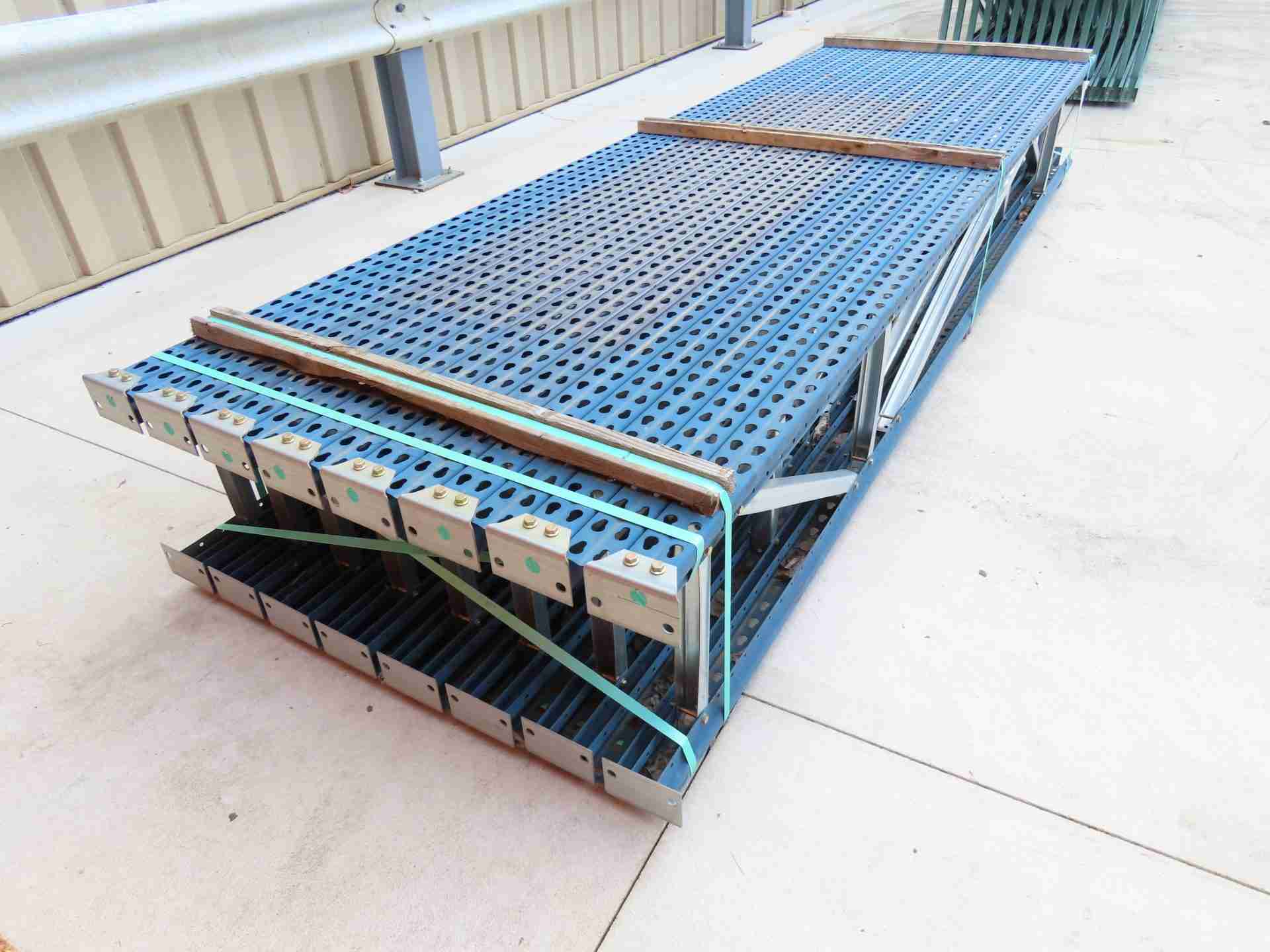
How Often Should Pallet Racking Be Inspected For Safety?
How Often Should Pallet Racking Be Inspected For Safety?
- Complacency is a major risk to safety in warehouses, especially concerning pallet racking systems.
- 30% of warehouse injuries result from poor storage equipment maintenance, as highlighted by OSHA studies.
- The American National Standards Institute (ANSI) recommends annual inspections by a competent individual.
- Quarterly maintenance checks are advised to identify hazards before they escalate into costly accidents.
- A real-world example: a logistics company suffered injuries and reputational damage due to a collapsed racking system.
- Implementing weekly inspections can empower employees and foster a culture of safety, with simple visible checks.
- Training staff and engaging professionals for inspections enhance the quality of safety protocols, protecting employees and the business.
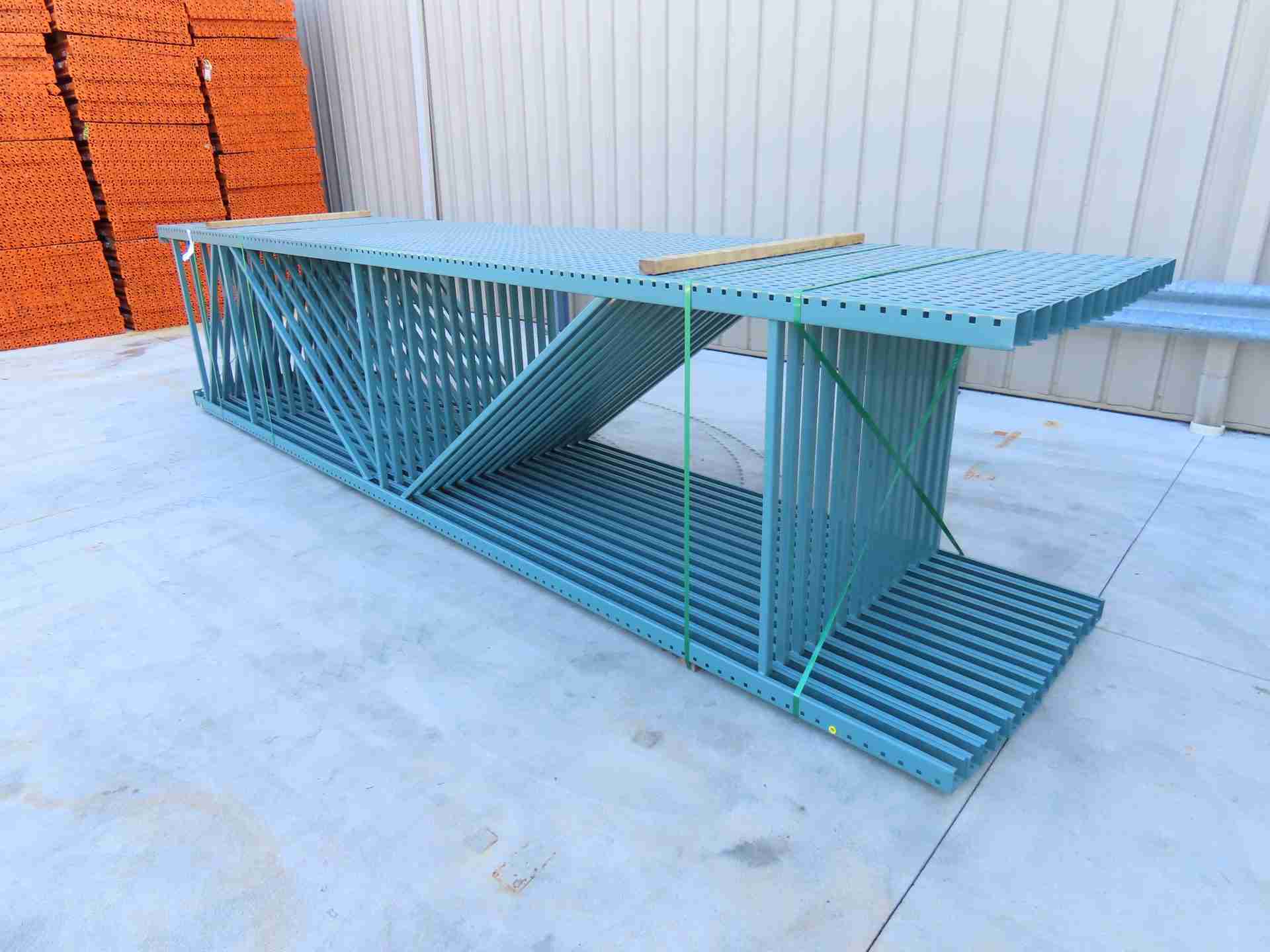
How Often Should Pallet Racking Be Inspected For Safety?
What Are The Signs Of Pallet Racking Damage?
What Are the Signs of Pallet Racking Damage?
In the dynamic world of warehousing, maintaining an efficient operating environment is crucial for success. Pallet racking systems are the backbone of storage solutions, but they are not immune to wear and tear. Recognizing the signs of pallet racking damage early can save you from costly downtime and potential safety hazards. Here’s what you should look for.
1. Visible Structural Damage
When inspecting your pallet racks, the first thing to assess is the physical condition of the structure. Look for bent or cracked beams, dislocated connectors, or any signs of impact. This is particularly relevant after recent warehouse reorganizations or—a sobering reality in light of ongoing supply chain disruptions—following high-traffic events like holiday sales which may strain your equipment. If you see severe dents or deformation on critical components, it’s time to call for a professional inspection.
2. Uneven Load Distribution
One of the most common mistakes in warehousing is improper loading techniques. If you notice certain racks leaning or sagging under the weight, that indicates a potential issue. An example here would be a recent trend in many warehouses that has seen an uptick in bulk storage for e-commerce fulfillment, often leading to unbalanced loads. Regularly check load weights—exceeding weight limits can lead to catastrophic failures, affecting not just your inventory but employee safety.
3. Foundation Issues
Pallet racks rely on stable foundations for support. Inspect the floor underneath the racks for signs of cracking, settling, or erosion. If you have recently experienced heavy rains or flooding, as many parts of the country did this past summer, your facility might be at risk from an unsettled foundation. Uneven ground can lead to rack instability, posing a danger to both your products and personnel.
4. Loose Connections and Hardware
Over time, bolts and connectors can loosen, especially in environments where racking is frequently loaded and unloaded. Do a thorough walk-through and check for any loose hardware; it’s a small detail that can lead to big problems. If you see gaps where bolts should be tight, it’s a red flag that demands immediate attention.
5. Compliance and Safety Inspections
Stay compliant with current safety regulations. For instance, the 2021 updates from OSHA have raised the bar for warehouse safety standards. Regular inspections should not only be routine but comprehensive, ensuring that your racks meet compliance. Missing this crucial step could lead to fines, as well as accidents that result in injury and loss.
Being proactive about identifying pallet racking damage can save you more than just money; it can preserve the integrity of your entire operation. Regular checks and diligent maintenance will ensure that your warehouse remains a safe, efficient space where productivity thrives.

What Are The Signs Of Pallet Racking Damage?
What Are The Signs Of Pallet Racking Damage?
- Visible Structural Damage: Inspect for bent or cracked beams, dislocated connectors, and signs of impact, especially after reorganizations or high-traffic events.
- Uneven Load Distribution: Check for racks leaning or sagging due to improper loading techniques, particularly with increased bulk storage demands.
- Foundation Issues: Look for signs of cracking, settling, or erosion in the floor under the racks, especially after heavy rainfall or flooding.
- Loose Connections and Hardware: Regularly check for loose bolts and connectors, as these can lead to significant safety problems.
- Compliance and Safety Inspections: Conduct routine comprehensive inspections to meet OSHA safety regulations and avoid fines and accidents.
- Proactive Maintenance: Regular checks can prevent costly downtime and ensure a safe operating environment.
- Importance of Safety: Maintaining pallet racking integrity is crucial for the overall safety and productivity of the warehouse.
What Are The Signs Of Pallet Racking Damage?
How Can I Create A Pallet Racking Inspection Schedule?
Creating a robust pallet racking inspection schedule is not just a smart safety measure—it’s a beacon of operational excellence in your warehouse. In today’s fast-paced, constantly evolving business landscape, having a well-structured inspection schedule can serve as a competitive advantage that not only ensures compliance but also propels your business toward greater efficiency and reliability.
To start, the heart of your inspection schedule should revolve around recognizing your unique racking system’s needs. For instance, consider a retail warehouse that recently faced a surge in e-commerce demand due to the pandemic. This situation necessitated an increased focus on safety protocols. Here’s where your inspection schedule plays a pivotal role. Begin by outlining a frequency for your inspections. Weekly, monthly, or quarterly checks? The decisions hinge on your racking volume and the forklift traffic levels in your facility. Companies like Amazon have learned the hard way that neglecting simple but crucial safety protocols can lead to significant setbacks.
Next, develop a checklist that includes critical inspection items. Your schedule must encompass various factors, such as:
1. Structural Integrity: Examine for bends, cracks, or any signs of wear in the racks.
2. Load Capacity: Make sure that each rack is being used within its specified load limit—this could save you from potential disasters.
3. Safety Features: Every aspect from safety clips to end-of-aisle protections should be part of your routine checks.
Incorporate specific responsibilities into your schedule. Designate team members for inspections, and keep records of each assessment. This not only enhances accountability but also provides a data trail that can be incredibly useful in case of audits or insurance claims.
Taking inspiration from the automotive industry’s preventative maintenance schedules could be beneficial. Much like how a car must undergo routine checks to prevent breakdowns, so too must your racking system undergo inspections to prevent costly accidents and injuries. Use technology—consider an app that allows for real-time recording and reporting of issues found during inspections.
Lastly, remain flexible. Industries are constantly changing; stay alert for any new regulations or changes in operational demands. For example, a recent OSHA update about warehouse safety standards should prompt you to revisit and possibly adjust your inspection frequency and checklist items.
By embedding a smart inspection schedule into your operational framework, you’re not just complying with regulations—you’re embodying a culture of safety and efficiency that sets your business apart. Remember, a small investment of time here can yield significant savings and protect your most valuable asset: your people.
How Can I Create A Pallet Racking Inspection Schedule?
How Can I Create A Pallet Racking Inspection Schedule?
- Creating a robust pallet racking inspection schedule enhances safety and operational excellence.
- A well-structured inspection schedule provides a competitive advantage by ensuring compliance and improving efficiency.
- Identify the unique needs of your racking system and outline an inspection frequency based on racking volume and forklift traffic.
- Develop a critical inspection checklist that includes structural integrity, load capacity, and safety features.
- Assign specific responsibilities for inspections to enhance accountability and maintain useful records for audits or insurance claims.
- Leverage technology for real-time recording and reporting of inspection issues, similar to automotive preventative maintenance schedules.
- Remain flexible to adapt to new regulations and operational demands, bolstering a culture of safety and efficiency in your business.
How Can I Create A Pallet Racking Inspection Schedule?
What Regulatory Standards Apply To Pallet Racking Inspections?
When it comes to the demanding world of warehousing and logistics, ensuring the safety and efficiency of pallet racking systems is not just a good practice—it’s a necessity dictated by rigorous regulatory standards. For business owners, understanding these codes is crucial for maintaining safety, compliance, and operational continuity.
At the forefront of these standards is OSHA, the Occupational Safety and Health Administration. OSHA mandates a safe working environment and has established guidelines regarding the design, inspection, and maintenance of pallet racking systems. For example, warehouses are required to conduct regular inspections to identify any structural deficiencies. The consequences of neglecting these regulations can be significant, including hefty fines and criminal charges in severe cases.
ANSI (American National Standards Institute) plays an equally vital role by setting safety standards specifically for storage racks in the United States. The ANSI/RMI 1-2012 standard outlines the design and implementation of storage rack systems, emphasizing that regular inspection is not merely recommended but required for timely identification and mitigation of risks. For instance, an inspection might reveal that the beams or uprights have sustained damage, which could severely compromise the entire system’s integrity.
Recent events underscore the importance of adhering to these standards. In 2022, a high-profile incident in a major distribution center led to a national outcry when inadequate inspections resulted in a catastrophic collapse of a pallet racking system, causing injuries and substantial property damage. This incident highlighted the dire consequences of ignoring established regulations, propelling numerous companies to reinforce their safety protocols and inspection schedules.
In addition to OSHA and ANSI, it’s essential to consider local regulations and industry-specific guidelines that might apply. For example, the National Fire Protection Association (NFPA) has its own set of requirements relating to storage systems in fire-prone environments. In cases of an emergency, a well-inspected pallet racking system can significantly reduce risks and ensure that safety isn’t just a checkmark on a list but a fundamental element of your warehouse operations.
Staying compliant with the myriad of regulatory standards governing pallet racking inspections is not just about avoiding penalties; it’s about fostering an environment of safety, efficiency, and trust in your operations. By staying informed and proactive, you can secure your investment and ensure a safer workplace for everyone involved. Don’t wait for an accident to prompt action—make these regulations an integral part of your operational philosophy today!
What Regulatory Standards Apply To Pallet Racking Inspections?
What Regulatory Standards Apply To Pallet Racking Inspections?
- Pallet racking systems must adhere to safety and efficiency standards dictated by regulatory bodies.
- OSHA emphasizes a safe work environment and mandates regular inspections of pallet racking systems.
- Neglecting safety regulations can result in significant fines and criminal charges.
- ANSI sets safety standards for storage racks, requiring regular inspections to identify risks.
- A notable 2022 incident highlighted the consequences of inadequate inspections, prompting companies to reevaluate safety protocols.
- Local regulations like those from the NFPA are also crucial, especially in fire-prone areas.
- Compliance is essential not just for avoiding penalties, but for ensuring safety and operational trust.
What Regulatory Standards Apply To Pallet Racking Inspections?
How Do I Train Staff For Pallet Racking Inspections?
In today’s fast-paced warehouse environments, the safety of your storage solutions is paramount. It’s essential to train your staff effectively on pallet racking inspections, not just to meet compliance standards, but to foster a culture of safety and efficiency. In a world where supply chain disruptions can impact everything from product availability to employee morale, getting this training right has never been more critical.
First and foremost, create a comprehensive training program that combines theoretical knowledge with hands-on experience. Begin with an overview of the importance of pallet racking systems. Use real-life examples, such as the collapse of a poorly maintained warehouse racking system that resulted in significant financial loss and injuries. Sharing case studies not only grabs attention but also conveys the real-world stakes of proper training.
Incorporate visual aids—videos, diagrams, or even virtual reality simulations. Show staff the anatomy of a safe pallet racking system and common hazards. For example, if your warehouse recently updated to include narrow aisle shelving, staff should understand how to inspect these racks properly, ensuring stability and safety under operational conditions. Highlight features such as load capacity, beam connections, and clearance violations, all of which can lead to catastrophic failures if ignored.
Next, set up a mentor system where seasoned employees guide new hires through the inspection process. This builds a community within your workforce, encouraging knowledge sharing and reinforcing safe practices. Consider gamifying the training process. For instance, create an inspection challenge where teams compete to identify safety issues in a simulated setting. This not only boosts engagement but makes learning enjoyable while imbuing a sense of responsibility for safety among employees.
Regularly scheduled refresher courses should also be a part of your strategy, especially in light of heightened inspections following recent regulatory changes. For instance, Warehouse Standards and Compliance (WSC) have ramped up audits. Keeping your staff informed about changes in standards ensures that they remain vigilant and know what to look for during inspections.
Lastly, utilize technology. Mobile inspection apps can guide your staff through real-time checks, allowing them to document findings immediately and reducing the risk of oversight. Invest in this technology, and you’ll not only enhance your inspection process but also show your team that you’re serious about safety.
By implementing a thorough and engaging training program centered on real-world examples, mentorship, gamification, regulatory awareness, and technology, you’ll not only ensure compliance but cultivate a proactive culture focused on the safety and efficiency of your operations.
How Do I Train Staff For Pallet Racking Inspections?
How Do I Train Staff For Pallet Racking Inspections?
- Prioritize safety in fast-paced warehouse environments through effective staff training on pallet racking inspections.
- Create a comprehensive training program combining theoretical knowledge with hands-on experience.
- Use real-life case studies of racking system failures to emphasize the importance of proper training.
- Incorporate visual aids such as videos and diagrams to illustrate safe pallet racking systems and hazards.
- Establish a mentor system where experienced employees guide newcomers through the inspection process.
- Include regular refresher courses to keep staff informed about changes in standards and inspections.
- Utilize mobile inspection apps for real-time checks and documentation to reduce oversight.
How Do I Train Staff For Pallet Racking Inspections?
What Tools Are Needed For Inspecting Pallet Racking?
When it comes to ensuring the safety and efficiency of your warehouse, the inspection of pallet racking systems cannot be underestimated. The right tools are not just helpful; they are essential for a comprehensive audit that can save you time, money, and potential liability. Let’s delve into the must-have equipment that guarantees your racking system is in tip-top shape, while also safeguarding your operations.
1. Inspection Checklist: First and foremost, a solid inspection checklist is an absolute necessity. This straightforward tool ensures that no critical element is overlooked during your inspections. A checklist should cover aspects such as rack frame integrity, beam connections, and any visible damage. You can easily find templates online or customize your own to fit the unique dimensions of your facility. Tailoring these checklists ensures that you address specific regulatory compliance and industry standards, potentially avoiding significant penalties.
2. Probes and Depth Gauges: For deeper investigations, particularly when it comes to dents and other forms of structural damage, probes and depth gauges come into play. The use of specialized tools can help assess the severity of rust and wear in metal components of the racking. Regular inspections leverage these tools to measure not only existing damage but also corrosion levels, which have been a hot topic following recent warehouse safety incidents across the country.
3. Digital Inspection Tools: Embrace technology with digital inspection tools that offer real-time data and analytics. Mobile apps tailored for warehouse safety have surged in popularity recently, especially amid the push for smart warehouses. These platforms streamline documentation processes, allowing for easy reporting and tracking of issues over time. Imagine capturing inspection results instantly and generating reports that can be shared with key stakeholders at the click of a button!
4. Height Measuring Tools: With the average warehouse racking standing tall, having a reliable height measuring tool is non-negotiable. Tools like laser distance meters not only provide precise height measurements but also eliminate guesswork in determining clearance space. This is crucial in preventing accidents, particularly as more warehouses opt for increased stacking heights to maximize space—a trend ignited by global supply chain challenges.
5. Personal Protective Equipment (PPE): Finally, never underestimate the importance of personal protective equipment. Hard hats, high-visibility vests, and steel-toed boots are essential for any inspector working around pallet racks. Recent safety regulations emphasize that anyone involved in warehouse inspections must uphold rigorous safety standards—making PPE an indispensable tool of the trade.
Investing in the right tools for inspecting your pallet racking systems is an investment in safety, compliance, and peace of mind. Whether you’re saving your business from costly liability claims or simply ensuring that your operations run smoothly, these tools represent the foundation upon which your safety culture rests.
What Tools Are Needed For Inspecting Pallet Racking?
What Tools Are Needed For Inspecting Pallet Racking?
- Inspection of pallet racking systems is crucial for warehouse safety and efficiency.
- An inspection checklist is essential to ensure no critical elements are overlooked.
- Probes and depth gauges are necessary for assessing structural damage and corrosion.
- Digital inspection tools provide real-time data and streamline documentation processes.
- Height measuring tools, like laser distance meters, are important for preventing accidents and maximizing space.
- Personal protective equipment (PPE) is mandatory for inspectors to uphold safety standards.
- Investing in inspection tools enhances safety, compliance, and operational efficiency.
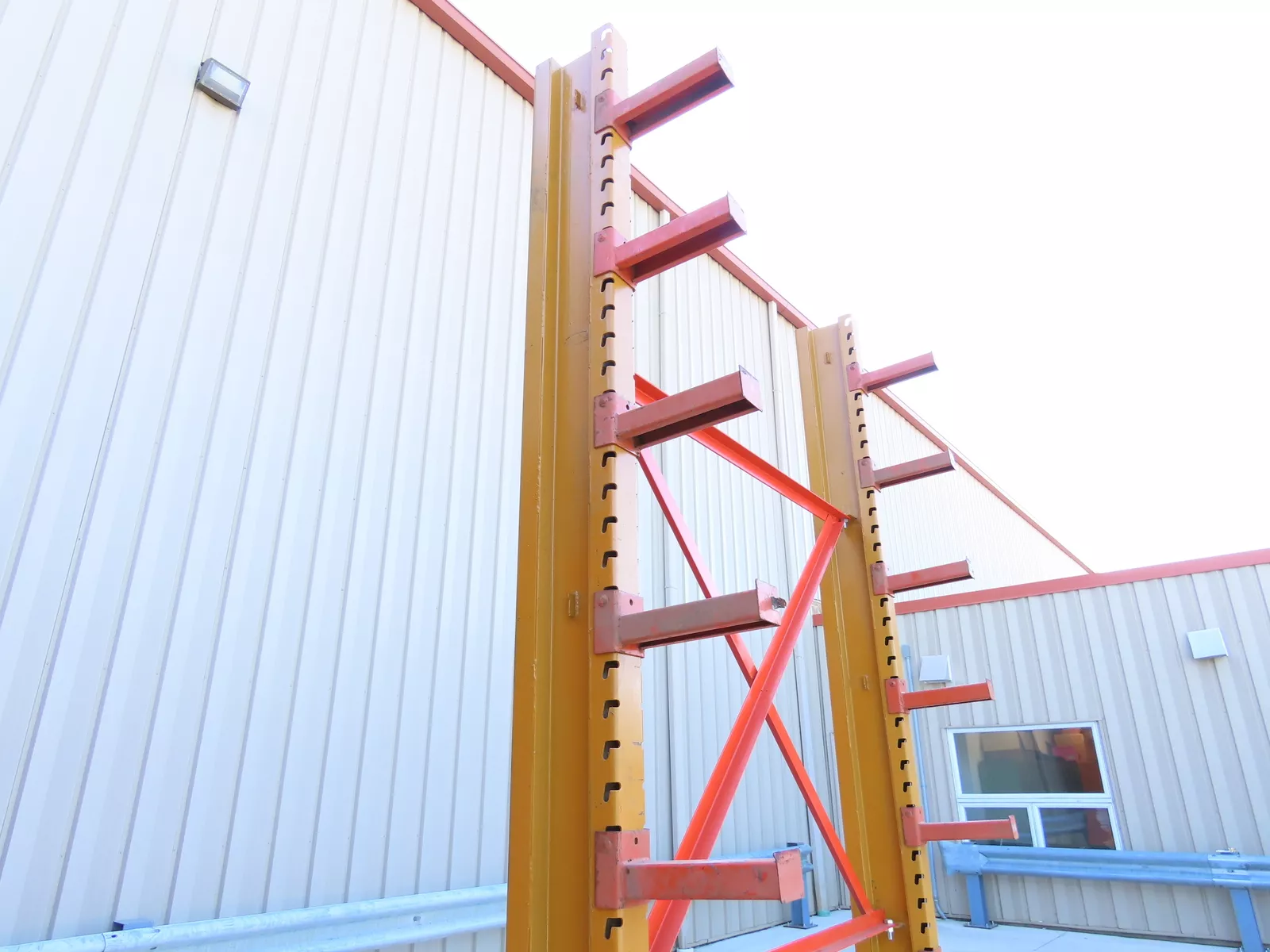
What Tools Are Needed For Inspecting Pallet Racking?
How Often Do Industry Experts Recommend Inspections?
In the bustling world of business, where staying ahead means ensuring every cog in the machine is operating smoothly, the question of inspections becomes pivotal. Wondering how often these should take place? Industry experts—those seasoned veterans who’ve seen it all and know the pitfalls like the back of their hands—strongly advocate for regular inspections as a cornerstone of any successful operation. Let’s unpack their recommendations and the powerful rationale behind them.
First and foremost, the frequency of inspections hinges on the nature of your industry and specific operations. For instance, in the manufacturing sector, experts suggest quarterly inspections to check machinery and equipment. The catastrophic events of recent months—such as supply chain disruptions and factory shutdowns due to safety violations—underscore this point. Companies that conducted regular inspections unearthed potential issues before they escalated, saving themselves from expensive downtimes and damaged reputations.
Conversely, businesses in industries like food and hospitality often require even more frequent evaluations—sometimes monthly or bi-weekly. Take, for example, the recent surge in food safety recalls which has rattled consumer trust. Establishments that prioritize inspections not only avoid compliance penalties but also build a robust foundation of credibility. An astute restaurant owner knows that a simple inspection can be the fine line between a glowing review and a health code violation that makes headlines.
But it’s not just about adhering to regulations; it’s about proactively driving performance. Gym facilities, for instance, should consider bi-weekly checks of equipment and cleanliness standards. The fitness industry, eager to bounce back post-pandemic, must recognize that a rigorous inspection schedule not only enhances safety but also attracts and retains members eager to invest in their health. A gym that prioritizes inspection showcases its commitment to customer satisfaction, gaining an edge in a competitive market.
And let’s not overlook the power of technology in inspections. Using automated systems for regular checks can streamline processes and make data-driven decisions. Forward-thinking businesses are leveraging technology like IoT sensors to monitor equipment health in real time. This innovation indicates a shift towards more predictive maintenance rather than reactive measures, reinforcing the need for more frequent inspections across all sectors.
In summary, while the cadence of inspections may vary, one truth rings clear: regular assessments are an investment in your business’s long-term success. An industry expert wouldn’t just recommend inspecting; they’d fervently advocate for a culture of continuous improvement. After all, it’s not merely about checking boxes; it’s about ensuring excellence in every facet of your operation.
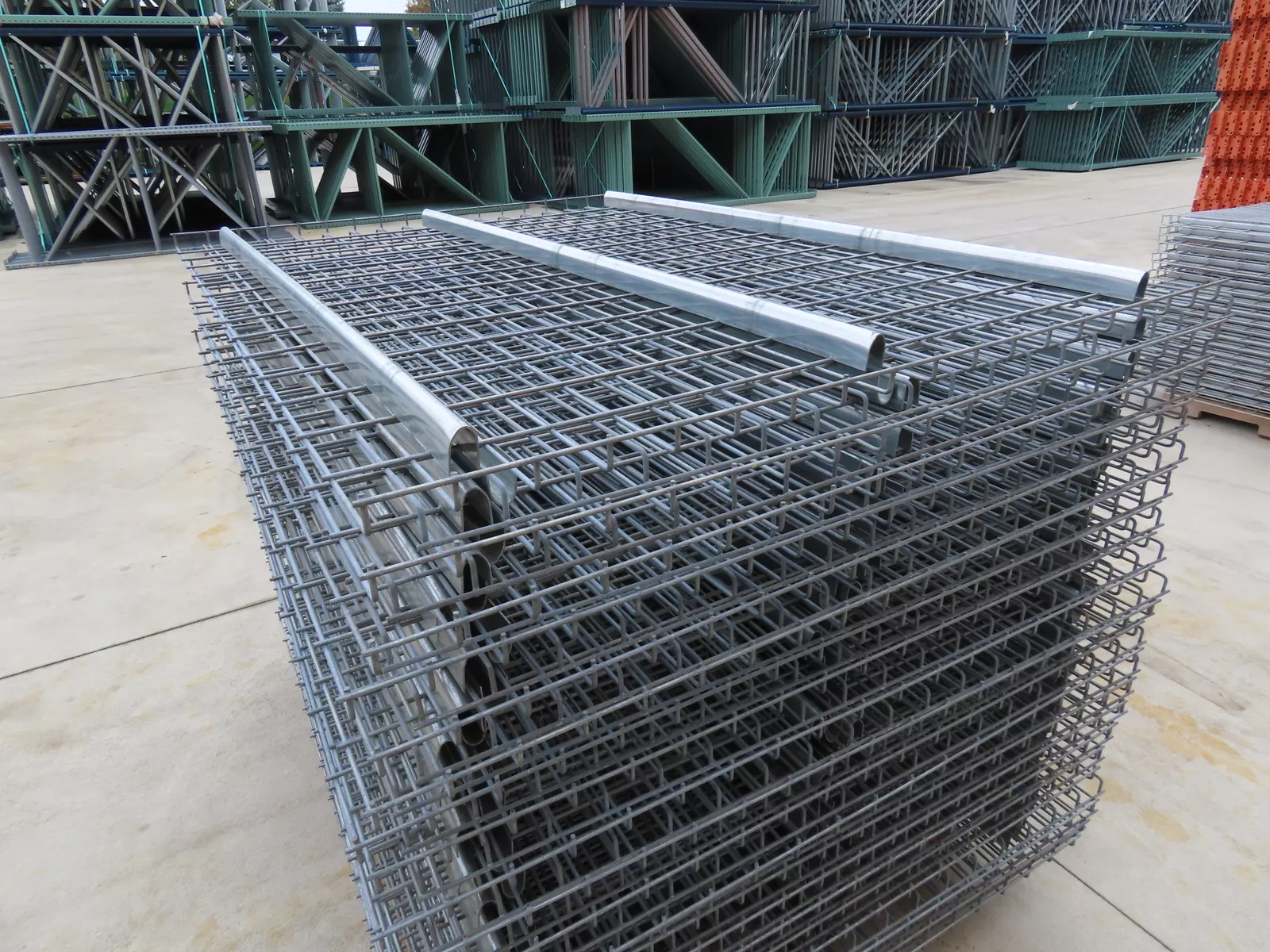
How Often Do Industry Experts Recommend Inspections?
How Often Do Industry Experts Recommend Inspections?
- Regular inspections are essential for smooth business operations and staying ahead of challenges.
- The frequency of inspections varies by industry—manufacturing typically requires quarterly checks, while food and hospitality may need monthly or bi-weekly evaluations.
- Recent supply chain disruptions and safety violations highlight the importance of regular inspections to prevent costly downtimes.
- Proactive inspections foster compliance and enhance credibility, particularly in industries like food service, which are impacted by safety recalls.
- In the fitness industry, bi-weekly inspections enhance safety and customer satisfaction, helping to retain members in a competitive market.
- Technology plays a crucial role in inspections, with innovations like IoT sensors allowing for real-time equipment monitoring and predictive maintenance.
- Ultimately, regular inspections should be viewed as an investment in long-term business success and a culture of continuous improvement.
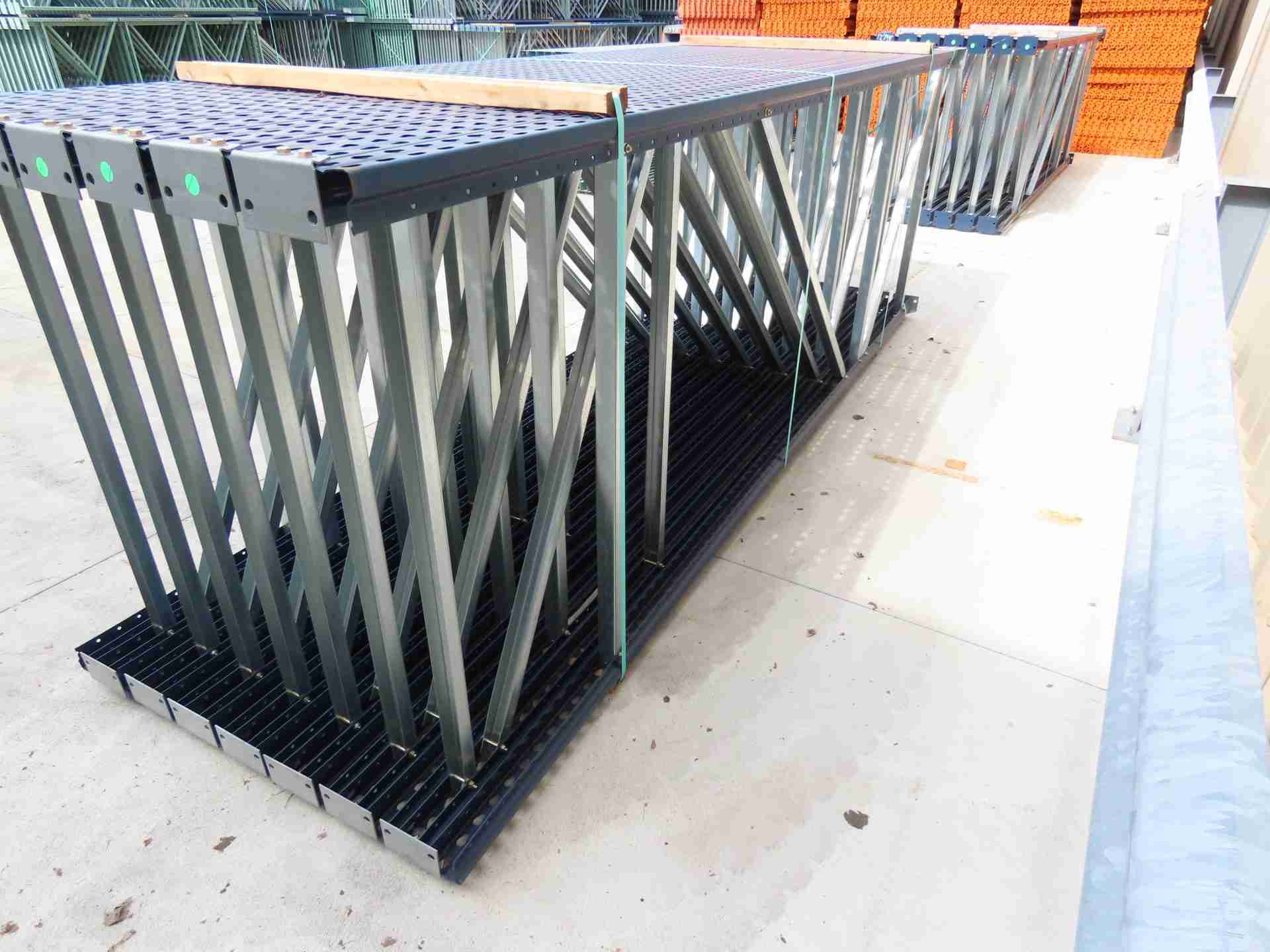
How Often Do Industry Experts Recommend Inspections?
What Common Issues Should Be Checked During Inspections?
When it comes to inspections, whether they are for your home, vehicle, or even a business, overlooking common issues can cost you dearly. In this economy, with inflation and rising costs, conducting thorough inspections can save you from unexpected repairs that could push your budget over the edge. So, let’s dive into the nitty-gritty of what should be on your inspection checklist.
1. Structural Integrity:
For homeowners, this is the bedrock of safety. Check for cracks in the foundation, bowing walls, or settling floors. A recent report from the National Association of Home Inspectors highlighted that many homes built in the 1990s are showing signs of structural stress due to poor construction practices. Don’t let a quirky creak turn into a costly foundation repair!
2. Roof Condition:
Inspecting your roof is not just about keeping the rain out; it’s about protecting your entire investment. Look for missing shingles, signs of sagging, or algae growth, which is a sure sign of moisture issues. With severe weather patterns becoming the norm, as seen during last year’s hurricane season, a robust roof could mean the difference between a minor inconvenience and a catastrophic loss.
3. Electrical Systems:
A faulty electrical system can lead to fires—a risk you can’t afford to ignore. Check for outdated wiring, circuit breakers with too much load, or flickering lights. The incidents of electrical fires have risen sharply in recent years, largely due to the antiquated wiring in homes built decades ago. A simple inspection can prevent a disaster waiting to happen.
4. Plumbing:
Leaks can be sneaky, leading to severe mold problems and costly repairs if not rectified. Make sure to check for dripping faucets, water stains, and corrosion around pipe joints. The recent pipeline crises have spotlighted the need for vigilance; even small leaks can lead to extensive damage over time.
5. HVAC Systems:
A well-functioning heating and cooling system is often taken for granted until it fails. Look for unusual noises, variance in temperature settings, or inconsistent airflow. Given the soaring energy prices driven by the current market, an efficient system is not just a comfort; it’s a financial necessity.
In summary, proactive inspections can save you money, stress, and even safety concerns down the line. Whether you’re a homeowner, a car owner, or a business manager, keeping an eye on these common issues can lead to peace of mind—and, ultimately, enhanced profitability. So, take these tips to heart and inspect with intent!
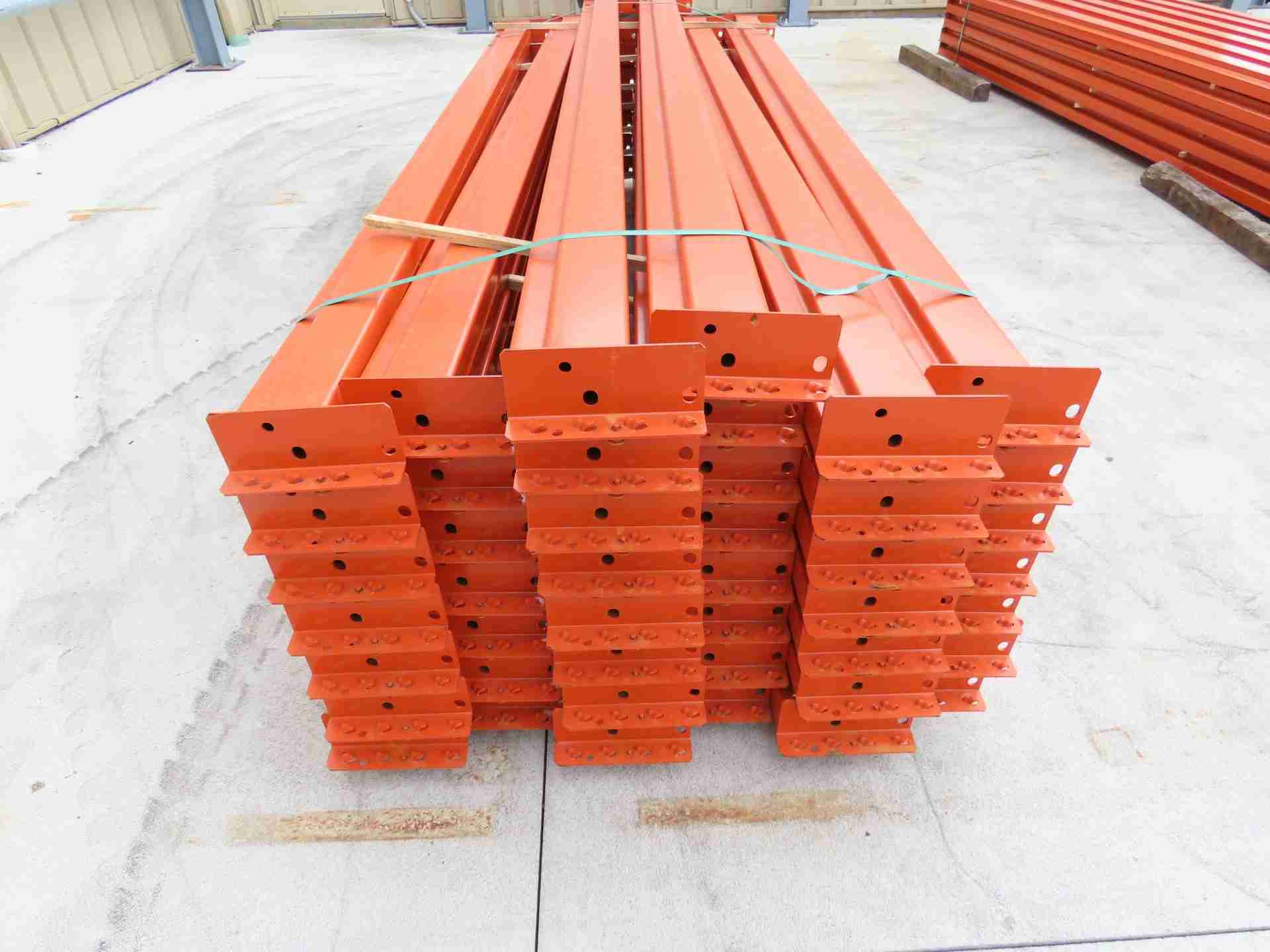
What Common Issues Should Be Checked During Inspections?
What Common Issues Should Be Checked During Inspections?
- Inspections for homes, vehicles, and businesses are crucial to avoid costly issues.
- Thorough inspections can help prevent unexpected repairs and budgeting issues amidst rising costs.
- Structural Integrity: Check for foundation cracks, bowing walls, and settling floors to ensure safety.
- Roof Condition: Look for missing shingles, sagging areas, and algae growth to protect your investment against severe weather.
- Electrical Systems: Inspect for outdated wiring and overloaded circuit breakers to prevent fire hazards.
- Plumbing: Check for leaks, water stains, and corrosion to avoid mold problems and extensive damage.
- HVAC Systems: Ensure efficient heating and cooling to manage rising energy costs and maintain comfort.
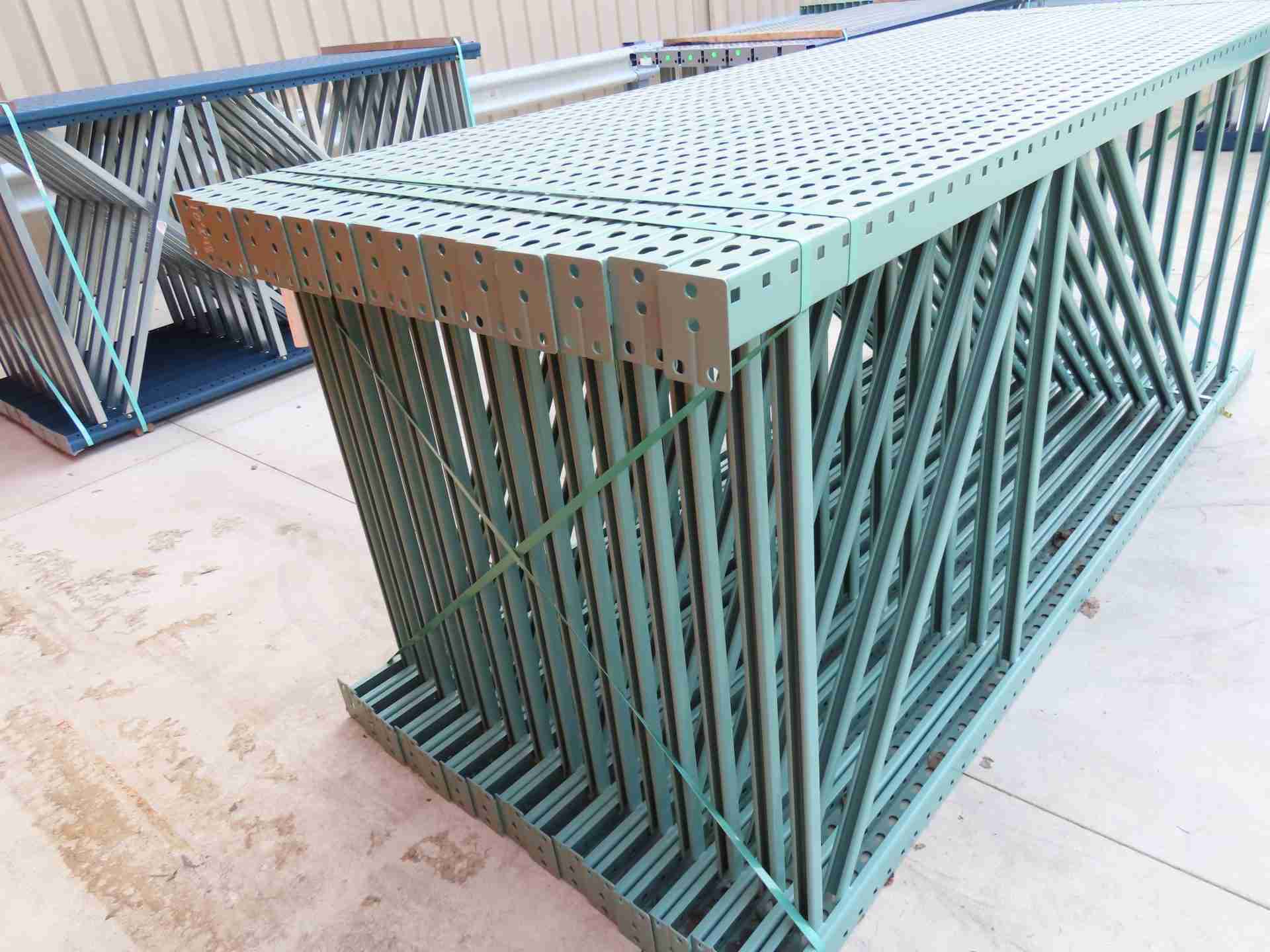
What Common Issues Should Be Checked During Inspections?
How Can I Document Pallet Racking Inspections Effectively?
When it comes to pallet racking systems, documenting inspections is not just about compliance; it’s an essential strategy to safeguard your business against costly mishaps and unexpected downtime. Effective documentation can streamline operations and protect your team, enabling you to focus on what truly matters: running a successful operation.
Harness Technology: In today’s digital age, leverage technology to your advantage. Tools like mobile inspection apps can help you record inspections directly from the warehouse floor. Imagine having a dedicated platform where your team can capture issues with photos, notes, and even specify corrective actions, all in real time. For instance, if an inspector notices a bent beam, they can photograph it, annotate the defect, and immediately notify maintenance staff without waiting for the end of the day.
Standardize Your Process: Create a standardized inspection checklist that every team member can follow. This ensures consistency and that no vital element is overlooked. For example, your checklist should include steps like checking for visible damage, ensuring load limits are adhered to, and tightening any loose connections. Regular audits against this checklist can reveal patterns that might call attention to deeper issues with your racking systems.
Schedule Regular Inspections: Your documentation process should include scheduled inspections. This encourages a culture of accountability and demonstrates to your staff that safety is paramount. For instance, with heightened supply chain pressures due to current global events, inadequately maintained racking could lead to failures at critical moments. Documenting these scheduled inspections keeps your workforce safer and operations efficient.
Utilize Robust Reporting: A well-organized reports system is crucial. After each inspection, summarize findings into a structured report. Highlight categories like “Immediate Attention Needed” or “Future Monitoring,” with dates and responsible parties. This not only aids in keeping track of issues over time but also serves as vital documentation during any audits or insurance assessments.
Implement Training: Lastly, no documentation strategy is complete without training your team. Make sure all staff members understand the inspection process and the importance of documentation. Invest in further education on safety protocols, especially considering the increased focus on workplace safety regulations in response to the pandemic.
By integrating these strategies into your pallet racking inspection process, you not only reinforce compliance but also create a culture of safety and efficiency that benefits every aspect of your logistics operations. Remember, effective documentation isn’t merely a box to check; it’s a pathway to operational excellence.
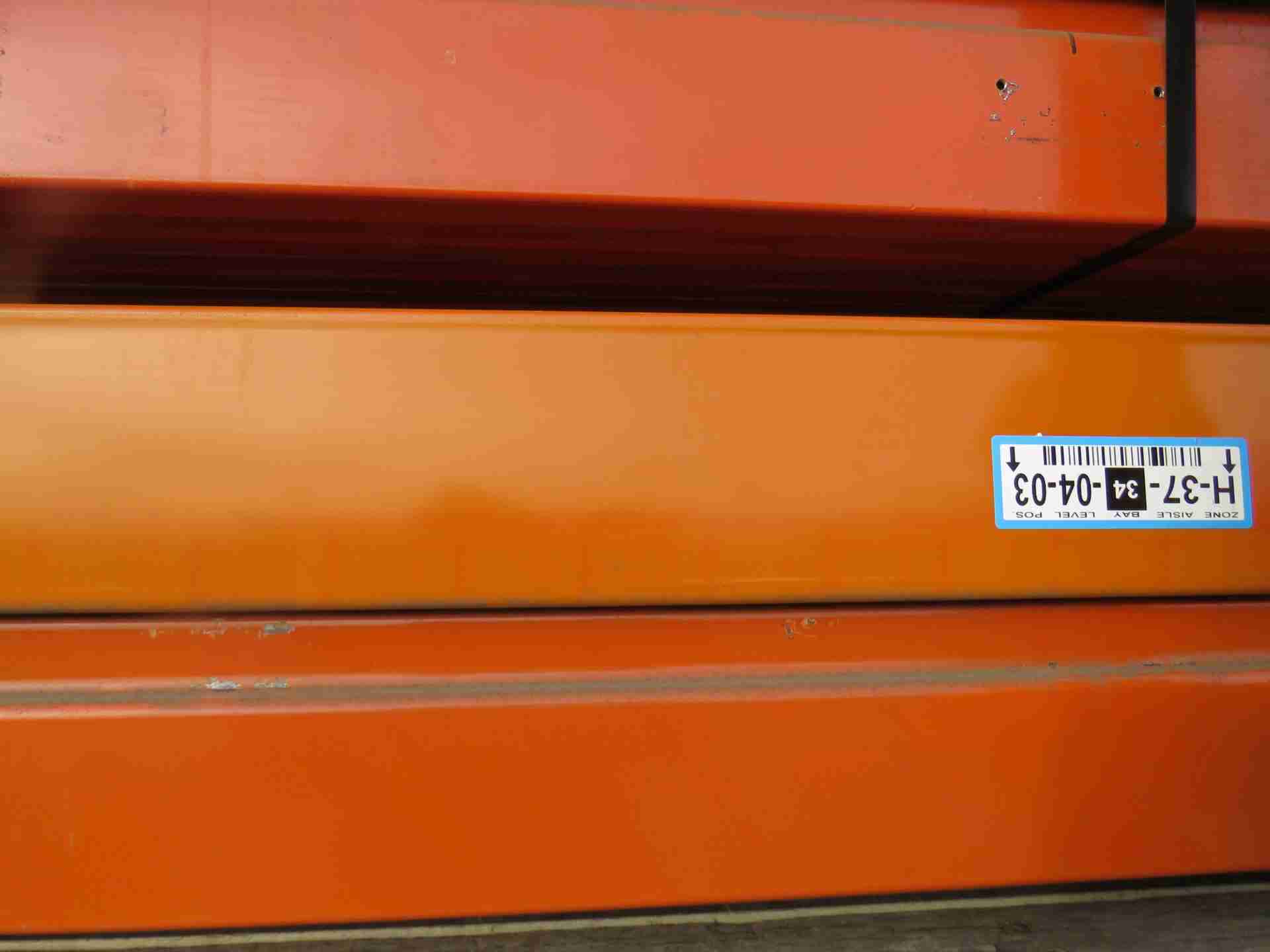
How Can I Document Pallet Racking Inspections Effectively?
How Can I Document Pallet Racking Inspections Effectively?
- Documenting pallet racking inspections is essential for safeguarding against costly mishaps and unexpected downtime.
- Leverage technology, such as mobile inspection apps, to record inspections and capture issues in real-time from the warehouse floor.
- Create a standardized inspection checklist to ensure consistency and thorough evaluations of the racking systems.
- Schedule regular inspections to foster a culture of accountability and prioritize safety within the workforce.
- Utilize a robust reporting system to summarize inspection findings and track issues over time for audits and insurance assessments.
- Implement training programs to ensure staff understand the inspection process and the importance of documentation.
- Integrating these strategies promotes compliance and builds a culture of safety and efficiency in logistics operations.
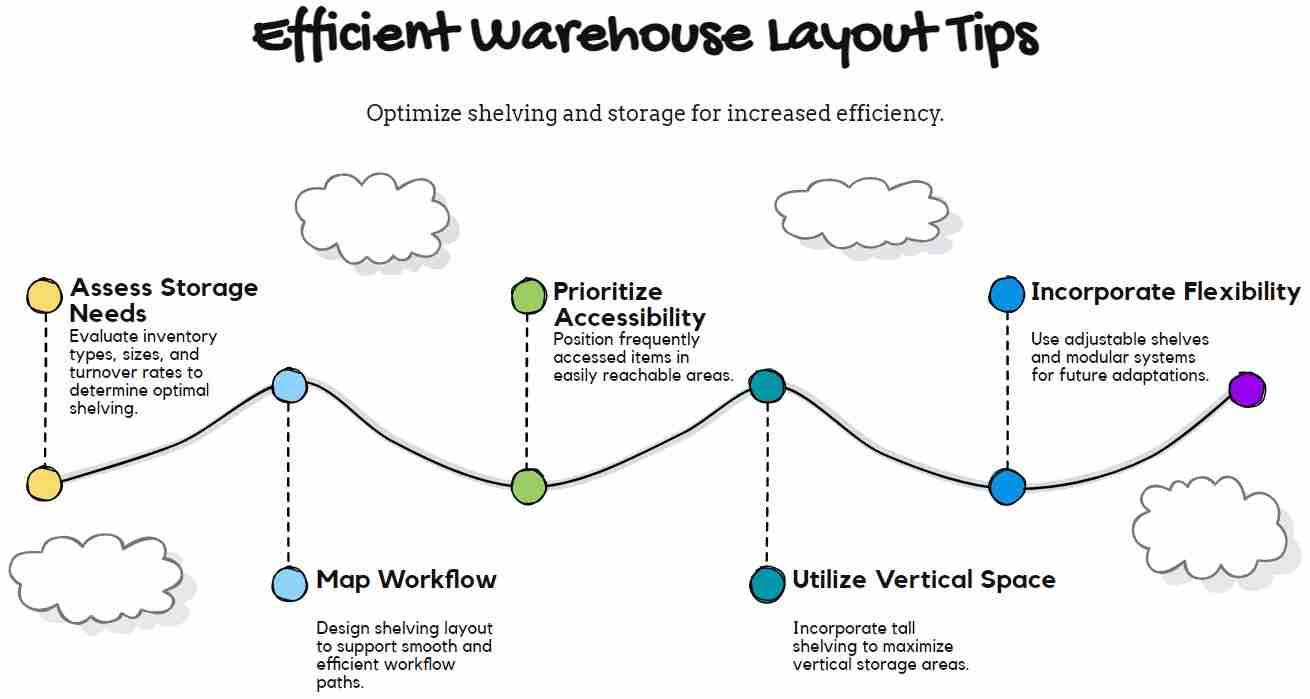
How Can I Document Pallet Racking Inspections Effectively?
What Are The Consequences Of Neglecting Pallet Racking Inspections?
In the fast-paced world of logistics and warehousing, it’s easy to overlook the importance of regularly inspecting your pallet racking systems. However, neglecting these routine checks can lead to dire consequences that ripple through your entire operation. Understanding this can save you money, time, and potentially lives.
Safety Risks: A Ticking Time Bomb
Firstly, let’s talk safety. A warehouse is a bustling environment, and pallet racking is often the backbone of that space. When rack systems are ignored, they can become unstable. A minor issue—like a bent beam or worn-out connectors—can grow into a catastrophic failure. Reports of collapses in warehouses are all too common. Just last year, an incident in Texas saw a significant warehouse collapse that injured multiple workers. A little proactive care could have prevented this tragedy. Safety doesn’t just protect your employees; it protects your brand integrity too. Can you imagine the fallout from a serious injury or fatality linked to negligence?
Financial Ramifications: An Unseen Cost
Next, consider the financial implications. Neglecting inspections can lead to hefty fines after safety audits, a loss of inventory, and hefty insurance premiums. For instance, the OSHA (Occupational Safety and Health Administration) authority has ramped up fines for safety violations in warehousing environments. You don’t want to be among the many companies facing unexpected financial burdens because of oversight in safety protocols. Implementing regular inspections, on the other hand, can be a cost-effective strategy. A small investment in inspection today can save thousands in legal fees or lost productivity tomorrow.
Operational Efficiency: A Domino Effect
Let’s also address the operational disruptions caused by neglect. A sudden racking collapse isn’t just a one-time problem; it can shut down a section of your warehouse for days, impacting order fulfillment and customer satisfaction. If you’re aiming for operational excellence, everything must run like a well-oiled machine. Neglect can throw a wrench in that plan, tarnishing your reputation and losing you valuable customers.
In Today’s Climate: Relevant Examples
As the global supply chain continues to grapple with disruptions (think of the recent port delays due to labor strikes), companies must find ways to maximize efficiency. Don’t let neglect create additional headaches. Allocating time and resources now for regular inspections not only positions you for future growth but also strengthens your resilience against unforeseen challenges.
Neglecting pallet racking inspections is a gamble you cannot afford to take. Safety lapses, financial penalties, and operational inefficiencies are just a few of the pitfalls awaiting those who ignore the call to vigilance. Make inspections a cornerstone of your business strategy, and you’ll protect your people, preserve your profits, and maintain your reputation as a market leader. Remember, proactive action today translates into peace of mind tomorrow!
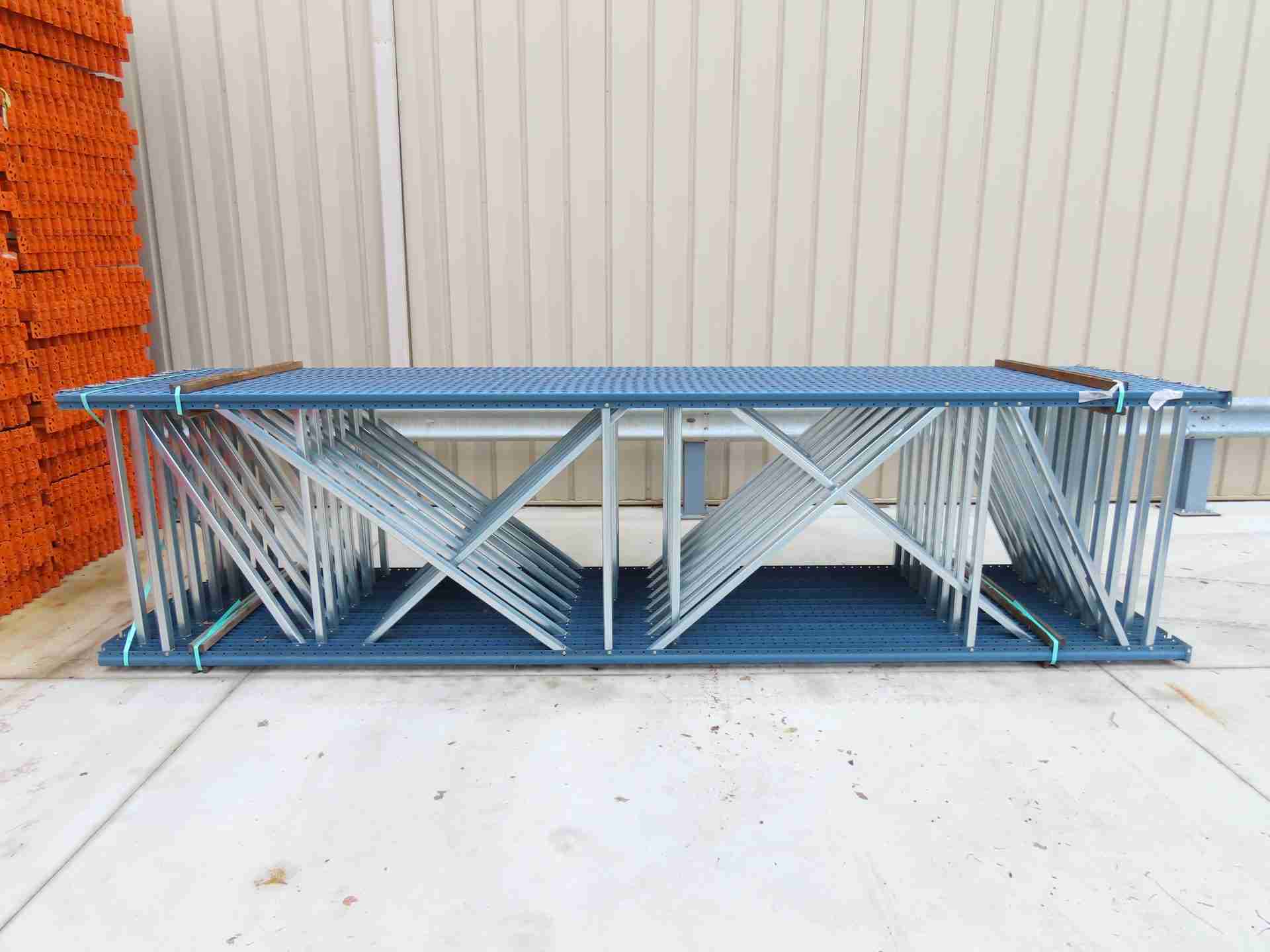
What Are The Consequences Of Neglecting Pallet Racking Inspections?
What Are The Consequences Of Neglecting Pallet Racking Inspections?
- Regularly inspecting pallet racking systems is crucial in logistics and warehousing.
- Neglecting inspections can lead to safety risks, including the potential for catastrophic failures.
- Safety oversights not only endanger employees but can also damage brand integrity.
- Financial implications of neglect include fines, inventory loss, and increased insurance premiums.
- Operational disruptions from racking collapses can affect order fulfillment and customer satisfaction.
- Current global supply chain challenges highlight the need for efficient inspection practices.
- Proactive inspections protect employees, preserve profits, and maintain market reputation.
What Are The Consequences Of Neglecting Pallet Racking Inspections?
Conclusion
Conclusion: The Vital Importance of Regular Pallet Racking Inspections
In the high-stakes world of warehousing, where safety and efficiency go hand in hand, regular inspections of your pallet racking systems are not merely recommended; they are essential for operational success. As highlighted throughout this article, a proactive approach to inspections can safeguard your employees, protect your bottom line, and bolster your overall operational integrity.
Imagine operating a warehouse with peace of mind—confident that every rack is structurally sound, every beam is secure, and every corner of your storage system adheres to safety standards. This ideal is not out of reach; by embracing a rigorous inspection schedule, as advocated by industry experts, you can turn this vision into reality. With recommendations ranging from quarterly checks for high-intensity operations to annual reviews for less demanding environments, it’s crucial to tailor your inspection cadence to fit your unique operational needs.
Moreover, fostering an empowered workforce is key. Daily visual inspections performed by trained staff cultivate a culture of safety, allowing employees to become the first line of defense against potential hazards. With an emphasis on recognizing red flags—like bent beams or misaligned racks—your team becomes an invaluable asset in maintaining a secure working environment. Incorporating technology, such as mobile apps for real-time reporting, can further streamline your inspection process and enhance accountability.
Compliance with regulatory standards remains non-negotiable. Staying ahead of OSHA and ANSI guidelines not only protects your workforce but also shields your business from hefty fines and potential litigation. Given the accelerated scrutiny on warehouse safety in the wake of recent high-profile incidents, now is the time to double down on your commitment to comprehensive inspections.
Finally, remember that urgency is of the essence. Don’t wait for an accident or a costly inspection report to highlight vulnerabilities within your pallet racking systems. Instead, take immediate action by calling Arrow Industrial Sales at (574) 349-6575. Our team of experts is ready to provide you with tailored solutions that enhance safety, boost efficiency, and safeguard your investments. Make the wise choice for your business today; proactive inspections today can prevent serious complications tomorrow. It’s time to prioritize safety and efficiency in your warehouse—because when it comes to your operations, the stakes are simply too high to ignore.
Conclusion
Conclusion:
- Regular inspections of pallet racking systems are essential for warehouse safety and efficiency.
- A proactive approach to inspections helps safeguard employees and improve operational integrity.
- Implement a tailored inspection schedule: quarterly for high-intensity operations and annually for less demanding ones.
- Encourage daily visual inspections by trained staff to foster a culture of safety.
- Utilize technology, such as mobile apps, for real-time reporting and enhanced accountability.
- Compliance with OSHA and ANSI guidelines is critical to avoid fines and litigation.
- Act promptly; prioritize safety and efficiency to prevent future complications in your warehouse.

Conclusion
Other Resources
Other Resources
Here is a list of other resources you can review online to learn more:
- “Warehouse safety: 7 key points to consider”
- “The Future of Pallet Racking: Trends and Innovations”
- “Pallet Rack Inspection Services”
- “Warehouse Safety Maintenance”
- “Warehouse Safety Insights and Tips”
- “From “”Try”” to Buy: Trends in Warehouse Automation”
- “How to Inspect Warehouse Pallet Racks: A Comprehensive …”
- “What are the keys to ensuring the safety of your warehouse?”
- “Introduction to Supply Chain and Operations … – KU ScholarWorks”
Other Resources
Glossary Terms
How Often Should Pallet Racking Be Inspected? – Glossary Of Terms
1. Pallet Racking: A storage system that uses vertical space, consisting of racks to store pallets of goods.
2. Inspection Frequency: The recommended schedule for conducting inspections to ensure safety and compliance, often set by regulations or best practices.
3. Structural Integrity: The ability of a pallet rack to support weight and withstand stress without failure,
essential for safety.
4. Safety Standards: Regulations and guidelines set by organizations (e. g. , OSHA, ANSI) to ensure safe operation and maintenance of pallet racking systems.
5. Load Capacity: The maximum weight a pallet rack can safely hold, determined by design specifications.
6. Visual Inspection: A non-invasive evaluation method where the inspector looks for visible signs of damage or wear.
7. Damage Assessment: The process of evaluating a pallet rack for structural damage that compromises its integrity or safety.
8. Deflection: The amount of bending or deformation experienced by the racking system under load; excessive deflection may indicate a problem.
9. Serviceability: A measure of whether the pallet racking is fit for use based on its condition and compliance with safety standards.
10. Forklift Interaction: The contact and operational interactions between forklifts and pallet racking, often leading to potential damage if not monitored.
11. Load Distribution: The arrangement of weight across the rack system; improper distribution can lead to instability or collapse.
12. Bolted Connections: Joints where components are fastened together using bolts, which require regular checks to ensure they remain tight.
13. Upright Frames: Vertical components of pallet racks that bear the weight of stored loads; should be inspected for bends or buckling.
14. Cross Bracing: Diagonal supports installed between uprights to enhance stability and load-bearing capacity; visual checks are essential.
15. Shelf Levels: Horizontal surfaces where pallets are placed; should be inspected for signs of sagging or stress.
16. Pallet Support: The components that support the pallets themselves, ensuring they are sturdy and undamaged.
17. Compliance Checklist: A list of items and standards that should be reviewed during inspections to ensure all safety regulations are met.
18. Maintenance Log: A record-keeping tool used to document inspections, repairs, and maintenance performed on pallet racking.
19. Wear and Tear: The gradual deterioration of components due to regular use and environmental factors, which must be monitored.
20. Regulatory Compliance: Adherence to local and national safety laws and guidelines relevant to pallet racking systems and inspections.
21. Risk Assessment: The process of identifying potential hazards related to the pallet racking system and determining necessary preventive measures.
22. Certification: A formal acknowledgment that a pallet racking system meets specific safety standards, often required after inspections.
23. Load Signage: Labels indicating the maximum load capacity for each pallet rack section, crucial for safe operation.
24. Periodic Inspections: Scheduled evaluations based on a predetermined timeline to ensure ongoing safety and performance of the pallet racking system.
25. Maintenance Procedures: Standardized practices to follow for the care and upkeep of pallet racking, including inspection and repair.
26. Damage Reporting: The system in place for documenting and communicating any issues or damages identified during inspections.
27. Stability Considerations: Factors taken into account to assess the overall balance and structural soundness of the pallet racking system.
28. Training and Education: Programs provided to employees on safe operating and inspection procedures for enhanced awareness and compliance.
29. Visual Cues: Observable indicators of potential problems, such as rust, bends, or missing components, that require immediate attention.
30. Expert Assessment: A professional evaluation conducted by certified inspectors who specialize in pallet racking safety and compliance.
Glossary Of Terms
Other Questions
How Often Should Pallet Racking Be Inspected? – Other Questions
If you wish to explore and discover more, consider looking for answers to these questions:
- What types of pallet racking systems exist?
- What is the cost associated with pallet racking inspections?
- Who is considered a competent individual for racking inspections?
- What specific training should employees receive for inspections?
- Are there specific industry regulations unique to different sectors?
- How can I promote a safety culture among employees?
- What are the most common causes of pallet racking failures?
- What technology is available to assist with pallet racking inspections?
- How can I assess the effectiveness of my inspection schedule?
- What would a typical inspection checklist include?
- How do I handle a compliance audit related to pallet racking?
- What are the best practices for maintaining pallet racking?
- How can I involve all employees in the inspection process?
- What should I do if I find damage during an inspection?
- How often should I train my staff on safety protocols?

Other Questions
Checklist
How Often Should Pallet Racking Be Inspected? – A Checklist
General Inspection Schedule
_____ Weekly Inspections
_____ Check for visible damage (e. g. , dents, cracks).
_____ Verify alignment of racks.
_____ Monitor for excessive sway or movement.
_____ Monthly Inspections
_____ Assess structural integrity of beams and frames.
_____ Inspect for signs of wear on connectors and hardware.
_____ Quarterly Inspections
_____ Conduct thorough inspections involving all critical components.
_____ Ensure load limits are adhered to.
_____ Review compliance with local regulations and industry standards.
_____ Annual Inspections
_____ Schedule formal inspections by a competent individual.
_____ Review all inspection records for past incidents.
Common Issues to Check
1. Structural Integrity
_____ Look for bent or cracked beams.
_____ Check for loose connections and hardware.
2. Load Distribution
_____ Ensure that loads are evenly distributed across the racks.
_____ Verify that weight limits are not exceeded.
3. Visual Damage
_____ Identify any visible structural damage or signs of impact.
_____ Look for signs of corrosion or rust.
4. Foundation Integrity
_____ Inspect the floor for cracks, settling, or erosion beneath racking.
_____ Check for any influence from recent heavy rains or flooding.
5. Regulatory Compliance
_____ Ensure adherence to OSHA and ANSI guidelines.
_____ Stay informed about any new regulations impacting pallet racking.
6. Employee Reporting
_____ Encourage staff to report any issues immediately.
_____ Provide a clear process for reporting and documenting problems.
Training and Empowerment
_____ Ensure regular training sessions for employees on safety protocols.
_____ Engage employees in safety workshops and training programs.
_____ Utilize gamified training methods, such as inspection challenges, to enhance involvement.
Tools Needed for Effective Inspections
_____ Inspection Checklist: A structured form to document findings.
_____ Probes and Depth Gauges: For assessing structural damage.
_____ Digital Inspection Tools: Mobile apps to streamline process and documentation.
_____ Height Measuring Tools: To check clearance and height compliance.
_____ Personal Protective Equipment (PPE): Hard hats, high-visibility vests, steel-toed boots.
Documentation Process
_____ Utilize mobile applications for real-time documentation during inspections.
_____ Maintain a standardized inspection report format.
_____ Record corrective actions taken after identifying issues.
Consequences of Neglect
_____ Understand the safety, financial, and operational ramifications of neglected inspections (potential injury, fines, disruptions).
_____ Promote a culture of accountability and vigilance among all staff.
Remember: Regular and thorough inspections can prevent accidents, save costs, and protect both employees and your business’s reputation. Implement this checklist consistently to foster a safe working environment!
Checklist
At RackingWorld, we help guide you through selecting warehouse storage systems and racking.
Be sure to read our other related stories at RackingWorld to learn more about warehouse storage systems.
0 Comments