
Maximizing Storage Space With Diy Pallet Racking
By Tom Seest
At RackingWorld, we help guide you through selecting warehouse storage systems and racking.
Be sure to read our other related stories at RackingWorld to learn more about warehouse storage systems.
How to Build Pallet Racking?
In an era where efficiency reigns supreme, establishing an effective pallet racking system is not just a smart move—it’s a necessity. Whether you’re running a warehouse, a retail space, or an online fulfillment center, the right pallet racking can propel your operations to new heights. Let’s dive into the how-to of building pallet racking that maximizes space, boosts productivity, and ultimately drives profitability.
Step 1: Assess Your Needs
Before you even think about purchasing materials, take a step back. Evaluate the specific needs of your operation. Are you storing heavy machinery parts or lightweight consumer goods? The weight and dimensions of your inventory will dictate the type of racking you require. For example, if you’re in the e-commerce sector, consider the growing trend of fulfilling online orders. With a recent surge in online shopping due to global events, a flexible racking system can significantly enhance efficiency, allowing for quicker retrieval times and faster shipping.
Step 2: Choose the Right Materials
Quality matters. Opt for high-grade steel to ensure durability and longevity. The initial investment might be higher, but it pays off in the long run. During the COVID-19 pandemic, many retailers learned the hard way how important robust infrastructure is; as demand surged, those with reliable systems weathered the storm better than those with makeshift solutions. For instance, IKEA has long been praised for their efficient racking, which has enabled them to handle fluctuations in demand seamlessly.
Step 3: Design for Flexibility
In today’s fast-paced market, flexibility is key. Modular racking systems are becoming increasingly popular as they adapt easily to changing inventories. This design not only saves money but also maximizes your warehouse space. Consider your future needs; businesses like Amazon have thrived on scalability, continually adjusting their layout to meet demands.
Step 4: Safety First
Improperly built racking can lead to safety hazards and costly accidents. Prioritize safety by following OSHA standards and ensuring you have the right equipment for safe installation. A well-constructed pallet racking system is not just an investment in your infrastructure; it’s a commitment to the well-being of your team.
Step 5: Continuous Review and Improvement
Your pallet racking shouldn’t be set in stone. Make it a practice to regularly review and adjust your system. As market dynamics shift—consider the ongoing disruptions in supply chains—being proactive will keep you several steps ahead of the competition.
By applying these steps, you’ll not only build a reliable pallet racking system but also lay the groundwork for heightened efficiency and increased profitability in your operations. Now’s the time to act as the demand for structured solutions grows daily!
How to Build Pallet Racking?
How to Build Pallet Racking?
- Establishing an effective pallet racking system is essential for enhancing operational efficiency in warehouses, retail spaces, and fulfillment centers.
- Assess your specific needs based on the weight and dimensions of your inventory before purchasing materials.
- Choose high-grade steel for durability, as it proves to be a long-term investment compared to cheaper alternatives.
- Design your racking system for flexibility, opting for modular designs that can easily adapt to changing inventories.
- Prioritize safety by adhering to OSHA standards and ensuring proper installation to prevent accidents.
- Regularly review and adjust your pallet racking system to keep up with market changes and operational demands.
- Implementing these strategies can significantly boost efficiency and profitability in your operations.
How to Build Pallet Racking?
Table Of Contents
- How to Build Pallet Racking?
- How Do I Choose The Right Pallets For Racking?
- What Materials Do I Need To Build Racking?
- How Tall Should My Pallet Racking Be?
- What Are The Safety Considerations For Pallet Racking?
- How Do I Determine The Weight Capacity For My Racking?
- What Tools Do I Need To Construct Pallet Racking?
- How Do I Properly Label My Pallet Racks?
- What Is The Best Layout For Pallet Racking?
- How Do I Secure My Pallet Racks To The Floor?
- What Maintenance Is Required For Pallet Racking?
- How Can I Maximize Space With Pallet Racking?
- What Common Mistakes Should I Avoid When Building Racking?
- How Can I Customize Pallet Racking For My Needs?
- What Is The Cost Estimate For Building Pallet Racking?
- How Do I Disassemble Or Modify Pallet Racks Safely?
- Conclusion
- Other Resources
- Glossary Of Terms
- Other Questions
- Checklist
How Do I Choose The Right Pallets For Racking?
Selecting the right pallets for your racking system can feel like navigating a maze with no exit in sight. Yet, the stakes are high: choosing the wrong pallets can lead to inefficiencies, product damage, and even safety hazards. But fear not! With the right approach, you can streamline your operations and elevate your business to new heights.
Understand Your Product Needs
First and foremost, get clear on the type of products you are storing. Heavy machinery parts? Opt for durable, heat-treated wooden pallets that can withstand the weight. Fragile items like glass or ceramics? A more cushioned option like molded plastic pallets may be your best bet. For instance, with the ongoing global supply chain disruptions, many retailers have turned to specialized pallets designed for lightweight, high-density goods that can flexibly accommodate market needs. The more you know about your inventory, the better you can match it to the ideal pallet.
Evaluate Racking Compatibility
Next, consider your racking system’s specifications. Not all racking is created equal. If you employ selective racking, you’ll need pallets that fit the standard dimensions (usually 48” x 40” for U.S. markets). If your operations involve high-density storage, look into pallets designed for mobile racking systems or drive-in racking setups—these require more specific measurements and weight allowances.
Material Matters
The material of your pallets also plays a crucial role in their suitability. Wooden pallets are cost-effective but often require more maintenance. Plastic pallets, while initially pricier, can offer superior durability and hygiene, particularly in food or pharmaceutical applications. For example, as e-commerce continues to soar, businesses are increasingly choosing hygienic plastic pallets to ensure safe and compliant storage practices.
Consider Environmental Impact
In today’s eco-conscious climate, sustainability cannot be overlooked. If your business emphasizes a green approach, consider sourcing pallets made from recycled materials or certified wood. Companies with visible sustainability commitments not only attract conscientious customers but also often enjoy tax benefits and grants, especially as governments push for greener practices.
Plan for Flexibility
Lastly, always think about future growth. Invest in pallets that can adapt to different types of goods or facilitate reconfiguration of your racking system. The ability to pivot quickly will help you stay competitive in a rapidly evolving marketplace marked by fluctuating consumer preferences.
By thoughtfully considering the above factors, you’ll not only enhance your operational efficiency but also position your business for long-term success. Remember, in a world where logistics is king, the right pallet can be your secret weapon.
How Do I Choose The Right Pallets For Racking?
How Do I Choose The Right Pallets For Racking?
- Selecting the right pallets is crucial to avoid inefficiencies, product damage, and safety hazards.
- Understand your product needs to choose suitable pallets: use durable wooden pallets for heavy items and cushioned plastic pallets for fragile goods.
- Evaluate your racking system’s specifications to ensure pallets fit properly, especially for selective and high-density storage requirements.
- The material of pallets affects their suitability: wooden pallets are cost-effective but may need more maintenance, while plastic pallets offer durability and hygiene.
- Consider the environmental impact by sourcing pallets made from recycled materials or certified wood to align with sustainable practices.
- Plan for flexibility by investing in adaptable pallets that can accommodate future growth and changing inventory needs.
- By addressing these factors, you can enhance operational efficiency and ensure long-term business success.
How Do I Choose The Right Pallets For Racking?
What Materials Do I Need To Build Racking?
When it comes to building racking systems, choosing the right materials is paramount. Like constructing a sturdy building, the materials you select will determine the integrity, durability, and efficiency of your racking system. Whether you’re organizing a warehouse, a garage, or a home workshop, the bones of your racking are crucial.
1. Steel Framework: The Backbone of Your Racking
First and foremost, we have the steel framework. Steel is favored for its strength and longevity. It can support heavy loads without bending, making it ideal for industrial environments. For instance, with supply chain disruptions reported in various sectors due to recent global events, investing in high-quality steel racking will future-proof your operations. Brands like Steel King and Interlake Mecalux provide a range of pre-fabricated steel racking options that stand the test of time.
2. Wood Elements: Versatile and Affordable
Next, consider wood as a material choice. Plywood or solid wood can be an excellent option for lightweight racking systems for home use or workshops. It’s versatile, easily customizable, and often more affordable than metal alternatives. Just recently, there’s been a surge in DIY home improvement projects, fueled in part by people spending more time at home. Utilizing reclaimed wood to create rustic-looking racking not only saves costs but also appeals to eco-conscious consumers.
3. Fasteners and Connectors: The Unsung Heroes
While often overlooked, fasteners and connectors are critical in ensuring your racking remains stable and secure. Bolts, screws, and brackets are necessary to hold everything together. When shopping for these, look for options that are resistant to corrosion, particularly if the racks will be exposed to moisture or other harsh conditions. Just like the current emphasis on safety standards in manufacturing, having high-quality fasteners significantly impacts the safety of your racking—even a small failure can lead to disaster.
4. Additional Accessories: Optimize and Customize
Finally, don’t forget about accessories like shelf liners, dividers, and bins. These can transform a basic racking system into a highly functional space. In recent months, businesses have focused on maximizing space efficiency in light of slowdowns and operational challenges. By integrating adjustable shelves and modular bins, you can easily adapt your racking to meet fluctuating demands.
In summary, building an effective racking system isn’t just about quantity; it’s about quality. The right materials will yield an organized space that maximizes efficiency and safety. So, as you embark on your racking project, remember: invest wisely, build smartly, and watch your organizational skills soar!

What Materials Do I Need To Build Racking?
What Materials Do I Need To Build Racking?
- Material Selection is Critical: The integrity, durability, and efficiency of racking systems depend greatly on the materials chosen.
- Steel Framework: Steel is the preferred choice for its strength, longevity, and ability to support heavy loads, ideal for industrial use.
- Wood Elements: Wood is versatile, affordable, and suitable for lightweight racking systems, especially in home workshops.
- Importance of Fasteners: Fasteners and connectors (bolts, screws, brackets) are essential for stability and safety in your racking system.
- Corrosion Resistance: It’s crucial to choose fasteners that resist corrosion, especially in moist or harsh environments.
- Additional Accessories: Items like shelf liners and bins can enhance functionality and adaptability of racking systems.
- Focus on Quality: Prioritizing quality materials leads to organized, efficient, and safe storage solutions.
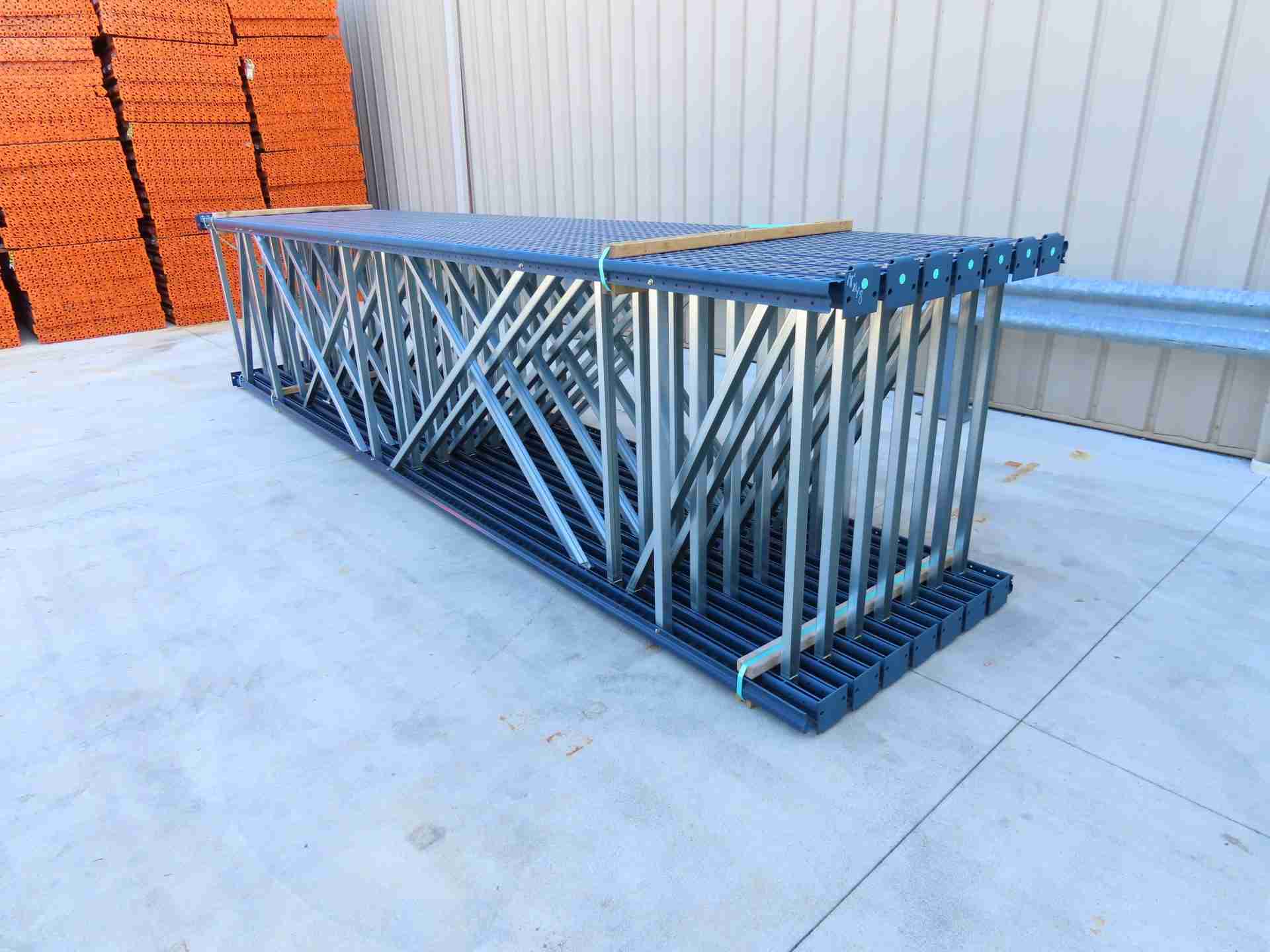
What Materials Do I Need To Build Racking?
How Tall Should My Pallet Racking Be?
Choosing the right height for your pallet racking is not just a matter of aesthetics—it’s a critical decision that directly impacts efficiency, safety, and your bottom line. Let’s face it: in the world of warehousing and distribution, every inch counts. So, how tall should your pallet racking be? The answer lies in a dynamic interplay of your specific operational needs, regulatory considerations, and industry best practices.
First, evaluate the type of inventory you handle. Are you storing heavy-duty manufacturing parts, or are you dealing with lighter consumer goods? For instance, if your business revolves around bulky machinery parts, taller racking systems—up to 30 feet or more—can be beneficial, optimizing vertical storage while allowing for heavy loads. Conversely, if your inventory consists of smaller, lighter items, a more moderate height of around 15-20 feet may suffice, facilitating easier access without the risks tied to height and weight.
Next, consider your warehouse’s existing ceiling height. A common mistake is to install racks that simply maximize vertical space without contemplating the practical implications. As we learned from several recent high-profile warehouse collapses due to overloading (some triggered by miscalculations of height versus load), adhering to safety regulations is non-negotiable. Aim to leave at least 18 to 24 inches of clearance from the top of your racks to the ceiling to prevent issues with sprinkler systems and ensure proper air circulation.
Your operational workflow also plays a pivotal role. Are you leveraging automated systems, or is loading and unloading primarily manually done? In an age of increasing automation, warehouses are adopting technologies such as drones and automated guided vehicles that require specific racking configurations. Taller racks can necessitate more complex maneuvering; therefore, ensuring your teams can efficiently pick and place inventory is vital.
Don’t overlook accessibility—both for your human workforce and your mechanized systems. Too often, companies overlook how height impacts retrieval time. A study from the Warehouse Productivity Consortium indicates that optimal pick times are achieved when the racking height allows for comfortable reach without extreme bending or stretching.
When contemplating how tall your pallet racking should be, factor in inventory type, ceiling height, workflow dynamics, and safety. It’s not just about reaching new heights; it’s about doing so intelligently and efficiently, maximizing every square inch of your warehouse while maintaining an unwavering commitment to safety and productivity. Making the right choice can elevate your operations to the next level—literally!
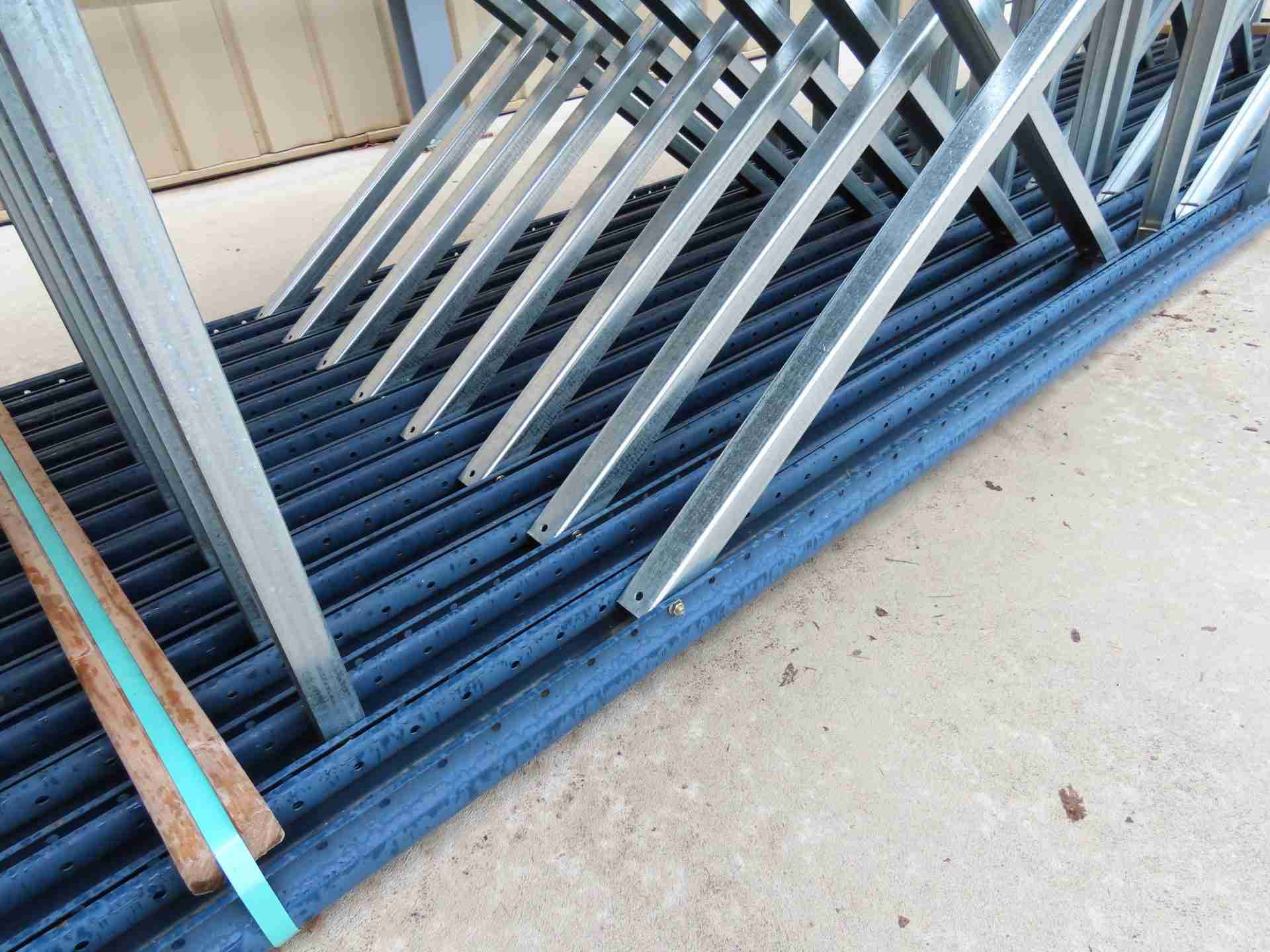
How Tall Should My Pallet Racking Be?
How Tall Should My Pallet Racking Be?
- Choosing the height of pallet racking affects efficiency, safety, and overall profitability.
- Inventory type is crucial; heavy-duty items may require taller racks (30 feet+) while lighter goods may only need 15-20 feet.
- Consider ceiling height; leave at least 18-24 inches clearance from racks to ceiling to comply with safety regulations.
- Operational workflow impacts racking choices; automation may require specific configurations for height and access.
- Accessibility is vital for both manual and automated systems, impacting retrieval times.
- Optimal racking height should enable comfortable access without straining employees.
- Making informed decisions about racking height can enhance warehouse productivity and safety.
How Tall Should My Pallet Racking Be?
What Are The Safety Considerations For Pallet Racking?
When it comes to warehouse operations, efficiency is crucial—but nothing surpasses safety. Ensuring safety in your pallet racking systems is not just about adhering to regulations; it’s about protecting your most valuable assets: your employees and your inventory. With recent reports indicating a rise in warehouse injuries related to improper racking systems, it’s imperative to examine the safety considerations that can secure your environment.
1. Compliance with Industry Standards
First and foremost, compliance with industry standards, such as those set by the Occupational Safety and Health Administration (OSHA) and the American National Standards Institute (ANSI) is non-negotiable. These regulations outline critical design and structural requirements for pallet racking systems, essentially serving as a blueprint for safety. For example, a notable incident in a Texas warehouse where racking failure led to injuries could have been avoided had proper load limits and inspections been observed. Don’t cut corners—stay informed and compliant.
2. Regular Inspections
In stress-prone environments like warehouses, regular inspections are vital. Schedule routine checks to identify wear and tear, such as rust or cracked beams. A recent warehouse fire incident highlighted in safety reports revealed that a lack of routine maintenance allowed small issues to escalate into disastrous consequences. Consider implementing a systematic checklist and scheduling bi-weekly inspections. A proactive approach not only mitigates risk but can also extend the lifespan of your racking systems.
3. Proper Training for Staff
It’s not enough to have safe systems in place; your staff must know how to use them. Holding comprehensive training sessions on the safe loading and unloading of pallets, as well as the proper use of material handling equipment, can significantly lessen the chance of accidents. Case studies have shown that companies committed to employee training saw a decrease in warehouse-related injuries by 30% over two years. Invest in your team’s safety education—it’s worth the costs in both human and financial terms.
4. Address Environmental Factors
Recognize that environmental factors, such as seismic activity or excessive vibrations from nearby machinery, can play a significant role in racking safety. In earthquake-prone regions, for instance, securing pallet racking systems with adequate bracing can save lives and prevent costly damage.
Ultimately, a commitment to safety in pallet racking isn’t merely about fulfilling obligations—it’s about cultivating an environment where both employees and assets thrive. Emphasize safety at every level, and you’ll transform your warehouse from a place of peril to a place of productivity. Prioritize safety today to ensure the success of your operation for tomorrow.
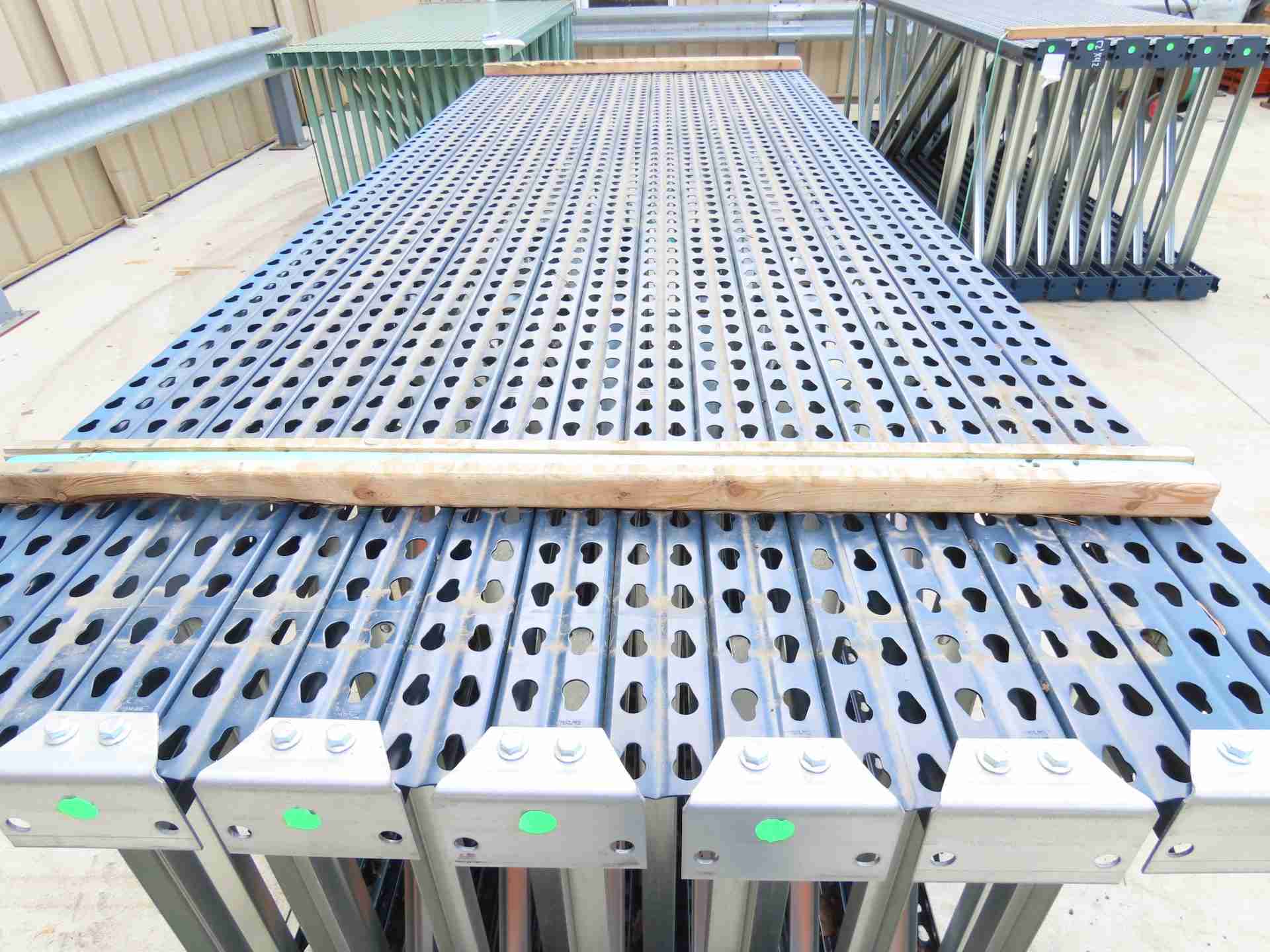
What Are The Safety Considerations For Pallet Racking?
What Are The Safety Considerations For Pallet Racking?
- Efficiency in warehouse operations is important, but safety is paramount.
- Compliance with OSHA and ANSI standards is essential for safe pallet racking systems.
- Regular inspections are crucial to identify wear and prevent accidents.
- Implement a systematic checklist and schedule bi-weekly inspections.
- Comprehensive training for staff on safe loading and unloading procedures reduces injury risk.
- Address environmental factors, such as seismic activity, for improved safety.
- Prioritize safety to cultivate a productive warehouse environment for both employees and assets.
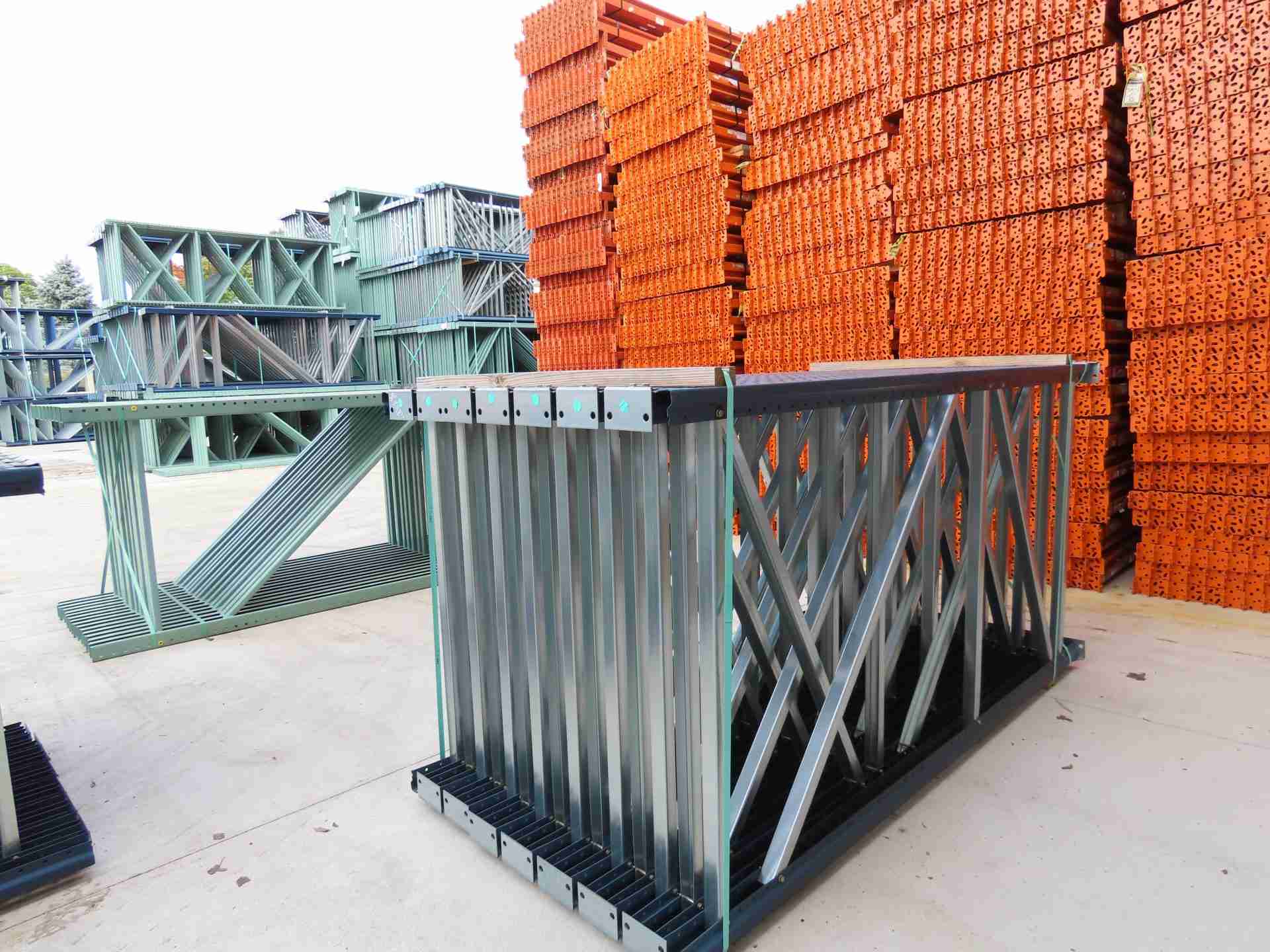
What Are The Safety Considerations For Pallet Racking?
How Do I Determine The Weight Capacity For My Racking?
Determining the weight capacity for your racking system is not just a matter of picking a number—it’s a strategic decision that can significantly impact both your efficiency and safety. As businesses worldwide adapt to a fluctuating marketplace, understanding the dynamics of your storage solutions has never been more crucial.
First and foremost, it’s essential to consult your racking manufacturer’s guidelines. Each system is designed with specific weight limits in mind, often dictated by factors such as the racking material, design complexity, and the intended use environment. For instance, heavy-duty steel racking systems can typically hold anywhere from 2,000 to 6,000 pounds per shelf, making them ideal for industries like automotive or heavy manufacturing, where bulk inventory is common. In contrast, light-duty shelving might only accommodate 200 to 800 pounds, suitable for smaller items typically found in retail or office settings.
Consider your inventory type. Are you storing dense products like machinery parts or lighter items like cardboard boxes? Take a moment to analyze your inventory and categorize it based on weight. For example, if you regularly handle large and heavy items like appliances, investing in industrial shelving paired with fork trucks that can safely navigate your racking layout could be wise. On the other hand, if your goods are lighter, maximizing vertical storage with adjustable racks can enhance your space efficiency without compromising safety.
The location and layout of your racking also play pivotal roles. With the rise of e-commerce, particularly following significant global events like the COVID-19 pandemic, businesses have been forced to adopt efficient fulfillment processes. Ensuring a well-organized warehouse helps reduce order-picking errors and contributes to higher throughput, ultimately affecting your bottom line. Thus, creating a clear path for accessibility while adhering to load limits is essential.
Lastly, involve a knowledgeable professional when evaluating your racking system. Whether consulting with a material handling expert or conducting a thorough safety audit, leveraging expertise can uncover potential pitfalls and optimize your storage solutions. Failing to adhere to weight limitations not only risks injuries but can also lead to costly operational disruptions.
Determining the weight capacity for your racking is about more than just numbers—it’s about strategically aligning your storage solutions with your business goals. Make informed choices today to build a safer, more efficient warehouse tomorrow. After all, in a world where agility and safety are paramount, overlooking the fundamentals of your racking capacity can mean missing out on the growth opportunities right in front of you.
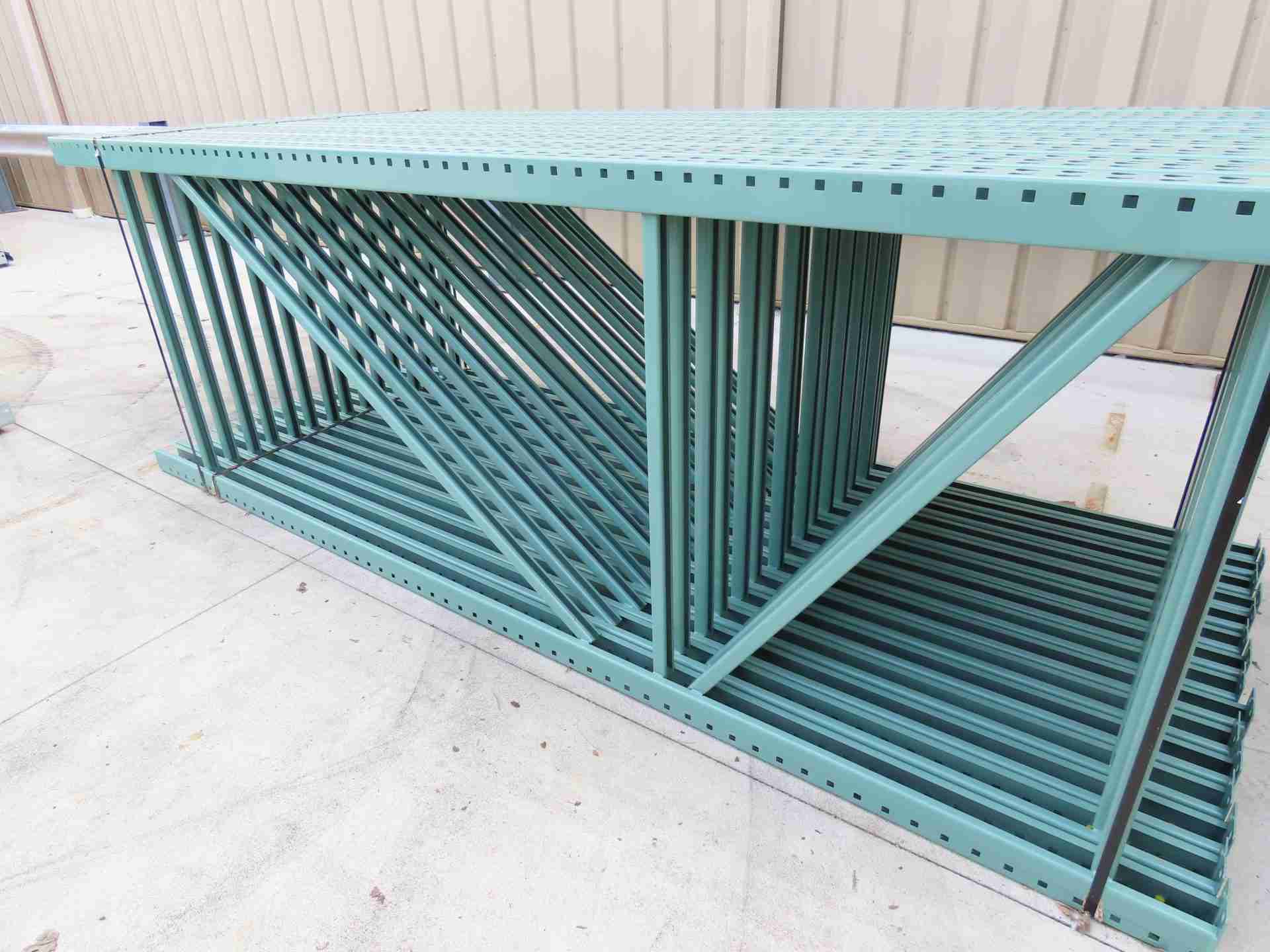
How Do I Determine The Weight Capacity For My Racking?
How Do I Determine The Weight Capacity For My Racking?
- Determining weight capacity for racking systems is crucial for efficiency and safety.
- Consult racking manufacturer’s guidelines to understand specific weight limits.
- Heavy-duty steel racks can hold 2,000 to 6,000 pounds; light-duty shelves accommodate 200 to 800 pounds.
- Analyze inventory types to decide on suitable racking solutions for potential weight variances.
- Consider the location and layout of your racking to enhance order fulfillment and reduce errors.
- Engage a knowledgeable professional for evaluations and audits to optimize storage and avoid risks.
- Making informed decisions about weight capacity aligns storage solutions with business goals for future growth.
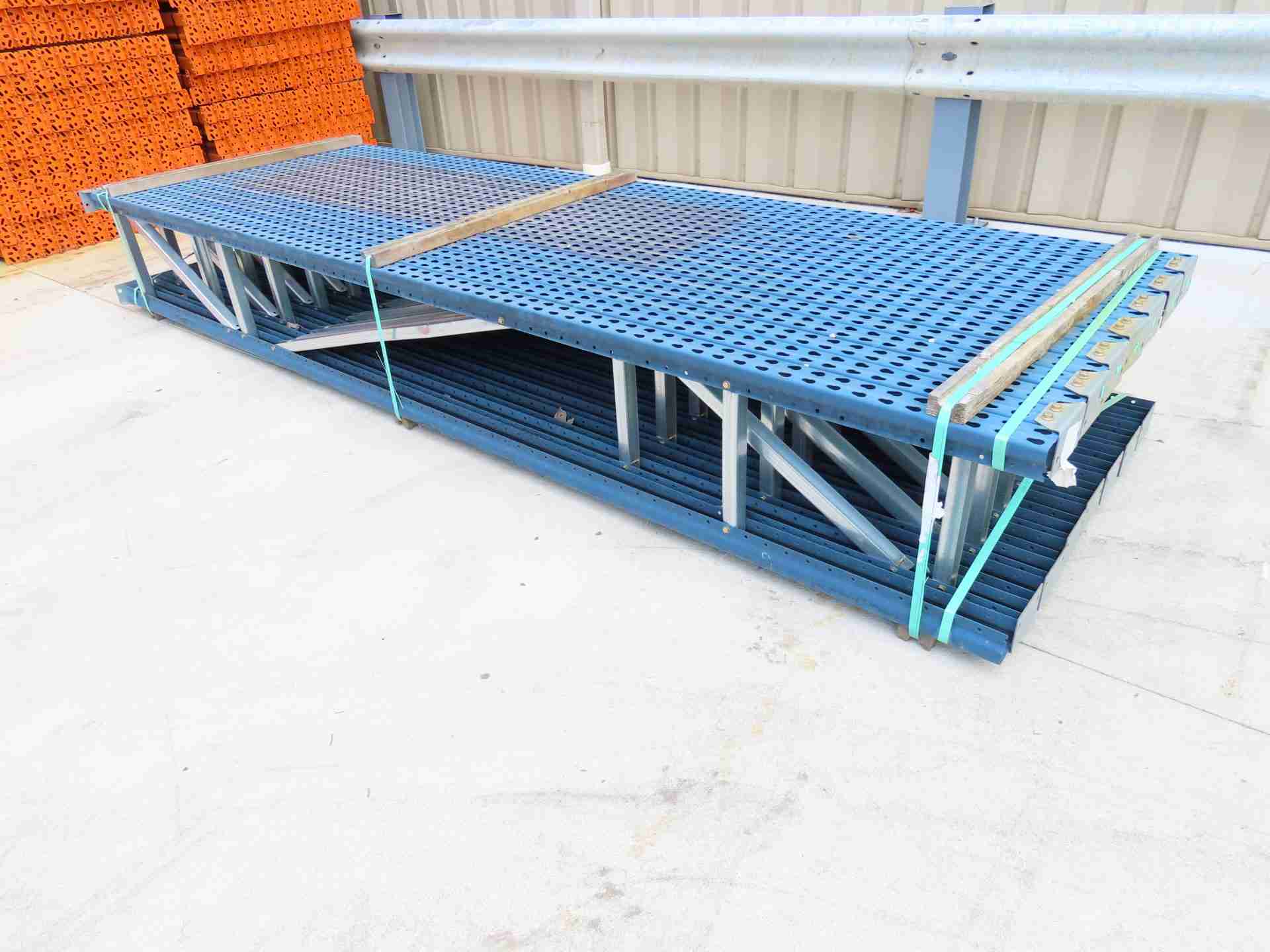
How Do I Determine The Weight Capacity For My Racking?
What Tools Do I Need To Construct Pallet Racking?
Building pallet racking systems doesn’t just enhance your warehouse efficiency; it’s an investment in your operational success. However, before you dive into this transformative project, you must equip yourself with the right tools. Having the proper instruments at your disposal can mean the difference between a fluid, effective installation and a frustrating, time-consuming experience. Here’s your essential toolkit.
1. Basic Hand Tools
Start with the essentials: a drill, a level, a tape measure, and various wrenches and screwdrivers. A reliable power drill is crucial for securing bolts and screws; consider an impact driver for those stubborn fittings that refuse to budge. Having a high-quality level guarantees your racking is straight and sturdy, preventing potential hazards. Your tape measure will also prove invaluable, allowing for precision in spacing and dimensions, crucial for maximizing your vertical storage capabilities.
2. Safety Gear
Safety should always top your priority list. Equip yourself with goggles, gloves, and a hard hat. Many suppliers are reporting increased workplace safety regulations in response to heightened scrutiny during the pandemic, so ensuring your safety gear is up to code not only protects you but can also save your business from hefty fines.
3. Forklift and Pallet Jack
While not a traditional tool, a forklift or pallet jack is essential for handling heavy pallets. These machines not only make moving materials easier, but they also help you position your racking with precision. In recent months, as supply chain disruptions continue, many warehouses have begun upgrading their equipment. Investing in a reliable forklift can reduce costs in the long run by increasing efficiency.
4. Leveling Kits
Pallet racking often requires adjustments during installation to accommodate uneven floors. A leveling kit assists in creating a stable base for your racking, ensuring longevity and stability. With supply chain disruptions, having a leveling kit on hand can expedite your project during critical installations.
5. Racking Installation Guides
Don’t underestimate the power of knowledge! Installation guides specific to your racking system can often provide insight into best practices and common pitfalls. Many manufacturers provide comprehensive manuals or online resources that can streamline your installation process, keeping you from reinventing the wheel.
Conclusion
With the right tools and a clear plan, constructing pallet racking can be a straightforward process that significantly enhances your warehouse operations. Remember, investing in quality tools today will pay off in efficiency, safety, and, ultimately, profitability. Don’t just prepare to build; prepare to excel!
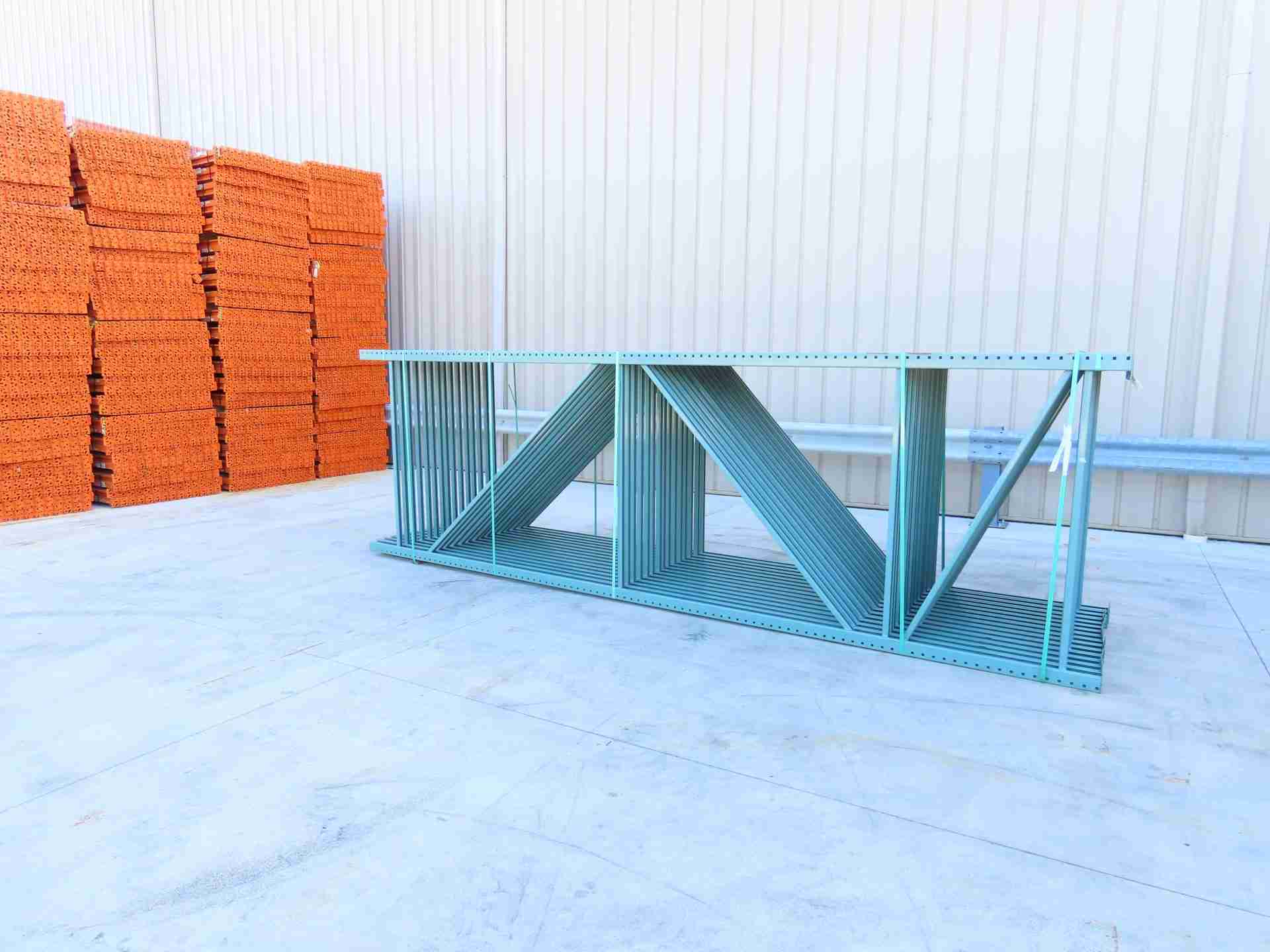
What Tools Do I Need To Construct Pallet Racking?
What Tools Do I Need To Construct Pallet Racking?
- Building pallet racking systems enhances warehouse efficiency and operational success.
- Essential hand tools: drill, level, tape measure, wrenches, and screwdrivers are crucial for effective installation.
- Prioritize safety with goggles, gloves, and a hard hat to comply with workplace safety regulations.
- A forklift or pallet jack is vital for handling heavy pallets and positioning racking accurately.
- Leveling kits help create a stable base for racking, especially on uneven floors.
- Installation guides provide best practices and insights, simplifying the installation process.
- Investing in quality tools enhances efficiency, safety, and profitability in warehouse operations.
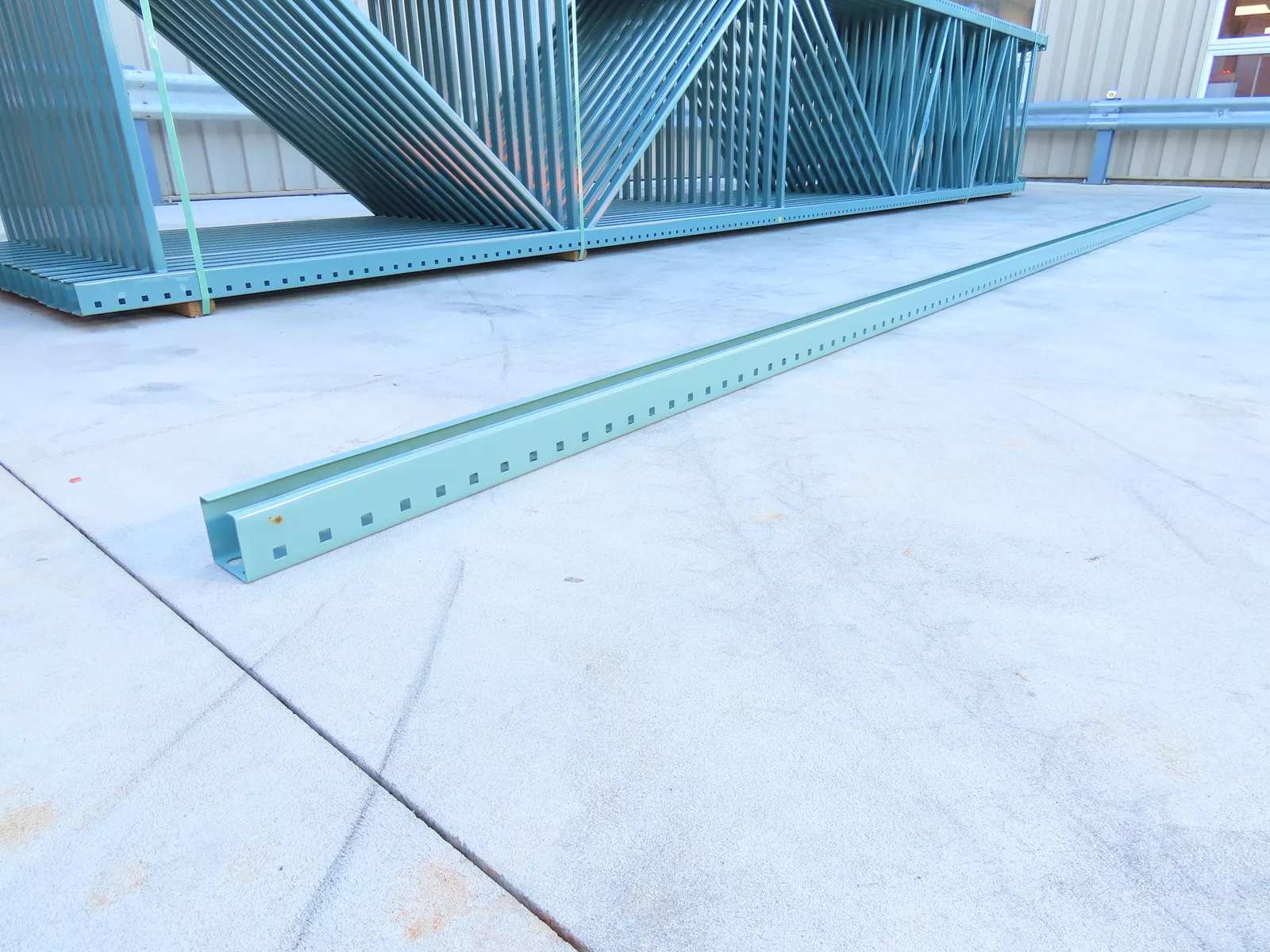
What Tools Do I Need To Construct Pallet Racking?
How Do I Properly Label My Pallet Racks?
In the world of warehousing, effective organization and efficiency can make or break your operation. One of the critical components of peak performance in a warehouse is proper labeling of your pallet racks. In an era where supply chain disruptions are a hot topic—particularly due to impacts from recent global events—ensuring easy identification of stock and inventory is not just helpful; it’s essential.
First and foremost, investing in a well-structured labeling system propels your operation into a realm of accuracy and speed. Imagine a scenario where your workers can navigate the warehouse blindfolded because they can quickly locate items without second-guessing. This level of efficiency streamlines your order fulfillment processes and directly impacts your bottom line. For example, during the heights of the COVID-19 pandemic, many retailers saw a surge in online orders. Companies like Amazon demonstrated that with precise warehouse management and labeling, they could process these orders efficiently while meeting the heightened customer demand.
When labeling your pallet racks, consider using a clear and consistent approach. Each rack should be designated with easy-to-read labels that display the aisle number, rack number, and respective product codes. Using a color-coded system can further enhance this process. For instance, you might designate a particular color for specific product categories, such as blue for electronics and green for perishables. This visual cue aids quick recognition and minimizes errors—one of the main goals in warehouse management.
Additionally, it’s vital to ensure that your labels are durable and weather-resistant, considering variations in temperature and humidity that can occur in warehouse settings. Invest in high-quality label materials that withstand wear and tear; this will save you time and headaches in the long run. One good practice is to perform routine checks on your labels, especially in busy warehouse environments that see high traffic.
Incorporating technology can amplify your labeling efficiency. QR codes or barcodes provide an excellent opportunity for innovation—allowing your workforce to simply scan codes to identify items’ locations and statuses, thereby reducing guesswork. As seen with industries adapting to digital inventory systems, updating your rack labels to include these technologies will keep your operations current and competitive.
In summary, proper labeling of pallet racks is a foundational element for enhanced efficiency in your warehouse. By instituting clear, durable, and technology-integrated labeling systems, you’ll not only streamline your inventory management but also position your business to thrive even in uncertain times. Don’t just label; transform your operation into a well-oiled machine.

How Do I Properly Label My Pallet Racks?
How Do I Properly Label My Pallet Racks?
- Effective organization and efficiency are crucial for warehouse operations.
- Proper labeling of pallet racks enhances accuracy and speed in inventory management.
- A clear labeling system aids in quick item identification, impacting order fulfillment and profitability.
- Color-coded labels can improve recognition and minimize errors in product categorization.
- Durable, weather-resistant labels are important for withstanding varying warehouse conditions.
- Incorporating technology, such as QR codes or barcodes, can further increase labeling efficiency.
- Implementing a robust labeling system transforms warehouse operations for improved performance.
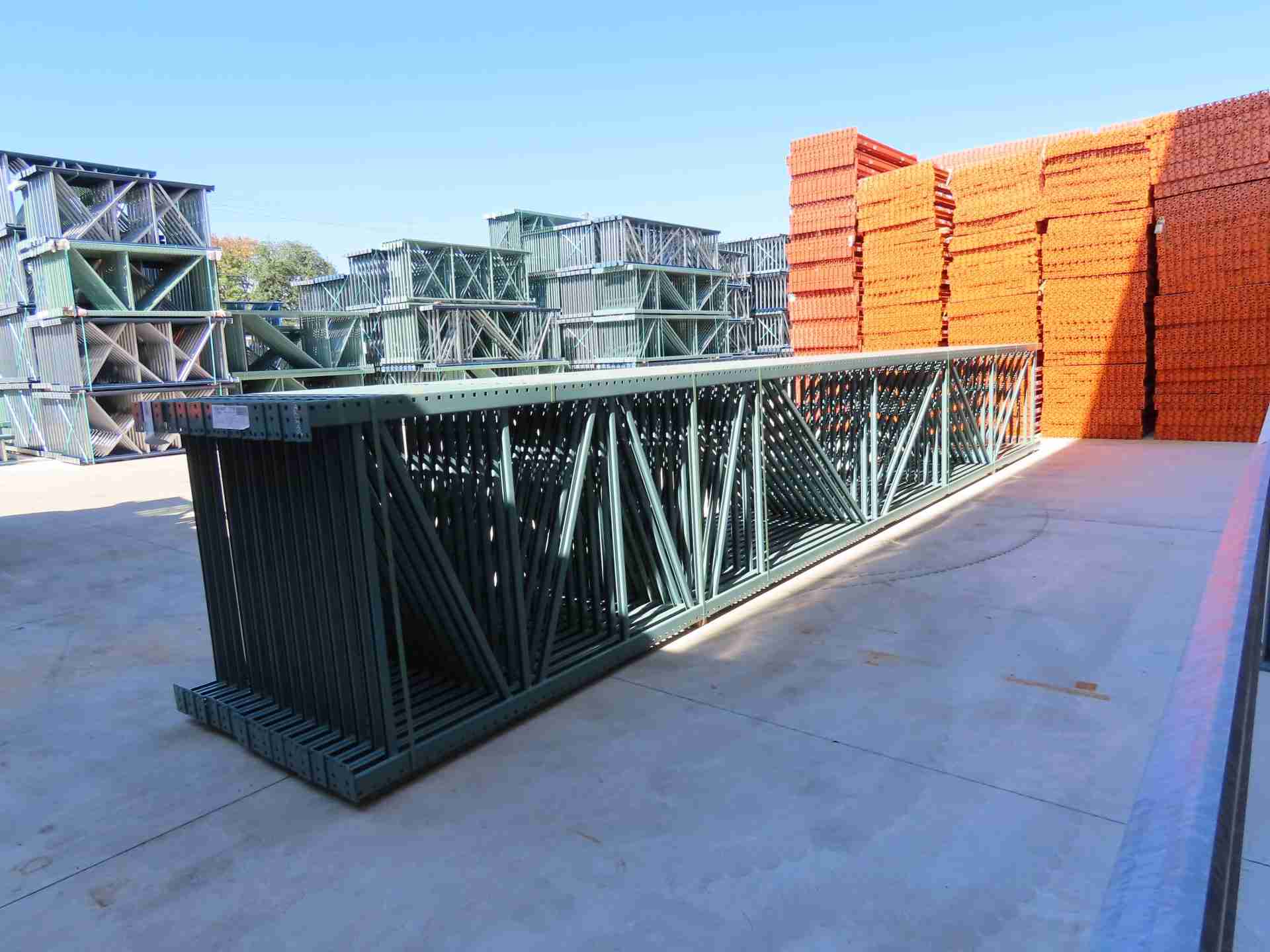
How Do I Properly Label My Pallet Racks?
What Is The Best Layout For Pallet Racking?
When it comes to optimizing your warehouse space, the layout of your pallet racking is a paramount consideration. A thoughtfully planned pallet racking system not only maximizes storage but also streamlines operations, enhances workflow, and ultimately boosts profitability. In today’s fast-paced supply chain environment, an efficient layout can set you apart from the competition.
Understanding Your Needs
Before diving into design principles, it’s essential to evaluate your specific needs. What types of products are you storing? How frequently do items move in and out? For instance, a distribution center catering to e-commerce might require a more dynamic layout compared to a facility focused on bulk storage of industrial products.
Popular Layouts and Their Benefits
1. Selective Racking: This universally popular option allows for easy access to every pallet, making it ideal for warehouses with a diverse range of SKUs. For example, a retail warehouse that churns through seasonal inventory like holiday decorations could benefit from this layout, ensuring that staff can quickly retrieve items.
2. Drive-In Racking: Particularly advantageous for facilities with high-density storage needs, drive-in racking is suited to storing large quantities of similar items. This method requires fewer aisles and significantly cuts down on storage space. A perfect example of its use is in food distribution; as demand for bulk warehousing rises in response to global food supply chain changes, drive-in systems can effectively handle large loads while optimizing pick efficiency.
3. Flow Racking: This inventive layout utilizes gravity to create a first-in, first-out (FIFO) inventory rotation, ensuring that older stock is utilized before newer stock, a vital concept for perishable goods or items subject to expiration. The rise in e-commerce has necessitated timely stock rotation, making flow racking an increasingly savvy investment.
Designing for Flexibility
The modern marketplace demands adaptability. Businesses must prepare for unforeseen shifts, whether it be emerging product lines or spikes in demand. Modular designs that allow for expansion and reconfiguration can prove invaluable. Consider the current trend of “just-in-time” inventory; having a flexible racking system means you can readily adjust your layout based on real-time needs without significant downtime.
Conclusion: A Blueprint for Success
Your pallet racking system should serve as the backbone of your operations, allowing for efficiency and adaptability. By carefully selecting the right layout—be it selective, drive-in, or flow—you not only enhance storage capabilities but also empower your workforce through improved access and organization. As economic conditions continue to evolve in 2023, investing in an optimized pallet racking system can be the difference between simply surviving and thriving in the competitive warehouse landscape. Make the choice that propels your business forward.
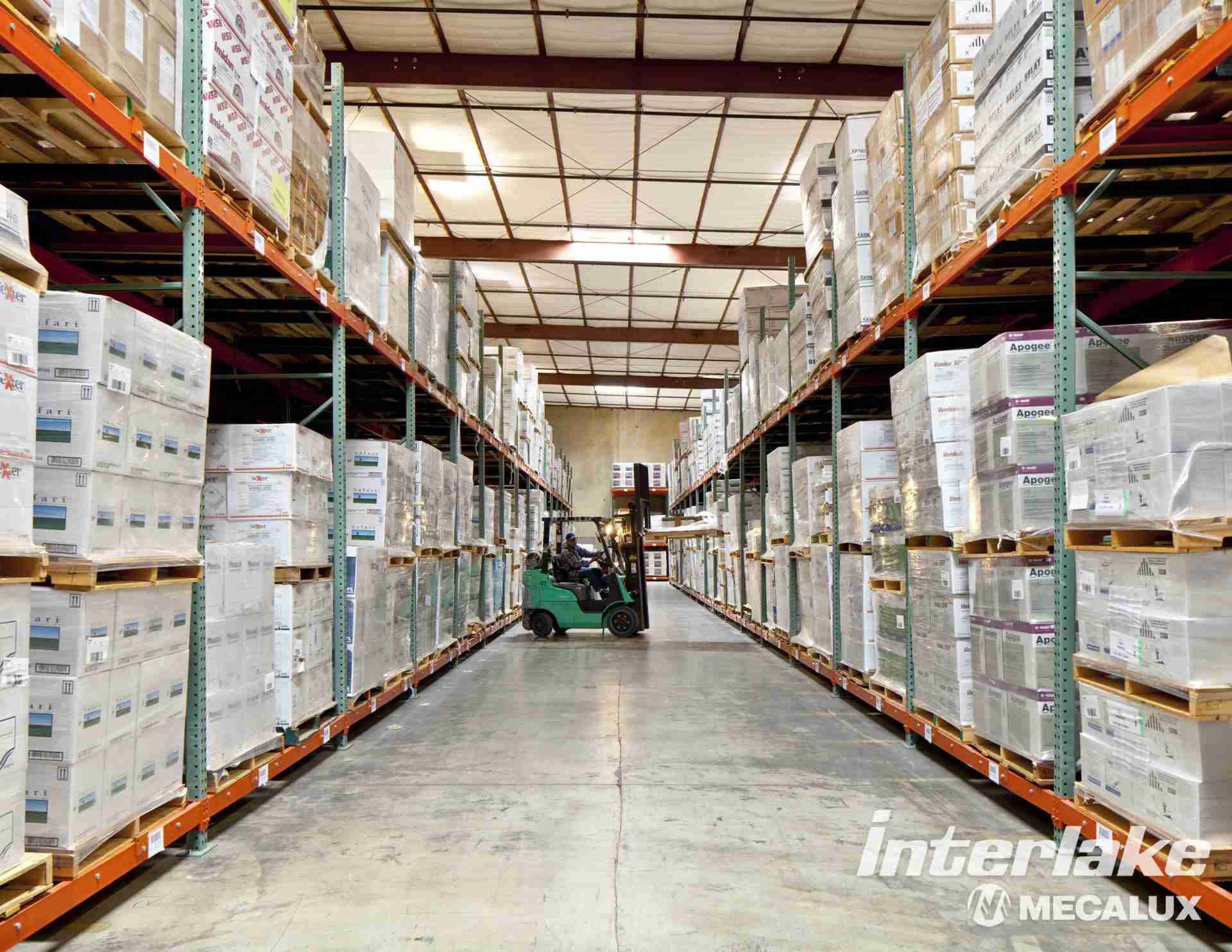
What Is The Best Layout For Pallet Racking?
What Is The Best Layout For Pallet Racking?
- Optimizing warehouse space requires careful consideration of pallet racking layout for maximizing storage and enhancing operations.
- Assess specific needs before design: consider the types of products stored and their movement frequency.
- Popular pallet racking layouts include:
- Selective Racking: Easy access, ideal for warehouses with various SKUs.
- Drive-In Racking: Suitable for high-density storage with fewer aisles, perfect for bulk items.
- Flow Racking: Uses gravity for FIFO inventory rotation, essential for perishable goods.
.
- Modern marketplace demands flexibility; modular designs allow for expansion and reconfiguration.
- A flexible racking system enables quick adjustments to layout based on real-time needs.
- A well-chosen pallet racking layout enhances storage capability and improves workforce access and organization.
- Investing in an optimized pallet racking system is crucial for thriving in a competitive warehouse landscape.
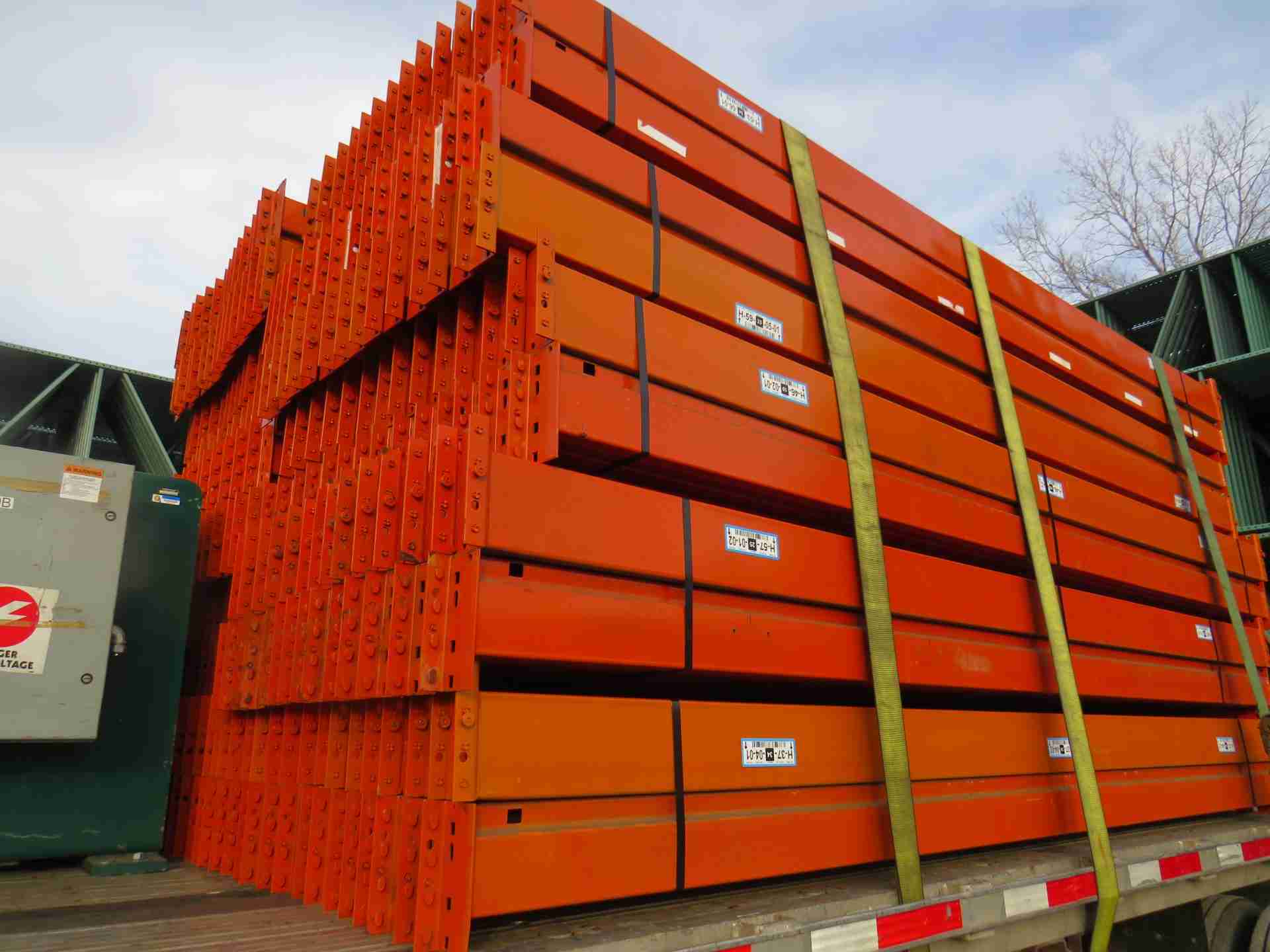
What Is The Best Layout For Pallet Racking?
How Do I Secure My Pallet Racks To The Floor?
In today’s fast-paced warehouse environment, the last thing you want is an avoidable accident caused by improperly secured pallet racks. Investing time and resources into properly anchoring your equipment not only enhances safety but also boosts operational efficiency. So, how do you secure your pallet racks to the floor? Let’s dive into the methods that can transform your storage system from a potential hazard into a fortress of productivity.
Understand Your Floor Type: The first step in securing your pallet racks is understanding the substrate they will be anchored to. Concrete is the most common type of floor, but knowing whether it is new or older can influence your choice of anchor. For newer concrete, standard expansion bolts may suffice, while older concrete might require epoxy anchors for added stability. For example, during the recent warehouse collapses tied to inadequate anchoring practices, experts emphasized that floor assessments should never be overlooked.
Select the Right Anchors: Just like selecting the right marketing strategy, choosing the right anchors for your pallet racks is critical. Expansion anchors are ideal for concrete, while lag bolts are best for wood. In some cases, chemical anchors can offer a superior grip in both types of flooring, ensuring that your racks are firmly fixed. Picture this: by implementing anchor systems similar to those used in the construction of skyscrapers, you can provide your warehouse with the robust foundation it deserves.
Consult with Experts: You wouldn’t launch a product without market research, and similarly, you shouldn’t install pallet racks without expertise. Collaborating with professionals in warehouse safety can reveal insights into the latest codes and best practices. For instance, the recent OSHA regulations emphasize the importance of proper rack inspection and maintenance—an expert can help ensure compliance while securing your investment against fines that can mount up faster than you think.
Use Proper Installation Techniques: The final piece of the puzzle is the installation itself. Make sure that your racks are not only anchored but also leveled during the installation process. A well-leveled rack prevents future issues such as tilting, which can lead to accidents and inefficiencies. Incorporating a simple level in your installation toolkit can make all the difference and serves as a metaphor for maintaining balance in your operational strategy.
Securing your pallet racks to the floor isn’t just about compliance; it’s about building a sustainable, high-functioning workspace. By understanding your environment, selecting appropriate anchors, enlisting expert advice, and installing carefully, you’re not just making a decision—you’re forging a pathway to long-term success. Give your pallet racks the security they need, and watch your efficiency soar.
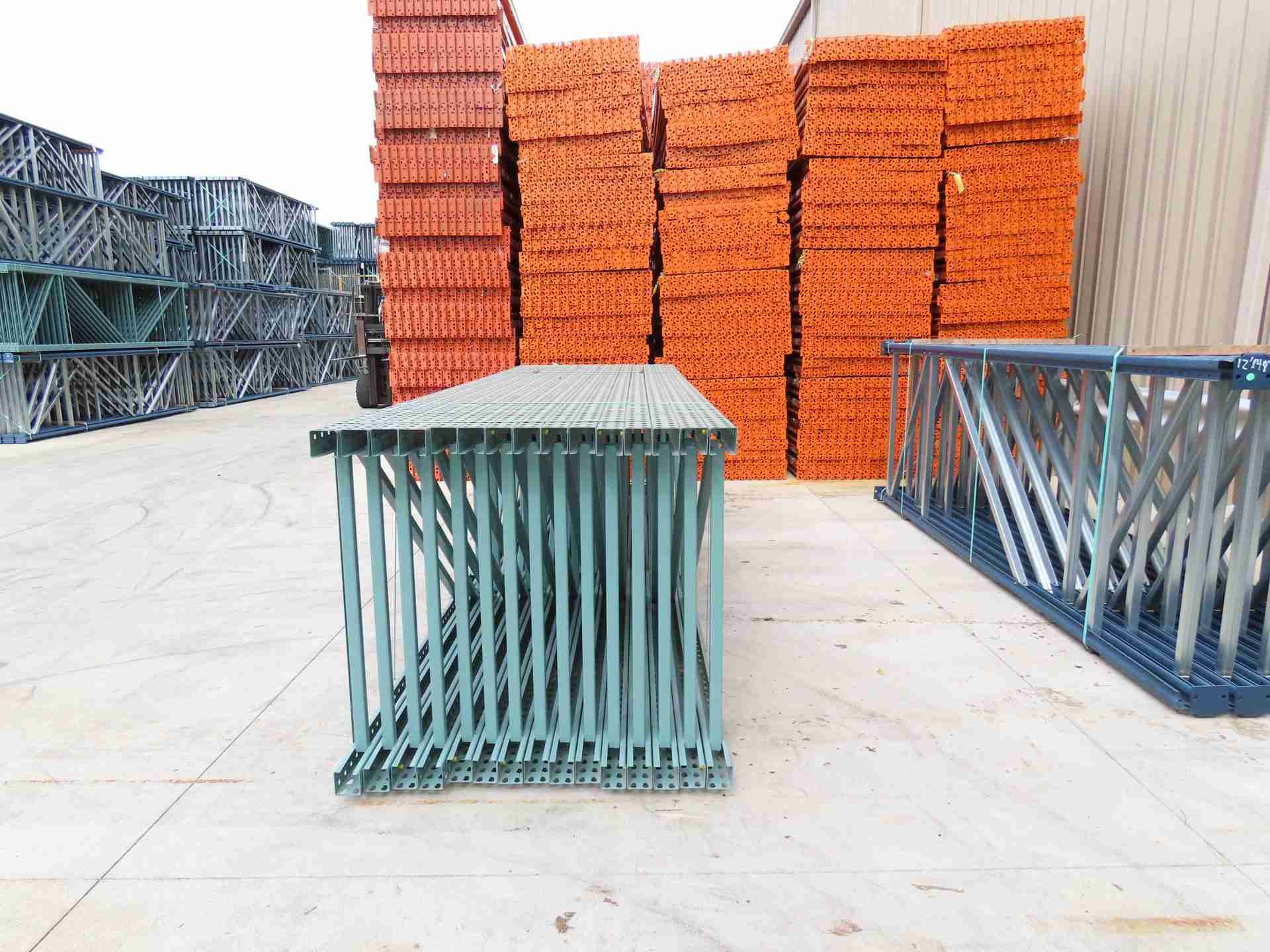
How Do I Secure My Pallet Racks To The Floor?
How Do I Secure My Pallet Racks To The Floor?
- Understanding the floor type is crucial for proper anchoring of pallet racks.
- New concrete may require standard expansion bolts, while older concrete may need epoxy anchors.
- Selecting the right anchors is essential; expansion anchors work best for concrete, and lag bolts for wood.
- Chemical anchors provide superior grip and stability for both concrete and wood flooring.
- Consulting with warehouse safety experts helps ensure compliance with current safety codes and best practices.
- Proper installation techniques, including leveling, prevent future tilting and inefficiencies.
- Securing pallet racks is a strategic investment that enhances safety, compliance, and operational efficiency.
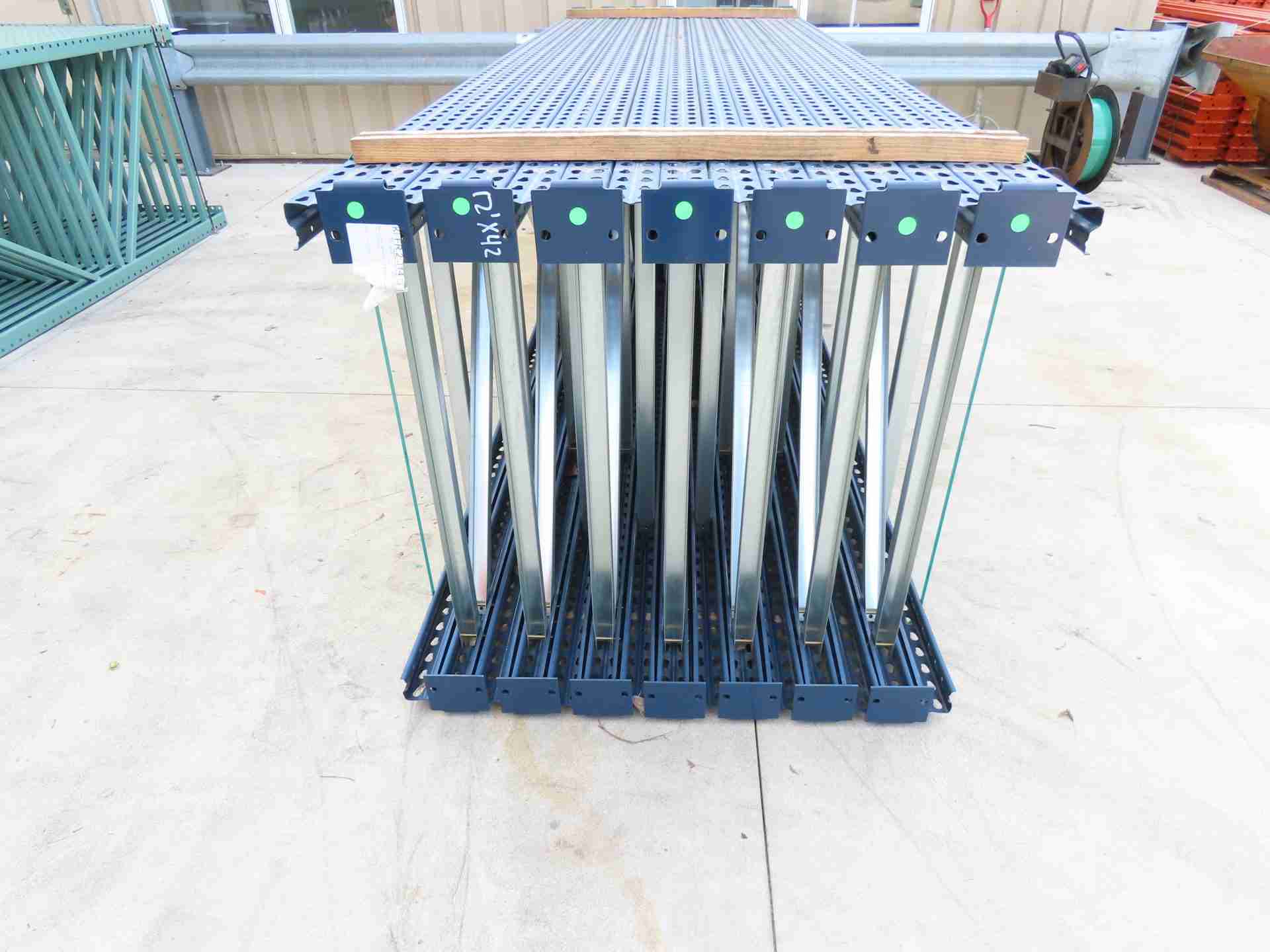
How Do I Secure My Pallet Racks To The Floor?
What Maintenance Is Required For Pallet Racking?
Investing in pallet racking systems is a savvy move for any warehouse or distribution center looking to maximize space and efficiency. But like any valuable asset, these systems require regular maintenance to ensure they continue to operate safely and effectively. Ignoring maintenance can lead to costly downtime, safety hazards, and even potential legal liabilities. Here’s how to keep your pallet racking in top-notch condition, enhancing productivity while safeguarding your bottom line.
Routine Inspections
Schedule regular inspections—at least once every six months. This isn’t just a box-checking exercise; it’s a chance to catch minor issues before they escalate into major problems. Look for signs of wear such as bent beams, damaged uprights, and missing bolts. For example, many warehouse managers were reminded of the importance of these inspections after a high-profile incident in 2023, where neglected racking systems led to a severe collapse in a distribution center, resulting in significant injuries and shutdowns. Don’t wait for an incident; make inspections a cornerstone of your operational strategy.
Employee Training
Your staff is your first line of defense against mistakes that can lead to damage or injury. Conduct training sessions to familiarize them with the racking system and proper loading practices. A simple rule of thumb: “If you can’t load it, don’t.” Ensure employees understand weight limits and how to stack pallets correctly. Just this year, reports surfaced of a warehouse where a lack of training resulted in significant product loss and costly repairs, emphasizing that a well-trained workforce is essential for maintaining a safe working environment.
Prompt Repairs
Just as you wouldn’t drive a car with a flat tire, you shouldn’t use damaged racking systems without addressing the issues. Engage professionals to assess any damage and recommend repairs. For instance, companies like [insert relevant company name here] offer specialized services in racking repair, allowing you to extend the longevity of your investment. Ignoring issues can lead to bigger problems, including inventory loss and even legal consequences.
Compliance and Documentation
Maintaining compliance with local regulations is crucial. Stay updated with OSHA guidelines and note that changes can arise quickly. Keeping detailed records of inspections, repairs, and employee training is not just a best practice; it can protect you during audits.
Regular maintenance of pallet racking systems is essential, not only for safety and compliance but also for achieving the operational efficiency that can set your business apart. By staying proactive, you ensure your racking remains a valuable asset rather than a potential liability. Don’t let neglect turn your profits into problems—invest in maintenance today!
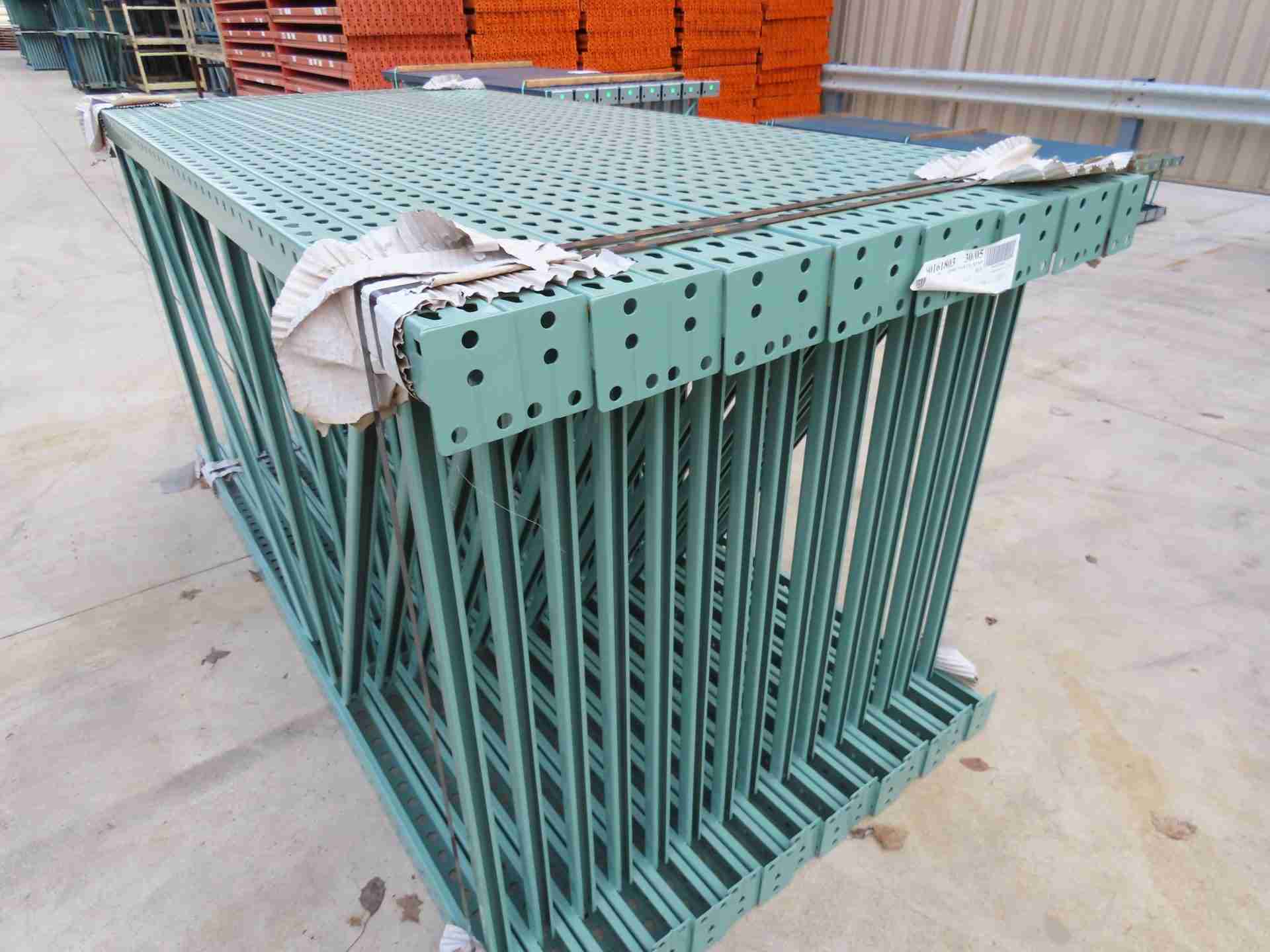
What Maintenance Is Required For Pallet Racking?
What Maintenance Is Required For Pallet Racking?
- Investing in pallet racking systems helps maximize space and efficiency in warehouses.
- Regular maintenance is essential to avoid costly downtime, safety hazards, and legal liabilities.
- Schedule routine inspections at least every six months to catch minor issues early.
- Employee training is crucial for safe loading practices and understanding weight limits.
- Prompt repairs are necessary to prevent bigger issues, including inventory loss and legal trouble.
- Stay compliant with local regulations and OSHA guidelines, keeping detailed records of inspections and training.
- Proactive maintenance ensures your racking system remains a valuable asset, not a liability.

What Maintenance Is Required For Pallet Racking?
How Can I Maximize Space With Pallet Racking?
In today’s fast-paced commercial landscape, maximizing space isn’t just a matter of efficiency; it’s the lifeblood of your operation. Enter pallet racking—a storage solution that can unlock the full potential of your warehouse, retail space, or distribution center. If you’ve ever walked into a warehouse and felt overwhelmed by clutter and wasted space, it’s time to rethink your storage strategy.
First things first: evaluate your current layout. A simple, well-organized assessment can reveal how much more you can achieve with pallet racking systems. For example, consider a retailer that recently transitioned to a vertical storage system. By implementing selective pallet racking, they not only increased warehouse density by 60% but also improved product accessibility, allowing staff to locate items in a fraction of the previous time. Greater accessibility means faster fulfillment, which is a vital competitive edge in today’s e-commerce-driven world.
But don’t stop there—think vertically! Utilize high-rise pallet racks to take advantage of vertical space without sacrificing accessibility. Modern systems come equipped with advanced technology that can organize your inventory effectively, enabling easy integration with existing warehouse management software. As more businesses pivot to leaner operations in response to supply chain challenges, these systems can help streamline inventory turnover, a necessary move in our current economic climate.
Consider the seasonal fluctuations in demand. For instance, as holiday shopping peaks, a retailer can adapt their pallet racking to accommodate increased stock levels. This adaptive strategy prevents overstock issues and mitigates the risks associated with excess inventory. You might even find that investing in movable pallet racks allows you to reconfigure your space quickly, keeping up with trends and consumer demands.
Additionally, focus on safety and compliance. A well-structured pallet racking system not only maximizes space but also enhances safety protocols. For instance, clear pathways and organized pallet storage can significantly reduce workplace accidents—an essential factor as OSHA regulations tighten and safety becomes an expected standard in retail and distribution.
Finally, don’t underestimate the power of aesthetics. An organized, well-structured space boosts employee morale and improves customer perception. When clients see order, they trust your business more, which is crucial as competition heightens in nearly every sector.
In this era of rapid change and uncertainty, maximizing your space with pallet racking isn’t just smart; it’s a fundamental strategy for thriving in today’s market. Invest wisely, adapt swiftly, and watch your efficiency—and profits—soar.
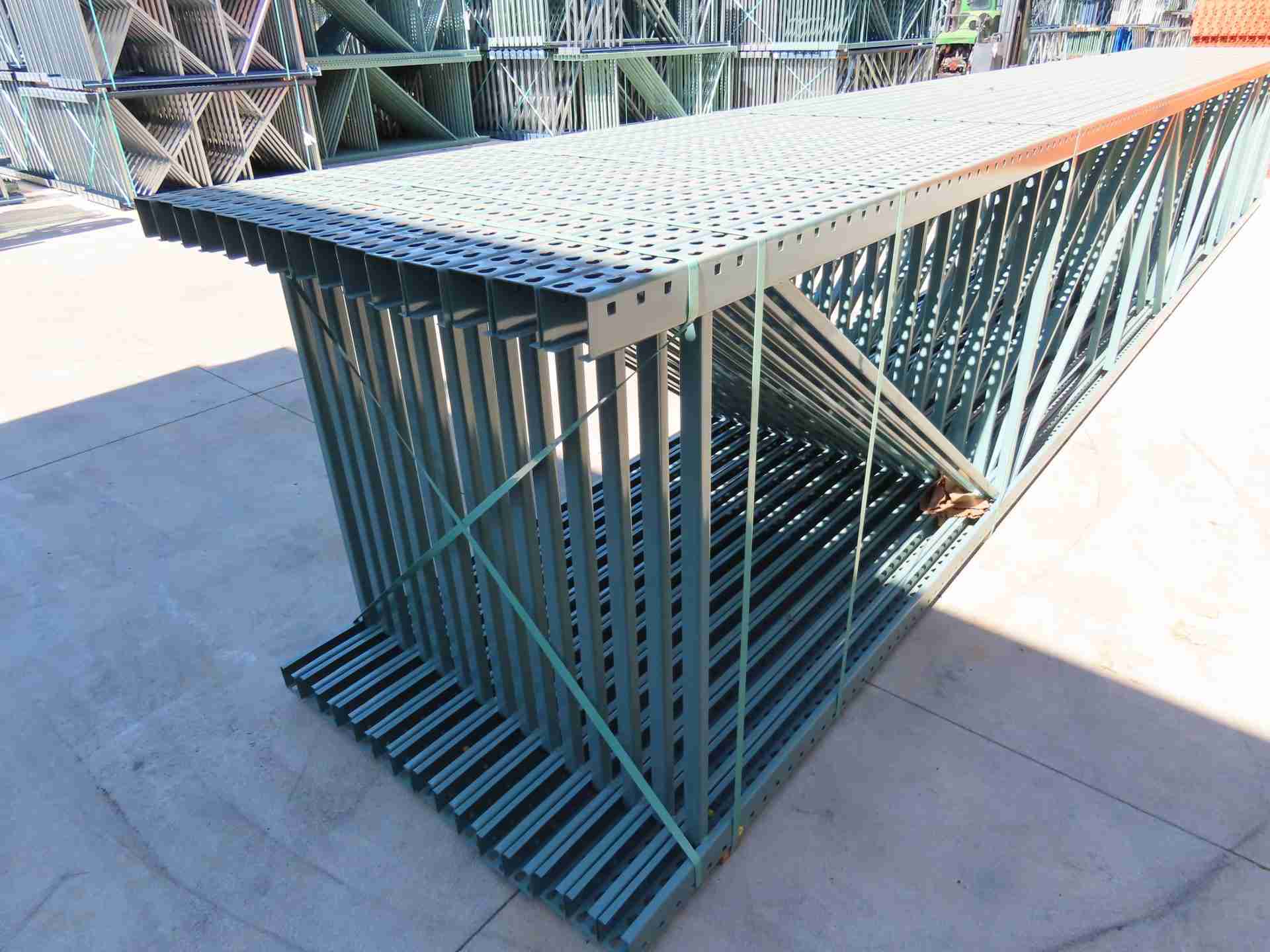
How Can I Maximize Space With Pallet Racking?
How Can I Maximize Space With Pallet Racking?
- Pallet racking is essential for optimizing space in warehouses, retail, and distribution centers.
- A thorough evaluation of the current layout can uncover opportunities for improvement with pallet racking systems.
- Implementing vertical storage can increase warehouse density by up to 60% and improve product accessibility.
- Modern high-rise pallet racks leverage technology for efficient inventory management and integration with warehouse systems.
- Adapting pallet racking for seasonal demand fluctuations can help prevent overstock and manage inventory effectively.
- Well-structured pallet racking systems enhance workplace safety and compliance with stringent regulations.
- An organized storage area not only improves employee morale but also enhances customer trust and perception.
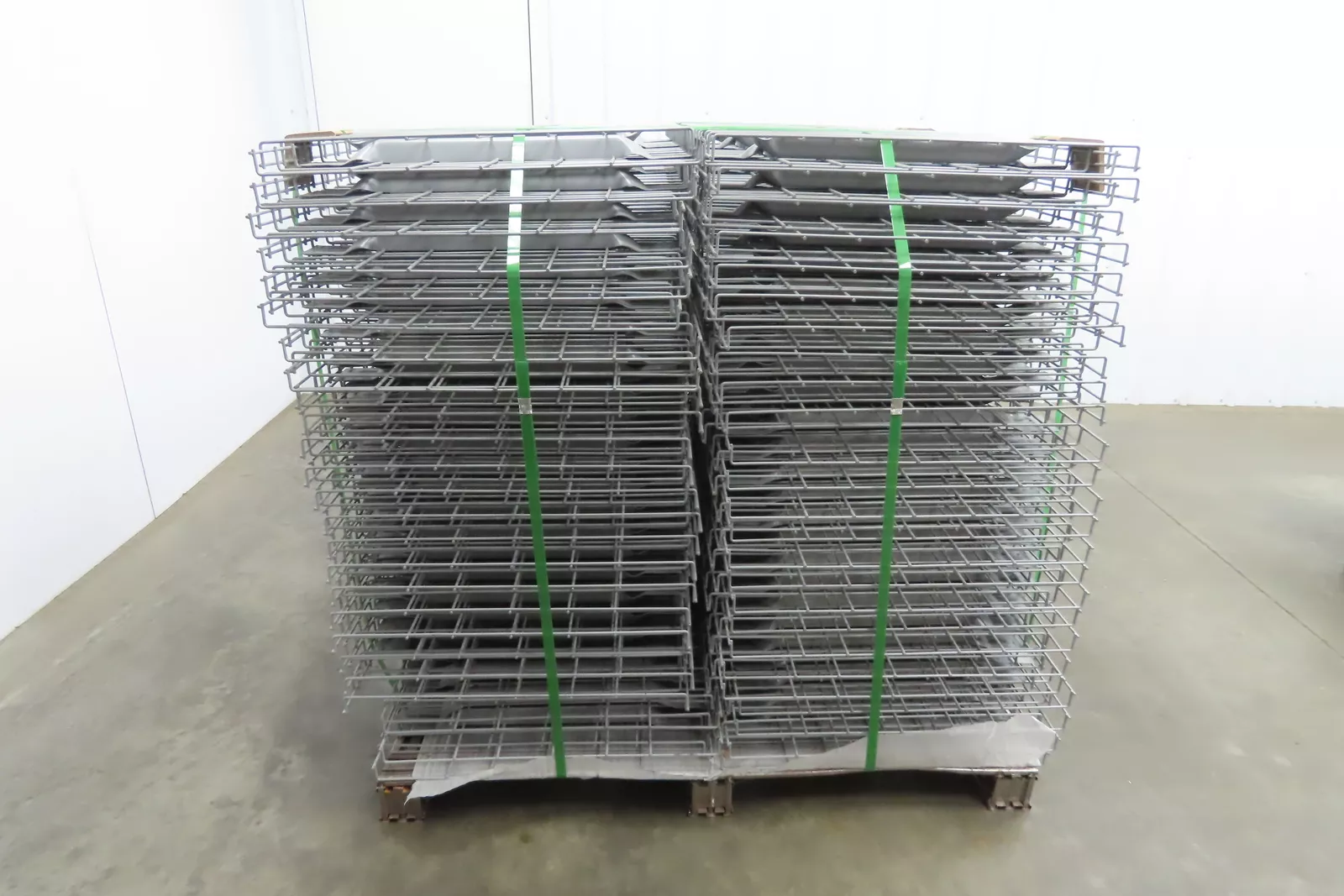
How Can I Maximize Space With Pallet Racking?
What Common Mistakes Should I Avoid When Building Racking?
Building racking systems can supercharge your operational efficiency, but if you’re not careful, you could end up with a setup that’s more of a headache than a help. Let’s explore common pitfalls in racking design and installation, so you can avoid costly missteps.
1. Skimping on Space Planning
One of the biggest miscalculations retailers make is failing to perform adequate space planning. Imagine this: You’ve ordered a top-notch inventory of summer apparel, only to find that your racking can’t accommodate the influx of stock. The result? Chaos in the warehouse, frantic reorganization, and lost sales opportunities. A recent study showed that poor inventory management can result in up to 25% in lost revenue. Solve this by thoroughly assessing your current space and forecasting future needs.
2. Ignoring Weight Load Capacities
Another grave mistake is disregarding the weight load limits of your racking systems. Picture this scenario—stocking an overloaded shelf, only to watch in horror as it collapses under the weight. Beyond the immediate safety risks, an OSHA report from 2023 highlighted incidents linked to improper racking support that resulted in substantial fines and lost productivity. Always consult load capacity guidelines before stacking high; prioritize safety for your workforce.
3. Neglecting Accessibility
When building racks, visibility and accessibility can fall by the wayside if you’re too focused on maximizing space. If your employees spend more time hunting for items than fulfilling orders, you’ve defeated the purpose of your investment. Consider the recent shift to eCommerce fulfillment, where speed is everything. For instance, companies that adopted an “FIFO” (First In, First Out) strategy in their racking saw a 20% increase in order processing speed. An approachable, systematic racking layout will save both time and money.
4. Failing to Factor in Technology
It’s 2023—if your racking doesn’t integrate seamlessly with technology, you’re shooting yourself in the foot. Automation and inventory tracking systems allow for real-time updates, leading to better management. Just last year, a case study from a leading logistics company showed that upgrading their racking system to include RFID technology resulted in a 30% reduction in inventory discrepancies. Don’t let outdated methods drag your operation down.
5. Overlooking Maintenance
Finally, people often overlook the importance of routine maintenance. Don’t treat your racking systems as built-and-forget assets. Regular inspections can prevent minor issues from escalating into costly repairs, ensuring your operation runs smoothly. Schedule routine checks before you encounter a catastrophic failure.
Avoid these common mistakes, and those racks could transform your workflow from chaotic to streamlined, all while enhancing safety and productivity.
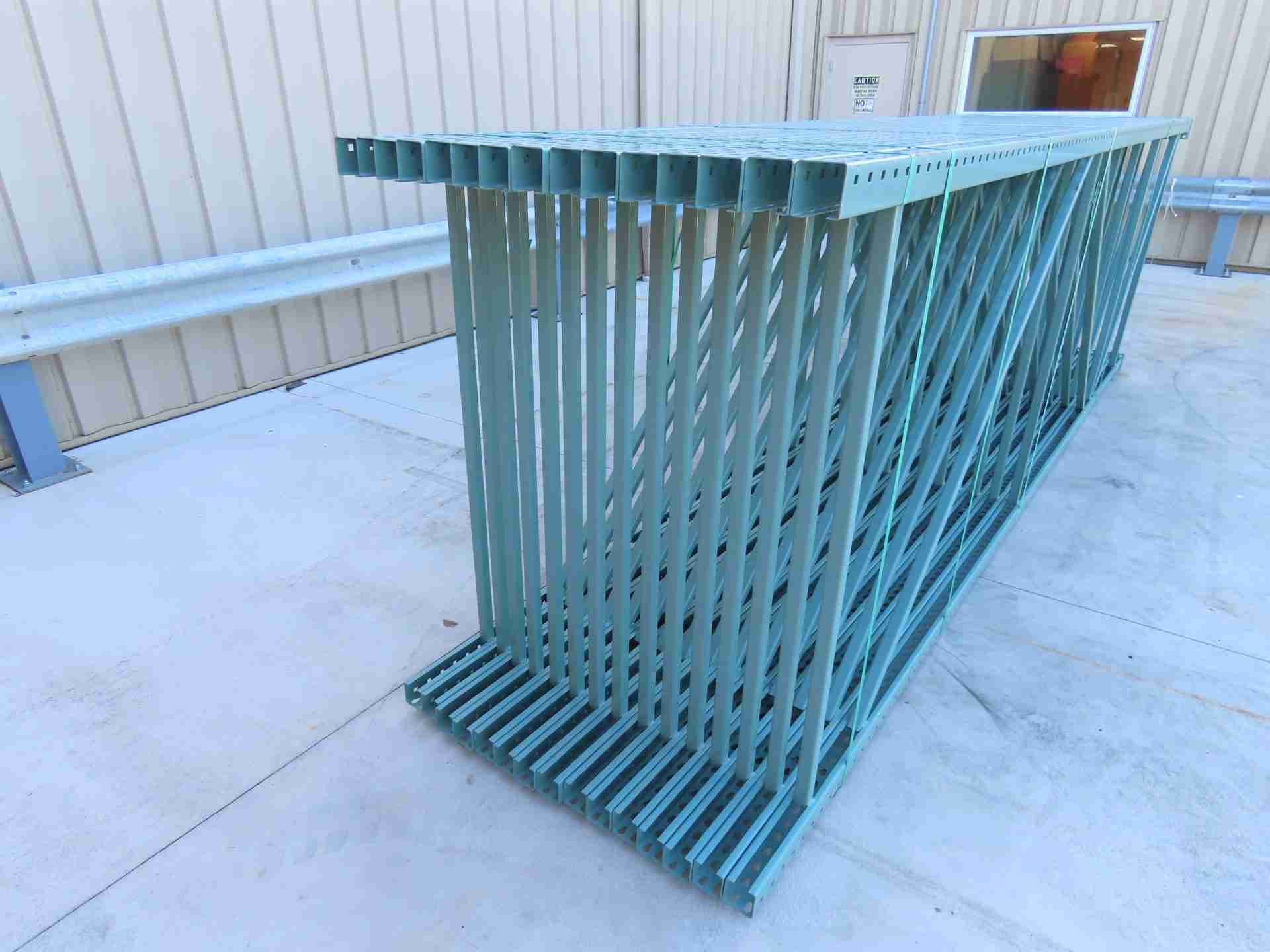
What Common Mistakes Should I Avoid When Building Racking?
What Common Mistakes Should I Avoid When Building Racking?
- Building racking systems can enhance operational efficiency but may lead to complications if not planned correctly.
- Inadequate space planning can result in chaos and lost sales opportunities due to unaccommodated stock.
- Ignoring weight load capacities can lead to racking failures, safety risks, substantial fines, and lost productivity.
- Accessibility should not be compromised for space maximization, as visibility affects order fulfillment efficiency.
- Integrating technology, such as automation and RFID tracking, improves inventory management and reduces discrepancies.
- Routine maintenance is crucial; regular inspections can prevent minor issues from turning into costly repairs.
- Addressing these pitfalls can transform your racking system into a streamlined, safe, and productive solution.
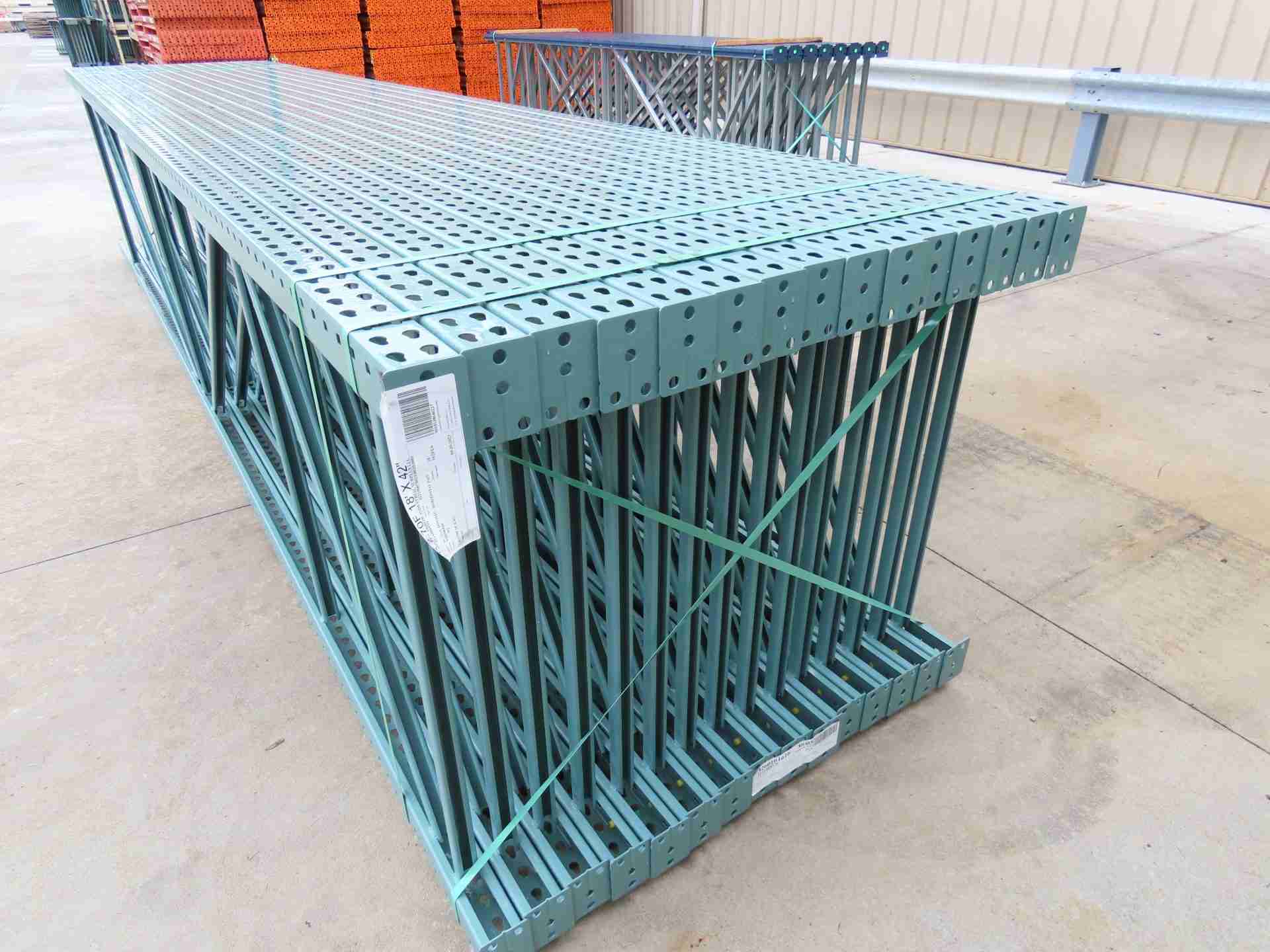
What Common Mistakes Should I Avoid When Building Racking?
How Can I Customize Pallet Racking For My Needs?
Customizing pallet racking isn’t just a tactical move; it’s a strategic advantage that can significantly impact your operational efficiency and bottom line. In today’s fast-paced and ever-changing marketplace, standard solutions may not cut it. To thrive, businesses must tailor their storage systems to fit their unique products, space constraints, and growth ambitions.
Let’s start with an example: consider a rapidly expanding e-commerce company. Standard pallet racks might meet their current storage needs, but as their product line diversifies—from oversized furniture to delicate electronics—they need a more dynamic solution. Enter adjustable and modular pallet racking. This customizable option allows businesses to modify shelf heights and depths on the fly, accommodating varying product sizes without the need for investing in new racks every time their inventory shifts.
Remember the story of a leading retailer that faced supply chain disruptions due to the pandemic? They quickly adapted their warehouse layout to handle an influx of specific product lines—think health and wellness items. By switching to selective pallet racking systems, they not only maximized their storage space but also improved picking efficiency by up to 40%. A nimble approach to racking lets you pivot quickly and serve your customers better, no matter how the market changes.
But customization goes beyond merely adjusting shelf heights. Think about adding accessories like wire decking or safety nets. These features enhance visibility and product protection, making it easier for workers to locate items and reducing potential damage. This is particularly critical in industries like pharmaceuticals or food where product integrity is paramount. Tailoring your pallet racking system with robust accessories can be the difference between a streamlined operation and a series of costly mistakes.
Incorporating technology is another avenue for customization. Smart racking systems equipped with RFID tracking can revolutionize your inventory control. Not only do these systems help locate product quickly, but they provide real-time data that can alert you to low stock levels and reduce overstocks—key factors in optimizing your operational flow.
Finally, consider your future growth when customizing your pallet racking. Flexible options like drive-in racks can accommodate fluctuating inventory levels while maximizing vertical space. Investing in a versatile, expandable storage system is a proactive move, aligning your operations with anticipated growth rather than waiting for your existing system to become a bottleneck.
Ultimately, customizing your pallet racking isn’t just about fitting your on-hand products; it’s about future-proofing your operations for success. Embrace customization, and you’ll not only improve your efficiency today but also pave the way for growth tomorrow.

How Can I Customize Pallet Racking For My Needs?
How Can I Customize Pallet Racking For My Needs?
- Customizing pallet racking is a strategic advantage that impacts operational efficiency and profitability.
- Standard storage solutions may not suffice; businesses should tailor systems to their unique products and growth ambitions.
- Adjustable and modular pallet racking allows for easy modification of shelf heights and depths, accommodating diverse product sizes.
- Switching to selective pallet racking systems can maximize storage space and improve picking efficiency by up to 40%.
- Enhancing pallet racking with accessories like wire decking increases visibility and product protection, crucial for sensitive industries.
- Incorporating smart technology, such as RFID tracking, can optimize inventory control and provide real-time stock data.
- Investing in flexible racking systems prepares businesses for future growth and prevents operational bottlenecks.

How Can I Customize Pallet Racking For My Needs?
What Is The Cost Estimate For Building Pallet Racking?
When considering the installation of pallet racking in your warehouse or distribution center, understanding the cost estimate is crucial to ensure you allocate resources effectively. Investing in the right storage solutions can significantly enhance operational efficiency, but how do you gauge the overall expense?
First and foremost, the cost of pallet racking depends on various elements: the type of racking system, the size of your warehouse, and compliance with safety regulations. Basic warehousing solutions like selective racking can start at around $100 to $150 per upright frame, plus additional costs for beams, bracing, and accessories. For a mid-sized warehouse, outfitting enough racking to accommodate an average of 1,000 pallets might run anywhere from $15,000 to $50,000 or more, depending on specifications and material quality.
For instance, if your business is experiencing growth akin to what we’ve seen in the e-commerce sector post-pandemic, investing in more advanced systems such as drive-in or push-back racking could be worth the initial higher costs. These systems can enhance density and improve retrieval speed, which is invaluable when every second counts. A drive-in rack system could set you back $20,000 to $30,000 for a similar pallet capacity, but the ROI in time savings and operational efficiency can quickly justify that expense.
Additionally, factors like installation costs, which can range from $1,500 to $3,500 based on complexity and local labor rates, shouldn’t be overlooked. Furthermore, investment in safety equipment, like strapping and guards, should figure into your budget. Non-compliance with safety regulations not only risks employee safety but could also lead to hefty fines, making that upfront investment a necessary consideration instead of a luxury.
Current trends highlight the importance of adaptable warehousing solutions. As businesses pivot towards hybrid models combining online and in-person retail, the need for versatile and scalable racking systems has skyrocketed. If you’re looking to future-proof your facility, explore options that allow for easy reconfiguration, even if they come at a premium.
In summary, while the initial costs for building pallet racking can range significantly, breaking down expenses by type, installation, and compliance will give you a clearer picture. Prioritize not just the upfront investment but also consider how these solutions will serve your business in the long term. The right pallet racking system will not only optimize your space but also position your business for success in a rapidly evolving market. Always remember, cutting corners in storage solutions can have lasting repercussions. Invest wisely!
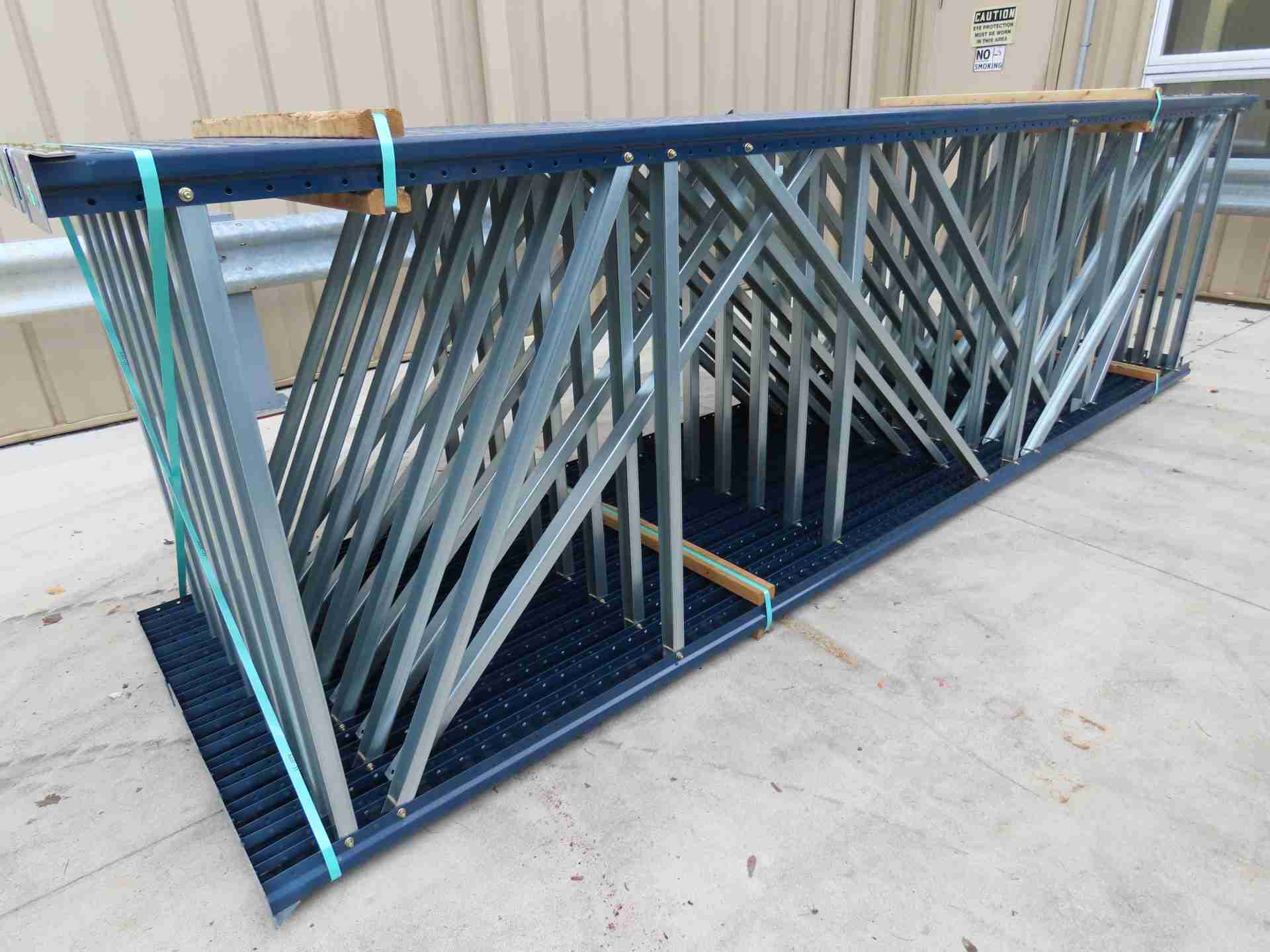
What Is The Cost Estimate For Building Pallet Racking?
What Is The Cost Estimate For Building Pallet Racking?
- Understanding cost estimates for pallet racking is essential for effective resource allocation.
- The cost varies based on racking system type, warehouse size, and safety compliance.
- Basic selective racking starts at approximately $100 to $150 per upright frame, with costs for additional components.
- Mid-sized warehouse installation for 1,000 pallets can range from $15,000 to over $50,000 based on specifications and materials.
- Investing in advanced systems like drive-in or push-back racking can enhance efficiency, with costs between $20,000 to $30,000.
- Installation costs typically range from $1,500 to $3,500, and compliance with safety regulations is crucial to avoid penalties.
- Consider adaptable solutions for future scalability to meet the demands of hybrid retail models.

What Is The Cost Estimate For Building Pallet Racking?
How Do I Disassemble Or Modify Pallet Racks Safely?
If you’re looking to optimize your warehouse space, disassembling or modifying pallet racks can be a game-changer. However, safety should be your top priority. Every year, countless injuries result from improper handling of heavy-duty equipment like pallet racks. So, let’s dive into how you can execute this task efficiently while keeping safety front and center.
First and foremost, equip yourself with the right tools. Just like a chef wouldn’t attempt a gourmet meal without a quality knife set, you shouldn’t approach pallet rack disassembly without proper tools. Basic gear includes wrenches, screwdrivers, and safety gear such as gloves and hard hats. Consider scheduling safety training sessions for your team to familiarize them with the tools and techniques required for such work. An investment in education, even two to three hours of training, can yield dividends in safety and efficiency.
Next, understanding the layout is paramount. Every warehouse is different, and you must take time to analyze the existing configuration of your pallet racks. A quick inspection can reveal weak points, structural issues, or areas that might pose risks when completely dismantling a rack. Recently, companies in the logistics sector faced heightened scrutiny regarding compliance with safety standards, especially in light of current regulations tightening around workplace safety. Knowing your setup can spare your business from potential fines or liabilities.
Before you lift a finger, assess the load. It might sound obvious, but I’ve seen too many teams overlook this step. Ensure the racks are completely unloaded, and double-check that items have been removed correctly- nothing worse than a rogue box tumbling down during disassembly. Using a lift or dolly for heavier items can prevent accidents and keep your crew safe.
As you embark on disassembly, remember to work in teams. Two or more people not only make the labor lighter but also add an element of safety. Assign roles: one person should disassemble while the other stands by to assist or spot for any potential hazards.
Lastly, put safety procedures in place for reassembly if you’re modifying your racks. Use proper anchoring techniques—just like how a ship depends on its mooring. In recent months, businesses that failed to anchor their new structures properly faced instability problems leading to significant operational downtime.
Tackling the disassembly or modification of pallet racks safely is not just about getting the job done; it’s about protecting your most valuable asset—your people. By prioritizing safety, equipping your team, and maintaining open communication, you can ensure a successful and secure operation.
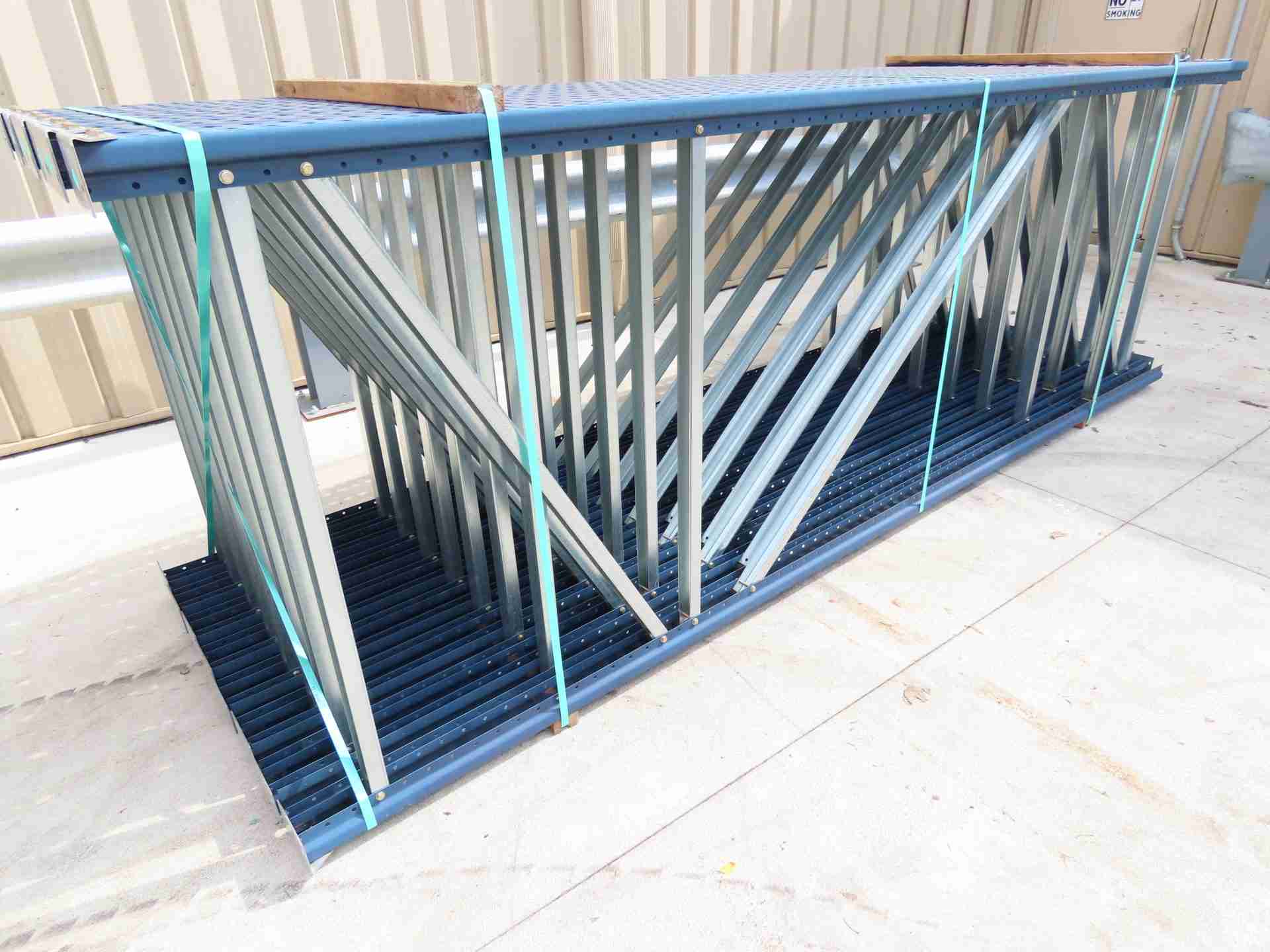
How Do I Disassemble Or Modify Pallet Racks Safely?
How Do I Disassemble Or Modify Pallet Racks Safely?
- Optimizing warehouse space through disassembly or modification of pallet racks is effective, but safety is paramount.
- Equip yourself with the right tools, including wrenches, screwdrivers, gloves, and hard hats; consider safety training for your team.
- Conduct a thorough inspection of the warehouse layout to identify potential weak points and structural issues in the pallet racks.
- Assess the load on the racks fully before disassembly to avoid accidents, ensuring all items are removed safely.
- Work in teams during disassembly to enhance safety and efficiency; assign specific roles to manage tasks effectively.
- Implement safety procedures for reassembly, using proper anchoring techniques to ensure structural stability.
- Prioritizing safety and providing education can protect your workforce and lead to a successful operation.

How Do I Disassemble Or Modify Pallet Racks Safely?
Conclusion
In today’s demanding warehouse and distribution climate, the importance of an efficient, well-structured pallet racking system cannot be overstated. As we’ve explored, the journey to developing an optimal racking solution begins with a deep understanding of your unique operational requirements. By assessing your specific storage needs, selecting the appropriate materials, and designing for flexibility, you set the stage for heightened productivity and profitability.
But it doesn’t stop there. This guide has illuminated a variety of practical solutions to tackle common challenges, whether it’s determining the right type of pallets for your racking system, establishing safety protocols, or evaluating weight capacities. It’s clear that integrative approaches such as leveraging technology for inventory management or customizing racking configurations can provide significant competitive advantages, especially in a rapidly evolving market landscape.
The stakes are high, with operational inefficiencies, safety violations, and compliance issues lurking at every corner. Implementing a robust maintenance program and ensuring regular inspections are critical steps that can safeguard your investment and your workforce. Remember the examples of leading companies that successfully adapted to new challenges by enhancing their racking systems—this could be you!
As you contemplate your next steps, we urge you not to delay. With the surge in e-commerce and fluctuating consumer demands, the time to act is now. The landscape of warehouse management is continuously shifting, making it essential to reserve your spot among the competitive elite.
Ready to reshape your storage strategy and elevate your business? Don’t hesitate—call Arrow Industrial Sales at (574) 349-6575 today. Our expert team is equipped to guide you through the process of building and optimizing your pallet racking system. With our help, not only will you maximize space efficiency, but you’ll also position your business for long-term growth and success in this unpredictable market.
Don’t wait until your competitors capitalize on their storage solutions; take the first step toward redefining your warehouse operations. Contact us now and unlock the potential of your pallet racking systems—we’re here to transform your challenges into opportunities for success!
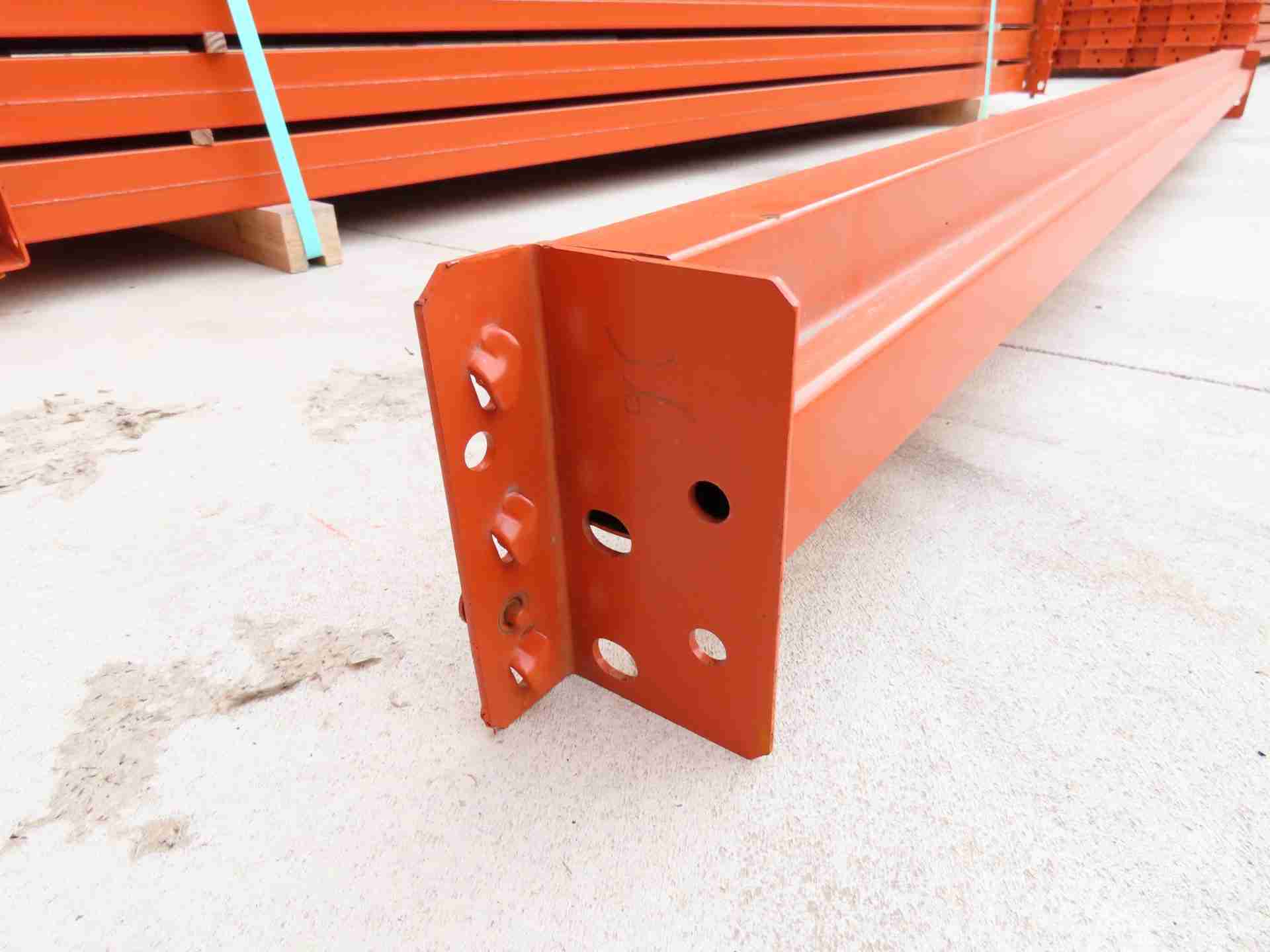
Conclusion
Conclusion:
- Efficient pallet racking systems are crucial in today’s warehouse and distribution environment.
- Understanding unique operational requirements is key to developing an optimal racking solution.
- Assess specific storage needs and select appropriate materials for enhanced productivity and profitability.
- Implement integrative approaches, like leveraging technology and customizing configurations, for a competitive edge.
- Robust maintenance programs and regular inspections help safeguard investments and ensure safety compliance.
- The rise of e-commerce necessitates prompt action to stay competitive in warehouse management.
- Contact Arrow Industrial Sales for expert guidance in building and optimizing your pallet racking system.
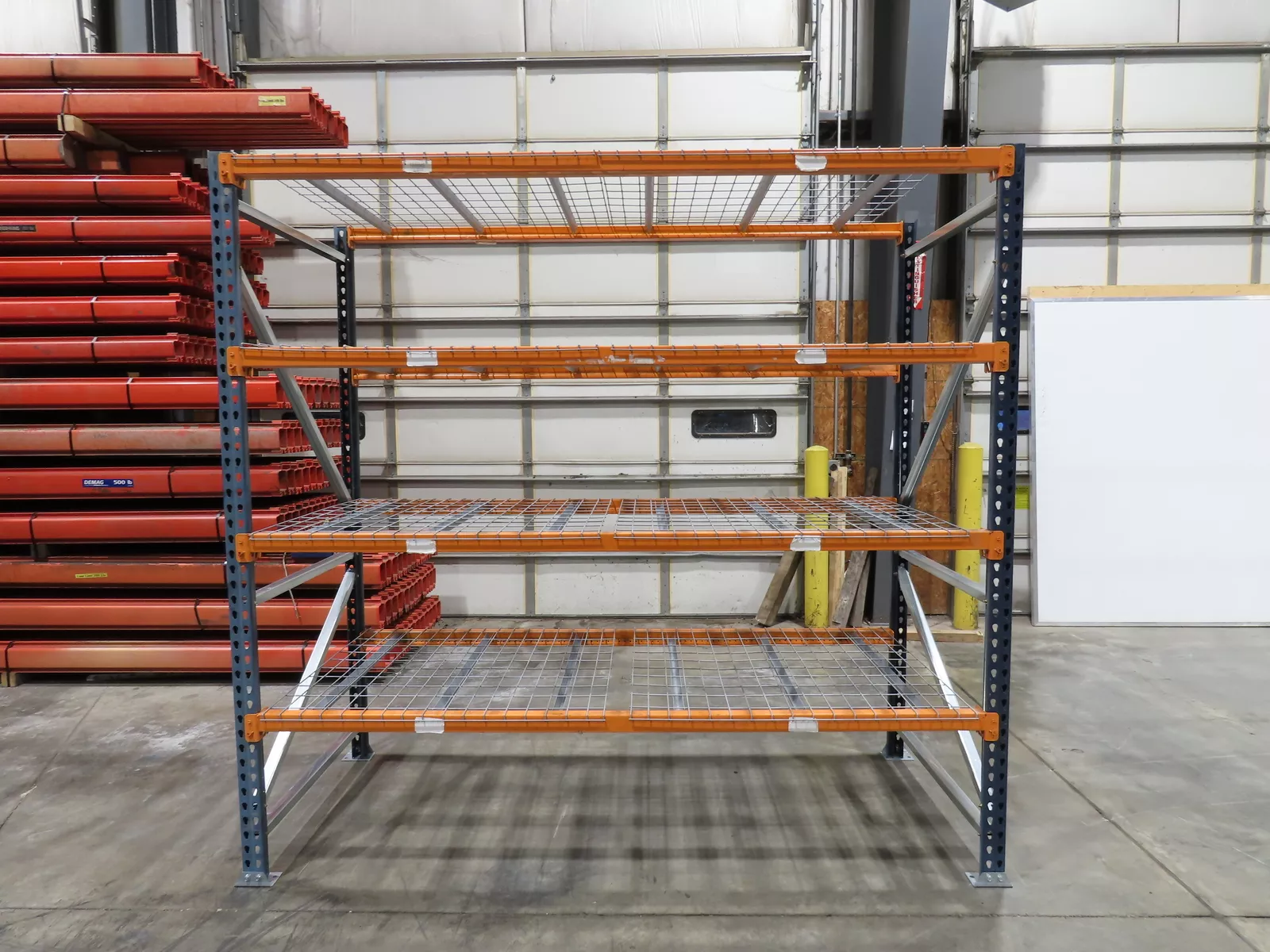
Conclusion
Other Resources
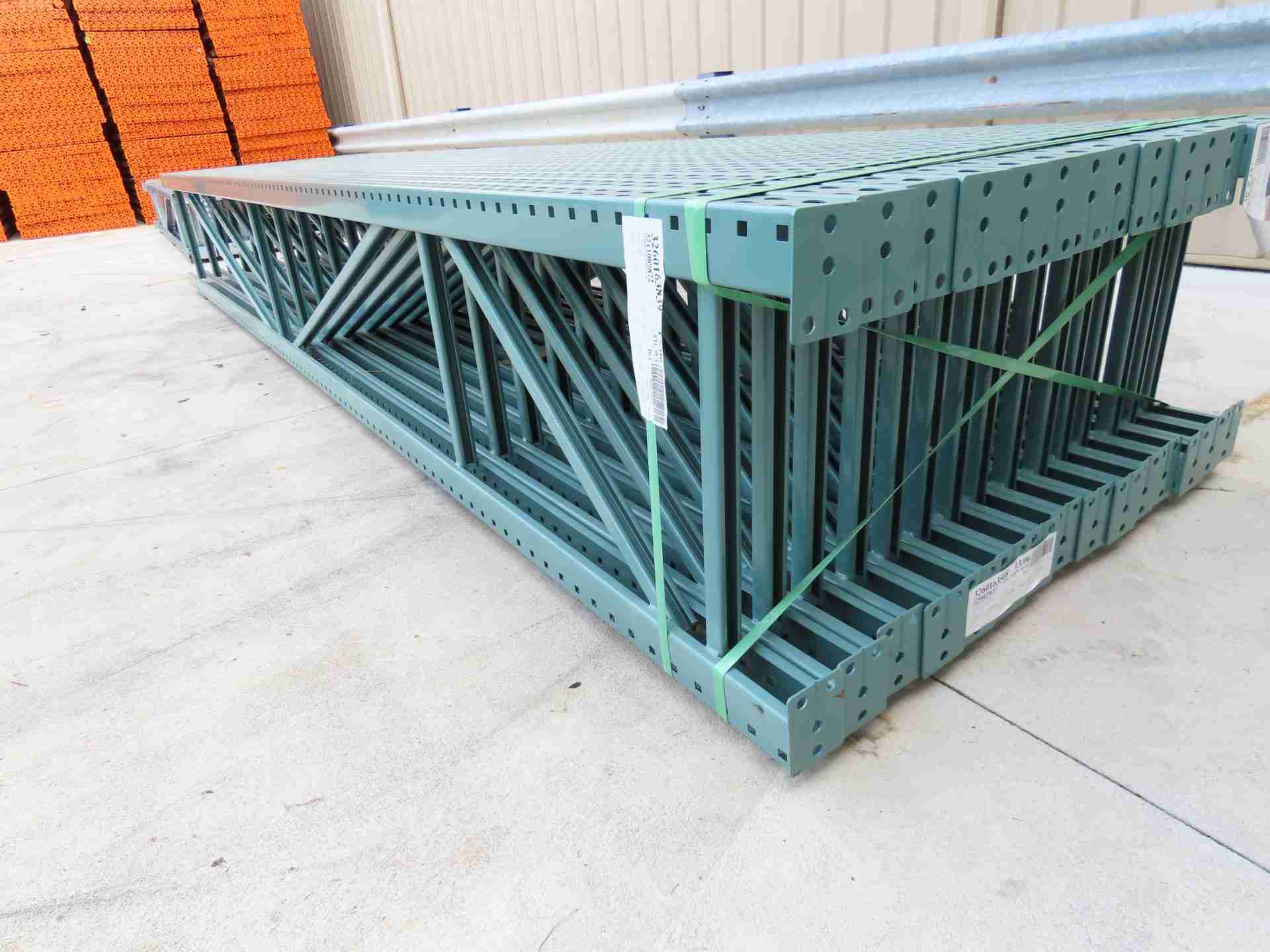
Other Resources
Here is a list of other resources you can review online to learn more:
- RACK 101© – How To Design Your Pallet Rack System: This guide provides general guidelines for designing a pallet racking system, including engineering parameters, system configurations, unit, method, area considerations, and more.
- The Ultimate Pallet Racking Guide – Speedrack West: This comprehensive guide explores various aspects of pallet rack assembly and installation, including safety considerations, consulting the installation guide, and segmenting the various steps for proper installation.
- Pallet Rack System Guide: Maximize Your Storage Potential | Global Industrial: This guide helps you understand the components that come together to create a pallet rack and how they work together to provide stability and storage.
Please note that the content and availability of these articles are controlled by their respective websites.
Other Resources
Glossary Terms
How to Build Pallet Racking? – Glossary Of Terms
1. Pallet Rack: A structured storage system that uses horizontal rows to store pallets of goods efficiently.
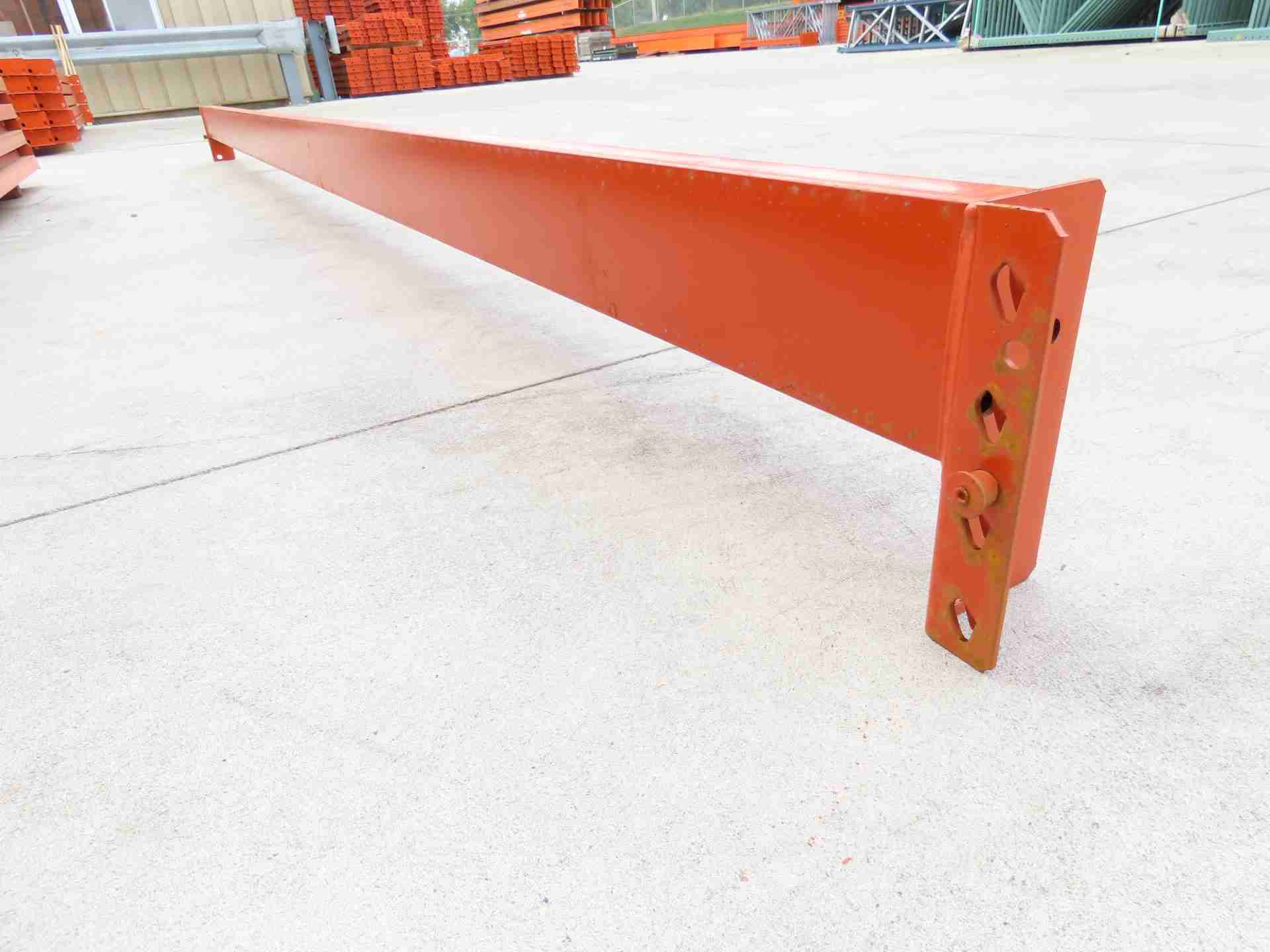
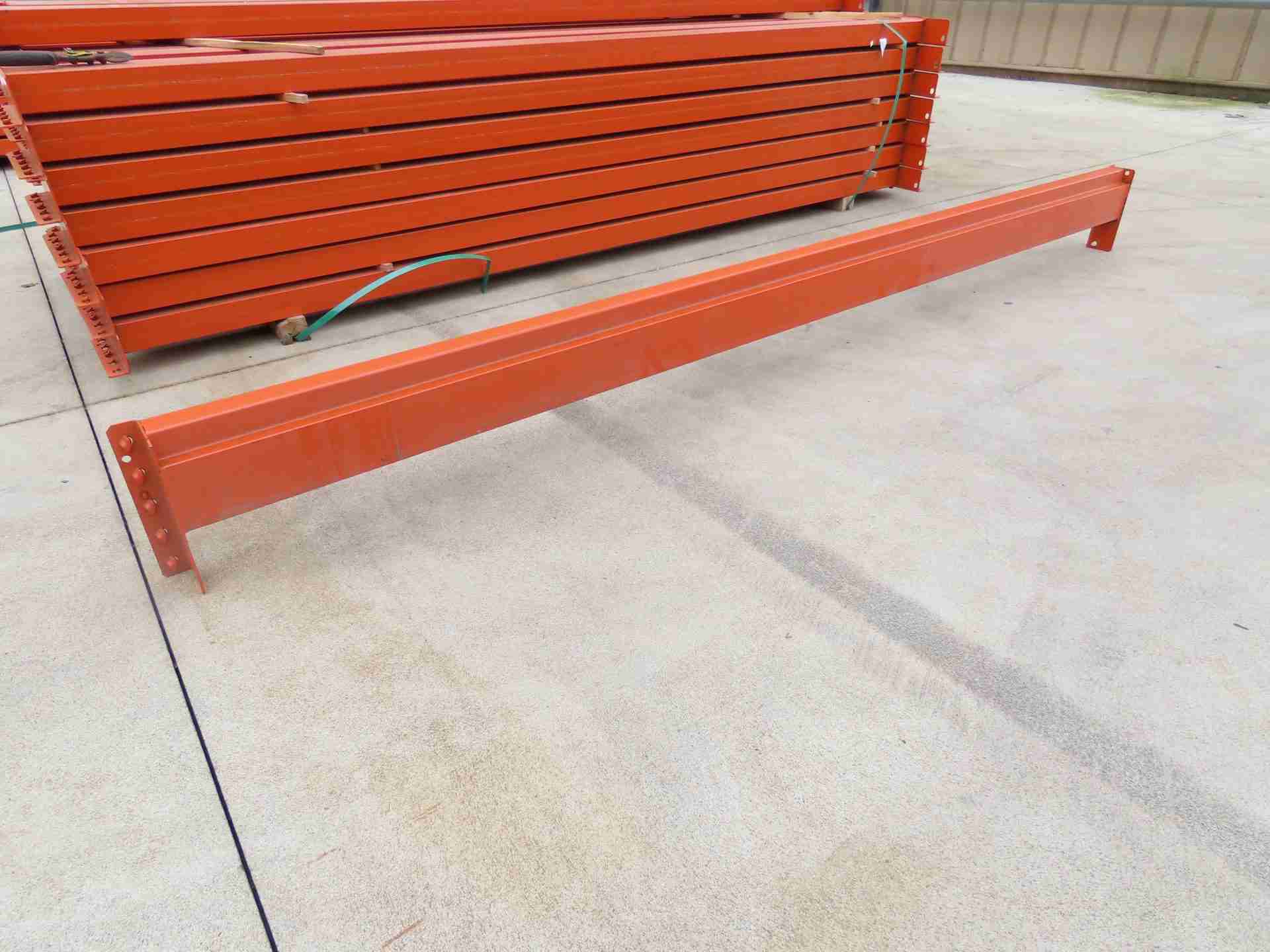
2. Beam: The horizontal component of pallet racking that supports the weight of pallets and stored items.
3. Upright: The vertical columns of a pallet rack that provide stability and support for the beams.
4. Pallet: A flat transport structure made of wood, plastic, or metal that allows for the stacking and handling of goods.
5. Load Capacity: The maximum weight that a pallet rack can safely hold, determined by the design and materials used.
6. Selective Racking: A type of pallet racking system that allows direct access to each pallet stored in the rack.
7. Drive-In Racking: A high-density storage solution that allows forklifts to drive into the racking for easy access to pallets.
8. Cantilever Racking: A storage system designed for long or bulky items that do not fit well on standard pallet racks.
9. Column Spacing: The distance between the vertical uprights of a racking system, affecting accessibility and load distribution.
10. Crossbar: A horizontal support that connects two uprights, contributing to the structural integrity of the rack.
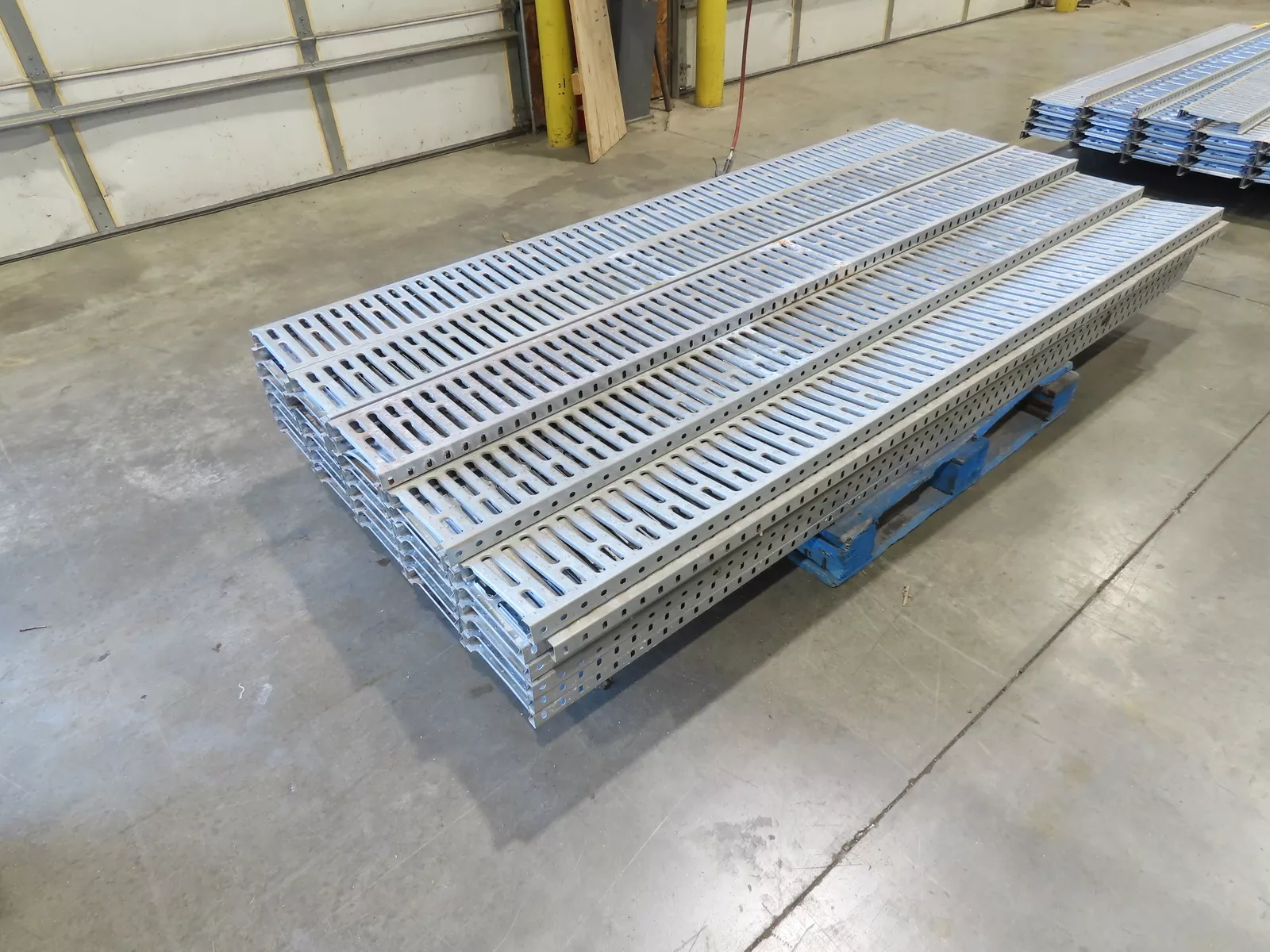
11. Decking: Material, such as plywood or wire mesh, placed on the beams to create a flat surface for storing goods.
12. End Column: The upright positioned at the end of a row of racking, providing stability and support to the structure.
13. Shelving Unit: A combination of beams and uprights configured to create shelves for additional storage options.
14. Safety Pin: A mechanism used to secure beams in place on the uprights to prevent accidental dislodging.
15. Installation Plan: A detailed layout that outlines how the pallet racking should be set up in a warehouse or storage facility.
16. Forklift: A powered industrial vehicle used to lift and transport pallets and other heavy materials.
17. Aisle Width: The space between rows of pallet racks, important for safe equipment maneuverability.
18. Load Sign: A label or tag attached to the racking system indicating the maximum load each beam can handle.
19. Height Adjustment: The ability to modify the vertical position of beams or shelves within the racking system.
20. Inspection: Regular checks performed on the pallet racking system to ensure its safety and structural integrity.
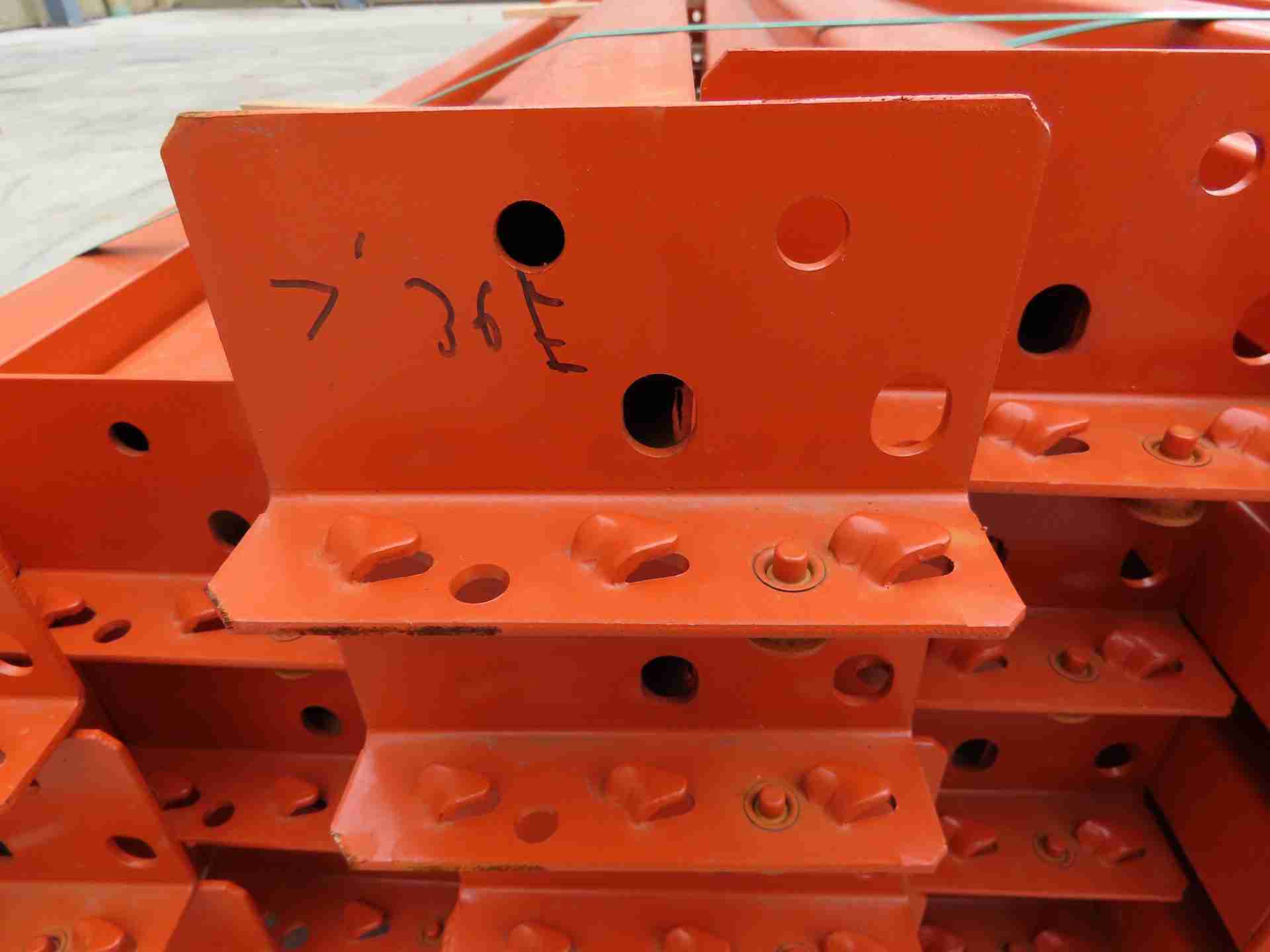
21. Beam Connector: A component used to join beams to upright posts securely.
22. Warehouse Management System (WMS): Software used to manage inventory and optimize storage processes within a warehouse.
23. Pallet Flow Racking: A FIFO (first in, first out) system that utilizes gravity to move pallets along inclined rails.
24. Spreader Bar: A piece that helps to evenly distribute weight and provide stability to tall stacks of pallets.
25. Rack Protector: Safety equipment that safeguards the racking system from accidental impacts, often in busy warehouses.
26. Structural Steel: A robust material commonly used in the construction of pallet racks for added strength and durability.
27. Gondola Racking: A retail display shelving system enabling shopping aisles, often used to display various products.
28. Loading Dock: An area where goods are loaded and unloaded from vehicles, often near pallet racking for optimal logistics.
29. Safety Guidelines: Procedures and best practices designed to ensure the safe operation and maintenance of pallet racking systems.
30. Seismic Design: Engineering considerations incorporated into pallet racking for earthquake-prone areas to enhance stability and safety.
Glossary Of Terms
Other Questions
How to Build Pallet Racking? – Other Questions
If you wish to explore and discover more, consider looking for answers to these questions:
- What types of pallet racking systems are available?
- What is the average cost of pallet racking systems?
- How do I determine the right size for my pallet racks?
- What are the best practices for maintaining pallet racking systems?
- How can seasonal changes affect my pallet racking needs?
- What safety equipment should I use when working with pallet racks?
- How do I train my staff on using pallet racking systems safely?
- What are the common signs of wear in pallet racking systems?
- How can I improve the accessibility of my pallet racks?
- What are some examples of effective pallet racking layouts in warehouses?
- How can I integrate technology into my pallet racking system?
- What materials should I avoid when building pallet racks?
- What regulations should I be aware of when installing pallet racking?
- How can I assess the quality of pallet racking materials?
- What are the potential legal issues related to improperly installed pallet racks?
Other Questions
Checklist
How to Build Pallet Racking? – A Checklist
Preliminary Assessment
1. Assess Inventory Needs
_____ Determine the types of products being stored (heavy vs. lightweight).
_____ Evaluate current and future storage requirements based on inventory size and type.
2. Evaluate Warehouse Space
_____ Measure available space to ensure compatibility with planned racking systems.
_____ Identify ceiling height and layout constraints.
Material Selection
3. Choose the Right Materials
_____ Opt for durable materials, such as high-grade steel or quality wood.
_____ Identify necessary fasteners and connectors that resist corrosion.
4. Consider Environmental Impact
_____ Source eco-friendly materials or sustainable pallets where possible.
Design Considerations
5. Design for Flexibility
_____ Plan modular racking systems for adaptability to changing inventory.
_____ Incorporate adjustable shelves to accommodate different product sizes.
Safety Protocols
6. Prioritize Safety
_____ Follow OSHA and ANSI standards for racking systems.
_____ Use appropriate anchoring techniques to secure racks to the floor.
_____ Ensure that the load capacity is known and adhered to.
7. Train Staff
_____ Provide necessary training for workers on safe loading, unloading, and equipment operation.
Construction Tools
8. Gather Essential Tools
_____ Basic hand tools: drill, level, tape measure, wrenches, and screwdrivers.
_____ Safety gear: gloves, goggles, and hard hats.
_____ Equipment: pallet jack or forklift; leveling kits for uneven floors.
Maintenance and Review
9. Implement Regular Inspections
_____ Schedule bi-weekly inspections for wear and damage.
_____ Maintain documentation of inspections and repairs.
10. Continuous Improvement
_____ Conduct regular reviews of the racking system and make adjustments as necessary.
_____ Stay informed on industry best practices for racking systems to enhance efficiency.
Labeling and Organization
11. Properly Label Pallet Racks
_____ Utilize clear, durable labels displaying aisle numbers, rack identifiers, and product details.
_____ Consider a color-coded or technological approach (such as QR codes) for easy identification.
Execution
12. Monitor Progress and Adjust
_____ Keep track of efficiency and productivity post-installation to identify areas for improvement.
_____ Be proactive in addressing any unforeseen challenges as the racking system is utilized.
Following this checklist will ensure a safe, efficient, and customized pallet racking solution that maximizes your storage capabilities. Remember to prioritize safety and quality in every phase of your pallet racking project.
Checklist
At RackingWorld, we help guide you through selecting warehouse storage systems and racking.
Be sure to read our other related stories at RackingWorld to learn more about warehouse storage systems.
0 Comments