
Reaching New Heights: Exploring Pallet Racking Limits
By Tom Seest
At RackingWorld, we help guide you through selecting warehouse storage systems and racking.
Be sure to read our other related stories at RackingWorld to learn more about warehouse storage systems.
How High Can Pallet Racking Go?
When it comes to maximizing your warehouse space, one question looms large: How high can pallet racking go? The answer isn’t just a number—it’s a strategic decision that can significantly impact your business operations, efficiency, and ultimately, your profitability.
In recent times, we’ve witnessed a seismic shift in logistics and warehousing due to the surge in e-commerce and changing consumer behaviors. Companies like Amazon and Walmart are pushing the envelope on pallet racking heights in their distribution centers, utilizing systems that reach 30 feet, 40 feet, or even higher. Such innovations are no longer just a luxury; they are a necessity for staying competitive in today’s fast-paced market.
But before you leap into the stratosphere, consider the essential factors that determine how high you should go. First, understand your products. If you’re storing lightweight items like pillows or electronics, you might opt for higher racks without hesitation. However, if your inventory includes heavier, bulk items like construction materials or automotive parts, safety regulations and structural integrity become paramount, limiting your height capabilities.
Next, let’s talk about the technology you need to get there. Modern material handling equipment, like high-reach forklifts and automated retrieval systems, can facilitate operations in heights over 40 feet. However, don’t overlook the necessity of having trained staff who are adept in working at heights—because no amount of technology can replace human safety and expertise.
Moreover, recent developments in safety regulations and inspection protocols underscore the importance of compliance. Following OSHA guidelines, for example, is crucial when installing high pallet rack systems. The last thing you want is a costly fine or, worse, an accident that jeopardizes the safety of your employees. The phrase “safety first” resonates today more than ever in light of the recent surge in workplace accidents, reminding us that being compliant is not merely a formality—it’s a fundamental aspect of operational success.
Lastly, consider your future. The soaring cost of real estate makes vertical expansion an attractive proposition. But remember, the height of your racks should align with your long-term business strategy. Assess trends, customer demands, and even potential changes in manufacturing processes.
The question of how high your pallet racking can go isn’t just about clearance; it’s about crafting a robust future for your warehouse operations. Look at the giants in the industry, invest wisely in technology, prioritize safety, and never lose sight of your strategic objectives. The sky’s the limit—if you plan ahead.

How High Can Pallet Racking Go?
How High Can Pallet Racking Go?
- Maximizing warehouse space involves strategic decisions on pallet racking height.
- Companies are increasingly utilizing high pallet racking systems, with heights reaching 30-40 feet or more, driven by e-commerce demands.
- Product type dictates racking height; lighter items allow for higher racks while heavier items impose safety and structural limitations.
- Advanced material handling technology and trained staff are essential for operating at heights over 40 feet safely.
- Compliance with safety regulations, including OSHA guidelines, is crucial for preventing accidents and fines.
- Vertical expansion is appealing due to rising real estate costs, but rack height should align with long-term business strategies.
- Strategic planning for pallet racking height is vital for future-proofing warehouse operations and enhancing efficiency.

How High Can Pallet Racking Go?
Table Of Contents
- How High Can Pallet Racking Go?
- How High Can Pallet Racking Go Safely?
- What Factors Limit Racking Height?
- Are There Regulations For Maximum Racking Height?
- What Type Of Pallet Racking Allows Greater Height?
- How Do Load Weights Affect Racking Height?
- What Is The Role Of Ceiling Height In Pallet Racking?
- How Can I Determine The Ideal Racking Height For My Warehouse?
- What Engineering Standards Apply To High Pallet Racking?
- How Do I Ensure Stability In High Pallet Racking Systems?
- What Are The Benefits Of Maximizing Pallet Racking Height?
- How Do Inspection Protocols Change For Taller Racks?
- What Safety Measures Are Needed For High Pallet Racking?
- Can I Retrofit My Existing Racking For Greater Height?
- What Are The Best Practices For High-Load Pallet Racking?
- How Does Warehouse Layout Influence Racking Height Decisions?
- Conclusion
- Other Resources
- Glossary Of Terms
- Other Questions
- Checklist
How High Can Pallet Racking Go Safely?
In today’s fast-paced world of logistics and warehousing, the demand for maximizing vertical space has never been more critical. Efficient pallet racking systems can transform an ordinary warehouse into a powerhouse of productivity, but understanding how high you can go safely is essential to harnessing that potential without sacrificing safety or compliance.
To start, one must recognize that the height of your pallet racking system isn’t simply a matter of what your warehouse can physically accommodate. It’s governed by a combination of local regulations, structural integrity, and, of course, the limits of your equipment. A racking height between 12 to 30 feet is common, but some innovative facilities are reaching heights of 40 feet or more. For example, in California’s San Bernardino warehouse district, we recently saw the construction of a new distribution center that has implemented automated storage and retrieval systems (ASRS) allowing for pallet racks to soar over 50 feet. These systems are designed not only for height but for safety — combining technology with well-engineered racking designs.
Safety is paramount in any warehouse environment, and the height of your racking system directly impacts risk factors. One key consideration is the stability of the racking. As you ascend in height, the potential for tipping or collapsing increases. Therefore, adhering to the manufacturer’s specifications is crucial. For instance, if you are installing a selective pallet racking system, a common mistake is to ignore the recommended load limits for the upper rows. Regularly scheduled inspections, akin to those implemented in major retailers like Walmart, help mitigate accidents, ensuring that racks are maintained in top condition and compliant with OSHA guidelines.
Moreover, consider the equipment being used to manage those heights. Standard forklifts may struggle to efficiently reach very high racking systems, necessitating specialized equipment such as narrow aisle forklifts or order pickers. The recent rise of electric lift systems, like those from top manufacturers, demonstrates how advancements in technology have led to enhanced safety protocols and ease of operation in high-reach environments.
Lastly, don’t forget about employee training. The Center for Warehousing and Logistics has noted that one of the leading causes of accidents is inadequate training for staff dealing with high-racking systems. Investing in ongoing safety training ensures that employees are equipped with the knowledge and skills to navigate these elevated challenges, ultimately guarding against costly accidents and disruptions to productivity.
In summary, the heights to which your pallet racking can go safely hinge on careful planning, robust equipment, and stringent adherence to safety standards. With the right strategies in place, you can optimize your space and propel your operation to new heights — literally and figuratively.

How High Can Pallet Racking Go Safely?
How High Can Pallet Racking Go Safely?
- The demand for maximizing vertical space in logistics and warehousing is critical for productivity.
- Pallet racking systems can enhance a warehouse’s efficiency, but safe height limits must be understood.
- Pallet racking heights typically range from 12 to 30 feet, with some systems reaching over 50 feet using automated storage.
- Safety concerns include the stability of racking systems; compliance with manufacturer specifications is essential.
- Regular inspections help maintain safety and compliance, similar to practices followed by major retailers.
- Specialized equipment, such as narrow aisle forklifts, may be necessary for high racking systems.
- Employee training is vital for safety; ongoing training can reduce accidents associated with high-racking systems.

How High Can Pallet Racking Go Safely?
What Factors Limit Racking Height?
When considering the ambitions of warehouse optimization and maximizing storage efficiency, the question of racking height often arises. However, several factors can cap your vertical aspirations, leaving your warehouse operations less than optimal. Understanding these limitations is crucial for any business aiming to innovate within their space, especially in today’s fast-paced logistics environment.
1. Building Codes and Regulations
Every warehouse is subject to local building codes and safety regulations that dictate the maximum height at which you can safely install racking systems. For instance, California has stringent seismic safety standards that influence racking design and height. If your facility is in an earthquake-prone zone, it may limit your racking height to mitigate risks. Understanding these regulations is crucial—not just for safety but also for avoiding costly fines and project delays.
2. Fire Safety Standards
Fire codes can dramatically affect how high you can stack your goods. Depending on the materials being stored, you may need to maintain a specific height threshold to ensure proper fire sprinkler coverage. Imagine the disruption to your operations if you stack too high and face penalties or the inability to comply with your local fire marshal. Keeping your inventory organized below the mandated levels not only safeguards compliance but also ensures a swift response in case of emergencies.
3. Forklift Capability and Operator Skill
Your equipment determines your reach, quite literally. If your forklifts can only elevate to certain heights, you’ll need to adjust your racking strategy accordingly. More importantly, operators must be trained to handle tall stack operations safely. High stacks can pose visibility issues and increase the risk of accidents. A recent event from the logistics sector underscored the need for skilled operators when a prominent retailer faced costly damages due to a racking collapse caused by improper lifting techniques.
4. Product Weight and Configuration
The nature of your inventory plays a pivotal role in racking height. Heavier items demand sturdier racks and may necessitate a reduction in height to ensure stability. For instance, a warehouse storing construction materials might find that high racking creates safety concerns not present in one that handles lightweight goods like textiles. Knowing your product may save you from potential catastrophes that come from a racking system not designed to support certain weights.
5. Operational Efficiency
Finally, the simplest yet often overlooked factor is your operational efficiency. If your height optimization leads to more time spent retrieving items, it can greatly impact productivity. A common misstep is cramming items into tall racks simply to maximize height. The ultimate goal should be not just to push boundaries upward but to enhance overall workflow.
While the allure of maximum storage height can be tempting, it’s essential to navigate these limitations with a strategic mindset. Balancing compliance, safety, equipment, inventory needs, and efficiency will lead not just to a functional warehouse but a thriving one.

What Factors Limit Racking Height?
What Factors Limit Racking Height?
- Building Codes and Regulations: Local regulations dictate maximum racking heights for safety, with strict standards in seismic areas affecting design.
- Fire Safety Standards: Fire codes require specific height thresholds for proper sprinkler coverage to avoid penalties and ensure emergency response efficiency.
- Forklift Capability and Operator Skill: Equipment limitations and operator training are essential for safe high stack operations, as improper handling can lead to costly accidents.
- Product Weight and Configuration: Heavier items require sturdier racks and may necessitate lower stacking heights to maintain stability and safety.
- Operational Efficiency: Height optimization should not compromise productivity; retrieving items from tall racks can negatively impact workflow.
- Strategic Mindset: Balancing compliance, safety, equipment, inventory needs, and efficiency is essential for a thriving warehouse operation.
- Overall Goal: Aim to enhance overall workflow rather than merely maximizing storage height.

What Factors Limit Racking Height?
Are There Regulations For Maximum Racking Height?
When it comes to warehouse management and storage solutions, one question looms large: “Are there regulations governing maximum racking height?” In the fast-paced world of logistics and supply chain management, understanding these regulations is not just a matter of compliance, but a crucial pillar of safety, efficiency, and economic success.
First and foremost, maximum racking height is governed by various regulations and standards, which can vary by location and governing body. In the United States, organizations like the Occupational Safety and Health Administration (OSHA) set forth guidelines to ensure workplace safety, including those pertaining to the height of racking systems. According to OSHA’s General Industry Standards, while there’s no explicit mention of a “maximum height,” the guidelines stress the importance of structural integrity and the safe operation of material handling equipment. This means while you may stack your goods high, you must ensure the racking systems are robust enough to support them safely.
The National Fire Protection Association (NFPA) also plays a significant role—mandating specific spacing requirements for fire prevention and safety. For instance, if your warehouse is using high-bay racking systems, it’s wise to consider that restrictions may apply based on the type of goods stored. The NFPA endorsement of maintaining clear aisles and access points can limit the usable height, especially if fire suppression systems need to be effectively deployed.
Look at the current trends: many warehouses are shifting toward automation and robotic picking systems. With this evolution, the industry is seeing a growing emphasis on optimizing vertical space. Companies like Amazon have pioneered the use of robotic automation to reach those upper storage levels safely, driven by tech innovations. However, if those innovations are not aligned with safety regulations, a slight oversight can lead to significant consequences—both financial and reputational.
In recent news, several high-profile warehouse incidents underscored the need for stringent compliance with safety regulations. These occurrences have prompted industry leaders to re-evaluate their approach to maximum racking heights and safety standards. Failure to adhere to these regulations not only endangers warehouse personnel but can also lead to costly penalties from regulatory agencies.
While there may not be a universal cap on racking height, adhering to various safety guidelines and insurance requirements is paramount. By ensuring your racking systems meet or exceed these regulations, you safeguard not only your inventory and employees but also pave the way for a more efficient and robust operation. Prioritize safety, and your warehouse will thrive.

Are There Regulations For Maximum Racking Height?
Are There Regulations For Maximum Racking Height?
- Maximum racking height regulations vary by location and governing body, impacting warehouse management.
- In the U.S., OSHA provides guidelines for workplace safety concerning racking systems, emphasizing structural integrity.
- The NFPA mandates spacing requirements for fire prevention, affecting the effective height of high-bay racking systems.
- Current trends show a shift towards automation in warehouses, optimizing vertical space with robotic picking systems.
- Recent incidents highlight the importance of compliance with safety regulations to prevent harm and penalties.
- There’s no universal maximum racking height, but adherence to safety guidelines is crucial for operational safety and efficiency.
- Prioritizing safety regulations can protect inventory, employees, and enhance warehouse operations.

Are There Regulations For Maximum Racking Height?
What Type Of Pallet Racking Allows Greater Height?
In the fast-paced world of warehousing and logistics, maximizing vertical space is a game-changer. With real estate costs climbing higher and space becoming more limited, businesses are hungry for innovative solutions that make the most of their environments. Enter the realm of high-density pallet racking systems—specifically, selective racking, drive-in racking, and push-back racking—each designed to optimize height while keeping accessibility in check.
Selective Racking: This is the kingpin of pallet racking solutions, allowing facility owners to stack pallets high while still granting convenient access. With selective racking systems reaching heights of up to 40 feet, your warehouse can operate like a well-oiled machine, quickly retrieving pallets without excessive downtime. Consider a leading e-commerce giant that recently expanded its distribution capabilities; they utilized selective racking to double their pallet storage capacity—creating a breathtaking space that was both efficient and easy to manage.
Drive-In Racking: If you’re looking for a solution that combines both density and height, look no further than drive-in racking. This method allows forklifts to drive directly into the racking structure to pick or place pallets, increasing storage density while maintaining impressive heights of 30 feet or more. Imagine a cold storage facility addressing the current demand for food products; by adopting drive-in racking, they effectively utilized vertical space while ensuring fast retrieval of perishable items, staying ahead in a competitive marketplace.
Push-Back Racking: For operations that require a more dynamic shelving solution, push-back racking is your best bet. This system allows pallets to be loaded onto a series of nested carts that slide back on inclined rails, achieving heights upwards of 25 feet while enabling first-in, last-out inventory management. A regional beverage distributor recently implemented push-back racking to accommodate their seasonal inventory fluctuations, which directly correlated with a 20% increase in efficiency. They found that not only could they stack higher, but they could also access their stock faster than ever before.
The market trend is shifting towards high-density solutions, especially as more companies pivot to just-in-time inventory techniques. In upcoming industry trade shows, expect to see numerous innovations in pallet racking designed to elevate storage capabilities—not just vertically, but operationally.
Investing in the right pallet racking system is not just about maximizing height—it’s about transforming your entire warehouse operation. The choices you make today will undoubtedly provide your business with the competitive edge it needs to thrive in an ever-evolving landscape. So, if you’re ready to reach new heights, consider integrating these high-density racking solutions into your warehousing strategy. Your bottom line will thank you.

What Type Of Pallet Racking Allows Greater Height?
What Type Of Pallet Racking Allows Greater Height?
- High-density pallet racking systems optimize vertical space in warehouses.
- Selective racking allows stacking pallets up to 40 feet high while maintaining easy access.
- Drive-in racking provides density and height, allowing forklifts to drive into the racking structure for improved accessibility.
- Drive-in racking can achieve heights of 30 feet or more, suitable for cold storage and quick retrieval of perishable items.
- Push-back racking uses nested carts on inclined rails, reaching heights of up to 25 feet while supporting first-in, last-out inventory management.
- High-density solutions are becoming popular as companies adopt just-in-time inventory techniques.
- Investing in the right pallet racking system can enhance warehouse operations and provide a competitive edge.
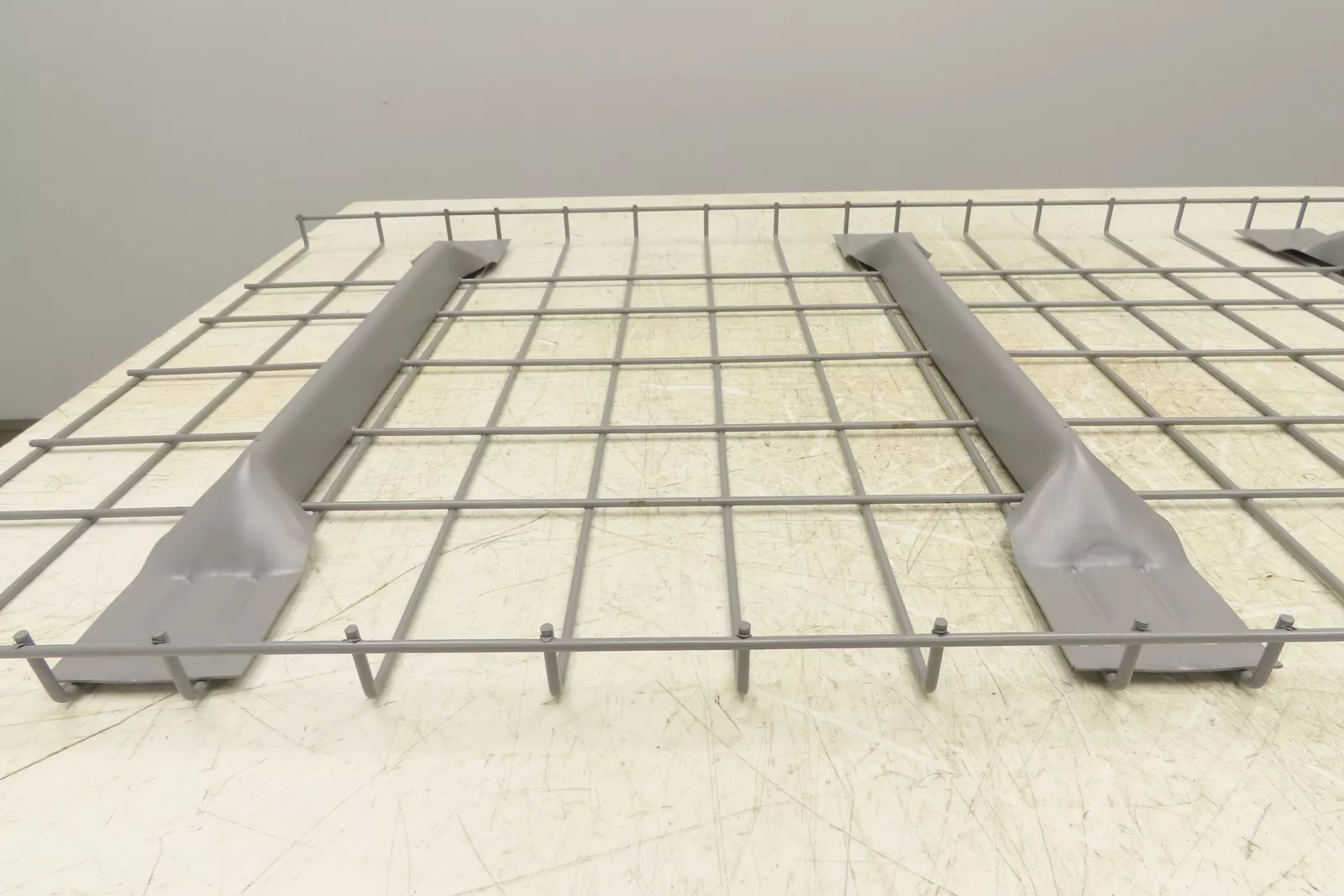
What Type Of Pallet Racking Allows Greater Height?
How Do Load Weights Affect Racking Height?
In the world of warehousing and logistics, one of the key factors that can significantly influence your operational efficiency and safety is the load weight on your racking systems. Understanding how load weights affect racking height is not just a matter of physics; it’s about maximizing profits and reducing risks.
Let’s start with the fundamentals. Racking systems are engineered to support specified weight limits. When these limits are exceeded, particularly with dynamic loads that shift during handling, you risk structural failure. Imagine the consequences: not only could you face costly damage to inventory, but you might also expose your workforce to hazards that lead to injuries and increase your liability. In sectors like e-commerce, which has seen accelerated growth as a consequence of recent global events, ensuring that your racking systems are optimized for load weights isn’t just prudent — it’s essential for rapid fulfillment and competitive advantage.
Consider a real-world application: a large retail distribution center recently upgraded its racking height to accommodate a higher volume of merchandise. They increased their racking by four feet but failed to account for the load weights of heavier goods like electronics. While the intention was to create more storage space, the consequences included bent beams and compromised stability. The company faced not only the financial burden of repairs but also delays in fulfilling customer orders, which, in today’s instant-gratification culture, is simply unacceptable.
Now, let’s drill down to a practical strategy. Always match your racking height with the load weight you plan to store. For example, if you’re storing lightweight items, such as clothing or non-perishables, you might be able to stack higher without issue. Conversely, for heavier items like machinery parts, you should keep the racking lower to maintain safety and load integrity.
What about seasonal fluctuations? Take note of increased load weights during peak seasons. If you’re managing a supply chain that peaks during holidays, it’s vital to reassess your racking’s maximum load limits and adjust heights accordingly. With the holiday season upon us, logistics managers must remain vigilant and reanalyze their strategies to avoid pitfalls that could disrupt the flow of business.
Understanding the relationship between load weights and racking height isn’t simply a mathematical calculation; it is a strategic imperative that can make or break your operation. Invest time in planning, and you’ll save considerable resources in the long run. Your warehouse is not just a space; it’s the backbone of your business — treat it that way.

How Do Load Weights Affect Racking Height?
How Do Load Weights Affect Racking Height?
- Load weight significantly influences operational efficiency and safety in warehousing and logistics.
- Racking systems are designed to support specific weight limits, and exceeding these can lead to structural failure.
- Excessive load weights can cause costly damage to inventory and increase the risk of worker injuries.
- A retail distribution center increased racking height without considering load weights, resulting in bent beams and stability issues.
- It’s crucial to match racking height with the weight of stored items for optimal safety and loading integrity.
- Seasonal fluctuations can result in increased load weights, necessitating adjustments to racking systems during peak times.
- Understanding load weights and racking height is a strategic necessity that can greatly impact business operations.

How Do Load Weights Affect Racking Height?
What Is The Role Of Ceiling Height In Pallet Racking?
When it comes to optimizing warehouse space, the often-overlooked variable is ceiling height. Your facility’s ceiling height can make or break your pallet racking efficiency, and here’s why understanding this aspect is vital for your logistics operation.
Imagine a warehouse with a ceiling height of 30 feet. With the right pallet racking system, this height can yield significant storage returns, allowing for stacked pallet tiers that maximize vertical space. Conversely, a warehouse that underutilizes its vertical real estate can find itself constrained, leading to a suboptimal layout that hampers agility and incurs unnecessary operational costs. For instance, industries facing heightened e-commerce demands, like those seen recently with supply chain disruptions, have realized that efficient use of vertical space is crucial for maintaining competitive advantage.
So, how can you harness the power of your ceiling height effectively? First, consider leverages such as high-bay and reach trucks that are designed for handling taller racking. When you optimize your rack layout to utilize full ceiling height, your storage density increases substantially—think three to four additional rows of pallets stacked high, dramatically improving your inventory capacity.
Let’s dive into the numbers. According to industry reports, warehouses with higher ceilings can experience up to a 30% increase in SKU capacity. A well-designed rack system not only accommodates more goods but also facilitates easier inventory management and reduced picking time, translating to lower labor costs and higher throughput.
Moreover, don’t ignore the importance of safety regulations and fire codes that come into play at greater heights. Adequate clearance is essential, not just for compliance but also for ensuring that your facility is operating at optimal efficiency. For instance, if you’re operating at ceiling heights without proper fire suppression systems, you may find your facility at risk, jeopardizing your inventory and business operations.
As we continue to grapple with economic changes, fluctuating demand, and a move toward more efficient supply chain practices, the intricacies of pallet racking and ceiling height become more significant. Ultimately, investing in intelligent pallet racking solutions tailored to your facility’s ceiling height ensures you’re not just keeping pace but potentially outpacing the competition.
In a world where space is money, make your ceiling height work for you, amplifying not just your storage capacity but your operational effectiveness. Optimize today and witness how your dynamic storage solutions can redefine efficiency. After all, the sky’s the limit!

What Is The Role Of Ceiling Height In Pallet Racking?
What Is The Role Of Ceiling Height In Pallet Racking?
- The ceiling height of a warehouse significantly affects pallet racking efficiency and logistics operations.
- Higher ceiling heights allow for better storage returns by maximizing vertical space with stacked pallet tiers.
- Underutilizing vertical space can lead to operational constraints and increased costs, especially in e-commerce-heavy industries.
- Utilizing high-bay and reach trucks can enhance the effectiveness of storage layouts, increasing inventory capacity.
- Warehouses with higher ceilings can see up to a 30% increase in SKU capacity and improved inventory management.
- Compliance with safety regulations and fire codes is crucial when operating at greater ceiling heights to protect inventory and operations.
- Investing in tailored pallet racking solutions can significantly enhance storage capacity and operational effectiveness, positioning businesses ahead of the competition.

What Is The Role Of Ceiling Height In Pallet Racking?
How Can I Determine The Ideal Racking Height For My Warehouse?
Determining the optimal racking height for your warehouse is crucial for maximizing efficiency, safety, and accessibility. The height of your racking not only affects how much product you can store but also influences your overall operational workflow and employee productivity. Here are some strategies to help you find that sweet spot for your racking height.
Consider Your Inventory Type
The first step in determining the ideal racking height is to analyze the types of products you store. Heavy items, such as machinery or bulk materials, should be stored lower for safety and ease of access. In contrast, lighter items or those requiring careful handling, like electronics, can occupy higher shelves but should still be within reach. For instance, during the recent spike in e-commerce demand, companies have recognized that quick access to frequently sold items can significantly reduce shipping times. Racking higher for seldom-sold products while reserving lower racks for high-turnover items can optimize your logistics.
Evaluate Warehouse Height and Accessibility
Next, assess the physical constraints of your warehouse. If your building has high ceilings, taking advantage of vertical space might seem advantageous. However, consider equipment limitations and employee safety. For example, if your warehouse uses forklifts, ensure that the racking height allows for safe operation without compromising loading and unloading efficiency. The Occupational Safety and Health Administration (OSHA) emphasizes the importance of maintaining safe lifting practices; racking too high could create risks for your team.
Utilize Data for Dynamic Adjustments
In today’s data-driven world, employ inventory management software to track your stock movement effectively. Analyzing this data can reveal trends and inform your racking decisions. For instance, if you notice seasonal peaks—like increased demand for holiday items—dynamic racking that adapts to storage needs can enhance agility. Many modern solutions allow for adjustable racking systems that can accommodate such fluctuations.
Factor in Labor and Ergonomics
Lastly, consider the human factor. Employees should efficiently retrieve items without excessive bending or stretching. Implement ergonomic principles to decide on a rack height where employees can comfortably pick products. A study conducted in 2023 highlighted that ergonomically designed warehouses enjoy lower injury rates, leading to increased productivity and fewer workman’s compensation claims.
Determining the ideal racking height requires a blend of inventory analysis, accessibility considerations, data-driven decisions, and ergonomic practices. Make informed choices that not only knock down inefficiencies but also elevate your warehouse operations to new heights. Your bottom line, and more importantly, your employees, will thank you.

How Can I Determine The Ideal Racking Height For My Warehouse?
How Can I Determine The Ideal Racking Height For My Warehouse?
- Optimal racking height is key for maximizing efficiency, safety, and accessibility in warehouses.
- Analyze product types: store heavy items low for safety and lighter items higher but within reach.
- Consider warehouse height and equipment limitations to ensure safe operation during loading and unloading.
- Utilize inventory management software to track stock movement and inform racking decisions.
- Implement dynamic racking systems to adapt to seasonal peaks and fluctuations in storage needs.
- Focus on ergonomic principles to enable easy retrieval of items, reducing bending and stretching for employees.
- Combine inventory analysis, accessibility, data-driven adjustments, and ergonomics for ideal racking height.

How Can I Determine The Ideal Racking Height For My Warehouse?
What Engineering Standards Apply To High Pallet Racking?
When it comes to high pallet racking, understanding the applicable engineering standards is not just a matter of compliance; it’s about safeguarding your investment and ensuring operational efficiency. High pallet racking systems are essential for maximizing warehouse space, yet they also come with unique challenges that require adherence to stringent engineering standards to mitigate risks such as structural failures and workplace accidents.
One of the primary standards governing high pallet racking is the American National Standards Institute (ANSI) MH16.1, which delineates the design, testing, and operation of storage rack systems. Compliance with ANSI MH16.1 ensures that your racking systems are designed to withstand the loads they will bear, therefore protecting both personnel and assets. For example, if you anticipate significantly increased inventory as seasonal demand spikes, ensuring your racking system meets these standards becomes all the more critical.
Another focal point is the Occupational Safety and Health Administration (OSHA) regulations, specifically 29 CFR 1910.176, which outlines the safe use of materials handling equipment. This regulation emphasizes the importance of stability and load distribution, stressing that improperly loaded racks can lead to catastrophic failures. Recent news stories about warehouse collapses serve as stark reminders that neglecting safety standards can result in not only financial loss but also tragic injuries.
In addition to ANSI and OSHA, the Rack Manufacturers Institute (RMI) establishes guidelines that aid in the creation of safer, more reliable racking systems. For example, the RMI’s “Specification for the Testing of Industrial Steel Storage Racks” provides detailed methodologies for evaluating the load-bearing capabilities of racking assemblies, empowering businesses to make informed decisions about equipment procurement.
More recently, as e-commerce continues to surge, companies are looking to automate their warehouses. Such innovations require updated engineering standards for high pallet racking that consider factors like automated storage and retrieval systems. The adaptation of robotics necessitates a refreshed approach to design, emphasizing the importance of structured protocols that ensure safety and efficiency.
In summary, it’s crucial to consider engineering standards such as ANSI MH16.1, OSHA regulations, and RMI guidelines to ensure the integrity of high pallet racking systems. By adhering to these benchmarks, your operation not only meets legal requirements but also exemplifies a commitment to safety and operational excellence. Remember, the cost of neglect could be far greater than the investment in compliance—it’s not just about racks; it’s about the future of your business!

What Engineering Standards Apply To High Pallet Racking?
What Engineering Standards Apply To High Pallet Racking?
- Understanding engineering standards for high pallet racking is essential for investment protection and operational efficiency.
- High pallet racking maximizes warehouse space but presents unique challenges requiring strict adherence to safety standards.
- ANSI MH16.1 governs the design, testing, and operation of storage rack systems, ensuring they can handle anticipated loads.
- OSHA regulations (29 CFR 1910.176) emphasize safe use of materials handling equipment, particularly regarding stability and load distribution.
- The Rack Manufacturers Institute (RMI) offers guidelines, such as the “Specification for the Testing of Industrial Steel Storage Racks,” for evaluating load-bearing capabilities.
- With the rise of e-commerce, updated engineering standards are necessary to accommodate automation and robotics in warehouse design.
- Adhering to industry standards demonstrates a commitment to safety and operational excellence, reducing risks and potential costs.

What Engineering Standards Apply To High Pallet Racking?
How Do I Ensure Stability In High Pallet Racking Systems?
In the fast-paced world of warehousing and logistics, ensuring the integrity and stability of high pallet racking systems is not just a matter of safety; it’s a strategic advantage. Companies that prioritize racking systems like these position themselves to scale efficiently and minimize operational disruptions. So, how can you ensure that your high pallet racking systems remain securely intact and operational?
The foundation of stable racking starts with proper installation. Load capacities, weight distribution, and racking type all play crucial roles. Make sure to engage a qualified professional for installation—this isn’t a DIY project. Just think about recent supply chain disruptions due to unexpected weather events or material shortages; having a racking system that fails can multiply those headaches exponentially.
And let’s talk about maintenance. Your racking system can endure a lot, but it’s not invincible. Regular inspections should be part of your warehouse routine. Look for any signs of damage such as bent beams, corrosion, or misalignments. For example, after the severe weather impacting logistics hubs recently, many businesses realized the importance of proactive inspections. They replaced aging racking systems, avoiding potentially catastrophic failures.
Now, if you want to go a step further, consider integrating technology. Modern high pallet racking systems are now compatible with RFID and other inventory management tools that can monitor the load on each shelf in real-time. By implementing data analytics, you can spot potential concerns ahead of time. For instance, if you notice frequent fluctuations in average pallet weight, it could indicate a need to reevaluate the system’s capacity.
Another unparalleled method for ensuring stability is employee training. Your warehouse staff is the frontline defense for maintaining racking stability. Regularly scheduled training sessions will instill best practices for loading, unloading, and operating around your racking system. For instance, improper load stacking can compromise the structural integrity of the entire system. A well-trained team makes for an efficient and safe operation, leading to significant cost savings over time.
Lastly, don’t forget about compliance with safety regulations. The Occupational Safety and Health Administration (OSHA) has stringent guidelines for warehouse safety, including racking systems. Regular audits not only keep you compliant but also elevate your reputation in a market that increasingly demands certified safety standards.
By prioritizing these practices, you position your business not just to survive, but to thrive. Ensuring stability in high pallet racking systems isn’t merely a precaution; it’s a proactive measure that secures your operational efficiency and contributes to overall business resilience in an unpredictable economy.

How Do I Ensure Stability In High Pallet Racking Systems?
How Do I Ensure Stability In High Pallet Racking Systems?
- Proper installation is essential for high pallet racking stability, requiring qualified professionals.
- Regular maintenance and inspections help identify damage like bent beams or corrosion.
- Integrating technology (e.g., RFID) aids in monitoring load and performance in real-time.
- Training warehouse staff on best practices for loading and unloading is crucial for safety.
- Adhering to OSHA regulations ensures compliance and enhances safety reputation.
- Proactive measures contribute to operational efficiency and resilience against disruptions.
- Prioritizing racking system stability provides a strategic advantage in warehousing operations.

How Do I Ensure Stability In High Pallet Racking Systems?
What Are The Benefits Of Maximizing Pallet Racking Height?
In today’s fast-paced business environment, maximizing pallet racking height is more than just a smart move; it’s a strategic necessity. With logistics and operational efficiency at the forefront of industry innovation, businesses that take advantage of vertical space stand to gain significant competitive benefits.
1. Enhanced Storage Capacity
First and foremost, maximizing pallet racking height allows you to increase your storage capacity without having to expand your warehouse footprint. For instance, if your warehouse has unused vertical space up to 20 feet, utilizing taller racking systems can often double or triple your storage capabilities. Companies like Amazon and Walmart have famously embraced high-density storage solutions to accommodate ever-growing inventory and meet customer demands. By maximizing vertical space, businesses can align with current trends in e-commerce, reducing the costs associated with additional warehousing.
2. Improved Inventory Management
Utilizing taller racking systems not only increases the volume of stock you can hold but also enhances overall inventory management efficiency. Higher pallet racks can lead to better organization, allowing for a more streamlined picking process. Just imagine transforming a chaotic assortment of products into a well-organized, easily navigable storage space where pickers can retrieve items quickly. This has become increasingly critical as recent supply chain disruptions have highlighted the need for agility in inventory management.
3. Cost Efficiency
In light of rising operational costs and a shrinking workforce, businesses cannot afford inefficiencies. Utilizing the vertical space within your warehouse can mitigate costs associated with leasing additional space. According to current industry reports, real estate prices in urban areas continue to soar, pushing even established companies to rethink their warehouse strategies. By fully utilizing vertical storage, companies can maintain their current space while getting the most out of every square foot, significantly impacting the bottom line.
4. Safety and Compliance
Incorporating regulated high-rack systems can also improve workplace safety. Modern racking solutions often come equipped with advanced safety features, including adjustable shelving and anti-collapse measures. Ensuring compliance with safety regulations not only protects employees but also reduces the likelihood of costly accidents. Forward-thinking companies are placing a greater emphasis on safety systems that evolve with their storage solutions.
5. Flexibility for Future Growth
Finally, maximizing pallet racking height enables businesses to remain agile in an ever-changing market. With consumer preferences ebbing and flowing, companies can adapt their storage solutions without hefty investment in new facilities. The flexibility to reconfigure racking systems based on demand fluctuations can be a game-changer, empowering businesses to respond swift and efficiently.
Maximizing pallet racking height represents a clear pathway for businesses to amplify storage, enhance safety, and maintain flexibility in today’s dynamic economic climate. When you capitalize on every inch of vertical space, you’re not just storing products—you’re building a scalable framework for future success.

What Are The Benefits Of Maximizing Pallet Racking Height?
What Are The Benefits Of Maximizing Pallet Racking Height?
- Enhanced Storage Capacity: Maximizing pallet racking height increases storage capacity without expanding warehouse footprint, potentially doubling or tripling storage capabilities.
- Improved Inventory Management: Taller racking systems enhance efficiency and organization, streamlining the picking process and addressing supply chain challenges.
- Cost Efficiency: Utilizing vertical space mitigates costs associated with additional leasing, essential amid rising operational costs and high urban real estate prices.
- Safety and Compliance: Modern high-rack systems include safety features that ensure compliance with regulations, protecting employees and reducing accidents.
- Flexibility for Future Growth: High pallet racking allows businesses to adapt storage solutions based on changing consumer preferences without hefty investments in new facilities.
- Competitive Advantage: Businesses that maximize vertical space gain significant competitive benefits in logistics and operational efficiency.
- Scalability: Fully utilizing vertical space builds a scalable framework for future success in a dynamic economic climate.

What Are The Benefits Of Maximizing Pallet Racking Height?
How Do Inspection Protocols Change For Taller Racks?
In the ever-evolving world of warehousing and storage, the pursuit of maximizing vertical space is more than just a trend; it’s a necessity. Businesses are stacking products higher than ever to meet consumer demands and optimize their facilities. However, this elevation brings with it a critical factor: inspection protocols must evolve in response to taller racks, ensuring safety, compliance, and operational efficiency.
When it comes to taller racks, the stakes are higher—literally. As racks soar above the standard heights, the associated risks multiply. One of the key areas for change in inspection protocols is frequency. For instance, while conventional racks might require monthly inspections, taller structures may necessitate a bi-weekly or even weekly check. This increased vigilance allows warehouse managers to identify potential issues—like shifting loads or structural degradation—before they escalate into catastrophic failures.
Let’s take the example of a major global retailer that recently expanded its warehouse footprint. As the company leveraged advanced automation and vertical storage solutions, it faced challenges in maintaining compliance with OSHA regulations regarding workplace safety. In response, they revamped their inspection protocols, introducing advanced technology such as drones outfitted with cameras to perform elevated inspections. This innovation not only reduced the time spent on assessments but also enhanced the accuracy of their inspections by leveraging high-definition imagery to evaluate conditions that might be missed during ground-level inspections.
Moreover, taller racks can complicate load weight distribution, making it imperative to adjust how inspections are conducted. Instead of simply assessing structural integrity, protocols should now include load checks at various heights. For example, one innovative logistics company implemented a system where RFID technology monitored the weight at different rack levels, sending alerts when weight limits approached. Embracing such technologies can revolutionize how inspections are performed and, importantly, keep safety as a top priority.
Training also demands an evolution. Staff must be educated not just on the “how,” but also the “why” behind the new protocols for taller racks. Engaging employees through demonstrations and simulations prepares them to identify potential hazards, reinforcing a culture of safety within the organization.
In an era marked by challenges such as the global supply chain disruptions seen in recent years, ensuring your tall rack systems are up to code isn’t just about meeting compliance—it’s about safeguarding your business’s reputation and financial well-being. By updating inspection protocols to accommodate the nuances of taller racks, companies can ensure their operations run smoothly, safely, and efficiently. The bottom line? Embracing these changes is not just prudent; it’s essential.

How Do Inspection Protocols Change For Taller Racks?
How Do Inspection Protocols Change For Taller Racks?
- Maximizing vertical space in warehousing is essential for meeting consumer demands.
- Inspection protocols must adapt to the increased risks associated with taller racks.
- Frequent inspections (bi-weekly or weekly) are necessary to identify potential issues early.
- Advanced technology like drones and RFID can enhance inspection accuracy and efficiency.
- Inspections should now include load checks at different heights to ensure safety.
- Training for staff on new protocols is crucial for fostering a safety-conscious culture.
- Updated inspection practices protect business reputation and ensure operational efficiency.

How Do Inspection Protocols Change For Taller Racks?
What Safety Measures Are Needed For High Pallet Racking?
In today’s fast-paced warehouse environments, high pallet racking systems are an undeniable necessity for maximizing storage space. However, with great height comes great responsibility. The safety of your employees and the integrity of your inventory should be your top priority. Implementing stringent safety measures is not just a good idea—it’s essential for protecting your bottom line.
First, conduct a comprehensive risk assessment. Understand the unique challenges posed by your specific warehouse layout and inventory type. For instance, if your facility deals with heavy, bulky items, ensuring that your racking systems can handle the load is critical. Regular inspections for structural integrity can help you catch issues before they escalate into costly accidents, similar to the recent case involving a major logistics company that faced fines after neglecting such assessments, ultimately leading to a workplace accident.
Next, employee training cannot be overstated. Equip your workforce with the knowledge they need to navigate high pallet racking safely. Practical training sessions on proper lifting techniques, as well as the safe use of forklifts and pallet jacks, can drastically reduce the likelihood of injury. Consider regular refresher courses to keep safety front of mind. According to the National Safety Council, 4.6 million workplace injuries happen every year, and many are preventable through proper education and awareness.
Additionally, invest in safety equipment. Guardrails and safety nets can prevent falls, while load limit indicators can help ensure that your racking system is not overloaded. This is critical, especially in light of increasing regulatory scrutiny following widespread changes in safety laws across various countries due to recent accidents. For example, a well-publicized collapse in a high-density storage facility last year resulted in a regulatory overhaul that has put pressure on companies to invest in safety technologies.
Finally, establish a culture of safety within your organization. Encourage employees to report hazards or unsafe practices without fear of reprisal. Create team safety committees to foster open discussions about how to improve workplace conditions continuously. This approach not only mitigates risks but also boosts morale—empowering your workforce to take ownership of their safety creates a win-win scenario.
Investing in robust safety measures for your high pallet racking involves more than just compliance; it’s about building a thriving, responsive, and safe workplace. As we continue to navigate the complexities of the modern supply chain, let safety be the cornerstone of your operations. Not only will it protect your people and product, but it will also bolster your reputation and profitability in an increasingly competitive marketplace.

What Safety Measures Are Needed For High Pallet Racking?
What Safety Measures Are Needed For High Pallet Racking?
- High pallet racking systems are essential for maximizing storage in warehouses, but safety must remain a top priority.
- Conduct comprehensive risk assessments tailored to your warehouse layout and inventory type.
- Regular inspections of racking systems can prevent costly accidents and injuries.
- Employee training on safe lifting techniques and equipment use is crucial in reducing workplace injuries.
- Invest in safety equipment, such as guardrails and load limit indicators, to enhance protection.
- Foster a safety culture by encouraging hazard reporting and creating team safety committees.
- Robust safety measures not only ensure compliance but also enhance your reputation and profitability.

What Safety Measures Are Needed For High Pallet Racking?
Can I Retrofit My Existing Racking For Greater Height?
In today’s fast-paced world of logistics and warehousing, maximizing vertical space can mean the difference between profit and loss. If you’re staring at your existing racking system and wondering how to squeeze out more height without incurring the high costs of a complete overhaul, the good news is—retrofitting your racks is often not only feasible but highly advantageous.
First, let’s clarify what retrofitting entails. It’s the process of upgrading your current racking system to accommodate greater heights, allowing you to increase storage capacity without purchasing brand new shelves. This approach can significantly boost your warehouse efficiency and reduce your footprint, helping you allocate resources effectively, especially amid the growing demands spurred by e-commerce boom and supply chain disruptions.
For instance, let’s say you’re operating a beverage distribution center. By retrofitting your existing pallet racking, you could implement adjustable beam levels or even add vertical extensions. This means you could safely stack your products higher, optimizing the footprint of your facility and reducing the cost-per-unit stored. Companies such as Inbound Logistics have highlighted cases where businesses saw a remarkable increase in storage efficiency through similar retrofitting strategies, increasing their product capacity by up to 30%.
But how do you determine if your current system is ripe for retrofitting? Conduct a comprehensive assessment of your existing racks. Check the manufacturer’s guidelines, and ensure your racks are not obsolete or compromised structurally. It’s critical to engage an expert who can evaluate the safety standards, considering code compliance for higher loads and heights—especially in today’s regulatory climate where safety cannot be compromised.
Additionally, consider the economics. With ongoing supply chain challenges, container shipping costs have surged, creating a pressing need to maximize efficiency wherever possible. Retrofitting is a lower-cost option compared to complete racking replacements and can often be accomplished with minimal downtime.
Before diving in, look at examples from businesses that embraced this approach, like Target, which recently retrofitted their warehousing solutions to adapt to the rapid shifts in consumer behavior. They successfully enhanced their inventory turnover while keeping operational costs in check.
Retrofitting your existing racking for greater height isn’t just a clever tactic; it’s a savvy business strategy. If done right, it can enhance your operational capabilities, increase storage capacity, and position your business to meet ever-evolving market demands—all while maintaining a keen eye on the bottom line. Get ahead of the game; your warehouse’s potential may just be a retrofit away.

Can I Retrofit My Existing Racking For Greater Height?
Can I Retrofit My Existing Racking For Greater Height?
- Maximizing vertical space in logistics can significantly impact profitability.
- Retrofitting involves upgrading current racking systems to accommodate greater heights and increase storage capacity.
- This approach enhances warehouse efficiency and reduces footprint, crucial amid e-commerce growth and supply chain disruptions.
- Real-world examples, like beverage distribution centers, show retrofitting can improve storage efficiency by up to 30%.
- Conduct a comprehensive assessment of existing racks, ensuring compliance with safety standards and guidelines before retrofitting.
- Retrofitting is a cost-effective option compared to complete racking replacements and can minimize downtime.
- Successful businesses, such as Target, have adapted their warehousing solutions via retrofitting to improve inventory turnover and control costs.

Can I Retrofit My Existing Racking For Greater Height?
What Are The Best Practices For High-Load Pallet Racking?
When it comes to high-load pallet racking, adhering to best practices is not just a matter of efficiency; it’s a cornerstone of safety and profitability. Businesses across various sectors, from e-commerce giants to manufacturing powerhouses, are increasingly faced with the challenge of maximizing space while ensuring that operations run smoothly. Here’s how you can elevate your pallet racking game to meet the demands of a high-load environment.
1. Select the Right System for Your Needs
The foundation of effective high-load pallet racking lies in choosing the appropriate racking system. Consider heavy-duty rack types such as selective racks, drive-in racks, or push-back racks. For example, selective racks allow easy access to every pallet, which can be advantageous for facilities that need to frequently rotate stock. On the other hand, drive-in racking maximizes storage density and is ideal for SKU’s with lower turnover.
2. Implement Regular Inspections
The weight on your racks isn’t just about capacity; it’s about safety. Regularly scheduled inspections can prevent costly accidents that might not only damage products but also endanger employees. For instance, Amazon’s recent recalls due to warehouse injuries highlight the importance of maintaining a vigilant eye on safety protocols. Establishing a robust inspection routine that checks for structural integrity and load limits can keep your operation running smoothly.
3. Optimize Space Utilization
In the world of warehousing, space is money. Implementing a comprehensive layout plan that considers vertical space can drastically improve efficiency. Utilize taller racks to store items less frequently accessed, freeing up lower shelves for high-traffic products. Data from companies like Walmart demonstrates the significant cost savings associated with maximizing vertical storage; the more you utilize, the less you spend on floor space.
4. Train Staff Thoroughly
Your workforce is your greatest asset, so invest in training. Equip your staff with knowledge about weight limits, proper lifting techniques, and safe operation of equipment like forklifts. An employee who understands the system is less likely to make costly mistakes. Dell Technologies has been known to integrate rigorous training programs that have shown a direct correlation with lower incident rates and increased productivity.
5. Stay Informed on Regulations and Innovations
Keeping abreast of industry standards, such as those set by OSHA, ensures compliance and minimizes risk. Additionally, following trends in pallet racking technology can yield significant benefits. Innovative solutions like automated storage and retrieval systems are gaining traction—embracing such technologies can enhance both safety and efficiency.
By integrating these best practices into your high-load pallet racking strategy, you can create a safer, more efficient, and ultimately more profitable operation. In today’s fast-paced market, the stakes are high; make sure your racking works for you, not against you.

What Are The Best Practices For High-Load Pallet Racking?
What Are The Best Practices For High-Load Pallet Racking?
- Select the appropriate racking system such as selective racks, drive-in racks, or push-back racks based on operational needs.
- Conduct regular inspections to ensure safety and structural integrity, reducing the risk of accidents.
- Optimize space utilization by using vertical storage and effective layout planning to improve efficiency.
- Invest in thorough training for staff regarding weight limits and safe equipment operation to prevent costly errors.
- Stay informed about industry regulations and advancements in pallet racking technology to ensure compliance and enhance safety.
- Integrate best practices in pallet racking to achieve a safer and more profitable operation.
- Focus on maximizing efficiency in a high-load environment to keep up with market demands.

What Are The Best Practices For High-Load Pallet Racking?
How Does Warehouse Layout Influence Racking Height Decisions?
In the ever-evolving landscape of logistics and warehousing, the layout of your warehouse serves as the backbone of your operational efficiency. Warehouse layout is not merely a schematic; it’s the strategic canvas upon which your racking system is painted. When deciding on racking height, understanding the intricate relationship between layout and functionality is paramount for optimizing space and boosting productivity.
Consider the Flow: A well-planned warehouse layout should facilitate the smooth flow of goods from receiving to storage, and ultimately to dispatch. High racking heights can indeed maximize vertical space, but they sacrifice accessibility and efficiency if your layout doesn’t allow for seamless movement. For instance, a recent study by logistics experts revealed that warehouses equipped with narrow aisles can benefit significantly from high-rise rack systems. However, if the flow of goods is impeded due to improper aisle management, the very height you counted on for maximum storage becomes a liability. Products can get stuck, retrieval times can balloon, and frustrated staff lead to poor morale and higher turnover rates.
Specialization and Adaptation: Different products have different requirements. A grocery warehouse with perishable items operates differently from an automotive parts warehouse. Taking a look at the global supply chain crisis, many businesses turned to adaptive strategies to manage inventory shortages. Those with adaptable warehouse layouts that matched their racking systems were able to pivot quickly, managing high racking systems while still ensuring quick access to fast-moving goods.
Safety First: A critical aspect of layout is safety. High racks introduce inherent risks, especially in high-traffic facilities. Implementing a layout with designated heavy machinery paths ensures that both your humans and your goods can coexist without chaos. For instance, a news report in 2023 highlighted a large retailer’s decision to lower racking height based on feedback from warehouse staff who felt safety was compromised by high shelves. The result? A re-structured layout not only improved safety but also increased operational speed.
Technology Integration: Today’s warehouses are increasingly using technology such as automated guided vehicles (AGVs) and inventory management systems. The integration of these technologies can influence your racking decisions significantly. AGVs often require a specific layout to operate efficiently, which may also dictate optimum racking heights.
Bottom Line: Warehouse layout directly influences your racking height decisions, impacting not just shelf space but also your bottom line. A strategically planned layout tailored to racking systems can enhance productivity, safety, and profitability. As the industry continues to adapt to current challenges and trends, businesses that embrace a comprehensive, holistic approach to their warehouse design will emerge as the leaders in this competitive landscape.

How Does Warehouse Layout Influence Racking Height Decisions?
How Does Warehouse Layout Influence Racking Height Decisions?
- The warehouse layout is crucial for operational efficiency and functions as a strategic framework for racking systems.
- A well-planned layout should enable smooth goods flow from receiving to storage and dispatch, balancing racking height with accessibility.
- Narrow aisles in warehouses can benefit from high-rise racks, but poor aisle management can hinder product flow and increase retrieval times.
- Adaptive warehouse layouts are vital for different product needs, allowing businesses to manage inventory shortages effectively.
- Safety is a key consideration; high racks can pose risks, so layouts should include designated paths for heavy machinery.
- Technology like automated guided vehicles (AGVs) can significantly impact racking decisions and layout efficiency.
- A thoughtfully designed warehouse layout enhances productivity, safety, and profitability, helping businesses adapt to industry changes.

How Does Warehouse Layout Influence Racking Height Decisions?
Conclusion
In today’s dynamic landscape of logistics and warehousing, optimizing your pallet racking system is no longer just a choice—it’s an imperative. As e-commerce surges demand for efficient goods distribution, mastering how high your pallet racking can go plays a vital role in enhancing your operational capabilities, maximizing space, and, ultimately, boosting profitability. This article has dissected the complexities of high pallet racking, examining factors like safety protocols, hazards, engineering standards, and racking types—all critical elements of your success.
At Arrow Industrial Sales and Racking World, we recognize that the question of how high your racking can safely ascend hinges on an intricate balance of your products, warehouse layout, and the technology at your disposal. With giants like Amazon and Walmart setting benchmarks with towering racking systems, the need for savvy investments in high-density storage solutions has never been clearer. It’s not merely about reaching new heights; it’s about arming yourself with the right tools, training, and strategies to leverage every inch of vertical space while adhering to safety regulations.
Whether you’re contending with heavy machinery or lightweight electronics, the racking solutions you choose must meet the unique demands of your inventory while complying with regulations to safeguard your workforce. A proactive approach to racking involves incorporating regular inspection protocols, utilizing cutting-edge technologies, and prioritizing employee training. Your racking levels should reflect not only current needs but also future operational growth, ensuring agility in an increasingly competitive market.
The time to act is now. In an era where the cost of real estate continues to climb, retrofitting your existing racking system can offer an economic advantage that can propel your operation forward without the overhead of an entirely new setup. Adopting high-density racking systems optimizes your warehouse’s storage potential and helps streamline inventory management, paving the way for enhanced efficiency.
For those ready to revolutionize their storage solutions, Arrow Industrial Sales is your partner in reaching those heights safely and efficiently. Don’t delay—maximize your operational capabilities today. Call Arrow Industrial Sales at (574) 349-6575 to discover tailored solutions that elevate your business to new heights. Your warehouse’s future depends on the decisions you make today—let us help you hit the ground running!

Conclusion
Conclusion:
- Optimizing pallet racking systems is essential due to the surge in e-commerce and goods distribution needs.
- Understanding the height capacity of pallet racking is crucial for enhancing operational capabilities and profitability.
- High pallet racking involves considerations of safety protocols, engineering standards, and product requirements.
- Effective racking solutions must align with warehouse layout and technological advancements to maximize vertical space.
- Regular inspections, advanced technologies, and employee training are vital for maintaining safety and efficiency.
- Retrofitting existing racking systems can be a cost-effective strategy that improves warehouse operations without hefty investments.
- Arrow Industrial Sales offers tailored solutions to enhance operational capabilities and meet future demands.

Conclusion
Other Resources

Other Resources
Here is a list of other resources you can review online to learn more:
- “US Department of Labor finds Amazon exposed workers to …”
- “Amazon Cited for Serious Health and Safety Violations at …”
- “Minnesota OSHA issues citations to Amazon for warehouse …”
- “Amazon cited by OSHA for failing to keep warehouse …”

Other Resources
Glossary Terms
How High Can Pallet Racking Go? – Glossary Of Terms
1. Pallet Racking: A system of vertical and horizontal frames used for storing and organizing pallets in warehouses and distribution centers.
2. Height Restriction: Regulations or guidelines that limit how tall pallet racking can be installed, often dictated by building codes and safety standards.
3. Warehouse Clearance: The vertical space available from the floor to the ceiling of a warehouse, determining the maximum height of pallet racks.
4. Load Capacity: The maximum weight that a pallet rack can safely hold, influencing how high pallets can be stacked.
5. Beam: A horizontal support component of pallet racking that bears the weight of the pallets stored above it.
6. Upright: The vertical frame that supports the beams in a pallet racking system.
7. Reach Truck: A type of forklift designed to extend its reach to lift pallets to higher levels in pallet racking.
8. Selective Racking: A common type of pallet racking system that allows easy access to all pallets, regardless of height.
9. Drive-In Racking: A storage system where pallets are loaded from one side, allowing for higher density storage but limiting access.
10. Beam Spacing: The distance between beams in a racking system, which can affect how many levels of pallets can be safely stacked.
11. Overhead Clearance: The space available above the highest point of the pallet rack, critical for operation and safety.
12. Safety Factor: A design consideration that ensures pallet racking can support more than just the expected load weight.
13. Pallet Size: The dimensions of a pallet, often influencing how many can be stored and how high they can be stacked.
14. Local Building Codes: Regulations that govern construction practices, including the installation and height limitations of pallet racking.
15. Aisle Width: The space between rows of pallet racks, affecting maneuverability and safe operation of forklifts or reach trucks.
16. Rack Inspection: The process of evaluating the condition and safety of pallet racking systems, often mandated by safety regulations.
17. Vertical Storage: The practice of using vertical space in a warehouse to maximize storage capacity, often achieved through tall pallet racking.
18. End-of-Aisle Racking: Pallet racking positioned at the ends of aisles, which can be higher but may require additional safety measures.
19. Racking Systems: Different frameworks designed for storing goods on pallets, including selective, cantilever, and push-back systems.
20. Pallet Configuration: The arrangement of pallets on a rack, which can influence the potential height of storage.
21. Weight Distribution: The manner in which weight is spread across the beams of pallet racks, crucial for load stability and safety.
22. Forklift Height: The maximum height a forklift can reach, which may limit how high racking can be safely used.
23. Rack Collapse: A serious hazard that occurs when pallet racking fails, often due to excessive weight or improper installation.
24. Stability: The capability of a pallet racking system to remain upright and secure under load, impacting how high it can rise.
25. Load Beam: A structural component of the pallet racking system designed to hold the weight of the loaded pallets above.
26. Pallet Flow Racking: A type of racking that uses gravity to move pallets through the system, typically limiting the maximum height.
27. Cross Bracing: Diagonal supports in the pallet racking system that enhance stability, particularly important for taller racks.
28. Rack System Design: The planning and engineering process involved in determining the optimal layout, height, and configuration of pallet racks.
29. ASRS (Automated Storage and Retrieval System): High-tech systems used to automatically store and retrieve pallets in high-density racking environments.
30. Safety Regulations: Guidelines and standards established to ensure that pallet racking installations are safe and compliant with industry practices.

Glossary Of Terms
Other Questions
How High Can Pallet Racking Go? – Other Questions
If you wish to explore and discover more, consider looking for answers to these questions:
- What are the best practices for maximizing pallet racking height?
- What type of training do employees need for working with high pallet racking?
- How can I ensure compliance with local regulations regarding pallet racking?
- What maintenance procedures should I implement for high pallet racking systems?
- How do load capacities affect the design of a racking system?
- Are there any innovations in racking technology I should be aware of?
- What safety features should be incorporated into high pallet racking systems?
- How can I effectively monitor load weights in high racks?
- What changes can I make to my warehouse layout to better accommodate high racking?
- How can I evaluate the stability of my high pallet racking systems?
- What risks are associated with high-height racking systems?
- Can I use my existing warehouse equipment with taller racking systems?
- What are the long-term implications of increasing racking heights for my business?
- How to handle inventory management effectively with high pallet racking?

Other Questions
Checklist
How High Can Pallet Racking Go? – A Checklist
1. Understand Your Products
_____ Evaluate the weight and type of items to be stored.
_____ Determine safe stacking limits based on product specifications.
2. Assessment of Warehouse Space
_____ Measure the ceiling height and overall warehouse dimensions.
_____ Check for any structural limitations or load restrictions.
3. Evaluate Equipment Capabilities
_____ Assess the lift height capabilities of forklifts and material handling equipment.
_____ Ensure that operators are trained to handle equipment safely at higher levels.
4. Stay Informed on Regulations
_____ Familiarize yourself with local building codes and safety regulations (e. g. , OSHA).
_____ Review fire safety standards that may limit storage above certain heights.
5. Select the Right Racking System
_____ Choose high-density racking options suitable for your inventory (e. g. , selective, drive-in, or push-back racks).
_____ Consider adjustable racking systems for flexibility.
6. Plan for Safety and Stability
_____ Implement regular inspections to ensure the integrity of racks.
_____ Invest in safety equipment such as guardrails and load indicators.
7. Establish Inspection Protocols
_____ Increase inspection frequency for taller racks to monitor stability and load distribution.
_____ Utilize technology (e. g. , RFID) for real-time monitoring.
8. Employee Training
_____ Conduct regular training for staff on safe practices for working with high racking systems.
_____ Emphasize ergonomic principles to reduce the risk of injuries.
9. Review and Optimize Warehouse Layout
_____ Design the layout to promote efficient workflows and accessibility.
_____ Ensure clear pathways for movement of goods and equipment to prevent congestion.
10. Future-proof your Strategy
_____ Monitor trends in consumer demand and adjust racking height accordingly.
_____ Keep an eye on evolving innovations in technology that could support higher racking solutions.
11. Evaluate Retrofitting Options
_____ Assess the feasibility of retrofitting existing racking for greater height.
_____ Engage professionals to ensure compliance with safety standards during modifications.
12. Maintain a Culture of Safety
_____ Encourage open communication about safety concerns.
_____ Create safety committees and regular forums to discuss and improve workplace practices.
By following this checklist, you can strategically maximize your pallet racking height while ensuring safety, compliance, and operational efficiency in your warehouse. Remember, the sky’s the limit—if you plan ahead!

Checklist
At RackingWorld, we help guide you through selecting warehouse storage systems and racking.
Be sure to read our other related stories at RackingWorld to learn more about warehouse storage systems.
0 Comments