
Unlock Profits: The Hidden Cost Of Floor Stacking On Your Success
By Tom Seest
At RackingWorld, we help guide you through selecting warehouse storage systems and racking.
Be sure to read our other related stories at RackingWorld to learn more about warehouse storage systems.
Why Floor Stacking Is Destroying Your Roi
Why Floor Stacking Is Destroying Your ROI
Floor stacking might seem like a quick fix for storage issues, but it’s a ticking time bomb for your return on investment (ROI). You see, when you pile up goods on the floor instead of utilizing proper racking systems, you’re not just cluttering your space; you’re risking your bottom line. The loss isn’t just in product value; it seeps into your operational efficiency and employee morale.
Imagine this: your warehouse is a maze of floor-stacked boxes, each one a potential trip hazard for your workers. Every time an employee stumbles or hesitates to navigate the chaos, productivity dips. Wasted time translates to wasted earnings. Those savings you thought you were banking by skipping on proper racking systems? They evaporate with every avoidable injury and every slowed-down process.
Moreover, floor-stacked inventory is prone to damage. A falling box? A crushed item? That’s not just merchandise lost; it’s cash down the drain. Each damaged good chips away at your profits, making it clear that the initial savings from floor stacking aren’t worth the long-term expense. Are you really willing to gamble your hard-earned money on such a precarious system?
Then there’s the ethical side of the equation. Think about your employees. They deserve a safe workplace where they can do their jobs effectively without unnecessary hazards. Investing in proper racking systems isn’t just an operational choice; it’s a moral responsibility. It shows your team that you care about their safety and well-being. A happy, engaged workforce is a productive one, and that’s how you drive profits.
From a community standpoint, consider the message you send to your customers. A disorganized warehouse can damage your reputation. It reflects a lack of professionalism and attention to detail. Customers want to trust that their orders are handled with care and precision. When you treat your space and products right, you build that trust.
Floor stacking might appear to be a straightforward solution, but underneath, it’s a mirage that leads to inefficiency, damage, and danger. Investing in proper racking systems fosters not only safety and efficiency but also paves the way for a stronger, more reliable business. Returning to the basics of organization could very well restore your ROI and lift your operations into a new realm of success.

Why Floor Stacking Is Destroying Your Roi
Why Floor Stacking Is Destroying Your Roi
- Floor stacking can negatively impact return on investment (ROI) by cluttering space and reducing efficiency.
- It creates trip hazards, leading to decreased productivity and increased injuries among employees.
- Floor-stacked inventory is more susceptible to damage, resulting in financial losses from damaged goods.
- Investing in proper racking systems demonstrates a commitment to employee safety and morale.
- A disorganized warehouse can damage reputation and damage customer trust.
- Efficiency and safety can be improved by moving away from floor stacking towards organized storage solutions.
- Organizational improvements can lead to restored ROI and enhanced operational success.
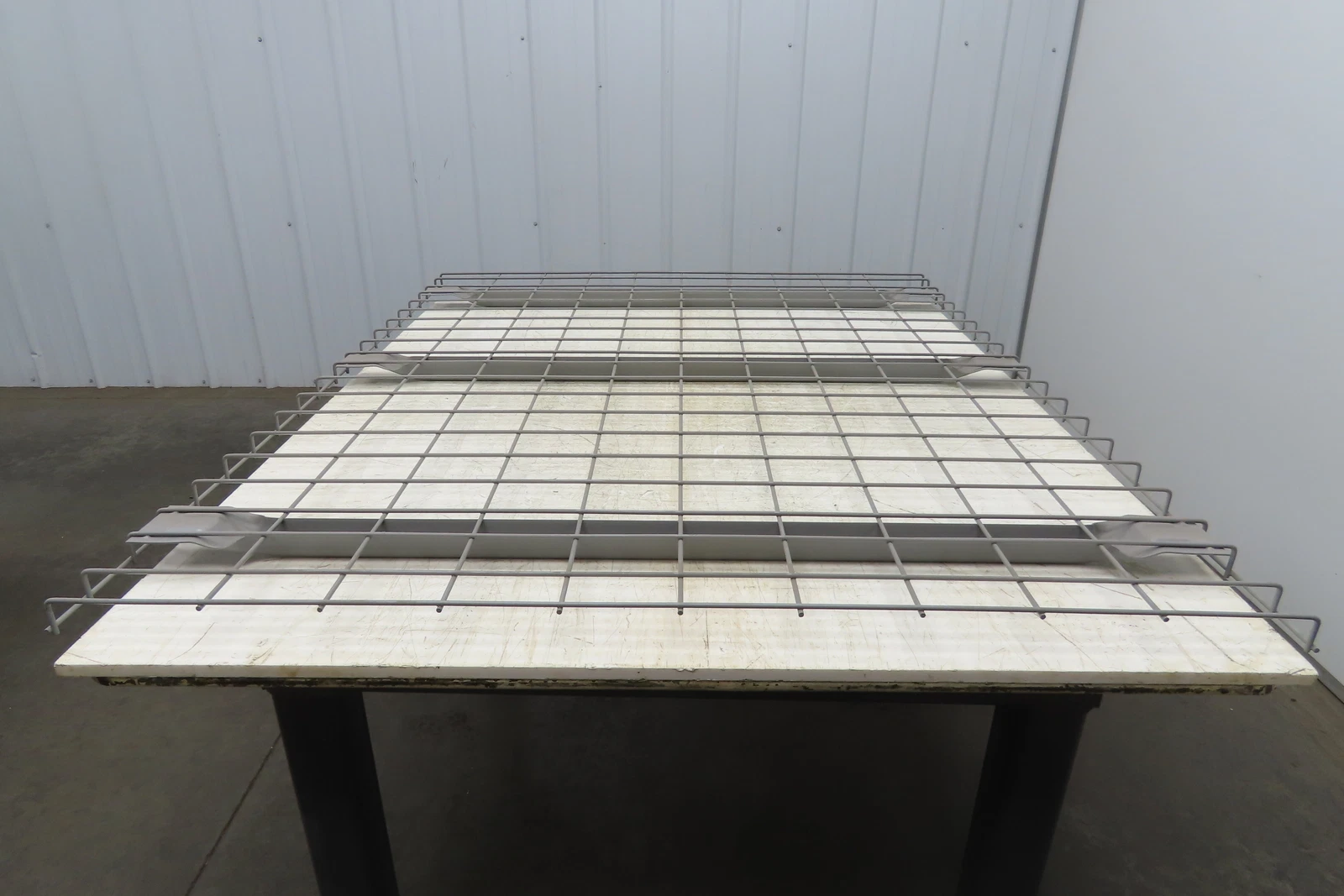
Why Floor Stacking Is Destroying Your Roi
Table Of Contents
- Why Floor Stacking Is Destroying Your Roi
- Why Are You Losing Profits Due to Floor Stacking?
- How Does Floor Stacking Impact Your Brand Reputation?
- What Safety Risks Are Associated with Floor Stacking?
- Are Your Workers Facing Stress From Floor Stacking Practices?
- How Does Floor Stacking Affect Customer Satisfaction?
- What Long-Term Costs Arise From Poor Stacking Methods?
- Conclusion
- Other Resources
- Glossary Of Terms
- Other Questions
- Checklist
Why Are You Losing Profits Due to Floor Stacking?
Floor stacking may seem like a quick fix for your storage problems, but it can lead to hidden costs that seriously eat into your profits. Picture this: your warehouse is packed to the brim, boxes stacked precariously, and your employees are spending more time navigating the chaos than actually fulfilling orders. That’s time and money thrown out the window. Every time someone has to dig through that mess for a product, it’s not just lost productivity; it’s potential sales slipping through your fingers.
Now, let’s get to the heart of the matter. Imagine your team, frustrated and overwhelmed, trying to locate items in a floor-stacked arrangement. This isn’t just about efficiency; it impacts morale. When workers feel they can’t succeed because of poor racking systems, it sends the wrong message. Your business relies on the sweat of your employees, and if the environment isn’t set up for success, you’re not just stalling productivity—you’re chipping away at their motivation and trust.
From a rational standpoint, think about the tangible costs. Floor stacking leads to damaged goods, longer retrieval times, and increased labor costs. Those overtime hours pile up, eating into that profit margin you’ve worked so hard to build. Implementing effective racking systems not only organizes your workspace but enhances safety, reducing injury risk and associated costs. When you invest in sturdy, sensible storage solutions, you’re not just making your life easier; you’re safeguarding your bottom line.
Ethically, we owe it to our workers to provide an environment that promotes safety and efficiency. They come in every day to put in hard work; the least we can do is ensure they have the proper tools at their disposal. This commitment fosters loyalty and trust within your team—a workforce that believes in your vision and knows their contributions matter.
And let’s not overlook the power of community and relationship-building with customers. A well-organized warehouse means faster order processing and greater accuracy. When your business shines in reliability, your clients notice. Word of mouth travels fast in this line of work, and a reputation for efficiency is worth its weight in gold.
Simply put, floor stacking may seem like a solution, but it’s a false friend. Embracing effective racking systems isn’t just a smart move; it’s an investment in your future.

Why Are You Losing Profits Due to Floor Stacking?
Why Are You Losing Profits Due to Floor Stacking?
- Floor stacking can lead to hidden costs that reduce profits.
- Cluttered warehouses hinder productivity and delay order fulfillment.
- Poor organization negatively impacts employee morale and trust.
- Floor stacking increases the risk of damaged goods and higher retrieval times.
- Investing in racking systems enhances safety and reduces injury-related costs.
- Providing a well-organized workspace fosters employee loyalty and trust.
- An organized warehouse improves order processing speed and customer satisfaction.

Why Are You Losing Profits Due to Floor Stacking?
How Does Floor Stacking Impact Your Brand Reputation?
Floor stacking might seem like just another operational strategy, but it runs deeper than that—it touches the very essence of your brand’s reputation. When customers walk into a space filled with neatly arranged goods, or even a busy warehouse with organized racking systems, they feel a sense of order and reliability. This impression doesn’t just happen; it’s crafted by the way you choose to manage your inventory and the aesthetics of your workspace. On the other hand, a disorganized stockroom or haphazard stacking can scream carelessness, ringing alarm bells in customers’ minds about your commitment to quality.
From a practical standpoint, well-implemented floor stacking promotes efficiency. It’s like a well-oiled machine where each part has its place. This not only speeds up operations but fosters a culture of respect for the resources at hand. When you optimize space with racking systems, you’re not just saving room; you’re showing your team and your customers that you value every square inch. This sense of stewardship can resonate deeply; when people see your commitment to order and efficiency, they’re more likely to place their trust in you, believing that you’ll deliver not just good products, but reliable service.
Ethically speaking, responsible floor stacking practices assure customers that safety is a priority. Organizing stock minimizes the risk of accidents and injuries, sending a clear message that you care about your team and clients alike. That attention to detail creates a ripple effect—a community of customers, employees, and stakeholders are inspired to act with integrity because they see your commitment to doing things right.
Beyond the rational and ethical takes, there’s a narrative aspect here. Think about the stories of businesses that have succeeded or failed based on how they present their inventory. Every carefully stacked box tells a story of pride and care, while a cluttered space might suggest neglect. People are drawn to authenticity, and a well-organized floor not only speaks to the business acumen but also reflects your brand’s values.
Lastly, consider the social dimension. When organizations embrace effective floor stacking and sustainable racking systems, they often find themselves part of a community striving for excellence. Sharing these practices can inspire others, inviting collaboration and growth. This interconnectedness reinforces trust and connects with customers on a deeper level—essentially weaving your brand into the fabric of their lives, one organized stack at a time.

How Does Floor Stacking Impact Your Brand Reputation?
How Does Floor Stacking Impact Your Brand Reputation?
- Floor stacking impacts brand reputation and conveys reliability to customers.
- Organized inventory and workspace promote operational efficiency and respect for resources.
- Proper stacking practices highlight a commitment to safety, reducing accident risks.
- Attention to detail fosters a culture of integrity among customers and employees.
- Well-organized spaces tell stories of care, reflecting a brand’s values and authenticity.
- Effective stacking practices can lead to collaboration and growth within a business community.
- This interconnectedness establishes deeper trust between the brand and its customers.
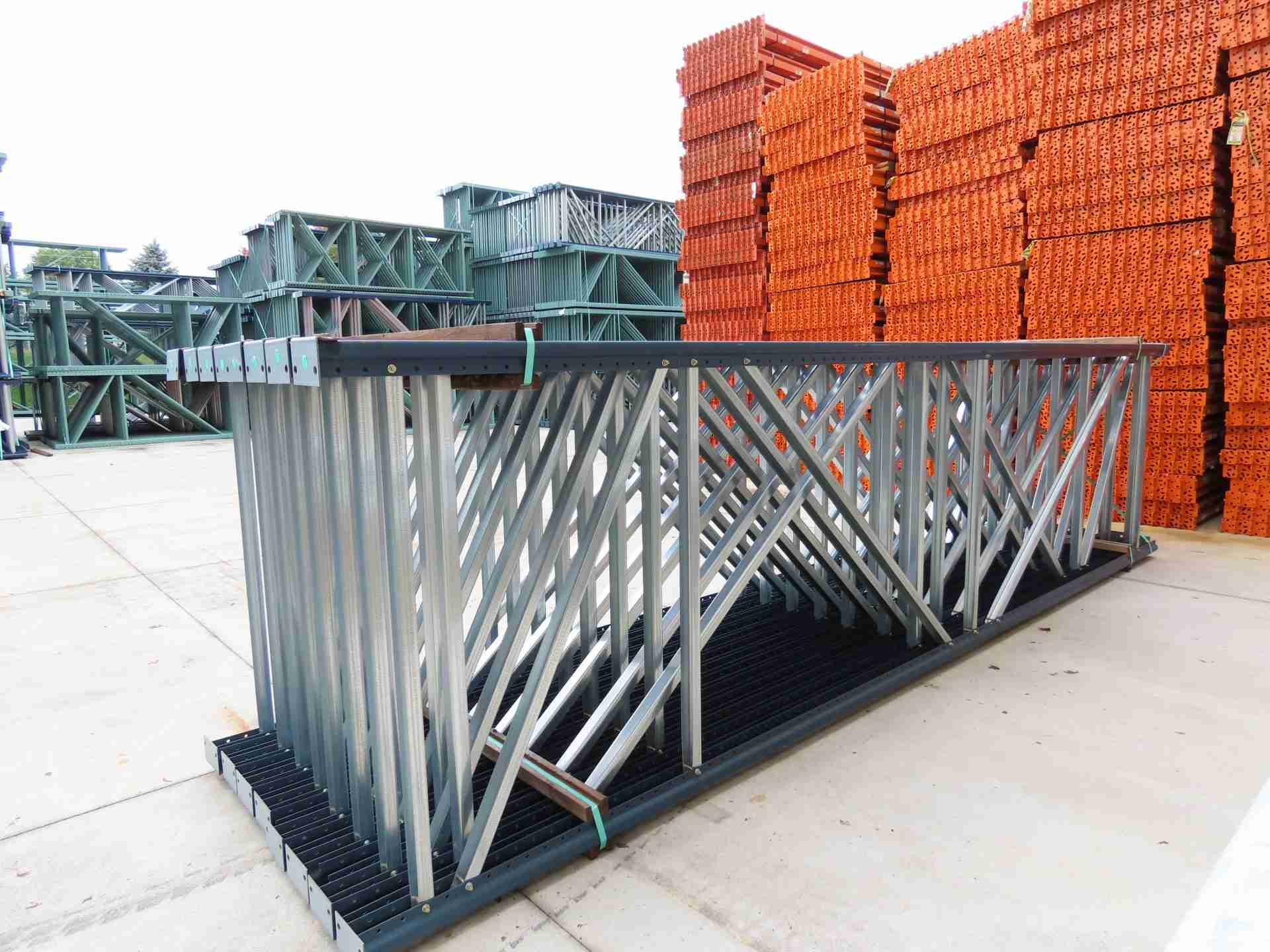
How Does Floor Stacking Impact Your Brand Reputation?
What Safety Risks Are Associated with Floor Stacking?
Floor stacking might seem like a quick and easy solution to save space, but it carries significant safety risks that can lead to costly accidents and injuries. Picture a bustling warehouse: workers diligently moving about, loading and unloading, while towering stacks of heavy boxes loom overhead. It’s a familiar sight, one that can end in disaster if proper precautions aren’t taken.
First off, racking systems are designed for a reason—to distribute weight safely and securely. When items are just piled on the floor, you risk creating unstable heaps that can come crashing down with little warning. Imagine the heart-stopping moment when the stack starts to tumble; it can lead to serious injury or even worse. This scenario isn’t just a theoretical safety hazard; it’s a raw reality for many in the workforce who’ve seen the aftermath of a careless stacking job.
From a rational standpoint, the numbers don’t lie. Injuries related to improper stacking account for a significant percentage of workplace accidents. This isn’t just about individual safety; it reflects on the whole operation. A single incident can result in liability issues and loss of productivity, drawing the focus away from the work at hand. Ethically, organizations owe their employees a safe working environment. Ignoring the risks associated with floor stacking is a breach of that duty, creating a culture of negligence that can lead to serious consequences.
Engaging with this issue also means recognizing the shared responsibility among coworkers. Team members need to communicate effectively about what’s safe and what’s not. A sense of camaraderie can promote a culture where everyone looks out for each other, preventing avoidable accidents. When workers feel trusted and valued, they’re more likely to speak up about unsafe practices, fostering an atmosphere committed to safety.
As someone who’s spent years on the ground, there’s an undeniable gut feeling that comes with the territory: every item that’s not secured risks not just property but the very lives of those around it. It’s an all-too-familiar dance between danger and diligence. Bringing awareness to the specific safety risks involved in floor stacking isn’t just about compliance—it’s about protecting the people we work with day in and day out. Safety isn’t merely a checkmark on a list; it’s an ongoing commitment to ensuring that everyone goes home unharmed, ready to enjoy time with family and friends. When it comes down to it, a safe workplace is a strong workplace, and it’s one we all have a hand in building.

What Safety Risks Are Associated with Floor Stacking?
What Safety Risks Are Associated with Floor Stacking?
- Floor stacking poses significant safety risks, increasing the likelihood of accidents and injuries.
- Improper stacking can create unstable piles, leading to potential falls and serious harm.
- Injuries from poor stacking practices contribute to a notable percentage of workplace accidents.
- Liability issues and productivity loss can result from single incidents related to unsafe stacking.
- Organizations have an ethical obligation to provide a safe working environment.
- Effective communication among team members fosters a culture of safety and responsibility.
- Prioritizing safety ensures that employees return home unharmed, reinforcing a strong workplace culture.

What Safety Risks Are Associated with Floor Stacking?
Are Your Workers Facing Stress From Floor Stacking Practices?
In the hustle and bustle of a warehouse, the sound of clattering boxes often drowns out the whispers of discomfort among workers. When it comes to floor stacking practices, the challenge goes beyond mere physical strain—it touches the very core of employee well-being. We need to recognize what’s at stake. Workers are not just stacks of boxes; they are individuals who carry the weight of their jobs, often under stress they shouldn’t have to endure.
Take a step back and consider the implications of flawed racking systems. Improper stacking not only leads to an increased risk of injury but also fosters a culture of anxiety on the floor. Workers, aware of potential hazards, may find themselves preoccupied with fear rather than focusing on their tasks. This emotional burden can lead to decreased morale, lower productivity, and ultimately a higher turnover rate. Leaders in logistics and warehousing must understand that their approach to racking systems can make or break the team’s spirit.
But it’s not just about physical conditions. This situation demands an ethical response. Employers hold a responsibility to create an environment where workers feel safe and valued. Implementing effective racking systems tailored to the needs of the workforce isn’t merely a smart business decision; it’s a sign of respect. When employees see that their employers prioritize their safety and comfort, a sense of trust develops. It inspires them to put in the effort and engage with their work on a deeper level.
Drawing from personal experiences, many know the weight of hauling heavy stacks day in and day out. A well-structured racking system can reduce that burden significantly. Imagine a warehouse where workers can maneuver effortlessly, where each box placed is a key to efficiency rather than an exercise in frustration. By investing in proper systems, companies can transform the workplace from a source of stress to one of community and collaboration.
In the heart of it all, this isn’t just about profits or productivity metrics. It’s about real people striving to make a living. When we address floor stacking practices and rethink our racking systems, we are not just improving operations; we’re making a statement that we care about the people behind the pallets. Let’s foster a work environment where everyone is empowered to do their best without the looming shadow of stress. Create that change, and watch how it resonates through the ranks—filling the air with pride and purpose rather than apprehension.
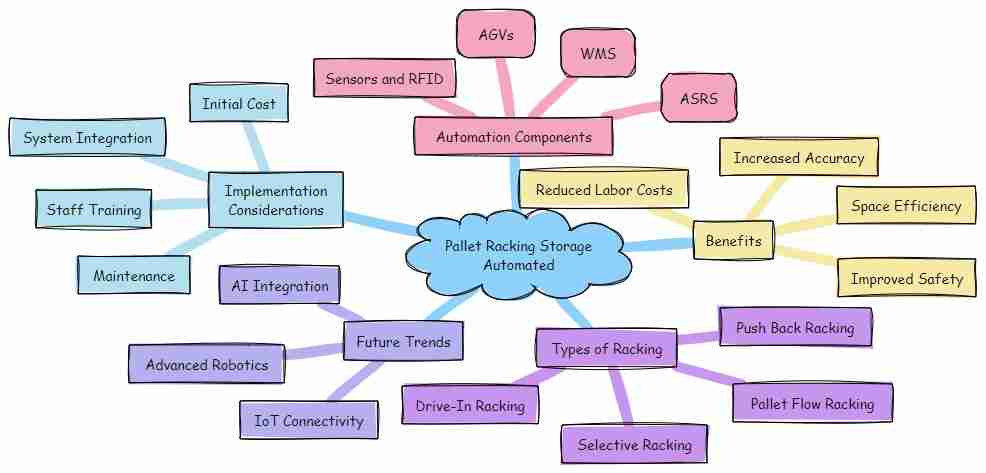
Are Your Workers Facing Stress From Floor Stacking Practices?
Are Your Workers Facing Stress From Floor Stacking Practices?
- Warehouse environments often mask worker discomfort under the noise of operations.
- Flawed racking systems increase injury risks and foster anxiety among workers.
- Emotional burdens from hazards can decrease morale, productivity, and increase turnover.
- Employers have a responsibility to create safe and valued work environments.
- Effective racking systems demonstrate respect and build trust between employers and employees.
- Investing in proper systems can transform stress into community and collaboration.
- Addressing racking practices shows genuine care for workers, enhancing their empowerment and purpose.
Are Your Workers Facing Stress From Floor Stacking Practices?
How Does Floor Stacking Affect Customer Satisfaction?
Picture this: a warehouse buzzing with activity, boxes stacked high, and each aisle a careful dance of efficiency and chaos. In this world of racking systems, how you stack those items feels like a silent handshake between a business and its customers. When done right, floor stacking is more than just a way to store goods; it’s a commitment to quality service and a promise of reliability.
When shelves are organized and products are easy to find, customers feel valued. It’s the small things that count. A clear layout means less time wandering, and a more pleasant shopping experience translates to happier customers. They associate neatly arranged products with a business that respects their time. It’s not just about products getting from point A to point B; it’s about creating moments of satisfaction with every item retrieved.
From a practical standpoint, effective floor stacking can boost operational efficiency. When employees aren’t wrestling with an unruly racking system, they can focus on their core mission: serving customers. This efficiency leads to faster service, shorter wait times, and a sense of confidence that resonates with every customer interaction. Rationally, customers gauge your capability based on how things flow – a seamless experience fosters trust.
Ethically, when businesses prioritize proper stacking and organization, they’re also looking out for their employees’ safety. A respectful work environment, where hazards are minimized thanks to safe racking systems, creates a culture of care that extends beyond the warehouse. Customers pick up on this ethos. They appreciate knowing that a company values its workers; it’s a reflection of overall integrity.
The narrative of a business is woven into every shelf and pallet. Imagine a customer walking into a store where products lie haphazardly on the floor versus a space where items are thoughtfully displayed, thanks to wise floor stacking. It tells a story—one of diligence, care, and commitment to providing the best.
Socially, when businesses utilize effective floor stacking, they create a community of support. Word spreads quickly among customers who appreciate not only the quality of products but the quality of their shopping experience. Satisfied customers become repeat customers, and those connections foster a sense of loyalty that’s hard to break.
Effective floor stacking isn’t just a logistical choice; it’s a cornerstone of customer satisfaction. When your racking systems are on point, you’re not only delivering products but also setting a standard of service that resonates in every customer encounter. And that’s the kind of connection that keeps customers coming back for more.

How Does Floor Stacking Affect Customer Satisfaction?
How Does Floor Stacking Affect Customer Satisfaction?
- Warehouse efficiency relies on effective floor stacking, representing a business’s commitment to quality service.
- Organized shelves enhance customer experience, making products easier to find and fostering a sense of value.
- Proper stacking boosts operational efficiency, allowing employees to focus on customer service.
- Efficient systems lead to faster service and shorter wait times, increasing customer confidence and trust.
- Prioritizing safety through organization reflects a business’s integrity and creates a respectful work environment.
- Thoughtful floor stacking tells a story of diligence and care, enhancing brand narrative.
- Strong customer experiences through effective stacking foster loyalty and community support.

How Does Floor Stacking Affect Customer Satisfaction?
What Long-Term Costs Arise From Poor Stacking Methods?
In the world of warehousing and logistics, simple mistakes often lead to serious headaches down the line. Poor stacking methods can seal your fate before you even notice the problem. Imagine a warehouse filled to the brim, boxes piled high in precarious arrangements. At first glance, it might seem efficient, but this illusion of effectiveness masks a world of complications lurking just beneath the surface.
When products are poorly stacked, it’s not just about aesthetics; it’s about safety and financial stability. Racking systems are designed for a reason. They bring order, maximize space, and most importantly, keep workers safe. A single collapse due to improper stacking can lead to injuries that get costly fast—medical bills, lost time, legal battles. This isn’t just theory; it’s a reality faced by many who underestimated the importance of effective racking systems. The gut-wrenching thought that a simple oversight could hurt someone brings the weight of responsibility crashing down.
From a practical standpoint, dealing with damaged goods due to improper stacking hits hard in the pocketbook. Picture opening a shipment, only to find half the contents bruised, broken, or rendered unsellable. Each item represents not just a financial loss but also a missed opportunity. Businesses already running on tight margins can’t afford the hit caused by preventable damage. Rationally speaking, proper stacking techniques save money in the long run. Investing in the right racking systems and training staff on best practices pays dividends, reducing waste and increasing productivity.
Ethically, we owe it to our teams to create a workspace where they feel secure. When employees trust that their environment is safe, they’re more engaged, and that positive energy contributes to a strong workplace culture. Socially, taking pride in a professionally organized warehouse fosters collaboration and respect. When everyone is on the same page about proper stacking, it builds a rhythm that benefits the entire operation.
Each of us has a story to tell about working in chaotic environments where poor stacking is the norm. Recalling the frustration and anxiety tied to those days can bring us together as a community. Let’s learn from those experiences and commit to best practices. In a world filled with uncertainty, it’s time to stack our way to safety and success.

What Long-Term Costs Arise From Poor Stacking Methods?
What Long-Term Costs Arise From Poor Stacking Methods?
- Simple mistakes in warehousing can lead to significant issues.
- Poor stacking methods compromise safety and financial stability.
- Effective racking systems ensure order, maximize space, and protect workers.
- Improper stacking can result in injuries, medical costs, and legal issues.
- Damaged goods from poor stacking lead to financial losses for businesses.
- Investing in training and proper racking systems can improve productivity and reduce waste.
- A safe workspace enhances employee engagement and fosters a positive workplace culture.
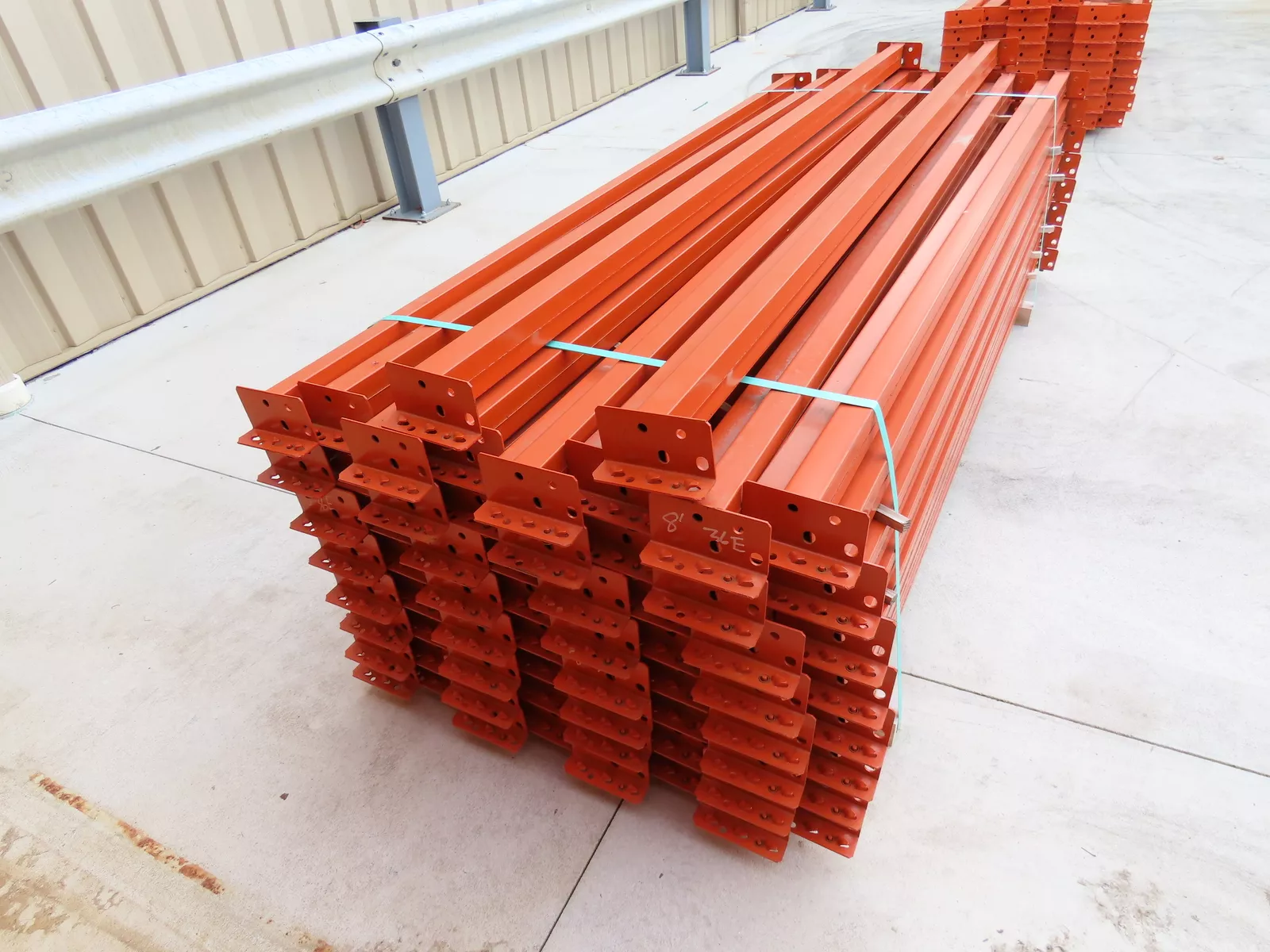
What Long-Term Costs Arise From Poor Stacking Methods?
Conclusion
Floor stacking might look like an easy fix for storage woes, but the long-term consequences can be detrimental to both operations and morale. While it might save a few bucks in the short term, the hidden costs pile up quickly. Picture a warehouse cluttered with precariously stacked boxes—navigating that mess leads to wasted time and energy, which translates directly into lost profits. Employees struggle with diminished productivity and heightened stress, making it clear that a haphazard approach undermines the very foundation of your business.
Consider the safety risks involved. Floor stacks can tip over, posing serious hazards to workers. A racking system is designed to prevent exactly that—organizing and distributing weight safely. Each injury from improper stacking is not just a personal cost; it can lead to increased insurance rates, liability issues, and an overall toxic environment. It’s essential to prioritize the safety of all workers, as that responsibility reflects on the health of the business overall.
Moving beyond safety, there’s the question of ethics. Employees deserve a workplace where they can perform to the best of their ability in a safe atmosphere. When employers invest in proper racking, it signals respect and care for their team, boosting morale and loyalty. A motivated workforce is a more productive one, ultimately leading to higher profits.
Then there’s the customer perspective. A messy warehouse equals a disorganized brand image. Customers associate well-stacked inventory with professionalism and attention to detail. When they see that you value organization, their trust in your service grows, leading to repeat business and positive word-of-mouth—the lifeblood of any thriving enterprise.
Finally, we must remember the long-term costs of neglecting proper stacking methods. Broken goods due to improper stacking can devastate profit margins. It’s a direct hit to cash flow that even the best sales can’t compensate for. Implementing effective storage solutions isn’t just a smart operational choice, it’s an investment in the entire operation’s future.
Ultimately, shifting from floor stacking to structured racking systems fosters safety, enhances efficiency, and promotes a sense of community. This transition safeguards both profits and people, paving a pathway to sustained success and cementing a reputation that customers trust. Embrace the change, and witness the benefits unfold.
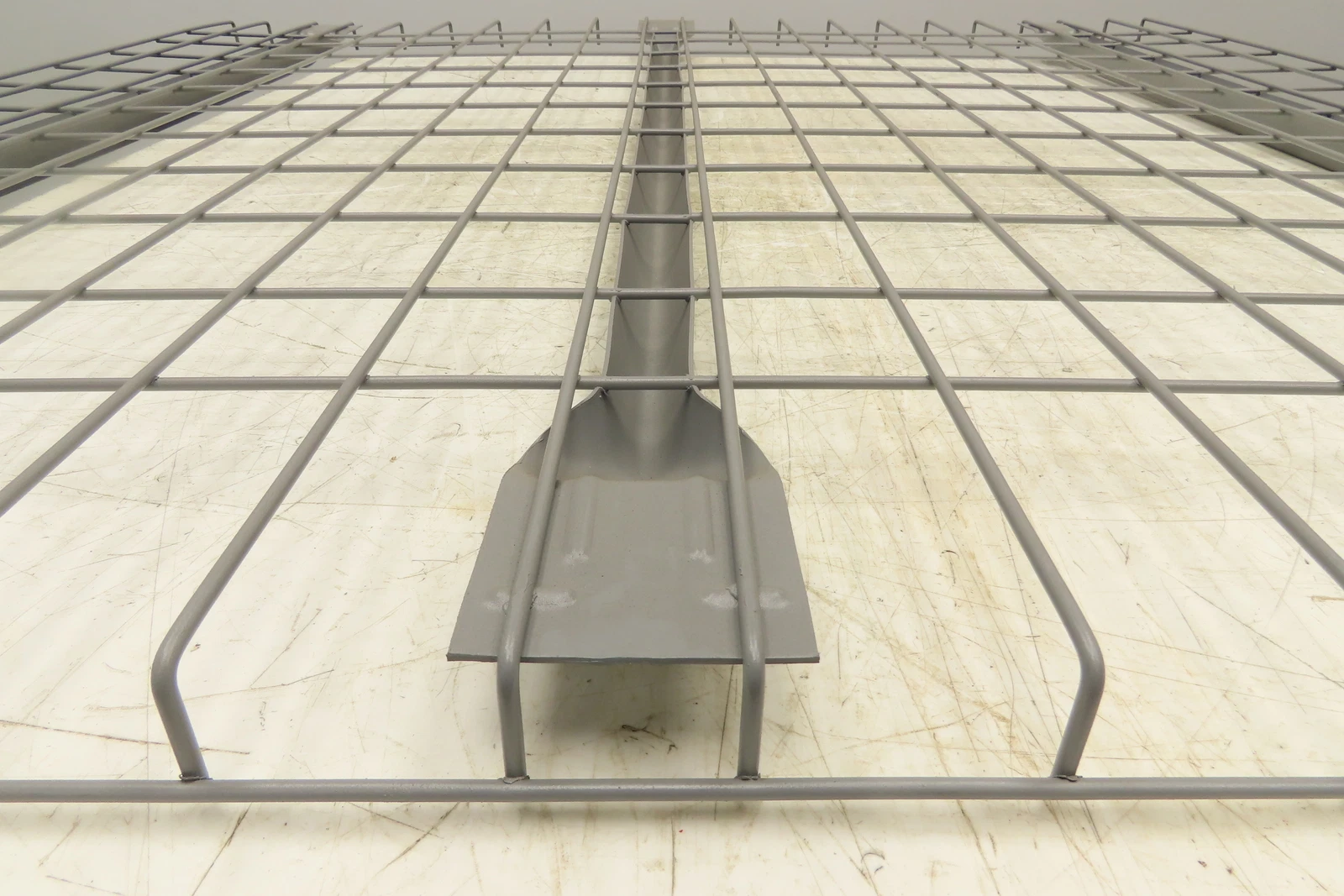
Conclusion
Conclusion:
- Floor stacking may seem like a cost-effective solution for storage, but it leads to long-term operational and morale issues.
- Cluttered warehouses made of precariously stacked boxes waste time and energy, impacting productivity and profits.
- Safety risks from tipping floor stacks can cause injuries, increasing insurance rates and creating a toxic work environment.
- Investing in proper racking systems demonstrates respect for employees, boosting morale and productivity.
- An organized warehouse enhances brand image; customers associate it with professionalism and reliability.
- Neglecting proper stacking methods can lead to broken goods and negatively affect cash flow and profit margins.
- Switching to structured racking systems promotes safety, efficiency, and a trustworthy reputation, benefiting the overall business.
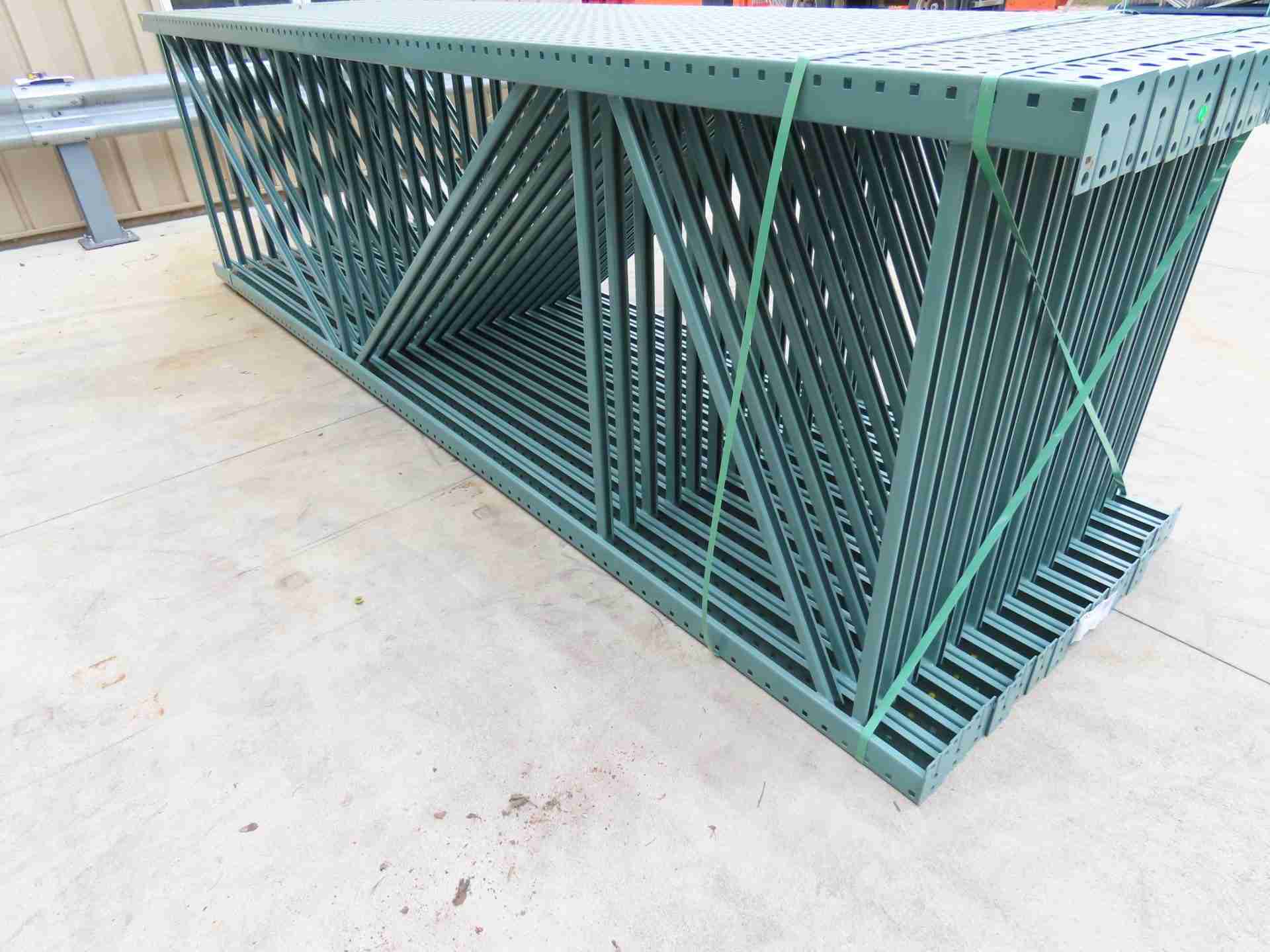
Conclusion
Other Resources
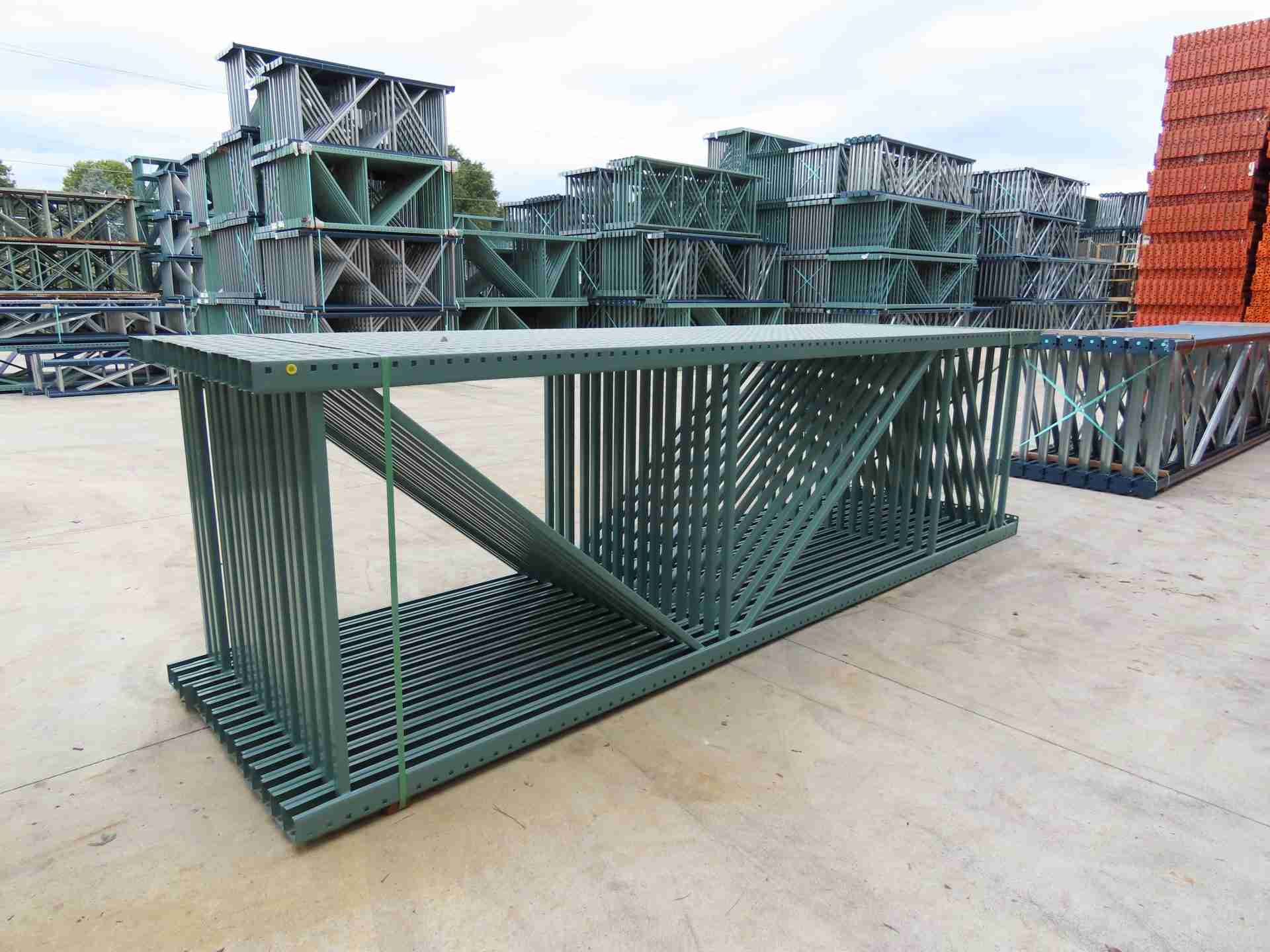
Other Resources
Here is a list of other resources you can review online to learn more:
- Used Teardrop Pallet Rack – American Surplus
- Cantilever Rack Guide: Ordering Cantilever Racking
- Arrow Industrial Sales
- SEMA
- Teardrop Uprights
- BMH
- Intro to Warehouse Racks & Warehouse Racking Systems – ShipBob
- Teardrop Pallet Rack – Ridg-U-Rak
- Teardrop Pallet Rack – Ridg-U-Rak
- Teardrop Industrial Shelving Rack
- Pallet Racking 101: A Comprehensive Guide & Options Explained
- Cantilever Rack Configuration & Installation: A Comprehensive Guide – BMH
- Warehouse Automation
- American Surplus
- Pallet Rack Systems – New and Used Pallet Racking and Shelving Experts
- Rack Manufacturers Institute
- Logic Material Handling
- Racking World
- What is Selective Racking: Understanding Benefits & Options
- Total Warehouse
Use This Prompt To Get More Resources With Your Favorite Online AI Tool: Please provide me with a list of online articles with their URLs in a bulleted list that I can read regarding Why Floor Stacking Is Destroying Your Roi
Other Resources
Glossary Terms
Why Floor Stacking Is Destroying Your Roi – Glossary Of Terms
1. Floor Stacking: Arranging excess inventory on the floor instead of using proper storage solutions, impeding operational efficiency.
2. ROI: Return on Investment, a measure of the profitability of an investment relative to its cost.
3. Inventory Management: The process of ordering, storing, and using a company’s inventory to maximize efficiency and profitability.
4. Overhead Costs: Ongoing expenses necessary to operate a business, which can increase due to inefficient inventory practices.
5. Warehouse Efficiency: The effectiveness of storage and retrieval operations in a warehouse, affected by floor stacking.
6. Space Utilization: The measure of how effectively available storage space is used, often reduced by improper stacking.
7. Order Fulfillment: The complete process of receiving, processing, and delivering customer orders, hindered by floor stacking.
8. Cycle Time: The total time from when an order is placed to when it is fulfilled, negatively impacted by disorganized inventory.
9. Stockout: A situation where inventory is unavailable when needed, often exacerbated by ineffective floor management.
10. Safety Hazards: Increased risks of injury due to cluttered walkways or unstable stacks, resulting from poor inventory management.
11. Loss Prevention: Strategies designed to reduce theft, damage, or loss of inventory, which can be undermined by careless stacking.
12. Labor Costs: The expenses related to staffing, which can increase due to time wasted navigating disorganized inventory.
13. Supply Chain: The entire system involved in producing and delivering a product, intricately linked to effective inventory practices.
14. Lean Practices: Strategies focused on minimizing waste within manufacturing systems, often including optimal inventory stacking.
15. Inventory Turnover: The rate at which inventory is sold and replaced over a period, affected by inefficient management.
16. Visual Merchandising: The practice of optimizing product displays, which can be undermined by disorganized floor stacking.
17. Waste Reduction: Efforts taken to minimize waste, significantly influenced by inefficient use of storage space.
18. Cross-Docking: A logistics practice that can be hindered by poor stacking, impacting speed and efficiency.
19. Floor Plan: The layout of a warehouse, crucial for optimizing space and reducing clutter caused by excessive floor stacking.
20. KM (Knowledge Management): The process of managing knowledge within an organization, potentially impaired by lack of access to organized inventory.
21. Ergonomics: The study of people’s efficiency in their working environment, negatively impacted by poorly arranged inventory.
22. Stock Management: The oversight of the flow of goods into and out of a business, essential for maintaining optimal inventory levels.
23. Handling Equipment: Tools used to move and store inventory, which can become inefficient with floor stacking.
24. Compliance Standards: Regulations governing storage and safety in warehouses, often violated through improper stacking.
25. Blind Spots: Areas within a warehouse that may be difficult to monitor, created by excessive inventory on the floor.
26. Procurement: The process of acquiring goods or services, directly affected by inventory visibility issues caused by floor stacking.
27. Selling Opportunities: Chances to generate revenue, lost when products are not displayed or accessible due to poor stacking.
28. Bulk Storage: Utilizing large quantities of space to hold goods, which can be mismanaged by floor stacking practices.
29. SKU Rationalization: The process of determining which stock-keeping units to keep or eliminate, often complicated by inefficient inventory displays.
30. Demand Forecasting: Predicting customer demand to optimize inventory levels, hindered by disorganized product layout on the floor.

Glossary Of Terms
Other Questions
Why Floor Stacking Is Destroying Your Roi – Other Questions
If you wish to explore and discover more, consider looking for answers to these questions:
- What is the true cost of floor stacking versus installing racking systems?
- How do you calculate the ROI of switching from floor stacking to racking?
- What is the typical payback period for racking investments?
- Which types of racking systems are best for different product types and volumes?
- How much floor space and storage density can racking reclaim compared to floor stacking?
- What are the common causes and rates of product damage from floor stacking?
- How does floor stacking impact order accuracy and fulfillment speed?
- What safety standards and regulations apply to floor stacking and racking (OSHA, local codes)?
- How does floor stacking affect worker injury rates and workers’ compensation costs?
- What training and best practices are required to operate racking systems safely?
- How do racking systems affect workflow and pick-path optimization?
- What are the upfront and ongoing maintenance costs of racking systems?
- How will installing racking impact warehouse operations during installation (downtime, disruption)?
- What equipment (forklifts, pallet jacks, safety gear) is needed when moving to racking?
- How do racking systems integrate with existing warehouse management systems (WMS)?
- What KPIs should you track to measure the benefits of switching from floor stacking?
- How do insurance premiums change after converting from floor stacking to racking?
- Are there tax incentives, grants, or financing options for warehouse infrastructure upgrades?
- How do different racking choices affect accessibility for different SKUs and turnover rates?
- What are the space planning considerations for aisles, clearances, and emergency egress?
- How do racking systems influence inventory accuracy and cycle-count efficiency?
- What load‑capacity and weight‑distribution rules must be observed for racking?
- How can you phase in racking upgrades while keeping operations running?
- What are low‑cost or interim alternatives to full racking installation?
- How does floor stacking affect customer perception and B2B client confidence?
- What metrics show improvements in customer satisfaction after organizing storage?
- How do racking and improved organization support quality control and returns handling?
- What liability risks arise from floor stacking and how can they be mitigated?
- How do environmental factors (humidity, pests, temperature) interact with stacking methods?
- Can automated storage and retrieval systems (AS/RS) or automation be added later?
- What are common installation mistakes and how can they be avoided?
- How do you choose reputable racking suppliers and installers?
- What maintenance and inspection schedule is recommended for racking safety?
- How will switching to racking affect labor requirements, ergonomics, and staffing levels?
- What case studies or before/after examples demonstrate measurable ROI gains?
- How should you prioritize which areas or SKUs to move onto racks first?
- What standards or certifications should racking components meet (e.g., engineering specs)?
- How can you quantify intangible benefits like morale, reputation, and reduced stress?
Other Questions
Checklist
Why Floor Stacking Is Destroying Your Roi – A Checklist
Immediate Floor Red Flags
✅______ Inventory stacked directly on the floor beyond one layer
✅______ Aisles blocked or narrower than required width
✅______ Stacks exceed safe height without containment or tier sheets
✅______ Mixed SKUs within a single stack
✅______ Pallets on uneven or damaged flooring
✅______ No posted maximum stack heights or load limits
✅______ Damaged pallets or packaging in active use
✅______ Poor or missing aisle and floor markings
✅______ Sprinklers or emergency egress obstructed
✅______ No documented inspection of stack stability
Safety and Compliance Controls
✅______ Written SOPs for stacking, racking, and load limits
✅______ Daily safety walk checklist completed and logged
✅______ Near-miss and hazard reporting program active
✅______ Operators trained and certified on MHE (forklifts and pallet jacks)
✅______ PPE compliance monitored and enforced
✅______ 5S and housekeeping audits scheduled and scored
✅______ Fire code clearances maintained (for example, 18 in. below sprinklers)
✅______ Pallet condition inspection and culling process in place
✅______ Interlocking stack patterns and dunnage used where required
✅______ Incident and lost-time injury rates tracked monthly
Operations and ROI Metrics
✅______ Average pick time per line item measured
✅______ Order accuracy rate tracked
✅______ Dock-to-stock time recorded
✅______ Inventory location accuracy audited
✅______ Damage rate (%) by cause reported
✅______ Overtime hours tied to retrieval and congestion monitored
✅______ Travel distance per pick analyzed
✅______ Storage density (pallet positions per 1,000 sq ft) calculated
✅______ Throughput per labor hour benchmarked
Employee Experience and Morale
✅______ Anonymous pulse survey on safety, stress, and navigability
✅______ Reported strains and ergonomic issues reviewed
✅______ Turnover and absenteeism trends correlated to floor conditions
✅______ Safety committee meets at least monthly
✅______ Worker improvement suggestions logged and closed with feedback
Customer and Brand Impact
✅______ Order cycle time (quote-to-ship) tracked
✅______ On-time, in-full (OTIF) performance monitored
✅______ Damage-related returns and claims rate measured
✅______ Customer feedback on accuracy and packaging reviewed
✅______ Facility readiness for customer tours and photography confirmed
Cost Exposure and Risk
✅______ Cost of damaged goods (last 90 days) calculated
✅______ Overtime and rework costs attributed to disorganization quantified
✅______ Workers’ compensation incidents and insurance premium impacts reviewed
✅______ Legal and claim events from accidents documented
✅______ Space cost versus racking investment scenario modeled
Racking and Organization Upgrades
✅______ Space assessment and slotting study completed
✅______ Appropriate racking selected (for example, selective, double-deep, pallet flow, cantilever)
✅______ Load calculations, permits, and engineering sign-off obtained
✅______ Vendor quotes, lead times, and installation plan approved
✅______ Payback and ROI model built (labor saved, damage avoided, density gained)
✅______ Location labeling schema (aisle–bay–level) designed and installed
✅______ Maximum load and safety signage posted at each bay and area
✅______ SOPs updated; team trained on new processes
✅______ Phased rollout plan with downtime mitigation scheduled
✅______ 30-, 60-, and 90-day post-implementation audits completed
Ongoing Controls and Continuous Improvement
✅______ Weekly 5S audits and corrective actions executed
✅______ Monthly rack inspections and repair log maintained
✅______ Quarterly KPI review and re-slotting as needed
✅______ Annual emergency drills and evacuation route checks conducted
✅______ Regular kaizen events targeting pick time, damage, and space use
Sign-Off
✅______ Owner or manager name
✅______ Date completed
✅______ Next review date

Checklist
At RackingWorld, we help guide you through selecting warehouse storage systems and racking.
Be sure to read our other related stories at RackingWorld to learn more about warehouse storage systems.
0 Comments