
Making The Right Choice For Your Racks
By Tom Seest
At RackingWorld, we help guide you through selecting warehouse storage systems and racking.
Be sure to read our other related stories at RackingWorld to learn more about warehouse storage systems.
When to Repair Vs. Replace Damaged Rack Components
When faced with damaged racking components, the choice between repair and replacement can feel like navigating a minefield. Your heart races as you weigh the cost against the potential risks. You might think, “Is it worth fixing something that could compromise safety?” That’s a valid concern. Your gut knows that safety isn’t just a rule; it’s a responsibility. Every time someone walks beneath those steel beams, they trust you to keep them safe. It’s more than a decision—it’s a commitment.
Picture this: a bustling warehouse floor, workers diligently moving about, packing orders, inventory flowing like a well-choreographed dance. Now imagine that same scene, interrupted by a misplaced load or a weak joint, leading to a catastrophic failure. The ripple effect of that moment stretches far and wide, impacting not just the bottom line but the very morale of your team. When racks are failing, so is the trust you’ve built.
This isn’t merely about numbers and budgets; it’s about the ethics of care. You owe it to your employees, your stakeholders, and yourself to ensure that every part of your operation is not just functioning, but thriving. Each component of your racking system plays a critical role, supporting not just products but the livelihoods of those who rely on them. We need to consider the experts—consult engineers or certified inspectors. Their authority in assessing structural integrity can guide you when the road is unclear.
Now, let’s talk about the practicality of it all. Repairing a damaged rack can feel like a temporary bandage, while replacement offers a fresh start. Think about your long-term strategy. Will a patchwork approach leave you in the same predicament down the line? Sometimes, investing in new components is not just the sensible choice; it’s the courageous one.
As you mull over your options, remember that you’re part of a larger community. Many have faced this dilemma, and sharing insights can strengthen bonds. Engage with your peers, explore what they’ve done in similar situations. You’re not alone in this quest for excellence. By making the right choices with your racking system, you can fortify your warehouse, boost productivity, and inspire confidence among your team—a testament to your leadership and your dedication to safety and quality.

When to Repair Vs. Replace Damaged Rack Components
When to Repair Vs. Replace Damaged Rack Components
- Navigating the choice between repairing and replacing damaged racking components requires careful consideration of safety and costs.
- Safety is a priority; employees trust management to maintain a secure work environment.
- The failure of racking systems can lead to detrimental impacts on both business performance and team morale.
- Ensuring all operations thrive is an ethical responsibility to employees, stakeholders, and oneself.
- Consulting with engineers or certified inspectors is crucial in assessing structural integrity.
- Consider long-term strategies; investment in new components may be necessary for sustained safety and reliability.
- Engaging with peers can provide valuable insights and strengthen community bonds, fostering leadership in safety and quality.

When to Repair Vs. Replace Damaged Rack Components
Table Of Contents
- When to Repair Vs. Replace Damaged Rack Components
- What Emotional Toll Does Equipment Failure Take on Your Team?
- How Does the Cost Of Repair Compare to Potential Replacement?
- Are Outdated Components Putting Your Operations At Risk?
- What Stories Do You Have About the Impact Of Repairs Gone Wrong?
- What Ethical Considerations Come Into Play When Deciding on Repairs?
- Conclusion
- Other Resources
- Glossary Of Terms
- Other Questions
- Checklist
What Emotional Toll Does Equipment Failure Take on Your Team?
When equipment fails, it’s not just a mechanical hiccup; it’s a challenge that reverberates through the heart of your team. Racking your brain for solutions, feeling the mounting pressure, and witnessing frustration in your coworkers can weigh heavily on everyone. The emotional toll strikes at the very core of collaboration, causing waves of anxiety and doubt. Every technician knows that when the machinery falters, it’s not just the cogs and gears that grind to a halt; it’s the spirit of camaraderie and confidence that starts to erode.
Consider the gut-wrenching moment when progress halts. Your crew stands there, racking their tools and fiddling with cables, hope slipping from their fingers like grains of sand. The air is thick with uncertainty, each glance exchanged telegraphing unspoken fears. Is this setback a sign of bigger issues lurking beneath the surface? Are we equipped to tackle whatever lies ahead? Questions like these can linger, casting shadows on even the most resilient among us.
In these trying times, it’s vital to engage both head and heart. Rational solutions are necessary—like promptly scheduling repairs or assessing whether the machinery meets our needs—but we must also acknowledge the emotional landscape unfolding. Sharing stories of past challenges can inspire belief. Perhaps a setback once sparked innovation, leading to an ingenious fix that saved the day. These narratives are not just tales from the trenches; they are the linchpins that bind teammates together. They remind us that failure isn’t the end—it’s merely a stepping stone.
Ethically speaking, how we respond to these moments reflects our commitment to one another. As a leader or teammate, fostering a culture that embraces vulnerability transforms the narrative from fear of failure to a shared journey of resilience. When we stand united in the face of adversity, we strengthen our bonds and create a support system that champions collaboration over isolation.
Ultimately, addressing the emotional toll of equipment failure isn’t just about fixing machines; it’s about repairing the heart of the team. By prioritizing open communication and collective problem-solving, we inspire confidence, foster connection, and, most importantly, empower one another to rise above the challenge. The next time equipment falters, remember that it’s not just metal and bolts in disarray; it’s an opportunity to forge a stronger, more cohesive team.

What Emotional Toll Does Equipment Failure Take on Your Team?
What Emotional Toll Does Equipment Failure Take on Your Team?
- Equipment failure impacts team dynamics beyond just mechanical issues.
- The emotional strain can lead to anxiety and doubt among team members.
- Uncertainty during downtime creates fear about underlying problems.
- Engaging both rational and emotional responses is crucial to overcoming setbacks.
- Sharing past experiences of overcoming challenges can inspire and unite the team.
- Fostering a culture of vulnerability helps transform fear of failure into resilience.
- Addressing the emotional aspect of failures leads to stronger relationships and a cohesive team.

What Emotional Toll Does Equipment Failure Take on Your Team?
How Does the Cost Of Repair Compare to Potential Replacement?
When faced with the decision of repairing an old piece of equipment or replacing it altogether, many of us find ourselves caught in a tug-of-war between the heart and the head. Picture this: you’re staring at a beloved tool, one that has helped you build, fix, or create countless memories. It’s more than metal and screws; it’s a companion. Yet, the reality of racking up repair costs looms like a dark cloud overhead—a constant reminder of the balance sheet that weighs on your mind.
Repairing a cherished item can feel like a labor of love. The act itself is an investment—not just of money, but of your time, energy, and heart. You’re breathing new life into something that has served you well, reinforcing an unspoken promise of sustainability. By choosing to repair, you’re not only saving a piece of technology; you’re preserving a thread of your own story, one filled with sweat, effort, and perhaps even a little nostalgia. That’s a powerful narrative worth noting.
But let’s engage the rational side for a moment. What does the data tell us about the cost of repairs versus the shiny allure of a new replacement? Depending on the age of your equipment and the nature of the injury, repair costs can often be significantly lower than investing in a brand-new model. Many replaceable parts can be fixed, refurbished, or even upgraded without tossing the entire unit aside, granting it a second life while allowing you to utilize your skills.
Now, there’s an ethical angle to this discussion as well. The environmental impact of tossing out old equipment is enormous. In a world that desperately needs our attention on sustainability, if we can keep machinery in action longer, we’re making a choice that benefits our planet and future generations. It’s a moral victory wrapped in practicality.
But let’s not forget the social aspect. Imagine chatting with friends or colleagues about your choice. You’ll be the one who upheld value and care—someone who didn’t just rush into a store for the latest and greatest. Rather, you took the time to assess, to nurture, and to understand. There’s a sense of pride in sharing that journey.
So, as you weigh the costs, let your heart, head, and gut inform your decision. Whether you choose to repair or replace, make sure it resonates with you and the legacy you want to build moving forward. Your tools don’t just help you work; they tell your story. Choose wisely.
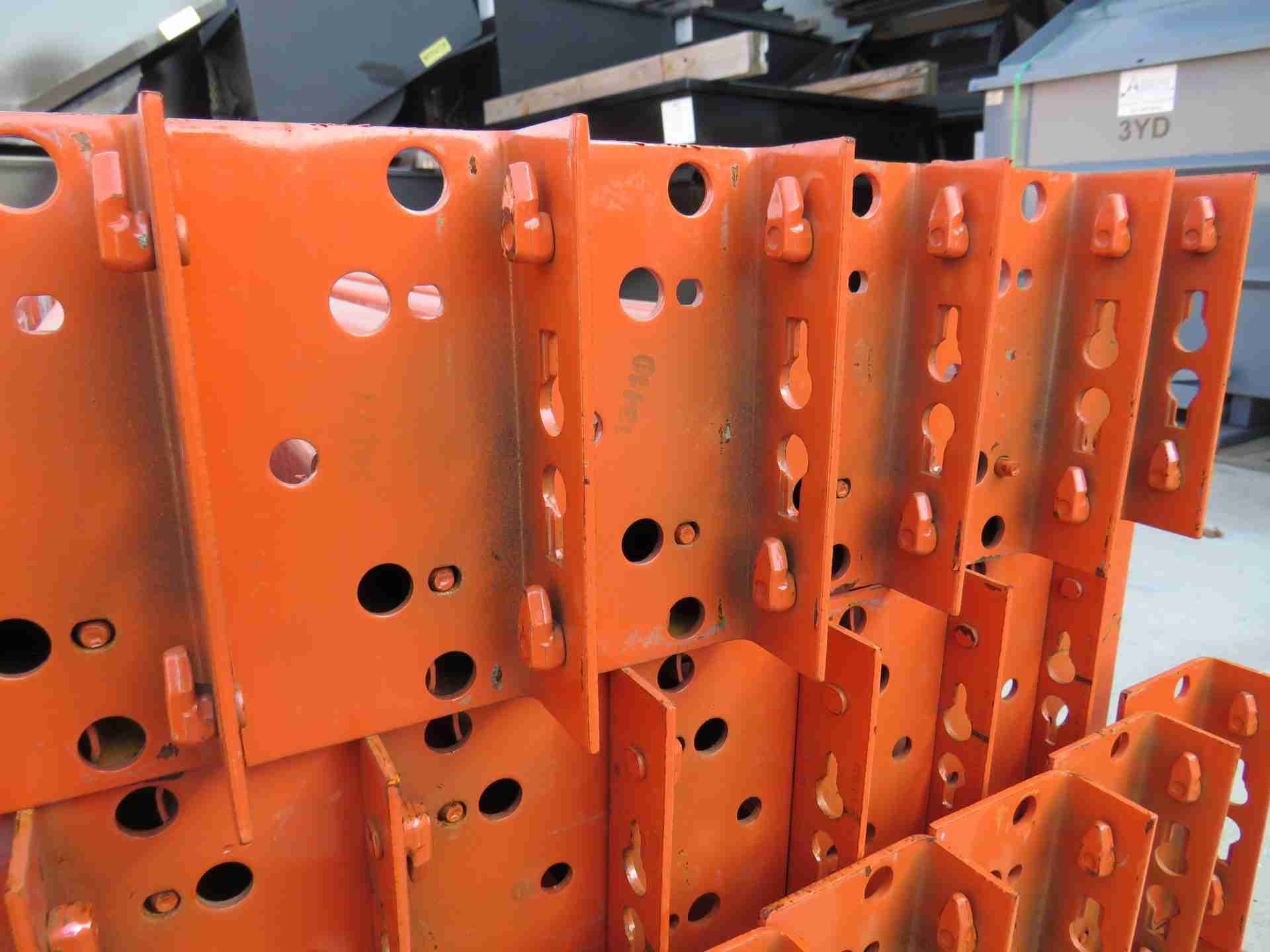
How Does the Cost Of Repair Compare to Potential Replacement?
How Does the Cost Of Repair Compare to Potential Replacement?
- Choosing between repairing or replacing equipment often involves an emotional and rational struggle.
- Repairing a cherished tool feels like an investment of time, energy, and an act of love, reinforcing sustainability.
- Repair costs can be significantly lower than buying new equipment, especially for older items.
- Many parts can be fixed or refurbished, allowing for a second life without discarding the whole unit.
- Repairing equipment has environmental benefits, reducing waste and contributing to sustainability efforts.
- Discussing your repair decision with others can foster a sense of pride and demonstrate value and care.
- Ultimately, ensure your decision resonates with your personal values and the legacy you wish to create.

How Does the Cost Of Repair Compare to Potential Replacement?
Are Outdated Components Putting Your Operations At Risk?
It’s easy to overlook the worn and weary components of the machinery that keep our operations humming. After all, systems are built to last, right? But think about a time when you pushed your equipment just a little too hard. Maybe you heard that unsettling clunk or sensed that something was a little off. Each time you ignore these signs, you’re not just tempting fate; you’re skirting a potential disaster. The reality is that outdated components are like a ticking time bomb in your operations, waiting for the moment when they’ll let you down.
When you walk through your facility, pay attention. Those racking systems that have been there for years, serving dignified duty, may be fatigued and compromised under the weight of yesterday’s expectations. Just like any dedicated employee, they deserve a look under the hood, or in their case, a thorough inspection. And let’s face it—no one wants to be the person who ignored the red flags and subsequently watched everything come crashing down.
Think about the stakes. The safety of your team, the integrity of your operations, and even your company’s reputation hang in the balance. Outdated equipment doesn’t just slow down production; it can also breed an environment of distrust among your employees and clients alike. They rely on you for stability and reliability. When your operations falter, so does their faith.
Let’s not just think about immediate issues; consider the ethical implications too. Each worn-out component is a chance to reassess your commitment to safety and progress. Investing in new technology or components is not merely a cost; it’s an investment in the welfare of your workforce and the sustainability of your business. You demonstrate to your team that you value their safety and future.
Engagement comes from connection, and nothing connects us like shared experiences. If you have ever dealt with a breakdown, you know the anxiety that swells in moments of potential failure. Let’s eliminate that tension together. By proactively addressing outdated components, you empower not only your operations but your people. In this ever-evolving industry, reliance on yesterday’s technology is a gamble we can no longer afford. Make the change today, for the sake of your operation, your team, and the legacy you’re building.

Are Outdated Components Putting Your Operations At Risk?
Are Outdated Components Putting Your Operations At Risk?
- Worn machinery components can lead to operational failures if ignored.
- Overusing equipment without inspection increases the risk of breakdowns.
- Old racking systems may compromise safety and efficiency in facilities.
- The safety of staff and the integrity of operations are critical to maintain.
- Outdated equipment can erode trust among employees and clients.
- Investing in new technology reflects a commitment to safety and progress.
- Proactively updating components enhances both operations and workforce morale.

Are Outdated Components Putting Your Operations At Risk?
What Stories Do You Have About the Impact Of Repairs Gone Wrong?
There’s a certain kind of camaraderie that emerges when we tackle repairs—whether it’s something as simple as a leaky faucet or as complex as a rickety roof. We all have stories, and they often create a patchwork of laughter, tears, and lessons learned. Take the time my neighbor decided to erect a new shelving unit in his garage. It seemed straightforward: a few screws here, some wood there. Well, a few hours and several frustrations later, he stood racking his brain, exasperated by how his DIY project turned into a cartoonish lean-to.
Many of us can relate. Maybe it’s that time you decided to save a few bucks by fixing your own car only to discover that a simple oil change led to a cascade of problems. The beauty is in the shared experiences—the “what the heck was I thinking?” moments that bind us. Sure, we can follow instructions, watch videos, and painstakingly measure twice. But there’s a raw honesty in the moments when it all goes sideways. The truth is, repairs, like life, rarely go according to plan.
Rationally, the experience can sting. Those unexpected costs pile up; the nagging feeling in your gut grows. Yet ethically, there’s a lesson in every mishap. Each misstep teaches resilience—a trait that seems more difficult to come by these days. The true authority lies not in the finished projects we post online but in the narratives of our failures. They’re reminders that we’re all human, navigating a world full of complexities and surprises.
When we share these stories, connection flourishes. We bond over the cringe-worthy mistakes, offering advice or simply a sympathetic chuckle. Your friend’s botched plumbing debacle may inspire you to handle your own next repair more wisely or simply lead to a newfound appreciation for the professionals among us. It’s not just about a job well done; it’s about fostering a community that encourages learning and empathy.
So, let’s celebrate the repairs gone wrong. Share your stories. Embrace the hiccups, because they teach us not just about constructing shelves or fixing cars, but about perseverance, resourcefulness, and the courage to face the next repair head-on, knowing we’re not alone in our struggles.

What Stories Do You Have About the Impact Of Repairs Gone Wrong?
What Stories Do You Have About the Impact Of Repairs Gone Wrong?
- Repairing things fosters a sense of camaraderie among people.
- DIY projects often lead to unexpected challenges and humorous mishaps.
- Shared experiences create bonds through relatable “what was I thinking?” moments.
- Repairs, like life, rarely go as planned.
- Mishaps teach resilience and highlight our shared humanity.
- Storytelling about failures enhances community connection and empathy.
- Embracing mistakes in repairs fosters perseverance and resourcefulness.

What Stories Do You Have About the Impact Of Repairs Gone Wrong?
What Ethical Considerations Come Into Play When Deciding on Repairs?
When it comes to repairs, particularly in an age where everything seems disposable, ethical considerations take center stage. It’s easy to dismiss a broken item; after all, that new model is just a click away. But let’s pause for a moment and think. Each time we choose whether to repair or replace, we’re faced with decisions that extend far beyond budget lines. We’re playing a part in a larger narrative, one that concerns our values, our planet, and even our community.
Consider this: Racking your brain over whether to repair a trusty old appliance can stir up memories. The rickety washing machine that’s been with you through countless laundry days isn’t just a source of agitation; it’s a participant in the tapestry of our lives. Every ding and creak tells a story, reminding us of the moments shared around it. To simply throw it away feels akin to discarding memories. This emotional connection encourages many to seek repairs and giggle at the expense of fashioning a new one just for the thrill of modernity.
Then there’s the cold hard math of sustainability. From an ethical standpoint, each repair can significantly reduce waste and prevent unnecessary consumption of resources. For example, manufacturing new appliances generates emissions that are often overlooked in the allure of shiny packaging. Each repair not only shrinks your carbon footprint but also proves to others that care prevails over convenience. When you advocate for repairs, you’re inspiring social change; you become a beacon, steering friends and neighbors toward a more conscientious lifestyle.
Moreover, think about the skilled artisans and local technicians who rely on these repairs. Supporting them bolsters the community, keeping expertise alive and thriving. Every repair is an investment—not just in the object but in human skill and craftsmanship. You’re contributing to the narrative of sustainability and community reliance, establishing a cycle that fosters deeper connections.
So when faced with a broken item, remember that your choice carries weight. It’s a decision grounded in ethics, emotional resonance, and the understanding that we are part of a bigger ecosystem. Embrace that sense of responsibility and, yes, that twinge in your gut that urges you to choose wisely. Each time you decide to repair rather than replace, you’re standing tall for sustainability and community—for a world that values precious resources over fleeting fixes. Let’s make every repair count.

What Ethical Considerations Come Into Play When Deciding on Repairs?
What Ethical Considerations Come Into Play When Deciding on Repairs?
- Ethical considerations are crucial when deciding to repair or replace items in a disposable culture.
- Choosing to repair evokes emotional connections and memories associated with the items we own.
- Repairs have significant sustainability benefits, reducing waste and resource consumption.
- Manufacturing new items contributes to emissions that often go unnoticed.
- Advocating for repairs can inspire social change and promote a conscientious lifestyle.
- Supporting local artisans and technicians through repairs strengthens community ties and preserves skills.
- Decisions about repairing items impact not only personal ethics but also the broader community and environment.

What Ethical Considerations Come Into Play When Deciding on Repairs?
Conclusion
When it comes to the tough call between repairing or replacing damaged rack components, the stakes stretch far beyond an accounting balance sheet. This decision impacts lives, safety, and the very fabric of your team’s morale. Picture this: a packed warehouse, bustling with activity, where every worker trusts that the systems in place are sturdy and secure. Now, envision that trust faltering due to an overlooked repair; everything comes grinding to a halt. That moment could unravel years of camaraderie and commitment built within those walls.
The heart knows what’s at play here—it’s not just metal or machinery, but a commitment to keeping everyone safe and sound. We owe it to our colleagues and ourselves to create an environment that prioritizes security and quality—not just for productivity, but for peace of mind. Experts like engineers and inspectors offer the rational guidance needed in these murky waters. Their authority can illuminate the way, helping you navigate a path that isn’t just about saving dollars but about investing in a culture of vigilance and care.
On the practical side, the allure of a shiny new replacement needn’t overshadow the potential of repairing existing systems. Repairing isn’t merely a short-term fix; it can be a step towards sustainability and responsibility in a world too quick to discard the old in favor of the new. Each choice reflects your ethic, echoing through the team and community, fostering trust and commitment. Choosing to repair, rather than replace, shows your dedication not only to the equipment but to the environment, making a statement about the kind of leader you aspire to be—one who values resilience over convenience.
Sharing stories of missteps and triumphs surrounding repairs can connect your team, creating an atmosphere where vulnerability breeds strength. Those shared experiences remind everyone that setbacks aren’t failures; they’re narratives that strengthen bonds and inspire innovation. The next time equipment falters, recognize it as an opportunity—the chance to unite your team around a common purpose, ushering in solutions rooted in collaboration.
The impact runs deep. Embrace your role in this community. By prioritizing open dialogue and forging robust responses to challenges, you’re not just fixing equipment; you’re fortifying the heart of your operations. Every decision—from repairs to replacements—carries with it the potential to inspire confidence and build a legacy that values safety, quality, and shared responsibility. Choose wisely, and let each action resonate beyond the moment, creating a foundation of trust that supports both your operations and your people.

Conclusion
Conclusion:
- The decision between repairing or replacing damaged rack components affects more than finances; it has serious implications for safety and morale.
- A trustworthy and secure working environment is vital for productivity and can be disrupted by overlooked repairs.
- Investing in safety and quality creates peace of mind for the team, emphasizing the importance of a responsible work culture.
- Expert advice from engineers and inspectors is essential for navigating the complex decision-making process in repairs versus replacements.
- Choosing to repair rather than replace reflects a commitment to sustainability and can enhance team trust and dedication.
- Sharing stories of repair experiences can strengthen team bonds and create a culture that embraces vulnerability and innovation.
- Pursuing open dialogue and effective responses to challenges enhances not just the equipment but also the overall heart of the operations and community.

Conclusion
Other Resources

Other Resources
Here is a list of other resources you can review online to learn more:
- Teardrop Pallet Rack – Ridg-U-Rak
- BMH
- Chicago Pallet Racking
- Interlake
- MHI
- Storage Equipment Manufacturers Association
- Logic Material Handling
- Pallet Racking systems in Illinois and Great Lakes
- RMI
- Selective Pallet Racking Systems – Container Systems
- Warehouse Storage Racking in Illinois
- Illinois
- Intro to Warehouse Racks & Warehouse Racking Systems – ShipBob
- Warehouse Racking System: Powerful Guide to Optimise, 2024
- Interlake Mecalux
- Used Teardrop Pallet Rack – American Surplus
- Interlake Mecalux
- Cantilever Racks Chicago
- Wolter
- Warehouse Racks, Warehouse Racking in Stock – ULINE
Use This Prompt To Get More Resources With Your Favorite Online AI Tool: Please provide me with a list of online articles with their URLs in a bulleted list that I can read regarding When to Repair Vs. Replace Damaged Rack Components

Other Resources
Glossary Terms
When to Repair Vs. Replace Damaged Rack Components – Glossary Of Terms
1. Rack: A framework for storing goods, often used in warehouses and storage facilities.
2. Component: An individual part of a system or structure, in this case, the elements of a rack.
3. Damage: Physical harm that impairs the function or appearance of rack components.
4. Repair: The process of fixing or restoring a damaged component to its original condition.
5. Replace: The act of removing a damaged component and installing a new one.
6. Assessment: The evaluation of the extent of damage to determine whether to repair or replace.
7. Cost Analysis: The process of comparing the expenses associated with repairing versus replacing components.
8. Structural Integrity: The ability of a rack and its components to support loads without failure.
9. Load Capacity: The maximum weight a rack component can safely support.
10. Inspection: A thorough examination of rack components to identify damage and determine condition.
11. Wear and Tear: Normal deterioration that occurs from regular use over time.
12. Life Cycle: The duration of a component’s usefulness from installation to its end of service.
13. Safety Standards: Regulations and guidelines that ensure the components are safe for use.
14. Replacement Cost: The financial outlay required to substitute a damaged component with a new one.
15. Downtime: The period when a rack is out of operation due to repairs or replacements.
16. Warranty: A guarantee that covers repairs or replacements for a specified period.
17. Maintenance: Regular upkeep to preserve the condition and functionality of rack components.
18. Reinforcement: Additional support added to a component to enhance its strength.
19. Corrosion: The gradual destruction of material due to exposure to environmental factors.
20. Lifespan: The expected duration a component remains operational before needing replacement.
21. Budget: The financial plan that allocates resources for repair or replacement decisions.
22. Material Quality: The properties of the materials used in constructing rack components, affecting durability.
23. Efficiency: The effectiveness of repair versus replacement in terms of cost and time.
24. Part Compatibility: The ability of a replacement component to fit and function with existing units.
25. Environmental Impact: The effect of choosing to repair or replace on resources and waste management.
26. Urgency: The immediacy of a repair or replacement based on safety or operational needs.
27. Resale Value: The potential selling price of a rack after taking care of repairs or replacements.
28. Recommendations: Expert advice regarding whether to repair or replace based on an assessment.
29. Crisis Management: Strategies employed to address severe damage requiring immediate attention.
30. Lifecycle Costing: A method to evaluate the total costs associated with the life of a component, including maintenance, repair, and replacement.

Glossary Of Terms
Other Questions
When to Repair Vs. Replace Damaged Rack Components – Other Questions
If you wish to explore and discover more, consider looking for answers to these questions:
- What are the common signs that racking components are damaged?
- How can I assess the safety of my racking systems?
- What are the costs associated with repairing versus replacing racking components?
- How can I effectively communicate the need for repairs to my team?
- What are the potential long-term consequences of ignoring worn-out racking components?
- How often should I conduct inspections on racking systems?
- What resources are available for learning more about racking safety standards?
- What are the benefits of investing in newer racking technologies?
- How can collaboration among peers improve decision-making in equipment maintenance?
- What ethical considerations should I take into account regarding sustainability when deciding on repairs?

Other Questions
Checklist
When to Repair Vs. Replace Damaged Rack Components – A Checklist
Repair vs. Replace: Decision-Making Checklist
Emotional Appeals
_____ Reflect on Team Morale: How will your decision affect the morale and confidence of your team?
_____ Consider Safety: Does your gut tell you that repairing may compromise safety?
_____ Evaluate Emotional Connections: Is there a sentimental value to the old equipment that might influence your decision?
Rational Appeals
_____ Cost Analysis: Have you compared the costs of repair versus replacement in a detailed manner?
_____ Long-Term Strategy: Will repairing lead to recurring issues, or is replacement a more sustainable choice for the future?
_____ Expert Consultation: Have you sought advice from engineers or certified inspectors to get an objective view?
Ethical Appeals
_____ Sustainability Impact: How does your choice impact the environment? Are you considering how repairs could minimize waste?
_____ Worker Safety: Are you prioritizing the safety and well-being of your employees in this decision?
_____ Community Support: Are you considering how repairs support local artisans or technicians in your community?
Authority Appeals
_____ Research Best Practices: What do industry experts say about repairing versus replacing outdated equipment?
_____ Utilize Credible Resources: Have you consulted reputable sources for guidelines on proper maintenance and safety standards?
Narrative Appeals
_____ Share Your Stories: Can you recount past experiences where repairs have gone wrong or right?
_____ Learn from Peers: Engage with colleagues to hear their stories about similar decisions and how it affected their operations.
Social Appeals
_____ Community Engagement: Are you involving your team in the decision-making process to foster a sense of ownership?
_____ Strengthen Connections: How will your decision impact the relationships within your team and broader organization?
_____ Peer Influence: Have you considered what your peers think about the approach you’re taking? How might that social validation play a role in your choice?
This checklist can serve as a guide to making a well-rounded decision about repairing vs. replacing damaged rack components, considering emotional, rational, ethical, and social dimensions.

Checklist
At RackingWorld, we help guide you through selecting warehouse storage systems and racking.
Be sure to read our other related stories at RackingWorld to learn more about warehouse storage systems.
0 Comments