
Maximizing Shelving Efficiency: Quick Changes For Easy Access
By Tom Seest
At RackingWorld, we help guide you through selecting warehouse storage systems and racking.
Be sure to read our other related stories at RackingWorld to learn more about warehouse storage systems.
What Urgent Changes Can You Make to Your Shelving for Better Access?
In the rapidly changing world of retail and logistics, having efficient shelving solutions isn’t just a matter of convenience – it’s a necessity. Companies that adapt their shelving to enhance accessibility can see immediate benefits that translate into higher sales and improved customer satisfaction. Let’s explore some urgent changes you can implement right now.
First and foremost, consider investing in Pallet Racking systems. Unlike traditional shelving, pallet racking allows for vertical storage, maximizing your warehouse or retail space while maintaining easy access to your products. This system can accommodate various pallet sizes and weights, making it adaptable to your specific inventory. For instance, if your stock includes bulky items like electronics or fragmented smaller items, pallet racking can create a streamlined organization that promotes efficiency.
Another key change involves categorizing your inventory strategically. Implement a pick-and-pack zone directly beneath your shelving units. This means that rather than sending employees all over the warehouse looking for items, your most frequently accessed goods are close at hand. A recent survey indicated that organizations that restructured their storage layouts reported a 20% increase in order fulfillment rates. Think about how much time gets wasted shuffling through outdated shelves.
Consider also embracing technology. Smart shelving solutions equipped with RFID technology can provide real-time inventory tracking and alert you when stock is low. It facilitates a more accurate inventory process—important in today’s climate, where supply chain disruptions are common. Just last month, many retailers faced shortages due to delivery delays, a scenario that smart shelving can help mitigate.
Additionally, ergonomic design elements can significantly enhance access to your shelving. Ensure that frequently accessed items are stored at waist height to minimize bending and lifting. This is not just good for productivity; it also promotes employee safety and well-being, fostering a positive work environment.
Lastly, don’t overlook the power of visual aids. Implementing color-coded labels or signs can expedite the picking process and reduce employee frustration. If your business changes stock often—like seasonal merchandise—having a solid labeling system can make those transitions seamless.
In summary, the urgency to adapt your shelving for better access can’t be overstated. Investing in pallet racking, organizing strategically, embracing technology, prioritizing ergonomics, and utilizing visual aids are just a few of the changes that can make a significant difference. In this economy, the companies that adapt quickest will not just survive but thrive. Start today, and reap the rewards tomorrow!
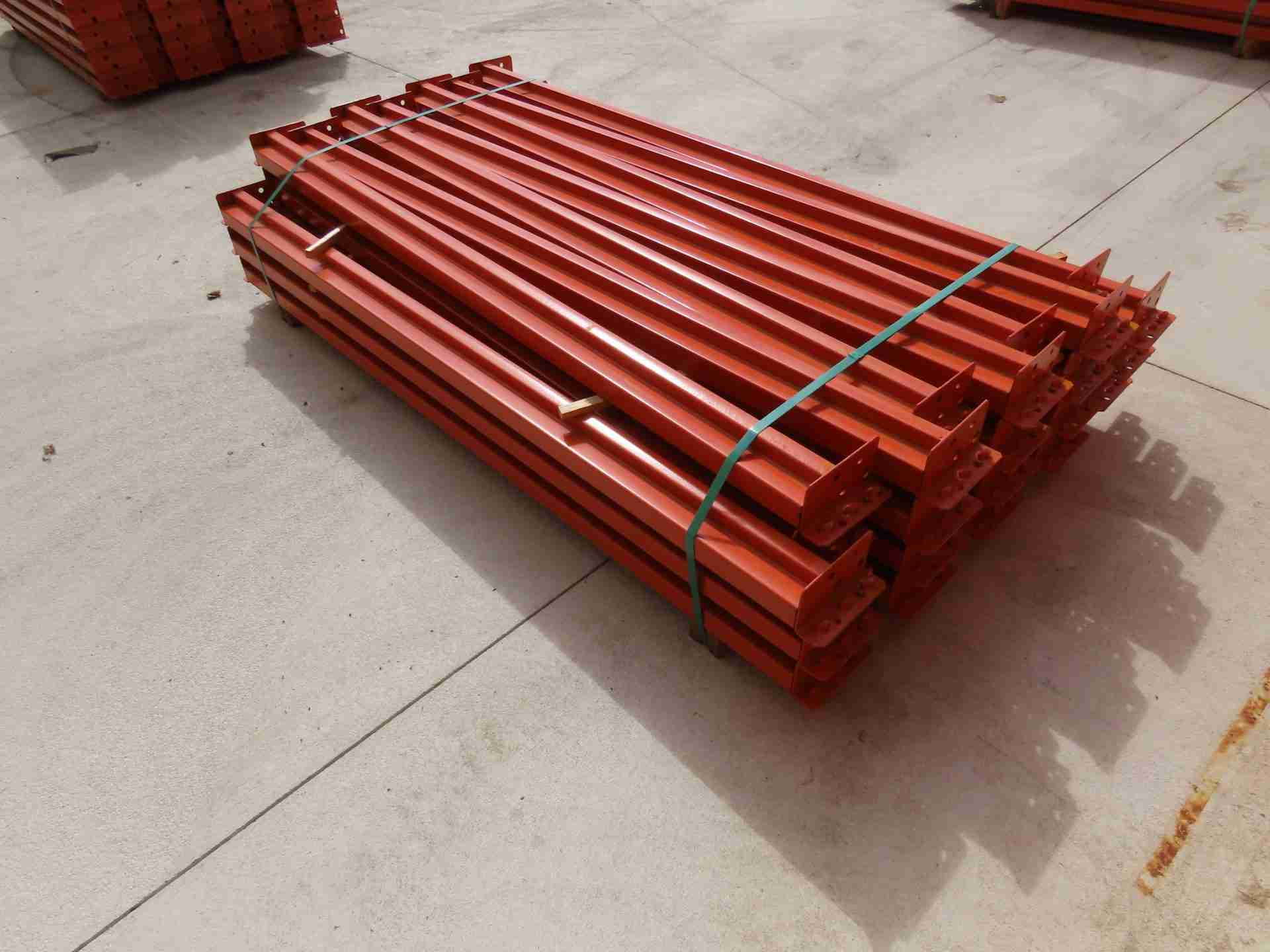
What Urgent Changes Can You Make to Your Shelving for Better Access?
What Urgent Changes Can You Make to Your Shelving for Better Access?
- Efficient shelving solutions are essential in the retail and logistics sectors for enhancing accessibility and customer satisfaction.
- Investing in pallet racking systems maximizes storage space vertically and accommodates various pallet sizes and weights.
- Strategically categorizing inventory and implementing pick-and-pack zones can significantly increase order fulfillment rates.
- Embracing technology, like smart shelving with RFID, allows for real-time inventory tracking and helps mitigate supply chain disruptions.
- Incorporating ergonomic design ensures frequently accessed items are at waist height, promoting employee safety and productivity.
- Utilizing visual aids, such as color-coded labels, can expedite picking processes and facilitate easier transitions for seasonal stock.
- Adapting shelving strategies can lead to immediate benefits, including increased sales and improved operational efficiency.

What Urgent Changes Can You Make to Your Shelving for Better Access?
Table Of Contents
- What Urgent Changes Can You Make to Your Shelving for Better Access?
- What Types Of Shelving Are Best For Accessibility?
- How Can I Reorganize My Shelves Effectively?
- What Are The Benefits Of Adjustable Shelving?
- How Do I Choose The Right Shelving Height?
- Should I Use Open Or Closed Shelving For Better Access?
- How Can I Incorporate Labels For Easier Navigation?
- Conclusion
- Other Resources
- Glossary Of Terms
- Other Questions
- Checklist
What Types Of Shelving Are Best For Accessibility?
In a world where accessibility matters more than ever, selecting the right shelving units can significantly influence efficiency, safety, and overall satisfaction in workplaces and homes alike. When it comes to maximizing space and ensuring ease of use, certain types of shelving shine brighter than others, leaving no room for compromise.
Pallet Racking stands out as one of the most effective shelving solutions available today. Designed primarily for warehouses and industrial settings, this type of racking allows easy access to goods. Made from heavy-duty steel, pallet racking can accommodate a wide variety of products, from small boxes to large pallets. It provides vertical storage that maximizes floor space and offers accessibility that encourages organized inventory management.
But what about the accessibility of products stored on these racks? Here’s where the real magic happens. Adjustable shelving height makes it easy to modify pallet racks to suit individual needs. Some configurations even allow for the addition of powered lifts to assist those with mobility challenges, ensuring that everyone in the workplace can reach essential items without difficulty.
Rolling carts equipped with shelves are another savvy choice, particularly for settings requiring mobility and flexibility. These carts can be easily maneuvered across floors, making daily tasks simpler and more efficient. Moreover, contemporary rolling shelving solutions often incorporate ergonomic designs and braking systems, ensuring stability while providing quick access to essential tools or materials.
In schools and work environments, modular shelving units are tailoring accessibility like never before. These units can be customized to fit various user needs, whether it’s creating lower shelves for children or integrating wider spaces for individuals who require more room due to physical limitations. Furthermore, with the push for the ADA (Americans with Disabilities Act) compliance, these types of shelving solutions are becoming more prevalent in public spaces, ensuring that no one is left behind.
Consider recent trends in sustainability and eco-friendliness, too! Companies are now investing in shelving made from recycled materials, effectively marrying functionality with corporate responsibility. This not only promotes accessibility but also resonates with environmentally conscious customers.
When evaluating shelving types for accessibility, consider solutions like Pallet Racking, rolling carts, and modular units. Each of these options can cater to diverse needs while optimizing space and ensuring that everyone can access what they need effortlessly. Investing in the right shelving systems isn’t just a practical matter; it’s a commitment to inclusive accessibility that empowers everyone.

What Types Of Shelving Are Best For Accessibility?
What Types Of Shelving Are Best For Accessibility?
- Selecting the right shelving units significantly impacts efficiency, safety, and satisfaction in various settings.
- Pallet Racking is effective for warehouses, providing easy access to diverse products and maximizing vertical storage.
- Adjustable shelving height on pallet racks enhances accessibility, including options for powered lifts for those with mobility challenges.
- Rolling carts with shelves offer mobility and flexibility, designed for efficient maneuverability and stability in daily tasks.
- Modular shelving units can be customized for varying user needs and are increasingly used to meet ADA compliance in public spaces.
- Sustainable shelving made from recycled materials aligns functionality with corporate responsibility and appeals to environmentally conscious customers.
- Investing in appropriate shelving solutions promotes inclusive accessibility and empowers users in both workplaces and homes.

What Types Of Shelving Are Best For Accessibility?
How Can I Reorganize My Shelves Effectively?
In a world where clutter reigns supreme, the power of effective shelving organization cannot be underestimated. Whether you are at home, in a small business, or managing a large warehouse, ensuring your shelves are efficiently organized can boost productivity, efficiency, and even profits. Here’s how you can turn chaos into order with a touch of savvy strategy.
First, recognize that the layout of your shelves can significantly impact your workflow. For instance, using pallet racking in your warehouse can transform how you utilize vertical space. This type of shelving allows you to stack goods high while keeping them accessible, providing a quick way to retrieve products during peak business hours—just ask any retailer who experienced the holiday rush this past year. By adopting this system, your stock remains organized, saving time and improving customer satisfaction.
Next, categorize your items. Designate specific shelves for specific categories, whether it’s by size, frequency of use, or product type. For example, if you own a bookstore, place bestsellers on the eye-level shelves where customers can quickly spot them. Conversely, store lesser-known titles on higher shelves. By ensuring customers can easily find what they need, you create an inviting shopping experience that leads to repeat business, especially in today’s competitive retail landscape.
Now, consider the visual aspect of your shelves. Attractive displays draw attention and can enhance the customer experience. Implement color coding or signage to clearly define categories on your shelves. In an age where social media drives purchasing decisions, a well-organized shelf can become a photo opportunity that shoppers might share, thus acting as free marketing for your brand.
Furthermore, don’t neglect technology. Utilize inventory management software to keep track of what products are available on each shelf. This can facilitate effective reordering and reduce stockouts—an issue many businesses faced during the pandemic. By bridging physical organization with digital tools, you create a system that adapts to your growing needs.
Lastly, remember that organization is not a one-time task but rather an ongoing process. Regularly assess the effectiveness of your shelf organization, especially during seasonal transitions or after large shipments. Adjust as necessary to keep your shelves functional and appealing.
Reorganizing your shelves effectively not only enhances your operational efficiency but positions you as a leader ready to tackle the ever-evolving market landscape. Embrace these strategies and watch your productivity soar while keeping your customers smiling.
How Can I Reorganize My Shelves Effectively?
How Can I Reorganize My Shelves Effectively?
- Effective shelving organization boosts productivity, efficiency, and profits in various settings.
- Warehouse layout, such as pallet racking, optimizes vertical space and accessibility during peak hours.
- Categorizing items on shelves by size, use, or type improves customer experience and encourages repeat business.
- Visually appealing displays, including color coding and signage, enhance customer interaction and marketing potential.
- Utilize inventory management software to track stock levels and streamline reordering processes.
- Regularly reassess shelf organization to maintain functionality, especially during seasonal changes.
- Embracing these strategies can lead to increased operational efficiency and customer satisfaction.

How Can I Reorganize My Shelves Effectively?
What Are The Benefits Of Adjustable Shelving?
Adjustable shelving is transforming the way businesses think about storage and organization, and it’s not just about aesthetics; it’s about maximizing efficiency and adaptability. In a world where space is at a premium, the ability to customize your shelving to meet the ever-changing demands of your workforce or inventory is invaluable.
Flexibility at Its Finest
One of the primary benefits of adjustable shelving is its inherent flexibility. Unlike fixed shelving that can limit your organization options, adjustable systems allow you to modify shelf heights based on your current needs. If your seasonal stock changes—think of the surge in online shopping and fluctuating inventory demands—adjustable shelving can easily accommodate varying sizes of products without the need for costly renovations or replacements. This adaptability is particularly beneficial in warehouses utilizing pallet racking systems, where varying heights and depths can range from standard boxes to bulky pallets.
Optimized Space Utilization
Consider a retail environment where displays need to frequently change. Adjustable shelves enable retailers to utilize vertical space effectively, maximizing the square footage. Current trends, such as the rise of omnichannel retailing, emphasize the need for versatile storage solutions that can keep up with the speed of market demands. Using adjustable shelving in your stockroom or sales floor not only optimizes space but also improves customer accessibility and experience, leading to potential sales increases.
Cost-Effectiveness
Investing in adjustable shelving can also yield significant cost savings over time. Instead of purchasing new shelving every time your inventory shifts, a modular system allows you to rearrange and repurpose your existing setup. With many companies facing economic uncertainties today, the ability to reallocate resources efficiently is a critical strategy. By alleviating the need for constant equipment purchases, businesses can redirect those funds towards other operational areas, fostering growth even in challenging times.
Enhanced Organization and Efficiency
An often-overlooked benefit is the organizational impact that adjustable shelving provides. An environment that promotes easy access and systematic arrangement can lead to improved efficiency and productivity among employees. For instance, consider a warehouse that uses pallet racking for large inventory items alongside adjustable shelving for smaller products. This not only helps keep the space tidy but also allows employees to find and retrieve items more quickly, ultimately enhancing workflow.
In today’s dynamic marketplace, embracing adjustable shelving isn’t merely a good idea—it’s essential for businesses looking to stay competitive. Whether in retail, warehousing, or office settings, the benefits of versatility, space optimization, cost savings, and efficiency pave the way for future success. Don’t let static shelving hold you back; adapt, evolve, and thrive.

What Are The Benefits Of Adjustable Shelving?
What Are The Benefits Of Adjustable Shelving?
- Adjustable shelving enhances storage organization and maximizes efficiency.
- Offers flexibility to modify shelf heights based on current inventory needs.
- Accommodates varying product sizes, reducing the need for costly renovations.
- Optimizes vertical space in retail environments, improving customer accessibility.
- Provides cost savings by allowing repurposing of existing shelving systems.
- Enhances organization and productivity through easy access and systematic arrangement.
- Essential for businesses in a dynamic marketplace to stay competitive and foster growth.

What Are The Benefits Of Adjustable Shelving?
How Do I Choose The Right Shelving Height?
Choosing the correct shelving height is critical for maximizing efficiency and optimizing storage space. Whether you’re outfitting a warehouse or organizing a home garage, the right height can make all the difference in accessibility and usability. Here’s how to navigate this essential decision.
First, consider the type of racking system you will be using, particularly if you are utilizing pallet racking. This industrial shelving solution is designed to accommodate large loads and can be tailored to various heights. The versatility of pallet racking allows you to stack products efficiently, but remember, maximizing vertical space without sacrificing accessibility is the goal.
For instance, if you are in a warehouse that stocks boxes destined for e-commerce, you might find that a height of around 7 to 9 feet is ideal. This height allows workers to reach items easily while using basic tools like step ladders, but it also maximizes vertical space. Conversely, for industrial environments where heavy machinery might be in use, higher racks may not be practical; ensuring safety and compliance with current regulations should be paramount.
Current supply chain challenges also underscore the need for effective shelving height choices. With an increase in e-commerce driven by current global trends, businesses are confronted with the need to make every square foot count. Companies can no longer afford to have dead space. Properly utilizing pallet racking systems allows for more inventory in a smaller footprint, ensuring operational efficiency.
Next, analyze what you plan to store. If you’re dealing with small items, like tools or parts, a lower shelving height may be sufficient. For bigger products, like large appliances or furniture, you’ll want to go higher, ensuring that the top shelves accommodate these larger sizes comfortably. In fact, building your shelving around your inventory can significantly enhance workflow. Consider utilizing adjustable shelving systems that can grow with your inventory needs while maintaining optimal height levels.
You should also factor in your workforce’s height and capabilities. Implementing smart solutions can prevent workplace injuries and maintain morale. Invest in ergonomic solutions like lifting equipment or even adjustable shelving heights that cater to workers of varying heights.
Ultimately, the journey to finding the right shelving height is a blend of strategic planning, understanding your inventory, and considering current market pressures. By prioritizing efficiency and accessibility, you’ll transform your space while enhancing your operational capabilities. Make the right choice now, and reap the benefits in productivity and safety!

How Do I Choose The Right Shelving Height?
How Do I Choose The Right Shelving Height?
- Choosing the correct shelving height is crucial for maximizing efficiency and optimizing storage space.
- Consider the type of racking system, especially if using pallet racking, which accommodates large loads and allows for tailored heights.
- In warehouses, a shelving height of 7 to 9 feet is ideal for accessibility while maximizing vertical space.
- Current supply chain challenges necessitate effective shelving choices to utilize every square foot, particularly due to e-commerce growth.
- Analyze what to store; lower heights may work for small items while larger products require higher shelving.
- Factor in workforce height and capabilities to prevent injuries and maintain morale, considering ergonomic solutions.
- The right shelving height enhances operational capabilities by prioritizing efficiency and accessibility.

How Do I Choose The Right Shelving Height?
Should I Use Open Or Closed Shelving For Better Access?
When it comes to organizing your warehouse or home space, the decision between open and closed shelving is crucial. This choice can dramatically influence not just access but also efficiency, aesthetics, and even safety. Let’s dive into the benefits of both systems through the lens of current market trends and practical usage.
Open shelving provides immediate visibility and access, making it ideal for high-frequency items. Picture a bustling warehouse bustling with activities — items are constantly moving, and workers are racing against the clock. In such a dynamic environment, open shelving shines. Imagine your team quickly spotting a needed item on an open shelf array versus fumbling through closed cabinets. The speed of retrieval translates into time saved — that means higher productivity and, ultimately, higher profits. This is where pallet racking often comes in. Pallet racking systems are frequently designed with open shelves for easy access, allowing for quicker loading and unloading processes.
However, let’s not forget the charm and efficiency of closed shelves. They offer a neat appearance and can protect items from dust and damage, which is particularly relevant in industries where cleanliness is paramount. For example, food and pharmaceutical warehouses are increasingly leaning towards closed shelving solutions, where regulation compliance is critical. With closed units, you can also manage inventory and minimize loss as items are tucked away and maintained more securely.
In recent years, sustainability has become a pressing topic across all sectors. As businesses strive to be more eco-friendly, wherever possible, choosing the right shelving can make a difference. Closed shelving prevents damages that can lead to waste, while open shelving maximizes the use of vertical space — both key elements in creating sustainable storage solutions.
Consider your specific needs: If your operation relies heavily on quick accessibility and visual inventory management, go for open shelving. This choice is not just practical; it’s trendy and currently being adopted by numerous e-commerce businesses as they optimize their logistics. Companies are increasingly favoring a more open design, as it reflects modernity and efficiency in operations.
Whether you opt for open or closed shelving, the right choice hinges on your operational demands, the nature of your products, and emerging trends like sustainability. Make the decision that aligns with your business plan — because in the end, maximizing access can drive your operations forward, enhance your workflow, and ultimately elevate your bottom line.

Should I Use Open Or Closed Shelving For Better Access?
Should I Use Open Or Closed Shelving For Better Access?
- The choice between open and closed shelving significantly impacts access, efficiency, aesthetics, and safety.
- Open shelving allows for immediate visibility and access, ideal for high-frequency items, enhancing productivity.
- Pallet racking systems often feature open shelves for quicker loading and unloading in dynamic environments.
- Closed shelving provides a neat appearance, protects items from dust and damage, and is essential in regulated industries.
- Closed units help manage inventory more securely and minimize loss by keeping items tucked away.
- Sustainability is increasingly important; closed shelving prevents waste, while open shelving maximizes vertical space.
- The choice between shelving types should align with operational needs, product nature, and current trends like sustainability.

Should I Use Open Or Closed Shelving For Better Access?
How Can I Incorporate Labels For Easier Navigation?
In the bustling world of warehouses and retail spaces, effective navigation can make a monumental difference in productivity and customer satisfaction. One of the simplest yet most impactful strategies for achieving this is incorporating labels throughout your environment. Imagine walking into a warehouse filled with Pallet Racking, and instead of feeling overwhelmed by the towering shelves, you encounter clearly visible labels guiding you efficiently to your desired products. The power of labeling can transform chaos into order, enhancing both operational efficiency and the customer experience.
First, consider the principle of strategic labeling. For example, if you run an e-commerce warehouse, you might have multiple sections dedicated to different product categories. Use bold, color-coded labels that not only specify the aisle but also indicate specific categories, such as electronics, kitchenware, or clothing. By employing this approach, your team can quickly locate items, cutting down on those frustrating hours spent searching.
Next, let’s talk about dynamic labels that adapt to inventory changes—especially relevant in today’s fast-paced market where stock levels fluctuate due to current supply chain challenges. For instance, if a specific brand of home appliances is in high demand due to seasonal promotions or a recent media feature, a simple label change highlighting “Top Sellers” in that section will draw attention to those items. This not only informs the customer but also capitalizes on short-term trends that can boost sales.
Digital labels are also gaining traction. In light of evolving technology, consider implementing digital screens that can be easily updated with the latest inventory information. Imagine entering a home improvement retailer like Home Depot, and finding updated labels on their Pallet Racking, showcasing items that are trending, on sale, or in limited supply. This eliminates the need for constant re-printing of signs and ensures that your customers always have the latest information at their fingertips.
On your e-commerce platforms, leverage labels in the form of filters. Ensure that your customers can quickly navigate through categories by simply clicking on labels such as “New Arrivals” or “Best Sellers.” Educational labels within product descriptions, pointing out benefits and features, can also guide decisions and increase conversions.
Incorporating labels isn’t just a matter of aesthetics; it is a tactical move to elevate navigation and improve operational efficiency. In an era where attention spans are shorter than ever, a well-labeled environment can serve as your silent salesperson, guiding customers and staff to what they need without wasting a moment. Don’t underestimate the power of clear, strategic labeling in enhancing business performance; it’s a game changer.

How Can I Incorporate Labels For Easier Navigation?
How Can I Incorporate Labels For Easier Navigation?
- Effective navigation in warehouses and retail spaces boosts productivity and customer satisfaction.
- Incorporating clearly visible labels helps guide people efficiently to desired products, transforming chaos into order.
- Strategic labeling with bold, color-coded markers for different product categories accelerates item location.
- Dynamic labels that adapt to inventory changes can highlight trending products and boost sales.
- Digital labels provide easily updated inventory information, improving customer experience with real-time data.
- Leveraging filters as labels on e-commerce platforms facilitates quick navigation and improves conversions.
- Clear, strategic labeling enhances operational efficiency and serves as a silent salesperson in a fast-paced environment.

How Can I Incorporate Labels For Easier Navigation?
Conclusion
In today’s fast-paced retail and logistics landscapes, the potency of efficient shelving cannot be overstated. To thrive amidst growing challenges, businesses must take a hard look at their shelving strategies. This article lays out a clear path to maximizing shelving efficiency, emphasizing the immediate and far-reaching benefits of swift, actionable changes. Whether you’re utilizing pallet racking or exploring adjustable shelving systems, the stakes have never been higher.
First off, investing in pallet racking systems allows for unparalleled vertical storage, a crucial step in optimizing warehouse or retail space. By strategically categorizing inventory and creating accessible pick-and-pack zones, you can significantly reduce the time employees spend searching for goods—potentially leading to a twenty percent increase in order fulfillment rates.
The integration of technology, such as smart shelving equipped with RFID for real-time tracking, not only safeguards against supply chain disruptions but enhances your overall inventory management efficiency. Embracing ergonomic design elements and visually intuitive labeling systems can further streamline processes, reducing errors and boosting employee satisfaction.
The urgency to implement these changes is underscored by the current market dynamics—a landscape that demands adaptability for survival. If you haven’t re-evaluated your shelving solutions recently, consider this your wake-up call. Companies that swiftly embrace these transformations will not just weather the storm; they will flourish in it.
As you contemplate these strategies, remember that effective reorganization is not a mere one-off effort. Regular assessments, adjustments, and smart use of inventory management software will ensure your operations remain agile and responsive. And let’s not overlook the competitive edge to be gained from an aesthetically pleasing and organized space; it invites customers in and keeps them coming back.
In conclusion, the evolution of shelving systems is no longer a luxury—it’s a business imperative. Call Arrow Industrial Sales at (574) 349-6575 to explore how you can transform your shelving solutions today. Time is of the essence—adapt quickly or be left behind! The rewards of action are just a phone call away. Make the change, and watch both productivity and profits soar.

Conclusion
Conclusion:
- Efficient shelving is crucial for businesses to thrive in fast-paced retail and logistics environments.
- Investing in pallet racking enhances vertical storage and optimizes warehouse space.
- Categorizing inventory and creating accessible pick-and-pack zones can increase order fulfillment rates by up to 20%.
- Integrating technology like smart shelving with RFID improves inventory management and mitigates supply chain disruptions.
- Emphasizing ergonomic design and clear labeling reduces errors and enhances employee satisfaction.
- Ongoing assessments and adjustments to shelving strategies keep operations agile and competitive.
- Transforming shelving solutions is essential for business success; prompt action can yield significant productivity and profit gains.

Conclusion
Other Resources

Other Resources
Here is a list of other resources you can review online to learn more:
- CA Wire
- Interlake Mecalux
- Pallet Racks, Pallet Racking, Pallet Shelves in Stock – ULINE
- Cantilever Rack Guide: Ordering Cantilever Racking
- What is Cantilever Racking? – AK Material Handling Systems
- Racking World
- Interlake Mecalux
- CMMA
- Shipping Boxes, Packaging Materials, Pallet Racking
Use This Prompt To Get More Resources With Your Favorite Online AI Tool: Please provide me with a list of online articles with their URLs in a bulleted list that I can read regarding What Urgent Changes Can You Make to Your Shelving for Better Access?

Other Resources
Glossary Terms
What Urgent Changes Can You Make to Your Shelving for Better Access? – Glossary Of Terms
1. Accessibility: The ease with which items can be reached and retrieved from shelving units.
2. Aisle Width: The distance between rows of shelves, which should be wide enough for easy navigation and access.
3. Adjustable Shelves: Shelves whose height can be modified to accommodate items of various sizes, improving organization and access.
4. Bins: Containers used to store smaller items on shelves, allowing for better organization and easier retrieval.
5. Clear Labeling: Using labels on shelves to clearly identify the contents, enhancing the speed of locating items.
6. Compact Shelving: A space-saving shelving system that minimizes aisle space while maximizing storage capabilities.
7. Cross-Stacking: Arranging items in a crosswise manner on shelves to improve visibility and access.
8. Ergonomics: The study of how to design shelving systems that reduce strain while accessing items, promoting user comfort.
9. Height Optimization: The strategic arrangement of items to utilize vertical space effectively and allow easier access to frequently used items.
10. Inventory Management: Systematic control of stored items that ensures efficient access and tracking of goods on shelving.
11. Mobile Shelving: Shelving units mounted on wheels, allowing them to be repositioned to improve access as needed.
12. Open Shelving: Shelves that are not enclosed, allowing for quick visibility and access to items without obstruction.
13. Overstocking: The practice of keeping more items than necessary on shelves, which can hinder access and organization.
14. Organization System: A method or strategy for arranging items on shelves to maximize access and efficiency.
15. Overhead Shelving: High shelves located out of direct reach, which may require a step stool or ladder for access.
16. Pull-Out Shelves: Shelves that can be extended outward, making access easier, especially for items at the back.
17. Quick Access Zones: Sections of shelving designated for frequently used items to minimize searching and retrieval time.
18. Reorganizing: The act of rearranging items on shelves to optimize space and improve accessibility.
19. Safety Measures: Strategies or tools implemented to prevent accidents while accessing shelves, such as stable ladders and safety bars.
20. Shelf Dividers: Inserts that create sections within shelves, helping to categorize and stabilize items for better access.
21. Shelf Depth: The measurement from the front to the back of the shelf, affecting how items are stored and retrieved.
22. Sustainable Materials: Eco-friendly materials used for shelving construction, contributing to environmental conservation while maintaining functionality.
23. Stacking: The practice of placing items on top of each other on shelves. Proper stacking can improve access, but can also hinder it if not organized properly.
24. Task Lighting: Additional lighting installed near shelving units to improve visibility and safety when accessing items.
25. Tiered Shelving: A shelving arrangement with varying heights on each level to increase visibility and accessibility of items.
26. Utilitarian Design: A practical approach to shelving design focused on maximizing functionality and user convenience.
27. Vertical Space: The use of height in shelving systems to optimize storage and access, important for smaller areas.
28. Weight Distribution: The even placement of items on shelves to avoid overloading sections, maintaining structural integrity while ensuring access.
29. Workflow Analysis: An evaluation of processes involving shelving to identify efficiencies that can improve accessibility and effectiveness.
30. Zoning: The practice of designating specific areas of shelving for certain categories of items, improving accessibility and organization.

Glossary Of Terms
Other Questions
What Urgent Changes Can You Make to Your Shelving for Better Access? – Other Questions
If you wish to explore and discover more, consider looking for answers to these questions:
- What are some specific examples of pallet racking systems?
- How do I implement a pick-and-pack zone in my warehouse?
- What are the best practices for categorizing inventory?
- What types of ergonomic solutions can I incorporate into my shelving?
- How can technology improve inventory management beyond RFID?
- What are some common mistakes to avoid when reorganizing shelves?
- How can adjustable shelving benefit seasonal businesses?
- What safety regulations should I consider when choosing shelving height?
- What are the pros and cons of modular shelving units?
- How can I train my staff on the new shelving systems?
- What considerations should I keep in mind for ADA compliance?
- How do I maintain my shelving to ensure longevity and efficiency?
- What role do customer feedback and satisfaction play in shelving decisions?
- How can I evaluate the effectiveness of my shelving organization over time?
- Are there any specific labeling guidelines I should follow?

Other Questions
Checklist
What Urgent Changes Can You Make to Your Shelving for Better Access? – A Checklist
Key Areas to Focus On
1. Invest in Pallet Racking Systems
_____ Assess current shelving and identify the need for vertical storage options.
_____ Determine the types of pallets your inventory requires.
_____ Implement a pallet racking solution that allows for easy access and maximizes space.
2. Strategic Inventory Categorization
_____ Create designated pick-and-pack zones beneath shelving units.
_____ Organize inventory by category, size, and frequency of use.
_____ Survey current practices and identify areas to improve order fulfillment rates.
3. Embrace Technology
_____ Evaluate smart shelving solutions with RFID technology for real-time tracking.
_____ Implement inventory management software to optimize stock levels and locations.
_____ Explore the use of digital labels for enhanced visibility and information access.
4. Ergonomic Design Implementation
_____ Store frequently accessed items at waist height.
_____ Assess shelving design for safety, ensuring ease of access for all employees.
_____ Consider adjustable shelving systems that cater to varying heights of your workforce.
5. Utilize Visual Aids
_____ Introduce color-coded labels and signs for easy navigation.
_____ Design and implement a solid labeling system for seasonal or frequently changing stock.
_____ Regularly update visual aids to reflect changes in inventory.
Additional Considerations for Accessibility
6. Choose the Right Shelving Type
_____ Compare the benefits of open vs. closed shelving based on your specific inventory needs.
_____ Assess if rolling carts or modular shelving can enhance mobility and accessibility.
7. Reorganize and Assess Shelf Layouts
_____ Review current shelf layouts and categorize items effectively.
_____ Utilize adjustable shelving to accommodate changing stock needs.
_____ Conduct regular assessments of shelf organization and make necessary adjustments.
8. Monitor Stock and Adjust Accordingly
_____ Implement systems to regularly evaluate inventory levels and organization.
_____ Keep track of seasonal inventory fluctuations and adjust shelving needs accordingly.
9. Evaluate Staff Feedback
_____ Solicit input from employees on shelving accessibility and layout.
_____ Encourage team members to share challenges or suggestions for improvement.
10. Foster an Ongoing Improvement Culture
_____ Establish a regular review process for shelving organization.
_____ Promote a company culture that prioritizes efficiency and accessibility in all operations.
Action Steps
_____ Prioritize the changes that can be implemented immediately.
_____ Assign adequate resources for any larger adjustments or investments.
_____ Measure the impact of changes made on efficiency and accessibility regularly.
This checklist aims to provide a structured approach to enhancing your shelving for better access and operational efficiency, ensuring a smooth transition towards optimized inventory management.

Checklist
At RackingWorld, we help guide you through selecting warehouse storage systems and racking.
Be sure to read our other related stories at RackingWorld to learn more about warehouse storage systems.
0 Comments