
Unlocking The Safety Secrets Of Rack Load Limits
By Tom Seest
At RackingWorld, we help guide you through selecting warehouse storage systems and racking.
Be sure to read our other related stories at RackingWorld to learn more about warehouse storage systems.
Understanding Rack Load Ratings and Capacity
When we talk about racking systems, we’re not just discussing metal shelves; we’re diving into a critical piece of the puzzle that keeps businesses running smoothly. Racking is the backbone of inventory management, supporting everything from small parts to heavy machinery. Understanding rack load ratings and capacity isn’t just a technical necessity; it’s a matter of safety, efficiency, and livelihood.
Imagine the warehouse floor, bustling with activity—the hum of forklifts, workers scurrying about, and rows of racking reaching for the ceiling, each meticulously loaded with goods. Now, picture if those racks weren’t properly rated. A sudden shift, an overloaded shelf, and the consequences could be catastrophic. A crumbling rack doesn’t just threaten products; it endangers lives. That alone should strike a chord in your gut.
On the rational side, it’s essential to grasp how load ratings work. Each rack type has a weight capacity, meticulously calculated to provide maximum efficiency without risking safety. This knowledge empowers you to make informed decisions about how to configure your space. You wouldn’t drive a car without knowing its horsepower; why operate a warehouse without understanding the limits of your racking? It’s about protecting your investment—your goods, your workers, and your bottom line.
Ethically, businesses have a responsibility to create a safe working environment. By adhering to load ratings, you’re doing more than just following the rules; you’re exhibiting integrity. Families rely on the livelihoods of their loved ones who work around those racks. If safety takes a backseat, we compromise our core values.
And let’s not forget the narrative we create within our communities. When businesses prioritize safety and efficiency, they position themselves as leaders in their field. They set examples, showing that success is built not just on profits but on the well-being of employees and the community.
Furthermore, there’s a social responsibility we all share. Knowledge about rack load ratings fosters a culture of awareness, creating workplace environments where safety is paramount. This becomes an invitation to engage others—encouraging dialogue and promoting best practices.
So, the next time you step into a warehouse, look up. Those racks are more than just metal; they’re a testament to a commitment to safety and efficiency. Taking the time to understand rack load ratings and capacities isn’t just essential—it’s a heartfelt investment in our people and our future.
Understanding Rack Load Ratings and Capacity
Understanding Rack Load Ratings and Capacity
- Racking systems are vital for effective inventory management, supporting various goods from small parts to heavy machinery.
- Understanding rack load ratings and capacities is critical for safety, efficiency, and the overall livelihood of businesses.
- Improperly rated racks can lead to catastrophic consequences, threatening both products and the lives of workers.
- Load ratings are essential for maximizing efficiency while ensuring safety; knowledge of these limits is crucial for informed decision-making.
- Businesses have an ethical responsibility to provide a safe working environment by adhering to safety regulations.
- Prioritizing safety and efficiency positions businesses as community leaders and exemplifies a commitment to employee well-being.
- Understanding rack load ratings promotes a culture of safety and invites dialogue about best practices within the workplace.
Understanding Rack Load Ratings and Capacity
Table Of Contents
- Understanding Rack Load Ratings and Capacity
- What Are the Emotional Impacts Of Inadequate Rack Load Ratings?
- How Can Understanding Rack Ratings Improve Workplace Safety?
- Are You Aware Of the Financial Risks Of Overloading Racks?
- What Ethical Responsibilities Do Companies Have Regarding Rack Safety?
- How Can Expert Authority Clarify Rack Load Capacity Challenges?
- Conclusion
- Other Resources
- Glossary Of Terms
- Other Questions
- Checklist
What Are the Emotional Impacts Of Inadequate Rack Load Ratings?
Imagine walking into a bustling warehouse, a hub of industry filled with the hum of activity. Racking systems, those steel giants that cradle our products, stand tall like sentinels of productivity. But what happens when these trusted structures are compromised by inadequate load ratings? The emotional impacts can be profound, rippling through the lives of workers and businesses alike.
When we trust our racking systems to hold the weight of our hard work and aspirations, we’re not just depending on metal and bolts; we’re entrusting our livelihoods to them. A failure in these weight ratings can lead to catastrophic consequences, raising the stakes beyond mere inventory loss. It’s the dread of watching years of effort collapse in front of our eyes that holds our breath. This isn’t just about the physical; it’s about the heart of the business, the dreams of the people it sustains.
From a rational perspective, the calculations needed for rack load ratings might seem dry and technical, but they represent something much deeper: the safety of our communities. Inadequate ratings can lead to injuries, potential job loss, and a cascading effect on families and neighborhoods. People struggle with the anxiety brought on by questions like, “Will I come home safe today?” And that tension doesn’t just vanish after the workday ends.
Ethically, businesses have a responsibility to prioritize the safety and well-being of their workers. An organization that cuts corners on rack load ratings isn’t just saving money; it’s risking lives and tarnishing its integrity. This creates a chilling atmosphere of mistrust. Workers may start to feel expendable, leading to a workforce that is less engaged, less productive, and ultimately more vulnerable to accidents.
Relatability is key. We all know someone who has wrestled with the emotional weight of job insecurity or workplace hazards. They carry that burden home, fragmenting family dinners with worrying glances and distracted minds. In this collective struggle, an opportunity arises: a chance to foster a culture of safety and integrity.
When we advocate for accurate load ratings, we champion not just structures, but the people beneath them. We begin to change the narrative—from one of fear and uncertainty to one of trust, confidence, and a shared commitment to safety. Together, we can build a workplace where our hopes and dreams don’t just sit on shelves, but flourish in a safe and supportive environment.
What Are the Emotional Impacts Of Inadequate Rack Load Ratings?
What Are the Emotional Impacts Of Inadequate Rack Load Ratings?
- Warehouse racking systems are crucial for productivity and safety in industrial settings.
- Inadequate load ratings can have profound emotional impacts, threatening the livelihoods and aspirations of workers.
- Failures in weight ratings can lead to catastrophic consequences beyond inventory loss, affecting the heart of businesses.
- Poor load ratings pose risks of injuries and job loss, creating anxiety among workers regarding their safety.
- Businesses bear an ethical responsibility to ensure safety; cutting corners jeopardizes lives and erodes trust.
- The emotional burden of workplace hazards affects workers and their families, highlighting the need for collective safety measures.
- Advocating for proper load ratings fosters a culture of safety and integrity, enabling a supportive work environment for all.
What Are the Emotional Impacts Of Inadequate Rack Load Ratings?
How Can Understanding Rack Ratings Improve Workplace Safety?
Understanding rack ratings isn’t just a statistic; it’s the very backbone of a safe workplace. Picture this: your warehouse humming with productivity, your team focused and efficient, and everything organized in rows of sturdy racking that’s been meticulously rated for the loads they bear. This isn’t just about steel and shelves—it’s about lives, safety, and the trust you build in your organization.
Every time a pair of hands reaches for an item stored on racking, there’s a choice at play. Those racks are designed with a specific weight limit, meant to hold the items that keep your business thriving. When we ignore these ratings, we tread a dangerous line. The gut-wrenching thought of a collapse sends shivers down the spine. Imagine the chaos—the sudden noise, the terrified expressions, the disruption. This isn’t just a workplace mishap; it’s a heart-stopping moment that could change lives forever.
By embracing the importance of rack ratings, you not only create a culture of safety but also show you care deeply about the well-being of your team. It’s about moral integrity. When you prioritize understanding and implementing these ratings, you’re making a statement: safety comes first, and every single person counts. This ethical foundation fosters a sense of belonging among your employees, as they feel valued and protected.
From a rational standpoint, understanding rack ratings saves money in the long run. Accidents lead to costly downtime, increased insurance premiums, and lost productivity. Every investment in safety translates into savings—not just in dollars, but in peace of mind. You’re not just buying racking; you’re investing in the future of your workforce and your company.
Beyond the numbers and the policies, there’s a powerful narrative woven through every workspace. Employees share stories of close calls, team support during incidents, and the unity born from overcoming challenges together. When they know that their safety is prioritized, trust builds—a bond that enhances collaboration and boosts morale.
Embrace this opportunity to illuminate the importance of rack ratings. Engage your workforce with training sessions, discussions, and hands-on experiences. Let them see, feel, and understand the implications of safety in racking. This is about more than safety; it’s about making a promise to protect every member of the team, transforming a workplace into a community that thrives on trust and resilience.

How Can Understanding Rack Ratings Improve Workplace Safety?
How Can Understanding Rack Ratings Improve Workplace Safety?
- Understanding rack ratings is crucial for maintaining a safe workplace.
- Racks have specific weight limits designed to support the items essential for business operations.
- Ignoring rack ratings can lead to catastrophic accidents and employee dangers.
- Prioritizing rack ratings fosters a culture of safety and demonstrates care for employee well-being.
- Investing in safety through rack ratings can save money by reducing accidents and associated costs.
- Employees sharing experiences helps build trust, unity, and collaboration within the team.
- Training and engagement around rack safety transform the workplace into a supportive community focused on trust and resilience.
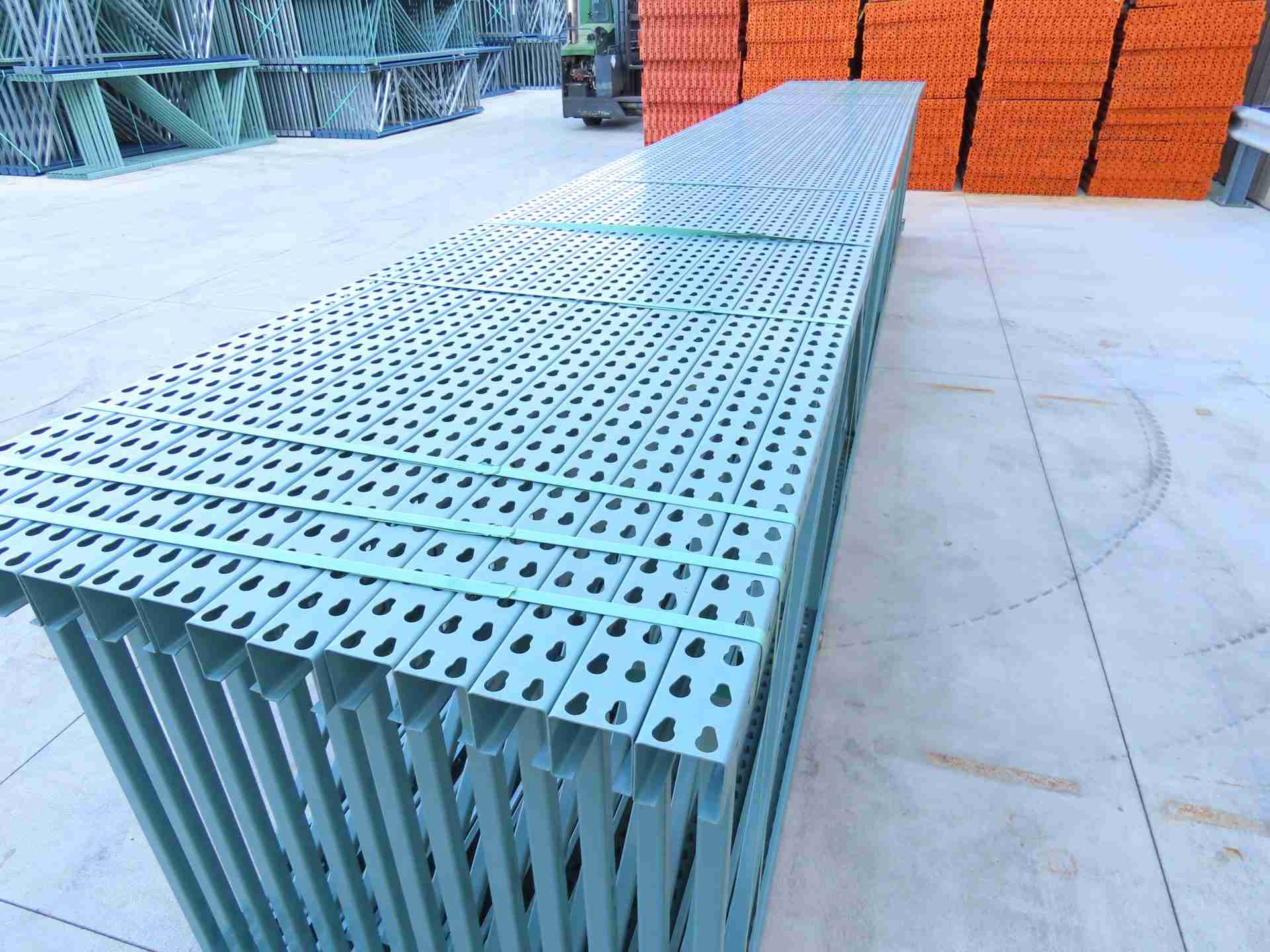
How Can Understanding Rack Ratings Improve Workplace Safety?
Are You Aware Of the Financial Risks Of Overloading Racks?
When you think about your hard-won investments and the daily grind of running a business, it’s easy to overlook one critical aspect—racking. Those metal frameworks in your warehouse aren’t just a convenient way to store inventory; they’re the backbone of your operation. Overloading them might seem harmless in the heat of the moment. After all, it’s just a few extra boxes, right? But let’s take a step back and consider the financial risks of that seemingly small decision.
Imagine this: you’re at the final stages of a big project. Business is booming, and you’re ready to scale up. You’ve poured your heart and soul into your venture—putting in long hours, making sacrifices, and refusing to back down. But then, you hear a clatter, followed by a sickening thud. Your racking systems buckle under the weight, and suddenly, your warehouse transforms from a place of productivity to a chaotic scene of damage. Now, add up the costs—not just the damaged goods, but also the downtime, the labor to fix the mess, and the potential loss of customer trust. This isn’t just about dollars; it’s a gut punch to your dreams.
Racking systems can bear a load, but there’s a limit. Pushing past that limit isn’t just reckless; it’s a calculated risk that can have dire financial consequences. The financial impact can ripple through your entire operation, affecting cash flow and profits—two things you can’t afford to compromise. Not to mention the ethical responsibility you hold toward your employees. Do you want to put them in harm’s way because of a few extra pallets?
Think of how this decision can affect your reputation in the industry. Overloaded racks can lead to accidents, injuries, and damaged products. What does that say about your values as a business? It’s about more than just getting by; it’s about building a culture of safety and responsibility.
As business owners, we have a responsibility—not just to ourselves, but to our employees, partners, and customers. Investing in proper racking solutions, adhering to load limits, and ensuring regular maintenance are steps that show you care. It’s time to see racking not just as metal, but as a pillar of your success. Let’s secure your legacy—together.
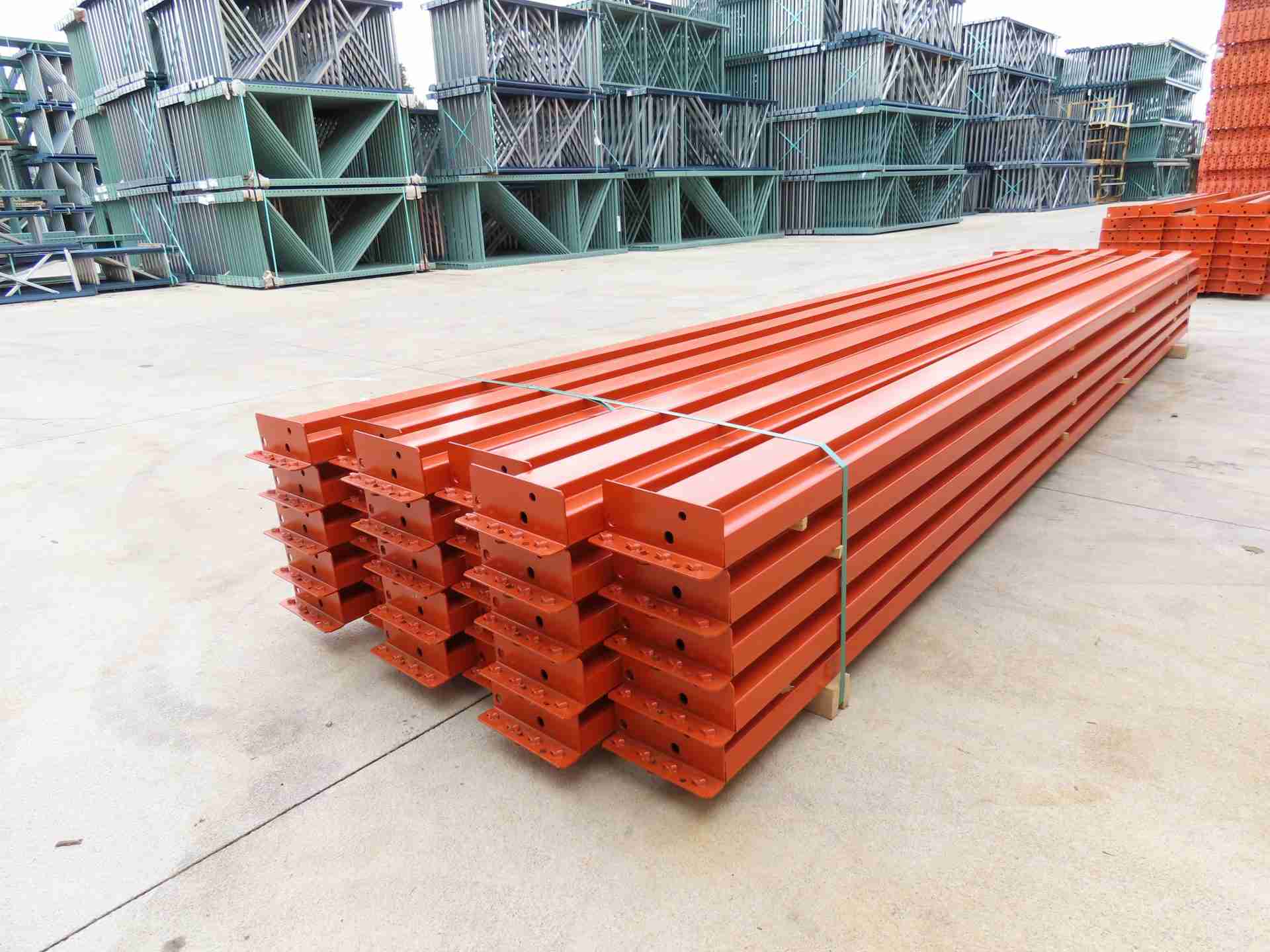
Are You Aware Of the Financial Risks Of Overloading Racks?
Are You Aware Of the Financial Risks Of Overloading Racks?
- Racking systems are essential frameworks for storing inventory in warehouses.
- Overloading racks may seem harmless but carries significant financial risks.
- Accidents caused by overloaded racking can lead to damaged goods, downtime, and loss of customer trust.
- Exceeding load limits can adversely affect cash flow and profits.
- Prioritizing employee safety is crucial; overloaded racks can put them at risk.
- Maintaining a good reputation and a culture of safety is vital for business success.
- Investing in proper racking solutions and adhering to load limits demonstrates care for your operation and legacy.
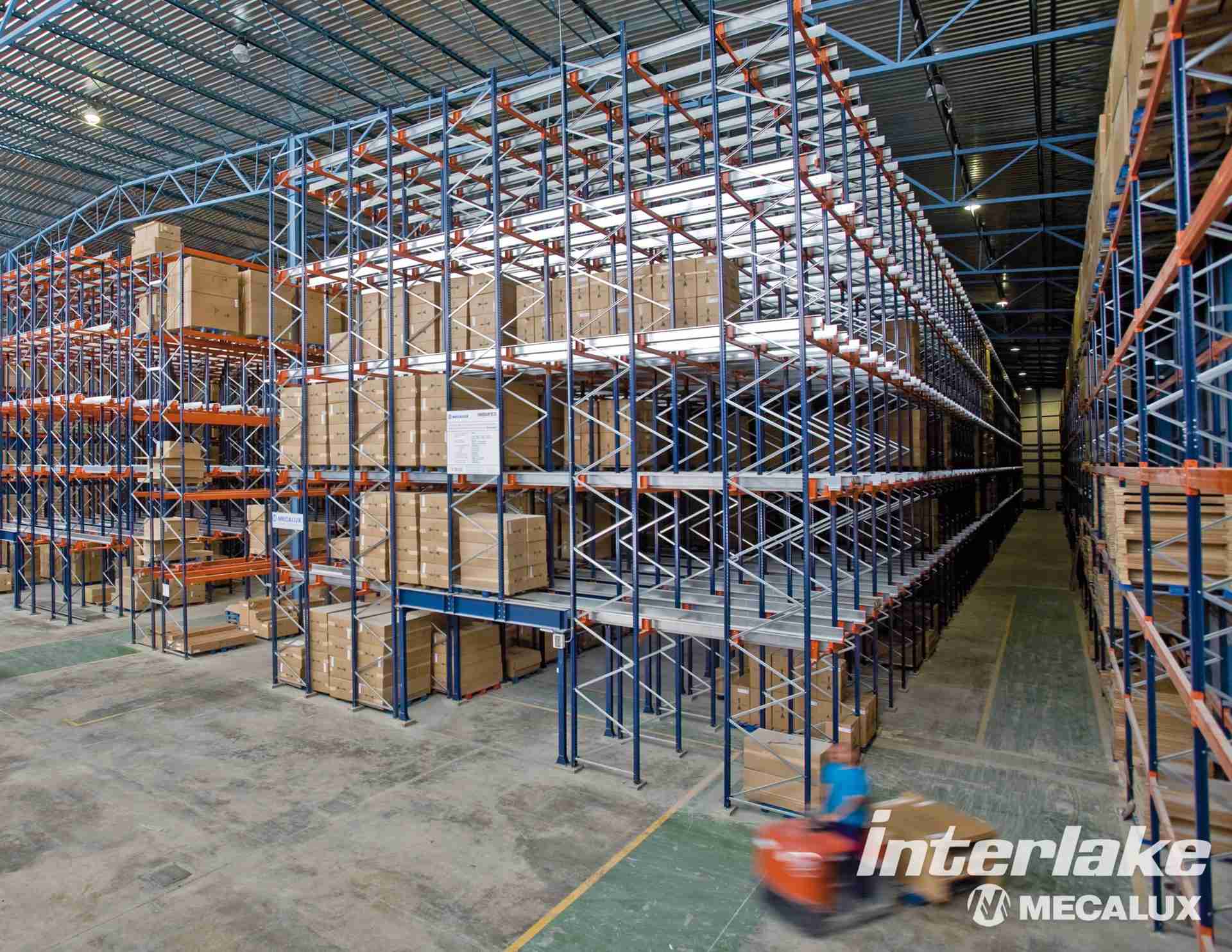
Are You Aware Of the Financial Risks Of Overloading Racks?
What Ethical Responsibilities Do Companies Have Regarding Rack Safety?
When we think of warehouses, our minds often jump to towering shelves, busy forklifts, and the relentless buzz of productivity. But beneath this hustle lies an ethical responsibility that every company must grapple with: rack safety. When employees step into a space filled with towering racks of merchandise, they’re not just clocking in for a paycheck; they’re placing their trust in the hands of their employer. And it’s a heavy trust, indeed—one that can tip the scales between safety and catastrophe.
Imagine walking into a warehouse where the racking systems are unstable. You can almost feel the tension in the air: the anxious whispers of employees glancing nervously at towering pallets. Here lies the heart of the matter—this isn’t just about metal and shelves; it’s about lives. Each rack standing tall is a promise—a promise that a company’s commitment to safety prevails over mere profit margins. Maintaining that promise means recognizing that employees are more than just cogs in a machine; they are human beings deserving of a workplace that prioritizes their welfare.
Racking safety is not merely a compliance checkbox to be ticked. It’s a dialogue, a commitment woven into the fabric of company culture. It starts with education and training, empowering workers with the tools to not only recognize potential hazards but to take action against them. Companies have the ethical responsibility to engage their workforce, fostering an environment where voices are heard, and everyone feels empowered to speak up when something isn’t right.
This responsibility extends beyond the walls of the warehouse. It reaches out to the communities that rely on these businesses and the families that rely on the employees. In a world where news travels fast, companies that prioritize rack safety establish themselves as industry leaders. They foster a narrative of care that resonates with customers, building loyalty that transcends the transactional.
Speaking of trust, consider the authority that comes from leading with integrity. When businesses take safety seriously, they’re not just protecting their assets; they’re investing in the very people who make their operations possible. In doing so, they inspire confidence from their clientele and respect from their peers, shifting the culture toward a collective responsibility for safety.
Ultimately, it comes down to a simple truth: An investment in rack safety is an investment in humanity. When companies choose to put people first, they create a work environment where everyone can stand tall—safe, supported, and ready to face whatever challenges lie ahead. With every decision made in the name of safety, they build not just a stronger structure, but a more resilient community.

What Ethical Responsibilities Do Companies Have Regarding Rack Safety?
What Ethical Responsibilities Do Companies Have Regarding Rack Safety?
- Warehouses evoke images of busy environments and productivity, but they also carry an ethical responsibility regarding rack safety.
- Employees trust their employers to ensure safety in environments filled with unstable racking systems.
- Racking safety is about prioritizing human welfare over profit margins, recognizing employees as valuable individuals.
- It involves ongoing education and training to empower workers to recognize and address potential hazards.
- Companies should engage their workforce, fostering a culture where employees feel empowered to speak up about safety concerns.
- Prioritizing rack safety extends beyond the warehouse, positively impacting communities and building customer loyalty.
- Investing in rack safety ultimately strengthens trust, respect, and community resilience, reinforcing the importance of putting people first.

What Ethical Responsibilities Do Companies Have Regarding Rack Safety?
How Can Expert Authority Clarify Rack Load Capacity Challenges?
When it comes to navigating the complex world of racking systems and their load capacities, expert authority plays a pivotal role that touches on our deepest fears and highest hopes. Imagine standing in a bustling warehouse, surrounded by towering racks filled to the brim. Each shelf packed with products isn’t just a statistic—it’s a livelihood. Workers rely on those racks to safely hold their products, businesses depend on them for success, and families count on those businesses to put food on the table. This isn’t just about steel and design; it’s a matter of survival, trust, and accountability.
Understanding rack load capacity isn’t just a technical exercise; it’s a responsibility. Engaging with experts who clarify these challenges can instill confidence. They dig into the nitty-gritty, navigating specifications like a seasoned conductor leading an orchestra, ensuring every component works seamlessly together. When a professional offers insight on load limits, it’s like a lighthouse cutting through the fog, guiding you safely through the economic storms that threaten stability.
Let’s face it: the safety of employees and the integrity of operations depend on having the right information. When an expert reviews your racking system, they’re not just examining numbers, they’re ensuring safety and ethical decision-making, preventing potential disasters before they happen. It’s not merely about regulations; it’s about creating a culture where safety is prioritized over the race for profit.
Those who have leaned on expert advice know the relief that follows. You don’t just gain knowledge; you forge a partnership with authority—one that resonates on a human level, fostering a sense of belonging within the industry. Think of the countless stories shared among warehouse workers—tales of challenges overcome, of near-misses avoided, all because someone took the time to ask questions and seek out wisdom.
Embracing expert authority in rack load capacity isn’t just smart; it’s necessary. Whether you’re a warehouse manager, a safety officer, or a small business owner, engaging with professionals who specialize in racking systems keeps the gears of industry turning smoothly. This connection not only inspires trust and confidence but ultimately safeguards the well-being of all who work under those very racks. By making informed choices, we can ensure that those stories aren’t about near misses, but triumphs—a testament to our commitment to safety and excellence.
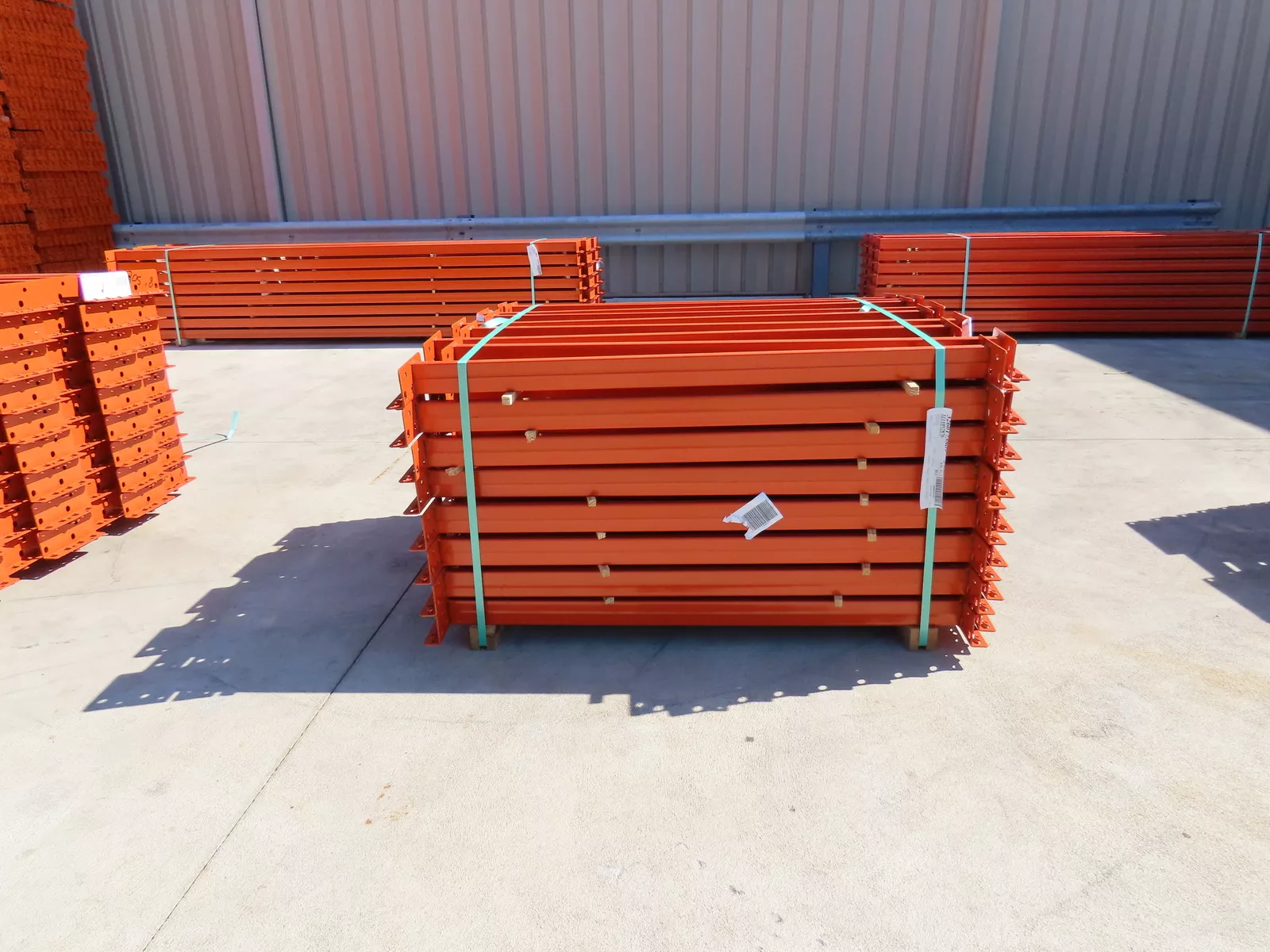
How Can Expert Authority Clarify Rack Load Capacity Challenges?
How Can Expert Authority Clarify Rack Load Capacity Challenges?
- Expert authority is crucial in understanding racking systems and their load capacities.
- Racks in warehouses are essential for product safety, business success, and family livelihoods.
- Understanding rack load capacity is a responsibility that requires expert engagement.
- Professionals clarify challenges and ensure seamless operation of racking systems.
- Expert reviews promote safety and ethical decision-making, preventing potential disasters.
- Working with experts fosters a sense of belonging within the industry among warehouse workers.
- Engaging with specialists inspires trust and ensures the well-being of employees and operations.

How Can Expert Authority Clarify Rack Load Capacity Challenges?
Conclusion
In the grand theater of industry, the humble racking system often goes unnoticed amidst the bustling operations of warehouses. Yet, these metal frameworks are far more than mere storage solutions; they serve as the unsung heroes that uphold the safety, efficiency, and livelihoods of countless workers. Picture a day in the life of a warehouse, where forklifts hum, and employees dart between aisles—amidst this flurry of activity lies a paramount truth: the integrity of rack load ratings can mean the difference between life and death.
Imagine the heavy weight of responsibility resting on your shoulders when you consider the implications of a faulty racking system. Each pound improperly distributed is not just a statistic; it harbors the potential for injury, damage, and chaos. This isn’t just an operational concern; it’s a visceral reality that strikes at the very heart of your business. From the gut-wrenching dread of an impending collapse to the rational understanding that every rack has its limits, the stakes couldn’t be higher.
Ethically, businesses bear an obligation to ensure safe environments for their employees—bettering the lives of workers and their families. This commitment resonates far beyond the warehouse walls, nurturing a culture of safety and accountability. Every time something goes wrong because of ignored weight limits, it sends ripples of anxiety through families, undermining the faith workers have in their employers. By making informed decisions, we embrace not just the practicalities of safety but the human element that defines our organizations.
Think of the narrative this creates in our communities. When businesses prioritize safety and adherence to load ratings, they cultivate trust—an enduring currency in today’s market. Leading by example isn’t just about profit margins; it shows how success is fundamentally built on the well-being of your workforce. The goal is not just to avoid accidents, but to foster an environment where employees feel valued and capable.
As we move forward, let’s recognize that understanding rack load ratings isn’t just about stats; it’s about our collective commitment to safety. It’s about empowering our workers and securing our legacy as safe, responsible stewards of industry. So, the next time you step into a warehouse, cast your gaze upward. Those racks are not merely metal—they are a symbol of our dedication to protecting lives and investing in a secure future for everyone involved.

Conclusion
Conclusion:
Here’s a bulleted summary of the provided text formatted as an HTML list:
- Racking systems are essential yet often overlooked elements in warehouse operations.
- Proper rack load ratings are critical for ensuring safety and preventing injuries or damage.
- Improper weight distribution can lead to severe consequences, impacting business integrity.
- Businesses have an ethical obligation to create safe working environments for their employees.
- Neglecting safety affects not just the workplace but also workers’ families and their trust in employers.
- Prioritizing safety builds community trust, which is vital for long-term business success.
- Understanding load ratings reflects a commitment to worker empowerment and a secure industrial future.
Conclusion
Other Resources
Other Resources
Here is a list of other resources you can review online to learn more:
- Illinois Pallet Racking – WPRP
- Warehouse Racks, Warehouse Racking in Stock – ULINE
- Overhead Lifting
- Iowa Illinois Warehouse Racking
- Bradford Systems
- Used Pallet Rack for Sale in Illinois – American Surplus
- Teardrop Industrial Shelving Rack
- Warehouse Automation
- Pallet Rack Systems – New and Used Pallet Racking and Shelving Experts
- Warehouse Racking Systems: Beginner’s Guide to Rack Systems
- Cantilever Rack Guide: Ordering Cantilever Racking
- Rack Manufacturers Institute
- Pallet Racking systems in Illinois and Great Lakes
- Illinois Pallet Racking – Storage Solutions
- Pallet Racking 101: A Comprehensive Guide & Options Explained
- IIWS Inc. Rack Installation Illinois & Rack Repairs Illinois
- SEMA
- Teardrop Racks – Pallet Rack World
- National Safety Council
- Warehouse Racking Layout: The Ultimate Guide – Conger
Use This Prompt To Get More Resources With Your Favorite Online AI Tool: Please provide me with a list of online articles with their URLs in a bulleted list that I can read regarding Understanding Rack Load Ratings and Capacity

Other Resources
Glossary Terms
Understanding Rack Load Ratings and Capacity – Glossary Of Terms
1. Rack Load Rating: The maximum weight that a rack can safely support based on its design and materials.
2. Loading Capacity: The total weight that can be placed on a rack system, factoring in all components.
3. Static Load: The weight that a rack can support when items are stationary and evenly distributed.
4. Dynamic Load: The weight that accounts for moving items or impacts, often considered during loading and unloading operations.
5. Safety Factor: A design principle that provides a margin of safety in the load capacity to account for unforeseen stresses.
6. Uniform Load Distribution: An even distribution of weight across the entire rack to prevent localized overstressing.
7. Point Load: A concentrated load on a specific area of the rack, potentially leading to overloads if not managed.
8. Beam Capacity: The load-bearing ability of the horizontal supports within a rack system.
9. Column Capacity: The load-bearing ability of the vertical supports within a rack system.
10. Upright Frame: The vertical structures of a rack that provide support and stability.
11. Cross Brace: Diagonal supports added to the rack to enhance rigidity and stability.
12. Shelving: Horizontal surfaces within a rack designed to hold items.
13. Load Bar: A component that helps support loads on shelves and ensures even weight distribution.
14. Pallet Rack: A type of rack specifically designed to hold pallets of goods.
15. Selective Racking: A storage system allowing easy access to individual pallets or items.
16. Drive-In Rack: A storage solution that allows vehicles to drive into the rack structure for compact storage.
17. Gravity Flow Rack: A system that uses gravity to move items from the rear to the front, facilitating FIFO (First-In-First-Out) inventory processes.
18. Cantilever Rack: A type of rack designed for storing long or bulky items that don’t fit standard shelving.
19. Load Signage: Labels or markings indicating maximum load limits for safety and compliance.
20. Compliance Standards: Regulations and guidelines regarding storage systems, ensuring safety and performance.
21. Inspection Protocol: A set of procedures for evaluating rack integrity and safety.
22. Capacity Assessment: An evaluation process to determine the appropriate load limits based on current usage and safety standards.
23. Structural Integrity: The assurance that a rack’s design and materials will support intended loads without failure.
24. Weight Management: Procedures to monitor and control the distribution of weight within a rack system.
25. Overloading: The condition when the weight on a rack exceeds its rated capacity, increasing the risk of failure.
26. Load Testing: A method of validating the load capacity of racks through controlled testing.
27. Material Specifications: The requirements and standards for materials used in rack construction to ensure strength and durability.
28. Rack Design: The engineering and architectural considerations influencing the load capacity and functionality of a rack system.
29. Modular Racking: A flexible system allowing for the easy adjustment or reconfiguration of rack components to meet changing storage needs.
30. Asset Tracking: The process of monitoring and managing inventory within a rack system for efficiency and accountability.

Glossary Of Terms
Other Questions
Understanding Rack Load Ratings and Capacity – Other Questions
If you wish to explore and discover more, consider looking for answers to these questions:
- What are the different types of racking systems available?
- How are rack load ratings determined?
- What are the consequences of exceeding load capacity?
- How can businesses ensure compliance with rack safety regulations?
- What training is recommended for employees regarding rack load safety?
- What role does maintenance play in rack safety?
- How can technology assist in monitoring rack loads?
- What are some best practices for loading racks safely?
- How can companies promote a culture of safety around rack load ratings?
- What steps should be taken in case of a rack collapse?

Other Questions
Checklist
Understanding Rack Load Ratings and Capacity – A Checklist
Rack Load Ratings and Safety Checklist
Emotional Appeals
_____ Visualize the potential consequences of inadequate rack load ratings. Reflect on the emotional impact on workers and families.
_____ Share a personal story or anecdote that highlights a near-miss incident or success due to proper load ratings.
_____ Consider the sense of security you want your employees to feel when working in a safe environment.
Rational Appeals
_____ Understand and document the specific load ratings of each racking system used in your warehouse.
_____ Compare costs related to accidents or damages due to overloaded racks against the investment in proper racking systems.
_____ Review safety protocols regularly to ensure they align with current racking standards and practices.
Ethical Appeals
_____ Commit to a culture of safety by prioritizing rack load capacity in training programs.
_____ Promote transparency about safety practices in your organization and ensure all employees are educated about rack limits.
_____ Engage employees in discussions about safety, encouraging them to voice concerns regarding load ratings or racking systems.
Authority Appeals
_____ Consult with experts or racking system professionals to verify load ratings and best practices regularly.
_____ Establish a relationship with industry authorities for ongoing training and updates on regulations.
_____ Encourage staff to refer to authoritative resources on rack safety and load capacities as part of their operational procedures.
Narrative Appeals
_____ Share success stories of organizations that have thrived by prioritizing safety in their racking systems.
_____ Create a collective story within your team that emphasizes safety as a core value and practice in daily operations.
_____ Document and celebrate incidents where awareness of rack load ratings prevented accidents.
Social Appeals
_____ Foster a team culture where safety discussions are encouraged and celebrated, promoting camaraderie around safety practices.
_____ Create a safety board or forum where employees can share experiences and tips about rack safety.
_____ Organize regular safety training sessions that involve team-building exercises focused on racking systems and load limits.
Action Steps
_____ Conduct regular inspections of all racking systems to ensure compliance with load ratings.
_____ Organize educational workshops or training sessions focused on the importance of rack load capacity.
_____ Develop an emergency response plan specifically addressing risks associated with racking failures.

Checklist
At RackingWorld, we help guide you through selecting warehouse storage systems and racking.
Be sure to read our other related stories at RackingWorld to learn more about warehouse storage systems.
0 Comments