
Protecting Your Investments: Decoding Rack Load Limits
By Tom Seest
At RackingWorld, we help guide you through selecting warehouse storage systems and racking.
Be sure to read our other related stories at RackingWorld to learn more about warehouse storage systems.
Understanding Rack Load Capacity Labels
When you walk into a warehouse or a data center, the towering rows of racking stand as silent sentinels, holding up everything from pallets of goods to heavy servers. Understanding rack load capacity labels is not just a matter of technical jargon; it’s about recognizing the unsung heroes of industry—these structures that bear the weight of our businesses, our livelihoods, and sometimes, our safety.
Down to the brass tacks, every racking system comes with a load capacity label, essentially a declaration of what it can handle. It’s a promise, one that you shouldn’t take lightly. Imagine a loading dock bustling with activity, where your hard-earned inventory comes in and out like clockwork. Now picture what happens if one of those racks fails due to overloading. It’s a cascade of chaos, not just in terms of financial loss, but in the potential danger it poses to people nearby. You wouldn’t put your trust in a bridge without knowing its weight limit—why would you do any less with racking?
But it’s not only about safety; it’s about efficiency too. Every business owner knows that time is money. By understanding and adhering to these labels, you optimize space and ensure that your operations run seamlessly. Think of it as being part of a well-oiled machine, where each cog and wheel works harmoniously together. You’re not just maximizing storage; you’re maximizing productivity and, ultimately, your bottom line.
From an ethical standpoint, there’s a responsibility that comes with these structures. Every load capacity label is a reminder that someone put thought into the engineering and design, balancing strength with safety. It invokes a respect for the professionals who built these systems, and an obligation on your part to use them correctly. When you honor those labels, you contribute to a culture of safety and accountability, ensuring everyone from the warehouse staff to the delivery drivers can do their jobs without fear.
And let’s not forget the community aspect. Every time you engage with these racking systems effectively—by educating employees, monitoring loads, and fostering an environment of awareness—you’re not just following regulations; you’re setting a standard, building trust within your team and with your clients. You’re ensuring everyone feels secure in the space they inhabit, empowering them to do their best work day in and day out. So, the next time you glance at a rack load capacity label, remember: it’s not just a number; it’s a lifeline for everyone involved.

Understanding Rack Load Capacity Labels
Understanding Rack Load Capacity Labels
- Warehouse and data center racking systems support goods and servers, impacting businesses and safety.
- Every racking system features a load capacity label indicating how much weight it can handle.
- Overloading racks can lead to chaos, financial loss, and safety risks for nearby workers.
- Understanding load capacity labels is crucial for business efficiency, optimizing space, and productivity.
- Respecting load capacity reflects ethical responsibility towards the engineering and design of racking systems.
- Effective engagement with racking systems promotes safety, accountability, and trust among employees and clients.
- Rack load capacity labels serve as a lifeline, emphasizing their significance beyond just numbers.

Understanding Rack Load Capacity Labels
Table Of Contents
- Understanding Rack Load Capacity Labels
- What Makes Understanding Load Capacity Labels So Crucial for Safety?
- How Can Improper Load Limits Affect Your Business Operations?
- Are You Aware Of the Risks Associated with Exceeding Rack Capacities?
- What Steps Can You Take to Ensure Compliance with Load Limits?
- Why Should You Trust Industry Standards When Reading Capacity Labels?
- Conclusion
- Other Resources
- Glossary Of Terms
- Other Questions
- Checklist
What Makes Understanding Load Capacity Labels So Crucial for Safety?
When you step into a warehouse, a construction site, or a retail display that’s stacked high with boxes, it doesn’t take a seasoned pro to see the hustle. The hustle is palpable, driven by the need to move products, maximize space, and ultimately, make a living. But beneath that surface-level activity lies a crucial element that can make or break not just efficiency, but the very safety of those involved. I’m talking about load capacity labels—those seemingly mundane stickers and signs that indicate just how much weight racking can bear. Understanding them isn’t just good practice; it’s a pact with safety and reliability.
When the weight limit is exceeded, it’s not just an inconvenience; it becomes a ticking time bomb. Imagine the sickening feeling in your gut as you see an overloaded shelf start to bend and creak. It’s a gut punch. That moment when gravity reminds you it’s still in control is one nobody wants to experience. Think about the human stories attached to that racking—workers just trying to clock in, families depending on them, dreams built brick by brick. Ignoring load capacities isn’t just reckless; it feels personal. It’s about respect—for the work being done and for the lives hanging in the balance.
Now, let’s shift gears to the head. Rational minds know that understanding these labels is a matter of ethics, responsibility, and authority. When you know the weight a shelf can handle, you’re not just following rules; you’re demonstrating leadership. You’re not just preventing accidents; you’re fostering an environment where everyone can do their jobs safely and efficiently. Knowledge has power, and it empowers you to protect yourself and your colleagues. By educating ourselves about load capacity labels, we build a culture of safety, encouraging others to do the same.
Socially, we’re all in this together. That simple racking label can spark conversations among coworkers about safe practices. Have you ever found yourself chatting about the best procedures at lunch? Those moments create connections, and those connections breed a sense of community. It’s about looking out for one another—because that’s what really matters at the end of the day.
So, the next time you look at a load capacity label, remember it’s not just a number; it’s a promise. A promise that safety comes first and that understanding those labels means you’re taking responsibility—not just for yourself but for your entire team. Let’s make safety a shared priority, one label at a time.

What Makes Understanding Load Capacity Labels So Crucial for Safety?
What Makes Understanding Load Capacity Labels So Crucial for Safety?
- Warehouse, construction sites, and retail displays are bustling with activity motivated by product movement and space maximization.
- Load capacity labels are crucial for ensuring efficiency and safety in these environments.
- Exceeding weight limits on shelves can lead to dangerous situations, impacting workers and their families.
- Understanding load capacity labels demonstrates leadership and responsibility in the workplace.
- Educating everyone about these labels fosters a culture of safety and empowers colleagues.
- Discussing safety practices can strengthen workplace connections and build community among coworkers.
- Load capacity labels represent a commitment to safety, responsibility, and teamwork in the workplace.

What Makes Understanding Load Capacity Labels So Crucial for Safety?
How Can Improper Load Limits Affect Your Business Operations?
In the world of business, the simplest decisions often have the most profound consequences. Start by imagining a warehouse filled with shelves, heavy with inventory, where your livelihood hangs in balance. Now picture those racking systems, meticulously designed to maximize space and efficiency. Proper load limits are not just guidelines; they are the backbone of your operations. When disregarded, the consequence can be catastrophic—not only for your racking but for your entire business.
Think about the hard-earned dollars invested in your equipment. Those racking systems are not just metal and bolts; they represent your innovation, sweat, and perseverance. When improper load limits are exceeded, the risks escalate. A single collapse can destroy inventory, cripple your operations, or even injure hardworking employees. The haunting question then becomes: Is it worth the risk?
Emotionally, these moments resonate. Imagine a valued employee, a friend, facing a life-changing injury due to a preventable incident. Or envision the late nights spent scrambling to replace lost stock, dealing with angry customers, and recovering a tarnished reputation. The human element is undeniable; the stakes are high. You’re not just risking racking; you’re jeopardizing trust, morale, and that sense of pride that comes from running a safe and efficient operation.
Now let’s get logical. Every metric shows that when you adhere to proper load limits, you enhance your operational efficiency. You minimize interruptions, saving time and money in the long run. There’s a stark contrast between those businesses that prioritize safety and those that disregard it—one flourishes while the other falls.
Ethically, there’s a responsibility that comes with leadership. You’re not just managing a business; you’re nurturing a community. By prioritizing safe practices, you send the message that you value your employees and their well-being. It’s a commitment that fosters loyalty and dedication, creating a culture that others aspire to join.
Let’s not forget the power of shared experiences. As leaders, we must come together to share stories of near misses and hard-learned lessons. When we engage in dialogue about safety, we reinforce a collective understanding of how improper load limits can affect not just our bottom line but the lives of every individual within our walls.
So, take a moment to evaluate your own practices. Let the weight of responsibility guide you toward smarter, safer decisions. The integrity of your operations depends on it. Your business, your employees, and your community are worth every ounce of effort. Trust in safety, and you will thrive.

How Can Improper Load Limits Affect Your Business Operations?
How Can Improper Load Limits Affect Your Business Operations?
- Simple business decisions can have profound consequences, particularly regarding equipment safety.
- Proper load limits are crucial for racking systems, impacting overall operations and safety.
- Exceeding load limits can lead to serious risks including inventory loss, operational disruption, and employee injuries.
- Emotional ramifications can include damaged relationships with employees and customers due to preventable incidents.
- Adhering to load limits enhances operational efficiency and reduces costs over time.
- Leadership carries an ethical responsibility to prioritize employee safety and well-being, fostering a loyal workplace culture.
- Sharing experiences and lessons learned about safety within the business community reinforces a collective commitment to safe practices.

How Can Improper Load Limits Affect Your Business Operations?
Are You Aware Of the Risks Associated with Exceeding Rack Capacities?
When you think about racking, the first image that may pop into your mind is rows upon rows of neatly arranged goods in a warehouse. It’s efficient, it’s orderly, and it keeps business rolling. But here’s the gut-check: what happens when those racks are pushed beyond their limits? Exceeding rack capacities isn’t just an unfortunate accident waiting to happen; it’s a silent promise to chaos that can unleash a cascade of consequences.
Let’s pause and think about the warehouse workers—the heart of this operation. Each time a bad decision is made, whether it’s stacking an extra box or ignoring a manufacturer’s guideline, those employees are the ones standing beneath the potential fallout. The anxiety grips their hearts with every creak of overloaded metal, and every time they look up, it’s like staring down the barrel of a loaded gun. Lives—and livelihoods—hang in the balance.
On a rational level, one might think, “It’s just some extra weight,” but let’s not be fooled by that logic. Every stack beyond capacity means increased strain on the racks, a heightened risk of structural failure, and ultimately the possibility of injuries or worse. The numbers don’t lie. Safety regulations exist for a reason, and ignoring them is like walking a tightrope without a safety net. You might feel lucky for a while, but that safety net is there to catch you when life throws a curveball.
Ethically, we must consider the responsibility we carry not just for profits, but for people. It’s incumbent upon managers and decision-makers to foster a culture of safety, valuing human lives over short-term productivity gains. The social fabric of a workplace is woven with trust—trust that leadership cares for its employees and that every action taken is rooted in making the right choice, even if that means saying no to that extra shipment.
Lastly, think of the authority figures in a workplace—supervisors and safety officers. They are the stewards of safety, armed with knowledge that can safeguard lives. When rack capacities are respected, it not only upholds the integrity of the operation but instills confidence among workers. No one should have to risk their well-being for the sake of convenience.
So, let’s engage with the realities of our choices. Exceeding rack capacities might seem benign, but it echoes through the lives of everyone involved. Let’s commit to a culture where safety isn’t an afterthought, but the very foundation of our success.

Are You Aware Of the Risks Associated with Exceeding Rack Capacities?
Are You Aware Of the Risks Associated with Exceeding Rack Capacities?
- Racking is essential for efficient warehouse operations, organizing goods effectively.
- Exceeding rack capacities poses serious risks, leading to potential chaos and dangerous consequences.
- Warehouse workers face heightened anxiety and danger from overloaded racks, affecting their safety and livelihoods.
- Ignorance of safety regulations can lead to structural failures and injuries; compliance is crucial.
- Managers have an ethical responsibility to prioritize employee safety over short-term gains.
- Supervisors and safety officers play a key role in maintaining safety standards and instilling confidence among workers.
- A commitment to safety should be foundational to workplace culture, ensuring the well-being of all employees.

Are You Aware Of the Risks Associated with Exceeding Rack Capacities?
What Steps Can You Take to Ensure Compliance with Load Limits?
When it comes to ensuring compliance with load limits, the path forward starts with understanding the stakes—both for your livelihood and the safety of your team. Think of the racking system as the backbone of your warehouse, supporting everything from your inventory to the people who work alongside it. It’s not just steel and bolts; it represents the hard work you and your team put in every day. By adhering to load limits, you’re not just following regulations; you’re fostering a culture of safety and responsibility that echoes throughout your organization.
First, equip yourself with knowledge. Familiarize yourself with the load limits specific to your racking system. This requires that same diligence you would show in learning a new skill or mastering a new tool. The operators, managers, and anyone who interacts with the racking should attend training sessions, read the manuals, and even consult experts when needed. This commitment to understanding shows your team that their safety and well-being are your top priorities.
Next, establish a clear communication plan. Everyone from the floor staff to the executive suite needs to understand the importance of load limits. Make it part of your operation’s vocabulary. Use real-life examples to illustrate the risks involved in neglecting these limits—perhaps a near-miss incident that could have ended in disaster if proper protocols hadn’t been followed. This not only raises awareness but also builds a collective responsibility among employees to practice compliance.
Regular inspections of your racking systems can’t be overstated. Just like checking your vehicle before a long road trip, a thorough assessment can catch issues before they become catastrophic. Make sure you document these inspections and share findings openly. Transparency fosters trust amongst your team and shows that you take compliance seriously.
Lastly, create a supportive environment where employees feel empowered to speak up if they see something amiss. Encourage them to report any concerns without fear of retribution. Teamwork is not just about cooperation—it’s about looking out for one another.
Incorporating these steps into your daily operations can transform compliance from a mere checklist into a core value, ensuring not just safety, but enhancing morale and productivity. When everyone feels invested in the safety of the workspace, you cultivate a culture of respect that leads to smoother operations and greater success overall. This is not just a job—it’s about building a legacy of responsibility and purpose, one load at a time.
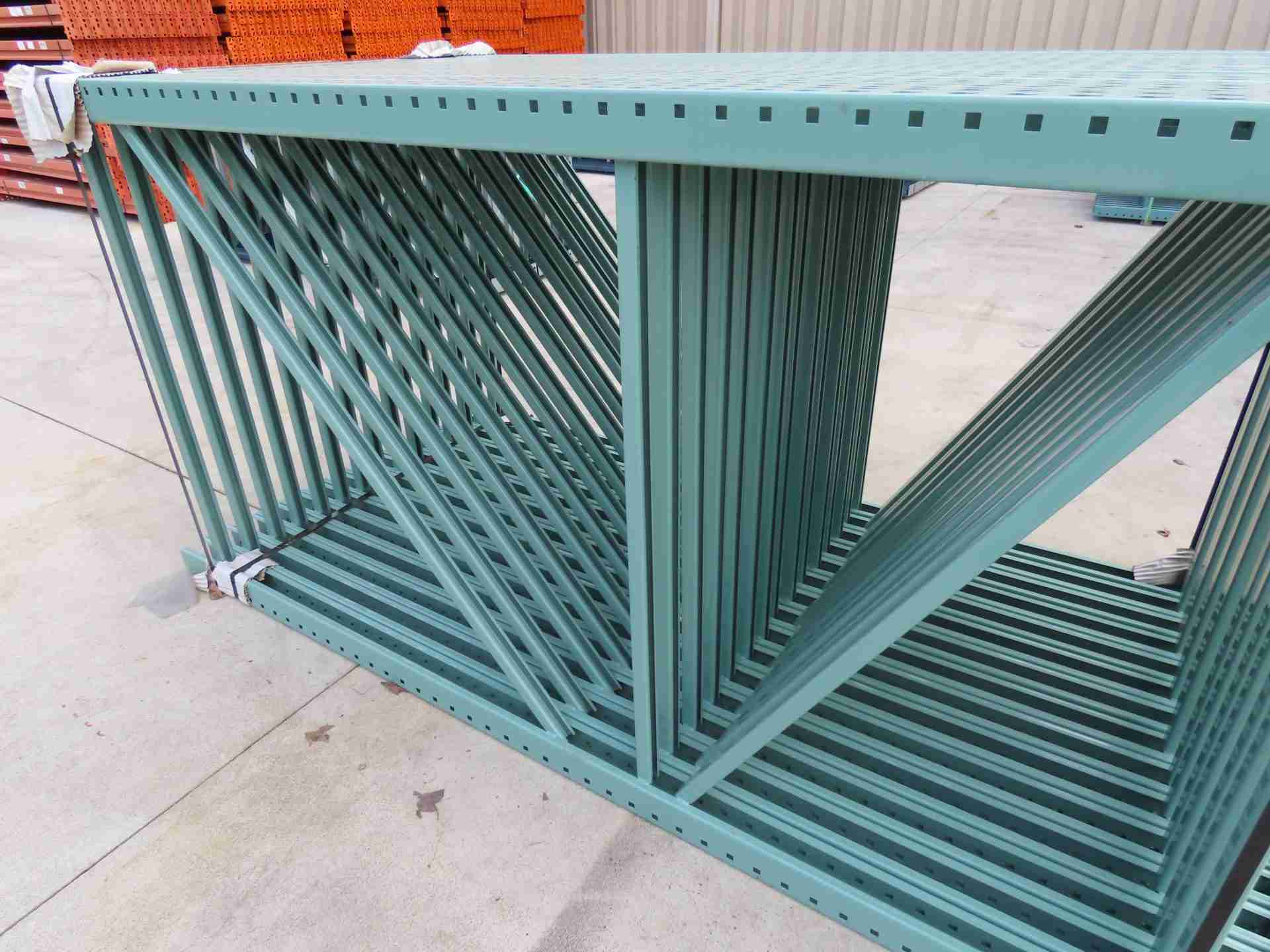
What Steps Can You Take to Ensure Compliance with Load Limits?
What Steps Can You Take to Ensure Compliance with Load Limits?
- Understanding load limits is crucial for safety and livelihoods in the workplace.
- The racking system is vital, acting as the backbone of the warehouse and representing team effort.
- Knowledge of specific load limits is essential; training sessions and expert consultations are recommended.
- A clear communication plan must be established, emphasizing the importance of load limits across all levels of the organization.
- Regular inspections of racking systems should be conducted to identify issues early and promote transparency.
- Create an environment that encourages employees to report concerns about safety without fear of retribution.
- These practices help foster a culture of safety and responsibility, contributing to improved morale and productivity.

What Steps Can You Take to Ensure Compliance with Load Limits?
Why Should You Trust Industry Standards When Reading Capacity Labels?
When you glance at a capacity label on racking, it’s not just a mere collection of numbers; it’s a promise—a promise forged through rigorous testing and industry standards that prioritize safety above all else. Think about it: every time you load up those shelves, you’re placing your faith in something that’s been meticulously designed to keep not only your products safe but also the people moving through those aisles. That trust isn’t built on flimsy claims; it comes from a deep-rooted commitment to excellence demonstrated through countless hours of innovation and design.
Now, let’s engage that rational part of your mind. Industry standards are not arbitrary guidelines tossed together on a whim. They are grounded in research, crafted by experts who have dedicated their careers to understanding the ins and outs of load distribution, material strength, and structural integrity. These are folks with credentials that can’t be dismissed. They come from a lineage of trial and error, learning from past failures to develop a system that keeps our workplaces functional and safe. When you choose to rely on capacity labels, you’re making a choice backed by data, tested by real-world scenarios, and validated by those in the know.
But trust also has a heartbeat. It’s about ethics and accountability. Companies that adhere to these standards do so not just out of compliance, but from a genuine commitment to the welfare of their employees and customers. They understand that their reputation hinges not merely on profit margins but also on the wellbeing of the people who interact with their products. When a business aligns itself with industry standards, it demonstrates integrity—an ethical backbone saying, “We care about you just as much as we care about our bottom line.”
Think about the stories behind those labels—all those businesses relying on proper racking to function smoothly. Each load carefully placed brings together teams, families, and communities. These aren’t mere transactions; these are potential dreams supported by sturdy beams and properly labeled capacities.
So, next time you assess capacity labels, remember: they symbolize not just safety and capacity, but also a commitment to a standard that affects lives. This isn’t just about making a choice; it’s about embodying the values of safety and trust that elevate our communities and workplaces, one label at a time.

Why Should You Trust Industry Standards When Reading Capacity Labels?
Why Should You Trust Industry Standards When Reading Capacity Labels?
- Capacity labels on racking represent a promise rooted in rigorous testing and safety standards.
- Each loaded shelf reflects trust in meticulously designed systems for product and personal safety.
- Industry standards are based on thorough research by experts in load distribution and structural integrity.
- Reliance on capacity labels is backed by data and validated through real-world testing.
- Companies adhering to these standards demonstrate ethics and accountability, prioritizing the wellbeing of employees and customers.
- Capacity labels symbolize not just safety, but the commitment to a standard that supports communities and livelihoods.
- Assessing capacity labels is about promoting values of safety and trust that enhance workplace integrity.

Why Should You Trust Industry Standards When Reading Capacity Labels?
Conclusion
Every warehouse, every data center is filled with racking systems that stand tall—not just as structures but as pillars of our business successes and safety. Those rack load capacity labels may appear as mere numbers, but they carry immense weight—literally and figuratively. When you’re bustling through the aisles, do you ever stop to consider the foundational agreement these labels represent? A promise that your inventory will remain safe and secure while preserving the well-being of your team. Understanding these labels is not merely about compliance; it embodies a respect for the hard work, dedication, and engineering savvy that brought them into existence.
A single overburdened shelf can turn that bustling environment into chaos, leading not only to financial loss but risking lives. Just imagine the gut-wrenching tension when a rack begins to buckle under the strain. It’s a stark reminder of gravity’s unyielding grip and a lighthouse warning us to tread safely. We owe it to our colleagues—the heart of the operation—for whom every day’s work is a step toward supporting their families and pursuing their dreams.
From a practical standpoint, knowledge about these labels transforms you into a leader who fosters a culture of accountability. Adhering to load capacities isn’t just good practice; it enhances operational efficiency, eliminates wasted time, and helps safeguard your reputation. Each instance of compliance builds trust within your team, confirming that safety is prioritized over expedience—a vital message in today’s fast-paced work environments.
Ethically, we carry a profound responsibility. We have a duty not just to our bottom lines but to the people who bring those numbers to life. They deserve an environment that values their well-being over mere productivity. Moreover, when companies commit to industry standards, they cultivate a community replete with trust. You forge connections and conversations around safety protocols, strengthening the bonds between teammates, creating a fabric of shared values.
As you engage with those capacity labels, remember this isn’t just about mere compliance. It’s a collective commitment—one that echoes through every corner of your operations. By making safety a shared priority, we pave the way for not only our businesses but for our people. Let’s lean into that responsibility with unwavering resolve, one load capacity label at a time. It’s about more than goods on a shelf; it’s about building a legacy defined by safety, respect, and a commitment to excellence. Your push for compliance could be the catalyst that transforms safety into a foundational value for everyone involved.

Conclusion
Conclusion:
- Racking systems in warehouses and data centers are crucial for business success and safety.
- Load capacity labels symbolize a promise to keep inventory safe and protect team members’ well-being.
- An overloaded shelf can lead to chaos, financial loss, and safety risks for employees.
- Understanding load capacity labels promotes accountability and operational efficiency within teams.
- Compliance with safety standards fosters trust among team members and emphasizes the importance of safety over speed.
- Companies have an ethical responsibility to prioritize employee well-being alongside productivity.
- Commitment to safety cultivates a community built on trust and shared values among teammates.

Conclusion
Other Resources
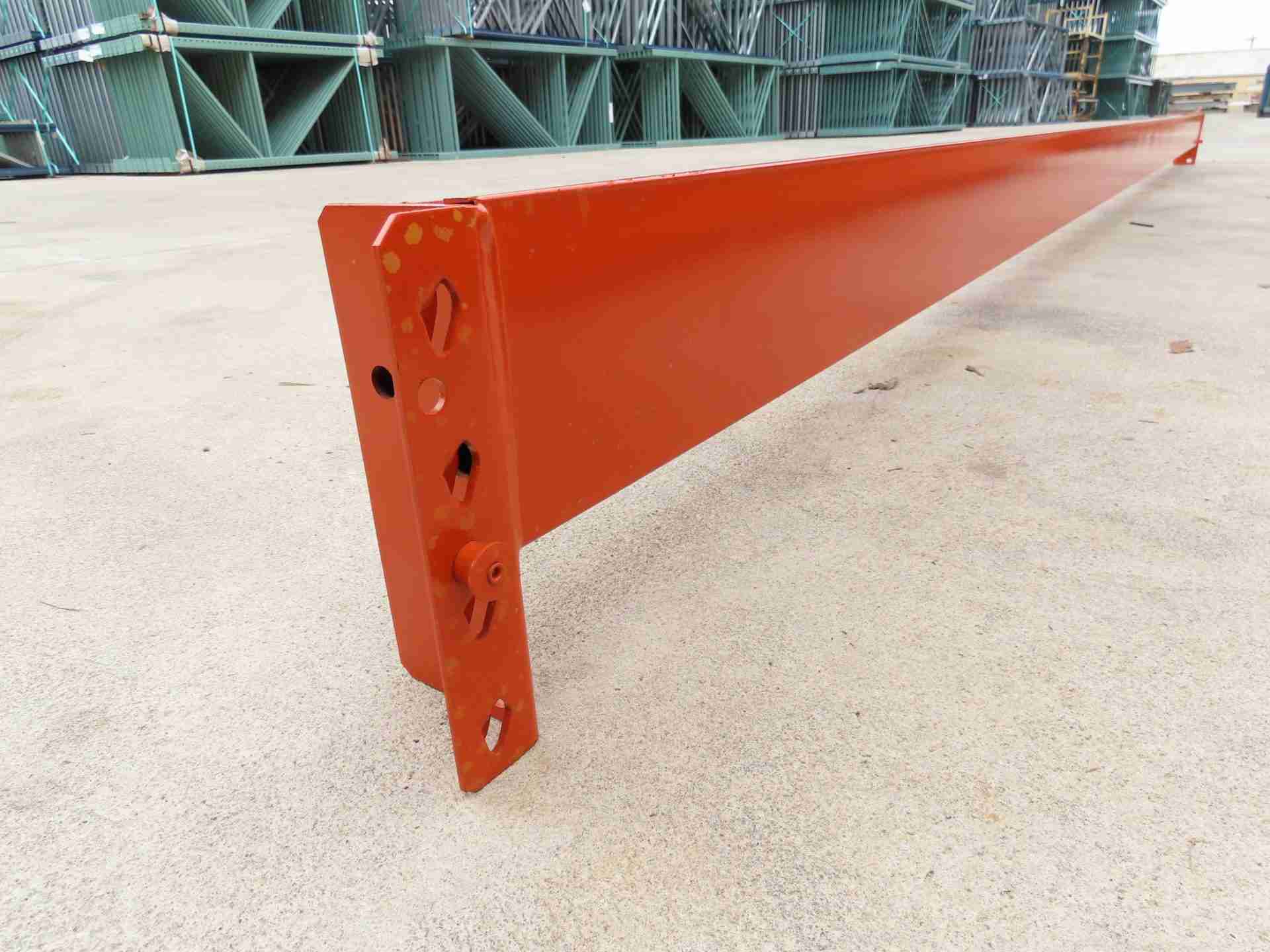
Other Resources
Here is a list of other resources you can review online to learn more:
- Warehouse Racking Chicago, IL
- What is Selective Racking: Understanding Benefits & Options
- ASSP
- Chicago Pallet Racking
- Selective Rack – Raymond West
- IIWS Inc. Rack Installation Illinois & Rack Repairs Illinois
- Teardrop Industrial Shelving Rack
- Selective Racking
- Warehousing Education and Research Council: https://www.werc.org/
- Teardrop Uprights
- Racking World
- Wolter
- Warehouse Storage Racking in Illinois
- Material Handling Industry
- Warehouse Racks, Warehouse Racking in Stock – ULINE
- Shipping Boxes, Packaging Materials, Pallet Racking
- Teardrop Racks – Pallet Rack World
- What is Selective Pallet Racking
- Pallet Racking 101: A Comprehensive Guide & Options Explained
- What is Cantilever Racking? – AK Material Handling Systems
Use This Prompt To Get More Resources With Your Favorite Online AI Tool: Please provide me with a list of online articles with their URLs in a bulleted list that I can read regarding Understanding Rack Load Capacity Labels

Other Resources
Glossary Terms
Understanding Rack Load Capacity Labels – Glossary Of Terms
1. Rack Load Capacity: The maximum weight that a rack can safely support, typically expressed in pounds or kilograms.
2. Labeling: The process of providing information about the rack’s specifications, often affixed to the rack itself.
3. Rated Load: The maximum weight that a rack can accommodate, as determined by testing and engineering standards.
4. Uniform Load: Weight distributed evenly across the entire rack surface, important for stability.
5. Point Load: A concentrated weight applied to a specific point on the rack, which can affect structural integrity.
6. Safety Factor: A design criterion that adds a margin of safety to the rated load to account for uncertainties.
7. Dynamic Load: Weight that includes movement or impacts, such as items being added or removed, influencing the rack’s performance.
8. Static Load: Weight that remains stationary, applied to the rack without movement, representative of maximum capacity.
9. Load Distribution: How weight is spread across the rack, critical for ensuring stability and safety.
10. Material Specification: Details about the type of materials used in the construction of the rack, impacting its load capacity.
11. Rack Type: Various designs of racks (e. g. , cantilever, pallet, shelving) each with different load capacities.
12. Deflection: The degree to which a rack bends or deforms under load, important for assessing structural integrity.
13. Installation Guidelines: Instructions provided for proper rack assembly and weight placement to maintain load capacity.
14. Inspection: The process of checking racks for damage or wear, essential for maintaining load capacity safety.
15. Compliance Standards: Industry regulations that govern rack load capacities to ensure safety and reliability.
16. Overloading: Placing more weight on a rack than its rated load, which can lead to failure.
17. Load Bar: A structural component that helps distribute weight across a rack system.
18. Vertical Load: Weight acting perpendicular to the rack’s shelves, typically affecting its overall strength.
19. Proof Load: A predetermined weight applied during testing to ensure that a rack can support its rated load.
20. Label Placement: The positioning of load capacity labels on racks for visibility and accessibility.
21. Forklift Capacity: The maximum weight a forklift can safely lift, which should align with rack load capacities.
22. Weight Rating: The maximum weight a product or rack can support under specific conditions.
23. Load Cell: A transducer used to measure weight or load on racks, providing data for safety assessments.
24. Shelf Span: The distance between supports in a rack that affects load distribution and capacity.
25. Hazard Assessment: Evaluating risks associated with improper use of rack load capacities, crucial for safety protocols.
26. Rack Stability: The ability of a rack to maintain its structure without tipping or collapsing under load.
27. Load Signage: Visual indicators on or near racks that specify maximum load capacities and safe usage.
28. Clearance Height: The vertical space above a rack that must be maintained for safety and usability.
29. Maintenance Protocol: Regular checks and repairs needed to ensure that racks do not exceed load capacities.
30. Load Chart: A visual representation or table showing load capacities for various rack configurations and setups.

Glossary Of Terms
Other Questions
Understanding Rack Load Capacity Labels – Other Questions
If you wish to explore and discover more, consider looking for answers to these questions:
- What are the key components of rack load capacity labels?
- How can I determine the correct load capacity for my specific racking system?
- What are common mistakes made when interpreting load capacity labels?
- What training should employees receive regarding load limits?
- How often should rack systems be inspected for load compliance?
- What are the legal implications of exceeding load limits in a workplace?
- Are there specific industries that have stricter regulations on racking capacities?
- What should I do if I see a load limit being exceeded at my workplace?
- How can technology assist in monitoring load capacities in real-time?
- What are the signs that a rack might be overloaded?
- How do load capacities vary between different types of racking systems?
- What steps should be taken if a rack fails due to overloading?
- How can management effectively communicate the importance of load limits to staff?
- What role does culture play in maintaining compliance with load limits?
- How can I encourage my team to prioritize safety and compliance?

Other Questions
Checklist
Understanding Rack Load Capacity Labels – A Checklist
Checklist for Understanding Rack Load Capacity Labels
Emotional Appeals
_____ Reflect on the people who depend on the safety of racks (employees, customers, families).
_____ Share a story of a near-miss incident in relation to rack overloading.
_____ Visualize the impact of a rack failure on morale and trust within your team.
Rational Appeals
_____ Educate yourself and your team on specific load limits for your racking systems.
_____ Review industry standards and the importance of compliance.
_____ Conduct a cost-benefit analysis of preventing potential incidents versus current practices.
Ethical Appeals
_____ Consider the responsibility of managing safe work environments.
_____ Foster a culture that prioritizes the well-being of employees over short-term gains.
_____ Reflect on the ethical implications of disregarding safety regulations.
Authority Appeals
_____ Consult with safety officers or industry experts for advice on load capacities.
_____ Implement training sessions led by professionals familiar with load capacity standards.
_____ Use data-backed research to understand the structural integrity of racking systems.
Narrative Appeals
_____ Create narratives within your team about the importance of safety and compliance.
_____ Encourage sharing experiences related to safe loading practices.
_____ Utilize real-life examples of businesses affected by improper load limits.
Social Appeals
_____ Foster open discussions about safety protocols within your team.
_____ Build trust by encouraging employees to report issues without fear of retribution.
_____ Promote collaboration and teamwork in adhering to load capacity limits.
Action Steps
_____ Regularly inspect and document the condition of racking systems.
_____ Create and communicate a clear compliance checklist for all employees.
_____ Empower your team by providing platforms for voicing safety concerns and suggestions.
Reflection
_____ Take a moment to assess your operations and evaluate compliance practices.
_____ Consider how adherence to load limits nurtures a sustainable and successful workplace culture.
_____ Commit to continuous improvement in understanding and respecting load capacity labels.

Checklist
At RackingWorld, we help guide you through selecting warehouse storage systems and racking.
Be sure to read our other related stories at RackingWorld to learn more about warehouse storage systems.
0 Comments