
Mastering Storage: A Heartfelt Strategy For Smart Organization
By Tom Seest
At RackingWorld, we help guide you through selecting warehouse storage systems and racking.
Be sure to read our other related stories at RackingWorld to learn more about warehouse storage systems.
The Science Of Logical Storage Placement
When you step into a warehouse or a stockroom, it can often feel like a jungle of boxes and pallets. But within this chaos lies a hidden order, one that can make or break the efficiency of your operation. The heart of effective storage is all about the science of logical placement, where racking systems take center stage. These aren’t just metal shelves; they’re the backbone of how we store and access our goods.
Picture this: you’ve got a long, grueling day ahead. You need those parts ready for assembly, the ones tucked away in the far corner, buried beneath a mountain of other supplies. If your racking systems are designed thoughtfully, that retrieval becomes a breeze. It’s about saving time and energy, transforming frustration into smooth sailing. When each item has its right spot, it fosters a sense of peace — a trust in the system that lets you focus on the task at hand rather than waste precious minutes searching for what should be at your fingertips.
Rationality plays a big role here too. Engineers and managers dive deep into data, analyzing the best way to stack and store based on demand, size, and frequency of use. It’s like a chess game where every move — or in this case, every shelf — counts. By organizing inventory in a way that reflects usage patterns, businesses can not only save floor space but also keep the workflow steady and efficient. And when that workflow hums along, it results in happier employees and satisfied customers.
There’s a lively narrative woven throughout the fabric of a well-organized storage space. Think of those moments when a team pulls together to tackle a project. They navigate through the aisles, each person knowing their role, their products waiting for them on those sturdy racking systems. It’s a dance of coordination, trust, and teamwork; everyone plays a part in creating a productive environment.
Ethically, investing in logical storage placement is a commitment to safety. A well-organized space reduces the risk of accidents, ensuring that workers can move about freely without tripping over misplaced items. Balancing efficiency with safety creates a culture of respect and care among colleagues, where everyone goes home at the end of the day in one piece.
So, when you think about it, the science of logical storage placement isn’t just about metal and wood. It’s about nurturing an environment where trust flourishes, efficiency reigns, and everyone feels a sense of belonging in their shared goal. That connection is what makes all the difference.
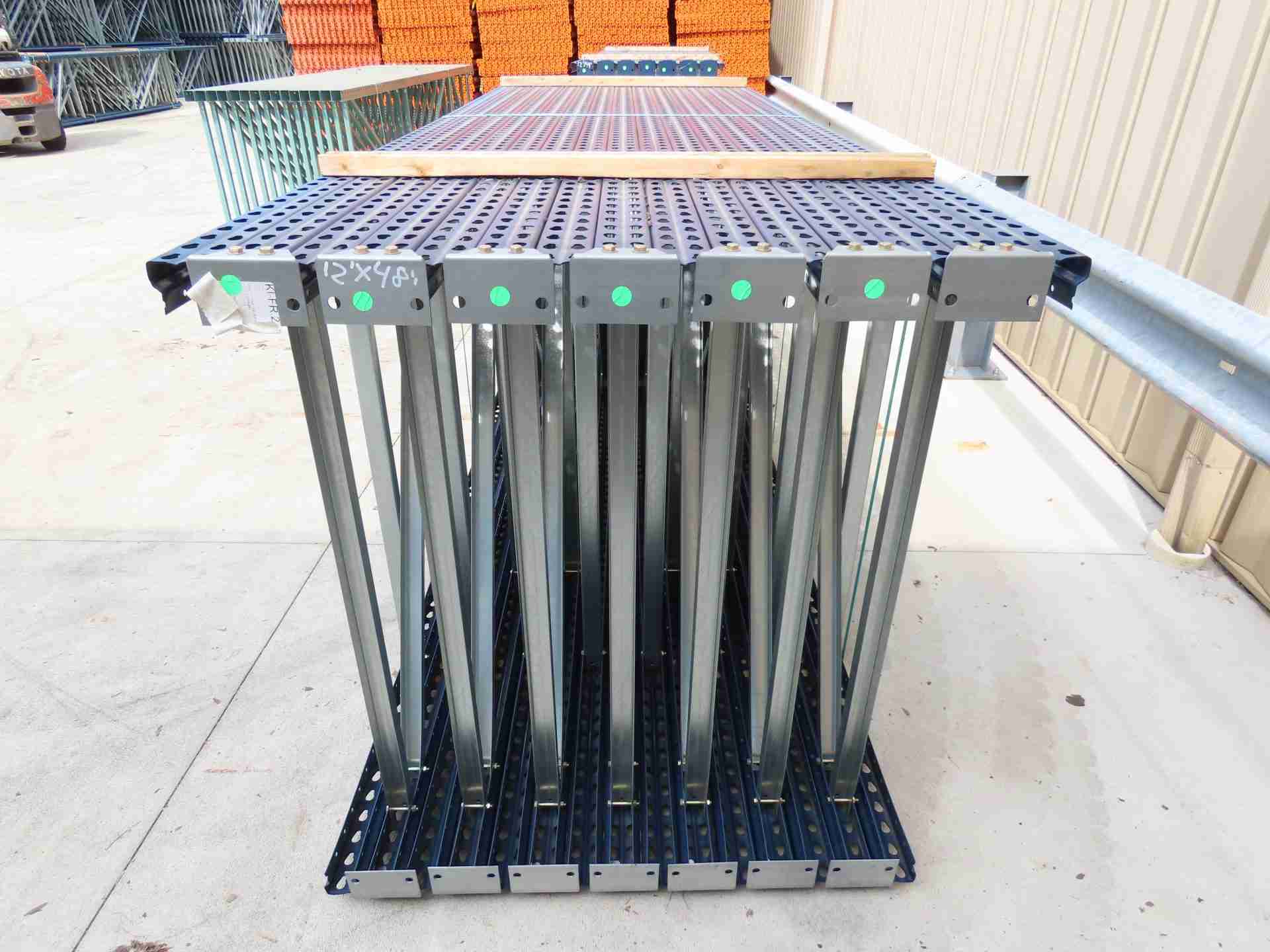
The Science Of Logical Storage Placement
The Science Of Logical Storage Placement
- Warehouses can appear chaotic, but effective storage reveals hidden order.
- Racking systems are essential for efficient storage and access to goods.
- Thoughtfully designed systems facilitate quick retrieval, saving time and energy.
- Data-driven organization enhances inventory management based on demand and usage patterns.
- A coordinated storage space fosters teamwork and productivity among workers.
- A well-organized environment promotes safety and reduces accident risks.
- Logical storage placement nurtures trust and efficiency, enhancing collective purpose.

The Science Of Logical Storage Placement
Table Of Contents
- The Science Of Logical Storage Placement
- What Inspires You to Optimize Your Storage Solutions?
- How Does Clutter Affect Your Mental Well-Being?
- Have You Considered the Efficiency Of Your Storage Layout?
- What Are the Emotional Impacts Of Disorganized Spaces?
- How Can Logical Storage Enhance Productivity In Your Life?
- Do You Believe Effective Storage Can Influence Decision-Making?
- Conclusion
- Other Resources
- Glossary Of Terms
- Other Questions
- Checklist
What Inspires You to Optimize Your Storage Solutions?
When you step into a space that’s cluttered, it hits a nerve. You can feel the chaos tugging at your mind, like trying to catch smoke with your bare hands. Now, picture walking into a well-organized room, where every tool and spare part finds its home. That’s the feeling that drives many folks to optimize their storage solutions. It’s not just about tidiness; it’s about reclaiming your space and your peace of mind.
In many shops and garages, racking systems stand as the unsung heroes. They provide structure where chaos once reigned. It’s a straightforward concept: when everything’s in its place, you can focus on the task at hand instead of wasting precious time searching for that one elusive wrench. Imagine the productivity boost—a few minutes saved here and there adds up, making space for the things that truly matter, whether it’s spending more time with family or taking that much-needed break.
But let’s get real. There’s an ethical side to all of this too. By optimizing your storage, you’re not just easing your burden. You’re promoting sustainability and efficiency. Less wasted time means fewer resources squandered. When you invest in sturdy, reliable racking systems, you make a statement about quality and resilience in your work environment. These choices contribute to a culture of care—in your own life and in the lives of those around you.
Stories of success in storage optimization aren’t just shared; they’re celebrated. Every time someone finds an innovative way to repurpose a forgotten corner of their workshop, it becomes part of a larger narrative. The community thrives on these tales, relating to the struggle and celebrating the victories together. This is where the connection deepens. You’re not alone in your quest for order amidst the chaos; others have walked the same path and emerged with solutions that benefit everyone involved.
As you consider enhancing your storage solutions, think about that gut feeling. The satisfaction of a job well done, of seeing a space transformed from clutter to clarity, is unmatched. With racking systems, you’re not just arranging items; you’re cultivating a mindset of efficiency and pride in your work. So roll up your sleeves, take a breath, and get ready to optimize your space. It’s time to make that clutter work for you, not against you.

What Inspires You to Optimize Your Storage Solutions?
What Inspires You to Optimize Your Storage Solutions?
- Clutter creates chaos, affecting mental clarity and focus.
- Well-organized spaces with proper storage reclaim peace of mind.
- Racking systems provide structure and save time searching for tools.
- Optimizing storage promotes sustainability and efficiency.
- Investing in quality racking systems fosters a culture of care.
- Success stories in storage optimization build community and connection.
- Transforming clutter into clarity enhances satisfaction and productivity.

What Inspires You to Optimize Your Storage Solutions?
How Does Clutter Affect Your Mental Well-Being?
Clutter is more than just a messy room; it’s a sneaky thief that can chip away at your mental well-being. Think about it. When you walk into a space filled with disarray, it’s like stepping into a fog that clouds your mind. You might feel overwhelmed, and every little task seems like climbing a mountain. It’s not just an eyesore; it’s an emotional weight that leaves you feeling stuck.
Racking systems and organization solutions seem like a luxury, but they can be lifelines. They provide a structure that not only helps clear away physical clutter but also paves the way for mental clarity. Imagine a garage or a shed transformed from a chaotic dump into an efficient workspace where everything has its place. You don’t just see order; you feel it in your bones. That sense of control can ripple out into various aspects of life, boosting your confidence and relieving anxiety.
Emotionally, clutter can evoke feelings of shame and frustration. When you look around and see disorder, it’s easy to think you’re failing, that you’re not keeping up. But it’s vital to remind yourself that everyone struggles with clutter at some point. You’re not alone in this mess. By tackling your space one step at a time, you’re taking action—choosing to create an environment that promotes peace rather than chaos.
Rationally, research supports the link between clutter and increased stress. When your environment is organized, your brain can focus better, making decision-making a lot easier. It’s as if your mind can finally breathe. When you clear out the physical clutter, you’re simultaneously decluttering your thoughts.
Ethically, consider the message that clutter sends to your family and friends—it can create a sense of unease for them too. When we choose to create organized spaces, we’re fostering a welcoming environment that encourages connection. It’s about respect, for yourself and for others who share your space.
Everyone has a story about dealing with clutter. A neighbor might share how they transformed their home after finding the courage to clear out years of stuff. Those tales are powerful reminders that change is possible. So, if you’re feeling lost in a sea of clutter, remember it’s never too late to take a stand. Start small, grab a box or a bin, and dive in. Your mental well-being deserves it.
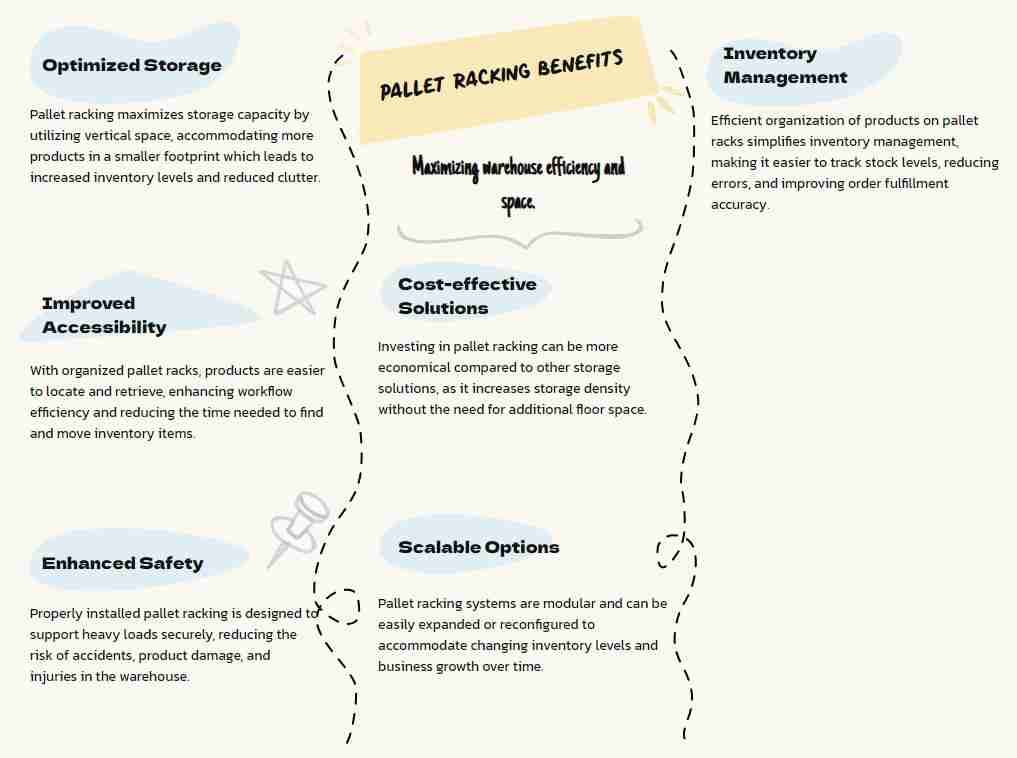
How Does Clutter Affect Your Mental Well-Being?
How Does Clutter Affect Your Mental Well-Being?
- Clutter negatively impacts mental well-being, creating feelings of overwhelm and emotional weight.
- Organization systems can help clear physical clutter and provide mental clarity.
- Order in living spaces can boost confidence and reduce anxiety.
- Clutter evokes feelings of shame and frustration, leading to a sense of failure.
- Research links clutter to increased stress, making decision-making more difficult.
- Creating organized spaces fosters a welcoming environment and respect for oneself and others.
- Personal stories of overcoming clutter illustrate that change is achievable, encouraging small steps toward organization.

How Does Clutter Affect Your Mental Well-Being?
Have You Considered the Efficiency Of Your Storage Layout?
When it comes to storage solutions, many folks overlook the importance of an efficient storage layout. A well-thought-out setup doesn’t just save time; it can save money and even ease your daily grind. Imagine walking into a space where everything is accessible as if it were laid out just for you. That’s not just a dream; it’s doable with the right racking systems.
Think of the last time you spent half the morning hunting for that one tool buried under a mountain of stuff. Frustrating, isn’t it? That’s where a well-planned layout comes in. It puts everything at your fingertips, allowing you to focus on the task at hand rather than the chaos. Efficient storage means finding what you need without losing your patience—especially when time is money in any business.
Now, let’s be real here. It’s not just about convenience; it’s a smart financial move. Utilizing racking systems maximizes vertical space, turning wasted areas into functional zones. The investment in quality racking systems pays off when you realize how much more you can store and how easy it becomes to manage inventory. You can serve your clients faster and keep your workflow smooth—no one likes to lose a sale because of disorganization.
On a deeper level, there’s an ethical element as well. Consider the environment and your community. An efficient storage layout reduces waste, which echoes a commitment to responsible management. When you organize better, you’re also contributing to a culture of efficiency and sustainability that can inspire others in the industry. Show them that thoughtful storage can lead to larger conversations about how we operate as a whole.
Most importantly, think about how this impacts your team. An intuitive layout fosters collaboration, morale, and productivity. Workers feel a sense of pride in their space when it’s easy to find tools and materials, and they know they’re part of something well-organized. It’s the simple things that build a solid workplace culture, and it starts with how you lay out your storage.
Engaging with your storage layout isn’t just about optimizing space; it’s about creating an environment that reflects who you are and how you want to operate. Take the time to reevaluate, and you’ll find that a well-designed storage strategy can be the backbone of success, paving the way for a better, more efficient operation.
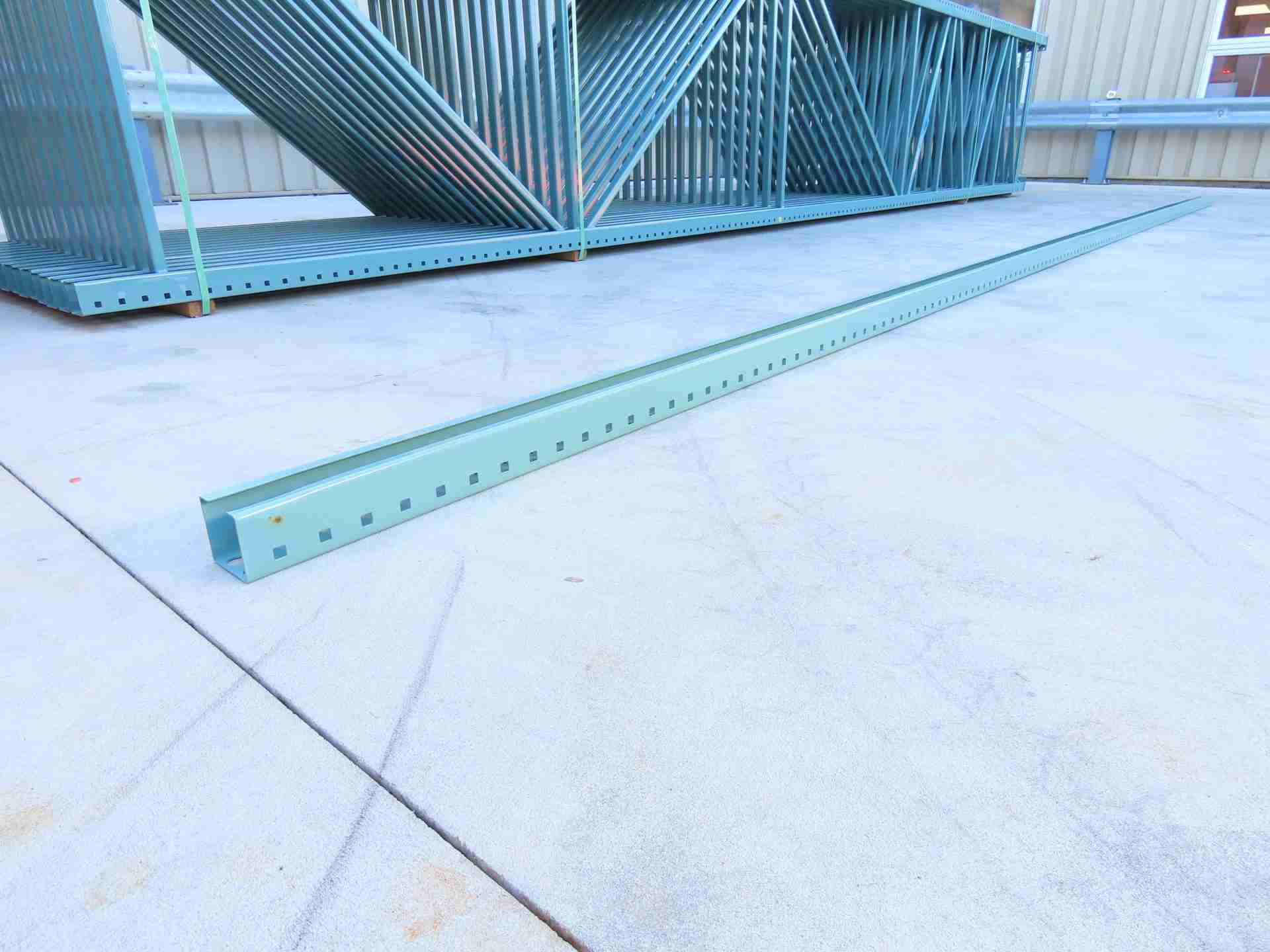
Have You Considered the Efficiency Of Your Storage Layout?
Have You Considered the Efficiency Of Your Storage Layout?
- Efficient storage layouts save time, money, and reduce daily stress.
- A well-planned layout increases accessibility and helps maintain focus.
- Using racking systems maximizes vertical space and improves inventory management.
- Investment in quality racking enhances client service and operational efficiency.
- Organized storage contributes to environmental sustainability by reducing waste.
- An intuitive layout boosts team morale, collaboration, and productivity.
- Reevaluating storage strategies can lead to significant operational improvements.
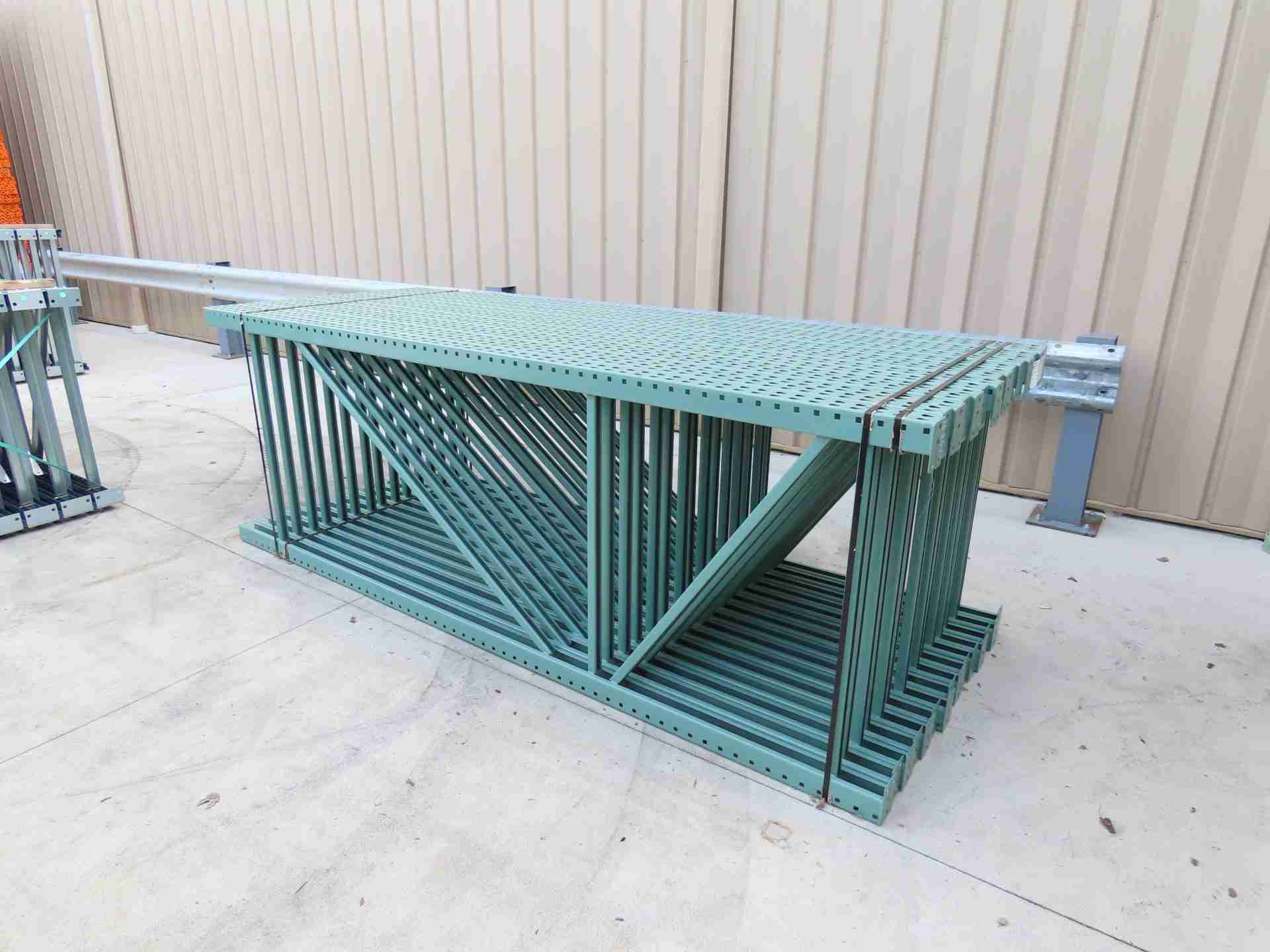
Have You Considered the Efficiency Of Your Storage Layout?
What Are the Emotional Impacts Of Disorganized Spaces?
Disorganized spaces can sneak up on us, like a slow leak in the roof that eventually floods the basement. When your environment is cluttered—overstuffed shelves, disheveled rooms, and messy racking systems—it doesn’t just mess with your belongings; it invades your mind and feelings. You might think that a little chaos is manageable, but let’s face it: living amidst the clutter can lead to feelings of anxiety and overwhelm. It weighs on the heart like a heavy stone, making it harder to breathe, to think clearly, and to focus on what truly matters.
From an emotional standpoint, a disorganized space can trigger stress. It brings visual noise that distracts from the important tasks at hand. If you glance around and see chaos, it can lead to a vicious cycle of procrastination. That mounting pile of things you’ve been meaning to deal with may not just look bad; it can chip away at your self-esteem. Rationally, the less we reign in our spaces, the more we feel we’re losing control over our lives. You could have the best intentions to tackle that mess tomorrow, but there’s a nagging voice in your head saying you’re not ready yet, just as your workspace mocks you with every dust-covered surface.
Ethically, we ought to take responsibility for our environments. A tidy space fosters respect— for ourselves and for those who share our homes or workplaces. It’s not just about hitting a reset button physically but also mentally and emotionally. When we keep our physical spaces organized, we create an inviting atmosphere for family, friends, or colleagues.
Think of it this way: a well-ordered space tells a story of care. It shows that you respect what you own, and it allows others to step into a narrative of comfort and ease. By sharing that narrative, we strengthen our bonds with those around us. There’s an authority in simplicity; a clean, clear visual field allows us to focus on the important stuff—our relationships, our work, and our passions.
So, take a moment and imagine how it would feel to step into a space where everything has a place. It’s more than just aesthetics. It’s about reclaiming peace of mind. Go ahead, take that first step. Declutter a little, find that rhythm, and watch how your heart, head, and gut come into sync. Racking systems might seem like a simple fix, but they could very well be the start of a transformation toward an organized life—one that frees you, energizes you, and connects you to a clearer path ahead.
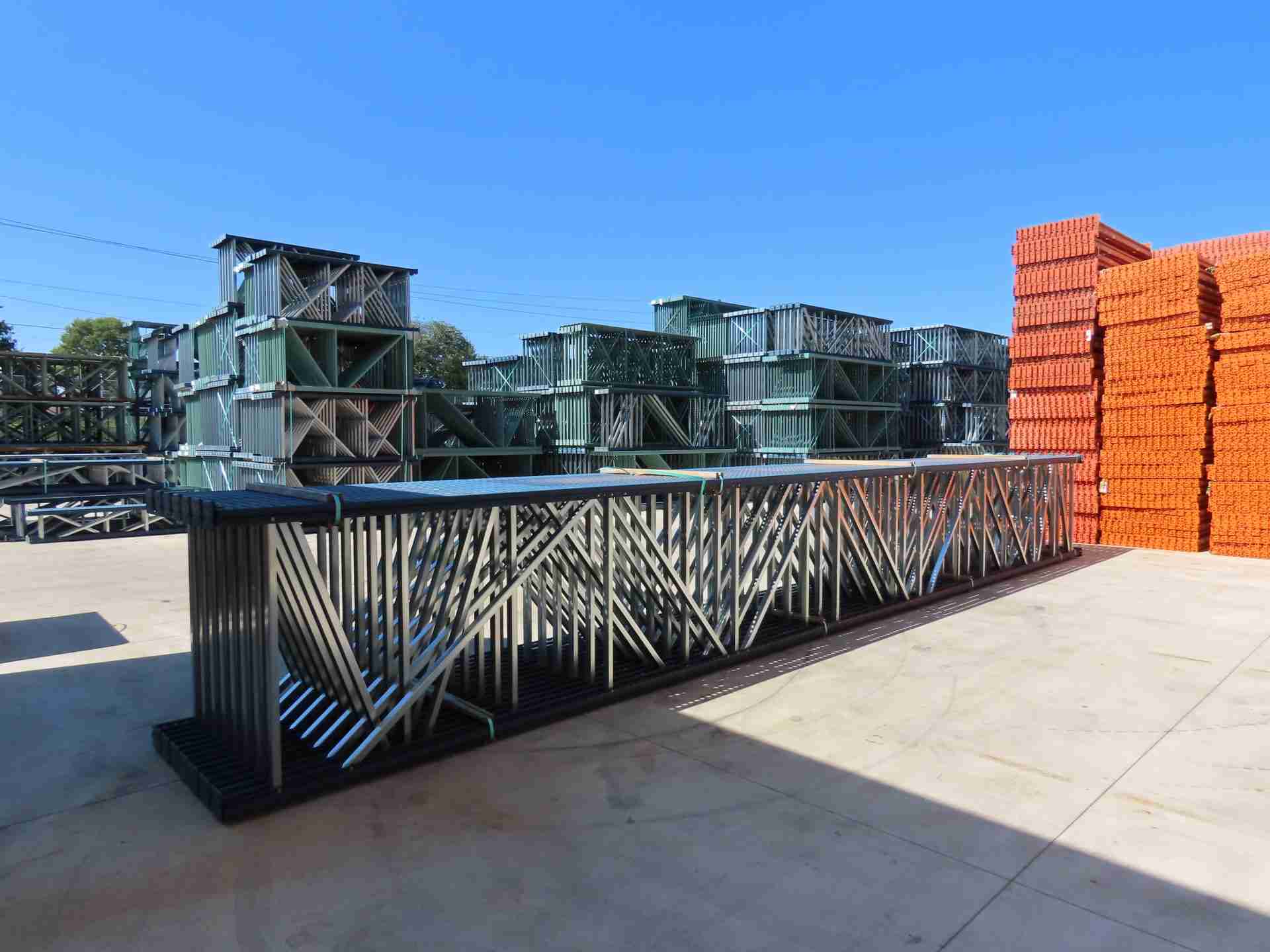
What Are the Emotional Impacts Of Disorganized Spaces?
What Are the Emotional Impacts Of Disorganized Spaces?
- Disorganized spaces create mental clutter and can lead to feelings of anxiety and overwhelm.
- A chaotic environment distracts from important tasks and can result in procrastination.
- Clutter can negatively impact self-esteem and a sense of control over one’s life.
- Maintaining an organized space fosters respect for oneself and others sharing the environment.
- A tidy space instills a narrative of care and comfort, strengthening bonds with others.
- Organized spaces enhance focus on relationships, work, and passions by minimizing visual noise.
- Taking steps to declutter can lead to a more peaceful, energized life and clearer pathways.

What Are the Emotional Impacts Of Disorganized Spaces?
How Can Logical Storage Enhance Productivity In Your Life?
Imagine stepping into your workshop or garage, surrounded by tools, materials, and projects in various stages of completion. It can feel overwhelming if everything’s in disarray. Now picture the same space, but this time, everything’s organized. Racking systems cradle your tools, making every hammer, drill, and screw accessible with just a glance. When everything has a place, your mind can focus on the task at hand rather than hunting for what you need. This is the power of logical storage.
Racking systems aren’t just a luxury—they’re a lifeline for productivity. In our fast-paced world, time is precious. Every minute spent searching for that missing wrench or redoing a job because of misplaced materials chips away at your day. By harnessing the art of storage, you can reclaim that time and redirect it towards what truly matters—creating, fixing, or even relaxing with family and friends. It’s about cutting through the chaos and making your environment work for you.
The emotional weight of living in clutter can sap your motivation. There’s something liberating about a clean, organized space. It invites clarity and inspires action. When everything’s in its rightful spot, it’s easier to dive headfirst into your projects without hesitation. You feel empowered, making that first cut or turn with confidence instead of frustration.
Ethically, organizing your space with effective racking systems promotes a mindset of respect—for your tools, your work, and even your home. This respect trickles down into how you approach your daily tasks and goals. With a little investment of time and resources into creating a logical storage system, you reflect a commitment to quality in every aspect of life.
Furthermore, sharing experiences with others about the ups and downs of organizing can create community bonds. Sharing your own trials with clutter while showcasing the triumph of an organized space can inspire a neighbor or friend to take on their own challenges, fostering a supportive environment where everyone can thrive.
Trust in the process, embrace the freedom that comes with being organized, and watch how your productivity skyrockets. Racking systems transform not just your space, but your approach to work, bringing purpose and passion back to your hands. It’s time to roll up your sleeves, tackle that clutter, and rediscover the joy of getting things done, all while making your life a little easier and a lot more fulfilling.
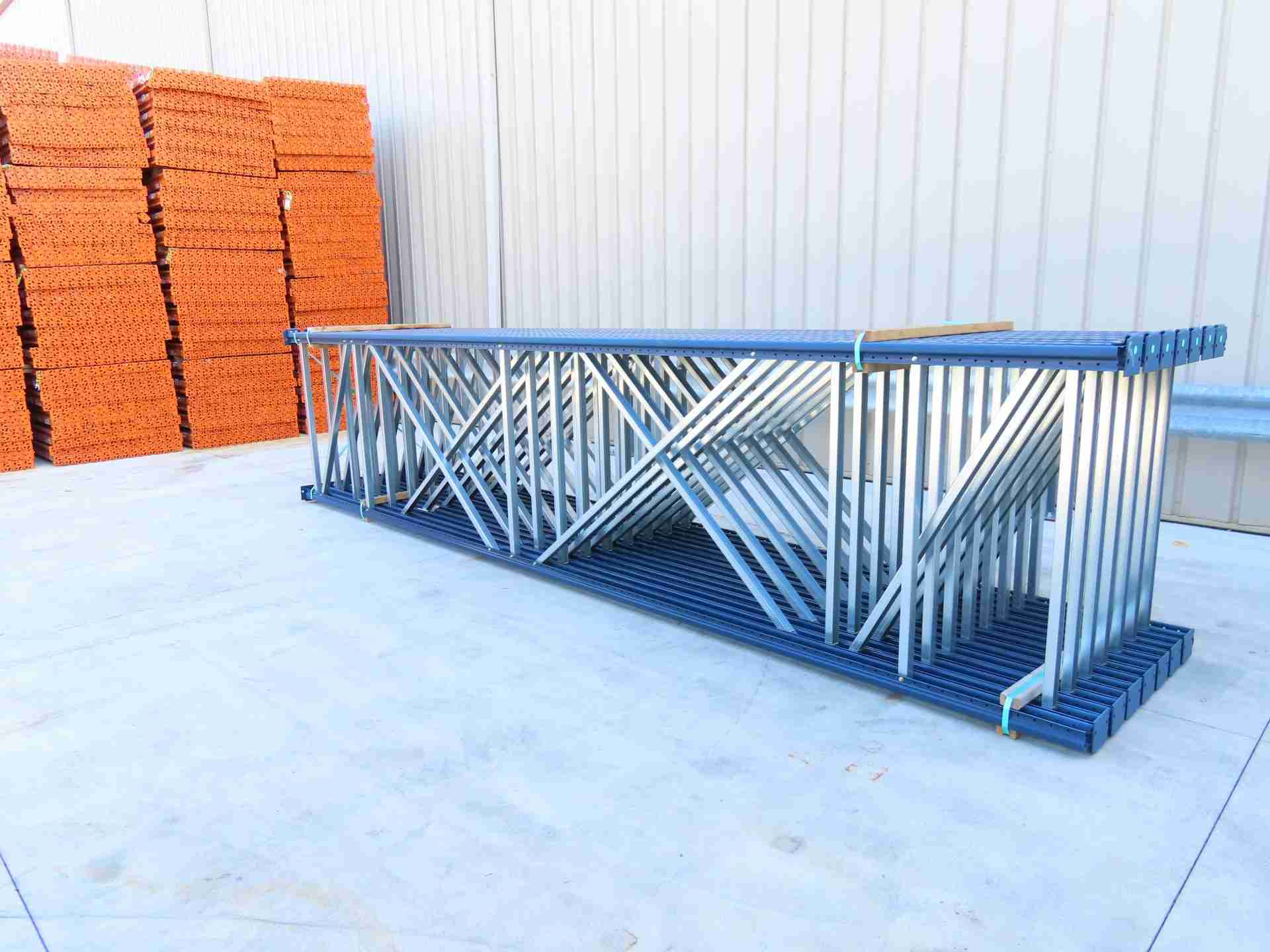
How Can Logical Storage Enhance Productivity In Your Life?
How Can Logical Storage Enhance Productivity In Your Life?
- Organized spaces enhance focus and productivity by providing easy access to tools and materials.
- Logical storage systems help reclaim time, allowing more moments for creating or relaxing.
- A clutter-free environment fosters motivation and inspires action.
- Respect for tools and workspace promotes a quality-driven approach to tasks.
- Investing in organization reflects a commitment to order in life.
- Sharing organizing experiences builds community bonds and inspires others.
- Embracing organization can transform both space and work approach, increasing fulfillment.

How Can Logical Storage Enhance Productivity In Your Life?
Do You Believe Effective Storage Can Influence Decision-Making?
Effective storage can profoundly influence decision-making, especially in environments where clarity and efficiency are paramount. Picture a busy warehouse, bustling with workers navigating narrow aisles, moving pallets with ease. It’s not just the products that flow smoothly; it’s how the entire operation is structured through well-designed racking systems. When goods are organized, accessible, and visible, decisions become instinctive. Workers know where to find what they need, leading to quicker responses and better outcomes.
But it’s not just about speed. Think about a storeroom crammed to the brim with disorganized boxes. The chaos breeds frustration, leading to second-guessing, delays, and a drop in morale. However, with effective racking systems in place, those boxes transform into an orderly display, each item easy to spot and retrieve. This clarity fosters a sense of trust. Decision-makers can rely on their team to locate and act on information without hesitation, bolstering confidence across the board.
Emotion plays a powerful role here, too. Familiarity breeds connection. When employees feel that their environment supports their work, they take pride in their roles and are more likely to engage deeply in their tasks. This engagement translates into strong teamwork and greater creativity in problem-solving. Stories of individuals turning their workplaces around by advocating for better organizational systems illustrate how this shift benefits everyone, ultimately leading to a unified goal—success.
Furthermore, there’s an ethical dimension to effective storage. It’s about respect for the time and effort of the workers. Providing them with the right tools to succeed, including proper racking, signals that their hard work is valued. This respect fosters loyalty and cultivates a sense of community among staff, creating an atmosphere where everyone feels they have a stake in the success of the operation.
As we witness ongoing challenges in supply chains and logistics, let’s remember that investing in the right storage solutions isn’t just a matter of efficiency; it’s a pivotal step in shaping a culture of trust and empowerment. Those racking systems aren’t just metal frames; they’re the backbone of effective decision-making, supporting teams to rise to the occasion, tackle challenges head-on, and achieve their goals with confidence. So next time you glance at a well-organized storage space, remember—it’s not just about what’s on the shelves; it’s about the people and decisions that drive a business forward.

Do You Believe Effective Storage Can Influence Decision-Making?
Do You Believe Effective Storage Can Influence Decision-Making?
- Effective storage enhances decision-making in clear and efficient environments.
- Well-structured racking systems allow for organized, accessible, and visible goods.
- Organized storage facilitates quicker responses and better outcomes for workers.
- Disorganization leads to frustration, delays, and decreased morale.
- A supportive work environment increases employee engagement and teamwork.
- Valuing workers’ time and effort fosters loyalty and a sense of community.
- Investing in storage solutions shapes a culture of trust and empowerment.

Do You Believe Effective Storage Can Influence Decision-Making?
Conclusion
Effective storage placement is an essential foundation for success in any workspace, acting as both a catalyst for productivity and a nurturing environment for employees. When you step into a cluttered area, it’s like entering a chaotic storm, mentally draining and overwhelming. Conversely, a well-organized space can feel like a breath of fresh air, inviting focus and clarity. Racking systems, the unsung heroes of storage, simplify access to necessary tools and materials, transforming an overwhelming task into a manageable one. This systematized approach saves not only time and energy but promotes a culture of efficiency where workers thrive.
On a rational level, smart storage strategies prioritize data and demand, ensuring that frequently used items are easy to find. This thoughtful organization minimizes wasted space and resources, ultimately enhancing workflow. The ripple effects of streamlined operations result in happier employees and content customers, reinforcing the importance of effective organization in driving business success.
Moreover, there’s a strong narrative that ties together team dynamics in an organized space. When everyone knows their role and where everything belongs, it fosters collaboration, trust, and joint effort. The emotional impact cannot be overstated; clarity in one’s environment nurtures mental well-being, reduces anxiety, and boosts morale. Sorting through clutter can feel daunting, but each small victory builds momentum and encourages a proactive mindset.
The ethical aspect highlights the commitment to safety and respect. An orderly environment reduces risks of accidents, showing workers that their well-being is a priority. Every time someone opts for logical storage solutions, they champion not just efficiency, but a sense of community, reinforcing a shared goal of creating a safe, welcoming space.
This journey doesn’t happen in isolation. Stories of shared struggles and triumphs in sorting and organizing spaces resonate within communities, inspiring collective change. That connection transforms personal victories into community celebrations, creating bonds among neighbors and colleagues.
Ultimately, logical storage placement is about far more than just keeping things tidy. It’s about fostering a spirit of collaboration, respect, and productivity. It’s the key to unlocking potential—not only easing daily tasks but also cultivating an emotional landscape where everyone feels valued and empowered. Embrace this mentality, and watch how it elevates your environment, making it a thriving space for all.
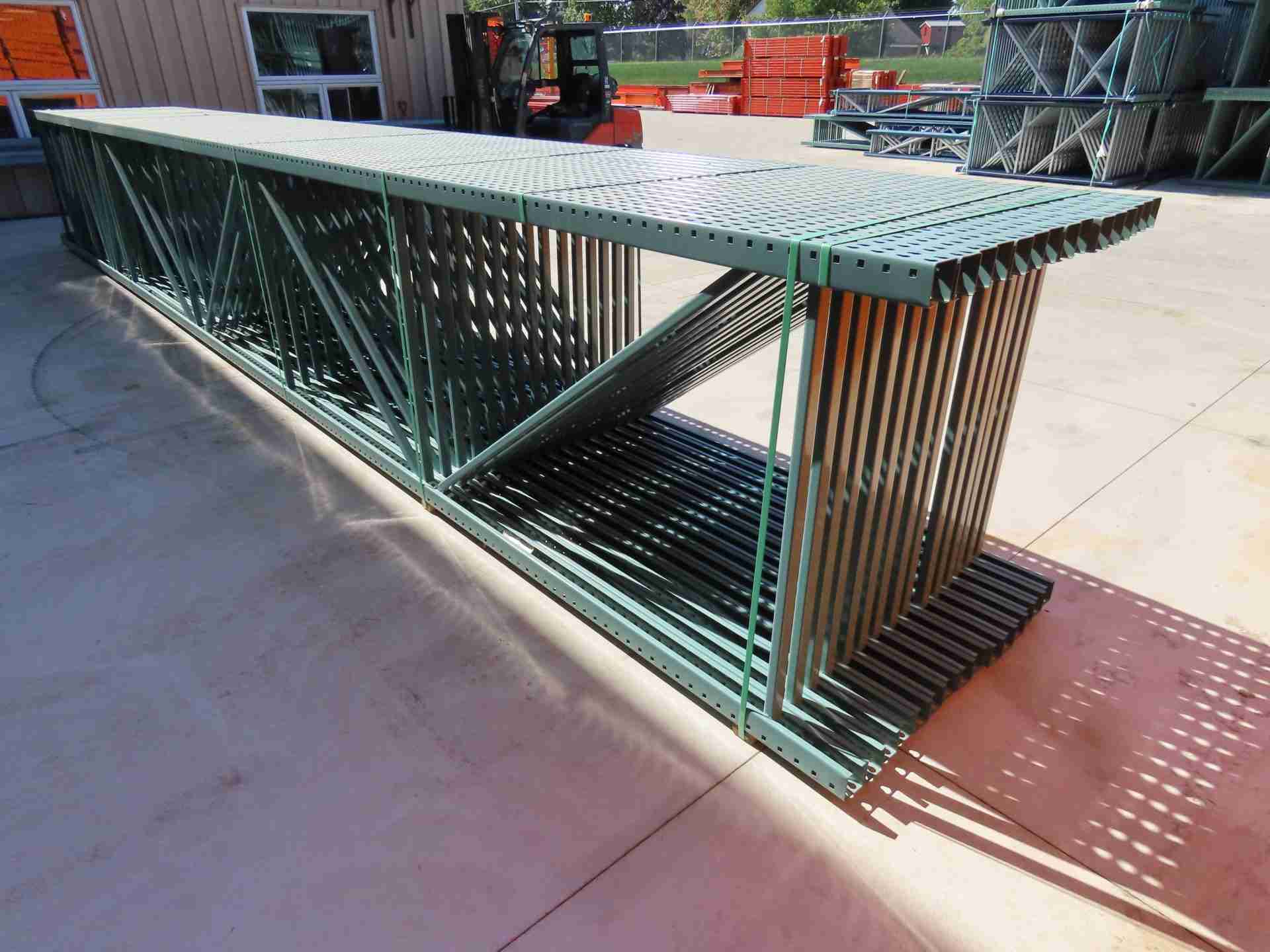
Conclusion
Conclusion:
- Effective storage placement is crucial for productivity in any workspace.
- A cluttered environment can be mentally overwhelming, while an organized space promotes focus and clarity.
- Racking systems improve access to tools and materials, making tasks more manageable.
- Smart storage strategies prioritize frequently used items, enhancing workflow and minimizing waste.
- An organized space fosters collaboration, trust, and boosts morale among team members.
- Orderly environments promote safety and well-being, reinforcing a sense of community and shared goals.
- Logical storage placement supports both daily tasks and emotional well-being, creating a thriving workspace.

Conclusion
Other Resources

Other Resources
Here is a list of other resources you can review online to learn more:
- Shipping Boxes, Packaging Materials, Pallet Racking
- Illinois
- Illinois Pallet Racking – WPRP
- Warehouse Racking System: Powerful Guide to Optimise, 2024
- Selective Racking
- Racking World
- Bradford Systems
- Warehouse Storage Racks
- Chicago Pallet Racking
- NSC
- Warehousing Education and Research Council: https://www.werc.org/
- CA Wire
- SEMA
- Interlake
- Cantilever Racking Specialists – Get the Right Racks
- IWLA
- Crane Manufacturers Association Of America Inc.
- Intro to Warehouse Racks & Warehouse Racking Systems – ShipBob
- Warehouse Storage Racking in Illinois
Use This Prompt To Get More Resources With Your Favorite Online AI Tool: Please provide me with a list of online articles with their URLs in a bulleted list that I can read regarding The Science Of Logical Storage Placement

Other Resources
Glossary Terms
The Science Of Logical Storage Placement – Glossary Of Terms
1. Allocation: The process of assigning storage resources to various data or applications based on specific criteria.
2. Binary: A numbering system that uses only two digits, 0 and 1, crucial for computer data representation.
3. Cache: A hardware or software component that stores data so future requests for that data can be served faster.
4. Clustering: Grouping similar storage devices or data to improve access speed and efficiency.
5. Compression: The reduction of data size to save storage space and increase transmission speed.
6. Data center: A facility used to house computer systems and associated components for storing data.
7. Data redundancy: The storage of the same data in multiple locations to prevent loss and increase availability.
8. Deduplication: A process that eliminates duplicate copies of data to save storage space.
9. File system: A method and structure that an operating system uses to manage files on storage devices.
10. Fragmentation: The condition of having data spread out across a storage medium, leading to inefficiency.
11. IOPS (Input/Output Operations Per Second): A performance measurement used to benchmark storage devices.
12. Latency: The time delay between a request for data and the delivery of that data.
13. Load balancing: Distributing workloads across multiple storage resources to enhance performance and reliability.
14. Mirroring: Creating an exact copy of data on a secondary storage device for redundancy.
15. NAS (Network Attached Storage): A file-level storage architecture that allows multiple users to access and share storage resources.
16. RAID (Redundant Array of Independent Disks): A data storage virtualization technology that combines multiple physical disk drive components into one logical unit for improved performance and redundancy.
17. SAN (Storage Area Network): A dedicated network providing access to consolidated, block-level storage.
18. Scalability: The capability of a storage system to grow and manage increased demand without sacrificing performance.
19. Snapshot: A point-in-time copy of data that allows systems to restore to a previously saved state.
20. Storage virtualization: The abstraction of physical storage resources to improve manageability and utilization.
21. Throughput: The amount of data processed in a given time period, typically measured in bits per second.
22. Tiering: The practice of categorizing storage into tiers based on performance, cost, and access frequency.
23. Throughput: The maximum rate at which data can be transferred through a system.
24. Unstructured data: Information that does not have a predefined data model or is not organized in a pre-defined manner.
25. Usability: The ease of use and effectiveness of a storage system for the end user.
26. Virtualization: Creating a virtual version of a resource, such as storage, to optimize management and performance.
27. Write amplification: A phenomenon where the actual amount of data written is greater than the amount of data intended to be written.
28. Workflow: The sequence of processes through which a piece of information passes from initiation to completion.
29. Zoning: A method used in SANs to manage and allocate storage resources by segmenting the fabric into zones.
30. Encryption: The process of converting information into a code to prevent unauthorized access, crucial for data security in storage.

Glossary Of Terms
Other Questions
The Science Of Logical Storage Placement – Other Questions
If you wish to explore and discover more, consider looking for answers to these questions:
- What types of racking systems exist and which is best for my space and inventory?
- How do I assess current storage needs and forecast future growth?
- How do I calculate load capacity and required safety margins for racks?
- What are the best slotting strategies based on item size, weight, and pick frequency?
- How should I design aisle widths and layout for different material-handling equipment?
- How can I minimize travel time and picking distance in my layout?
- What software tools (CAD, WMS, slotting tools) help optimize storage placement?
- How do I measure ROI and payback period for investing in racking systems?
- What are the typical upfront and ongoing costs of different storage solutions?
- How do racking choices impact worker safety and what regulations or standards apply?
- What inspection, maintenance, and repair schedules should racking systems follow?
- How should I train staff to use, maintain, and respect organized storage systems?
- How does improved storage layout affect employee morale, stress, and mental well‑being?
- What labeling, signage, and visual-management techniques improve usability?
- How do I balance efficiency with ergonomics and accessibility for different users?
- How do fire codes, building codes, and insurance requirements influence storage design?
- What sustainability practices apply to storage (materials, consolidation, lifecycle)?
- How should storage be adjusted for seasonal or fluctuating inventory levels?
- How can FIFO/LIFO and other inventory-rotation methods be implemented on racks?
- When is modular or reconfigurable racking preferable to fixed systems?
- How do I plan for scalability and future reconfiguration of my storage system?
- What KPIs should I track to evaluate storage performance and efficiency?
- How can automation (conveyors, AS/RS, pick-to-light) be integrated with racking?
- How do I protect stored goods from damage, moisture, pests, and theft?
- What common mistakes should be avoided when redesigning storage layouts?
- How can small workshops or home garages apply industrial racking principles affordably?
- How do I conduct a storage audit or ABC/XYZ analysis effectively?
- What ergonomic considerations determine shelf height, reach zones, and lifting practices?
- How should bulky, irregular-shaped, or hazardous items be stored safely?
- What special considerations apply for cold storage, humidity control, or chemical storage?
- How do I document, standardize, and enforce storage procedures and policies?
- What change-management steps help employees adopt new storage systems and habits?
- Where can I find case studies, before-and-after examples, or benchmarks for storage projects?
- How do I choose and evaluate reputable suppliers, installers, and design consultants?
- How do labeling and inventory systems integrate with ERP or warehouse-management systems?
- What emergency, evacuation, and spill-response considerations are tied to storage layout?
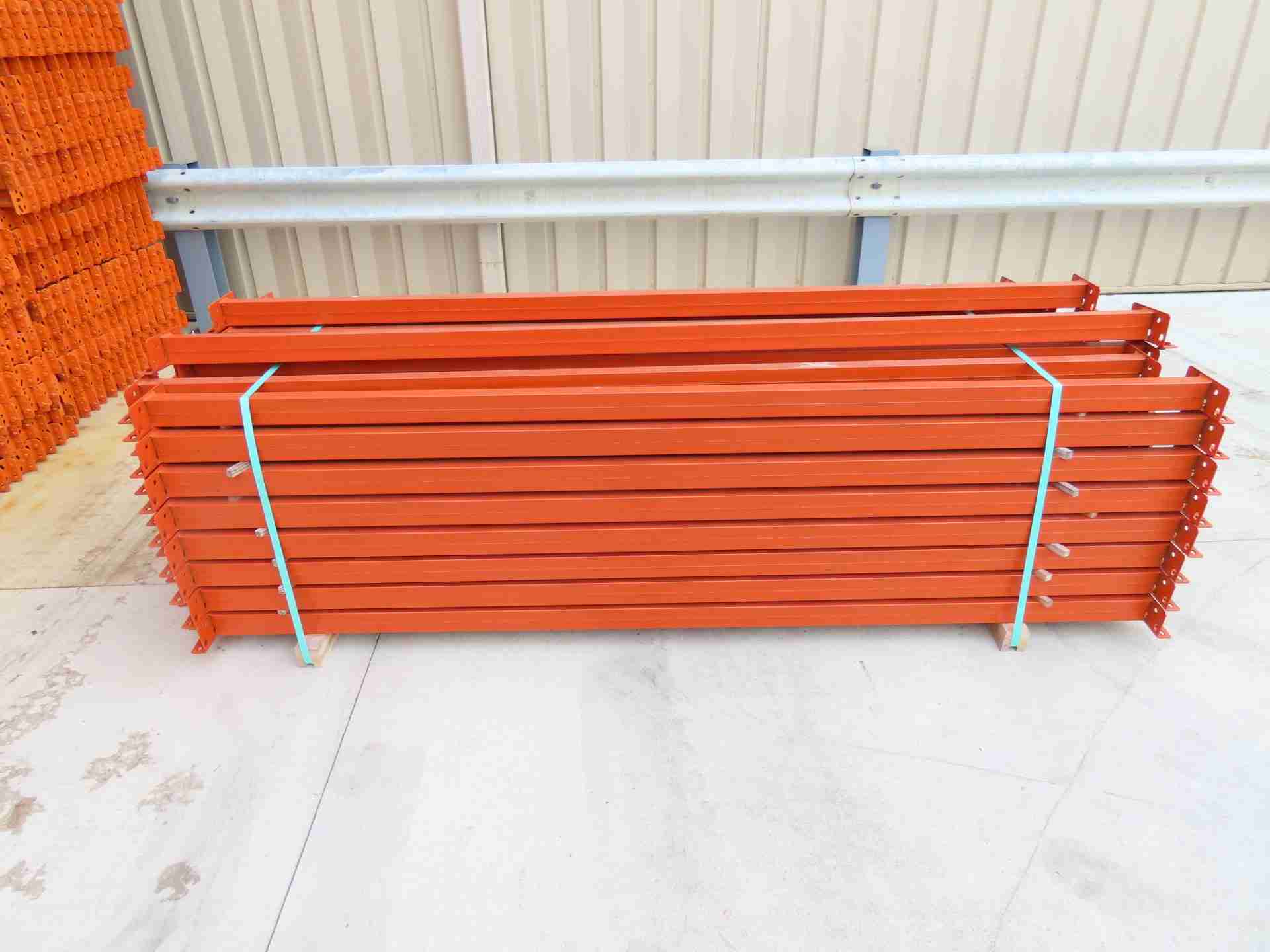
Other Questions
Checklist
The Science Of Logical Storage Placement – A Checklist
Planning and Goals
✅______ Define the purpose of the space (assembly, storage, kitting, shipping).
✅______ Identify success metrics (retrieval time, order accuracy, space utilization).
✅______ Establish budget and timeline.
✅______ Confirm regulatory and insurance requirements.
✅______ Document team roles and responsibilities.
✅______ Create a simple project plan with milestones.
Space and Inventory Audit
✅______ Measure floor area, ceiling height, obstructions, and doorways.
✅______ Map utilities, sprinklers, columns, and egress paths.
✅______ Sketch a current-state floor plan.
✅______ Catalog all SKUs/items with dimensions, weights, and handling needs.
✅______ Classify items by demand/velocity (ABC) and frequency of use.
✅______ Identify hazardous, fragile, or special-handling items.
✅______ Note seasonal peaks and storage fluctuations.
✅______ Identify current bottlenecks and travel hot spots.
Rack and Equipment Selection
✅______ Select rack types by need (selective pallet, cantilever, shelving, bin racks, pegboards).
✅______ Verify rack load ratings and beam capacities.
✅______ Plan vertical utilization within safe reach/heights.
✅______ Specify required aisle widths and equipment clearances.
✅______ Plan anchoring, seismic requirements, and floor load limits.
✅______ Assess need for mezzanines, overhead storage, or ceiling racks.
✅______ Procure totes, dividers, carts, and dollies matched to items.
Layout and Slotting
✅______ Position fast movers in the golden zone (waist-to-shoulder height).
✅______ Place heavy items low; place light items higher.
✅______ Group items by family, project, or process flow.
✅______ Create dedicated receiving, put-away, staging, packing, and returns areas.
✅______ Establish a quarantine/damage/hold zone.
✅______ Choose FIFO or LIFO and design shelves accordingly.
✅______ Optimize pick paths to minimize backtracking and congestion.
✅______ Ensure ergonomic reach and safe lifting angles.
✅______ Provide clear, unobstructed sightlines to key areas.
Labeling and Identification
✅______ Assign location codes (aisle-bay-level-position).
✅______ Label racks, shelves, and bins consistently.
✅______ Implement barcode or QR labels where practical.
✅______ Install floor tape/markings for zones and travel lanes.
✅______ Post a simple, up-to-date location map.
✅______ Standardize color-coding for categories or hazards.
✅______ Ensure label durability and readability.
Workflow and Inventory Control
✅______ Document SOPs for receiving, put-away, picking, packing, and shipping.
✅______ Set replenishment rules and min/max levels.
✅______ Implement Kanban cards or digital triggers for restock.
✅______ Schedule routine cycle counts and discrepancy resolution.
✅______ Define returns handling and reintegration process.
✅______ Establish kitting/build areas with dedicated supplies.
✅______ Align data (WMS or spreadsheet) with physical locations.
Safety and Compliance
✅______ Anchor racks and install end-of-aisle/post protection.
✅______ Post load plaques on racking.
✅______ Maintain clear aisles and emergency egress.
✅______ Preserve sprinkler clearance and fire code spacing.
✅______ Install back mesh/anti-fall protection where needed.
✅______ Implement safe ladder/step-stool access where required.
✅______ Schedule routine rack inspections and damage reporting.
Housekeeping and 5S
✅______ Sort: Remove obsolete, duplicate, or broken items.
✅______ Set in order: Assign every item a defined home.
✅______ Shine: Establish daily/weekly cleaning standards.
✅______ Standardize: Create visual standards and checklists.
✅______ Sustain: Schedule audits with owner accountability.
✅______ Designate a red-tag area for items under review.
Team, Culture, and Training
✅______ Train staff on SOPs, labeling, and location codes.
✅______ Assign zone ownership for upkeep and accuracy.
✅______ Schedule brief daily/weekly reset routines.
✅______ Collect team feedback on layout and pain points.
✅______ Recognize improvements and share wins.
✅______ Provide quick-reference guides at point of use.
Technology and Tools
✅______ Select simple tracking (spreadsheet) or WMS appropriate to scale.
✅______ Set up label printing standards and templates.
✅______ Equip the team with scanners or mobile devices (if applicable).
✅______ Integrate inventory data with purchasing/replenishment.
✅______ Back up critical data and document access rights.
Sustainability
✅______ Choose durable racks and reusable bins/totes.
✅______ Implement reuse/recycle streams for packaging.
✅______ Optimize travel paths to reduce energy and time waste.
✅______ Adopt LED lighting and task lighting where needed.
✅______ Consolidate SKUs and right-size packaging to cut waste.
Metrics and Continuous Improvement
✅______ Track pick/retrieval time and travel distance.
✅______ Monitor order accuracy and mis-pick rates.
✅______ Measure space utilization (vertical and floor).
✅______ Record stockouts, overstock, and shrinkage.
✅______ Log safety incidents and near misses.
✅______ Schedule monthly slotting reviews and seasonal re-slotting.
✅______ Run periodic improvement events to remove bottlenecks.
Home/Garage Adaptation (Optional)
✅______ Use clear bins, labels, and shadow boards for tools.
✅______ Add wall-mounted racks, pegboards, and ceiling storage.
✅______ Zone by activity (automotive, lawn, DIY, seasonal).
✅______ Keep everyday-use items at eye level and within easy reach.
✅______ Schedule quarterly cleanouts and donation drops.
Ready-to-Use Quick Start (Top 10)
✅______ Measure space and sketch a simple floor plan.
✅______ Rank items ABC by frequency of use.
✅______ Place fast movers in the golden zone.
✅______ Put heavy items low; keep aisles clear.
✅______ Label every location with a simple code.
✅______ Create receiving, staging, and returns zones.
✅______ Set min/max levels and a basic restock trigger.
✅______ Start daily 5-minute reset routines.
✅______ Track retrieval time and mis-picks weekly.
✅______ Review and re-slot monthly based on real usage.

Checklist
At RackingWorld, we help guide you through selecting warehouse storage systems and racking.
Be sure to read our other related stories at RackingWorld to learn more about warehouse storage systems.
0 Comments